Commuter Backpacks for College
Commuter backpacks for college are designed to make it easy to carry everything you need throughout your busy day on campus. Whether you’re heading to class, the library, or a study session with friends, these versatile backpacks help keep your essentials organized and accessible. With a range of sizes, styles, and colors available, finding the right fit for your daily commute and academic lifestyle is simple. Explore commuter backpacks for college that combine practicality with comfort, making each trip across campus more convenient.
Sort
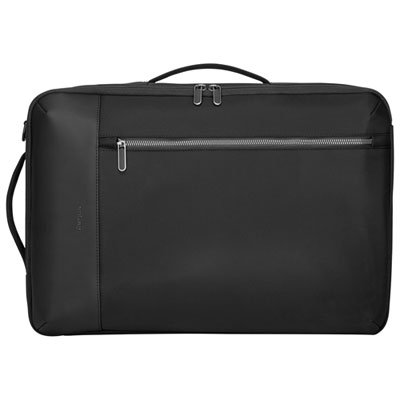
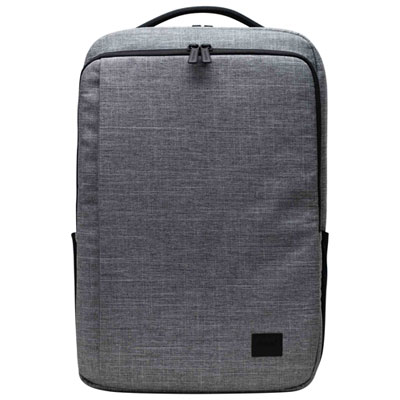
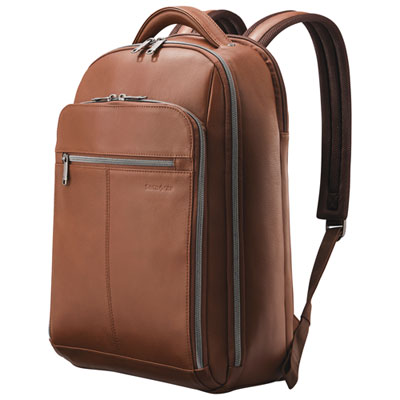
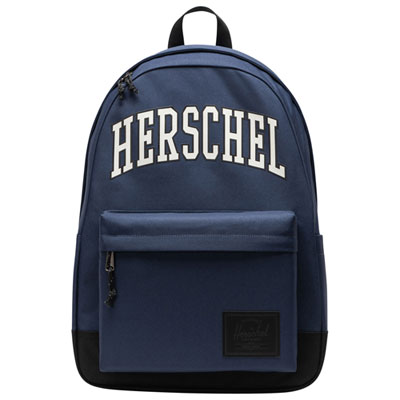
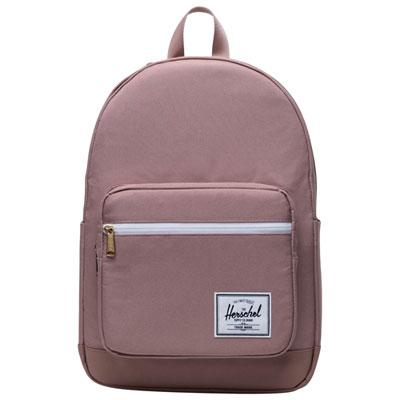
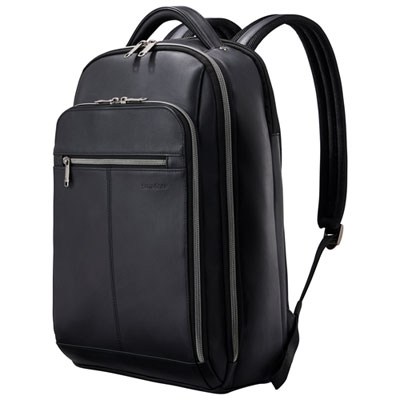
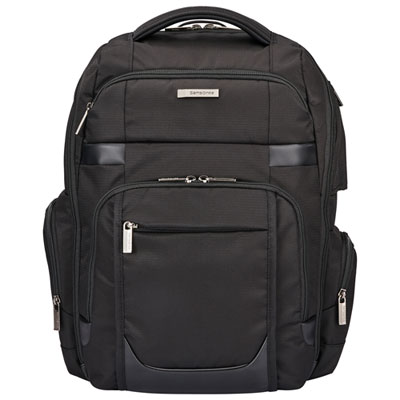
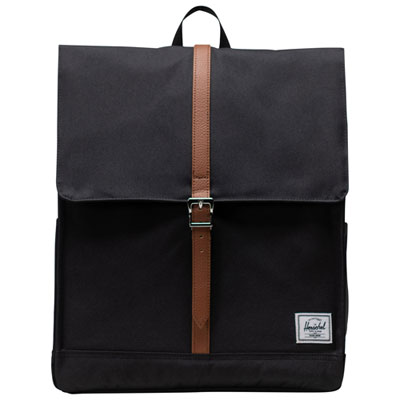
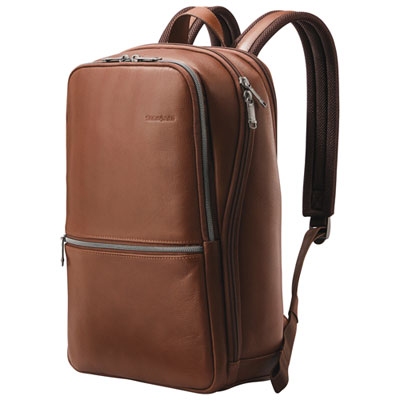
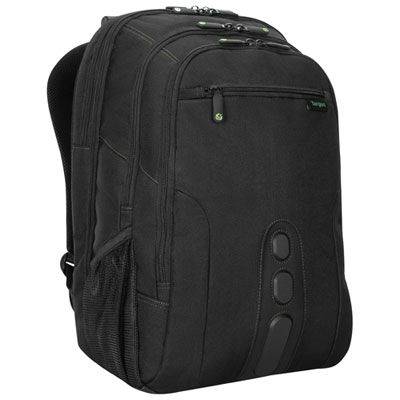
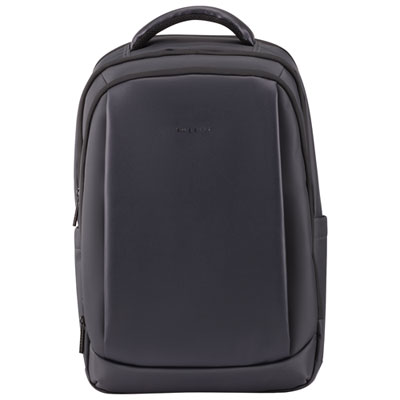
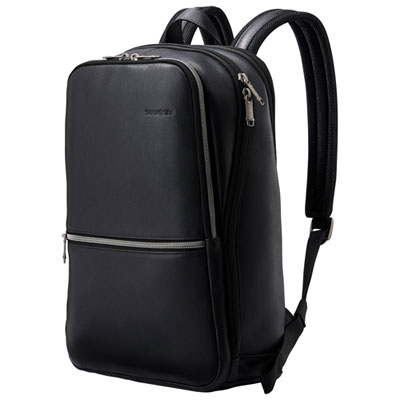
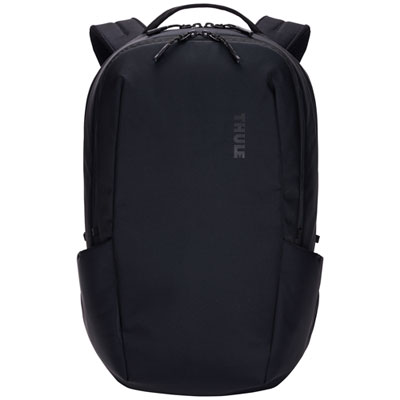

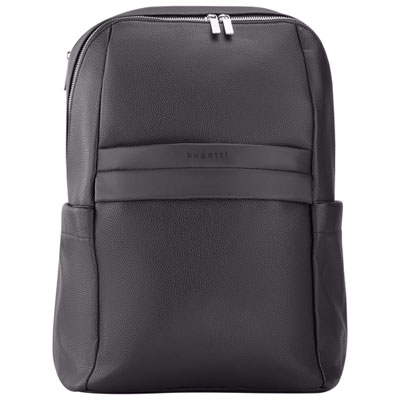
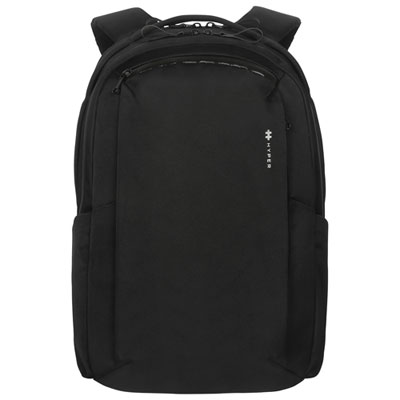
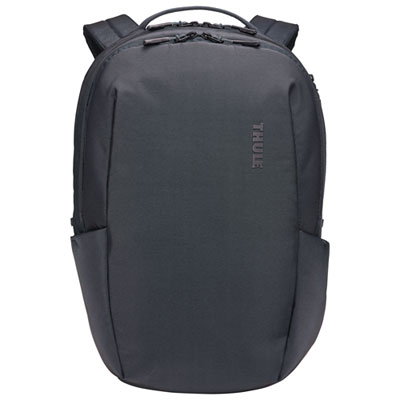
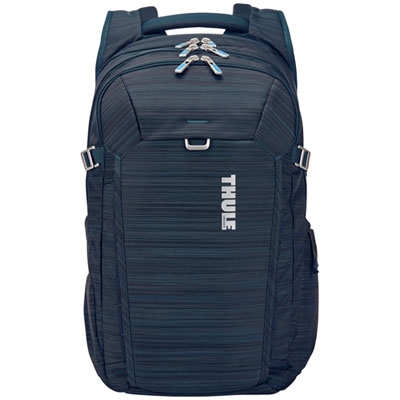
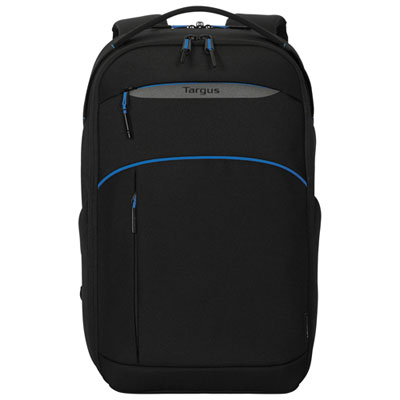
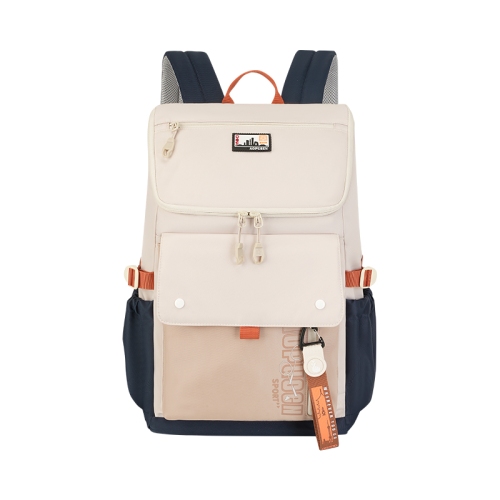
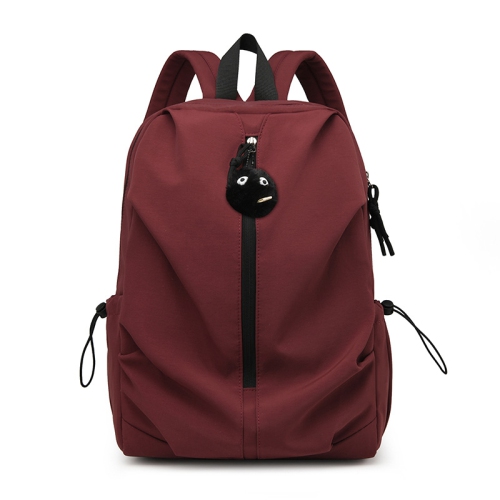
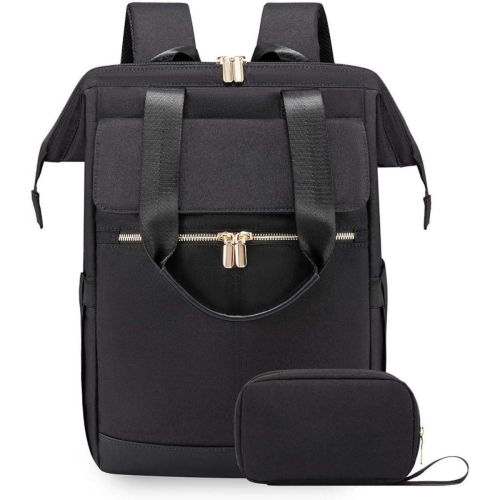
Room for coursework without crowding your commute
Commuter backpacks for college bring together the storage of a school bag and the practical details needed for travelling between home, campus and work. The most suitable size depends on what travels with the student: a laptop and a few notebooks take up much less room than textbooks, a packed lunch, lab supplies and a change of clothes. A capacity of around 20 to 30 litres is a useful reference point for many college routines, although compartment layout can matter as much as the stated volume. A deep main compartment accommodates larger books and lunch containers, while a slimmer profile is easier to manage on a crowded bus or beneath a lecture hall seat. For students who carry a computer, a dedicated padded sleeve helps separate it from other belongings. Laptop compatibility needs to account for the device’s actual width, depth and thickness, not just its advertised screen size; a protective case can also affect the fit. A suspended laptop compartment, sometimes described as having a false bottom, keeps the device above the base of the bag and can help reduce direct contact when the backpack is set down. Padding does not make a bag drop-proof, but it adds a useful buffer during ordinary handling. Separate spaces for a tablet, charger, calculator and pens keep smaller essentials from collecting underneath books. Students who switch between digital coursework and printed readings may appreciate a document section that holds papers flat without competing with the laptop sleeve. An internal pocket for a portable drive or earbuds can make those small but frequently used belongings easier to locate. Capacity is most useful when it matches a realistic class schedule rather than the largest possible load. Enough room for daily essentials, with a little flexibility for a library book or group project materials, often makes more sense than carrying a large bag that remains mostly empty. Wide openings and contrasting linings can also make the contents easier to see when retrieving a notebook between classes.
Fit becomes especially noticeable when a commute includes a walk to the station, a standing transit ride and several trips across campus. Adjustable shoulder straps help position the backpack close to the body, with the load sitting comfortably against the back rather than hanging low. Broad, padded straps distribute contact across the shoulders, while a structured back panel can keep the corners of books from pressing through. A sternum strap may help limit side-to-side movement on longer walks, though its position and adjustability matter more than its presence alone. For heavier loads, a supportive hip belt can transfer some weight away from the shoulders, but a substantial belt may feel unnecessary for a short trip with a light laptop and notebook. Backpack dimensions also affect comfort: the same capacity can feel quite different in a tall, narrow bag and a shorter, wider one. Carrying heavier belongings close to the back helps keep the load steadier, and compression straps can reduce shifting when the main compartment is only partly filled. Transit-friendly details tend to be small but noticeable in daily use. A sturdy top handle makes it easier to lift the bag from the floor, while secure bottle pockets help separate drinks from electronics. A front pocket can keep a transit pass within reach, although valuables are better placed in a zipped compartment that is less exposed in a crowd. Loose straps can be secured so they do not trail near doors, bicycle components or neighbouring seats. Students moving between lectures and a part-time job may also find Backpacks for Commuters relevant to a routine that extends beyond campus. Understated colours and simple shapes can suit both settings, while distinctive zipper pulls or an interior key clip add convenience without requiring a more formal bag. A separate compartment for gym clothing can be useful when classes and a workout share the same trip.
Materials and construction influence how a college commuter backpack handles repeated packing, crowded storage spaces and contact with floors. Nylon and polyester are common choices because they combine relatively low weight with resistance to everyday abrasion, though fabric quality, weave and construction vary. Canvas has a different texture and feel and may be heavier, while leather panels or trims can add structure and require their own care. Water-resistant fabric can help with minor splashes or spills, but it does not mean that seams, zippers or the entire backpack are waterproof. A securely closed bottle and a separate pouch for toiletries remain sensible ways to keep liquids away from coursework and electronics. Reinforced stitching at shoulder strap attachments and handles is particularly relevant because these areas take repeated strain. A reinforced base can also help where the bag regularly meets the floor. Smooth-running zippers, securely attached pulls and pocket openings that do not need to be stretched around their contents contribute to everyday durability. Care depends on the materials and the manufacturer’s directions: many structured backpacks are better suited to spot cleaning than machine washing, especially when they contain padding, coatings or leather details. Emptying crumbs, removing loose debris and allowing the interior to dry fully after cleaning help keep compartments ready for daily use. Damp gym clothing and food containers are best removed after the commute rather than left inside overnight. Overfilling can place unnecessary pressure on seams and zippers, so a bag that closes comfortably is more practical than one that needs to be forced shut. For a student beginning college, transferring to a new campus or starting a placement, a commuter backpack can also be a thoughtful gift when its size and layout reflect the recipient’s actual routine. Their laptop dimensions, preferred carrying style and usual course load are more useful clues than appearance alone. A well-matched backpack gives each frequently carried essential a workable place without adding unnecessary bulk to the journey.
Top selling and popular products
-
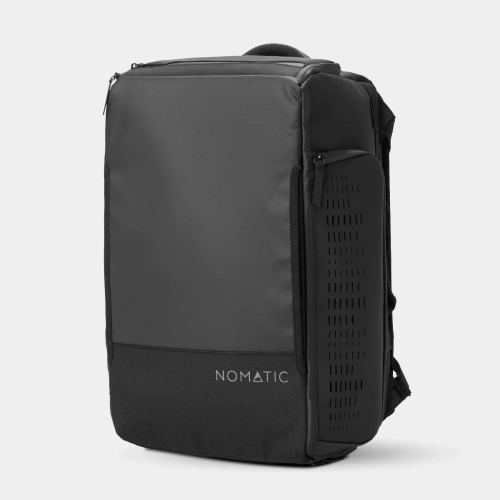 Your price for this item is $294.99
-
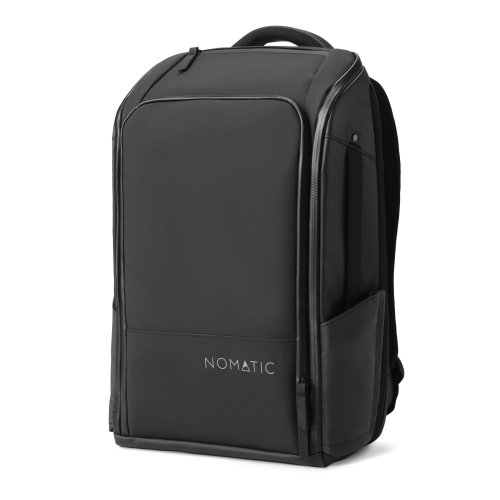 Your price for this item is $279.99
-
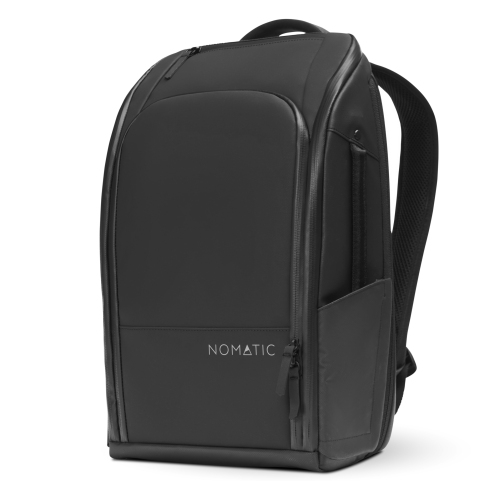 Your price for this item is $259.99
-
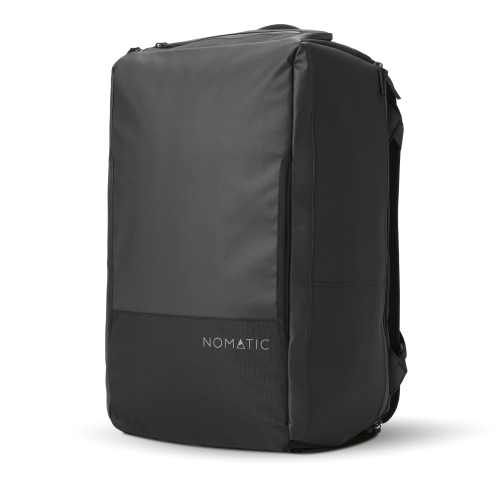 Your price for this item is $299.99
-
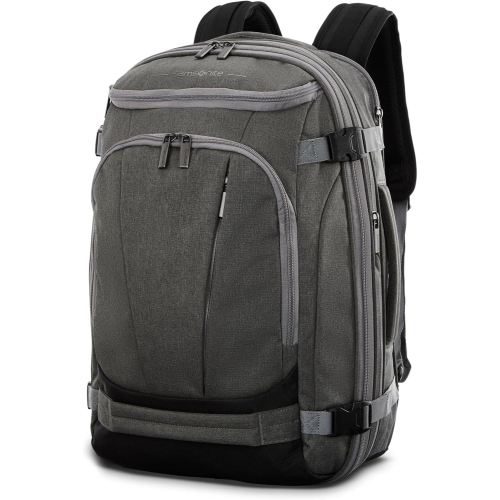 Your price for this item is $218.48
-
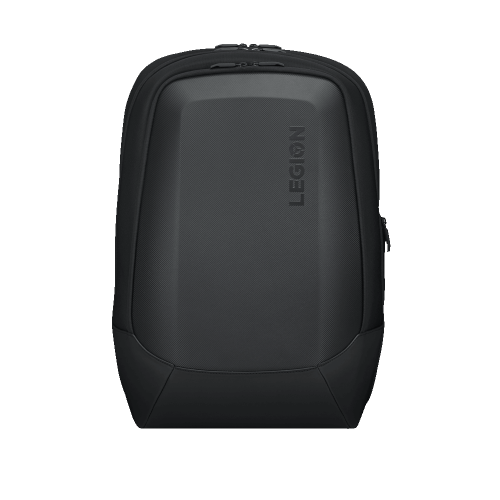 Your price for this item is $124.99
-
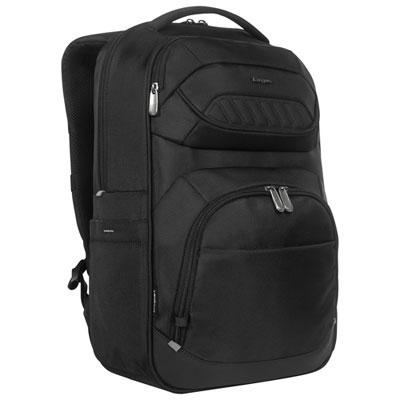 Your price for this item is $99.99
-
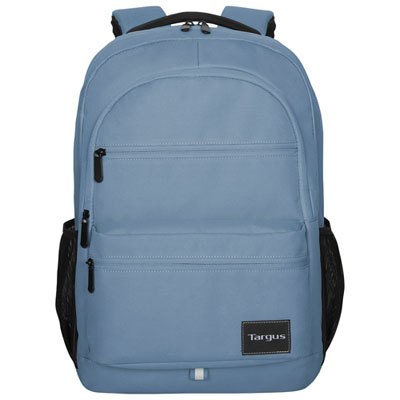 Your price for this item is $29.97
Discover more categories related to Commuter Backpacks for College

Top Collections:
Best Black Friday Deals This Year, Best Black Friday Deals On Electronics, Kindle Devices, Best Black Friday Deals On Apple Products, Best Budget Office Chairs, Best Cameras for Sports Photography, Dyson Airwrap, Canon G7X Cameras, Best Laptops for Writers, Samsung Galaxy Phones
Some products may be subject to Environmental Handling Fees
(EHF) depending on your province.
Learn more about EHFs.