Backpacks for Commuters
Whether you're heading to work, school, or just out for a day of exploration, having the right backpack can make all the difference in your daily commute. This collection of commuter backpacks offers a blend of style, functionality, and durability to meet your everyday needs. From sleek designs with ample storage for your laptop and essentials to ergonomic features for added comfort on-the-go, these backpacks are designed to keep up with your busy lifestyle.
Sort
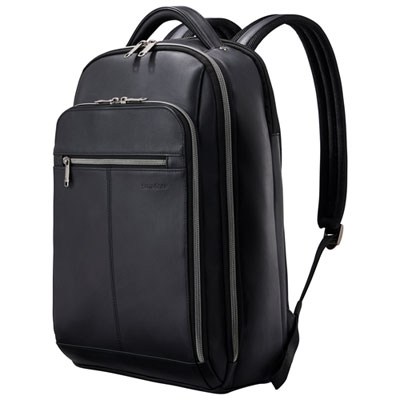
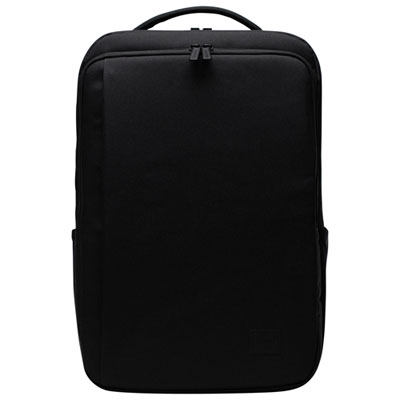
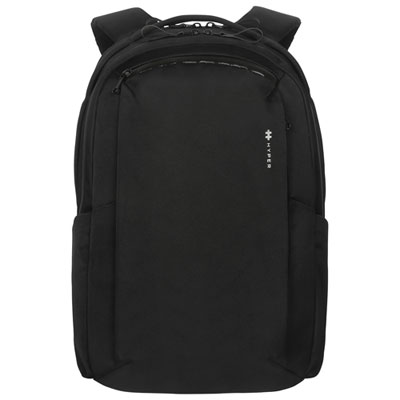
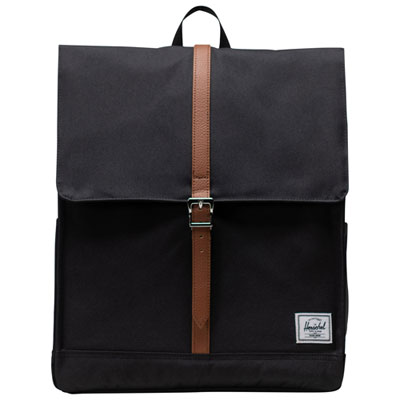



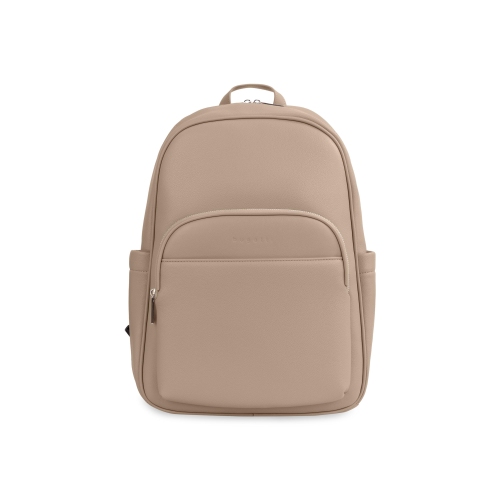
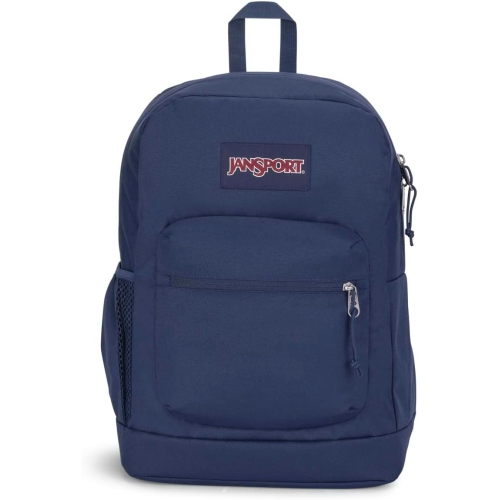
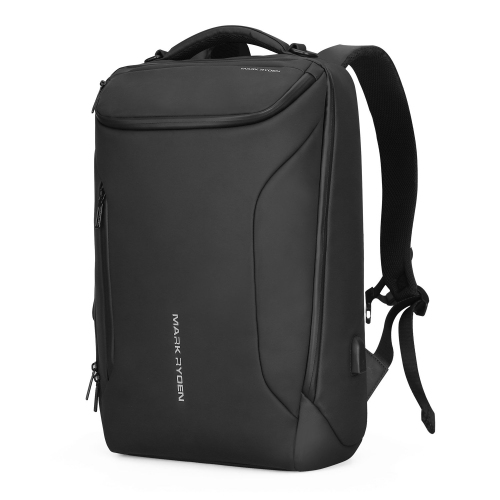
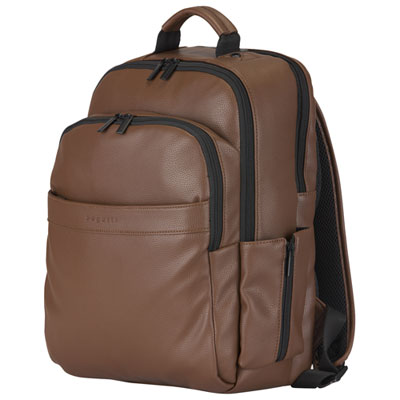
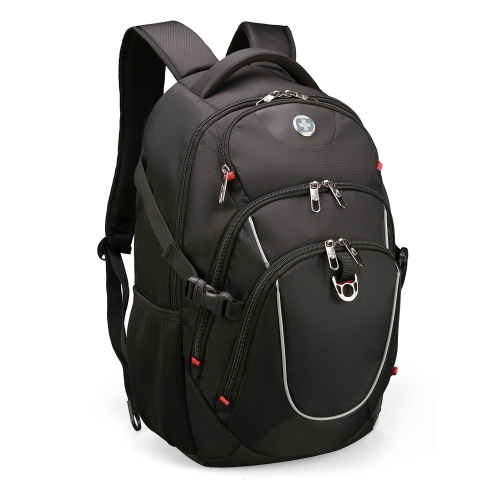
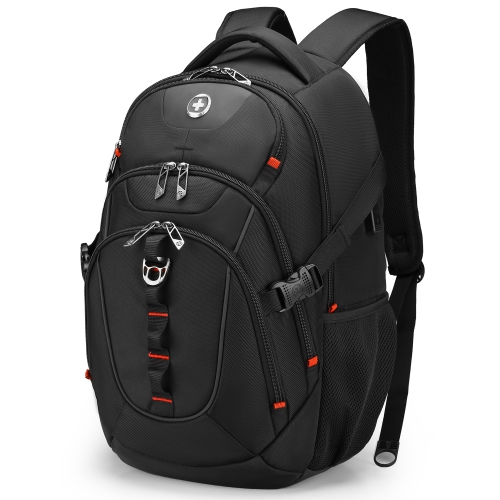
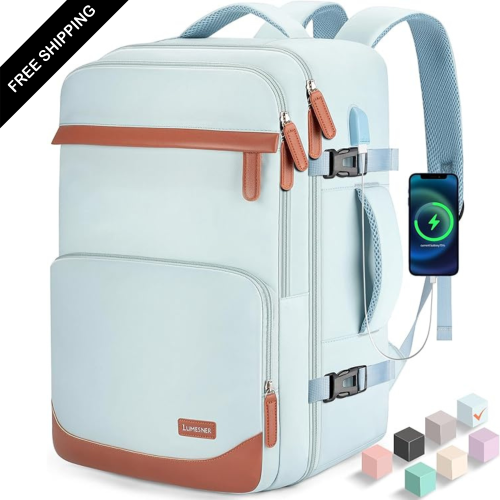
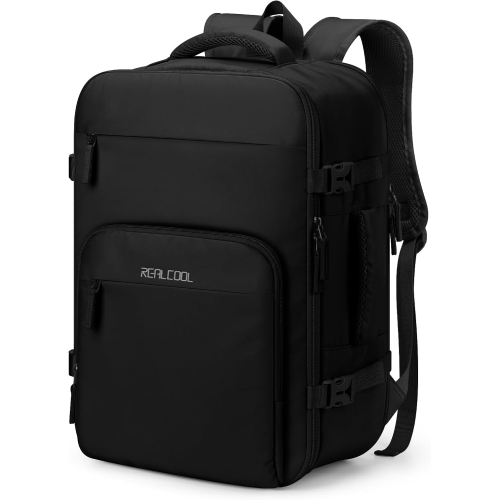
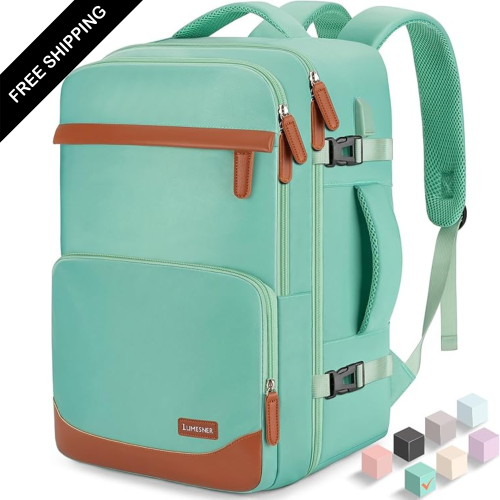
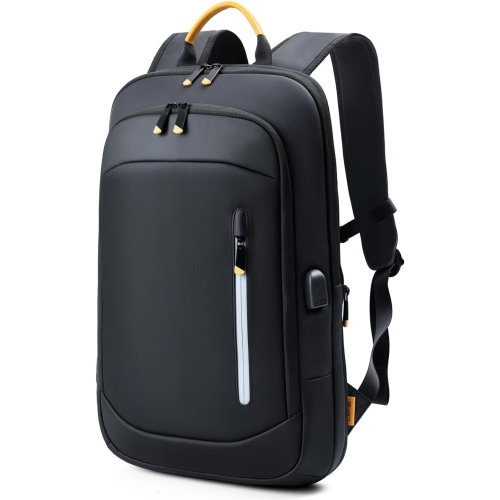
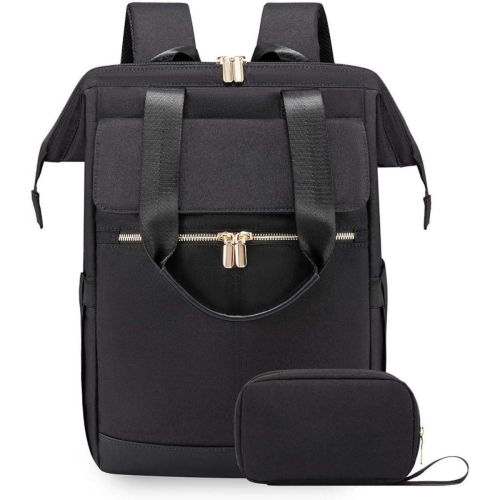
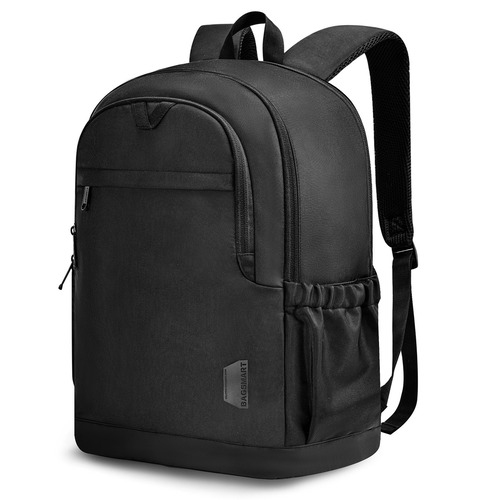

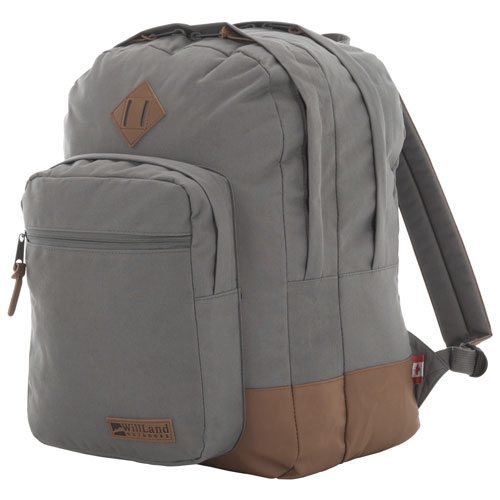
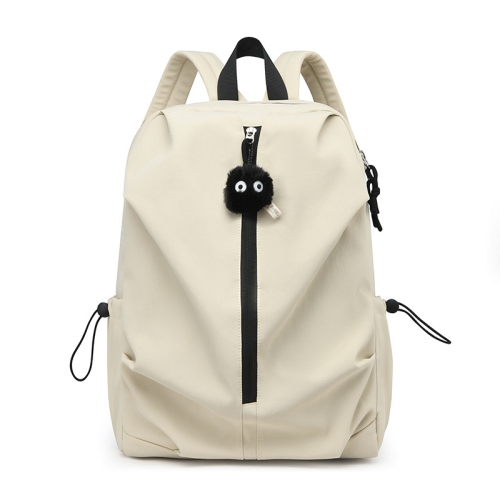
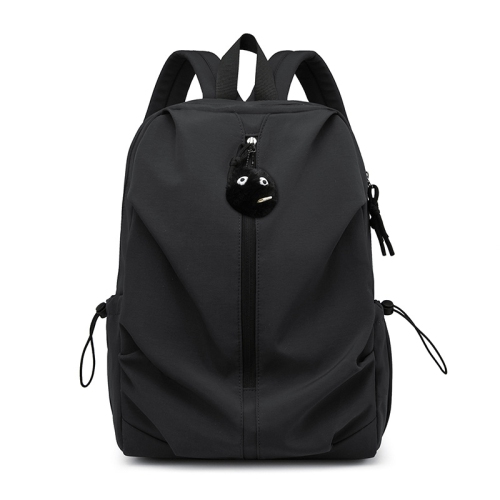
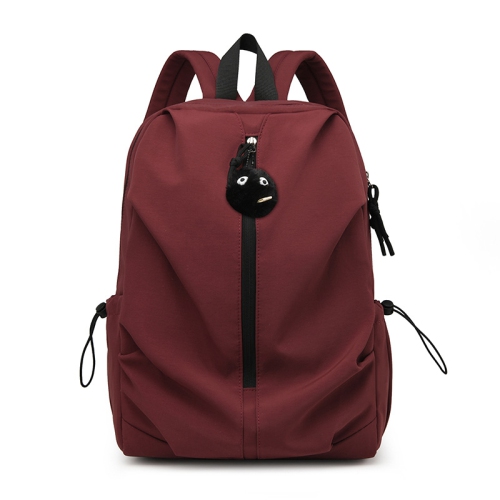
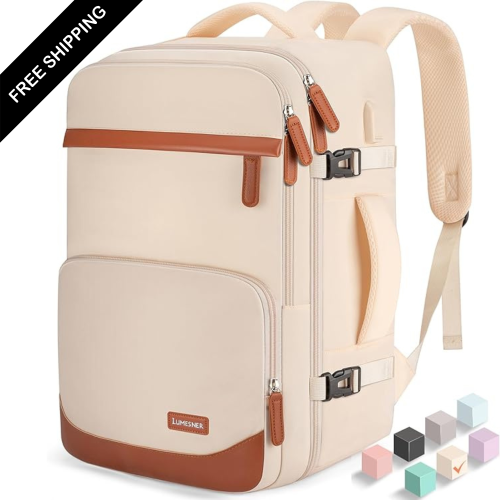
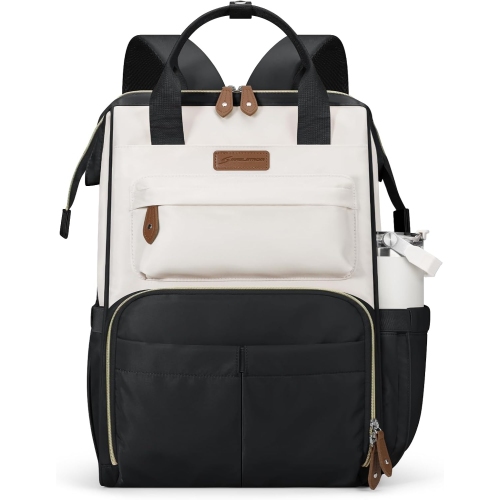
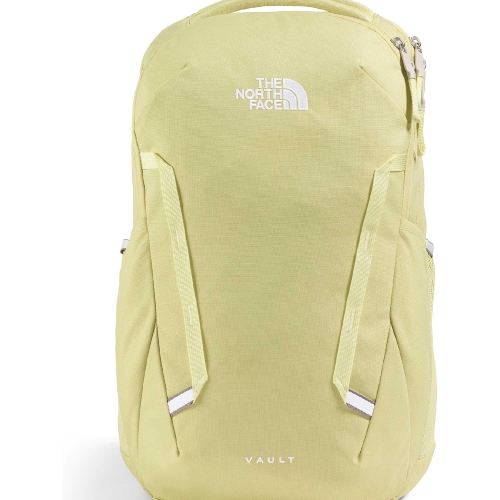
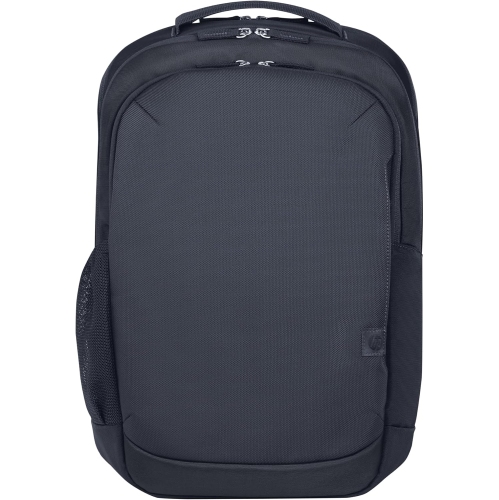


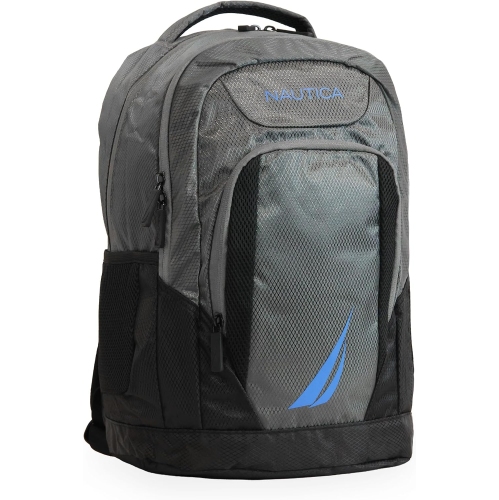

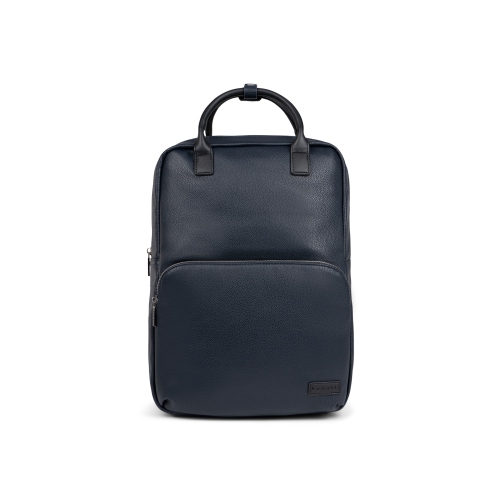

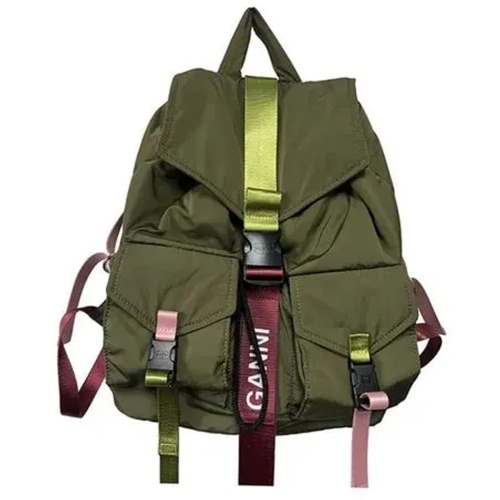
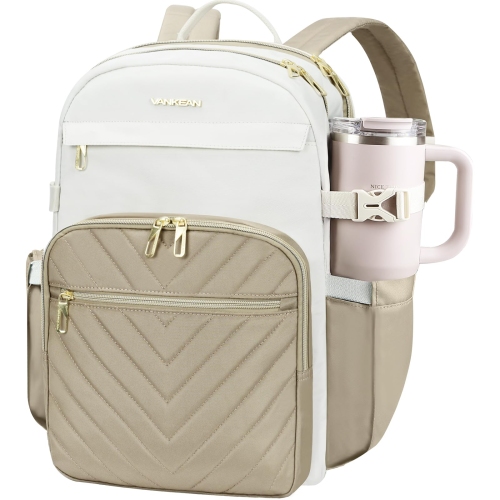
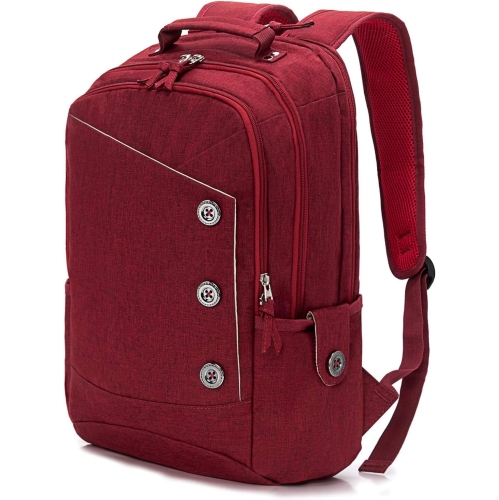

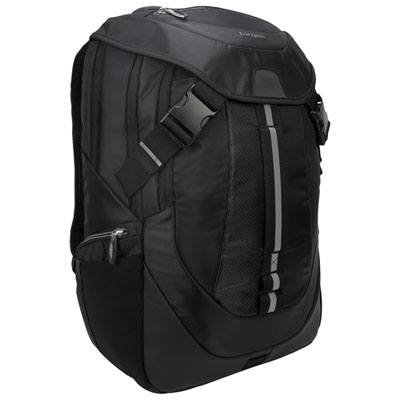
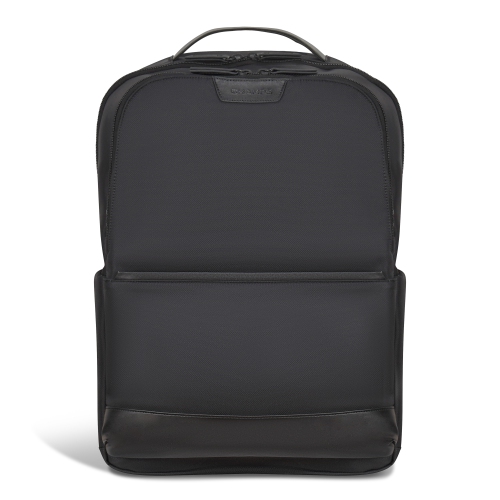

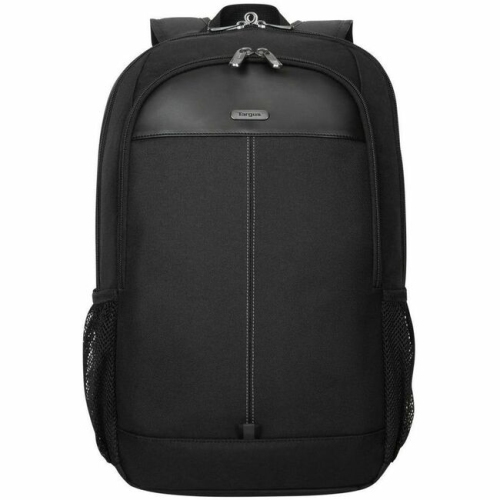
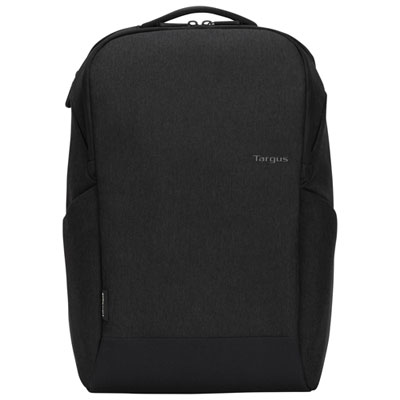
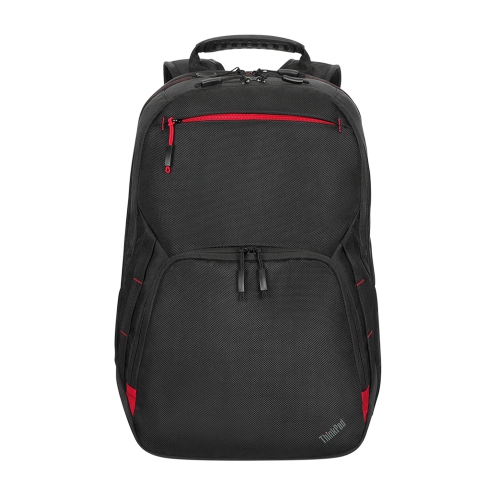
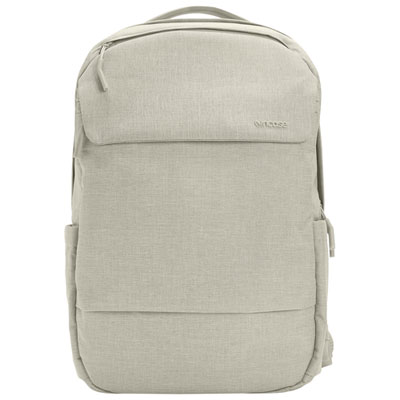
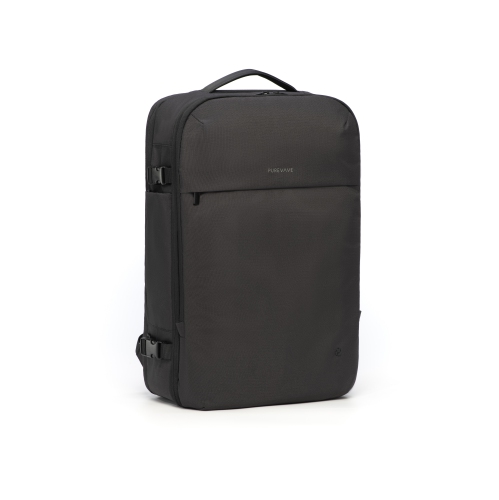





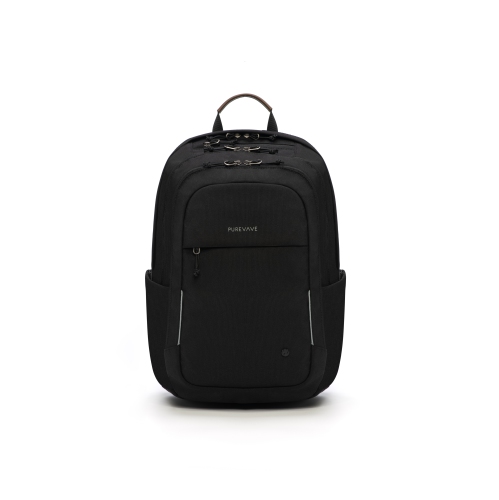
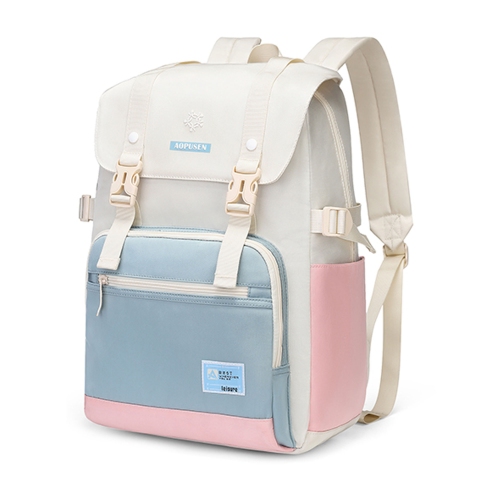
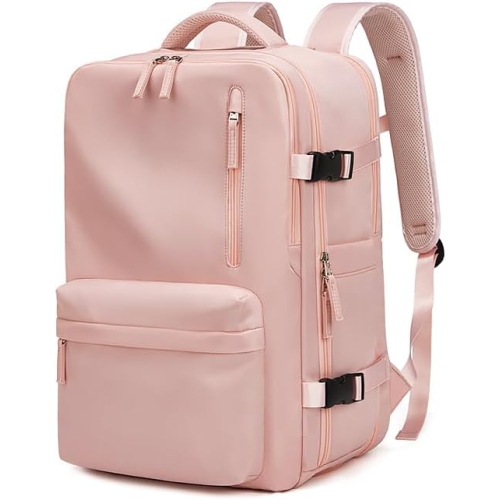
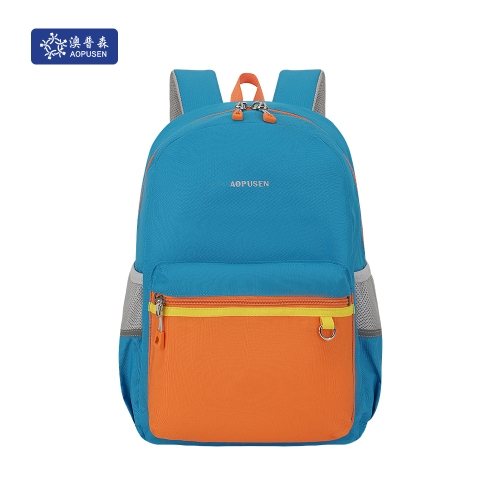
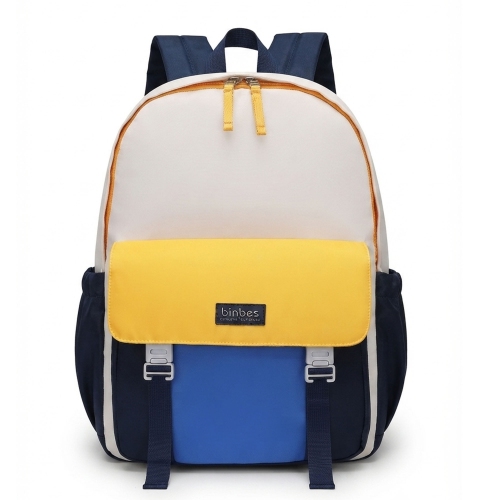
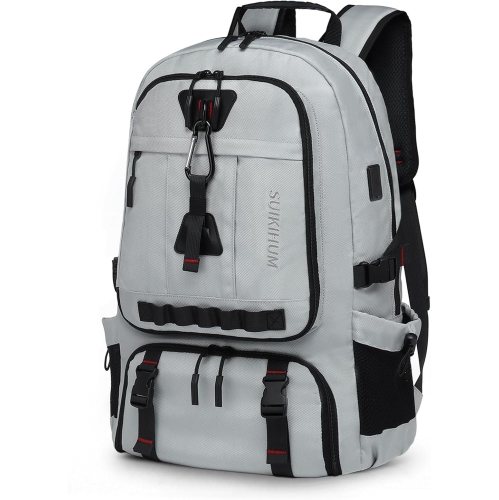
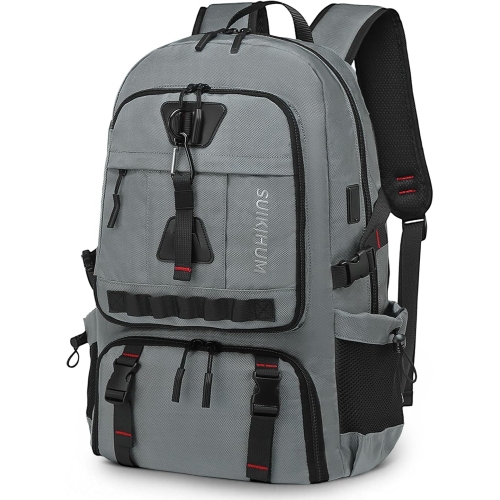
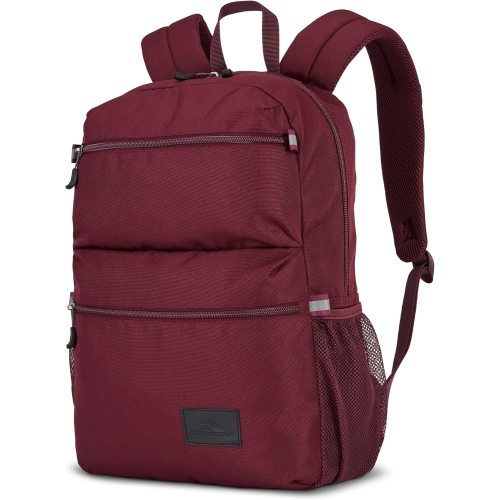

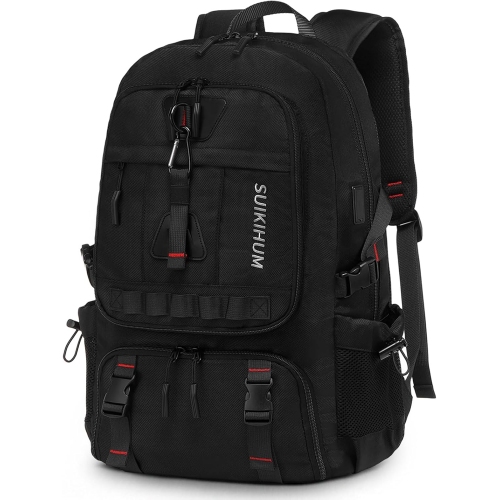
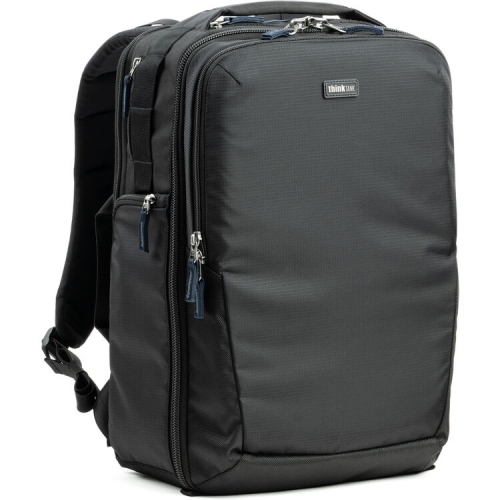
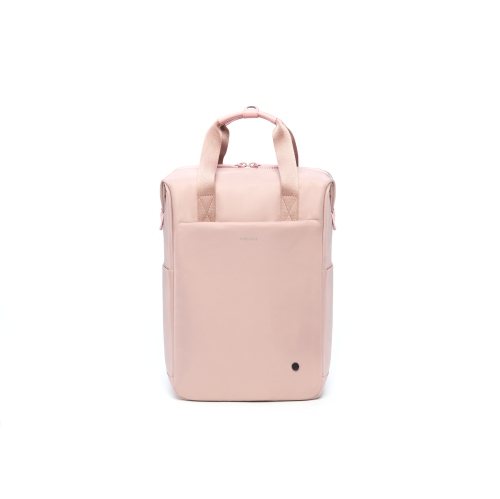
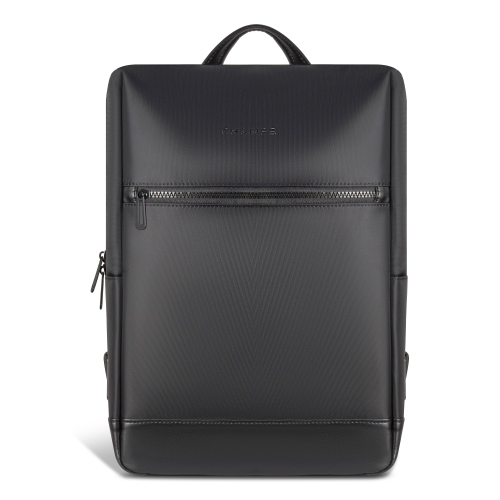
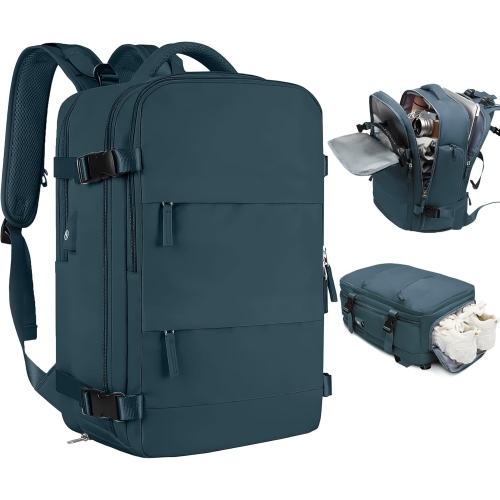
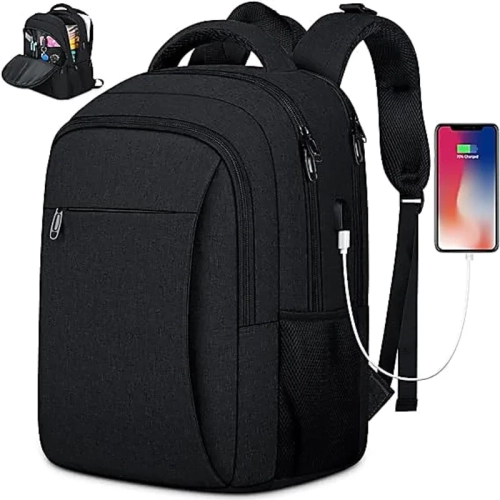
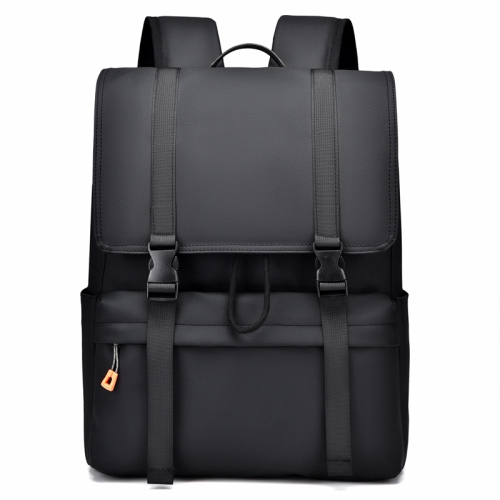
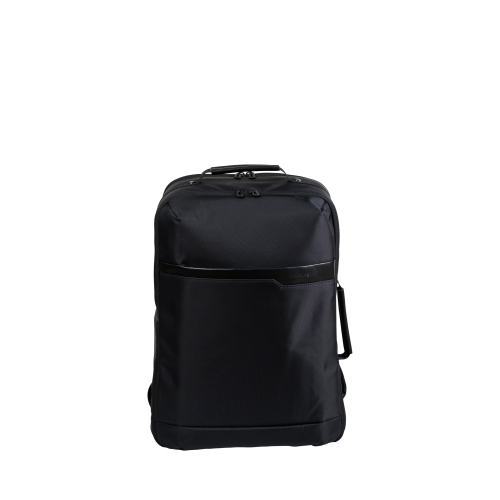
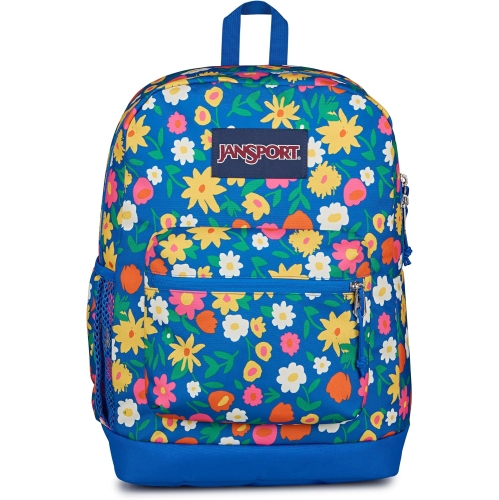
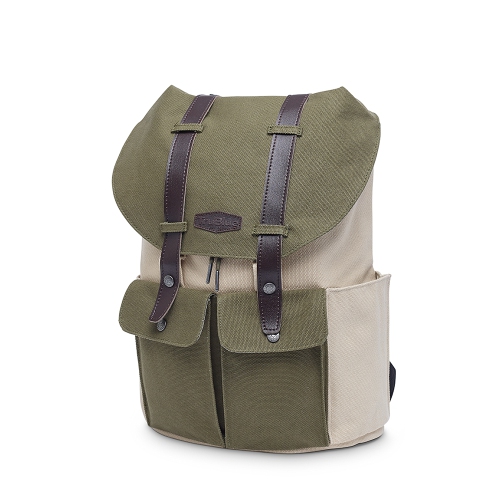
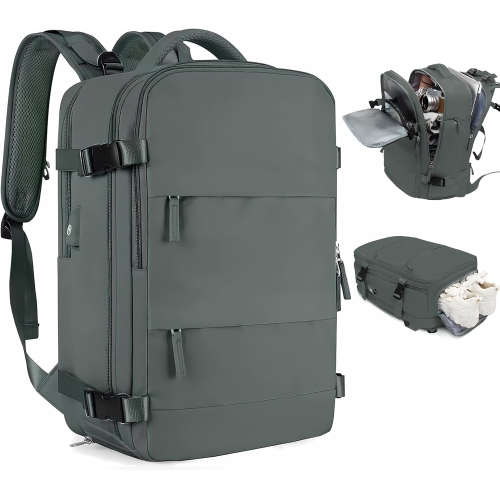
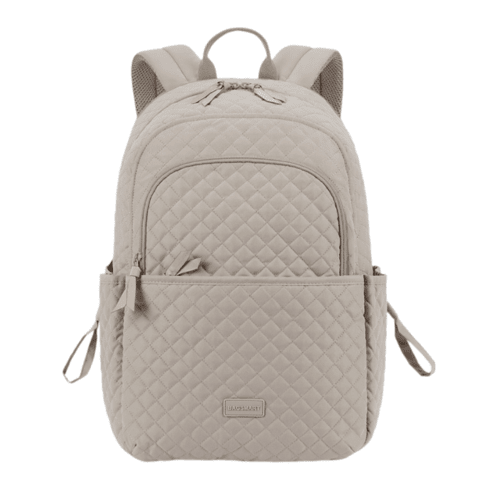

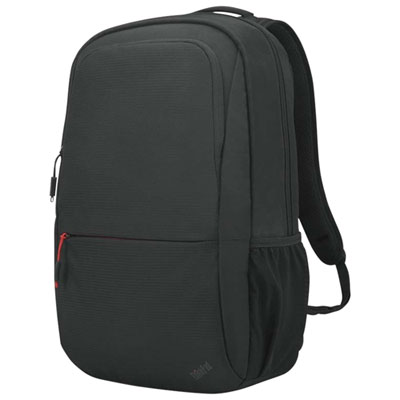
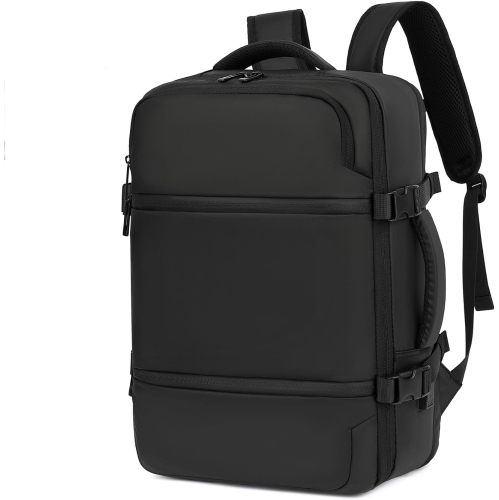
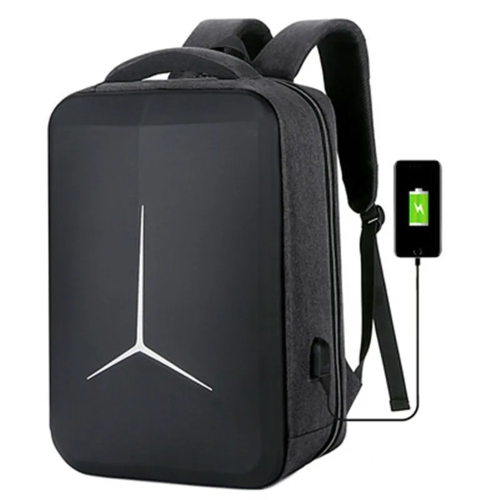
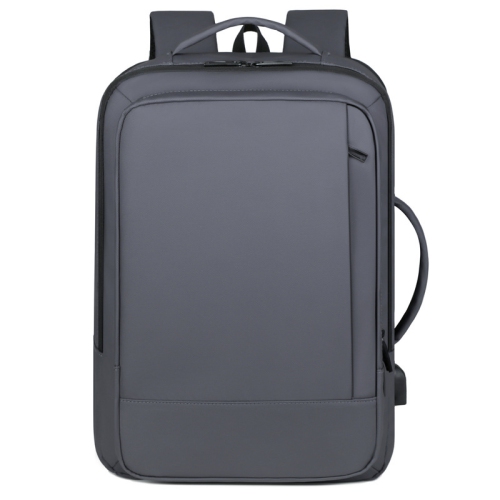
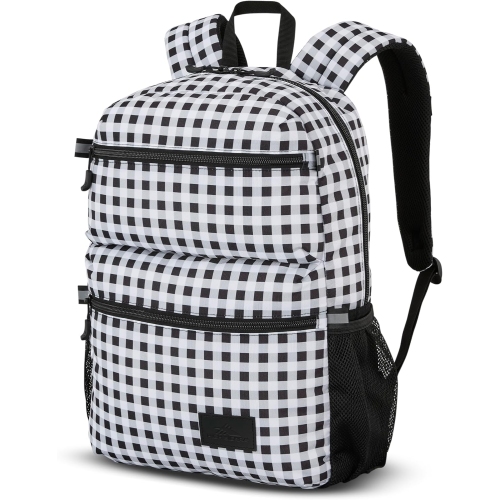
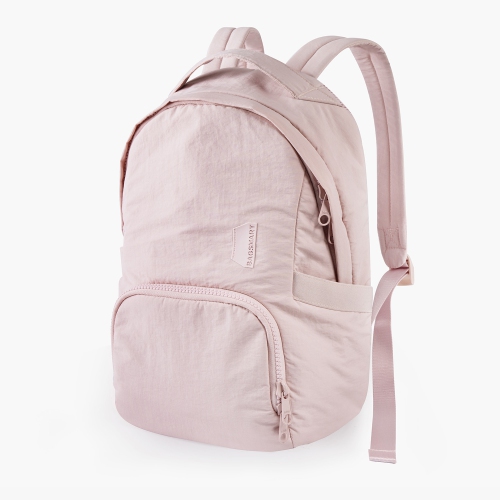
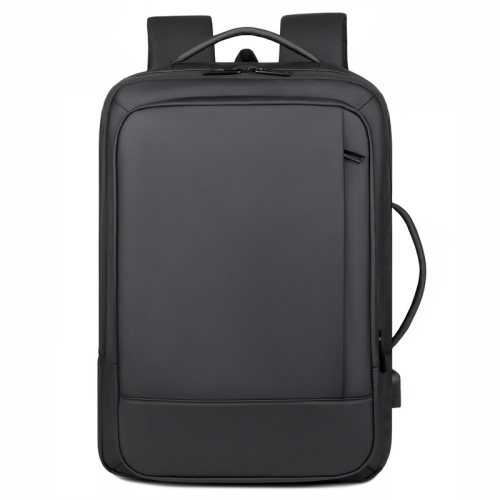
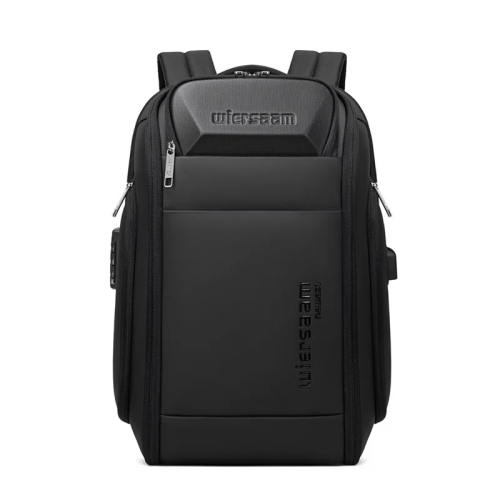
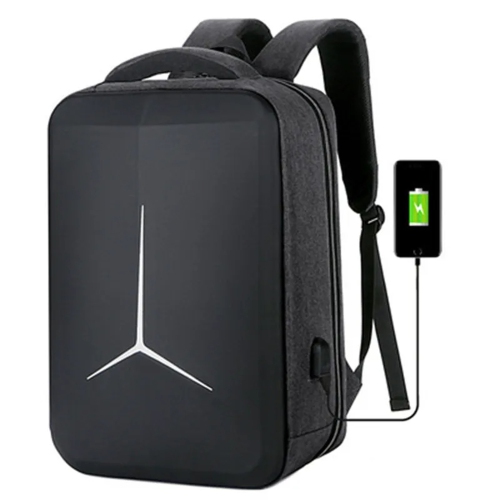
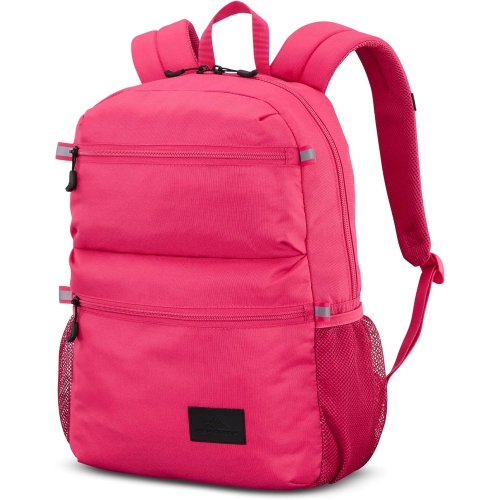
Why backpack layout matters as much as capacity
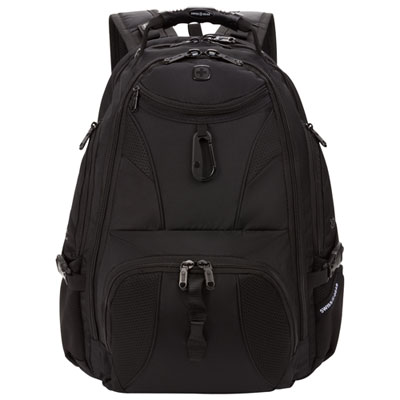
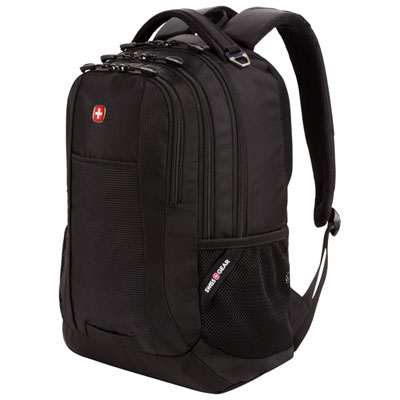
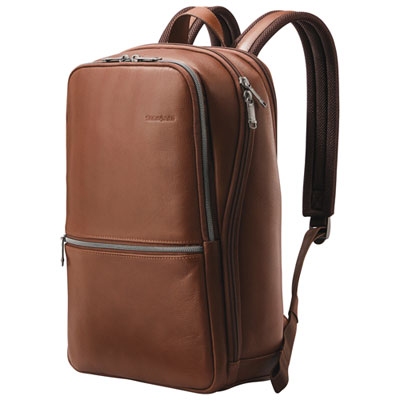
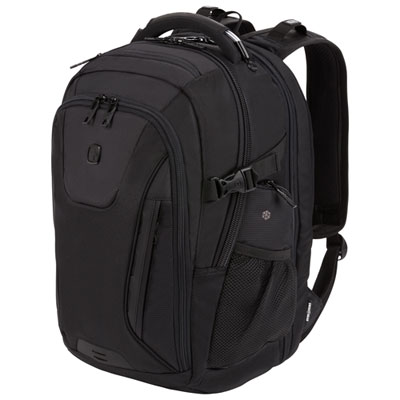
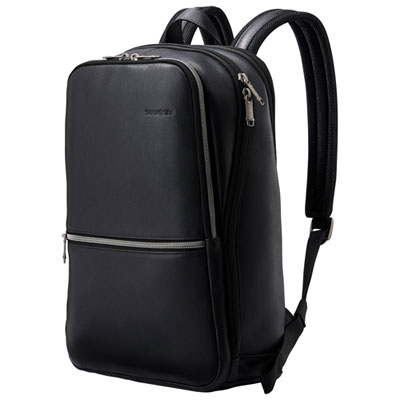
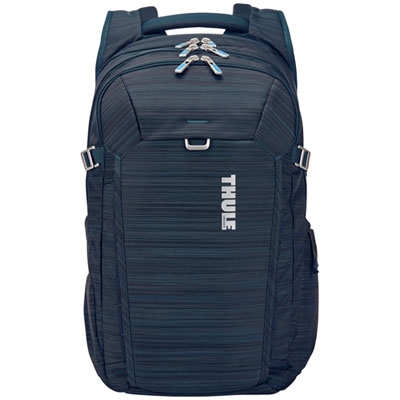
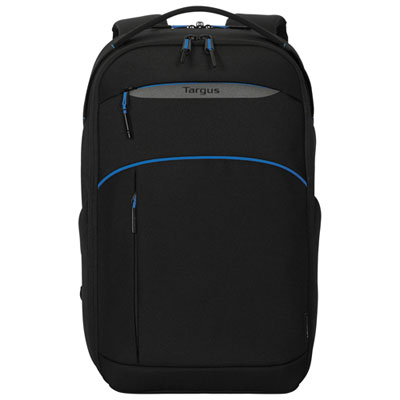
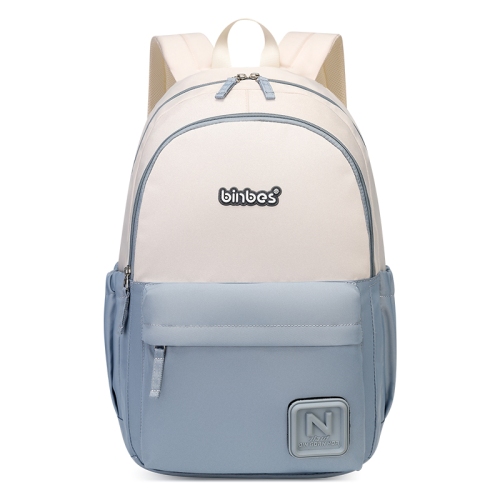
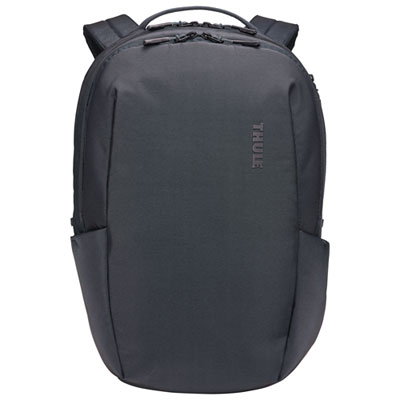
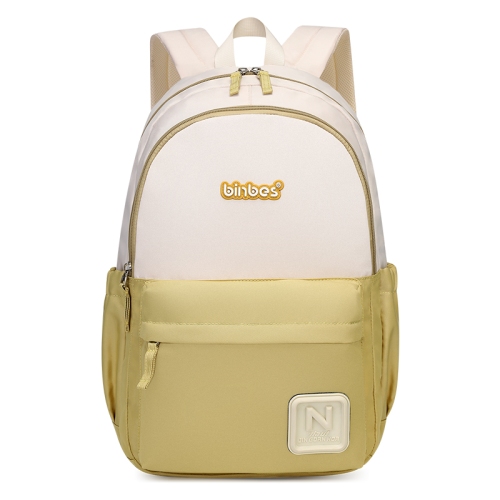
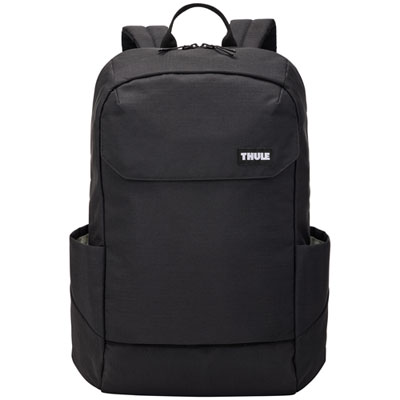
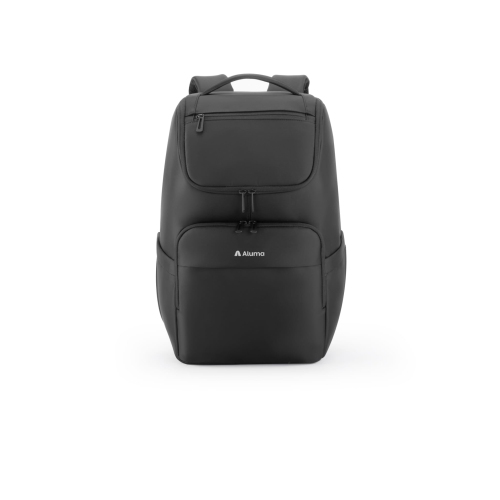
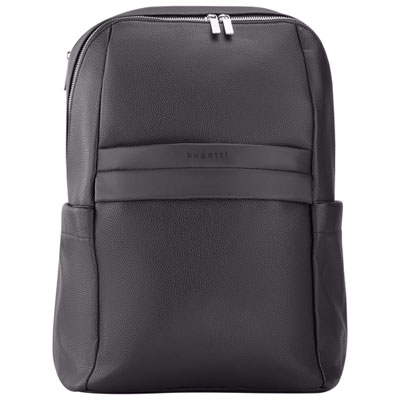
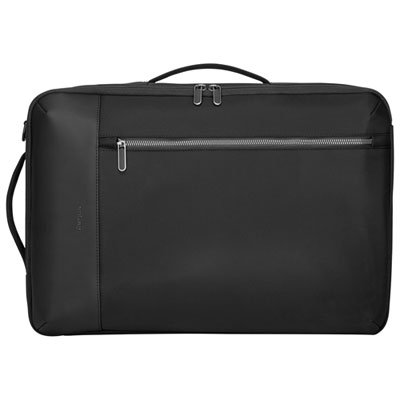
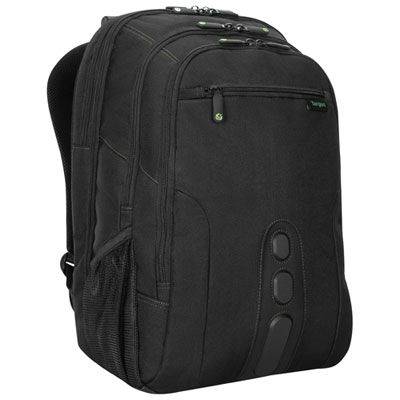
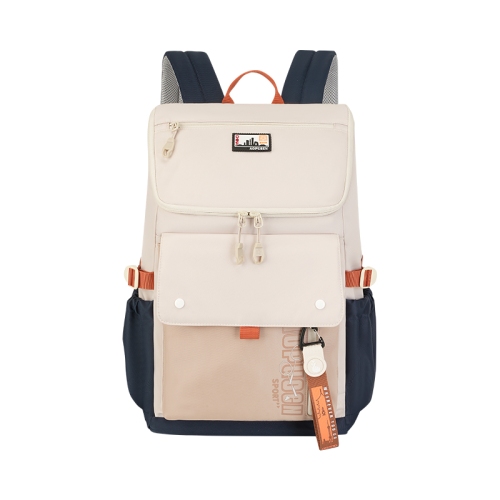
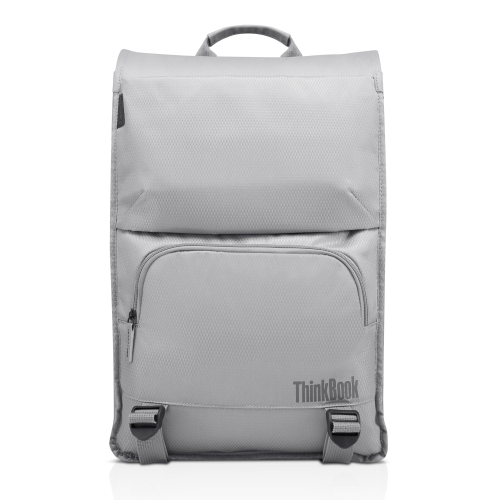
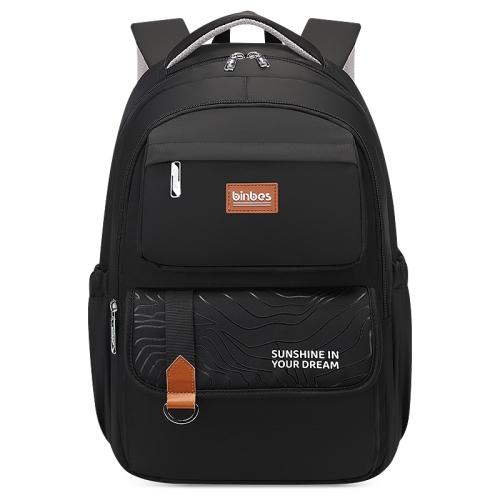
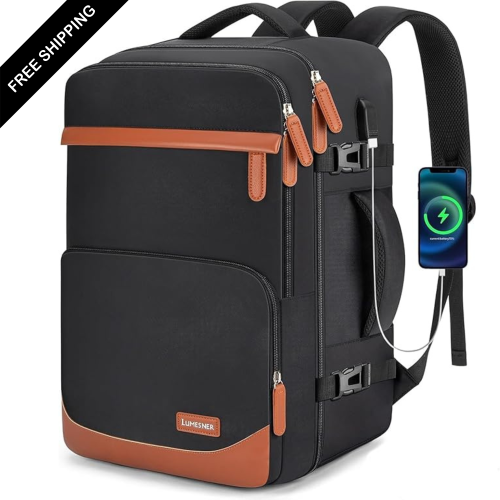
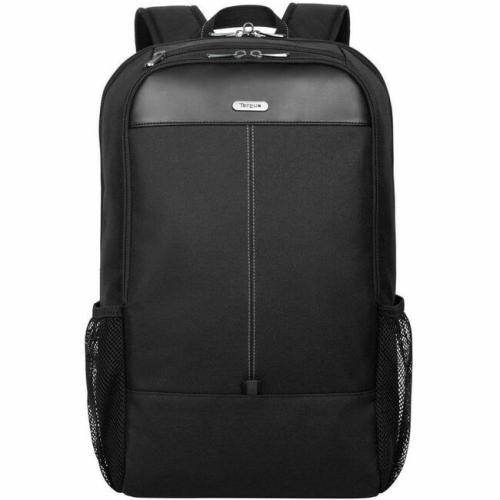
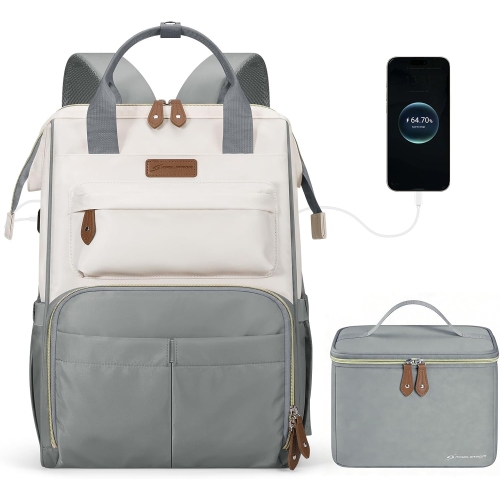
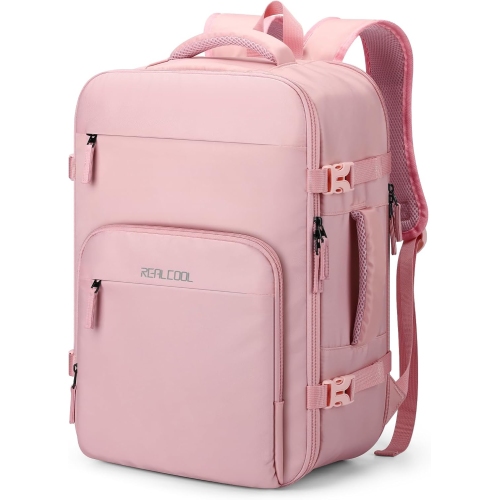
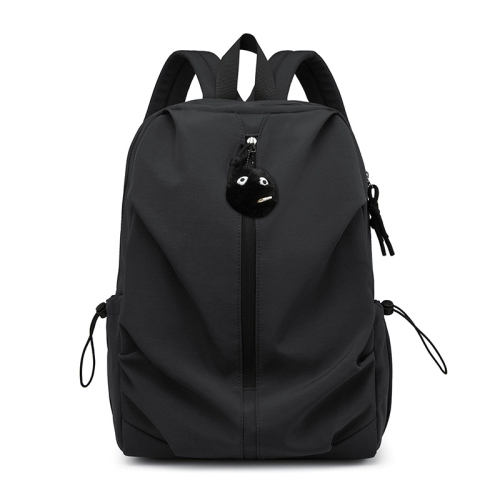
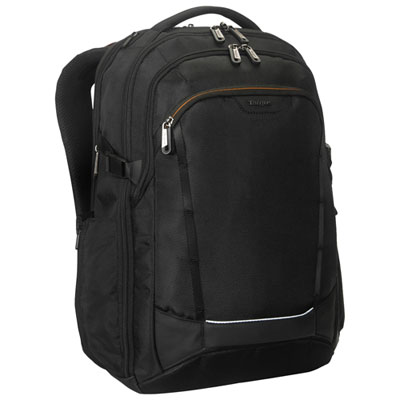
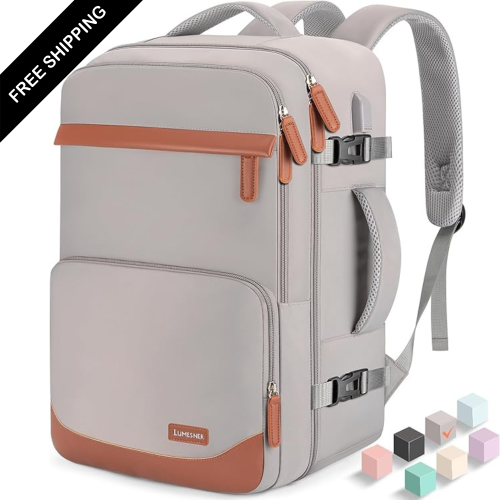
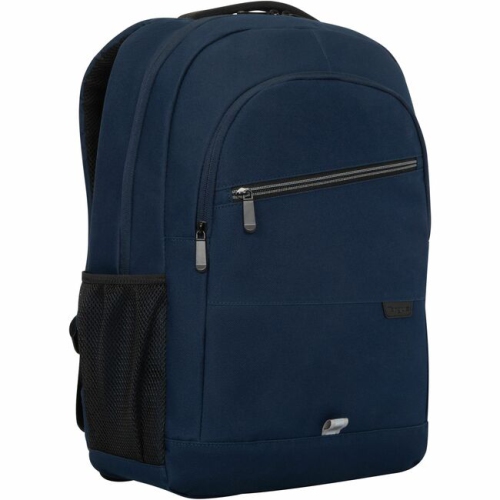
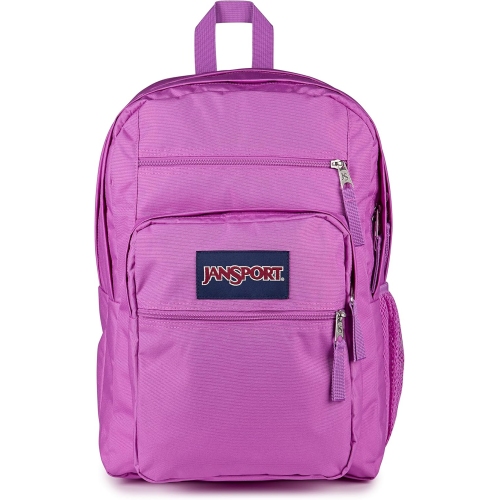
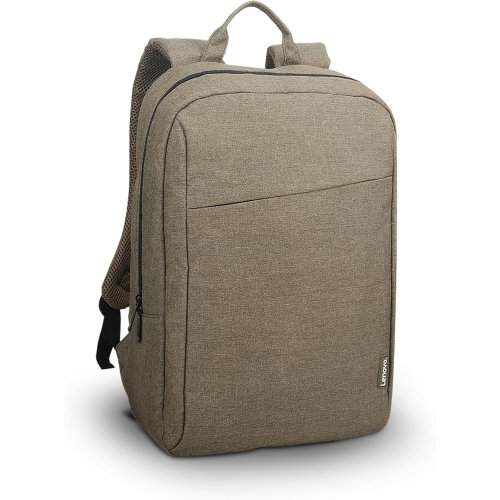
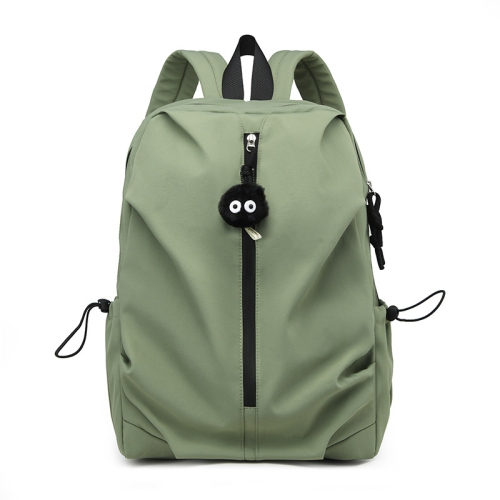
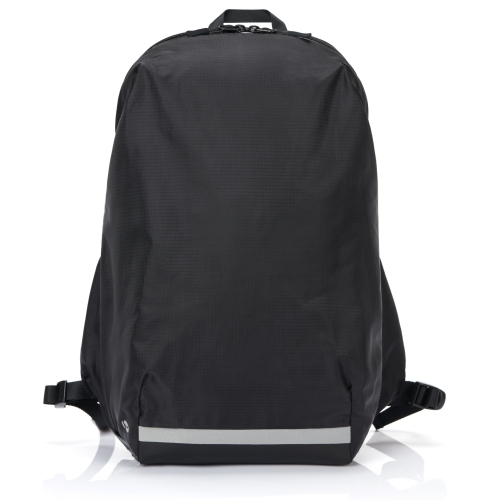
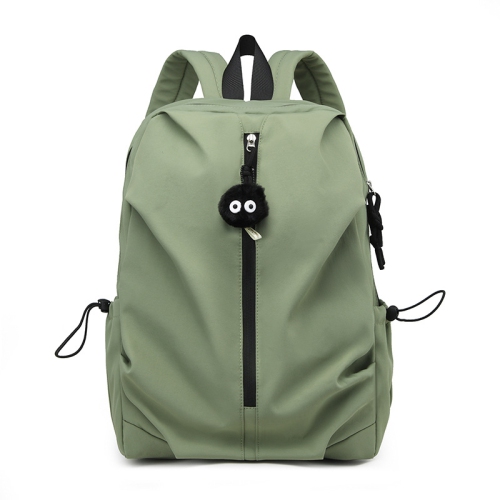
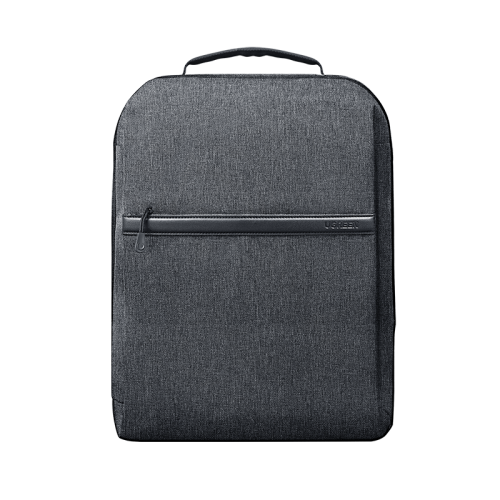
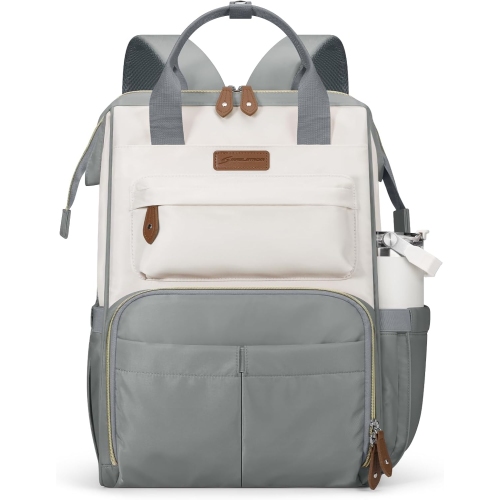
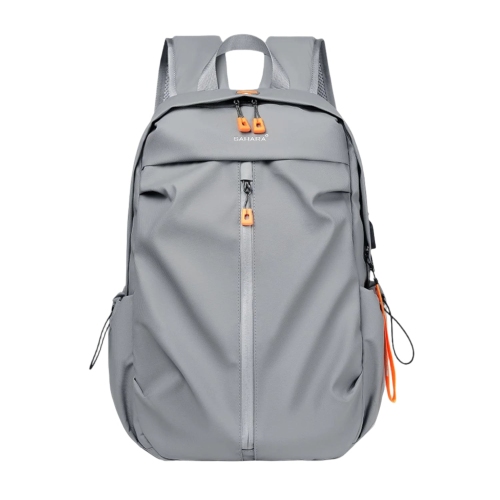
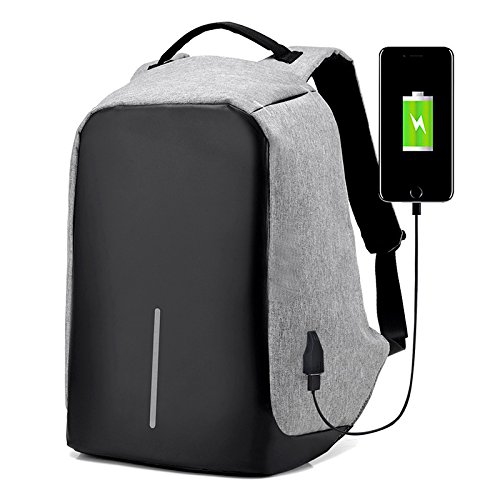
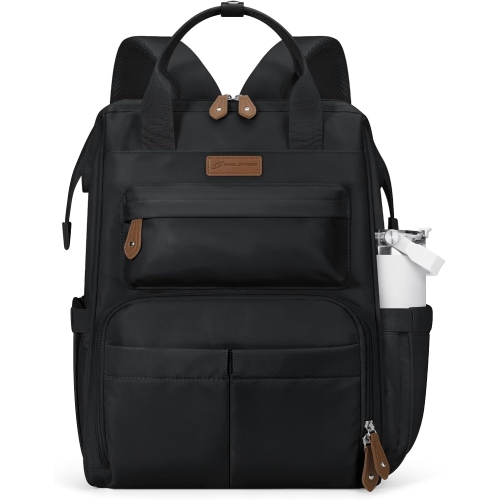
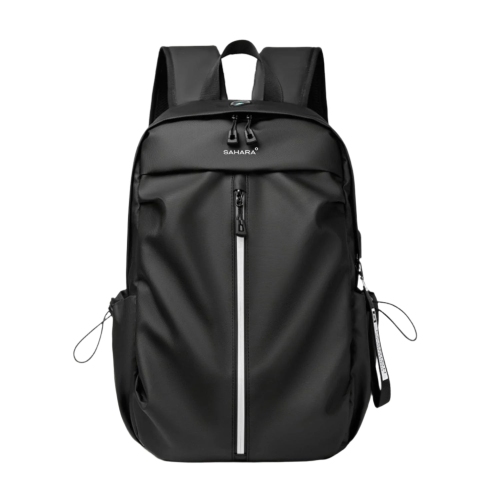
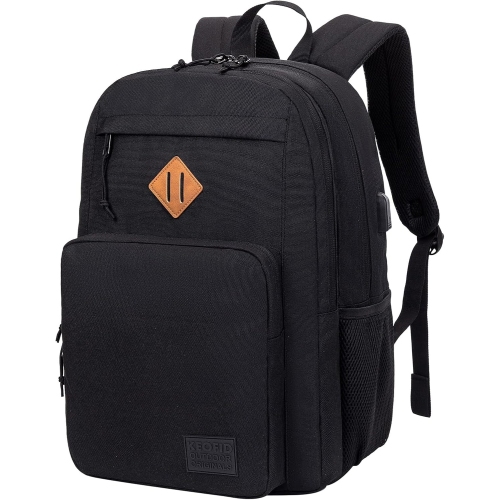
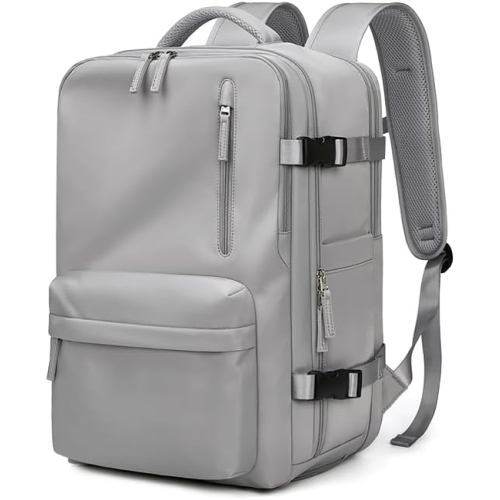
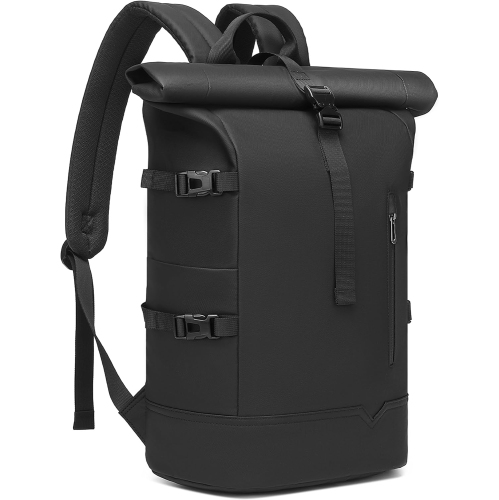
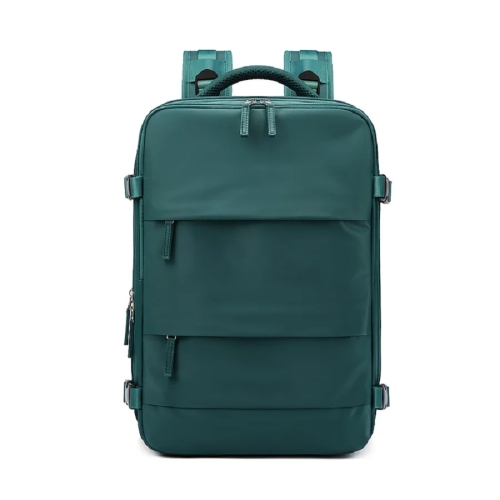
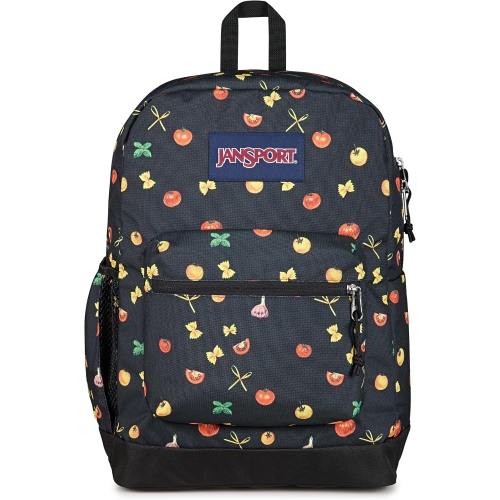
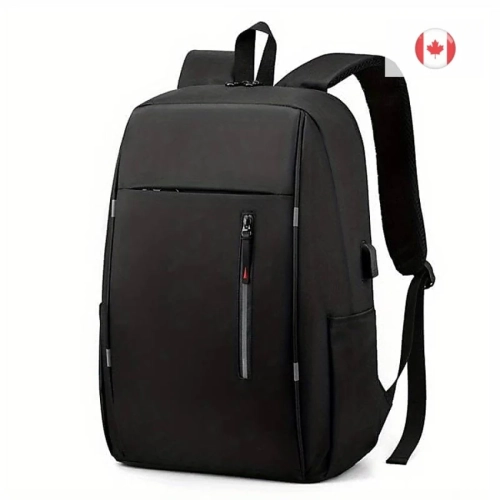
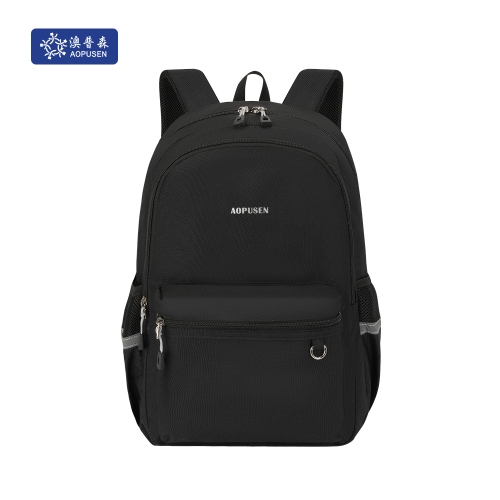
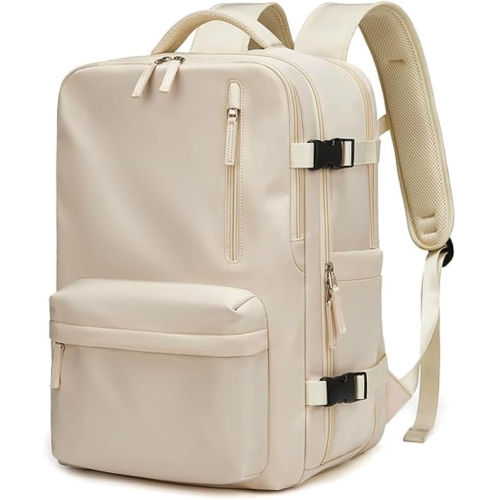
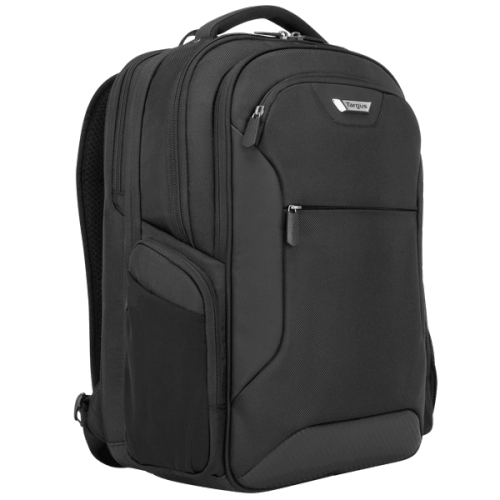
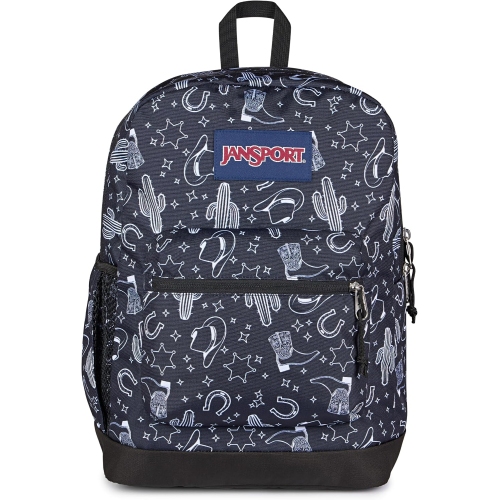
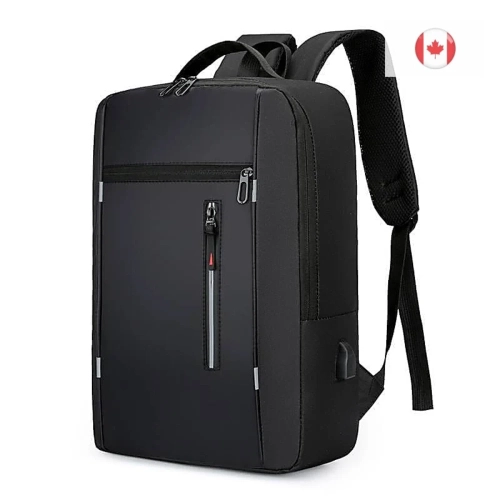
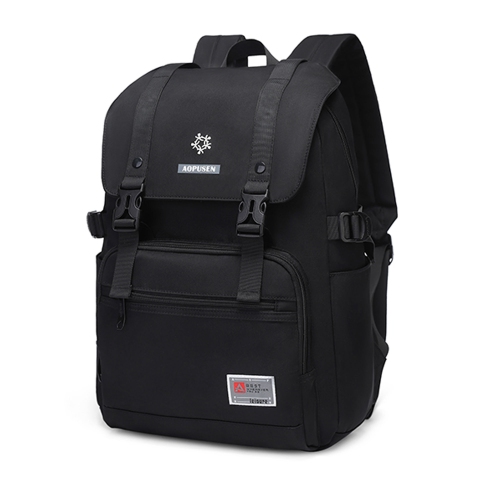
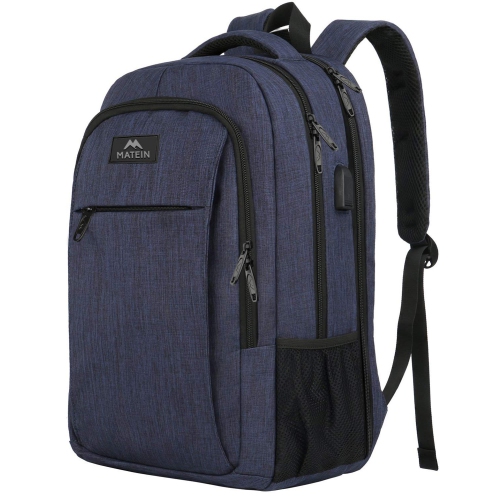
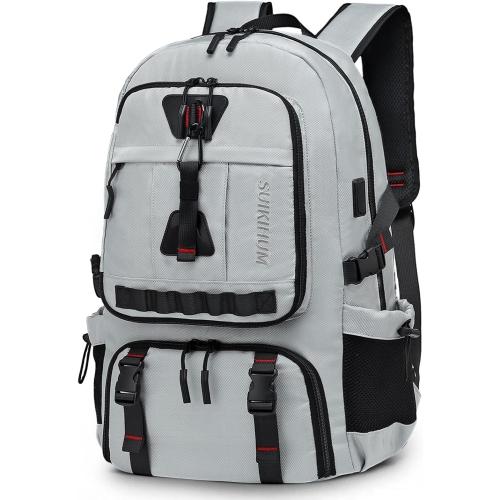
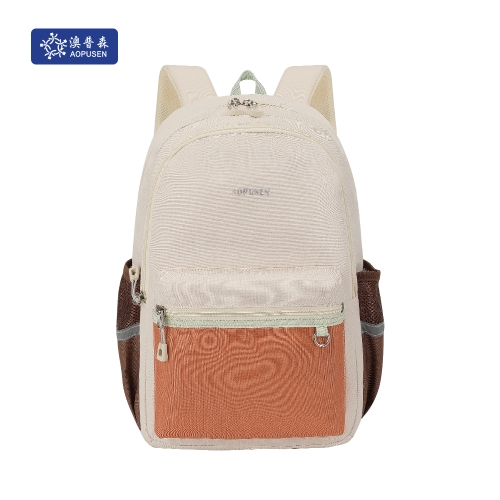
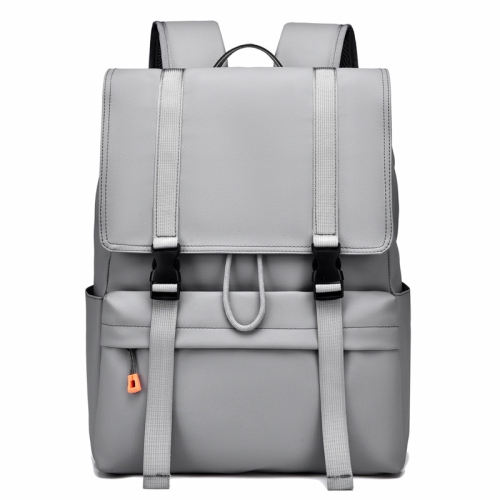
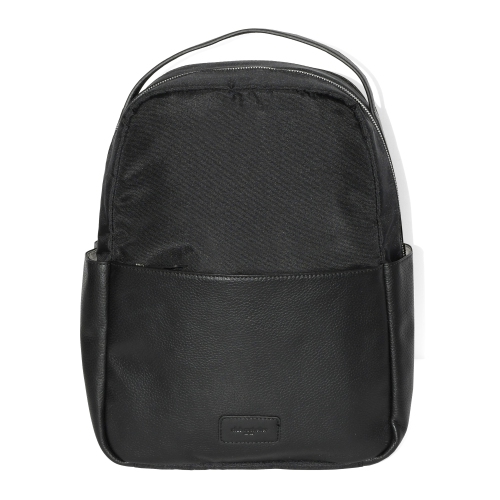
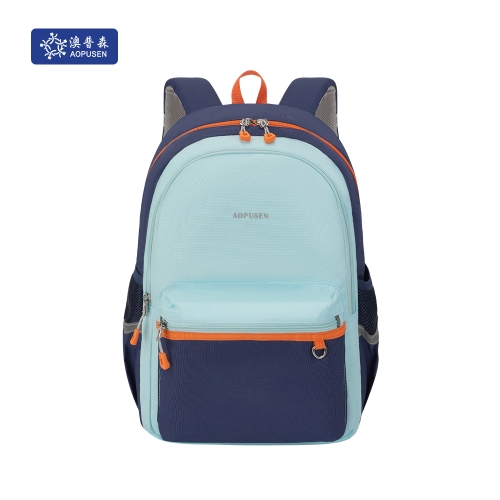
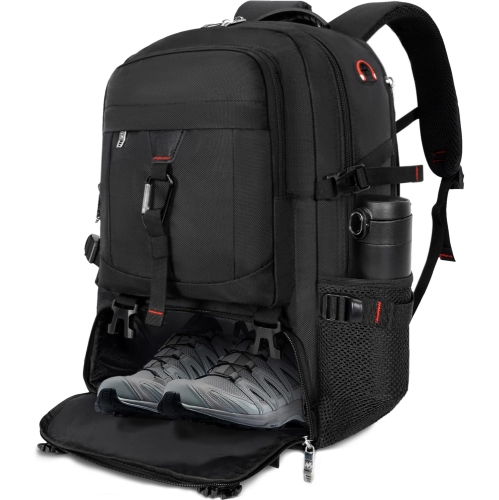
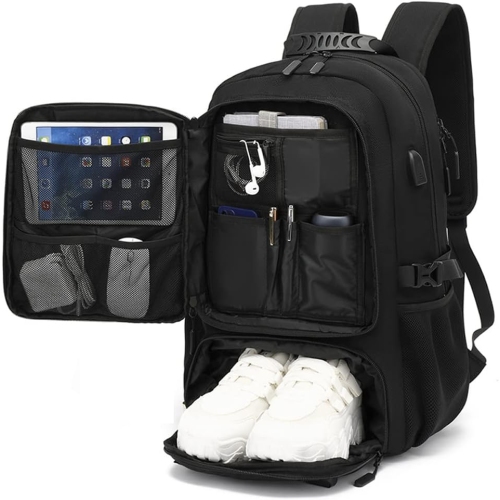
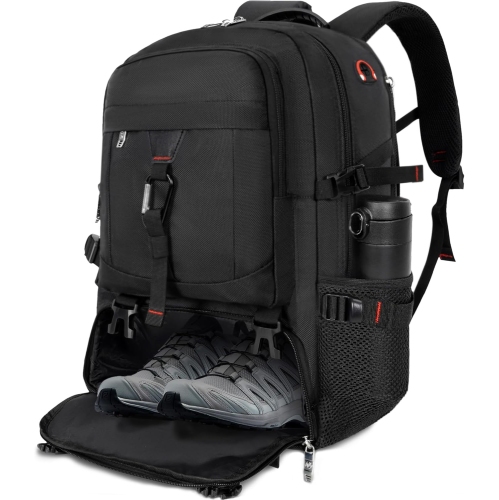
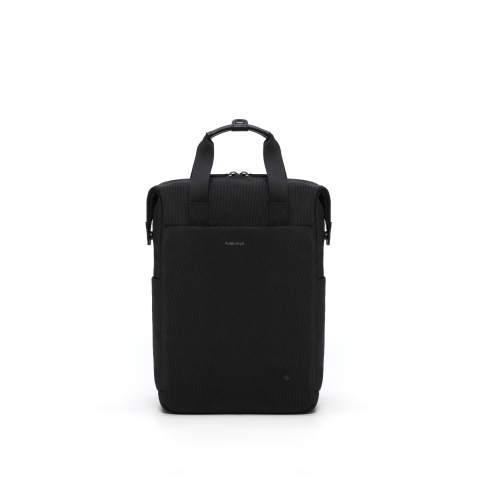
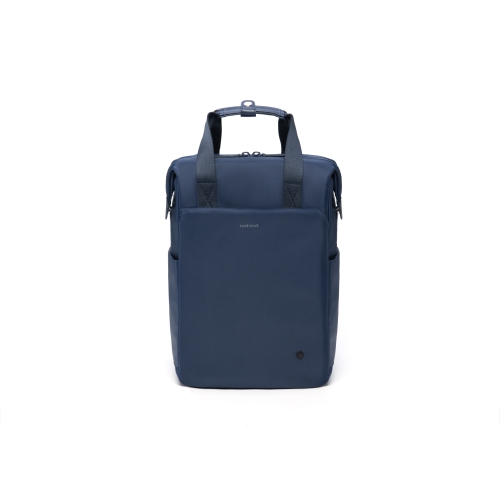
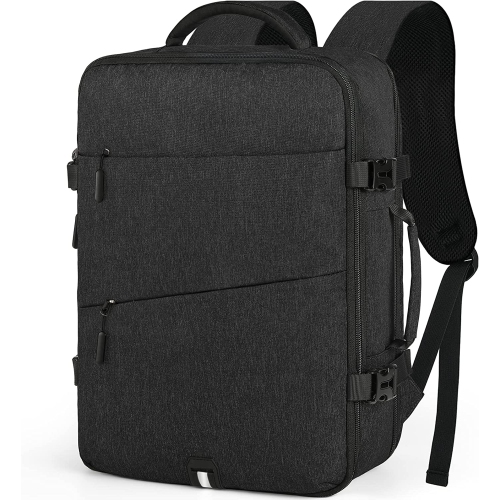
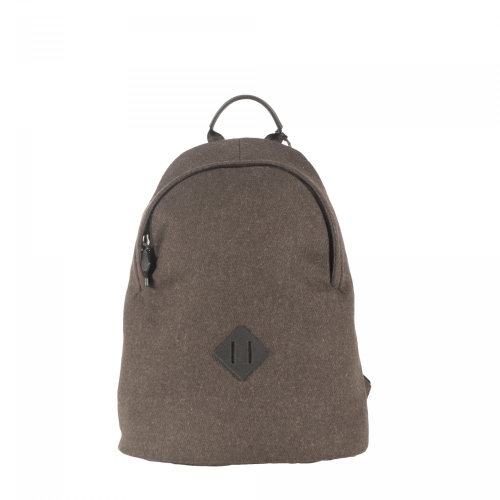
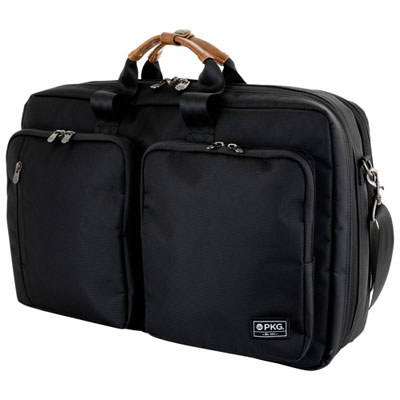
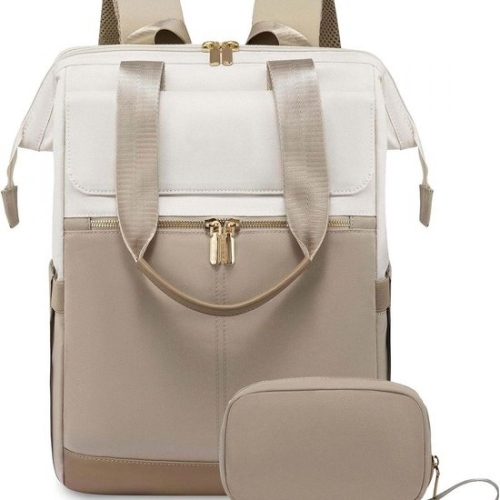
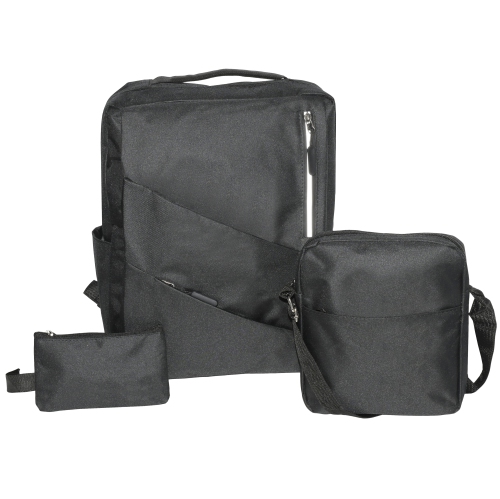
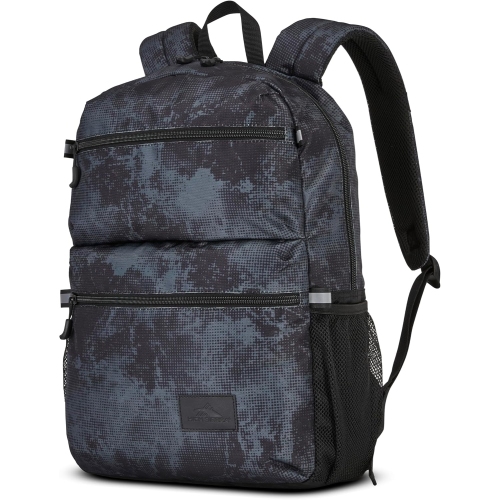
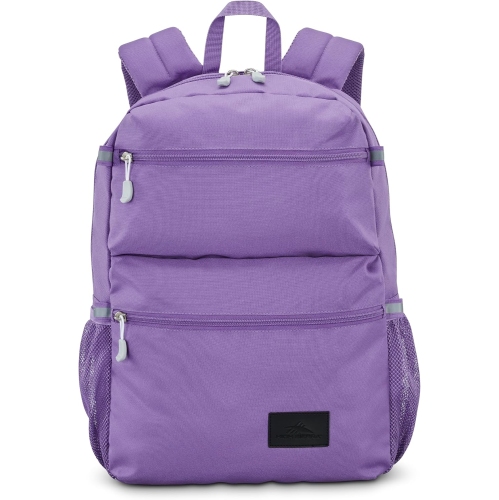
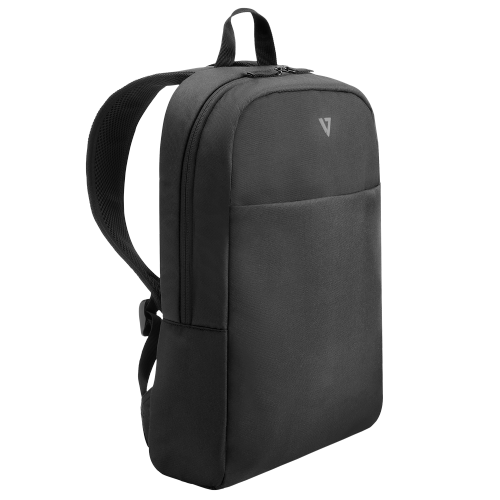
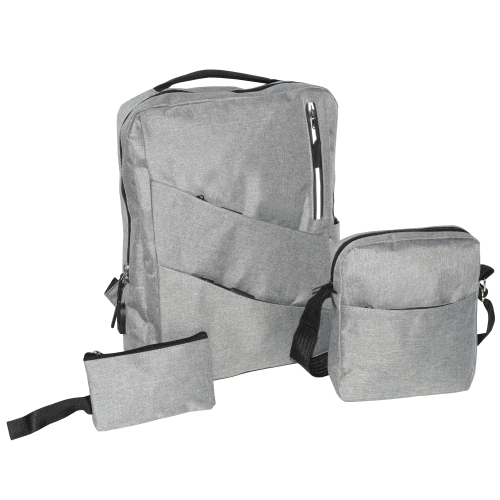
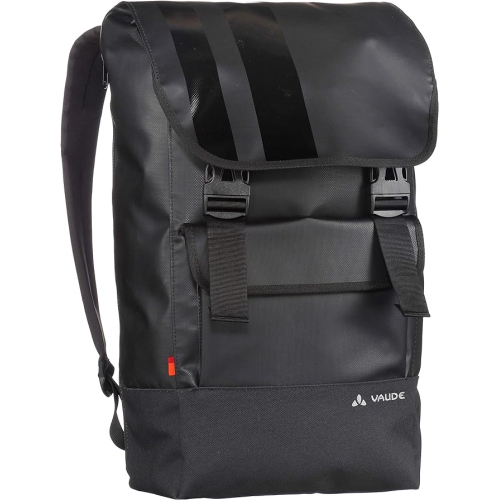
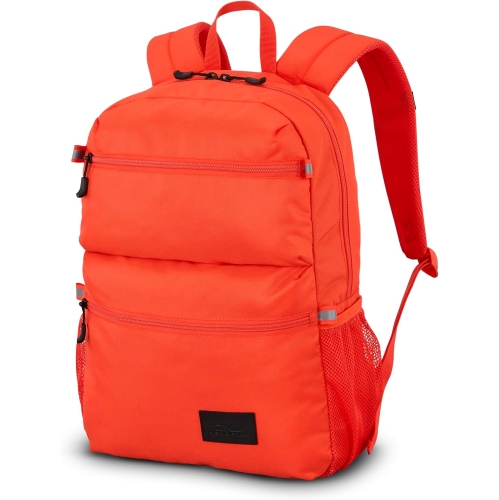
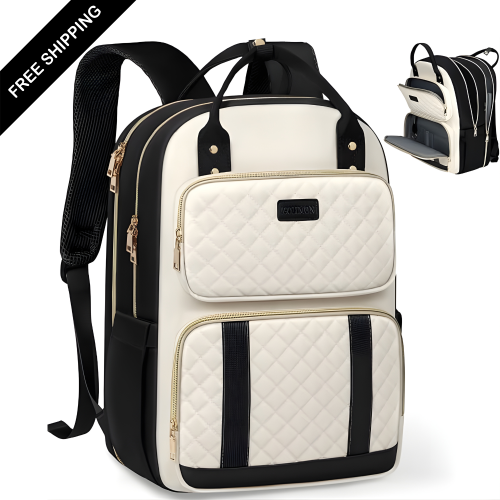
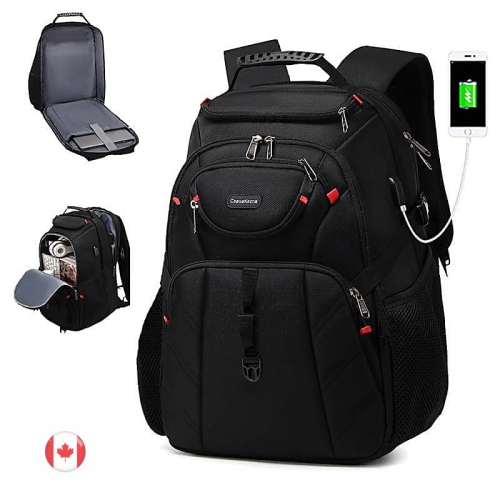
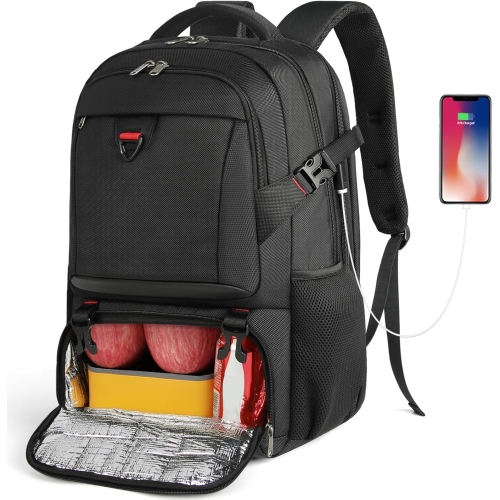
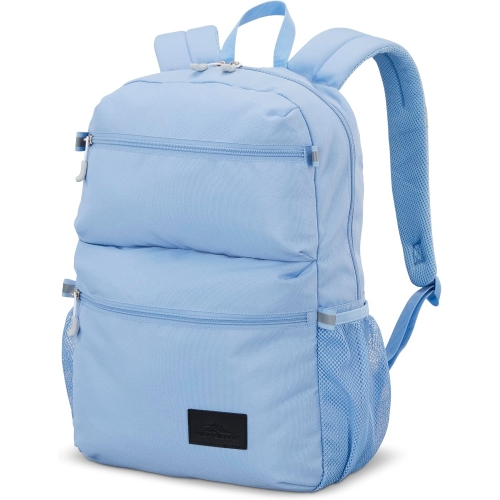
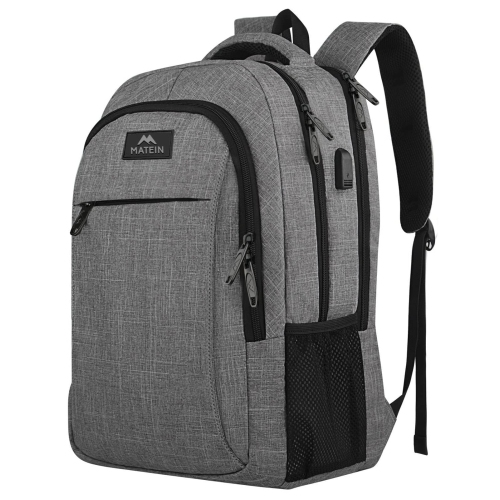
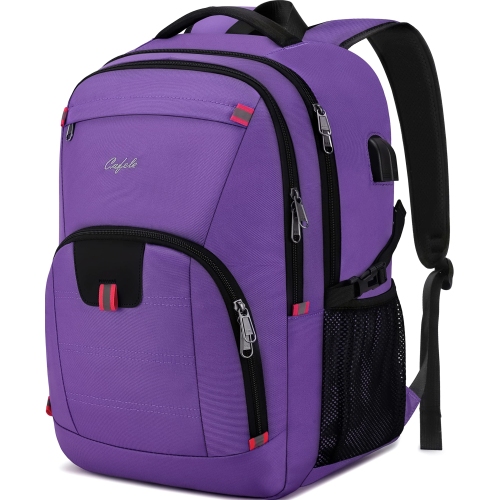
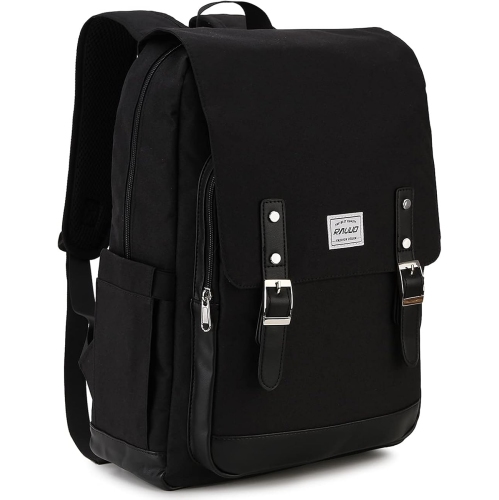
Backpacks for commuters are everyday bags designed to carry a laptop, work or study materials, and personal essentials between home and the places a daily routine leads. Unlike a basic book bag, a commuter backpack often gives particular attention to device protection, easy access, and a shape that stays manageable on public transit or in a busy lift. The most useful size depends on what goes inside: a compact bag may suit a laptop, charger, wallet, and lunch, while a larger design can accommodate notebooks, a change of clothes, or gym gear. Capacity in litres describes overall volume, but the layout matters just as much. A deep main compartment can hold bulkier belongings, while divided sections help keep headphones from getting tangled with charging cables and prevent a lunch container from pressing against paperwork. For laptop commuters, the sleeve’s internal dimensions should match the device’s actual width, depth, and thickness, including any protective case. A stated screen size alone does not guarantee a suitable fit. Padding around the sleeve helps cushion everyday bumps, and a suspended sleeve keeps the computer slightly above the base when the bag is set down. Separate tablet storage can be useful for anyone who carries both devices, although each compartment adds weight and takes up space. A front organizer with pen slots, cable pockets, and a key clip gives smaller belongings a consistent home. An accessible pocket for a transit pass makes a difference when approaching a fare reader with a coffee in hand, while a pocket positioned against the back can keep a wallet less exposed. External bottle pockets are practical when they hold a bottle securely without crowding the main compartment. For a streamlined commute, useful organization means being able to find the right thing by touch rather than opening every zipper on a crowded platform. A bag that opens widely can also make packing easier, particularly when a charger or notebook has slipped beneath other belongings.
Comfort becomes more noticeable when a short walk turns into a longer stretch on foot, or when standing on a train means carrying the same load without a break. Adjustable shoulder straps help position the backpack close to the body rather than letting it hang low, and broad, padded straps can distribute pressure more comfortably than narrow ones. The fit should allow natural arm movement without the straps rubbing against the neck. A contoured back panel can improve how the bag sits, while mesh-covered padding may make prolonged contact feel less clammy. A sternum strap helps limit side-to-side movement, which can be useful for walking briskly or cycling; a hip belt may provide additional stability on larger bags, though it can be unnecessary bulk for a light daily load. For cyclists, a close-fitting profile and neatly secured strap ends help keep the bag from shifting or leaving loose webbing near moving parts. Reflective details can add visibility, but they do not replace appropriate lights or other cycling safety equipment. Commuters who switch between driving and transit may favour a sturdy top handle for lifting the backpack from a car seat or carrying it briefly at their side. On a packed bus, a slim profile is easier to manage, and taking the bag off the shoulders helps leave space for other passengers. The backpack’s empty weight deserves attention, too: thick padding, metal hardware, and extra compartments can add up before a laptop is packed. Placing heavier belongings close to the back and keeping the load balanced can make carrying feel steadier. Structured designs tend to hold their shape and keep contents orderly, while softer bags can adapt more easily to an unusually shaped lunch container or a folded sweater. A flat base can help when setting the bag beside a desk, but stability depends on how it is packed. The aim is a comfortable balance between enough room for a full day and a bag that does not feel oversized when only the essentials are needed.
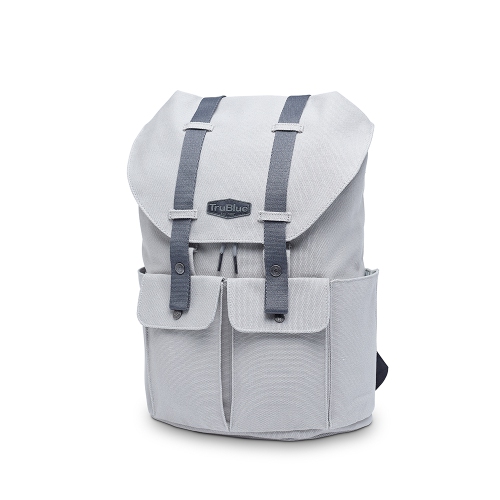
Materials and construction influence how a commuter backpack handles repeated use, from being tucked beneath a desk to brushing against station seats. Nylon and polyester are common choices because they can offer useful strength without excessive weight, although performance varies with the fabric, weave, and finishing. Canvas has a more textured appearance and can feel substantial, while leather accents add a different finish and may require separate care. Reinforced stitching at shoulder-strap attachments and handles is particularly valuable because these points carry repeated stress. A durable base helps with everyday contact, and zipper pulls that are easy to grasp make frequently used compartments more convenient. Smooth zipper movement, neatly finished seams, and pockets that retain their shape are practical details to consider alongside appearance. Care instructions vary by material: many bags can be spot-cleaned with a soft cloth and mild soap, but machine washing may damage padding, coatings, or internal supports. Emptying crumbs from the bottom, wiping out spills promptly, and letting the bag dry fully before storing it help keep the interior pleasant to use. Laptop padding does not make a backpack crushproof, so fragile belongings still need thoughtful placement. Intended use also shapes the right combination of features. A dedicated shoe compartment can separate trainers from work materials, though it uses space that might otherwise hold books or clothing. A luggage pass-through is useful for commuters whose routines include rail trips or flights, allowing the bag to sit on a compatible rolling suitcase. Students balancing lectures, library visits, and part-time work may need room for textbooks alongside a computer; Back to School Backpacks for Student Commuters brings that campus-focused use into view. A commuter backpack can also be a practical gift for someone starting a job or course, especially when their device size and carrying preferences are known. Neutral colours and restrained detailing can suit shared workspaces, while brighter interiors make small belongings easier to spot. The most suitable backpack fits both the daily load and the small habits that make getting from one place to another feel organized.
Top selling and popular products
-
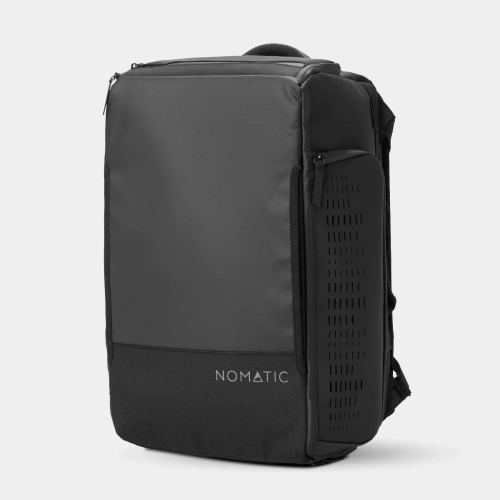 Your price for this item is $294.99
-
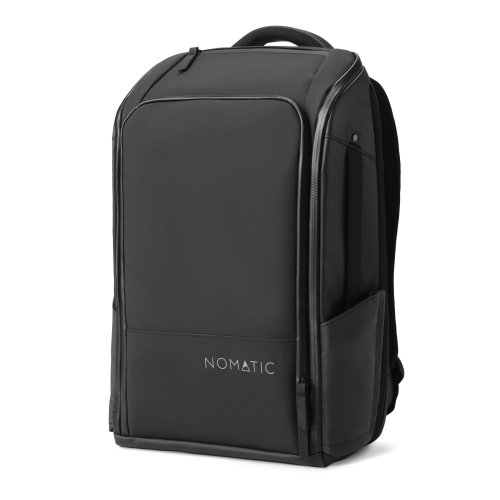 Your price for this item is $279.99
-
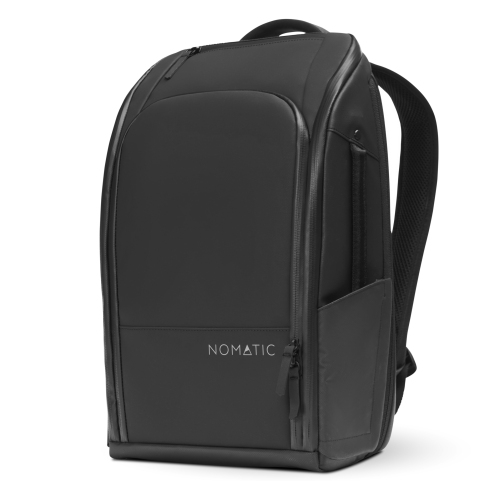 Your price for this item is $259.99
-
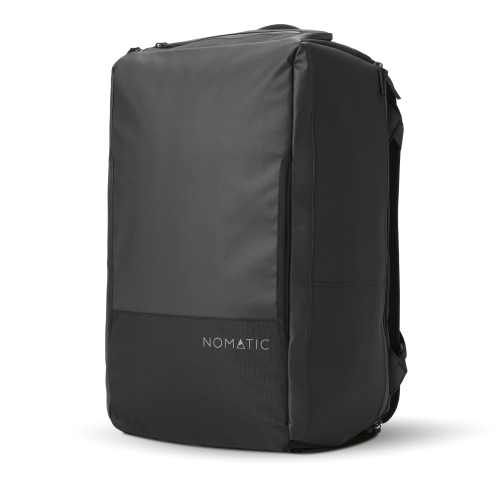 Your price for this item is $299.99
-
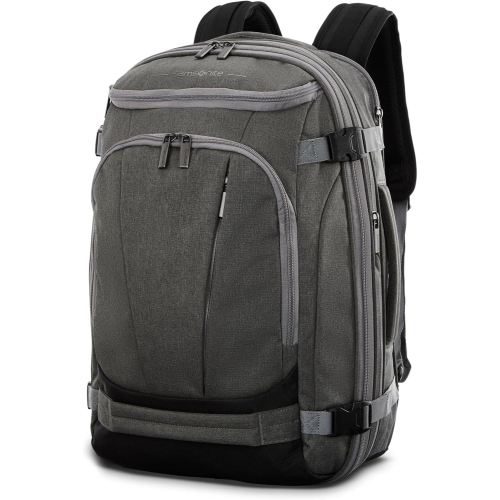 Your price for this item is $218.48
-
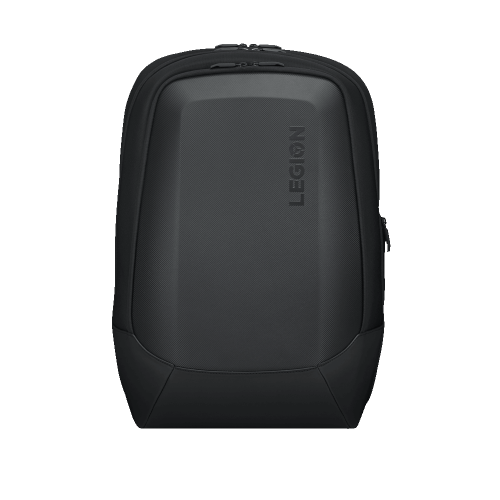 Your price for this item is $124.99
-
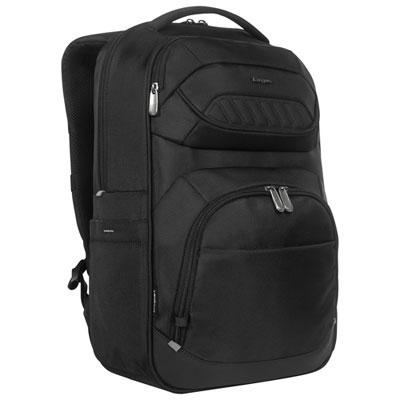 Your price for this item is $99.99
-
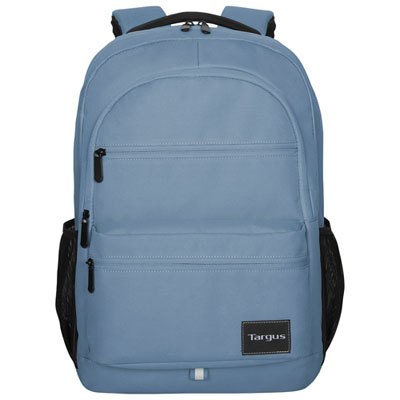 Your price for this item is $29.97
Discover more categories related to Backpacks for Commuters
Top Collections:
Best Black Friday Deals This Year, Best Black Friday Deals On Electronics, Kindle Devices, Best Black Friday Deals On Apple Products, Best Budget Office Chairs, Best Cameras for Sports Photography, Dyson Airwrap, Canon G7X Cameras, Best Laptops for Writers, Samsung Galaxy Phones
Some products may be subject to Environmental Handling Fees
(EHF) depending on your province.
Learn more about EHFs.