Lightweight Backpacks for Hiking
Lightweight backpacks for hiking are essential companions for outdoor enthusiasts seeking comfort and convenience on the trails. Designed to help you carry your gear with ease, these backpacks offer the perfect balance of functionality and portability for every adventure. Whether you’re planning a day trip or a weekend getaway, choosing the right lightweight backpack can make all the difference in your hiking experience. Explore a wide selection of options to find the ideal fit for your next outdoor journey.
Sort

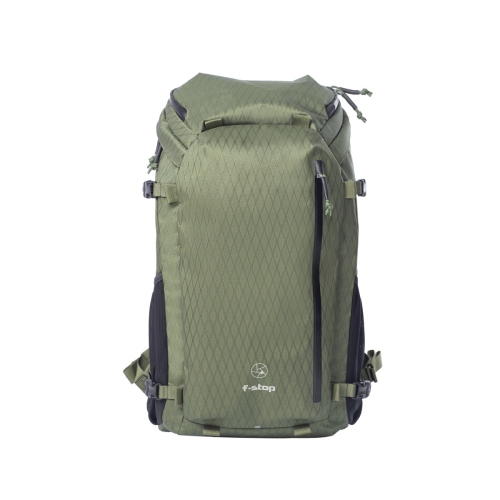
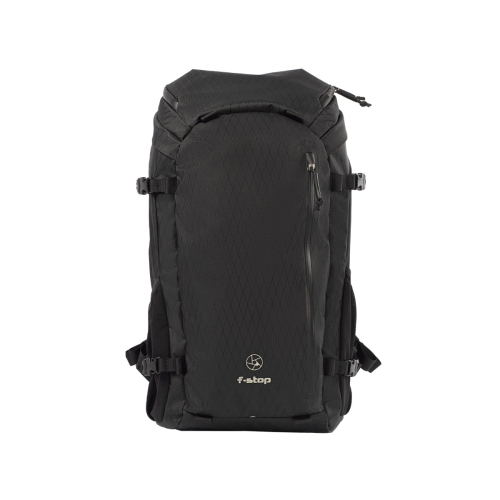
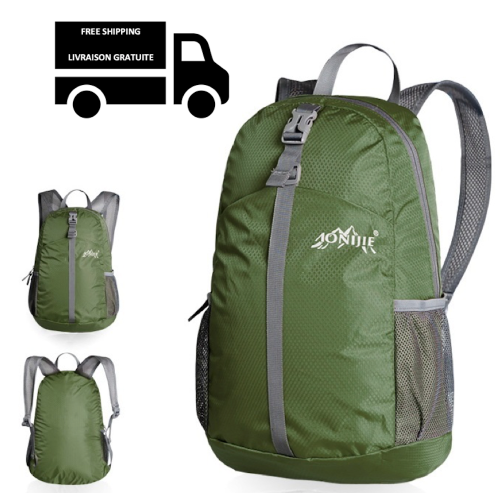
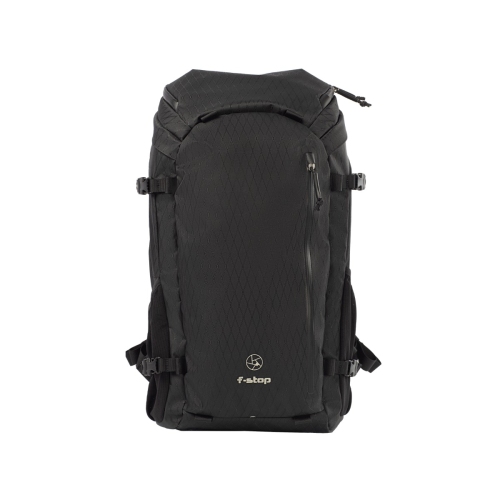
Capacity, fit and weather protection shape trail comfort
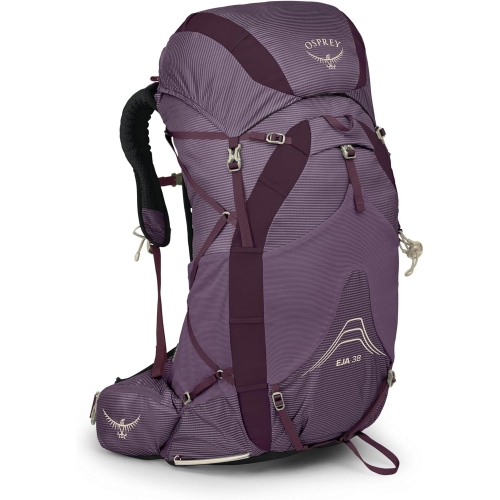
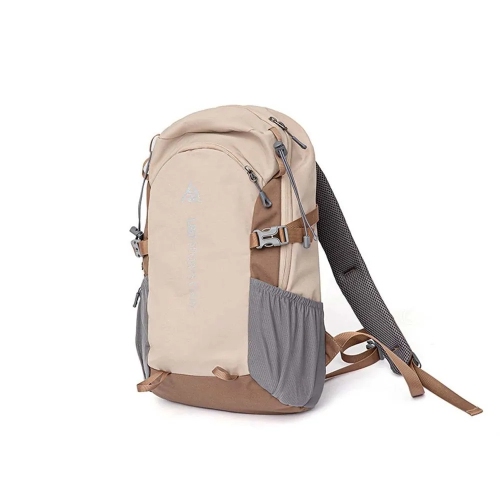
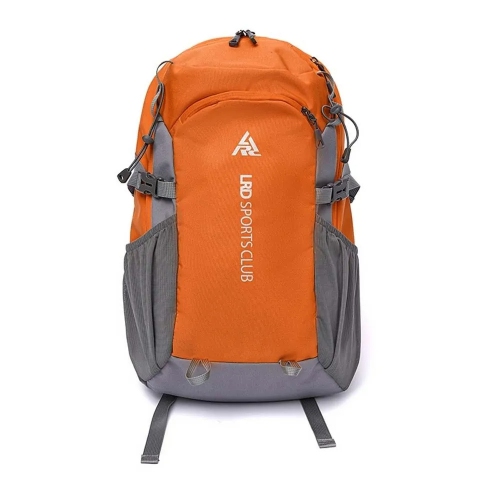
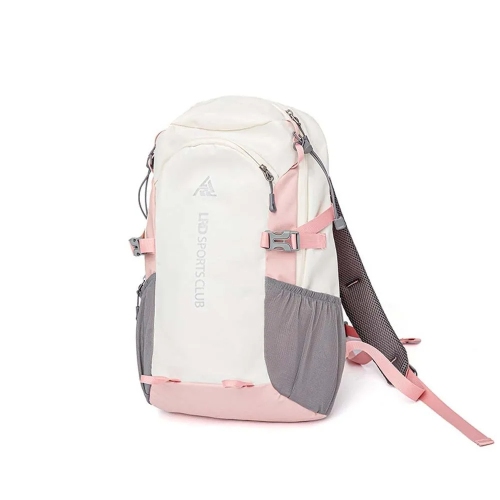
Lightweight backpacks for hiking are designed to carry the essentials while keeping the load comfortable over changing terrain. They are useful for everything from a quick walk through a local conservation area to a full day on a marked mountain trail, and the right size depends largely on how much equipment you need to bring. Packs around 20 L or less are often suitable for shorter day hikes with water, snacks, a phone, sunscreen, a light layer and a small first-aid kit. A pack in the 20 L to 35 L range provides more room for extra clothing, a packed lunch, camera equipment or gear for less predictable weather. For overnight trips, a capacity of 40 L or more may be more practical, particularly when carrying a sleeping bag, cooking equipment, shelter and additional clothing. Capacity is only part of the decision, since two backpacks with the same stated volume can organize belongings quite differently. Look for a main compartment that accommodates the shape of your gear, exterior pockets for items you reach for often and side storage that can hold water bottles securely. A hydration-compatible compartment can make it easier to sip while walking, while trekking-pole loops, compression straps and attachment points can help keep equipment stable when the trail becomes uneven. Lightweight construction can reduce fatigue, but a pack should still feel dependable when filled. Pay attention to the intended load range, since an ultralight frameless design may feel excellent with a small, carefully chosen load but become less comfortable when packed heavily. A lightweight framed backpack can add a little structure and may transfer some of the weight from the shoulders to the hips, which is helpful for longer distances or overnight use.
Fit has a direct effect on comfort, especially when a backpack is worn for several hours. Adjustable shoulder straps should rest smoothly against the body without digging into the neck, and the sternum strap should help keep the shoulder straps positioned without restricting breathing. A padded hip belt can distribute weight more evenly, although smaller day packs may use a simpler strap system. If possible, adjust the pack with a few items inside rather than judging it when empty; even a modest amount of gear changes how the bag sits. A well-fitted backpack should stay close to the body without swinging from side to side, and the heaviest items are generally most comfortable when placed near the centre of the back. Ventilation is another important consideration for hiking. Mesh panels, channels between padding and suspended back systems can allow more air to move across the back, helping reduce sweat build-up on warm climbs and during brisk walks. During the cooler months, changing conditions can make weather protection equally valuable. A pack with a built-in rain cover can help protect clothing, food and electronics during a sudden shower, while water-resistant zippers and fabric offer an additional layer of protection but may not replace a full cover in prolonged rain. It is also useful to consider visibility and access when daylight hours are shorter; reflective details, a light-coloured interior or easy-to-reach pockets can make it simpler to locate equipment on the trail. For hikes that continue through cool mornings and milder afternoons, compression straps can secure a jacket after it comes off, while room for gloves, a toque and an insulating layer helps the pack adapt as temperatures shift. These practical details can matter as much as the overall weight when a backpack is used regularly.
Lightweight hiking backpacks can suit experienced hikers who have refined their gear list, newcomers building a comfortable trail setup and anyone who prefers carrying only what is needed. They can also make thoughtful gifts for walkers, campers, travellers and fitness-minded family members, particularly when the recipient enjoys exploring parks, rail trails or scenic routes close to home. For a gift, a versatile day pack with adjustable features and enough room for water, food and a spare layer is often easier to choose than a highly specialized overnight model. Someone who travels between the city and the trail may also appreciate a pack that works for commuting, day trips and outdoor activities, with a dedicated sleeve for a tablet or other device and compartments that keep small items organized. Those planning longer hikes should consider the total weight of their gear, not just the backpack itself. Water, food, cooking supplies, clothing and safety equipment can add up quickly, so a pack that feels light in the shop may feel very different after it is filled. A simple test at home can reveal whether the shoulder straps, hip belt and back panel remain comfortable with the expected load. It is also worth checking whether the opening style suits the way the pack will be used: a top-loading design can be streamlined for trails, while a wider or panel-loading opening may make it easier to organize layers and supplies. If travel is part of the plan, browse Best Lightweight Travel Backpacks for options suited to carrying belongings beyond the trail. Whether used for a short outing with a water bottle and light jacket or a multi-day route with carefully selected equipment, a well-chosen lightweight backpack should carry securely, allow natural movement and make it easier to enjoy the walk from the first step to the final stretch.
Top selling and popular products
-
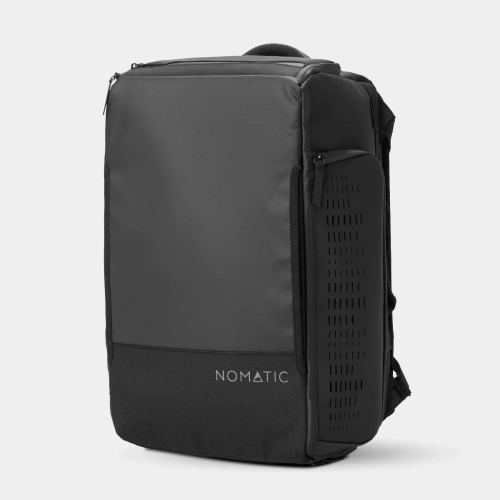 Your price for this item is $419.99
-
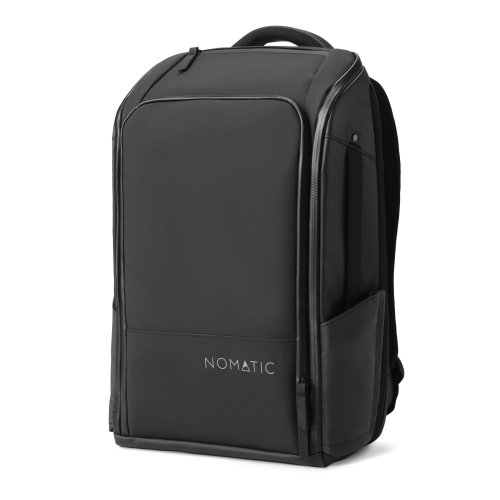 Your price for this item is $399.99
-
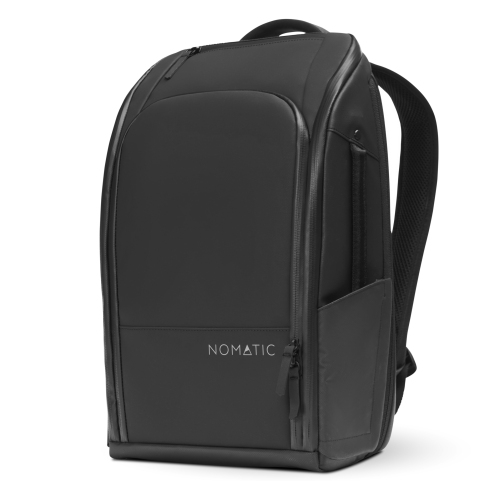 Your price for this item is $369.99
-
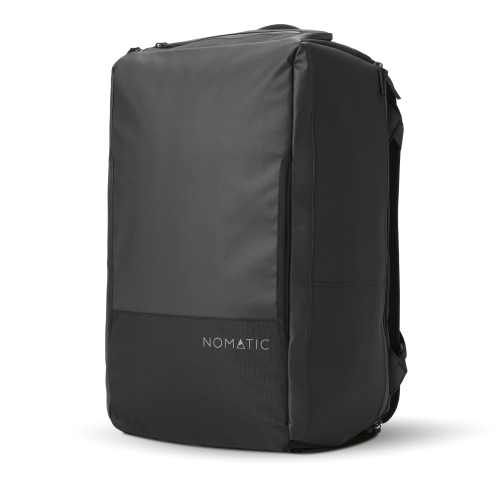 Your price for this item is $399.99
-
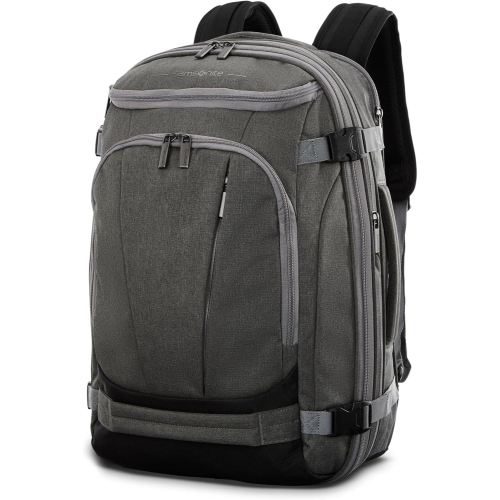 Your price for this item is $218.48
-
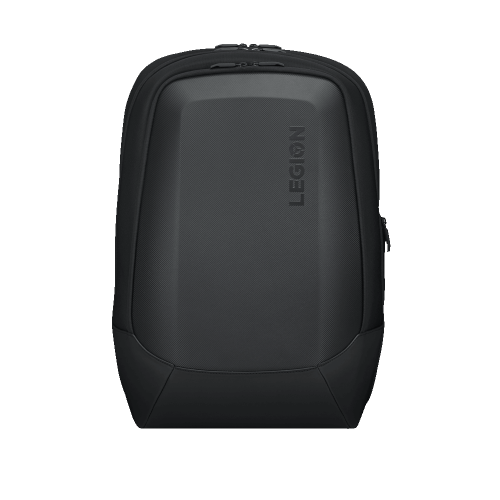 Your price for this item is $98.99
-
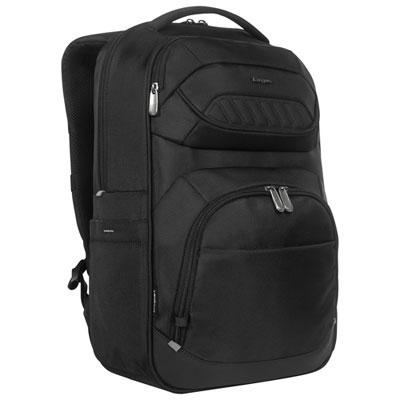 Your price for this item is $99.99
-
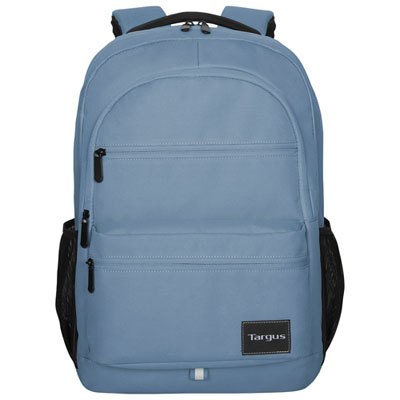 Your price for this item is $59.97
Discover more categories related to Lightweight Backpacks for Hiking
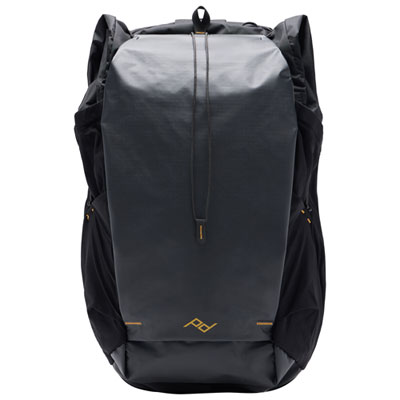
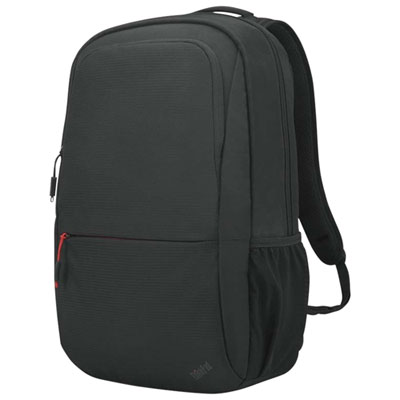
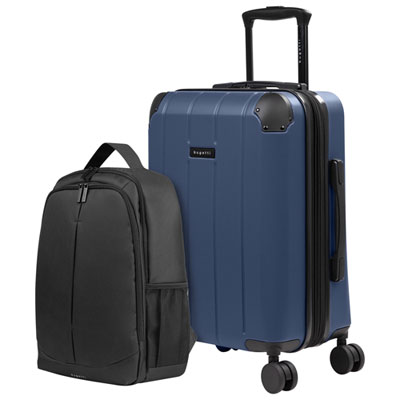
Top Collections:
Pokemon Centers, Best Cameras for Sports Photography, Kindle Devices, Samsung Galaxy Phones, Canon G7X Cameras, Pokémon 30th Celebration Cards, Refurbished Apple Laptops, iPhone 15 Apple, Laptops for Students, Budget Smartphones
Some products may be subject to Environmental Handling Fees
(EHF) depending on your province.
Learn more about EHFs.