Lightweight Backpacks
A lightweight backpack is a great option for anyone who wants to carry their laptop and other essentials without adding too much weight to their back. Here are some great lightweight backpacks perfect for students, travelers, and anyone else who needs to carry around a laptop and other items.
Sort

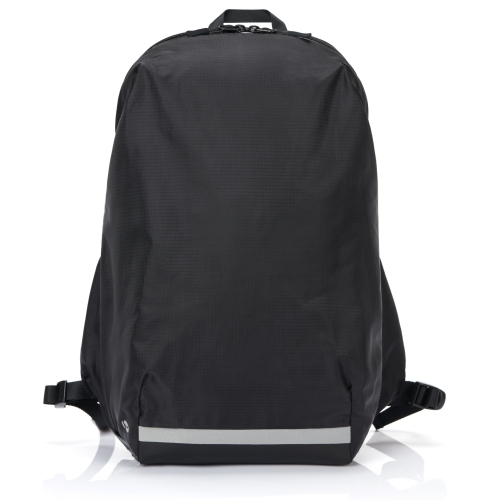
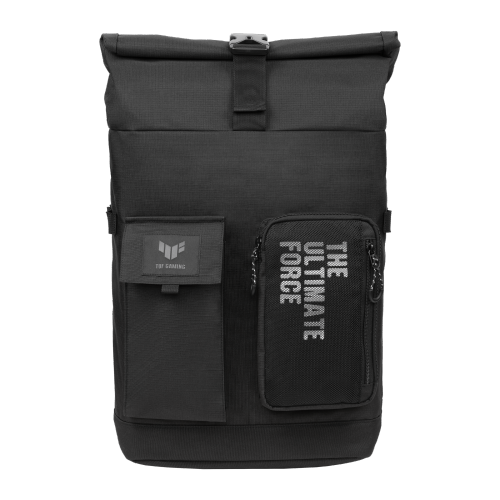

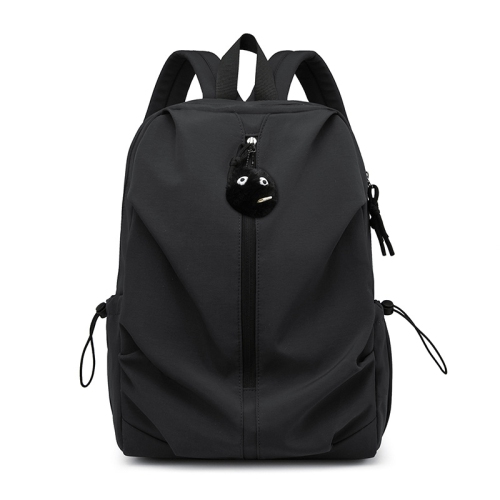

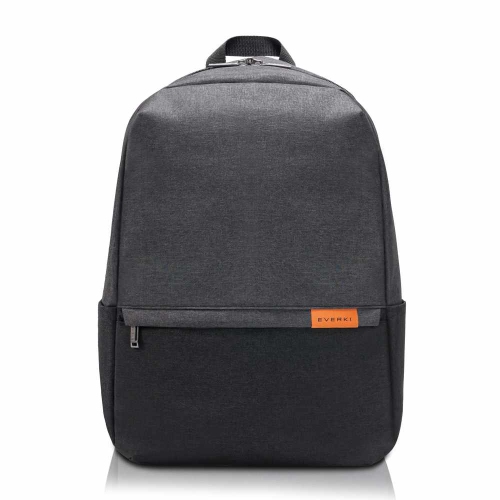
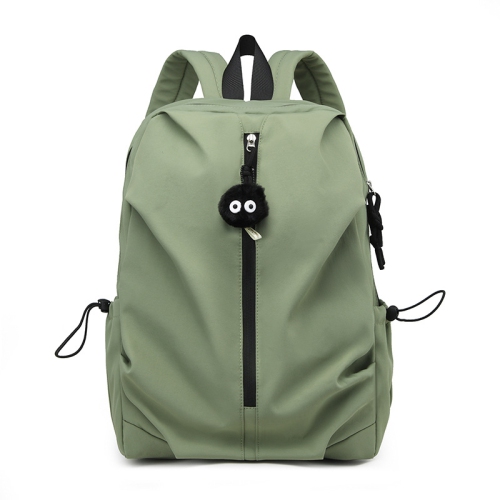
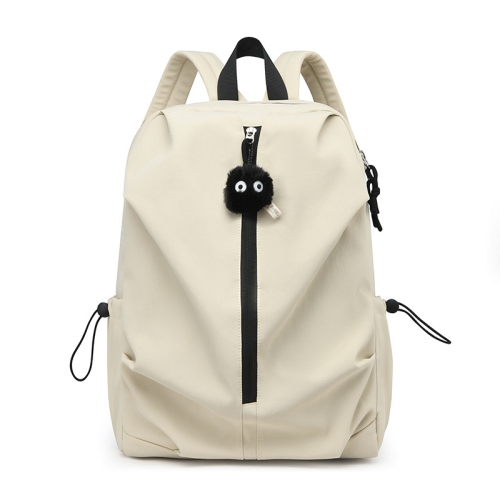
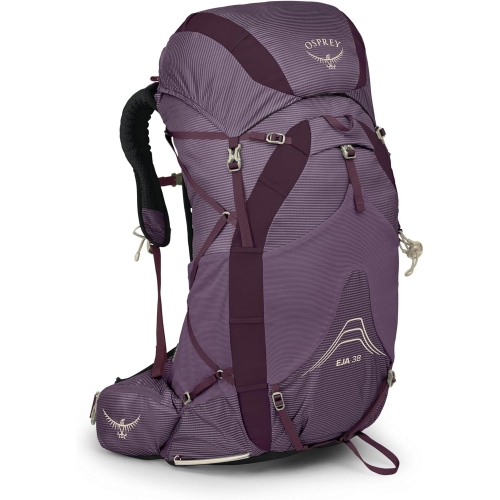
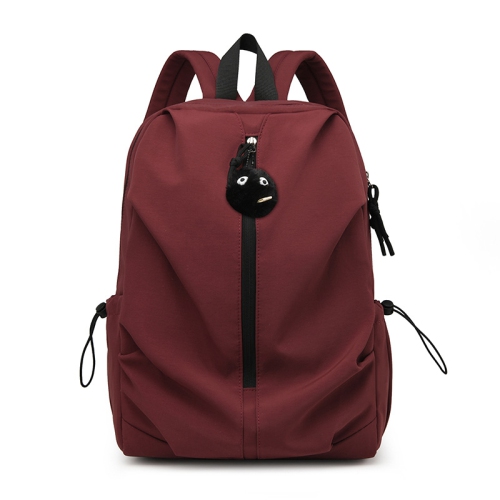

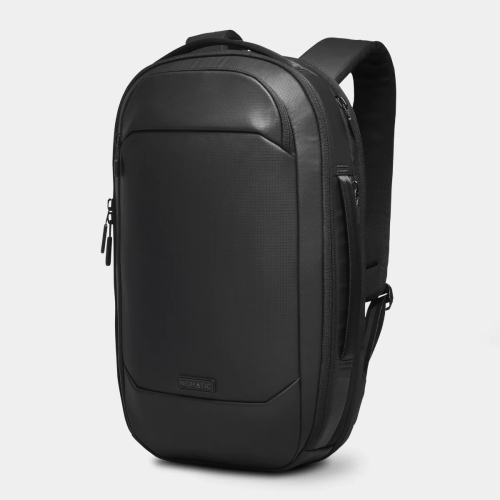


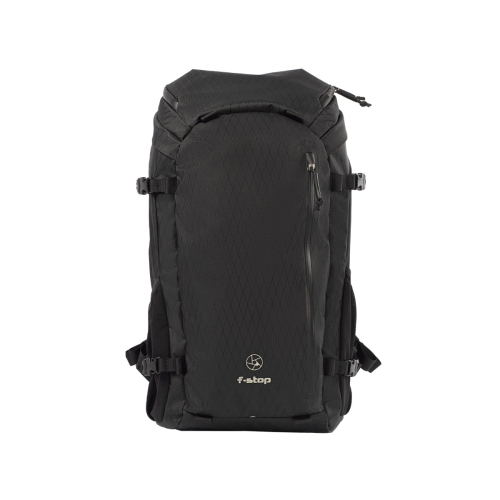
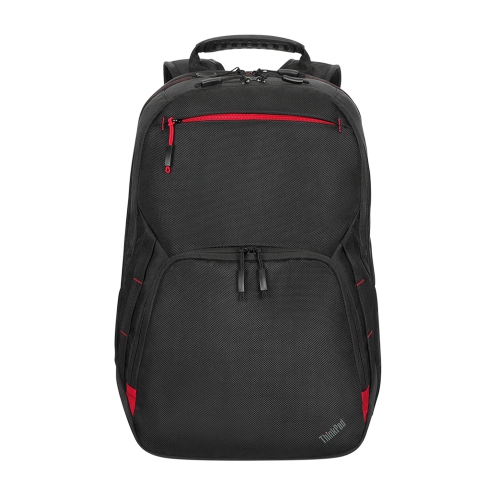
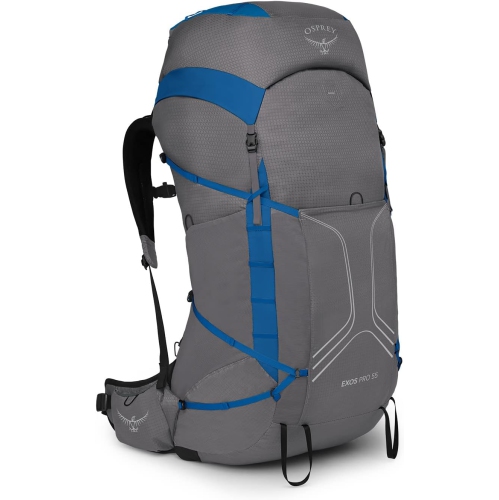
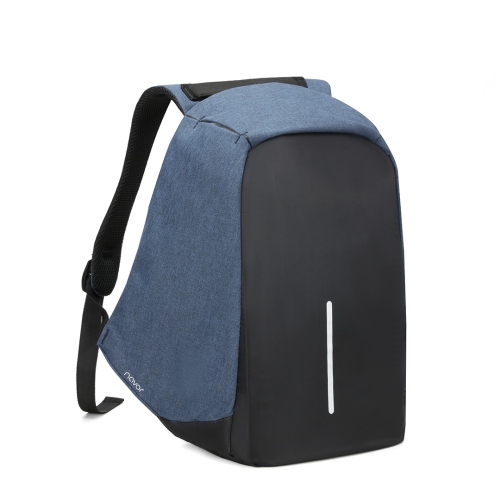


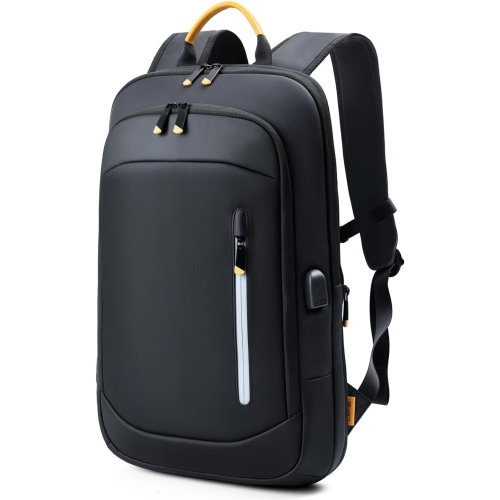
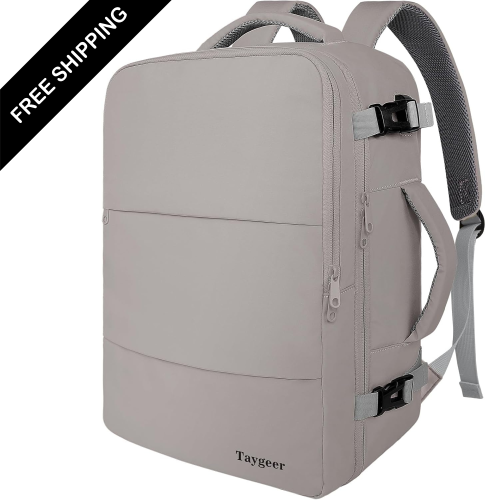
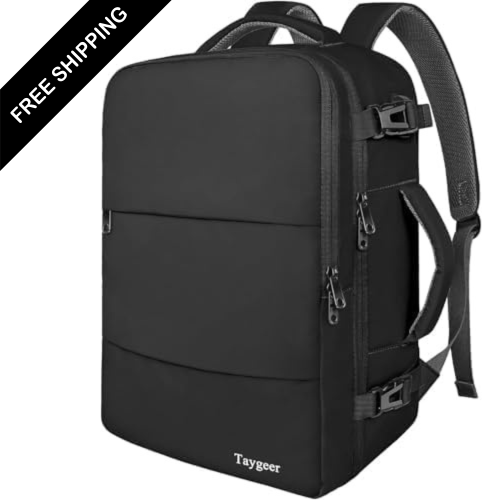
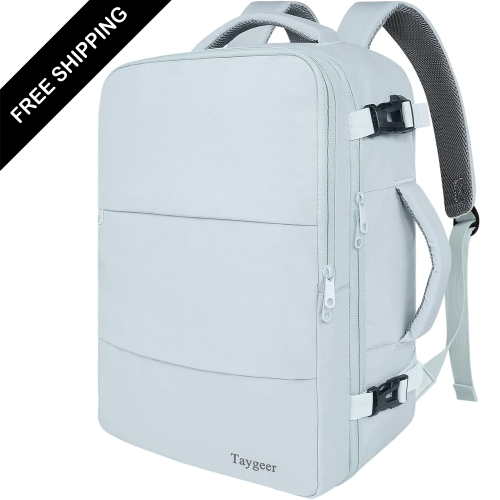
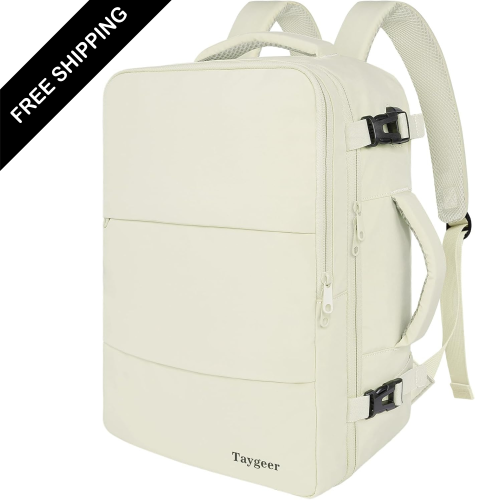

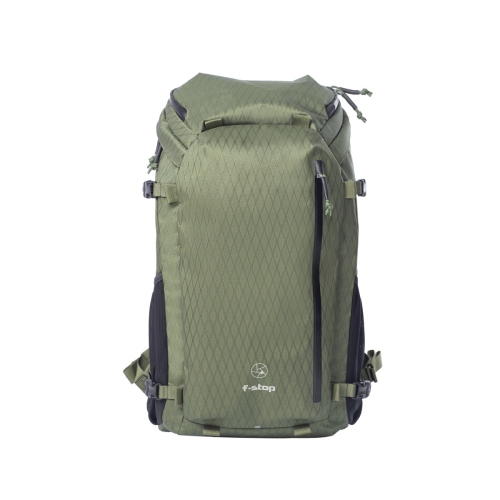
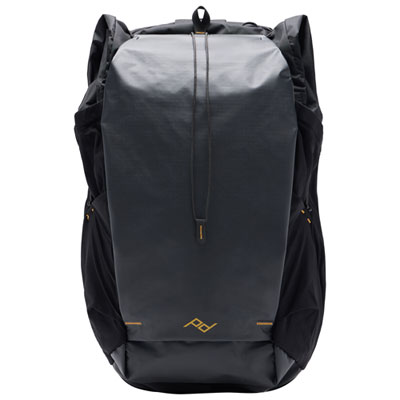
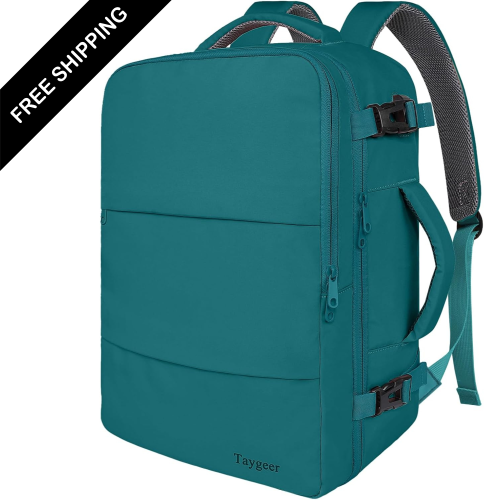
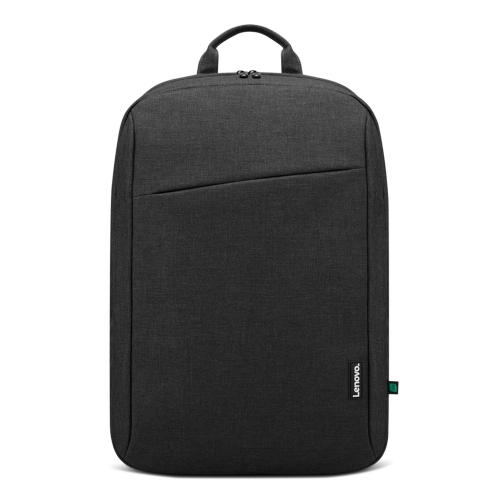
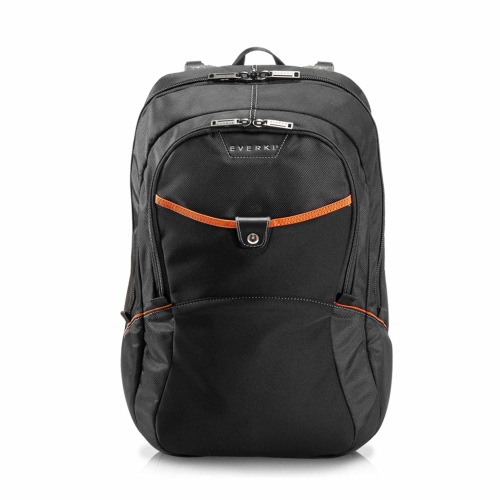
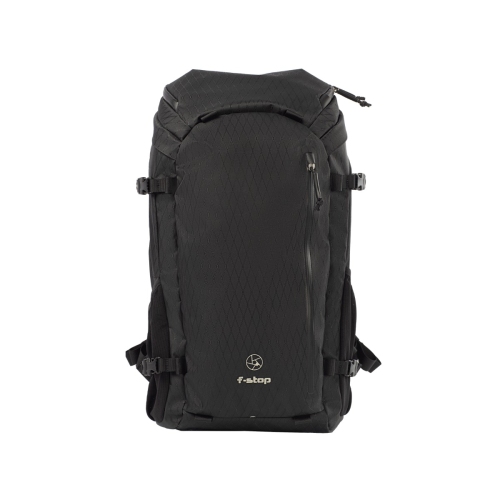
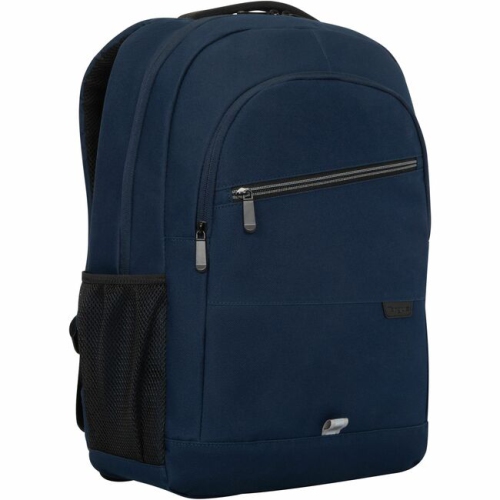
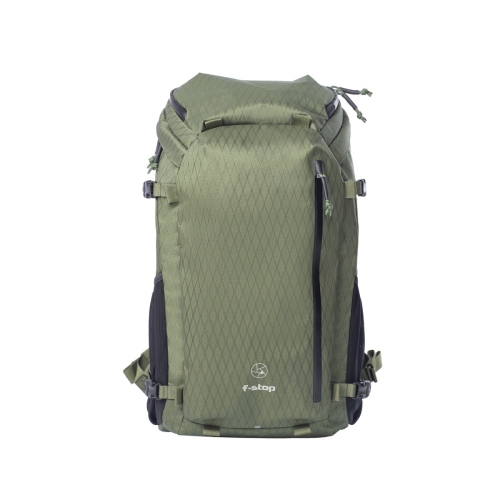
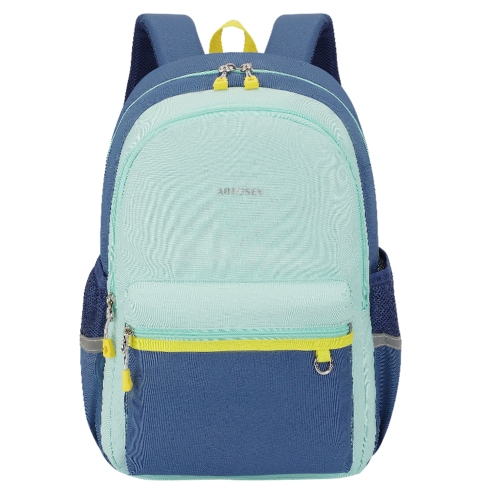
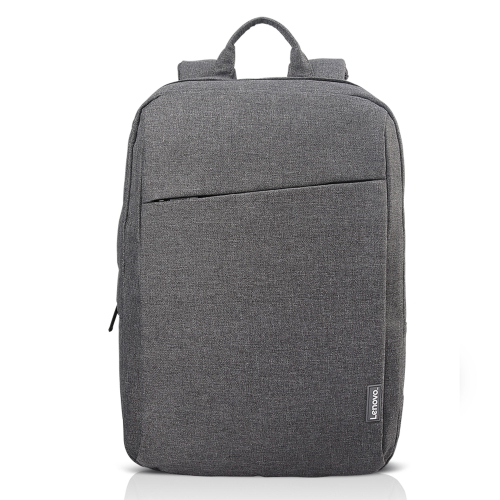
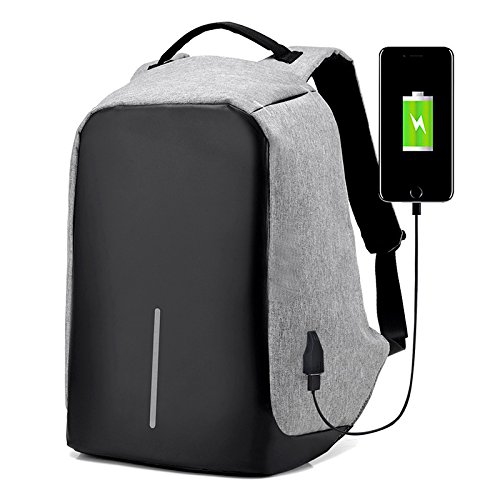
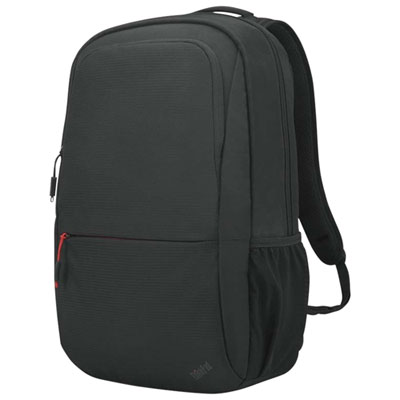

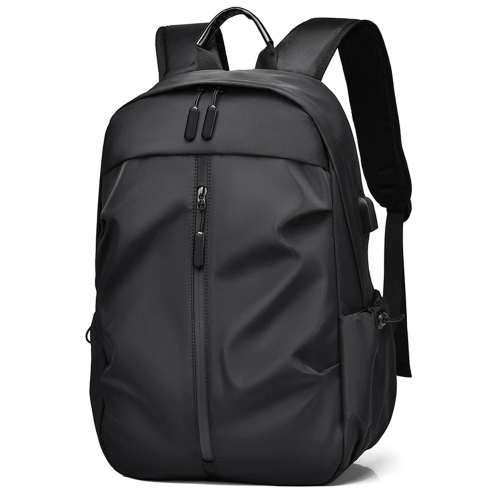
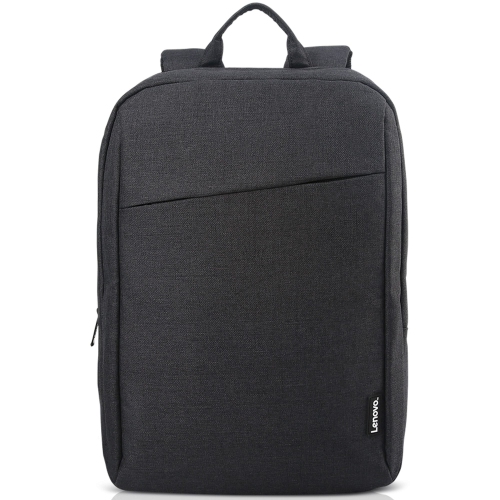
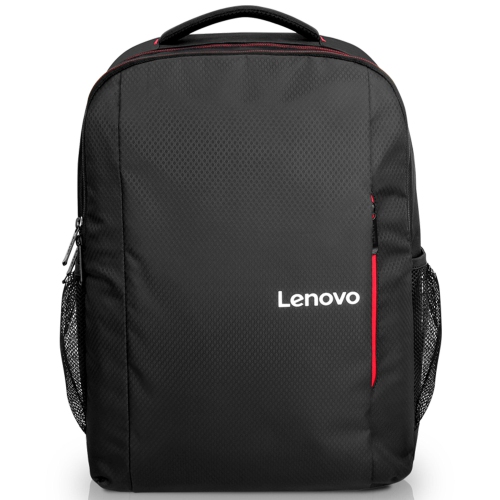
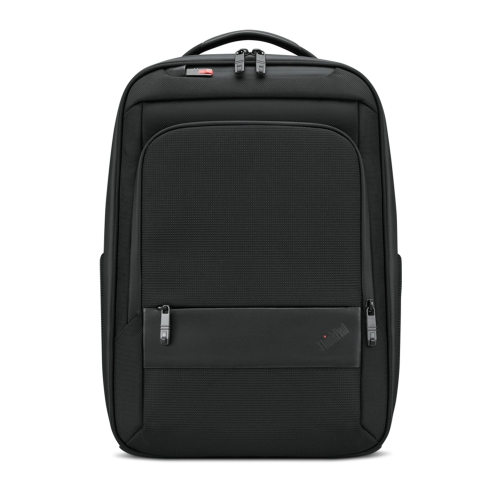
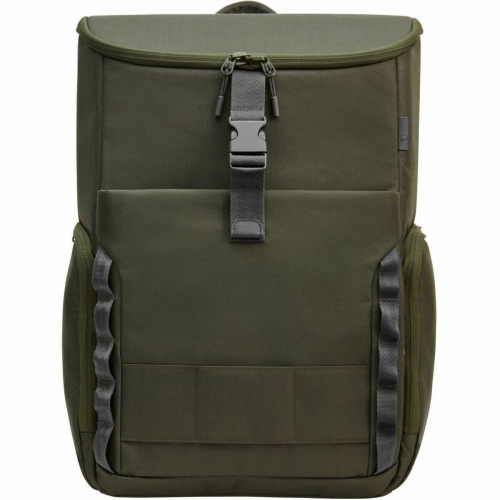
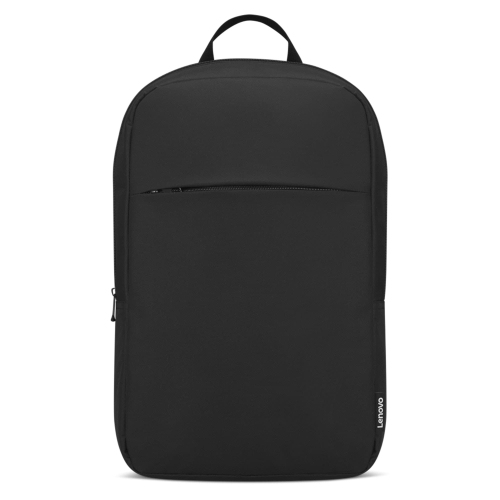
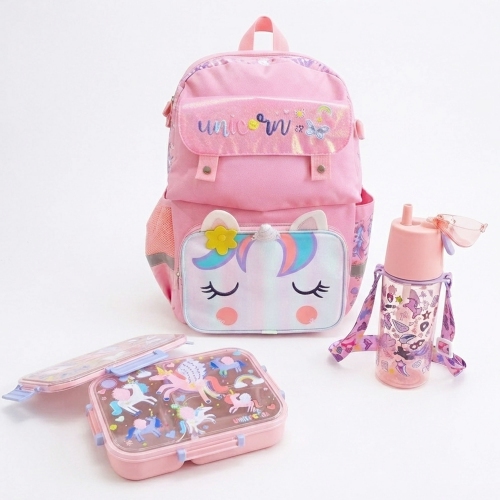
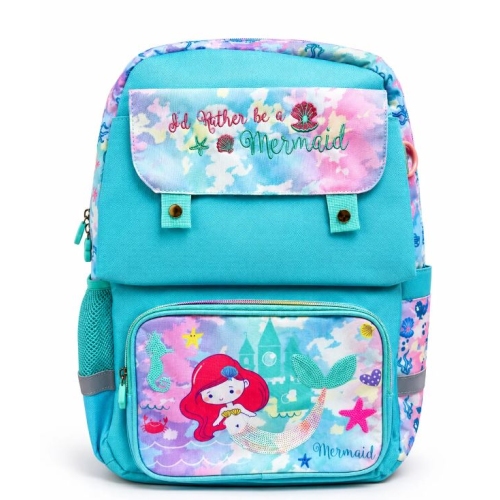
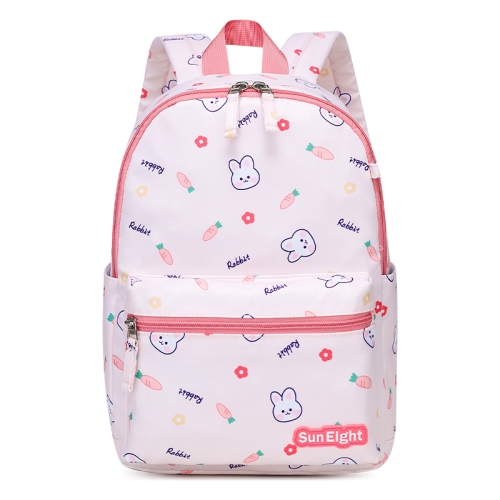
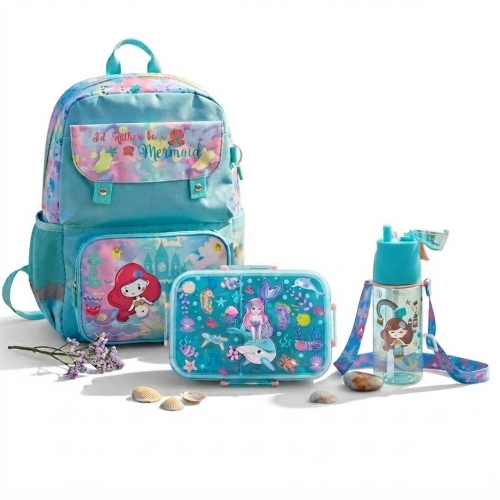
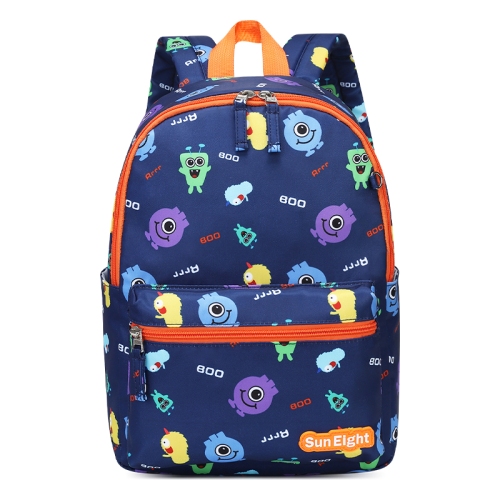
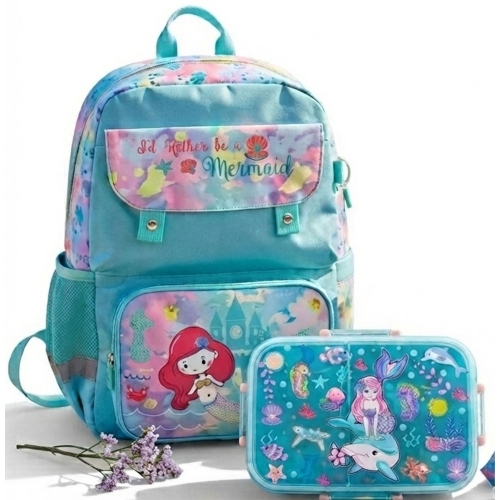
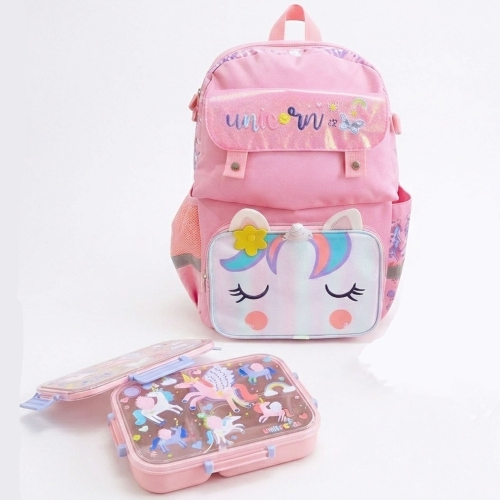

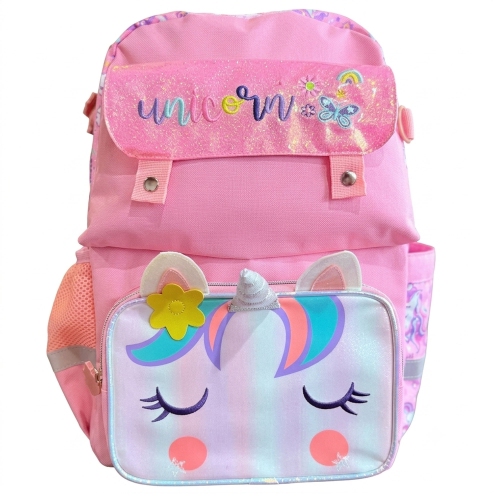
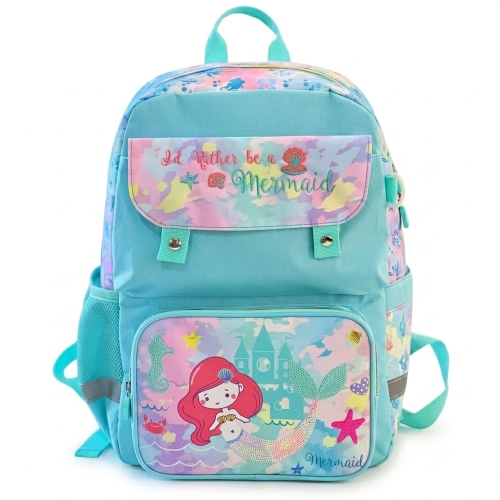
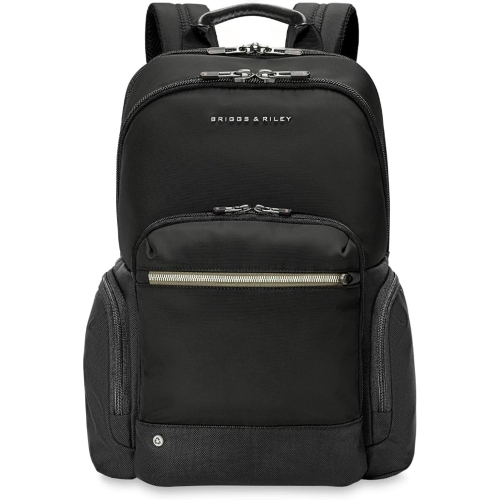
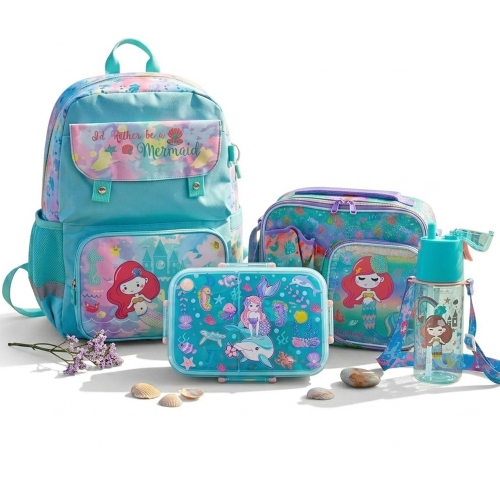
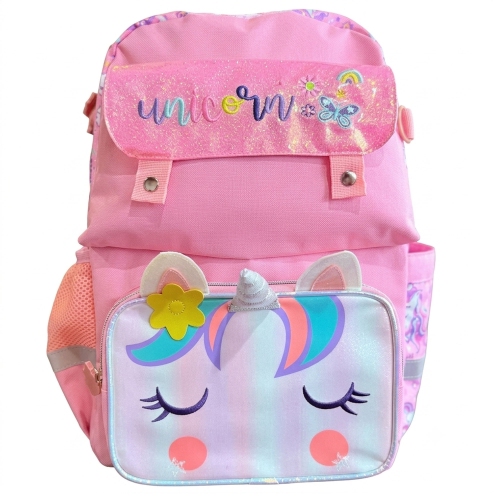
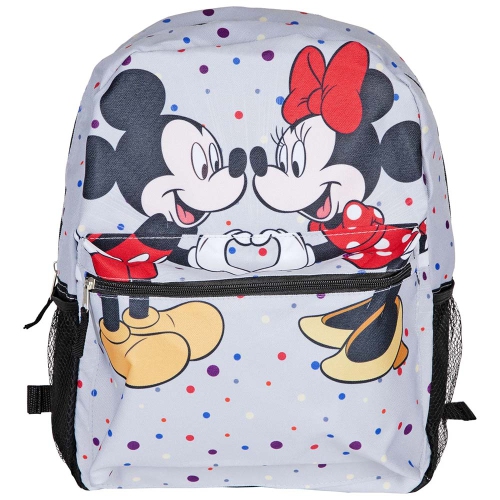
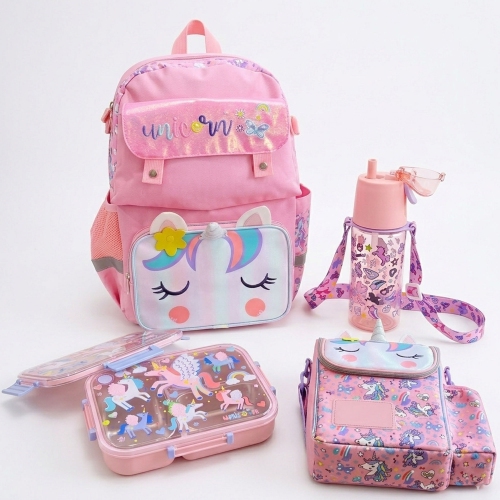
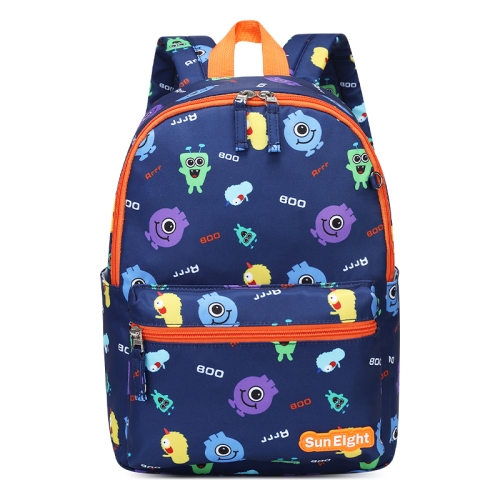
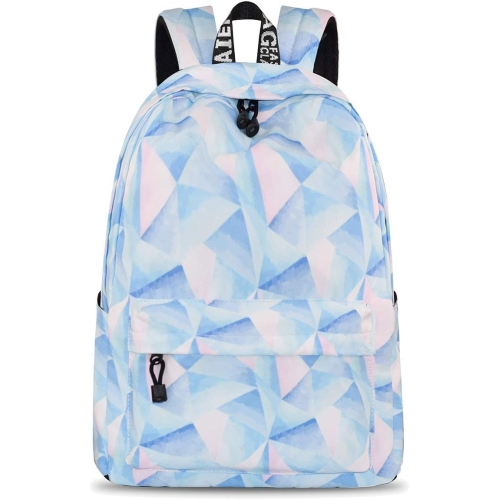
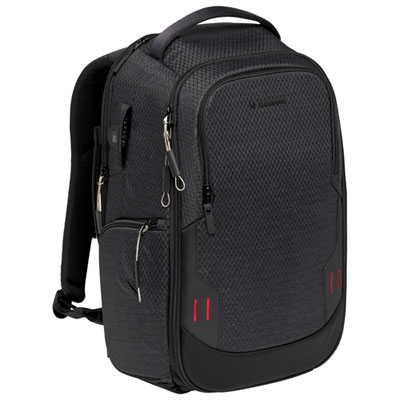
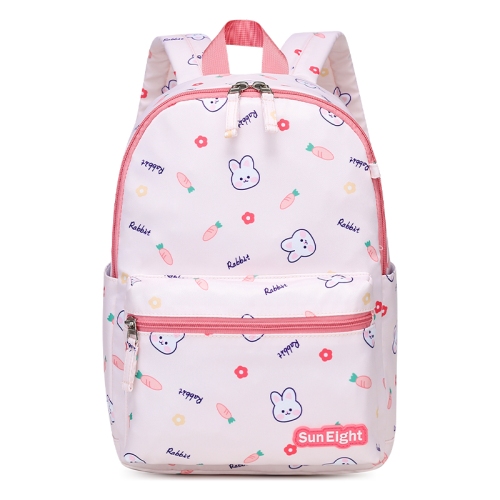

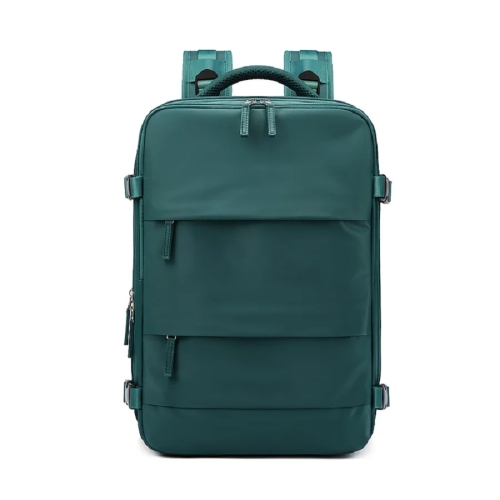
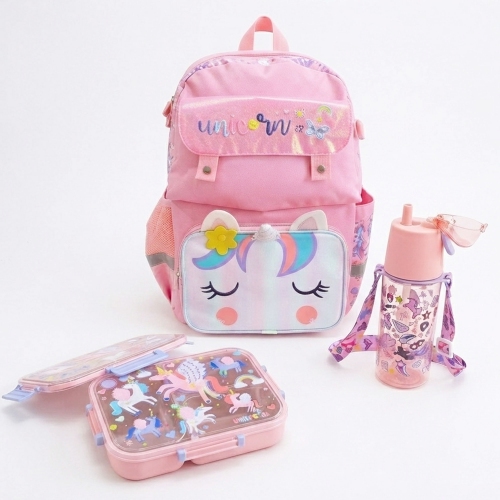
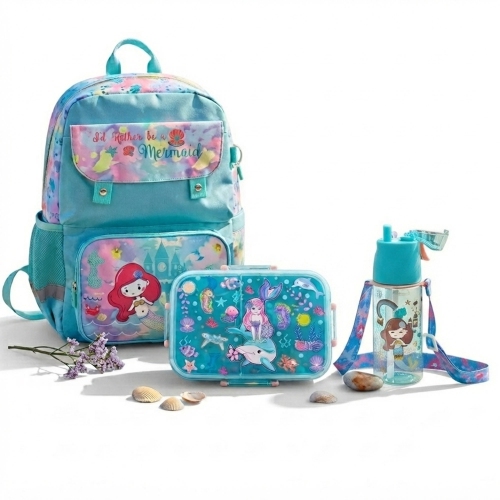

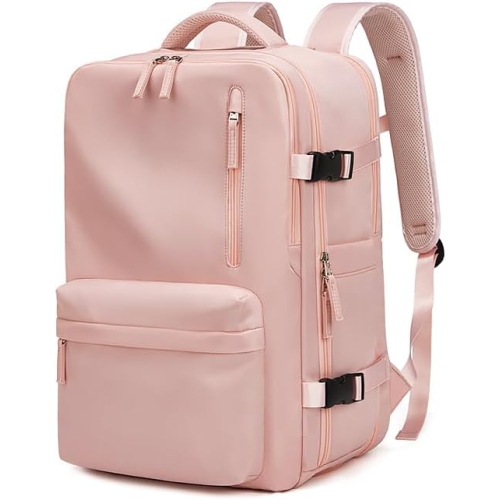
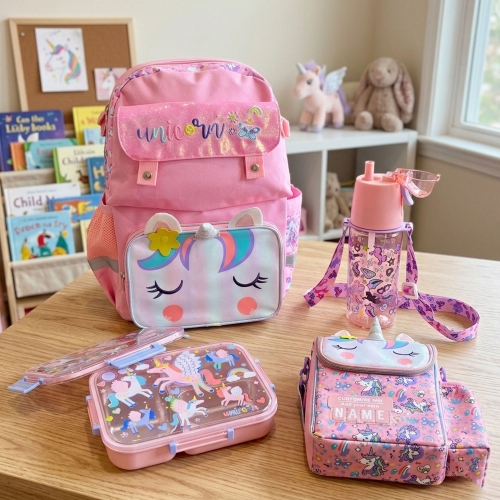
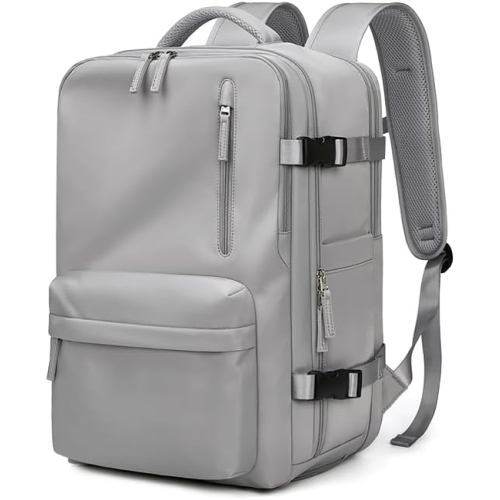
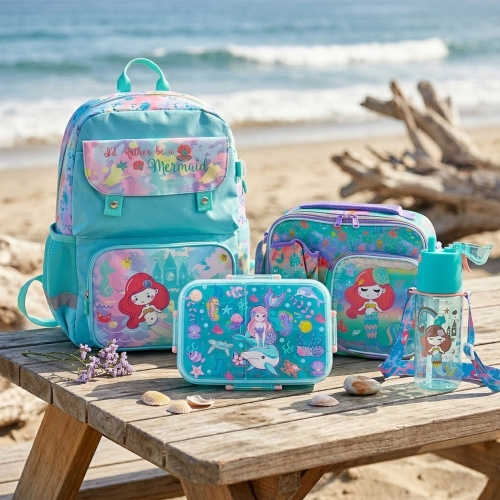
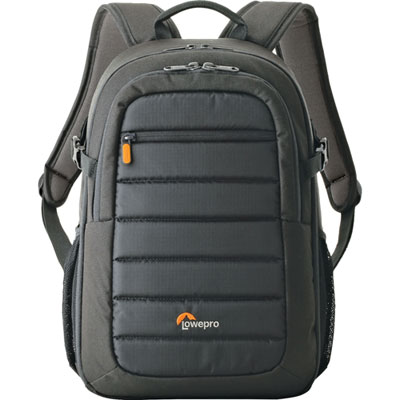

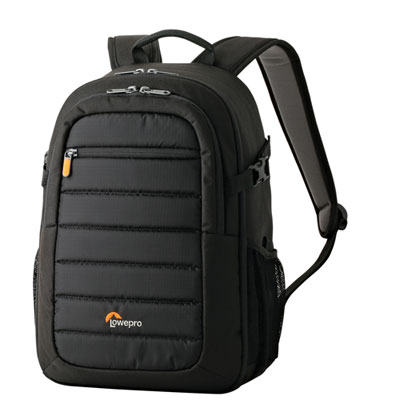
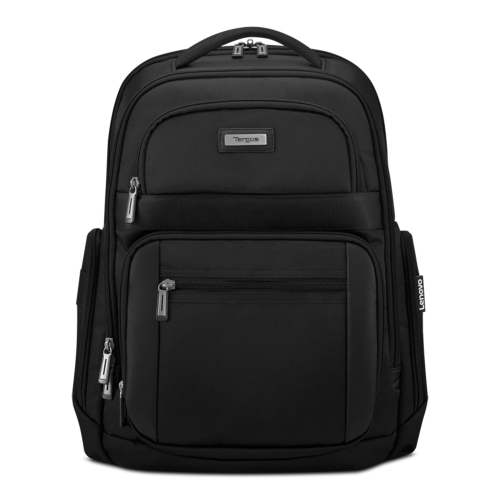


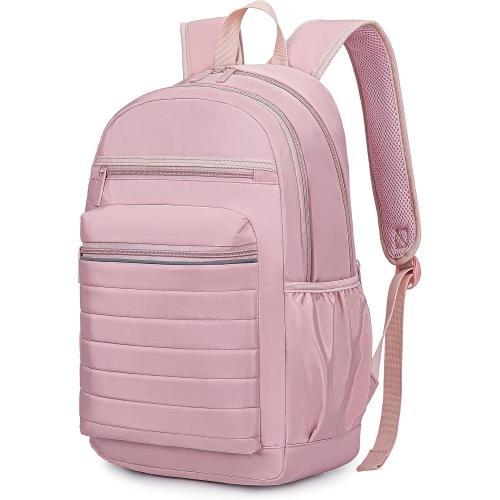
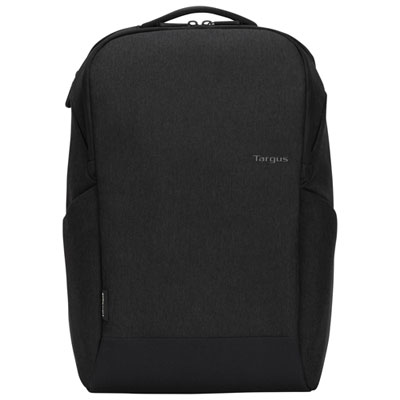
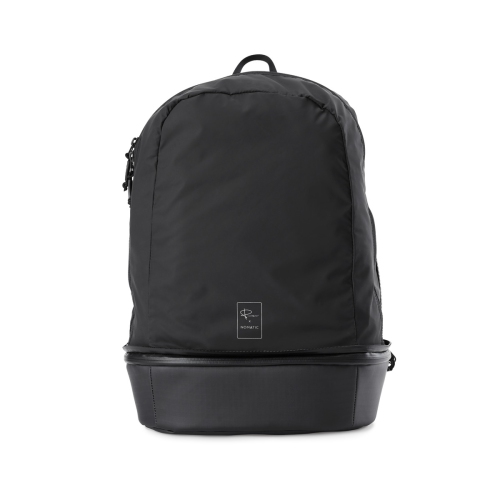
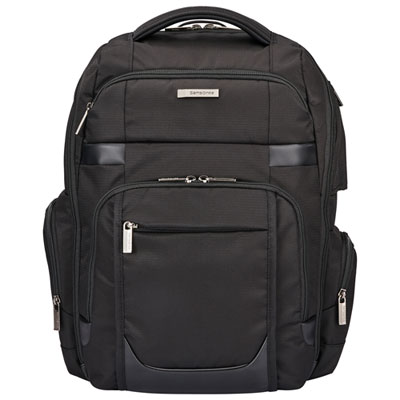
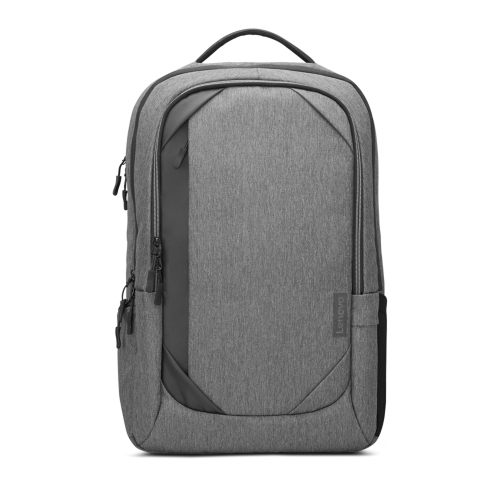

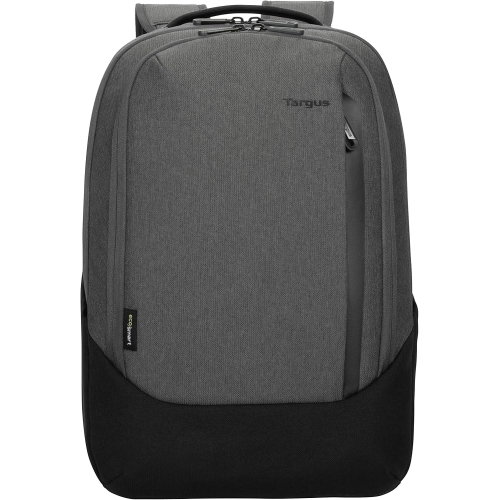
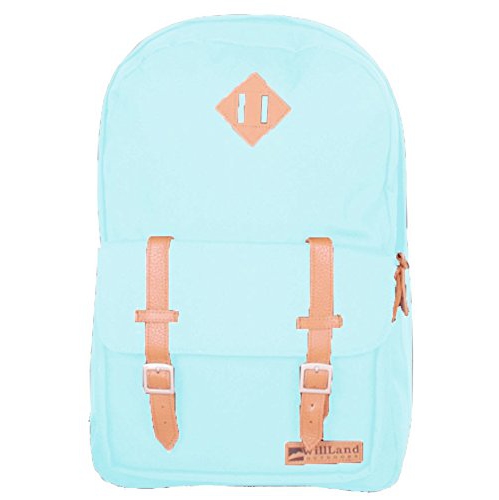

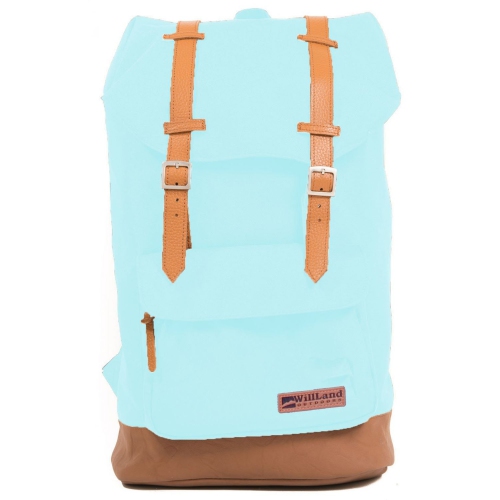
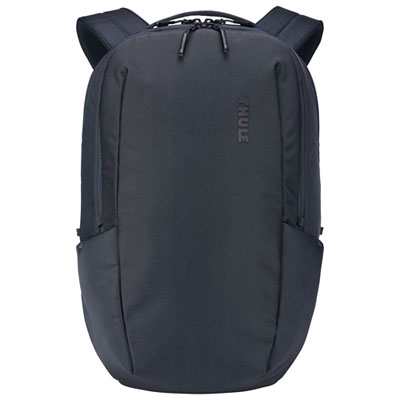
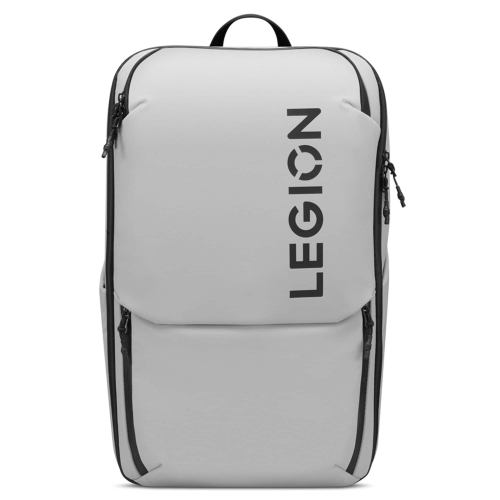

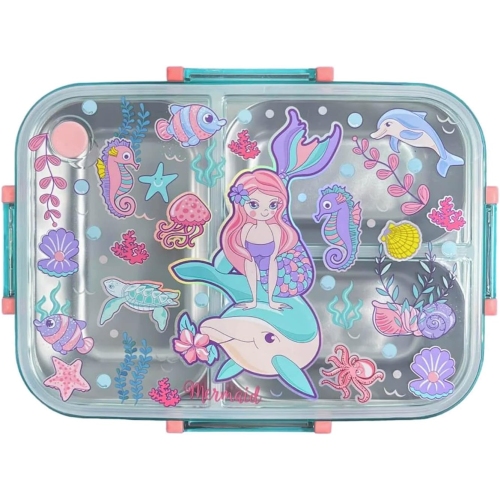
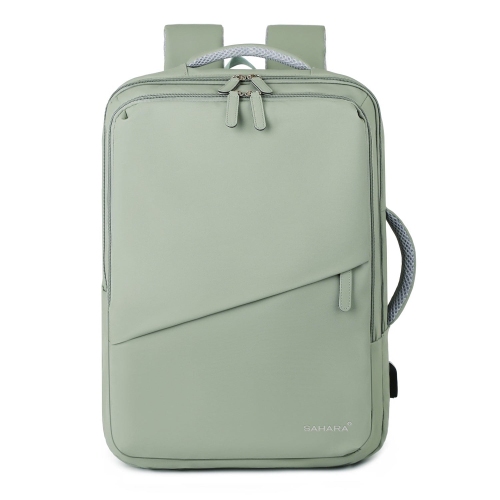
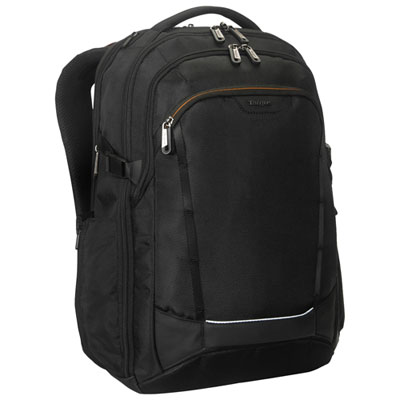
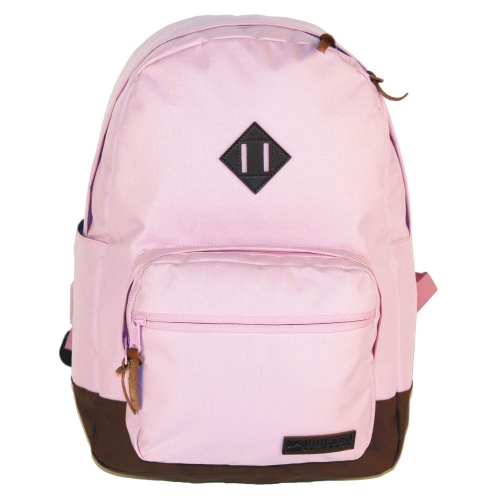

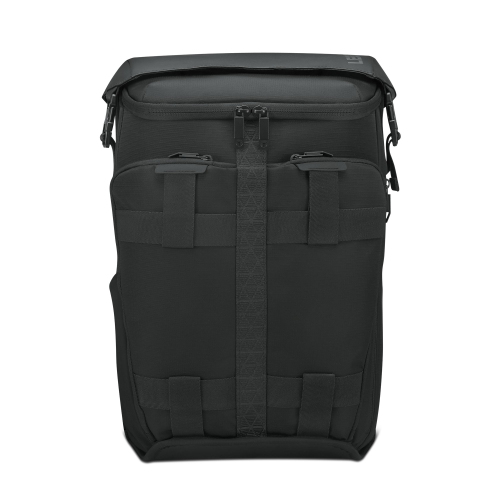
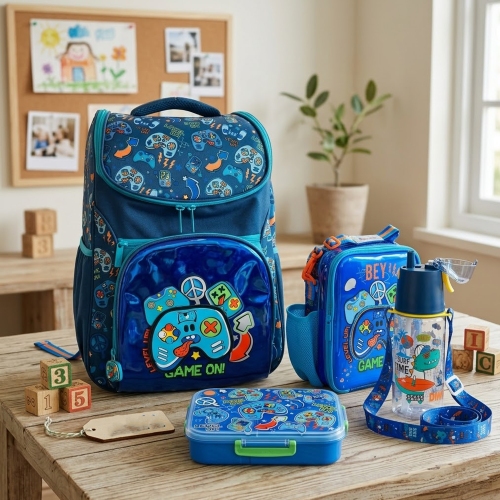
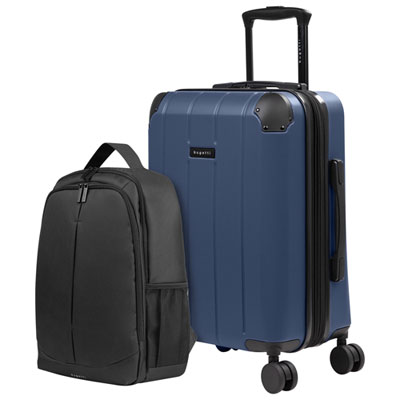
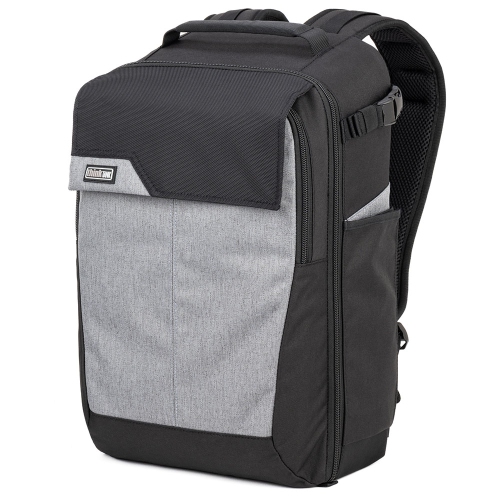
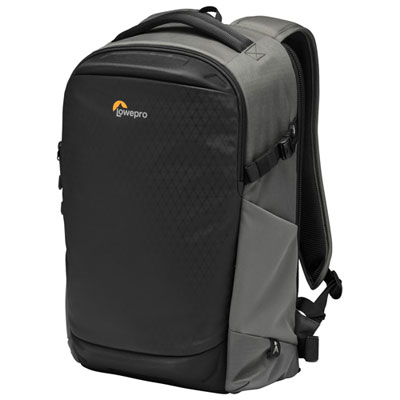
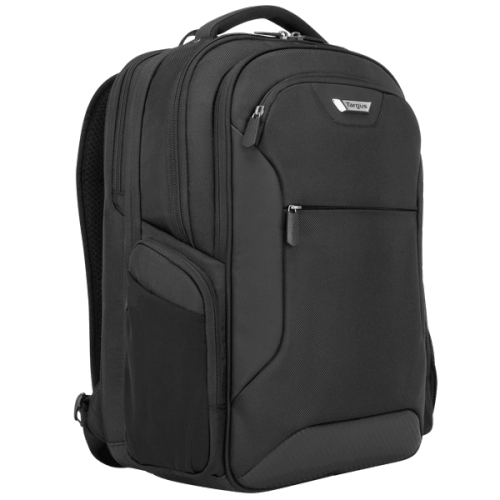
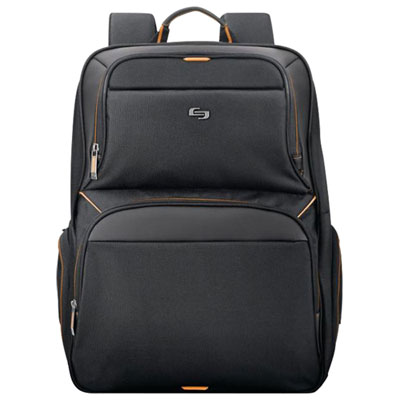

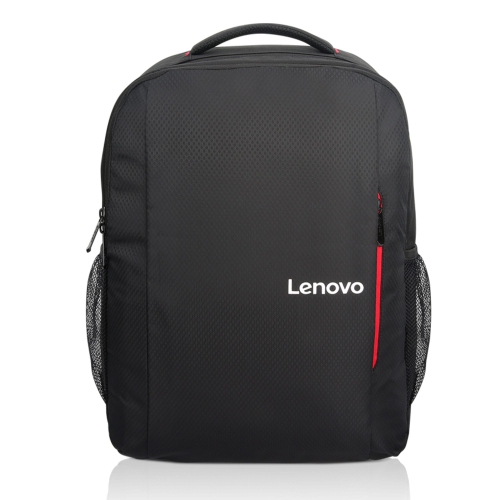
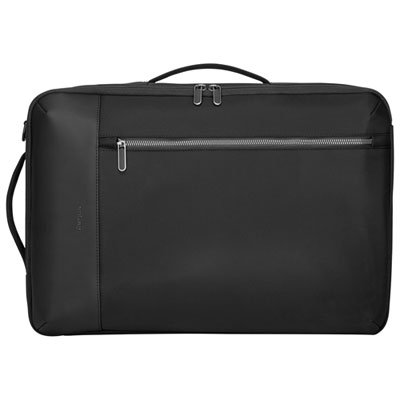
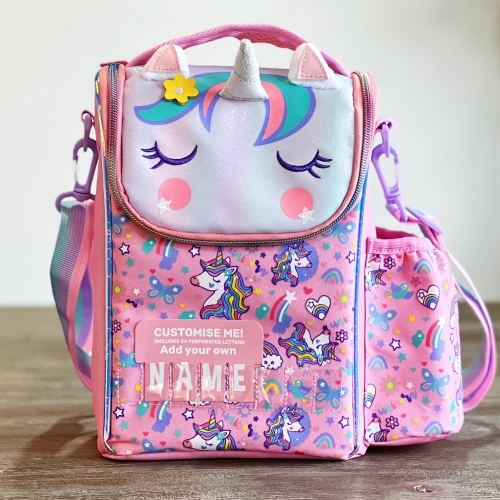

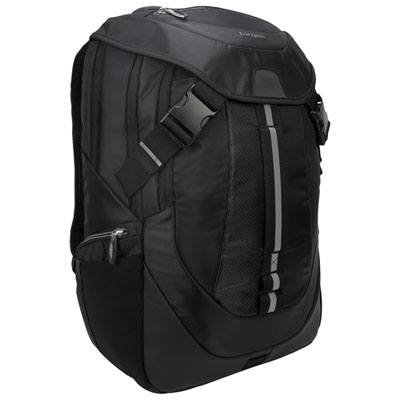
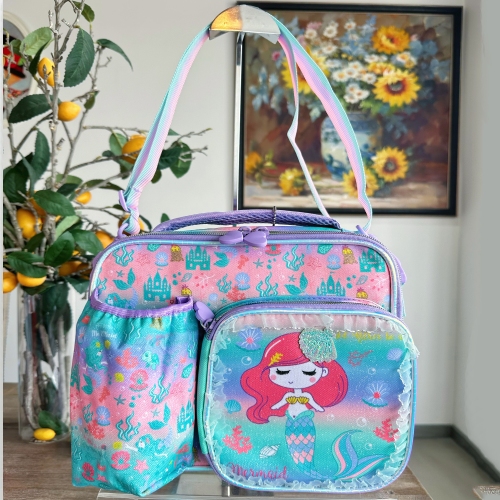
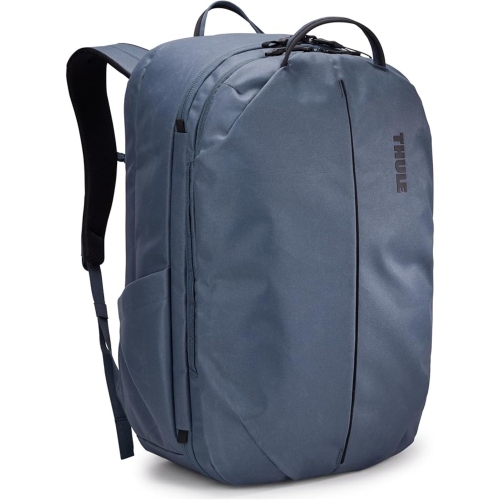
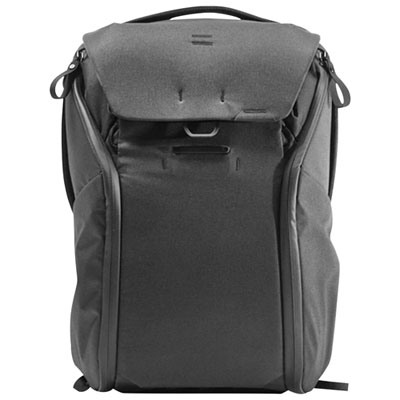


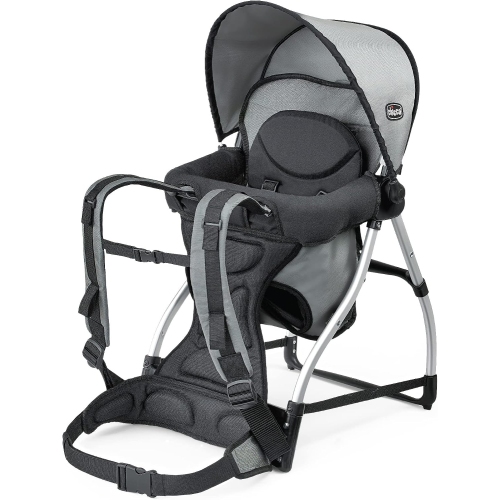
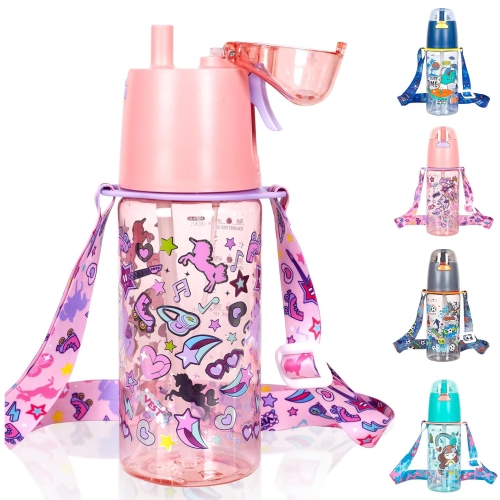
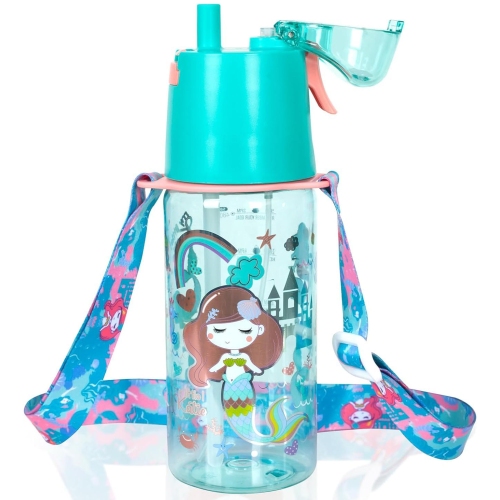
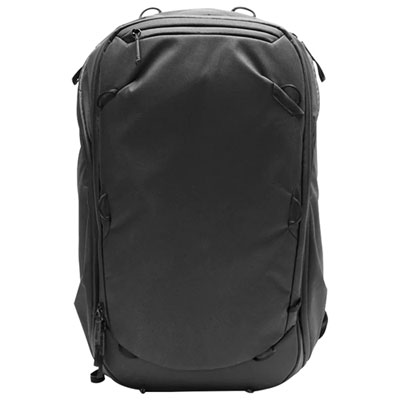
How lightweight packs balance comfort, capacity, and everyday versatility
Lightweight backpacks are designed to carry the essentials without adding unnecessary bulk, making them a practical choice for hiking, travel, commuting, and everyday adventures. Unlike larger expedition packs with extensive padding and heavy support systems, lightweight designs focus on efficient construction, streamlined storage, and materials that balance low weight with dependable durability. Some use ripstop nylon, Dyneema-style composite fabrics, X-Pac-style laminates, or other tightly woven textiles that can withstand regular contact with trail surfaces, vehicle trunks, airport floors, and changing weather. The right pack depends on how you plan to use it. A compact daypack may be ideal for short hikes, sightseeing, campus travel, or carrying personal items through town, while a 30 to 40 L backpack can offer enough room for a full day outdoors or a minimalist overnight trip. Larger capacities, often from 50 to 60 L or more, may be better suited to multi-day hikes when shelter, clothing, cooking equipment, and food need to be carried. Capacity is only one part of the decision. Consider the pack’s empty weight, maximum recommended load, opening style, pocket layout, and overall shape before choosing. A roll-top closure can help adjust the volume as contents change, while a traditional zippered opening may provide quicker access to smaller items. External stretch pockets can keep a rain jacket or water bottle within reach, and interior compartments may help separate electronics, clothing, snacks, and first-aid supplies. For travellers comparing pack styles, the recommendations collected in Best Lightweight Travel Backpacks can help clarify which features are most useful for longer journeys and carry-on routines.
Comfort remains just as important as reducing weight. A backpack that is light when empty can still feel awkward if the torso length does not suit the wearer or if the shoulder straps sit in the wrong position. Look for adjustable torso settings when available, along with shoulder straps that follow the natural curve of the chest without cutting into the neck. A padded hip belt can transfer some of the load from the shoulders to the hips, especially when carrying a pack for several hours, although very minimalist daypacks may rely mainly on shoulder straps. Load lifters, sternum straps, and a supportive back panel can help keep the pack stable while walking over uneven ground, climbing stairs, or moving through a busy station. Ventilated mesh panels may improve airflow during a warm hike, while a close-fitting back can offer better balance when scrambling or cycling. Fit the pack with the items you expect to carry rather than judging it while empty. Place heavier gear close to the middle of the back, keep frequently used items in accessible pockets, and avoid allowing loose objects to shift from side to side. A useful starting point is to keep a day-hiking pack below roughly 10% of the wearer’s body weight, while a loaded backpacking pack is often kept below about 20% where practical. These are guidelines rather than strict rules, and personal fitness, terrain, trip length, and the pack’s support system all matter. On a cool-weather outing, for example, a lightweight backpack may need to hold an extra layer, gloves, a toque, and a rain shell, while a summer walk may require more water and sun protection. During the cooler months, room for a compressible jacket and dry socks can make the difference between a comfortable afternoon and a hurried return home.
Lightweight backpacks also suit a wide range of people and routines, which makes them thoughtful gifts for students, commuters, hikers, travellers, and anyone who prefers to keep their hands free. A student may use one for a laptop, notebooks, lunch, and a water bottle, while a commuter may value a separate electronics sleeve, a luggage pass-through, and reflective details for lower-light walks. Travellers often appreciate a pack that fits beneath an aircraft seat or works as a personal item, provided its dimensions meet the carrier’s requirements. For day trips, museums, markets, and sightseeing, a lightweight backpack leaves both hands available for transit cards, maps, shopping bags, or taking photographs. On the trail, it can carry water, snacks, navigation tools, a phone, sunscreen, a compact first-aid kit, and a spare layer without the cumbersome feel of a full hiking pack. For overnight use, make sure the suspension system is suited to the intended load; a very minimal pack may be comfortable with carefully selected gear but less enjoyable when filled with bulky equipment. Water resistance is another important consideration. Water-resistant fabric and a well-designed closure can provide useful protection during a passing shower, but they do not always make a pack fully waterproof. A pack cover or waterproof liner can add another layer of protection for clothing, electronics, and sleeping gear when travelling through wet conditions. Before purchasing, check the dimensions, empty weight, capacity, fit range, pocket configuration, closure system, and care instructions. Think about what you regularly carry and how far you carry it: the best lightweight backpack is not simply the one with the lowest number on the scale, but the one that holds your essentials securely, distributes the load comfortably, and matches the pace of your everyday plans.
Top selling and popular products
-
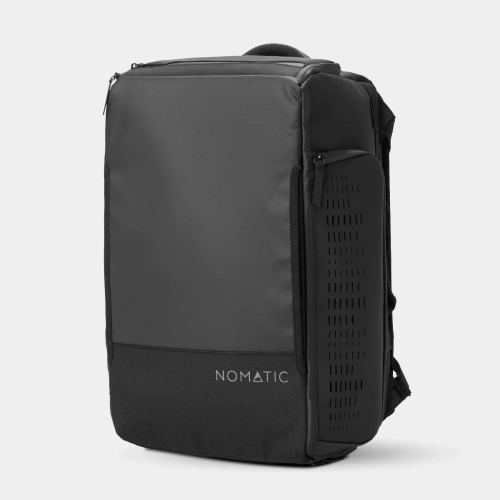 Your price for this item is $419.99
-
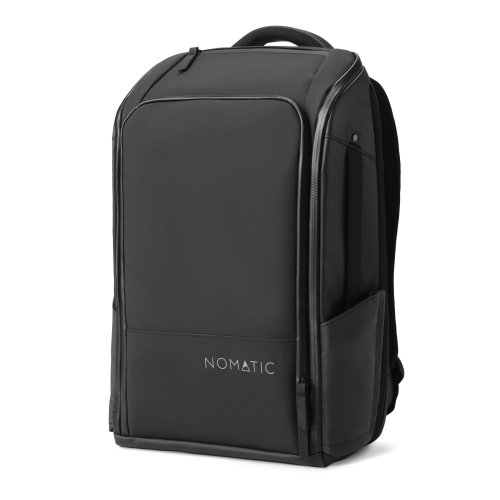 Your price for this item is $399.99
-
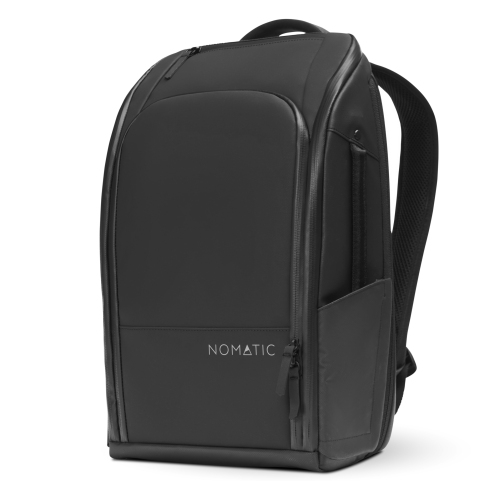 Your price for this item is $369.99
-
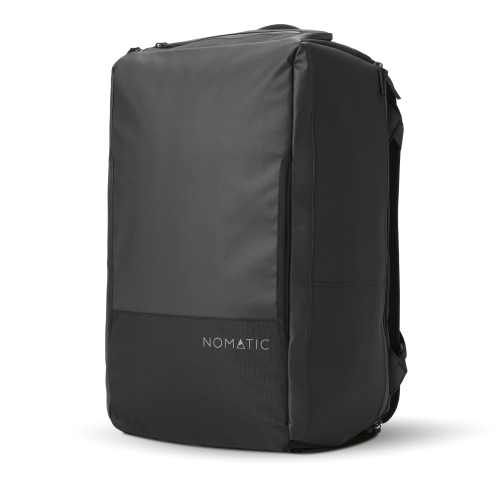 Your price for this item is $399.99
-
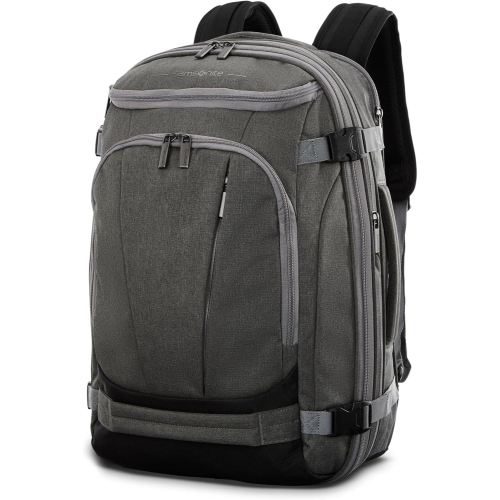 Your price for this item is $218.48
-
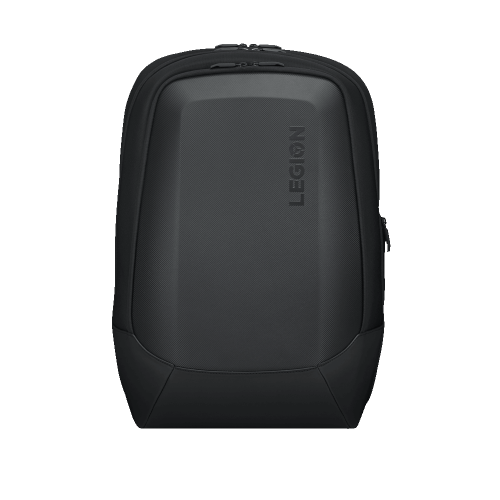 Your price for this item is $98.99
-
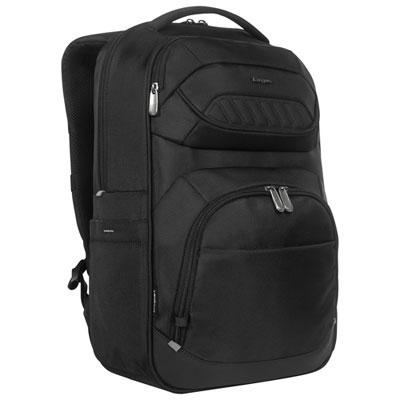 Your price for this item is $99.99
-
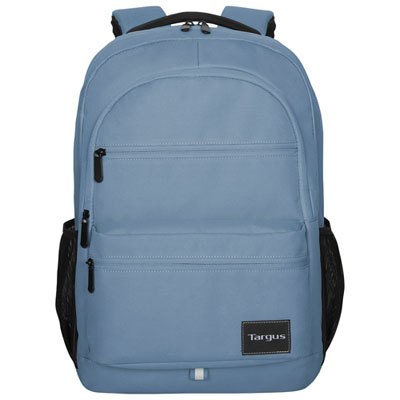 Your price for this item is $59.97
Discover more categories related to Lightweight Backpacks
Top Collections:
Pokemon Centers, Best Cameras for Sports Photography, Kindle Devices, Samsung Galaxy Phones, Canon G7X Cameras, Pokémon 30th Celebration Cards, Refurbished Apple Laptops, iPhone 15 Apple, Laptops for Students, Budget Smartphones
Some products may be subject to Environmental Handling Fees
(EHF) depending on your province.
Learn more about EHFs.