Modern Wallets
Upgrade your style and keep your essentials organized with our collection of modern wallets. Whether you're looking for a sleek leather wallet, a minimalist cardholder, or a versatile money clip, we have the perfect accessory to complement your everyday look. Our range of modern wallets combines functionality with contemporary design, offering you a variety of options to choose from. From slim profiles to multiple compartments, these best wallets for men are designed to meet your storage needs while adding a touch of sophistication to your ensemble. Explore our selection and find the perfect modern wallet that suits your personal style and helps you stay organized on the go.
Sort
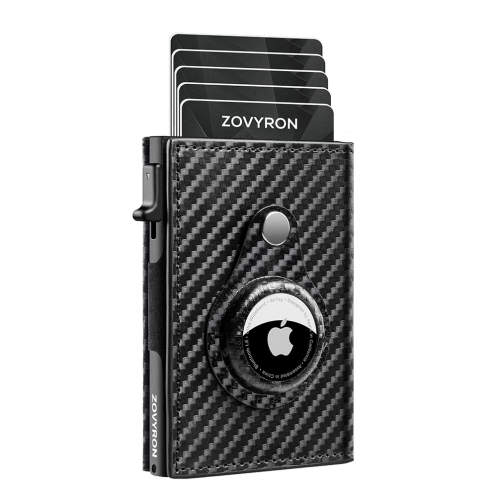
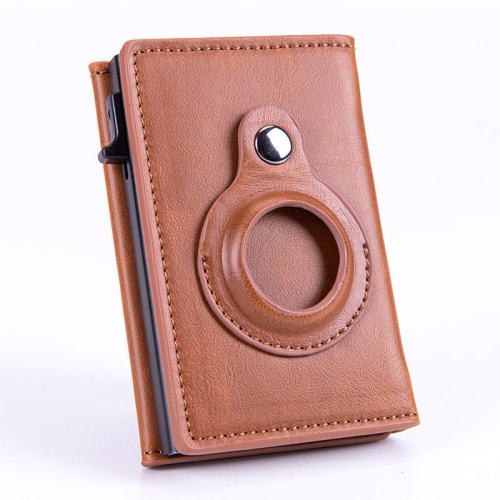
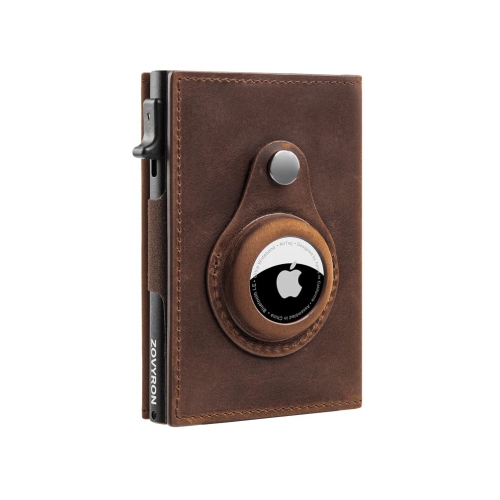
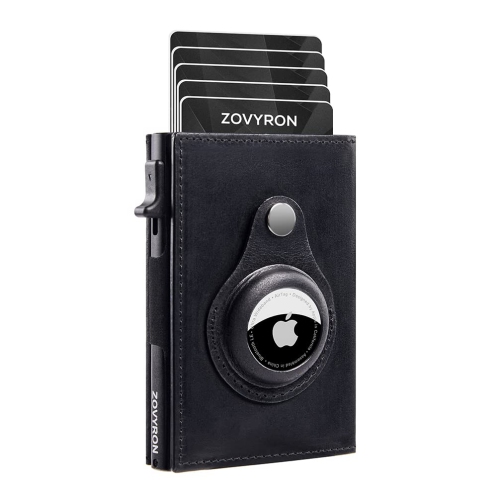
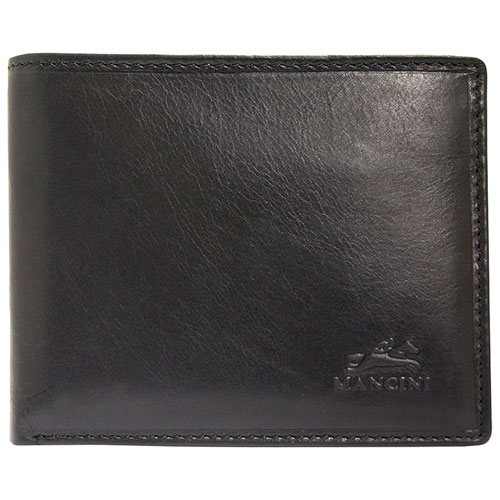
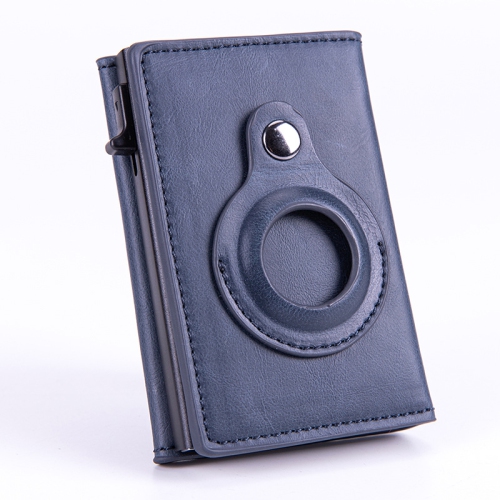
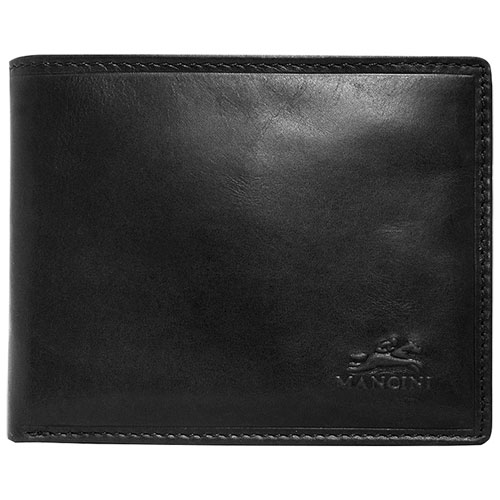


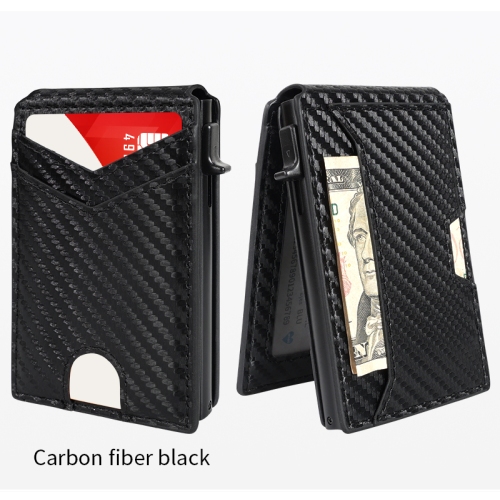

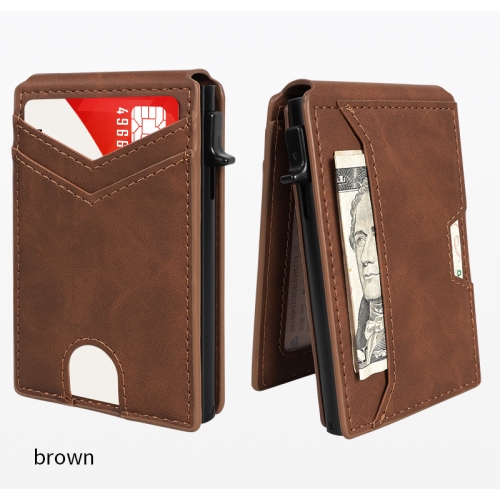


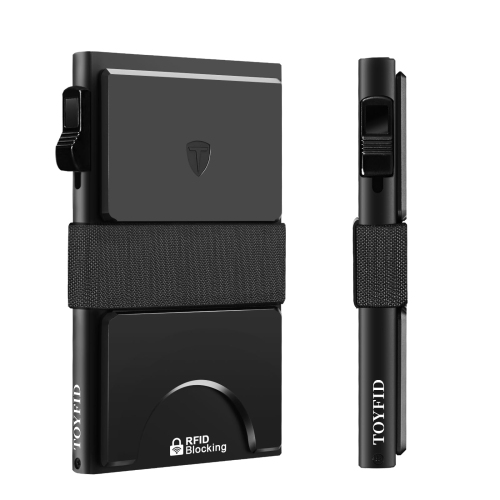
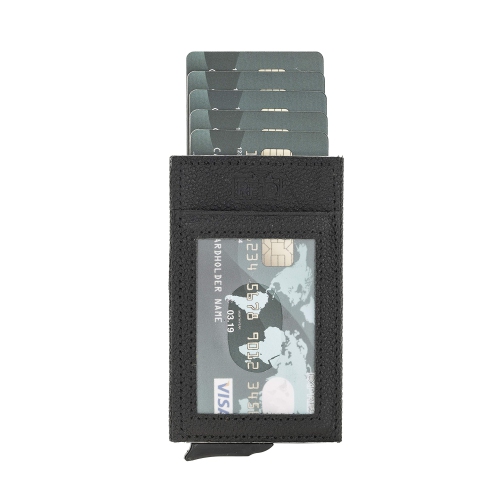


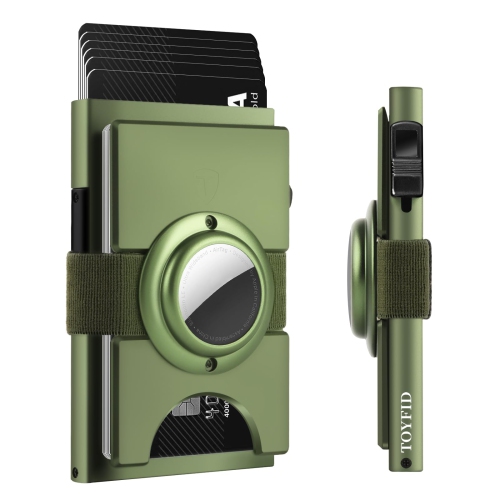






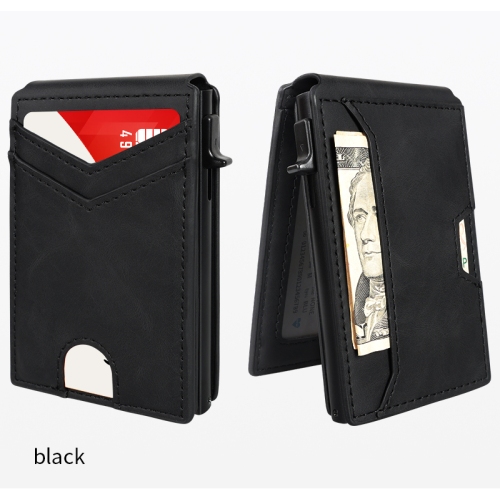
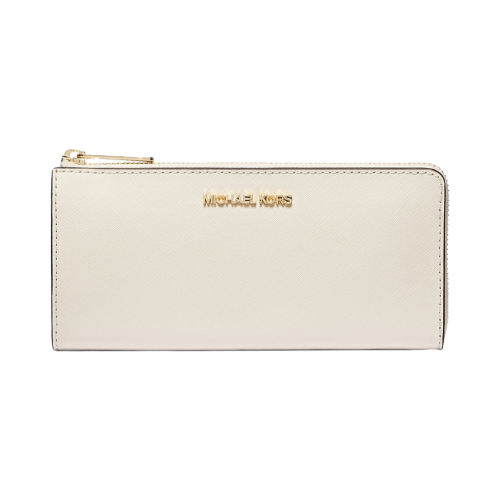

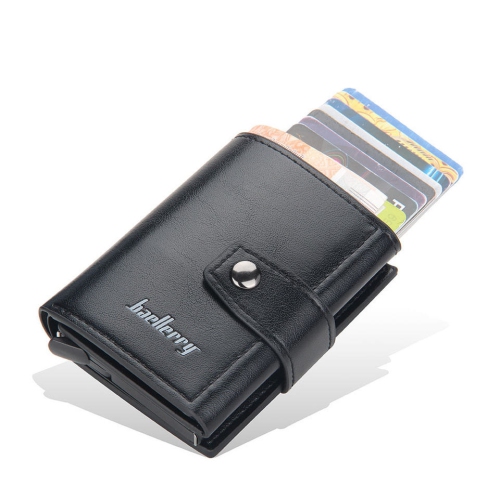

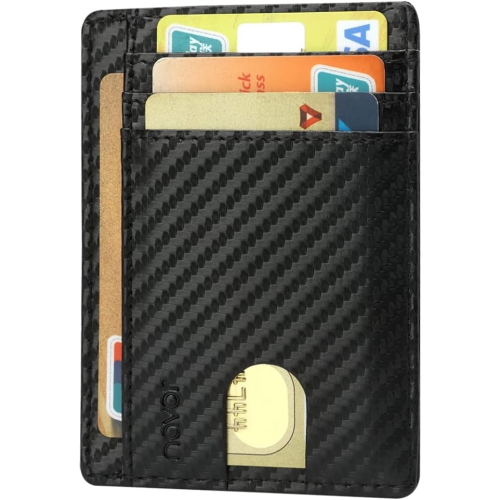

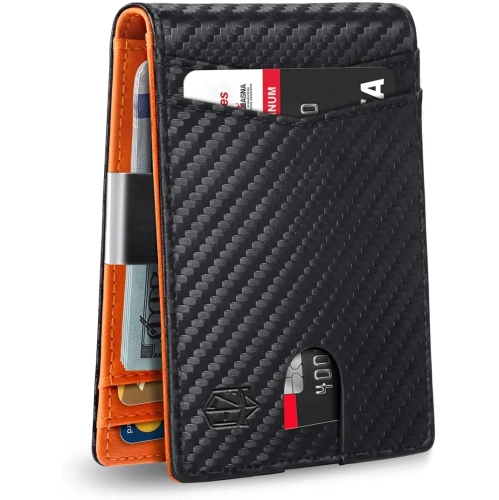

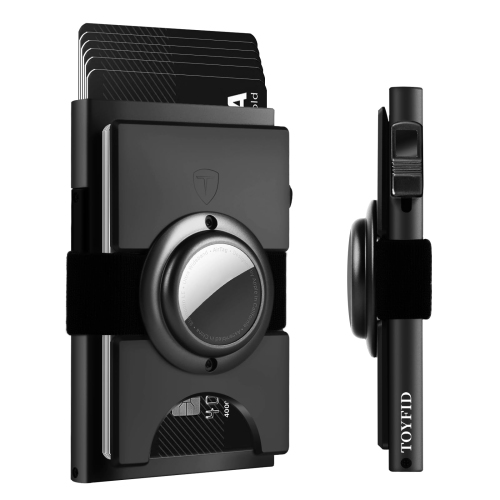
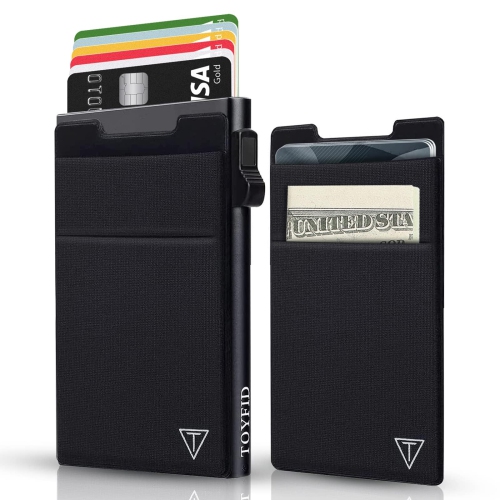


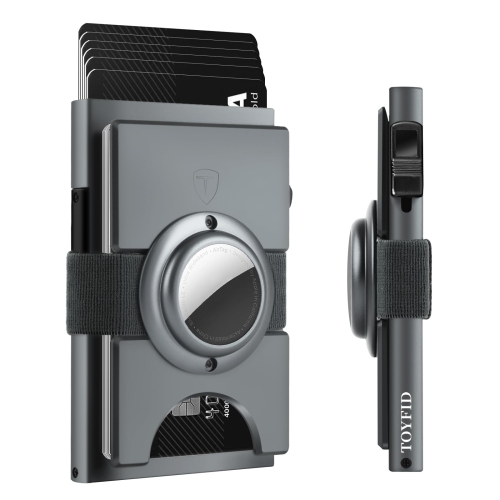


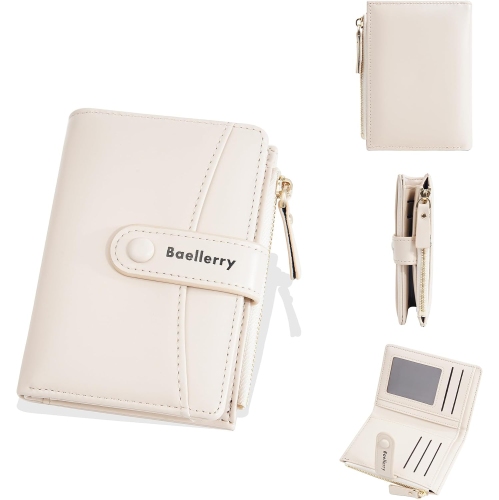


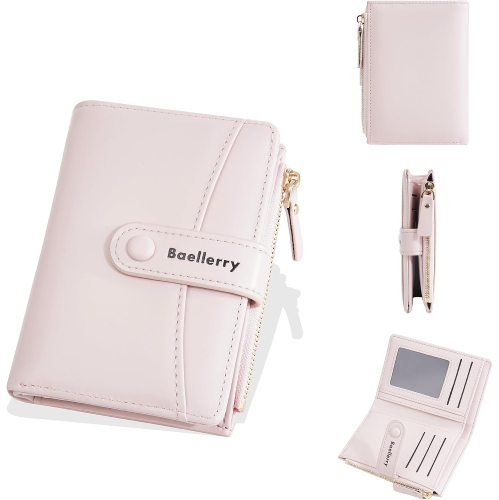
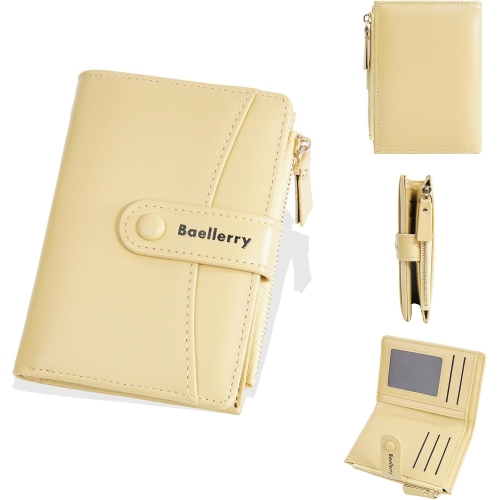
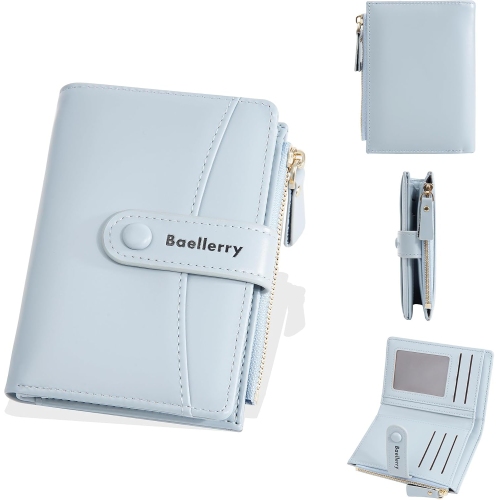


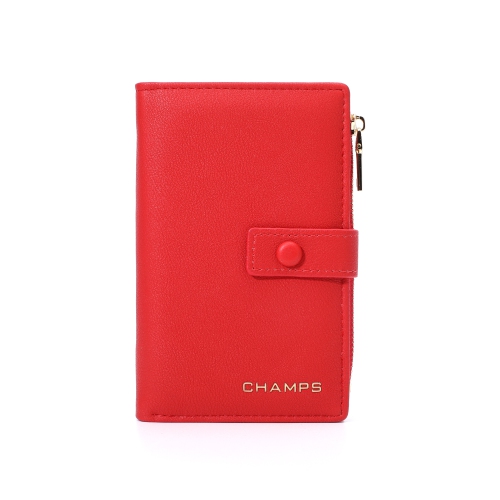


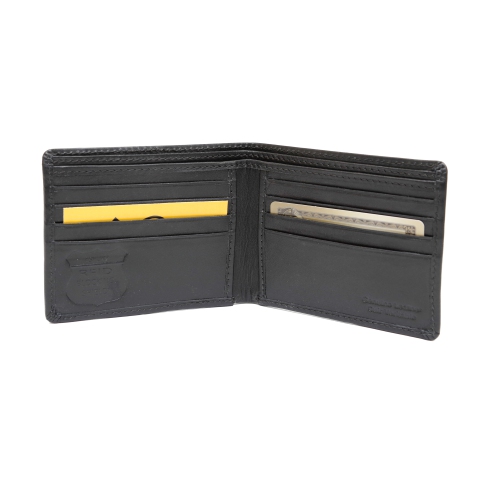


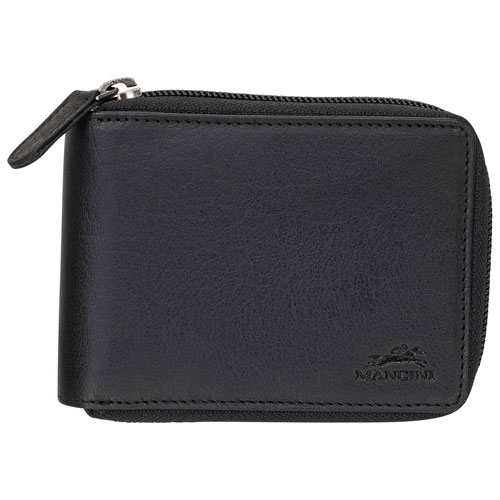

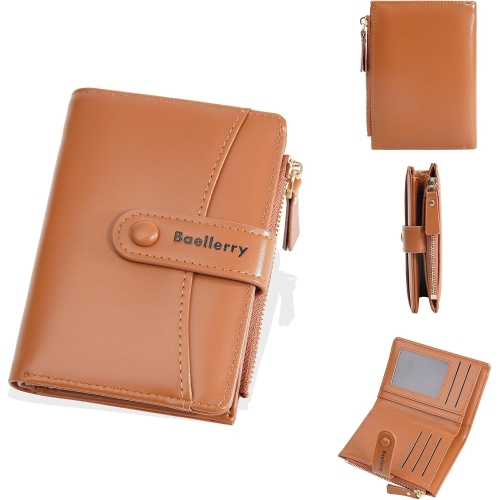


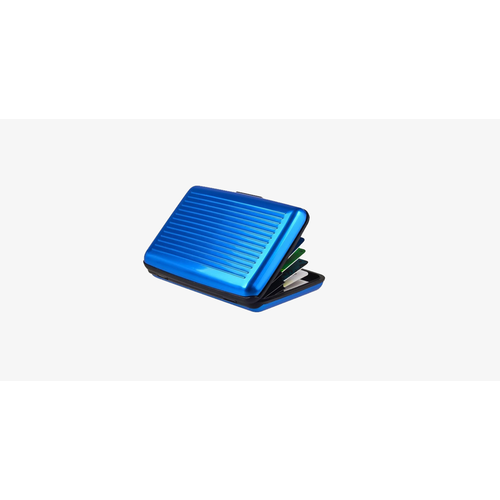


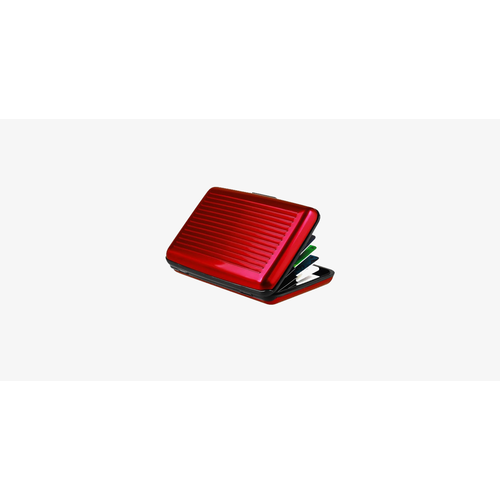
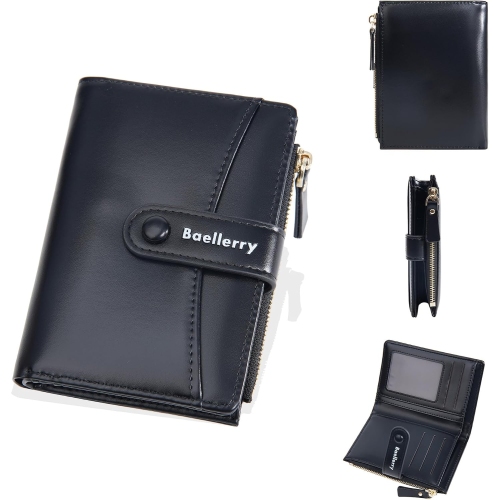
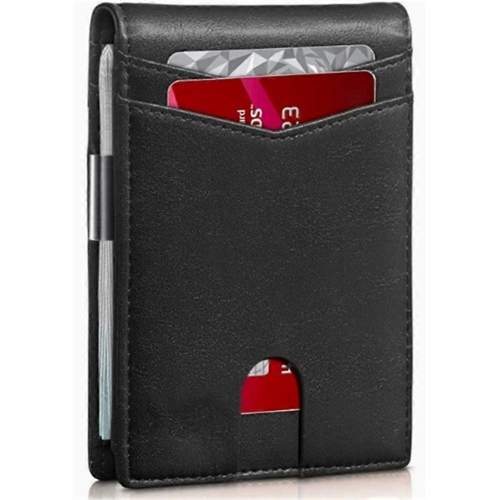


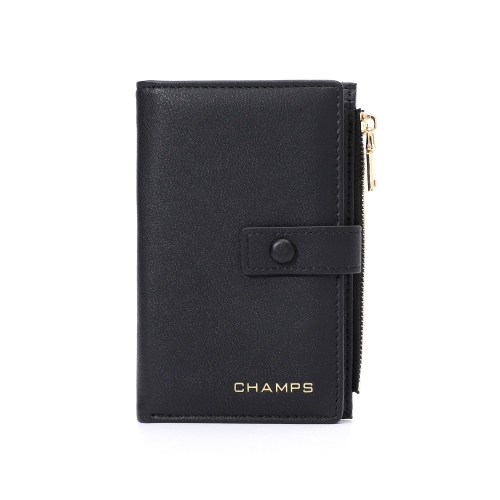
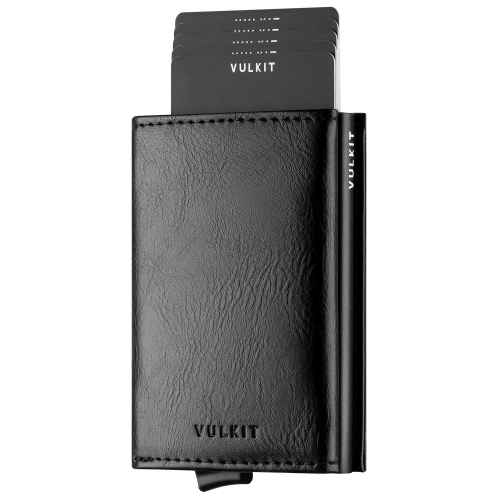

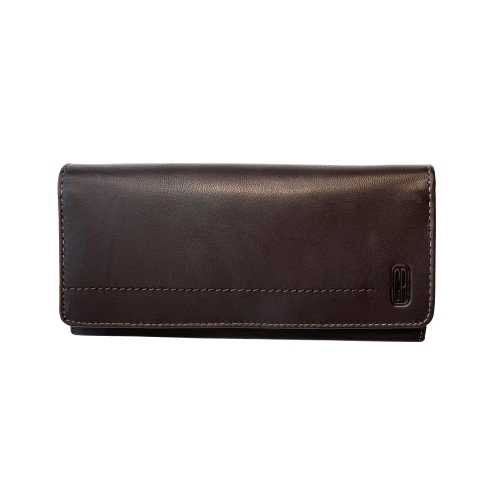


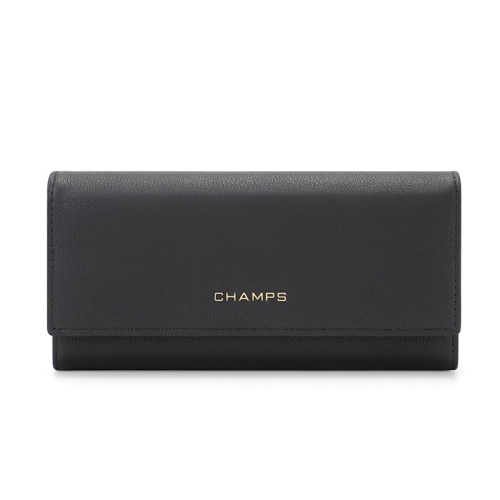
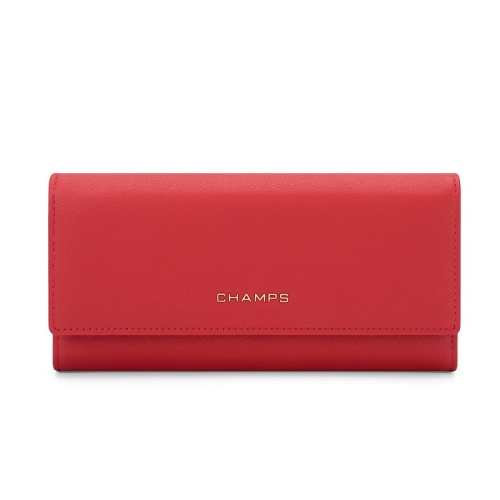
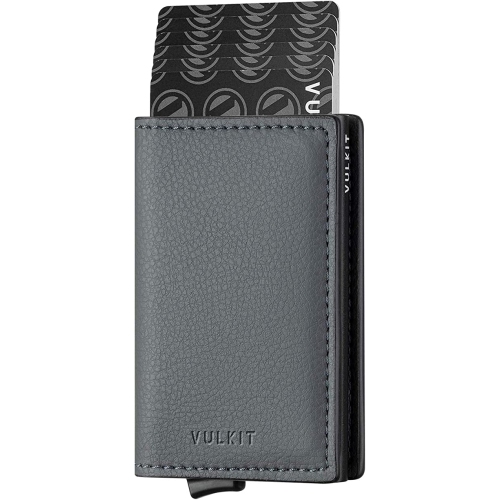
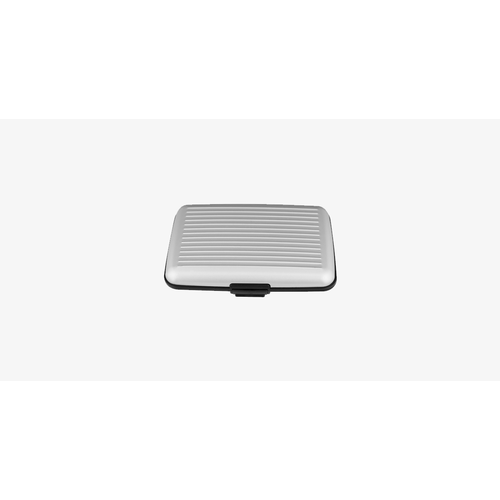
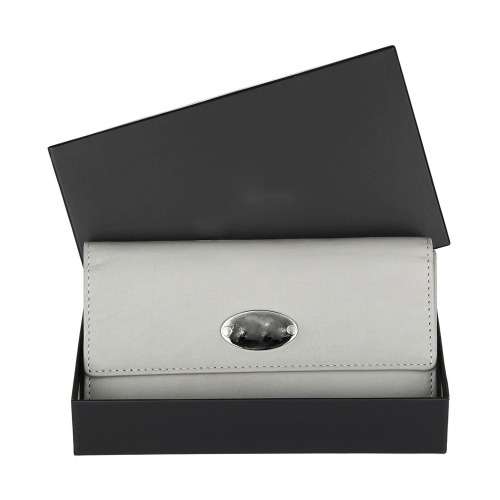

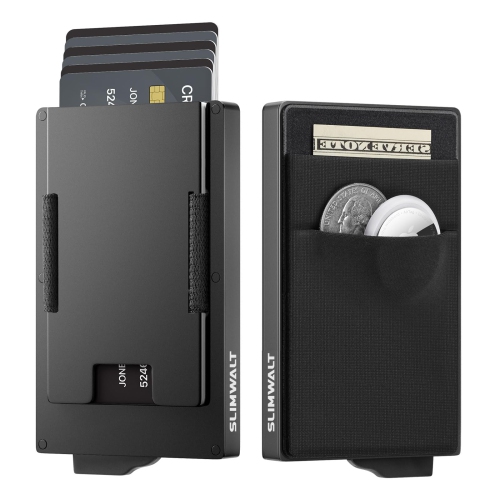
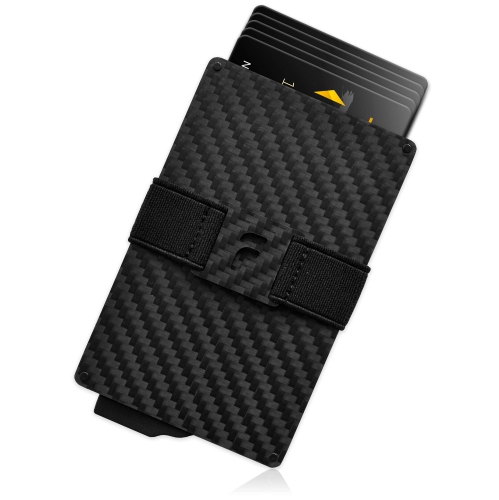


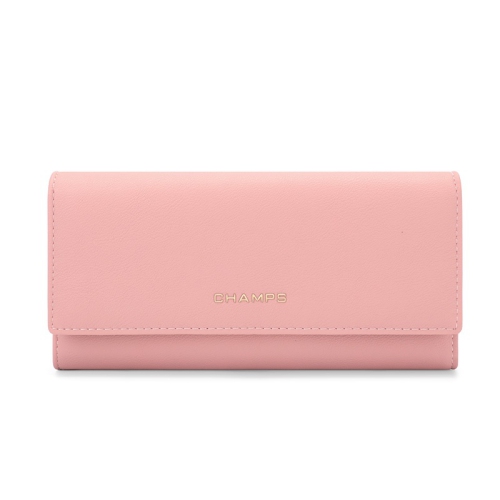


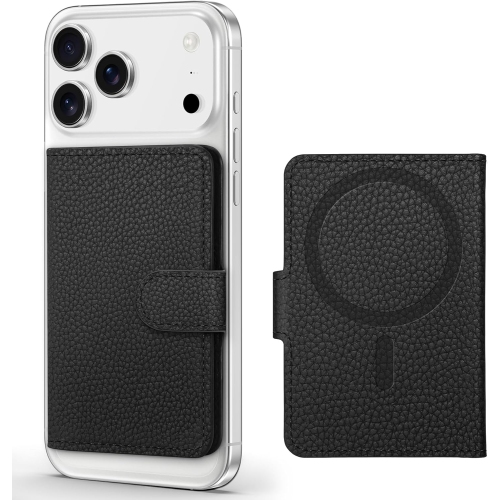






















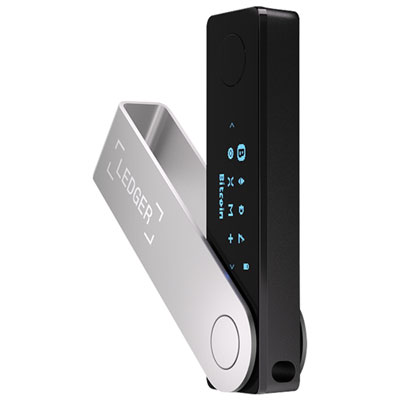


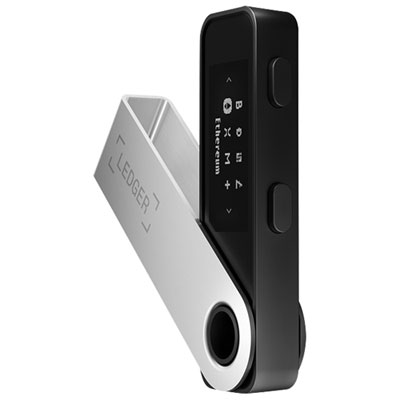
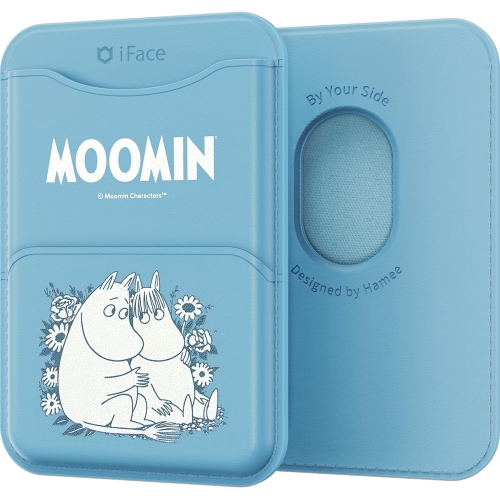


Easy card access without unnecessary pocket bulk
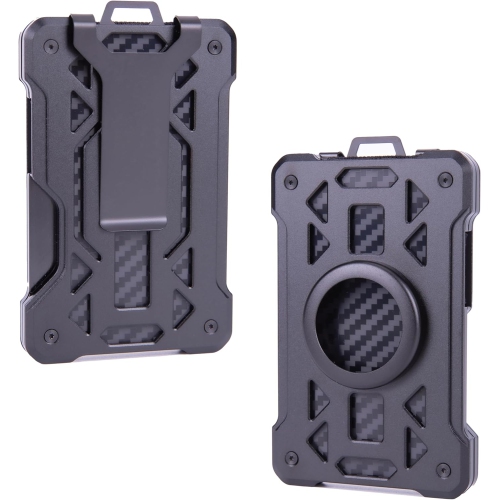
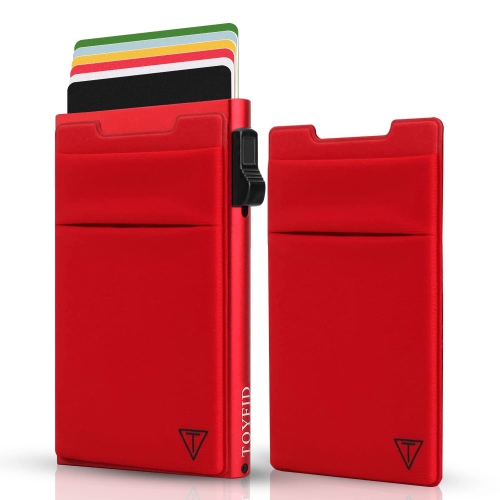
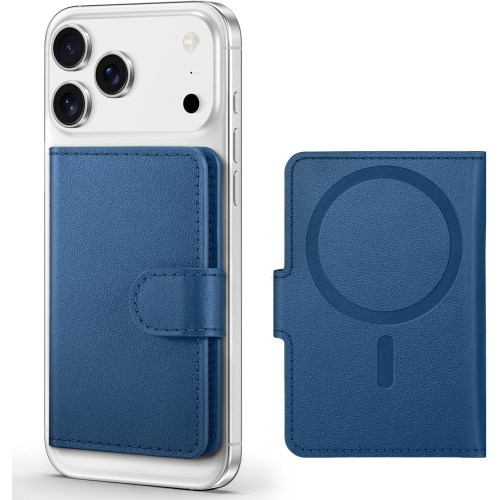
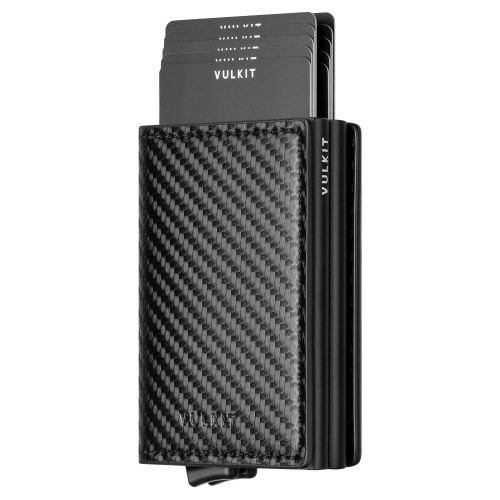
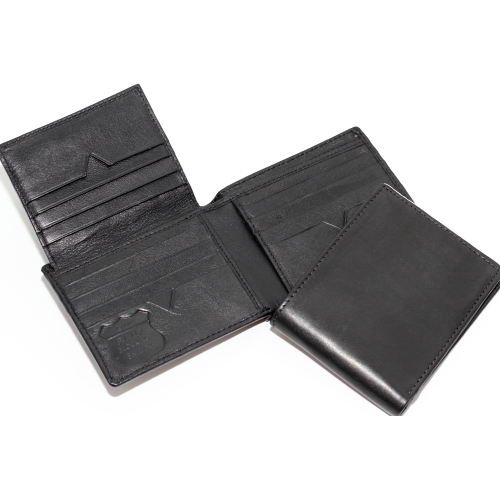
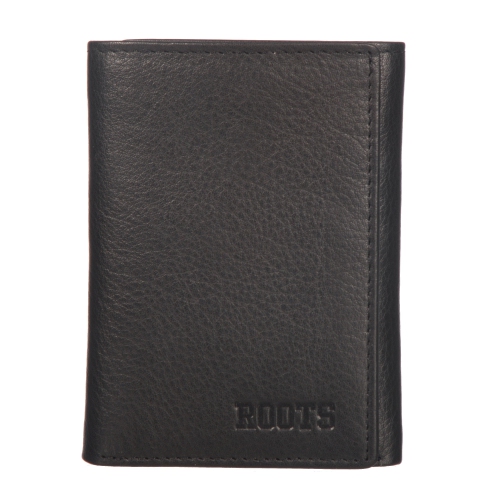
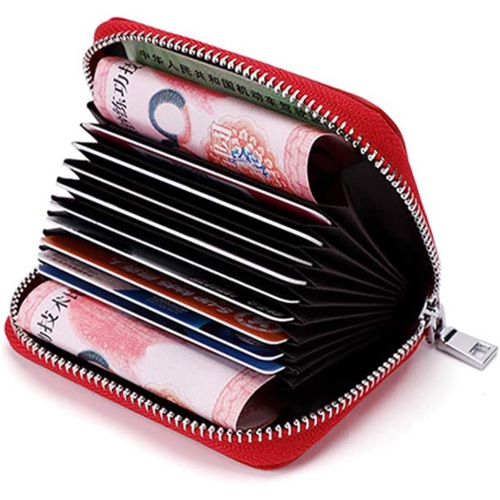
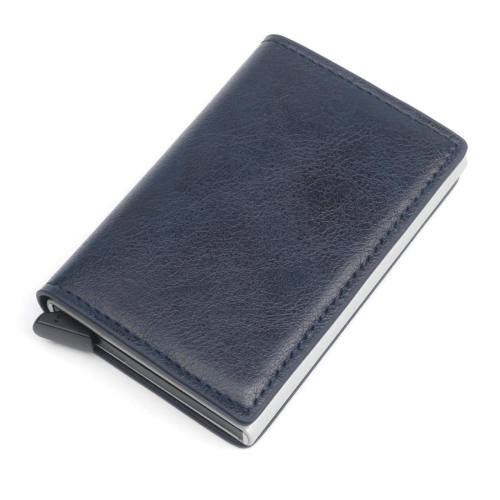
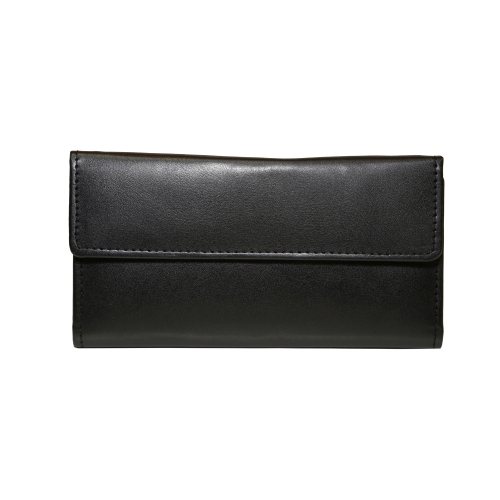
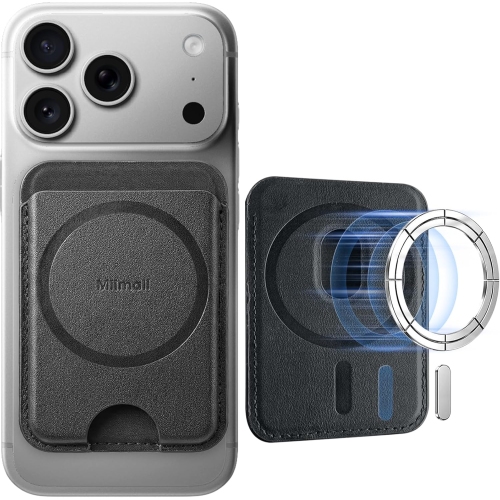
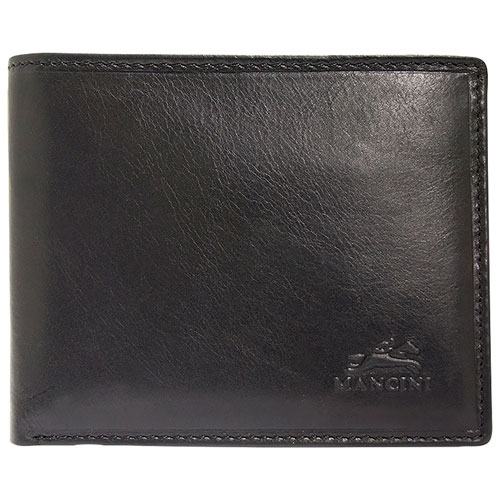
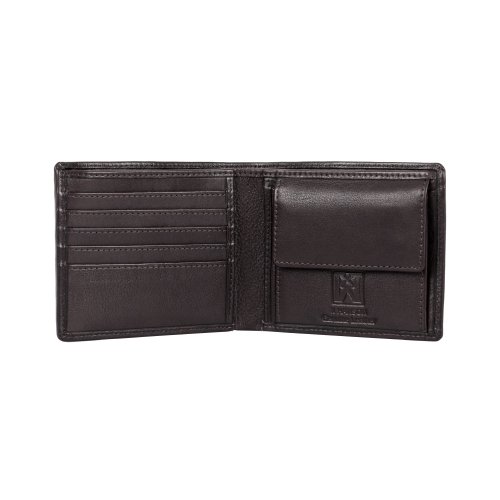
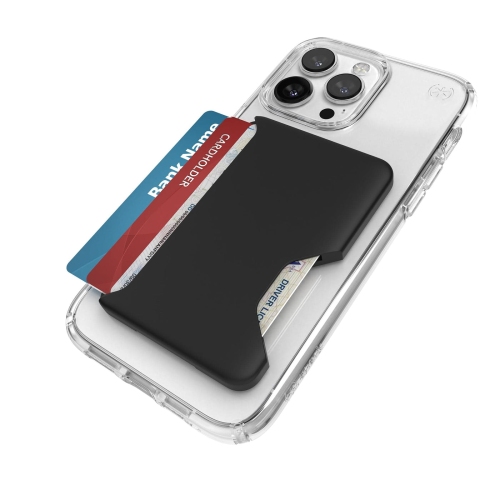
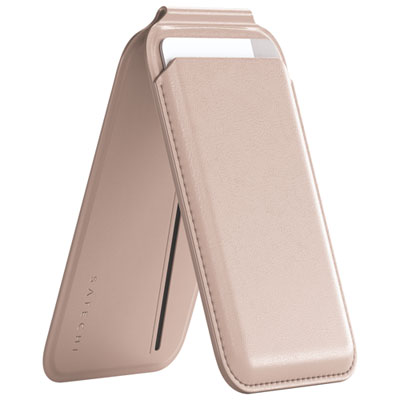
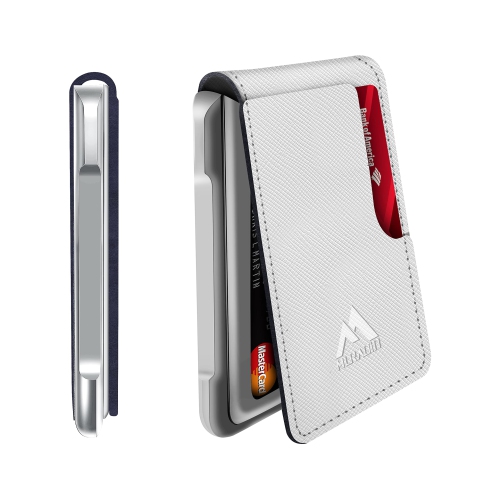
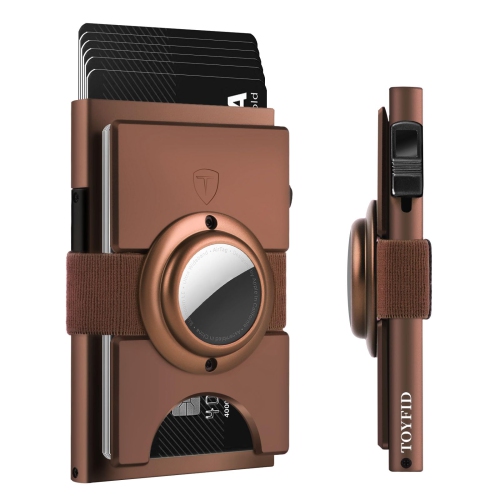
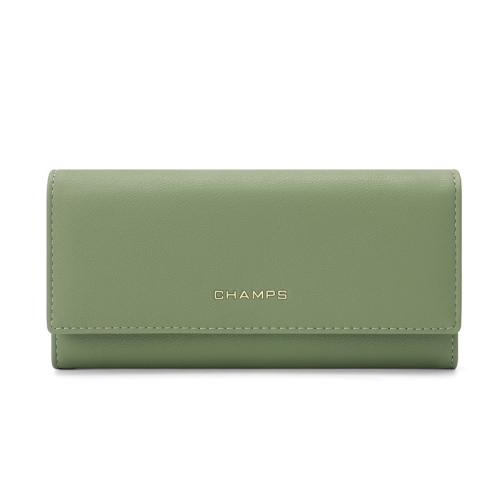
Modern wallets combine compact storage, easy card access, and a shape that fits comfortably into everyday carry. The category includes slim leather bifolds, rigid metal card cases, minimalist plate wallets held together with elastic, and hybrid designs that pair a protective card compartment with softer pockets for cash or identification. Their defining feature is purposeful organization rather than a single material or appearance: frequently used cards stay within reach, while the overall profile limits unnecessary bulk. A cardholder can suit someone who mainly pays by card or phone, while a slim bifold offers a more familiar layout for carrying banknotes, receipts, and several cards separately. Pop-up wallets use a lever or button to raise cards from a rigid compartment, sometimes arranging them in a staggered stack so individual cards are easier to distinguish. Other designs rely on a thumb opening, pull tab, or open edge for access without a moving mechanism. These differences matter during ordinary moments, such as finding a transit card at a station entrance or reaching for identification at a service counter. Fit depends on the wallet’s loaded dimensions, not just how thin it looks when empty. A front-pocket wallet should leave enough room to sit and move comfortably, while a wallet carried in a handbag or work bag may benefit more from a secure closure and clearly separated compartments. Card capacity also needs context: embossed cards, protective sleeves, and thicker access badges take up more space than flat payment cards. Filling every slot can make a folding wallet noticeably thicker and place extra tension on its stitching or closure. Cash storage ranges from an external money clip or elastic strap to an enclosed bill compartment, with some layouts requiring banknotes to be folded. Canadian polymer notes can feel springy when folded, making the depth and grip of that compartment worth considering. Coins generally need their own secured pocket rather than being tucked beside cards, where they can add bulk or press against the contents.
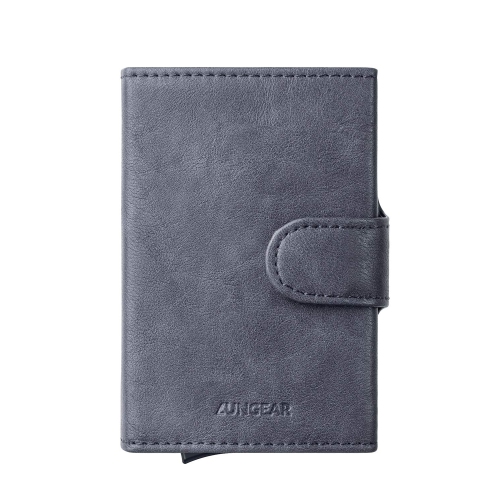
Materials influence how a modern wallet feels in the hand, how it wears, and how much attention it needs over time. Leather offers flexibility and can soften with use, although its finish affects whether marks blend into a developing patina or remain clearly visible. Smooth leather has a clean appearance but may show surface scratches more readily, while textured leather can make small scuffs less noticeable. Synthetic leather varies in construction and finish, so flexibility alone does not indicate how well a surface will resist peeling or cracking. Woven nylon and polyester can provide a lightweight alternative with a softer feel against clothing; reinforced edges and tightly finished seams help these designs withstand repeated handling. Aluminum card cases offer a firm structure that helps protect cards from bending, while carbon fibre brings a distinctive woven appearance and a rigid, lightweight construction. Neither material automatically makes a wallet scratchproof, waterproof, or capable of blocking wireless signals. Rounded corners, smooth edges, and a secure grip are useful details when a rigid wallet shares a pocket with a phone or rests against a bag’s lining. In plate-style wallets, elastic tension helps hold the contents together, but repeated stretching and overfilling can affect that grip. A replaceable band can extend the usefulness of a design when that feature is supported. Hinges, ejector buttons, clips, and zippers also receive frequent handling, making their construction as relevant as the outer shell. Everyday care is usually straightforward but should follow the material’s care instructions. Loose grit can be brushed away before it rubs against the finish, and suitable surfaces can be wiped with a soft, lightly dampened cloth. Leather should not be soaked or dried against direct heat, and conditioners are appropriate only when recommended for its finish. Fabric wallets should not be assumed machine washable. Letting a damp wallet dry fully before reloading it, avoiding unnecessary stretching, and removing old receipts help preserve both its shape and its usable space.
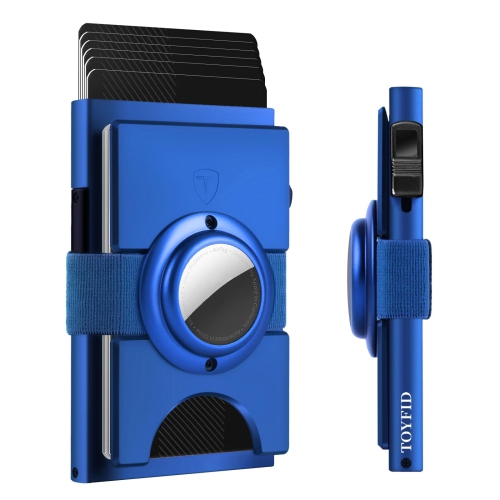
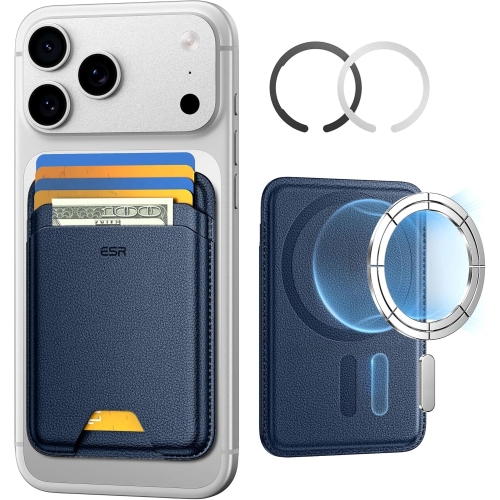
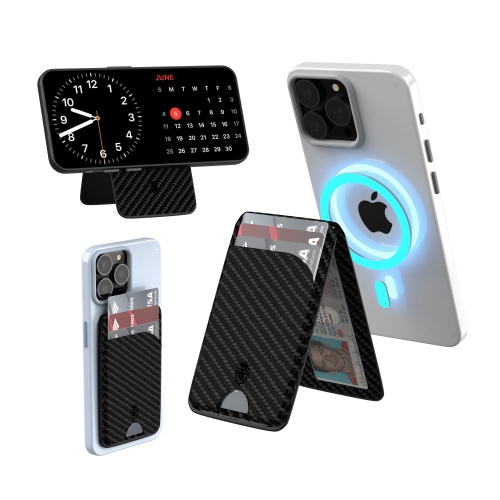
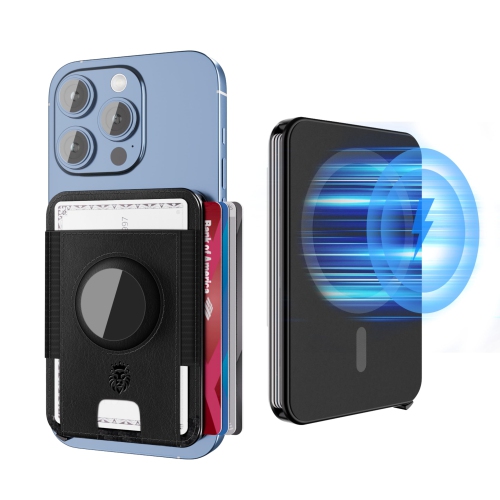
Security and connected features add another dimension to modern wallets, but their value depends on how the wallet is used. Radio-frequency identification, or RFID, blocking is designed to limit wireless reading of compatible cards while they are enclosed within a shielding compartment. Protection depends on the wallet’s construction, coverage, and supported frequencies; an exposed card under an outside strap may not receive the same shielding as one inside the protected section. RFID blocking does not prevent every form of card fraud, protect an online account, or replace the need to report a missing payment card. Cards may also need to be removed from a shielded compartment before tapping at a payment terminal or compatible transit reader. For someone who often misplaces everyday essentials, a wallet with space for a tracking accessory can be useful, provided its dimensions leave enough room for the usual contents. Tracking functions depend on the accessory, compatible devices, network support, and battery condition, rather than the wallet alone. Phone-mounted wallets take a different approach by keeping a few cards close to a frequently carried device. Attachment strength, phone-case compatibility, and access to charging features matter, and removing the wallet may be necessary for wireless charging. More traditional organization remains just as relevant: a clear identification window, separate receipt section, or zipped coin compartment can be more useful than an added mechanism. For carrying small essentials separately, Wallets With Pockets offer layouts focused on divided storage. A compact wallet can make a practical gift for a graduation, birthday, or anniversary when its layout matches the recipient’s habits. Someone who carries only a licence and a few cards may appreciate a minimal case, while a frequent cash user may prefer an enclosed bill section. Familiar details such as colour, texture, preferred pocket, and the need to show identification help distinguish a wallet that simply looks appealing from one that feels useful every day.
Top selling and popular products
-
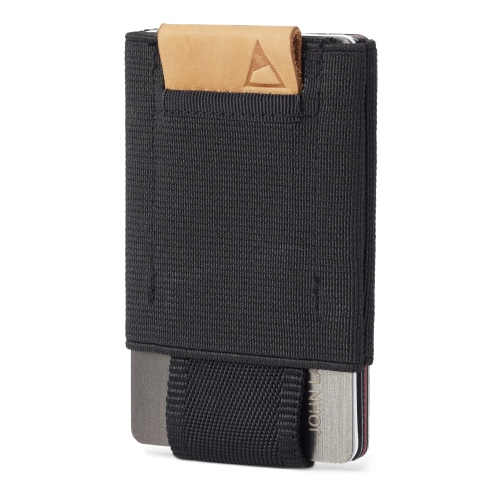 Your price for this item is $39.99
-
 Your price for this item is $59.99
-
 Your price for this item is $49.99
-
 Your price for this item is $46.96
-
 Your price for this item is $47.99
-
 Your price for this item is $49.99
-
 Your price for this item is $49.99
-
 Your price for this item is $49.99
Discover more categories related to Modern Wallets

Top Collections:
Pokemon Centers, Best Cameras for Sports Photography, Kindle Devices, Samsung Galaxy Phones, Canon G7X Cameras, Pokémon 30th Celebration Cards, Refurbished Apple Laptops, iPhone 15 Apple, Laptops for Students, Budget Smartphones
Some products may be subject to Environmental Handling Fees
(EHF) depending on your province.
Learn more about EHFs.