Wallets With Pockets
Looking for a stylish and functional accessory to keep your essentials organized? Look no further than our collection of wallets with pockets. These sleek and versatile wallets are designed to offer the perfect blend of fashion and practicality, making them a must-have for any modern individual. With a range of designs, materials, and sizes to choose from, you'll find the perfect wallet to suit your personal style and meet your everyday needs. Whether you're looking for a compact option for your cards and cash or a spacious wallet with multiple compartments, our selection has you covered.
Sort


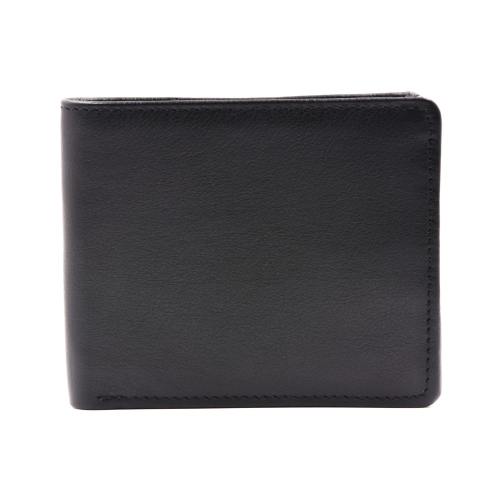


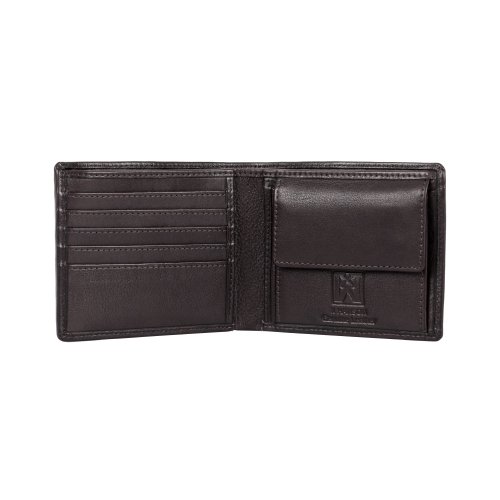


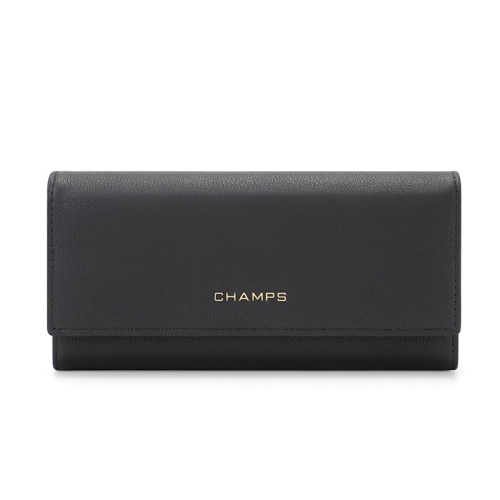


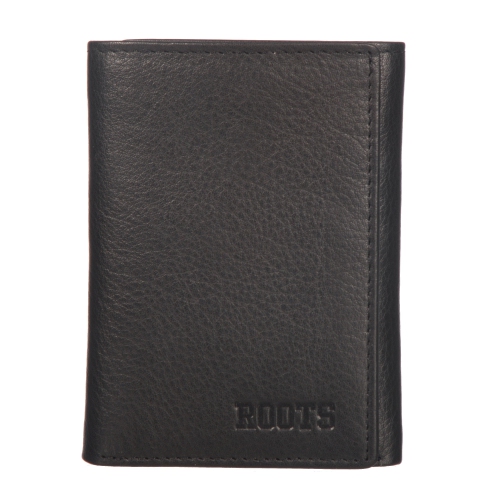
























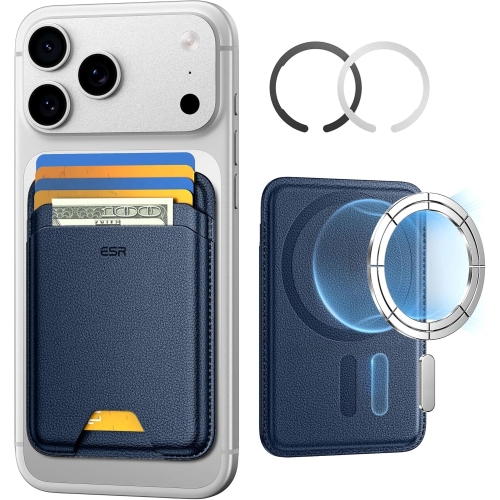


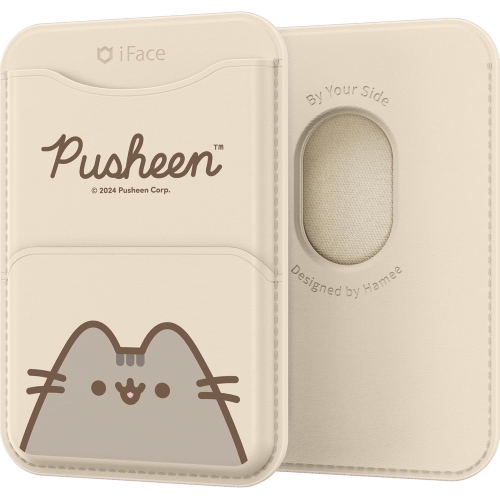
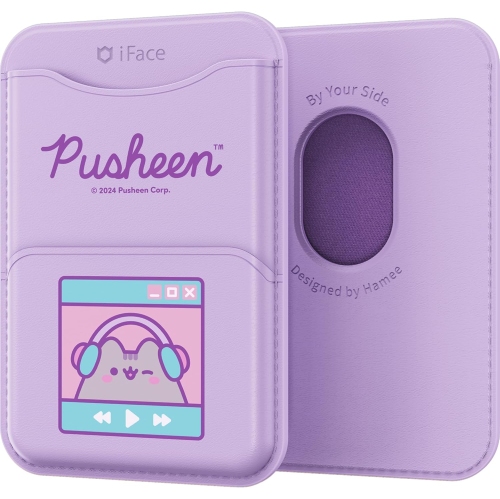


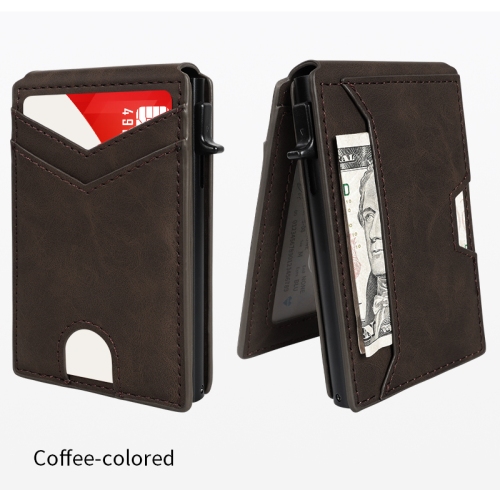


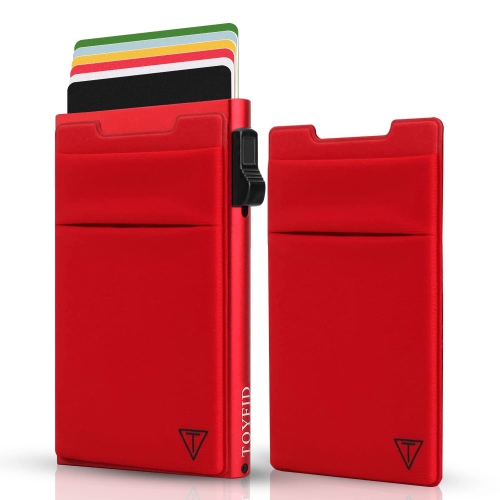

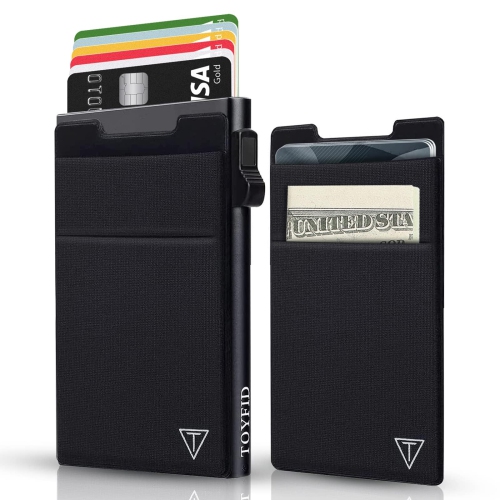


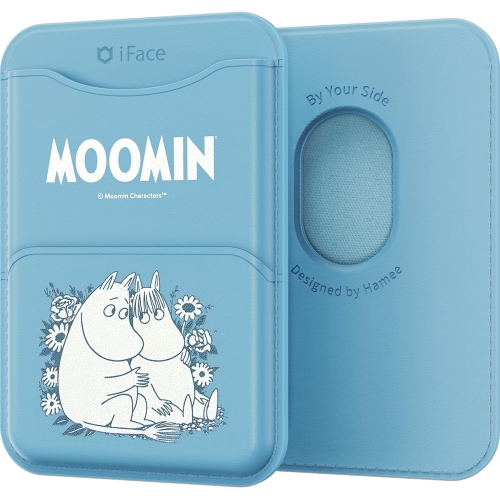
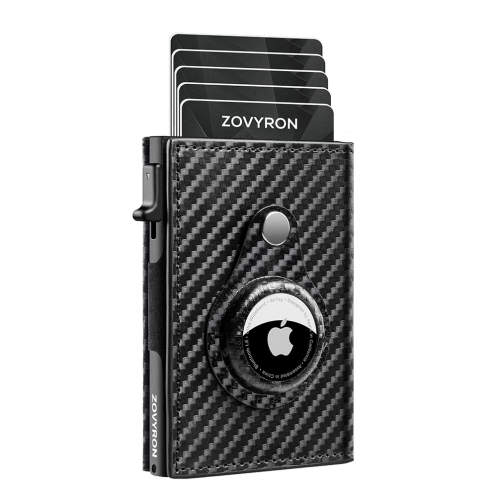

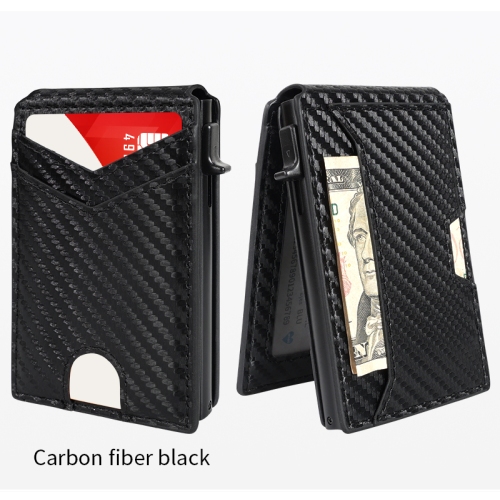


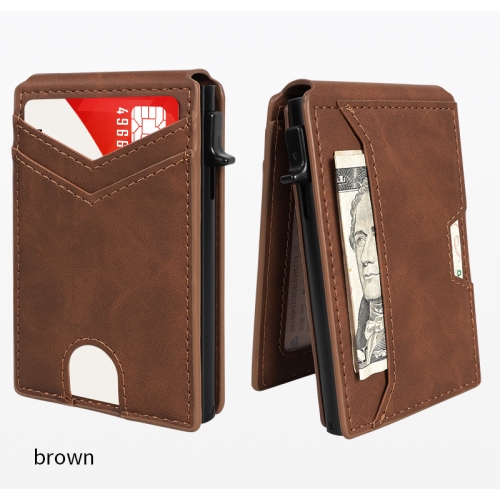
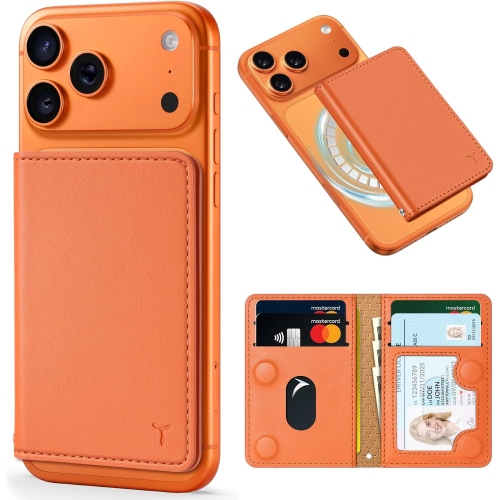


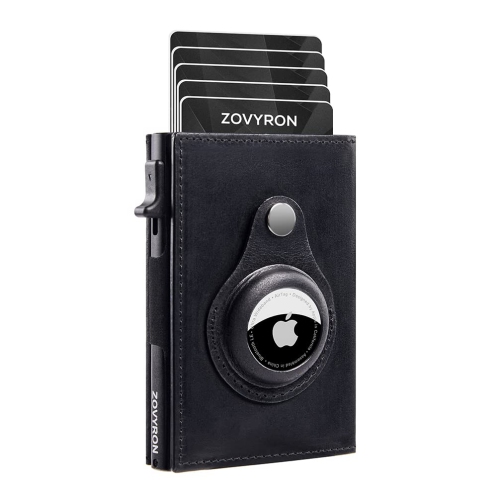













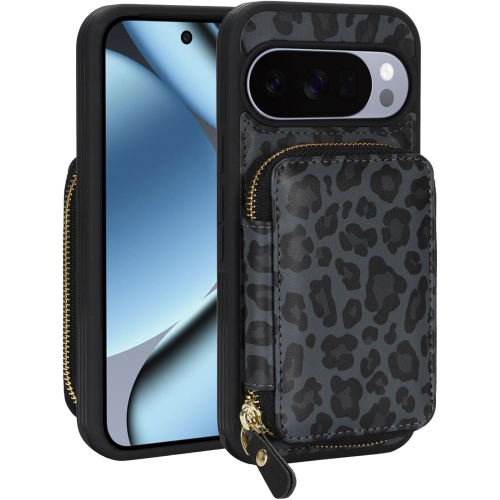


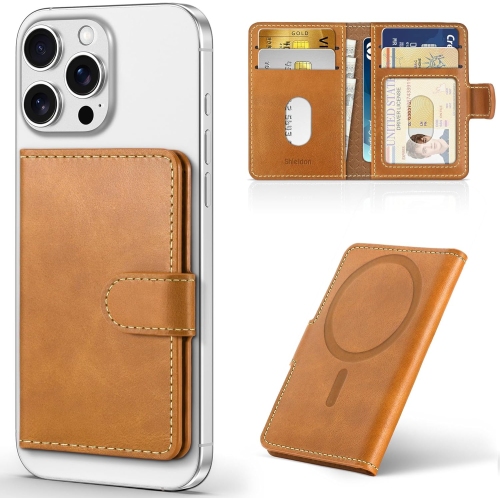


How pocket layouts balance storage and everyday comfort
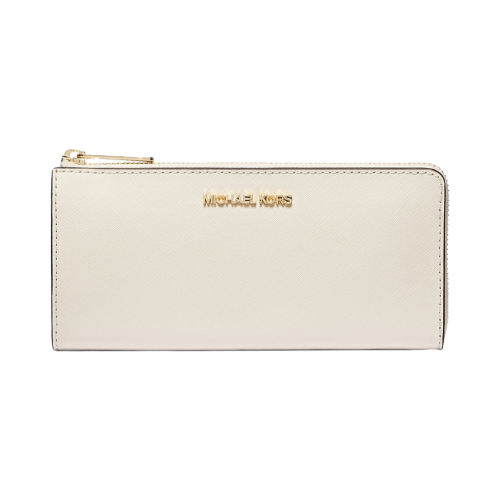
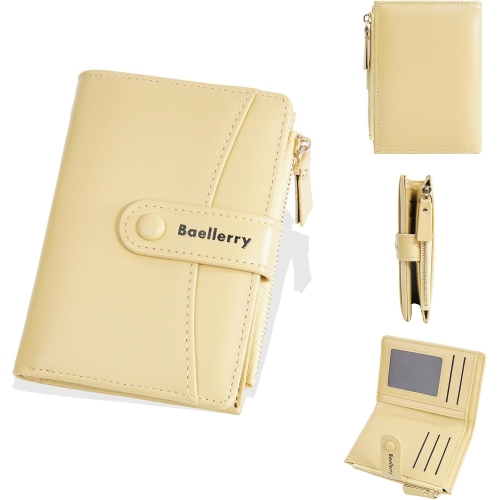
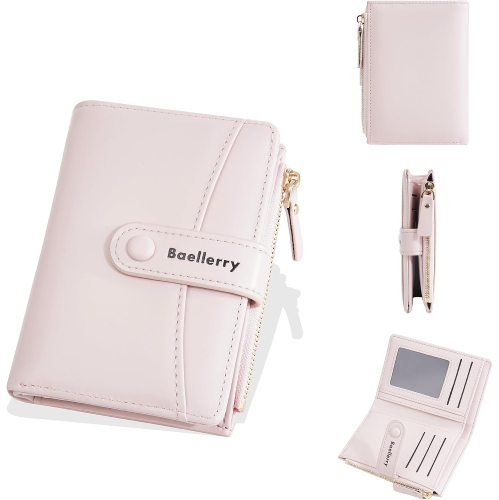
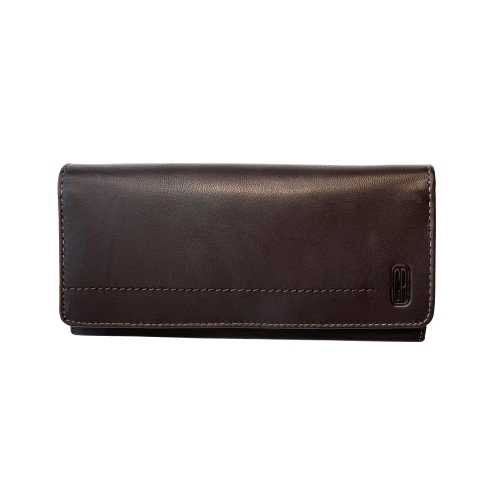
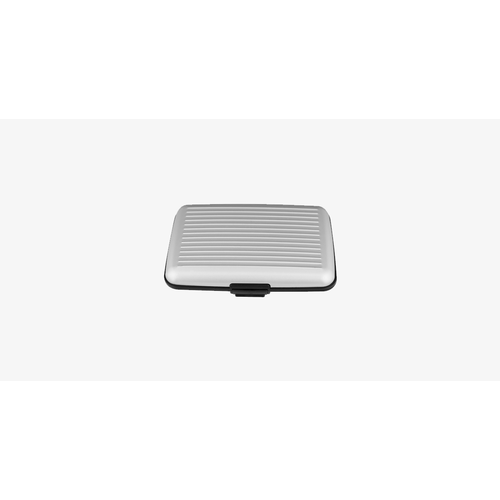
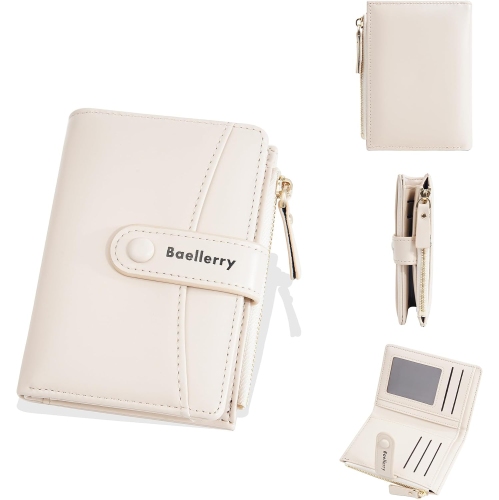
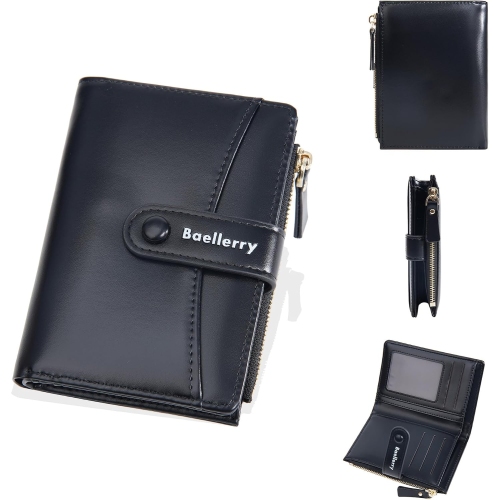
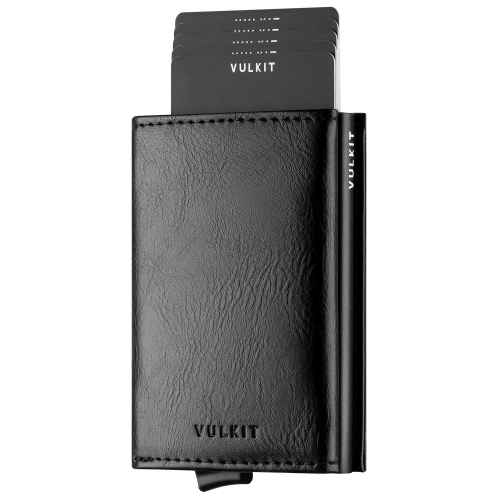
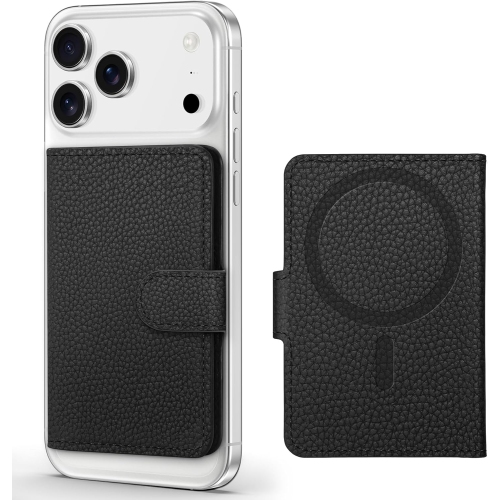
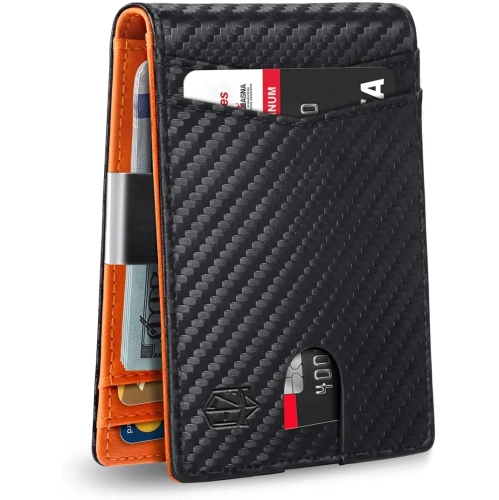
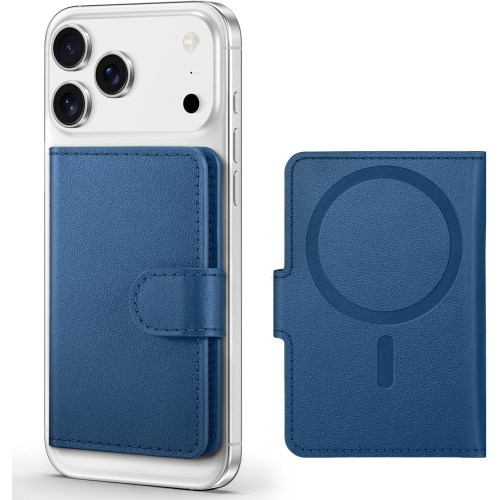
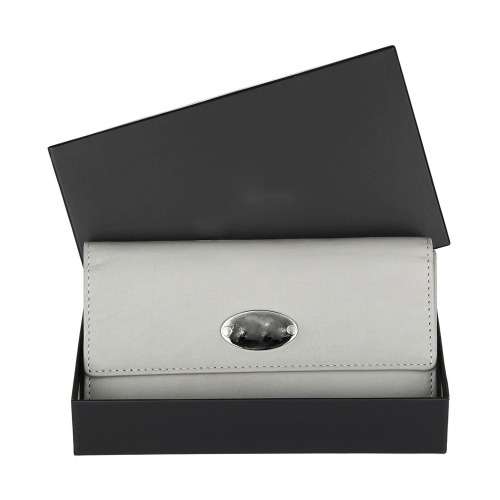
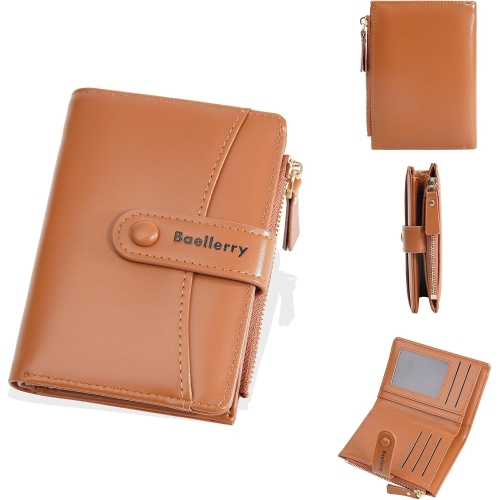
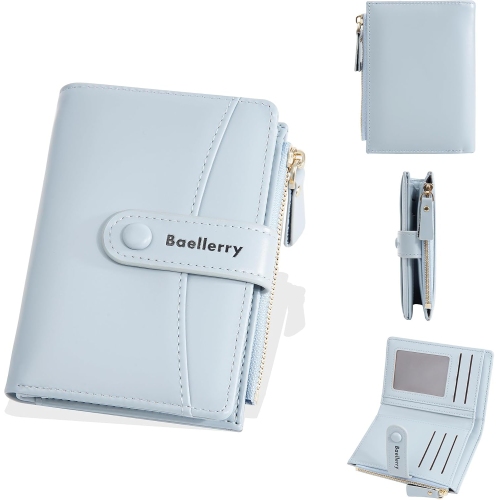
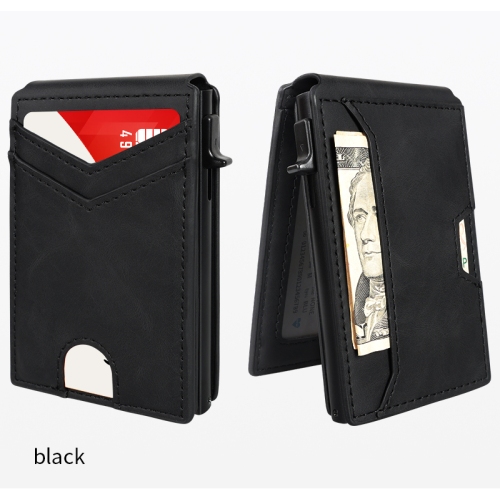
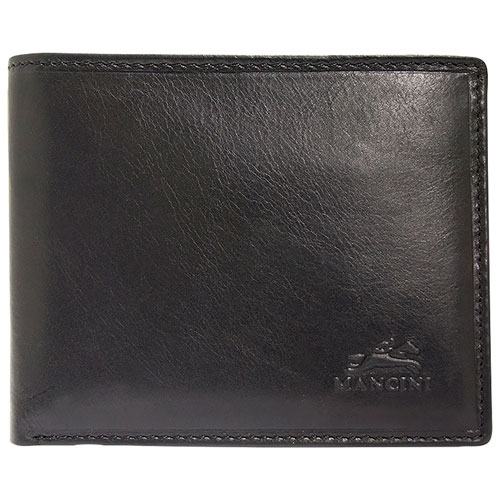
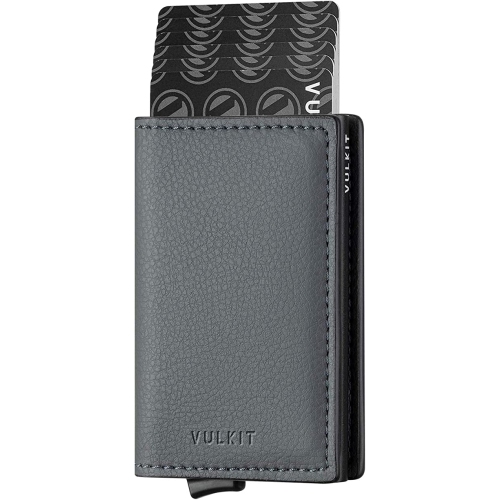
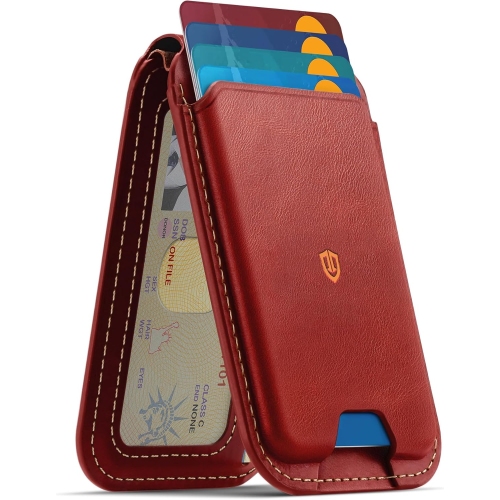
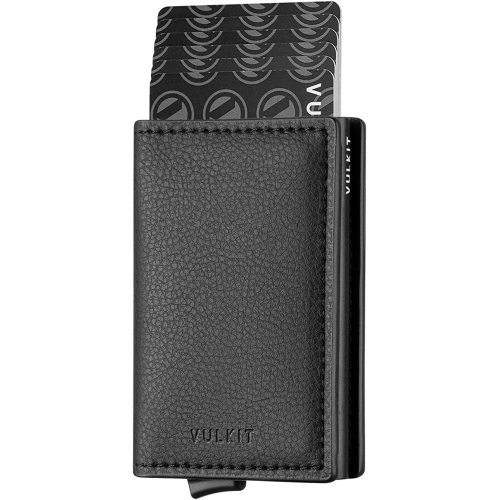
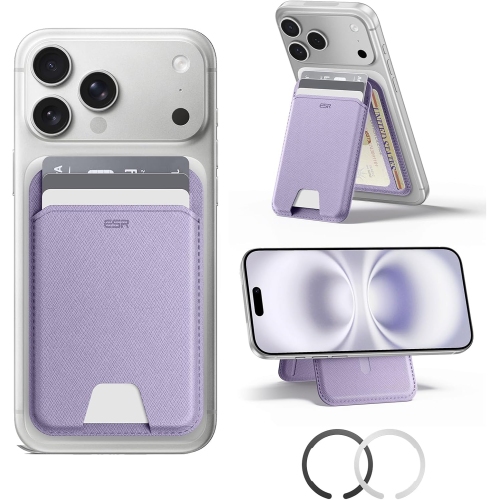
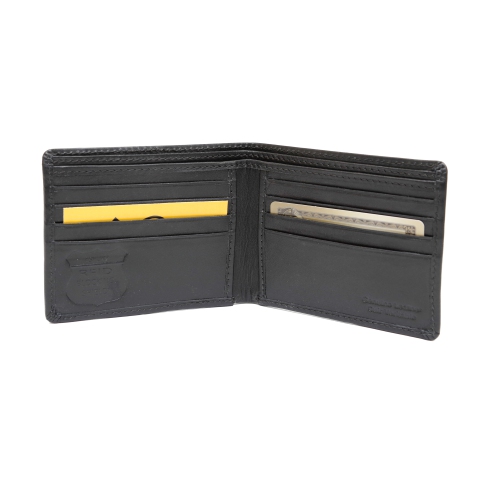
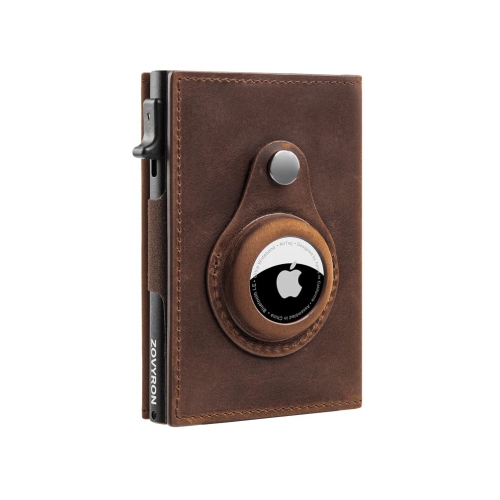
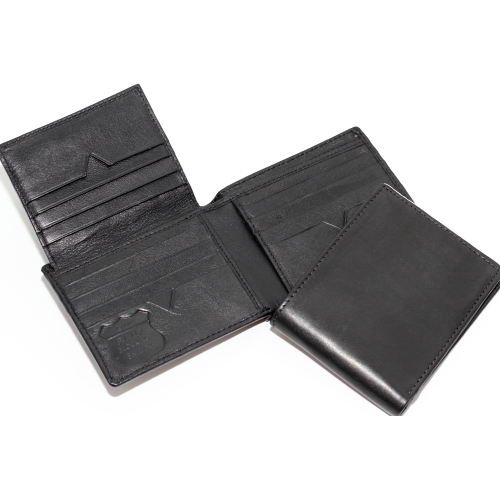
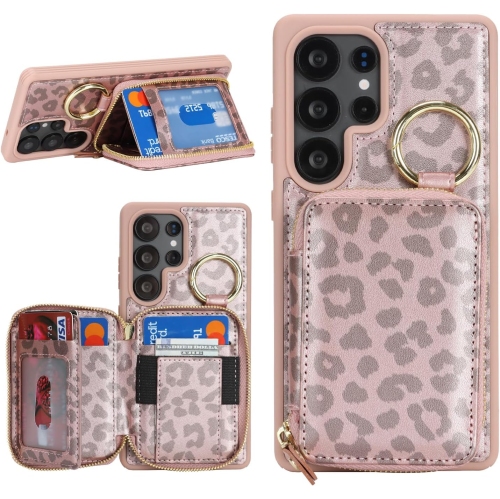
Wallets with pockets keep cards, cash, coins, and identification in separate compartments, making everyday essentials easier to find without emptying the entire wallet. The category includes slim cardholders with central slip pockets, bifold wallets with full-length bill sections, and larger zip-around styles with divided interiors. Each layout offers a different balance of storage and portability. A few fitted card slots may be enough for someone who carries a debit card, a credit card, and a driver’s licence, while additional inner pockets provide space for membership cards or folded receipts. Dedicated coin pockets are useful for loonies, toonies, and change that would otherwise collect at the bottom of a bag. A zipped or snap-fastened coin compartment also keeps loose change apart from cards and bills. For front-pocket carry, a short, slim profile with smooth edges generally sits more comfortably than a thick wallet with several overlapping sections. Bifold designs open flat for a clear view of their contents, while trifolds fold into a smaller footprint but can become thicker when filled. Long wallets can hold bills without folding them and may suit a handbag, backpack, or work bag better than a trouser pocket. Fit depends on the wallet’s loaded dimensions, not just its measurements when empty: stacked cards, coins, and receipts all add bulk. Pocket placement matters as much as pocket count. An outer card sleeve allows quick access to a frequently used card, whereas an interior slot keeps identification tucked away until needed. A clear ID window can make a card easier to locate, although the card may still need to be removed for verification. Full-length currency compartments should have enough room for Canadian banknotes without catching their edges in a zipper or fold. Divided bill sections can separate cash from receipts, and flat slip pockets behind the card slots offer extra organization without necessarily adding another fold. The most practical arrangement keeps frequently used contents accessible while giving less-used essentials a secure place.
Materials influence how a pocketed wallet feels in the hand, how easily it slides into a pocket, and how it wears with daily handling. Leather wallets can offer a supple feel and develop visible character over time, with differences in grain, finish, and thickness affecting their appearance and flexibility. Full-grain leather retains its natural surface, including variations that make each piece look slightly different; top-grain leather has a more refined surface treatment. Neither description alone guarantees construction quality, so stitching, lining, and edge finishing also deserve attention. Coated fabrics and synthetic materials offer a broad range of colours and textures, including smooth finishes that can be easier to wipe clean. Woven nylon or polyester can suit a lightweight, casual wallet, while canvas gives a more textured feel. Durability depends partly on the areas that take repeated strain: card-slot openings, folded corners, zipper ends, and the seams around a coin pouch. Neat stitching and smoothly finished edges help these high-contact areas withstand regular use. A zipper should move without snagging the lining, and a snap should close securely without requiring the wallet to be overfilled or compressed. Interior construction is especially important in wallets with many pockets, since thick dividers can make even a modest number of cards feel bulky. Care needs vary by material and finish. Leather generally benefits from gentle cleaning with a soft cloth and, where the manufacturer permits it, a suitable leather conditioner tested on a discreet area first. Fabric and synthetic wallets may allow spot cleaning, but soaking, machine washing, and strong cleaning products can damage linings, adhesives, or surface coatings. A wallet that gets wet should be emptied and allowed to dry naturally away from direct heat. Regularly clearing out old receipts and unnecessary cards helps preserve the shape of the pockets and reduces strain on closures. Card slots work best when filled as intended; forcing several cards into a narrow slot can stretch the material and leave a loose fit later.
The right pocket layout often reflects small routines rather than a need for maximum capacity. Someone travelling to work might value a separate place for a transit card, a secure compartment for identification, and a bill sleeve for occasional cash purchases. A student may prefer a compact wallet that fits beside a phone in a small bag, with a visible place for a campus card. For errands, a coin pocket keeps change contained, while a divided interior makes it easier to put a receipt away without mixing it into the card slots. Travellers may appreciate extra slip pockets for keeping different currencies apart, although a standard wallet is not necessarily large enough for a passport or travel documents. Removable card inserts or passcases can provide flexibility when only a few essentials are needed, provided their dimensions and capacity suit the intended use. Zip-around closures help contain contents on all sides, while open bifolds offer straightforward access with fewer fastening steps. For people who find small fasteners awkward, the size of the zipper pull, the firmness of a snap, and the ease of gripping cards can matter more than the number of compartments. Some wallets include RFID-blocking layers designed to reduce scanning of compatible contactless cards. That feature has a specific purpose and does not replace keeping cards secure or monitoring account activity; a card may also need to be removed from a protected pocket before it can be tapped. For a streamlined look, Modern Wallets offers a related style direction where a clean silhouette can be considered alongside practical storage needs. Wallets with thoughtfully arranged pockets can also make useful birthday or graduation gifts, particularly when the size and layout match the recipient’s habits. Someone who carries cash and coins has different needs from someone who keeps just a few cards close at hand. Familiar details—a preferred colour, a comfortable fold, or a dedicated pocket for everyday change—can make the wallet feel personal while keeping its purpose simple.
Top selling and popular products
-
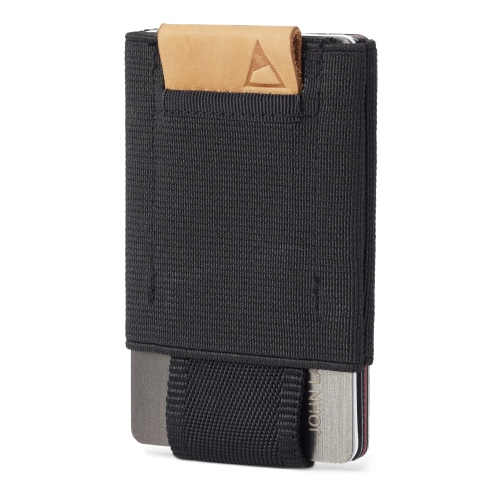 Your price for this item is $39.99
-
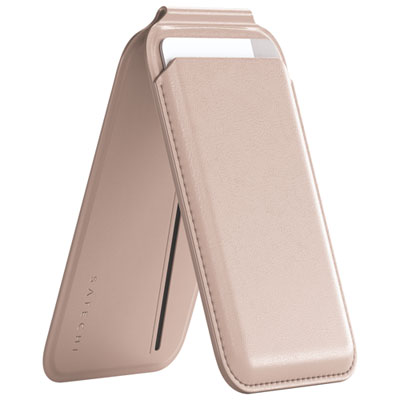 Your price for this item is $59.99
-
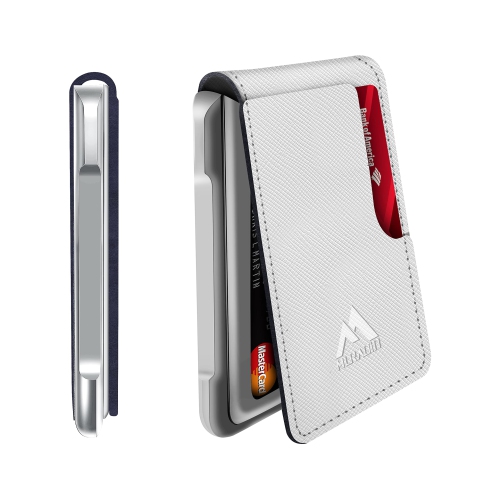 Your price for this item is $49.99
-
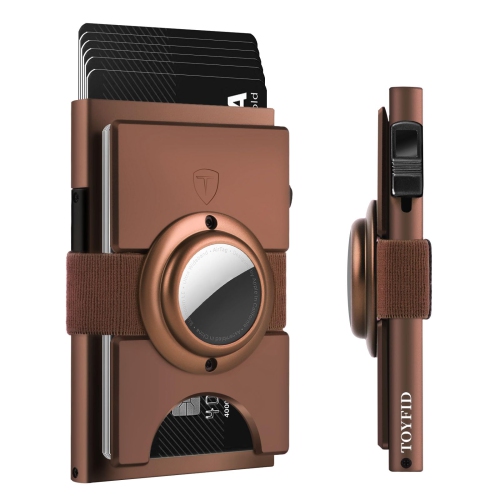 Your price for this item is $46.96
-
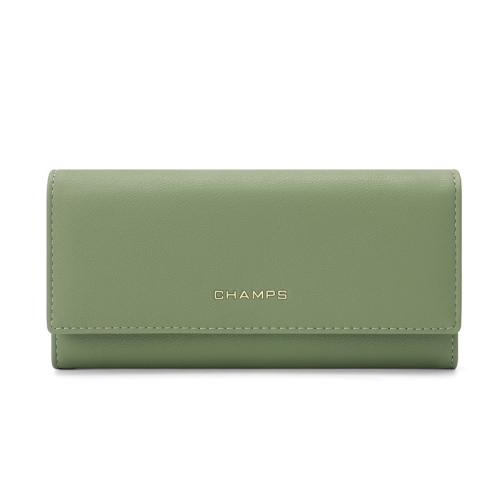 Your price for this item is $47.99
-
 Your price for this item is $49.99
-
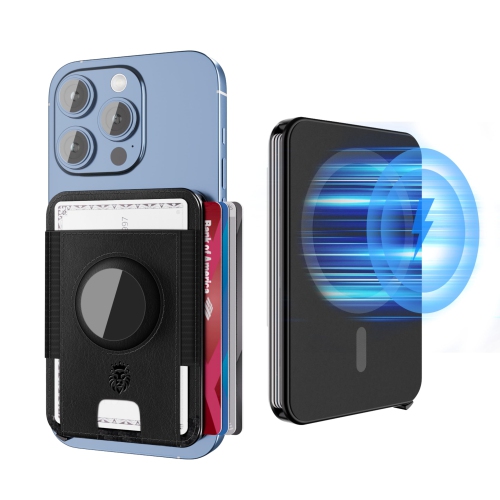 Your price for this item is $49.99
-
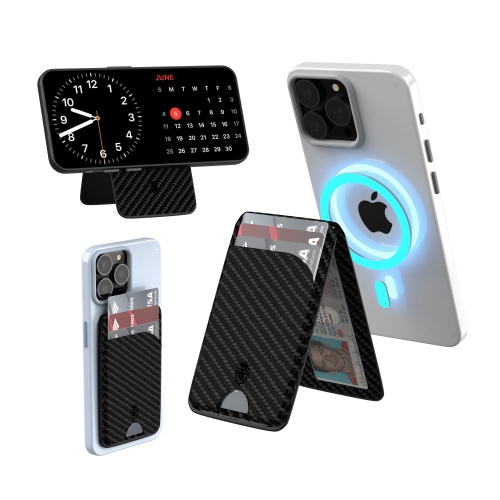 Your price for this item is $49.99
Discover more categories related to Wallets With Pockets

Top Collections:
Pokemon Centers, Best Cameras for Sports Photography, Kindle Devices, Samsung Galaxy Phones, Canon G7X Cameras, Pokémon 30th Celebration Cards, Refurbished Apple Laptops, iPhone 15 Apple, Laptops for Students, Budget Smartphones
Some products may be subject to Environmental Handling Fees
(EHF) depending on your province.
Learn more about EHFs.