Packing Cubes for Backpacks
Organizing your backpack has never been easier with these packing cubes. These handy travel essentials are designed to keep your belongings neat and tidy, allowing you to make the most of your space while on the go. Whether you're a frequent traveler or simply looking to streamline your packing process, this range of packing cubes offers a practical solution for keeping your clothes, accessories, and other items in order.
Sort
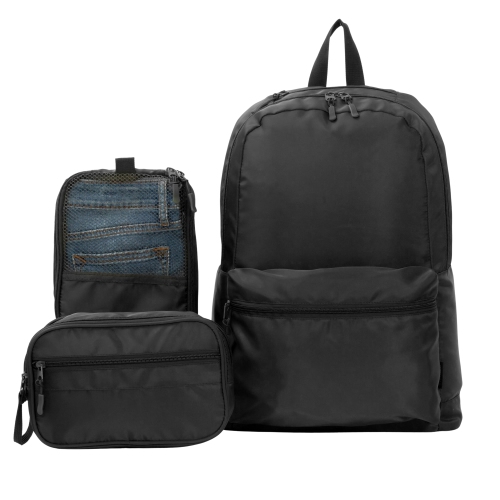
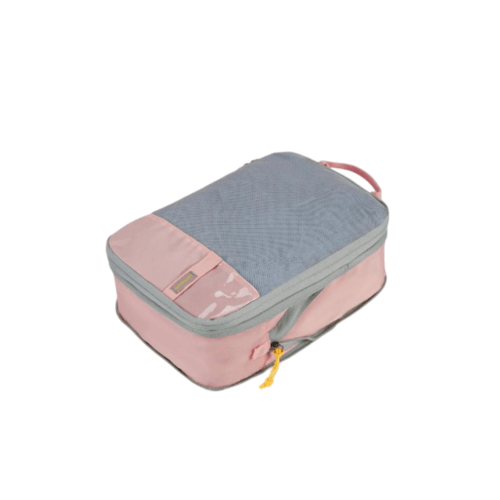
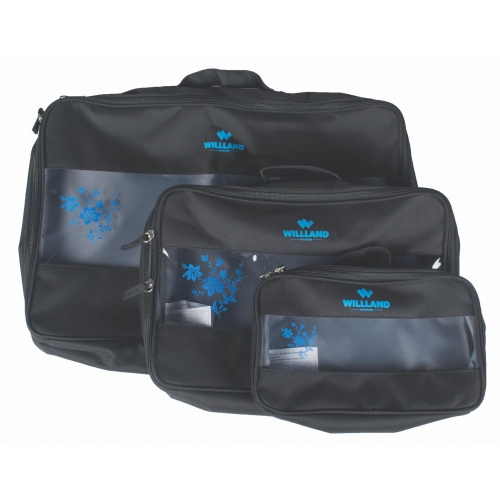
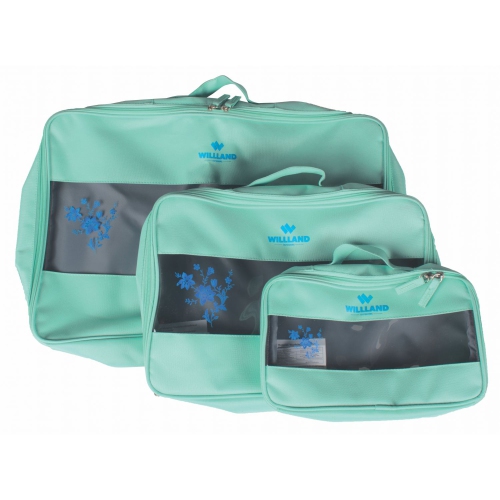
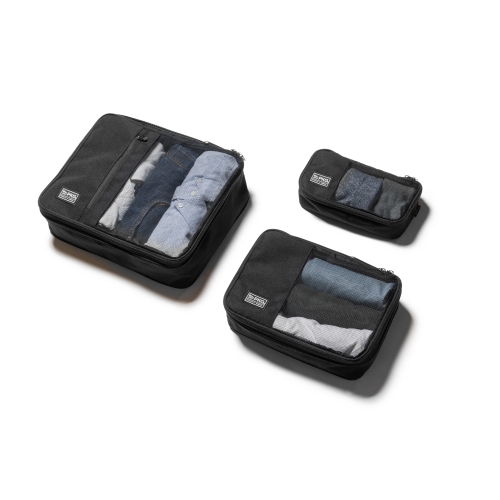
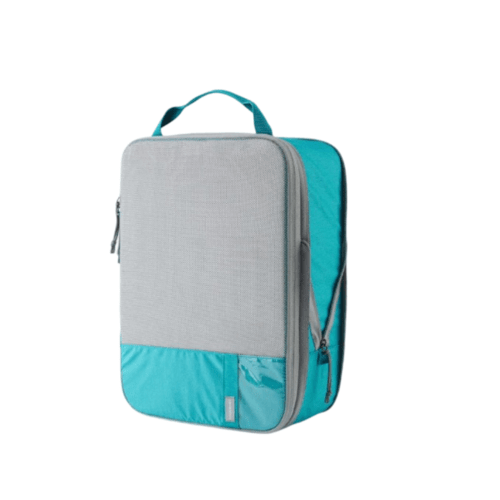
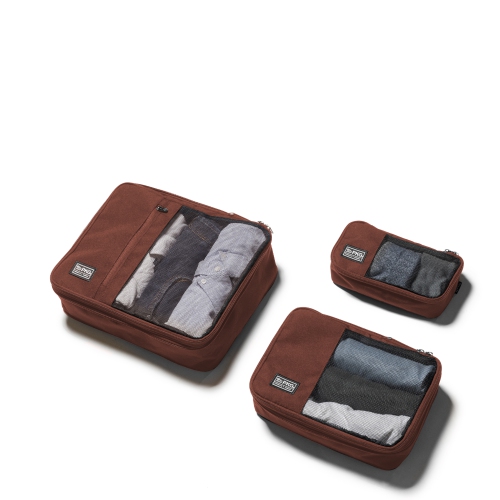
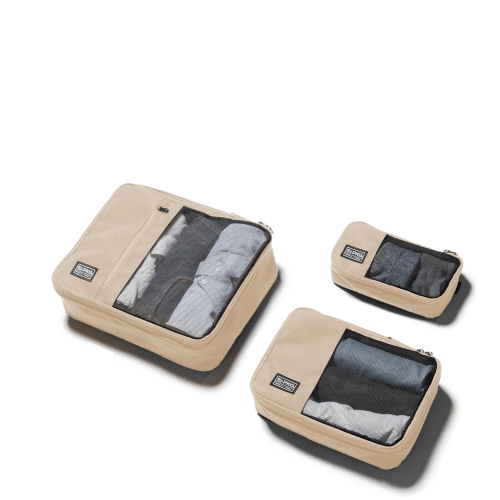
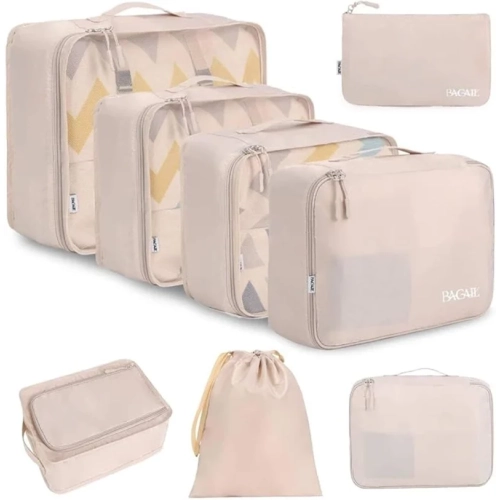
Easier access starts with cubes that fit your backpack
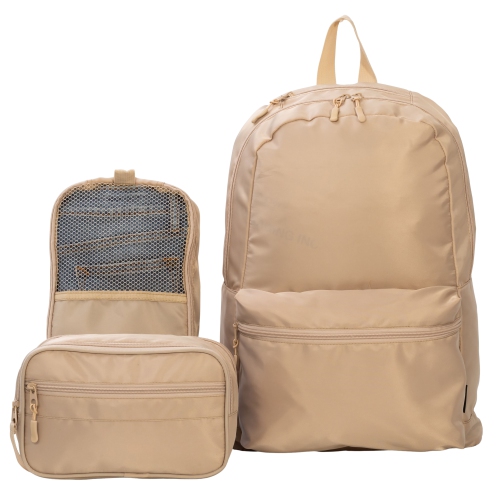
Packing cubes for backpacks are lightweight compartments that keep clothing and travel essentials grouped inside a larger bag. Rather than leaving socks, shirts, and spare layers loose in the main compartment, cubes give each category a defined place, making it easier to find a change of clothes without unpacking everything. They are especially useful in backpacks with a single deep compartment, where smaller belongings can settle beneath larger pieces during a journey. For a weekend away, one cube might hold tops and trousers while a smaller pouch keeps underwear and socks together. For commuting, a separate cube can contain gym clothing without mixing it with the rest of the day’s belongings. The best fit depends on the backpack’s usable interior dimensions, not just its stated capacity in litres. A bag’s curved base, padded laptop sleeve, internal pockets, and tapered opening can all reduce the space available for rectangular organizers. Cubes that sit comfortably within the internal width and depth tend to leave fewer awkward gaps, while soft-sided designs can accommodate a little variation in shape. A fully packed cube also needs to pass through the opening without catching or requiring excessive force. In a top-loading backpack, several smaller cubes may be easier to retrieve than one large compartment that fills the entire bag. In a clamshell backpack that opens like a suitcase, flatter rectangular cubes can sit side by side with their contents visible when the bag is unzipped. Matching the cube layout to the way the backpack opens helps keep frequently needed belongings accessible. Leaving some unfilled space around the cubes gives a backpack room to close naturally and preserves access to built-in pockets. A neatly arranged interior is useful, but the most practical setup still allows room for a snack, a travel document pouch, or something picked up along the way.
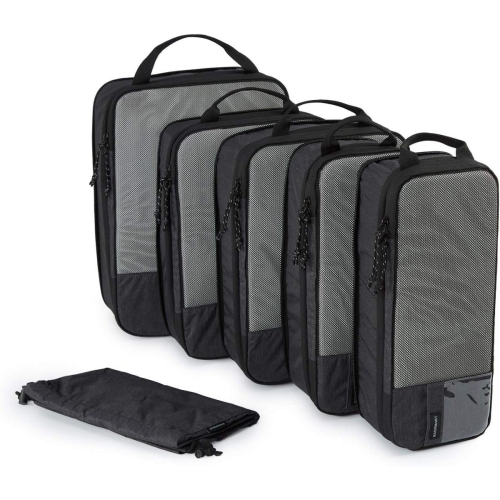
Materials and construction influence how packing cubes feel, how much weight they add, and how well they hold their shape through repeated use. Lightweight nylon and polyester are common choices because they can provide useful strength without the bulk of a rigid organizer. Ripstop fabrics use a reinforcing grid intended to help limit the spread of small tears, although fabric thickness, stitching, and handling also affect durability. Very thin cubes suit travellers who want to keep added weight low, while more structured designs may be easier to pack and stack. Mesh panels make contents easier to identify and allow airflow, which can be helpful when a backpack contains several similarly sized compartments. Solid fabric panels offer more privacy for personal clothing and can help contain loose fibres or small debris. Water-resistant fabric may offer some protection from minor splashes, but it does not make a cube waterproof; seams, mesh sections, and ordinary zippers can still admit moisture. Toiletries therefore benefit from a separate pouch designed to contain leaks rather than sharing a clothing cube. Standard packing cubes primarily organize contents, while compression packing cubes use an additional zipper or another closure system to reduce the thickness of packed clothing. Compression can reduce trapped air around soft garments, but it does not reduce their weight or guarantee a particular amount of space savings. Dense clothing compresses less than loosely packed soft fabric, and an overfilled cube can become a firm block that is difficult to position against a curved backpack panel. Smooth zipper movement, securely attached pulls, tidy seams, and reinforced handles are useful construction details for frequent travel. Handles make it easier to lift a cube out of a deep bag, but they should not be used to wrench an oversized load through a narrow opening. For storage between trips, Foldable Packing Cubes offer a flexible format that can flatten when empty rather than taking up the same space as a structured case.
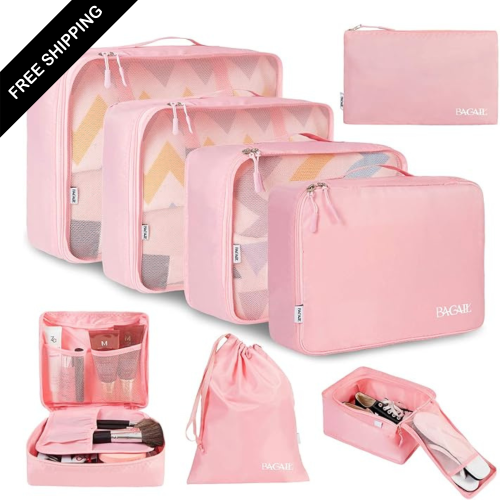
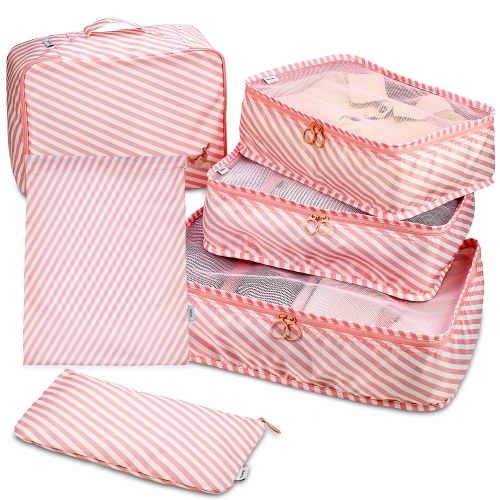
Size combinations matter as much as individual features. A mixed-size packing cube set can divide a backpack into separate areas for clothing, underwear, and laundry, while a few matching small cubes can make a narrow bag easier to organize. The largest cube in a set is not automatically the most useful for a backpack; its packed dimensions may suit a suitcase better than a compact travel bag. Smaller compartments are often useful for children’s outfits, exercise clothing, or a spare set of essentials carried separately from checked luggage. Travellers moving between several stops can lift cubes into a drawer or onto a shelf, then return them to the backpack without sorting every garment again. Shared family packing becomes simpler when different colours distinguish each person’s clothing, and a visible mesh panel or label window can provide another way to identify contents. For someone travelling with only a backpack, separating clean clothing from worn pieces can keep the interior more manageable, although an ordinary fabric cube will not necessarily contain odours or moisture. Damp garments should be dried before extended storage, and heavily soiled clothing is better kept in a suitable separate laundry bag. Care requirements vary by fabric, coating, and construction, so the manufacturer’s care label is the right reference for washing and drying. Some cubes allow machine washing, while others require gentle hand cleaning or spot cleaning. Emptying pockets, brushing grit away from zipper teeth, and allowing every panel and seam to dry fully before storage can help maintain their condition. Keeping packed contents below the point where seams bulge also reduces unnecessary strain during everyday use. Packing cubes can make thoughtful gifts for students, frequent commuters, gym-goers, and travellers who appreciate an organized bag, particularly when the recipient’s backpack dimensions are known. Their value lies in making a familiar routine easier: finding fresh socks without disturbing a laptop, lifting out an outfit at an overnight stop, or keeping a day’s clothing separate from other essentials. A well-matched combination balances organization, accessible storage, and comfortable carrying without filling every corner of the backpack with extra fabric and zippers.
Materials and construction influence how packing cubes feel, how much weight they add, and how well they hold their shape through repeated use. Lightweight nylon and polyester are common choices because they can provide useful strength without the bulk of a rigid organizer. Ripstop fabrics use a reinforcing grid intended to help limit the spread of small tears, although fabric thickness, stitching, and handling also affect durability. Very thin cubes suit travellers who want to keep added weight low, while more structured designs may be easier to pack and stack. Mesh panels make contents easier to identify and allow airflow, which can be helpful when a backpack contains several similarly sized compartments. Solid fabric panels offer more privacy for personal clothing and can help contain loose fibres or small debris. Water-resistant fabric may offer some protection from minor splashes, but it does not make a cube waterproof; seams, mesh sections, and ordinary zippers can still admit moisture. Toiletries therefore benefit from a separate pouch designed to contain leaks rather than sharing a clothing cube. Standard packing cubes primarily organize contents, while compression packing cubes use an additional zipper or another closure system to reduce the thickness of packed clothing. Compression can reduce trapped air around soft garments, but it does not reduce their weight or guarantee a particular amount of space savings. Dense clothing compresses less than loosely packed soft fabric, and an overfilled cube can become a firm block that is difficult to position against a curved backpack panel. Smooth zipper movement, securely attached pulls, tidy seams, and reinforced handles are useful construction details for frequent travel. Handles make it easier to lift a cube out of a deep bag, but they should not be used to wrench an oversized load through a narrow opening. For storage between trips, Foldable Packing Cubes offer a flexible format that can flatten when empty rather than taking up the same space as a structured case.
Size combinations matter as much as individual features. A mixed-size packing cube set can divide a backpack into separate areas for clothing, underwear, and laundry, while a few matching small cubes can make a narrow bag easier to organize. The largest cube in a set is not automatically the most useful for a backpack; its packed dimensions may suit a suitcase better than a compact travel bag. Smaller compartments are often useful for children’s outfits, exercise clothing, or a spare set of essentials carried separately from checked luggage. Travellers moving between several stops can lift cubes into a drawer or onto a shelf, then return them to the backpack without sorting every garment again. Shared family packing becomes simpler when different colours distinguish each person’s clothing, and a visible mesh panel or label window can provide another way to identify contents. For someone travelling with only a backpack, separating clean clothing from worn pieces can keep the interior more manageable, although an ordinary fabric cube will not necessarily contain odours or moisture. Damp garments should be dried before extended storage, and heavily soiled clothing is better kept in a suitable separate laundry bag. Care requirements vary by fabric, coating, and construction, so the manufacturer’s care label is the right reference for washing and drying. Some cubes allow machine washing, while others require gentle hand cleaning or spot cleaning. Emptying pockets, brushing grit away from zipper teeth, and allowing every panel and seam to dry fully before storage can help maintain their condition. Keeping packed contents below the point where seams bulge also reduces unnecessary strain during everyday use. Packing cubes can make thoughtful gifts for students, frequent commuters, gym-goers, and travellers who appreciate an organized bag, particularly when the recipient’s backpack dimensions are known. Their value lies in making a familiar routine easier: finding fresh socks without disturbing a laptop, lifting out an outfit at an overnight stop, or keeping a day’s clothing separate from other essentials. A well-matched combination balances organization, accessible storage, and comfortable carrying without filling every corner of the backpack with extra fabric and zippers.
Top selling and popular products
-
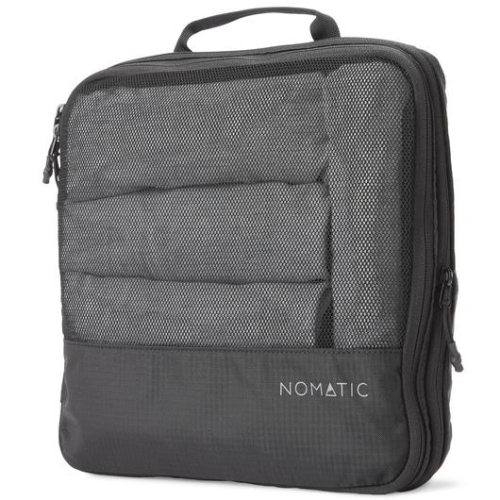 Your price for this item is $54.99
 -
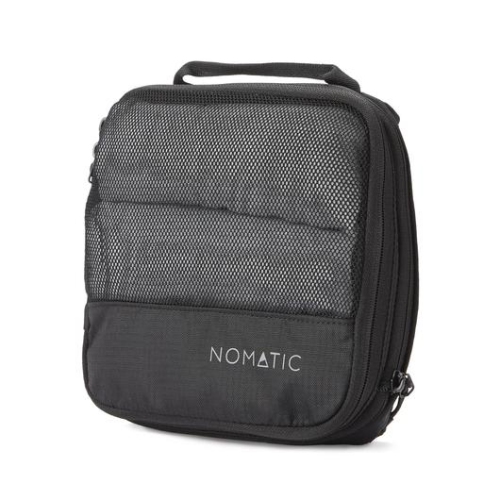 Your price for this item is $39.99
 -
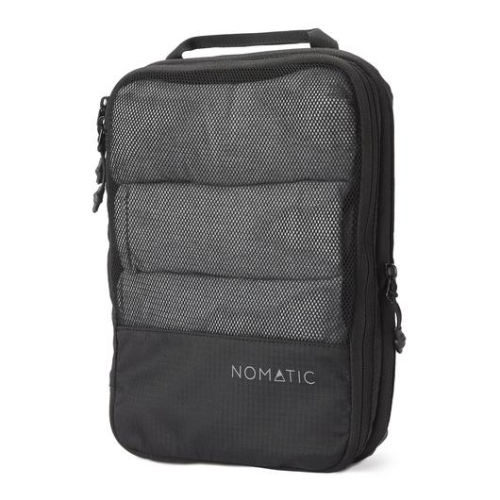 Your price for this item is $44.99
 -
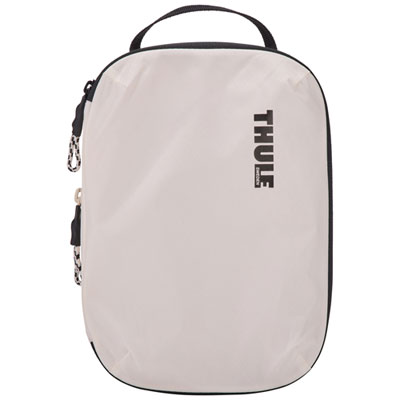 Your price for this item is $29.99
 -
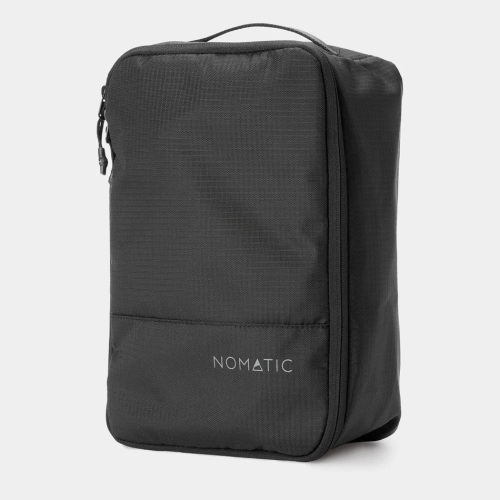 Your price for this item is $49.99
 -
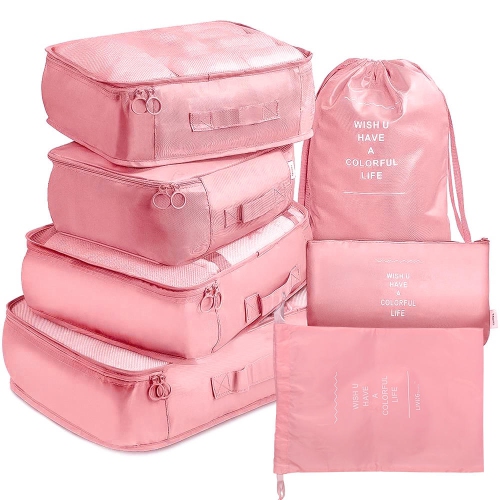 Your price for this item is $23.99
 -
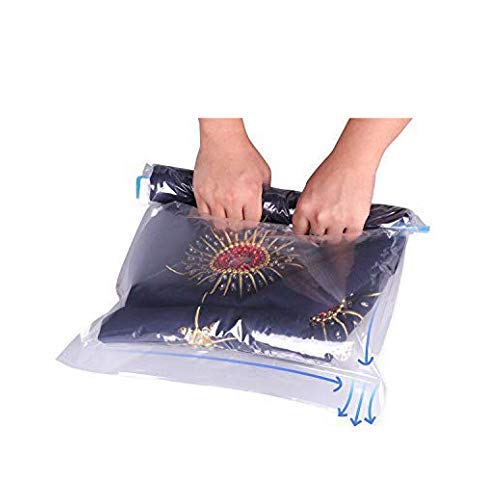 Your price for this item is $40.96
 -
 Your price for this item is $30
Discover more categories related to Packing Cubes for Backpacks
Top Collections:
Pokemon Centers, Kindle Devices, Apple iPhones 16, Samsung Galaxy Phones, Canon G7X Cameras, iPhone 15 Apple, Flip Phones, Apple Wired Earphones, Best Budget Office Chairs, Refurbished Apple Laptops
Some products may be subject to Environmental Handling Fees
(EHF) depending on your province.
Learn more about EHFs.