Packing Cubes for Suitcases
Organizing your suitcase has never been easier with our selection of packing cubes. These versatile travel essentials are designed to maximize space and keep your belongings neat and tidy during your trips. Whether you're a frequent flyer or an occasional traveler, packing cubes are a must-have for efficient and stress-free packing. With various sizes and colors available, you can easily categorize and locate your items while on the go.
Sort
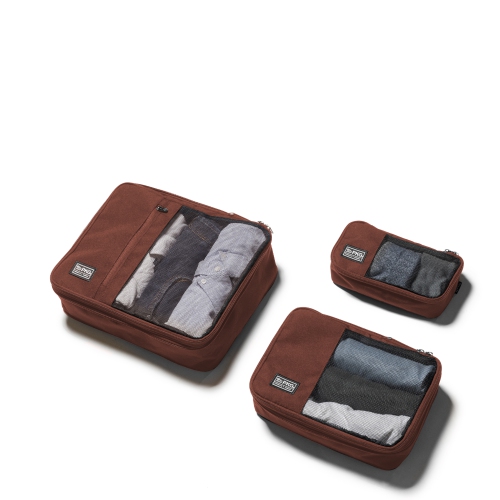
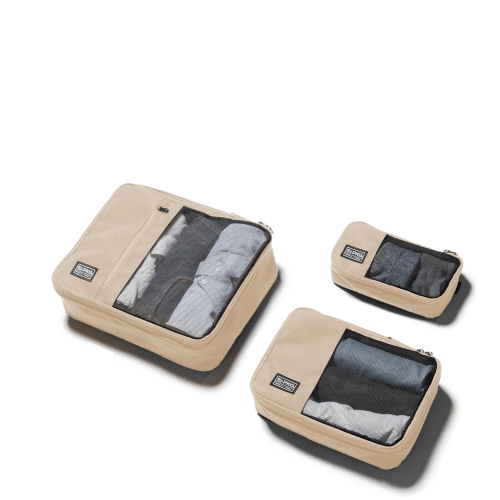
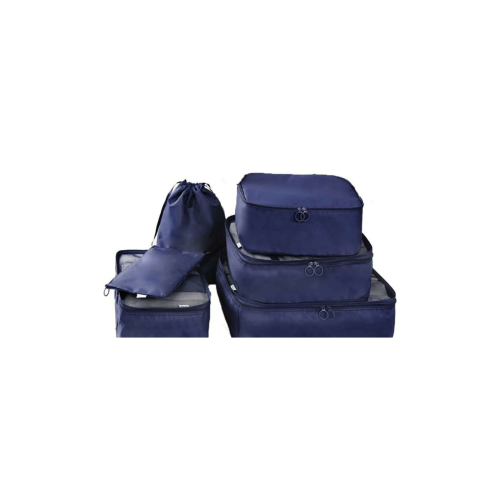
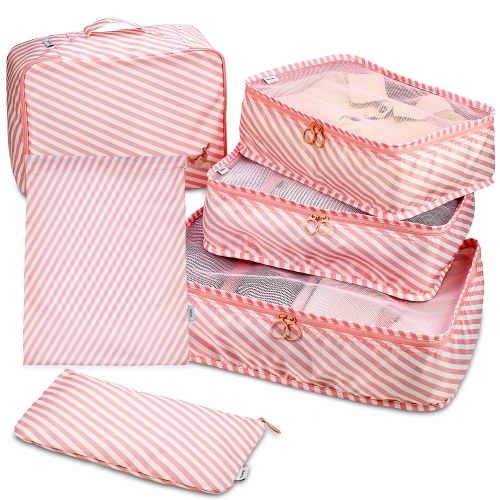
A more orderly way to pack and unpack
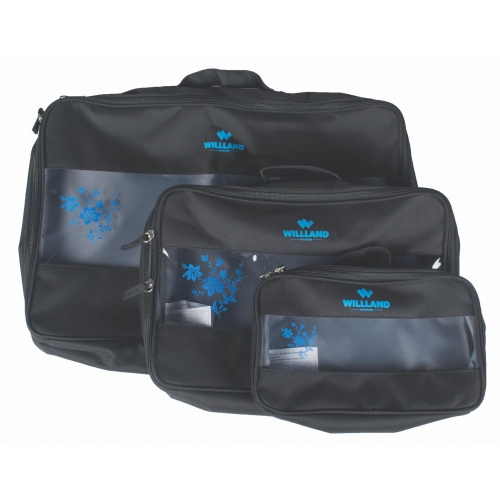
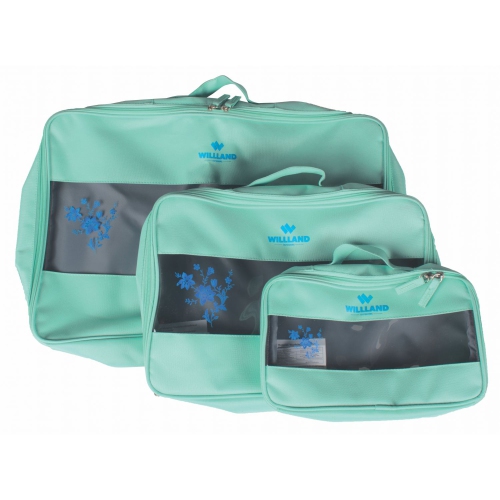
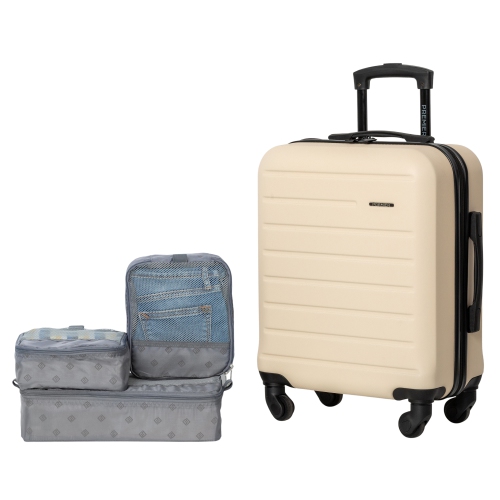
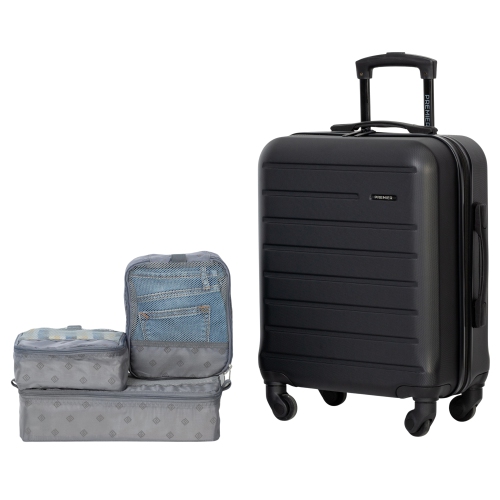
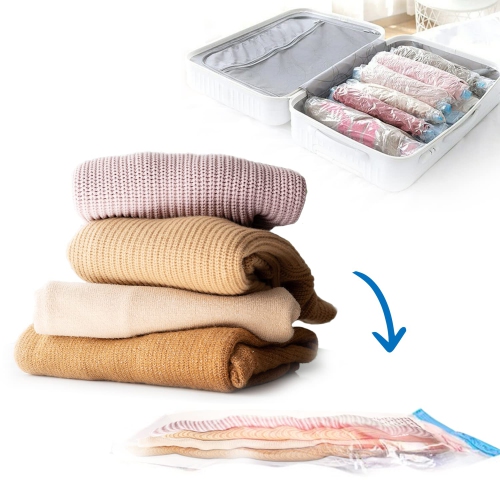
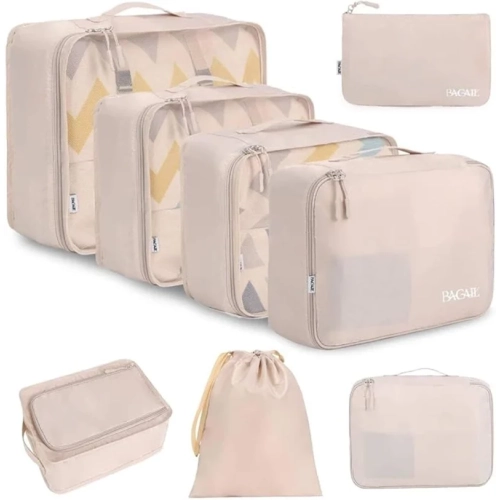
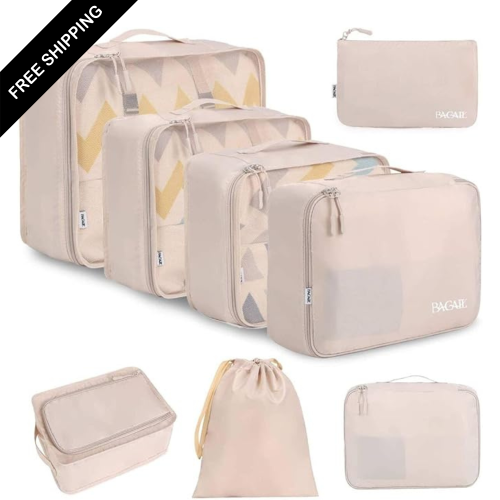
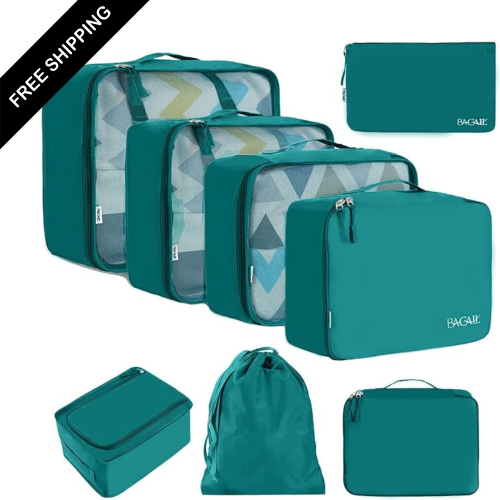
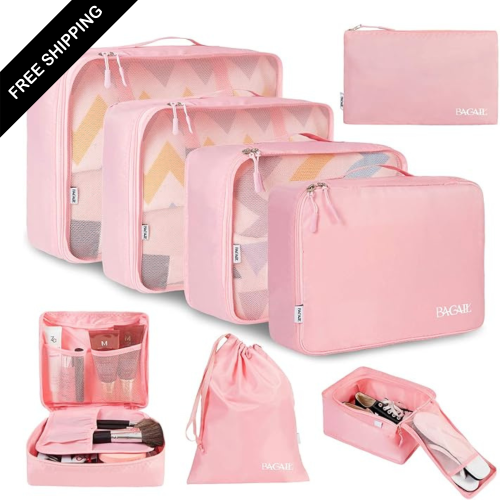
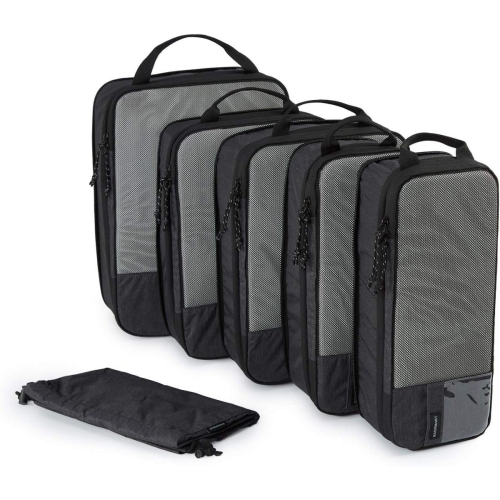
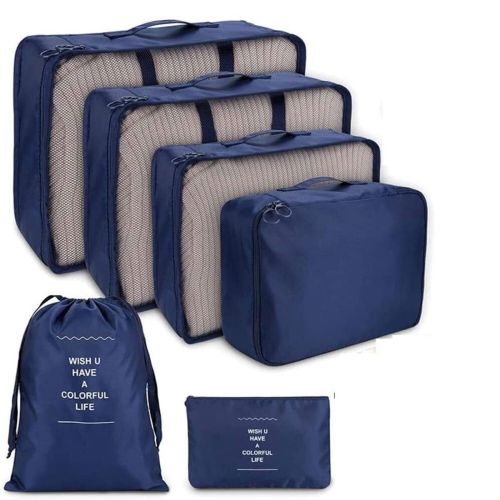
Packing cubes for suitcases are zippered fabric organizers designed to keep clothing and accessories contained inside luggage. Rather than allowing shirts, trousers, socks, and other items to shift into one tangled layer, packing cubes create separate compartments that make the most of the available space. A set can be especially helpful when preparing for a weekend away, a longer holiday, a business trip, a family visit, or a move between destinations. Place smaller garments in compact cubes, group everyday tops together in a medium-sized cube, and reserve larger cubes for trousers, dresses, sweaters, or other fuller layers. This simple system can make a suitcase feel less cluttered and can make it easier to find a particular item without emptying everything onto the bed or hotel floor. Mesh panels or partially open designs allow a quick view of what is inside, while solid fabric offers more coverage and structure. Some travellers prefer to fold clothing neatly, while others roll soft garments before placing them in a cube. Both approaches work; the most useful method depends on the fabric, the shape of the garment, and how tightly the cube is filled. Rolling can help make efficient use of narrow spaces, while folding may be preferable for collared shirts, knitwear, or clothing that wrinkles easily. Packing cubes are also useful after arrival. A cube can be lifted straight from the suitcase into a hotel drawer, wardrobe shelf, or guest-room closet, creating a quick unpacking routine that feels much more orderly than sorting through individual pieces.
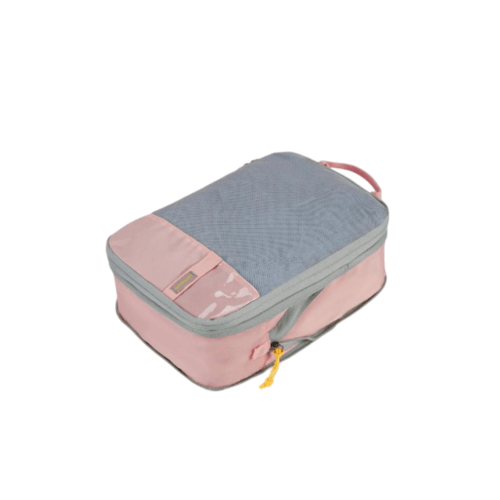
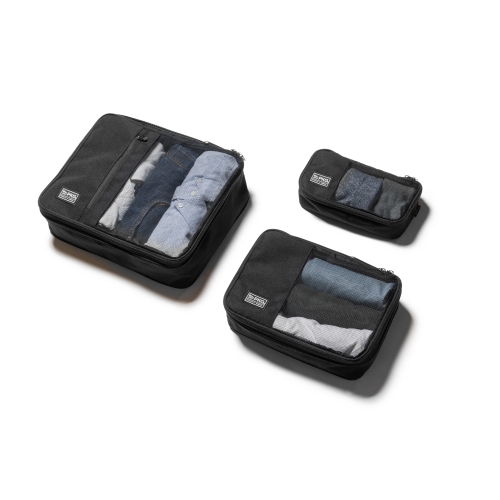
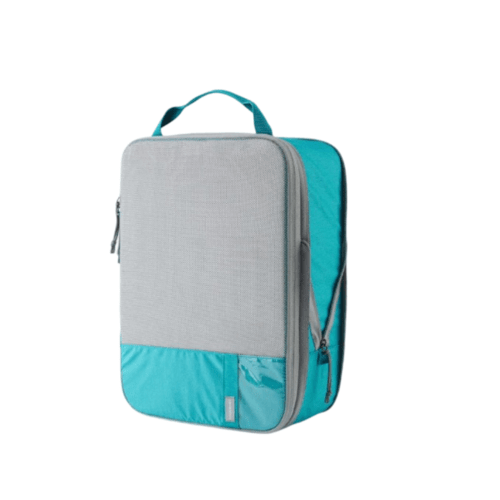
The right packing cubes for suitcases depend on the type of luggage, the length of the trip, and the items that need organizing. Before choosing a set, check the dimensions of the suitcase, especially if it has a curved interior, a deep lid, a centre divider, or a built-in garment panel. A cube that fits comfortably in a carry-on may leave awkward gaps in a larger suitcase, while an oversized cube may be difficult to close without placing strain on its zipper. Multi-piece sets often include a mix of small, medium, and large sizes, making it easier to assign a purpose to each compartment. Small cubes are well suited to socks, underwear, swimwear, belts, chargers, or other compact items. Medium cubes can hold shirts, blouses, shorts, leggings, or children’s clothing, while large cubes are useful for trousers, jackets, dresses, and bulkier layers. Compression cubes include an additional zipper that helps reduce the volume of packed garments after the cube has been filled. They can be particularly useful for sweaters, fleece layers, or other soft clothing during cooler months, although compression does not eliminate the weight of the contents and should not be used as a reason to overpack. Standard cubes are often lighter and simpler, with a straightforward design for separating and protecting clothing. A cube with two compartments or a dedicated divider can help keep clean garments apart from worn clothing during a longer trip. Look for smooth-running zippers, reinforced seams, sturdy handles, and fabric that can tolerate being lifted in and out of luggage. It is best to leave a little breathing room rather than forcing the zipper around an overfilled cube, since excessive pressure can affect the shape of the organizer and make packing or unpacking more difficult. Travellers who prefer a lighter setup may also want to explore Foldable Packing Cubes, which can be convenient to store when they are not in use.
Packing cubes can suit frequent flyers, road-trippers, students returning home between terms, families sharing a suitcase, and anyone who appreciates a more predictable packing routine. They are particularly practical for travellers moving between several accommodations, where a labelled or colour-coded cube can keep each person’s clothing together and reduce the need to unpack completely at every stop. Parents may use separate cubes for each child or reserve one for pyjamas, one for activity clothing, and one for warmer layers, making early mornings and quick changes easier to manage. They can also be a thoughtful gift for someone preparing for a first major trip, heading to school, travelling for work, or building a more organized luggage setup. To pack efficiently, begin with a rough plan for each day and place similar items together instead of filling cubes at random. Keep frequently needed pieces near the top of the suitcase, and use the narrow spaces around cubes for shoes, toiletry bags, or accessories that are already enclosed. Avoid placing damp clothing in a closed cube; allow garments to dry first or use a suitable separate bag for worn items. When returning home, packing cubes can simplify sorting by keeping laundry, unworn clothing, and souvenirs in distinct groups. They are just as useful for a short overnight stay as they are for an extended journey, and a well-chosen set can bring a sense of calm to the familiar scene of an open suitcase, scattered outfits, and limited packing space. With the right combination of sizes and features, packing cubes help turn a suitcase into a series of manageable sections, making it easier to pack carefully, carry efficiently, and settle in wherever the trip leads.
The right packing cubes for suitcases depend on the type of luggage, the length of the trip, and the items that need organizing. Before choosing a set, check the dimensions of the suitcase, especially if it has a curved interior, a deep lid, a centre divider, or a built-in garment panel. A cube that fits comfortably in a carry-on may leave awkward gaps in a larger suitcase, while an oversized cube may be difficult to close without placing strain on its zipper. Multi-piece sets often include a mix of small, medium, and large sizes, making it easier to assign a purpose to each compartment. Small cubes are well suited to socks, underwear, swimwear, belts, chargers, or other compact items. Medium cubes can hold shirts, blouses, shorts, leggings, or children’s clothing, while large cubes are useful for trousers, jackets, dresses, and bulkier layers. Compression cubes include an additional zipper that helps reduce the volume of packed garments after the cube has been filled. They can be particularly useful for sweaters, fleece layers, or other soft clothing during cooler months, although compression does not eliminate the weight of the contents and should not be used as a reason to overpack. Standard cubes are often lighter and simpler, with a straightforward design for separating and protecting clothing. A cube with two compartments or a dedicated divider can help keep clean garments apart from worn clothing during a longer trip. Look for smooth-running zippers, reinforced seams, sturdy handles, and fabric that can tolerate being lifted in and out of luggage. It is best to leave a little breathing room rather than forcing the zipper around an overfilled cube, since excessive pressure can affect the shape of the organizer and make packing or unpacking more difficult. Travellers who prefer a lighter setup may also want to explore Foldable Packing Cubes, which can be convenient to store when they are not in use.
Packing cubes can suit frequent flyers, road-trippers, students returning home between terms, families sharing a suitcase, and anyone who appreciates a more predictable packing routine. They are particularly practical for travellers moving between several accommodations, where a labelled or colour-coded cube can keep each person’s clothing together and reduce the need to unpack completely at every stop. Parents may use separate cubes for each child or reserve one for pyjamas, one for activity clothing, and one for warmer layers, making early mornings and quick changes easier to manage. They can also be a thoughtful gift for someone preparing for a first major trip, heading to school, travelling for work, or building a more organized luggage setup. To pack efficiently, begin with a rough plan for each day and place similar items together instead of filling cubes at random. Keep frequently needed pieces near the top of the suitcase, and use the narrow spaces around cubes for shoes, toiletry bags, or accessories that are already enclosed. Avoid placing damp clothing in a closed cube; allow garments to dry first or use a suitable separate bag for worn items. When returning home, packing cubes can simplify sorting by keeping laundry, unworn clothing, and souvenirs in distinct groups. They are just as useful for a short overnight stay as they are for an extended journey, and a well-chosen set can bring a sense of calm to the familiar scene of an open suitcase, scattered outfits, and limited packing space. With the right combination of sizes and features, packing cubes help turn a suitcase into a series of manageable sections, making it easier to pack carefully, carry efficiently, and settle in wherever the trip leads.
Top selling and popular products
-
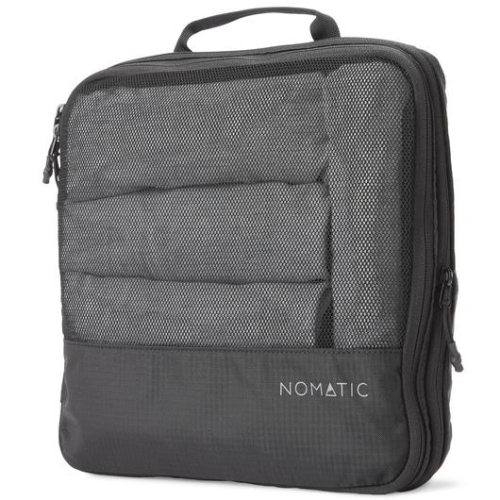 Your price for this item is $54.99
 -
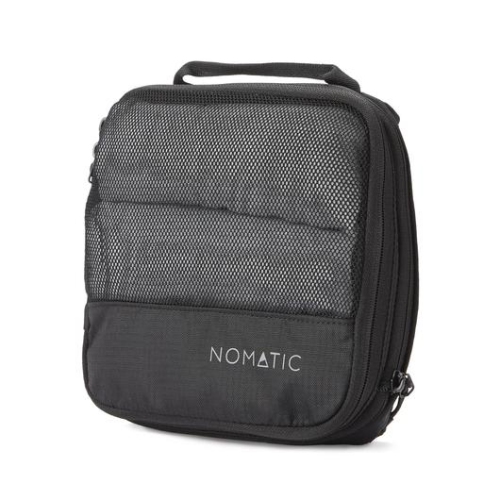 Your price for this item is $39.99
 -
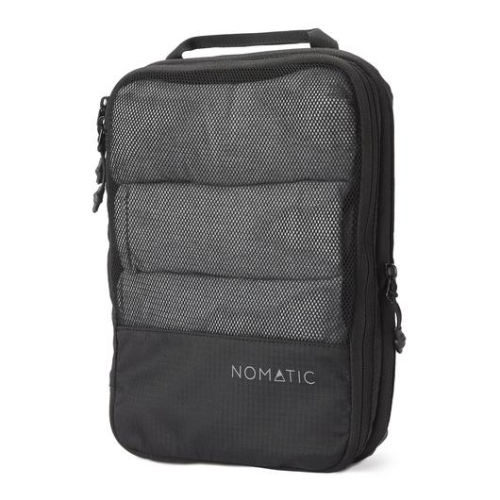 Your price for this item is $44.99
 -
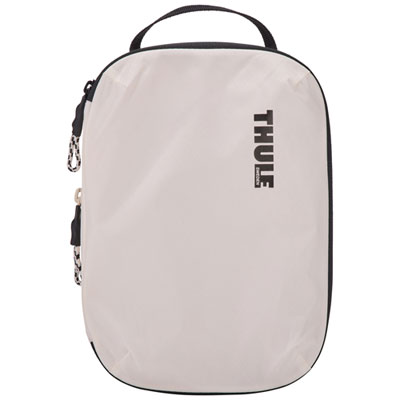 Your price for this item is $29.99
 -
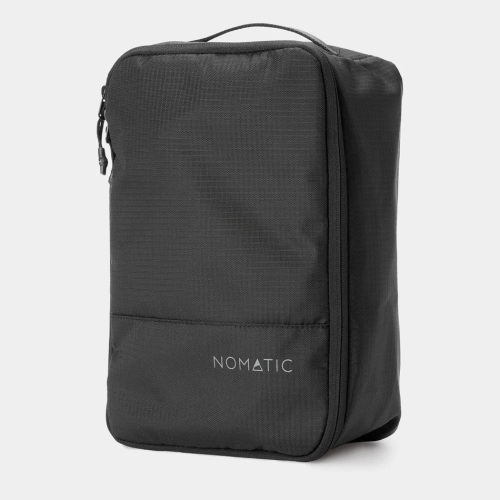 Your price for this item is $49.99
 -
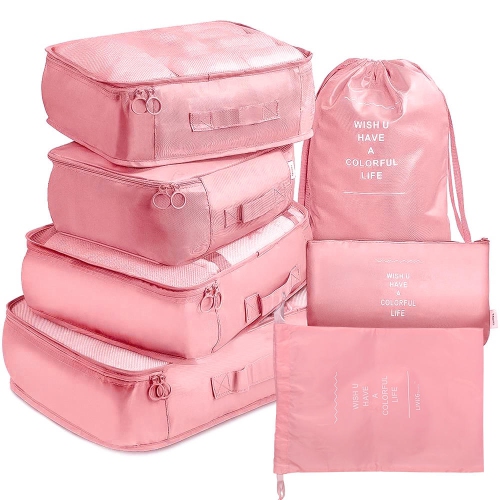 Your price for this item is $23.99
 -
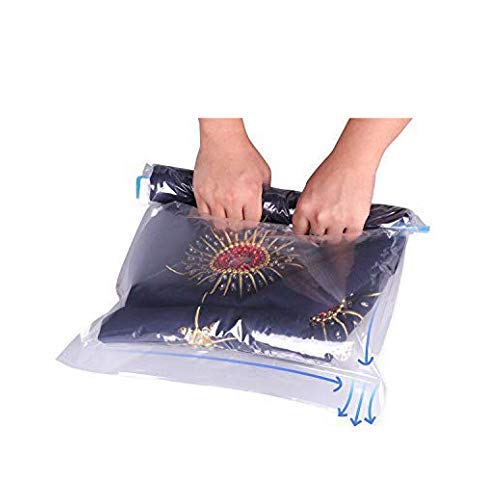 Your price for this item is $40.96
 -
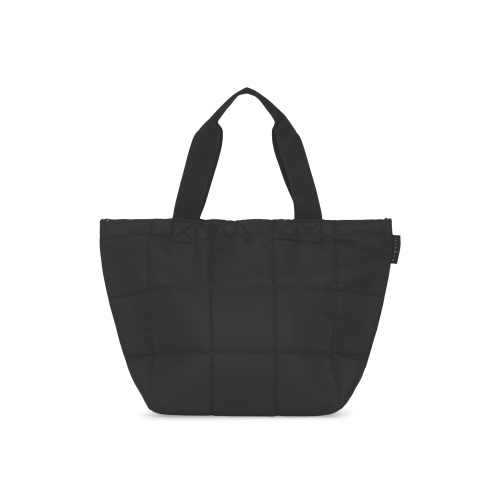 Your price for this item is $30
Discover more categories related to Packing Cubes for Suitcases
Top Collections:
Pokemon Centers, Kindle Devices, Apple iPhones 16, Samsung Galaxy Phones, Canon G7X Cameras, iPhone 15 Apple, Flip Phones, Apple Wired Earphones, Best Budget Office Chairs, Refurbished Apple Laptops
Some products may be subject to Environmental Handling Fees
(EHF) depending on your province.
Learn more about EHFs.