Socket Adapters
Find the right socket adapter to make your tools and devices compatible with a variety of sockets and connections. Whether you're tackling a home improvement project or upgrading your workshop, socket adapters offer a simple solution for maximizing versatility and convenience. Explore a wide selection designed to help you connect, convert, and get the job done efficiently. Discover how the right socket adapter can streamline your workflow and support all your repair or installation needs.
Sort

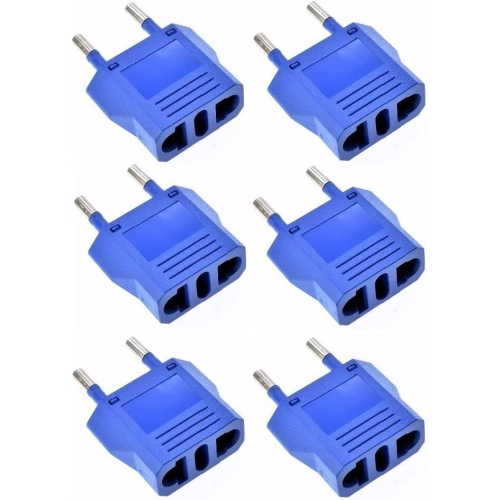
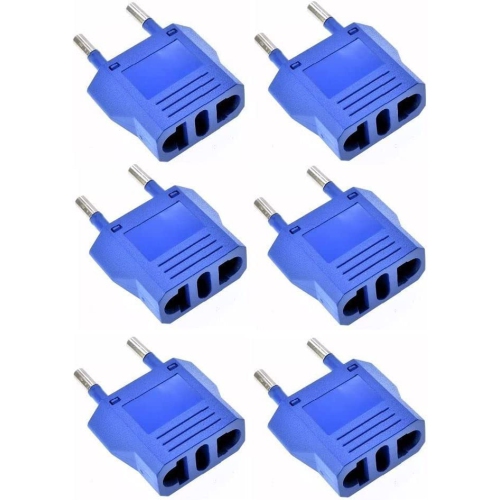
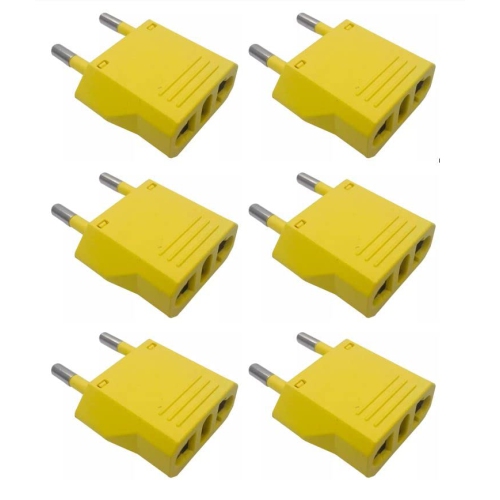
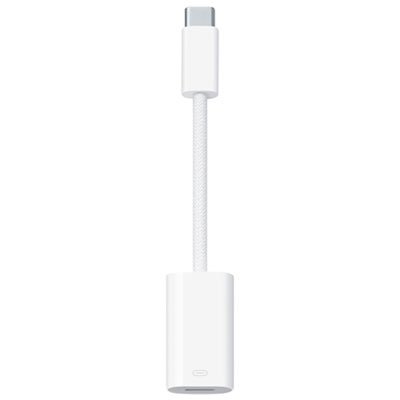
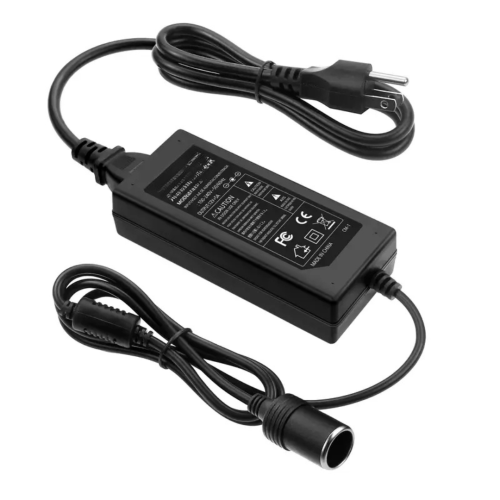
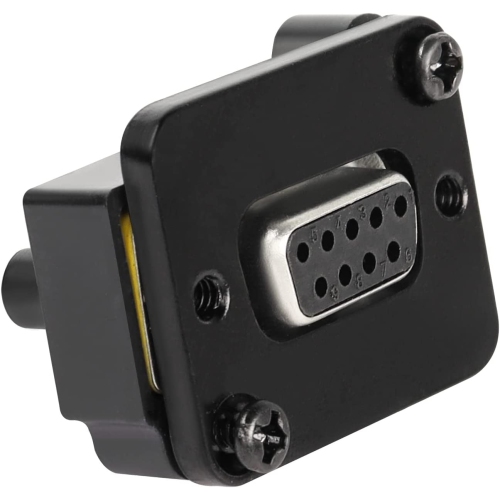
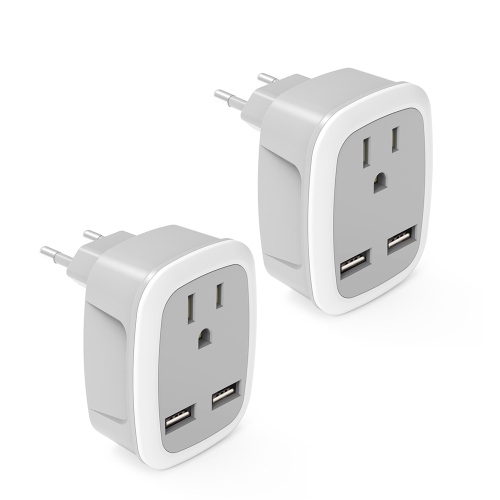

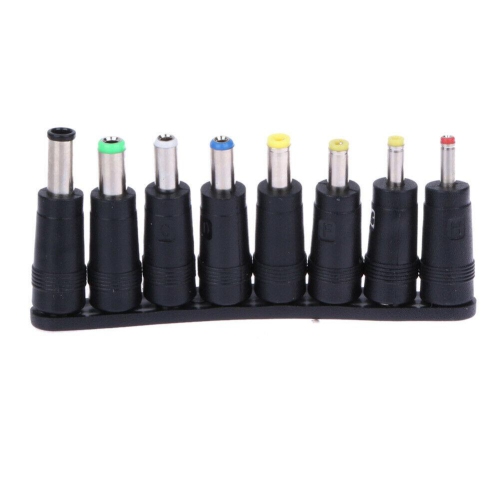
When your socket fits but the drive doesn’t
Socket adapters connect a socket to a ratchet, breaker bar, drill, or impact driver when the tool and socket have different drive connections. They change the connection between the tool and the socket, not the size of the opening that grips a nut or bolt. A square-drive adapter joins different ratchet and socket drive sizes, while a hex-shank socket adapter allows a compatible drill or driver to turn a square-drive socket. This distinction matters when assembling furniture, maintaining a bicycle, working on a vehicle, or tightening hardware around the home. A socket may fit the fastener perfectly yet still need an adapter to connect to the tool in hand. Common square-drive sizes include 1/4 inch, 3/8 inch, and 1/2 inch, and an adapter’s description should identify both the tool-side connection and the socket-side connection. For a square-drive adapter, the female opening accepts the tool’s drive, while the male end fits into the socket. A reducing adapter connects a larger tool drive to a smaller socket drive; an increasing adapter does the reverse. Neither changes the socket’s metric or SAE fastener fit, and a larger socket connection does not increase the load a smaller tool can safely handle. Hex-shank versions often use a 1/4 inch shank, but compatibility still depends on the drill chuck or driver’s bit holder and the adapter’s intended use. For someone building a practical tool collection, adapters can bridge gaps between existing tools without requiring every socket to share the same drive size. They also complement Socket Sets by helping compatible sockets work across different handles and drivers. Their usefulness is especially clear in mixed toolboxes, where a compact ratchet, a larger handle, and several socket sizes may all serve different jobs. The right connection keeps those tools useful while respecting the limits of each component.
Fit, length, and construction all influence how a socket adapter feels in use. A well-matched adapter should seat fully on the tool and hold the socket securely using its intended retention mechanism. Depending on the design, that mechanism may involve a spring-loaded detent ball, a retaining pin, or another locking arrangement. Excessive looseness, incomplete engagement, or a socket that repeatedly pulls free can interfere with control, particularly when reaching into a recess where dropped pieces are difficult to retrieve. Adapter length deserves attention too. A short body adds less distance between the handle and fastener, which can help inside a cabinet or beside closely spaced hardware. A longer hex-shank adapter can place a socket farther from a drill chuck, although extra length may make the assembly harder to keep aligned. An adapter is not necessarily an extension or a swivel joint, even if it adds a little reach. Where a fastener sits at an angle, a purpose-built joint or another suitable tool may be needed rather than forcing a straight connection sideways. Steel construction is common, with chrome vanadium and chrome molybdenum alloys appearing in different designs. Alloy names alone do not establish suitability for powered impact use: manufacturing, heat treatment, geometry, and the manufacturer’s rating also matter. Plated finishes can provide a smooth, easy-to-wipe surface, while dark oxide or phosphate finishes are often found on impact-rated accessories. Colour or finish is not proof of an impact rating. For use with an impact driver or impact wrench, both the adapter and socket must be specifically rated for that application, with compatible connections throughout. Hand-tool accessories should not be assumed suitable for repeated impact loads. Clear drive-size markings, readable ratings, and a shape that leaves room for nearby surfaces are useful details for anyone who regularly moves between small hardware and larger fasteners.
Intended use is the most important distinction between an adapter that merely connects and one that suits the task. For furniture assembly or light household repairs, a compact adapter can make an existing socket easier to use with a suitable handle or drill. A drill can speed up turning a long threaded fastener, but speed and torque need control, especially near delicate surfaces or into materials that can strip. Starting the fastener by hand helps prevent cross-threading, and keeping the socket square to the fastener helps preserve its edges. Final tightening should follow the furniture or equipment manufacturer’s requirements rather than relying on how powerful the driver feels. Automotive work and other higher-load tasks call for particular care because an adapter introduces another connection into the tool assembly. A reducing adapter does not make a small-drive socket suitable for the full force available from a larger breaker bar or impact wrench. Where torque specifications apply, a suitable torque wrench and compatible accessories are important; any accessory that changes the effective lever length may require a correction according to the tool manufacturer’s guidance. Stacking multiple adapters adds play and length, so a direct-fitting socket or a single appropriately rated adapter is generally preferable. Durability also depends on everyday handling. Wiping away grease and grit after use keeps connections easier to inspect, while dry storage helps limit rust. Any protective oil should be used according to the manufacturer’s care directions, with excess wiped away before handling. Rounded drive corners, cracks, distortion, or a retention mechanism that no longer works are reasons to stop using an adapter rather than push through another job. Keeping adapters organized by input and output size makes them easier to identify when a repair involves several socket sizes. For home repair enthusiasts, hobby mechanics, and people setting up a first toolbox, these small accessories can be thoughtful practical gifts when their existing drive sizes and intended tasks are known. Their value lies in dependable compatibility: a secure connection, suitable strength, and the ability to put the right socket on the right tool.
Fit, length, and construction all influence how a socket adapter feels in use. A well-matched adapter should seat fully on the tool and hold the socket securely using its intended retention mechanism. Depending on the design, that mechanism may involve a spring-loaded detent ball, a retaining pin, or another locking arrangement. Excessive looseness, incomplete engagement, or a socket that repeatedly pulls free can interfere with control, particularly when reaching into a recess where dropped pieces are difficult to retrieve. Adapter length deserves attention too. A short body adds less distance between the handle and fastener, which can help inside a cabinet or beside closely spaced hardware. A longer hex-shank adapter can place a socket farther from a drill chuck, although extra length may make the assembly harder to keep aligned. An adapter is not necessarily an extension or a swivel joint, even if it adds a little reach. Where a fastener sits at an angle, a purpose-built joint or another suitable tool may be needed rather than forcing a straight connection sideways. Steel construction is common, with chrome vanadium and chrome molybdenum alloys appearing in different designs. Alloy names alone do not establish suitability for powered impact use: manufacturing, heat treatment, geometry, and the manufacturer’s rating also matter. Plated finishes can provide a smooth, easy-to-wipe surface, while dark oxide or phosphate finishes are often found on impact-rated accessories. Colour or finish is not proof of an impact rating. For use with an impact driver or impact wrench, both the adapter and socket must be specifically rated for that application, with compatible connections throughout. Hand-tool accessories should not be assumed suitable for repeated impact loads. Clear drive-size markings, readable ratings, and a shape that leaves room for nearby surfaces are useful details for anyone who regularly moves between small hardware and larger fasteners.
Intended use is the most important distinction between an adapter that merely connects and one that suits the task. For furniture assembly or light household repairs, a compact adapter can make an existing socket easier to use with a suitable handle or drill. A drill can speed up turning a long threaded fastener, but speed and torque need control, especially near delicate surfaces or into materials that can strip. Starting the fastener by hand helps prevent cross-threading, and keeping the socket square to the fastener helps preserve its edges. Final tightening should follow the furniture or equipment manufacturer’s requirements rather than relying on how powerful the driver feels. Automotive work and other higher-load tasks call for particular care because an adapter introduces another connection into the tool assembly. A reducing adapter does not make a small-drive socket suitable for the full force available from a larger breaker bar or impact wrench. Where torque specifications apply, a suitable torque wrench and compatible accessories are important; any accessory that changes the effective lever length may require a correction according to the tool manufacturer’s guidance. Stacking multiple adapters adds play and length, so a direct-fitting socket or a single appropriately rated adapter is generally preferable. Durability also depends on everyday handling. Wiping away grease and grit after use keeps connections easier to inspect, while dry storage helps limit rust. Any protective oil should be used according to the manufacturer’s care directions, with excess wiped away before handling. Rounded drive corners, cracks, distortion, or a retention mechanism that no longer works are reasons to stop using an adapter rather than push through another job. Keeping adapters organized by input and output size makes them easier to identify when a repair involves several socket sizes. For home repair enthusiasts, hobby mechanics, and people setting up a first toolbox, these small accessories can be thoughtful practical gifts when their existing drive sizes and intended tasks are known. Their value lies in dependable compatibility: a secure connection, suitable strength, and the ability to put the right socket on the right tool.
Top selling and popular products
-
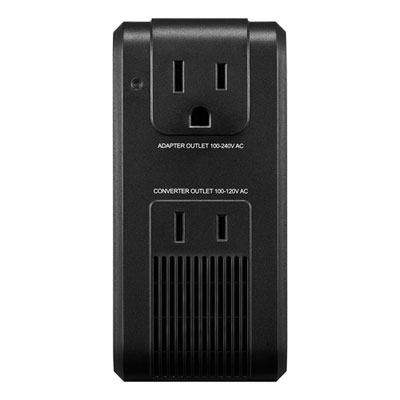 Your price for this item is $39.95
 -
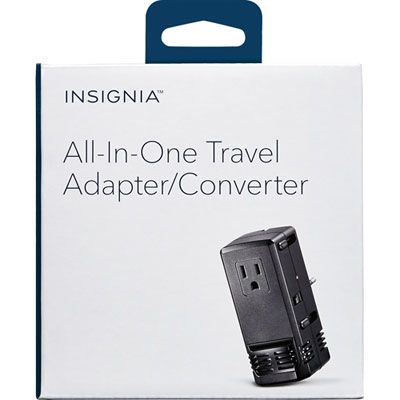 Your price for this item is $49.99
 -
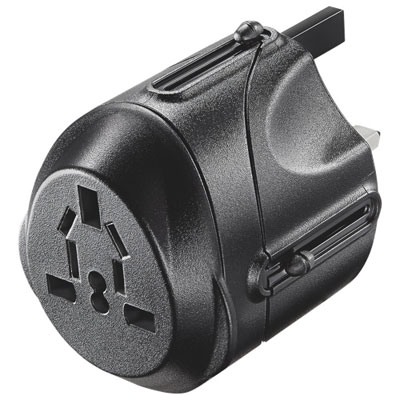 Your price for this item is $29.99
 -
 Your price for this item is $19.97
 -
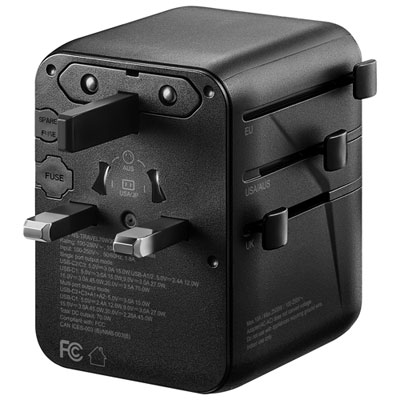 Your price for this item is $64.99
 -
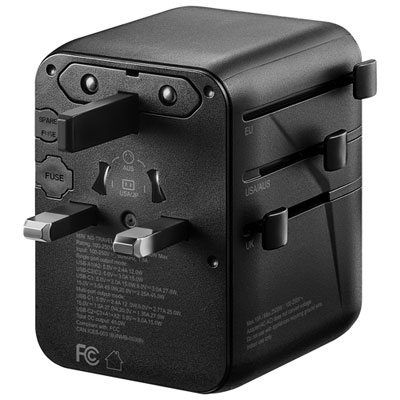 Your price for this item is $49.99
 -
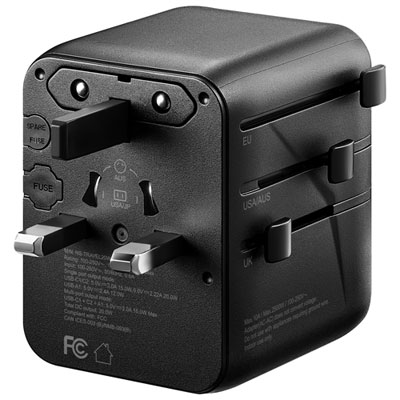 Your price for this item is $29.99
 -
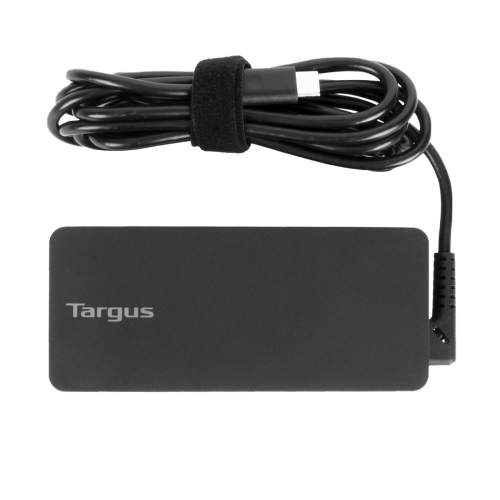 Your price for this item is $65.99
Discover more categories related to Socket Adapters
Top Collections:
Pokemon Centers, Kindle Devices, Best Budget Office Chairs, Apple iPhones 16, Canon G7X Cameras, iPhone 15 Apple, Alarm Clock, Refurbished Apple Laptops, Flip Phones, Best Laptops for Writers
Some products may be subject to Environmental Handling Fees
(EHF) depending on your province.
Learn more about EHFs.