3.5 Mm Audio Jack
Looking for a reliable and versatile audio connection solution? Look no further than the 3.5 mm audio jack. Whether you're plugging in your headphones, connecting your smartphone to external speakers, or hooking up your gaming console to a sound system, the 3.5 mm audio jack is a go-to option for seamless audio transmission. With its universal compatibility and widespread usage across various devices, this audio jack ensures that you can enjoy high-quality sound without any hassle. Explore our wide selection of 3.5 mm audio jacks and find the perfect one to enhance your audio experience today.
Sort


![YAKROT [2Pack] In Ear Earphones to 3.5MM Powerful Bass Stereo Sound Wired Headsets Earphones With Microphone And Volume](https://multimedia.bbycastatic.ca/multimedia/products/500x500/148/14896/14896241.jpg)


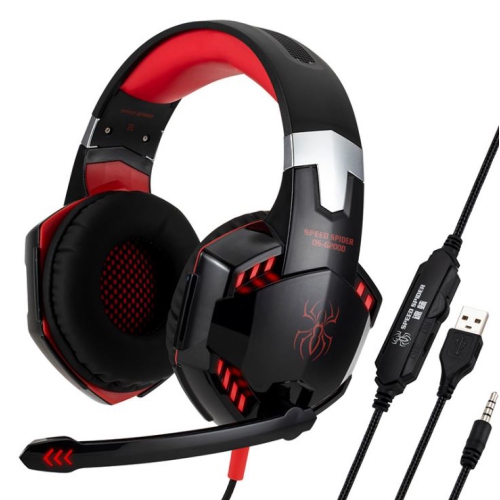
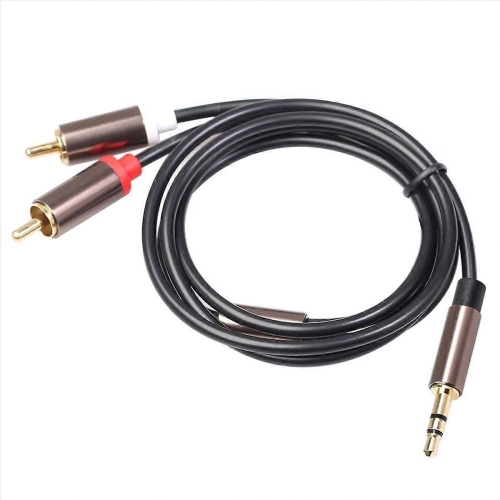
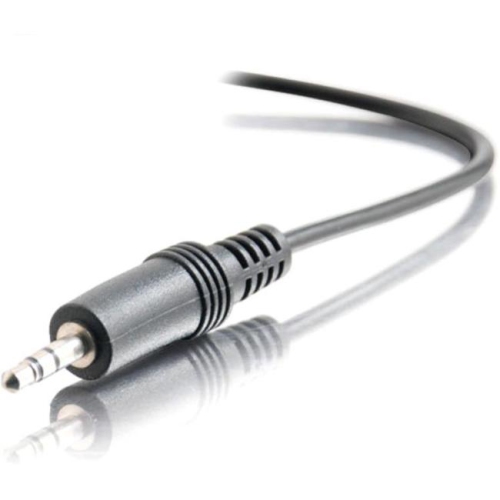
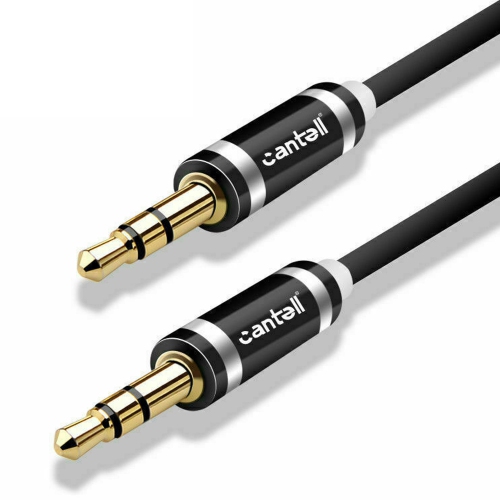
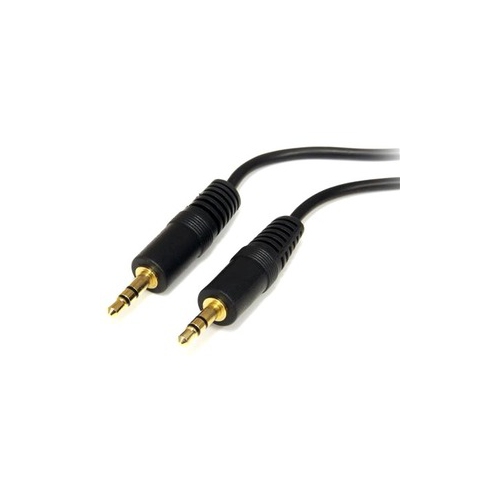
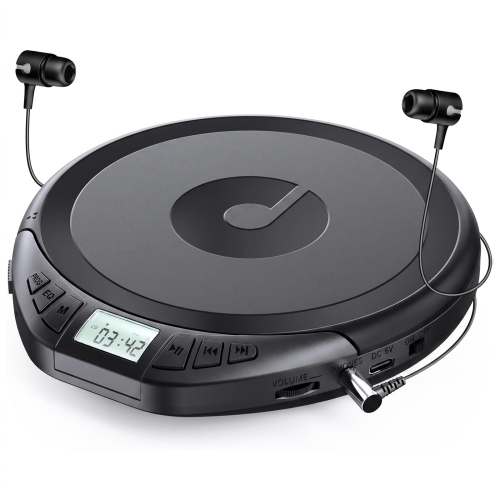
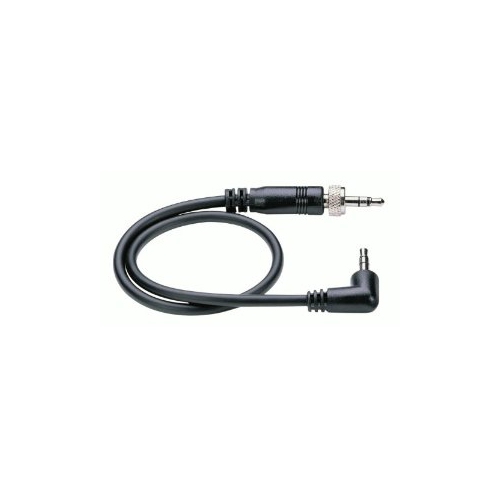
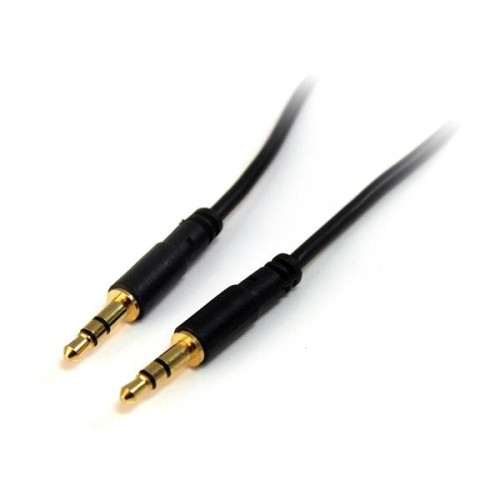


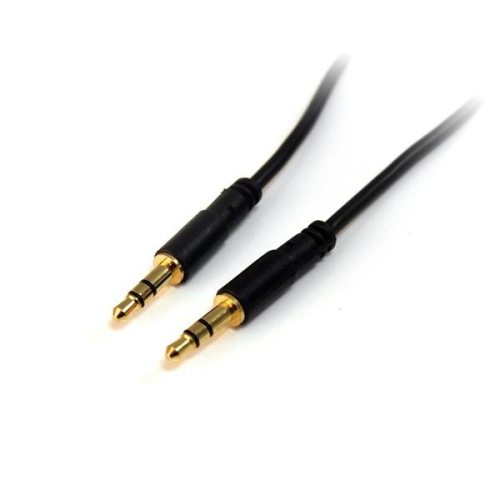
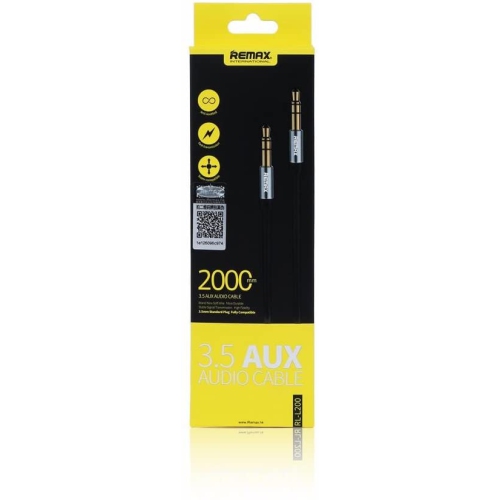
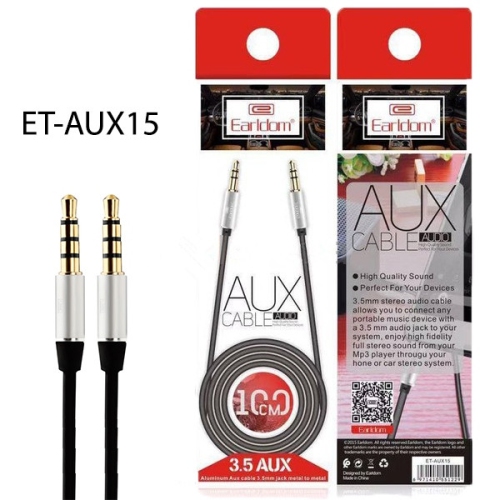
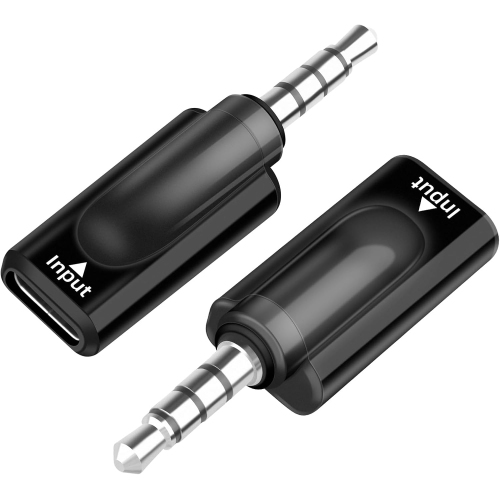

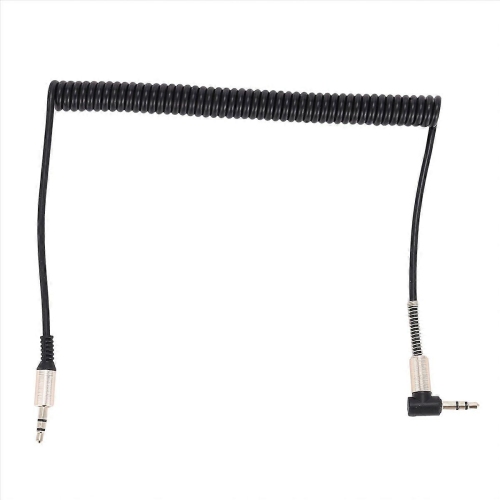
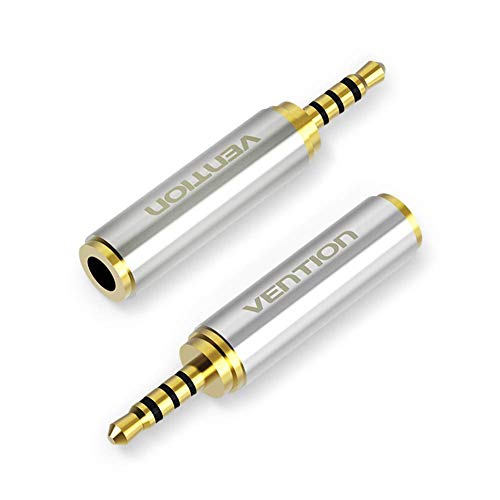
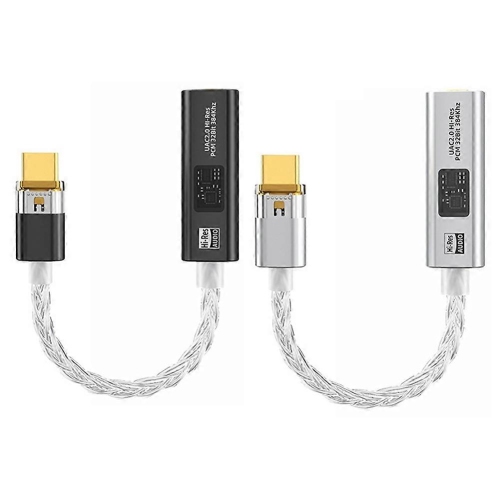
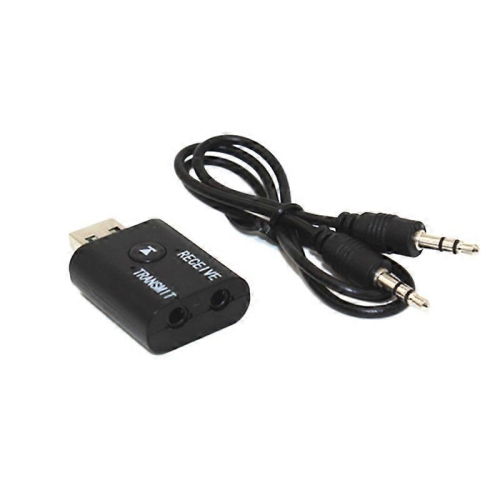
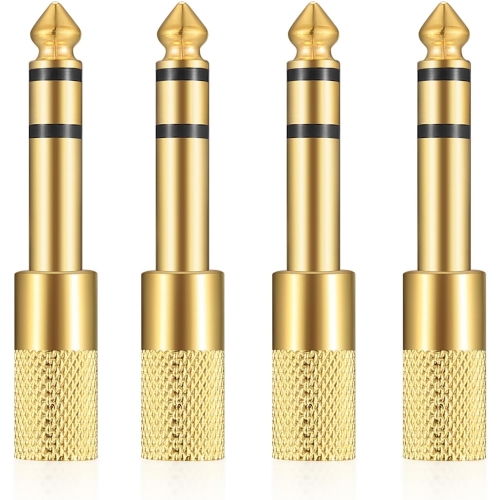
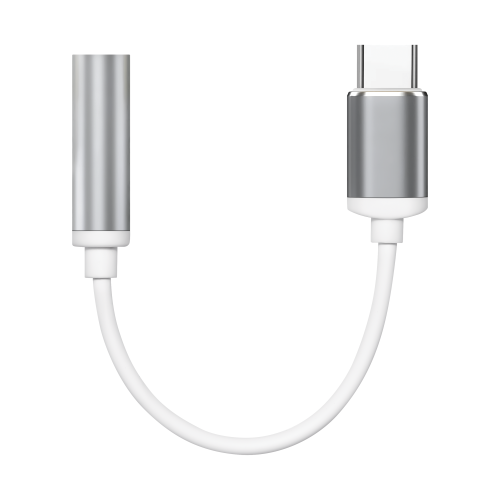

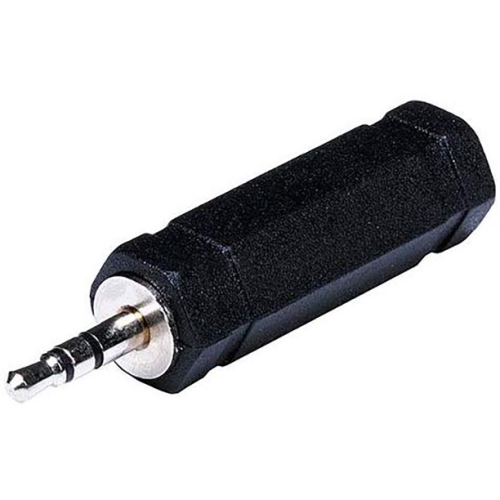
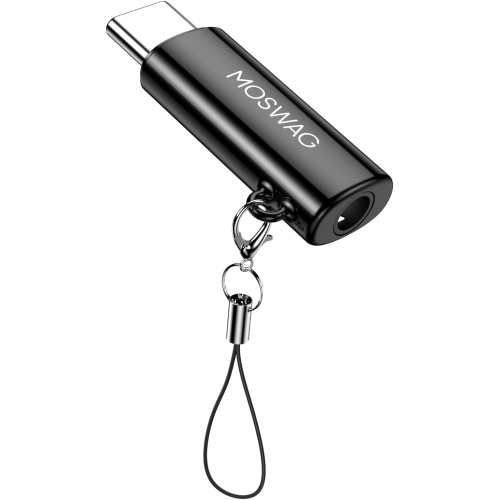
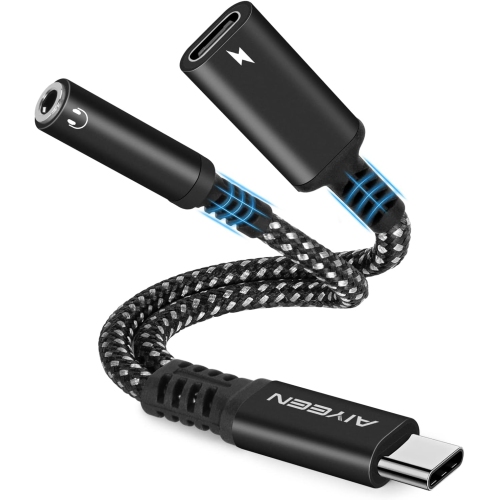
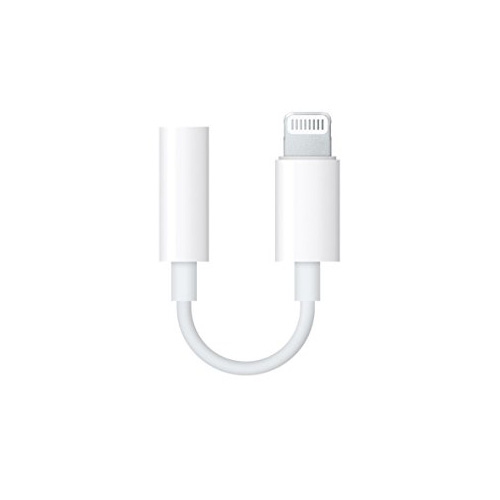
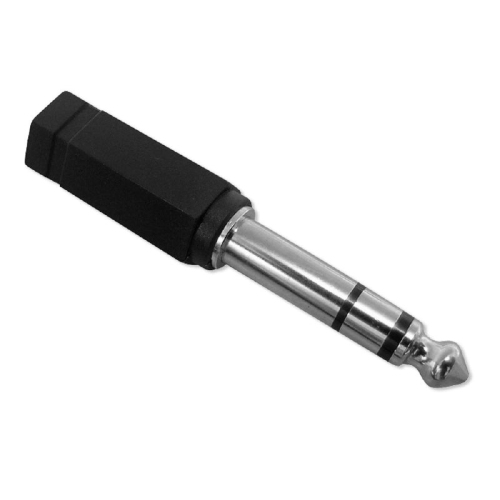
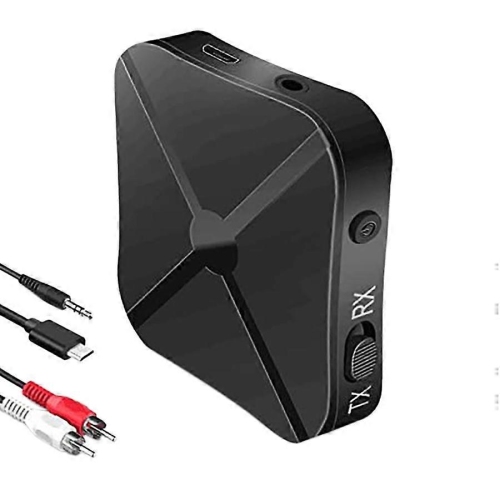
Reliable wired connections for everyday listening and recording
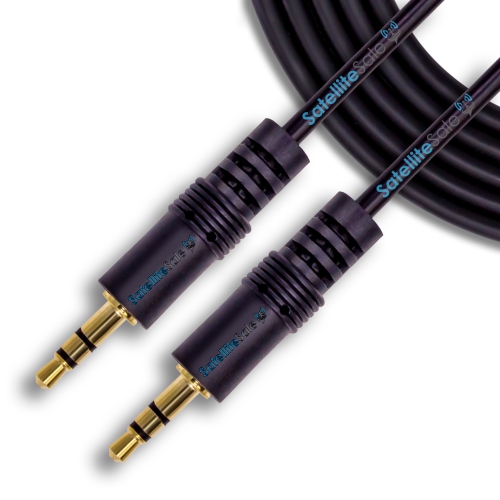
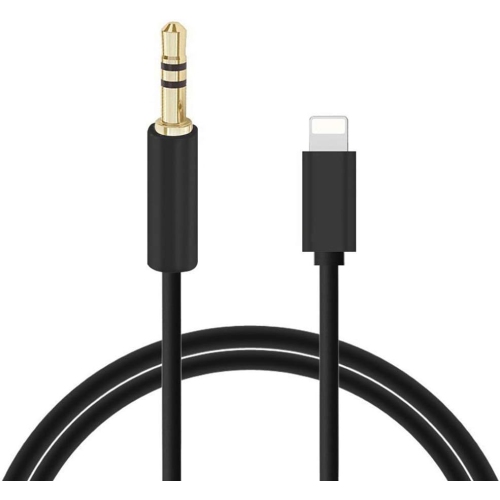
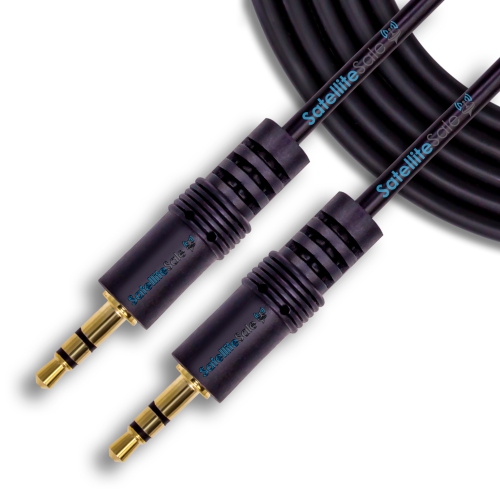
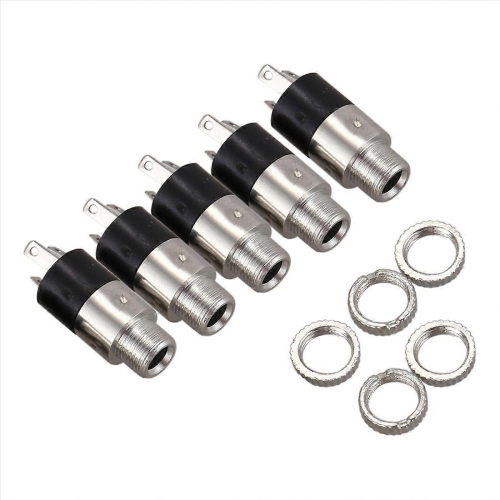
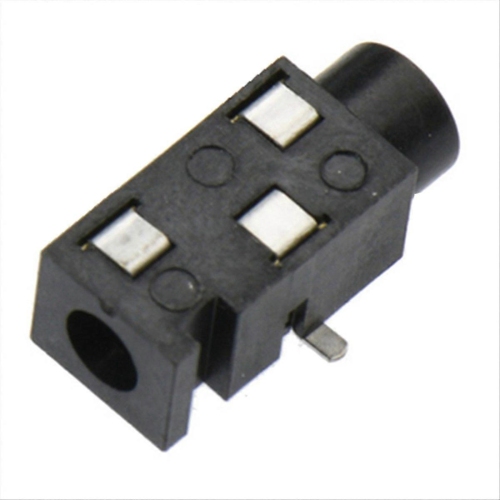
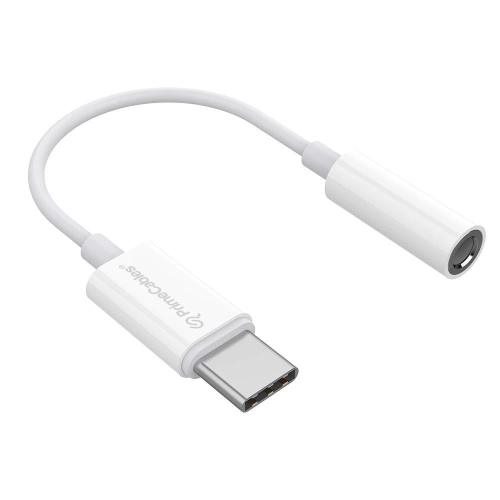
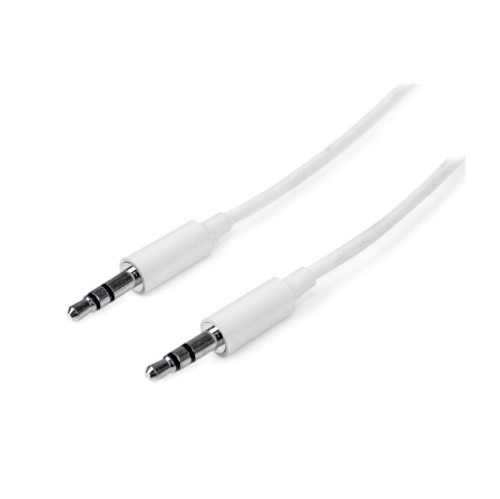
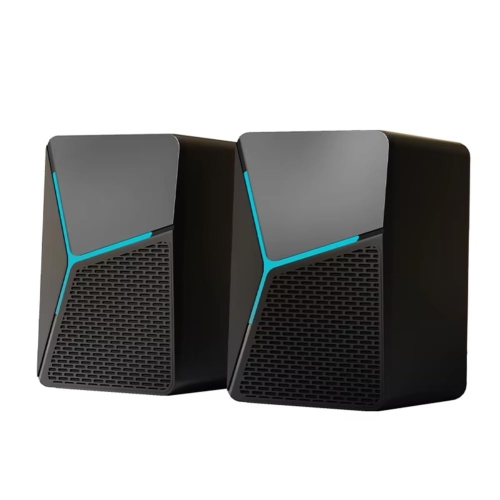
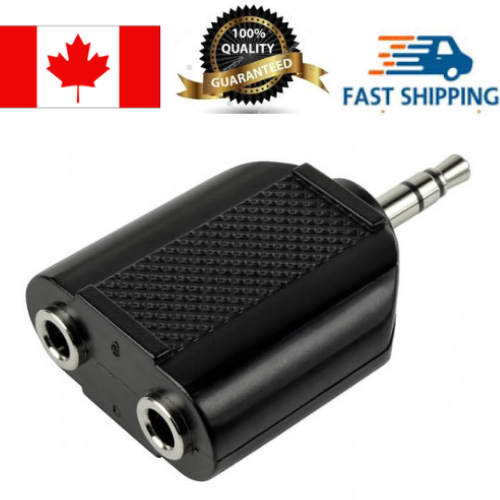
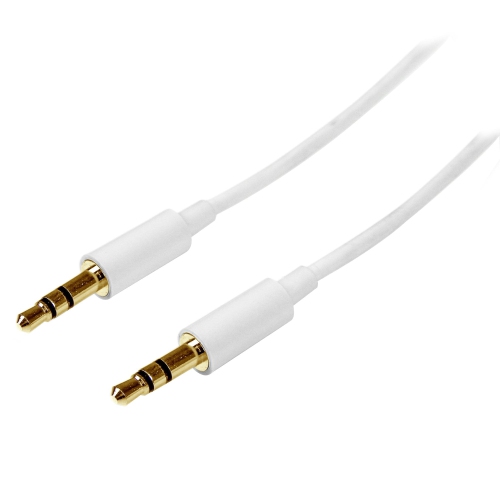
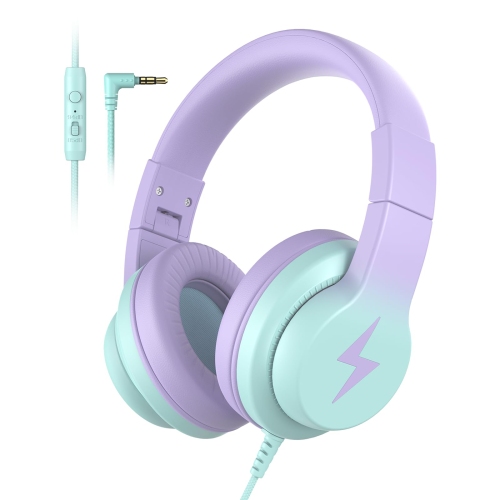
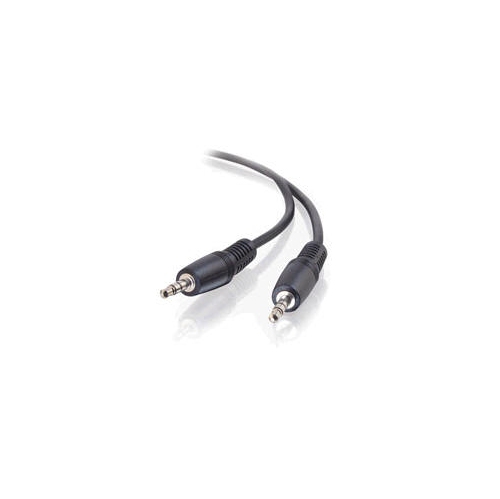
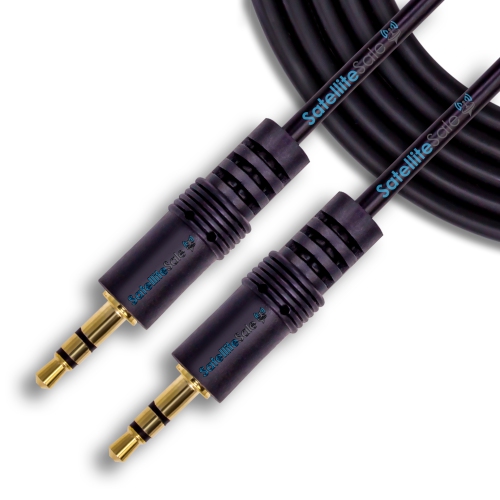
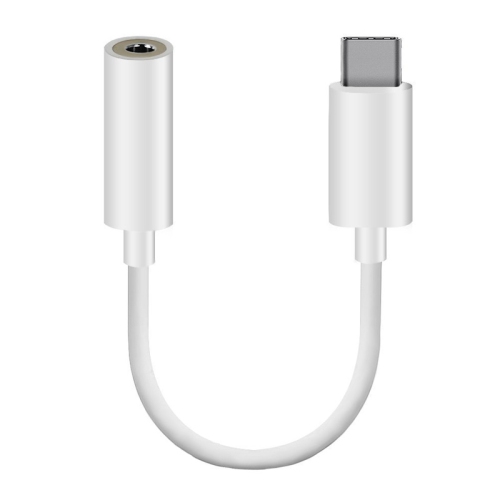
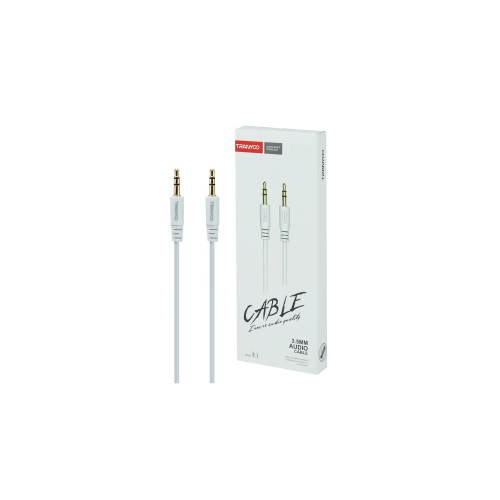
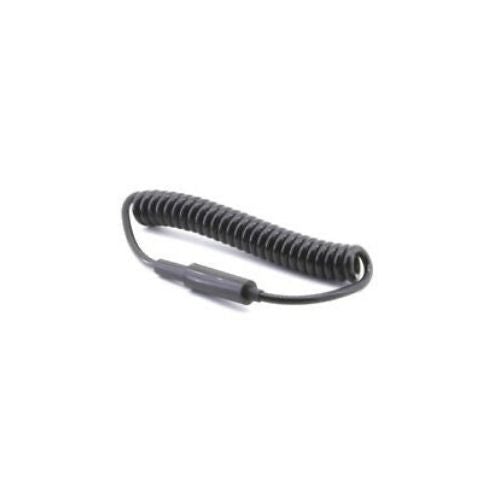
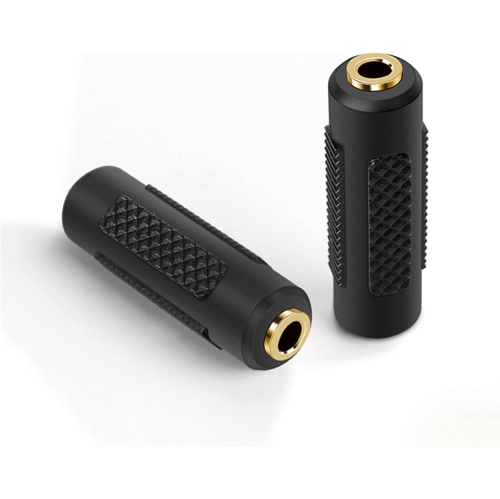
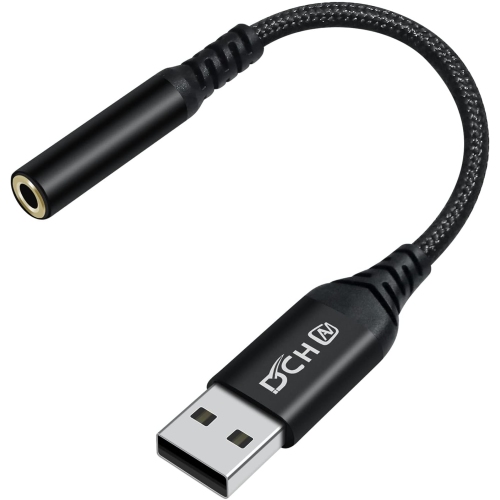
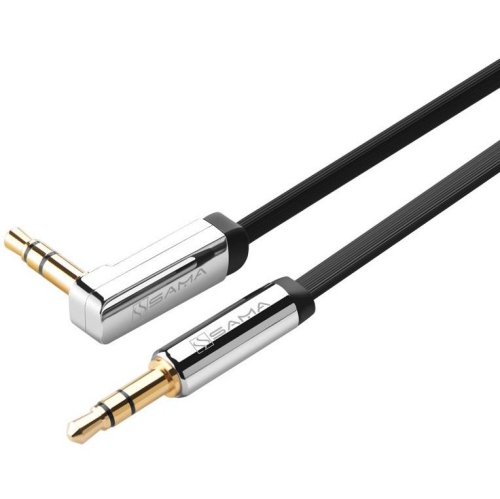
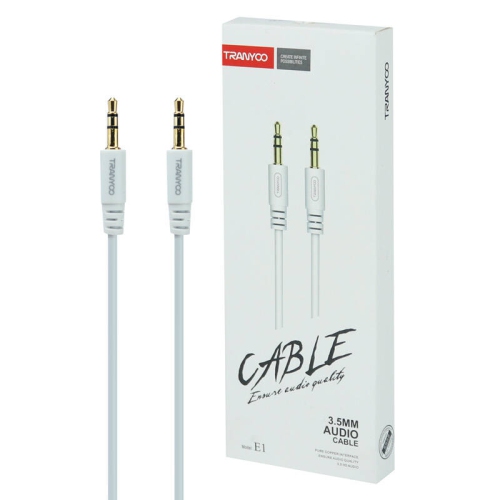
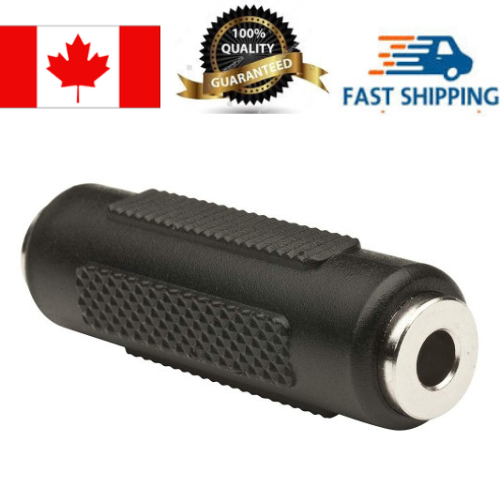
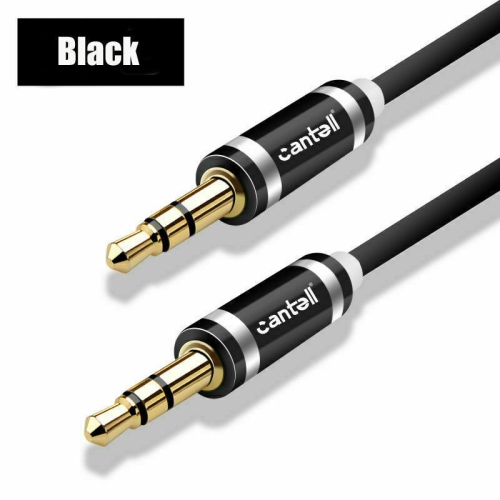
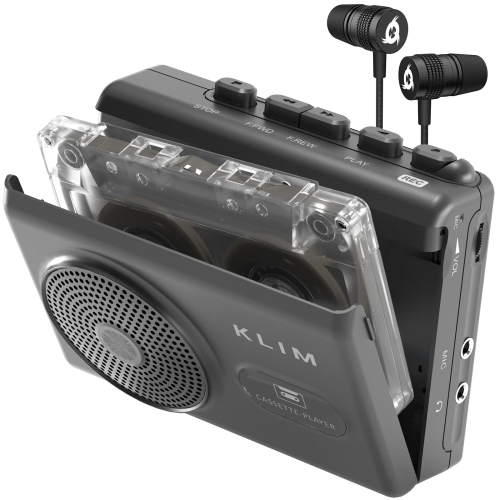
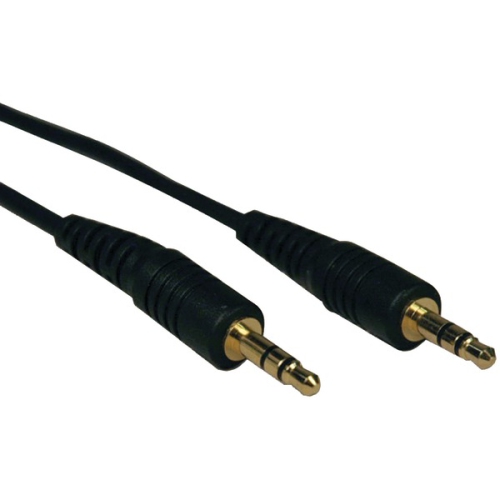
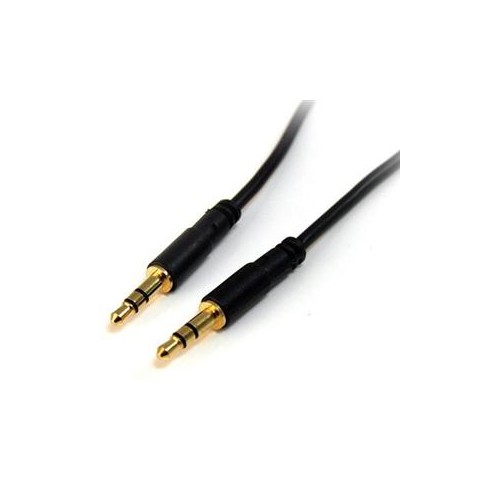
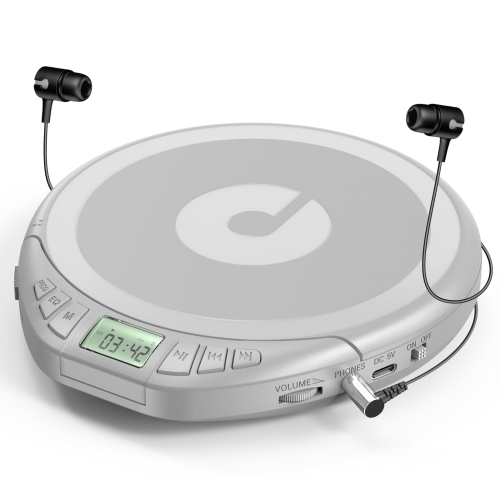
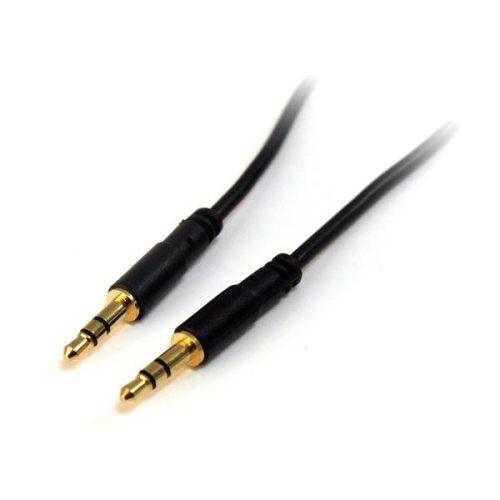
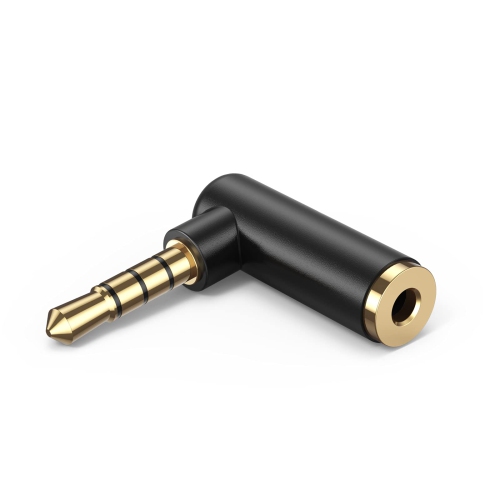
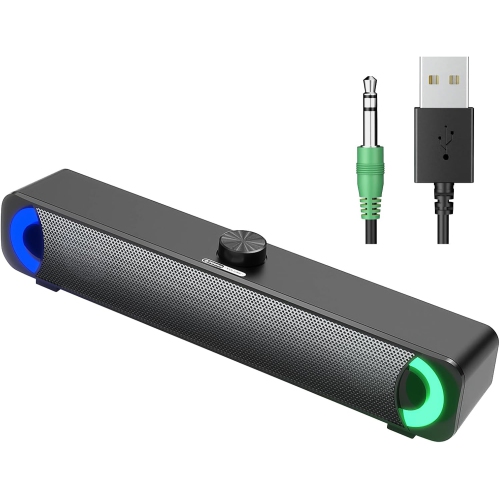
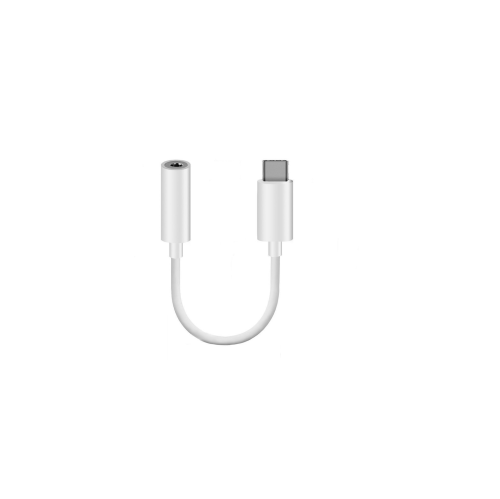
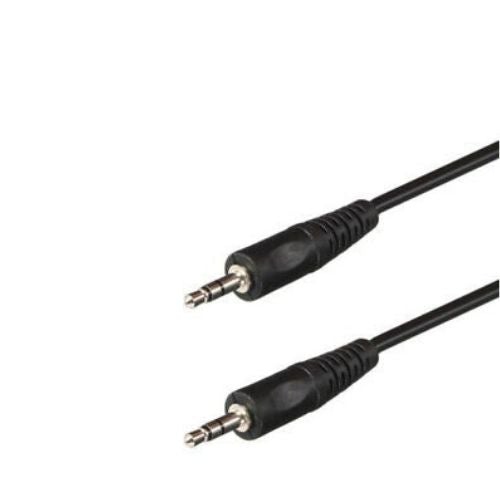
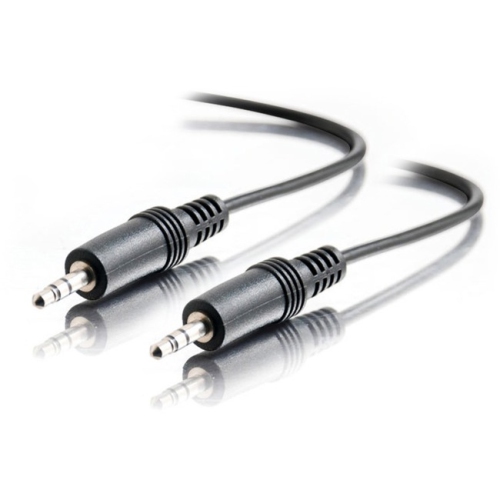
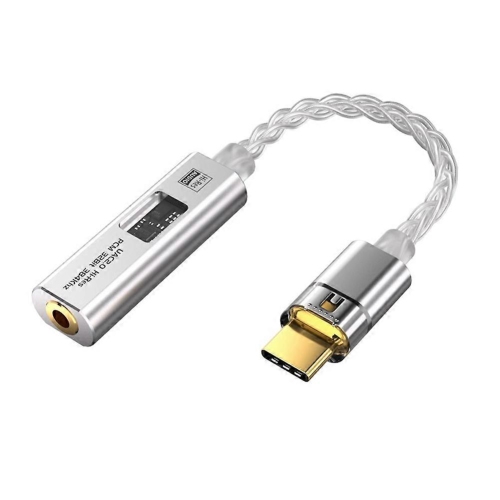
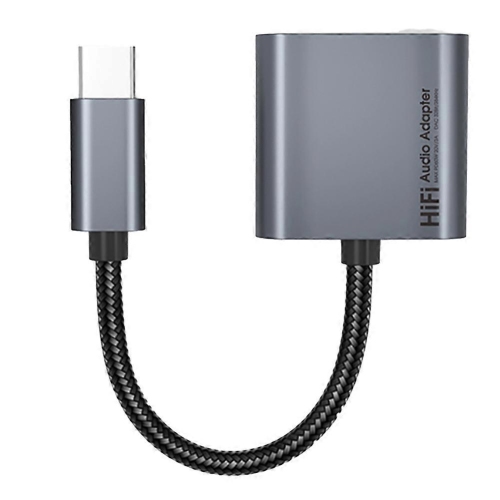
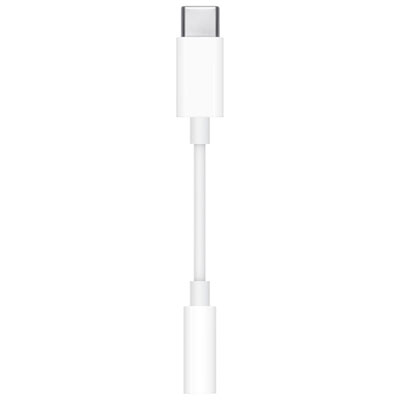
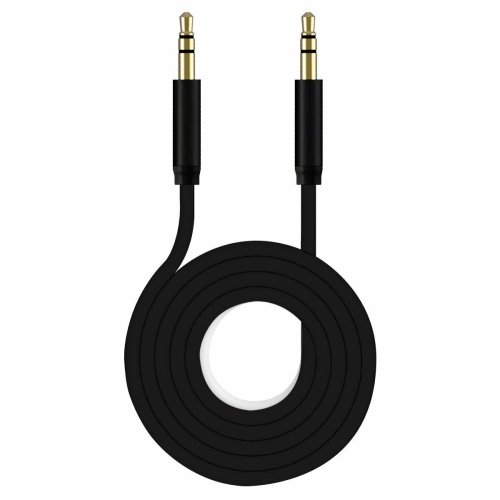
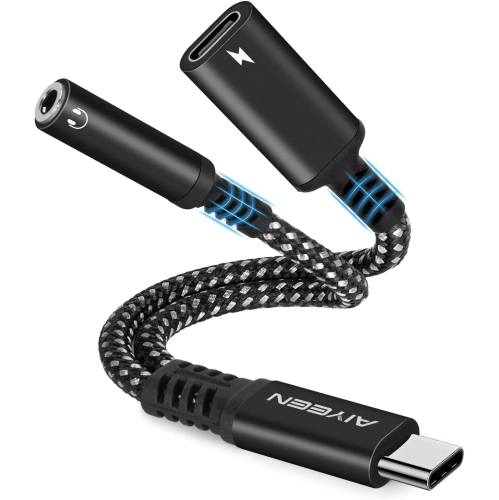
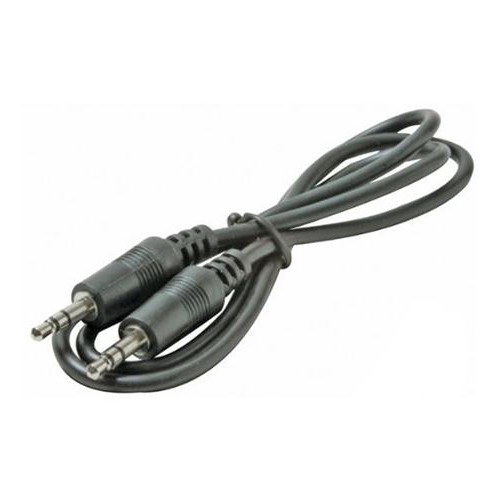
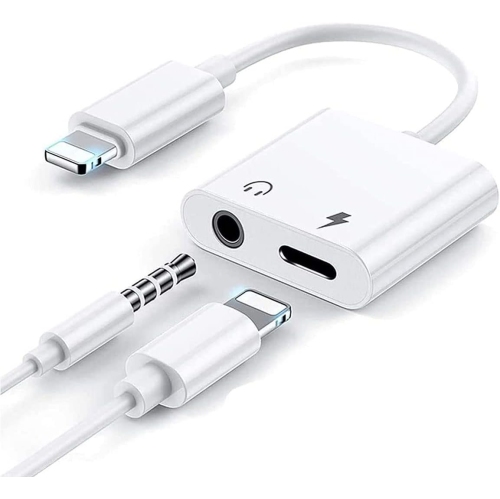
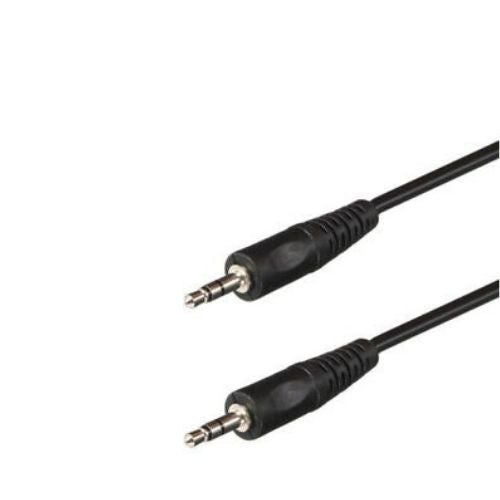
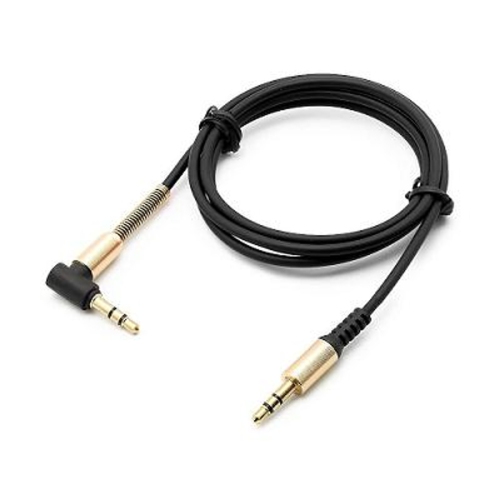
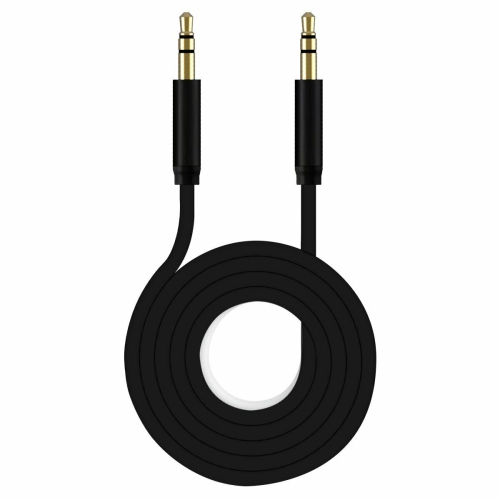
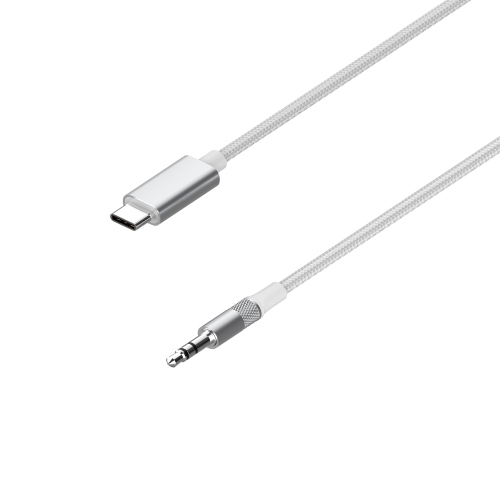
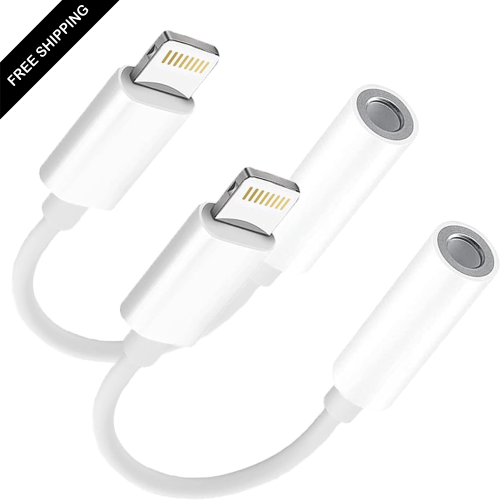
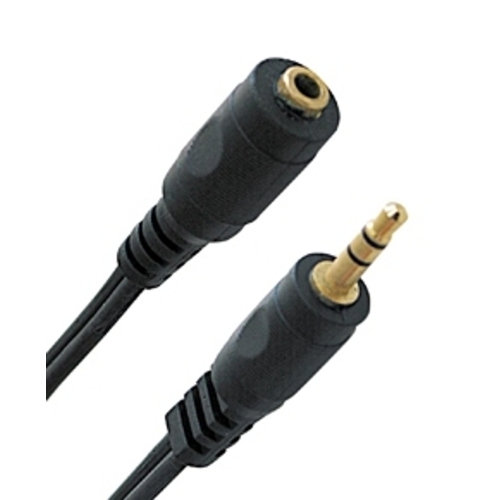
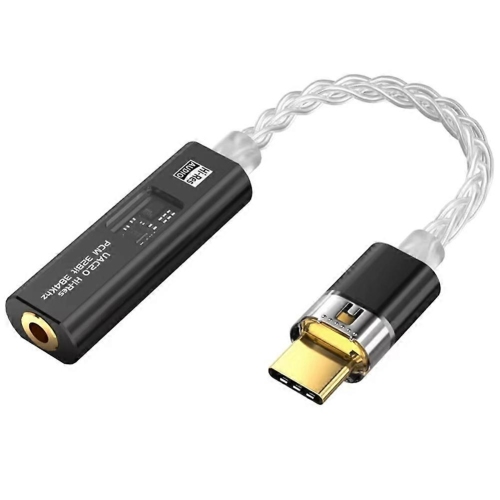
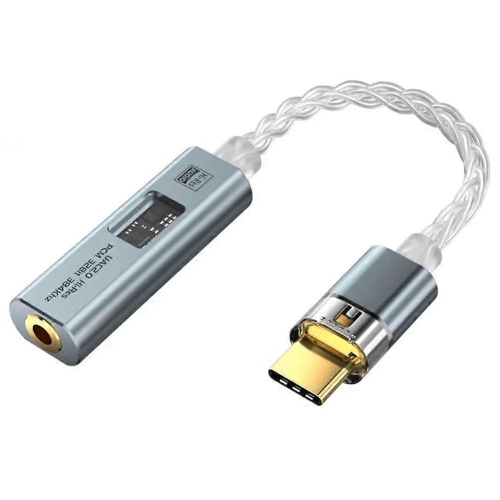
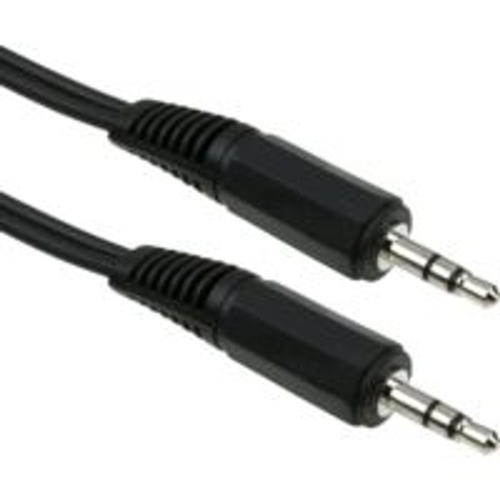
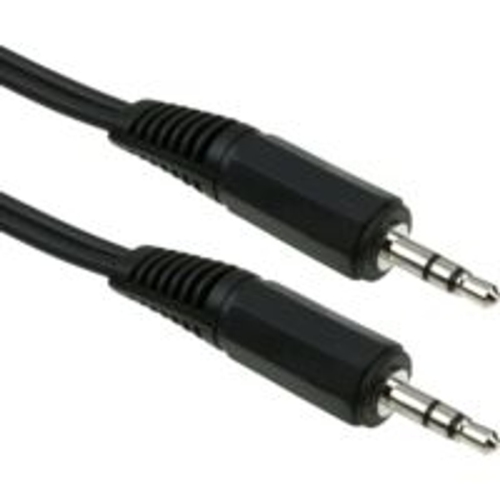
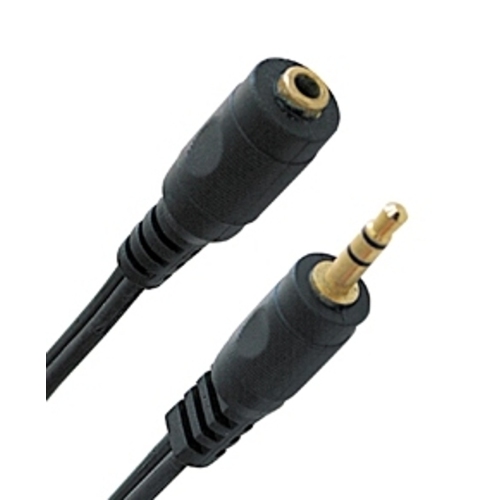
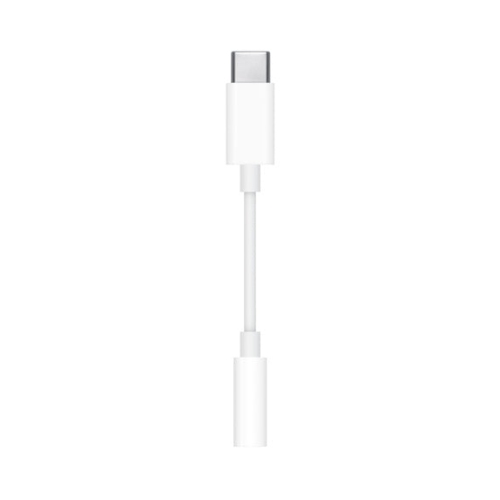
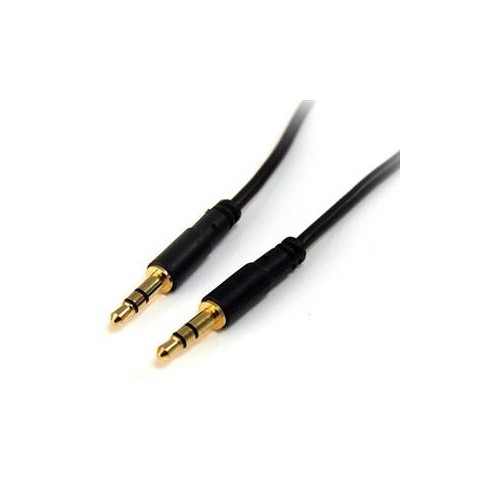
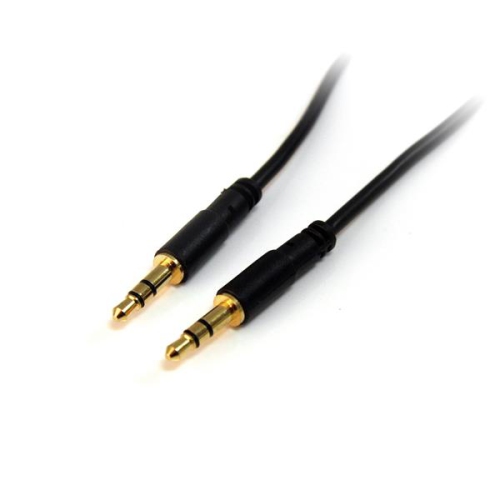
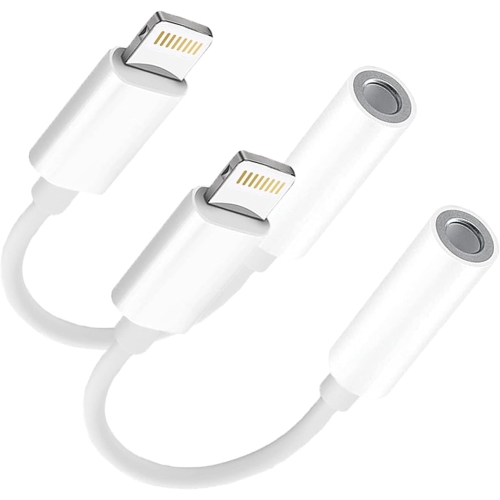
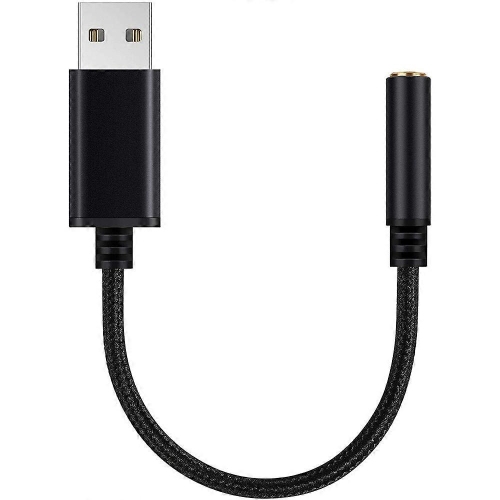
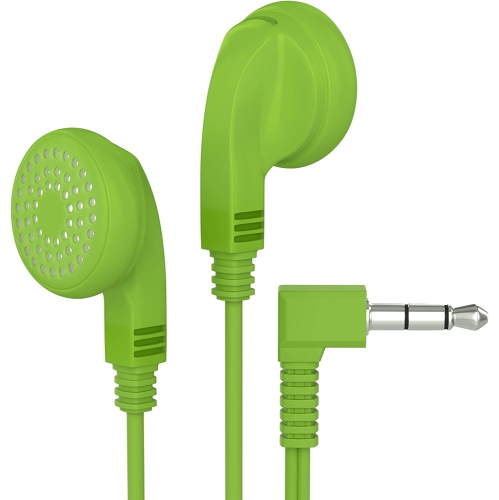
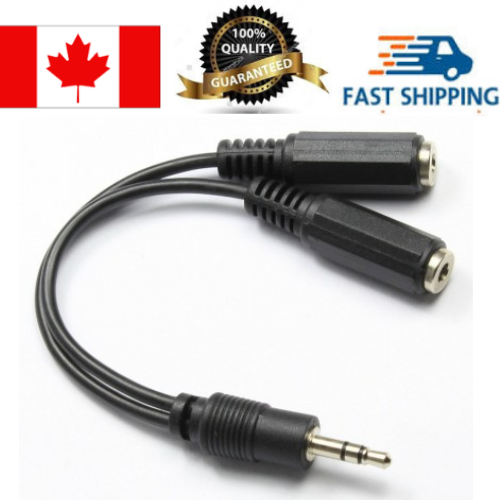
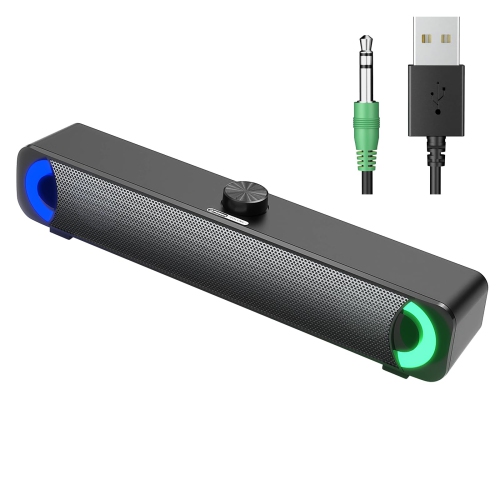
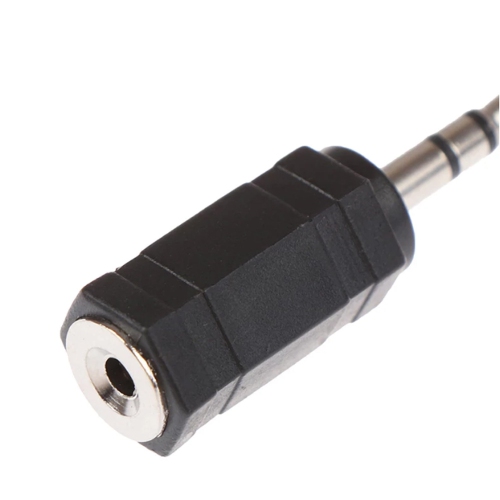
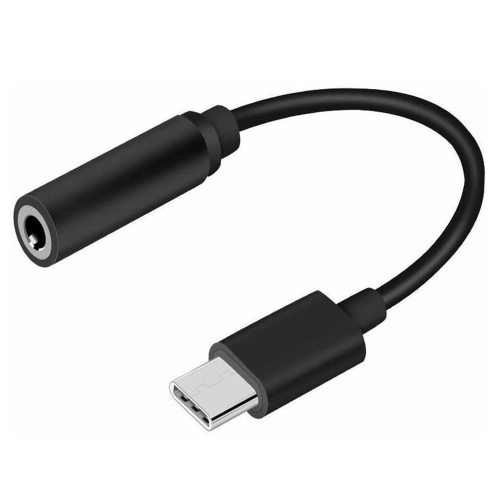
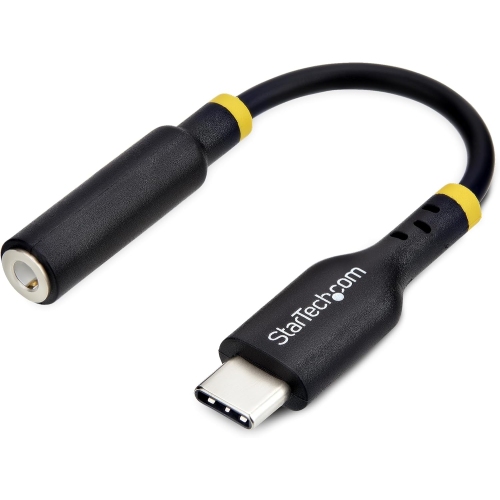
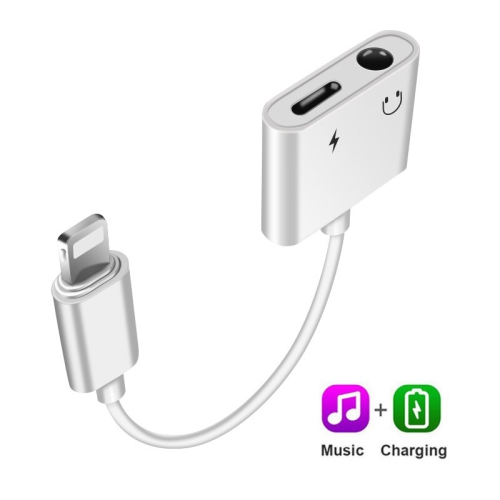
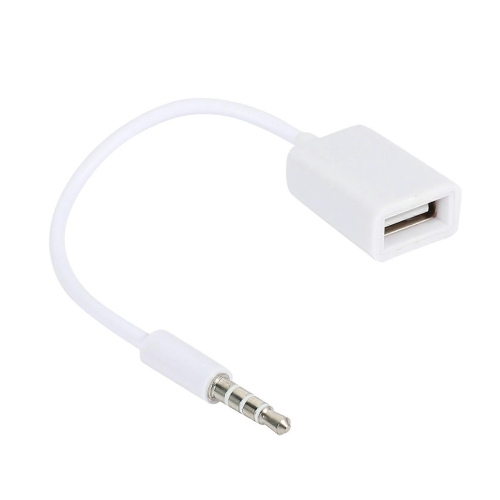
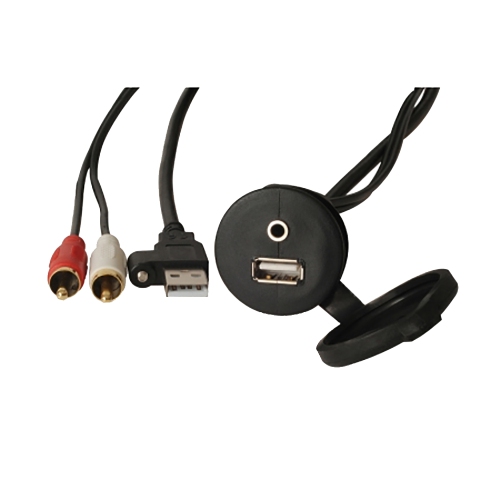
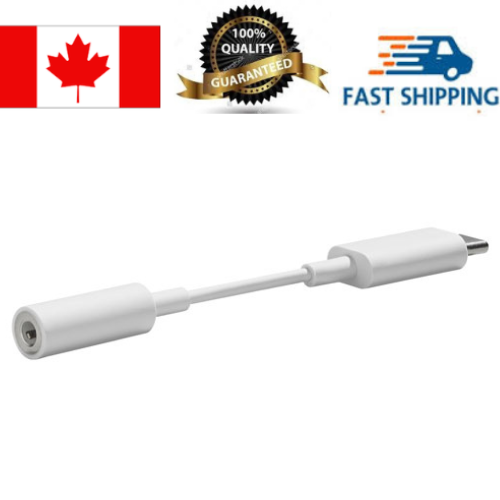
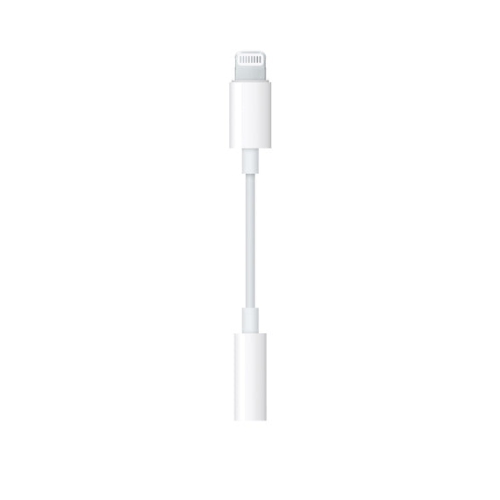
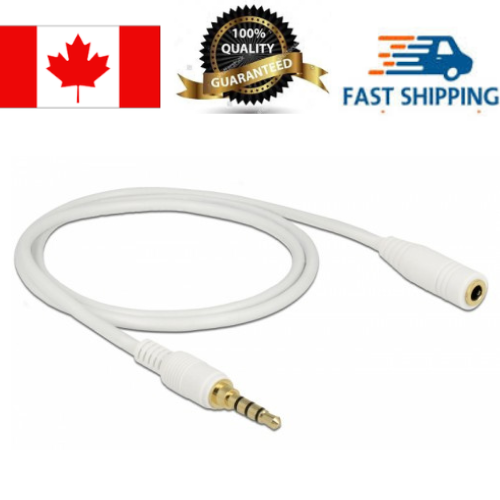
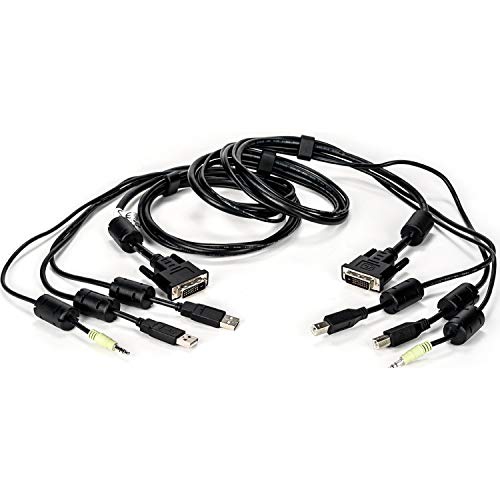
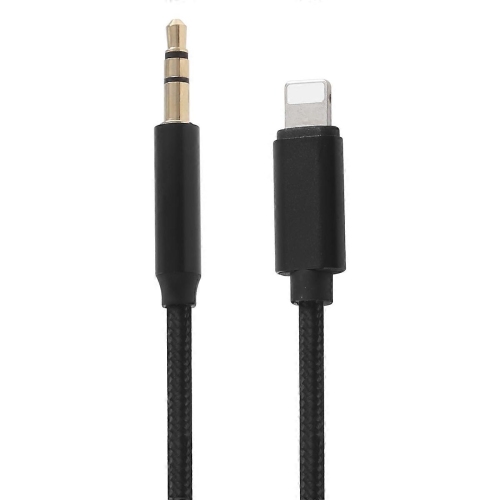
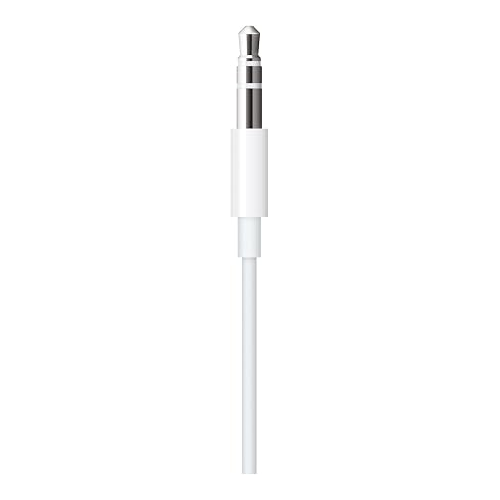
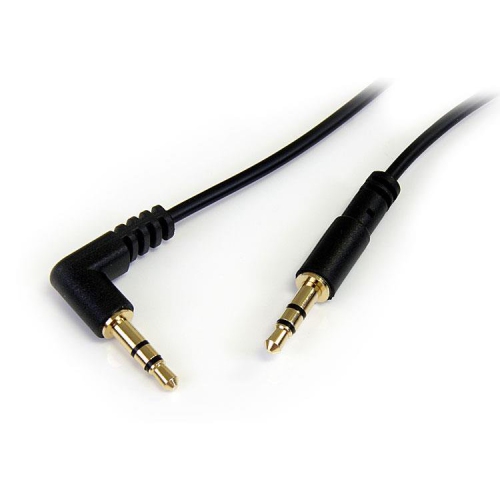
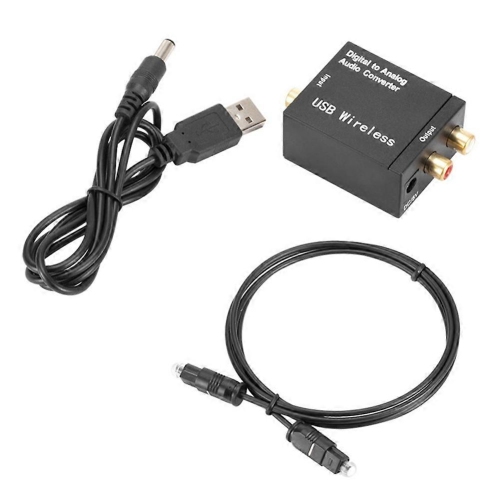
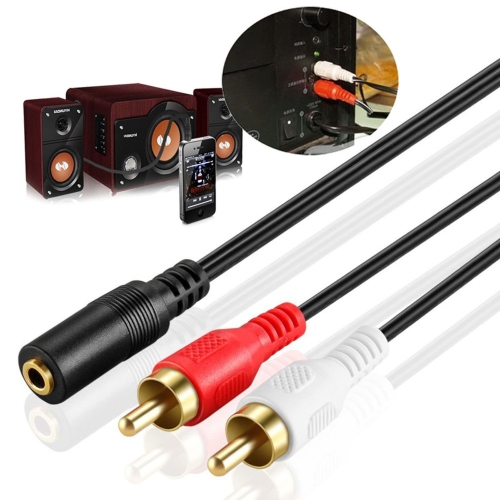
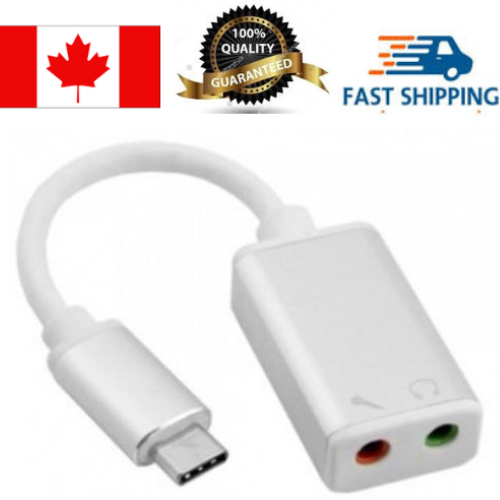
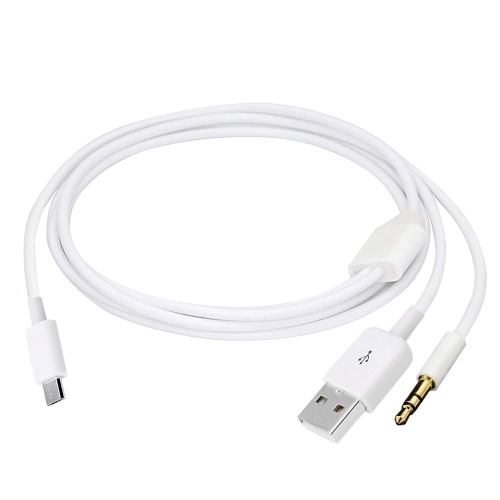
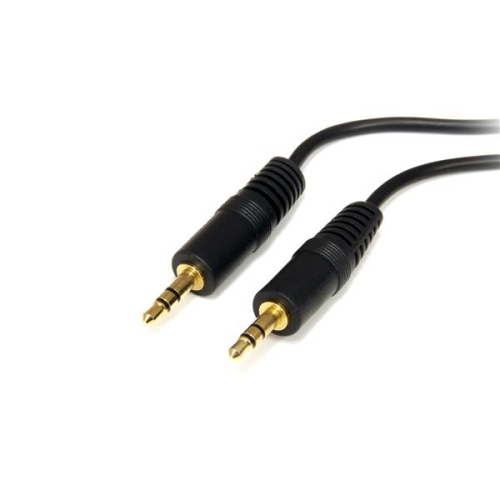
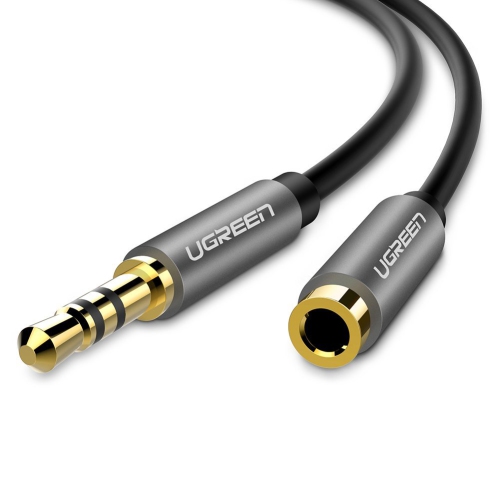
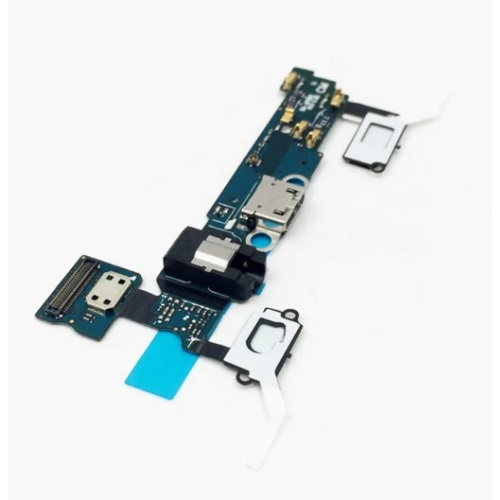
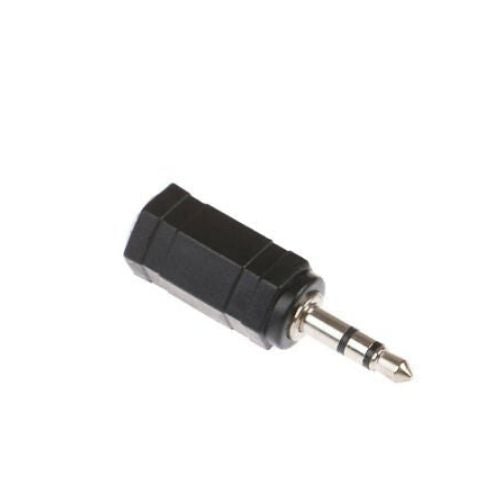
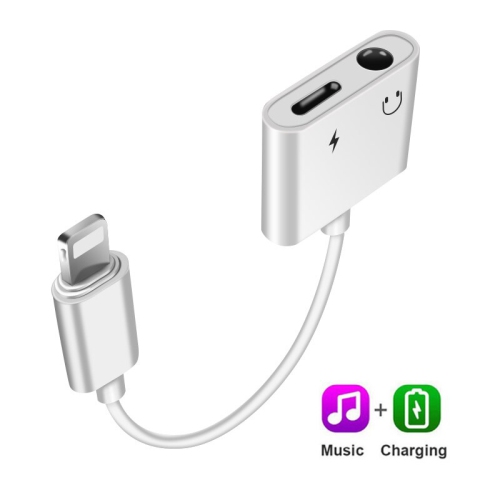
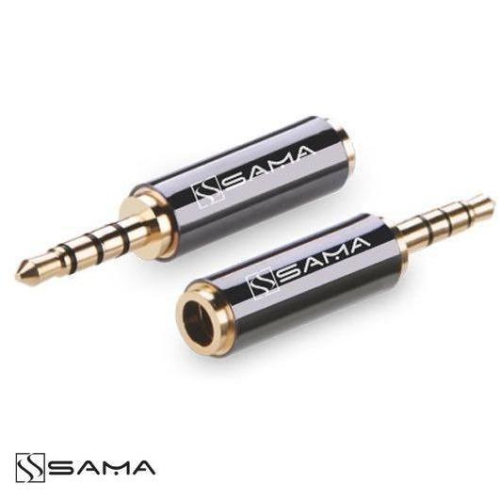
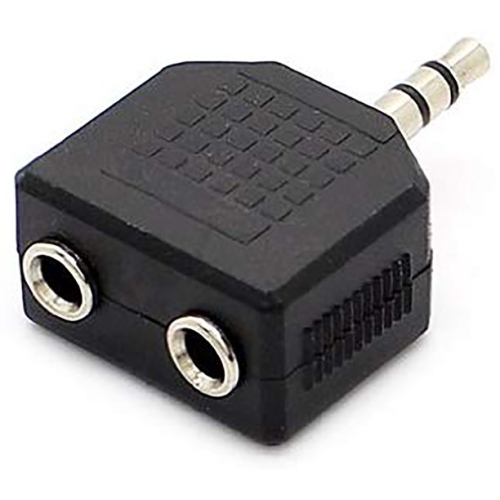
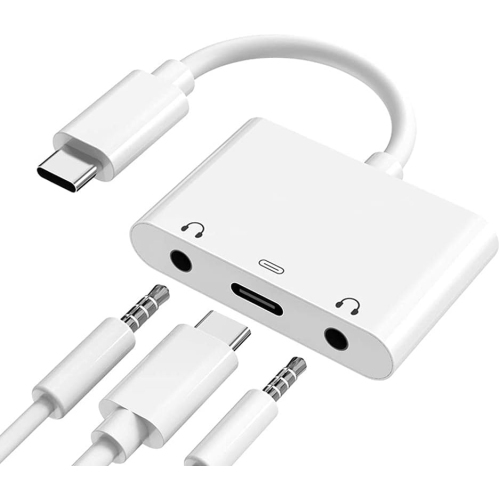
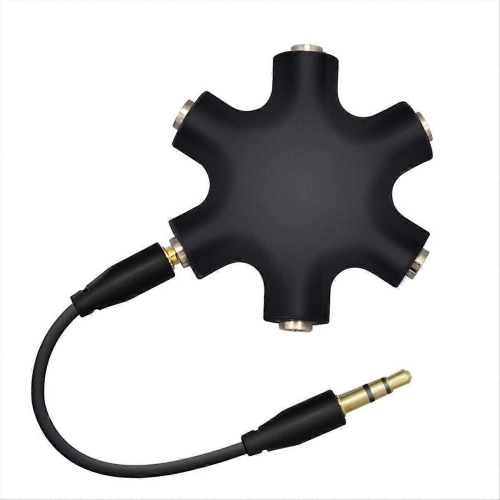
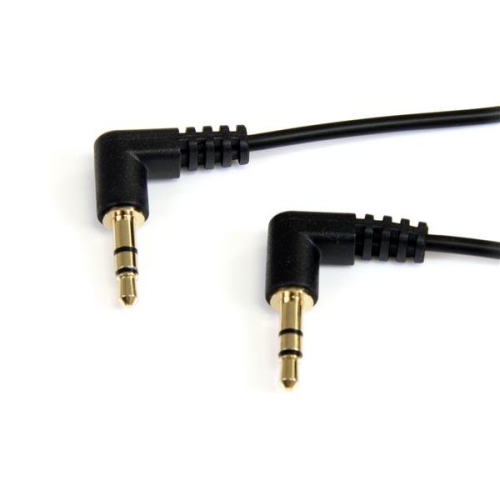
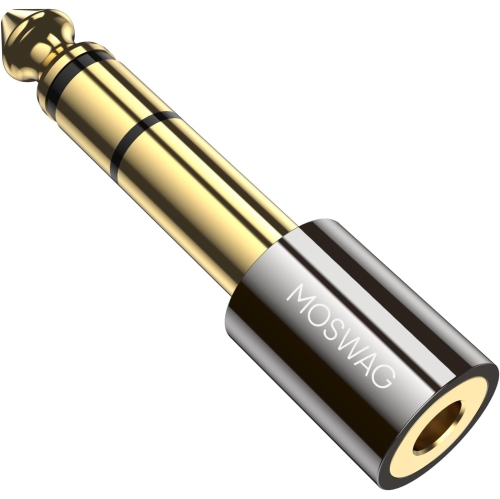
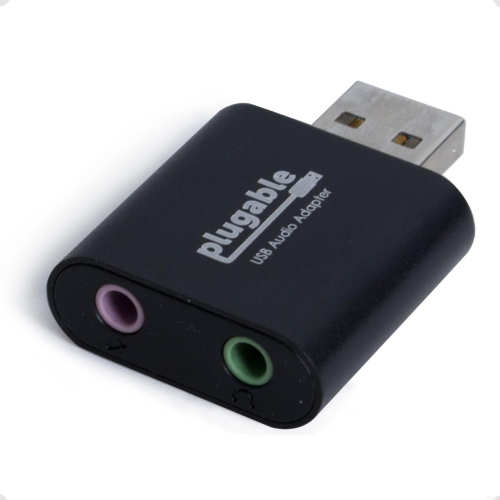
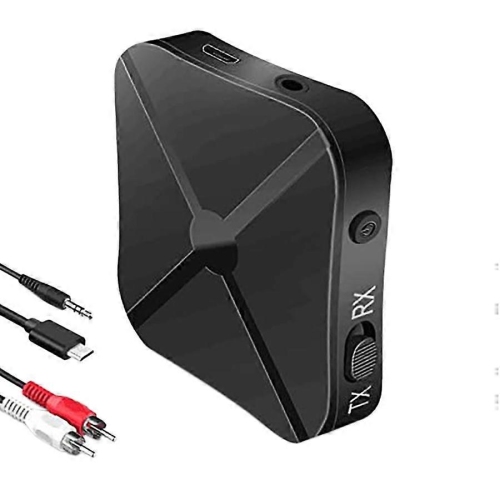
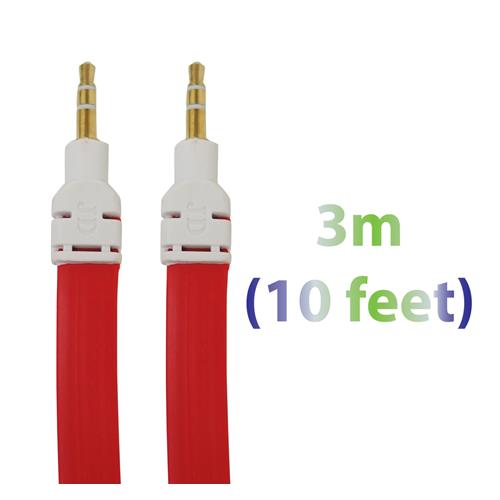
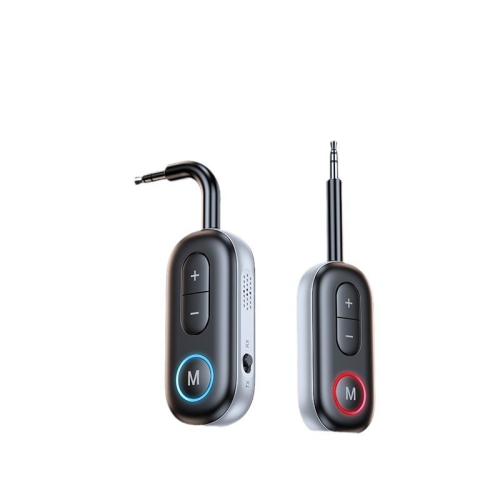
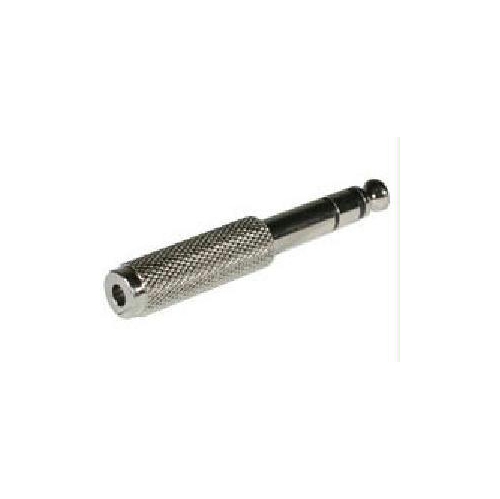
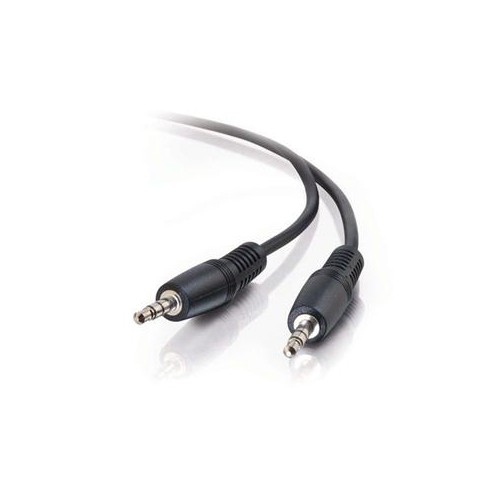
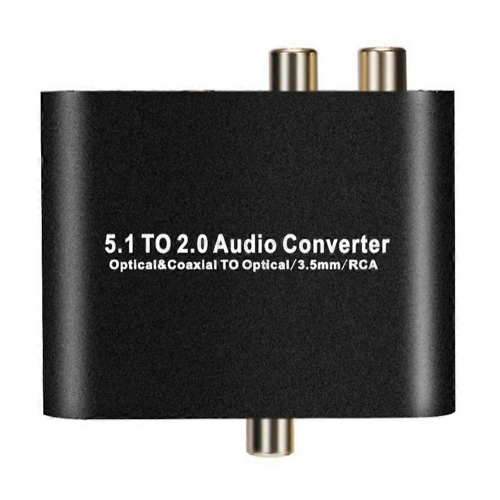
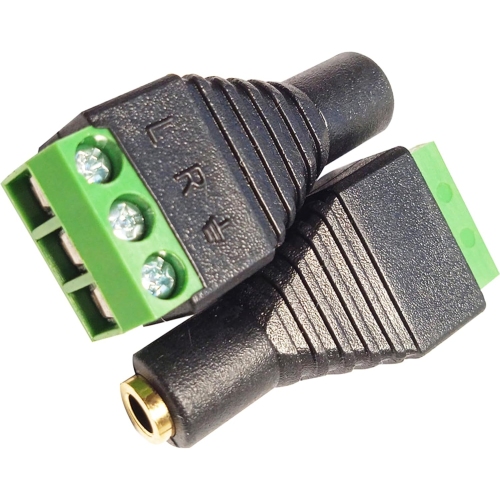
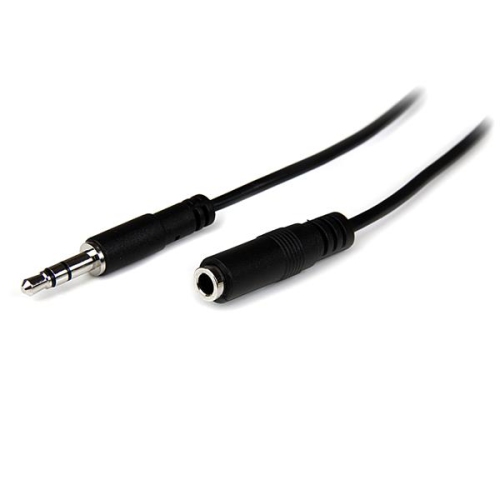
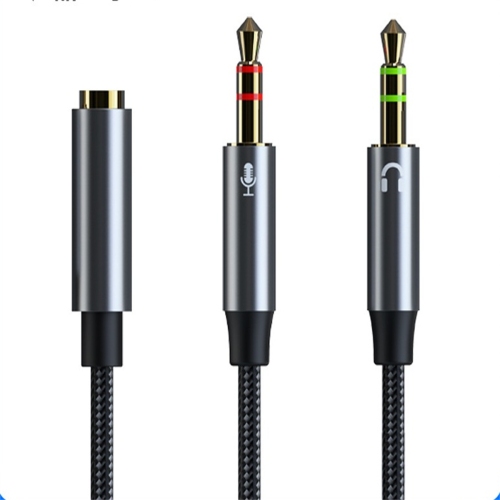
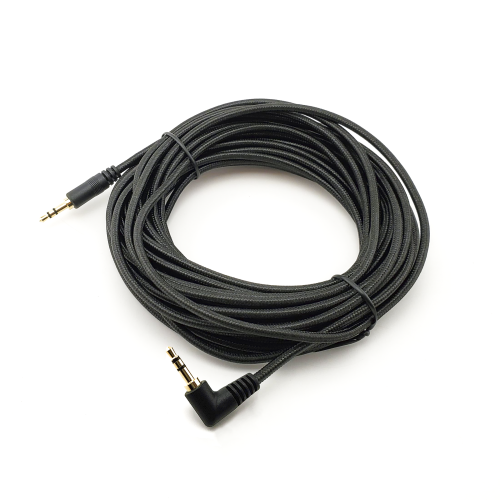
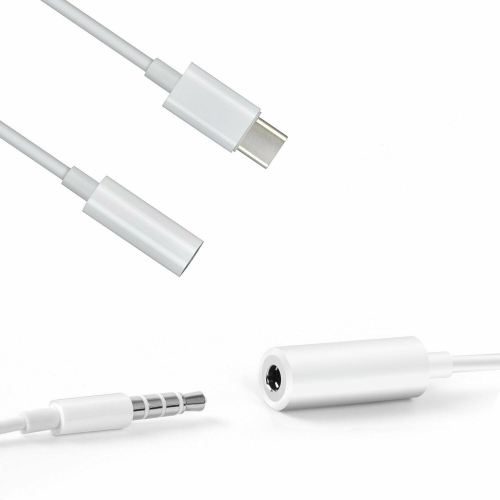
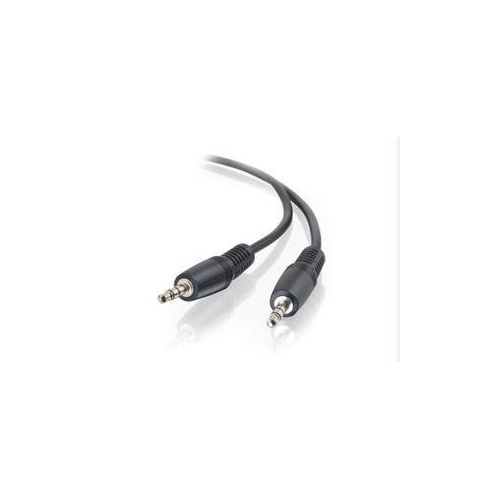
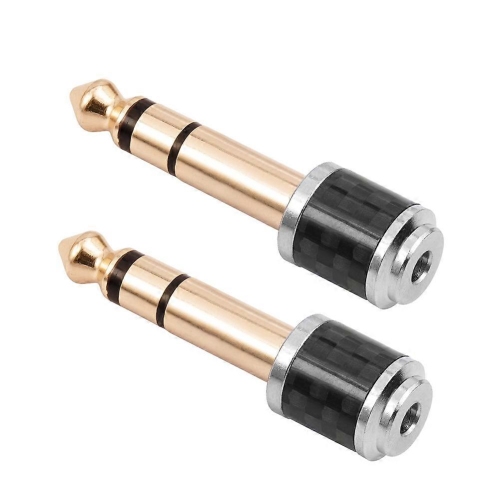
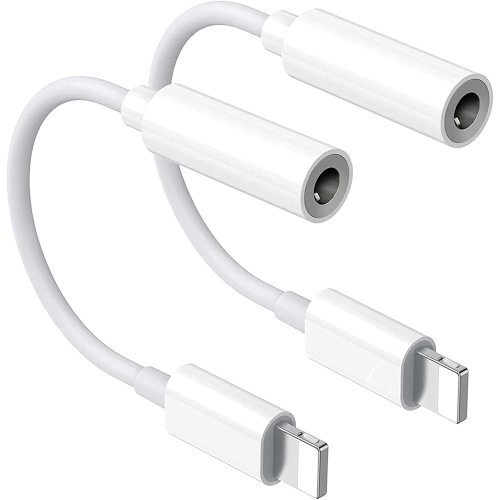
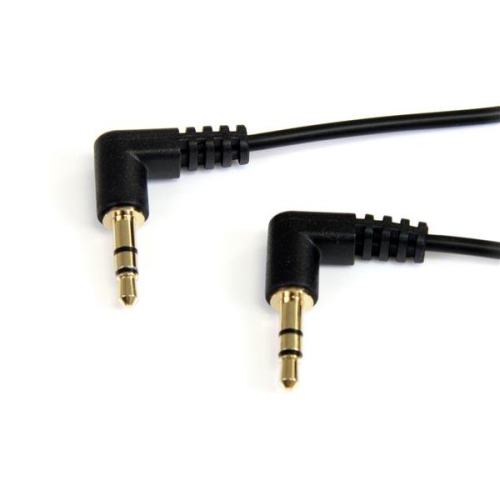
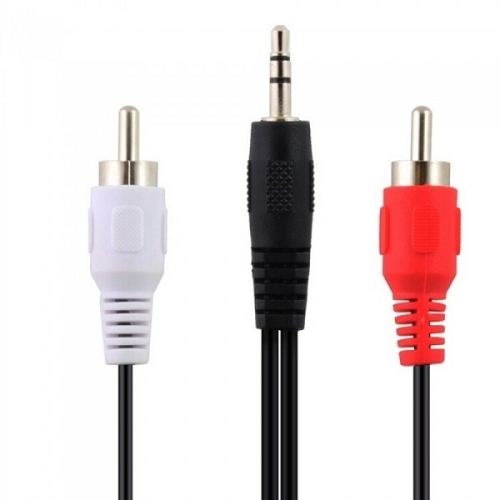
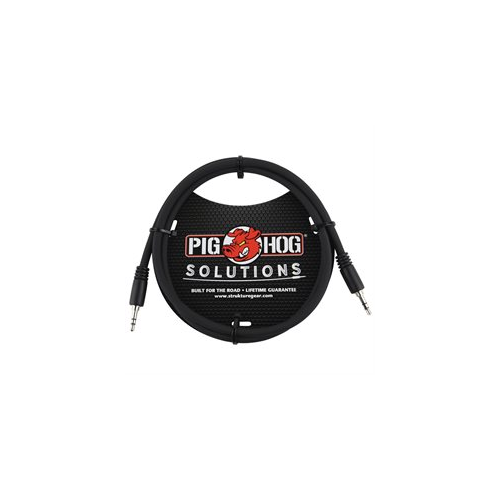
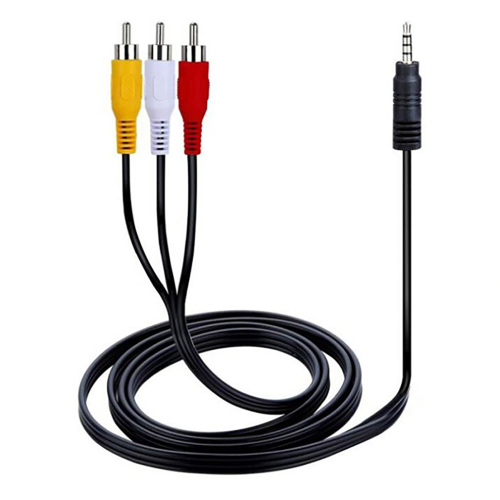
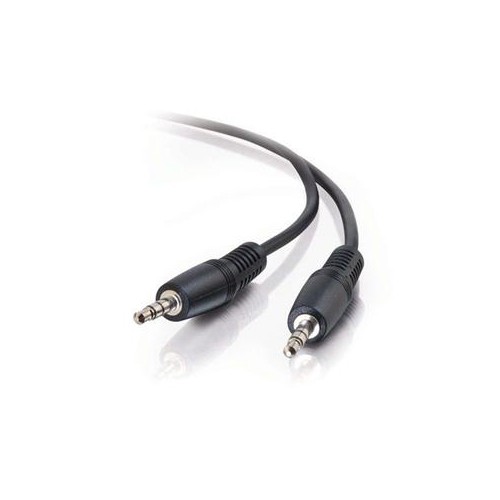
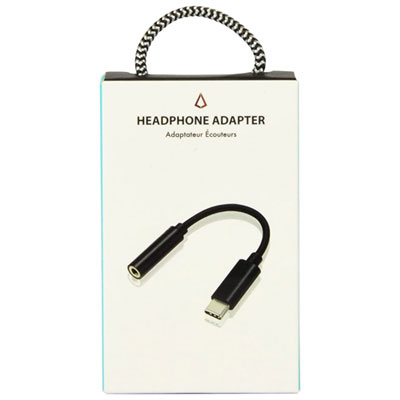
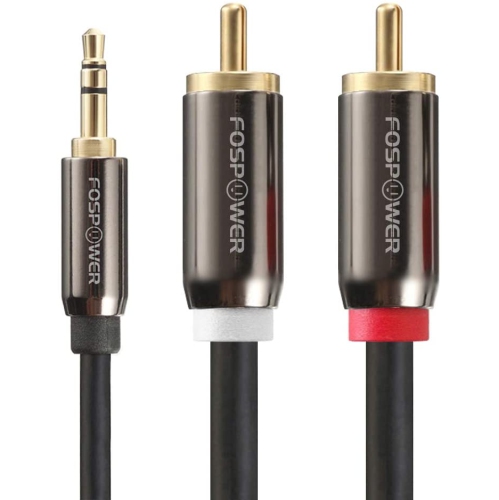
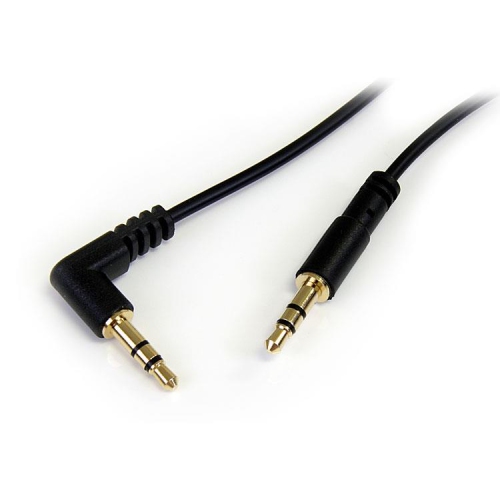
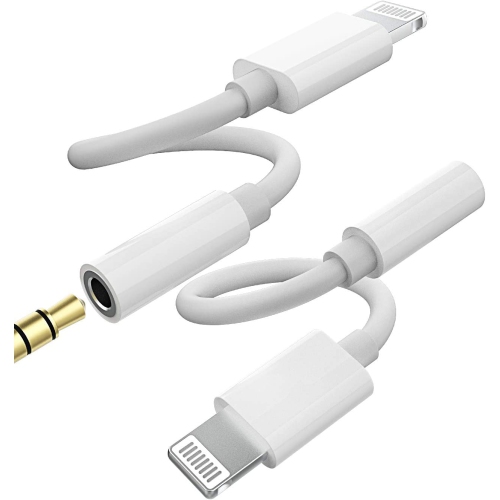
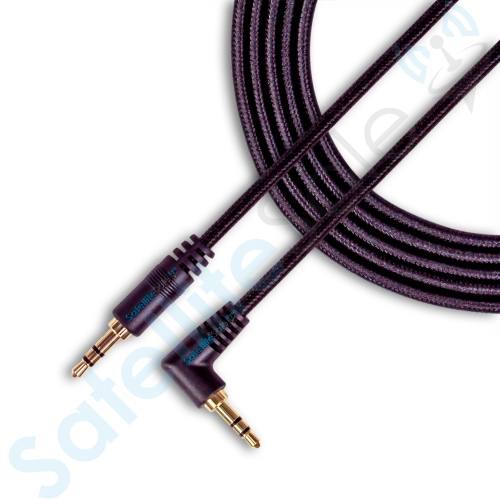
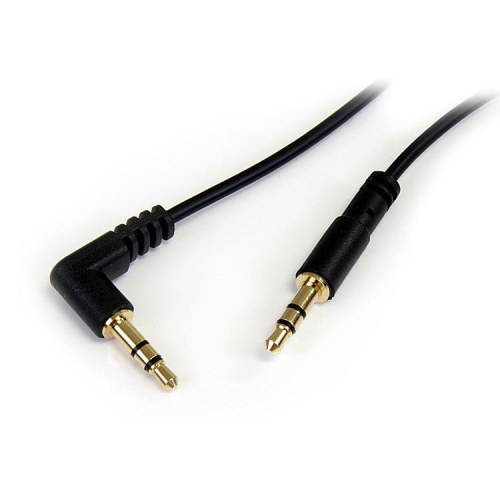
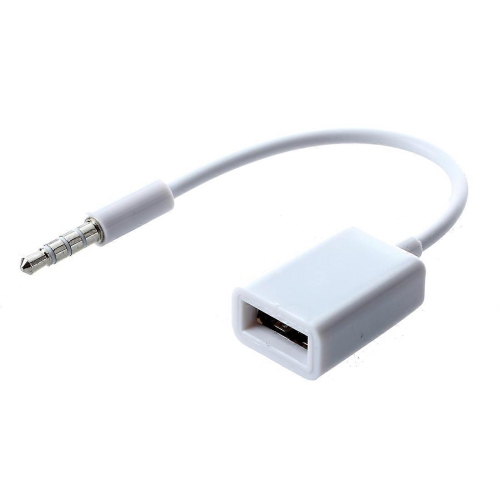
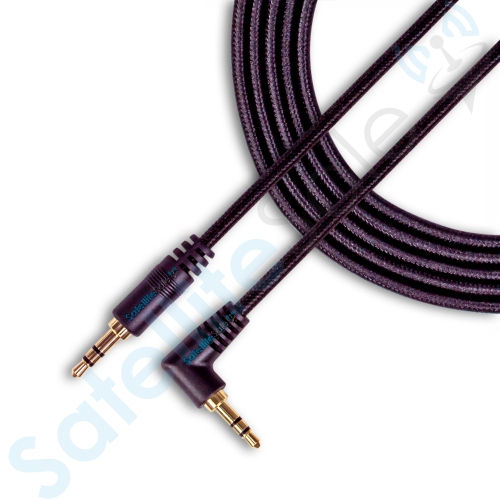
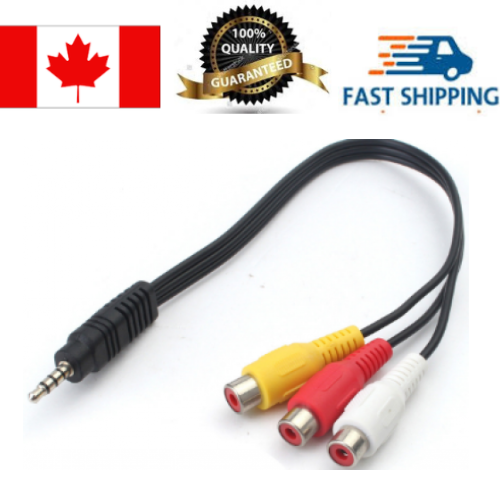
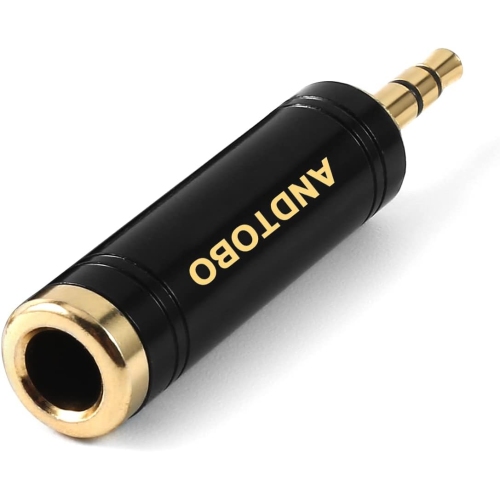
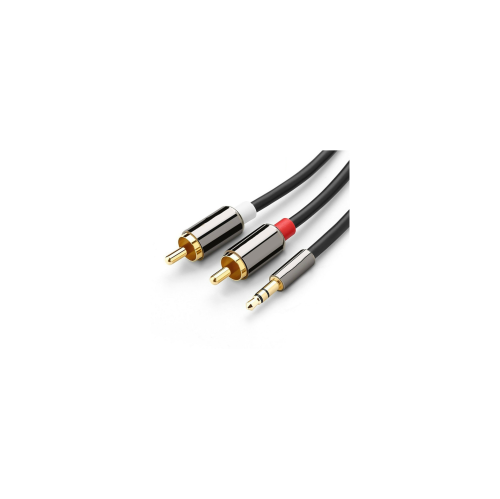
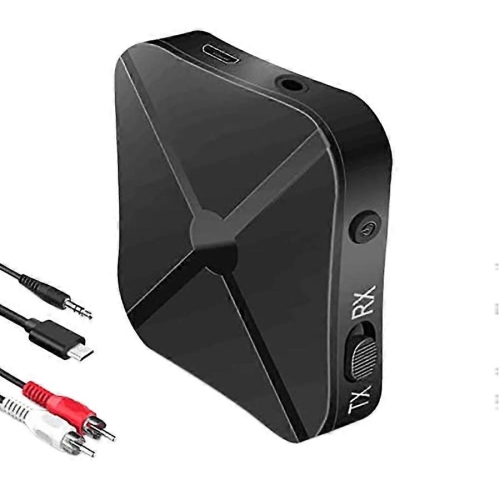
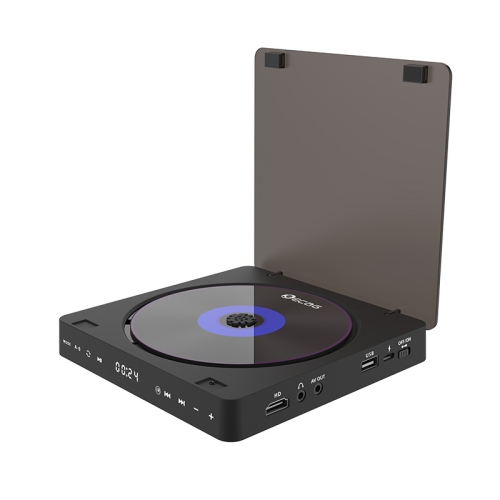
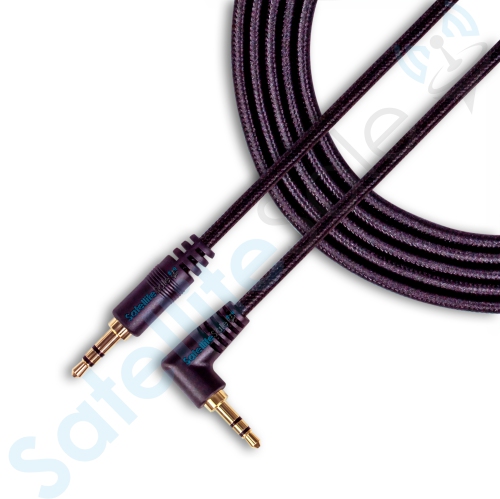
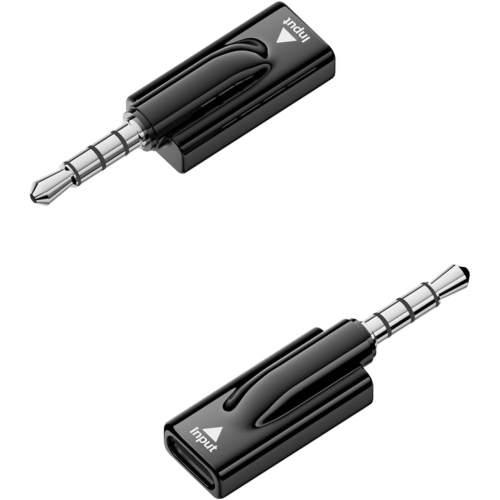
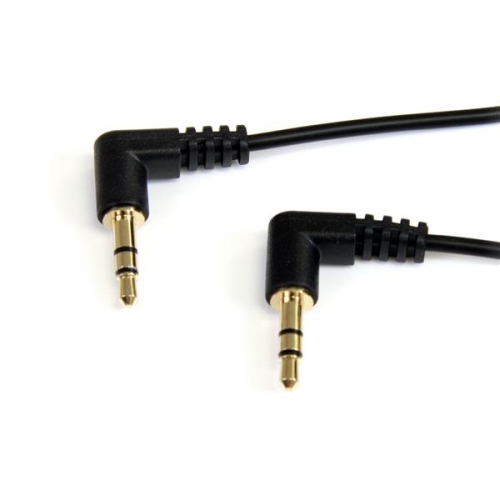
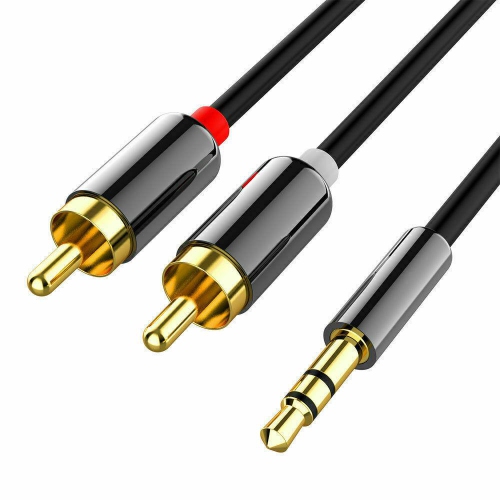
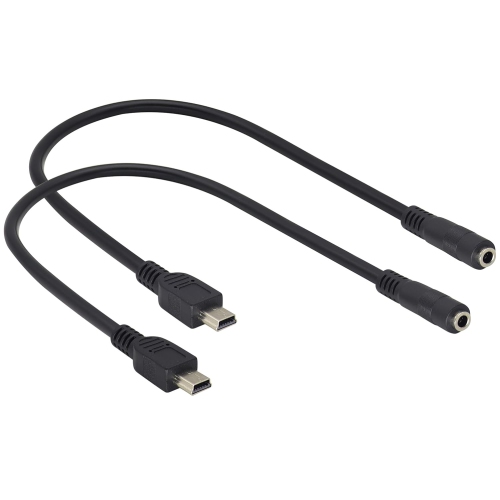
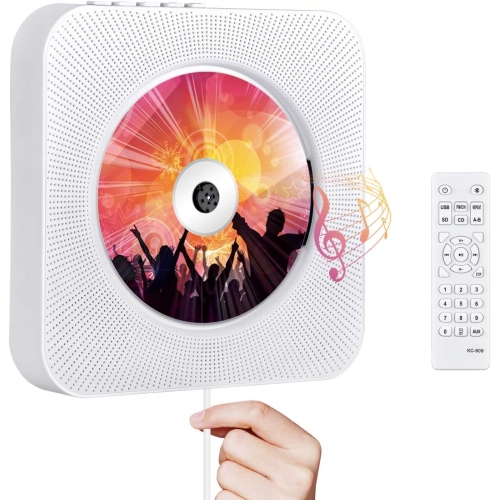
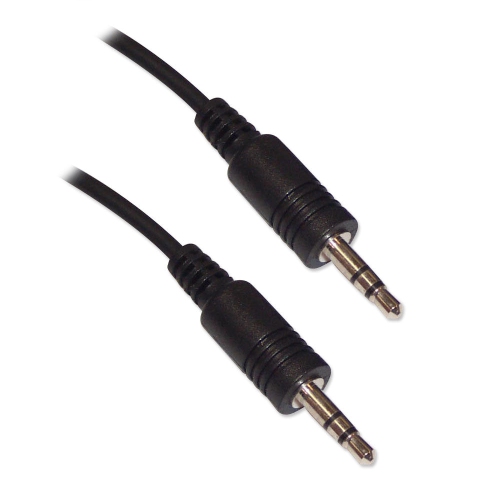
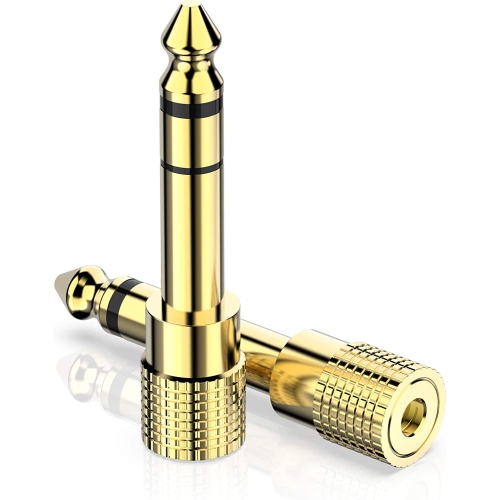
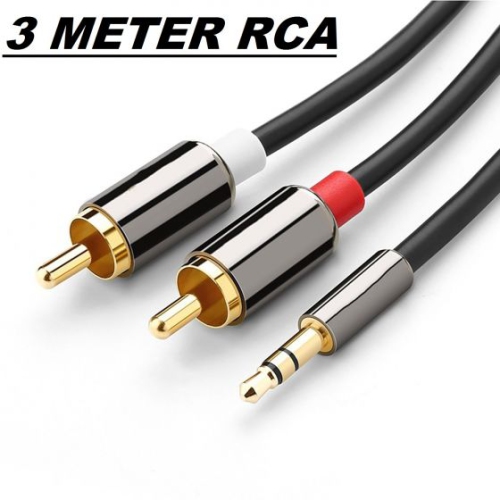
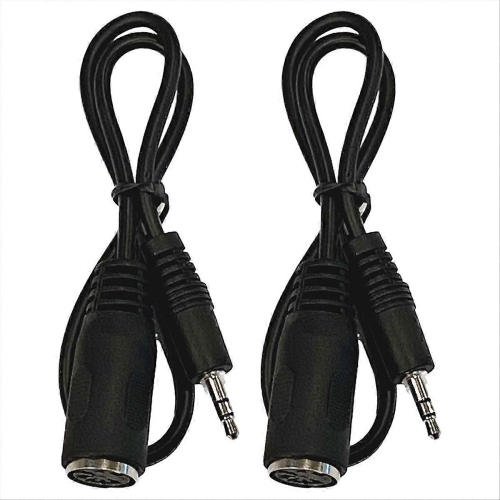
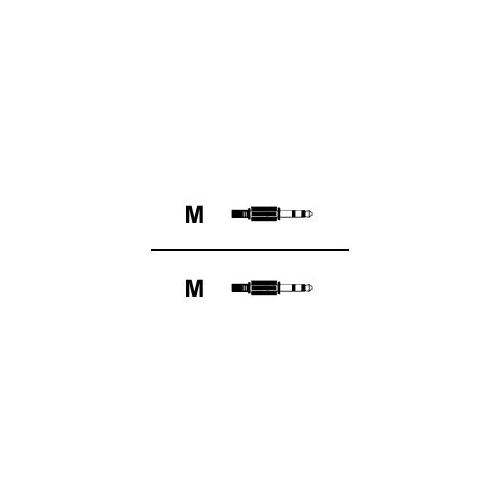
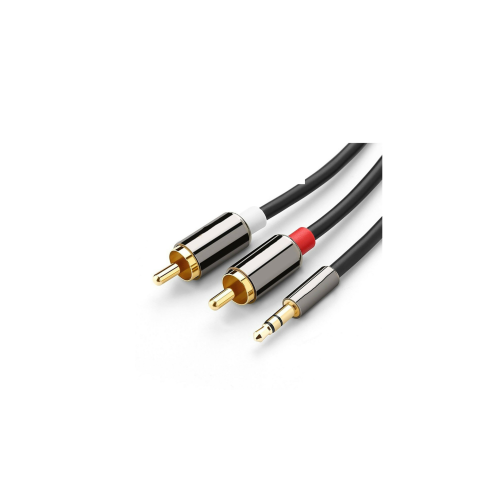
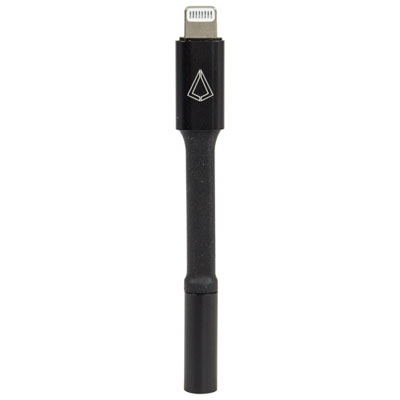
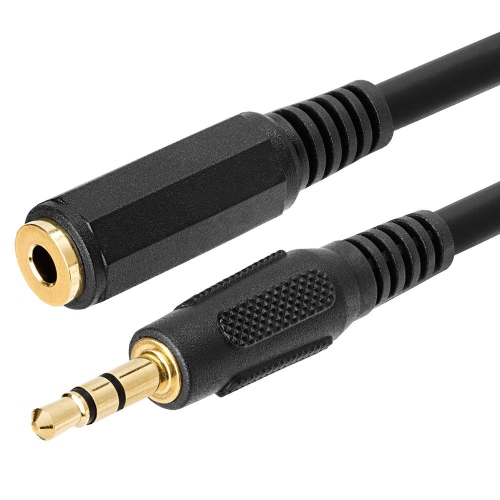
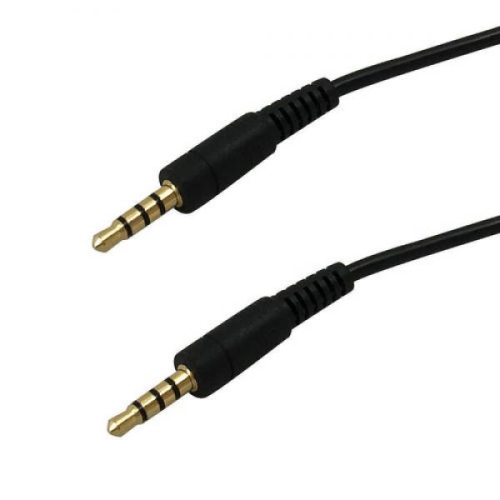
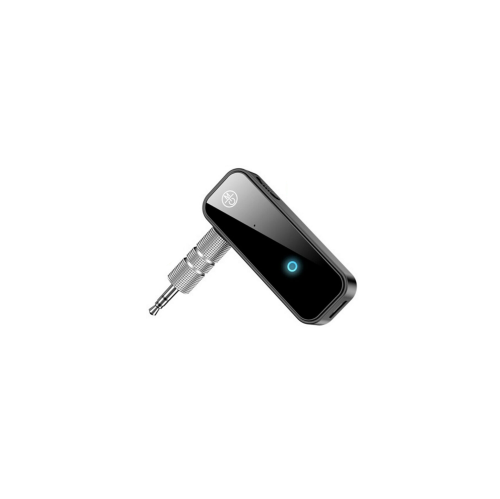
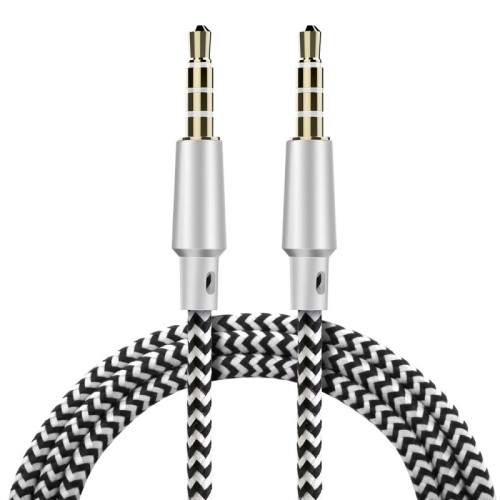
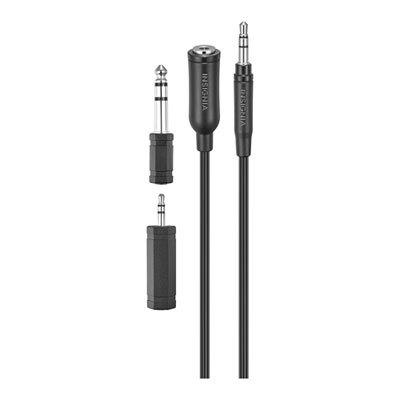
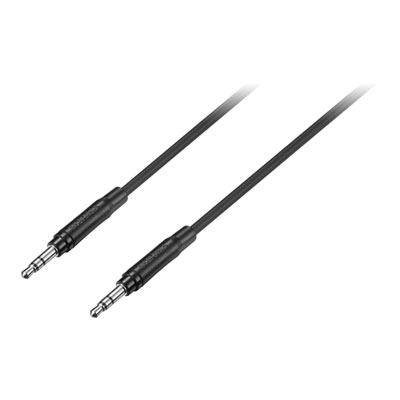
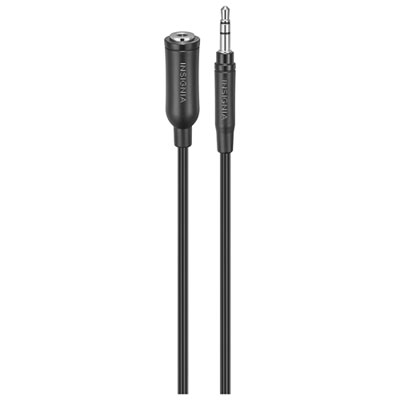
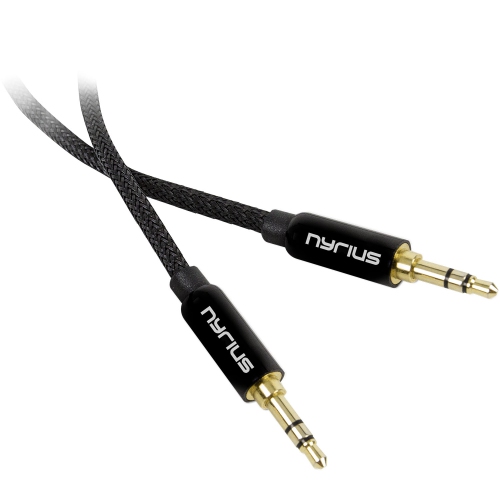
A 3.5 mm audio jack is one of the most familiar ways to connect audio equipment. This small connector carries an analog audio signal between compatible devices, making it useful for listening, speaking, recording, and sharing sound without relying on a wireless connection. You may see 3.5 mm audio jacks on wired headphones, earbuds, desktop computers, laptops, tablets, portable audio players, car stereos, powered speakers, gaming accessories, microphones, and audio adapters. Products in this category can include auxiliary cables, extension cables, splitters, replacement leads, right-angle connectors, and adapters designed to connect devices with different audio ports. A cable with matching male plugs at both ends can connect an audio source to headphones, speakers, or a vehicle’s auxiliary input, while an adapter may help connect a device with a 3.5 mm output to another type of audio connection. The 3.5 mm format is compact enough to fit into a pocket or travel pouch, yet versatile enough for everyday listening at a desk, in a vehicle, or on a quiet evening at home. It is also helpful when you want a direct connection that does not depend on pairing, charging, software updates, or wireless signal strength. During the cooler months, a wired connection can be especially convenient for a home office, study area, or entertainment setup, where a cable can remain connected and ready whenever you need it.
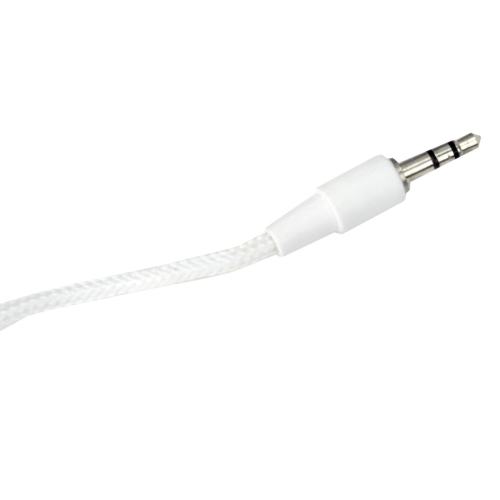
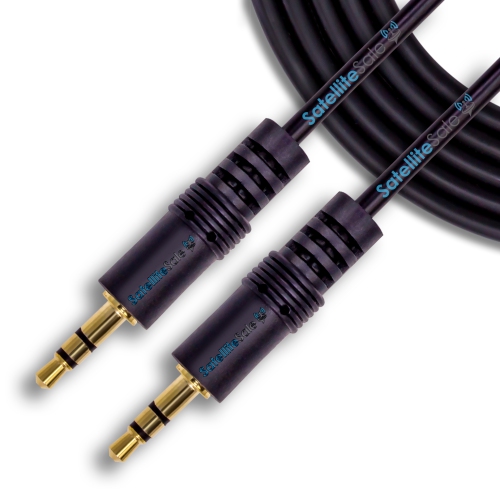
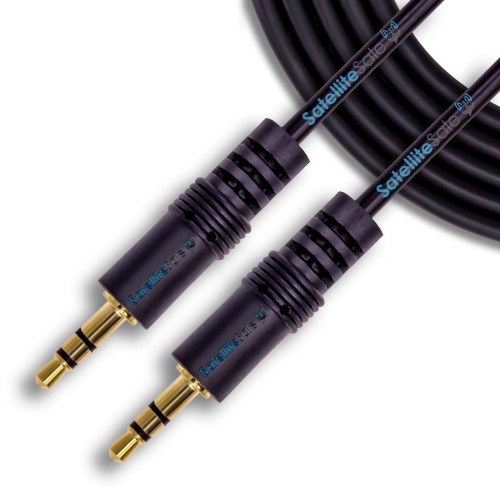
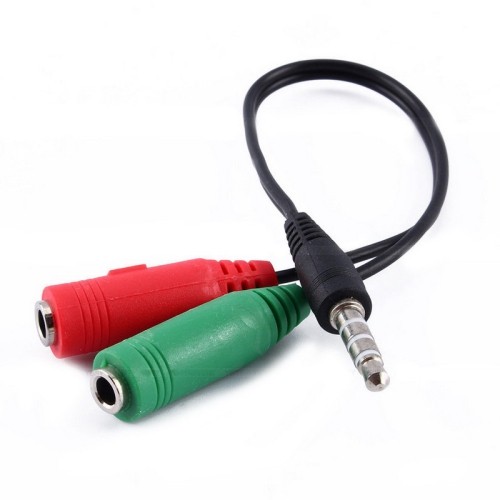
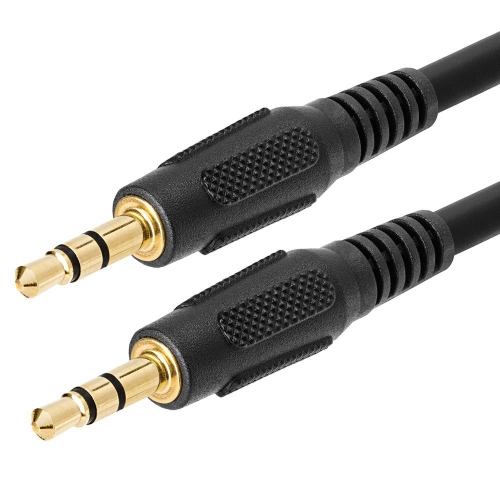
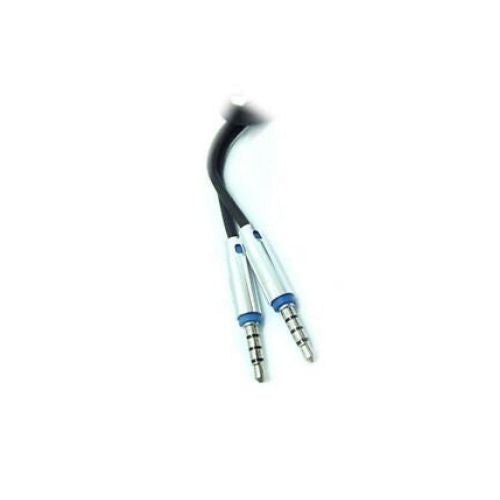
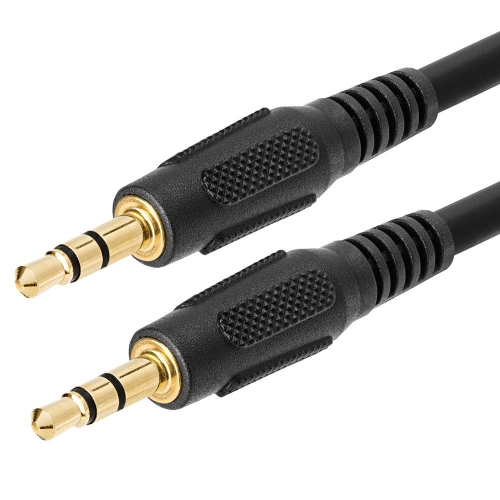
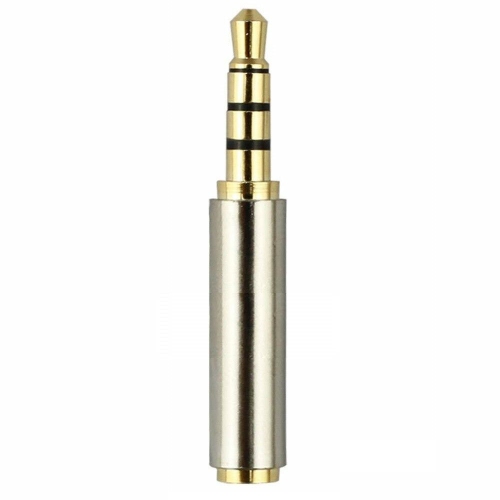
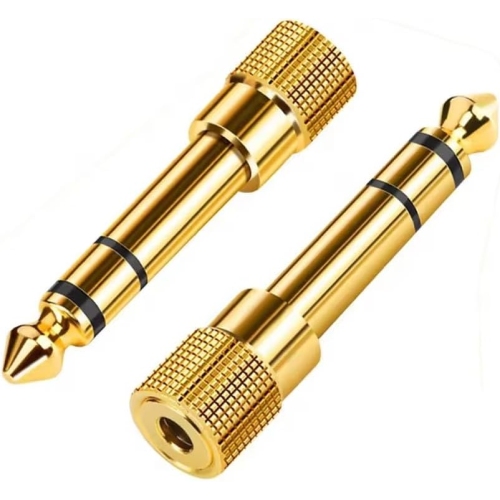
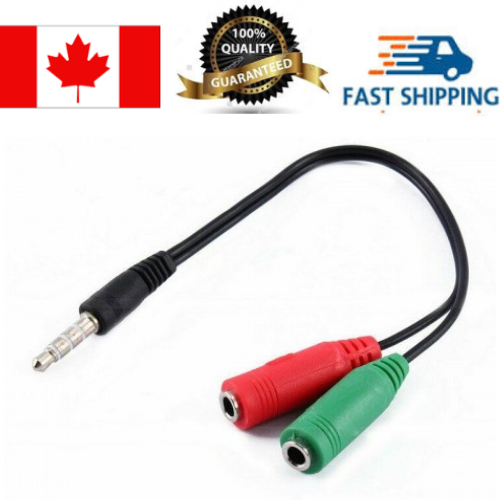
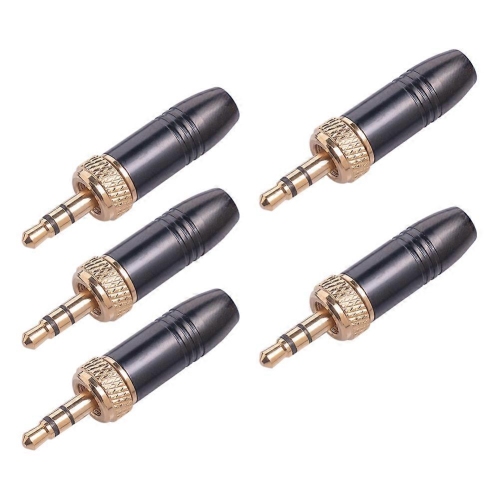
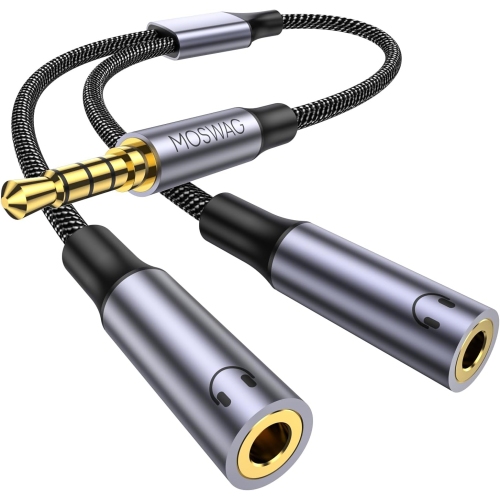
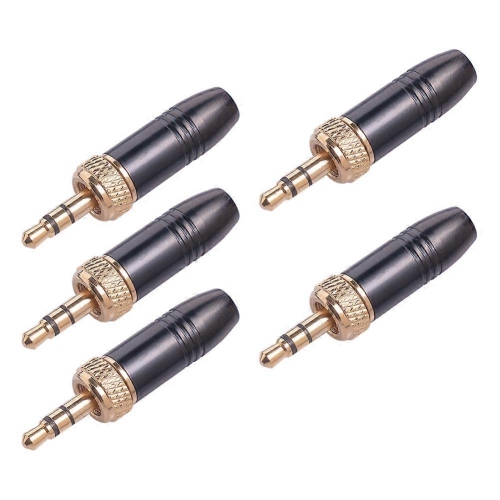
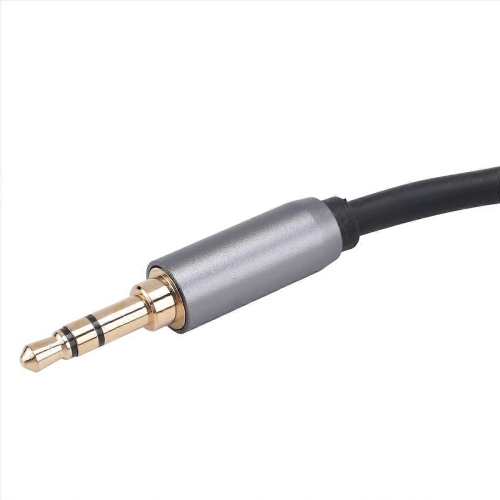
When choosing a 3.5 mm audio jack product, start by checking the connector type on each device and the function you need it to perform. The visible rings on the metal plug provide a useful basic guide. A TS, or tip-sleeve, connector has one black insulating ring and is generally used for mono, or single-channel, audio. A TRS, or tip-ring-sleeve, connector has two black rings and supports standard stereo sound, with separate left and right channels. A TRRS, or tip-ring-ring-sleeve, connector has three black rings and can carry stereo audio along with microphone input and inline controls, depending on the device and wiring standard. This distinction matters when connecting a headset with a built-in microphone to a computer, tablet, game controller, or communication device. A stereo cable may deliver sound but not microphone functionality if the connected equipment requires a TRRS connection, while a splitter may separate headphone and microphone signals for devices with dedicated ports. It is also worth checking whether a product is designed for input, output, or both, since a headphone output, microphone input, and auxiliary connection may serve different purposes. Consider cable length carefully: a shorter lead can keep a portable setup tidy, while a longer cable may be more comfortable when a television, computer, speaker, or car stereo is positioned farther away. For equipment that is frequently moved, look for flexible construction, reinforced strain relief, and connectors that fit securely without excessive looseness. Gold-plated contacts may help resist corrosion, but the most important factors are compatibility, a dependable fit, and suitable construction for the way you plan to use the connection. If your equipment uses a different audio format, you can also compare compatible options such as a 4.4 Mm Jack connection before selecting an adapter or cable.
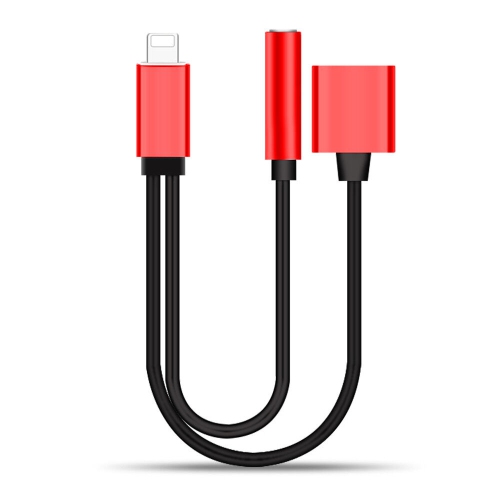
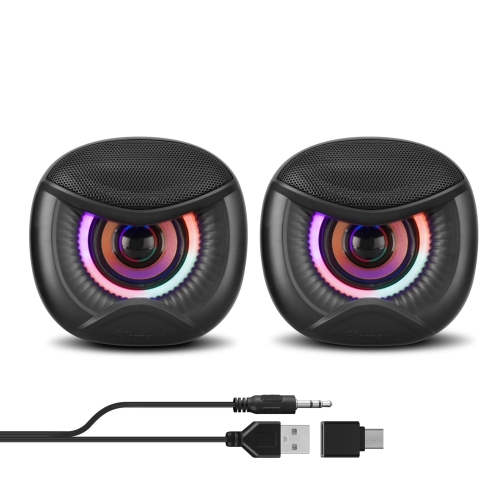
These products are useful for a wide range of listeners and can make thoughtful, practical gifts for someone building a first home audio setup, organizing a computer workstation, or returning to wired listening. A student may use an auxiliary cable to connect a laptop to speakers while studying, a commuter may keep a spare cable in a vehicle for connecting a compatible phone or portable player, and a musician or content creator may need an adapter to connect headphones, instruments, mixers, or recording equipment. They can also be useful for families who share audio equipment, particularly when different devices use different ports. A small splitter can allow two listeners to use compatible headphones from one source, while an extension cable can make a comfortable connection possible when the original lead is too short. In a home theatre or living room, a suitable 3.5 mm connection can send audio from a computer or portable device to powered speakers or other compatible equipment. In a recording environment, the correct adapter may help route an analog signal to monitoring equipment, although professional audio gear may require a particular connector, impedance, or wiring arrangement. Before buying, confirm the devices you intend to connect, whether you need stereo sound or microphone support, and whether the cable should be straight, angled, extended, split, or adapted. It is also sensible to keep a spare in a desk drawer, travel bag, or glove compartment, since a simple cable can restore sound quickly when a wireless accessory is out of power or unavailable. With the right 3.5 mm audio jack connection, everyday audio becomes straightforward: plug it in, select the appropriate input, and enjoy clear sound for listening, communication, entertainment, or recording.
When choosing a 3.5 mm audio jack product, start by checking the connector type on each device and the function you need it to perform. The visible rings on the metal plug provide a useful basic guide. A TS, or tip-sleeve, connector has one black insulating ring and is generally used for mono, or single-channel, audio. A TRS, or tip-ring-sleeve, connector has two black rings and supports standard stereo sound, with separate left and right channels. A TRRS, or tip-ring-ring-sleeve, connector has three black rings and can carry stereo audio along with microphone input and inline controls, depending on the device and wiring standard. This distinction matters when connecting a headset with a built-in microphone to a computer, tablet, game controller, or communication device. A stereo cable may deliver sound but not microphone functionality if the connected equipment requires a TRRS connection, while a splitter may separate headphone and microphone signals for devices with dedicated ports. It is also worth checking whether a product is designed for input, output, or both, since a headphone output, microphone input, and auxiliary connection may serve different purposes. Consider cable length carefully: a shorter lead can keep a portable setup tidy, while a longer cable may be more comfortable when a television, computer, speaker, or car stereo is positioned farther away. For equipment that is frequently moved, look for flexible construction, reinforced strain relief, and connectors that fit securely without excessive looseness. Gold-plated contacts may help resist corrosion, but the most important factors are compatibility, a dependable fit, and suitable construction for the way you plan to use the connection. If your equipment uses a different audio format, you can also compare compatible options such as a 4.4 Mm Jack connection before selecting an adapter or cable.
These products are useful for a wide range of listeners and can make thoughtful, practical gifts for someone building a first home audio setup, organizing a computer workstation, or returning to wired listening. A student may use an auxiliary cable to connect a laptop to speakers while studying, a commuter may keep a spare cable in a vehicle for connecting a compatible phone or portable player, and a musician or content creator may need an adapter to connect headphones, instruments, mixers, or recording equipment. They can also be useful for families who share audio equipment, particularly when different devices use different ports. A small splitter can allow two listeners to use compatible headphones from one source, while an extension cable can make a comfortable connection possible when the original lead is too short. In a home theatre or living room, a suitable 3.5 mm connection can send audio from a computer or portable device to powered speakers or other compatible equipment. In a recording environment, the correct adapter may help route an analog signal to monitoring equipment, although professional audio gear may require a particular connector, impedance, or wiring arrangement. Before buying, confirm the devices you intend to connect, whether you need stereo sound or microphone support, and whether the cable should be straight, angled, extended, split, or adapted. It is also sensible to keep a spare in a desk drawer, travel bag, or glove compartment, since a simple cable can restore sound quickly when a wireless accessory is out of power or unavailable. With the right 3.5 mm audio jack connection, everyday audio becomes straightforward: plug it in, select the appropriate input, and enjoy clear sound for listening, communication, entertainment, or recording.
Top selling and popular products
-
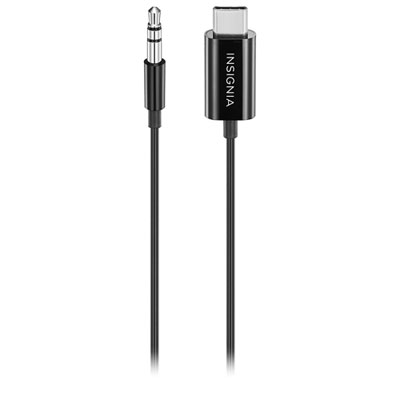 Your price for this item is $19.99
 -
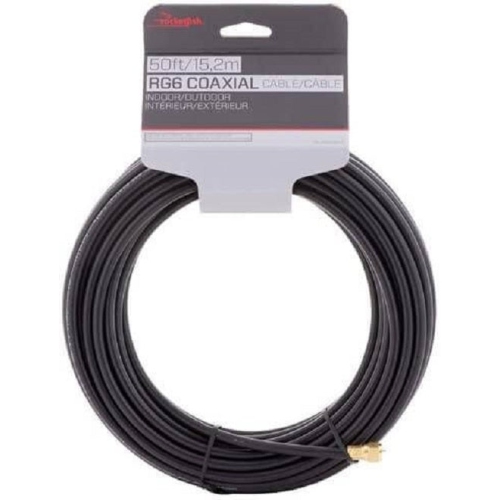 Your price for this item is $26.99
 -
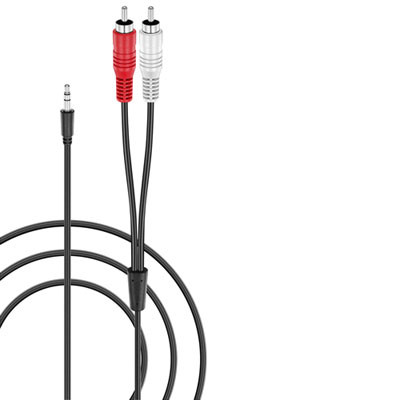 Your price for this item is $14.99
 -
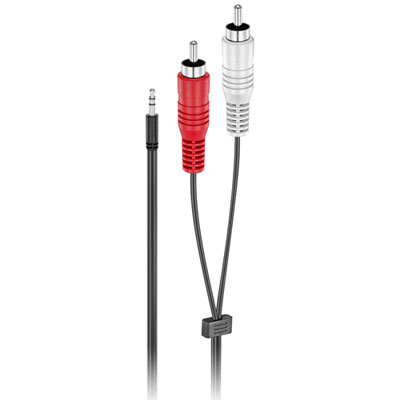 Your price for this item is $14.99
 -
 Your price for this item is $19.99
 -
 Your price for this item is $19.99
 -
 Your price for this item is $9.99
 -
 Your price for this item is $17.5
Discover more categories related to 3.5 Mm Audio Jack
Top Collections:
Pokemon Centers, Best Cameras for Sports Photography, Kindle Devices, Samsung Galaxy Phones, Canon G7X Cameras, Pokémon 30th Celebration Cards, Refurbished Apple Laptops, iPhone 15 Apple, Laptops for Students, Budget Smartphones
Some products may be subject to Environmental Handling Fees
(EHF) depending on your province.
Learn more about EHFs.