3.5MM Male To Male Stereo Audio Cables
Enhance your audio experience with our versatile collection of 3.5MM male to male stereo audio cables. Whether you're connecting your smartphone to a speaker system, hooking up your headphones to a laptop, or linking various audio devices together, these cables provide seamless connectivity and exceptional sound quality. With their universal compatibility and durable construction, our selection of 3.5MM male to male stereo audio cables ensures that you'll always have the perfect solution for all your audio needs. Explore our range now and elevate your listening pleasure to new heights.
Sort

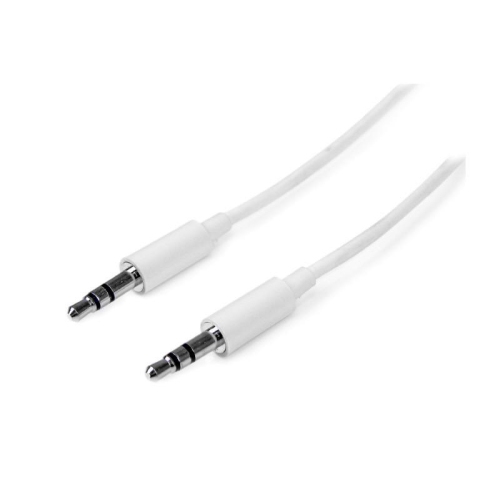


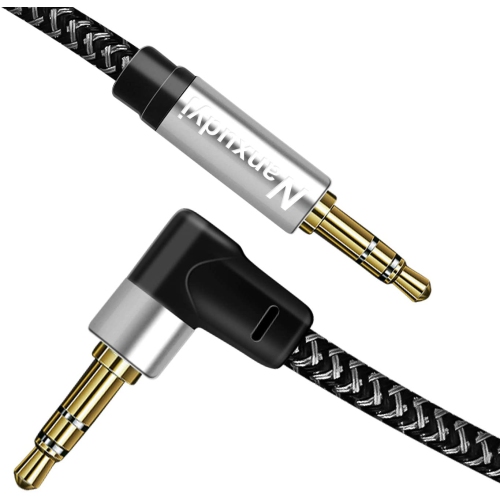


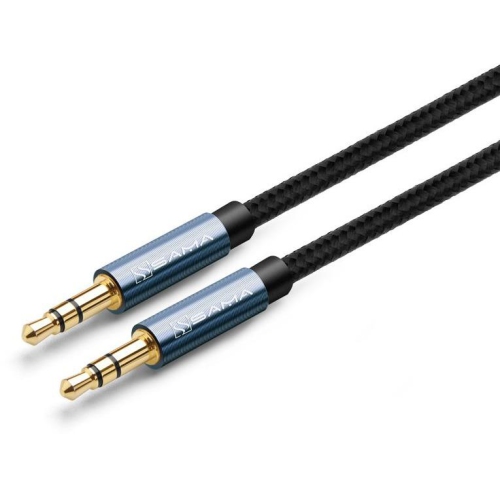


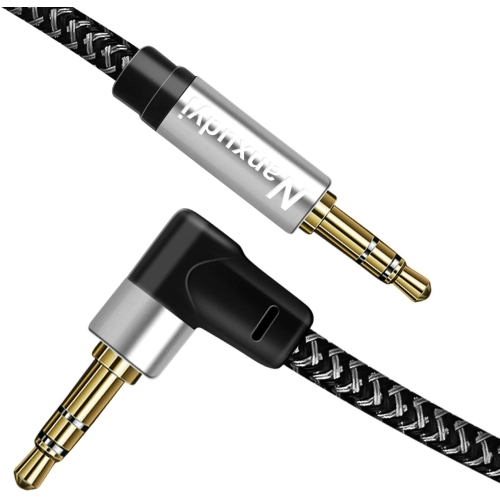


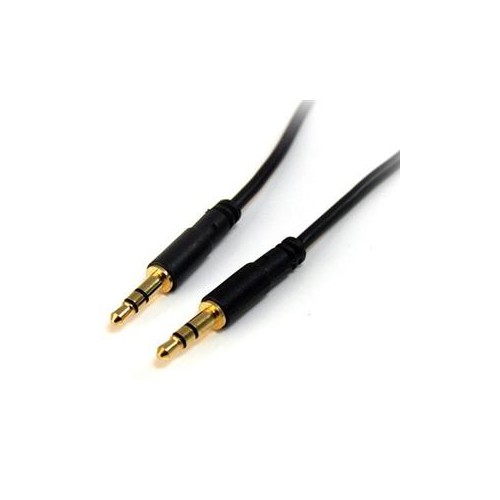


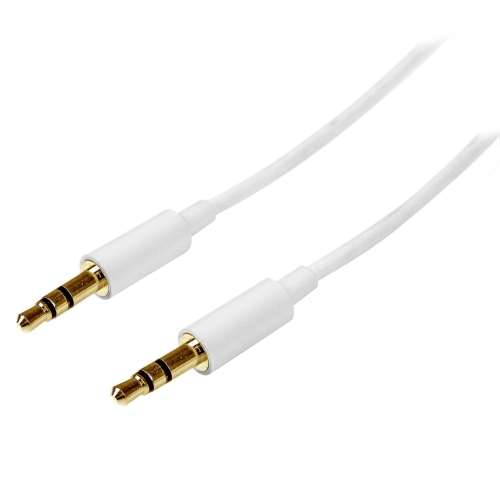

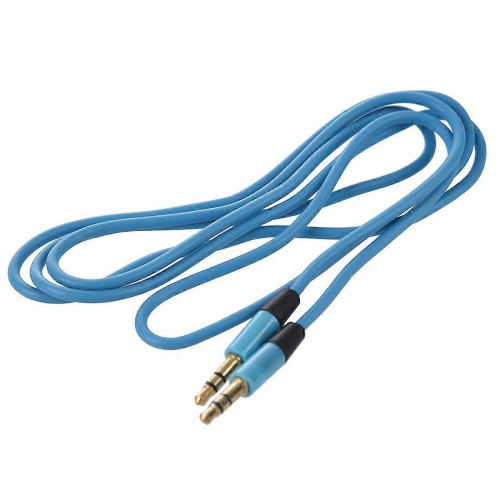


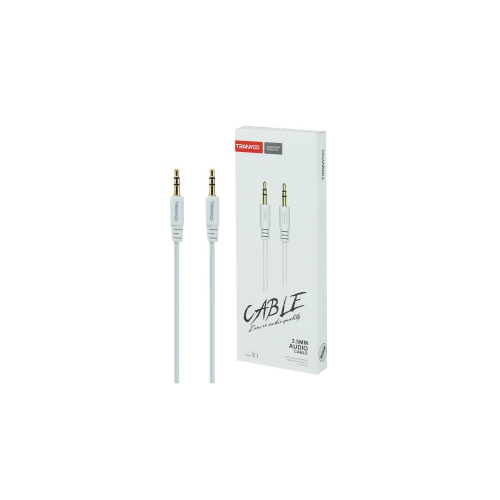
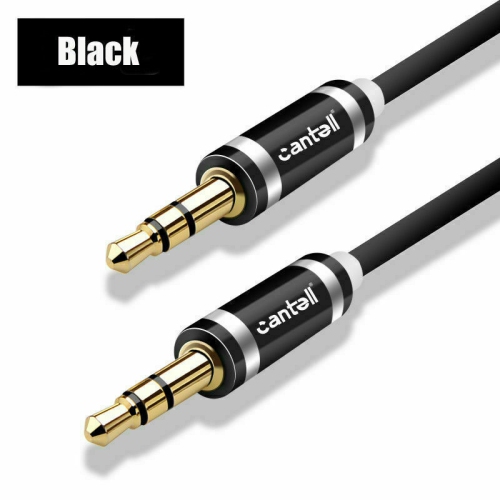


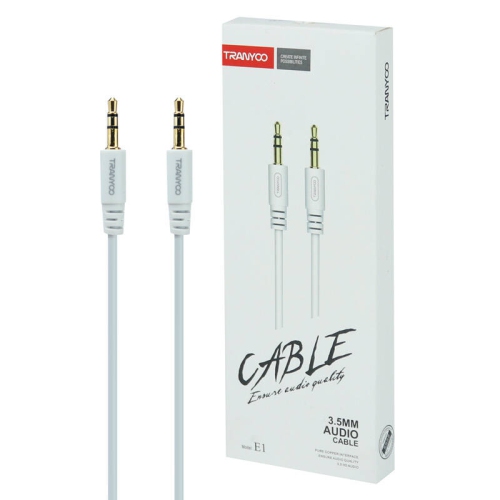
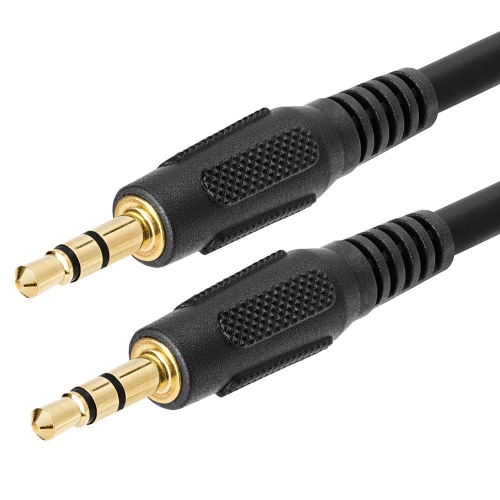
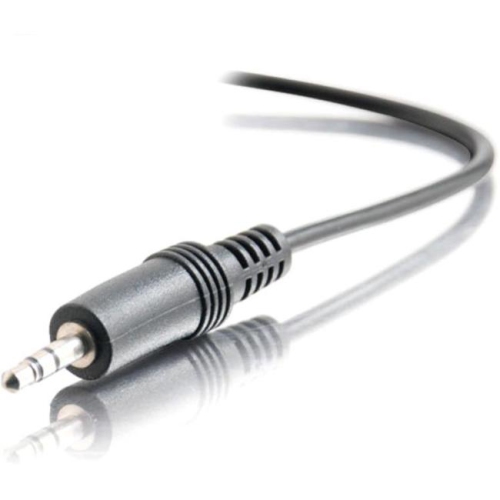
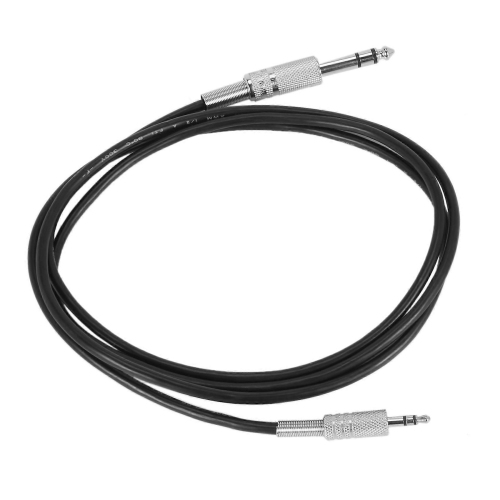
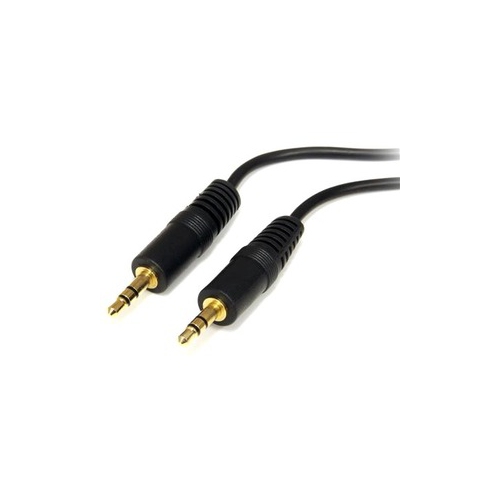


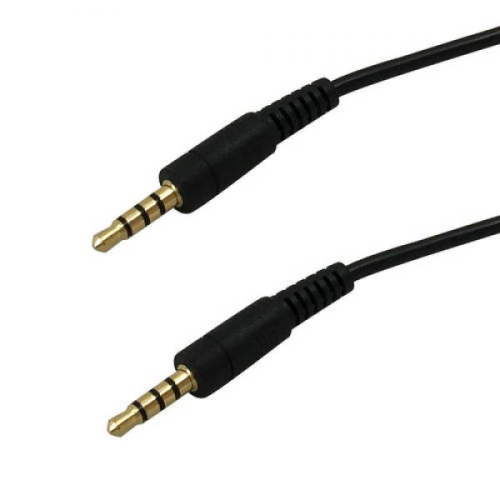
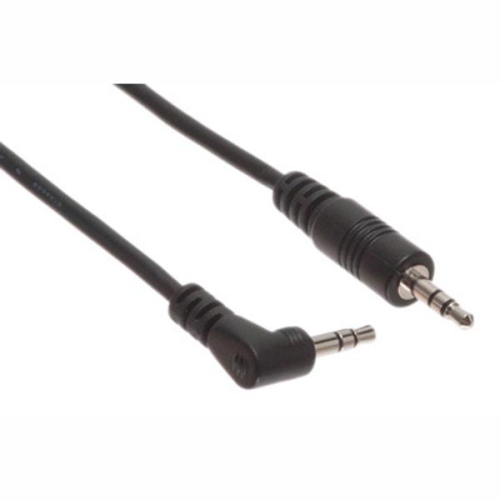


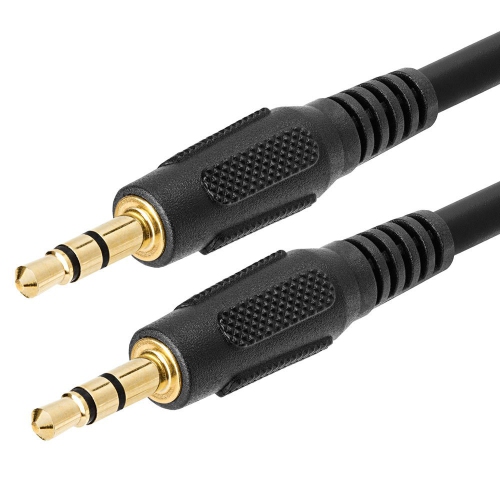


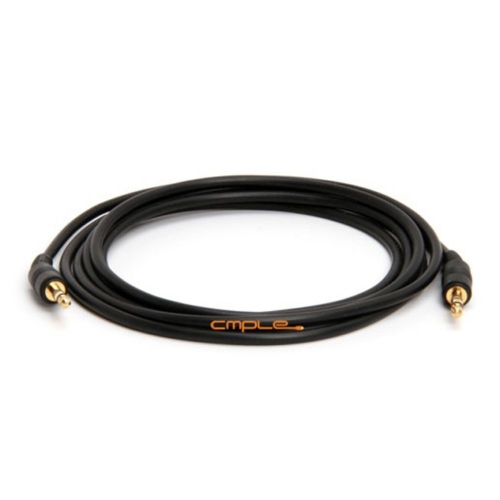


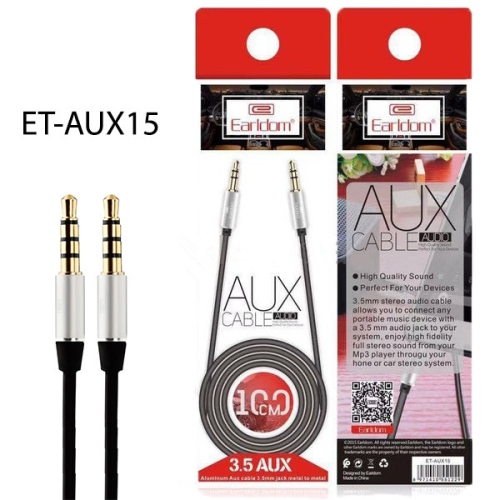


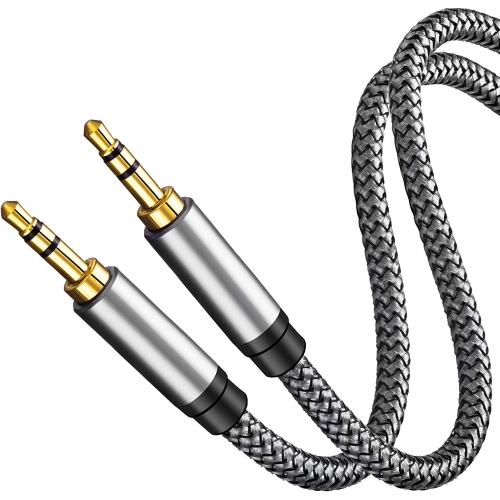
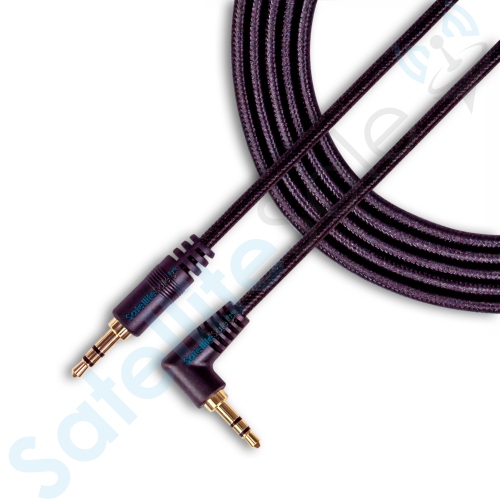

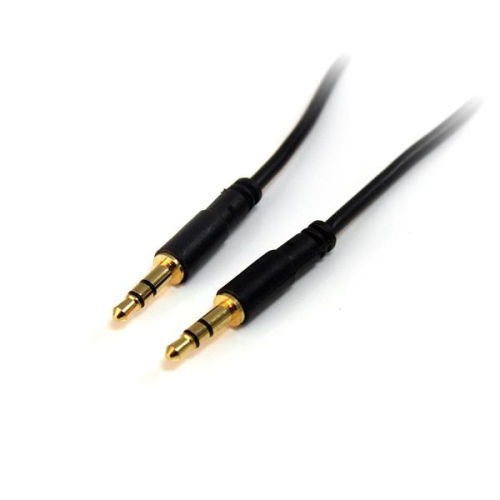

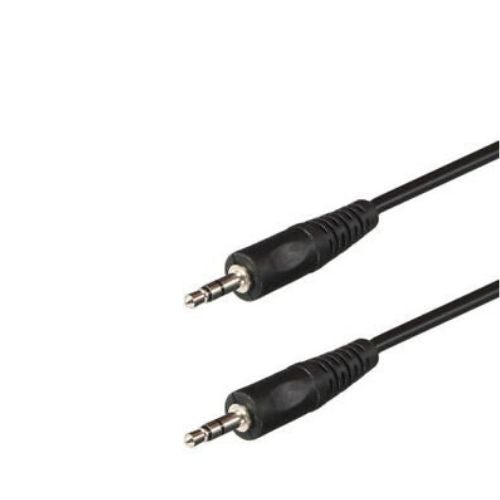
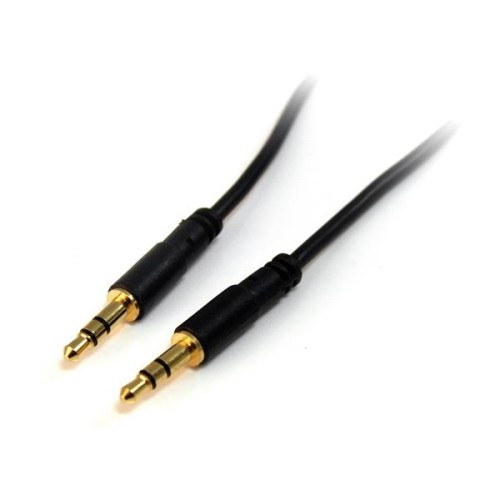
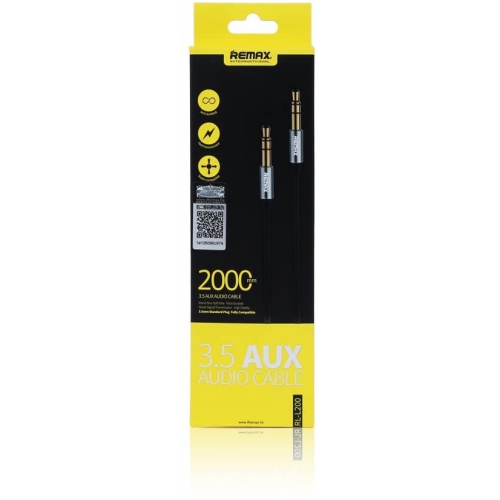

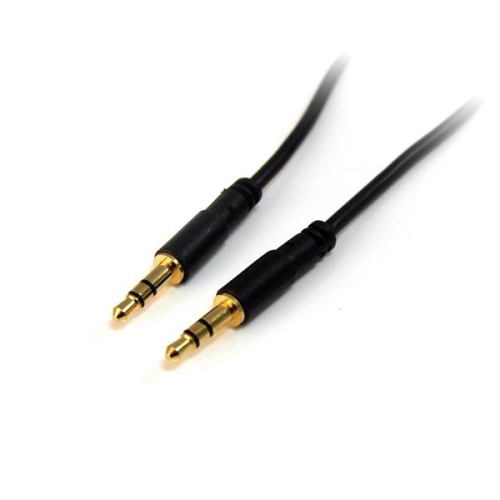
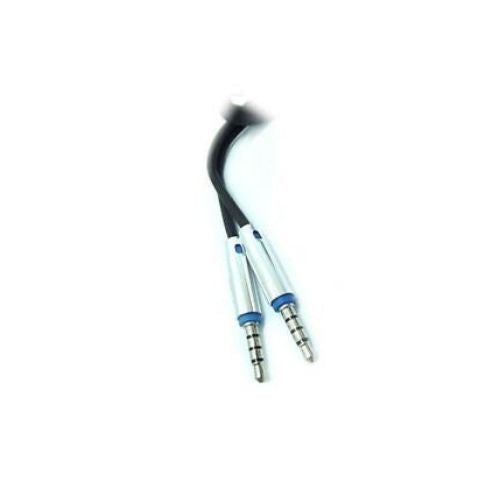

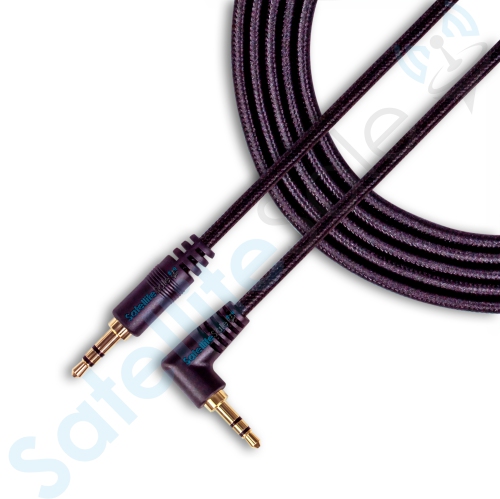
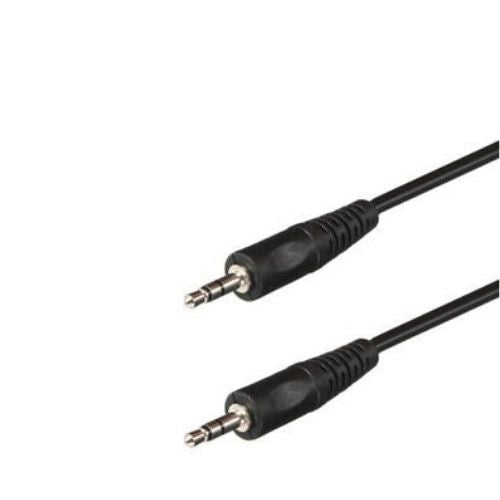
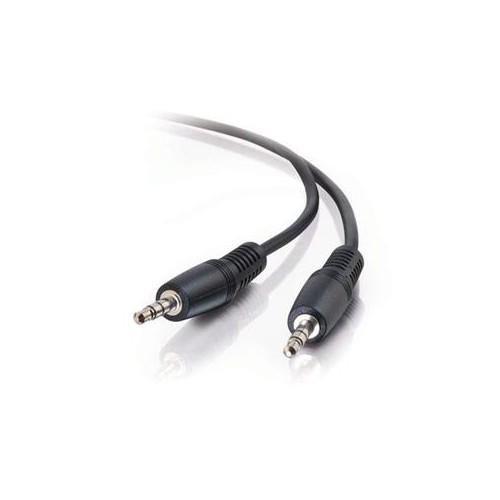
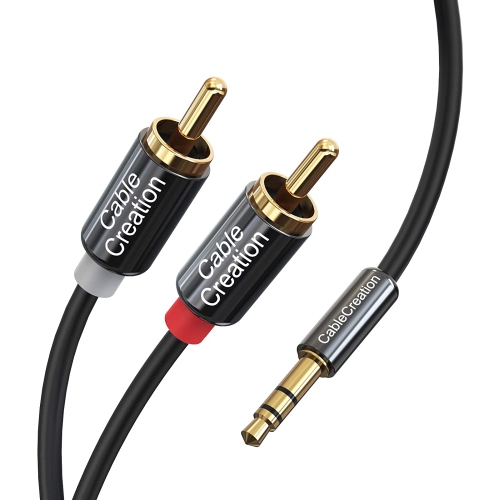
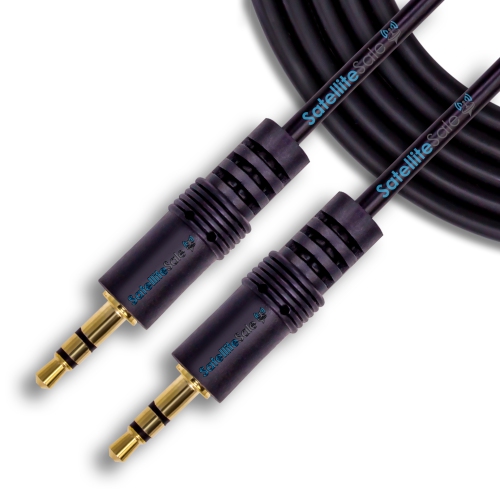
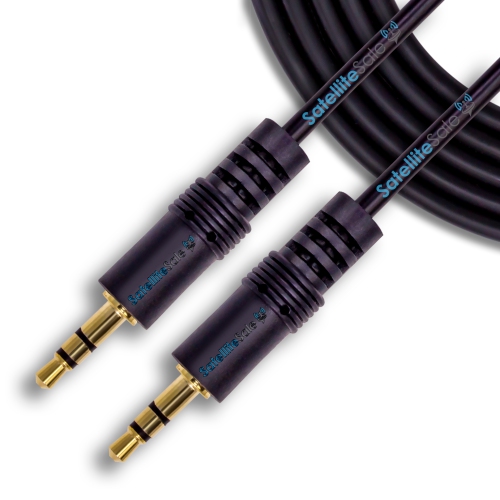
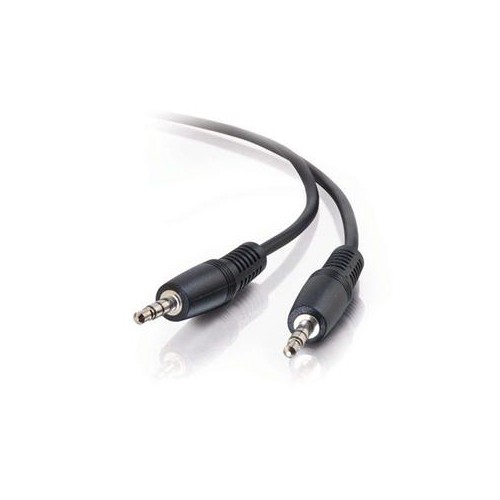
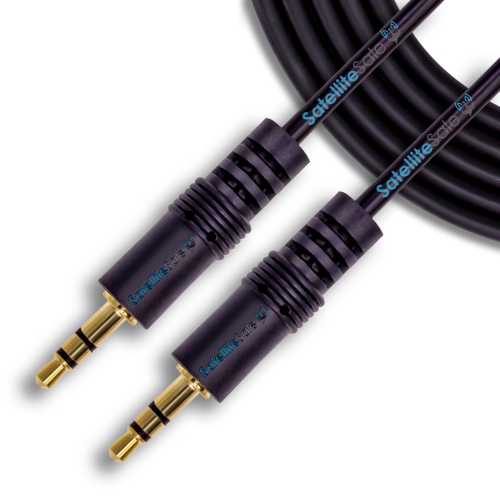
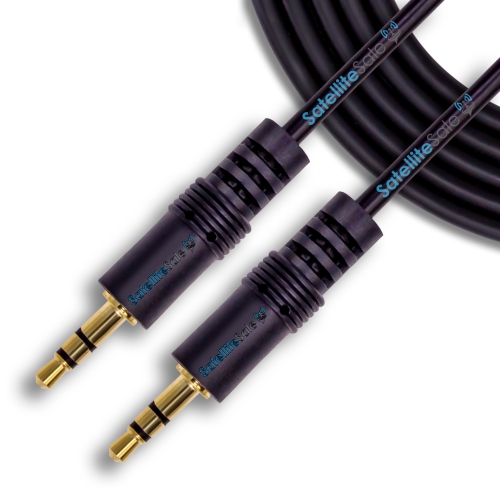



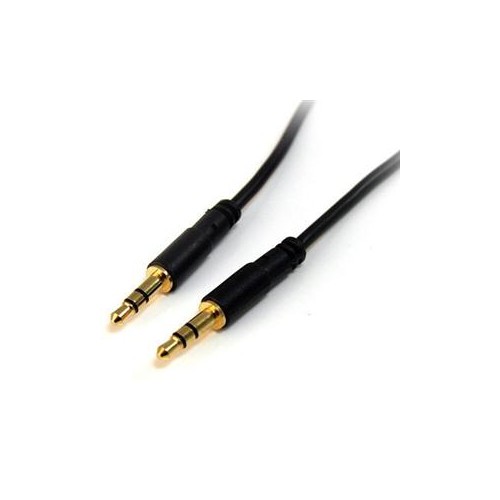
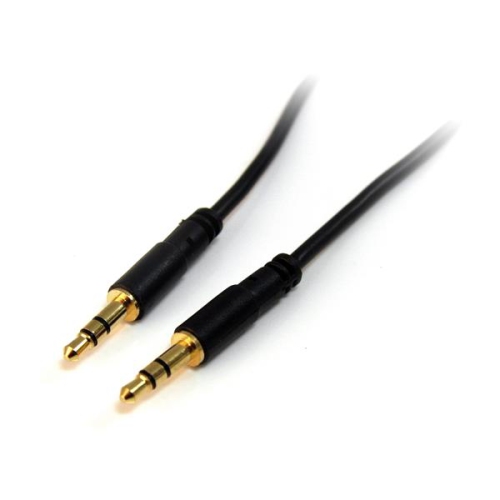

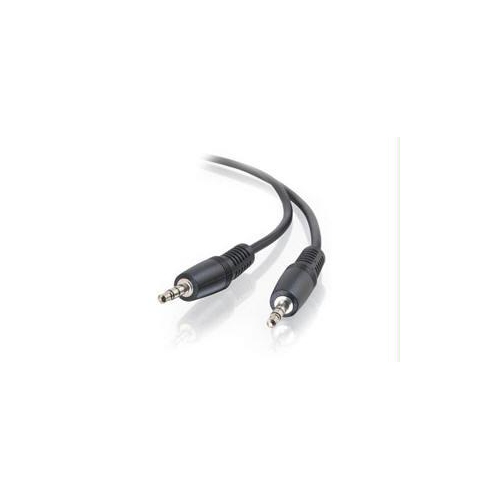


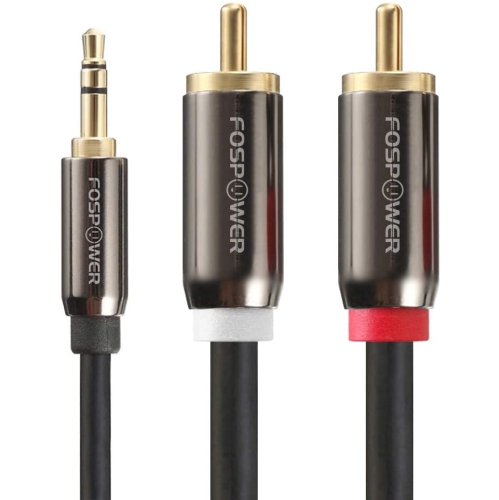
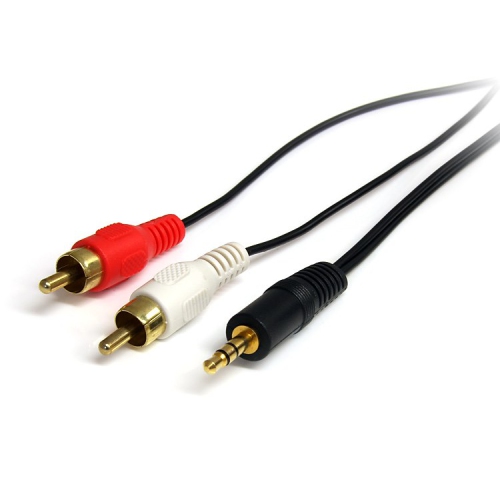
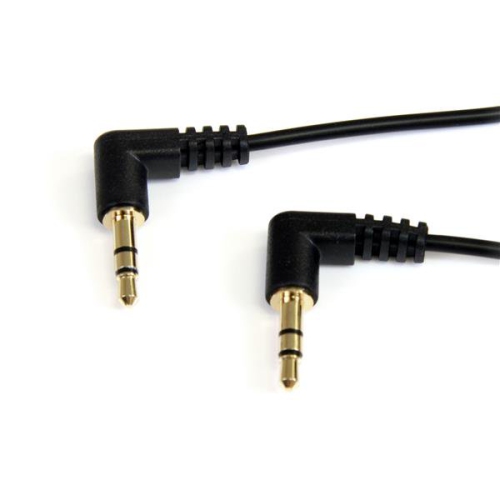


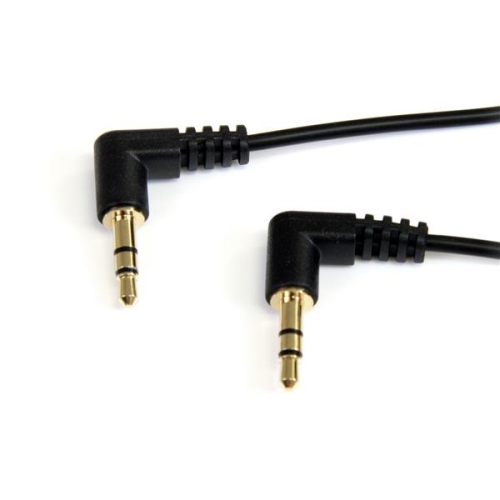
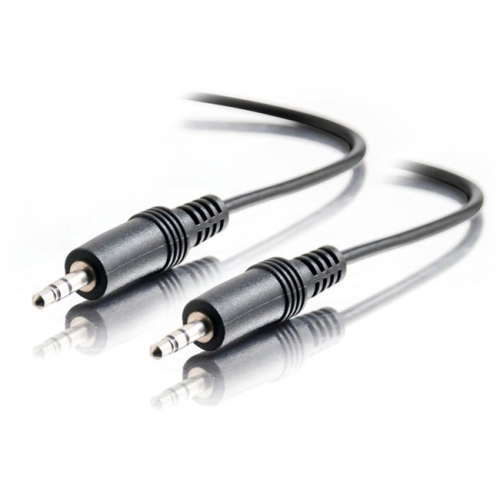
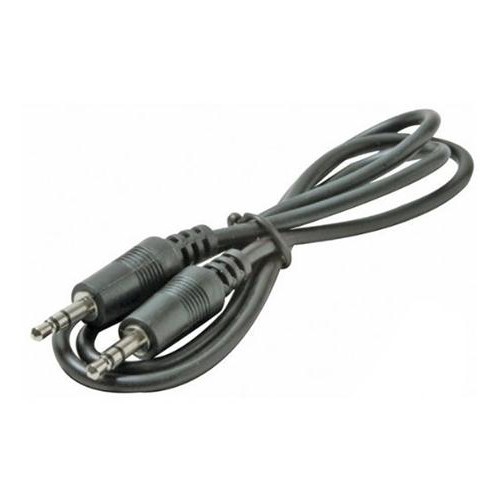
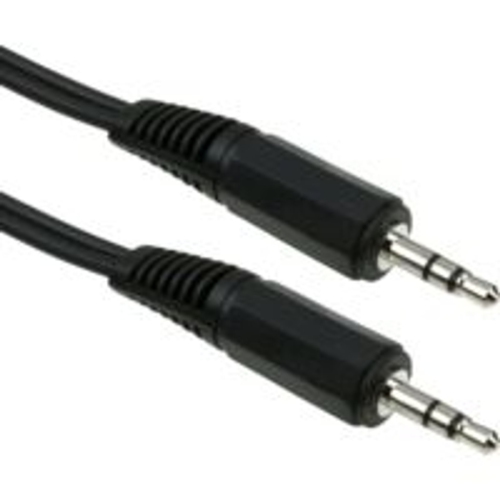
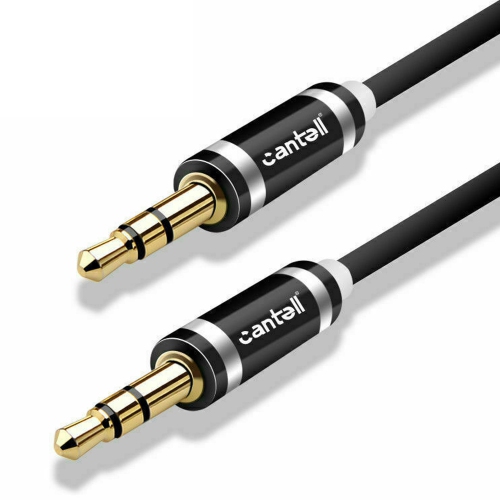

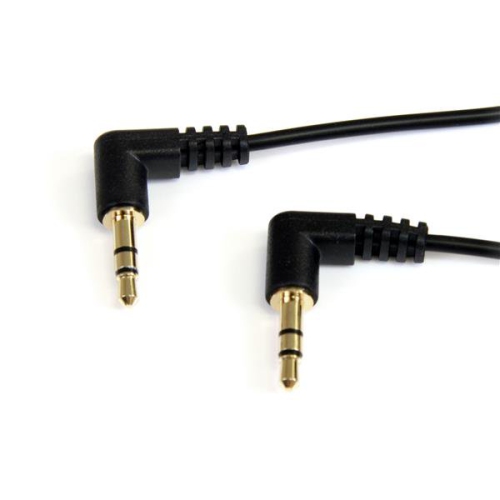






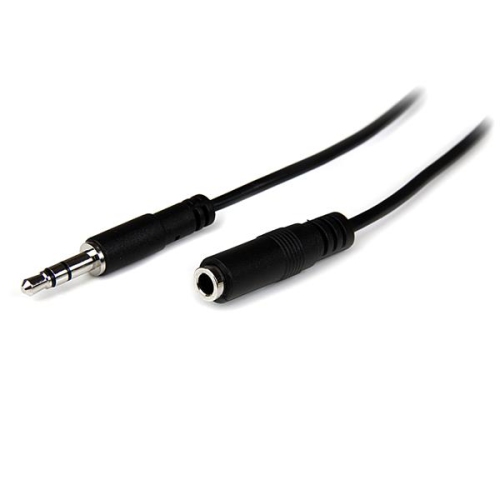
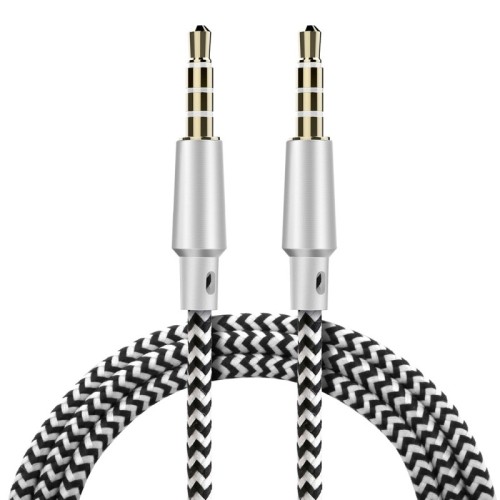

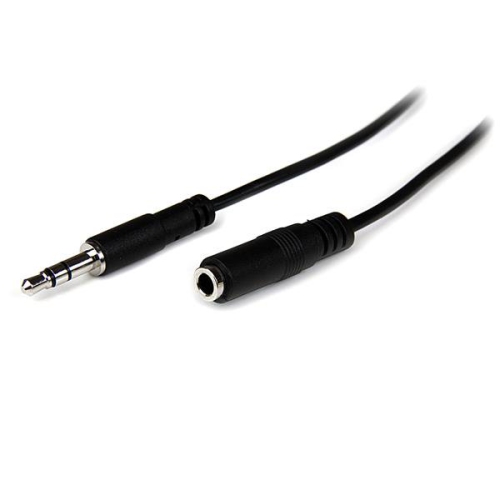


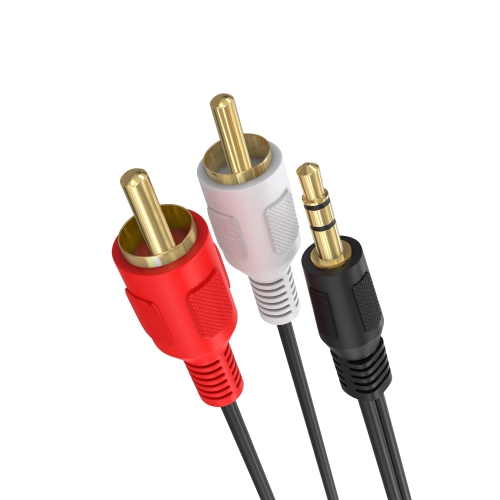
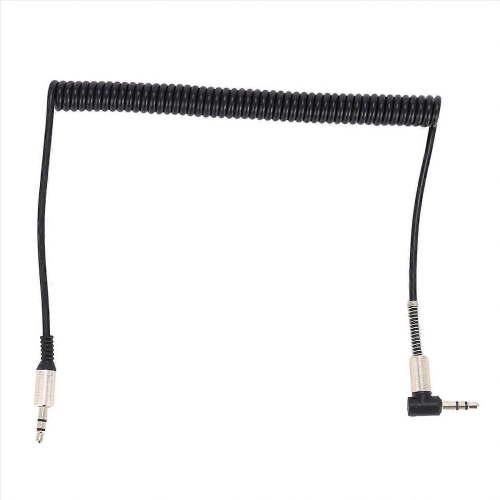
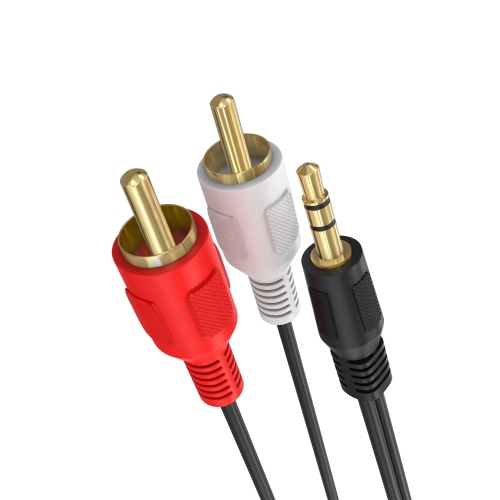

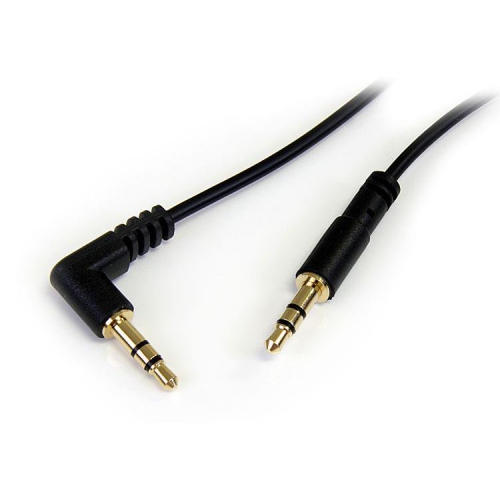


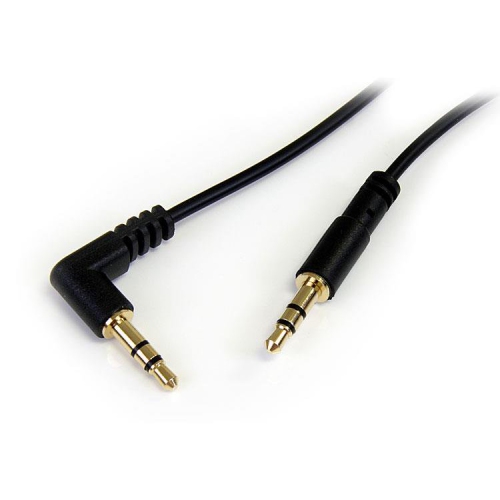

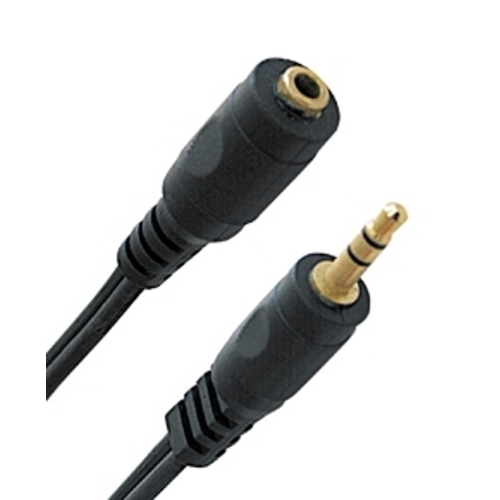
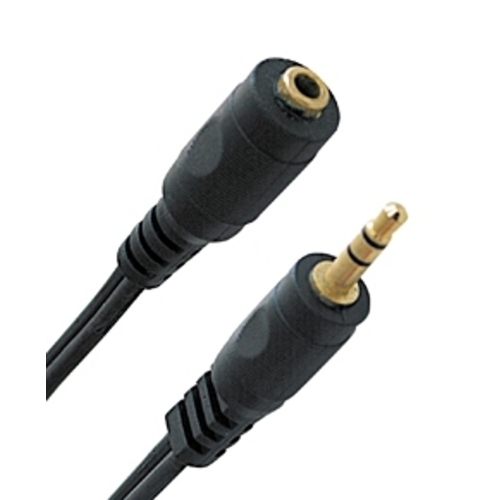
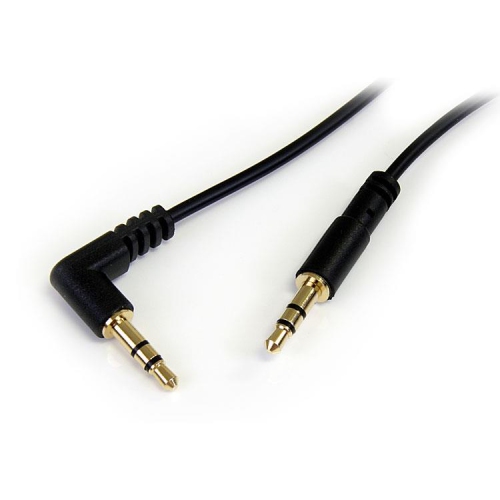

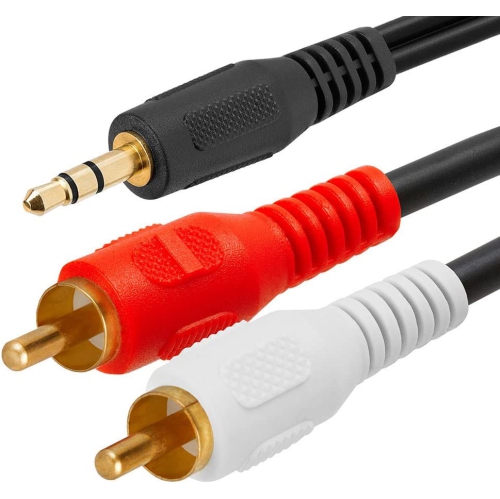
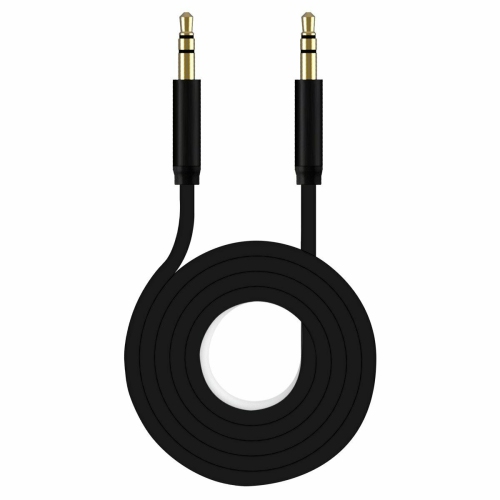


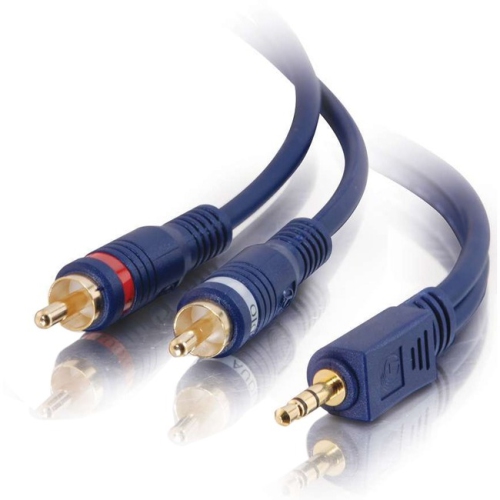
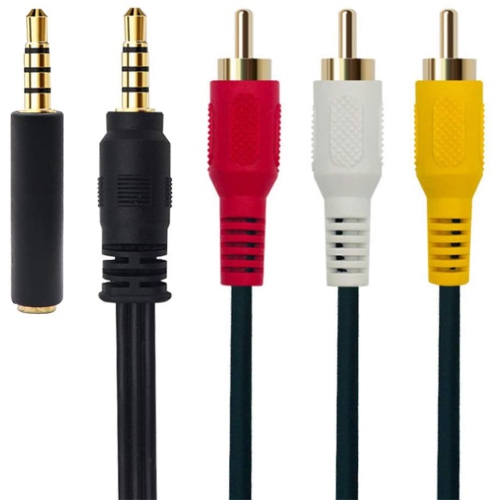
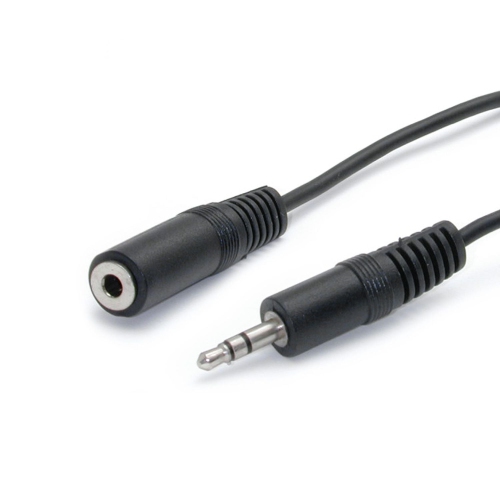
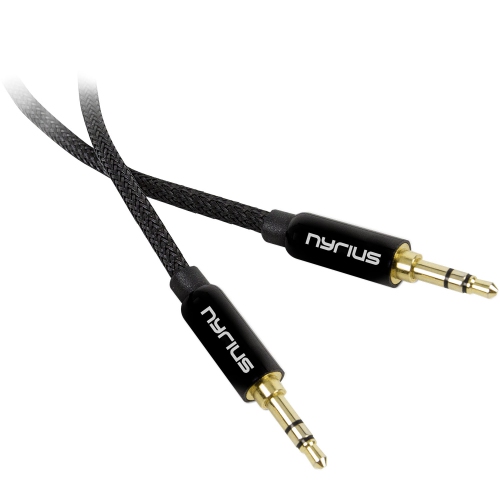
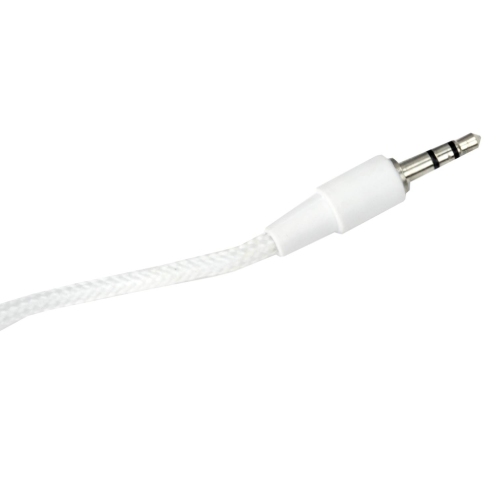
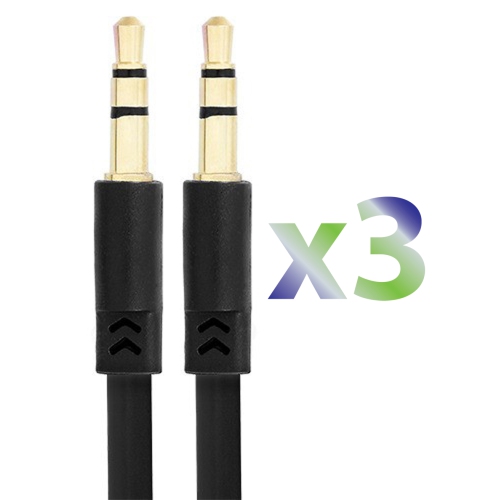
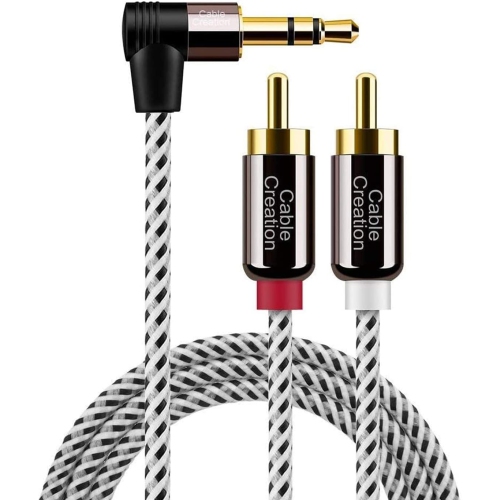

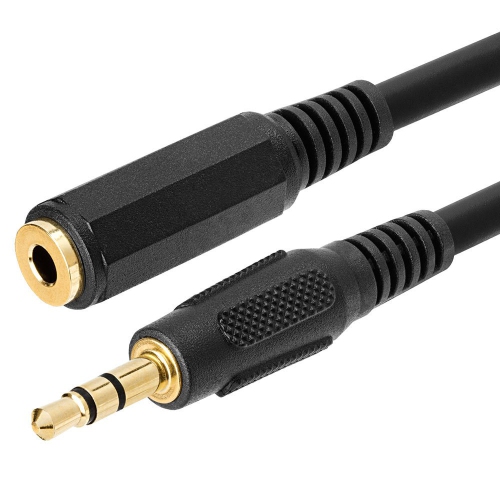


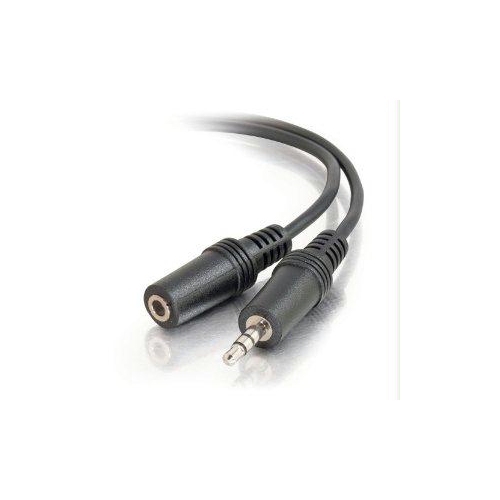
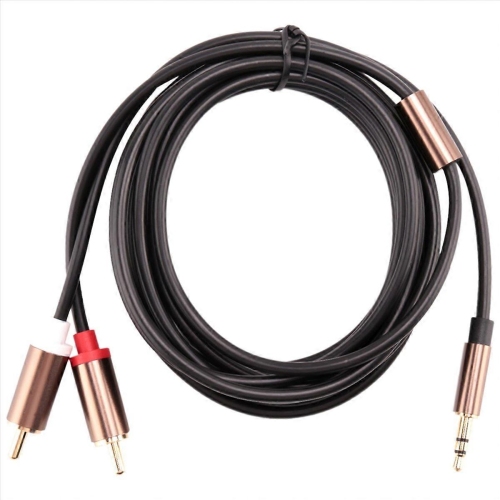
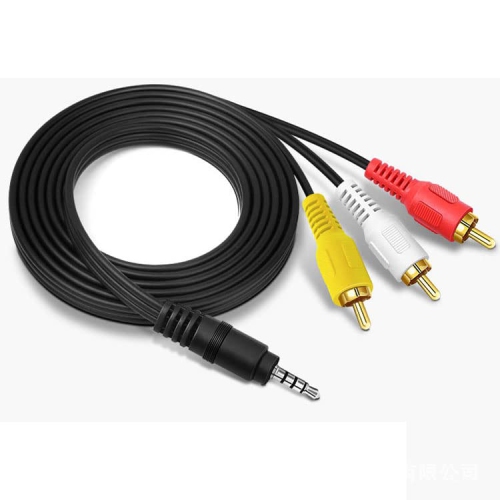
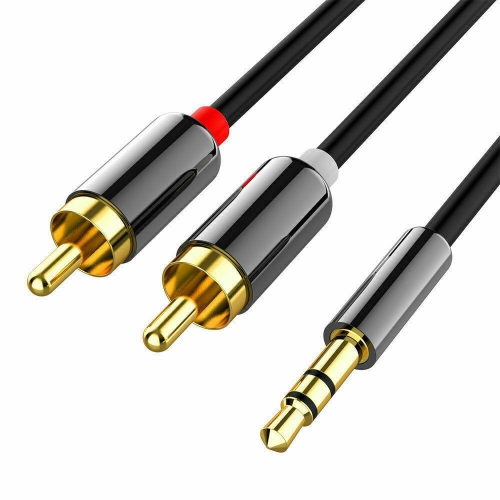


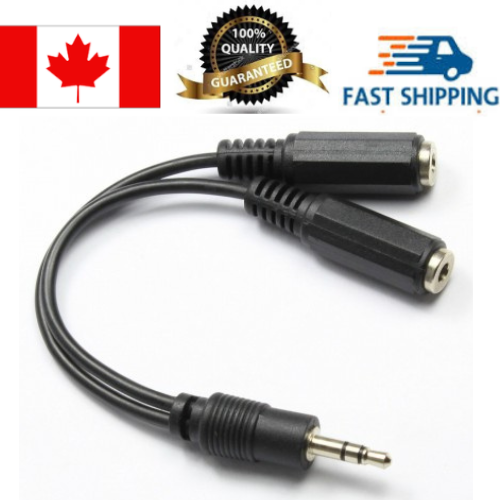
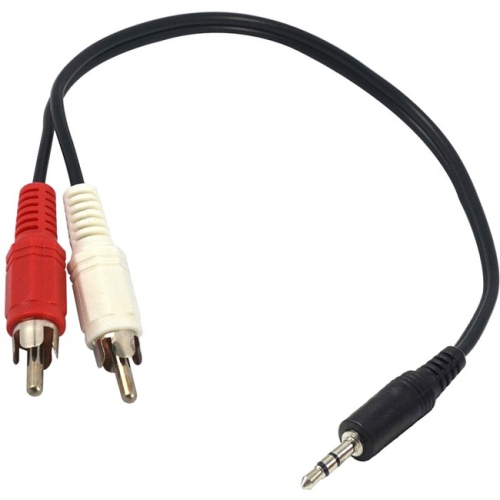

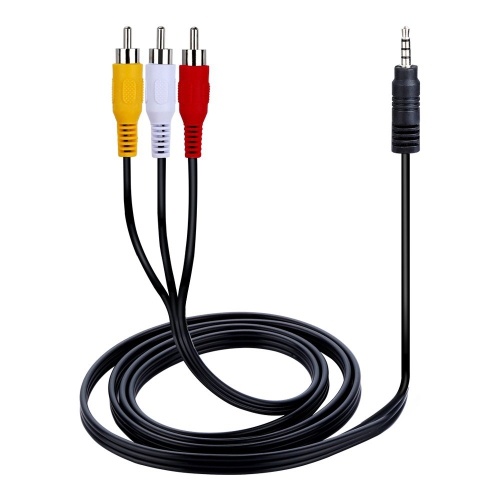
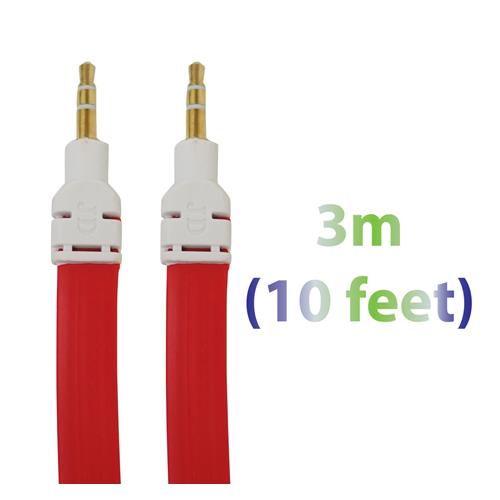
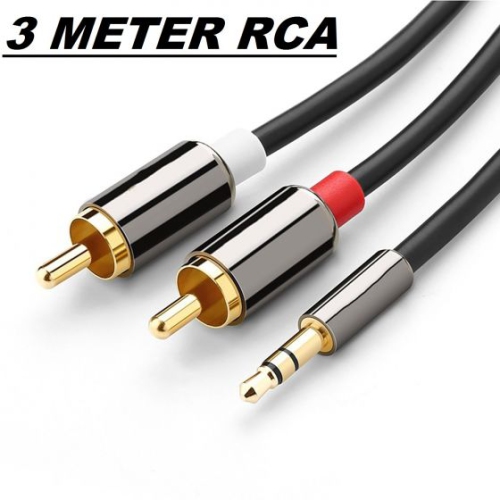

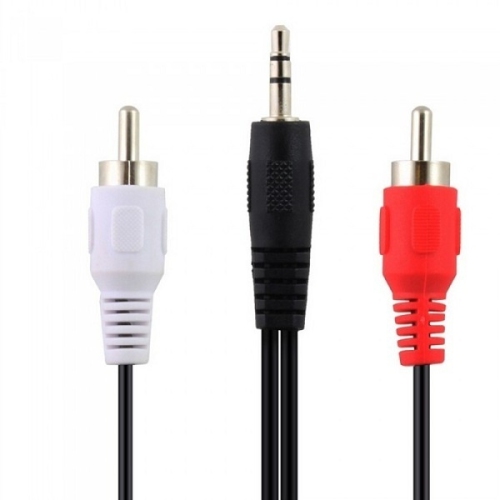


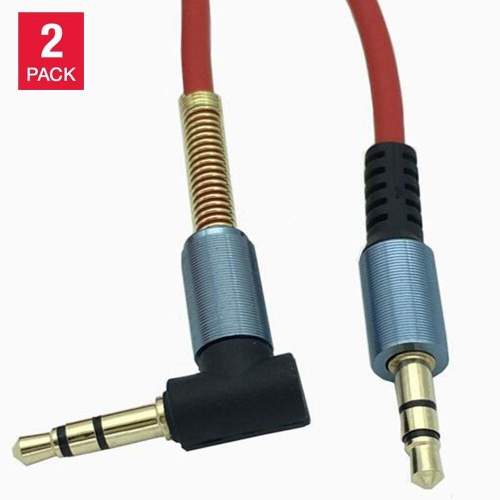

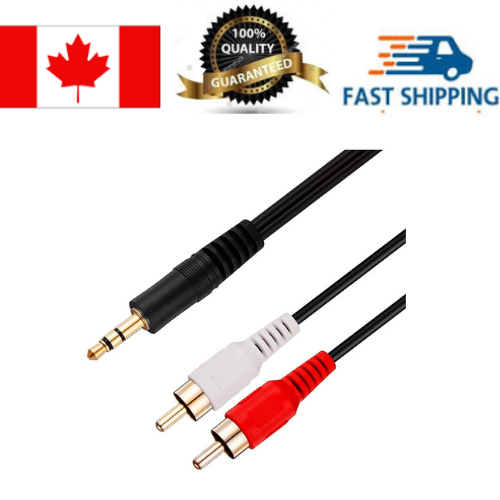
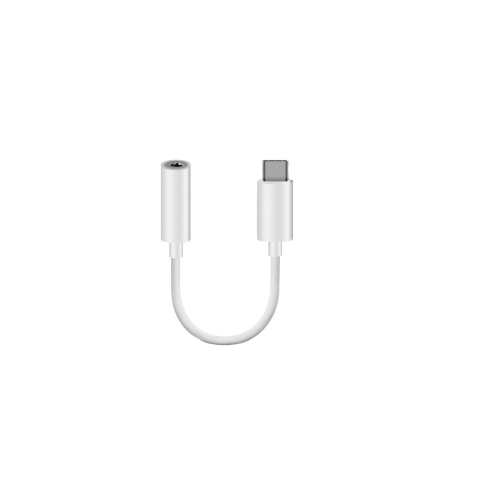

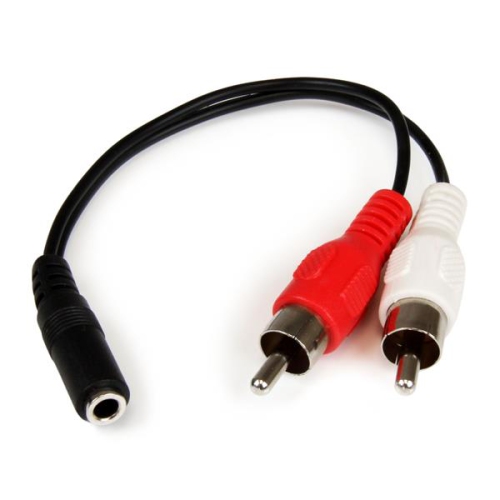


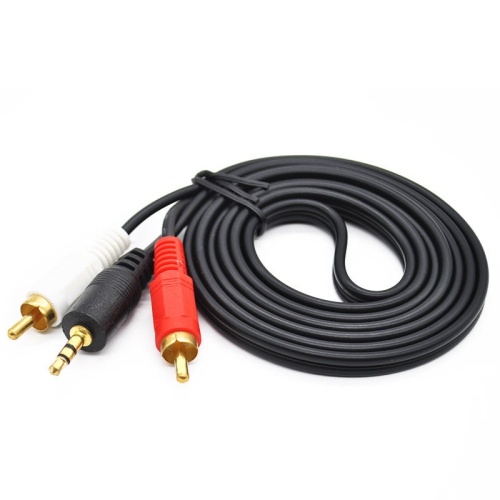

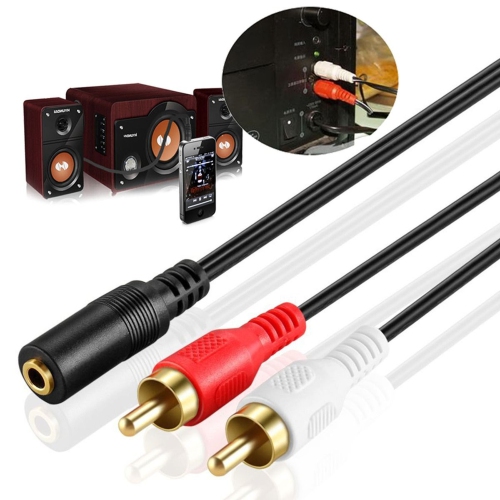


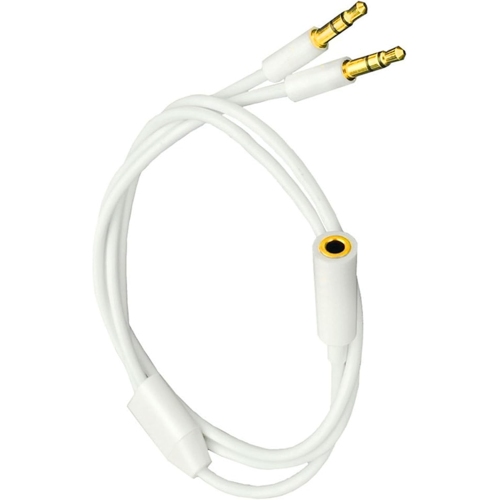
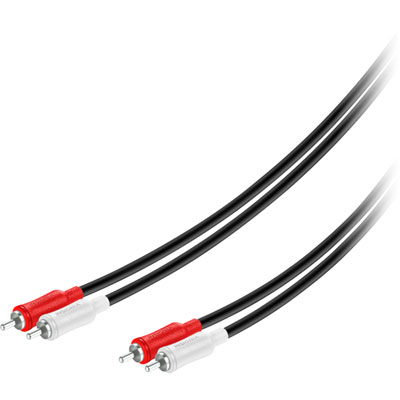


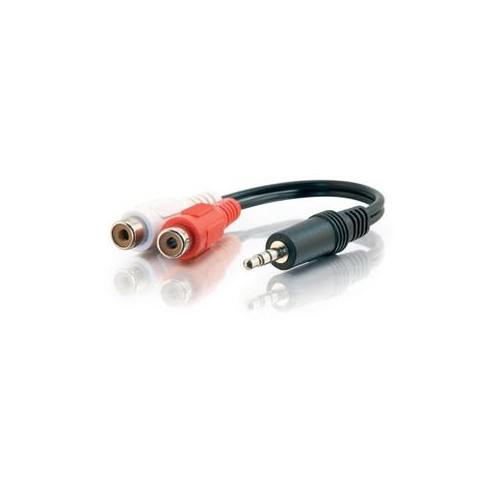
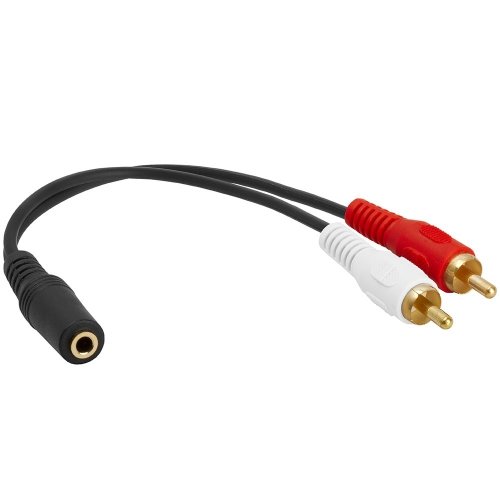

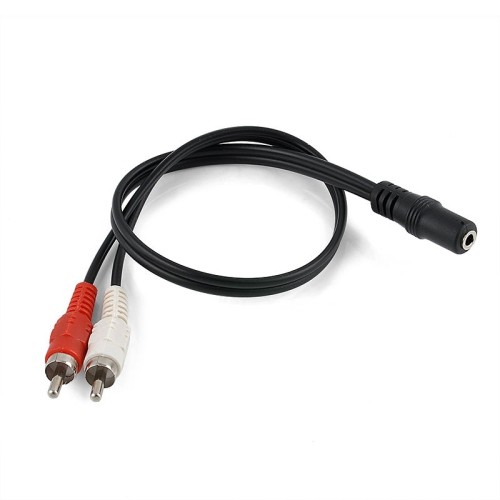
Wired stereo sound starts with the right connections
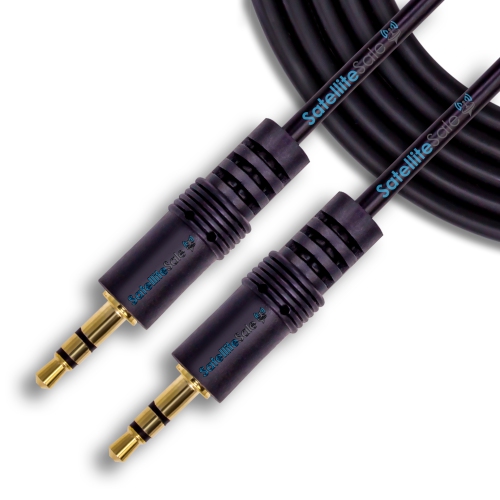
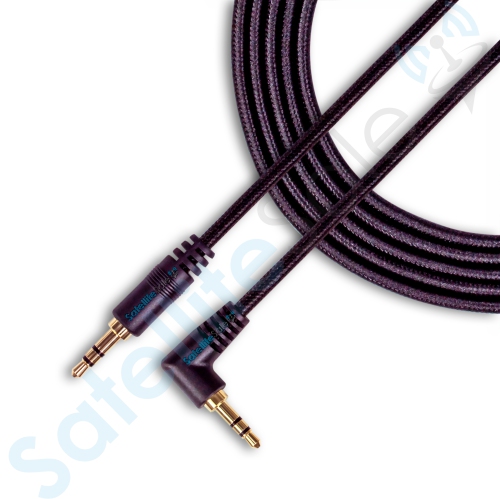
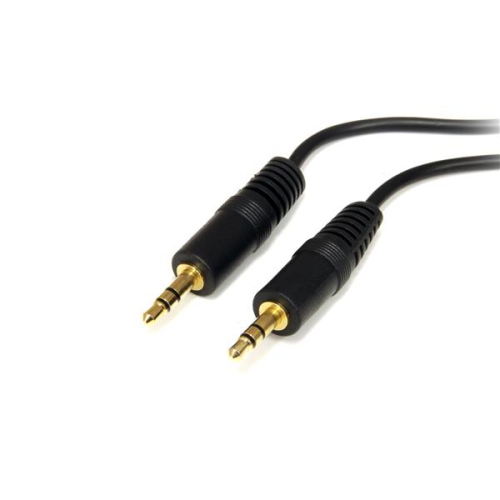
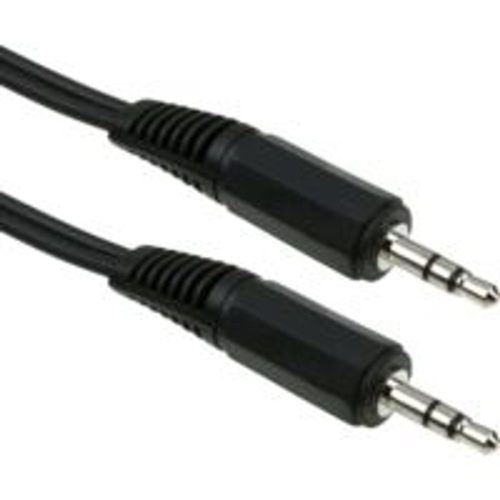
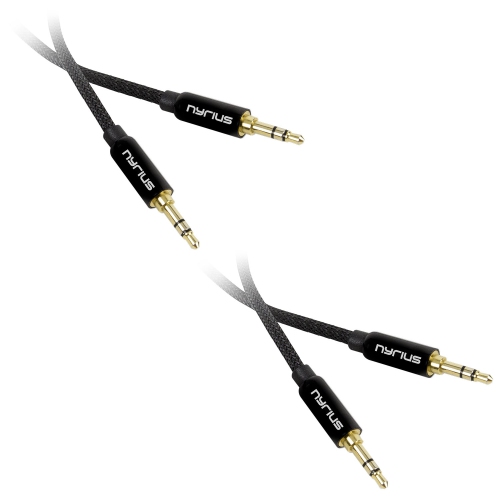
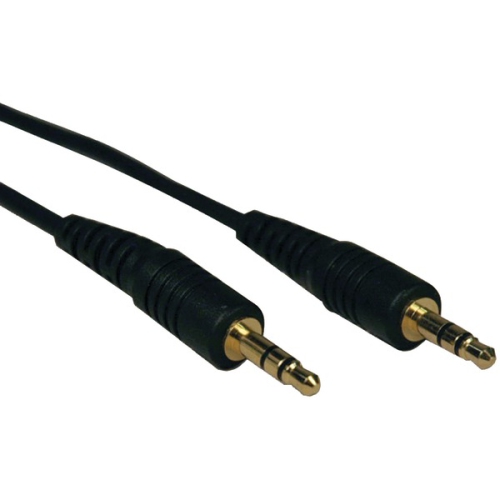
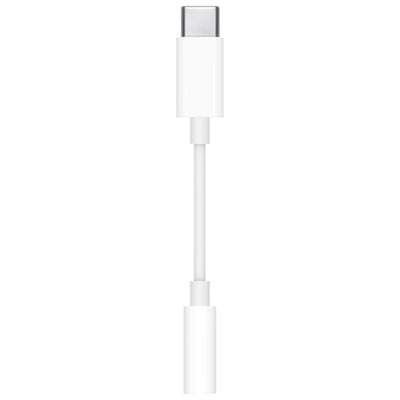
3.5 mm male-to-male stereo audio cables connect a compatible audio output to an audio input using a male plug at each end. Often called aux cables or auxiliary cables, they carry analogue sound between devices such as a laptop and powered desktop speakers, a portable music player and a car stereo, or a tablet and a speaker with an auxiliary input. A standard stereo cable uses TRS connectors, short for tip, ring, and sleeve, with separate contacts for the left audio channel, right audio channel, and shared ground. Two insulating bands divide these three contacts on each plug. This arrangement supports two-channel stereo playback, making it suitable for music, podcasts, spoken-word audio, and the sound from videos. The connection does not require wireless pairing or a separate power supply for the cable itself, although the connected equipment still needs power as appropriate. Compatibility depends on the ports and their functions, not simply whether the plug fits: one end should connect to a headphone output or another suitable analogue audio output, while the other connects to an auxiliary or line input. Connecting two outputs together will not create a useful audio path, and a microphone-only socket is not interchangeable with a stereo auxiliary input. A device with only a USB-C or Lightning port needs a compatible audio adapter before it can accept this type of cable; the cable alone does not convert digital audio to analogue. Standard TRS stereo cables also do not carry a headset microphone signal. A four-contact TRRS connection, identifiable by three insulating bands, may be needed for microphone support, along with compatible wiring and ports on both devices. For a straightforward listening setup, a stereo aux cable provides a physical connection whose purpose is easy to understand: send sound from the source to equipment designed to play or amplify it. The broader 3 5Mm Audio Cables category can also help distinguish this male-to-male format from extension cables and other connector arrangements.
Physical fit matters just as much as the connector diameter, particularly when a phone, tablet, or portable player stays inside a protective case. A slim connector housing may pass through a narrow case opening more easily than a wider barrel, allowing the plug to seat fully rather than stopping against the case edge. Recessed sockets can present a similar challenge, so the shape of the housing and the space around the port deserve attention. Straight plugs suit open connections and cable routes that continue directly away from the device. Right-angle plugs can reduce how far the connector projects from the side of a laptop or portable player, though the direction of the bend may interfere with a neighbouring port or nearby controls. Cable length should match the actual route between devices, including the distance around a monitor stand, along a shelf, or behind a desk. A short lead keeps a close connection tidy, while a longer cable offers more placement flexibility when the audio source and speaker sit farther apart. Allowing a little slack helps prevent the cable from pulling on either socket, but a large coil of unused length can make a compact workspace harder to keep organized. Construction also affects everyday handling. Flexible plastic or rubber-like jackets can be easy to route around furniture, while a braided outer layer may provide added resistance to abrasion. Braiding does not make a cable immune to tangles or damage, and a thicker jacket is not automatically the best choice for a small travel pouch. Strain relief where the cable meets each plug helps manage bending at a frequent stress point. Gold-plated contacts resist corrosion, but plating alone does not guarantee a noticeable improvement in sound compared with another properly functioning connection. Conductors, shielding, secure terminations, and sound physical condition all contribute to dependable performance. Shielding can help limit unwanted electrical interference, especially when an analogue audio cable runs near other equipment, although it cannot resolve every source of hum or noise.
Everyday use often comes down to small details that make a wired connection feel effortless. At a desk, a male-to-male aux cable can link a computer’s headphone output to powered speakers without occupying a USB port, provided both devices have the appropriate analogue connections. In a vehicle with an auxiliary input, it can carry audio from a compatible portable device while leaving playback selection on that device; track information, charging, and steering-wheel controls are not functions of the stereo cable itself. Routing the lead away from pedals, gear controls, and other moving parts keeps it from becoming an obstruction. For students, home office users, and listeners who move between several audio setups, a cable with manageable flexibility and a practical length can be a useful accessory to keep in a bag. It can also make a thoughtful small gift for someone who already uses compatible speakers or an aux-equipped stereo, especially when their existing lead is too short or has become unreliable. Connecting with the volume lowered helps avoid an abrupt burst of sound. Once connected, selecting the correct input and raising the volume gradually makes it easier to find a comfortable level without overdriving the receiving equipment. If playback is faint, distorted, or missing one channel, check that both plugs are fully inserted and that neither socket is blocked by a case or debris. Persistent crackling when the cable moves can point to a worn connection or damage near a plug. Gentle handling helps extend its useful life: disconnect by gripping the connector housing rather than tugging the cord, and store the cable in loose loops instead of wrapping it tightly around a device. Keep the contacts clean and dry, wipe the outer jacket with a soft cloth when needed, and avoid crushing the lead beneath furniture or sharply bending it at the connector. A well-fitting cable with the right connector layout, sufficient reach, and sensible strain relief supports reliable stereo listening without adding unnecessary complexity to the setup.
Top selling and popular products
-
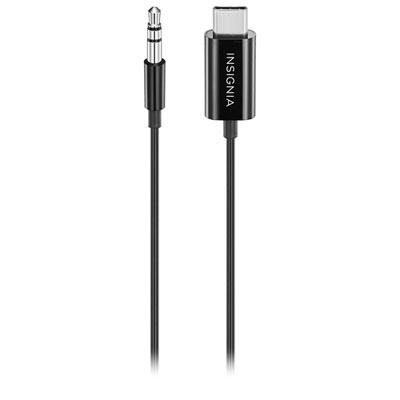 Your price for this item is $19.99
-
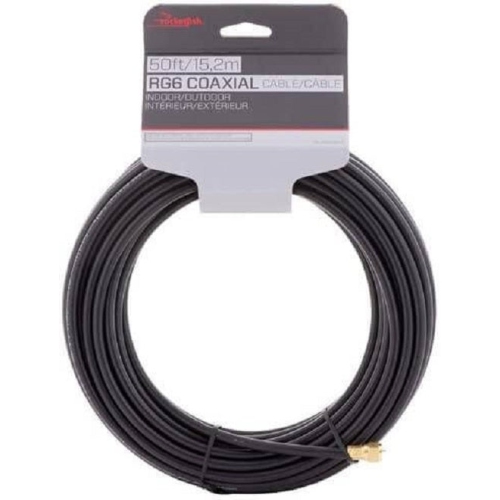 Your price for this item is $26.99
-
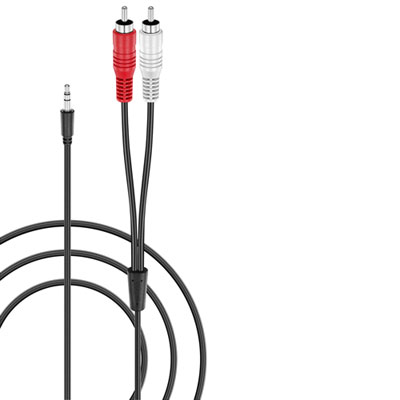 Your price for this item is $14.99
-
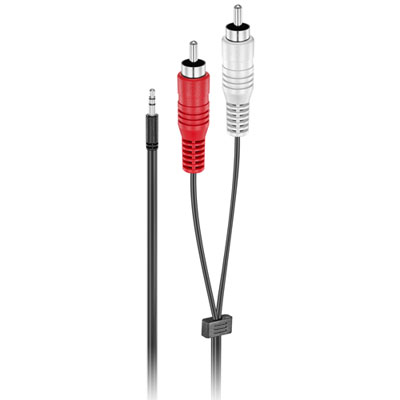 Your price for this item is $14.99
-
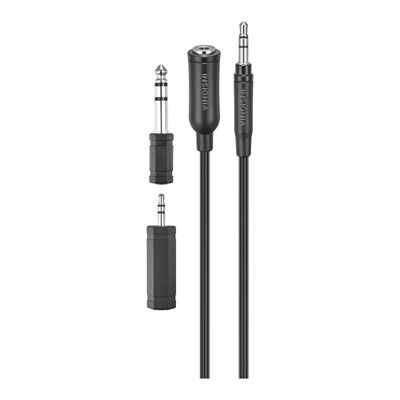 Your price for this item is $19.99
-
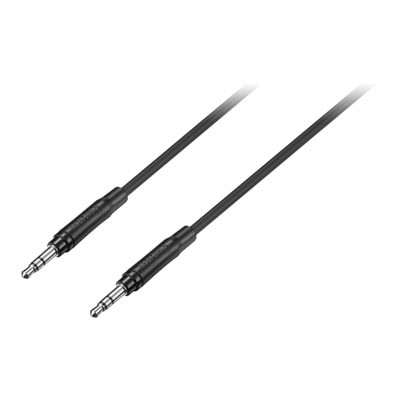 Your price for this item is $19.99
-
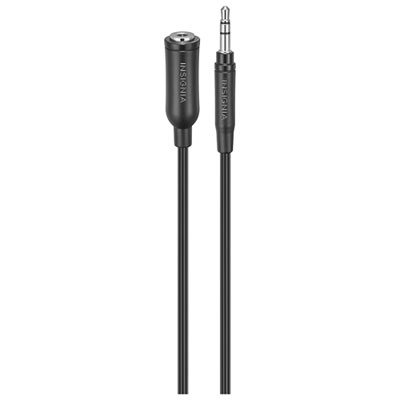 Your price for this item is $9.99
-
 Your price for this item is $17.5
Discover more categories related to 3.5MM Male To Male Stereo Audio Cables

Top Collections:
Pokemon Centers, Best Cameras for Sports Photography, Kindle Devices, Samsung Galaxy Phones, Canon G7X Cameras, Pokémon 30th Celebration Cards, Refurbished Apple Laptops, iPhone 15 Apple, Laptops for Students, Budget Smartphones
Some products may be subject to Environmental Handling Fees
(EHF) depending on your province.
Learn more about EHFs.