48 Inch TVs
Discover the perfect balance of size and performance with this selection of 48 in TVs. Ideal for living rooms, bedrooms, or entertainment spaces, these televisions offer an immersive viewing experience without overwhelming your space. Whether you’re upgrading your home theater setup or seeking a versatile screen for gaming and streaming, explore a variety of options designed to fit your needs. Find the right 48 in TV to enhance your favorite movies, shows, and more.
Sort
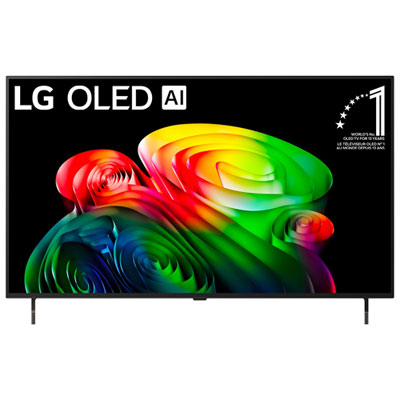
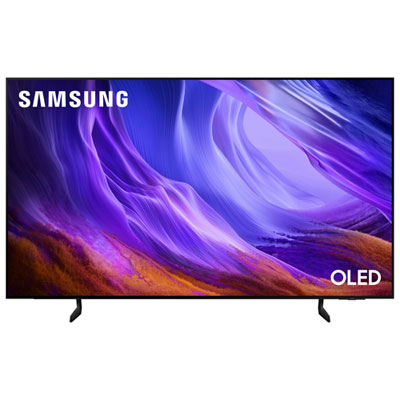
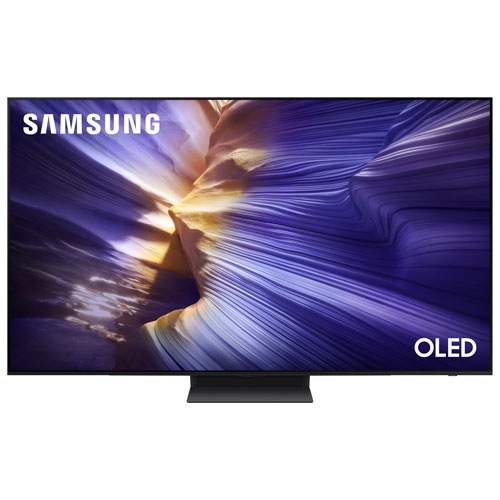
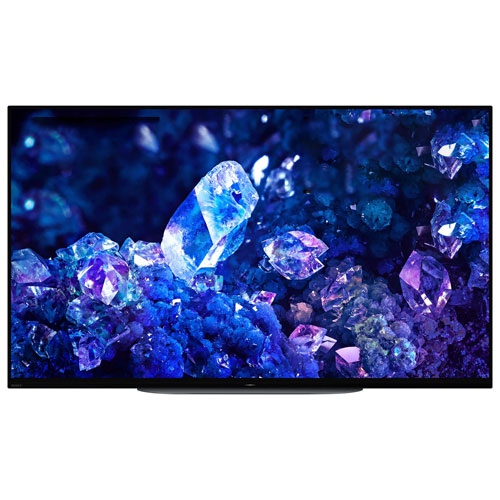
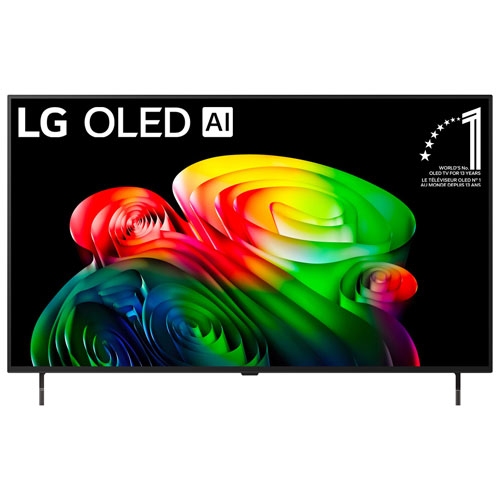
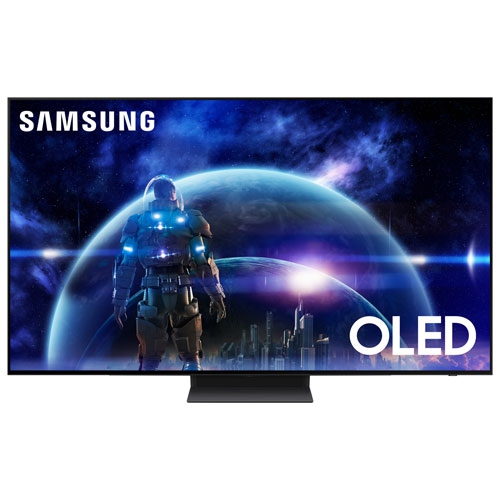

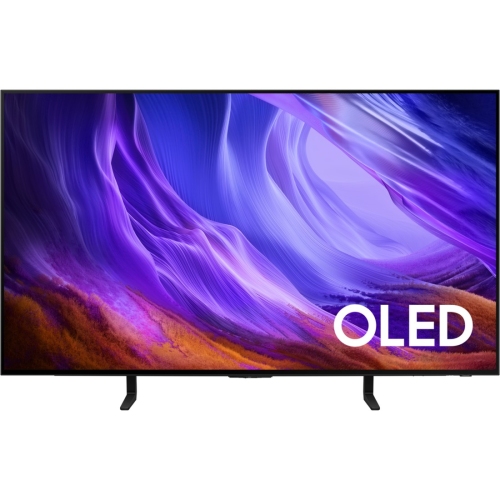
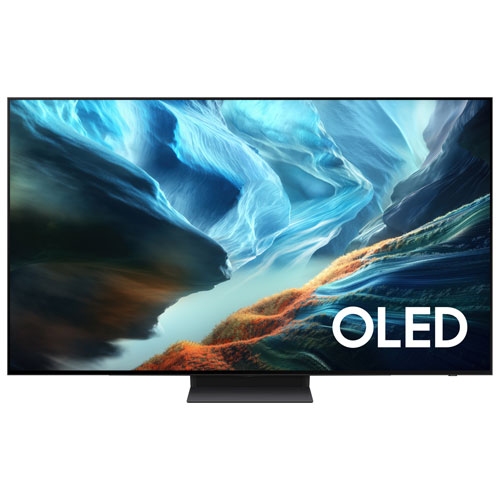
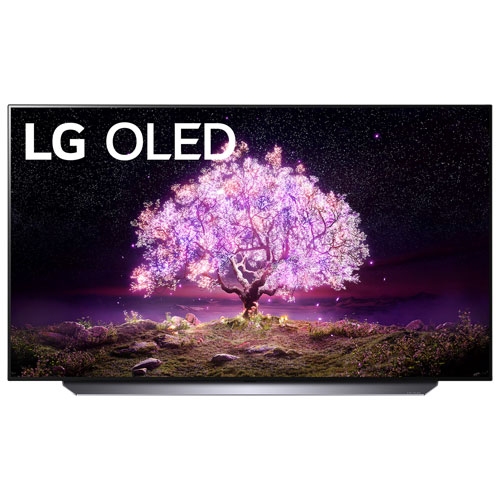

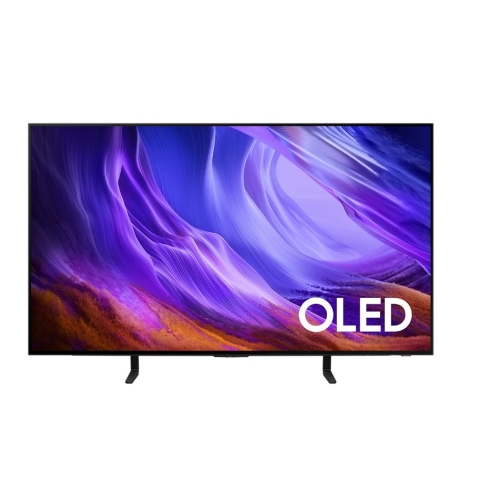

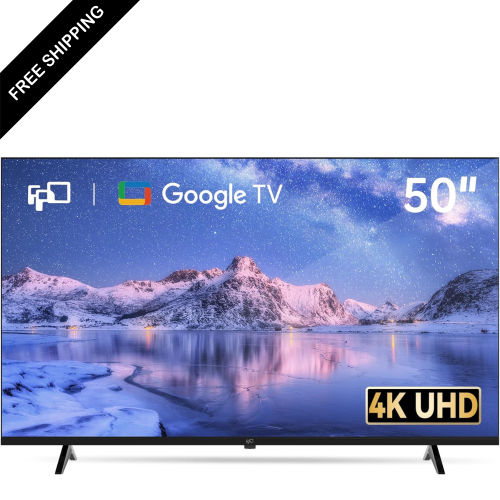
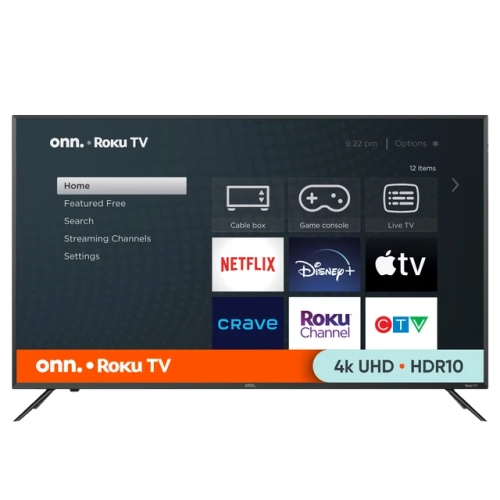
An engaging picture without overwhelming your living space
48-inch TVs bring a substantial picture to rooms where a larger screen could overwhelm the furniture or leave too little space around a media unit. With a diagonal measurement of approximately 122 cm, this size suits apartment living rooms, bedrooms, dens, and dedicated gaming spaces. A typical 16:9 screen is about 106 cm wide and 60 cm high before the bezel and stand are included, so the television’s full dimensions matter more than the screen measurement alone. Stand width, cabinet depth, and clearance beneath the screen can determine whether a setup feels comfortable or crowded. On a narrow console, widely spaced feet may be less practical than a central pedestal, while a wall-mounted installation can keep the surface below clear. The mounting pattern, television weight, wall construction, and suitable hardware all affect that arrangement. Seating distance also shapes the experience: around 1.5 to 2 metres can be a useful starting range for a 48-inch 4K screen, with personal comfort and the type of content influencing the final position. Subtitles should be easy to read without making a fast-moving match feel overwhelming from the sofa. Screen height deserves similar attention, particularly in a bedroom where the viewing position may be reclined rather than upright. A position near seated eye level generally feels more natural than a screen mounted high above the furniture. Where a cabinet opening or desk leaves less room, 42 inch TVs offer a smaller alternative, although comparing the complete dimensions remains important. For a shared household, a 48-inch television can serve as the main screen for films, streaming, and sports; in a larger home, it can provide a separate place for gaming or quiet evening viewing. Its appeal is the combination of a clear, engaging picture and a footprint that still leaves room for everyday living.
Picture quality within the 48-inch TV category depends on panel technology, image processing, and the light falling across the screen. OLED panels use individually controlled pixels, allowing dark areas to remain dark beside bright details such as a streetlamp in a night scene. That precise light control can give films convincing depth and help prevent a pale glow around subtitles against a black background. LCD-based displays use a backlight, with contrast and light control varying according to the panel and backlighting system. Neither a resolution label nor a picture-mode name tells the whole story. A 4K display contains 3840 by 2160 pixels, providing fine detail when the source material supports it, but lower-resolution broadcasts still depend on processing to look clean. Faces, textured clothing, and the grass on a playing field can reveal differences in how naturally a television handles sharpening and noise reduction. HDR support adds another consideration, since compatible content can retain more detail in bright highlights and dark scenes when the screen has the performance to reproduce it. Format support, brightness, colour accuracy, and room reflections all contribute to the result. A screen opposite a large window faces different demands from one used mainly with controlled lighting, and a reflective finish may show a lamp even when the picture itself is sharp. Wide viewing angles are useful when people sit across a sectional rather than directly in front of the screen. For sports and gaming, a native 120Hz refresh rate can improve motion clarity with suitable content, while compatible 4K gaming at 120 frames per second requires support throughout the connection. Variable refresh rate can reduce screen tearing, and a low-latency game mode helps keep controls responsive. These capabilities vary by television and input, so they are separate considerations rather than automatic benefits of choosing a 48-inch screen. Film viewing, meanwhile, benefits from natural motion and restrained processing that preserves the intended look without making every scene appear unusually smooth.
Everyday convenience often comes down to connections, sound, and the way a television fits into established habits. Enough HDMI inputs can keep a game console, television receiver, and other playback equipment connected without frequent cable changes. An HDMI connection with eARC support can carry compatible audio to a soundbar or receiver, though the supported formats and connected equipment still matter. Built-in speakers may be sufficient for casual viewing, while clearer dialogue or fuller sound can be valuable in an open living area. Space beneath the screen matters if a soundbar would otherwise cover the lower picture edge or block the remote-control sensor. Smart TV features should also suit the household’s preferred streaming services, with an interface that makes familiar apps easy to reach. Wi-Fi provides flexible placement, while a wired network connection can be useful where wireless reception is inconsistent. Accessibility features such as captions, voice guidance, and adjustable text can make daily use more comfortable, particularly when several people share the screen. Physical construction deserves attention as well: thin panels need careful handling, and a substantial stand or correctly installed wall mount helps keep the television secure. Cable routing should leave connectors free from strain and keep cords away from busy walkways. In homes with children or pets, an appropriate anti-tip restraint adds protection for a freestanding setup. Long-term care is usually straightforward, but the screen coating needs a gentle approach. Cleaning generally means following the manufacturer’s directions, using a clean microfibre cloth, and keeping liquid from running into the frame; abrasive cleaners and firm pressure can damage delicate surfaces. Ventilation openings also need clearance rather than being pressed against cabinet walls or covered by decorative objects. With OLED screens, prolonged static graphics deserve attention, and built-in panel-care features should be allowed to operate as intended. A well-positioned 48-inch TV, paired with suitable connections and thoughtful handling, can feel equally at home showing a dialogue-heavy drama, a closely contested game, or a familiar series shared from the sofa.
Top selling and popular products
-
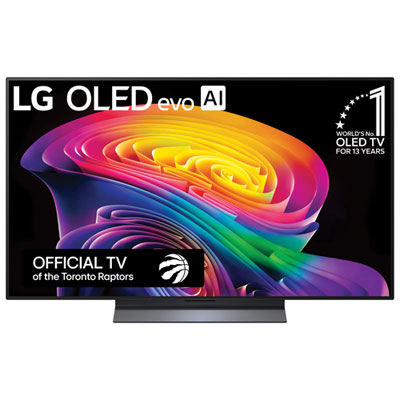 Your price for this item is $1299.99
-
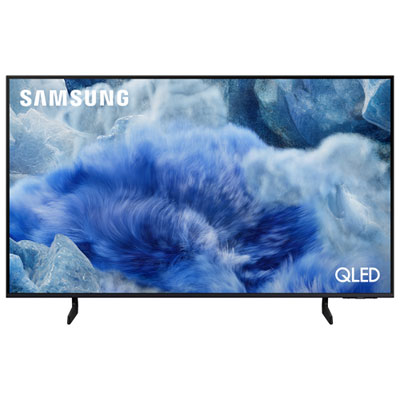 Your price for this item is $712.95
-
 Your price for this item is $369.99
-
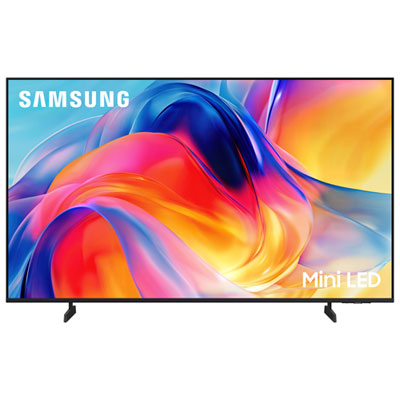 Your price for this item is $429.99
-
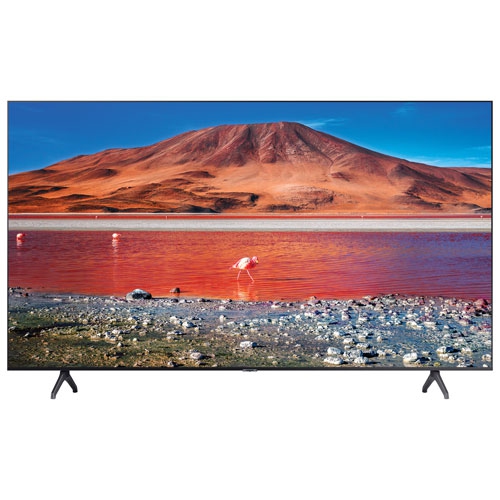 Your price for this item is $449.99
-
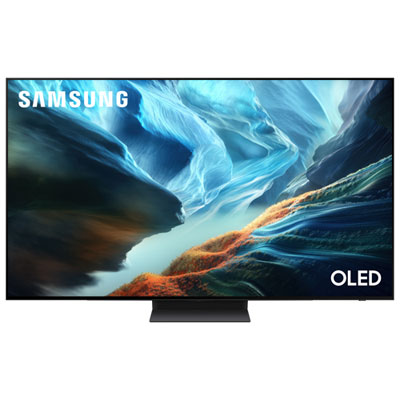 Your price for this item is $1299.99
-
 Your price for this item is $339.99
-
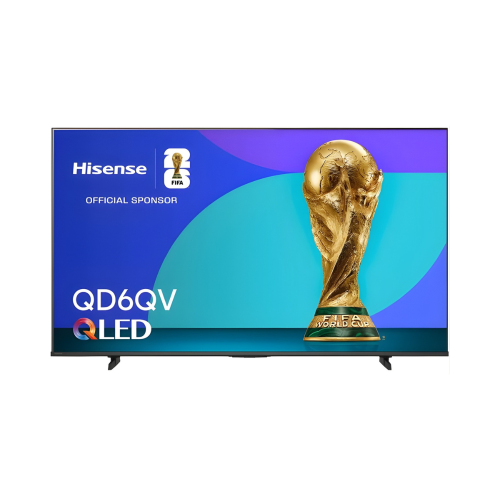 Your price for this item is $289.99
Discover more categories related to 48 Inch TVs
Top Collections:
Best Black Friday Deals This Year, Best Black Friday Deals On Electronics, Kindle Devices, Pokemon Centers, Best Black Friday Deals On Apple Products, Best Cameras for Sports Photography, Dyson Airwrap, Pokémon 30th Celebration Cards, Apple iPhone 17 Pro, Canon G7X Cameras
Some products may be subject to Environmental Handling Fees
(EHF) depending on your province.
Learn more about EHFs.