Balanced Xlr Cables
When it comes to audio quality, every detail matters. That's why having the right cables is essential for any sound enthusiast or professional. Balanced XLR cables are a must-have for connecting microphones, mixers, and other audio equipment. Designed to minimize interference and deliver pristine sound, these cables ensure a clean and balanced signal transfer from source to destination. Whether you're setting up a home studio, organizing a live performance, or simply upgrading your existing gear, finding the perfect balanced XLR cables is crucial for achieving optimal audio clarity and precision. At Best Buy Canada, we offer a wide selection of high-quality balanced XLR cables that will elevate your audio experience to new heights.
Sort


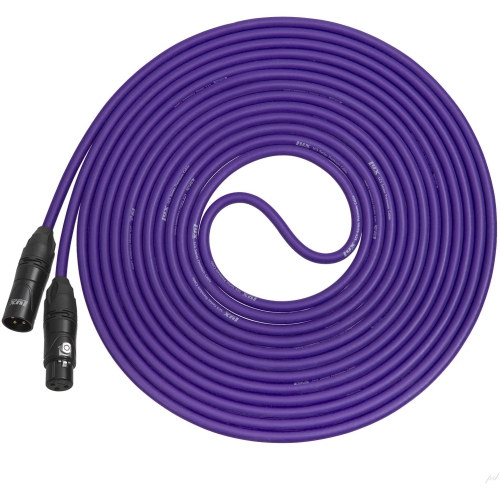

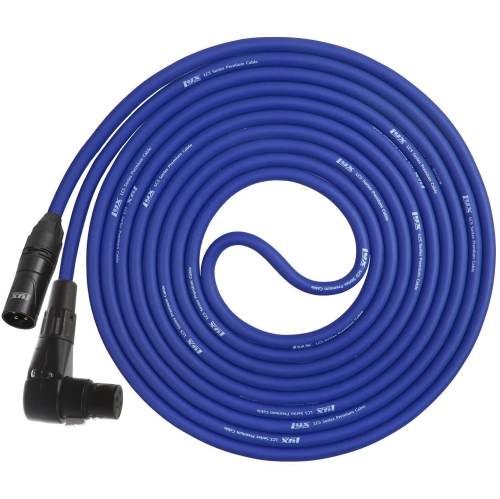

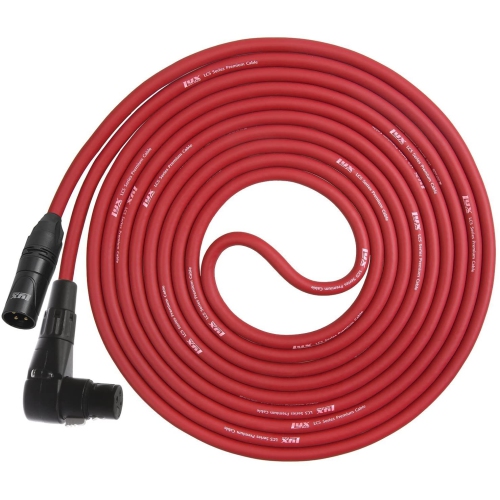

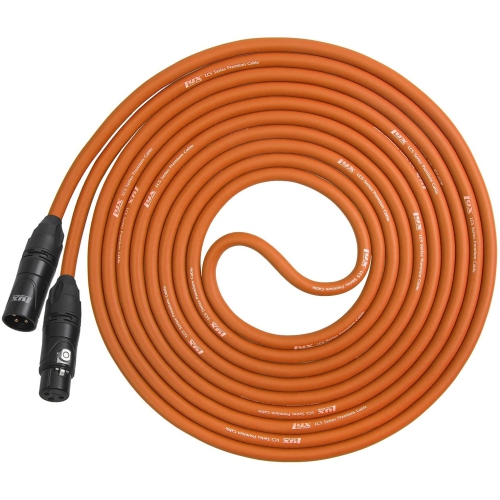
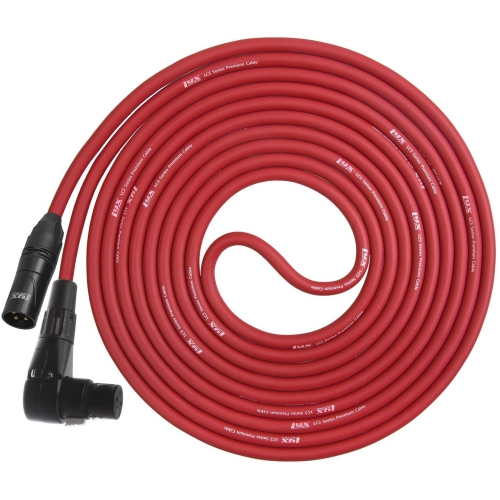
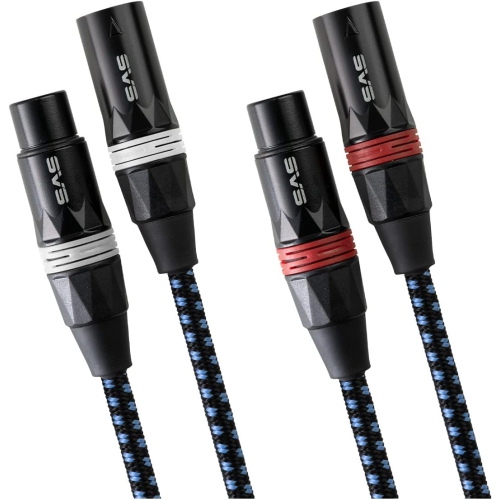
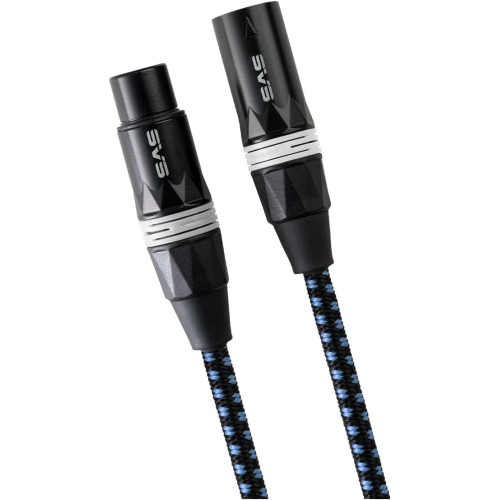
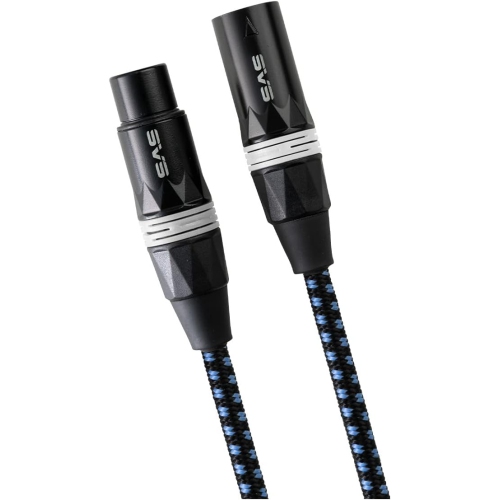
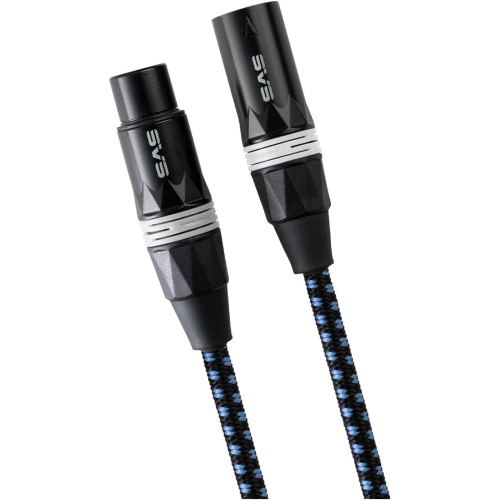
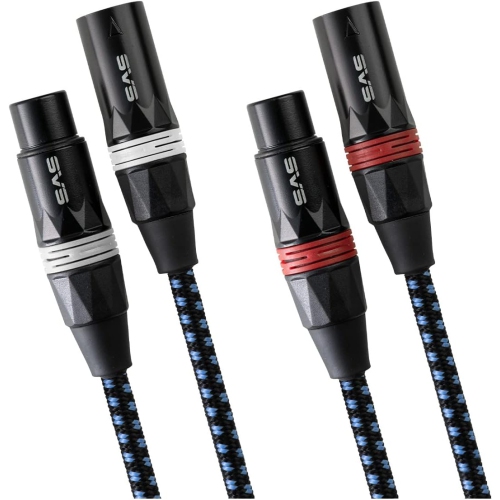

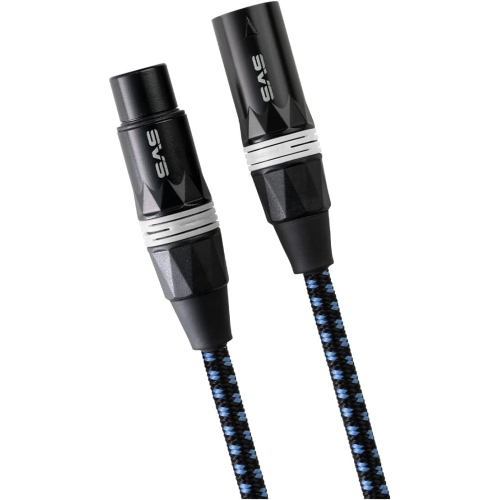
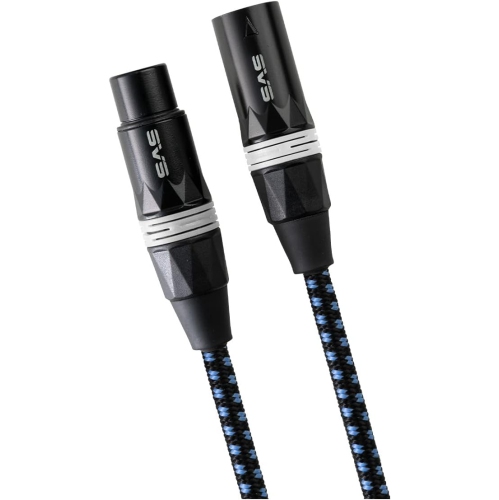

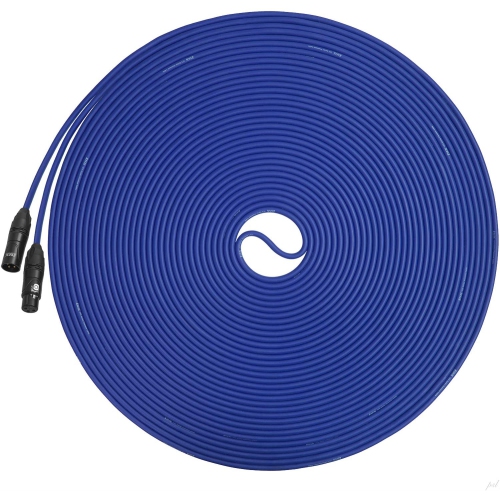


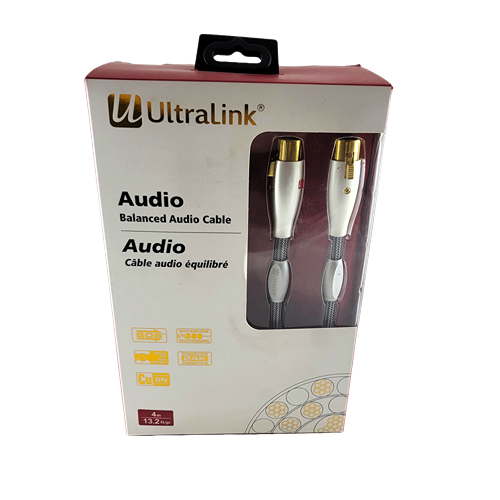

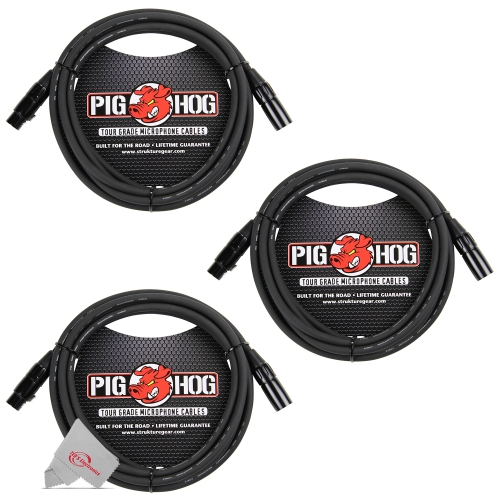
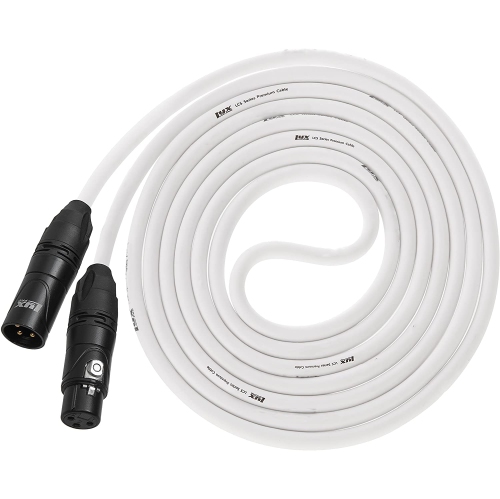
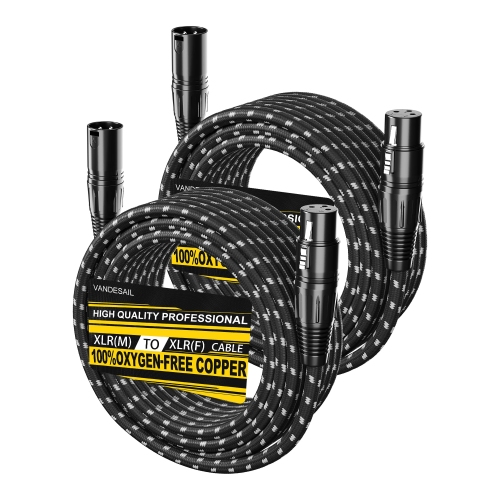
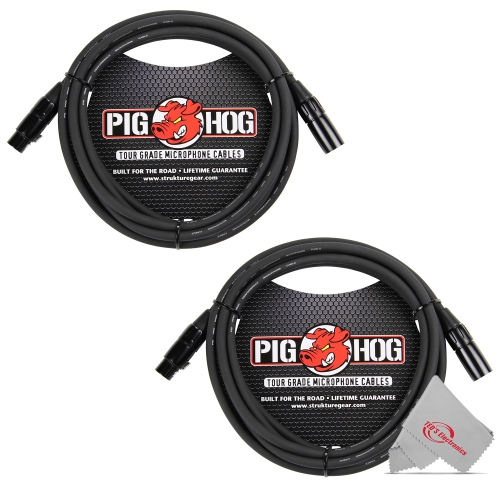
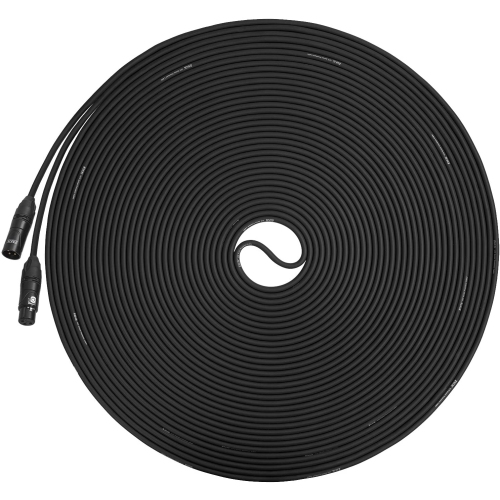
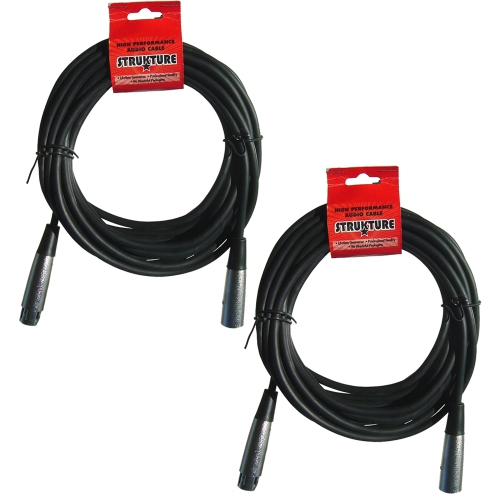

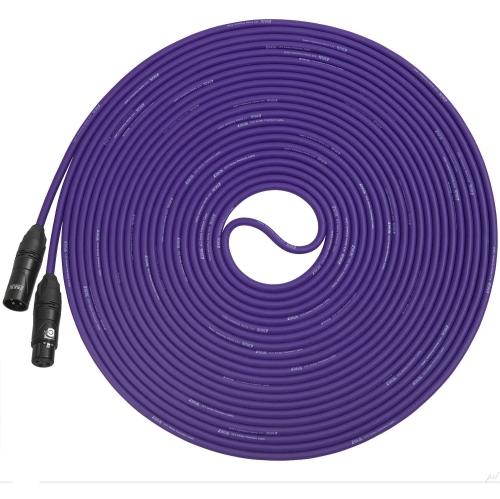
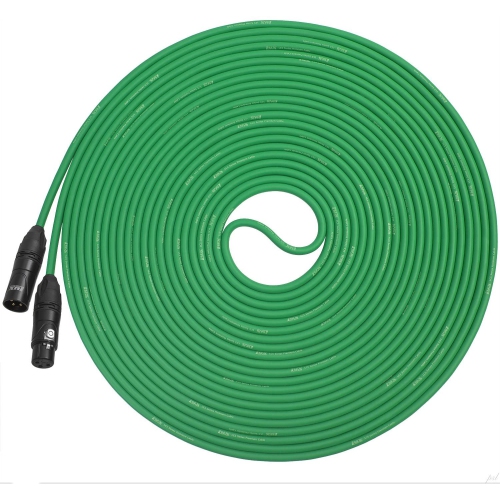

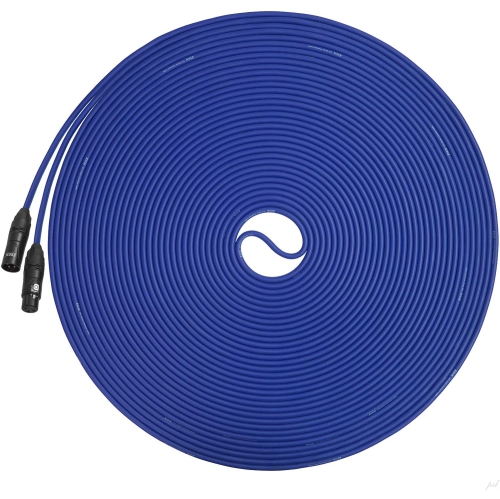
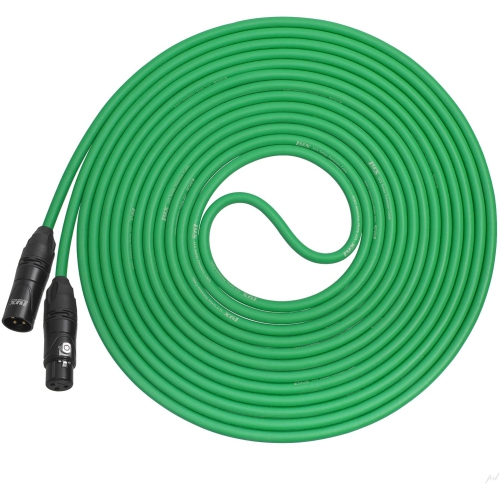
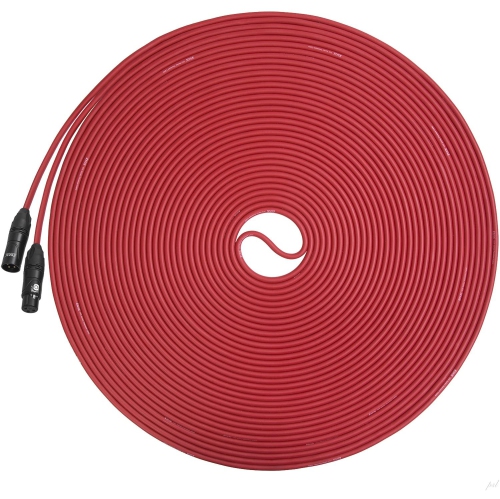
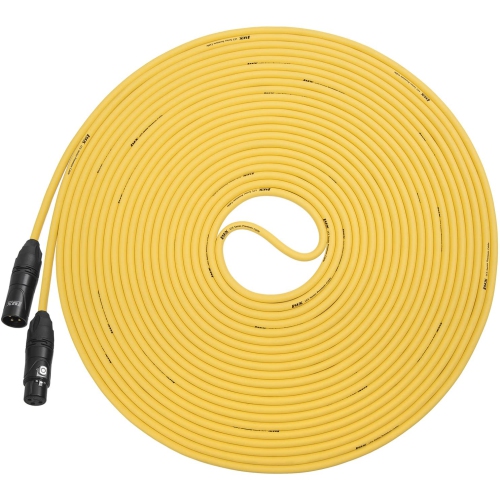
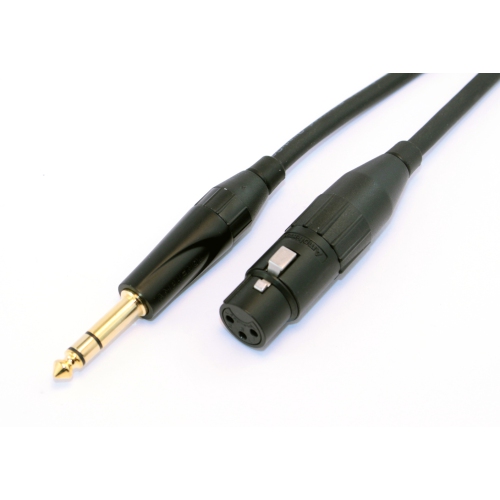
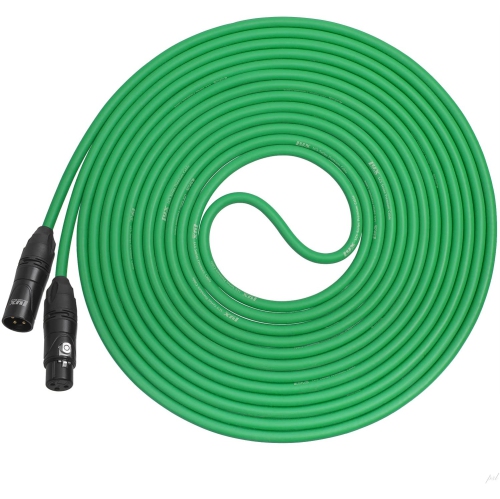
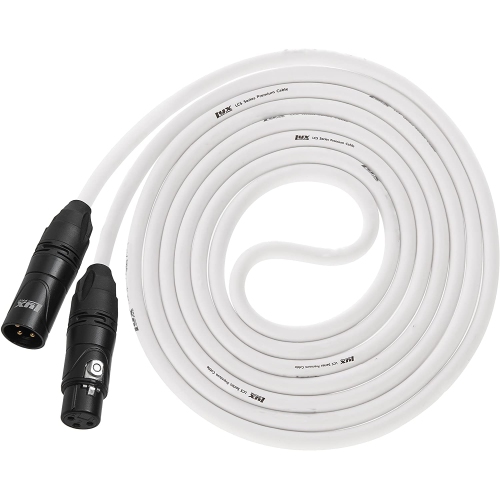
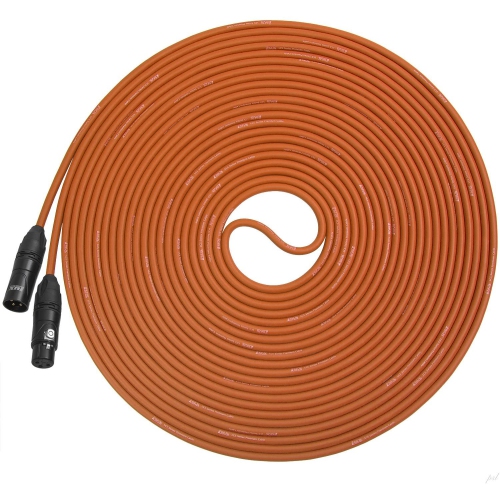
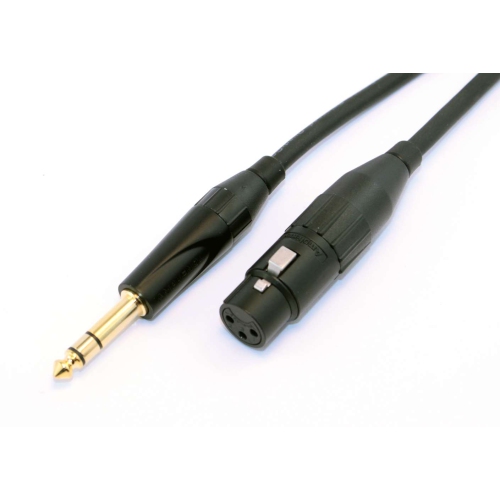
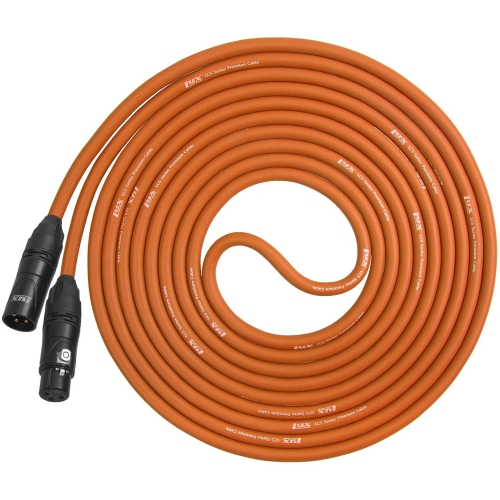
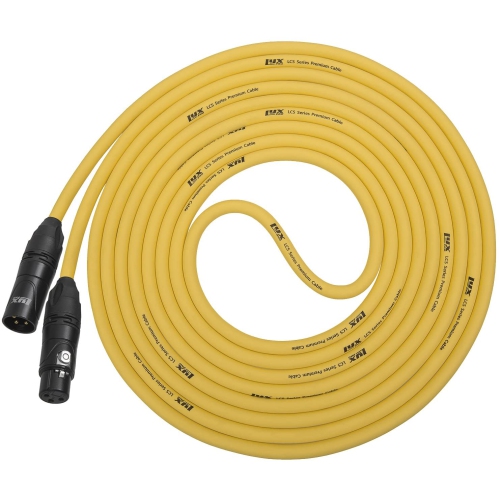
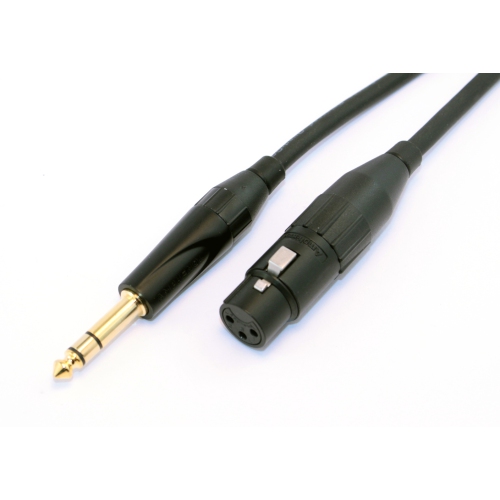
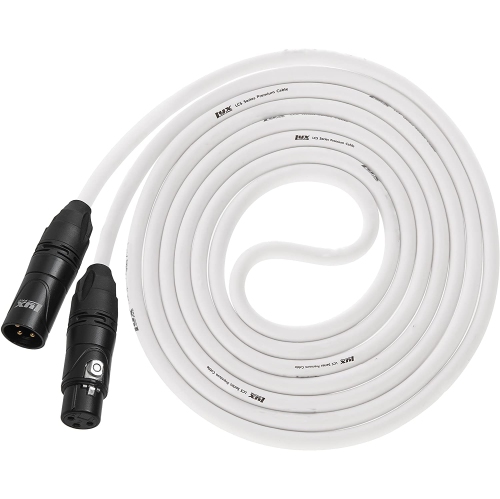


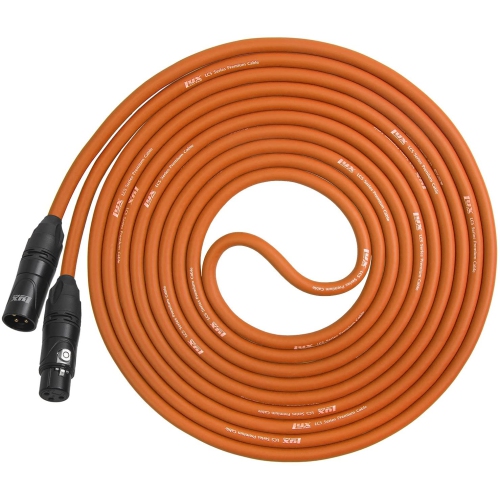
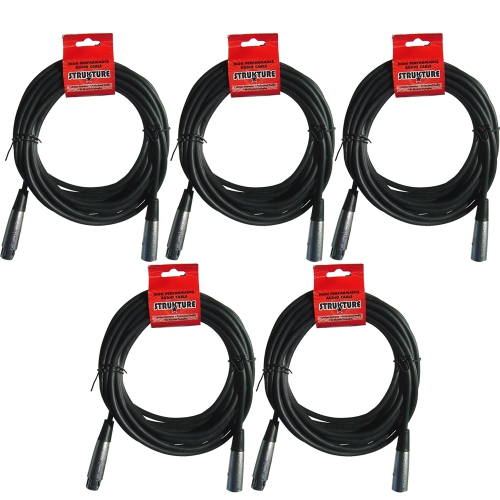
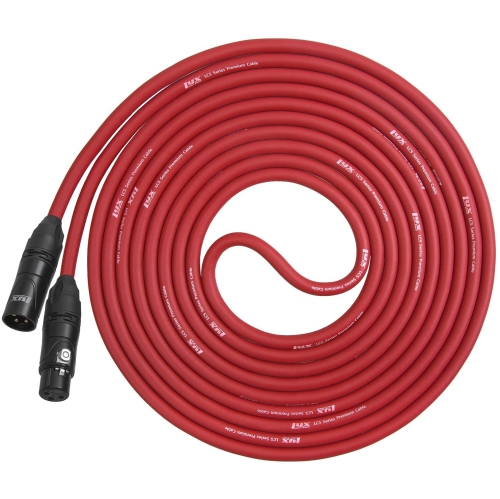
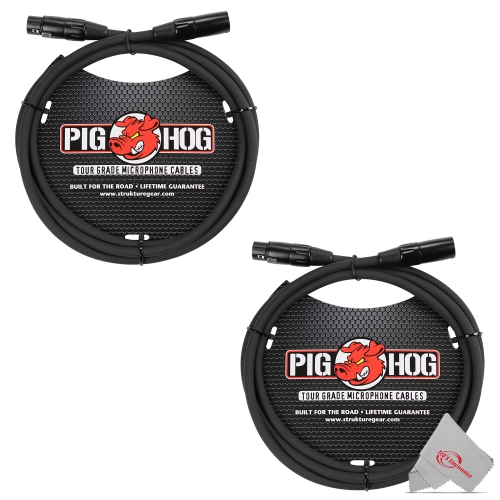
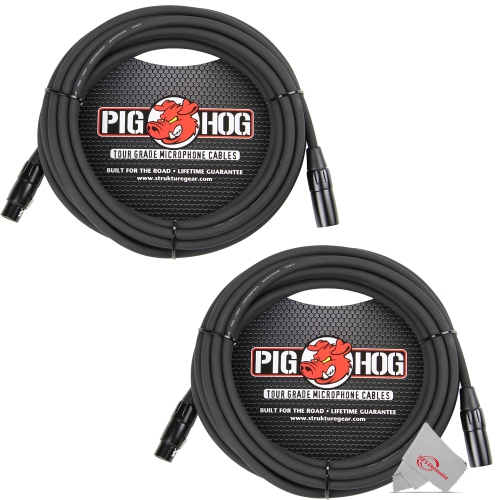

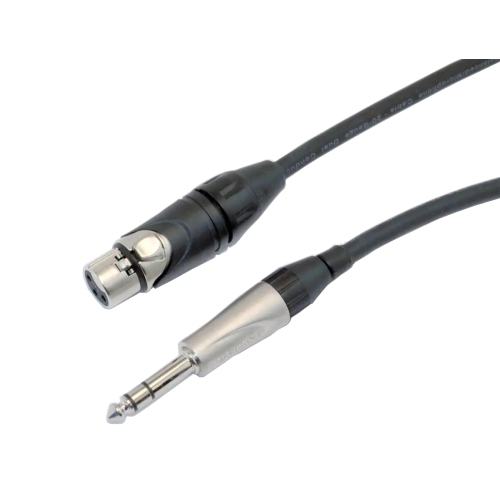


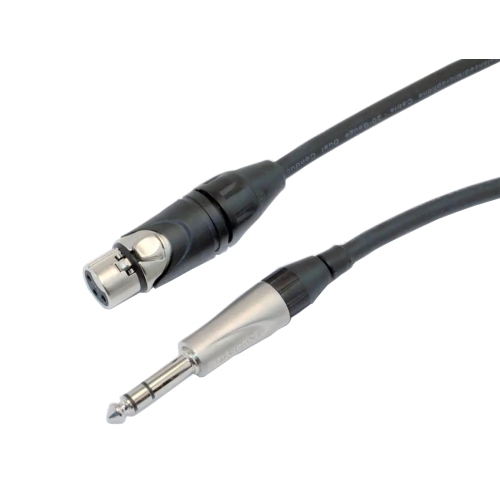
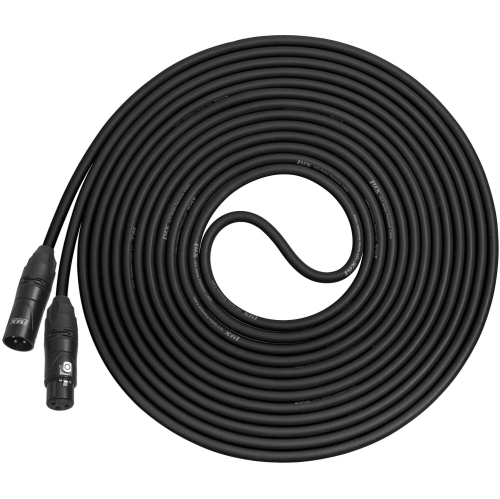
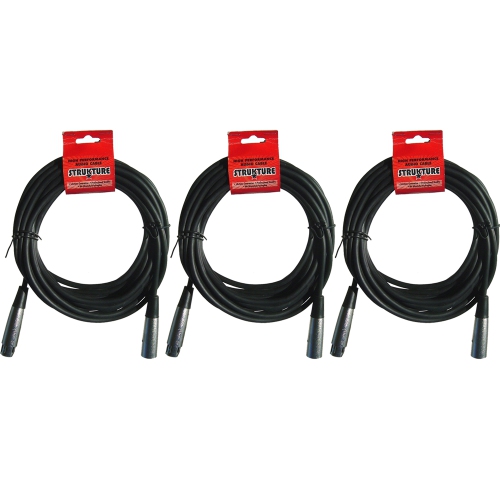
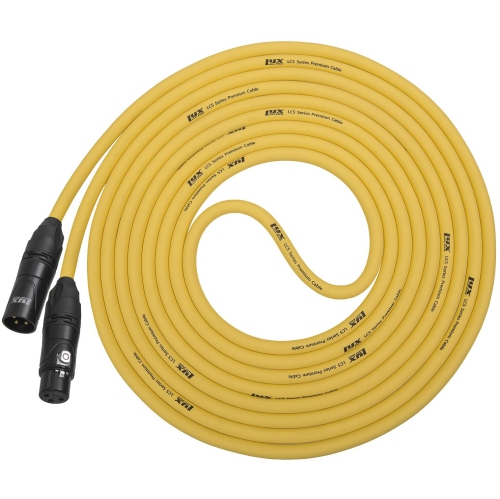
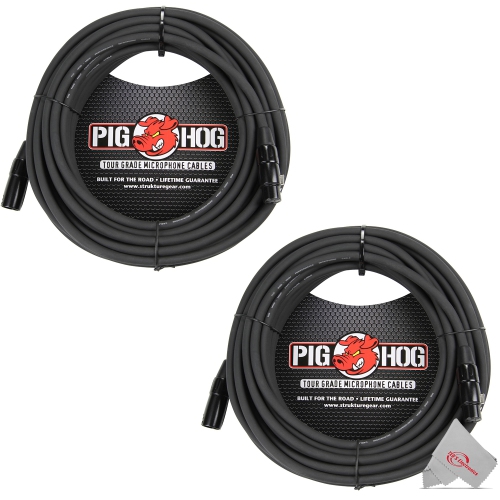
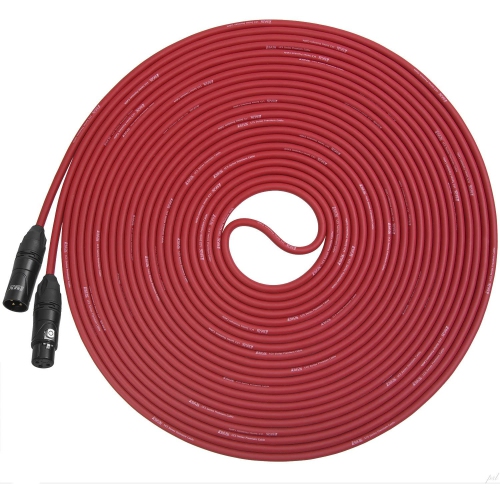
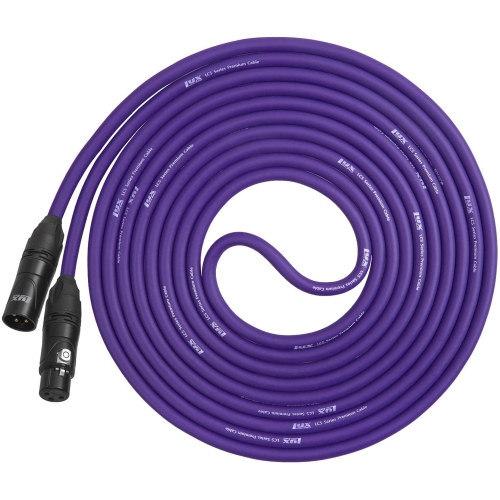
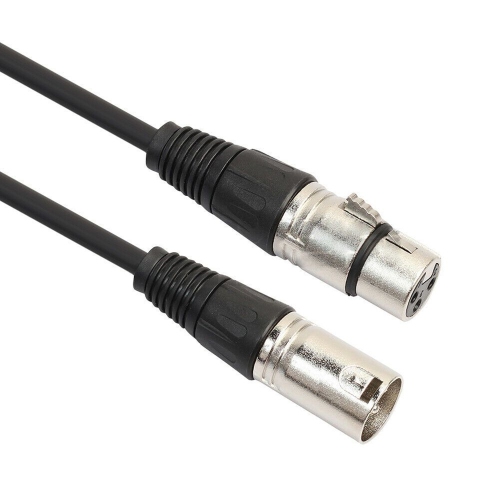
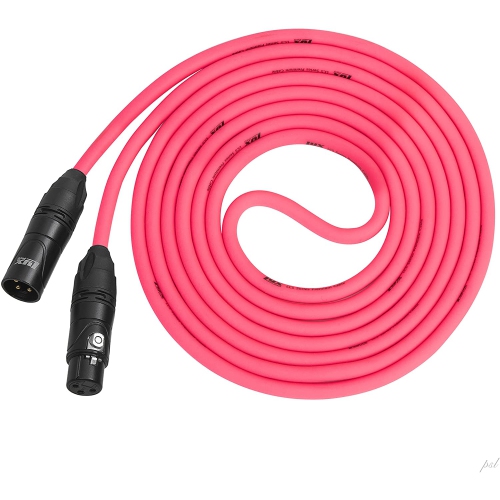


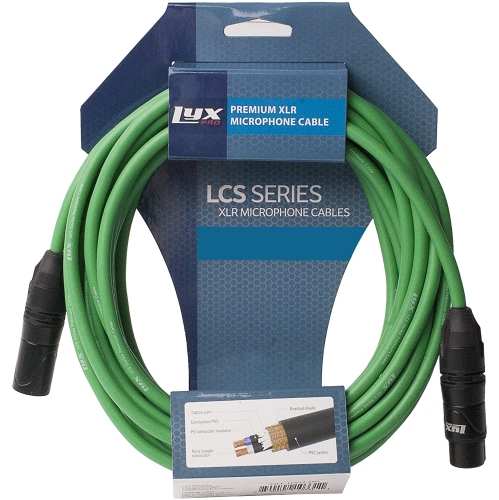
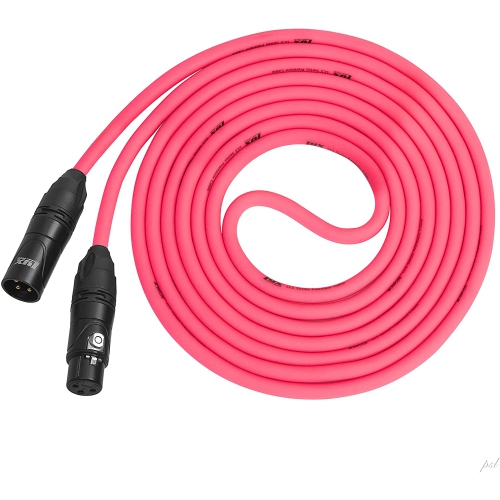
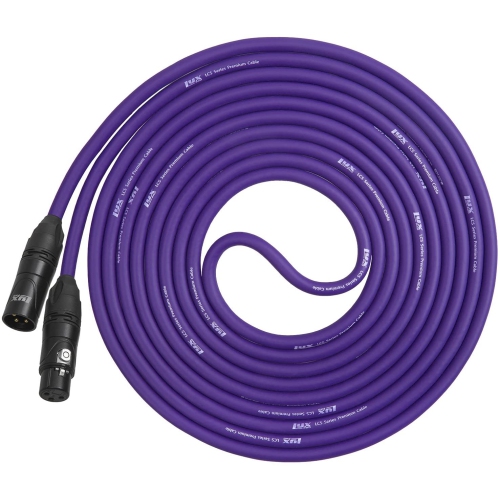

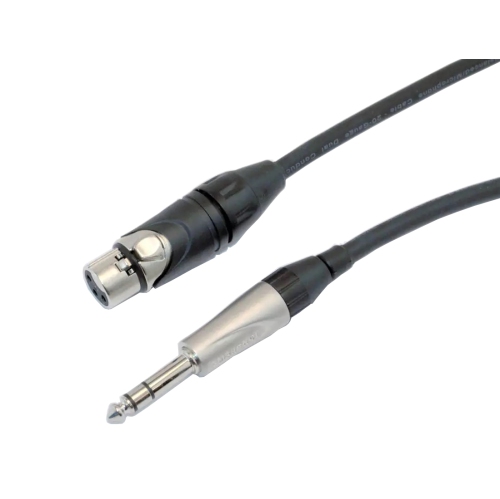
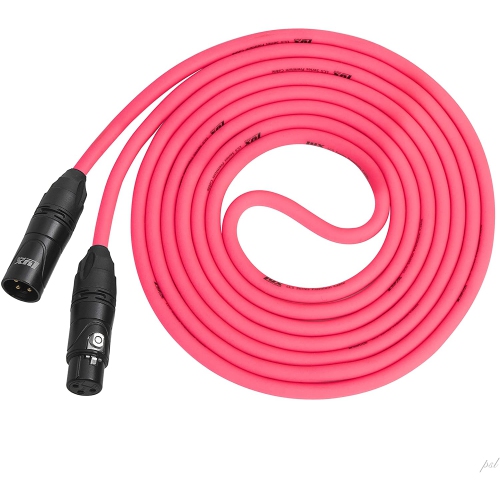


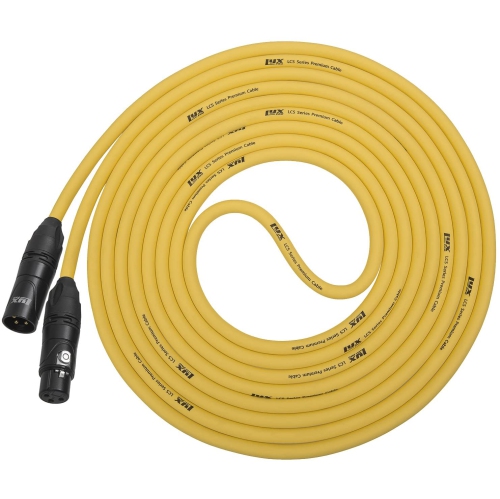
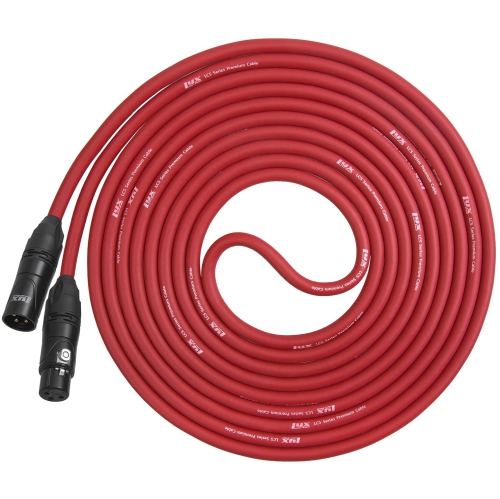
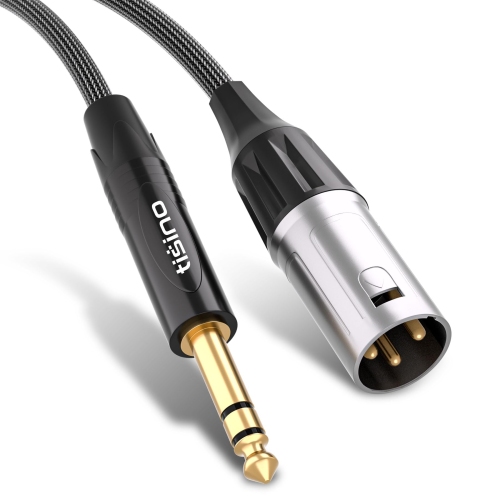
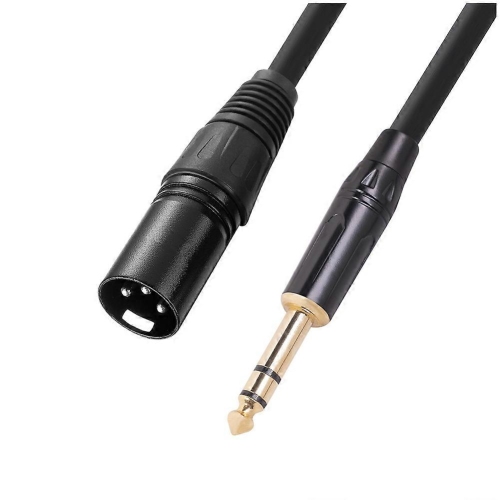
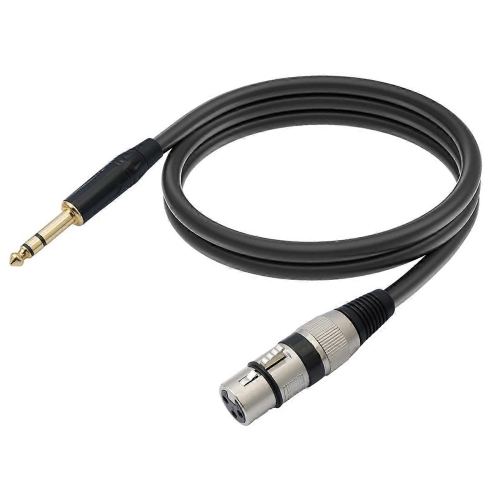

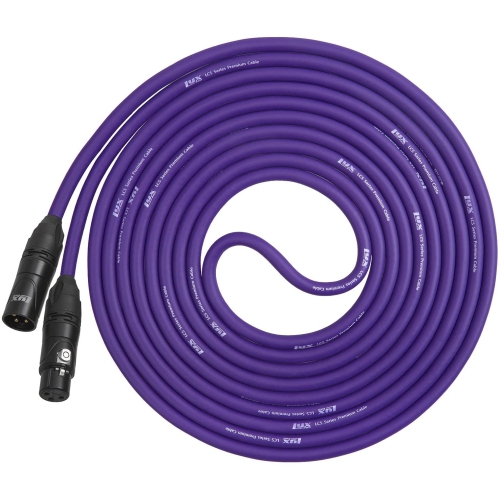


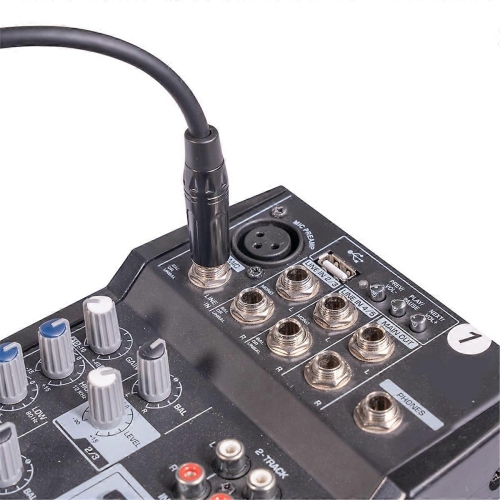
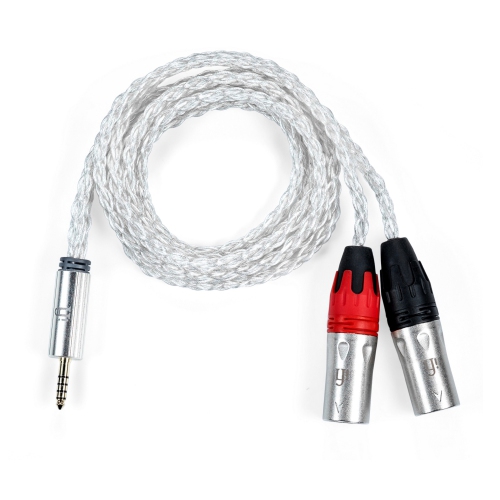
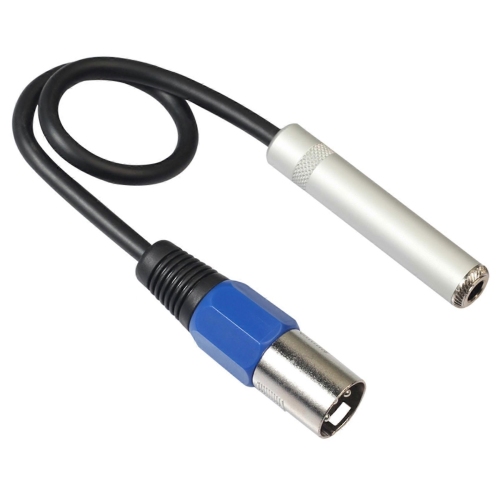
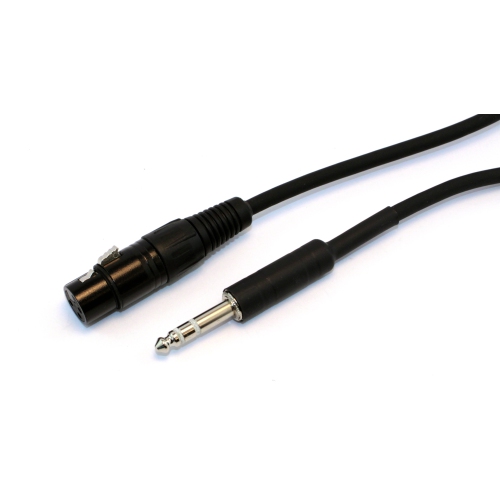
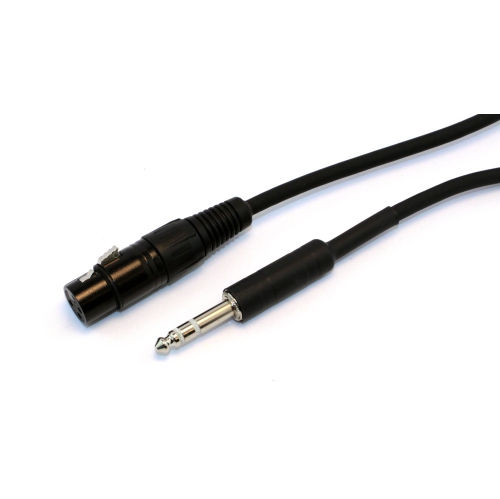
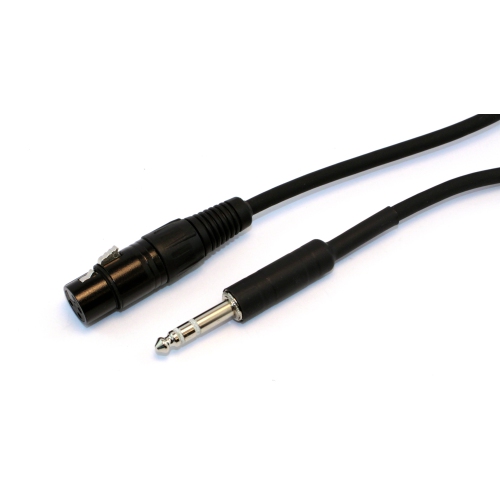
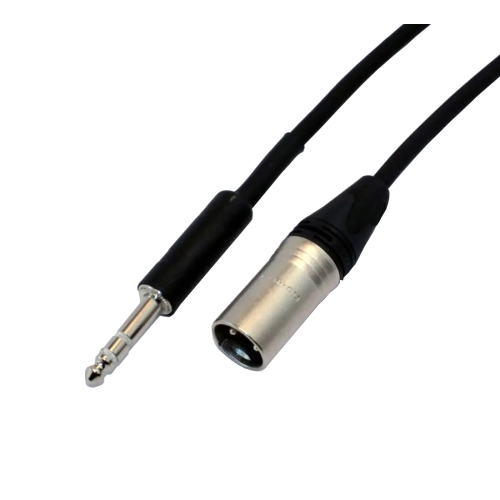
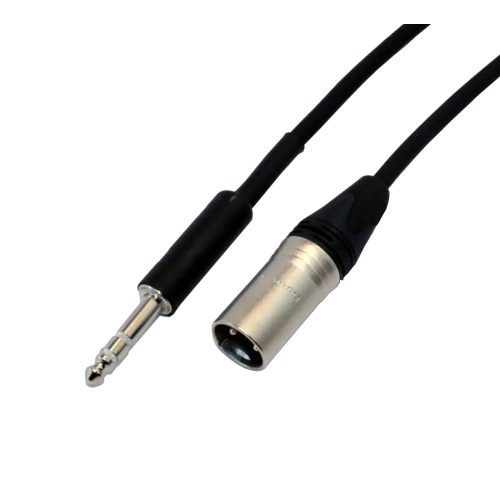
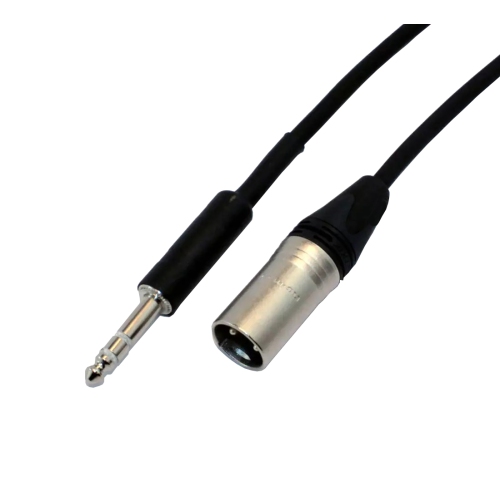
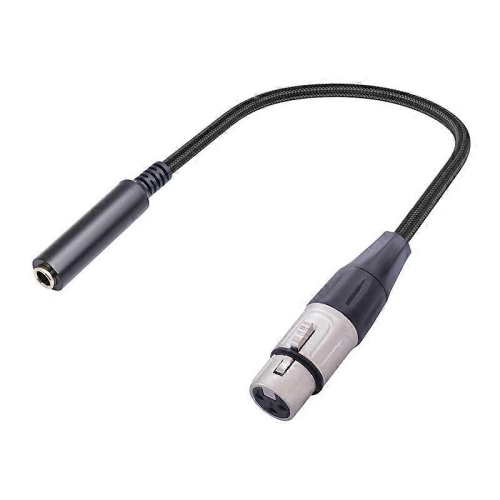
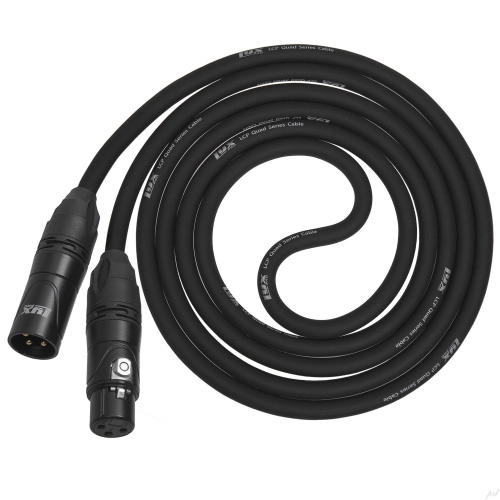
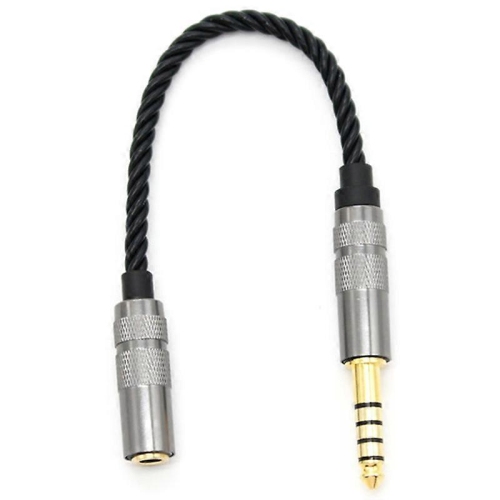

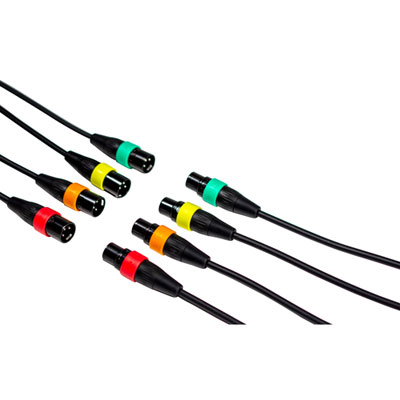






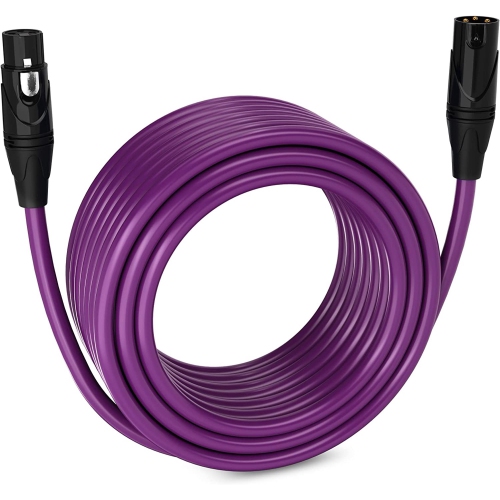

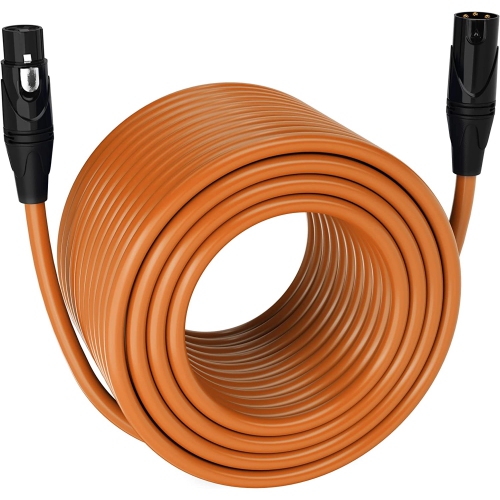

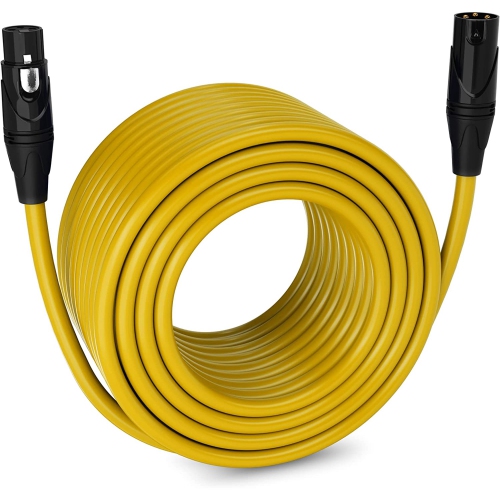
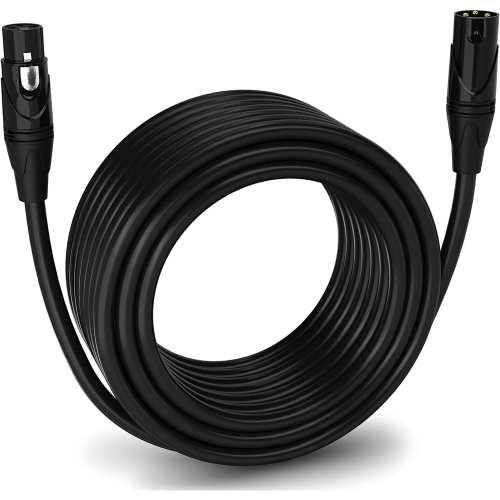





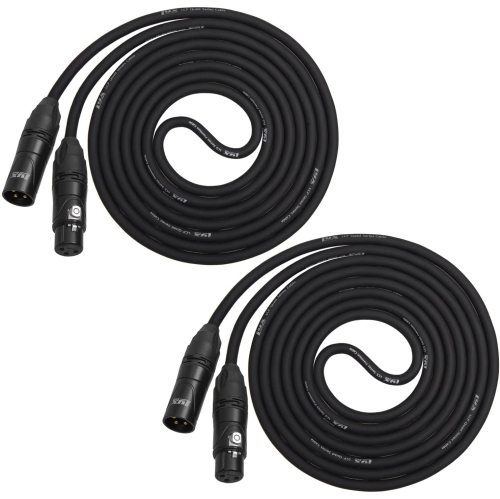

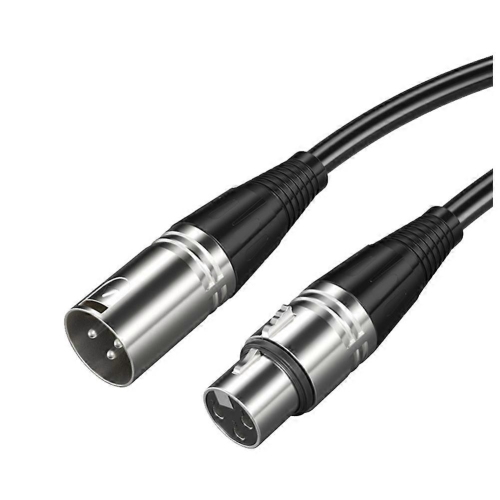
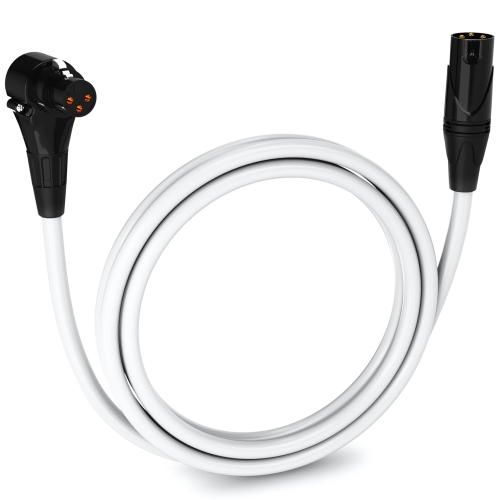

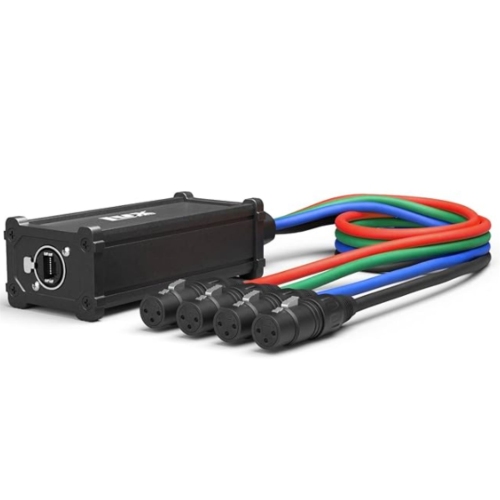
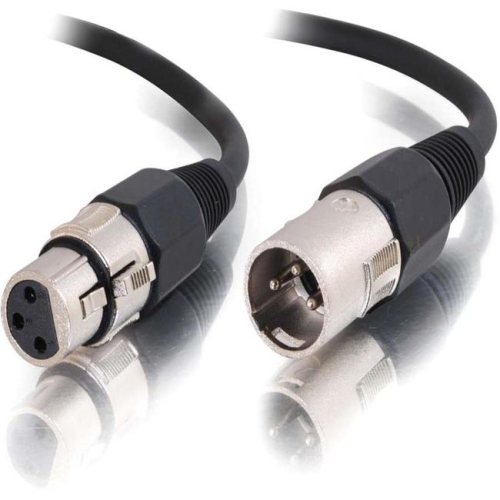
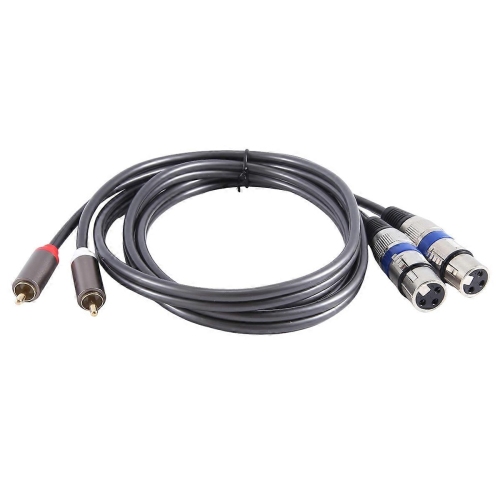
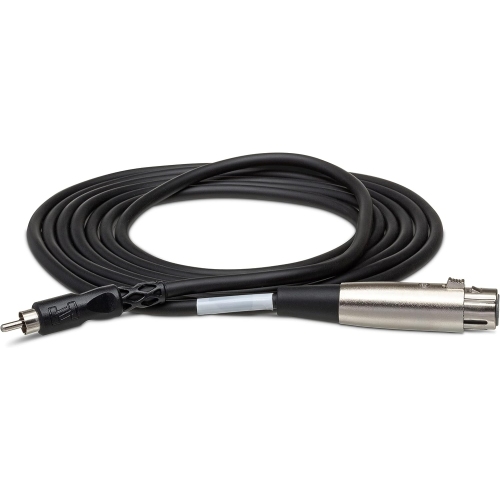
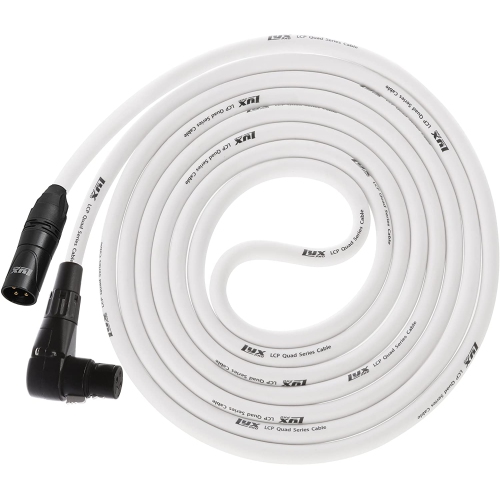
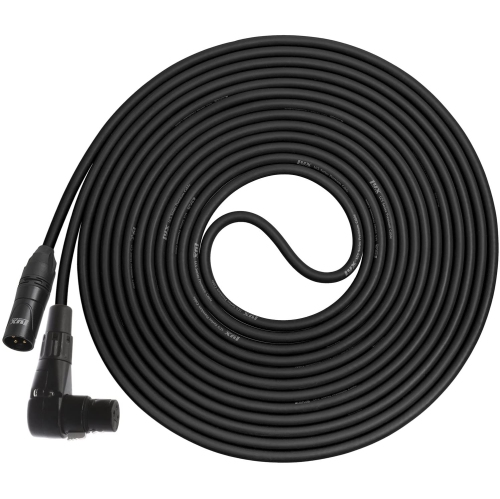
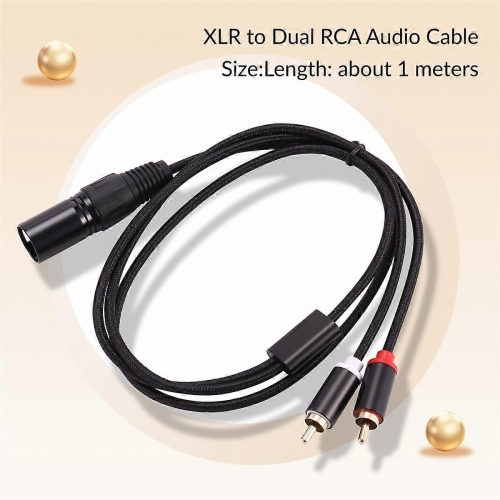
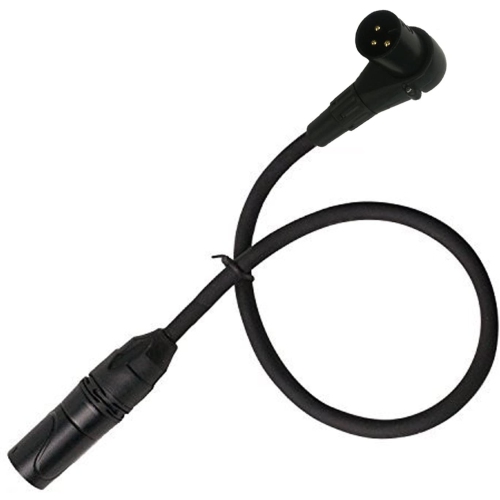
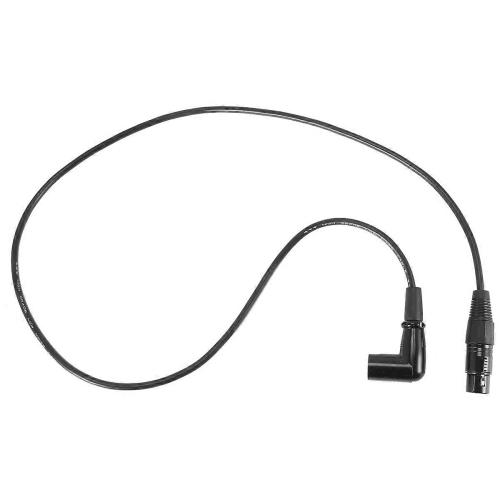
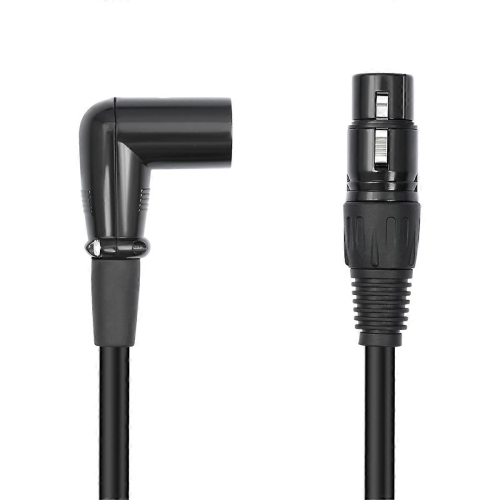
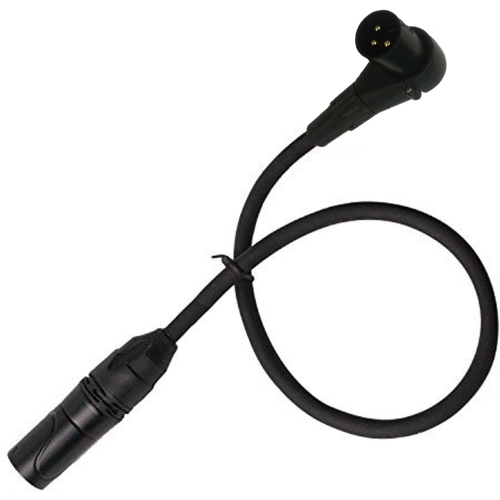

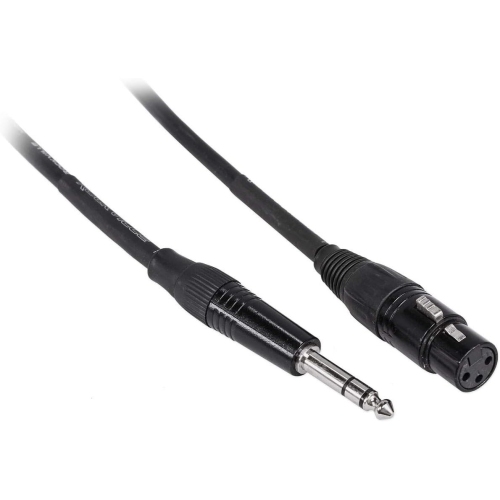

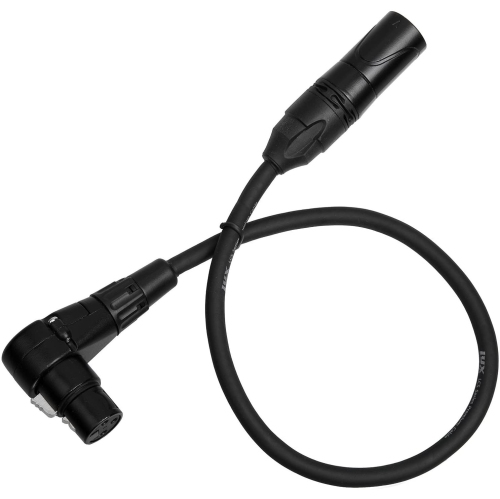

How balanced connections help reduce hum and buzz
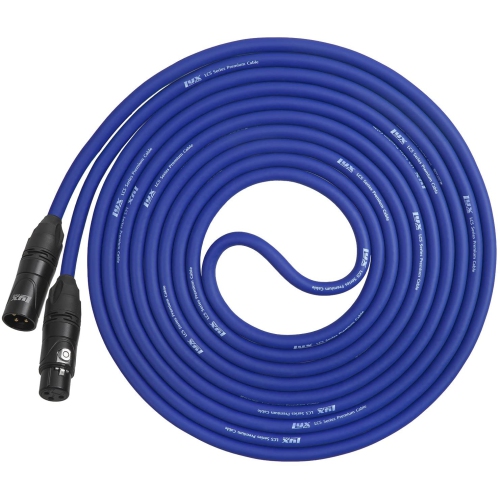
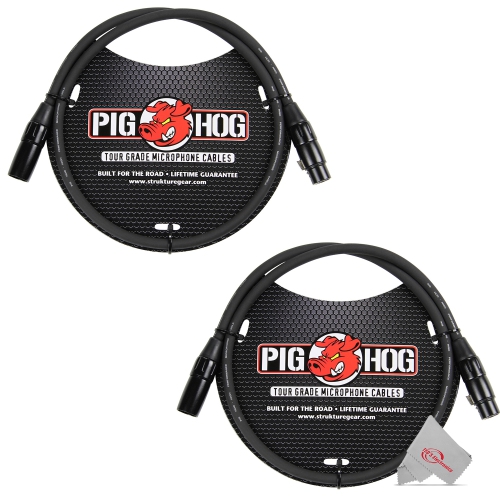
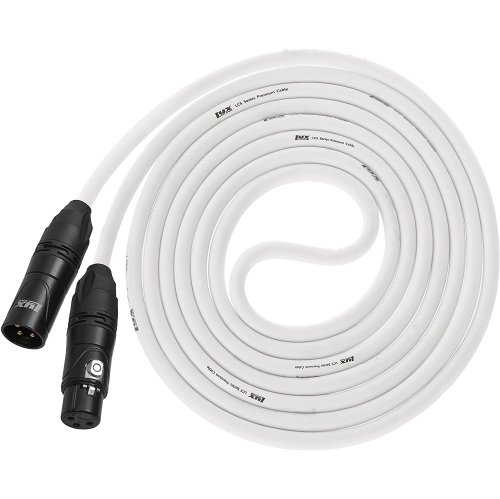
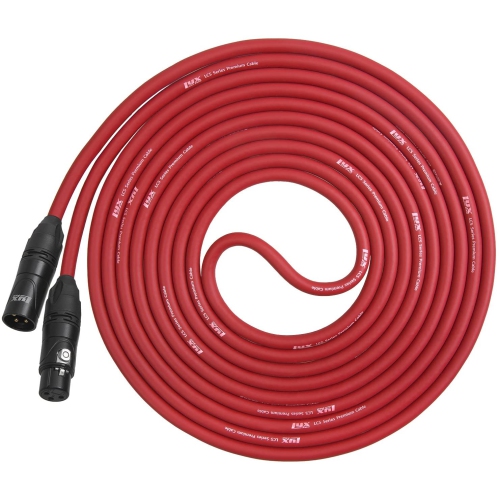
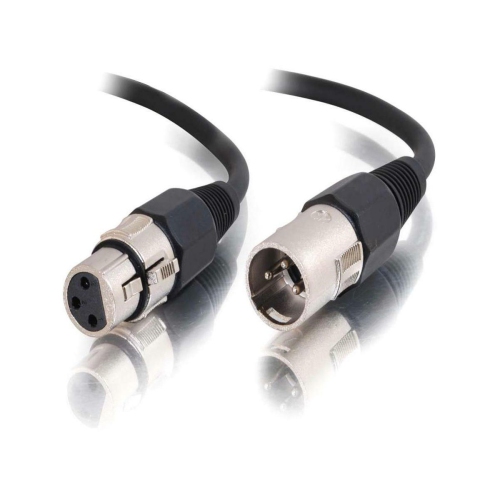
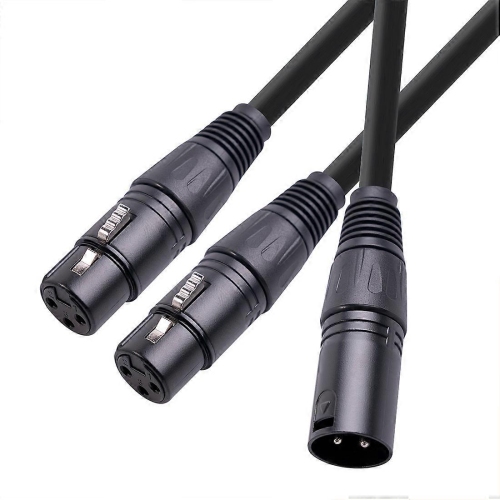
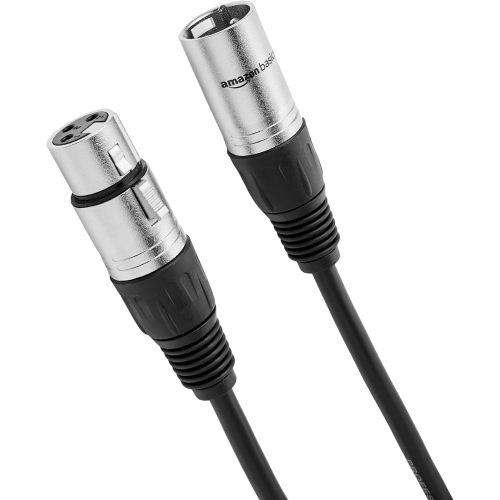
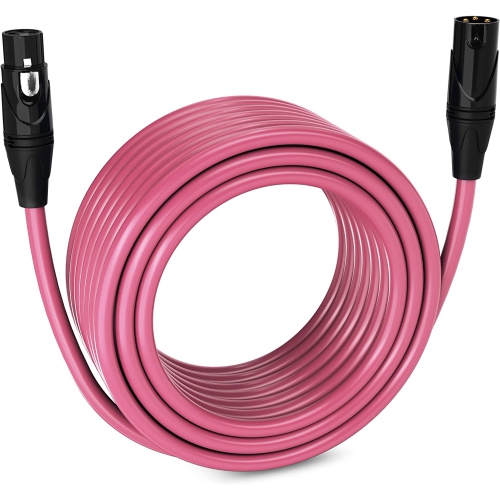
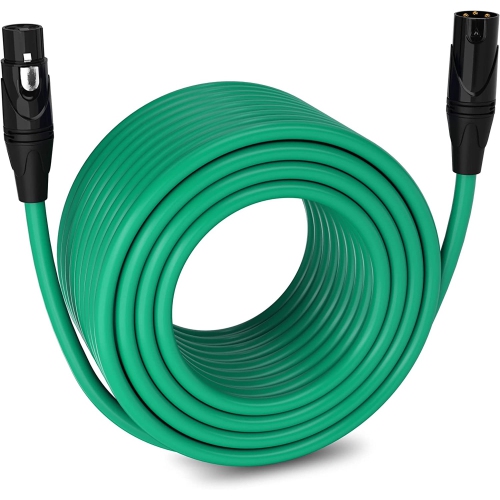
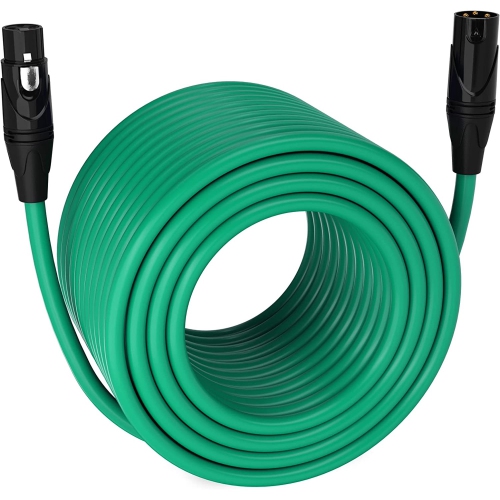
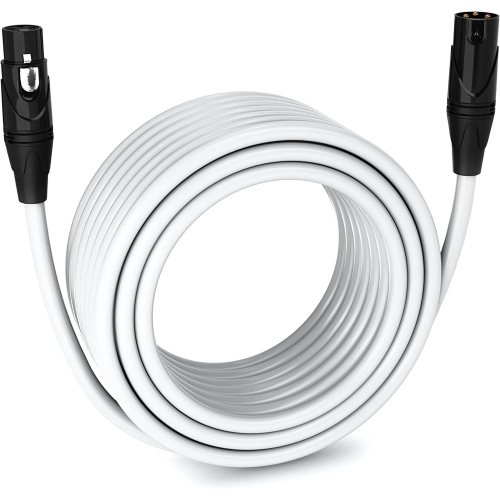
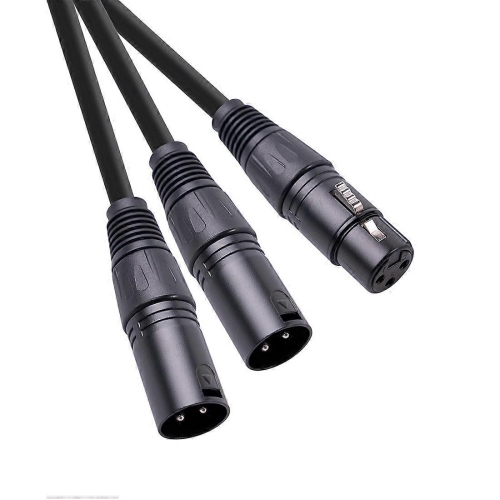
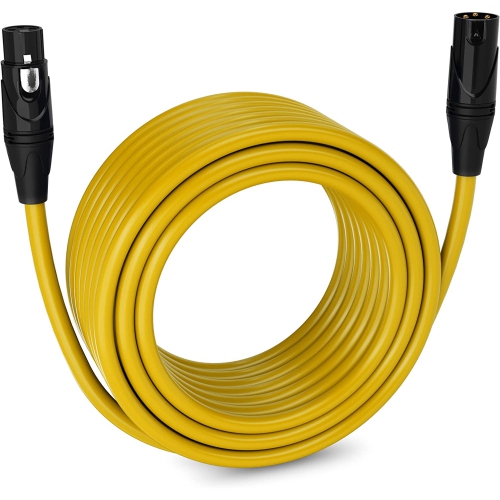
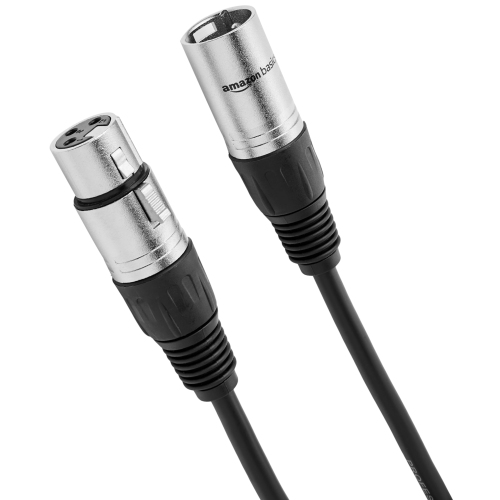
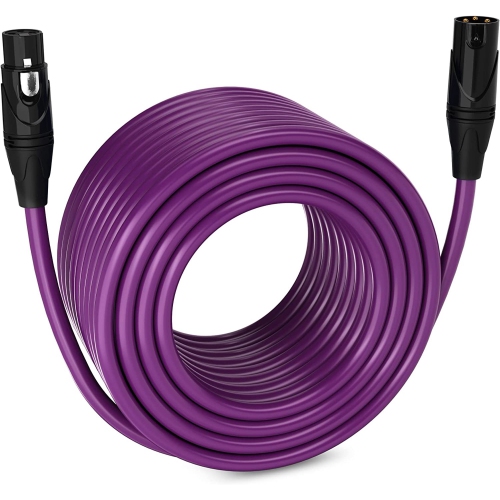
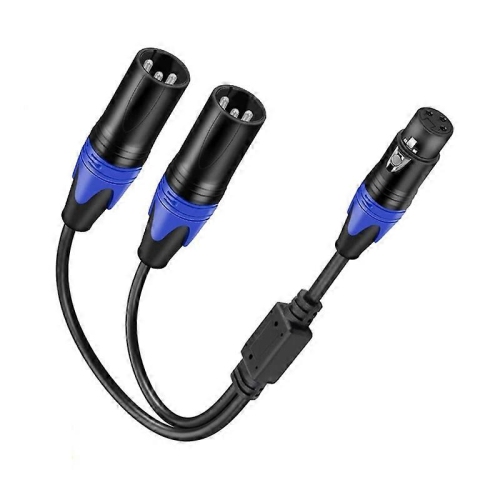
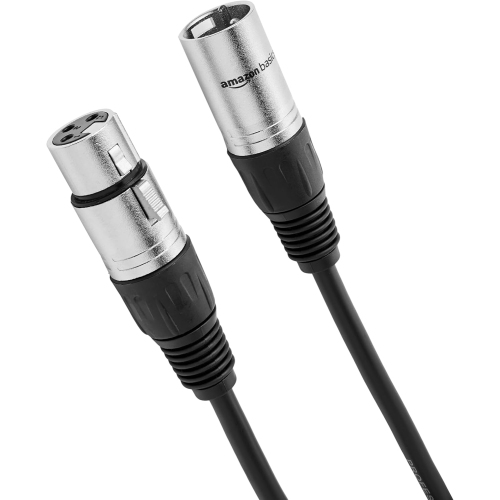
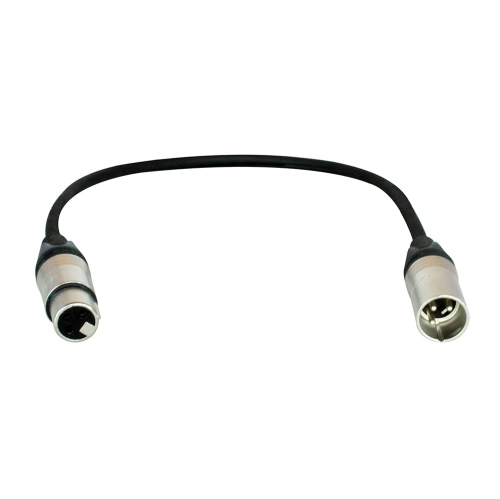
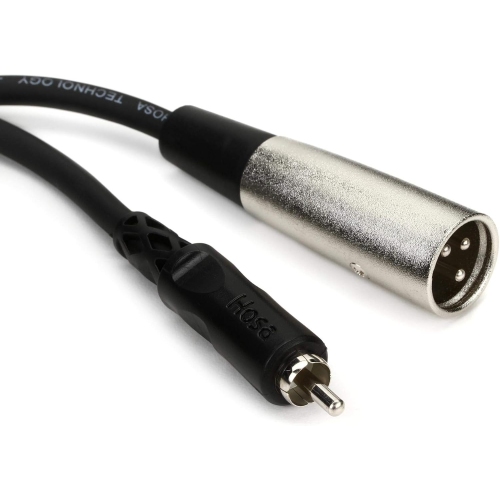
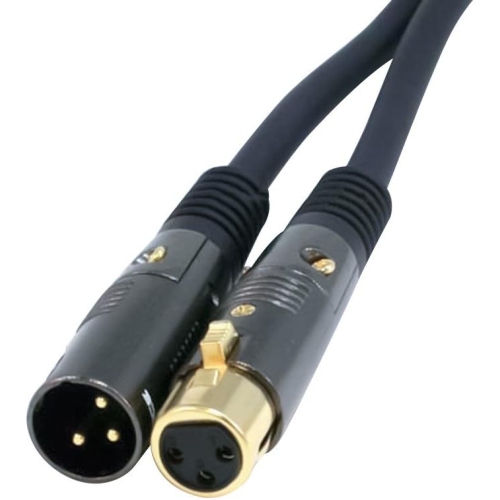
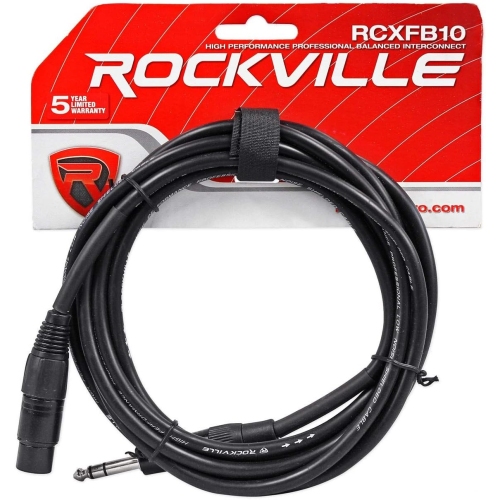
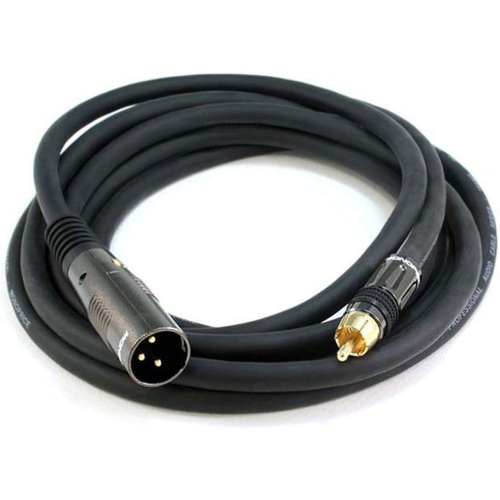
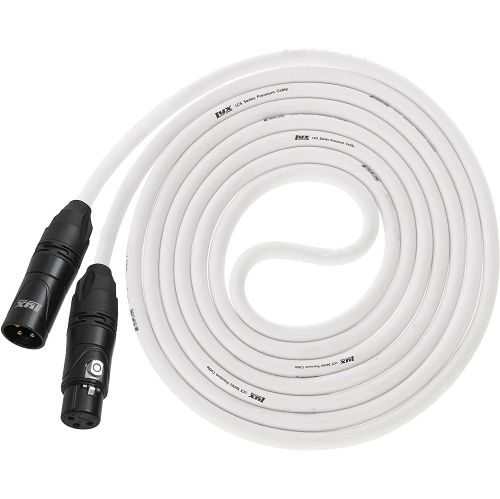
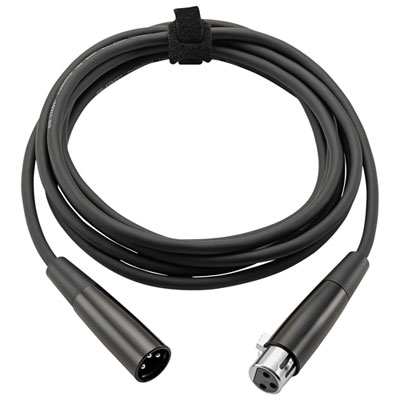
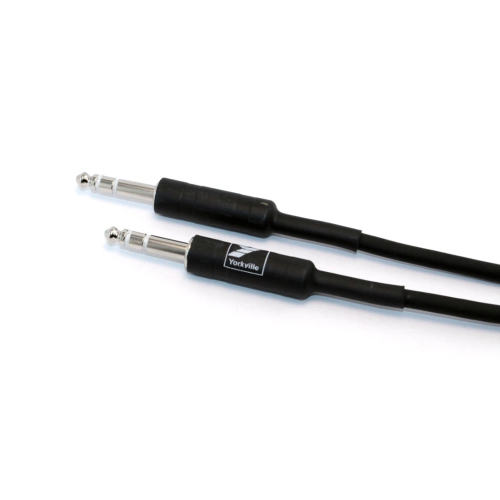
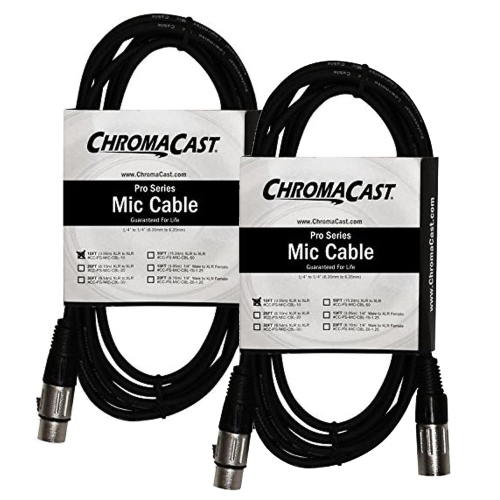
Balanced XLR cables carry analogue audio between compatible microphones, mixers, audio interfaces, preamps and powered loudspeakers while helping reduce unwanted electrical interference. A typical balanced XLR audio cable has three pins: one for the shield or ground connection and two for the audio signal conductors. In a balanced connection, those two conductors have matched impedance, and the receiving input rejects noise that appears equally on both. This process, called common-mode rejection, helps keep hum and buzz from becoming part of the sound, particularly over longer cable runs or near other electrical equipment. The cable works together with the connected equipment; it does not remove every source of noise on its own. A noisy microphone preamp, an overloaded input or a grounding issue elsewhere in the setup can still affect the result. Balanced XLR connections are common in home recording spaces, podcast setups, rehearsal rooms and live sound systems because they provide a practical way to move low-level microphone signals and balanced line-level audio. A vocalist recording a quiet passage, a presenter speaking through a PA system and a musician connecting equipment across a rehearsal room all benefit from a connection that resists interference. Most conventional microphone cables have a female XLR connector at one end and a male XLR connector at the other, but connector configuration still needs to match the equipment. A three-pin socket alone does not confirm that a connection is balanced, and an adapter cannot turn an unbalanced output into a balanced one simply by changing the plug shape. Equipment specifications establish whether the connection carries microphone-level or line-level audio and whether any additional interfacing is needed. Microphone and line-level XLR cables are also different from speaker cables intended to connect a power amplifier to passive loudspeakers, even when a connector looks familiar.
Construction affects how comfortably a balanced XLR cable fits into a setup and how well it stands up to repeated handling. Inside the jacket, twisted signal conductors help limit interference pickup, while shielding provides another layer of protection against unwanted electrical noise. Copper conductors are common, and shielding may use a braid, spiral wrap, foil or a combination of these designs. Each construction has practical strengths: braided shielding can provide sturdy coverage, spiral shielding often supports flexibility, and foil shielding can offer extensive coverage within a relatively compact cable. Overall performance depends on the complete design rather than a single material or specification. The outer jacket matters just as much during everyday use. A supple jacket is easier to route around a microphone stand or along the edge of a work surface, while a tougher jacket can be useful where cables are frequently packed, unpacked and moved between locations. Flexibility is especially noticeable when a microphone changes position during a session; a stiff cable can pull against a stand or leave an awkward loop beside the performer. Connector housings, latches and strain relief also deserve attention because the point where the cable enters the connector receives regular bending and pulling. A secure latch helps prevent accidental disconnection, while effective strain relief reduces stress on the internal connections. Length should suit the route between devices, with enough slack for comfortable positioning and gentle bends. An unnecessarily long cable can leave coils underfoot, while a cable stretched tight between a mixer and a microphone stand puts avoidable tension on both connections. Shorter runs often suit equipment grouped on a desk or rack, whereas longer runs make sense for microphones positioned across a room or on a stage. For connections that must fit behind furniture or beside closely spaced sockets, connector size and clearance can be as important as the cable’s stated length.
Balanced XLR cables serve different routines, from a single microphone left connected at a desktop to a collection of leads packed for rehearsals and performances. In a podcast setup, the cable may need to follow a microphone arm without restricting its movement or rubbing against nearby objects. In a recording space, flexible routing can help keep a vocalist’s position comfortable and leave room for an instrument stand, music stand or chair. On a small stage, clearly identified cables make it easier to trace a microphone back to the correct mixer channel without disturbing neighbouring connections. Colour-coded rings, labels or cable markers can be useful when several similar-looking leads share the same route. For a dedicated recording setup, related options include XLR Cables for Recording Studios for compatible microphone, preamp and interface connections. Some microphones also receive phantom power through the same balanced XLR cable that carries their audio, with power supplied by a compatible mixer, preamp or interface rather than by the cable itself. Microphone requirements and equipment instructions remain important, particularly when connecting older or specialized gear. Everyday care helps preserve reliable connections: releasing the latch and gripping the connector housing avoids the strain caused by pulling on the cable itself. Loose, orderly coils are easier on the jacket and internal conductors than tight wraps around a hand or elbow, and reusable cable ties help keep stored leads from tangling. Connectors benefit from clean, dry storage, while cables used frequently deserve an occasional check for crushed sections, loose housings or intermittent sound when moved. For musicians, podcasters and home recording enthusiasts, a well-matched cable can also be a useful gift when the required connector types and length are known. The most useful choice fits the equipment, reaches comfortably and handles the movements that are part of the setup’s normal routine.
Top selling and popular products
-
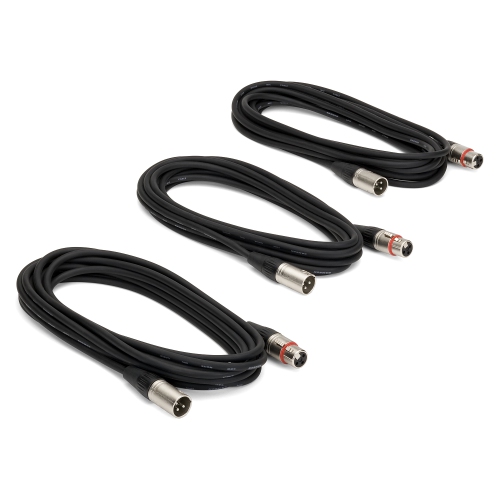 Your price for this item is $66.99
-
 Your price for this item is $9.99
-
 Your price for this item is $29.99
-
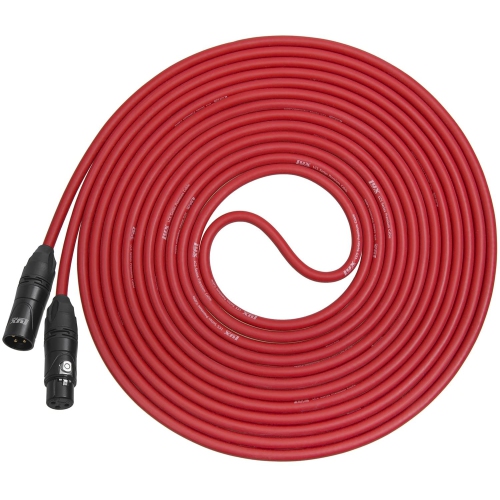 Your price for this item is $36.99
-
 Your price for this item is $23.99
-
 Your price for this item is $9.99
-
 Your price for this item is $74.99
-
 Your price for this item is $23.99
Discover more categories related to Balanced Xlr Cables
Top Collections:
Best Black Friday Deals This Year, Best Black Friday Deals On Electronics, Kindle Devices, Best Black Friday Deals On Apple Products, Best Budget Office Chairs, Best Cameras for Sports Photography, Dyson Airwrap, Canon G7X Cameras, Best Laptops for Writers, Samsung Galaxy Phones
Some products may be subject to Environmental Handling Fees
(EHF) depending on your province.
Learn more about EHFs.