Brown TV Stands With Glass Doors
Enhance your living space with a Brown TV Stand With Glass Doors, designed to bring both style and functionality to your home entertainment setup. The warm brown finish complements a variety of décor styles, while the glass doors add a touch of elegance and provide easy visibility for your media equipment or decorative items. Whether you're organizing electronics or showcasing favorite pieces, a Brown TV Stand With Glass Doors offers an ideal solution for keeping your space tidy and visually appealing. Find the perfect fit for your room and elevate your viewing experience with this versatile furniture option.
Sort
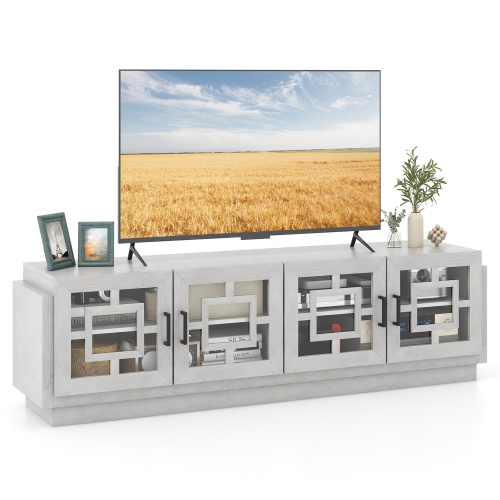
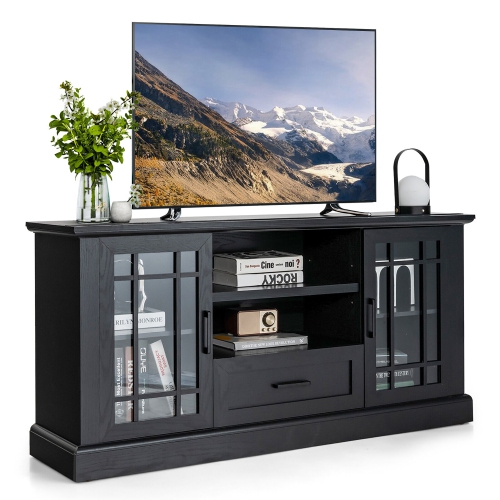
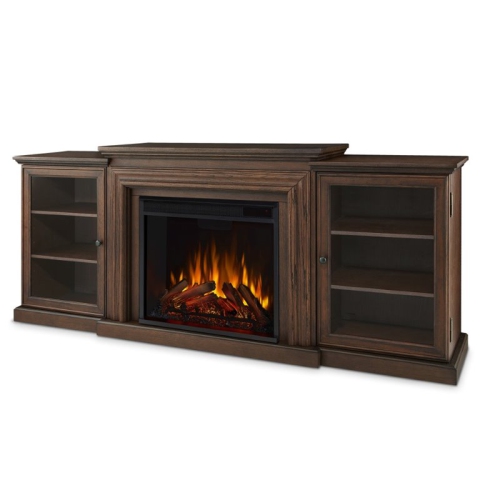
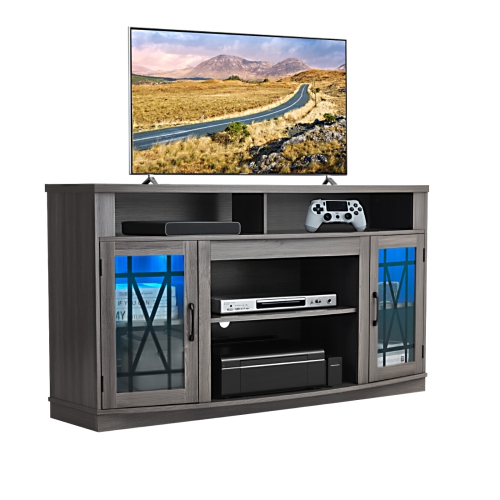
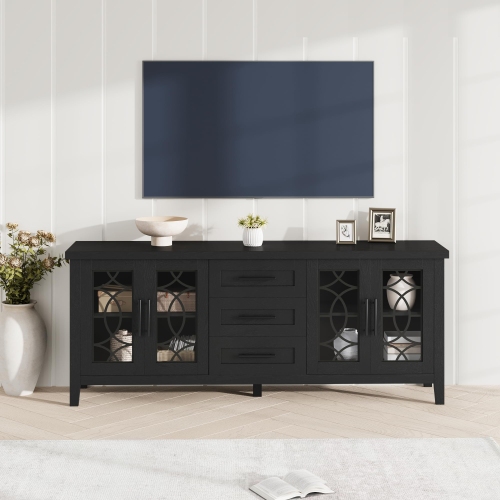

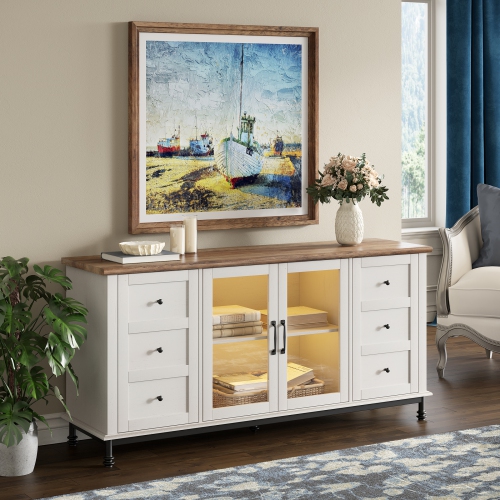
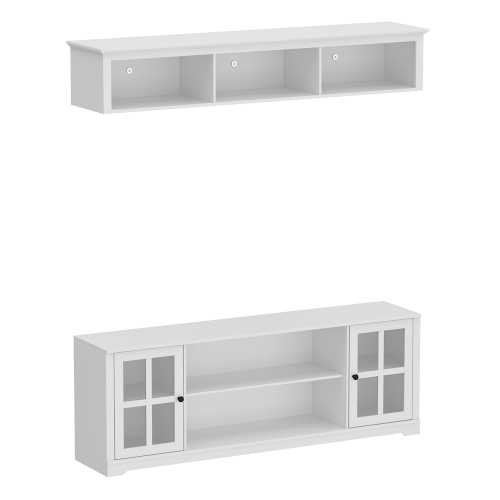
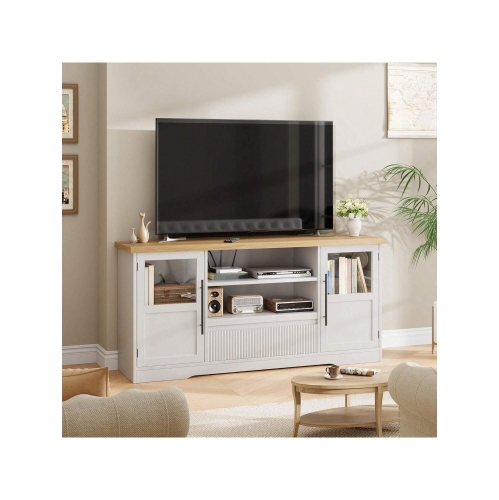
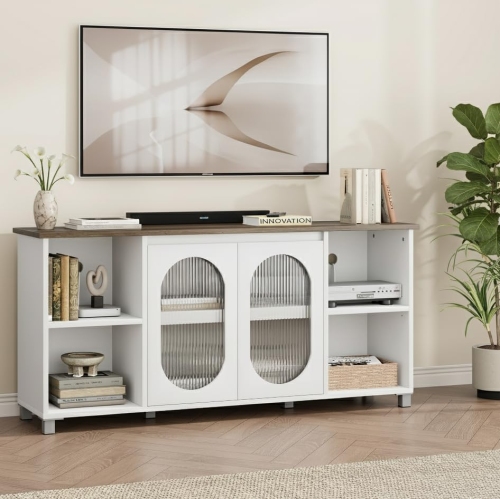
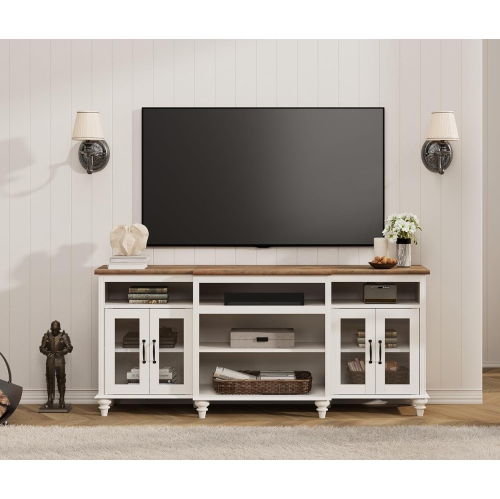
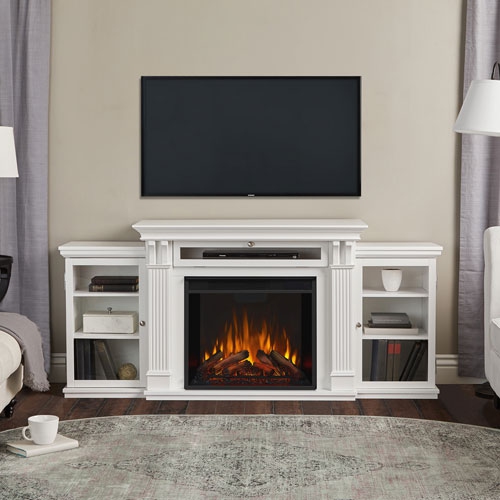
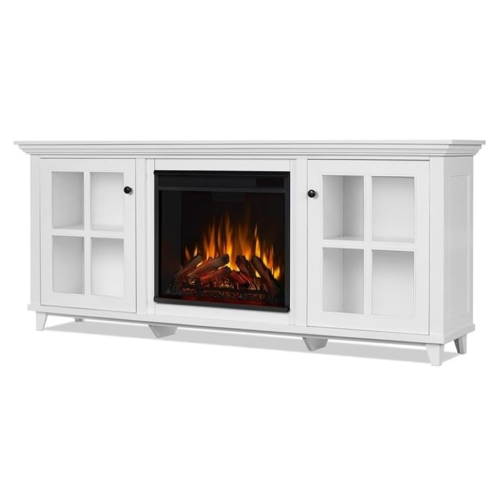
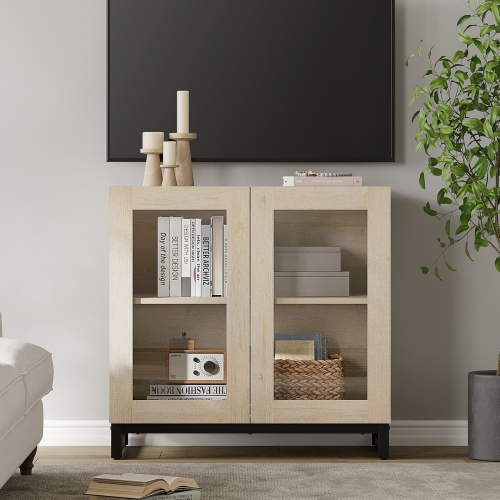
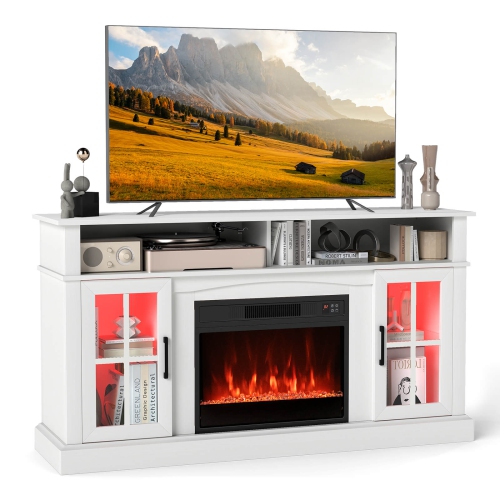
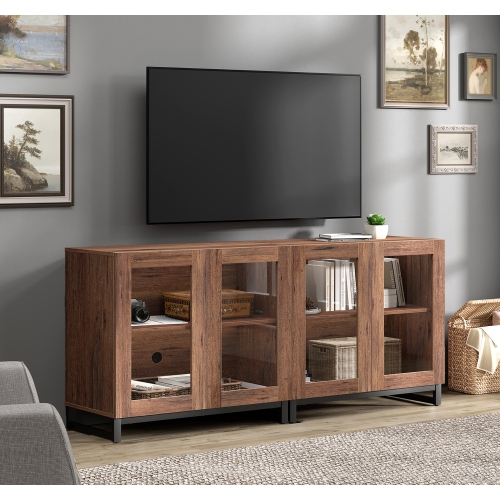
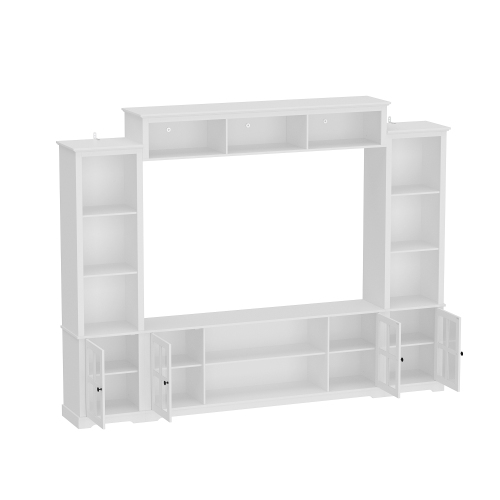
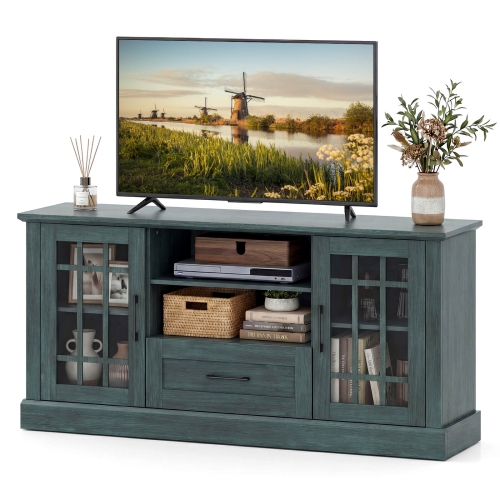
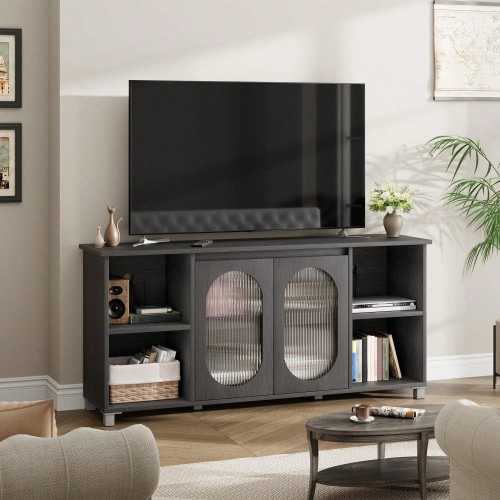
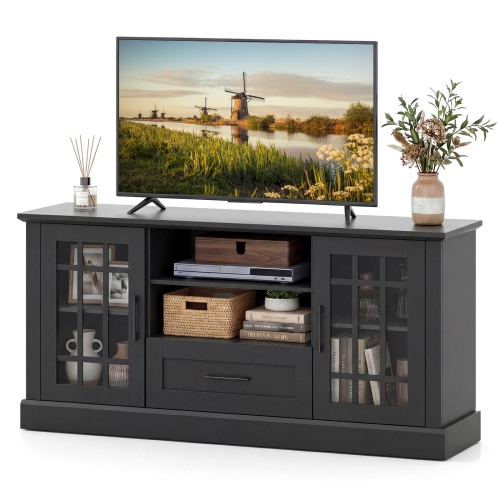
Warm wood tones meet practical glass-front storage
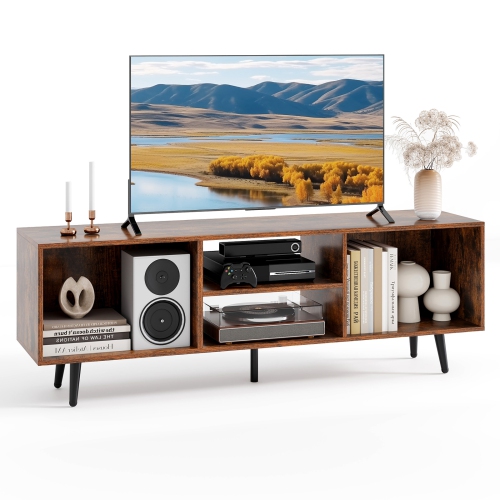
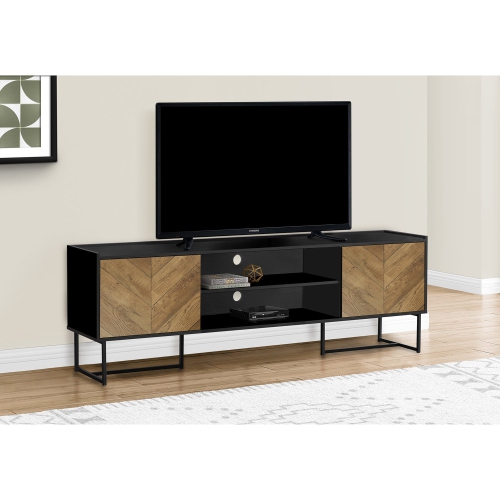
Brown TV stands with glass doors pair the warmth of a wood-toned finish with enclosed storage that keeps entertainment essentials visible and organized. Their combination of cabinetry and glass suits living rooms, family rooms, bedrooms and dedicated home theatre spaces, especially where a television shares the room with books, artwork and everyday furnishings. Brown finishes range from light, honey-toned shades to deep chocolate hues, with each creating a different relationship to surrounding furniture. A lighter brown can sit comfortably beside cream upholstery and pale flooring, while a deeper finish adds definition against a light wall. Mid-tone browns often work well with mixed wood furniture, particularly when the pieces share a warm or cool undertone rather than an exact colour match. Glass doors introduce a lighter visual element, allowing the contents of a cabinet to become part of the room without leaving every shelf open. Clear glass offers an unobstructed view of neatly arranged media equipment or favourite objects; tinted or textured glass can soften that view while retaining some visibility. Framed doors, simple metal pulls and straight legs lend themselves to different looks, from traditional cabinetry to clean-lined contemporary furniture. Within the broader category of TV Stands With Glass Doors, brown finishes are particularly easy to coordinate with upholstered seating, woven rugs and existing wood accents. Construction also shapes the overall appearance. Solid wood can show natural variation in grain and colour, while wood veneer provides a real wood surface over a supporting core. Laminated finishes can offer a more uniform pattern and colour. These differences affect texture, weight and care requirements, so the finish description matters as much as the shade shown in a photograph. A smooth, dark surface may look more formal, while a visible grain pattern or gently distressed finish gives the television area a more relaxed, furniture-like character.
Fit involves more than matching a stand to the screen size printed on a television’s packaging. Television screens are measured diagonally, but the cabinet needs to accommodate the actual width and depth of the television’s base or feet. A wide-set pair of feet requires a different support area than a central pedestal, even when the screen dimensions are similar. The television’s weight, including its base, must also fall within the stand’s stated support limit, and individual shelves may have separate weight limits for stored equipment. A cabinet that extends beyond the television’s edges can create a balanced arrangement and leave some breathing room, provided its proportions suit the room. Depth matters just as much: a shallow unit may fit neatly along a walkway but leave too little room for a receiver, power plugs or cables behind a console. Door clearance deserves attention in compact spaces, where a swinging glass panel might meet a coffee table or the arm of a sofa. Inside, adjustable shelves can accommodate equipment of different heights, while fixed shelves provide clearly defined storage spaces. Cable openings help route cords towards outlets without forcing them around door frames, and an accessible rear panel makes connections less awkward when equipment changes. Ventilation remains important even when glass makes a cabinet’s contents easy to see. Game consoles, receivers and other electronics need the clearances specified by their manufacturers; enclosed doors are not a substitute for airflow. Remote-control performance also depends on the equipment and door construction, so glass-front storage should not automatically be treated as a guarantee that every remote will work through a closed door. For a wall-mounted television, the stand can serve as an anchor below the screen, holding connected devices and everyday accessories. In either arrangement, the most comfortable screen height depends on the seating position, the height of the television itself and the distance from the sofa.
Day-to-day use often reveals the value of details that are easy to overlook in a photograph. Smooth hinges, securely fitted handles and doors that sit evenly within their frames contribute to a cabinet that feels dependable each time it is opened. Shelf dimensions determine whether a media collection stands upright, a basket fits without scraping or a controller can be put away without disturbing everything beside it. In a shared family room, separate cabinet sections can give gaming accessories, charging cables and viewing essentials their own places. In a smaller apartment, the same enclosed storage can reduce visual clutter when the television area is visible from the dining table or kitchen. Glass-front compartments also suit a restrained display: a short row of books, a ceramic bowl and a few frequently used devices can look intentional without making the cabinet feel crowded. Care depends on the combination of materials. A soft cloth is generally useful for routine dusting, while spills should be wiped promptly so moisture does not linger along seams or edges. Wood, veneer and laminated surfaces may require different cleaners, and abrasive pads or harsh chemicals can damage a finish. Glass is best cleaned according to the furniture manufacturer’s directions, with cleaner applied to a cloth when appropriate rather than sprayed across neighbouring wood surfaces. Door edges and corners deserve gentle handling, and glass should never be used as a handle or a place to lean. Where tempered glass is specified, it offers a different breakage pattern from ordinary glass, but it is still vulnerable to damage and should be treated with care. Direct sunlight can alter some brown finishes over time, making placement relevant to appearance as well as viewing comfort. For homes with children or pets, following the supplied anchoring instructions and keeping tempting objects away from the top helps support safer everyday use. A well-proportioned brown TV stand with glass doors brings these practical needs together, giving the screen a defined place while keeping the surrounding room comfortable, orderly and connected to its existing furniture.
Top selling and popular products
-
 Your price for this item is $199.99
-
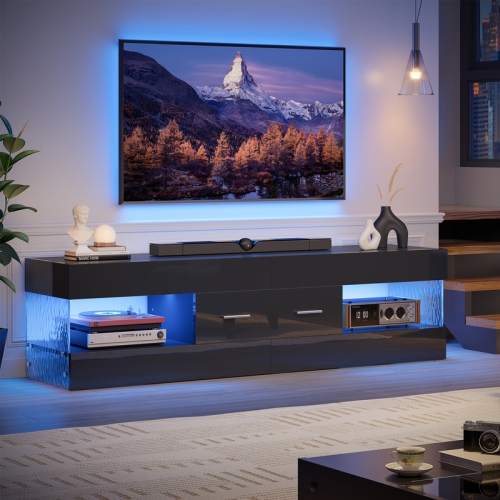 Your price for this item is $179.99
-
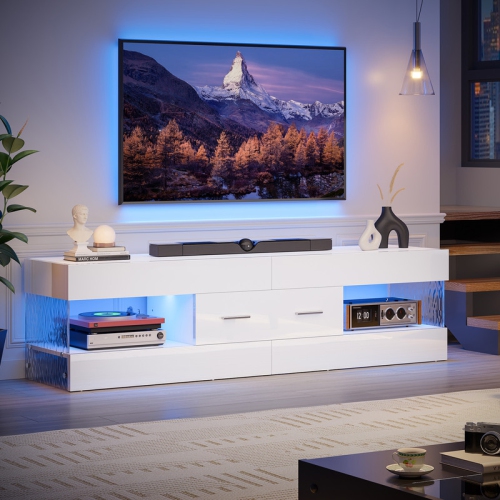 Your price for this item is $159.99
-
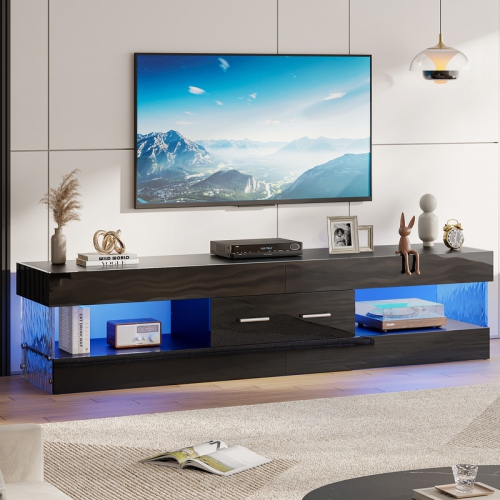 Your price for this item is $259.99
-
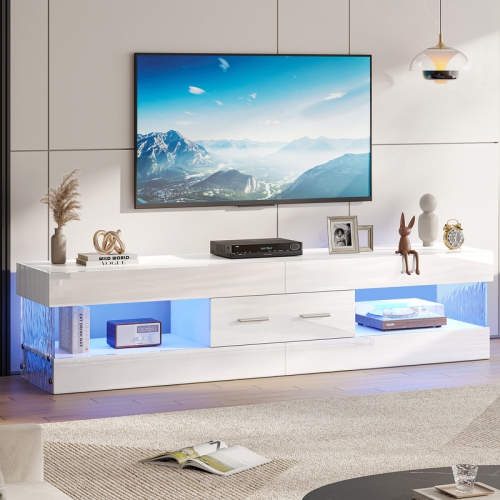 Your price for this item is $199.99
-
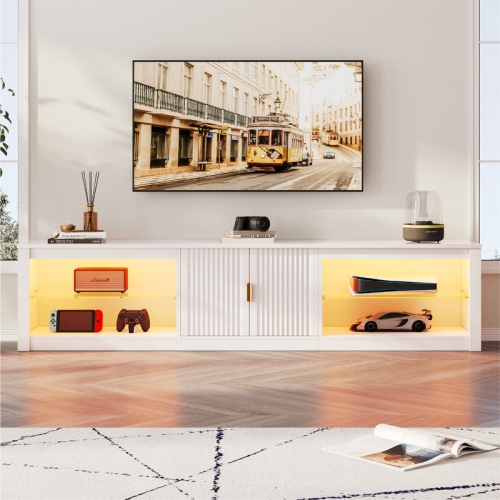 Your price for this item is $269.99
-
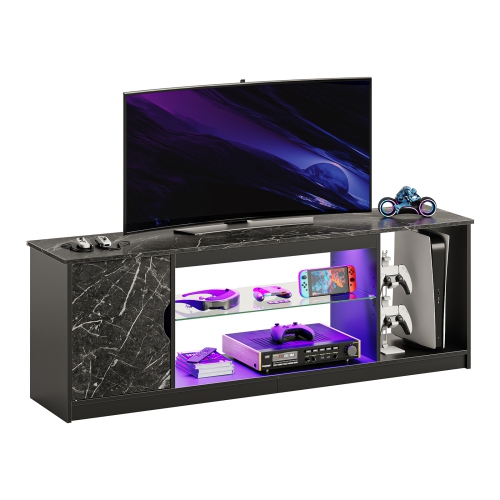 Your price for this item is $139.99
-
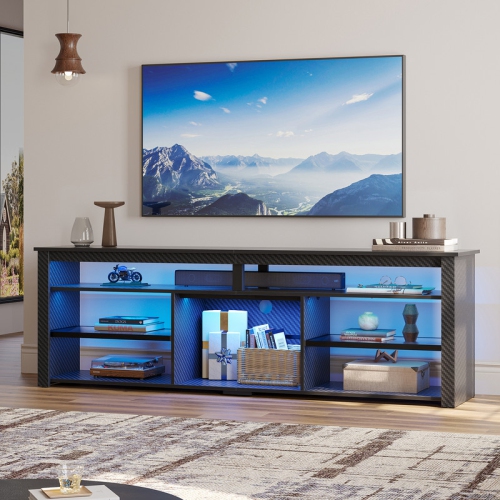 Your price for this item is $189.99
Discover more categories related to Brown TV Stands With Glass Doors
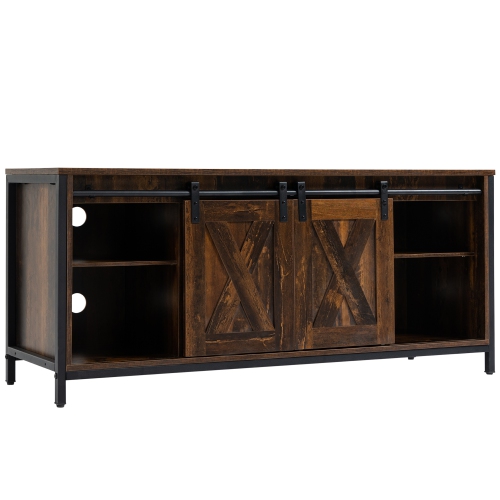
Top Collections:
Best Black Friday Deals This Year, Best Black Friday Deals On Electronics, Kindle Devices, Dyson Airwrap, Best Cameras for Sports Photography, Best Black Friday Deals On Apple Products, PS5 Pro Consoles, Portable Snow Blowers, Canon G7X Cameras, Pokémon 30th Celebration Cards
Some products may be subject to Environmental Handling Fees
(EHF) depending on your province.
Learn more about EHFs.