Ceiling TVs
Looking to take your entertainment experience to new heights? Look no further than our impressive selection of ceiling TV mounts. These innovative devices are designed to seamlessly blend into your living space while delivering stunning visuals and immersive sound. Whether you're looking to create a home theater setup or simply want a unique way to enjoy your favorite shows and movies, our range of ceiling TV mounts offers the perfect solution. With sleek designs, advanced features, and the latest technology, you'll be able to elevate your entertainment game like never before. Explore our collection today and discover the possibilities that ceiling TV mounts have to offer.
Sort
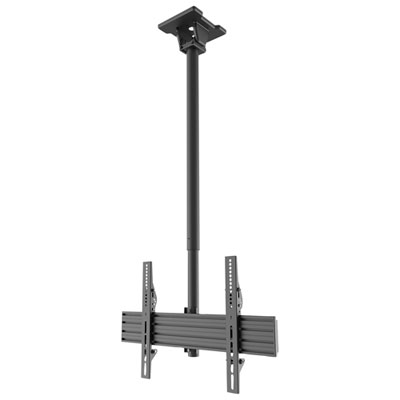
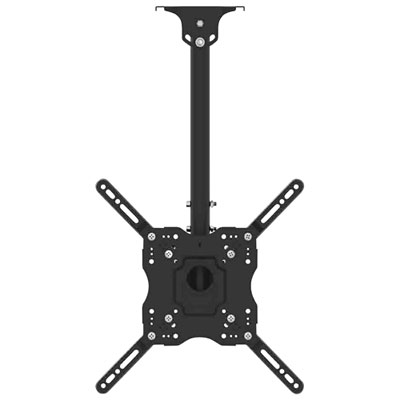
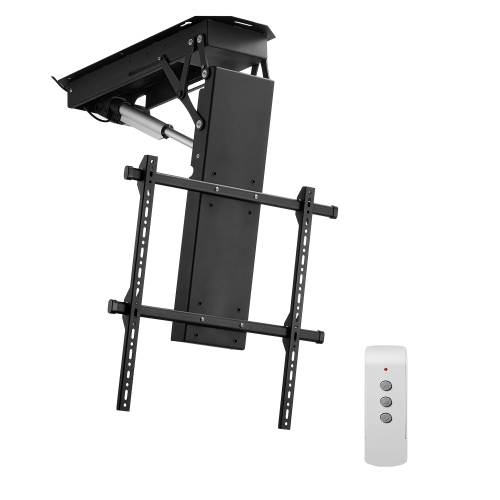
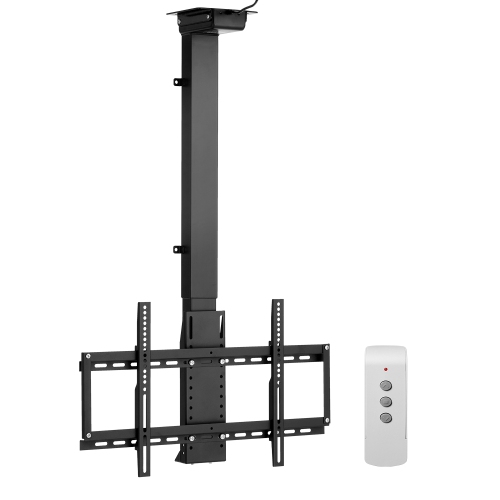

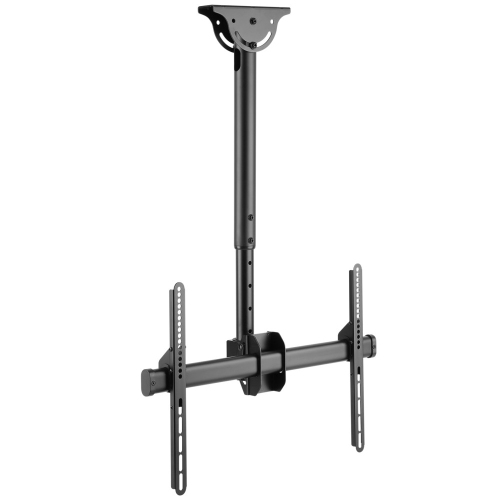
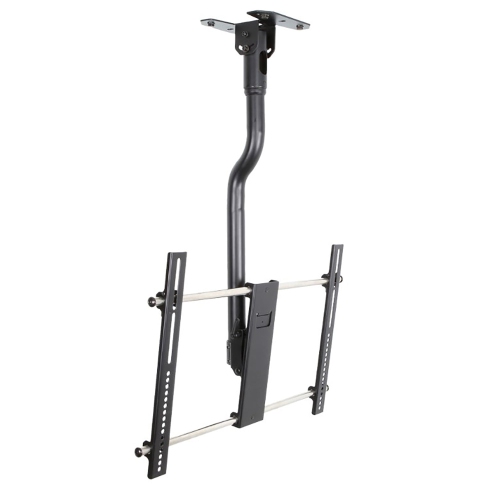
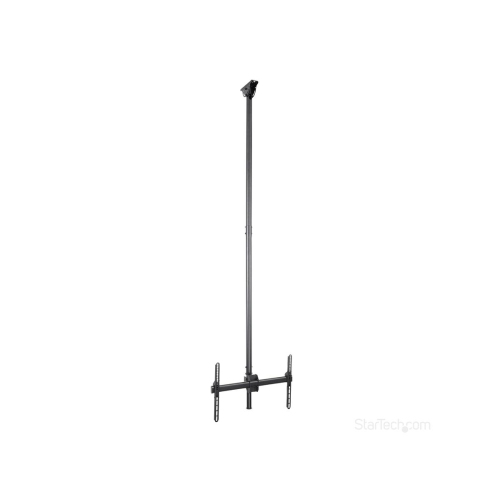
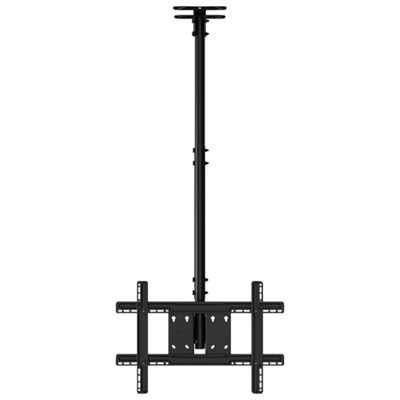
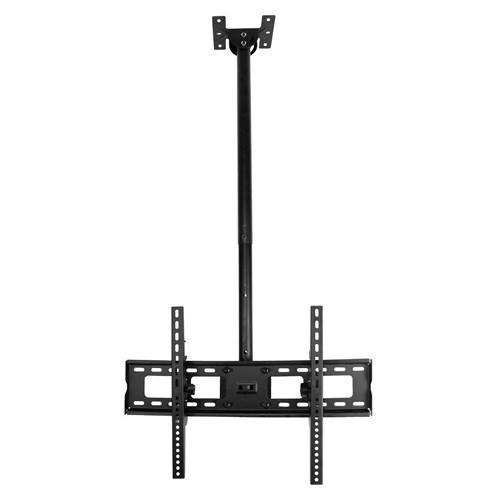
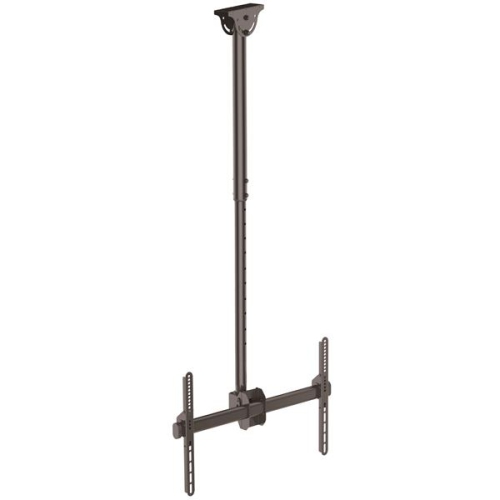
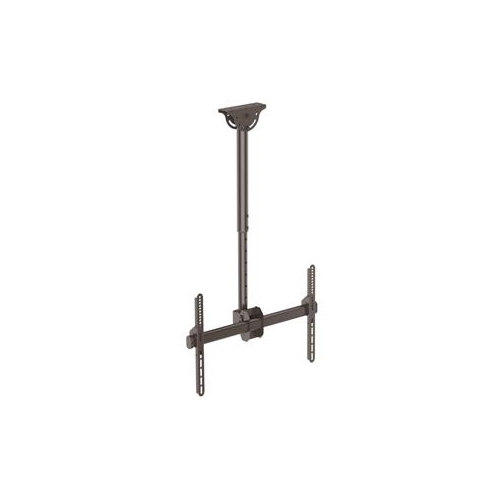


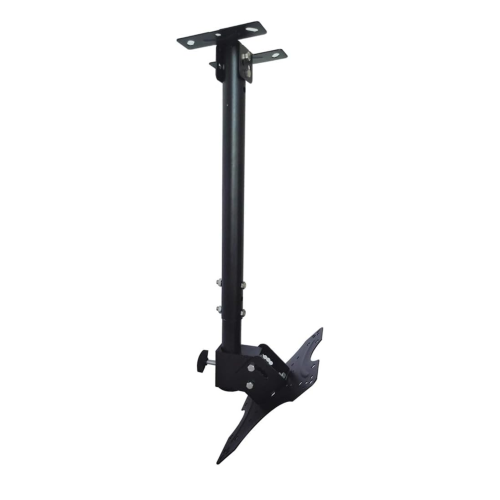
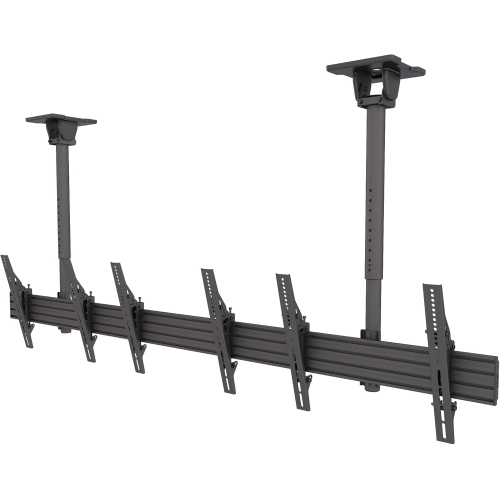
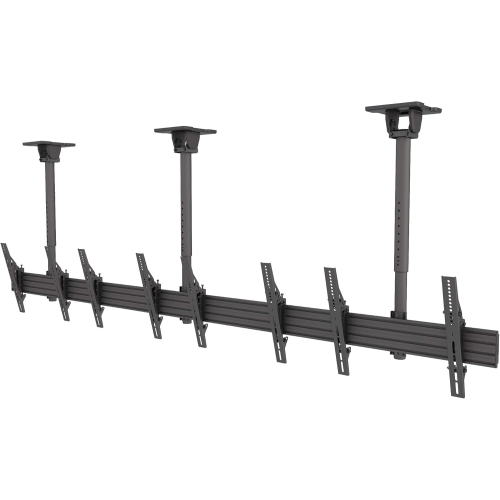
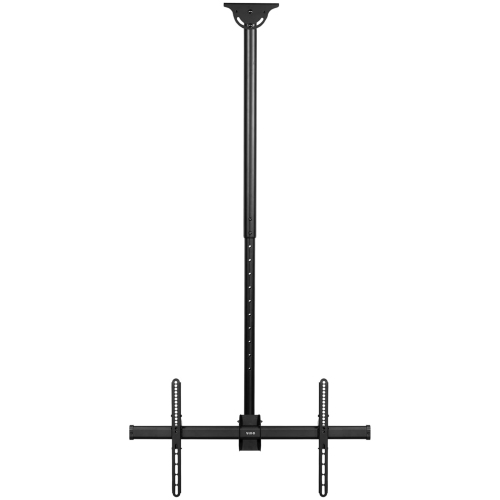
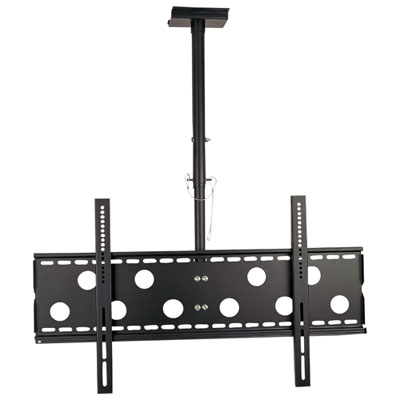
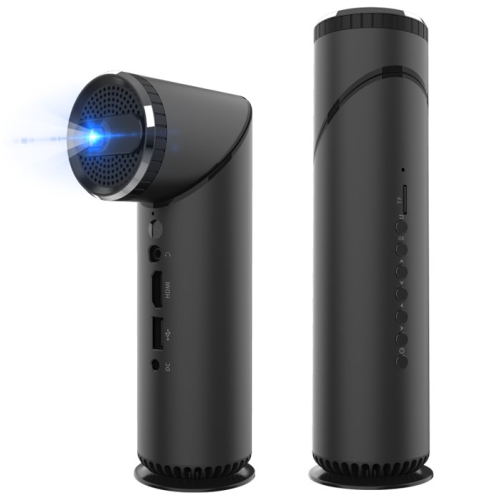
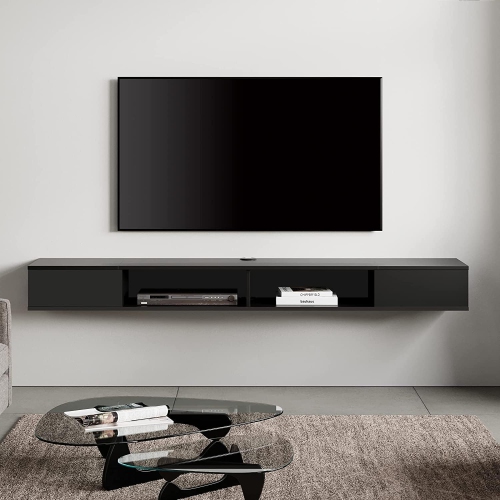
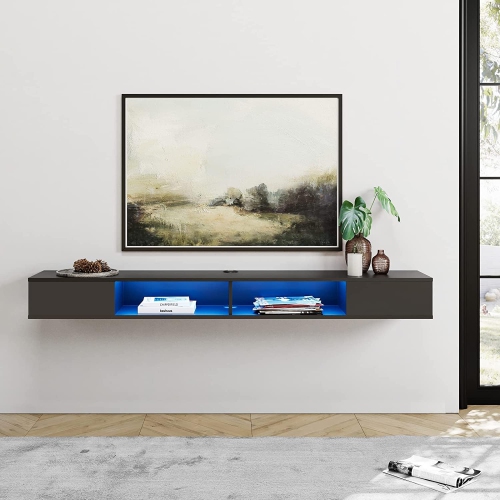
More floor space with a screen mounted overhead
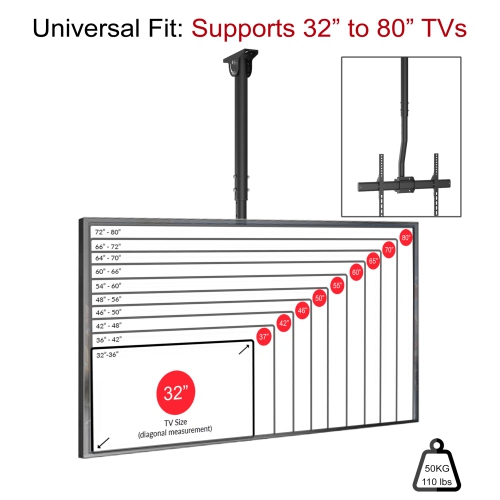
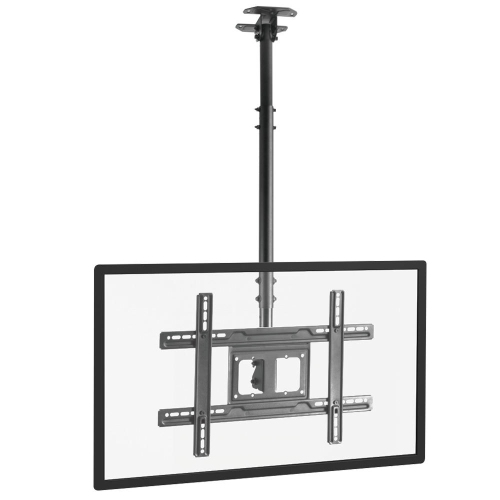
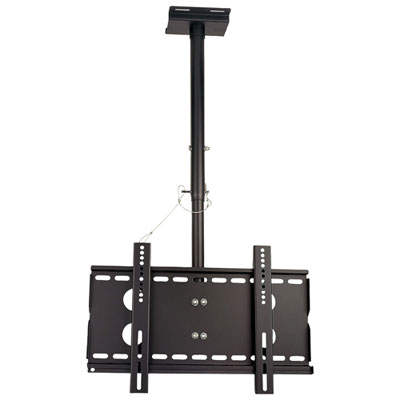
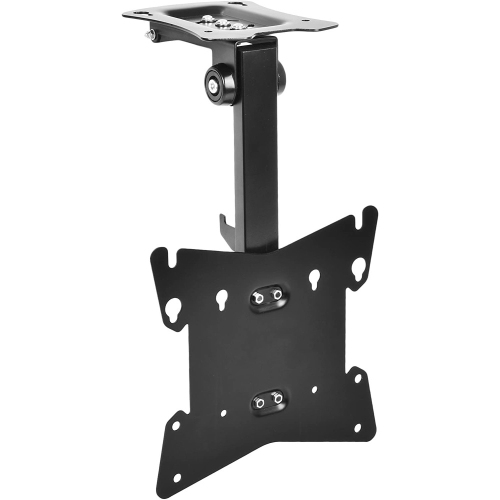
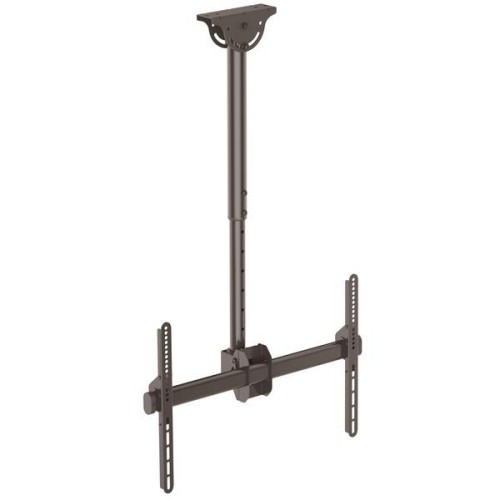
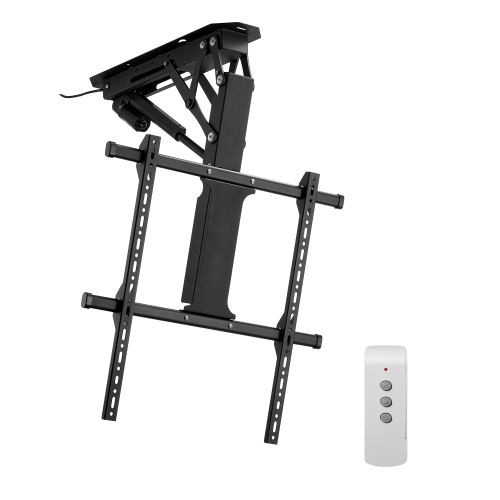
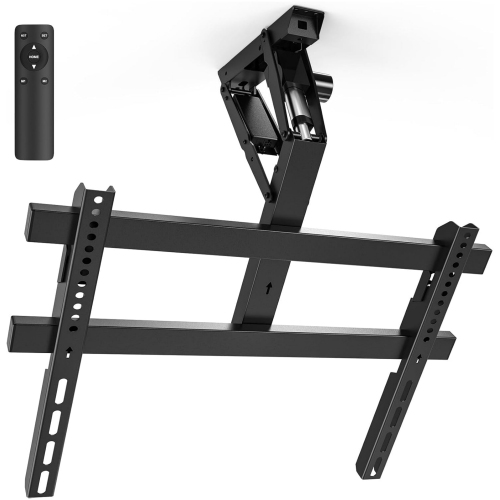
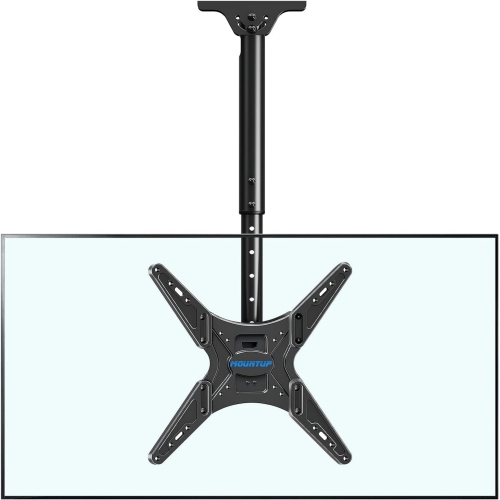
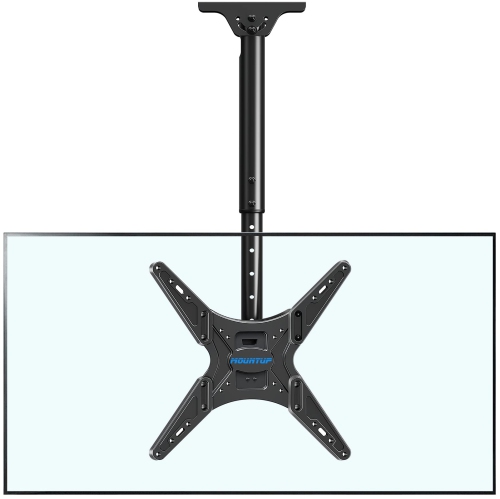
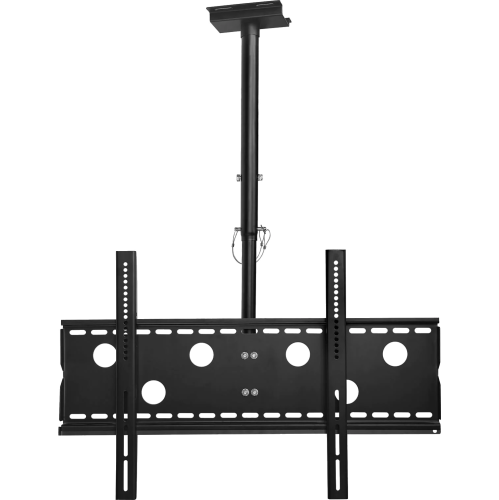
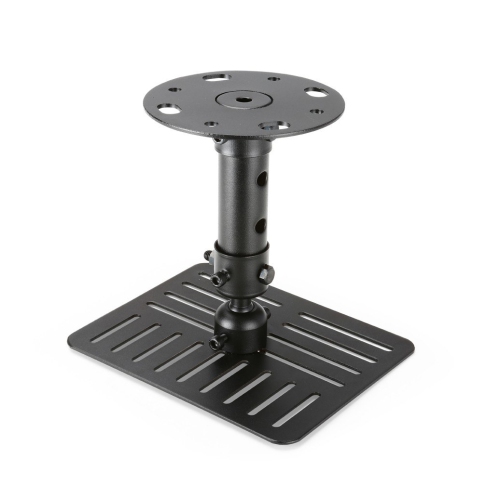
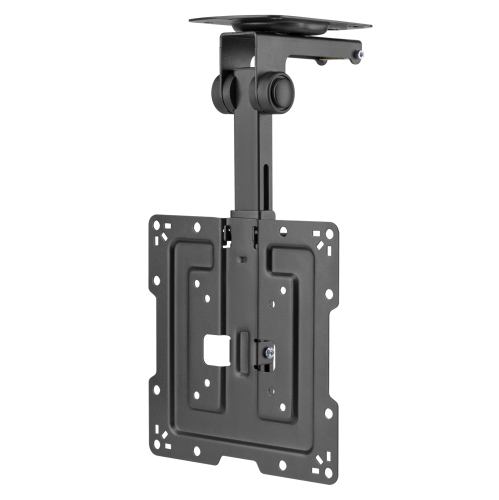
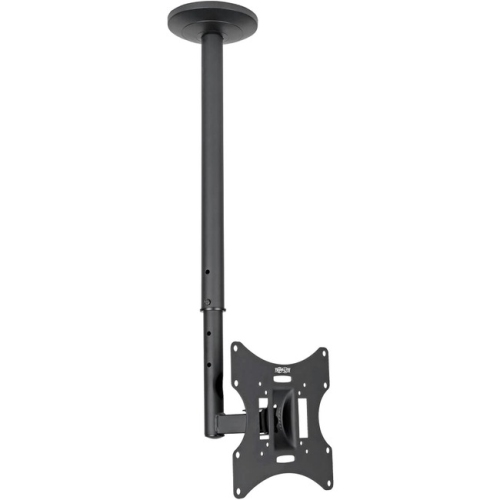
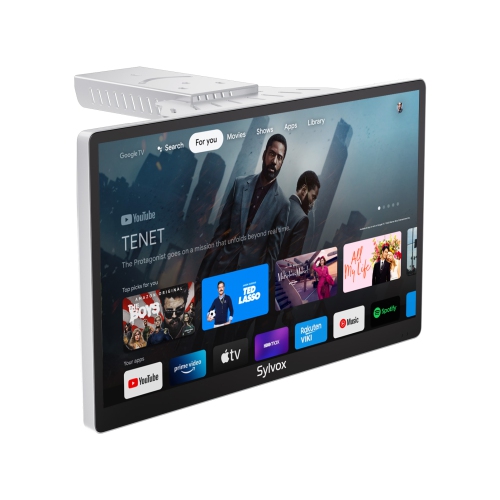
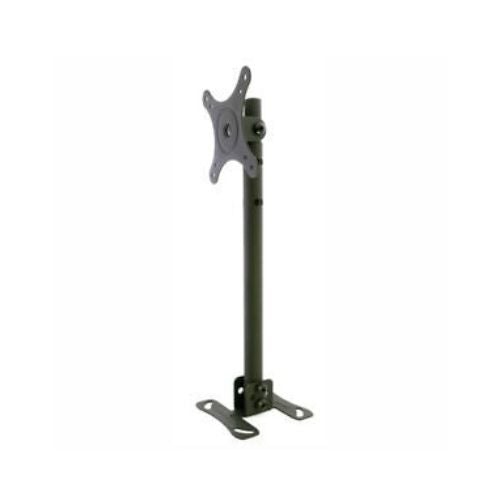
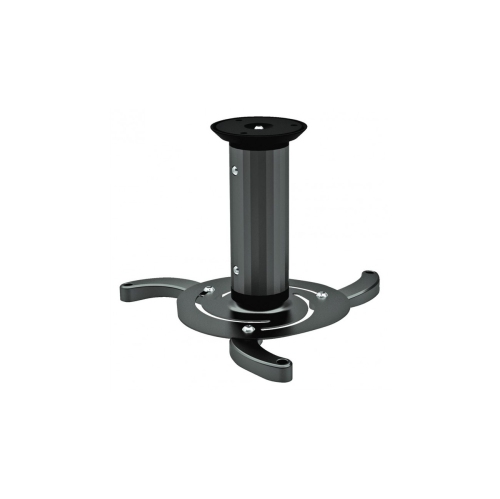
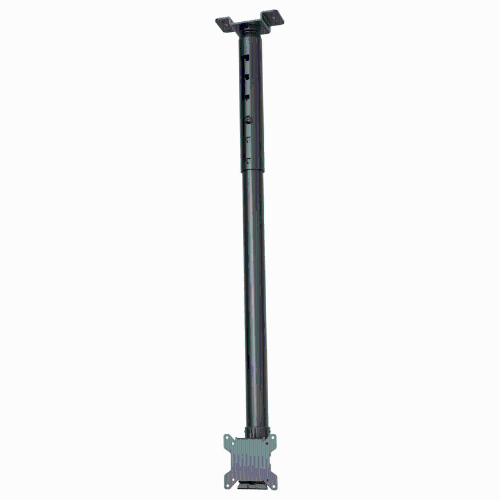
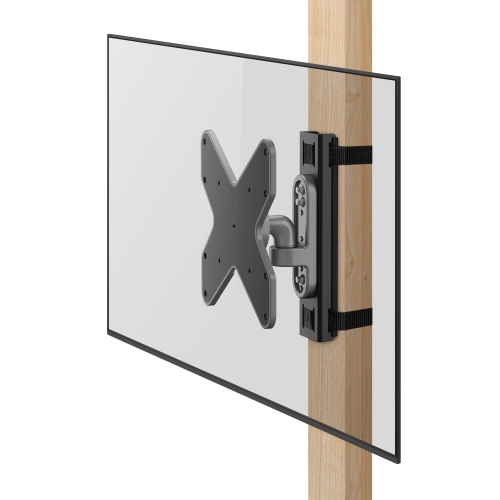
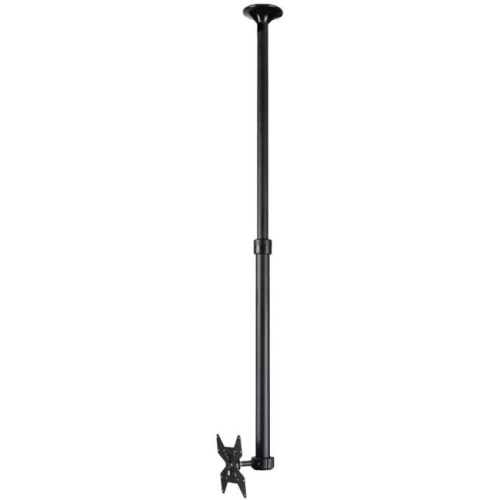
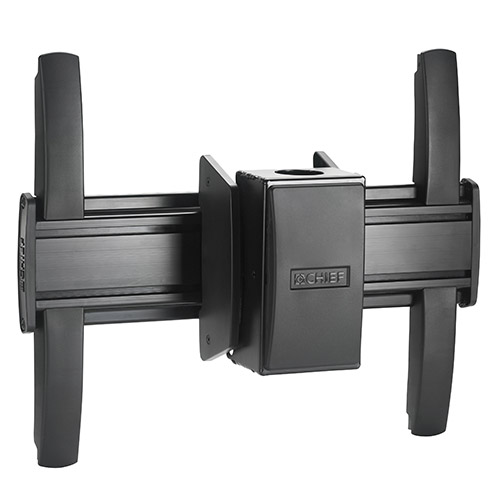
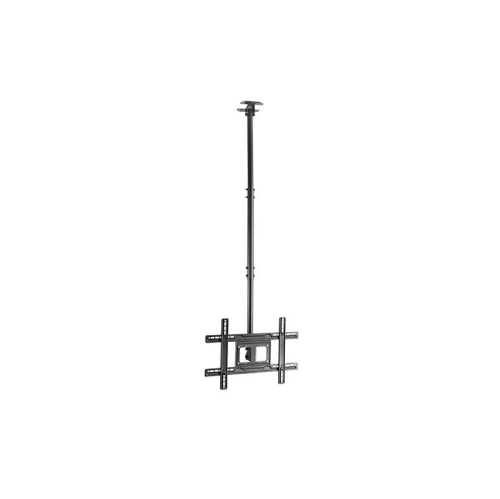
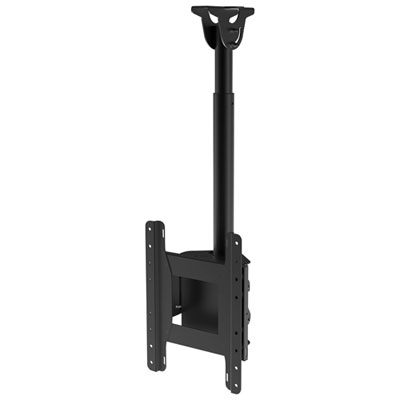
Ceiling TVs are televisions supported from above by a ceiling-mounted bracket or lift, freeing up floor space and leaving walls clear for windows, shelving, or artwork. The term usually describes the installation rather than a special type of television: a compatible flat-screen TV attaches to hardware designed specifically for overhead mounting. This arrangement suits rooms where a conventional TV stand would interrupt a walkway or where the best viewing position is away from a wall. In an open-plan living area, a suspended screen can face a sofa without requiring a large entertainment unit beneath it. In a home gym, it can keep workout videos visible while leaving room for exercise equipment. Ceiling TV mounts also serve practical purposes in meeting rooms, waiting areas, and other shared spaces where several people need a clear view. The main mounting styles offer different ways to use that overhead space. Fixed-position mounts hold the screen in a consistent location, while adjustable pole mounts may offer changes in height, tilt, or swivel. Full-motion designs provide more flexibility, though the actual movement range depends on the hardware and surrounding clearance. A flip-down TV mount folds the screen towards the ceiling when it is not in use; motorized versions move through their supported positions using controls that vary by design. A concealed ceiling TV lift takes a different approach, moving the television into a purpose-built ceiling cavity so the screen disappears from view. These systems require more space and installation planning than an exposed bracket. The right configuration depends on whether the screen should remain visible, turn between seating areas, or tuck away between viewing sessions. For a household that uses one room for films, conversation, and exercise, that distinction can matter more than the number of adjustments a mount offers. A simple, securely positioned screen may suit a dedicated viewing area, while a movable setup can better support a room with several everyday uses.
Fit starts with the television’s mounting pattern, dimensions, and weight, not screen size alone. VESA measurements describe the spacing between mounting holes on the back of the TV, and the bracket must support that pattern as well as the television’s load. Any accessories attached to the moving assembly also count towards the supported weight. Two televisions with the same advertised screen size can have different mounting layouts, chassis shapes, and connection locations, so compatibility needs to extend beyond the diagonal measurement. The bracket should leave enough room to reach power, HDMI, and other ports without crushing connectors or forcing cables into tight bends. Ceiling construction is equally important. Overhead mounting hardware must be secured to suitable structural support using the fasteners and installation method specified for the mount and the building material. Drywall, plaster, and suspended ceiling tiles are not structural anchors on their own. Timber framing, concrete, angled ceilings, and decorative ceiling finishes each present different requirements, and concealed lifts may need framing changes as well as a dedicated access area. A qualified installer can assess the structure, confirm attachment points, and determine whether the proposed location can support the complete assembly. Steel and aluminium are common materials for ceiling TV hardware, with steel often used for brackets and load-bearing components and aluminium sometimes used for lighter structural sections. Material alone does not establish strength; the mount’s rated capacity, construction, joints, and intended application are what matter. A durable finish helps the visible hardware withstand routine handling, while well-made hinges and secure adjustment points help maintain the chosen position. For motorized mounts and lifts, the duty rating, movement limits, and access for servicing deserve attention alongside lifting capacity. The television’s full travel path must stay clear of cupboards, doors, ceiling fans, and other fixtures. There also needs to be sufficient room around the screen for ventilation in every permitted operating position. A neatly concealed installation still needs accessible connections and a practical way to inspect or service the mechanism.
Viewing comfort makes the difference between a ceiling TV that simply fits and one that feels natural to use. A screen positioned too high can make an ordinary programme tiring to watch, particularly from an upright dining chair or desk seat. The useful measurement is the relationship between the screen and the viewer’s seated eye level, with pole length and downward tilt helping establish a comfortable angle. In a room shared by a sofa and an exercise area, swivel can help redirect the picture, but each position should preserve safe head clearance and an unobstructed route through the room. Screen size also needs to suit viewing distance: text in a workout video or presentation should remain readable without making the display overwhelm nearby seating. Light placement deserves the same attention. Windows and overhead fixtures can create reflections that shift as the television turns, so considering Ceiling Lights alongside the screen position can help create a layout with comfortable illumination and less glare. Cable management keeps the installation tidy and supports reliable movement. Internal channels or suitable covers can organize visible wiring, while moving mounts need enough cable slack to complete their travel without snagging, pinching, or pulling at connections. Electrical work and concealed cable routing should follow applicable requirements; a standard TV power cord should not simply be threaded through a ceiling cavity. Everyday care is generally straightforward once the system is properly installed. Follow the television and mount manufacturers’ cleaning instructions, use suitable dry or lightly dampened cloths where permitted, and keep moisture away from motors and electrical connections. Periodic checks for loose hardware, damaged cables, unusual movement, or changes in motor sound can help identify a need for servicing. Avoid hanging decorations or additional equipment from the assembly unless that use is expressly supported. For families, shared households, and workplaces alike, the most useful ceiling TV setup combines a comfortable picture position with dependable support, orderly wiring, and controls that are easy for the intended users to operate.
Fit starts with the television’s mounting pattern, dimensions, and weight, not screen size alone. VESA measurements describe the spacing between mounting holes on the back of the TV, and the bracket must support that pattern as well as the television’s load. Any accessories attached to the moving assembly also count towards the supported weight. Two televisions with the same advertised screen size can have different mounting layouts, chassis shapes, and connection locations, so compatibility needs to extend beyond the diagonal measurement. The bracket should leave enough room to reach power, HDMI, and other ports without crushing connectors or forcing cables into tight bends. Ceiling construction is equally important. Overhead mounting hardware must be secured to suitable structural support using the fasteners and installation method specified for the mount and the building material. Drywall, plaster, and suspended ceiling tiles are not structural anchors on their own. Timber framing, concrete, angled ceilings, and decorative ceiling finishes each present different requirements, and concealed lifts may need framing changes as well as a dedicated access area. A qualified installer can assess the structure, confirm attachment points, and determine whether the proposed location can support the complete assembly. Steel and aluminium are common materials for ceiling TV hardware, with steel often used for brackets and load-bearing components and aluminium sometimes used for lighter structural sections. Material alone does not establish strength; the mount’s rated capacity, construction, joints, and intended application are what matter. A durable finish helps the visible hardware withstand routine handling, while well-made hinges and secure adjustment points help maintain the chosen position. For motorized mounts and lifts, the duty rating, movement limits, and access for servicing deserve attention alongside lifting capacity. The television’s full travel path must stay clear of cupboards, doors, ceiling fans, and other fixtures. There also needs to be sufficient room around the screen for ventilation in every permitted operating position. A neatly concealed installation still needs accessible connections and a practical way to inspect or service the mechanism.
Viewing comfort makes the difference between a ceiling TV that simply fits and one that feels natural to use. A screen positioned too high can make an ordinary programme tiring to watch, particularly from an upright dining chair or desk seat. The useful measurement is the relationship between the screen and the viewer’s seated eye level, with pole length and downward tilt helping establish a comfortable angle. In a room shared by a sofa and an exercise area, swivel can help redirect the picture, but each position should preserve safe head clearance and an unobstructed route through the room. Screen size also needs to suit viewing distance: text in a workout video or presentation should remain readable without making the display overwhelm nearby seating. Light placement deserves the same attention. Windows and overhead fixtures can create reflections that shift as the television turns, so considering Ceiling Lights alongside the screen position can help create a layout with comfortable illumination and less glare. Cable management keeps the installation tidy and supports reliable movement. Internal channels or suitable covers can organize visible wiring, while moving mounts need enough cable slack to complete their travel without snagging, pinching, or pulling at connections. Electrical work and concealed cable routing should follow applicable requirements; a standard TV power cord should not simply be threaded through a ceiling cavity. Everyday care is generally straightforward once the system is properly installed. Follow the television and mount manufacturers’ cleaning instructions, use suitable dry or lightly dampened cloths where permitted, and keep moisture away from motors and electrical connections. Periodic checks for loose hardware, damaged cables, unusual movement, or changes in motor sound can help identify a need for servicing. Avoid hanging decorations or additional equipment from the assembly unless that use is expressly supported. For families, shared households, and workplaces alike, the most useful ceiling TV setup combines a comfortable picture position with dependable support, orderly wiring, and controls that are easy for the intended users to operate.
Top selling and popular products
-
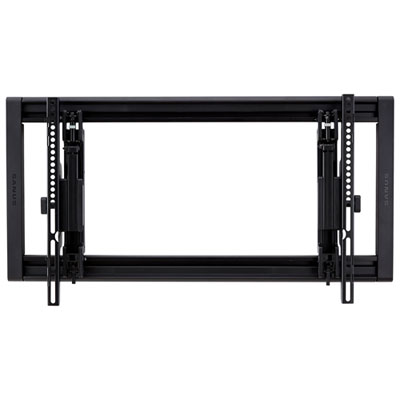 Your price for this item is $189.99
 -
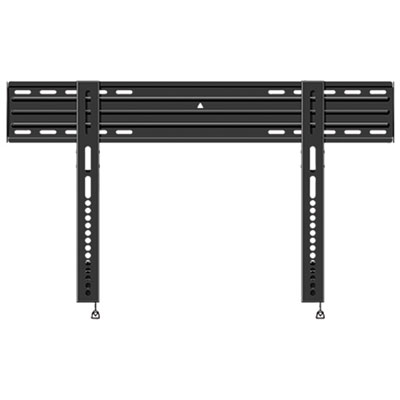 Your price for this item is $79.99
 -
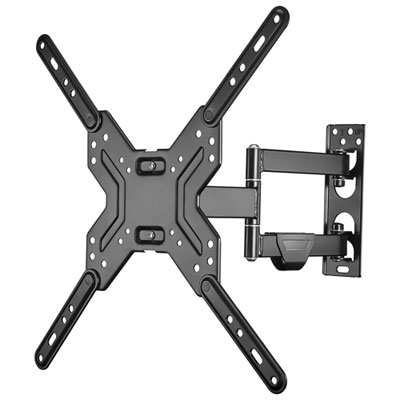 Your price for this item is $59.99
 -
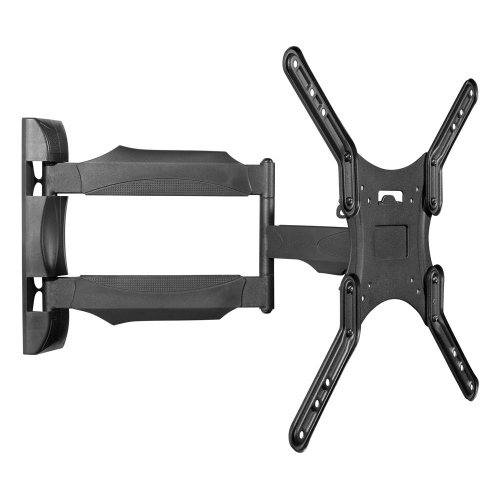 Your price for this item is $79.99
 -
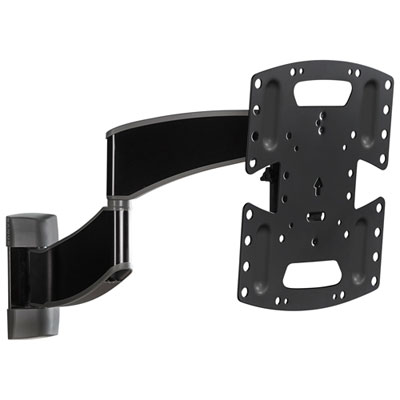 Your price for this item is $139.97
 -
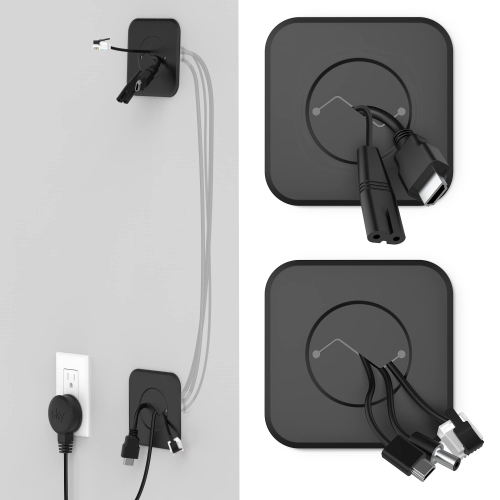 Your price for this item is $77.38
 -
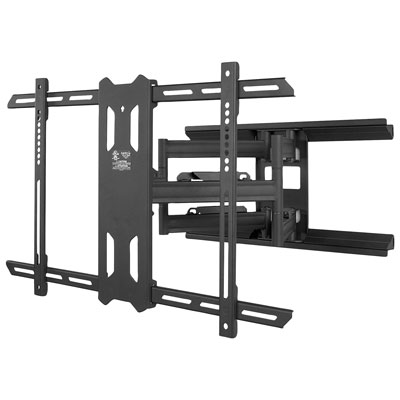 Your price for this item is $179.99
 -
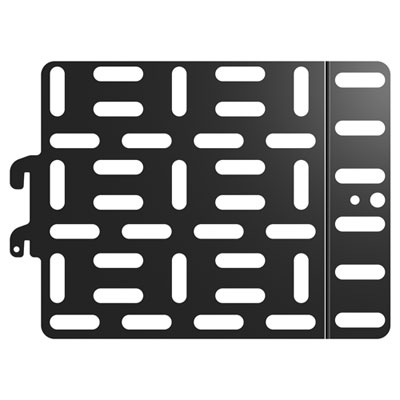 Your price for this item is $19.97
Discover more categories related to Ceiling TVs
Top Collections:
Pokemon Centers, Kindle Devices, Best Budget Office Chairs, Apple iPhones 16, Best Laptops for Writers, iPhone 15 Apple, Canon G7X Cameras, Refurbished Apple Laptops, Alarm Clock, Motorola Razr Phones
Some products may be subject to Environmental Handling Fees
(EHF) depending on your province.
Learn more about EHFs.