Compact TVs
Discover the perfect solution for entertainment in smaller spaces with a Compact TV. Ideal for bedrooms, kitchens, dorm rooms, or offices, these televisions offer a space-saving design without compromising on quality viewing experiences. Easily integrate a Compact TV into any room to enjoy your favorite shows, movies, and games. With a variety of sizes and styles available, finding the right fit for your needs is simple and convenient. Explore the selection to upgrade your home entertainment setup with ease.
Sort
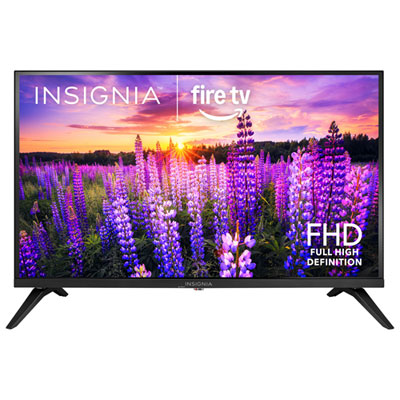
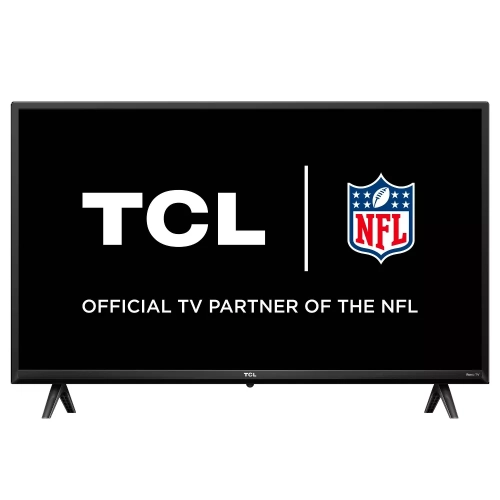

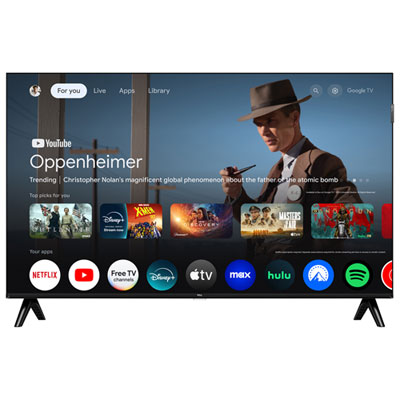


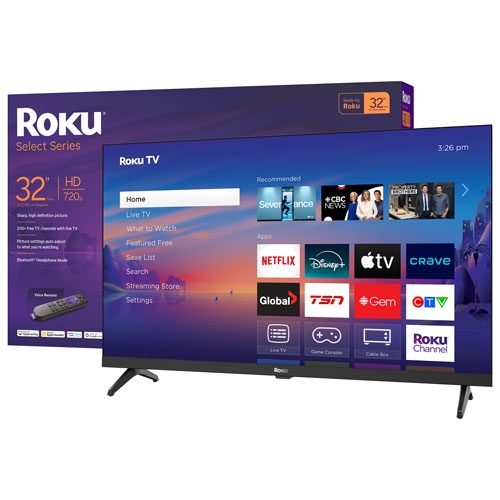
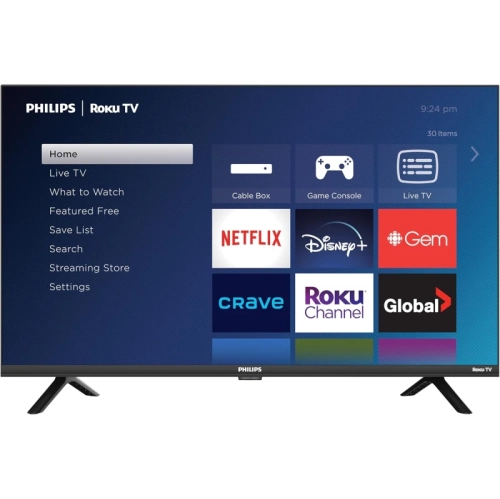
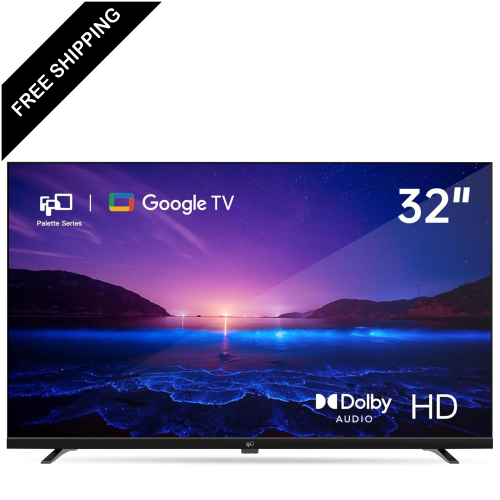
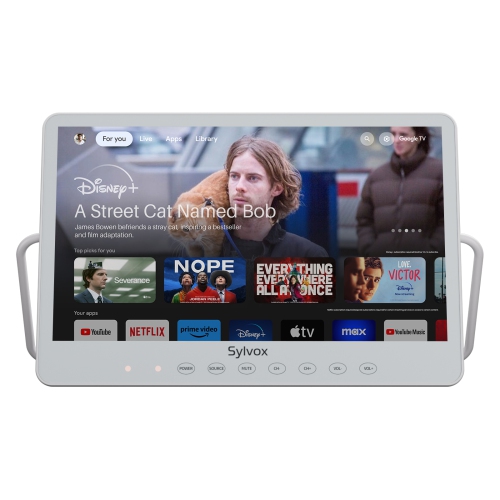
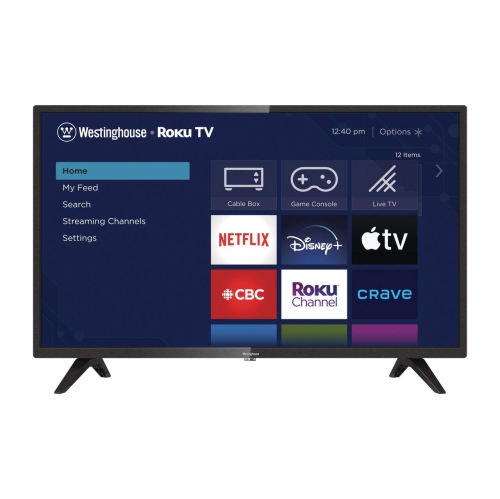

Comfortable viewing starts with more than screen size
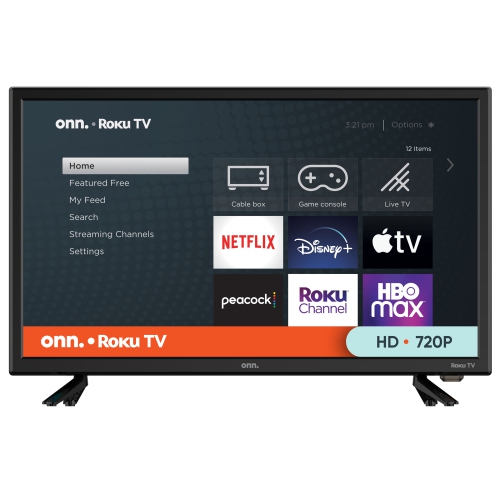
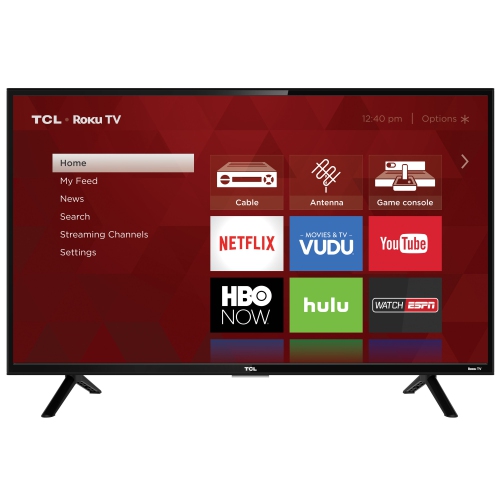
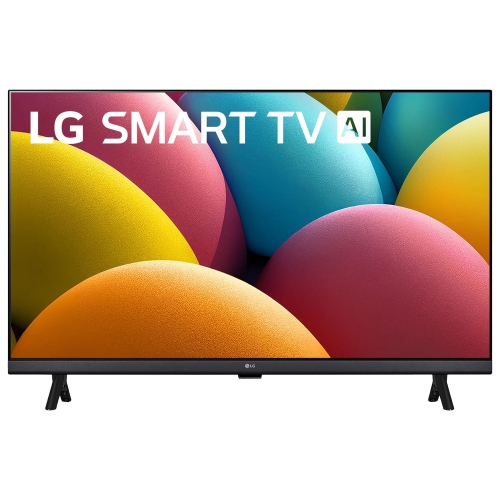
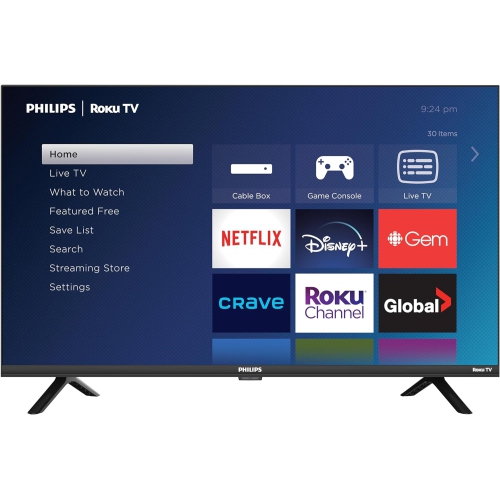
Compact TVs are small-screen televisions designed to bring everyday viewing into rooms where a larger screen would take up too much space. Common sizes include 24-inch and 32-inch screens, while smaller portable formats can suit especially tight spaces or travel setups. Their appeal goes beyond fitting onto a narrow piece of furniture: a compact television can give a bedroom, kitchen, home office, or guest room its own place for news, films, sports, and streaming without making the screen the room’s main feature. A 24-inch TV can work well for closer viewing from a chair or desk, while a 32-inch screen offers a larger picture for watching from a bed or across a modest room. Screen size is measured diagonally, so the television’s actual width, height, depth, and stand dimensions matter more when assessing whether it will fit a shelf or dresser. Widely spaced feet may need a broader surface than a central pedestal, and the cabinet should have enough depth to support the entire base without an overhang. Space behind and around the television also accommodates ventilation, power connections, and cables that cannot bend tightly against a wall. A bedside dresser or narrow wall may call for a different footprint from a living room console, making Small Bedroom TVs a useful place to explore room-specific choices. Wall mounting can free up a work surface, provided the screen’s mounting pattern, weight, bracket, and wall structure are compatible. Placement affects comfort as much as size does. A screen positioned near eye level from the usual seat is easier to watch without tilting the neck, while an adjustable mount can help where the viewing position changes. In rooms with windows or bright lamps, the relationship between the screen and nearby light sources can make a noticeable difference to reflections and visibility.
Picture quality on a compact TV depends on resolution, contrast, colour, viewing angle, and the quality of the source, rather than screen size alone. HD screens commonly have a 720p resolution, while Full HD screens provide 1080p detail. At close viewing distances, higher resolution can make subtitles, scoreboards, and fine outlines look clearer, although the difference becomes less noticeable farther from the screen. For a television used beside a laptop or at the end of a desktop, readable text and comfortable viewing distance deserve particular attention. For a kitchen screen watched while moving between a countertop and dining table, off-centre picture quality may matter more. Smart TVs combine television viewing with built-in apps, but supported services, account requirements, and software features vary by model. Reliable Wi-Fi helps with streaming, and an Ethernet connection can be useful where a compatible television sits near a wired network connection. A non-smart TV can also suit a straightforward setup using a compatible streaming device, cable box, or other external source. HDMI inputs connect many common entertainment devices, and having enough ports reduces the need to disconnect one device whenever another is used. USB connections can serve different purposes, so a USB port does not necessarily mean every video file will play or that the television can run from USB power. Broadcast viewing requires the appropriate tuner and an antenna or television service, with reception depending on location and signal conditions. Sound deserves equal consideration in a small room. Slim cabinets leave limited space for speakers, and clear dialogue can be more useful than high volume, especially when watching quietly. Dialogue settings, headphone connections, and compatible external speakers can offer flexibility, but audio outputs and wireless features differ. Captions, readable menus, clearly labelled remote buttons, and accessible controls can make daily viewing more comfortable for children, older adults, and anyone who prefers a simpler setup. A responsive remote and an easy route back to a favourite channel or app often matter more in everyday use than a long list of seldom-used features.
Compact televisions generally combine a glass display surface with a lightweight cabinet, often made largely from plastic, and a stand that may use plastic, metal, or both. Their relatively manageable size makes them easier to position, but it does not make the panel resistant to knocks, pressure, or falls. A stable, level surface and suitable anti-tip restraint are important, particularly in homes with children or pets. Screens also benefit from being kept away from splashes, steam, cooking grease, and direct heat; a regular indoor TV is not automatically suitable for a damp location simply because it fits there. Routine care is usually straightforward: follow the manufacturer’s cleaning directions, use a clean, soft microfibre cloth, and avoid spraying liquid directly onto the display. Excess pressure, abrasive materials, and unsuitable cleaners can damage the screen surface or its coating. Keeping ventilation openings clear and leaving cables free from strain supports reliable daily use. When moving a television between rooms, supporting it by the frame rather than pressing against the panel helps protect the display, while its original packaging can provide useful protection during a larger move. Travel use calls for additional attention to power and mounting. A compact household TV is not necessarily a portable or RV-ready television; compatible voltage, power adapters, secure mounting, and the conditions inside the vehicle all matter. Some travel-focused televisions support a 12-volt supply, while others require a standard household outlet or a suitable power setup. These distinctions are especially relevant when a screen will be moved frequently rather than installed in one room. As a gift, a compact TV can suit a student furnishing a room, a family member creating a comfortable guest space, or someone who wants a dedicated screen for casual viewing away from the main television. The most useful fit comes from matching the recipient’s available space, preferred services, hearing and visibility needs, and existing connections. A compact television earns its place through those practical details: a clear picture from the usual seat, understandable sound, uncomplicated controls, and a footprint that leaves room for the rest of daily life.
Top selling and popular products
-
 Your price for this item is $229.99
-
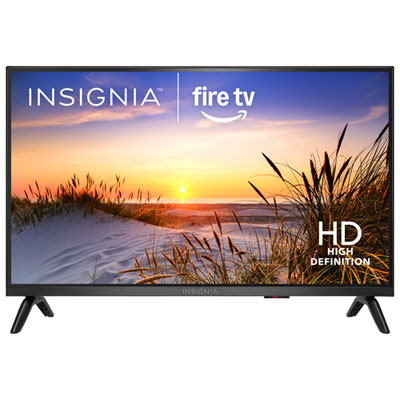 Your price for this item is $199.99
-
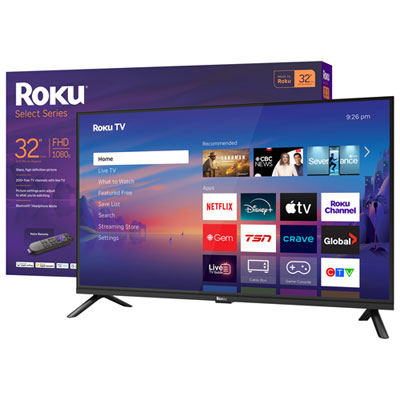 Your price for this item is $169.99
-
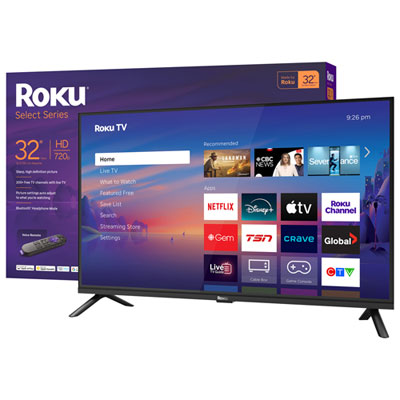 Your price for this item is $199.99
-
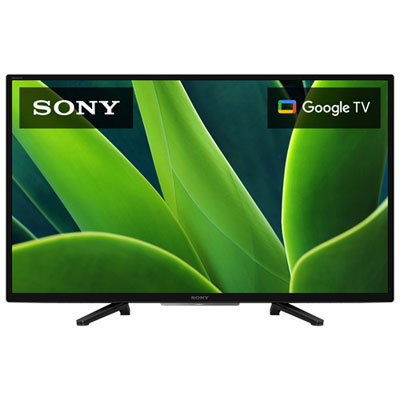 Your price for this item is $379.99
-
 Your price for this item is $4999.95
-
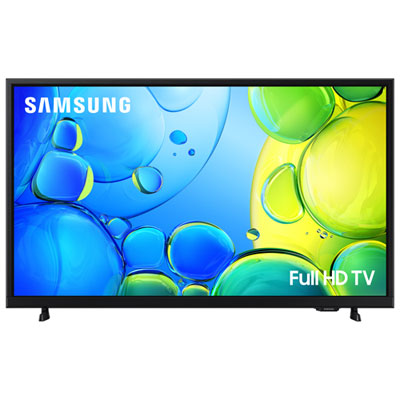 Your price for this item is $279.99
-
 Your price for this item is $6999.99
Discover more categories related to Compact TVs
Top Collections:
Best Black Friday Deals This Year, Best Black Friday Deals On Electronics, Kindle Devices, Pokemon Centers, Best Black Friday Deals On Apple Products, Best Cameras for Sports Photography, Dyson Airwrap, Pokémon 30th Celebration Cards, Apple iPhone 17 Pro, Canon G7X Cameras
Some products may be subject to Environmental Handling Fees
(EHF) depending on your province.
Learn more about EHFs.