Digital Light Processing Projectors
Digital Light Processing (DLP) projectors offer an immersive viewing experience with sharp image quality and vibrant colors. Perfect for home theaters, classrooms, or business presentations, DLP projectors use cutting-edge technology to deliver stunning visuals on a big screen. Whether you're a movie buff looking to recreate the cinema experience at home or a professional in need of a reliable presentation tool, DLP projectors provide versatility and performance that will elevate your viewing or presenting experience. Explore our range of DLP projectors to find the perfect fit for your needs.
Sort
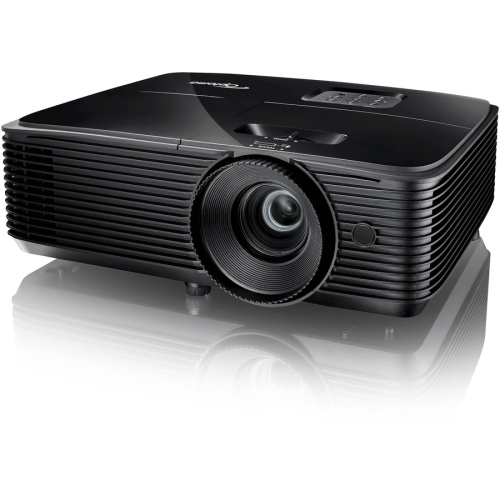
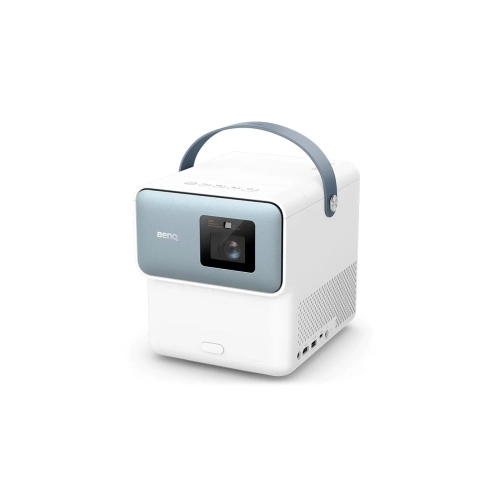
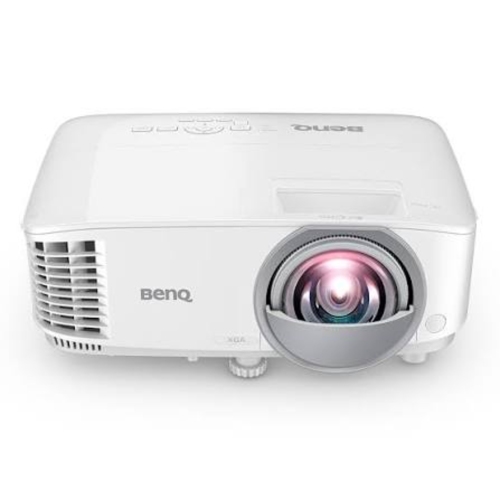
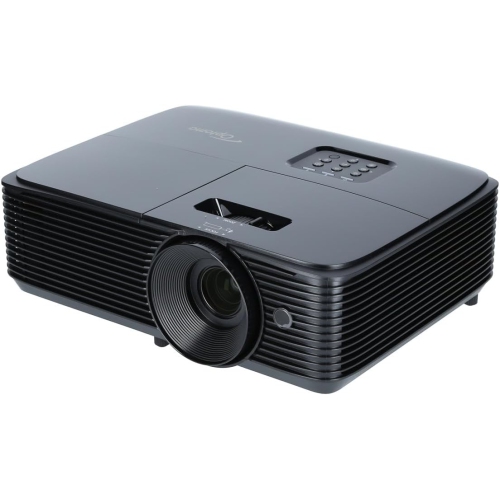
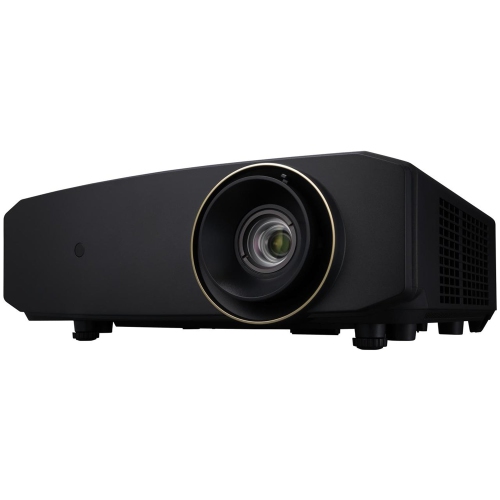
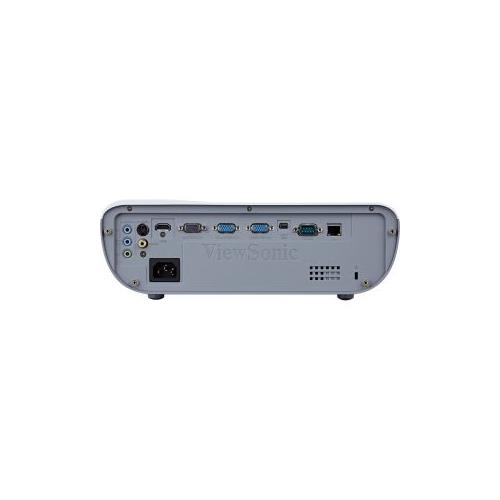
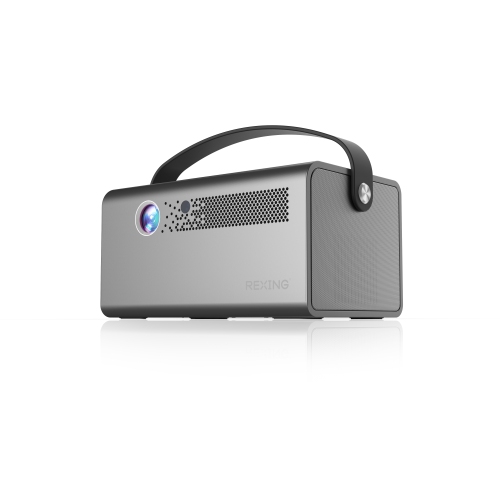
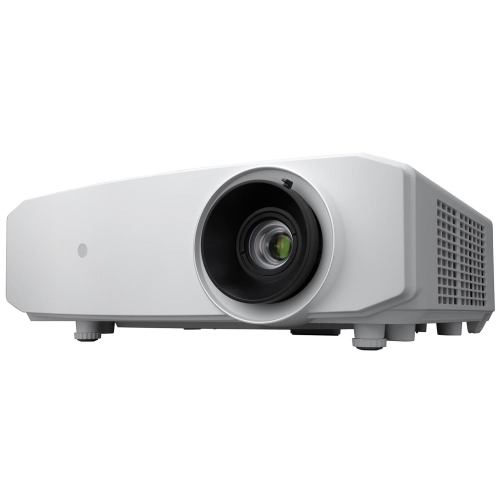
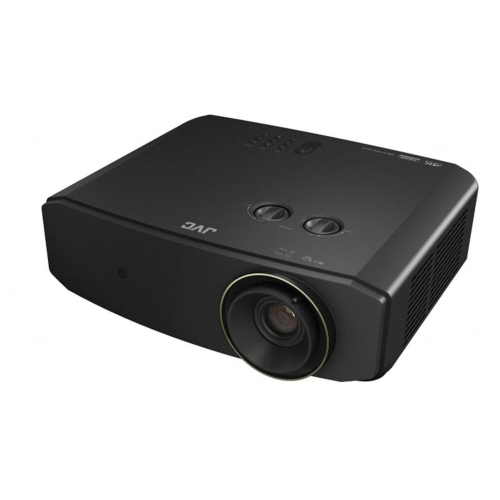
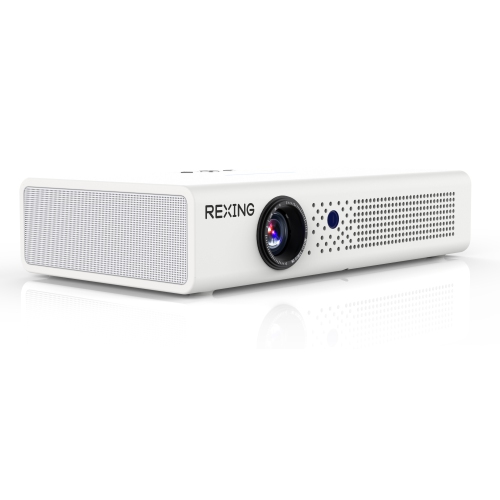
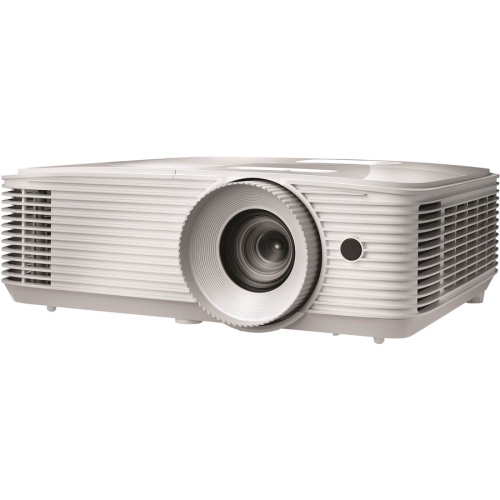
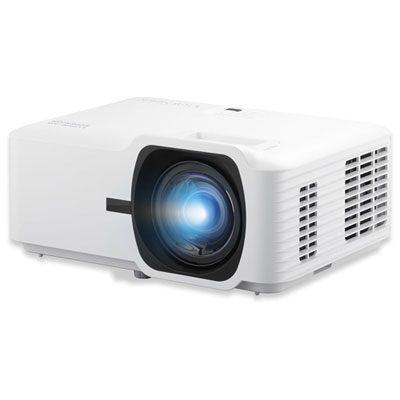
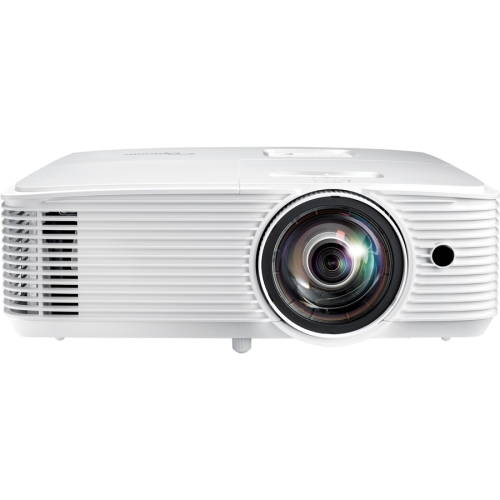
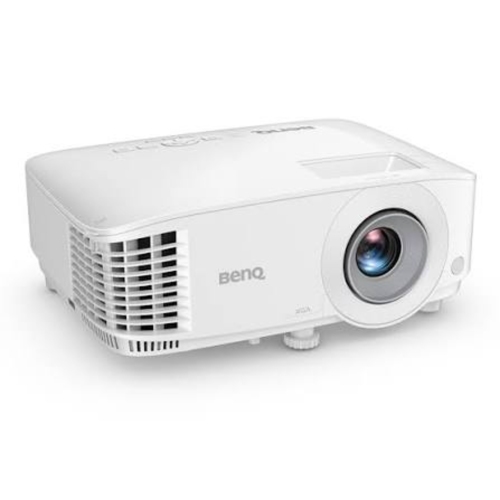
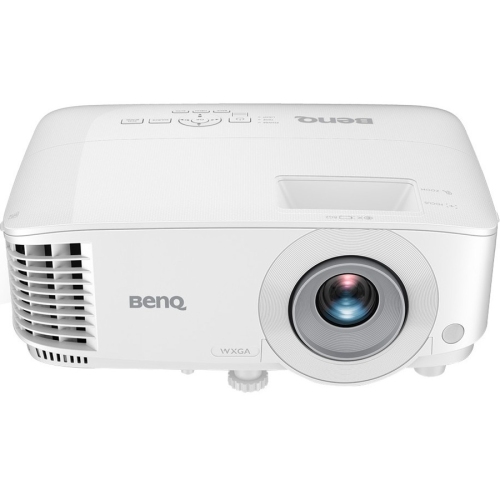
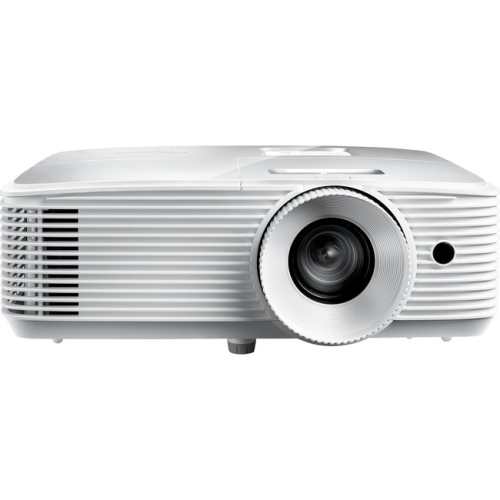
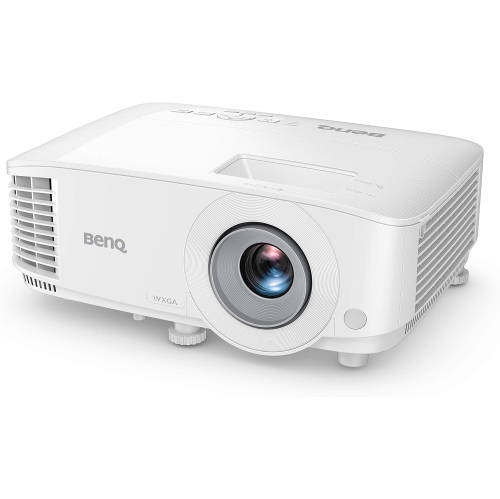
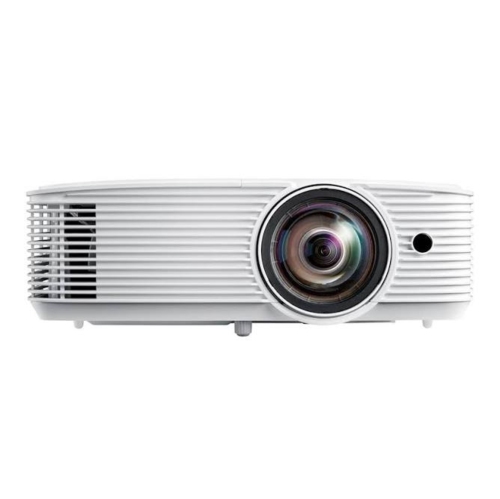
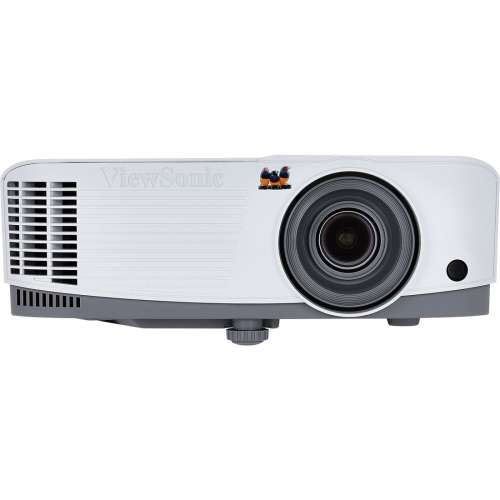
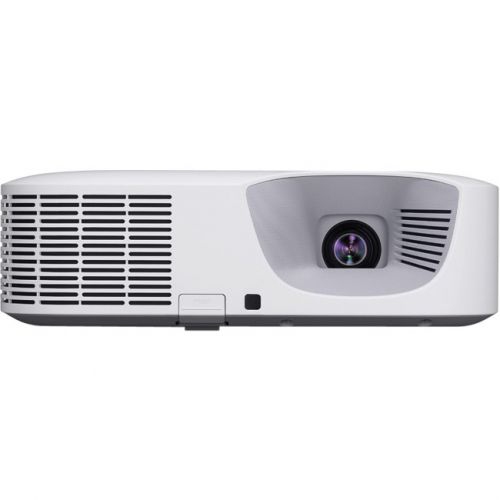
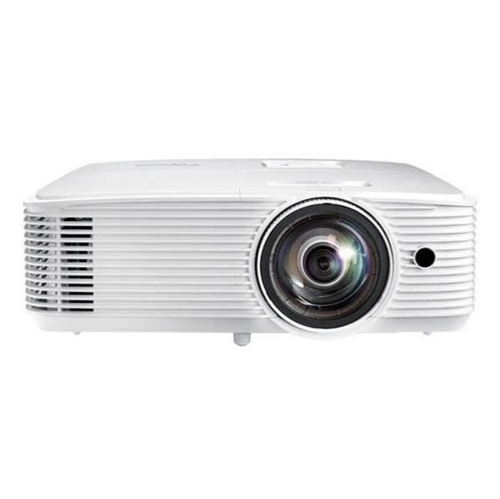
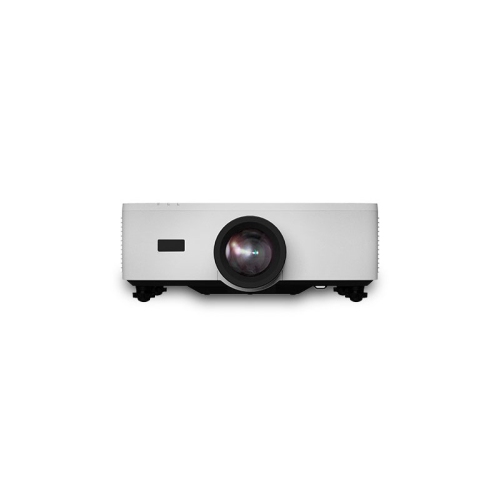
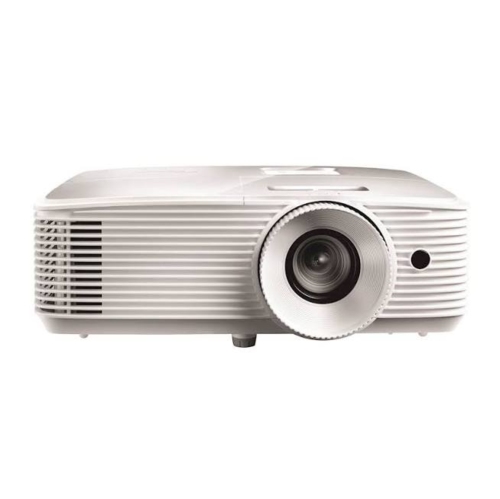
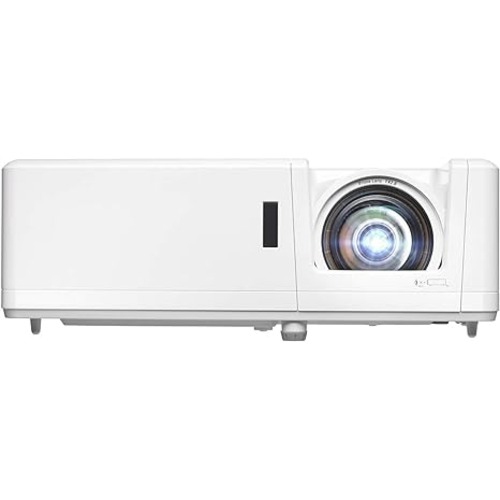
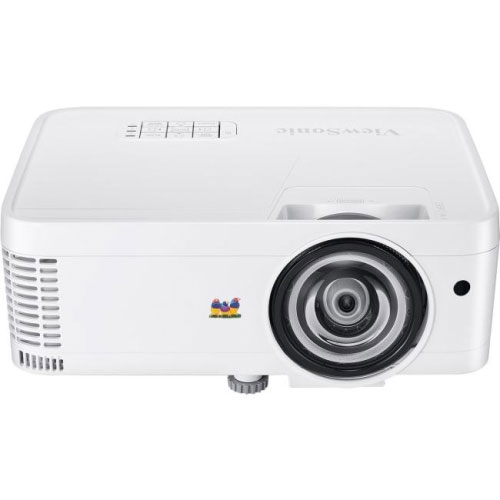
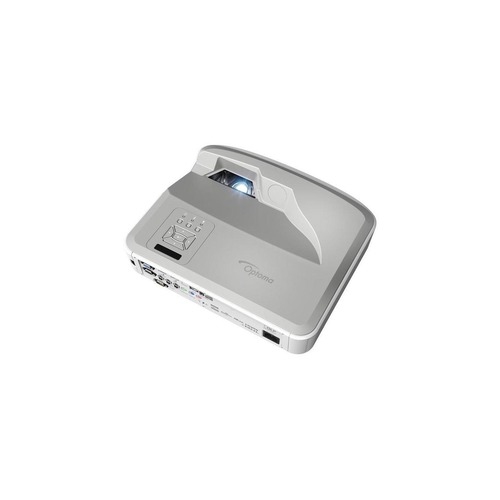
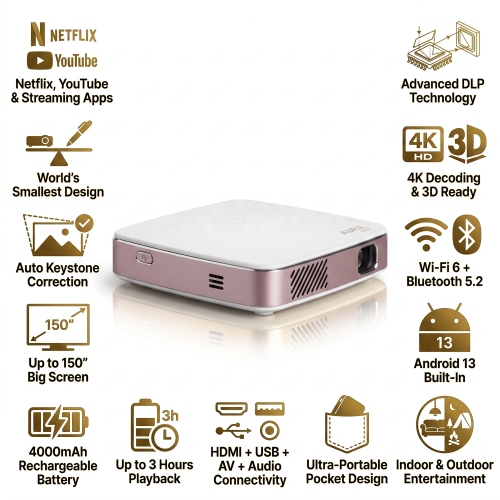
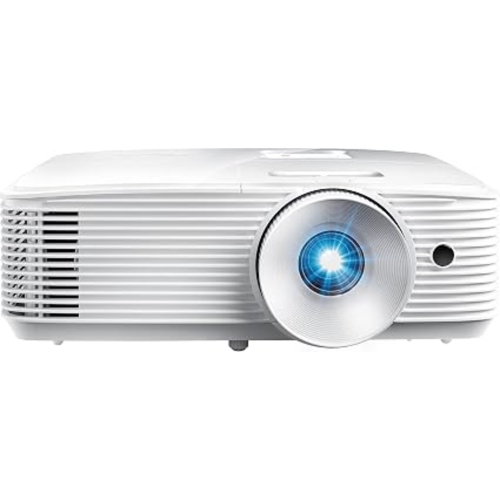
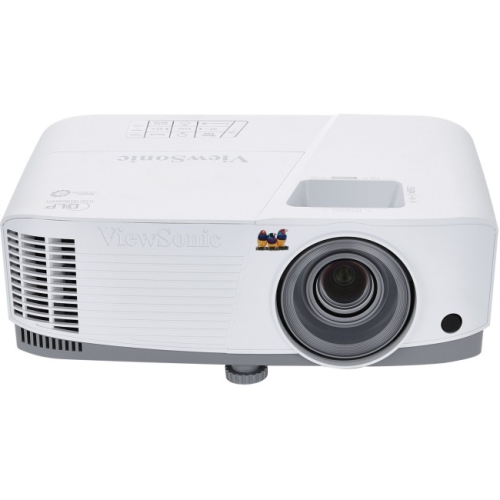
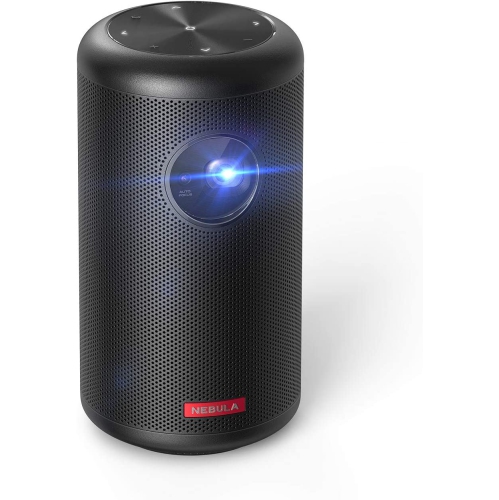
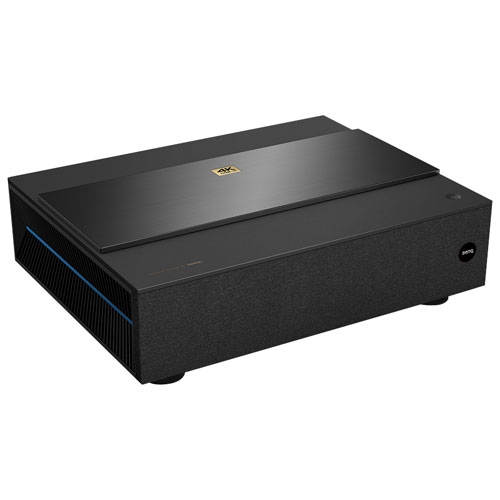
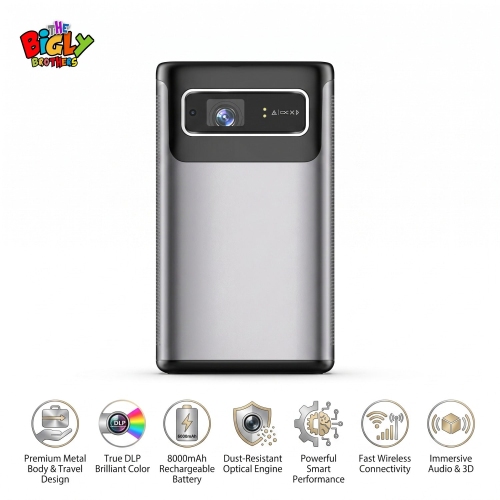
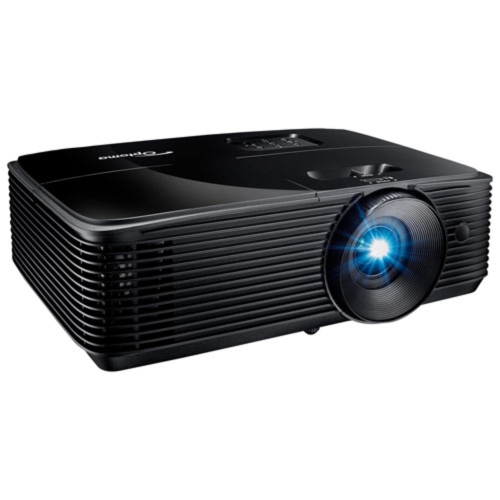
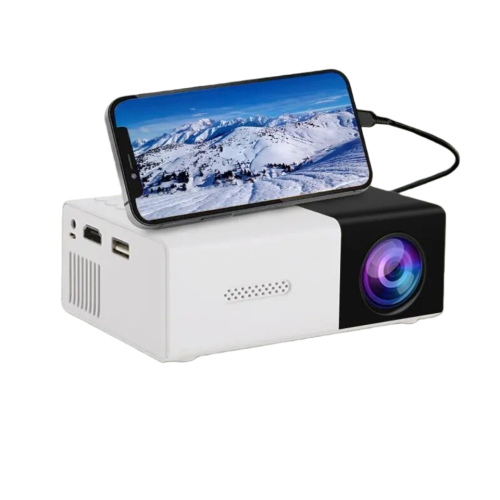
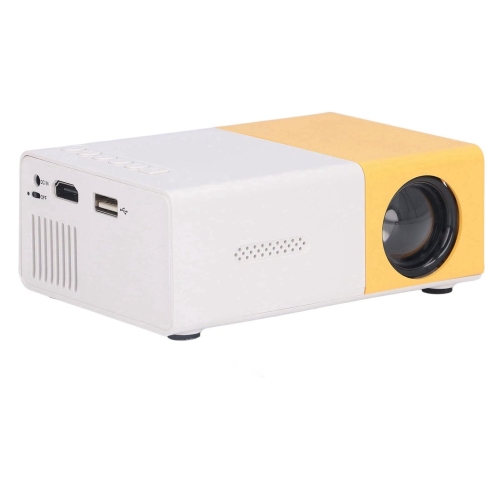
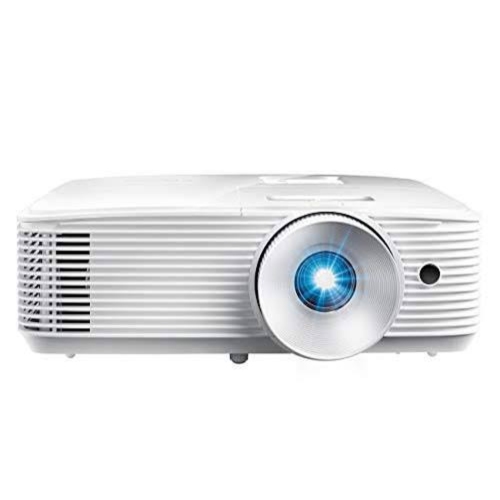
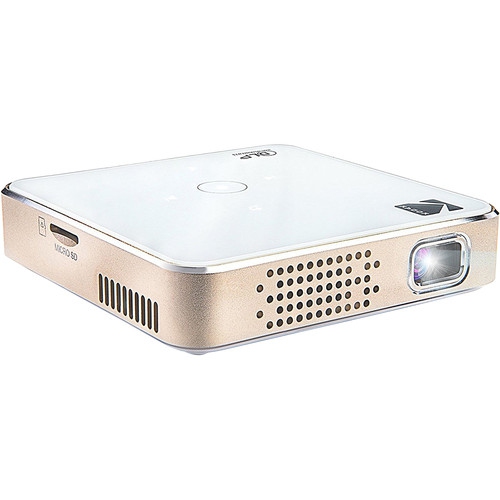
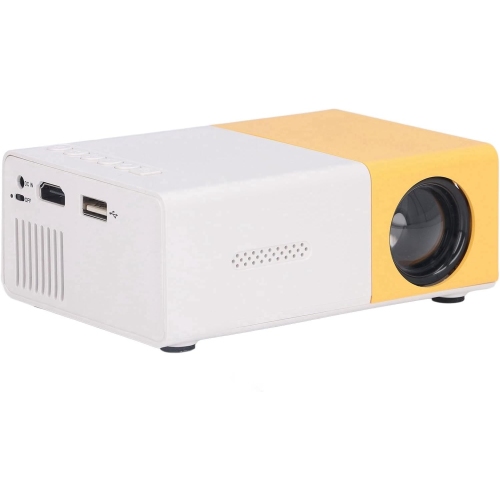
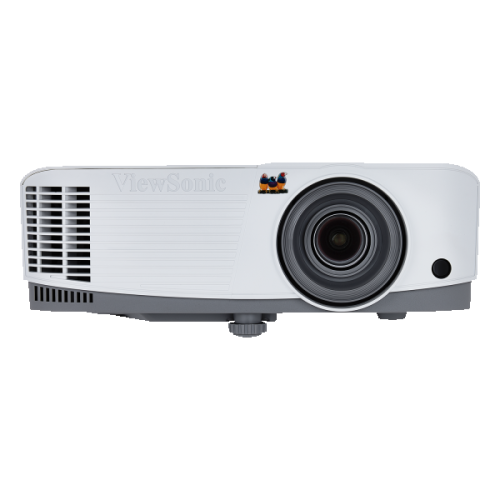
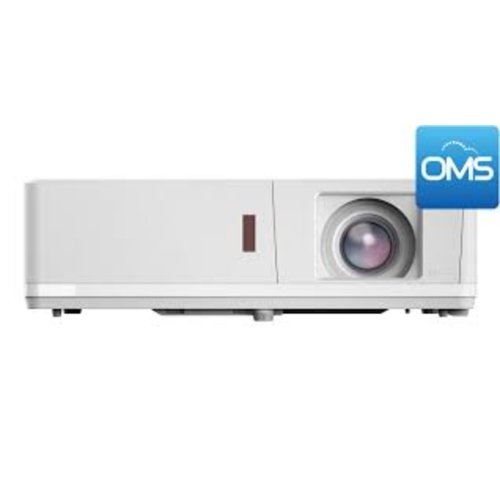
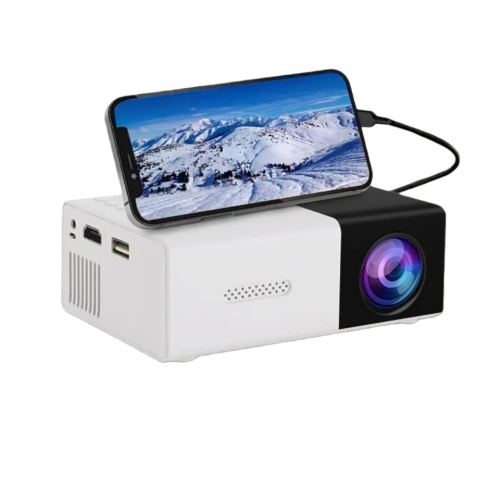
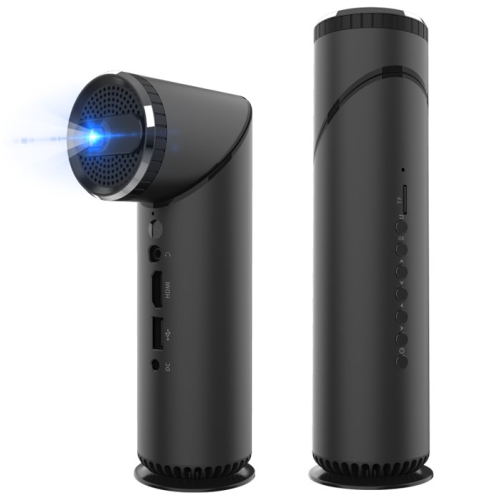
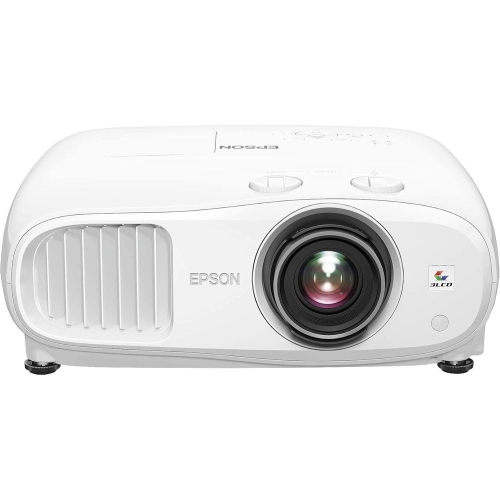
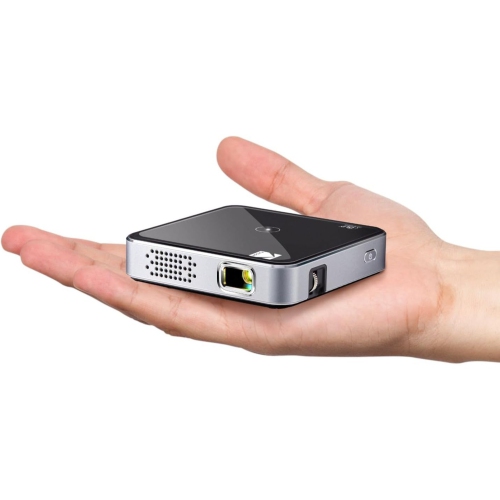
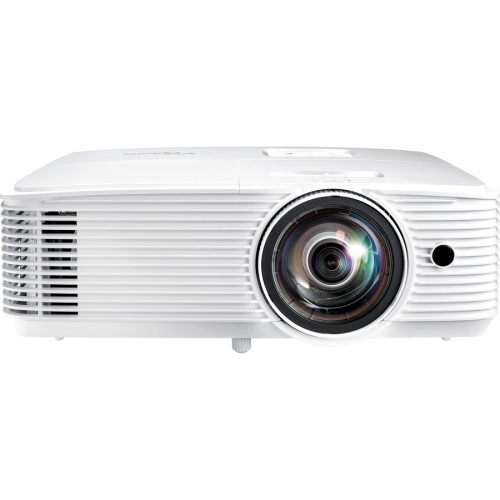
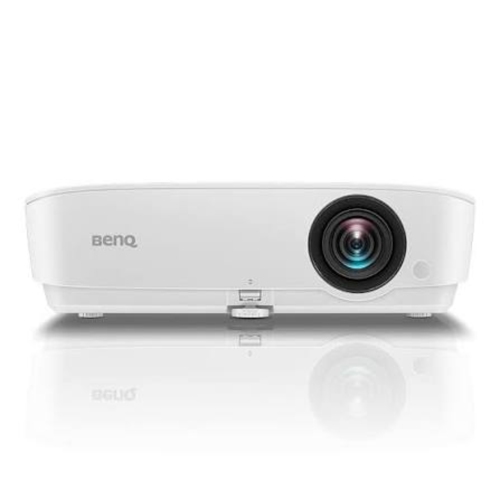
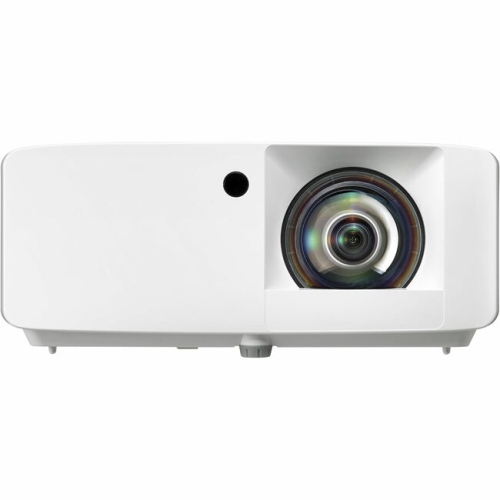
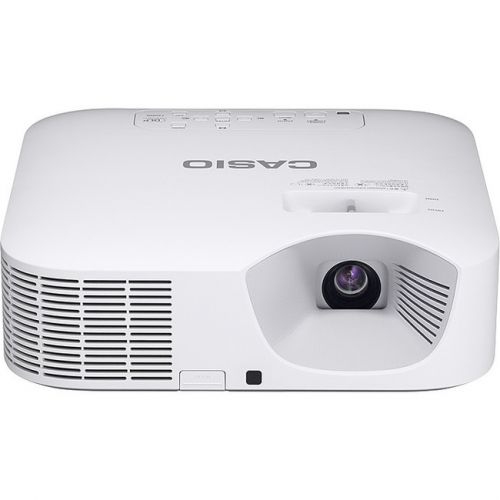
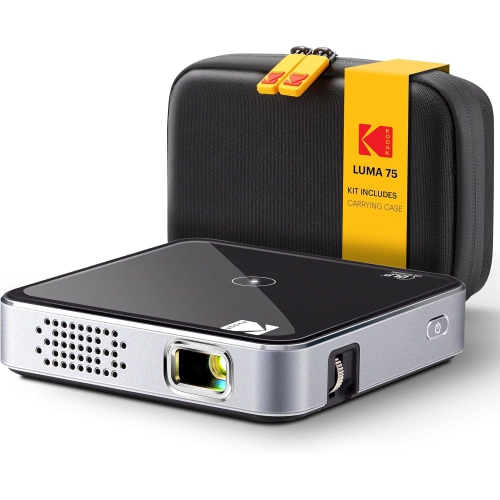
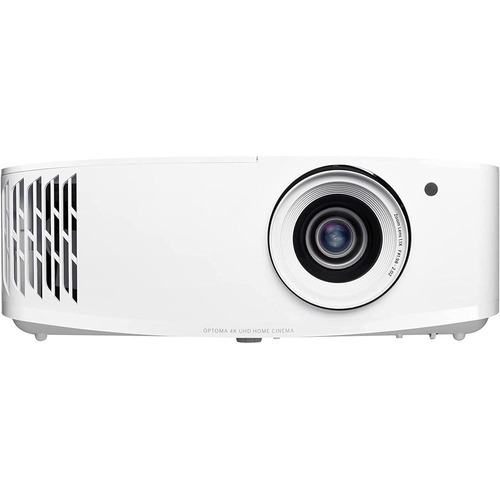
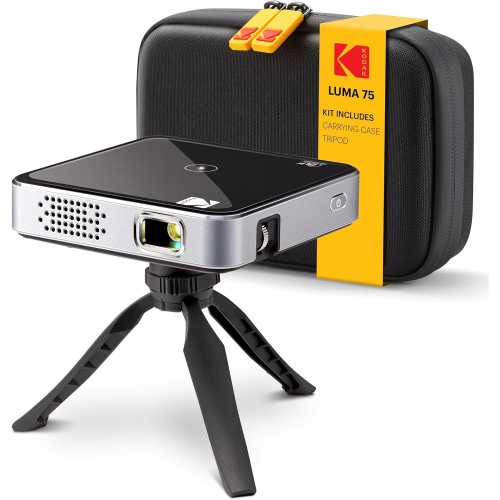
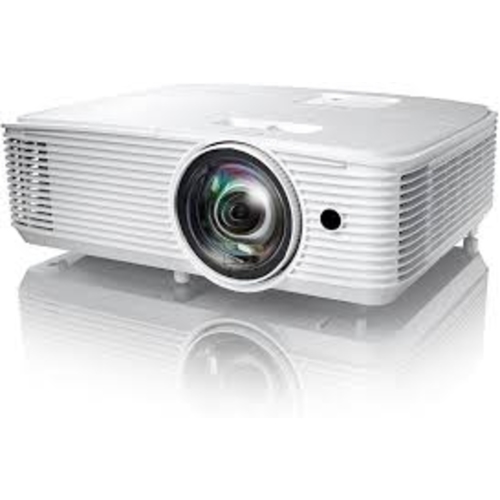
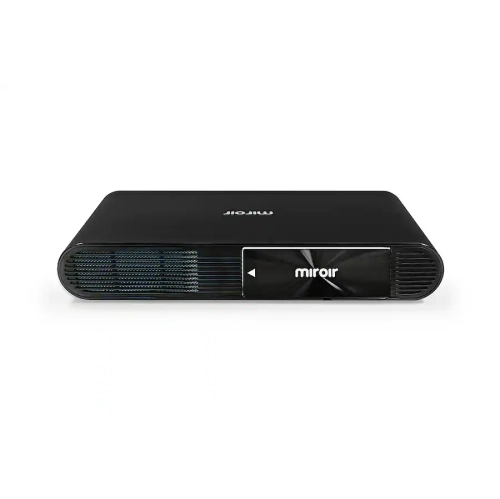
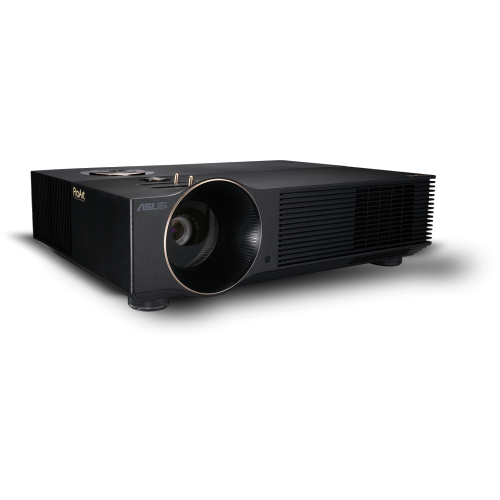
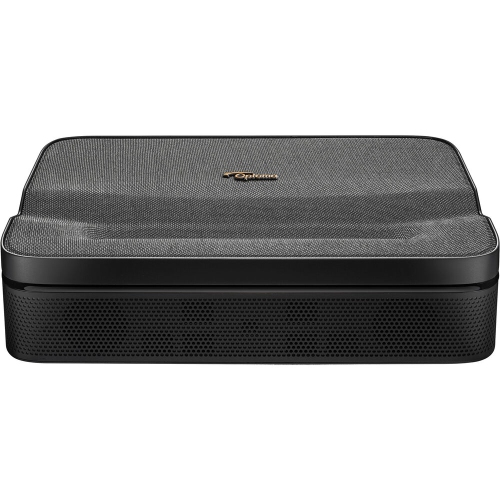
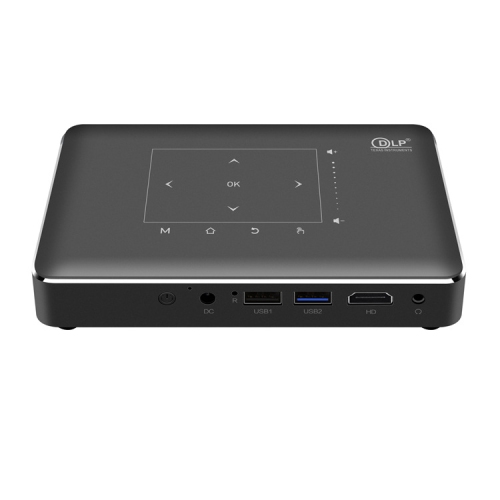
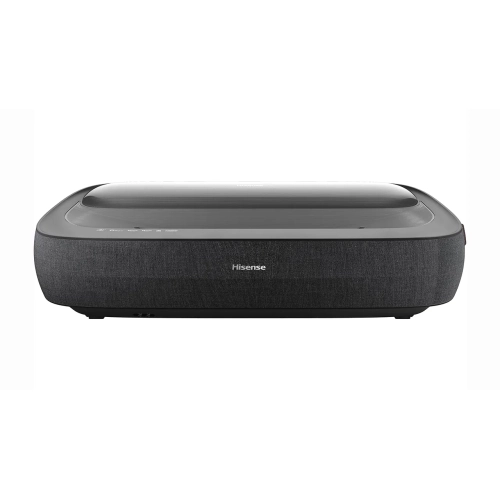
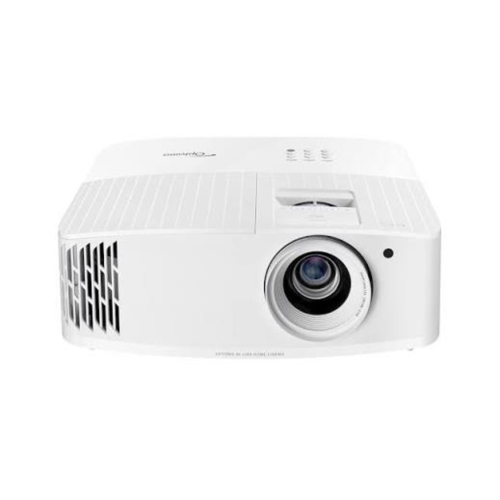
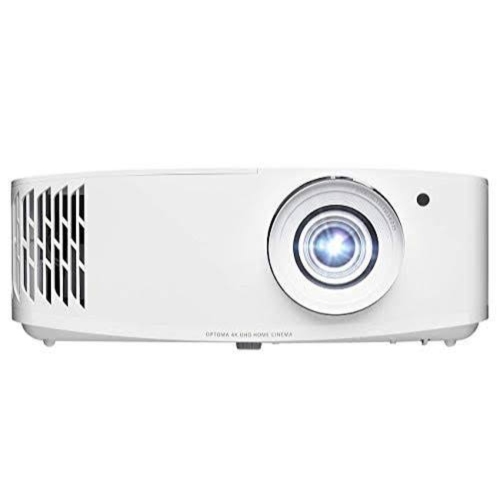
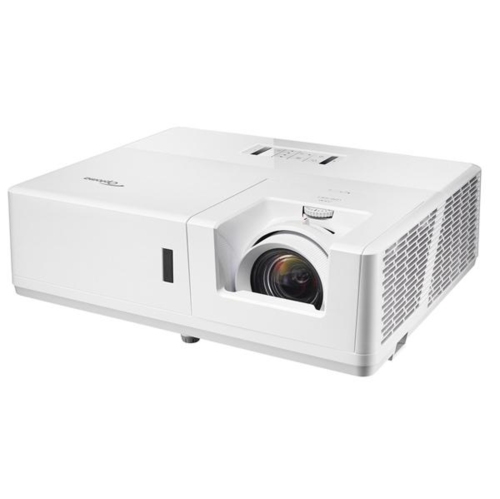
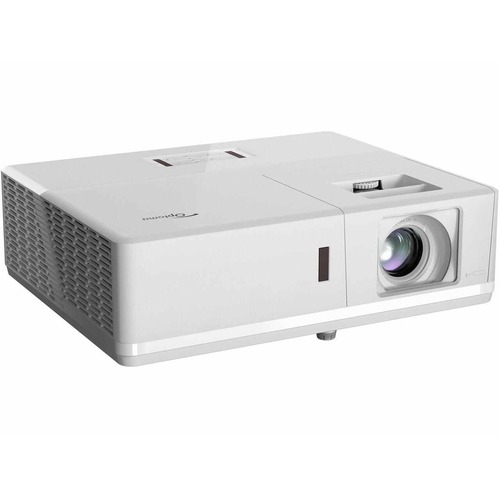
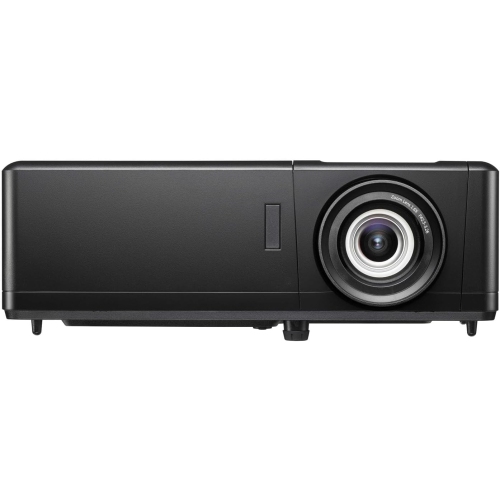
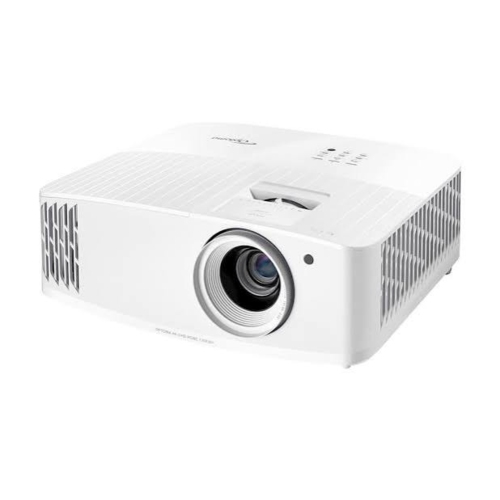
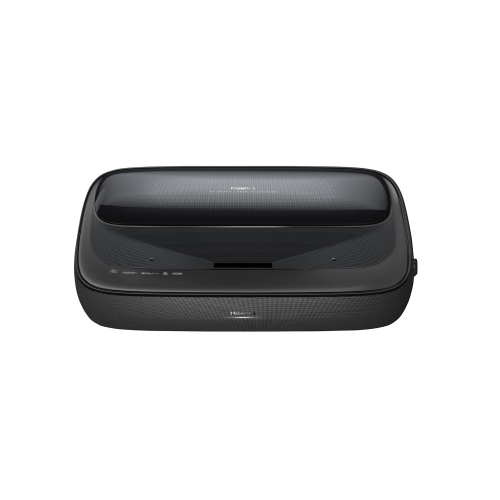
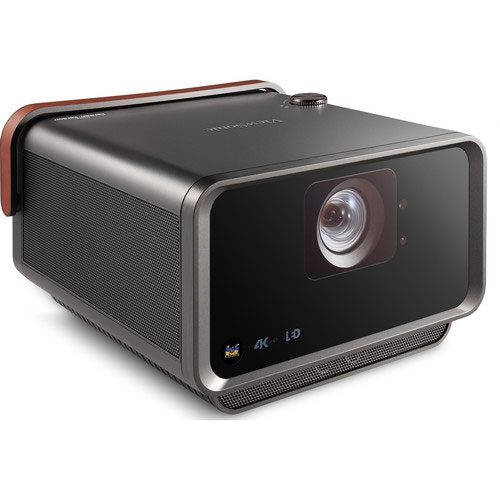
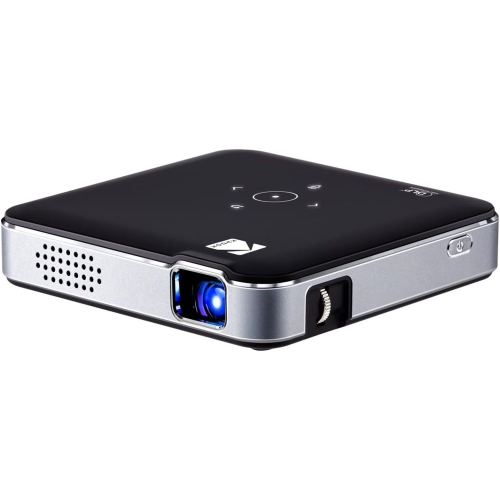
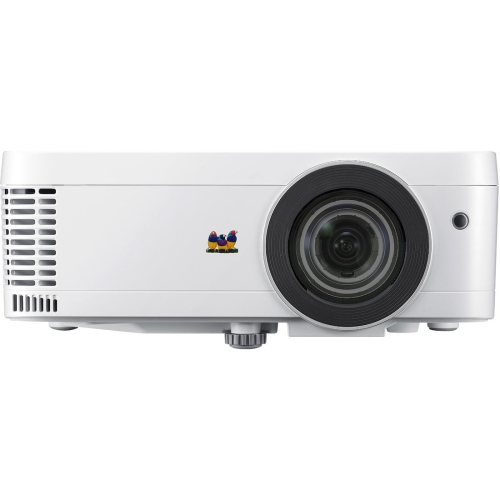
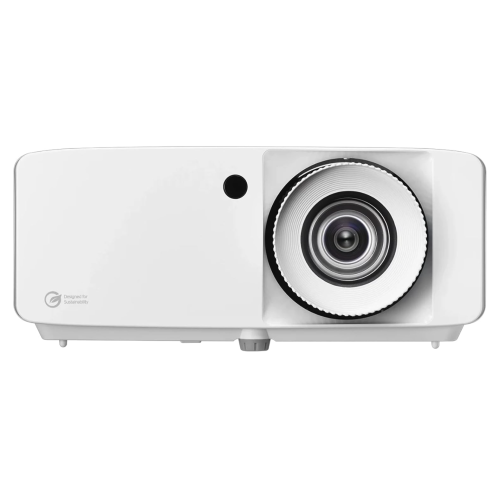
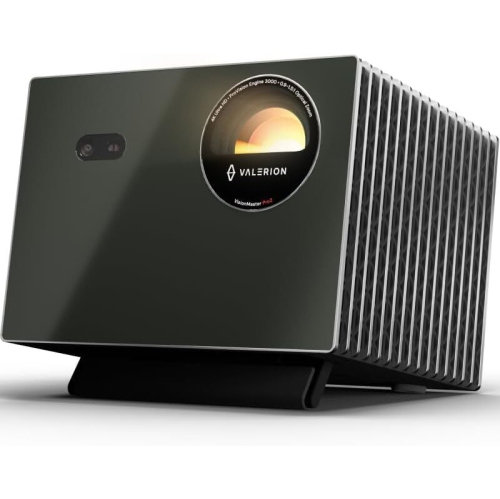
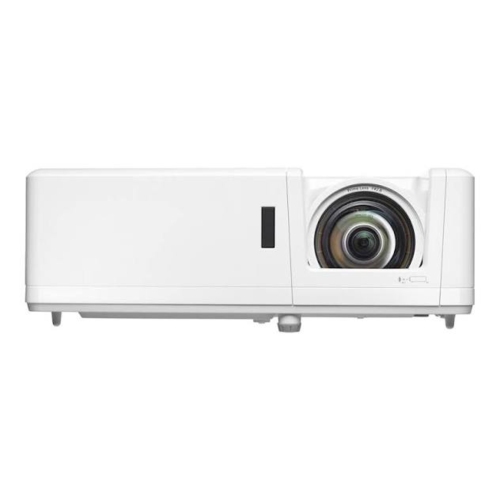
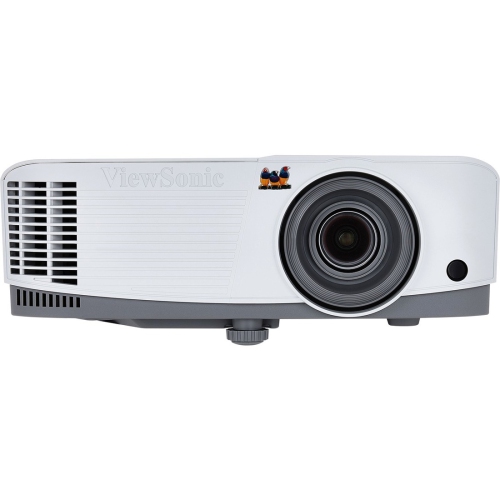
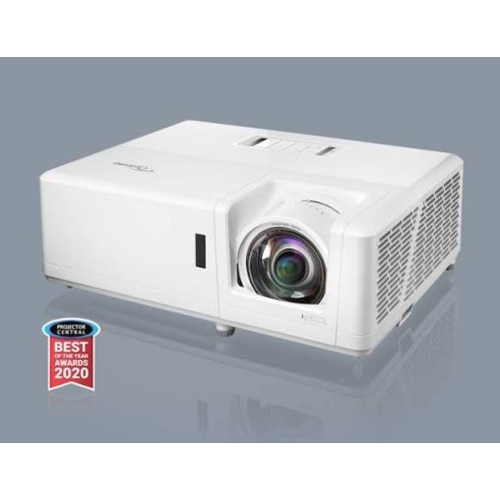
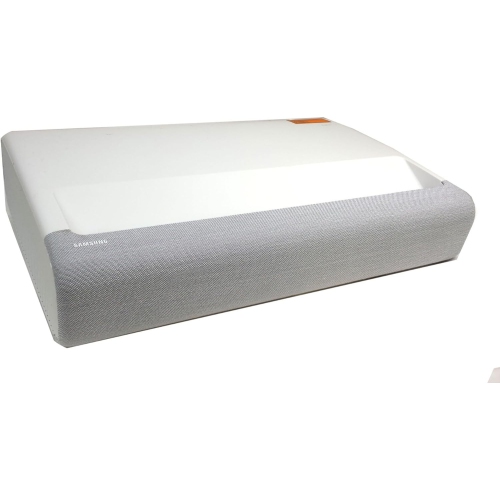
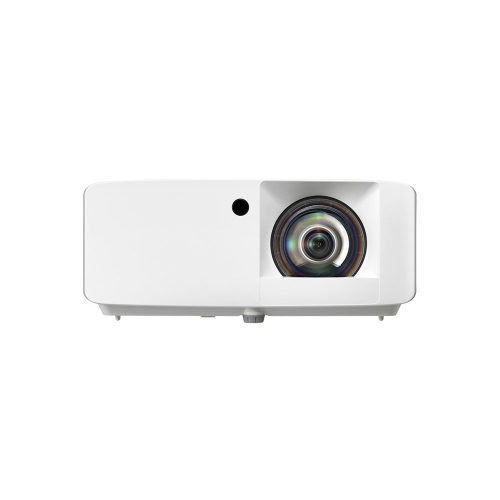
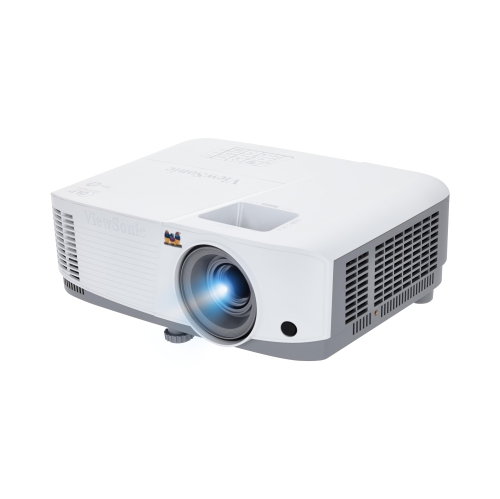
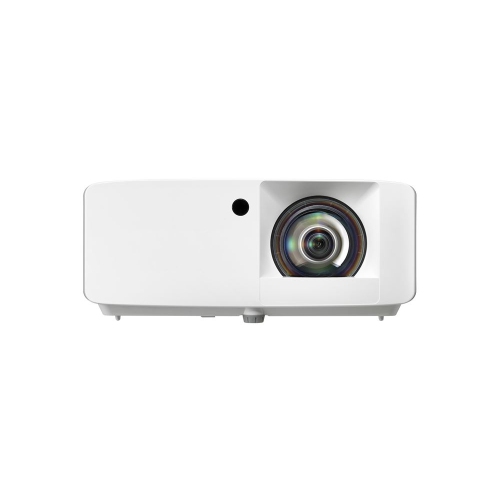
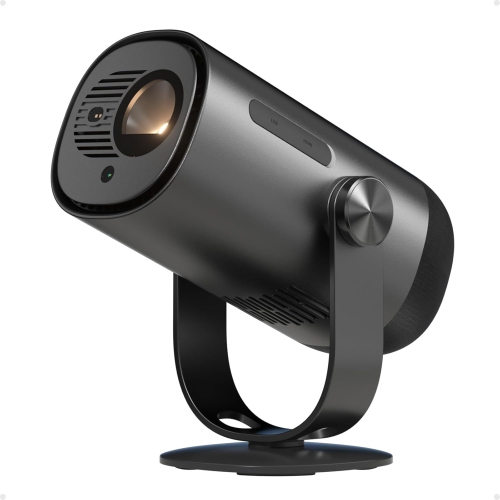
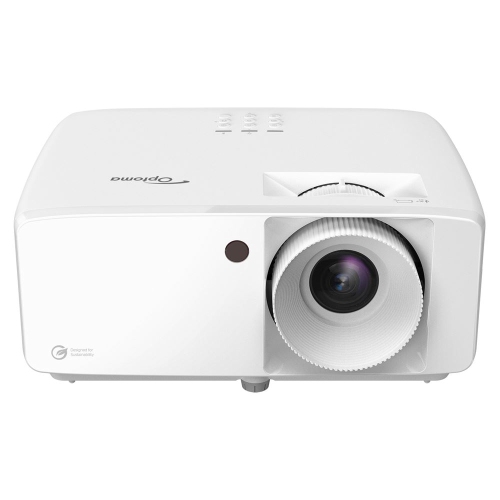
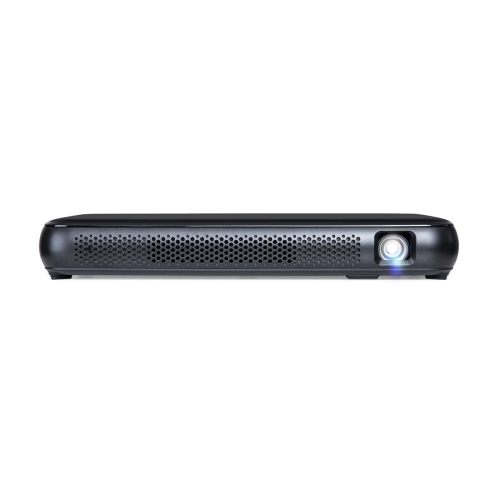
How DLP technology shapes picture quality and setup
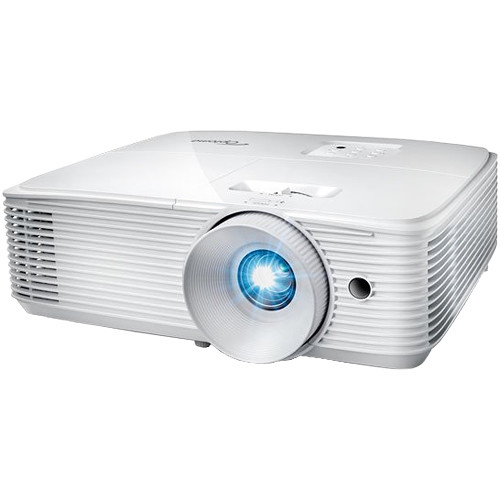
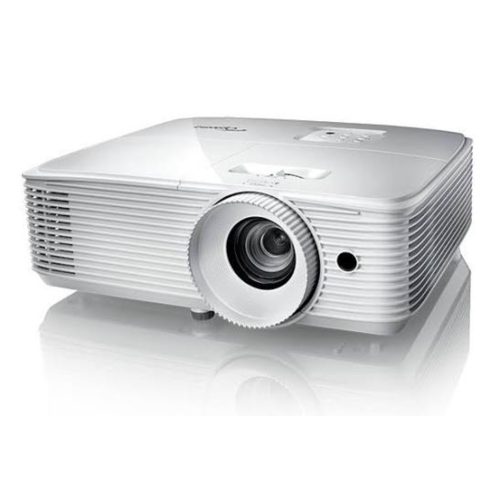
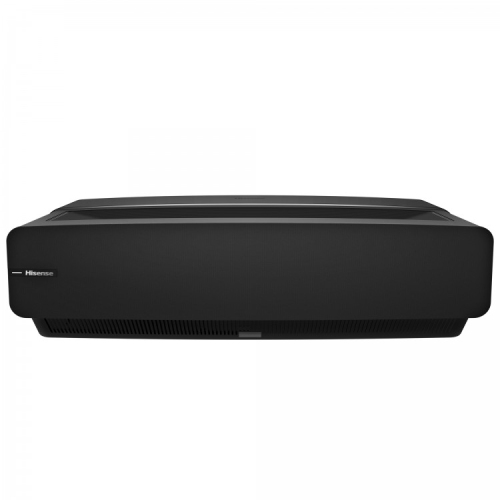
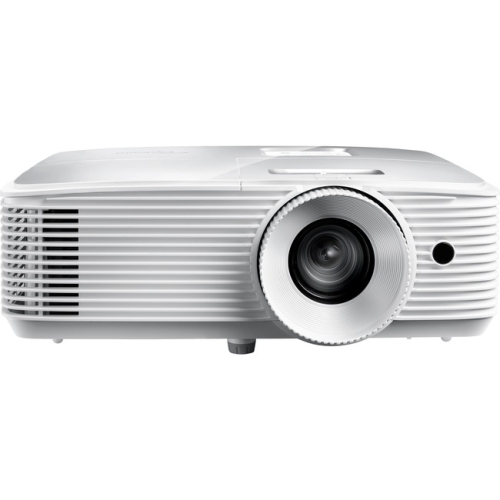
Digital Light Processing (DLP) projectors create images using a Digital Micromirror Device (DMD), a chip covered with thousands or millions of microscopic mirrors. Each mirror tilts rapidly to reflect light toward or away from the lens, controlling the brightness of individual areas of the picture. In many single-chip DLP designs, a fast-spinning colour wheel separates light into red, green, and blue segments; your eyes combine these rapidly displayed colours into a full, moving image. This design helps DLP projectors produce crisp details, strong contrast, and smooth motion in a compact form. It is a practical choice for movie nights, presentations, classroom lessons, sports viewing, and gaming, particularly when a large display is more appealing than a television. The sealed nature of many DLP optical systems can also help reduce the chance of dust settling directly on the imaging chip, which may make them well suited to rooms where a projector is installed for regular use. Picture quality still depends on the complete design, including the lens, light source, processing, and resolution, so it is worth considering how and where the projector will be used rather than choosing by technology alone. For smaller rooms, an XGA model can be useful for slides, documents, diagrams, and other content where a straightforward, readable image is the priority; browse XGA DLP Projectors to explore options in that format.
When comparing Digital Light Processing projectors, start with the room and the screen size you have in mind. A darker room allows the picture to look richer and more immersive, while a space with windows, lamps, or overhead lighting calls for more brightness so that text and images do not appear washed out. Brightness is measured in lumens, but the best result also depends on screen material, viewing distance, and how much surrounding light reaches the image. Resolution matters as well: higher resolutions can make small text, fine game details, and subtitles easier to see on a larger screen, while a lower-resolution model may be a sensible fit for basic presentations or casual viewing. Check the projector’s throw distance and lens characteristics before buying, since a standard-throw design may need more room between the projector and screen than a short-throw model. Keystone correction and lens shift can make positioning easier, although a projector aligned squarely with the screen generally delivers the cleanest image. It is also helpful to review connection options, such as HDMI, USB, audio output, and wireless features, based on the devices you plan to connect. A laptop presenter may value quick access to a computer connection, while a gaming setup benefits from compatible inputs and low input lag. DLP projectors are often appreciated for fast response, which can help action feel immediate during racing games, sports titles, and other quick-moving content. Built-in speakers can be convenient for a presentation or an impromptu film in the living room, but an external sound system can provide fuller dialogue and more engaging sound for regular home entertainment.
DLP projectors can suit a wide range of users, from students and teachers who need a clear way to share visual material to families that want a flexible screen for films, console games, and shared photo viewing. They can also make thoughtful gifts for someone setting up a recreation room, upgrading a presentation space, or creating a simple outdoor viewing arrangement during the warmer part of the year, provided the recipient has a suitable surface, power source, and a way to control the content. During the cooler months, a projector can turn a blank wall into a comfortable home cinema for weekend films, seasonal gatherings, or a tournament with friends. For occasional use, portability, setup time, and storage size may matter more than advanced picture controls. Someone who plans to leave a projector installed should pay closer attention to mounting options, ventilation, lamp or LED light-source life, replacement costs, fan noise, and access to the projector’s controls. It is also worth considering whether viewers may notice brief red, green, or blue flashes in high-contrast scenes, sometimes called rainbow artifacts. These flashes are associated with the colour-wheel operation of some single-chip DLP projectors, and sensitivity varies from person to person; many viewers never notice them, while others may prefer to compare display technologies in person. Keeping the lens clean, allowing adequate airflow, and following the manufacturer’s placement and shutdown guidance can help maintain consistent performance. With the right brightness, resolution, throw distance, connectivity, and sound setup, a Digital Light Processing projector can provide a sharp, responsive image that adapts easily to presentations, entertainment, gaming, and memorable shared experiences.
When comparing Digital Light Processing projectors, start with the room and the screen size you have in mind. A darker room allows the picture to look richer and more immersive, while a space with windows, lamps, or overhead lighting calls for more brightness so that text and images do not appear washed out. Brightness is measured in lumens, but the best result also depends on screen material, viewing distance, and how much surrounding light reaches the image. Resolution matters as well: higher resolutions can make small text, fine game details, and subtitles easier to see on a larger screen, while a lower-resolution model may be a sensible fit for basic presentations or casual viewing. Check the projector’s throw distance and lens characteristics before buying, since a standard-throw design may need more room between the projector and screen than a short-throw model. Keystone correction and lens shift can make positioning easier, although a projector aligned squarely with the screen generally delivers the cleanest image. It is also helpful to review connection options, such as HDMI, USB, audio output, and wireless features, based on the devices you plan to connect. A laptop presenter may value quick access to a computer connection, while a gaming setup benefits from compatible inputs and low input lag. DLP projectors are often appreciated for fast response, which can help action feel immediate during racing games, sports titles, and other quick-moving content. Built-in speakers can be convenient for a presentation or an impromptu film in the living room, but an external sound system can provide fuller dialogue and more engaging sound for regular home entertainment.
DLP projectors can suit a wide range of users, from students and teachers who need a clear way to share visual material to families that want a flexible screen for films, console games, and shared photo viewing. They can also make thoughtful gifts for someone setting up a recreation room, upgrading a presentation space, or creating a simple outdoor viewing arrangement during the warmer part of the year, provided the recipient has a suitable surface, power source, and a way to control the content. During the cooler months, a projector can turn a blank wall into a comfortable home cinema for weekend films, seasonal gatherings, or a tournament with friends. For occasional use, portability, setup time, and storage size may matter more than advanced picture controls. Someone who plans to leave a projector installed should pay closer attention to mounting options, ventilation, lamp or LED light-source life, replacement costs, fan noise, and access to the projector’s controls. It is also worth considering whether viewers may notice brief red, green, or blue flashes in high-contrast scenes, sometimes called rainbow artifacts. These flashes are associated with the colour-wheel operation of some single-chip DLP projectors, and sensitivity varies from person to person; many viewers never notice them, while others may prefer to compare display technologies in person. Keeping the lens clean, allowing adequate airflow, and following the manufacturer’s placement and shutdown guidance can help maintain consistent performance. With the right brightness, resolution, throw distance, connectivity, and sound setup, a Digital Light Processing projector can provide a sharp, responsive image that adapts easily to presentations, entertainment, gaming, and memorable shared experiences.
Top selling and popular products
-
 Your price for this item is $899.97
 -
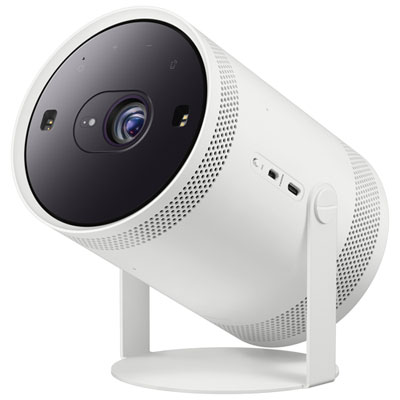 Your price for this item is $999.99
 -
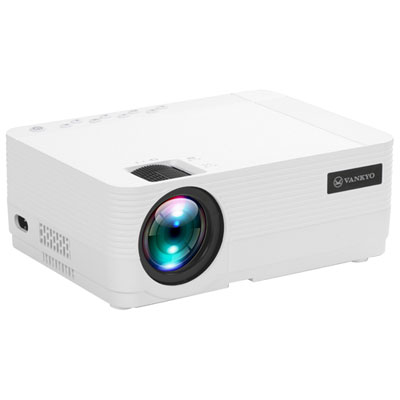 Your price for this item is $229.99
 -
 Your price for this item is $1999.99
 -
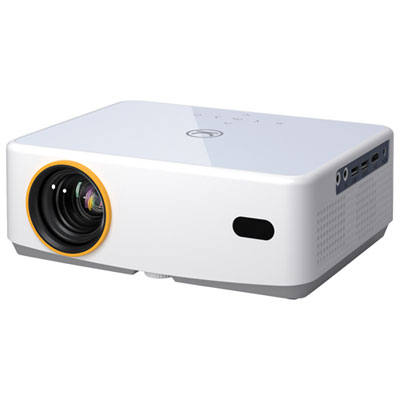 Your price for this item is $319.99
 -
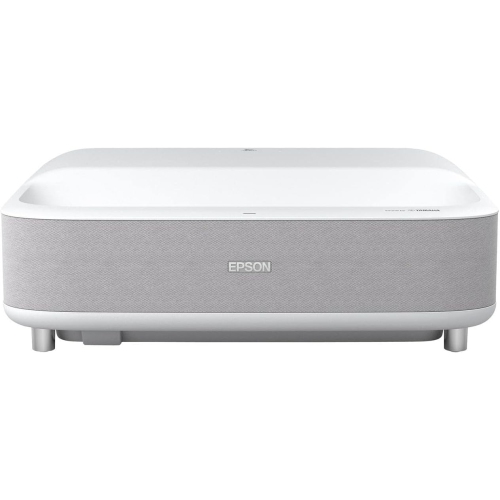 Your price for this item is $2279.05
 -
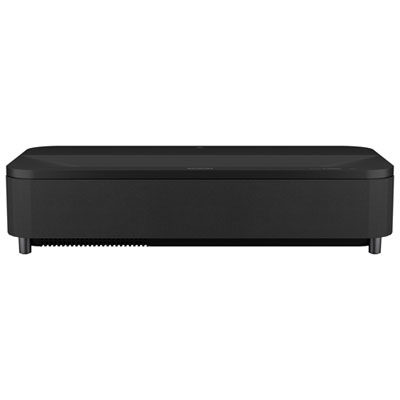 Your price for this item is $4799.99
 -
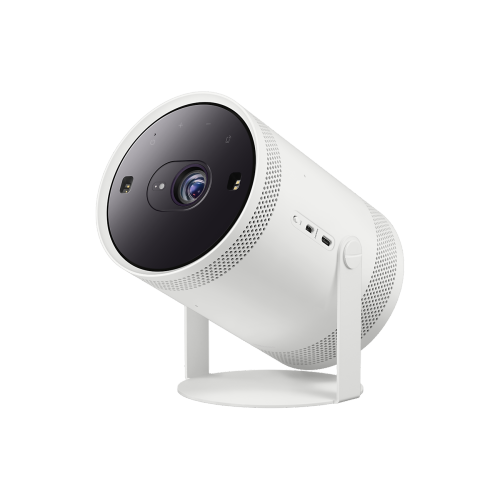 Your price for this item is $799
Discover more categories related to Digital Light Processing Projectors
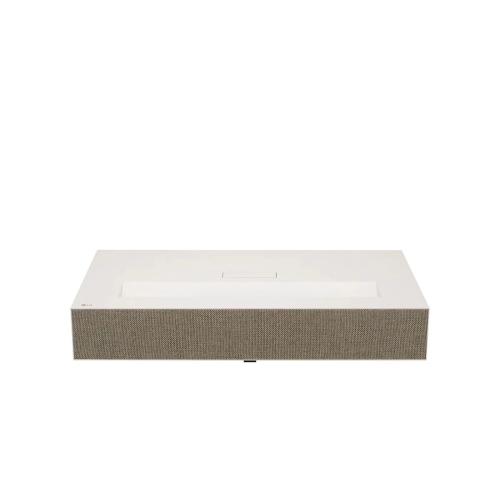
Top Collections:
Pokemon Centers, Best Cameras for Sports Photography, Kindle Devices, Samsung Galaxy Phones, Canon G7X Cameras, Pokémon 30th Celebration Cards, Refurbished Apple Laptops, iPhone 15 Apple, Laptops for Students, Budget Smartphones
Some products may be subject to Environmental Handling Fees
(EHF) depending on your province.
Learn more about EHFs.