Digital Menu Boards
Enhance your restaurant's ambiance and streamline your menu presentation with our selection of digital menu boards. These innovative displays offer dynamic ways to showcase your offerings, promotions, and specials in a modern and eye-catching way. With easy customization options and remote updating capabilities, digital menu boards are the perfect solution to keep your customers informed and engaged while also simplifying your operation. Upgrade your establishment's look and efficiency with our range of digital menu board options tailored to suit your unique needs.
Sort



Clear menus that change with the day’s service
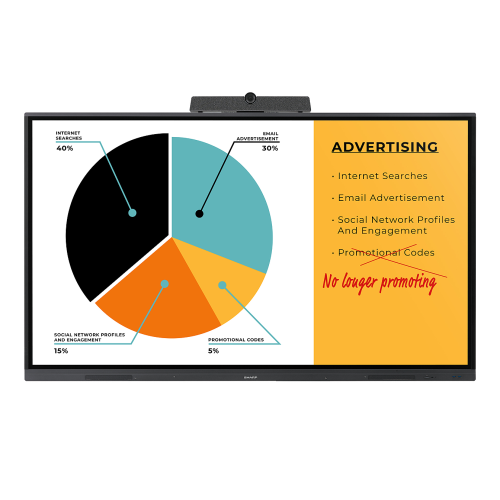
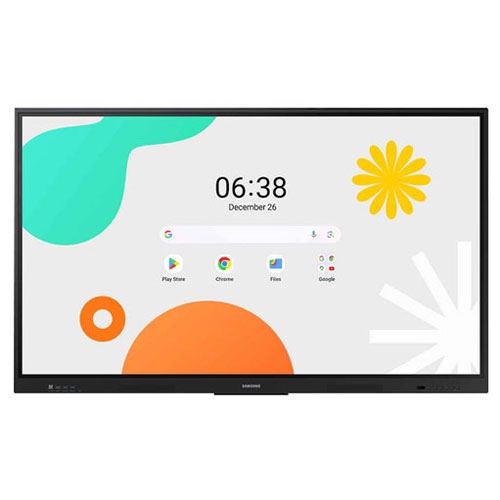
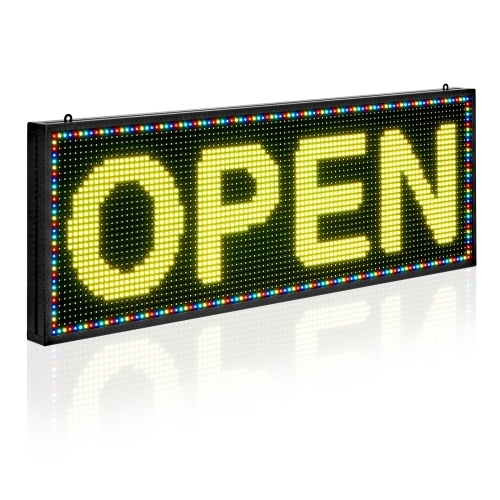
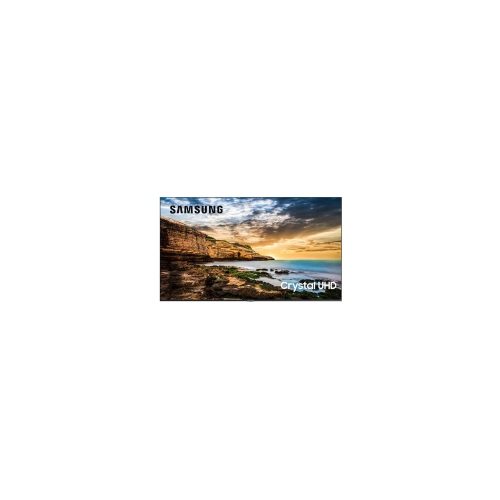
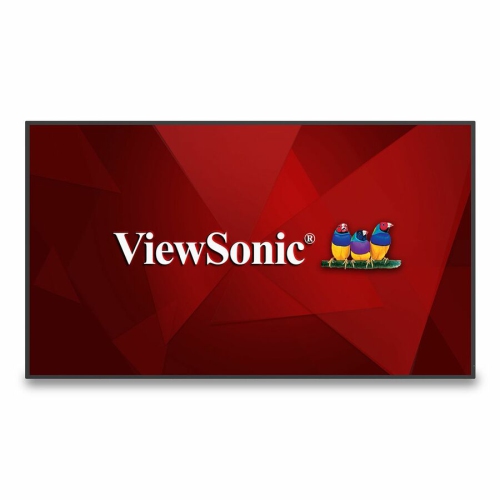
Digital menu boards are electronic displays that present food and beverage menus using text, photography, and video instead of printed signs. A typical setup combines a screen, a built-in or external media player, and software that controls what appears on the display. These systems suit restaurants, cafés, bakeries, food courts, cafeterias, and concession counters where customers need to read a menu while moving through a queue. Behind a coffee bar, a row of landscape screens can separate espresso drinks, breakfast dishes, and baked goods without crowding everything onto one panel. At a narrow takeaway counter, a portrait display can make better use of limited wall space while keeping menu categories together. The right screen size depends on viewing distance, mounting height, and the amount of information being shown, rather than wall space alone. Small descriptions that look clear from behind the counter may be difficult to read from the entrance, especially when customers are standing several metres away. High resolution supports crisp lettering and detailed food photography, but generous text size, strong contrast, and uncluttered layouts remain essential for readability. Wide viewing angles also matter when people approach from the side or join a line that bends around the room. Static menu sections give customers time to compare choices, while restrained motion can draw attention to a featured dish without interrupting the ordering process. For locations serving different meals throughout the day, compatible scheduling software can switch from breakfast to lunch and evening menus automatically. A permanent section for drinks or sides can remain visible while another section changes. Digital menu board displays also fit into broader Digital Signage Solutions that support welcome screens, wayfinding, and customer information throughout a business. Keeping the ordering menu distinct from those other messages helps customers find the details they need without waiting through an unrelated slideshow.
Commercial displays are designed for business use, but their operating limits vary, making the rated daily run time an important consideration. Some support a typical working day, while others are rated for continuous operation; neither capability should be assumed from screen size or resolution. A consumer television may support a simple menu setup, but its warranty terms, supported orientation, operating schedule, and behaviour after a power interruption may differ from those of a commercial signage display. Brightness should match the installation location. A screen facing a sunlit entrance needs different performance from one mounted above a softly lit dining counter, and an anti-glare surface can help reduce distracting reflections from windows or overhead fixtures. Indoor screens are not substitutes for outdoor-rated equipment. Drive-through lanes, exposed kiosks, and sheltered patios may require displays and enclosures with suitable protection against moisture, dust, temperature extremes, and direct sunlight. Canadian winter conditions make the specified operating temperature range especially important for exterior installations. Inside a restaurant, heat from cooking equipment, airborne grease, and steam also influence placement and care. Slim housings with metal or durable plastic components offer different weights and finishes, but the complete display’s construction, ventilation requirements, and mounting specifications matter more than appearance alone. Wall brackets, ceiling mounts, and freestanding supports must match the screen’s weight and mounting pattern, with adequate support from the building structure. Multiple screens benefit from mounts that allow precise alignment so adjoining panels sit level above the counter. Secure cable routing keeps power and signal connections away from food preparation areas and customer pathways, while accessible connections make servicing less disruptive. Manufacturer-approved cleaning methods help protect panel coatings; a soft microfibre cloth is generally preferable to abrasive materials, and liquid should not be sprayed directly onto the screen. Adequate ventilation, routine dust removal where permitted, and access for maintenance all contribute to dependable daily use. For busy locations, being able to service one display without dismantling the entire arrangement is a practical advantage.
Content playback and management determine how easily digital menu boards fit into daily operations. A straightforward installation may use a compatible USB drive to play supported image or video files, while a networked system can use a media player and content management software to distribute updates across several screens. File support, storage capacity, playback scheduling, and screen orientation vary by device, so the display and player need to work together as a complete system. Built-in players can reduce the number of separate components behind a screen; external players can offer flexibility when software requirements change or several displays need coordinated content. HDMI connections carry video from many external players, while Ethernet or Wi-Fi may provide network access, depending on the hardware. A wired connection can be useful where wireless reception is inconsistent, such as a crowded food court or a counter separated from the router by several walls. Cloud-based management allows authorised staff to adjust menus remotely on compatible systems, which can simplify operations for businesses with multiple locations. Local playback and cached content may help keep a menu visible during an internet interruption, but offline behaviour should be verified rather than assumed. Some systems also support connections to point-of-sale software, although compatibility and the information shared depend on the platforms involved. For a bakery changing its display between morning pastries and afternoon sandwiches, scheduled layouts can reduce repetitive work. A cafeteria may benefit from clearly separated meal stations, while an arena concession counter needs a short, highly legible menu that customers can scan before reaching the till. Consistent placement of category names, portion details, and dietary information makes changing content easier to follow. Where allergen information appears, it should match the business’s verified food information and remain readable long enough to understand. Reliable digital menu boards bring together suitable hardware, clear content, and manageable controls, helping staff maintain an orderly presentation while giving customers a comfortable view of the menu from the queue to the counter.
Top selling and popular products
-
 Your price for this item is $899.99
-
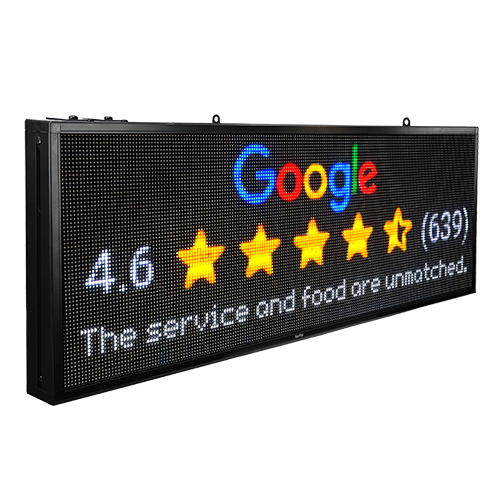 Your price for this item is $699
-
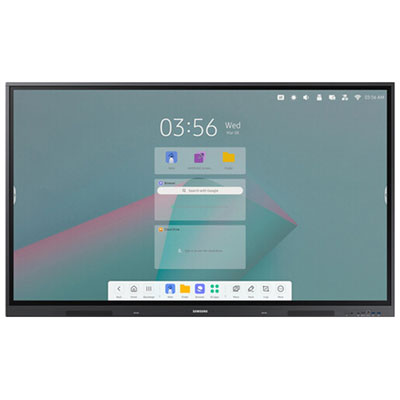 Your price for this item is $1299.99
-
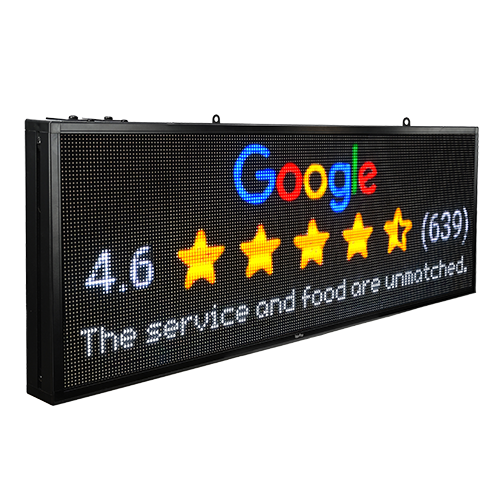 Your price for this item is $799
-
 Your price for this item is $691.87
-
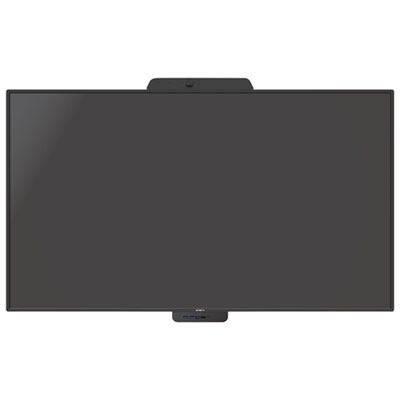 Your price for this item is $3739.99
-
 Your price for this item is $567.99
-
 Your price for this item is $69.99
Discover more categories related to Digital Menu Boards
Top Collections:
Pokemon Centers, Best Cameras for Sports Photography, Kindle Devices, Samsung Galaxy Phones, Canon G7X Cameras, Pokémon 30th Celebration Cards, Refurbished Apple Laptops, iPhone 15 Apple, Laptops for Students, Budget Smartphones
Some products may be subject to Environmental Handling Fees
(EHF) depending on your province.
Learn more about EHFs.