Entertainment Centers With Bookshelves
Enhance your living space with the perfect blend of style and functionality with our collection of entertainment centers with bookshelves. Designed to elevate your home decor while providing ample storage for your media essentials, these versatile pieces are a must-have for any modern home. Whether you're looking to showcase your impressive book collection, display your favorite decorative items, or organize your entertainment devices, entertainment centers with bookshelves offer the ideal solution. Here are some great options available.
Sort


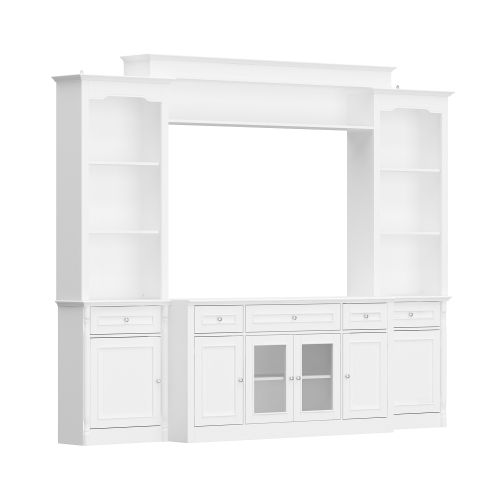


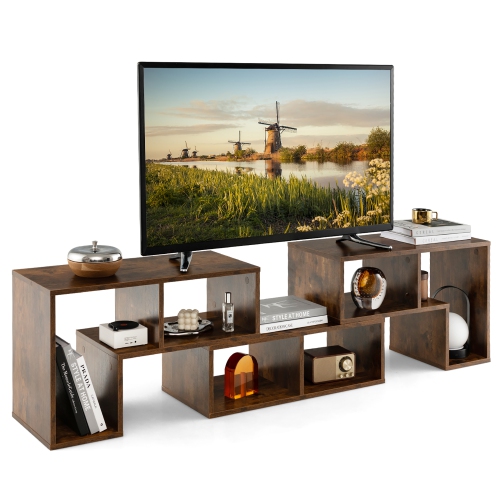


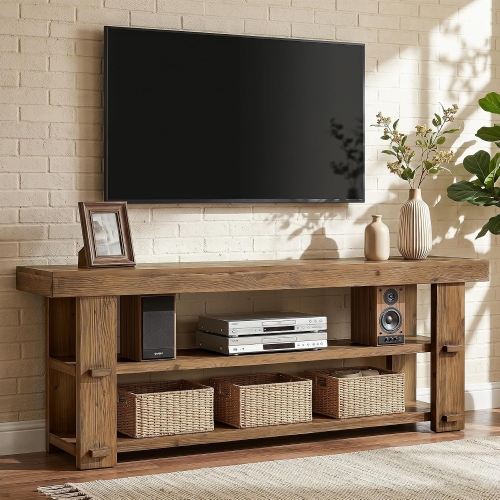
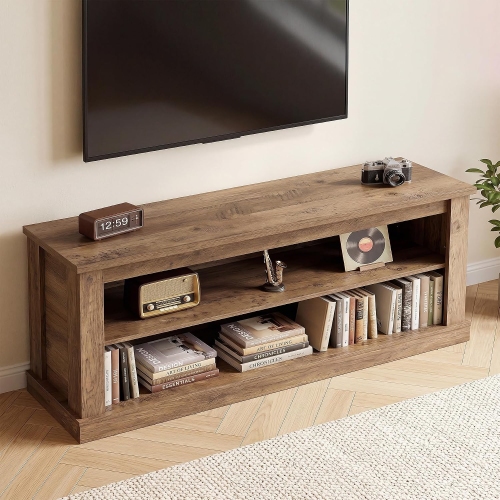
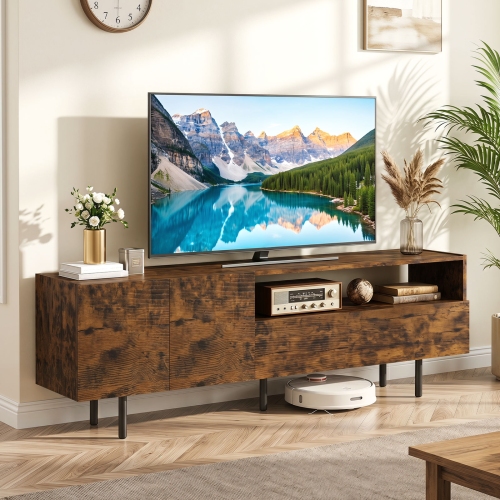
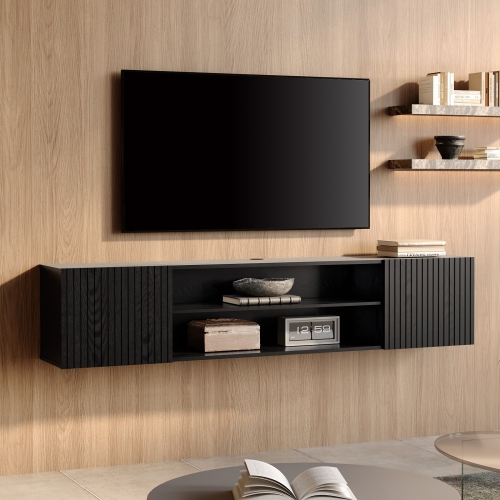


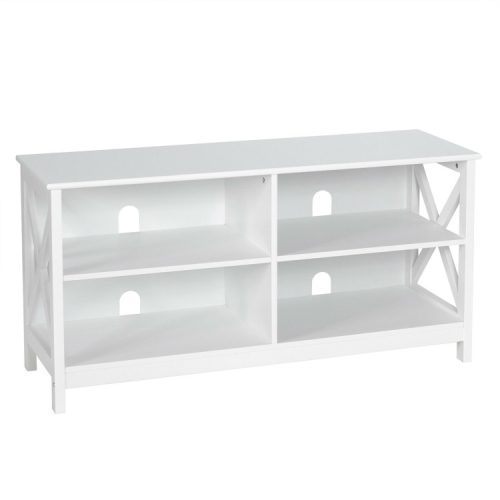
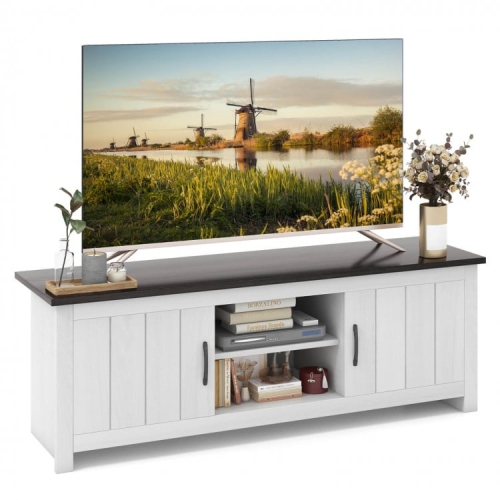
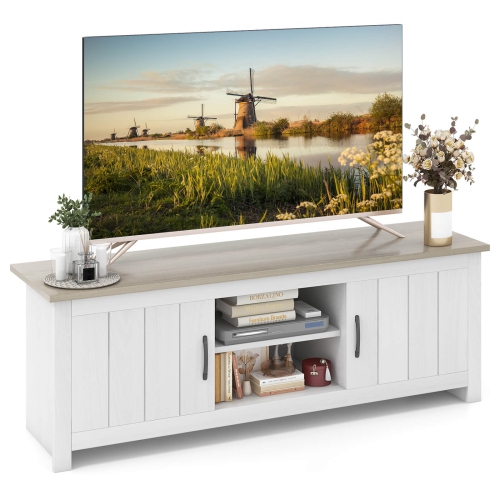

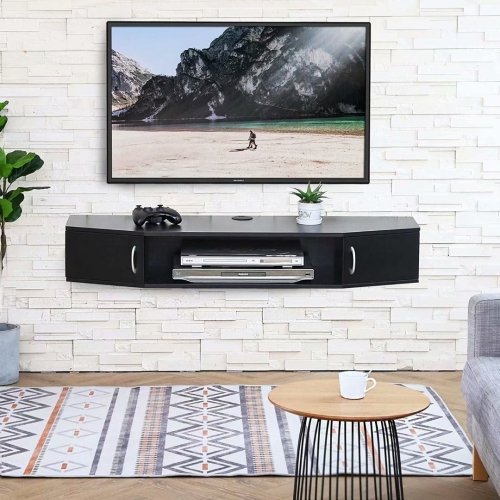
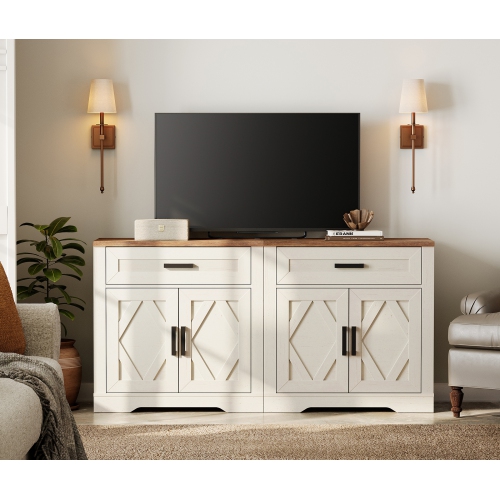
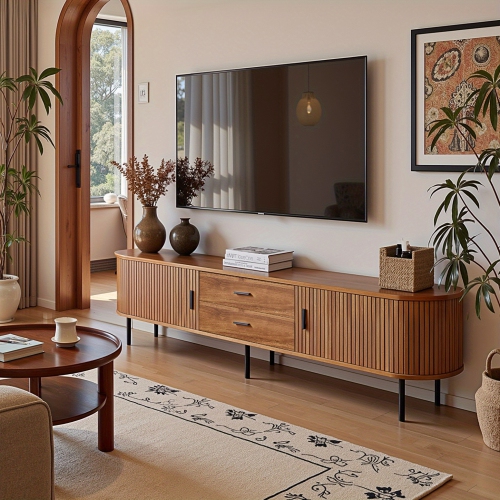
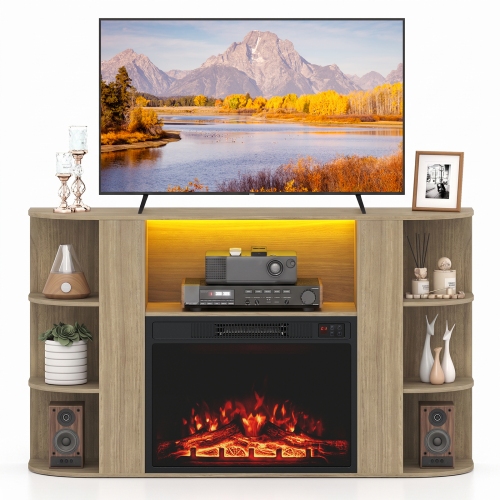
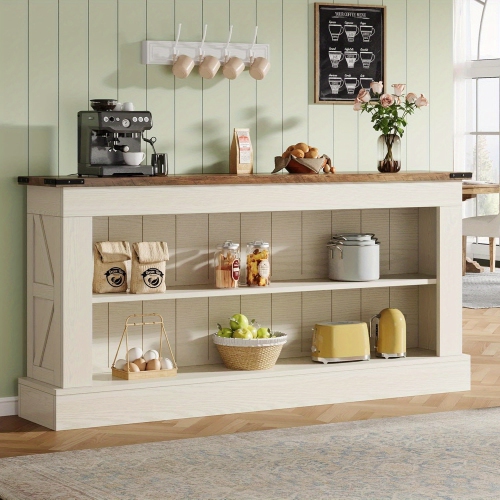

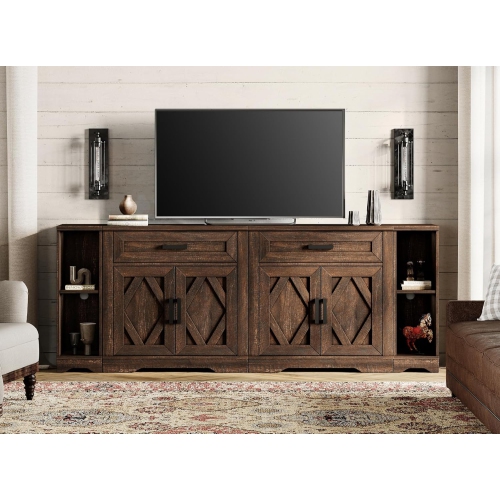
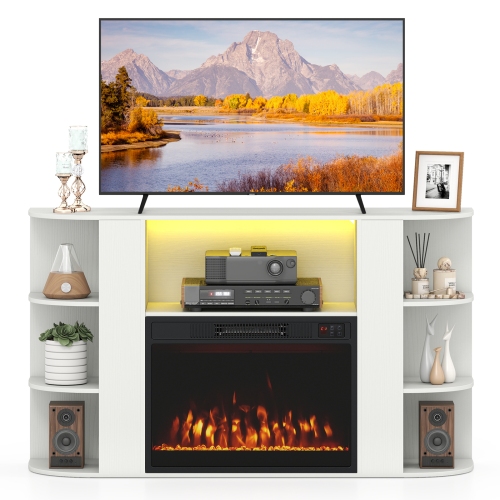

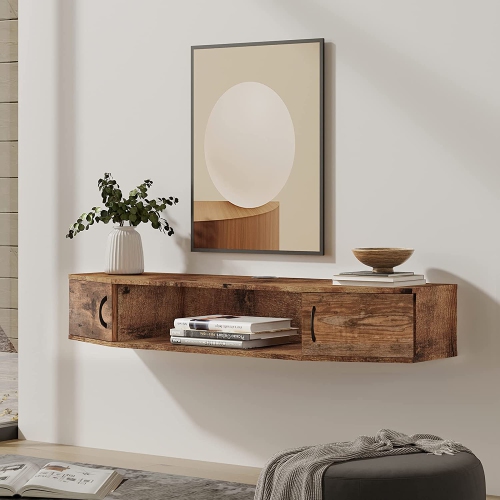

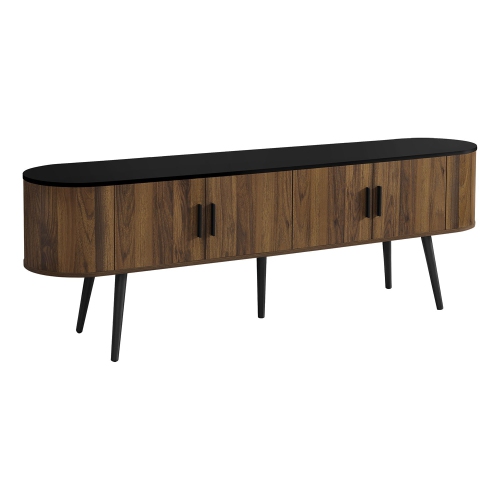

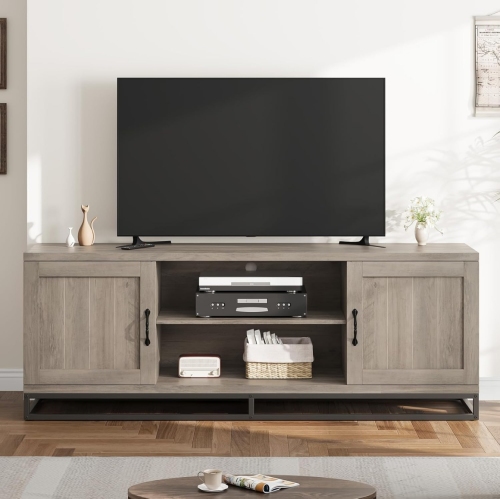
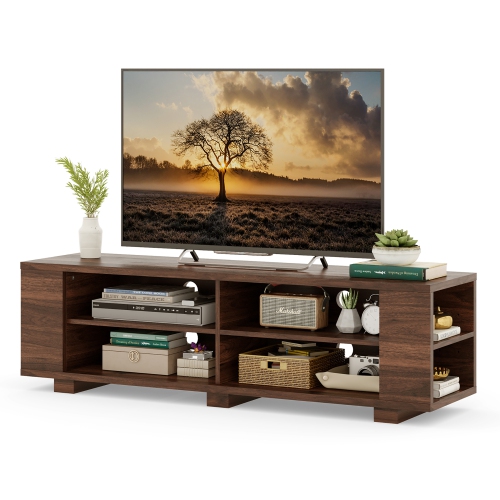
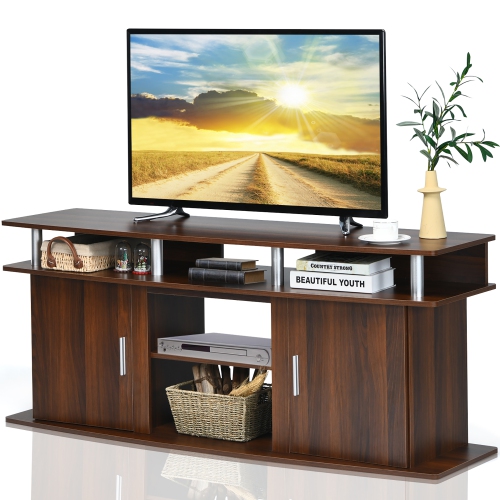

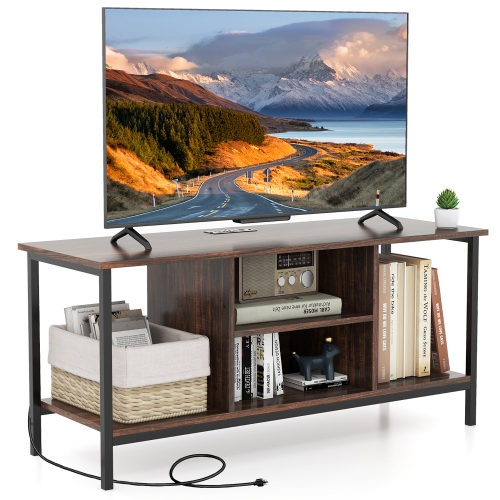


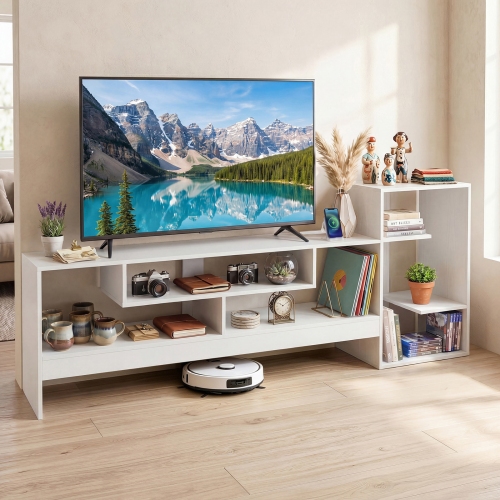
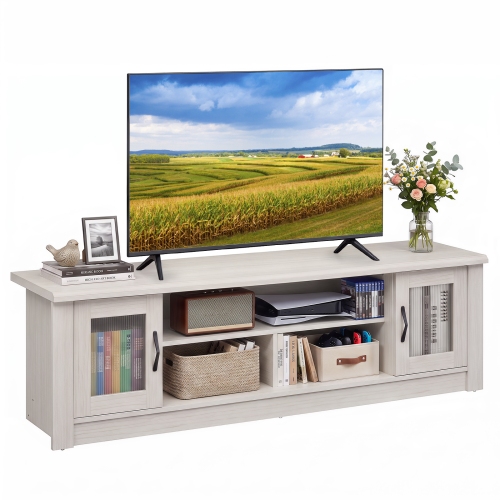
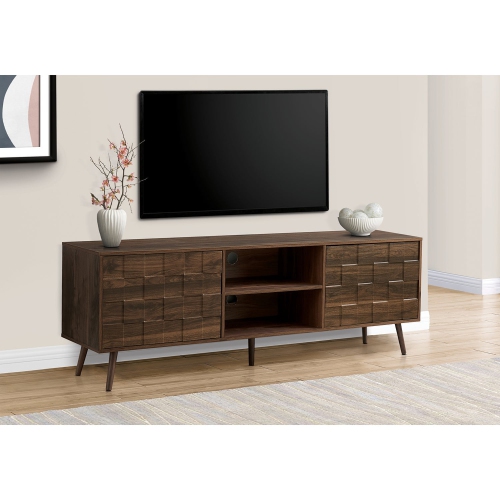

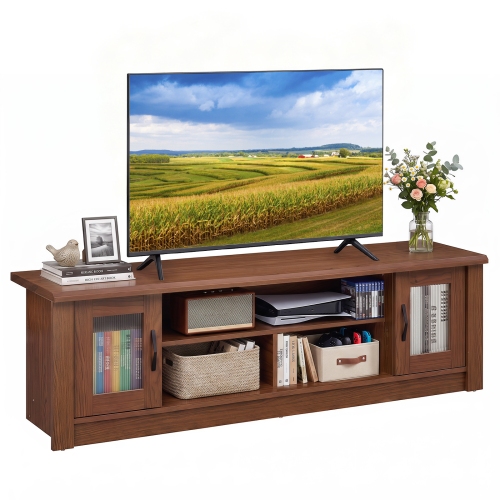
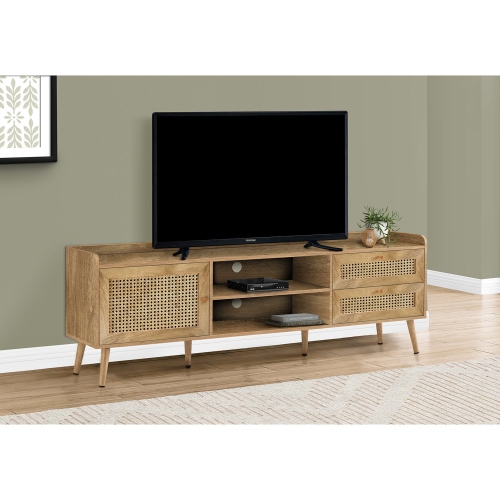


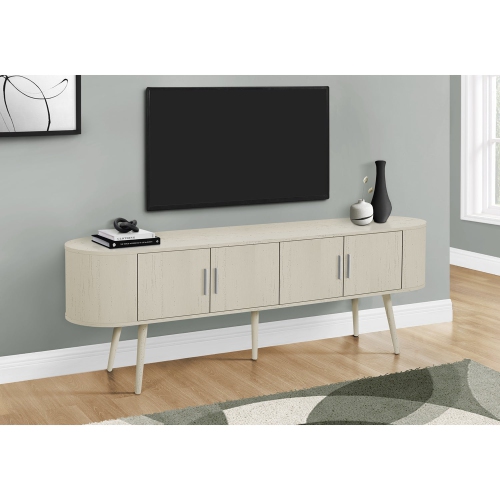
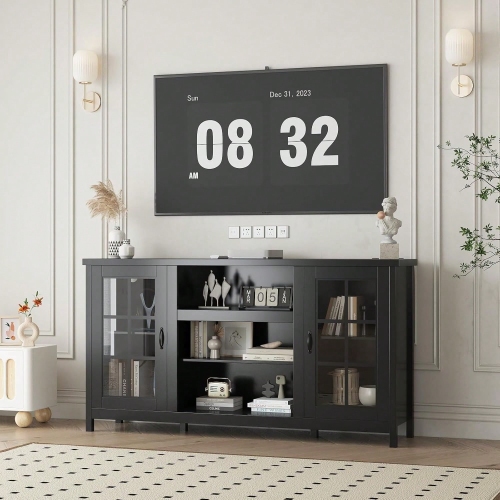
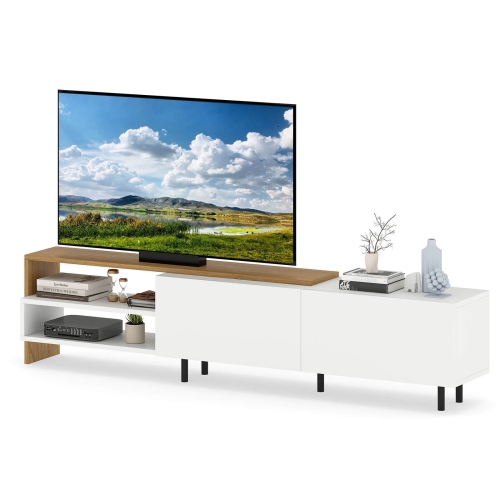
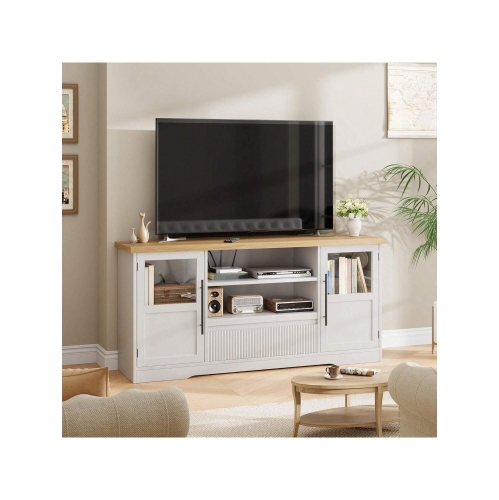
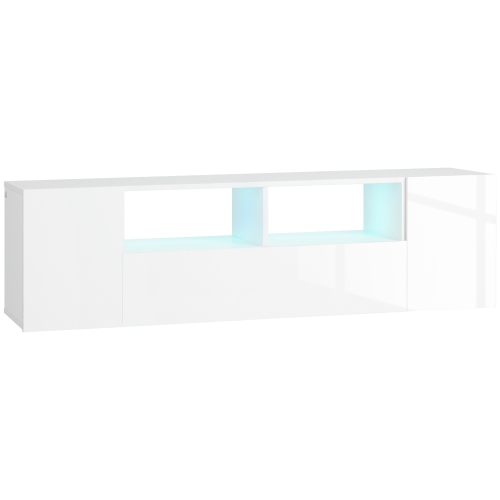
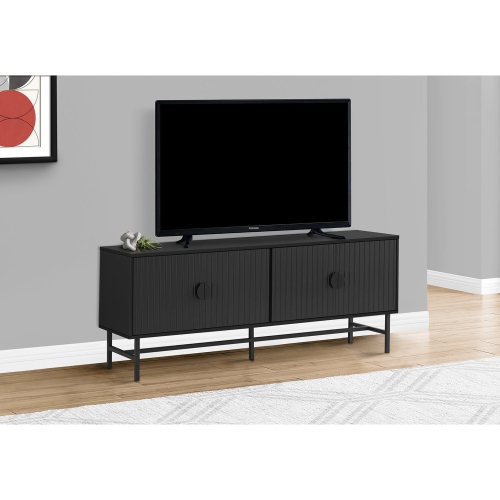

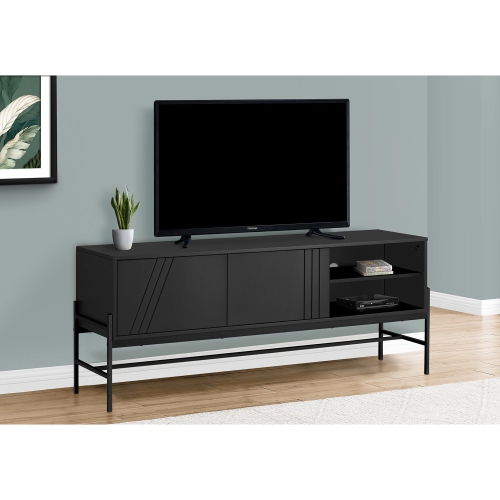
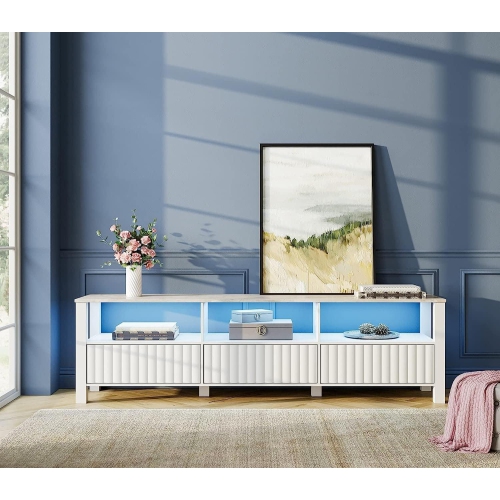
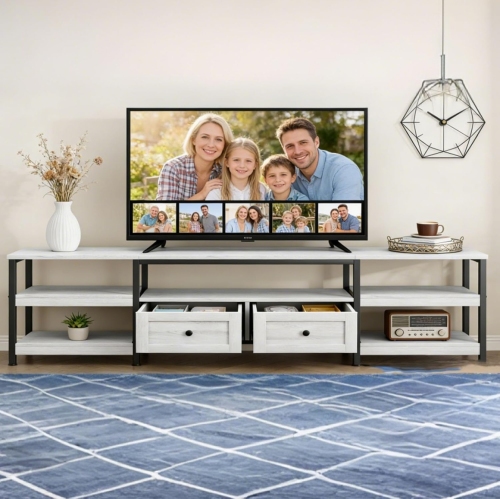
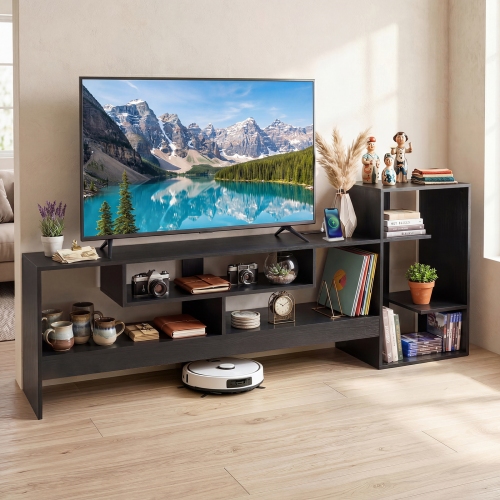

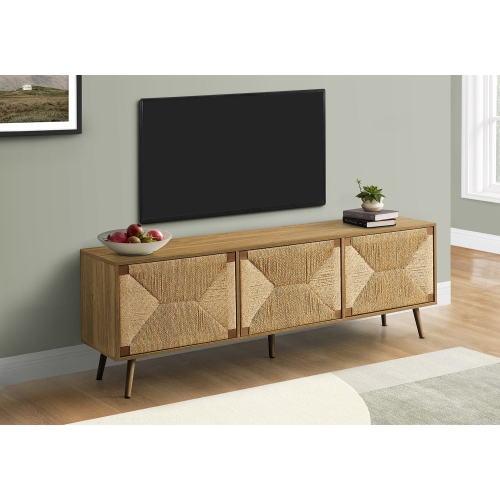
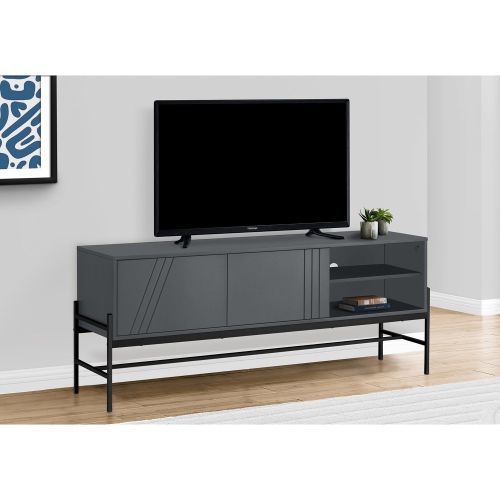
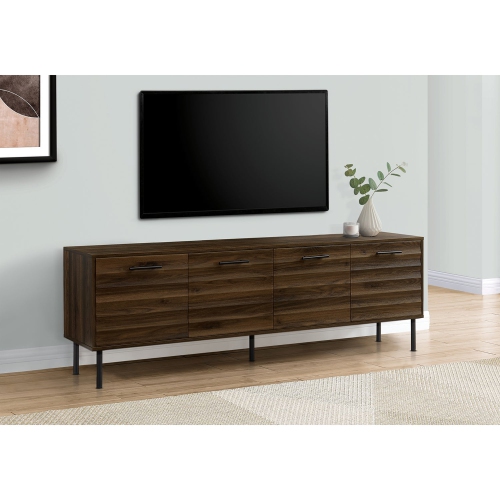
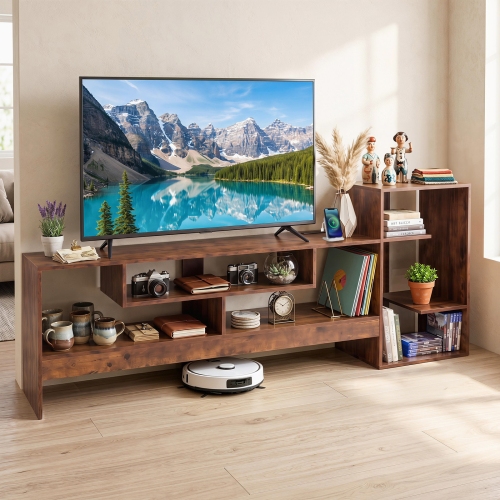

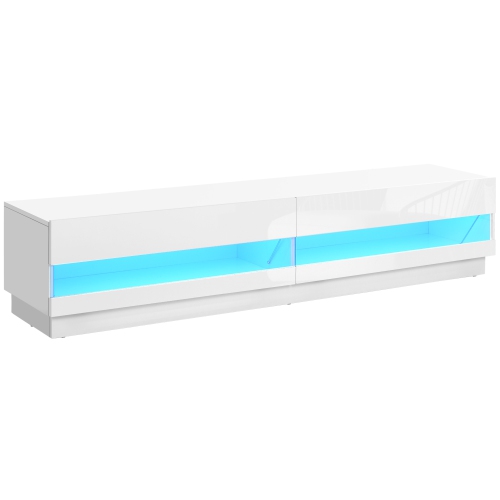

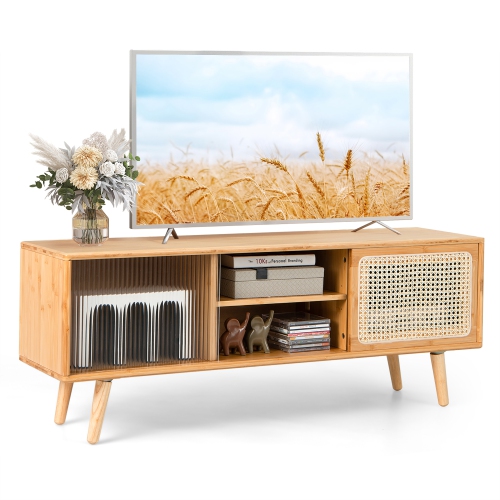

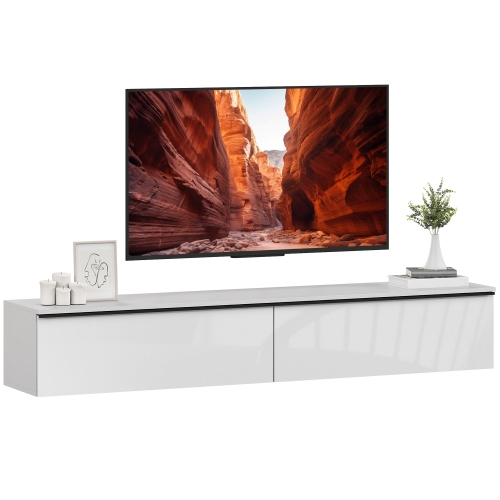


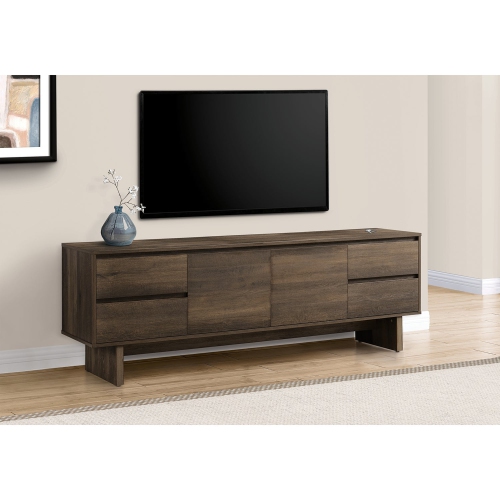
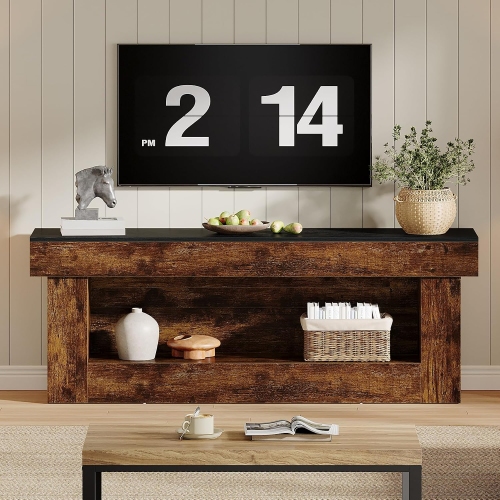


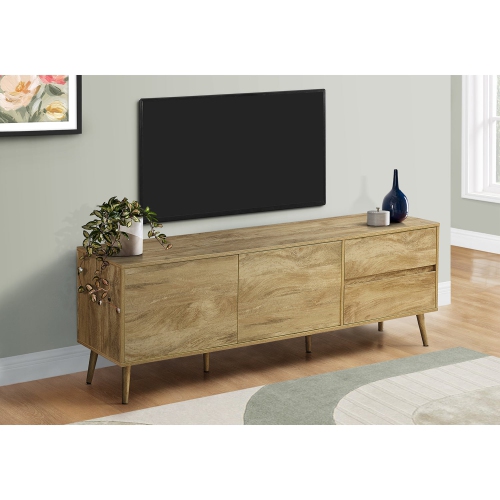

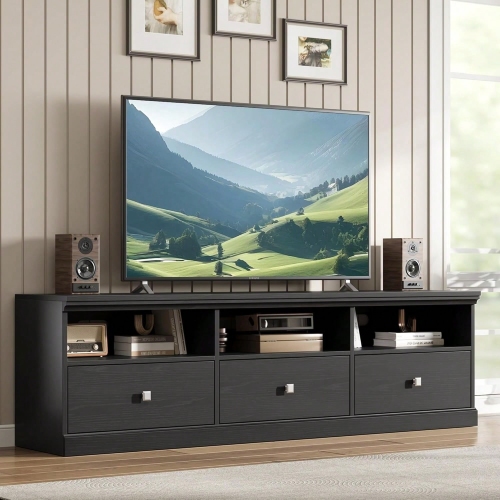
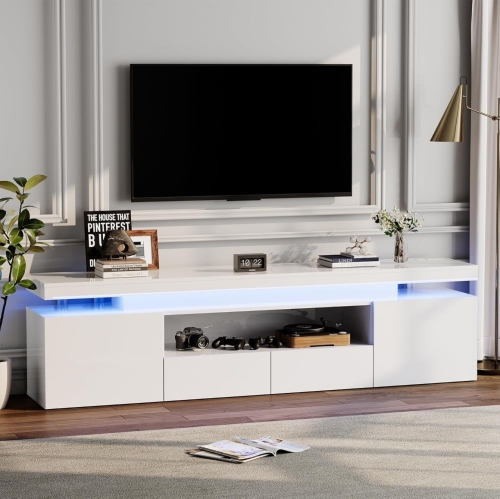
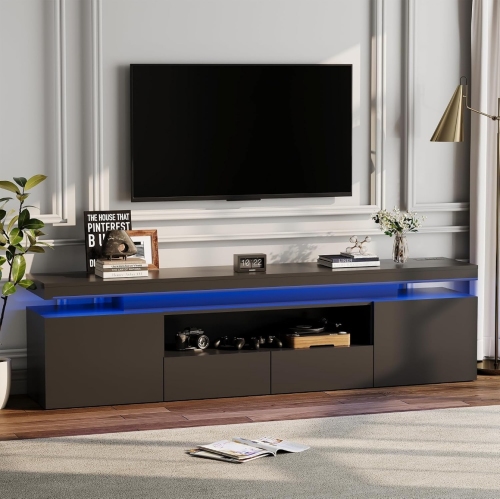

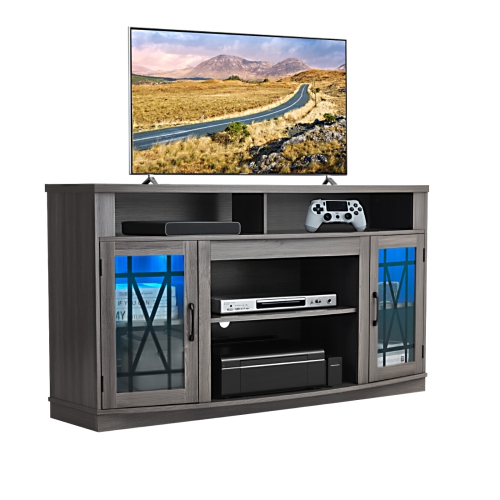

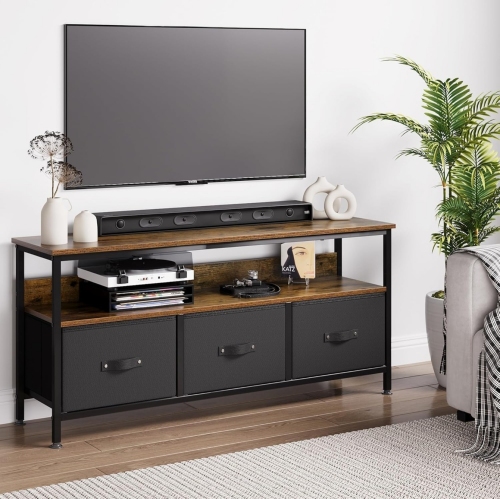

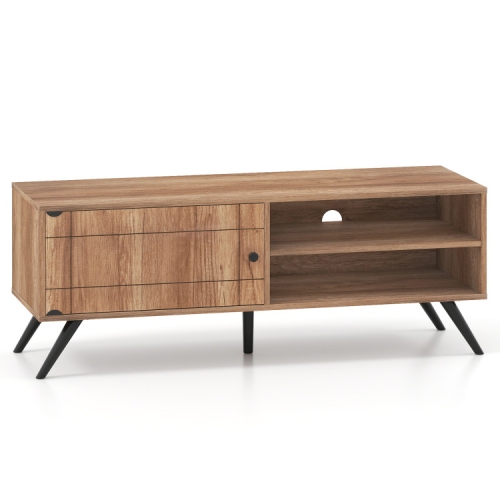
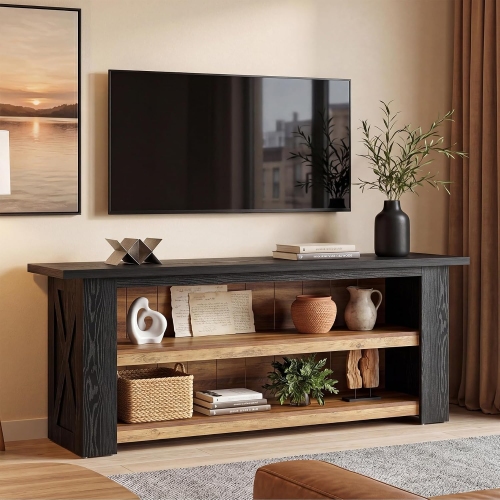
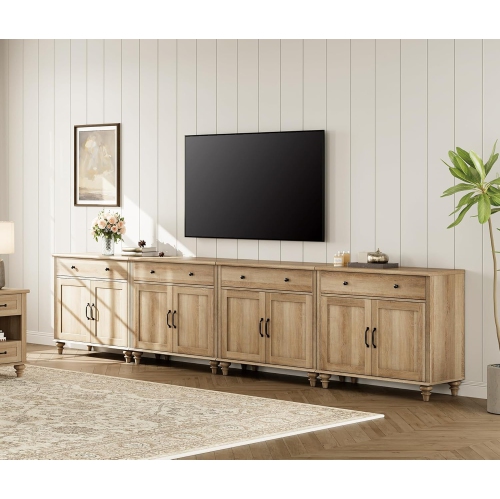
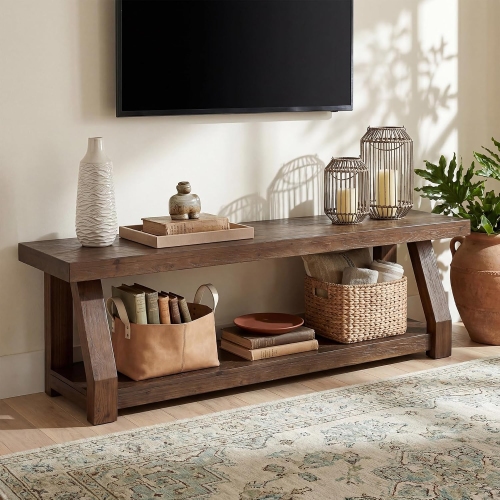

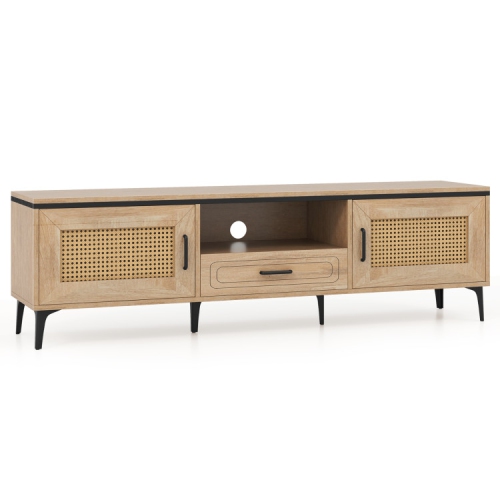
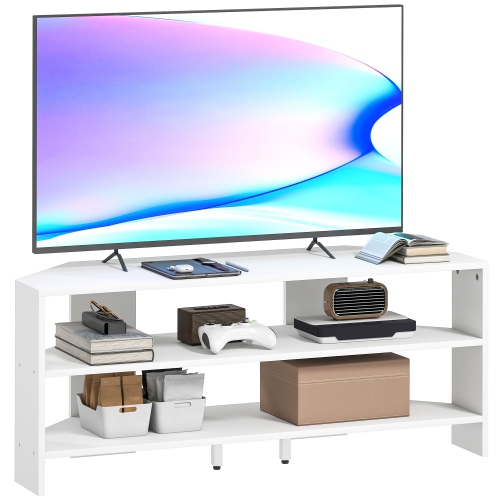


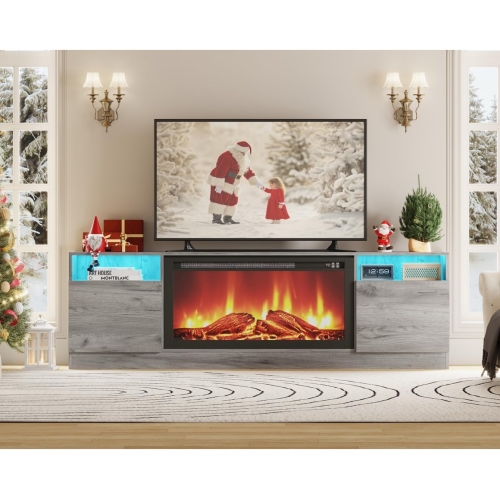


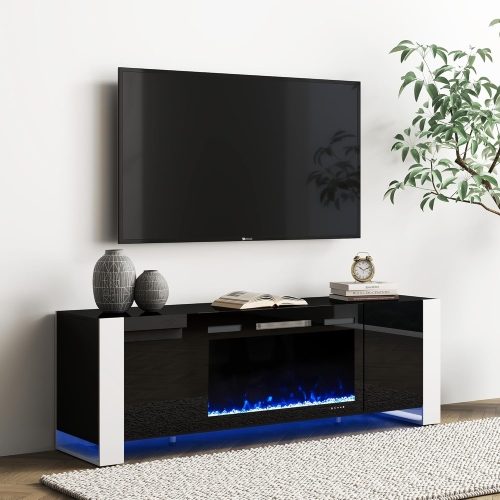
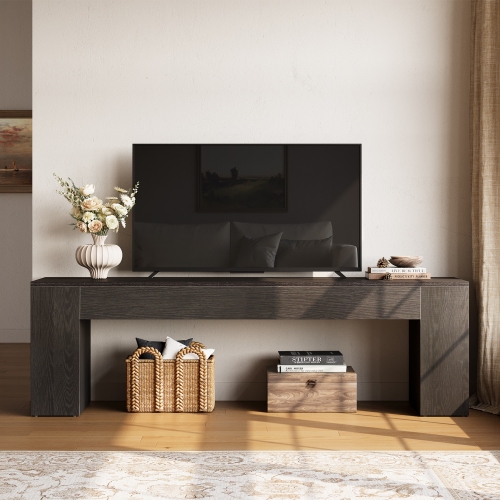


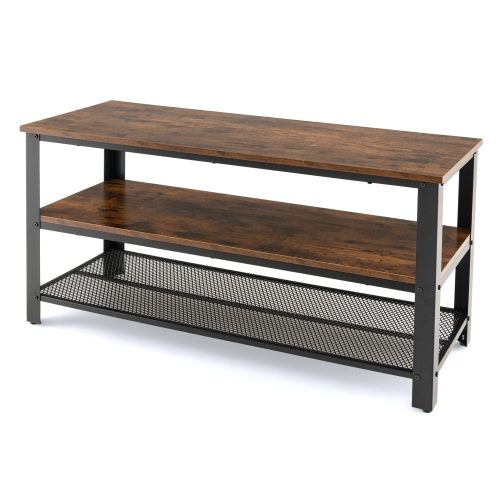
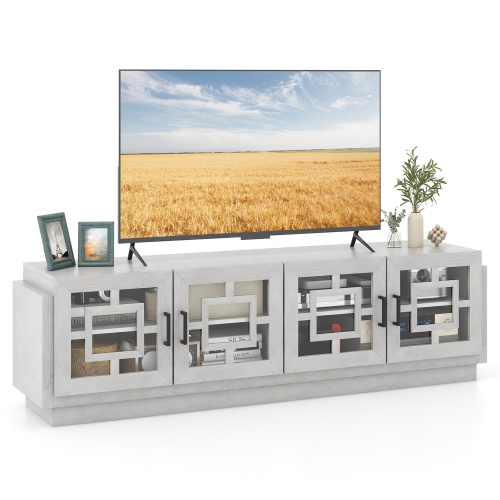


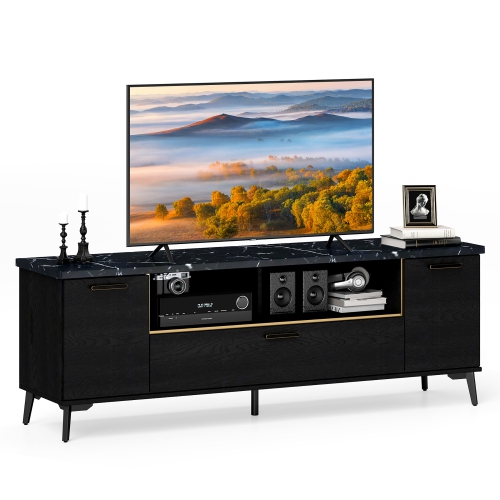
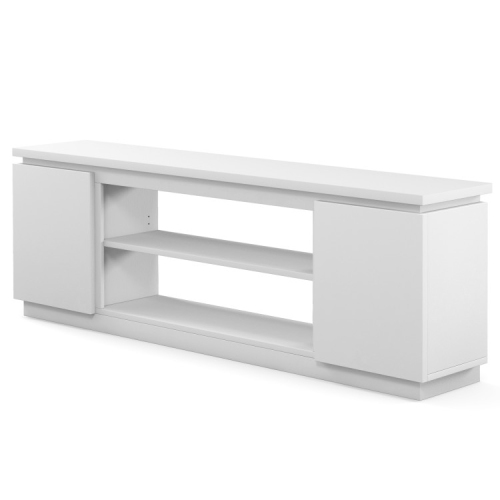
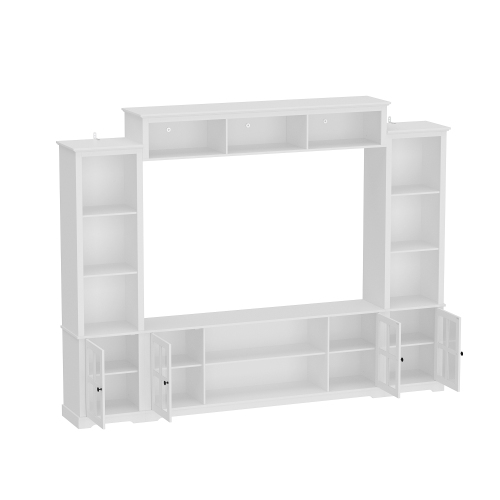
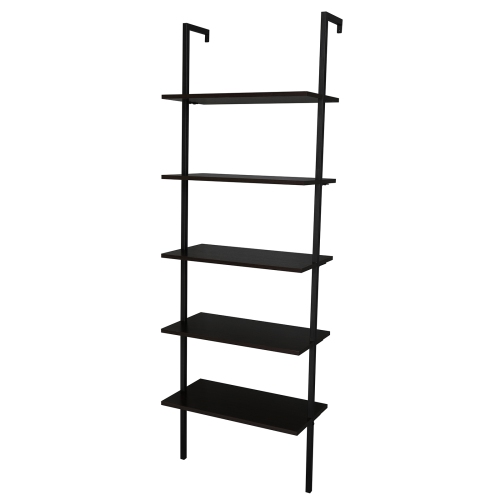
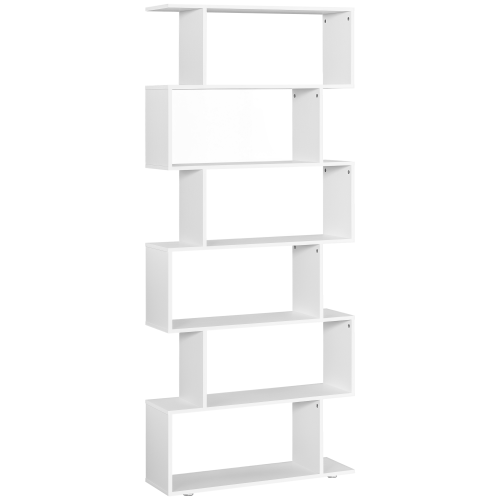


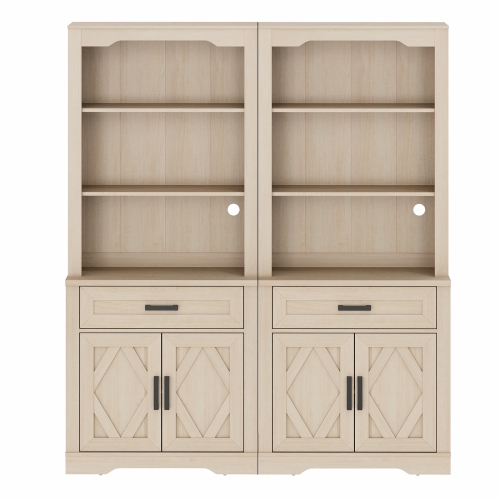


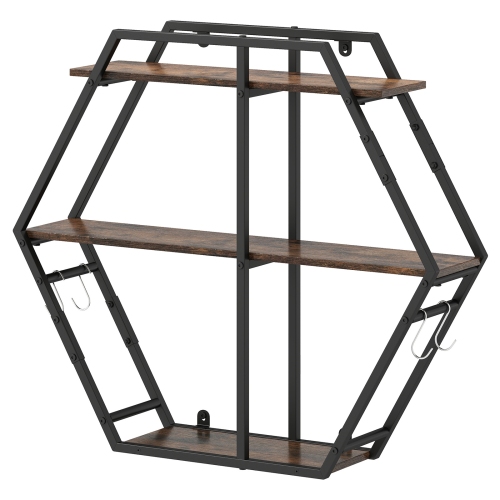
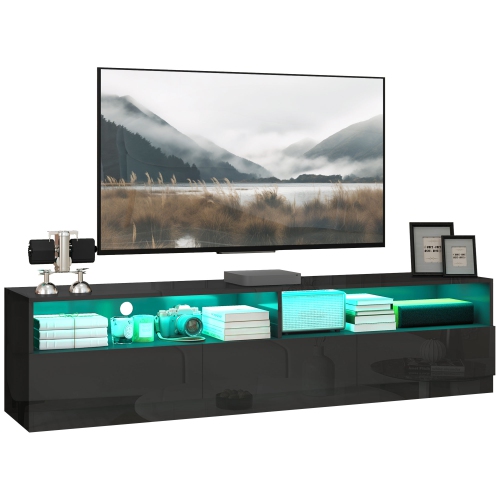


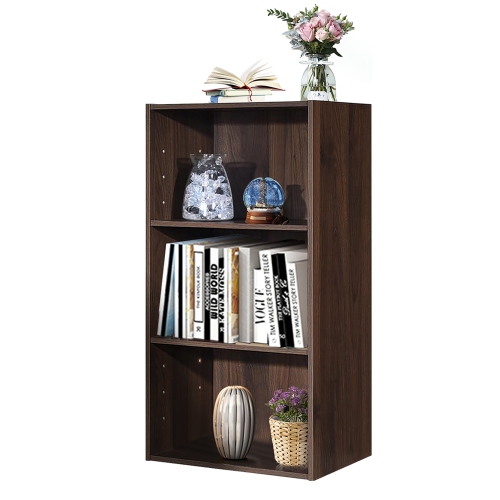
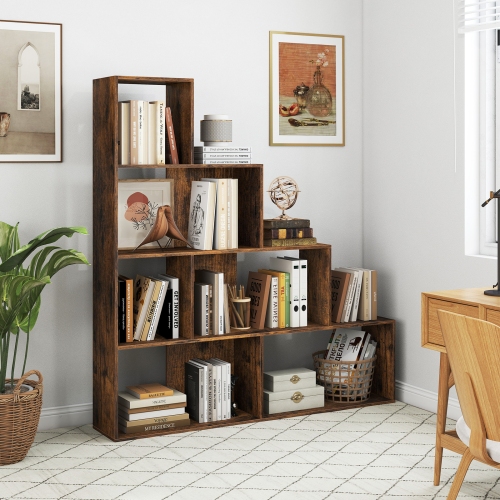
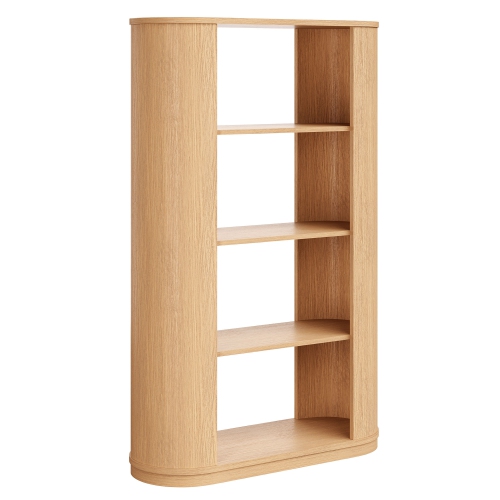
Movie nights and favourite books share one space
Entertainment centres with bookshelves combine a television stand or media console with shelving for books, speakers, and display pieces, bringing viewing and storage into one coordinated furniture arrangement. Some take the form of a wide console flanked by tall bookcases, while others use an integrated wall unit or separate modular sections that can be arranged to suit the room. The appeal is practical as much as visual: instead of fitting a television stand and unrelated bookcases along the same wall, you have a shared space for entertainment equipment and the things that make a living room feel personal. A row of favourite novels, a framed family photograph, and a few well-used board games can sit comfortably alongside a screen without making the room feel devoted entirely to television. These units work well in family rooms, open-plan living areas, finished basements, and apartments where one piece of furniture needs to serve several purposes. For readers who also enjoy movie nights, the combination is especially useful, keeping a small home library close to the sofa while giving streaming devices and gaming equipment their own places. Open shelves make books and frequently used accessories easy to reach, while drawers and cupboards can hold controllers, spare cables, and other small essentials that tend to accumulate around a television. During the cooler months, when evenings at home might move from a film to a chapter or two before bed, having those activities gathered in one comfortable area feels particularly natural. The best fit depends on how the room is used: a household with children may value generous closed storage, while someone displaying art books or a record collection may prefer more open shelving. Neither arrangement needs to feel overly formal. A balanced mix of everyday belongings and open space gives an entertainment centre a lived-in look while keeping the screen area clear and the furniture useful.
Size and layout matter because an entertainment centre with bookshelves occupies more than the footprint of a basic TV stand. Overall width, height, and depth should suit the available wall without crowding doorways, floor vents, or the routes people take through the room. Baseboards, nearby windows, and electrical outlet positions can also affect how neatly a unit fits. Television compatibility requires a closer look than the advertised screen size alone: screens are measured diagonally, but furniture openings have fixed widths and heights, and a television’s feet may sit near its outer edges. The television’s actual dimensions, stand footprint, and weight should all fall within the furniture manufacturer’s stated limits. For designs with a shelf or bridge above the screen, the opening also needs enough clearance for installation and the ventilation specified by the television manufacturer. Viewing height deserves similar attention. A screen positioned at a comfortable seated eye level is generally easier to live with than one raised simply to fill a tall opening. The console surface or equipment shelves should also leave suitable space for a soundbar without blocking the screen or the television’s remote-control receiver. Behind the furniture, cable openings help route power and signal cables, although access to outlets remains important once the unit is in place. Receivers, game consoles, and other heat-producing equipment need the clearances specified by their manufacturers; a closed cupboard is not automatically a suitable equipment compartment. Books introduce another consideration because a fully loaded shelf can be surprisingly heavy. Shelf weight ratings, usable depth, and the spacing between supports matter more than appearance alone. Adjustable shelves offer flexibility for paperbacks, tall hardcovers, and storage baskets, while fixed shelves may be part of the unit’s structural design. For homes with children or pets, tall sections should be secured using the supplied restraints and appropriate wall fixings, following the manufacturer’s instructions. These details help distinguish a unit that merely fits the wall from one that fits daily life.
Materials, finishes, and storage details shape how entertainment centres with bookshelves look and function over time. Solid wood, wood veneer, engineered wood, metal, and glass each bring different textures and care requirements, and many designs combine several materials rather than relying on just one. Wood-grain finishes can add warmth beside upholstered seating, while smooth fronts and slim metal frames often suit a simpler, more open look. Light finishes can make a large storage arrangement feel less visually weighty; darker finishes can create a stronger frame around the television and the books beside it. Matching every piece of furniture is not essential, but repeating a colour, wood tone, or hardware finish elsewhere in the room helps the arrangement feel intentional. Shelf spacing also affects the overall impression. A wall packed edge to edge with small objects can look busy, whereas grouping books together and leaving a little breathing room makes favourite pieces easier to appreciate. Glass-front cupboards offer a view of their contents with less exposure to household dust, while opaque doors keep miscellaneous accessories out of sight. Drawers are handy for smaller objects, particularly when their dimensions accommodate the controllers, headsets, or game cases they will actually hold. Modular arrangements can be useful for renters or households expecting to rearrange a room, provided the sections are designed to stand independently or be repositioned. A single integrated unit offers a coordinated layout but may require more planning for delivery, assembly, and future moves. Doorway widths, stair turns, packaged dimensions, and assembly requirements are worth considering before bringing a large piece home. Where a full wall arrangement would overwhelm the space, Entertainment Shelves offer another way to approach media storage. An entertainment centre with bookshelves can also be a thoughtful shared purchase for a new home, though furniture is usually best chosen with the recipient’s room measurements and preferences in hand. Ultimately, its value lies in bringing useful storage and a comfortable viewing setup together, with room for the books, games, and familiar objects that give a home its character.
Top selling and popular products
-
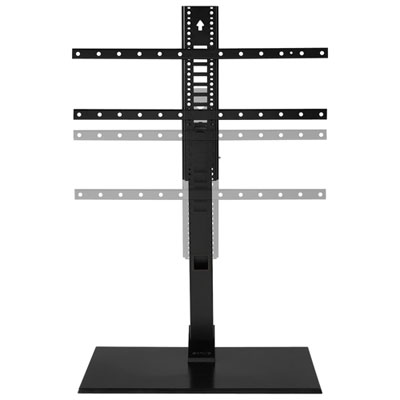 Your price for this item is $249.99
-
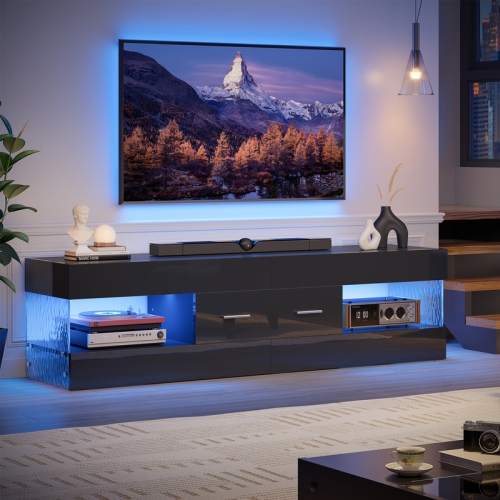 Your price for this item is $179.99
-
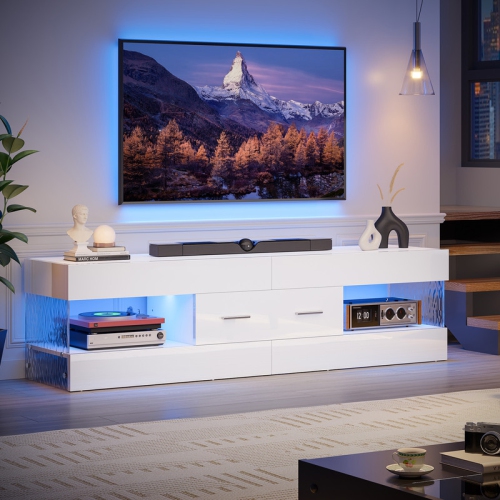 Your price for this item is $169.99
-
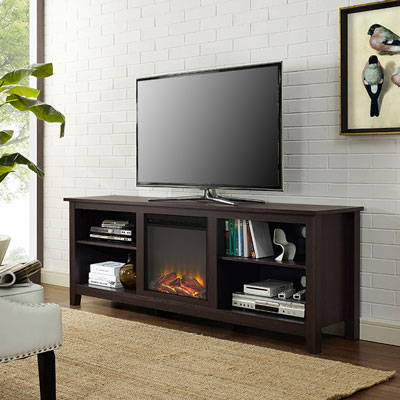 Your price for this item is $689.99
-
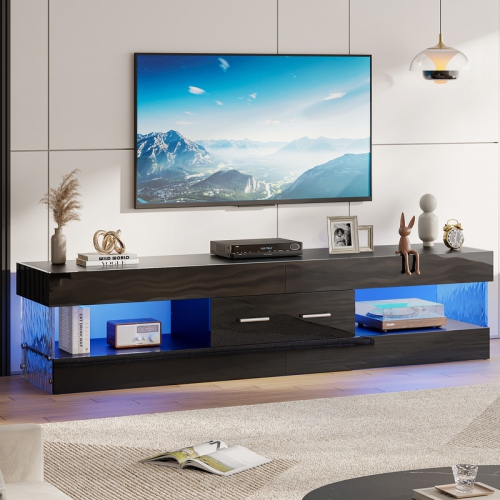 Your price for this item is $199.99
-
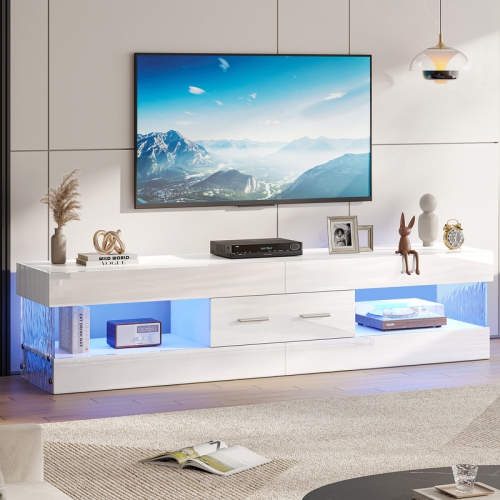 Your price for this item is $199.99
-
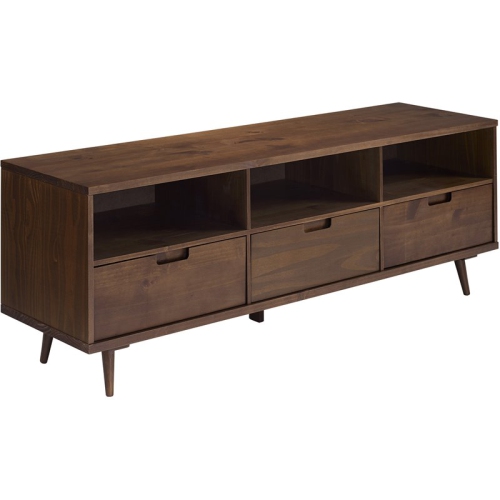 Your price for this item is $941.25
-
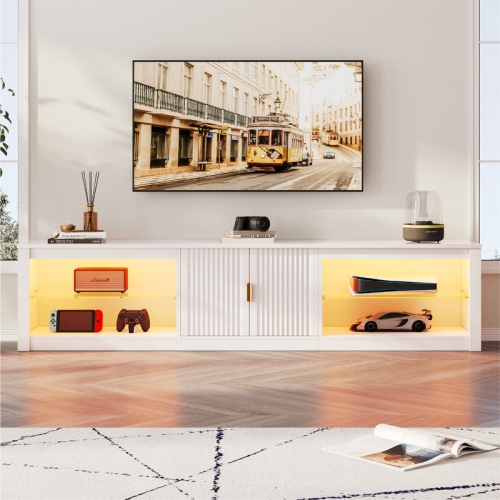 Your price for this item is $269.99
Discover more categories related to Entertainment Centers With Bookshelves

Top Collections:
Pokemon Centers, Best Cameras for Sports Photography, Kindle Devices, Samsung Galaxy Phones, Canon G7X Cameras, Pokémon 30th Celebration Cards, Refurbished Apple Laptops, iPhone 15 Apple, Laptops for Students, Budget Smartphones
Some products may be subject to Environmental Handling Fees
(EHF) depending on your province.
Learn more about EHFs.