Farmhouse Furniture
Discover the charm and warmth of farmhouse furniture with our carefully curated selection that effortlessly blends rustic appeal with modern functionality. Embrace the cozy aesthetic of farmhouse decor with pieces that exude timeless elegance and bring a touch of country living into your home. From sturdy wooden tables to comfortable upholstered chairs, each item is designed to create a welcoming atmosphere for family gatherings, intimate dinners, or simply relaxing in style. Explore our range of farmhouse furniture to find the perfect pieces that will elevate your living space with character and comfort.
Sort
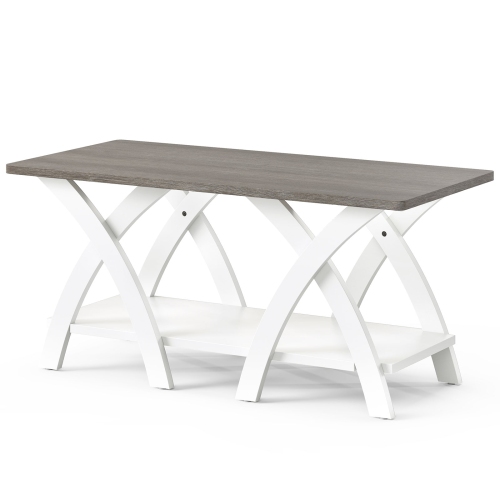
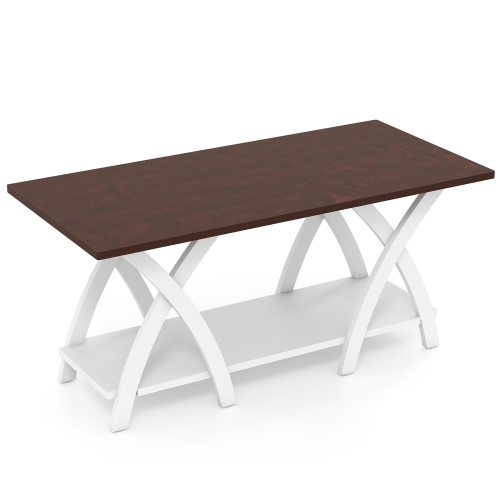
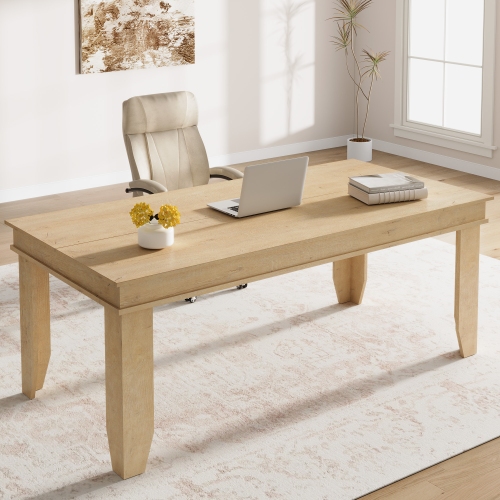
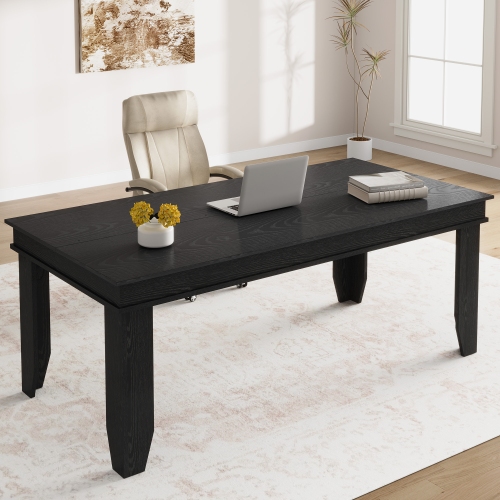
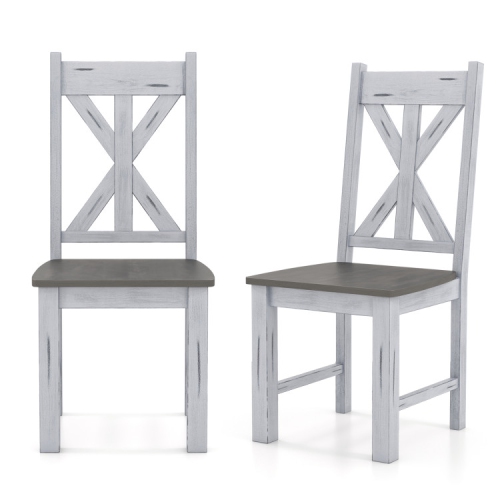
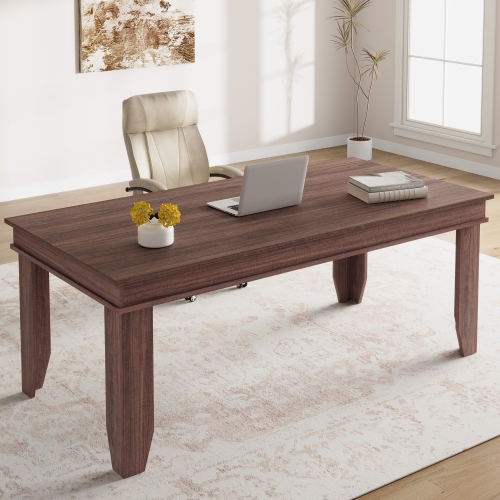
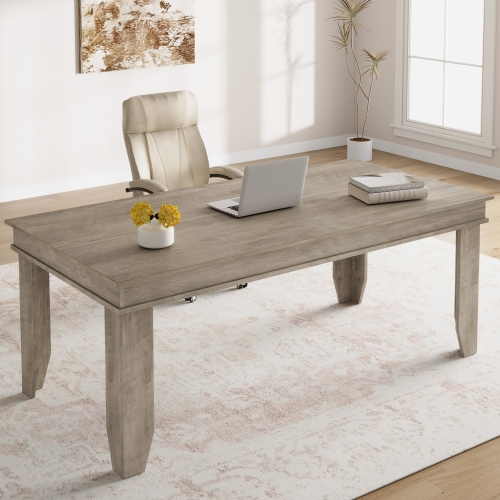
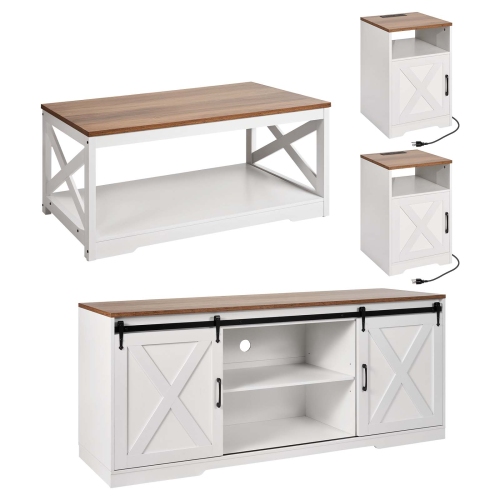
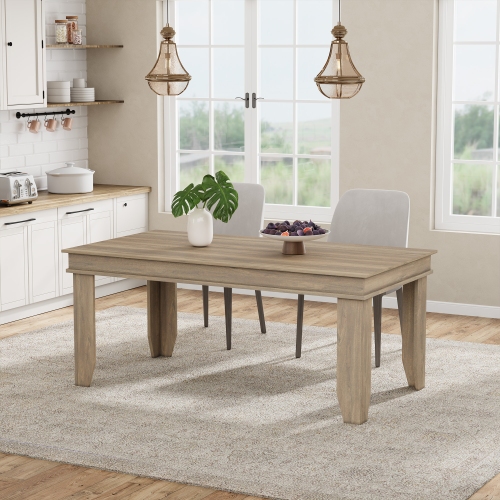
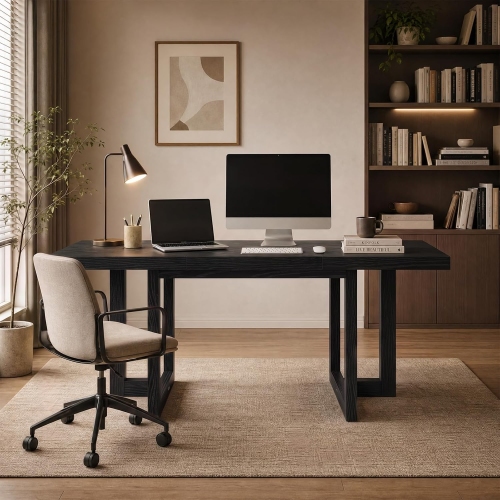
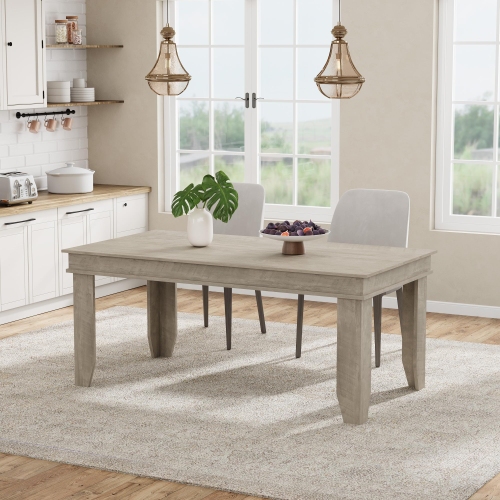
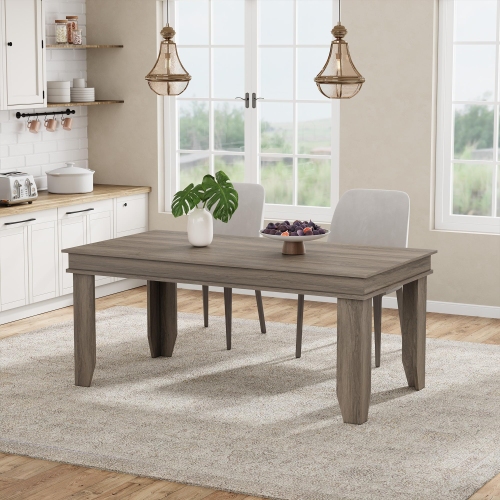
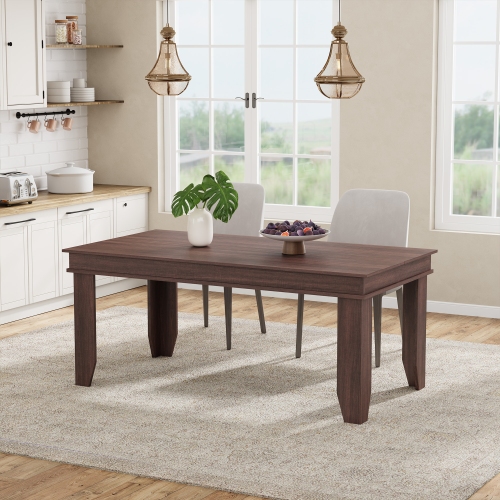
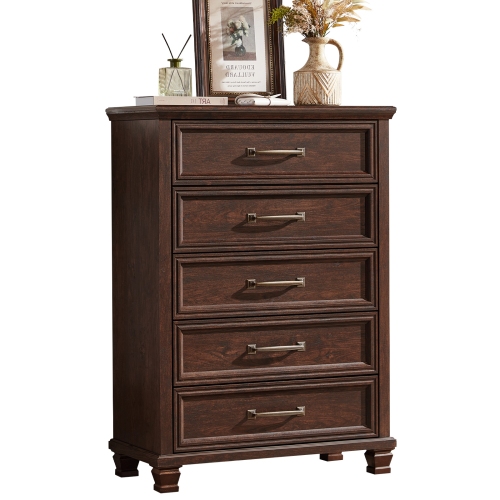
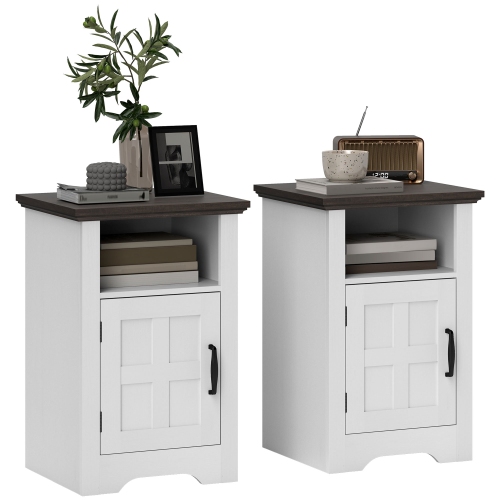
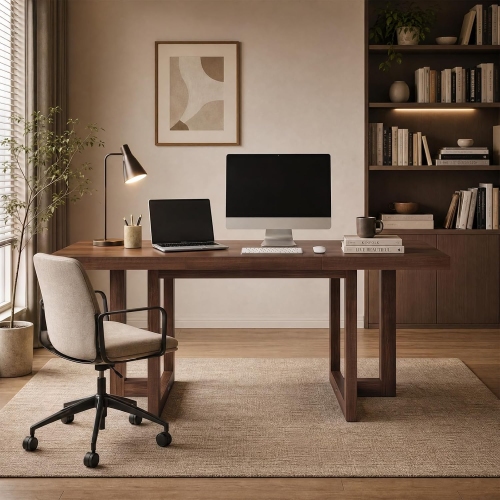
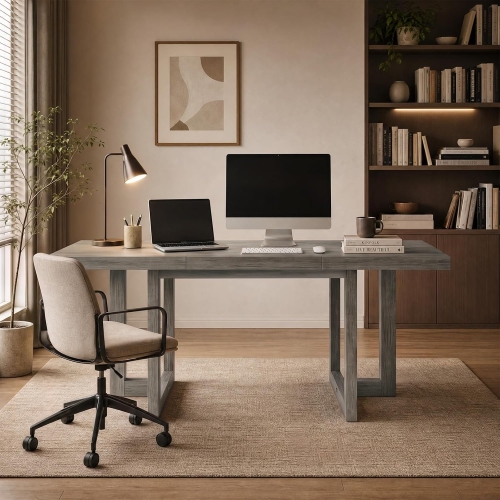
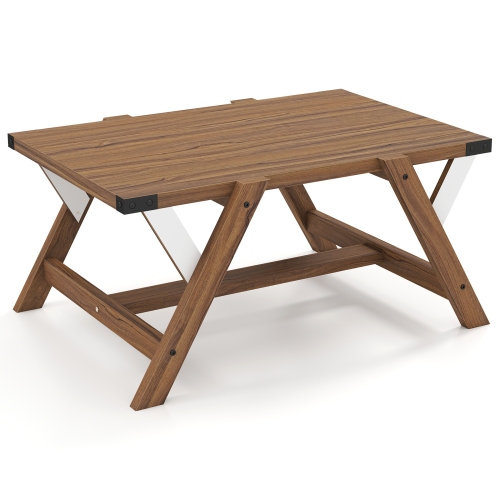
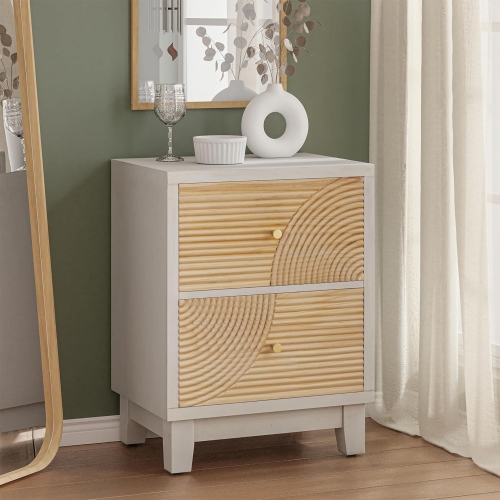
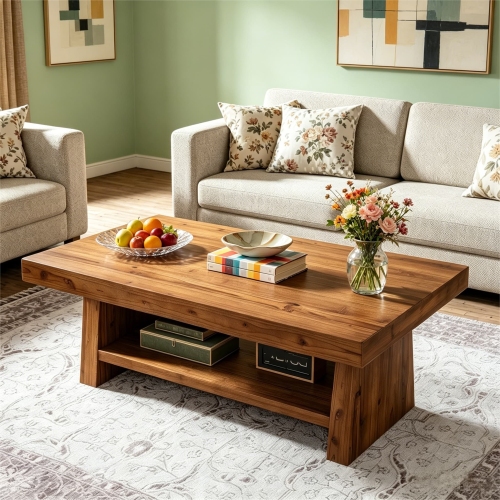
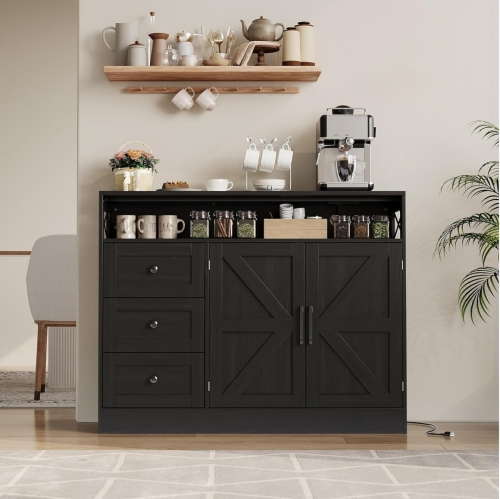
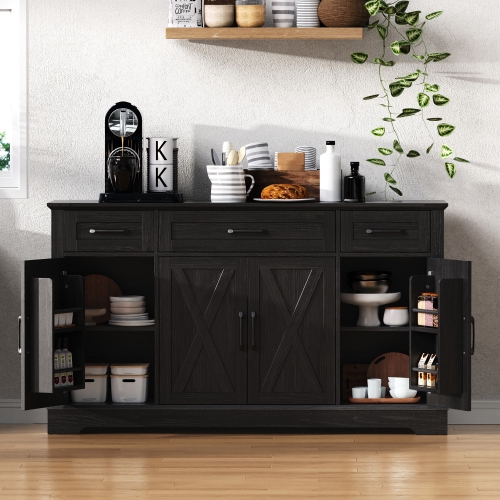
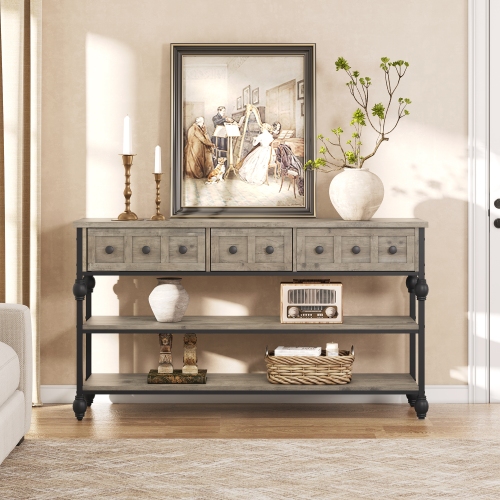
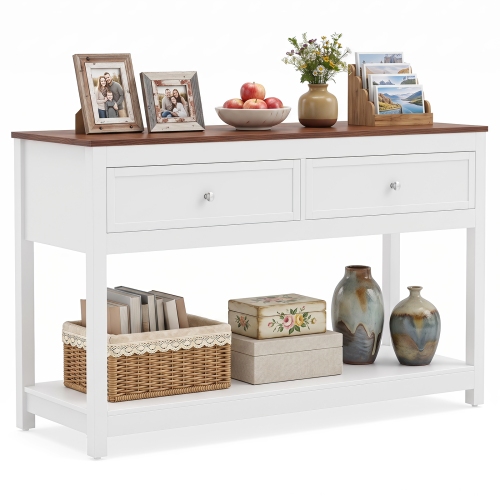
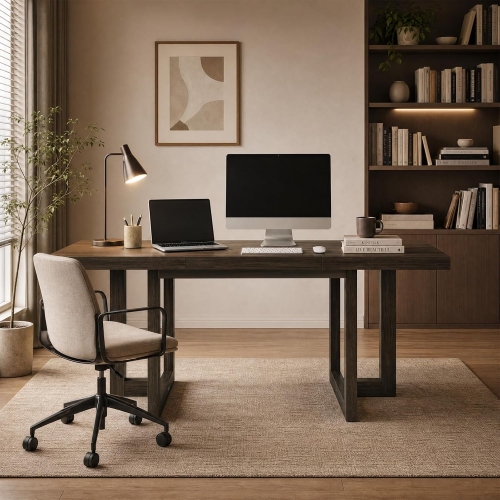
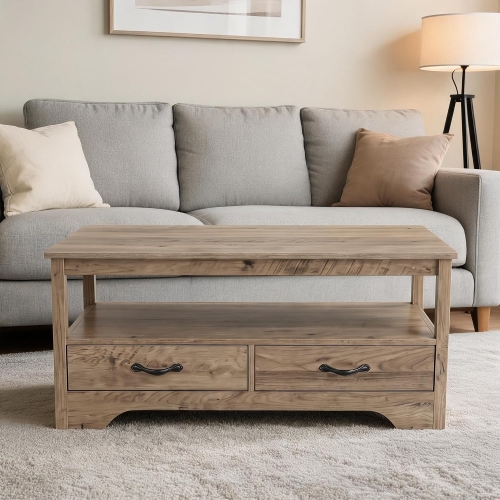
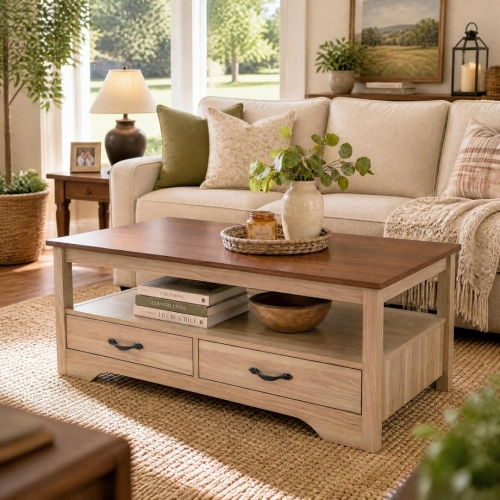
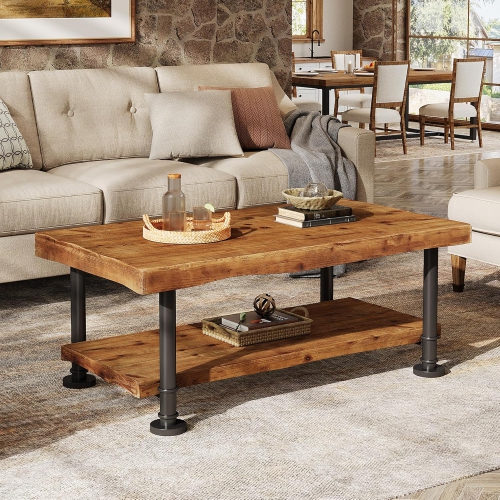
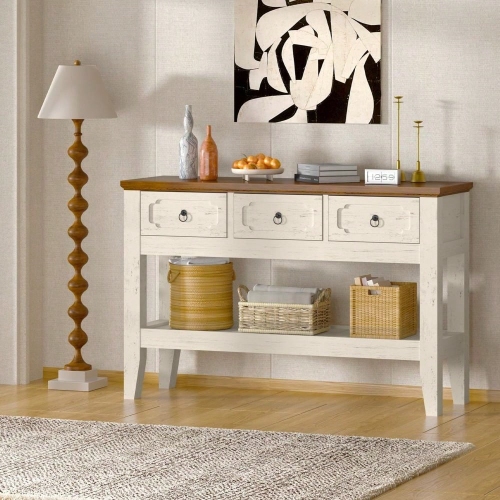
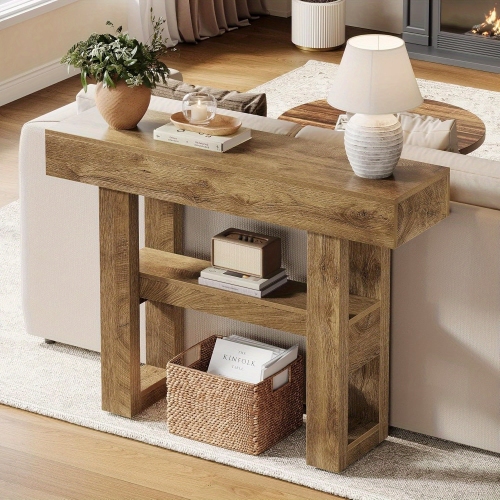
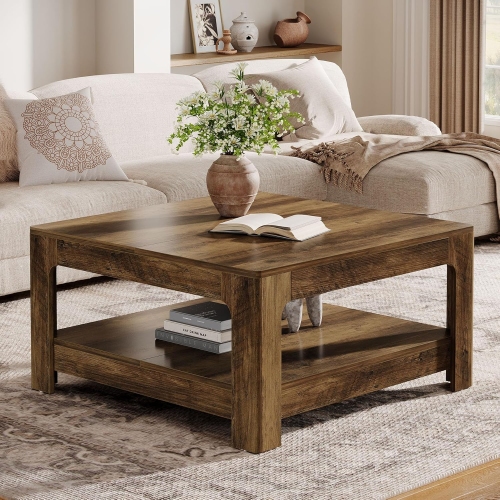
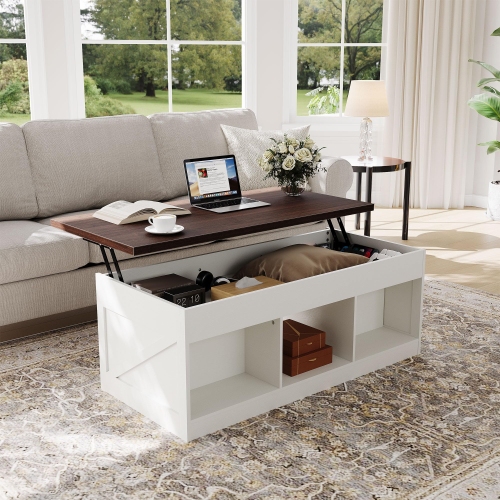
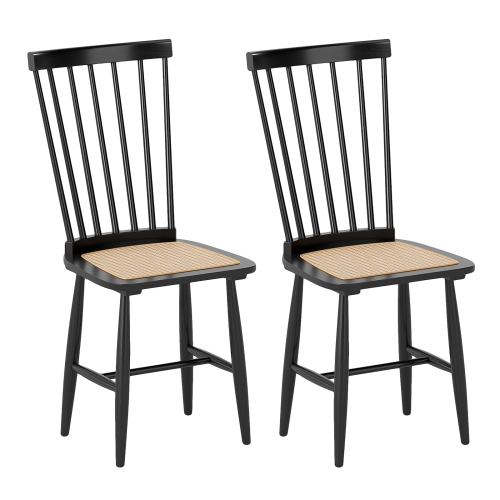
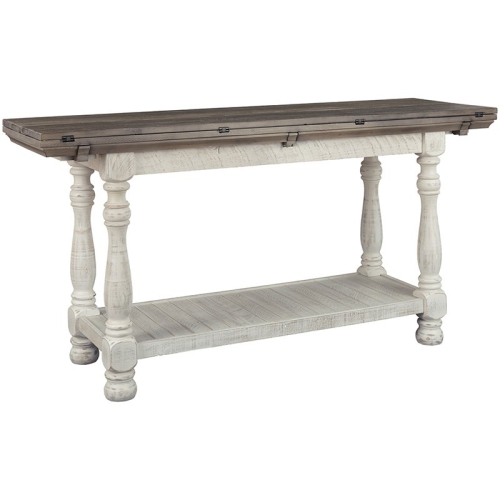
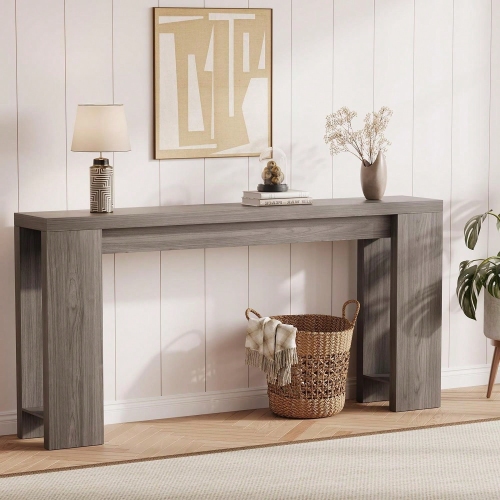
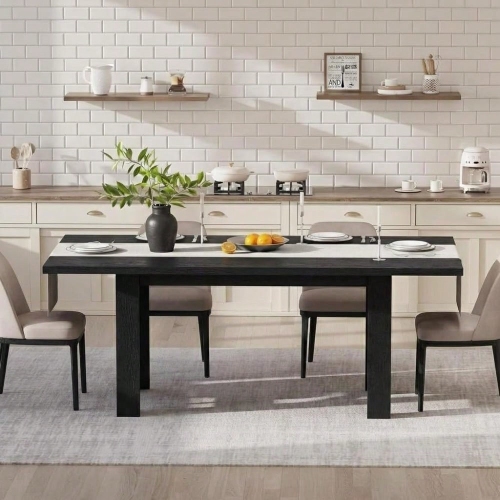
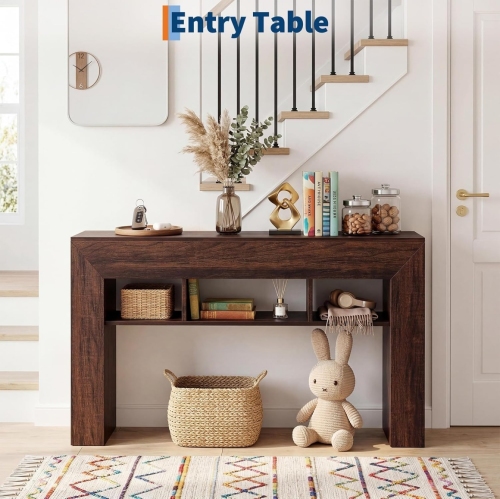
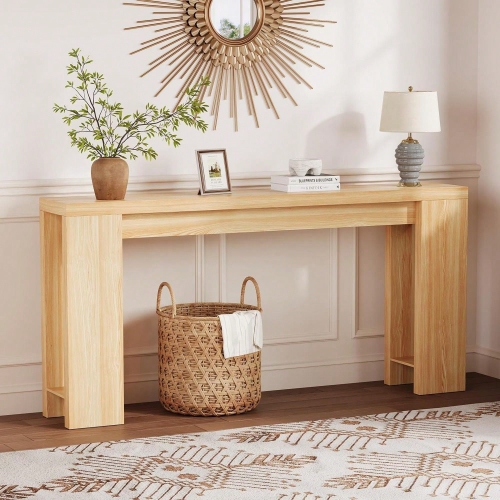
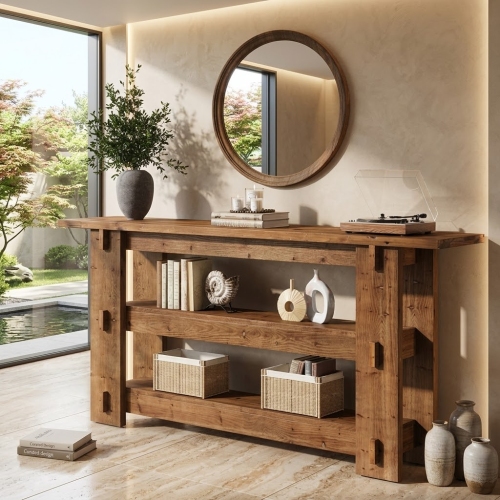
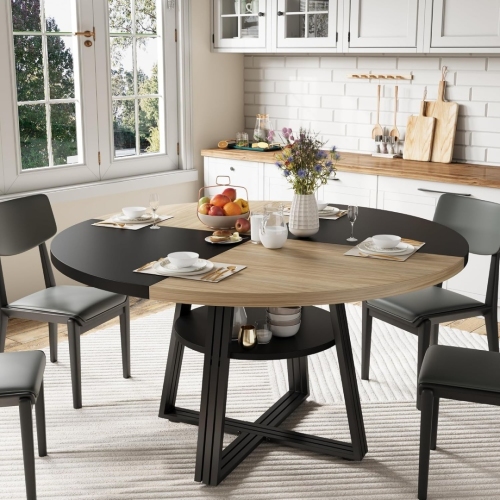
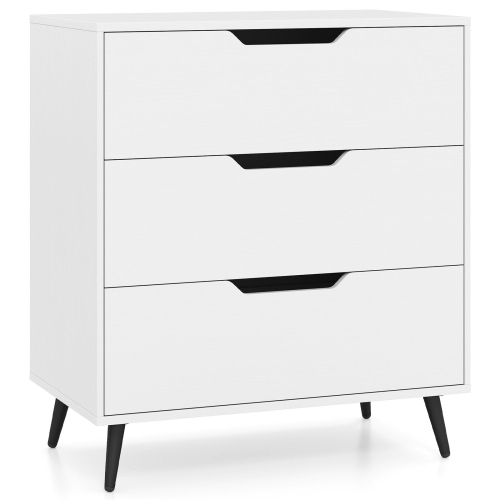
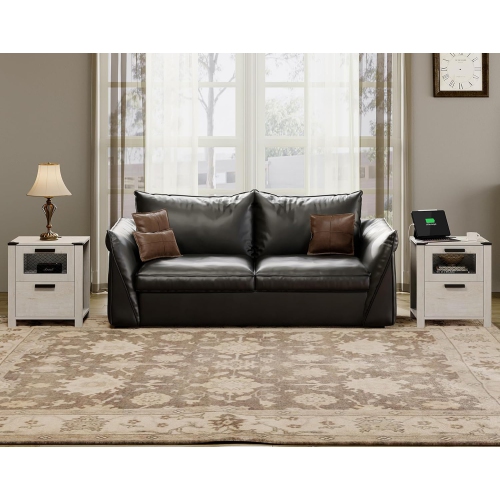
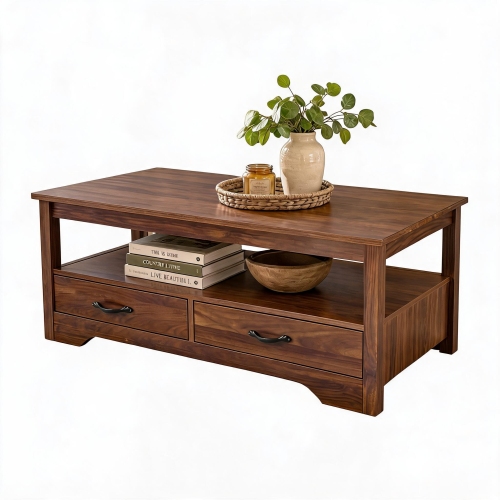
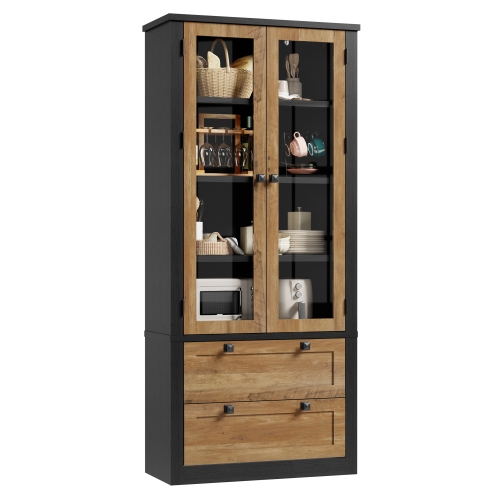
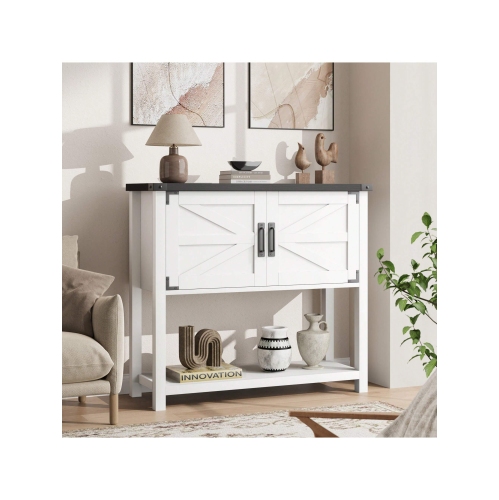
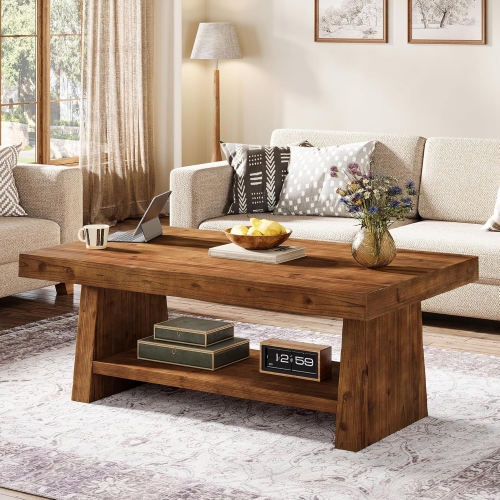
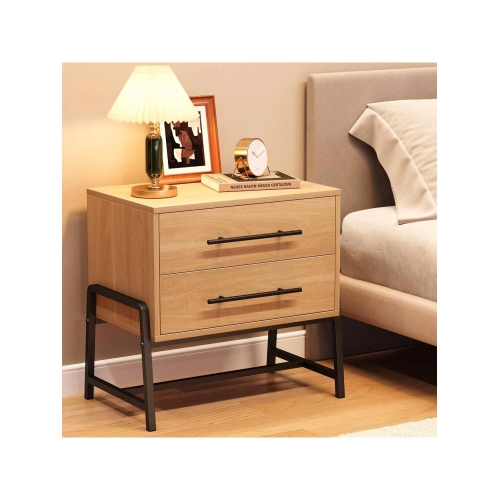
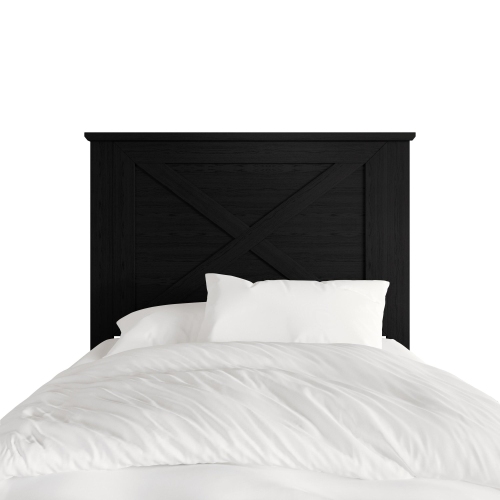
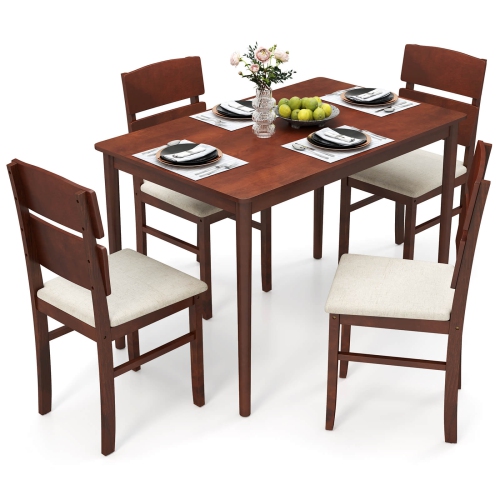
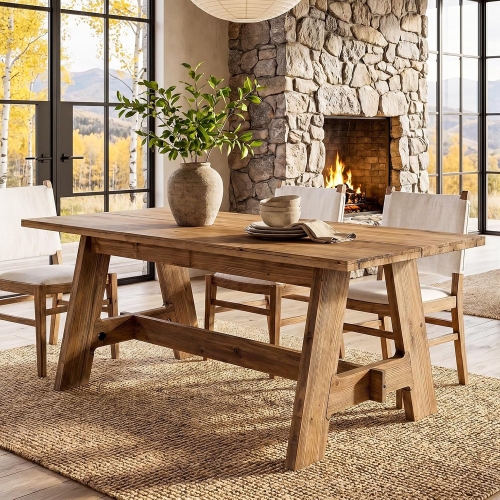
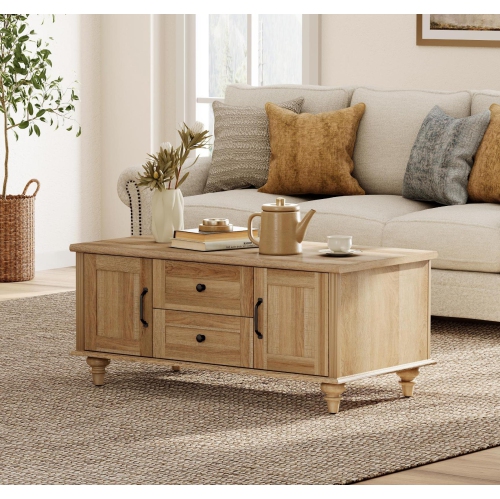
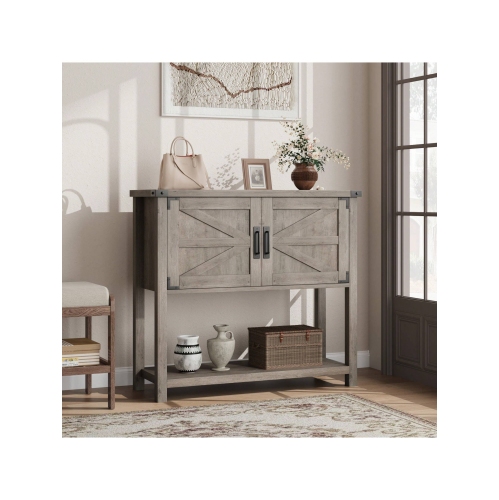
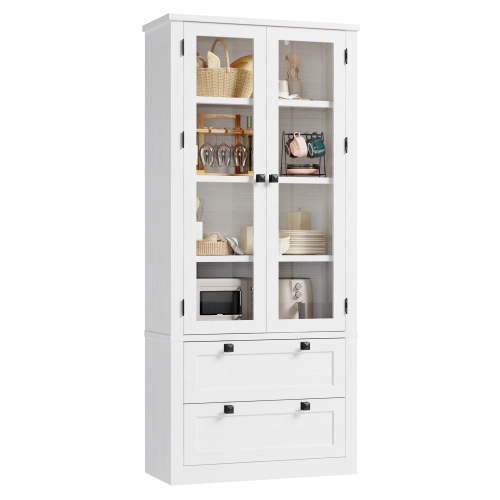

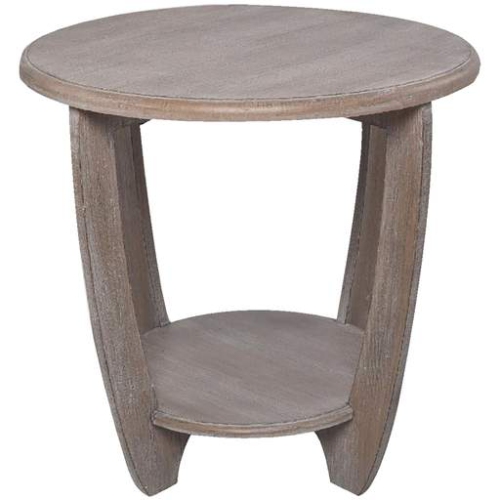
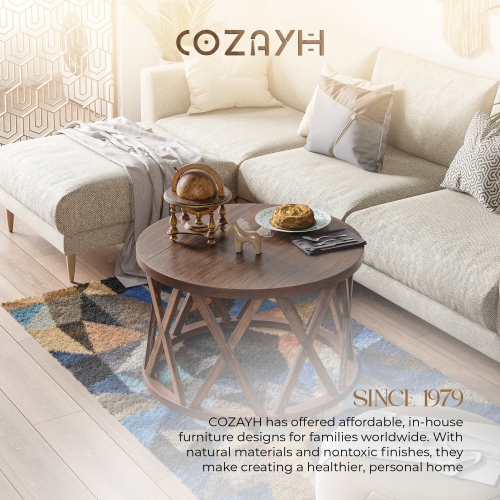
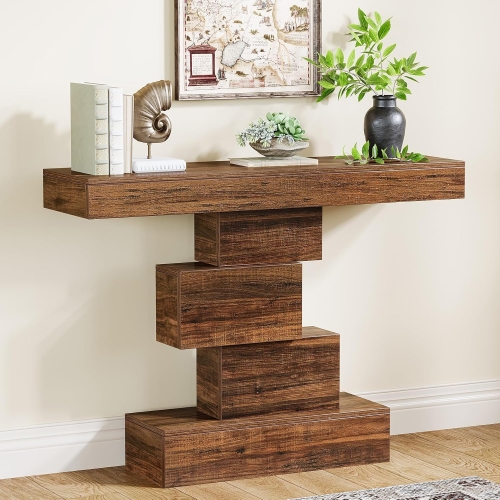
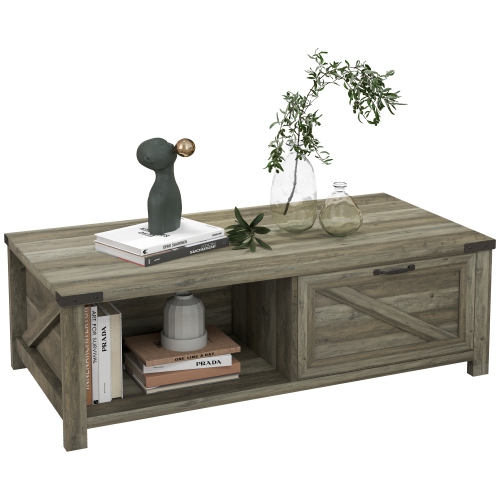
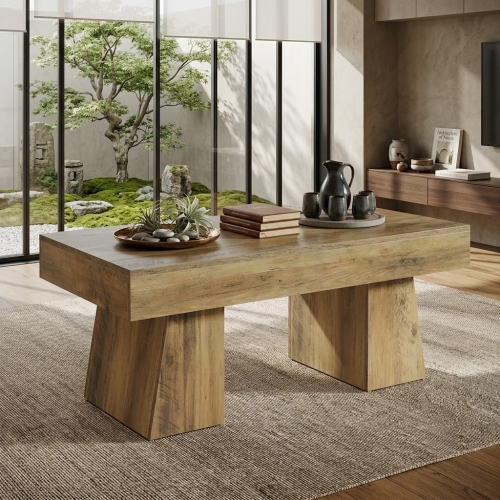
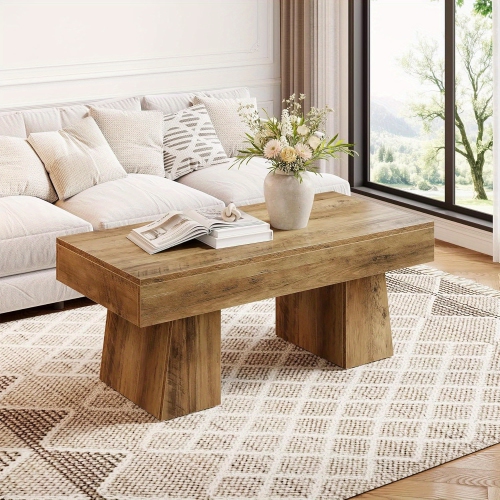
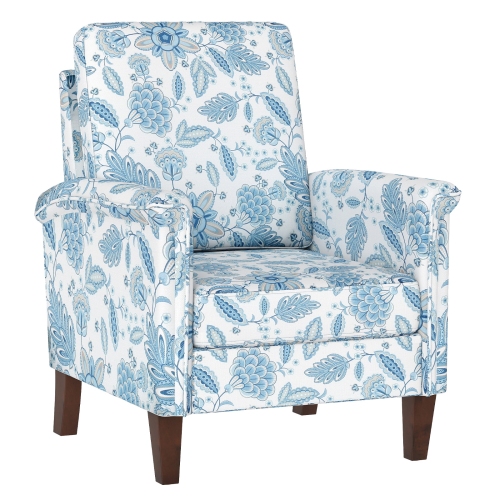
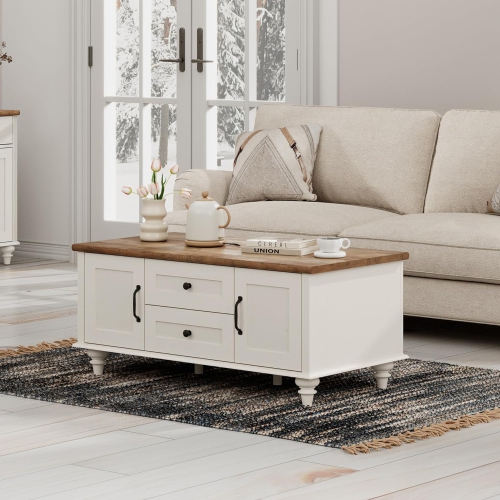
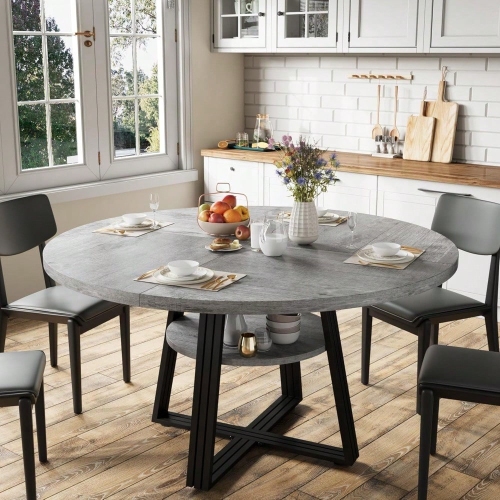
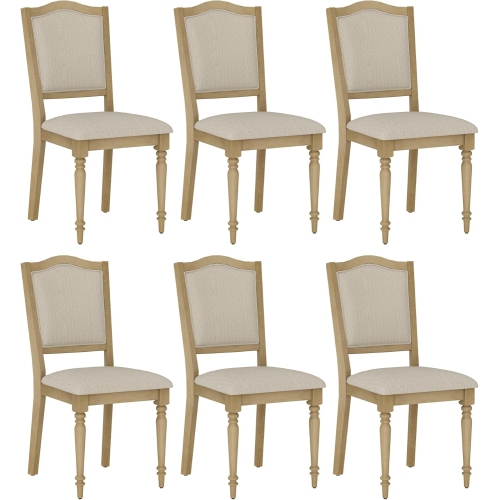
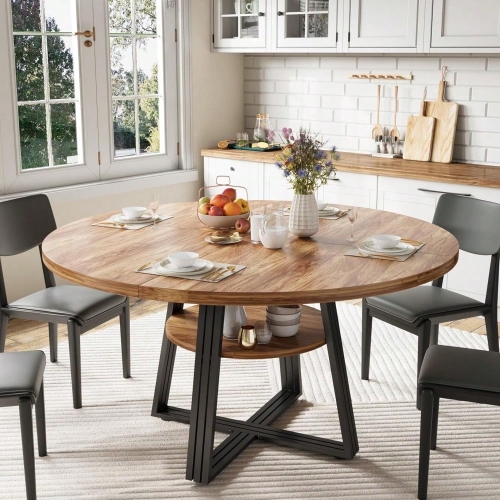
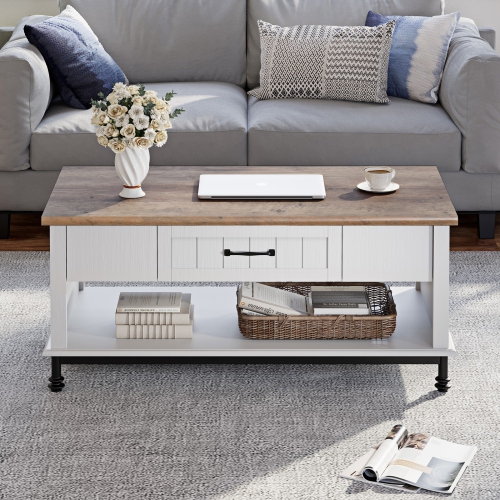

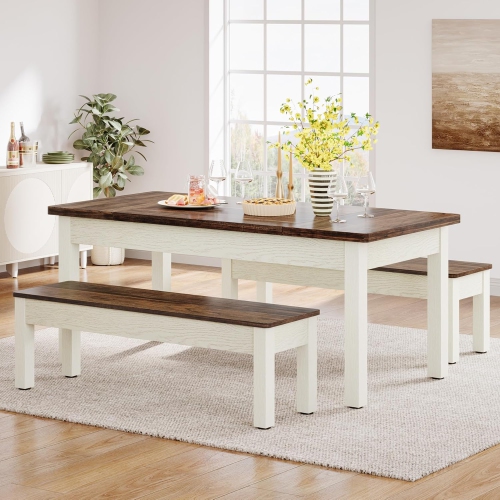
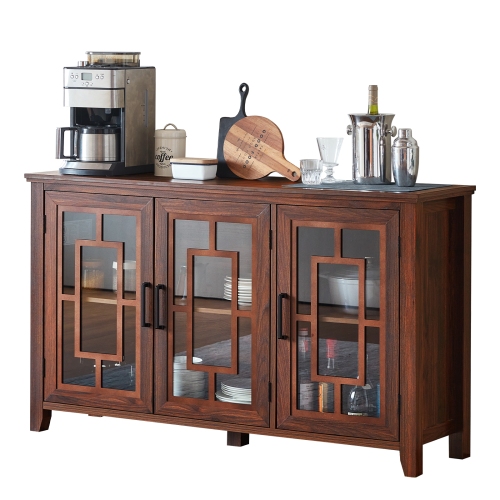
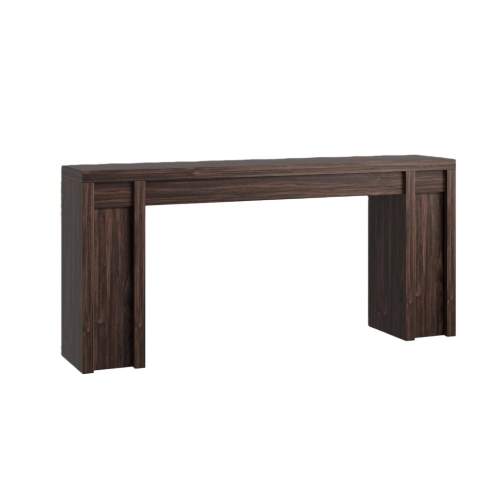
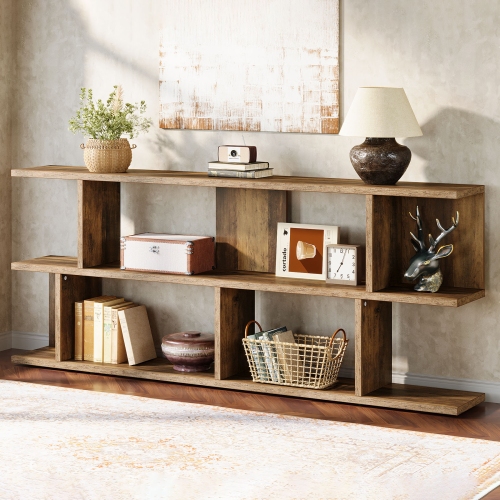
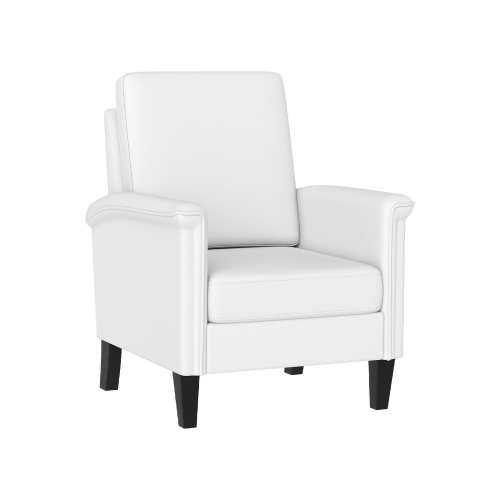
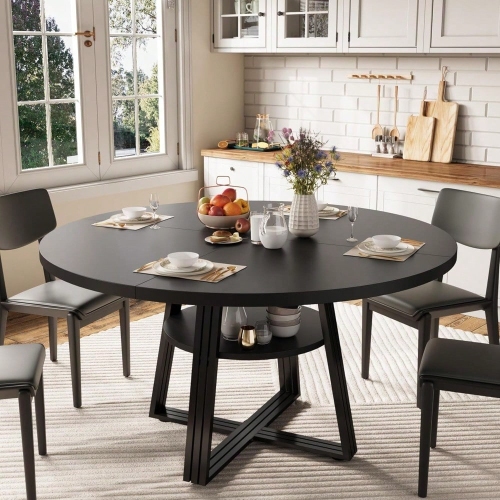
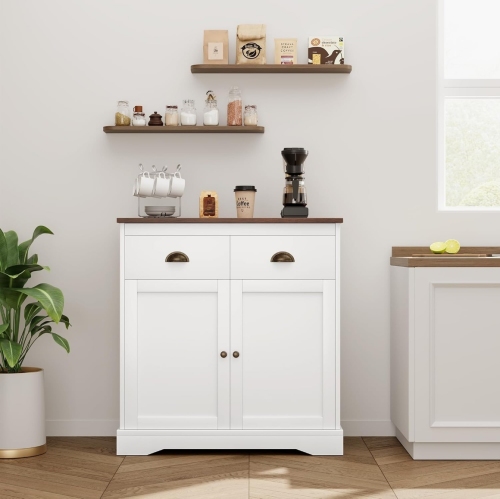
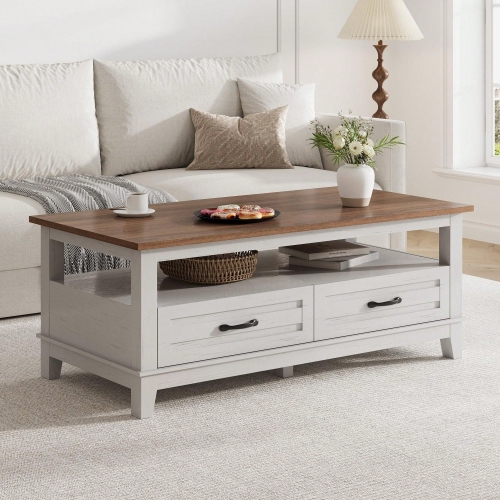
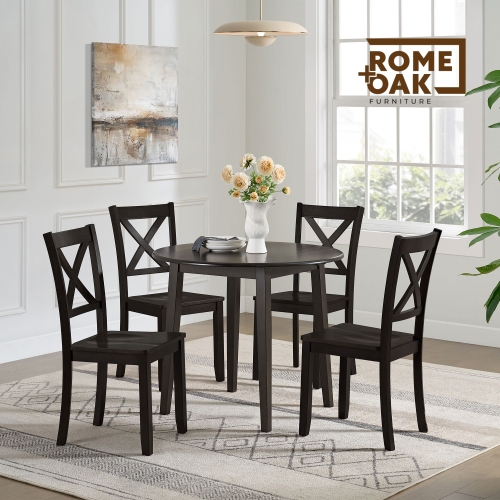
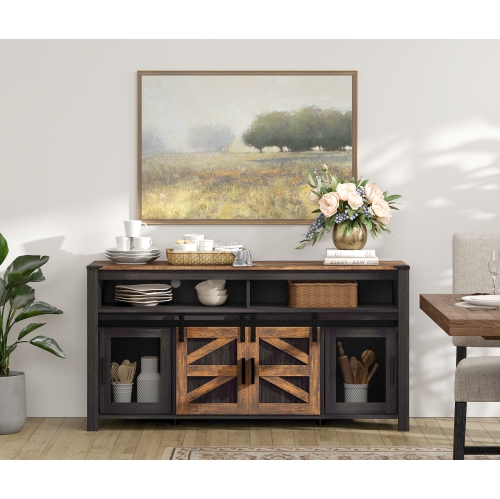
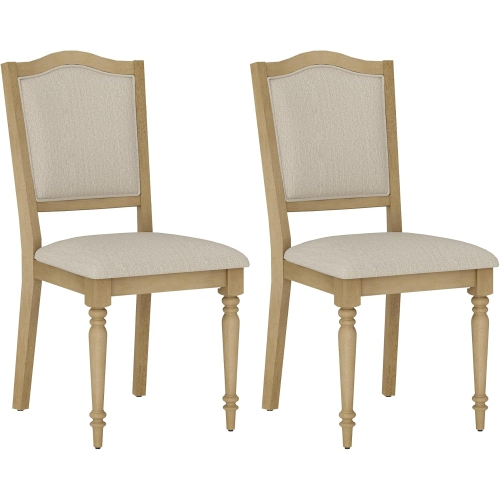
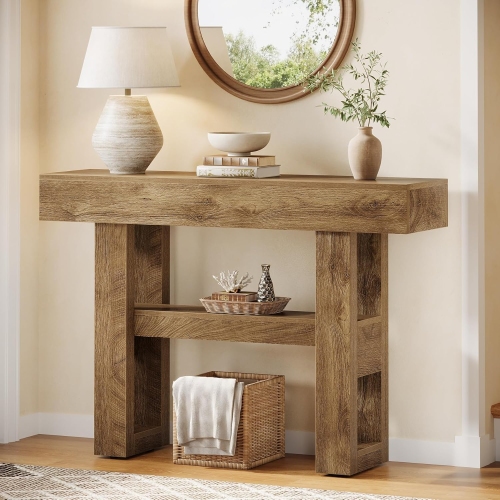
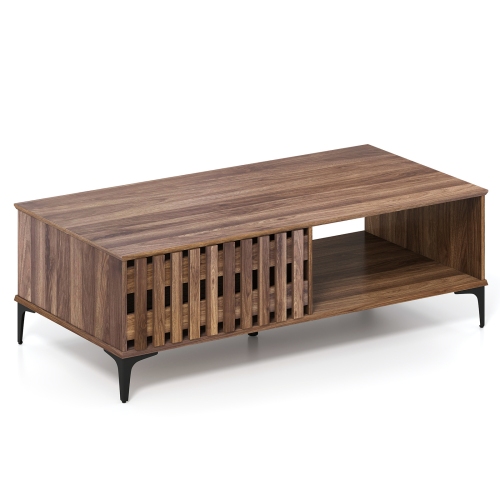
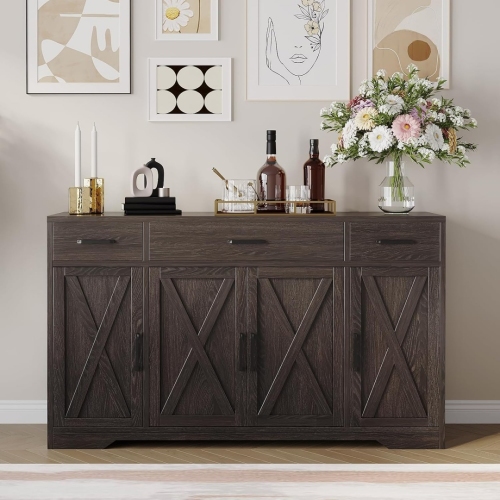
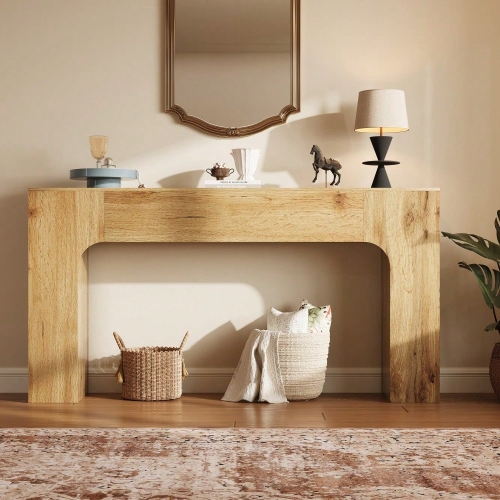
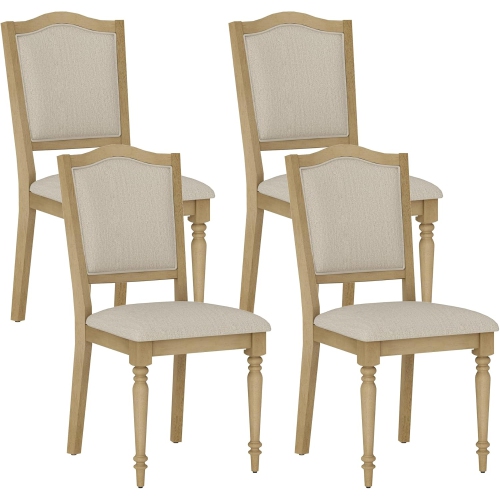
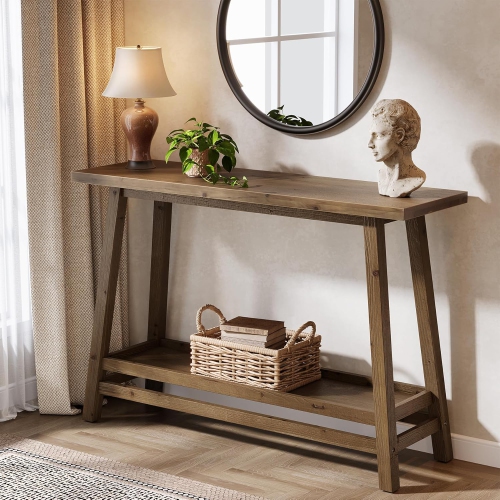
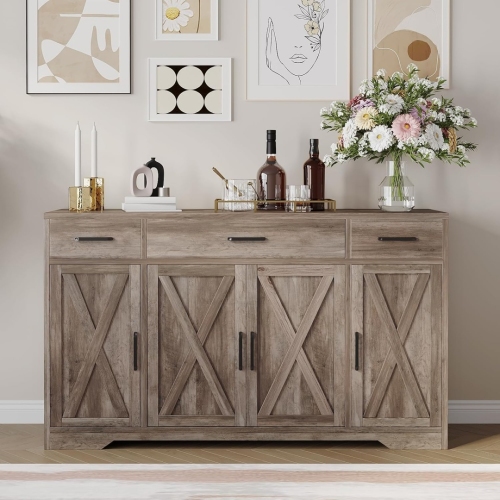
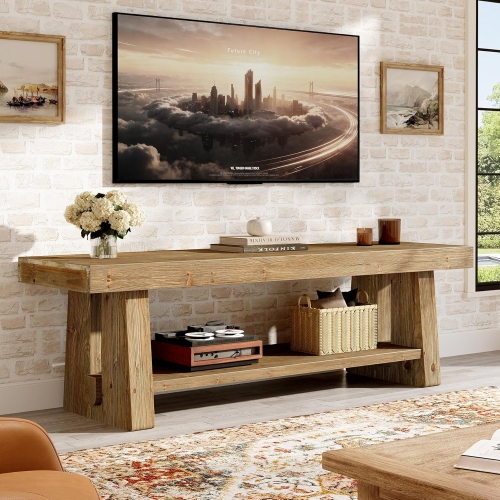
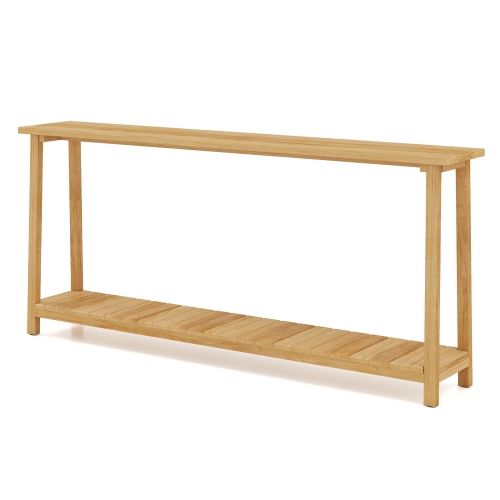
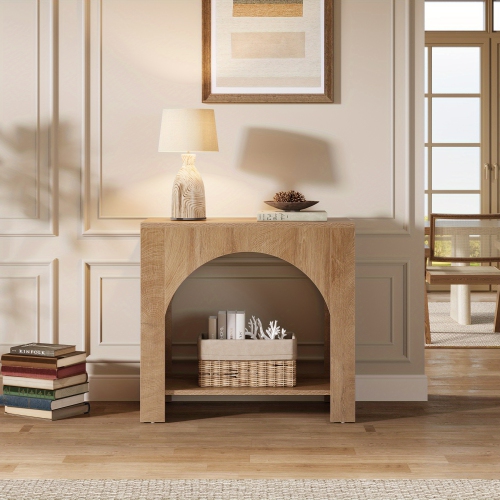

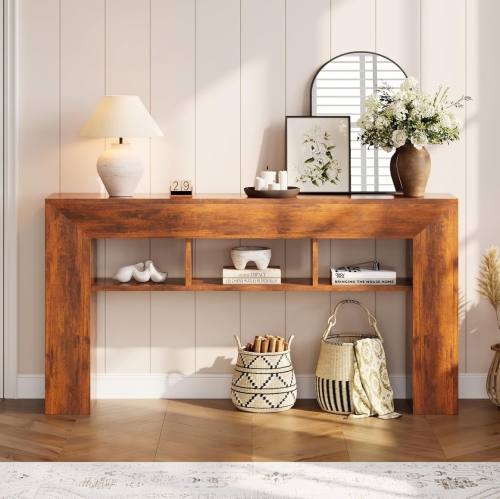
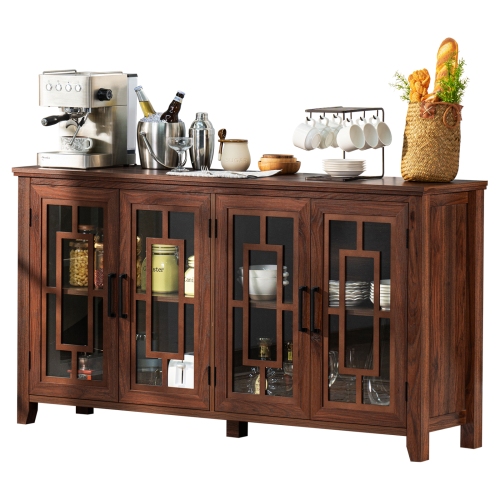
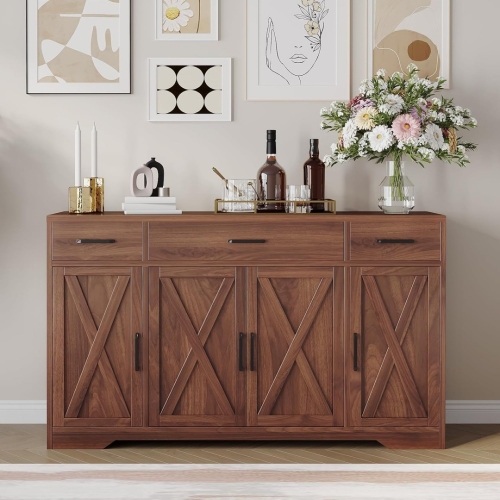
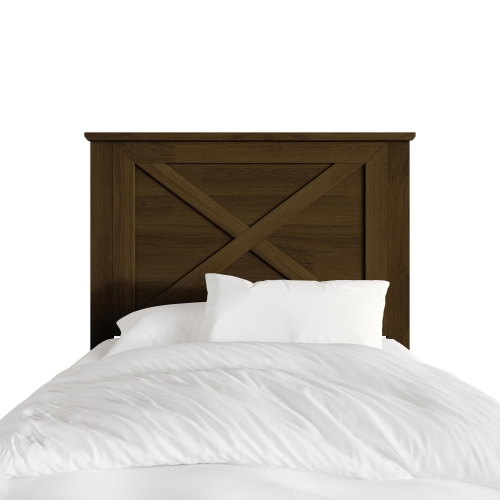
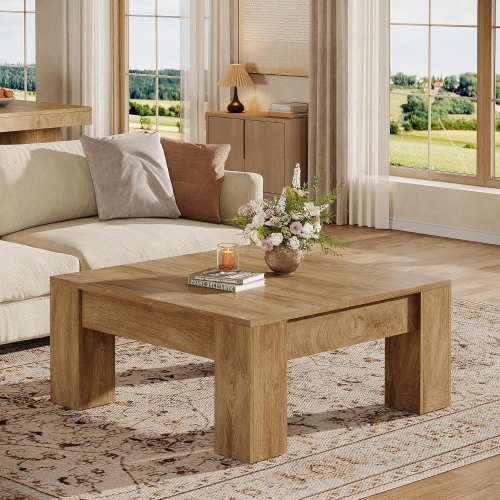
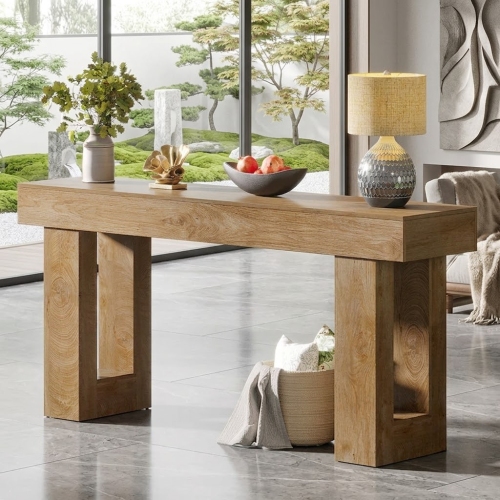
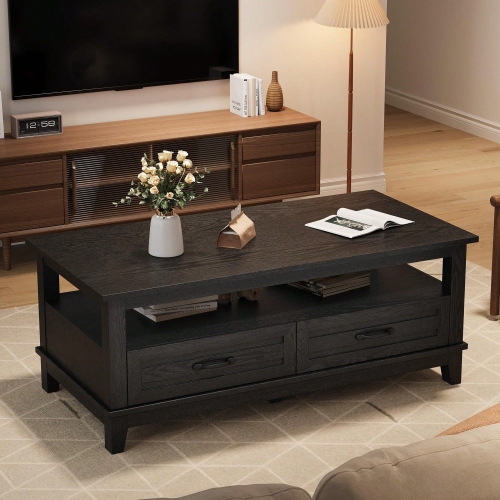
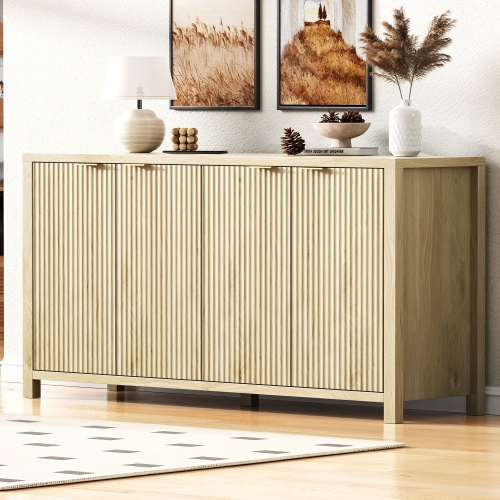
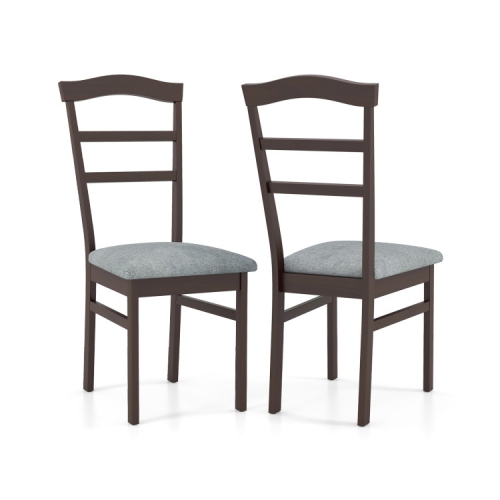
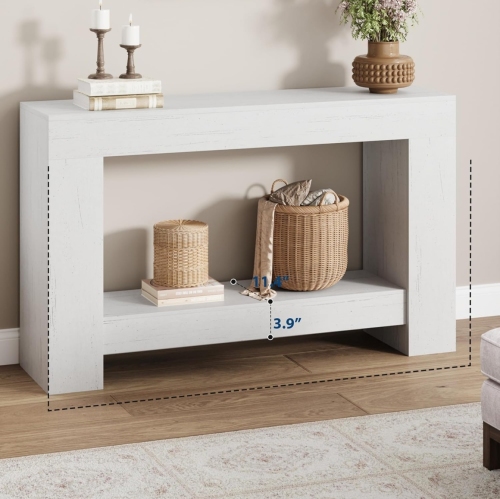
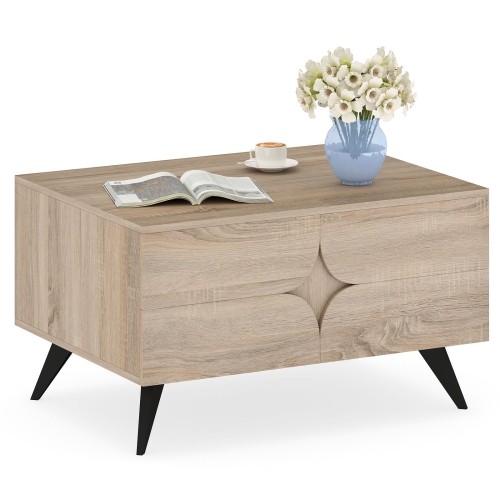
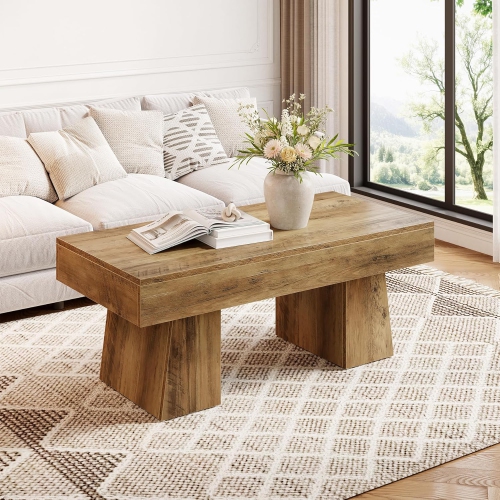
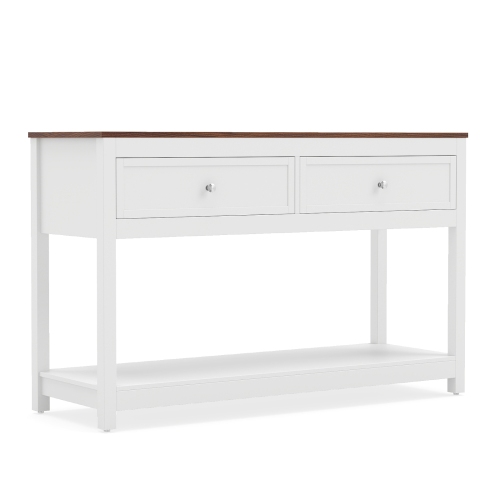
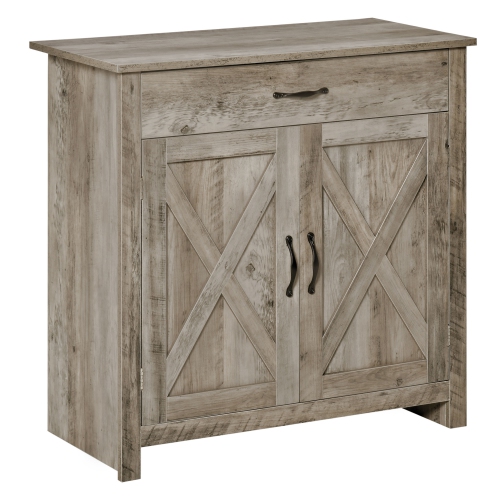
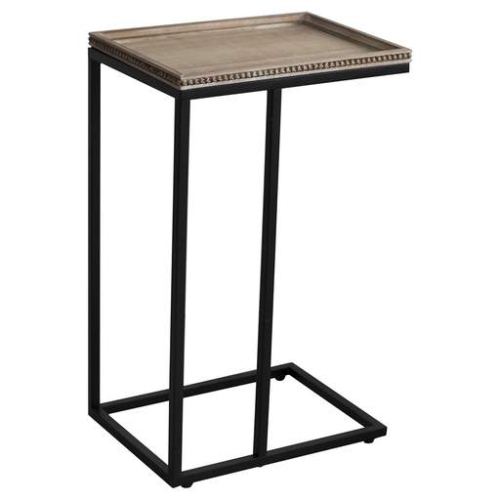
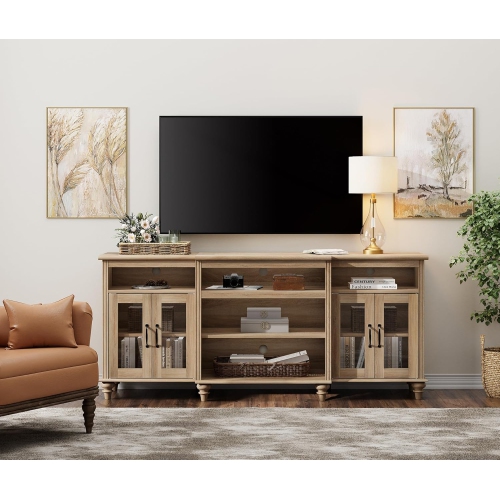
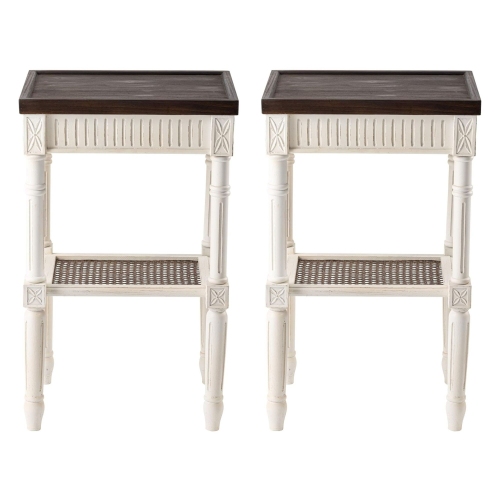
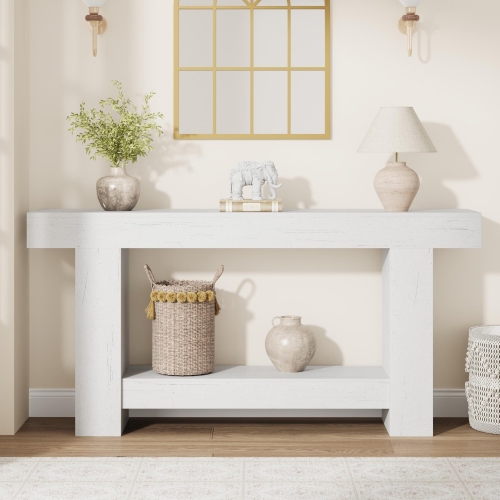
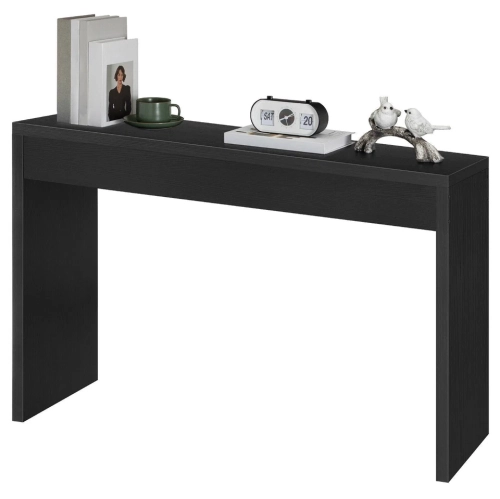
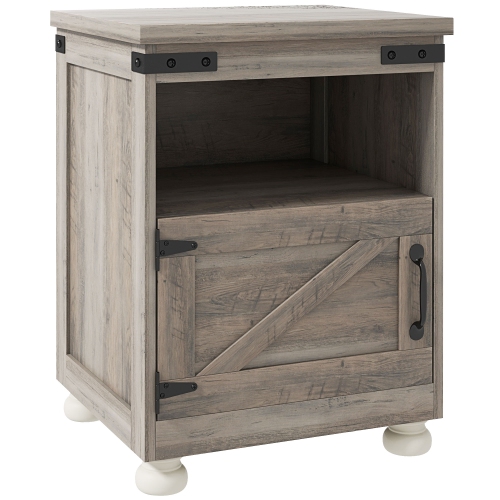
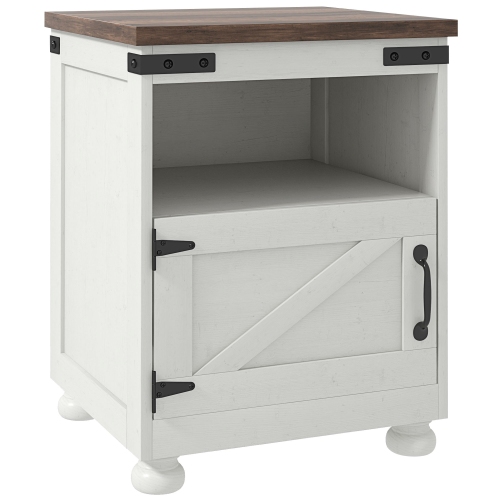
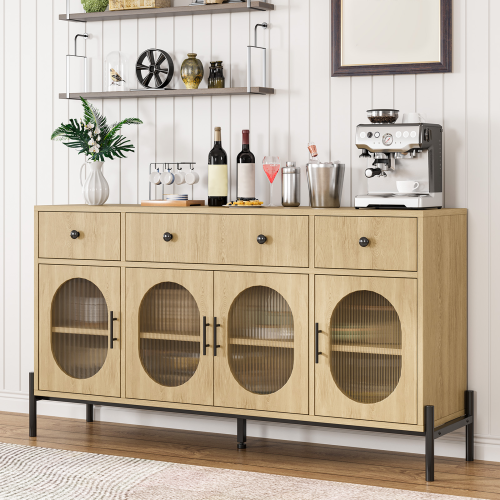
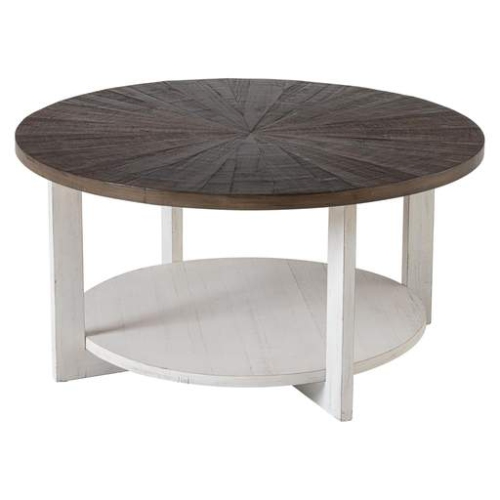
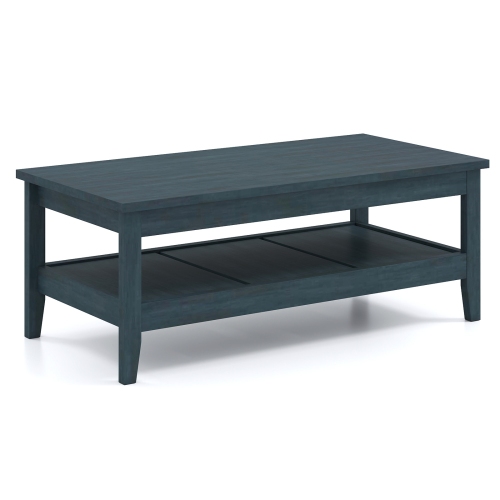
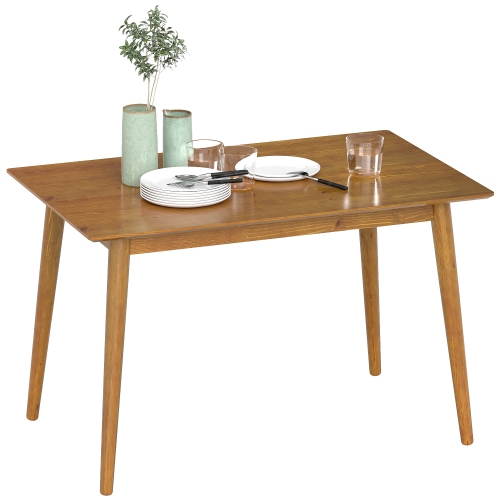
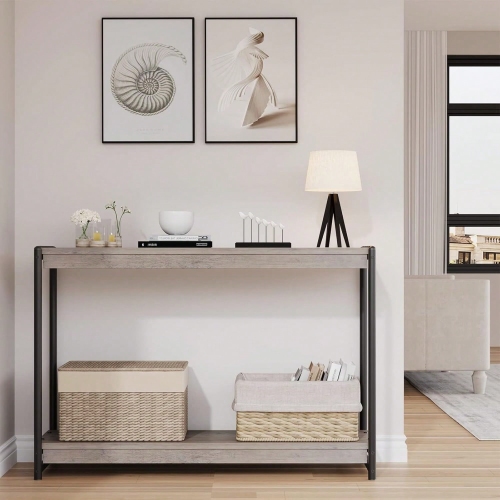
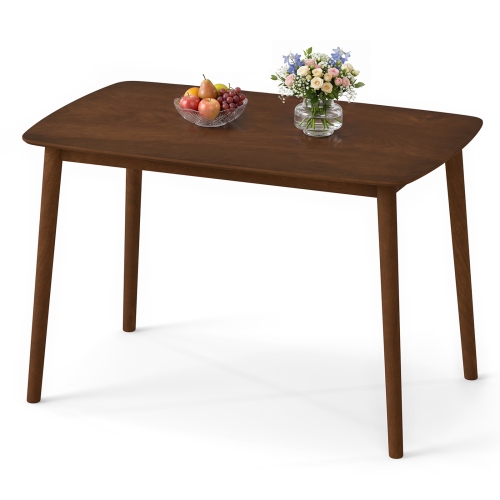
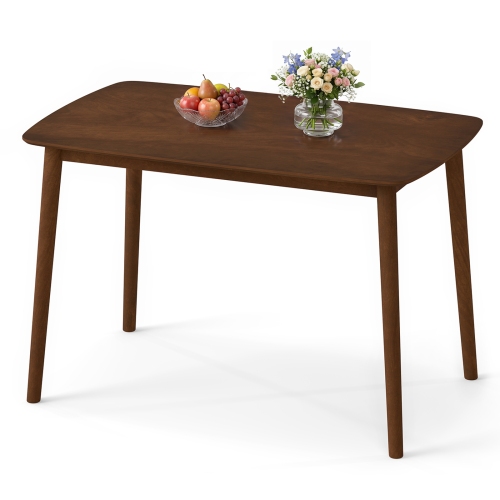
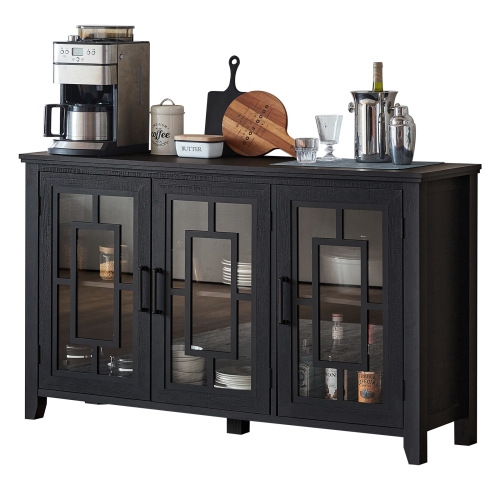
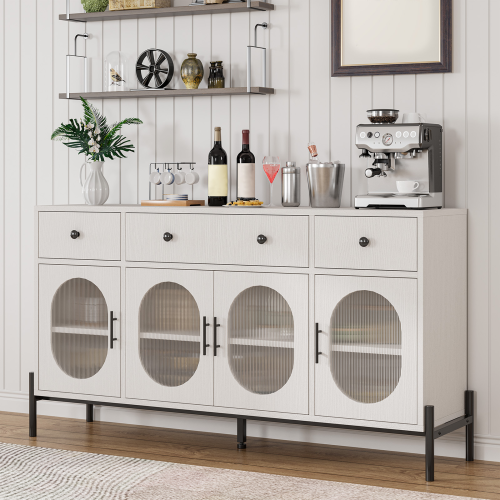
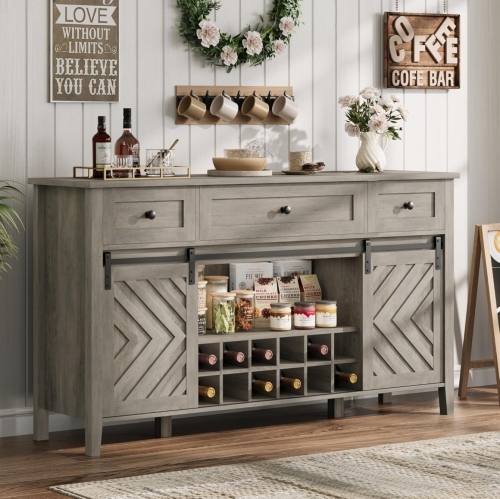
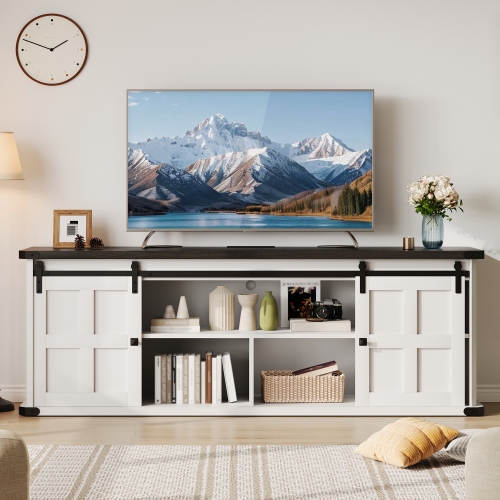
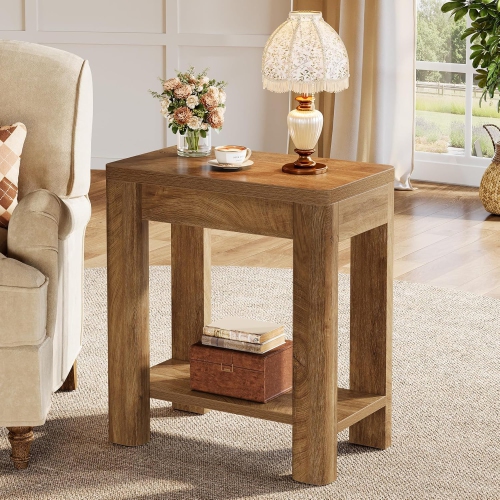
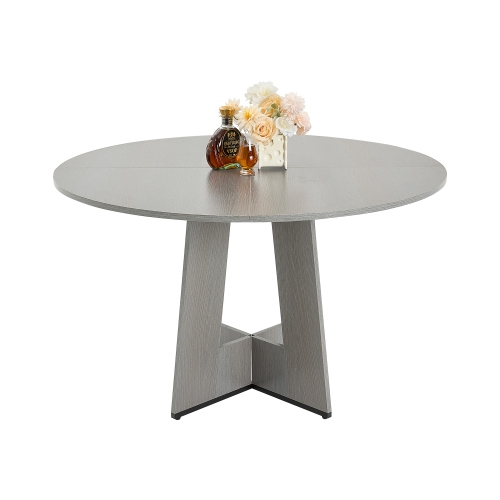
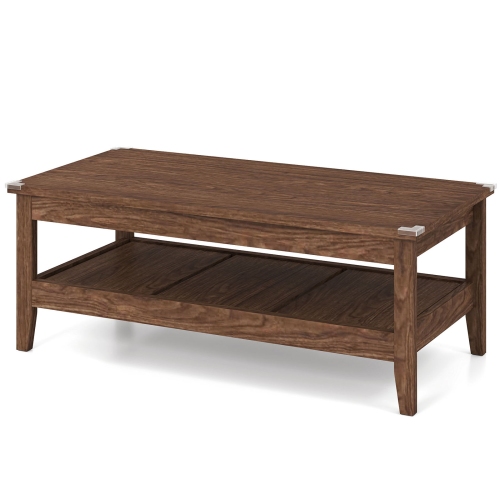
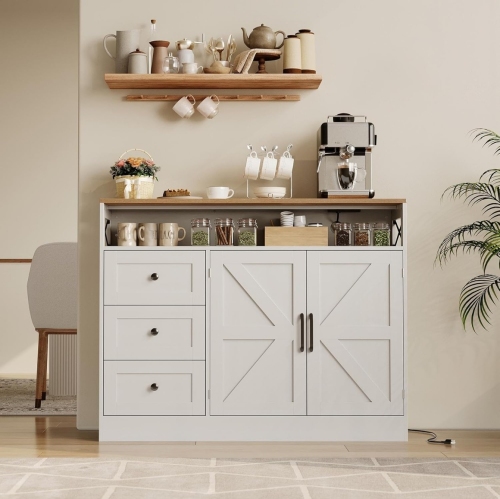
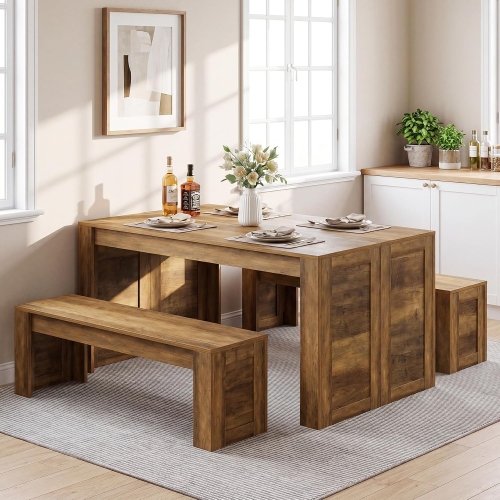
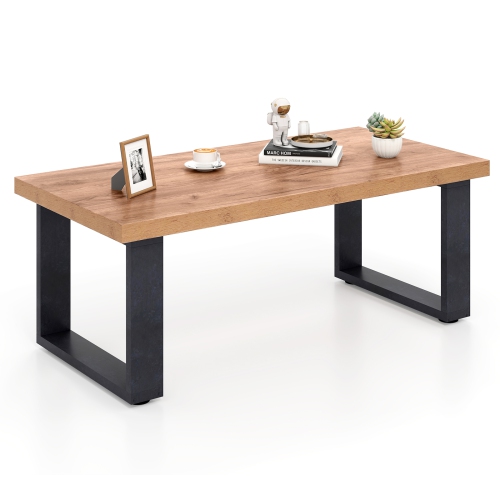
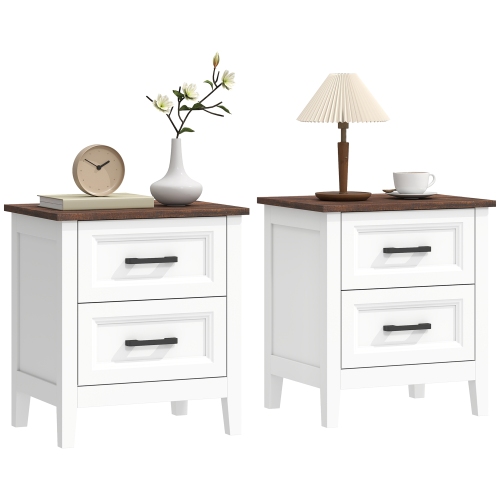
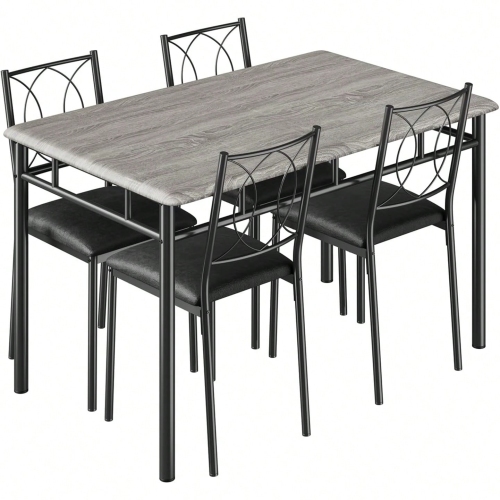
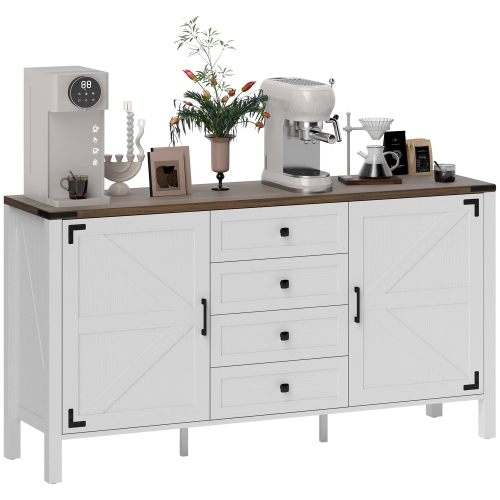
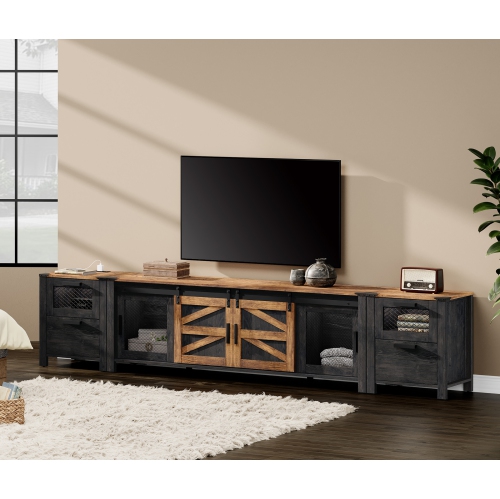
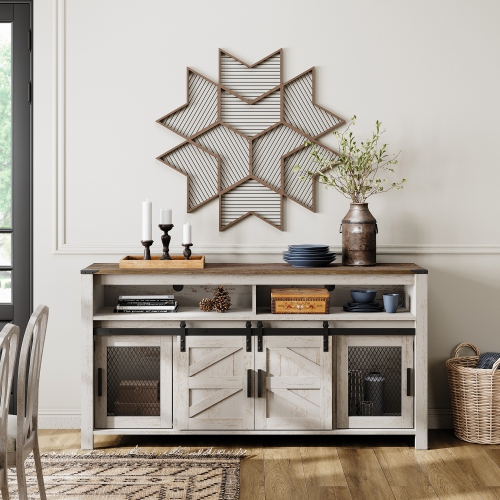
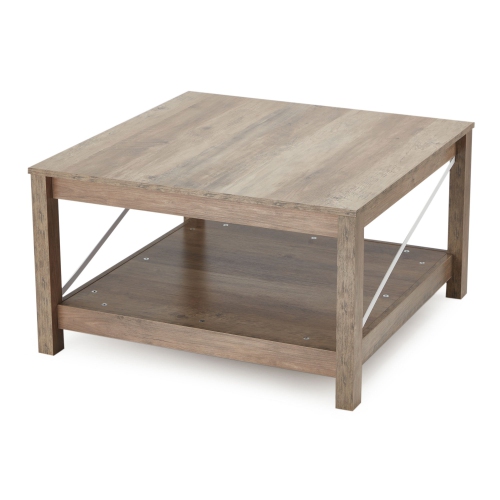
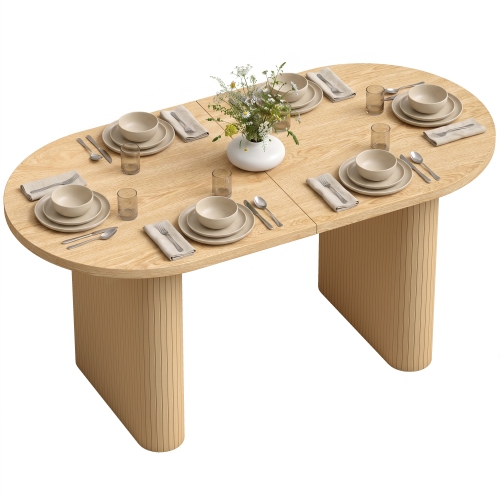
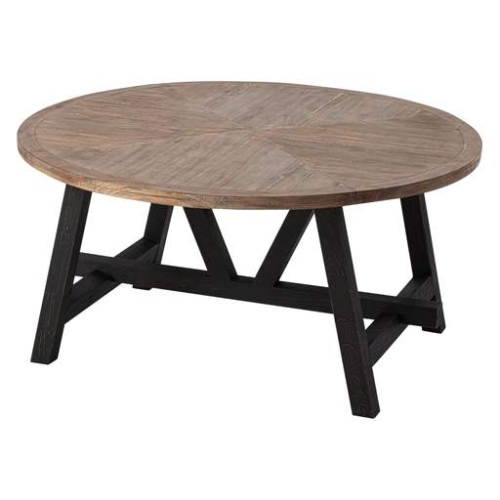
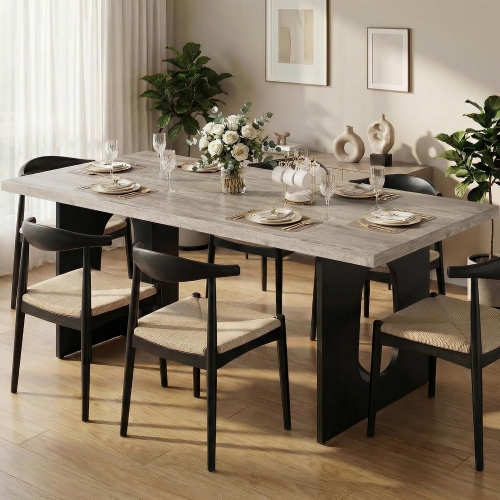
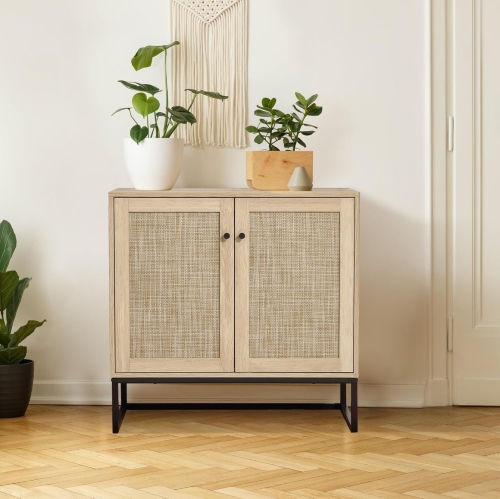
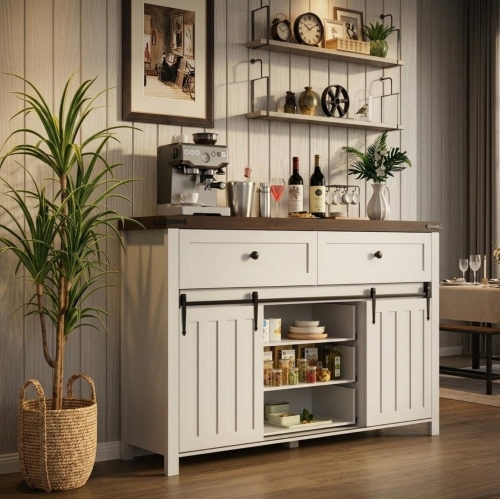
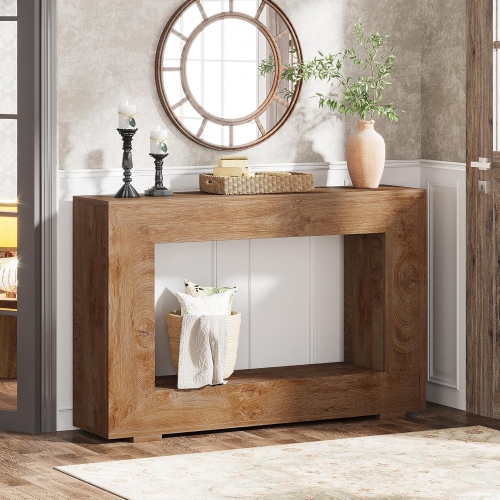
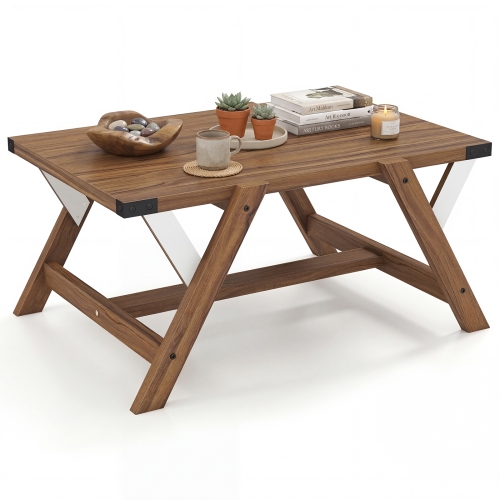
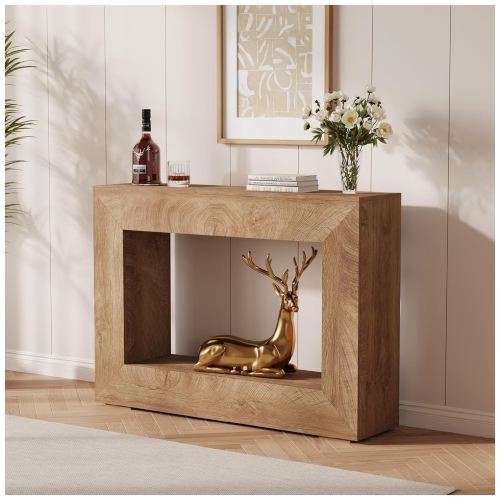
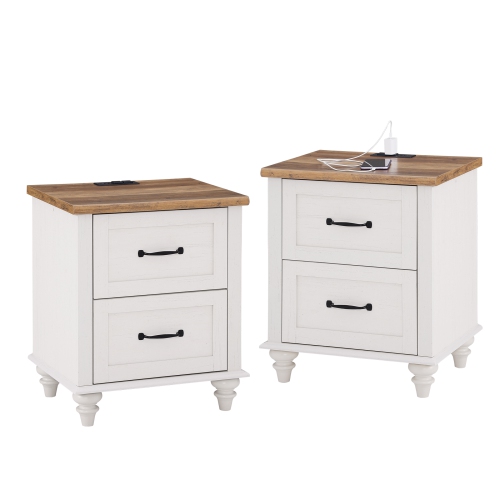
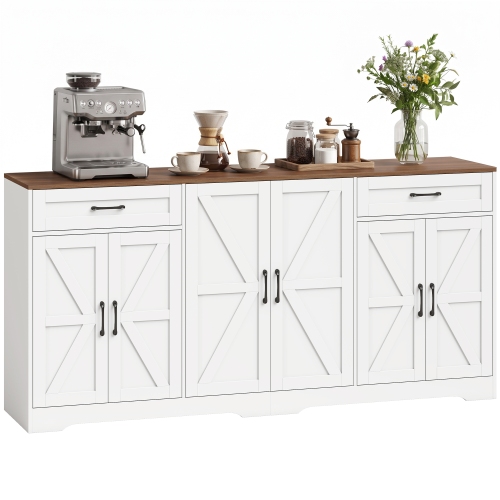
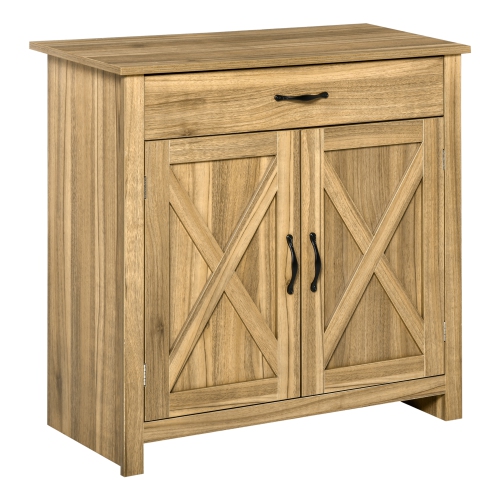
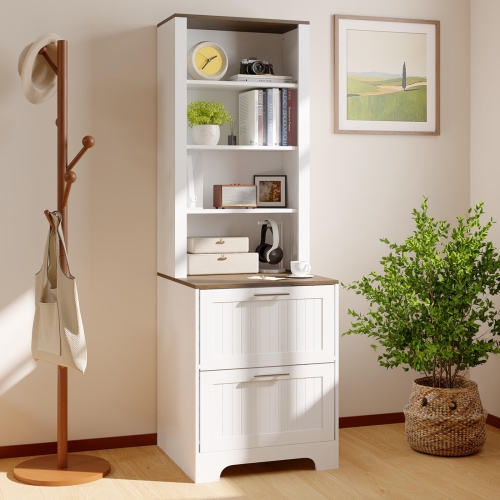
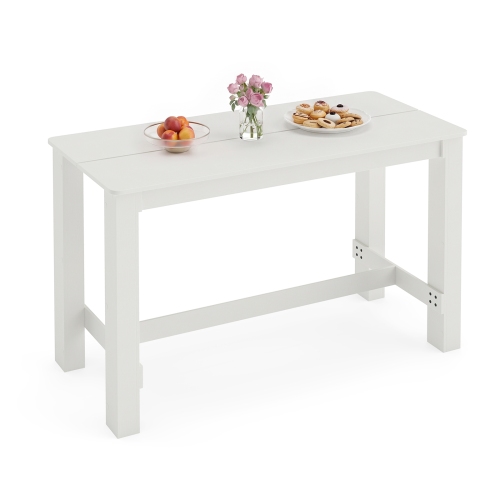
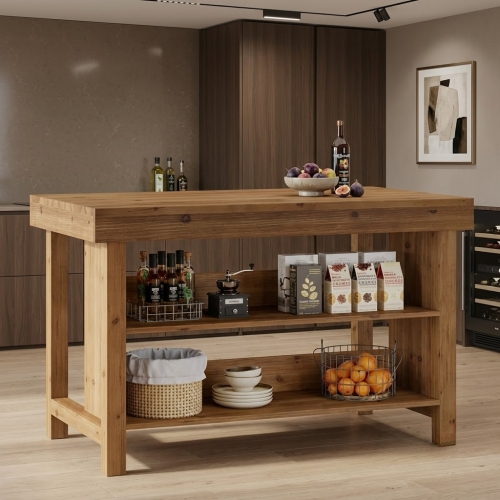
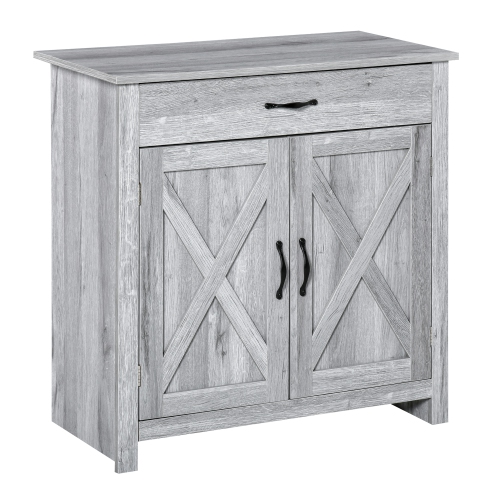
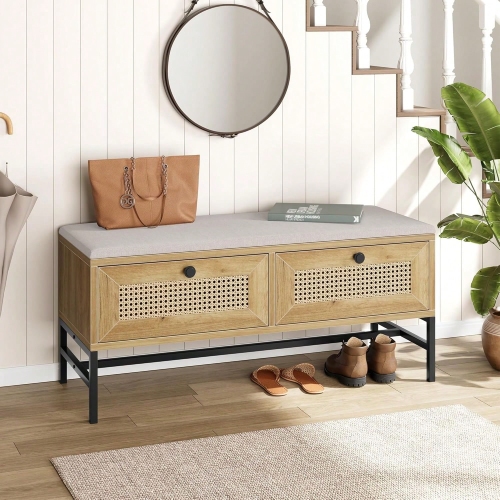
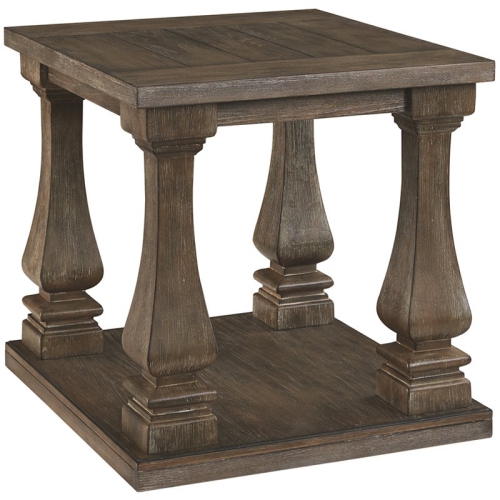
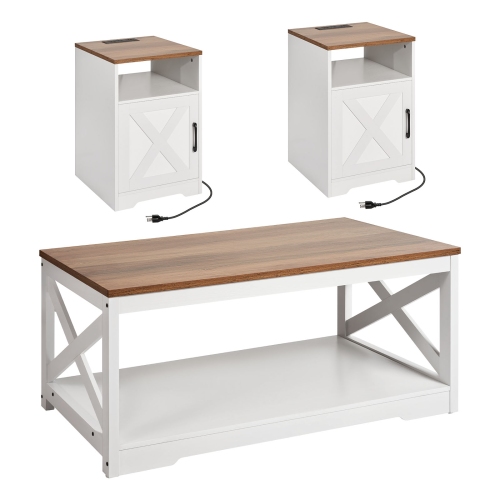
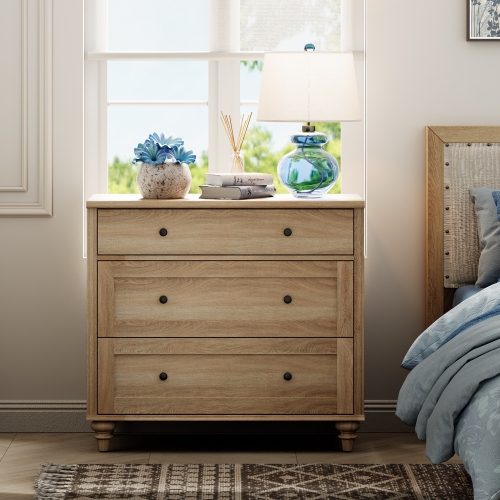
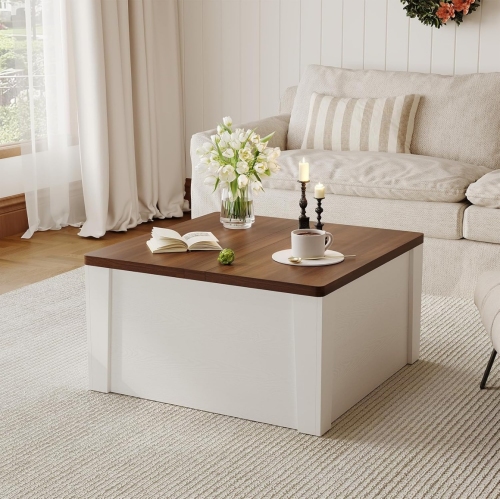
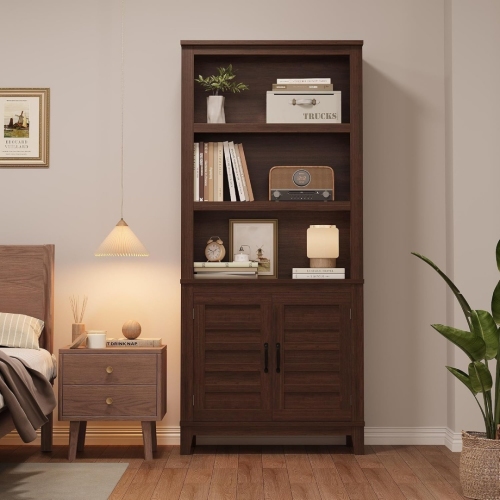
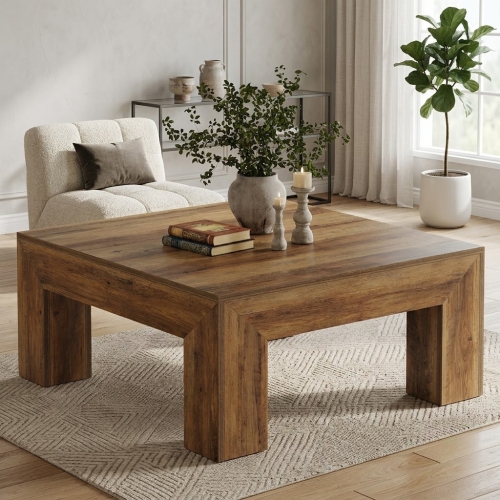
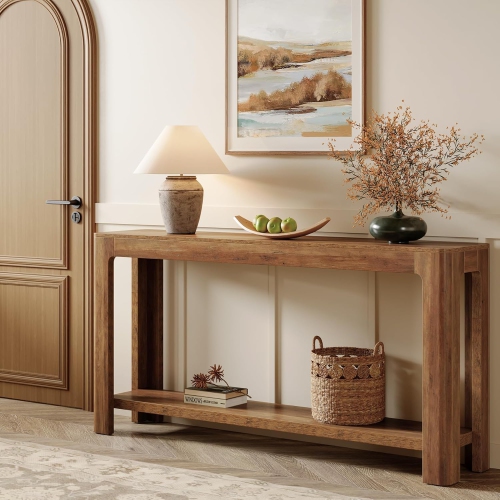
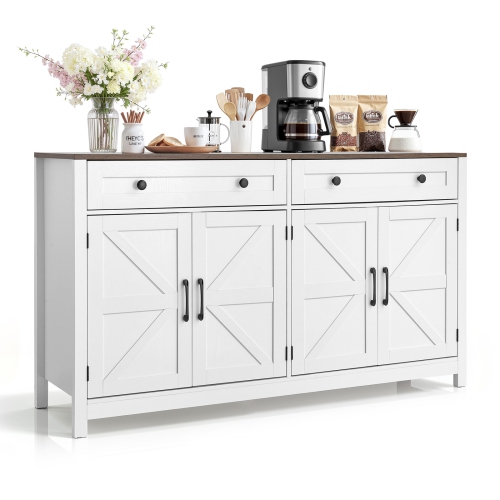
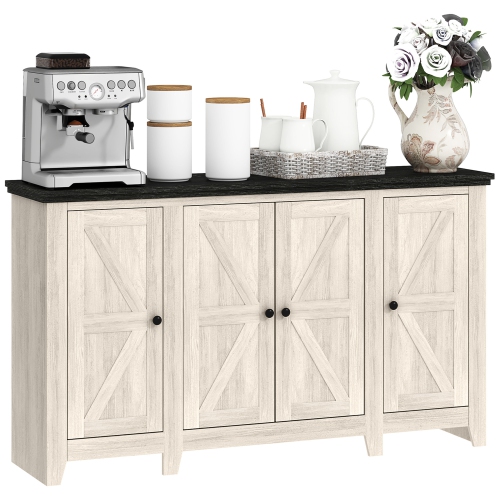
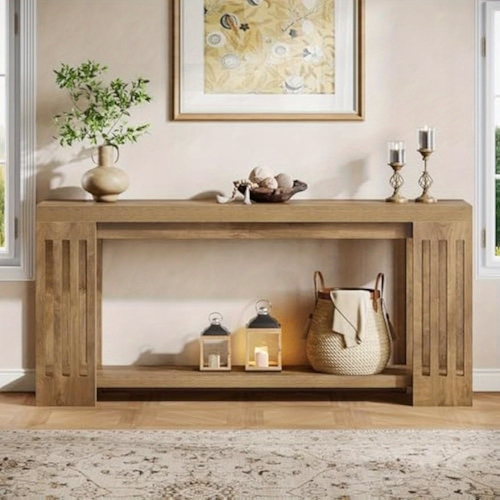
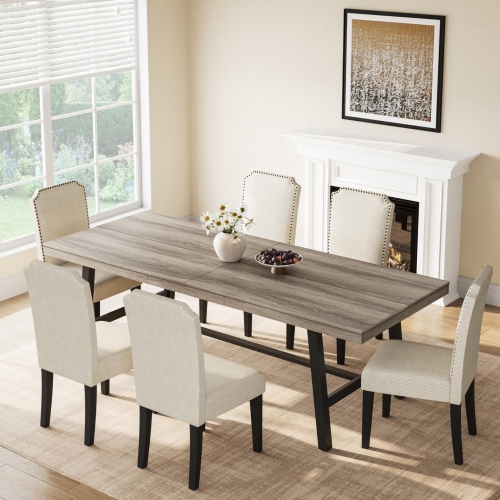
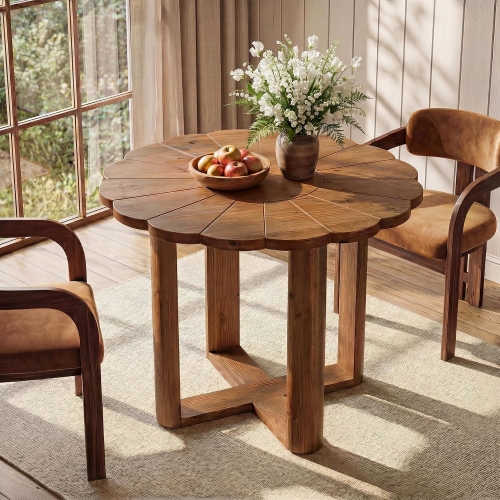
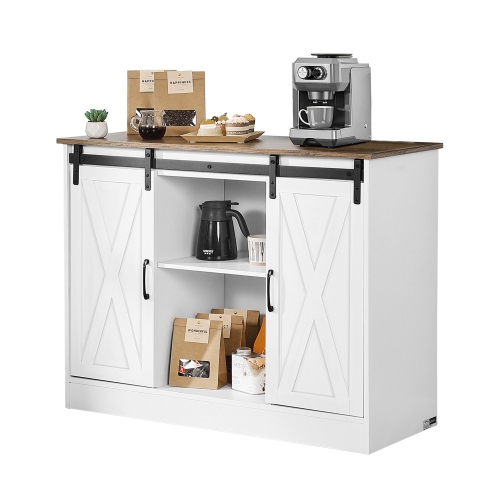
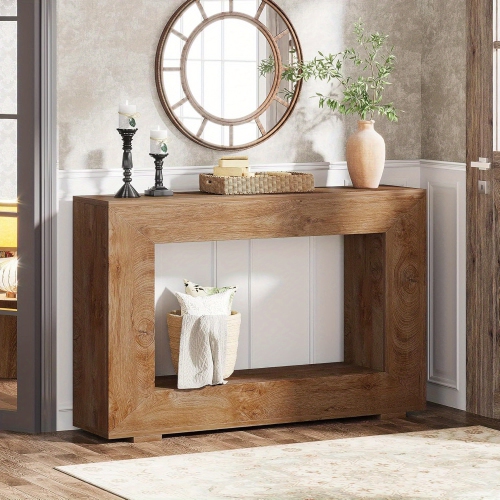
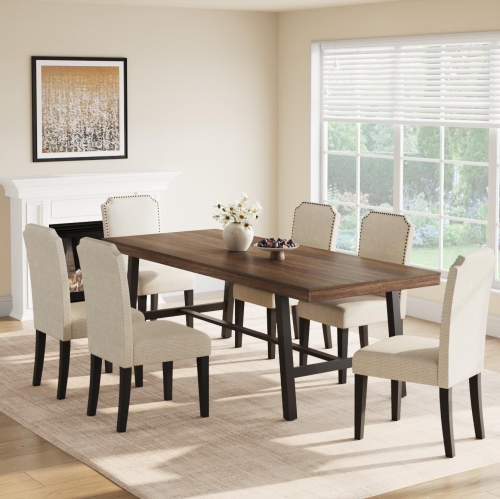
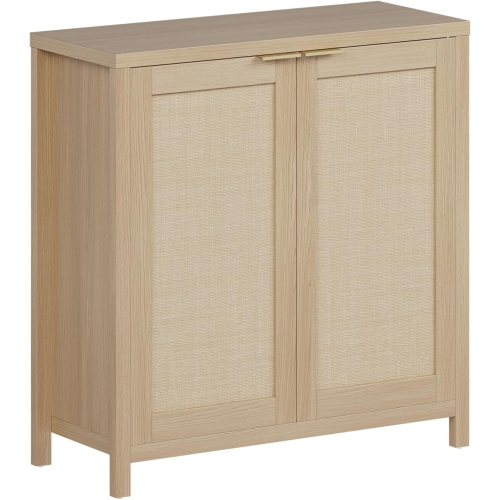
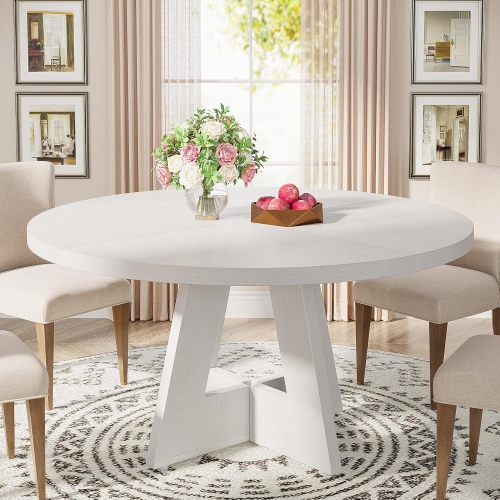
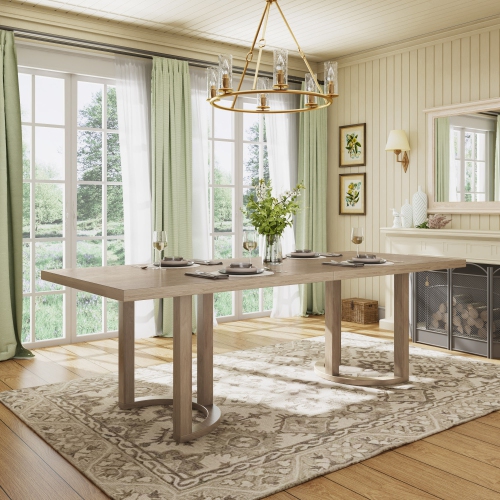
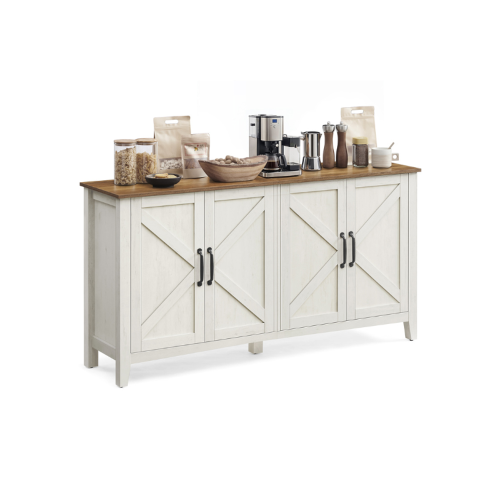
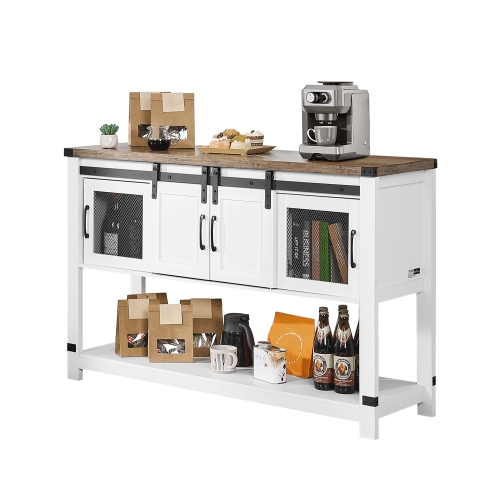
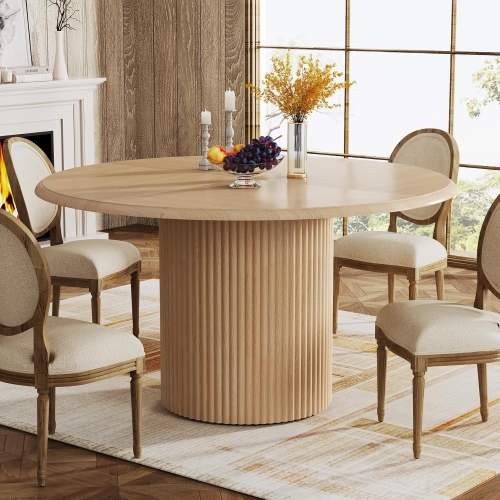
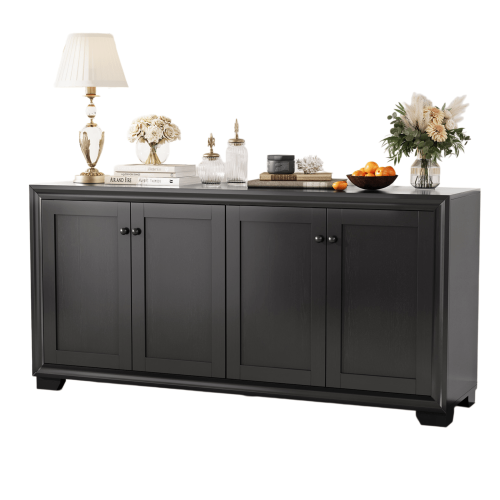
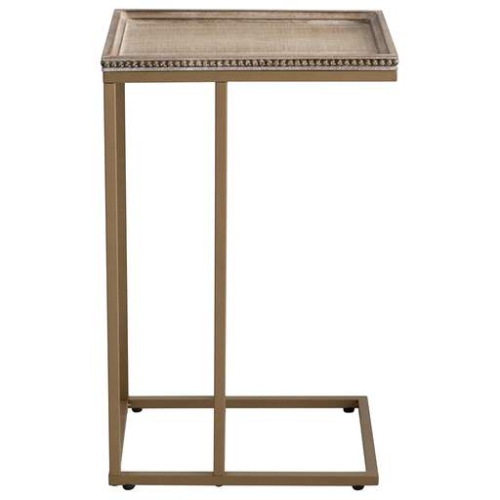
Rustic character meets practical storage and everyday comfort
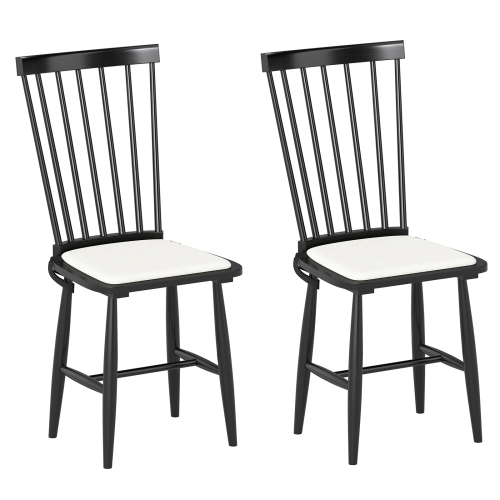
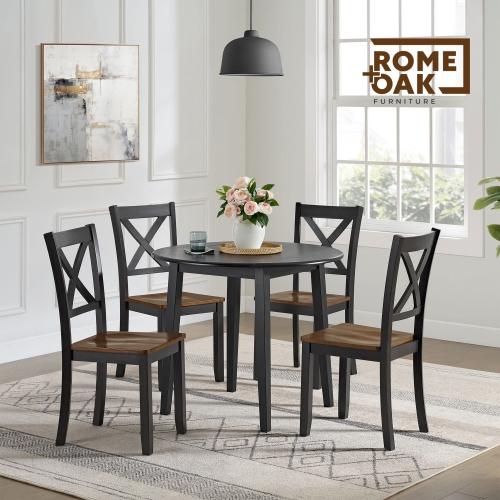
Farmhouse furniture brings together rustic character, practical shapes, and finishes that make a room feel comfortable rather than formal. Its familiar details include visible wood grain, framed cabinet fronts, turned legs, cross-braced supports, and metal hardware with a dark or aged appearance. The style draws on country homes and hardworking household furniture, but it fits just as naturally into a city condo as a spacious family house. Traditional farmhouse designs tend towards substantial proportions, decorative joinery, and distressed surfaces, while modern farmhouse furniture uses cleaner lines, lighter profiles, and a more restrained mix of textures. Warm wood tones, soft white, cream, grey washes, and matte black are common, with contrast often coming from a painted base beneath a wood-look top. These details can bring a sense of continuity to dining, living, bedroom, and entryway spaces without requiring every finish to match. A room feels more collected when furnishings share a few features, such as similar undertones or hardware, rather than repeating the same barn-door detail on every surface. Materials shape both the appearance and the everyday performance of farmhouse furniture. Solid pine often has prominent knots and a softer surface that can acquire marks with use; oak generally offers a harder surface and a pronounced grain pattern. Mango wood can show considerable variation in colour and grain, giving furniture a less uniform appearance. Wood veneer provides a real wood surface over a supporting core, while laminate and other decorative finishes can create a wood-grain look on manufactured wood. None of these descriptions alone establishes overall quality: construction, edge finishing, hardware, and the suitability of the surface for its intended use also matter. Metal accents add visual contrast, while upholstered sections introduce softness through woven textures and neutral colours. Deliberate distressing is a decorative treatment, not a promise that future scratches or spills will be invisible. The appeal lies in the balance between character and usefulness, with enough texture to feel inviting and enough simplicity to work alongside belongings already in the home.
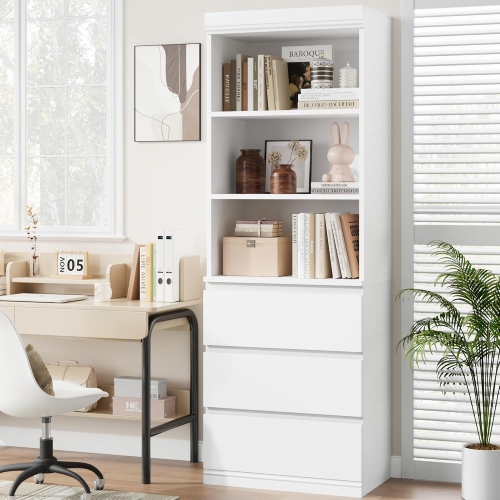
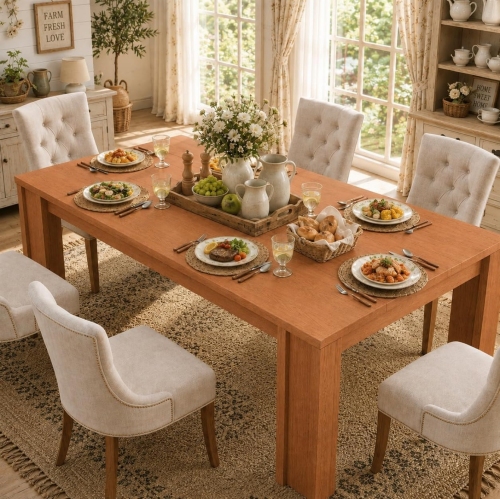
Across different rooms, farmhouse furniture often serves as much of a storage role as a decorative one. In a dining space, the proportions of the furniture influence whether the room feels relaxed or crowded, especially when seating needs to accommodate both everyday meals and occasional guests. A substantial base may create a strong farmhouse silhouette, but its placement can affect legroom and how neatly seating tucks underneath. Benches offer a casual look, though individual seats may suit households where back support and easy access matter more than flexible seating. In living areas, a combination of open shelving and enclosed storage gives books and personal objects a place to be seen while keeping cables, games, and other daily essentials out of sight. The shapes and finishes associated with farmhouse living room furniture can connect a shared gathering space with nearby dining or entryway furnishings, particularly in an open-concept home. Sliding barn-style fronts are a recognizable feature, but their practical value depends on the layout: they do not need the same outward swing as hinged doors, yet they typically leave only part of the cabinet accessible at once. Open shelves offer convenient access but need regular dusting, while closed compartments create a quieter visual backdrop. In a bedroom, farmhouse styling can range from pale painted finishes and gently shaped edges to darker wood tones and broad, straightforward profiles. Storage capacity, comfortable access, and compatibility with the room’s existing furnishings remain more important than decorative details alone. An entryway calls for a different balance, with a modest depth and usable storage helping keep a busy passage clear. Scale is especially important in smaller homes, where a chunky frame may occupy more visual space than its measurements suggest. Clearances for drawers, doors, chairs, and walking routes help determine whether a furnishing will work comfortably once it is in use. Delivery access matters too, including doorways, stair turns, and elevators, as well as the space needed for assembly.
Farmhouse furniture suits households that appreciate tactile surfaces and familiar forms, whether the aim is a relaxed place for family meals, a welcoming first apartment, or a quieter bedroom with less visual clutter. Its versatility comes from being able to lean rustic, traditional, or contemporary through the surrounding colours and textures. A heavily grained finish beside simple upholstery feels different from a painted finish paired with dark metal, even when the underlying shapes are similar. For frequently used spaces, durability depends on details that are less noticeable than colour: stable frames, secure connections, smooth drawer movement, properly fitted doors, and surfaces appropriate to daily contact. Adjustable shelves can make storage more useful as needs change, and weight limits matter wherever furniture will support electronics, books, or other heavy belongings. Furniture supporting a television also needs suitable dimensions, cable access, and ventilation for connected equipment. Tall storage furniture should be secured according to the manufacturer’s instructions, using suitable wall fixings; a broad or heavy-looking base is not a substitute for anchoring. Care requirements vary by material and finish, so the manufacturer’s directions are the best starting point. A soft cloth removes routine dust, and spills are best addressed promptly rather than left to settle into seams or unfinished areas. Coasters, placemats, and protective pads help limit marks from everyday use, while abrasive cleaners can damage painted, coated, or wood surfaces. Upholstery care depends on the fabric and its cleaning code, and removable covers are not necessarily machine washable. Textured grain, grooves, and decorative hardware may need a little more attention than flat fronts. For a shared household, these practical differences can matter as much as the initial look. Farmhouse furniture is most comfortable to live with when its proportions, storage, and maintenance needs suit the people using it. The result can be a home that feels cohesive without being overly matched, with useful furnishings and distinctive finishes that support ordinary routines.
Top selling and popular products
-
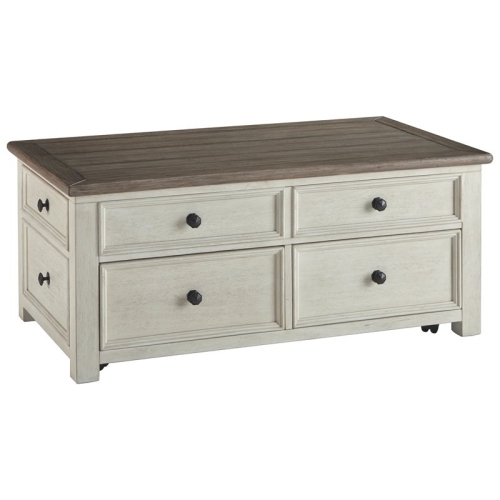 Your price for this item is $949
-
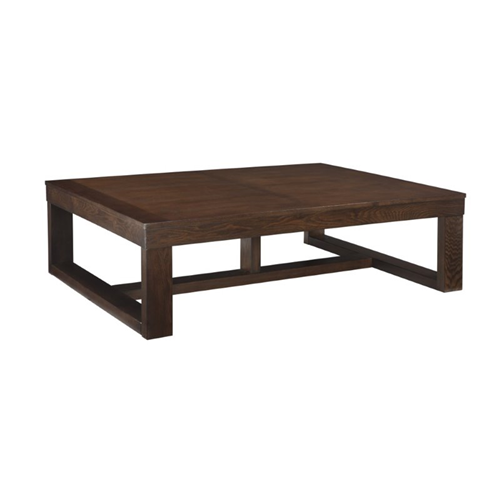 Your price for this item is $449
-
 Your price for this item is $649
-
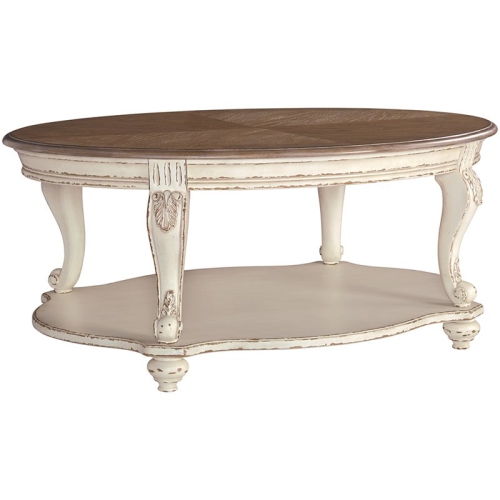 Your price for this item is $599
-
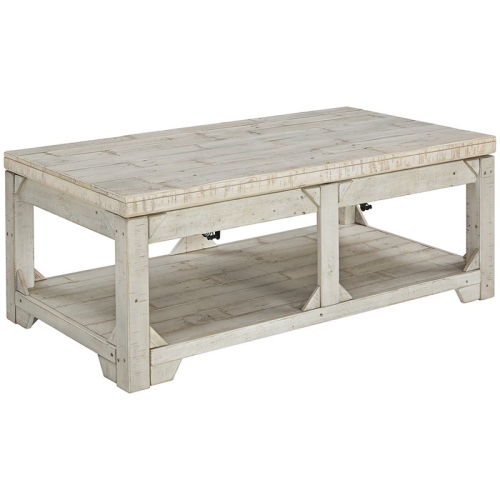 Your price for this item is $549
-
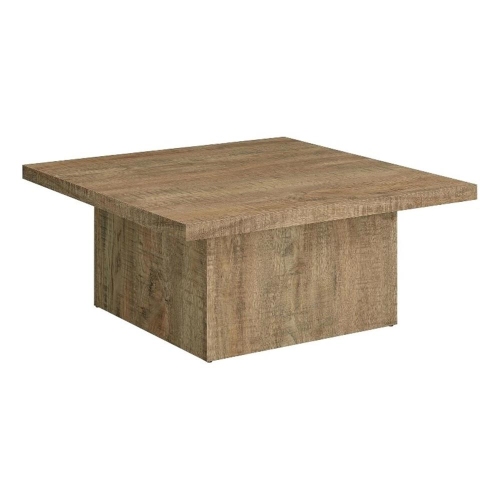 Your price for this item is $349.93
-
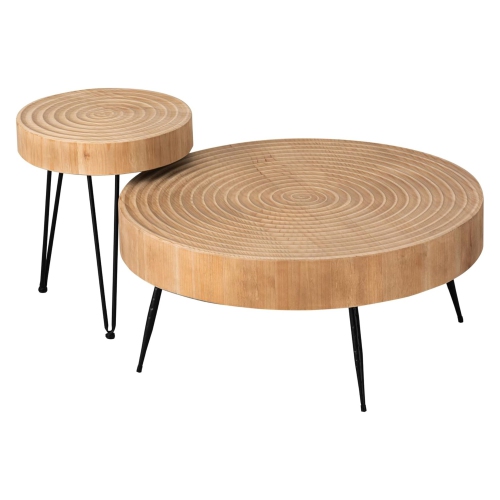 Your price for this item is $474.99
-
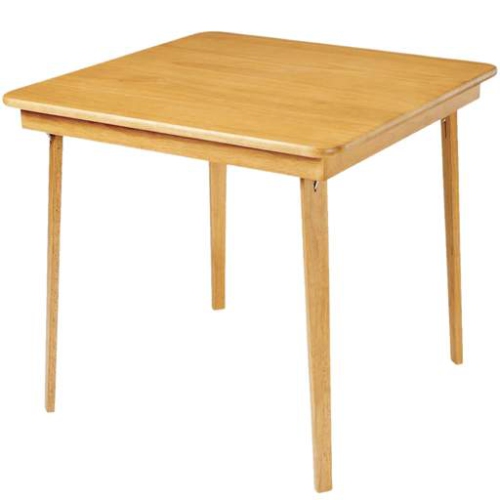 Your price for this item is $233.72
Discover more categories related to Farmhouse Furniture
Top Collections:
Best Black Friday Deals This Year, Best Black Friday Deals On Electronics, Kindle Devices, Dyson Airwrap, Best Cameras for Sports Photography, Best Budget Office Chairs, Canon G7X Cameras, PS5 Pro Consoles, Best Black Friday Deals On Apple Products, XBOX One S Consoles
Some products may be subject to Environmental Handling Fees
(EHF) depending on your province.
Learn more about EHFs.