Flat Screen TV Covers
Protect your television with a Flat Screen TV Cover designed to help keep your screen looking its best. Whether your TV is mounted in the living room or set up outdoors, these covers offer an easy way to shield your device from dust and everyday wear. Find the right fit for various sizes and styles, so you can enjoy peace of mind knowing your flat screen is safeguarded when not in use. Explore options that blend seamlessly with your setup while providing reliable coverage for your entertainment investment.
Sort
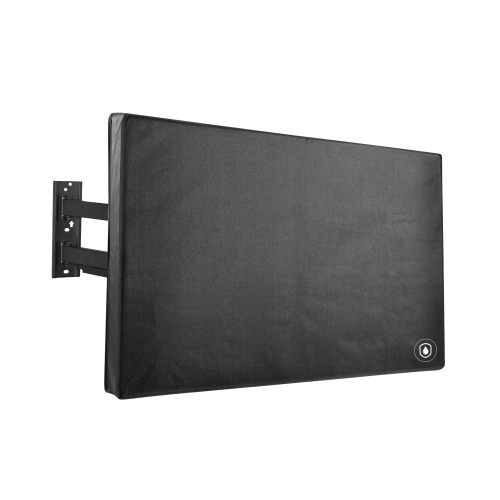
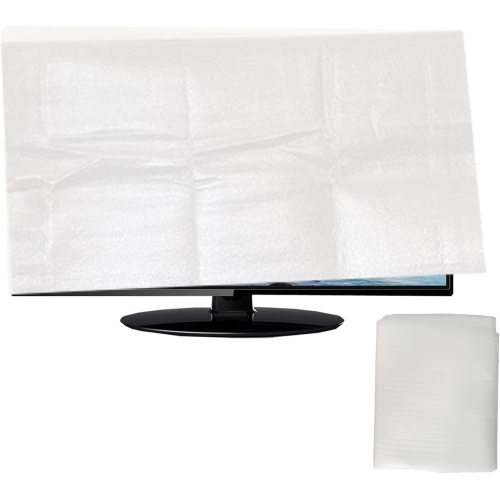
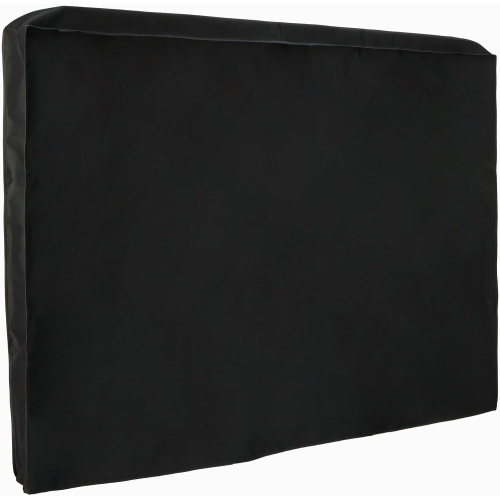
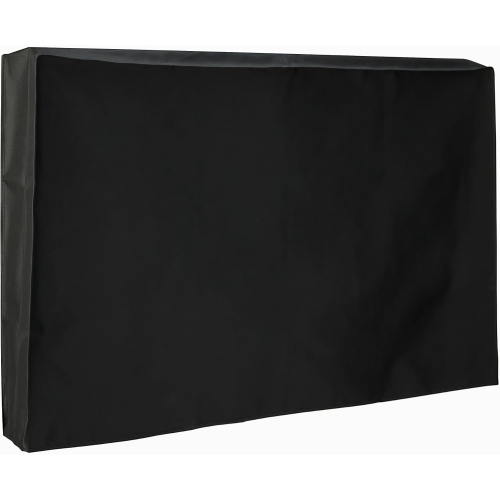
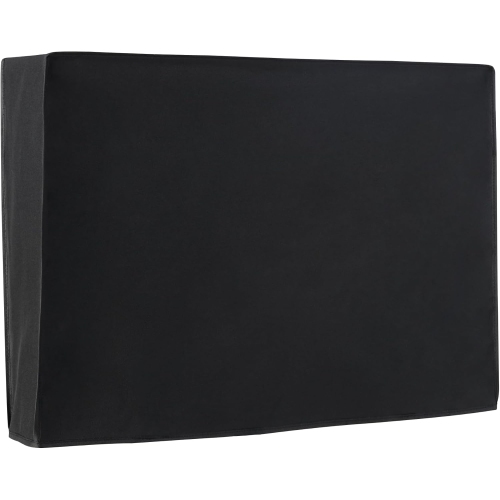
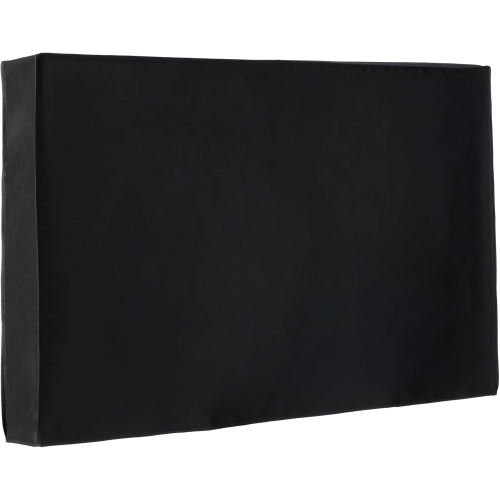
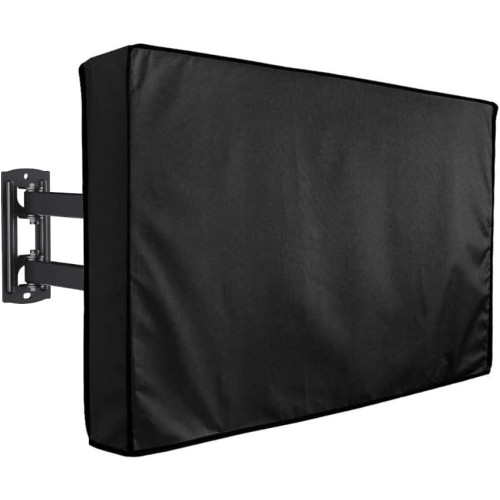
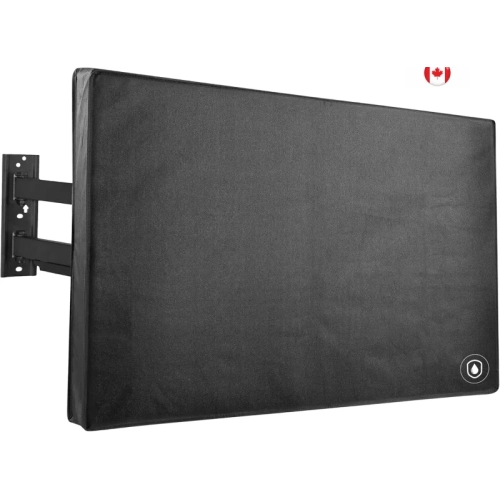
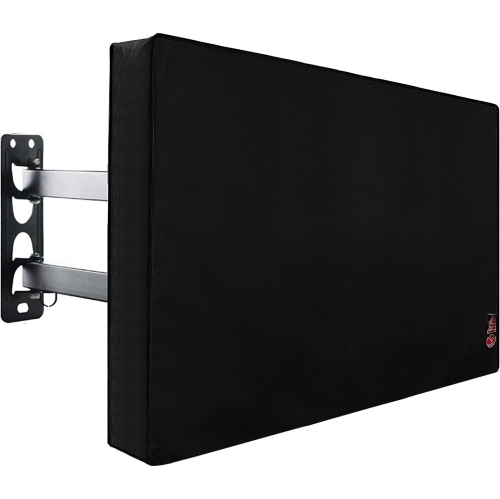
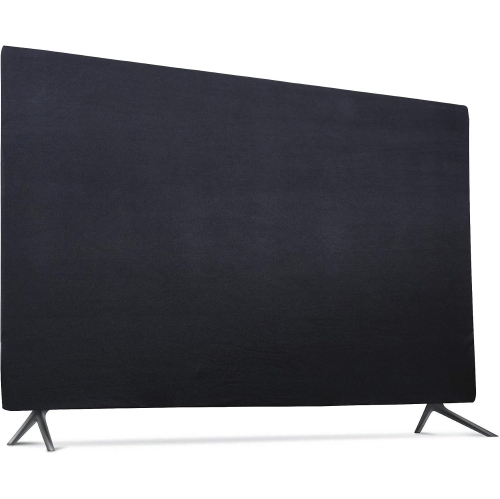
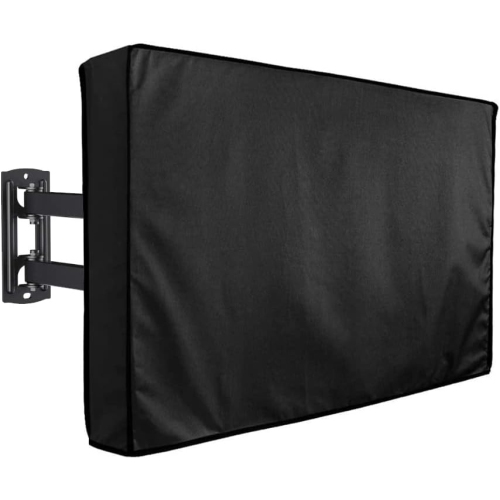
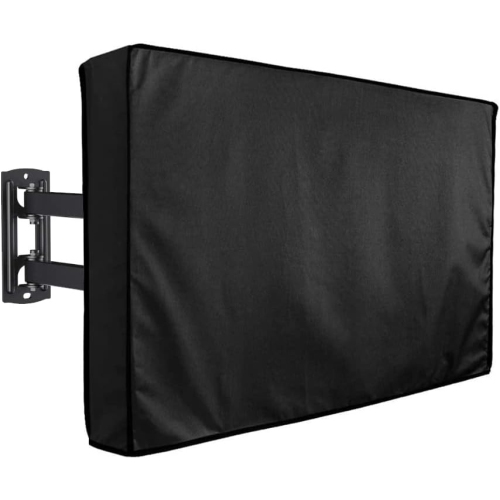
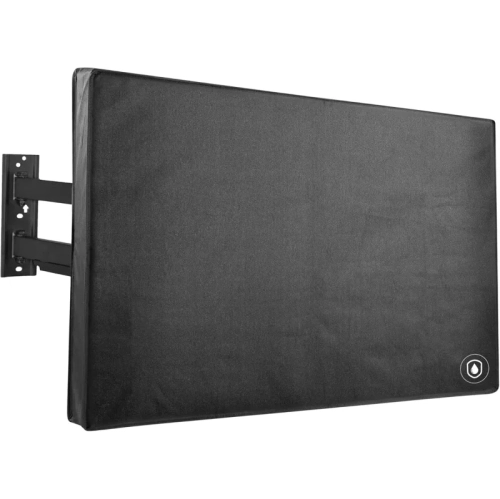
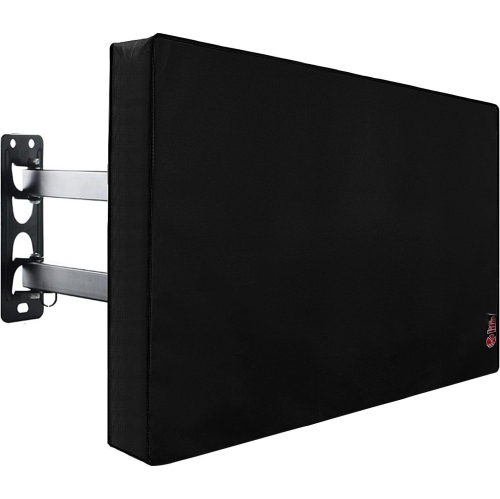
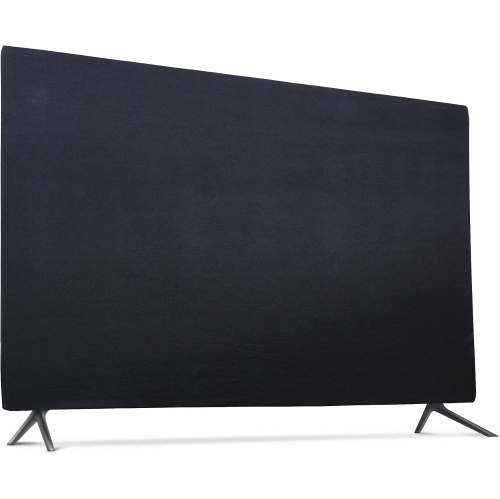
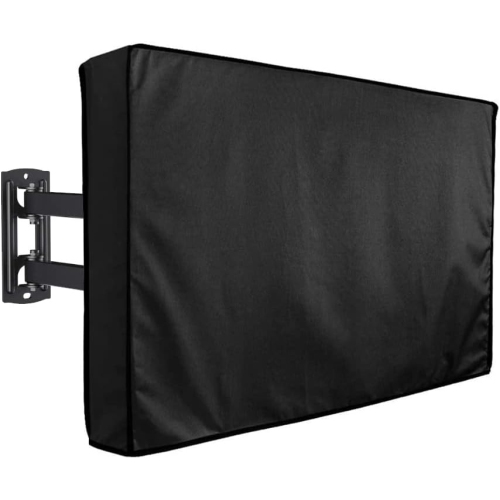
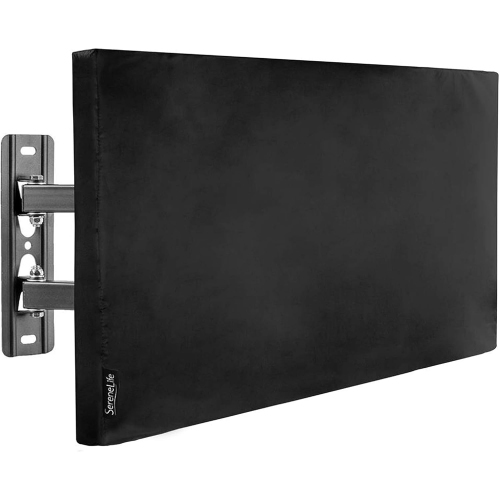
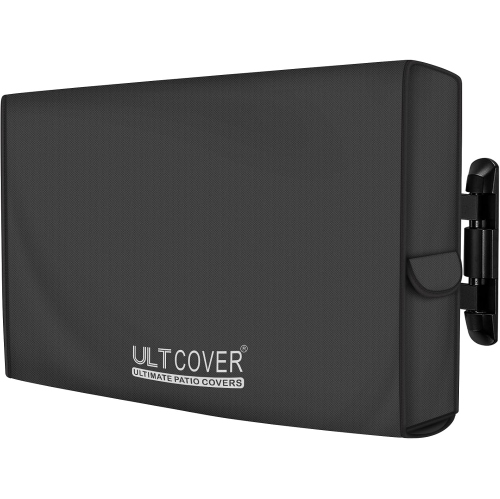
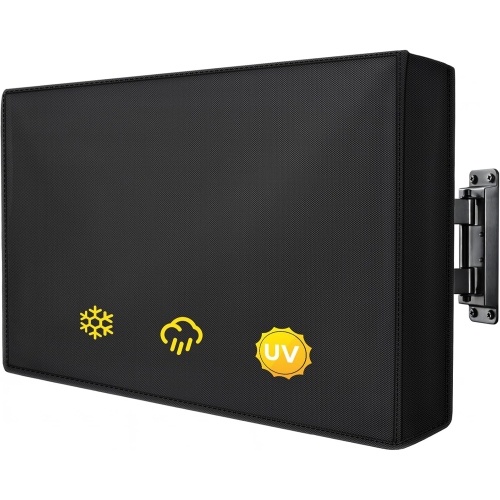
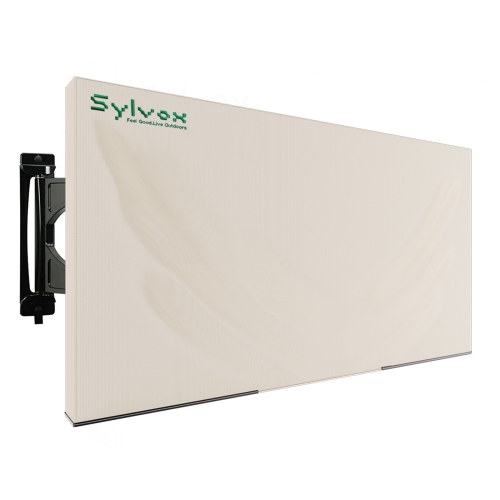
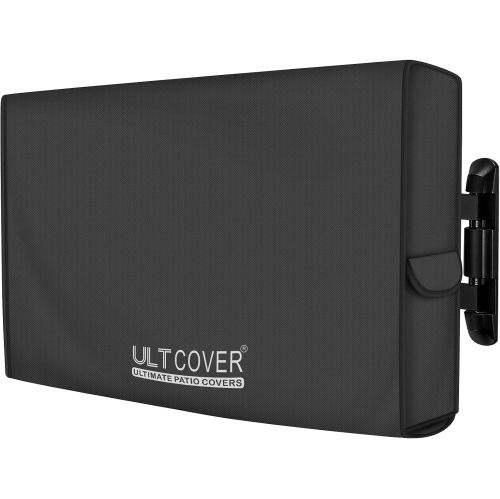
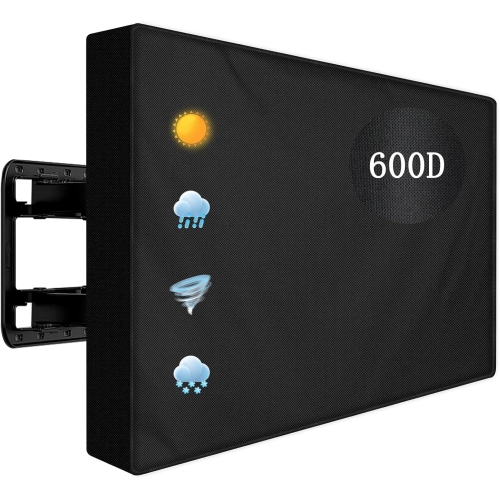
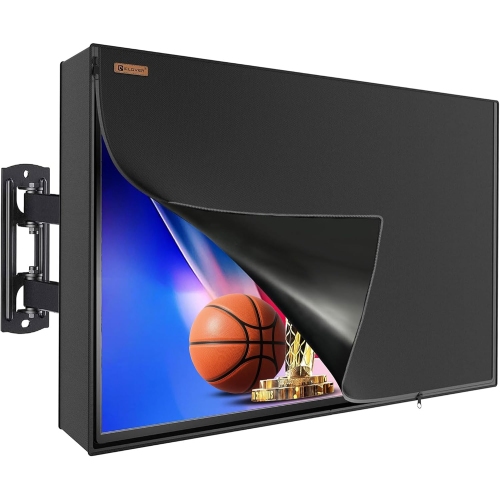
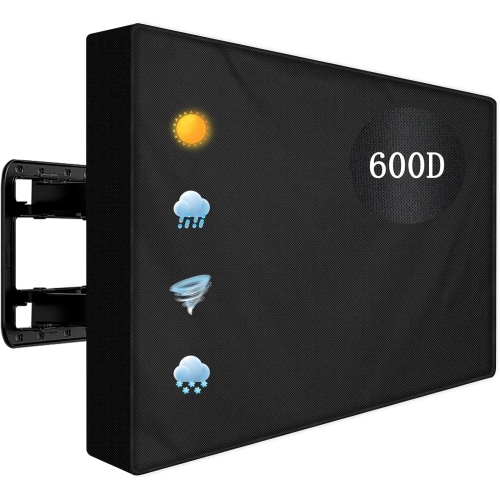
TV protection depends on more than screen size
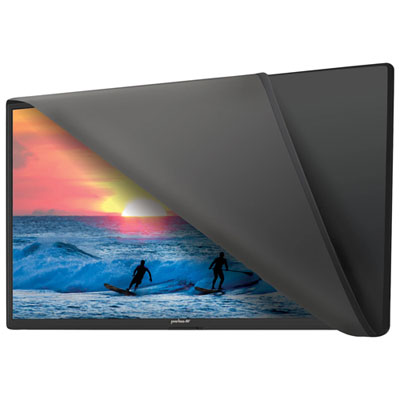
Flat screen TV covers are fitted or draped protective layers that help shield a television from dust, surface marks and incidental contact while it is not in use. Indoor dust covers, outdoor protective covers and padded covers for handling or storage serve different purposes, even when they look similar. A lightweight fabric cover can keep dust off a bedroom television between viewing sessions, while a padded design adds cushioning when a screen needs to be carried through a doorway or set aside during renovations. The right fit depends on more than the advertised screen size. Television sizes are measured diagonally across the display, but a cover needs to accommodate the full width, height and depth of the television, including its frame and any protruding rear housing. Two televisions with the same screen diagonal can therefore need different cover dimensions. A close fit should sit securely without pulling across the panel, squeezing the corners or requiring force to close a fastening. Wall-mounted televisions also need enough clearance around the bracket, cables and rear connections; televisions on stands may need openings that work around a central pedestal or widely spaced feet. Soft, non-abrasive lining is especially useful where the material touches the screen, although keeping both surfaces free of grit matters just as much. In a guest room, home theatre or shared family space, a plain cover can give an unused television a tidy appearance without making it difficult to uncover for the next film or game. Neutral colours tend to blend into the room, while a clearly defined front and back make fitting and removal simpler. A cover is most convenient when it can be handled without moving the television, tugging on connected cables or disturbing nearby speakers. It should also fold away neatly, with a clean place to store it so the inner surface does not pick up debris before its next use.
For a television installed on a covered patio or another suitable outdoor viewing area, protection needs extend beyond household dust. Purpose-made outdoor TV covers may use polyester, coated fabric or vinyl to help limit exposure to windblown debris, moisture and sunlight while the television is switched off. Material descriptions deserve close attention: water-resistant fabric is not necessarily waterproof, and even a waterproof outer material does not guarantee that seams, zippers or cable openings will prevent water entry. Stitching, seam construction, overlapping flaps and bottom closures all influence how thoroughly a cover encloses the television. A loose lower edge can leave a path for dust and splashes, while a poorly positioned cable opening can hold the fabric away from the back. Fastenings should suit the mounting arrangement without being stretched around the bracket or pressed against connectors. Outdoor covers are protective accessories, not sealed enclosures, and they do not turn an indoor television into equipment approved for outdoor use. The television itself, its installation and its electrical connections still need to be suitable for the location. An overhead structure can reduce direct exposure, but it does not eliminate moisture carried by wind or condensation beneath a cover. Breathable construction or ventilation features may help moisture escape, depending on the design, though they are not a substitute for following the television and cover manufacturers’ placement and care instructions. A dry television should be allowed to cool before being covered, and a damp cover should not be left pressed against the screen. Outdoor materials also vary in flexibility, weight and resistance to fading or tearing, making reinforced corners and well-finished edges useful details to consider. The practical choice is a cover that can be secured properly, removed easily and checked without straining to reach behind the television. Unless both manufacturers expressly permit otherwise, the cover belongs on the television only when it is off, never while heat-producing components are operating.
Moving and renovation projects call for a different balance of protection and access. A fabric dust cover can help keep loose particles off a television in a separate room, but it should not be treated as a barrier against paint, wet plaster or heavy construction debris. Keeping the television away from the work area is preferable to relying on a thin layer of material beside active sanding or drilling. For handling and transport, padding can soften light contact, but a cover alone does not provide the rigid support needed to protect a fragile panel from bending, pressure or a hard impact. A suitable television carton, correctly positioned packing materials and careful handling remain important, with the screen supported according to the manufacturer’s instructions. Zippers, buckles and hook-and-loop closures should stay away from the display surface, and straps should never compress the panel. Routine care also affects how well a cover performs over time. Dust caught in a lining can rub against the screen during fitting, while damp fabric folded into storage can develop odours or mildew. Cleaning methods vary with the material and any protective coating, so the care label should determine whether a cover can be machine washed, hand washed or wiped with a damp cloth. Strong cleaners, abrasive brushes and high heat can damage some fabrics, coatings or closures. Letting the cover dry fully before reuse helps keep moisture away from the television. Periodic checks for split seams, worn corners and damaged fastenings can reveal when coverage is becoming less reliable. For a household that uses a television occasionally, a workshop viewing area or a screen kept aside between events, the most useful cover is one matched to the actual setup rather than simply the screen size. Appropriate materials, gentle contact surfaces and accessible closures make protection easier to maintain without adding unnecessary work to everyday use.
Top selling and popular products
-
 Your price for this item is $49.95
-
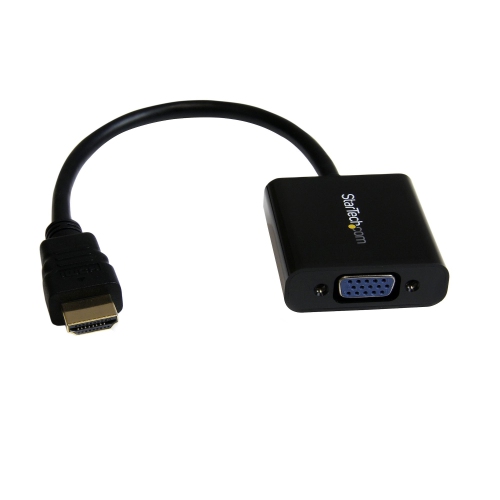 Your price for this item is $51.99
-
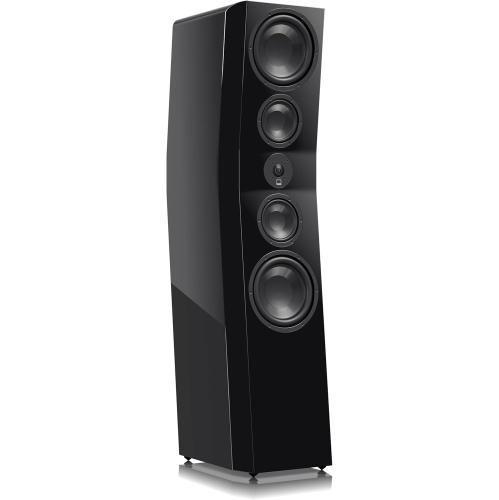 Your price for this item is $4000
-
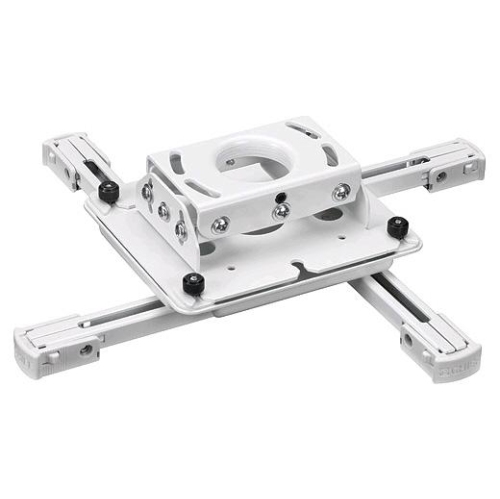 Your price for this item is $304.99
-
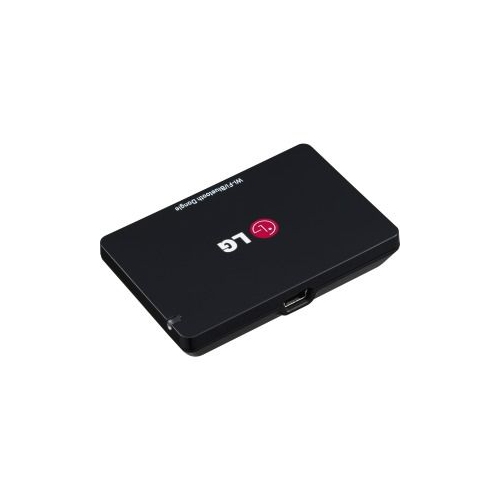 Your price for this item is $71.68
-
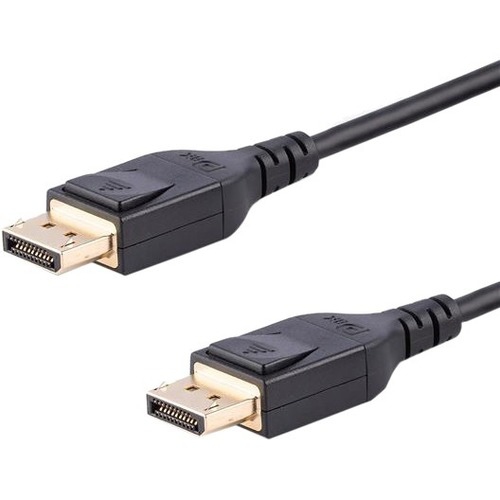 Your price for this item is $48.99
-
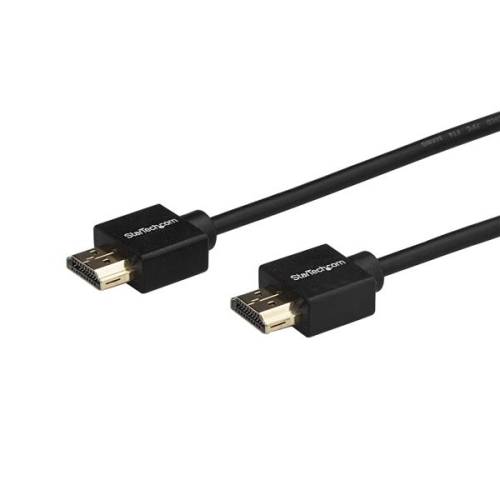 Your price for this item is $75.68
-
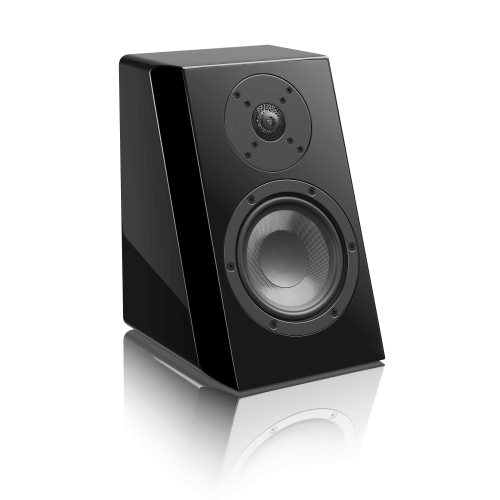 Your price for this item is $1400
Discover more categories related to Flat Screen TV Covers
Top Collections:
Best Black Friday Deals This Year, Best Black Friday Deals On Electronics, Kindle Devices, Pokemon Centers, Best Black Friday Deals On Apple Products, Best Cameras for Sports Photography, Dyson Airwrap, Pokémon 30th Celebration Cards, Apple iPhone 17 Pro, Canon G7X Cameras
Some products may be subject to Environmental Handling Fees
(EHF) depending on your province.
Learn more about EHFs.