Outdoor Tv Covers
Protect your outdoor TV from the elements with our wide selection of outdoor TV covers. Whether you have a sleek, slim TV or a larger, bulkier model, we have the perfect cover to keep it safe and secure. Our outdoor TV covers are designed to withstand rain, snow, UV rays, and dust, ensuring that your TV stays in pristine condition no matter the weather. With various sizes and styles available, you can find the ideal cover to fit your specific TV and enhance the look of your outdoor entertainment area. Explore our range of outdoor TV covers today and give your TV the protection it deserves.
Sort
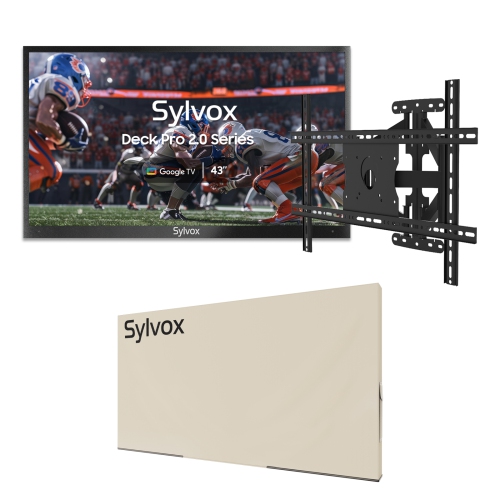
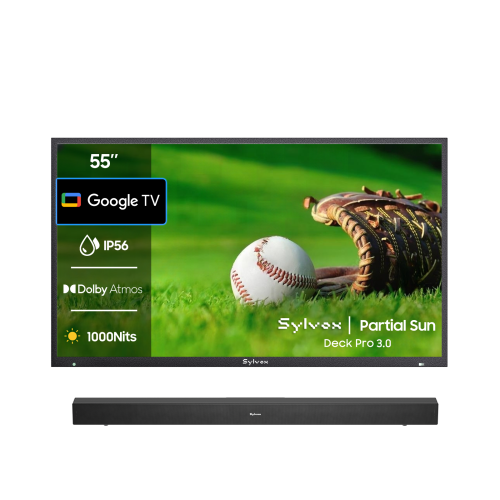
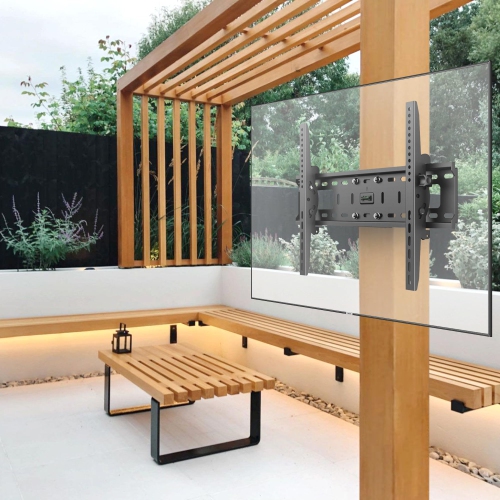
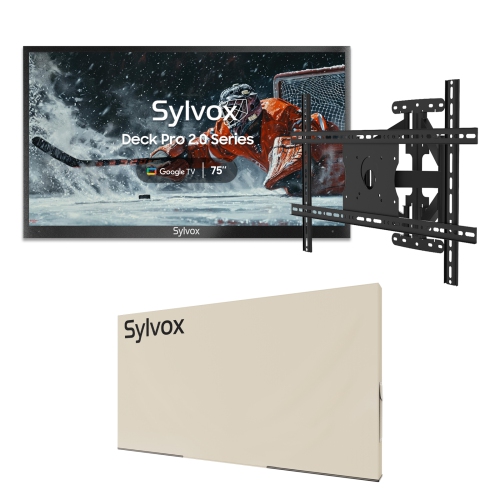
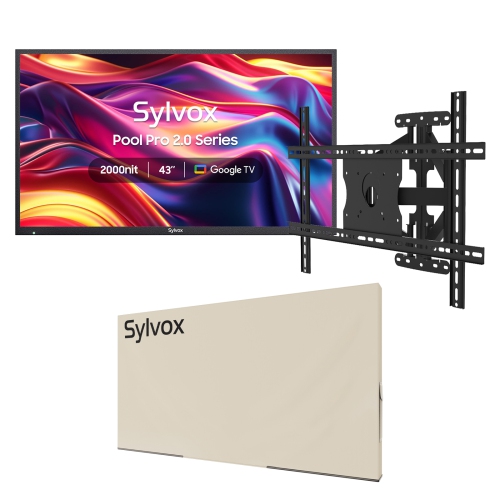
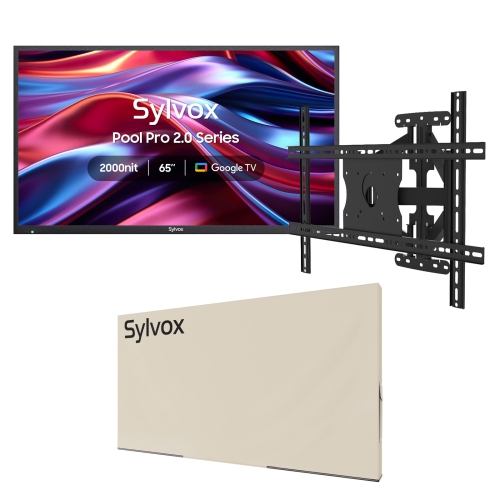
Patio TV protection depends on more than fabric
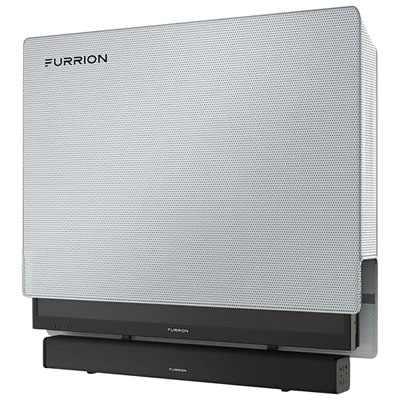
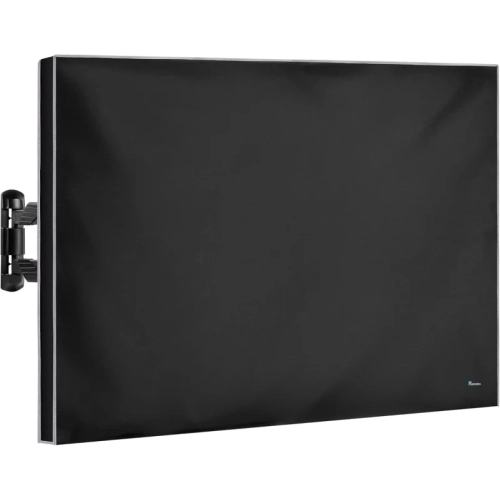
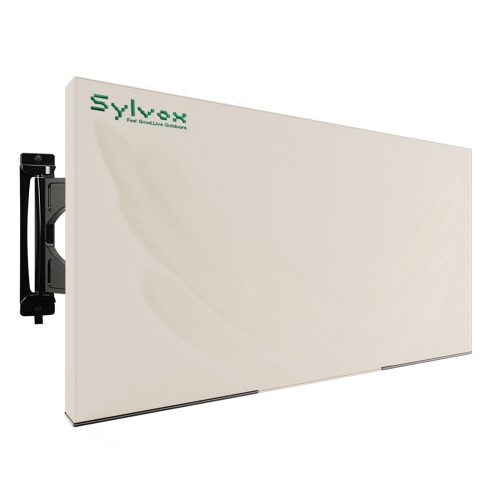
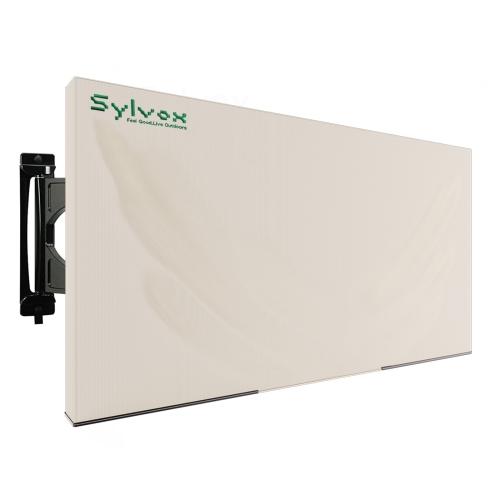
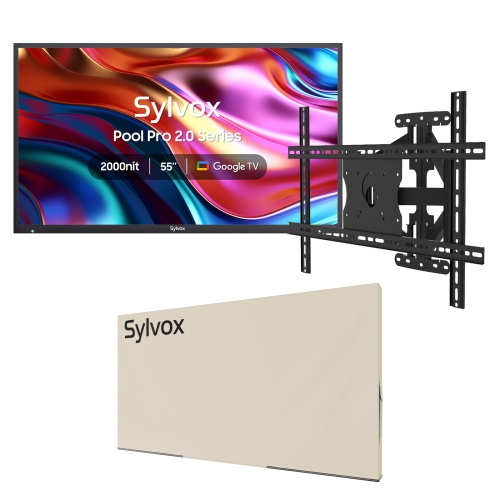
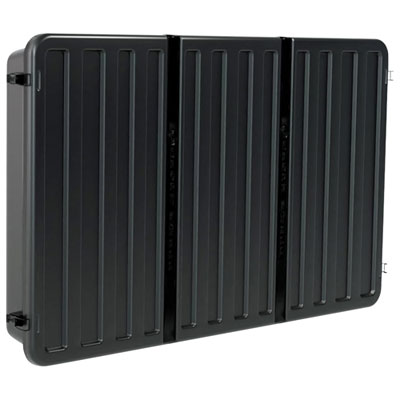
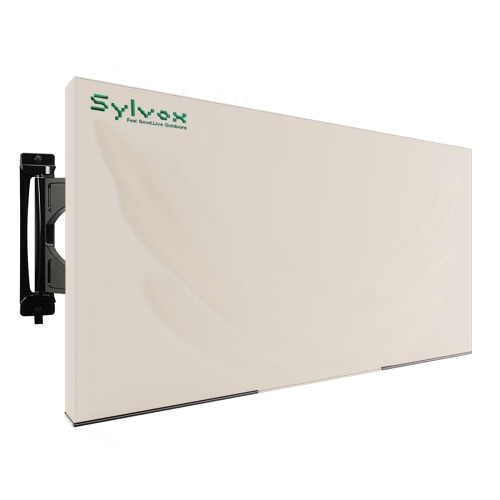
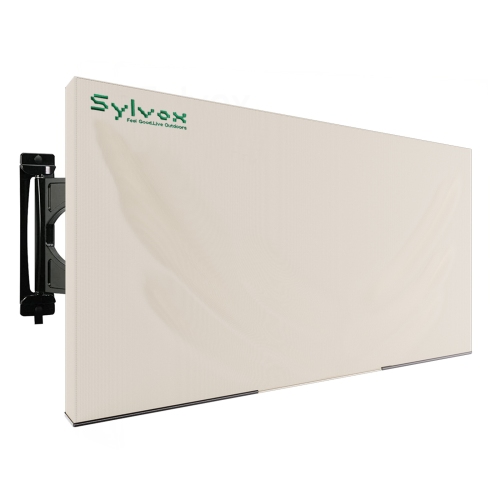
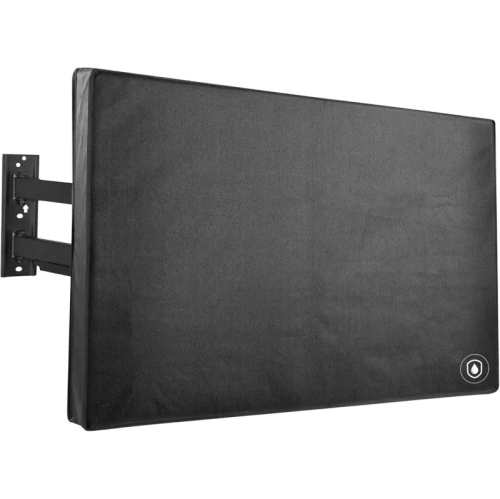
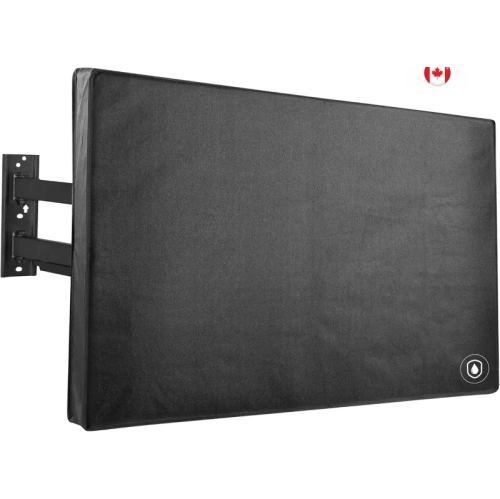
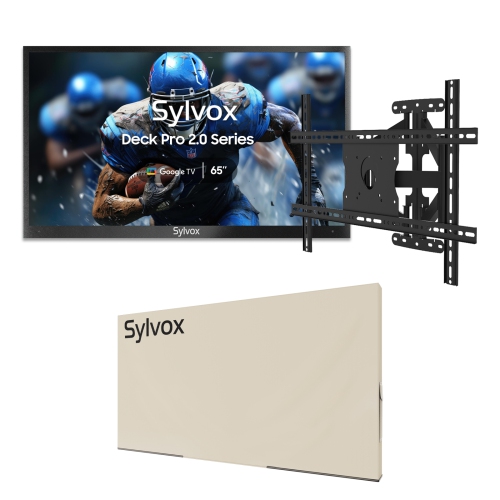
Outdoor TV covers help protect an outdoor television from dust, pollen, bird droppings, sun exposure, and moisture while the screen is not in use. They add a practical layer of protection to a patio or backyard viewing setup, whether the television sits beneath a deep roof overhang or beside an open seating area. The amount of shelter matters: a screen tucked into a covered porch faces different exposure from one mounted where wind can drive rain against the wall. Fabric slip-on covers are flexible and relatively easy to fold away, making them convenient for televisions used regularly for sports, films, or background entertainment during outdoor gatherings. Rigid TV enclosures provide a more structured barrier and may offer greater resistance to knocks, but their suitability for rain, direct sunlight, and operation with the television inside depends on their design and stated ratings. Neither style automatically makes an indoor television suitable for outdoor installation. The television, mount, electrical connections, and protective covering each need to be appropriate for their intended location. For fabric covers, useful construction details include coated polyester, closely woven fabric, protected seams, and secure closures that help limit gaps around the cabinet. Oxford fabric describes a woven construction rather than a single level of protection, while a designation such as 600D refers to yarn thickness; neither detail alone establishes that a cover is waterproof. Water resistance also depends on the coating, seams, fastening system, and overall fit. A soft, clean lining can help reduce rubbing against the screen and frame, especially when the cover is removed and replaced frequently. UV-resistant material can help the fabric withstand sunlight, although exposure and care still affect its lifespan. For households that enjoy watching a game from the patio table or putting on a film beside the outdoor sofa, a cover that is straightforward to handle makes protecting the screen between uses a much simpler part of the routine.
Fit involves more than matching the diagonal screen measurement printed on the television’s packaging. Outdoor TV covers need enough room for the full cabinet, including its width, height, and depth, as well as any features that project beyond it. Two televisions with the same screen size can have different frame dimensions, and a close-fitting cover may not accommodate a thicker back panel or attached accessories. Comparing the television’s actual measurements with the cover’s stated dimensions helps avoid stretched seams, exposed corners, or excessive loose fabric. A little clearance can make a slip-on cover easier to position, but too much material may flap in the wind or form folds where water collects. The mounting arrangement is just as important. A low-profile wall mount leaves a narrow space behind the screen, while a single-arm or dual-arm mount creates a different shape for the rear opening to accommodate. Rear flaps and hook-and-loop closures should close around the mounting hardware without pulling tightly across cables or leaving large sections uncovered. For an articulating mount, fit is best assessed with the television in the position where it will be stored, rather than extended for viewing. Bottom closures can help reduce exposure from below, provided they fasten properly around the installation. A television on a stand may need a cover designed to accommodate its base, whereas a wall-mounted design may leave that area open. Soundbars, streaming devices, and other accessories are not necessarily protected by a television cover and may require their own suitable placement or protection. An integrated remote-control pocket can be convenient, but it should not be assumed to be watertight. These small differences matter when the television is mounted above a dining surface, close to a railing, or in a corner where reaching behind it takes extra effort. Accessible fasteners and clearly arranged openings can make everyday handling less awkward without sacrificing a secure fit.
Care and durability depend on both the cover’s construction and how it is used. Before fitting a fabric cover, the television should be switched off, allowed to cool, and dry, following the television manufacturer’s instructions. An ordinary slip-on cover is not intended to stay over an operating screen, because it can obstruct ventilation and trap heat. Enclosures designed for use during viewing have their own ventilation and operating requirements, which should be checked separately. Moisture management also matters between viewing sessions: enclosing a damp television or fitting a wet cover can hold moisture against surfaces rather than protect them. Breathable panels or vents may help moisture escape, but their effectiveness depends on the design and installation. After wind-driven rain, checking for dampness around seams, rear openings, and the bottom edge can reveal whether the cover is performing as expected in that location. Routine cleaning generally starts with removing loose dirt and wiping the fabric as directed by its care label; harsh cleaners, abrasive brushes, machine washing, and tumble drying may damage coatings or linings unless expressly permitted. Letting the cover dry fully before folding it away helps keep the inside clean and ready for its next use. Periodic checks for worn corners, splitting seams, brittle fabric, or fasteners that no longer hold are useful, particularly where the cover touches mounting hardware. A cover is not a substitute for observing the television’s permitted storage temperatures or bringing equipment inside when its manufacturer requires it. Within a larger patio setup, television protection can sit alongside Outdoor Covers for other furnishings and equipment, with each covering fitted to the object it protects. An outdoor TV cover can also be a thoughtful housewarming gift for someone with an established patio viewing area, provided the screen dimensions and mount style are known. For regular hosts, sports fans, and households that use an outdoor lounge, the most useful design is one that balances suitable protection with a fit and fastening system that are easy to manage.
Fit involves more than matching the diagonal screen measurement printed on the television’s packaging. Outdoor TV covers need enough room for the full cabinet, including its width, height, and depth, as well as any features that project beyond it. Two televisions with the same screen size can have different frame dimensions, and a close-fitting cover may not accommodate a thicker back panel or attached accessories. Comparing the television’s actual measurements with the cover’s stated dimensions helps avoid stretched seams, exposed corners, or excessive loose fabric. A little clearance can make a slip-on cover easier to position, but too much material may flap in the wind or form folds where water collects. The mounting arrangement is just as important. A low-profile wall mount leaves a narrow space behind the screen, while a single-arm or dual-arm mount creates a different shape for the rear opening to accommodate. Rear flaps and hook-and-loop closures should close around the mounting hardware without pulling tightly across cables or leaving large sections uncovered. For an articulating mount, fit is best assessed with the television in the position where it will be stored, rather than extended for viewing. Bottom closures can help reduce exposure from below, provided they fasten properly around the installation. A television on a stand may need a cover designed to accommodate its base, whereas a wall-mounted design may leave that area open. Soundbars, streaming devices, and other accessories are not necessarily protected by a television cover and may require their own suitable placement or protection. An integrated remote-control pocket can be convenient, but it should not be assumed to be watertight. These small differences matter when the television is mounted above a dining surface, close to a railing, or in a corner where reaching behind it takes extra effort. Accessible fasteners and clearly arranged openings can make everyday handling less awkward without sacrificing a secure fit.
Care and durability depend on both the cover’s construction and how it is used. Before fitting a fabric cover, the television should be switched off, allowed to cool, and dry, following the television manufacturer’s instructions. An ordinary slip-on cover is not intended to stay over an operating screen, because it can obstruct ventilation and trap heat. Enclosures designed for use during viewing have their own ventilation and operating requirements, which should be checked separately. Moisture management also matters between viewing sessions: enclosing a damp television or fitting a wet cover can hold moisture against surfaces rather than protect them. Breathable panels or vents may help moisture escape, but their effectiveness depends on the design and installation. After wind-driven rain, checking for dampness around seams, rear openings, and the bottom edge can reveal whether the cover is performing as expected in that location. Routine cleaning generally starts with removing loose dirt and wiping the fabric as directed by its care label; harsh cleaners, abrasive brushes, machine washing, and tumble drying may damage coatings or linings unless expressly permitted. Letting the cover dry fully before folding it away helps keep the inside clean and ready for its next use. Periodic checks for worn corners, splitting seams, brittle fabric, or fasteners that no longer hold are useful, particularly where the cover touches mounting hardware. A cover is not a substitute for observing the television’s permitted storage temperatures or bringing equipment inside when its manufacturer requires it. Within a larger patio setup, television protection can sit alongside Outdoor Covers for other furnishings and equipment, with each covering fitted to the object it protects. An outdoor TV cover can also be a thoughtful housewarming gift for someone with an established patio viewing area, provided the screen dimensions and mount style are known. For regular hosts, sports fans, and households that use an outdoor lounge, the most useful design is one that balances suitable protection with a fit and fastening system that are easy to manage.
Top selling and popular products
-
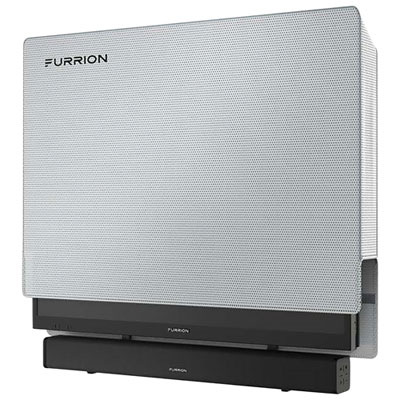 Your price for this item is $128.99
 -
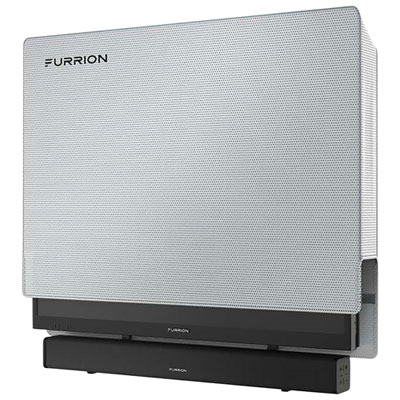 Your price for this item is $148.99
 -
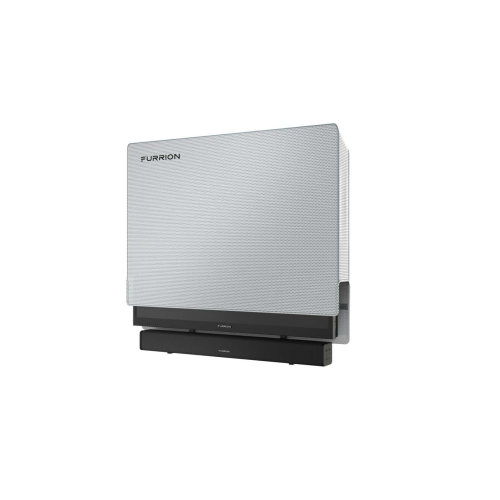 Your price for this item is $118
 -
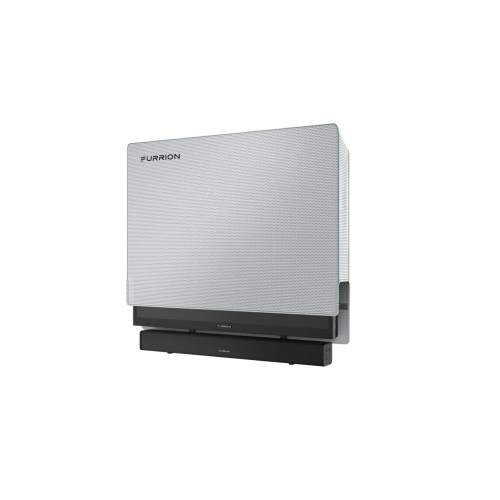 Your price for this item is $98
 -
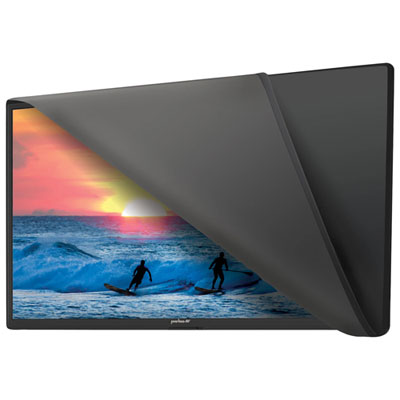 Your price for this item is $214
 -
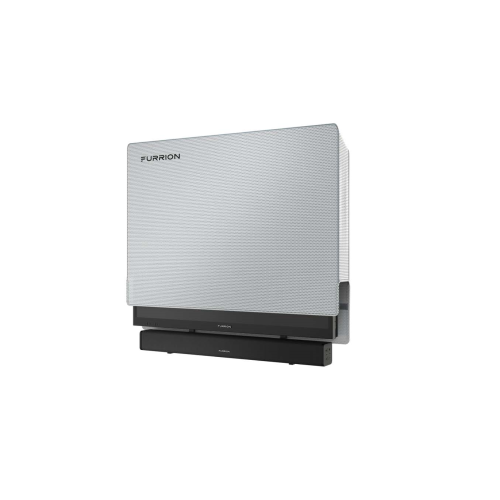 Your price for this item is $168
 -
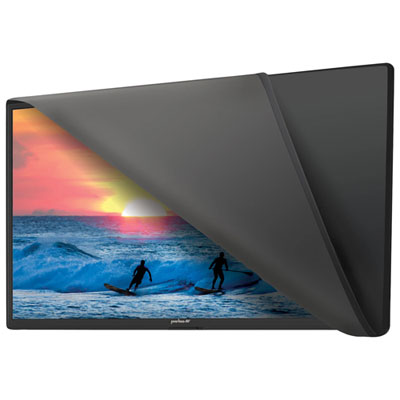 Your price for this item is $178
 -
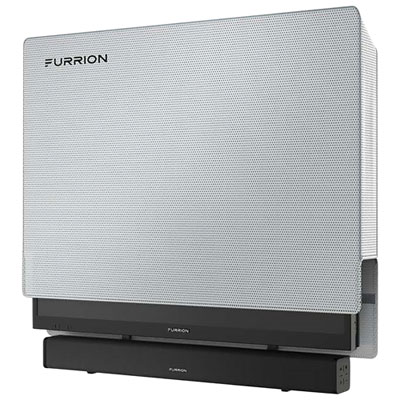 Your price for this item is $168.99
Discover more categories related to Outdoor Tv Covers
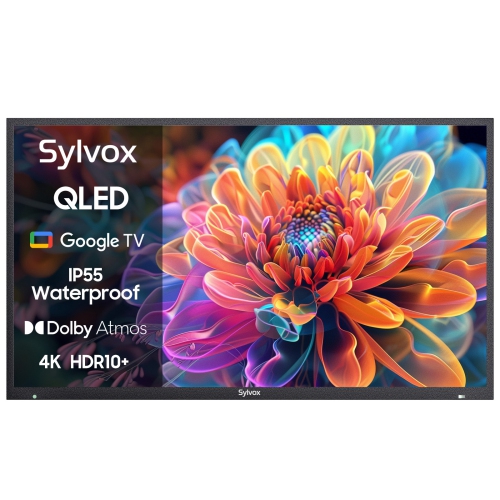
Top Collections:
Pokemon Centers, Kindle Devices, Best Budget Office Chairs, Apple iPhones 16, Best Laptops for Writers, iPhone 15 Apple, Canon G7X Cameras, Refurbished Apple Laptops, Alarm Clock, Motorola Razr Phones
Some products may be subject to Environmental Handling Fees
(EHF) depending on your province.
Learn more about EHFs.