Floating Corner Tv Stands
Looking to maximize your living space while adding a touch of modern elegance to your home? Look no further than our selection of floating corner TV stands. These innovative and stylish stands are designed to seamlessly blend into almost any corner, giving you the freedom to make the most of your room's layout. With their sleek and space-saving design, floating corner TV stands are the perfect solution for those seeking a contemporary and clutter-free entertainment setup. Here are some great options available.
Sort
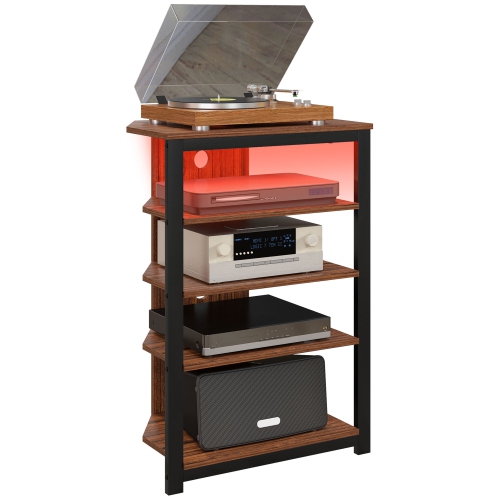


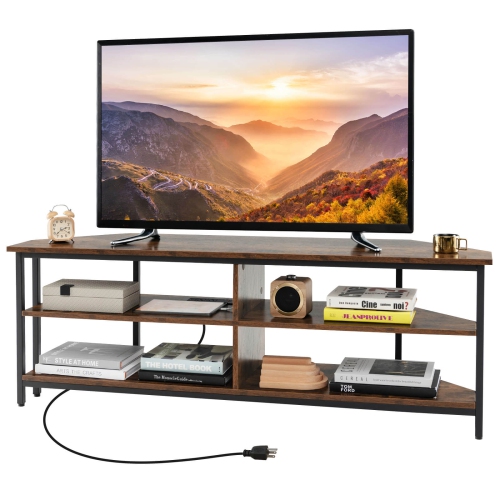


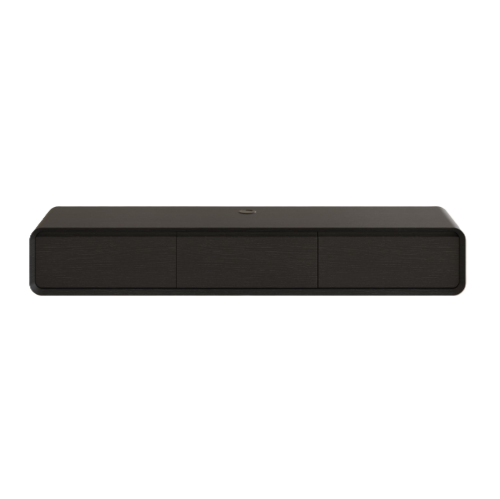
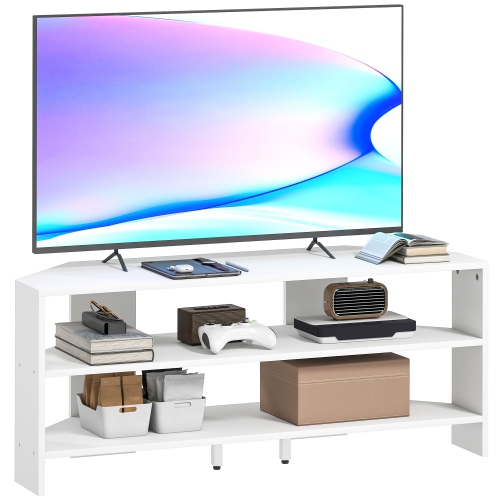





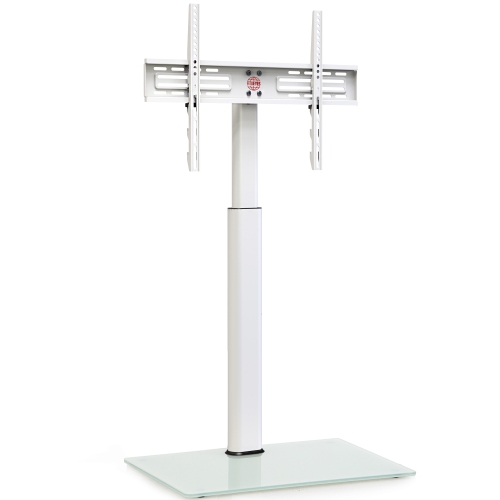

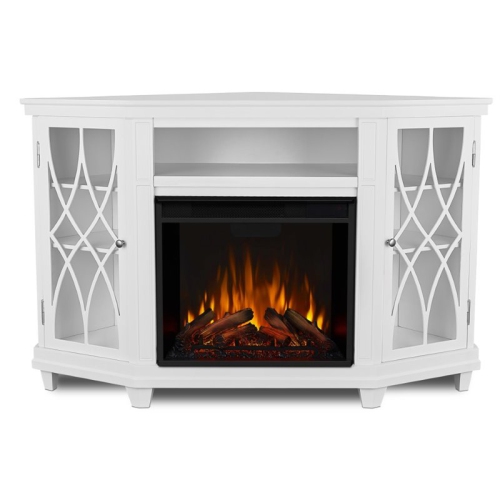

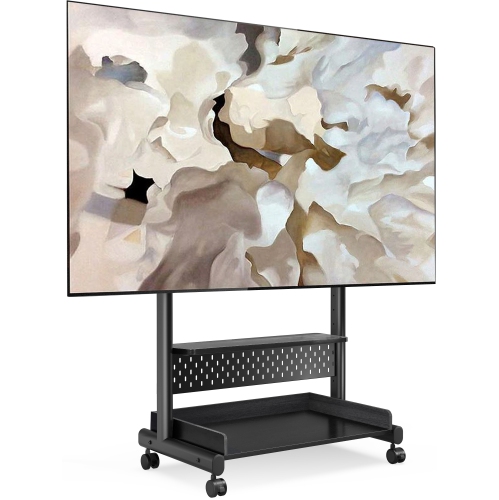
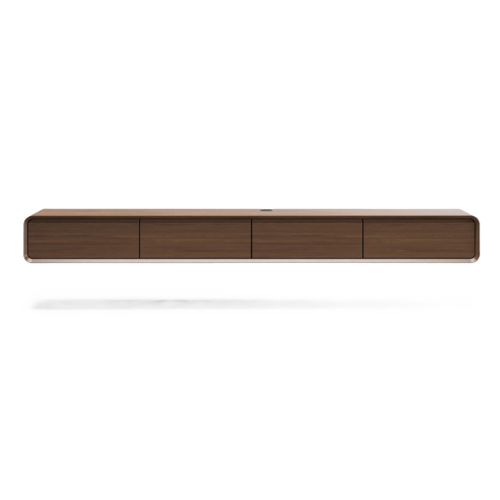
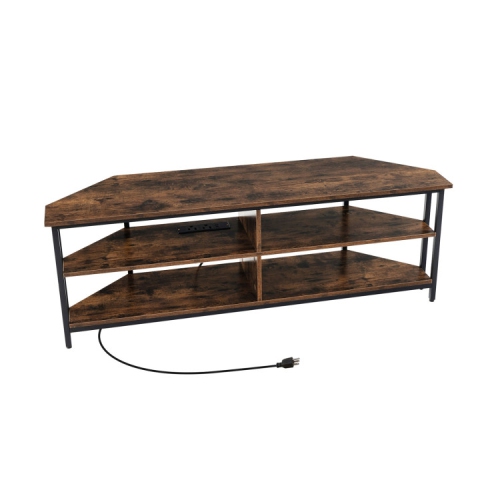

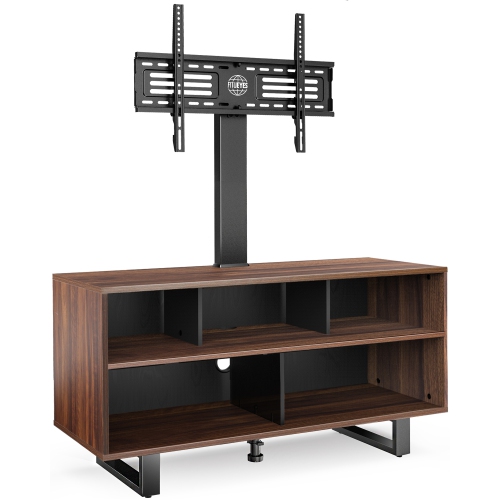

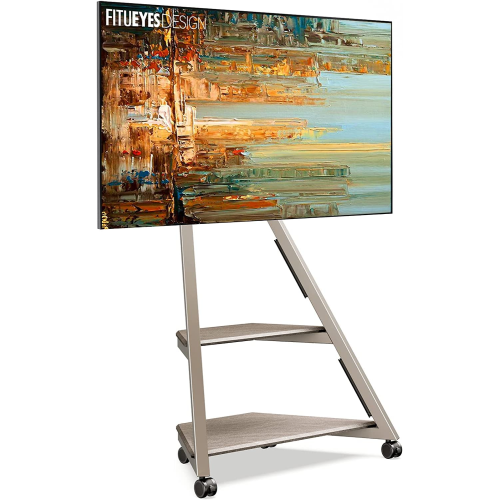
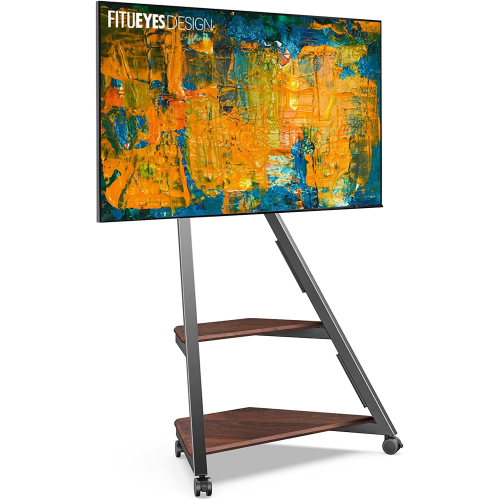


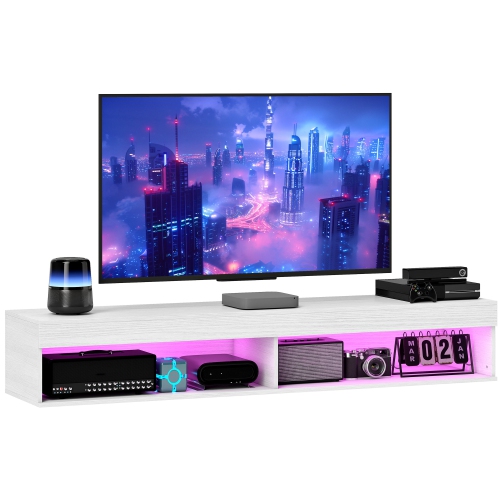
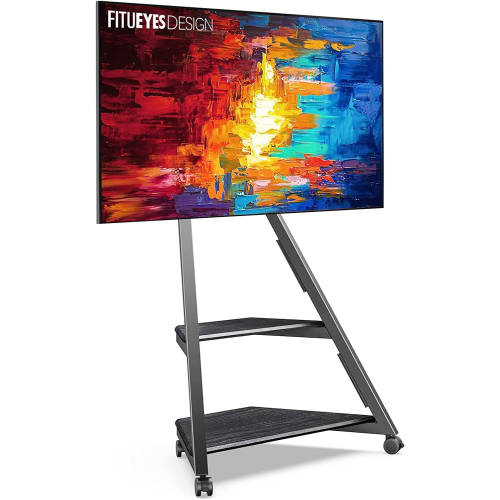
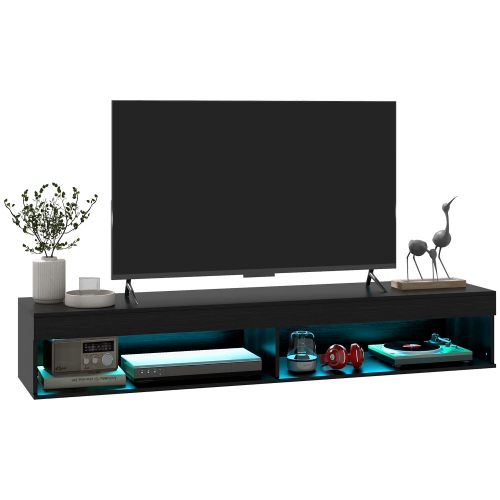
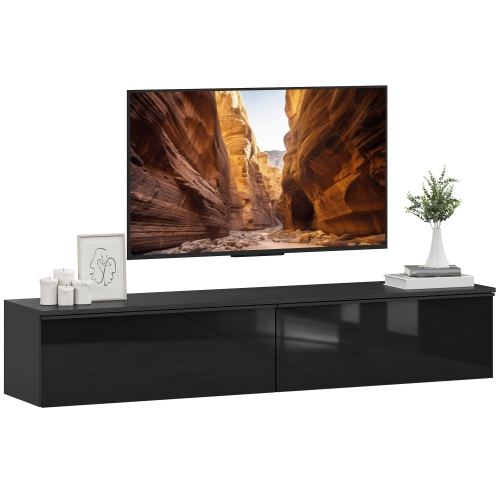


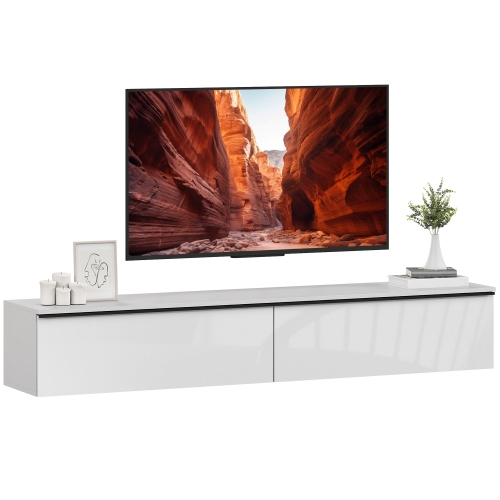
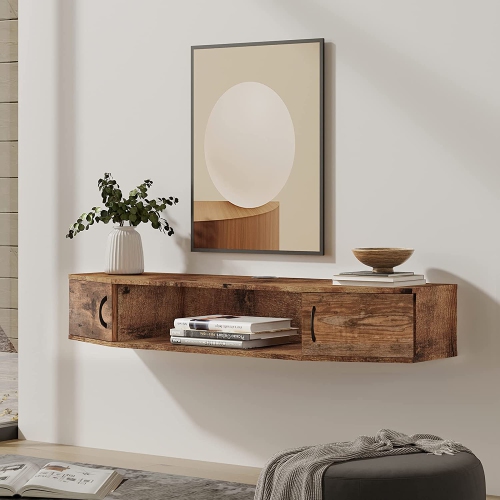
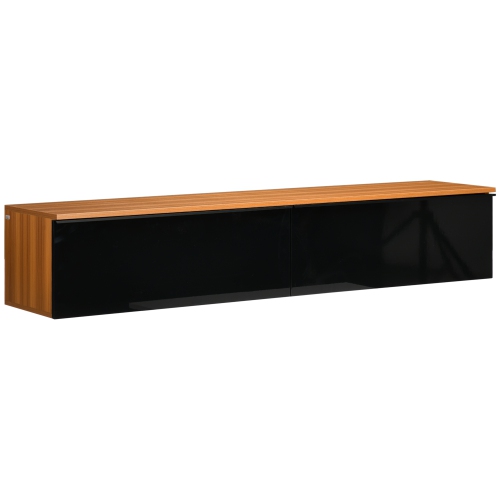


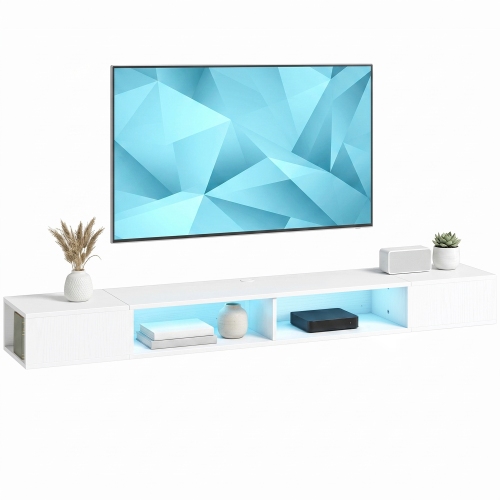


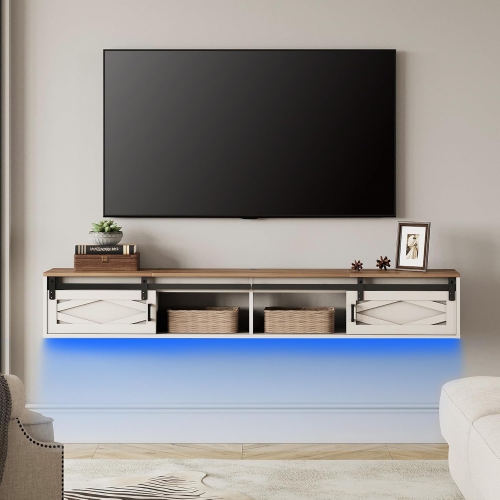
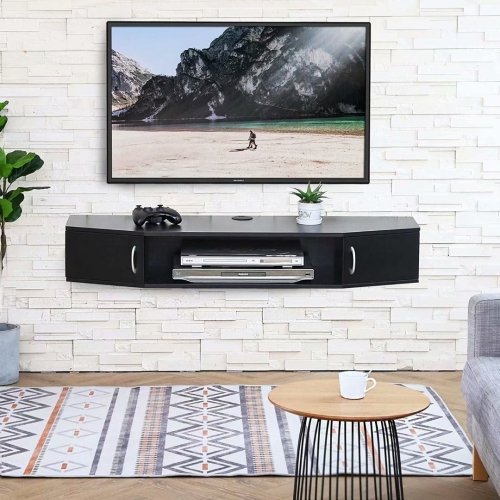
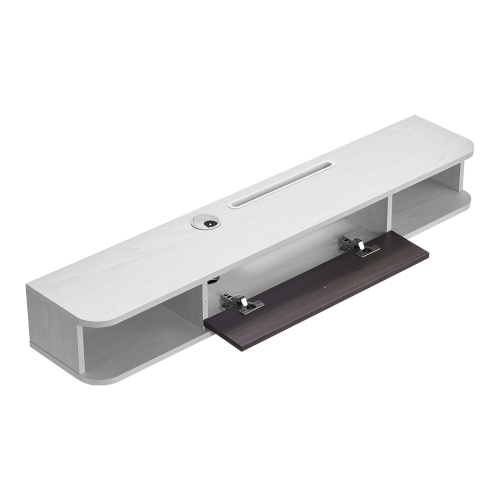


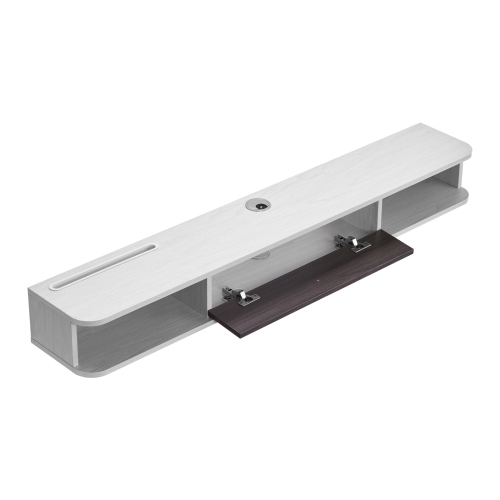






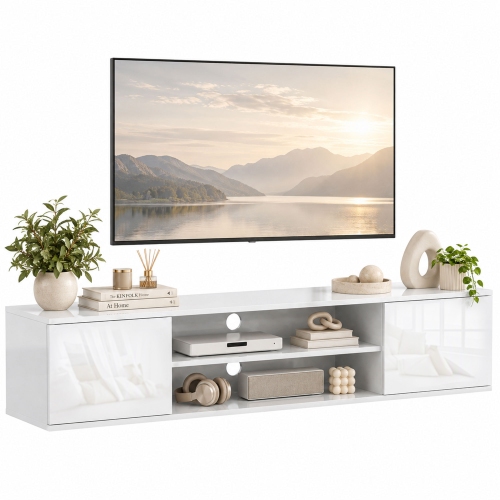
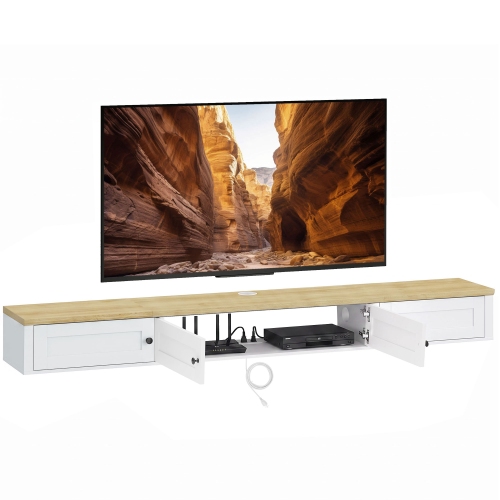


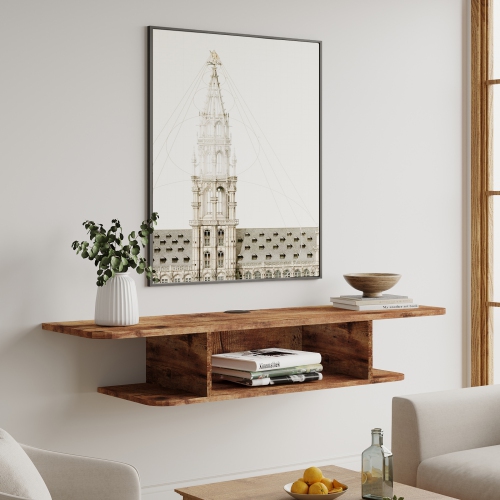


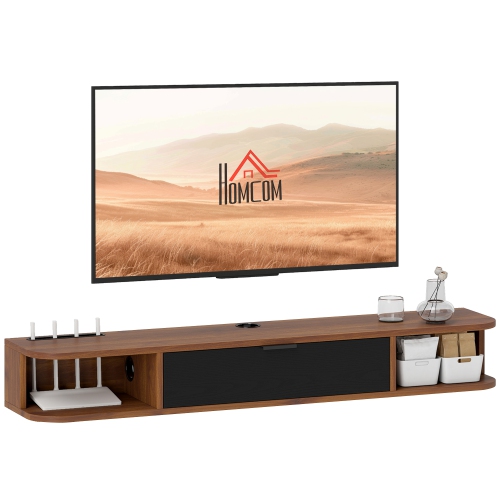


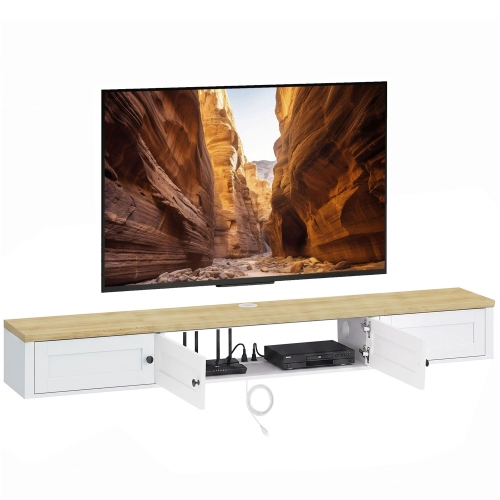
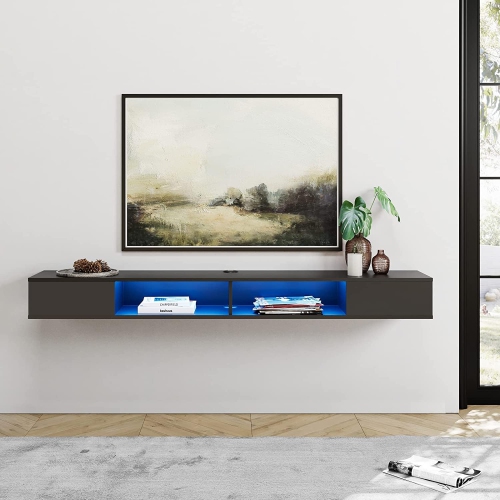

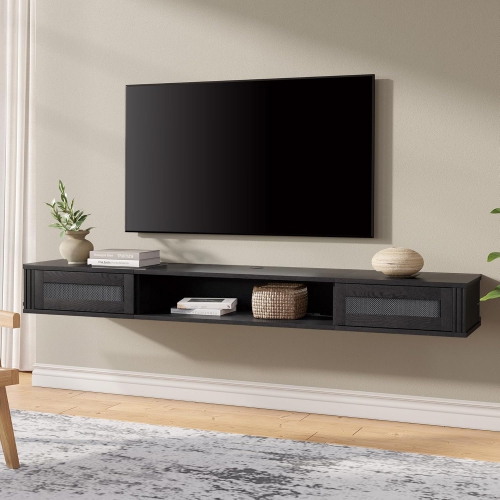


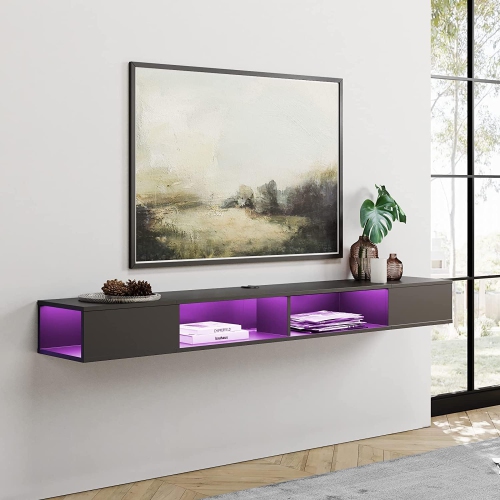
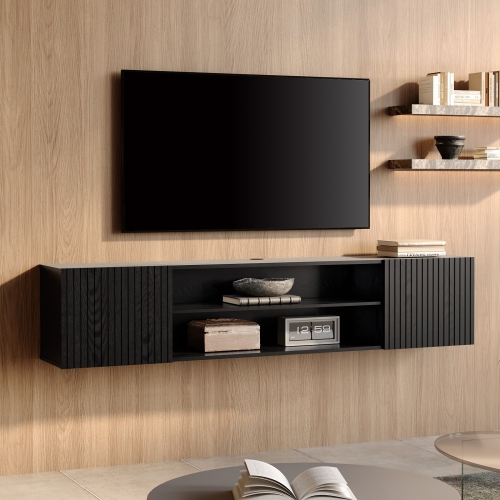
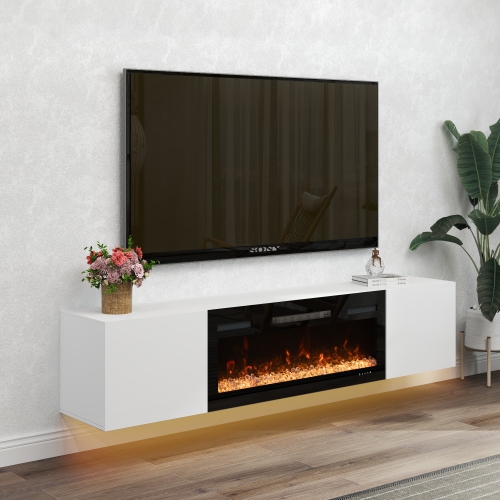
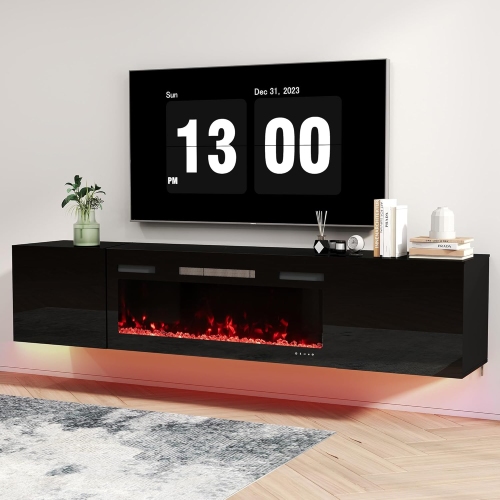
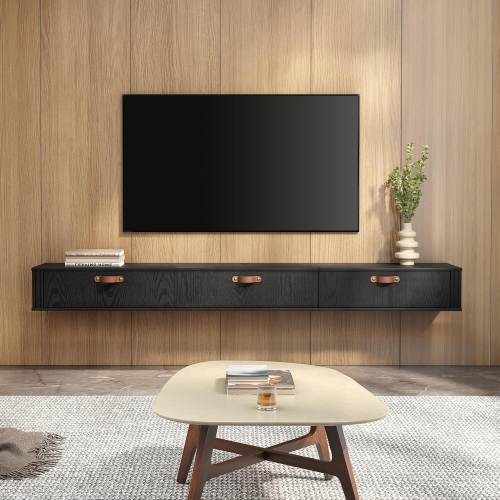


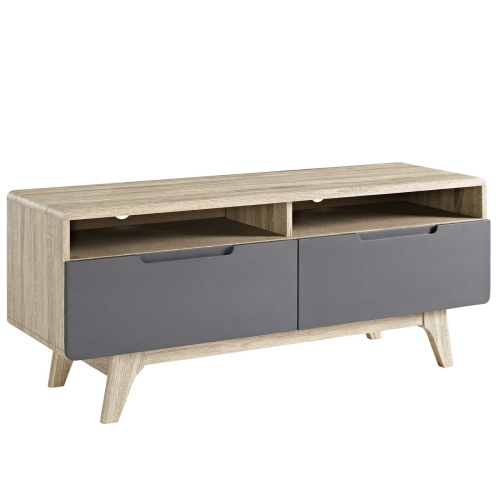

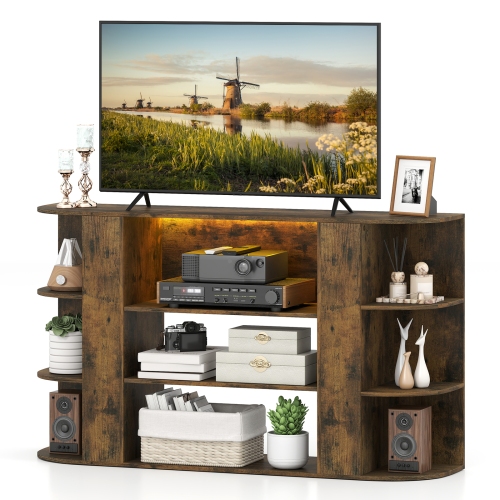
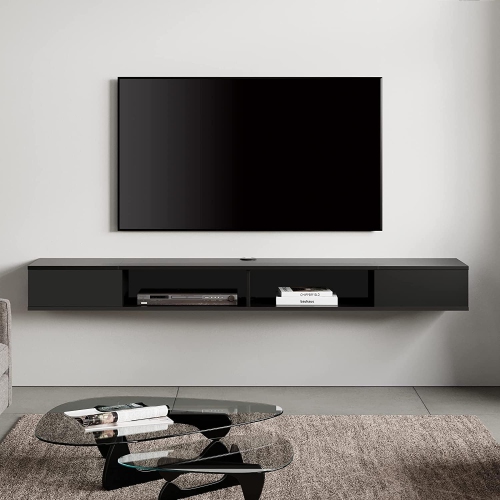
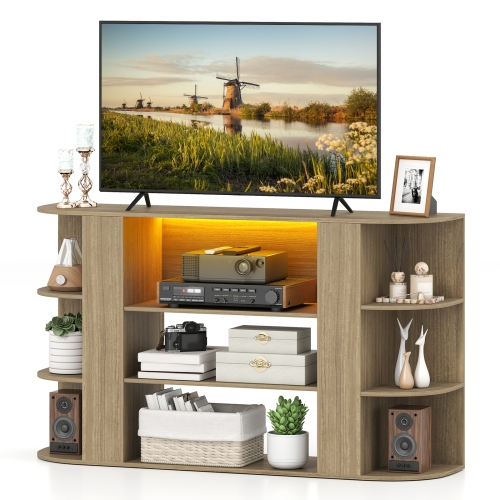


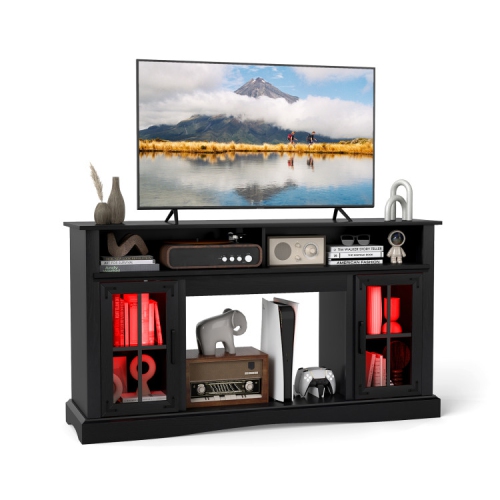


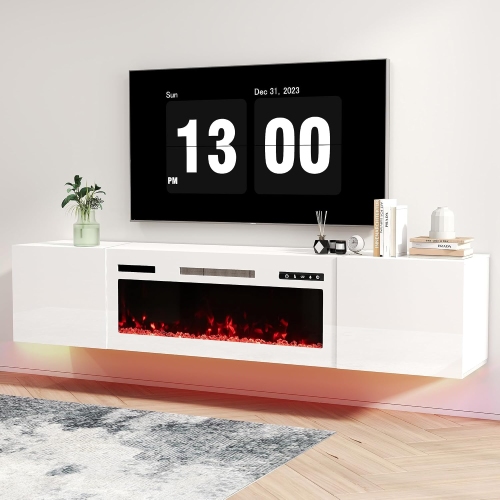

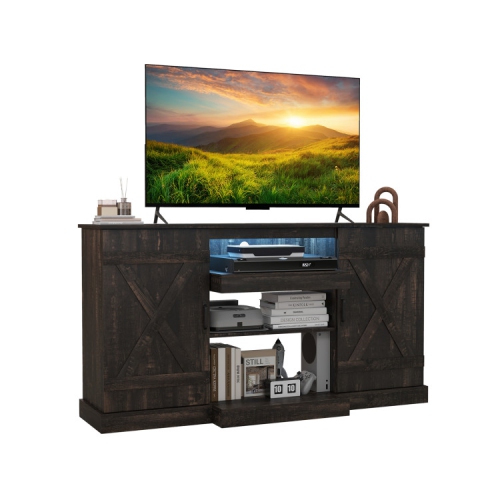
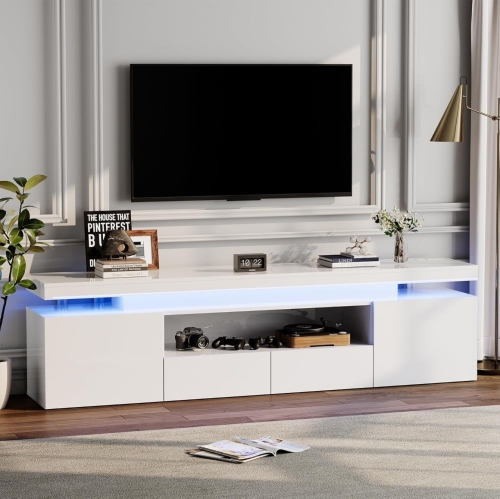
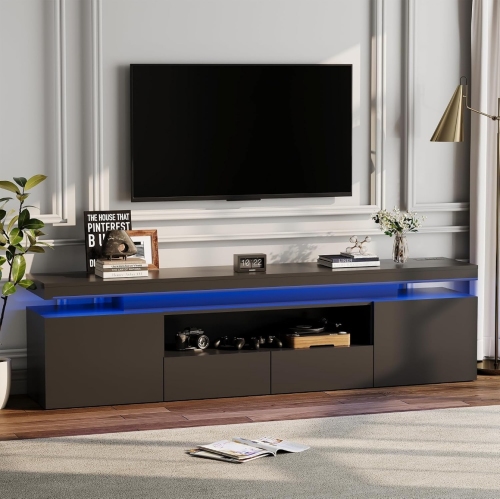
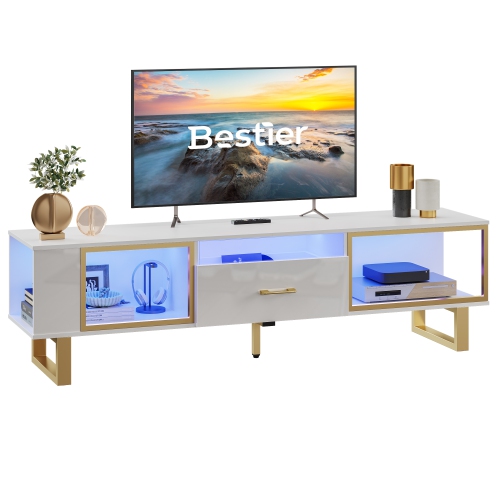
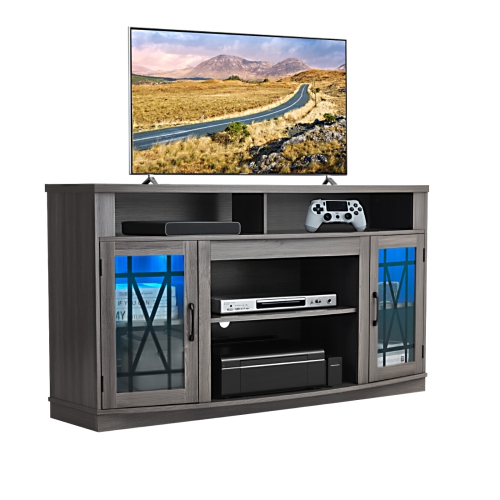

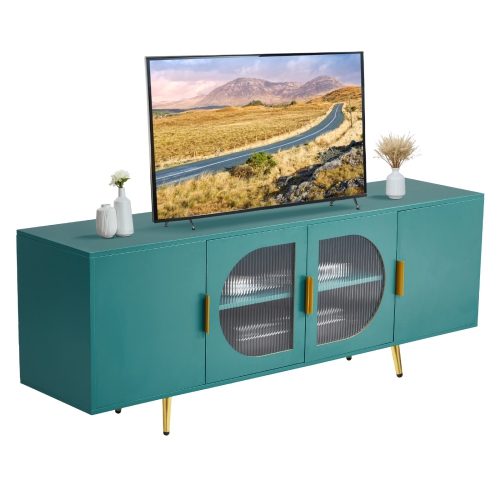





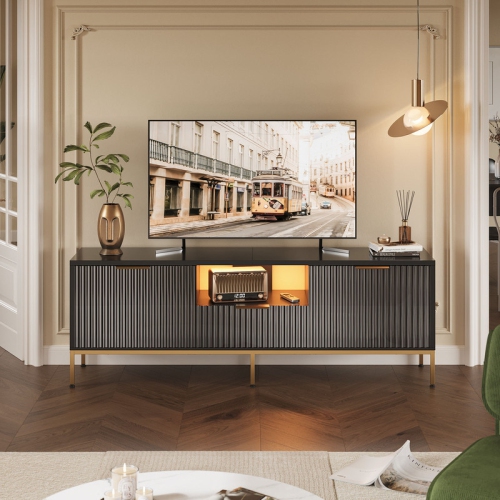


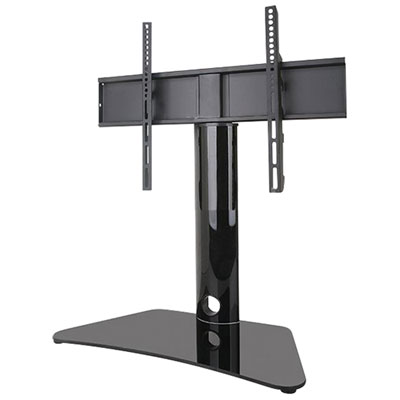


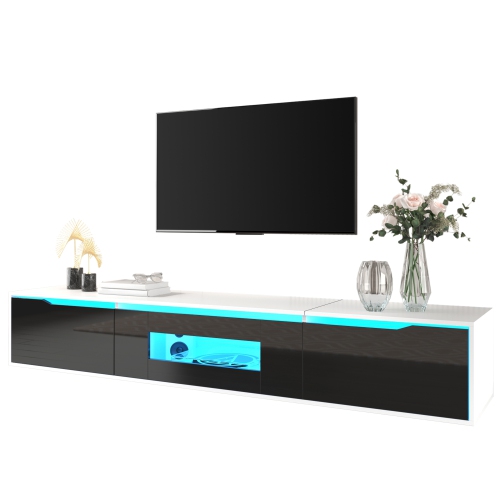
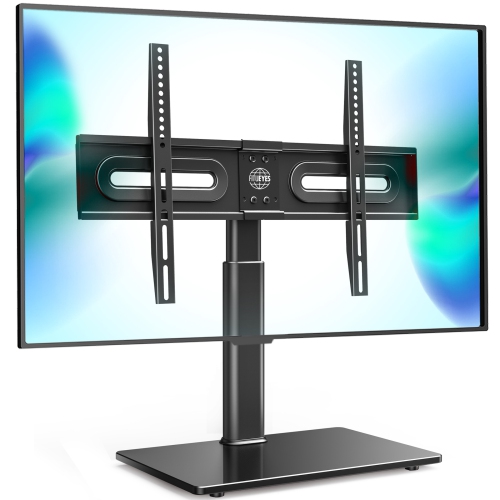
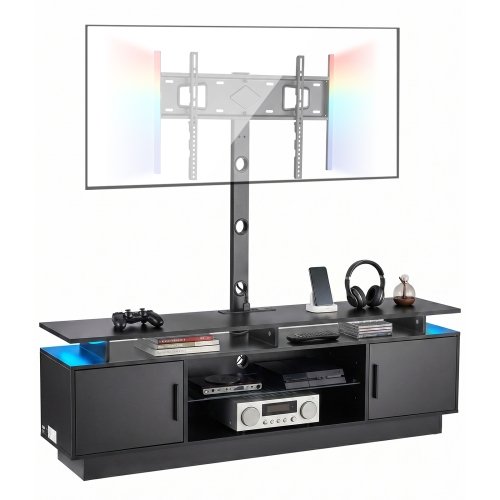
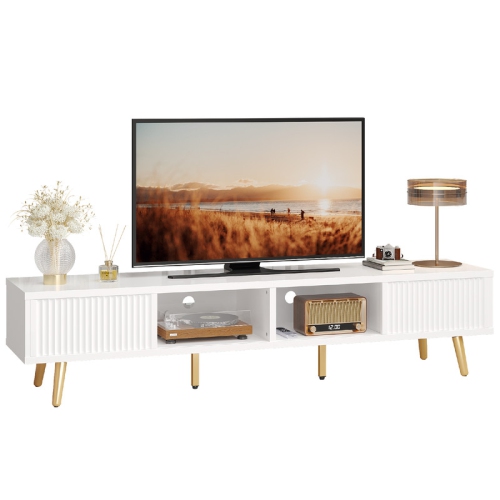
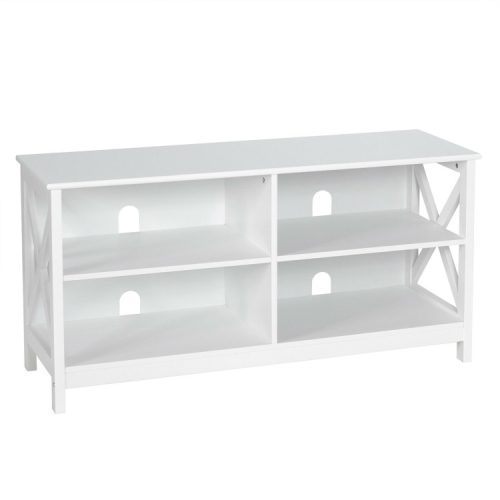


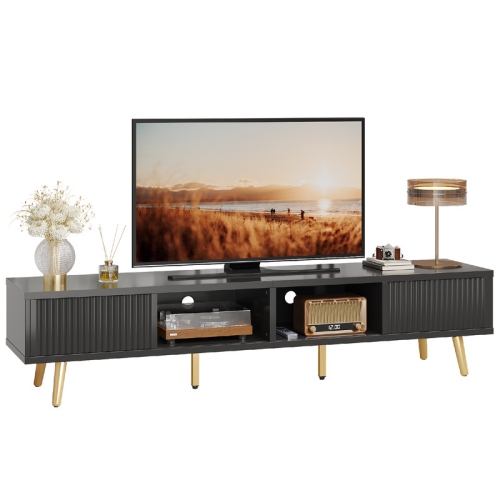

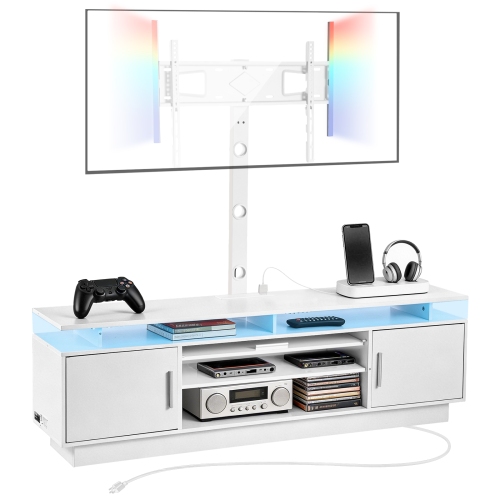
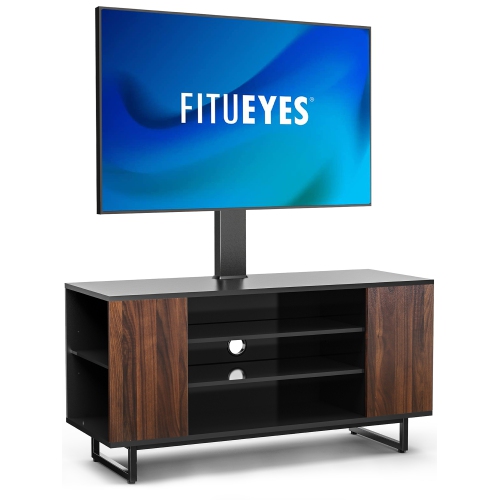

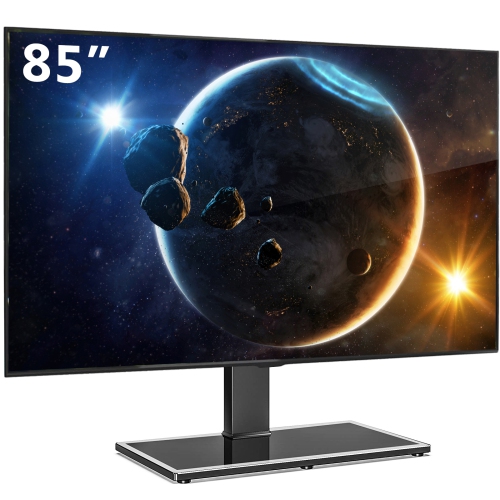
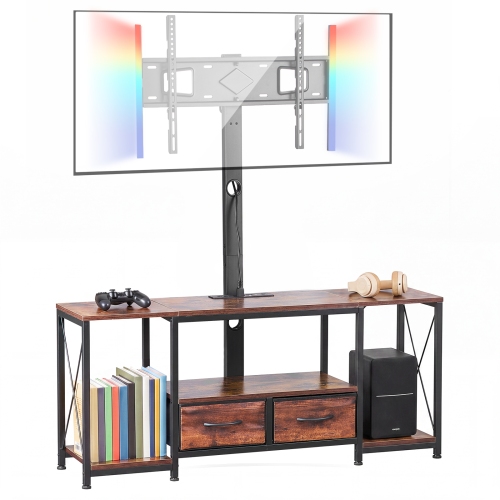


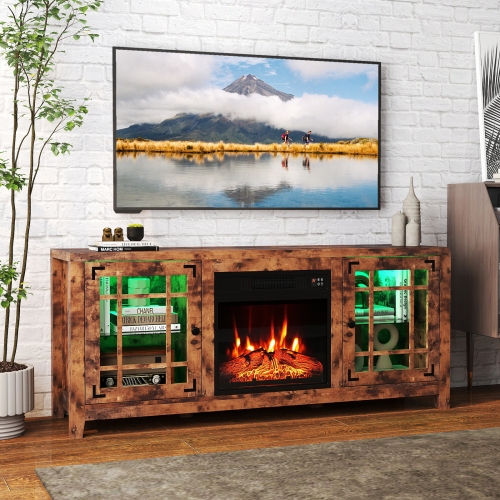

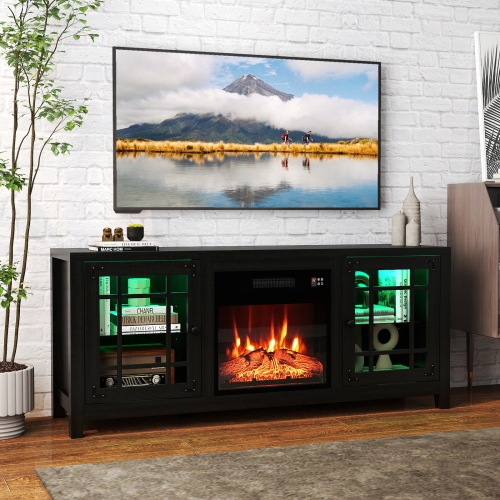

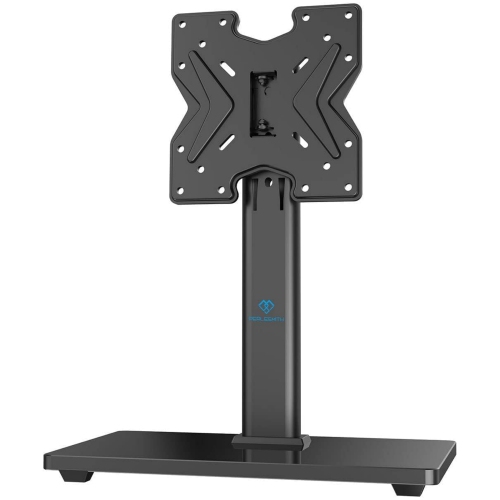
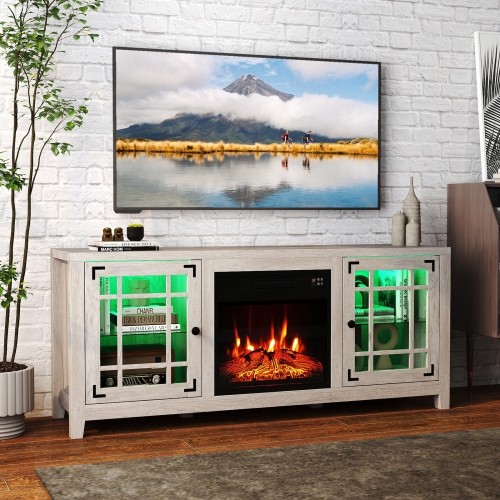
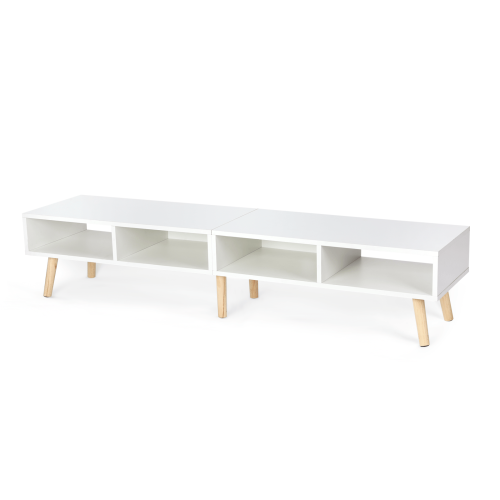
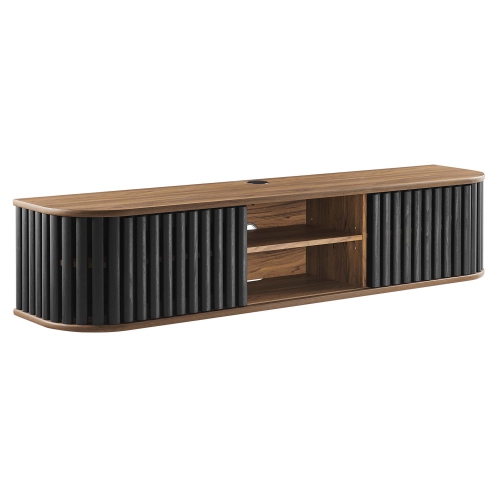
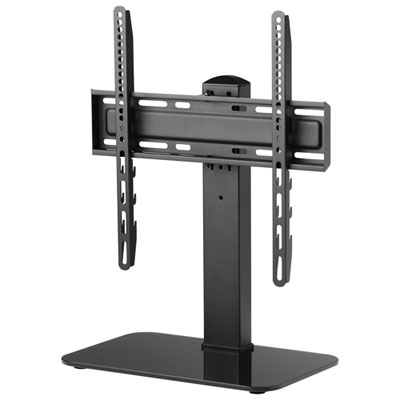

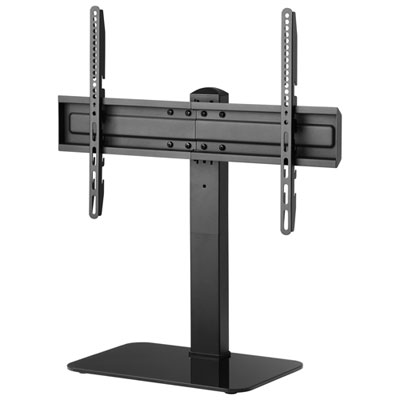
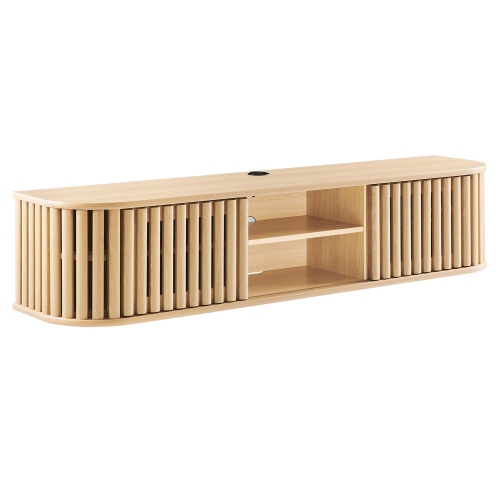
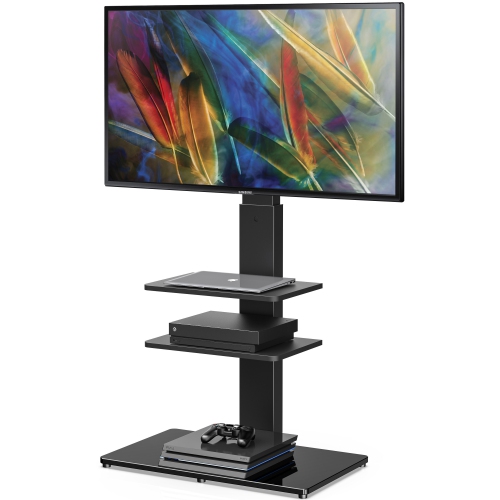

Corner storage that leaves more room for living
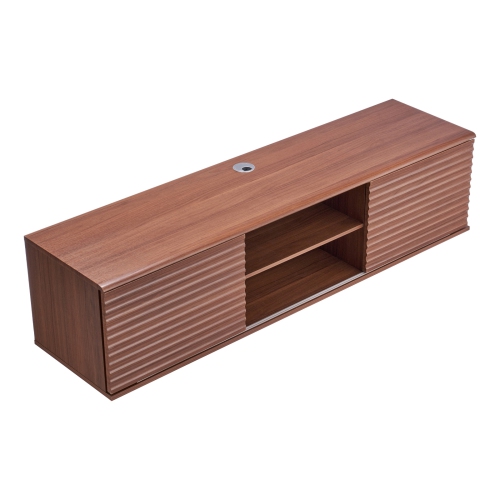
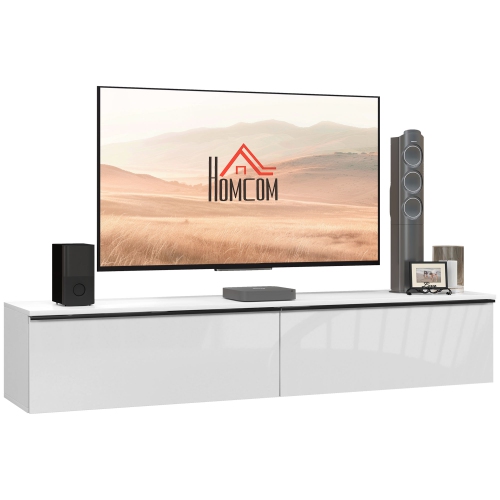
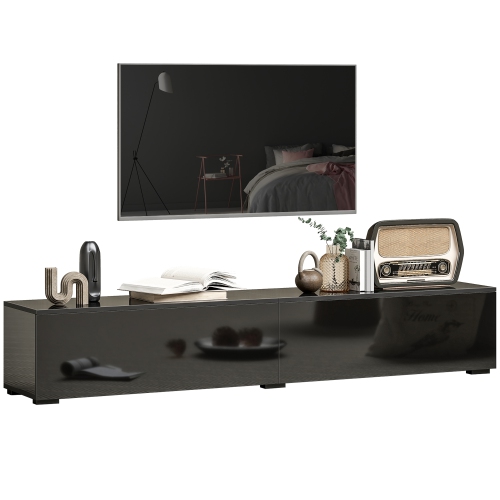
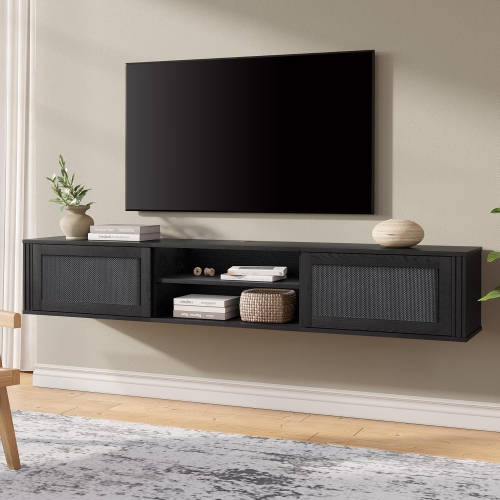
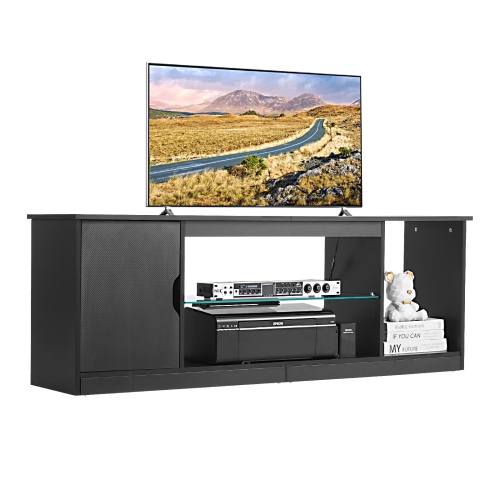
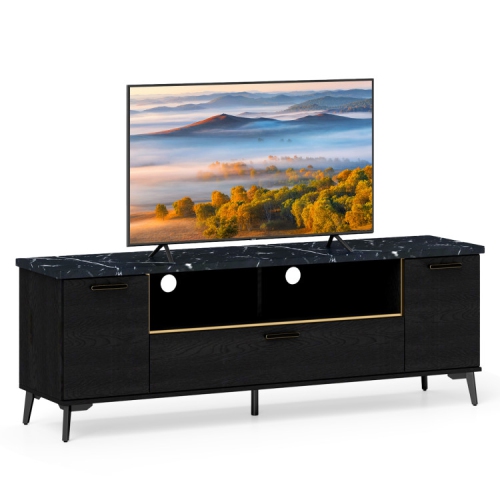
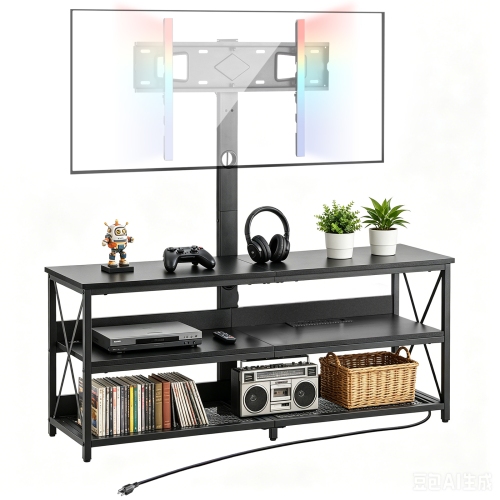
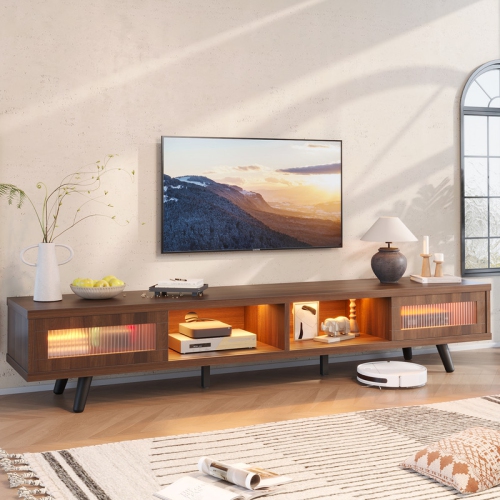
Floating corner TV stands bring storage to a part of the room that can be difficult to furnish, leaving the floor beneath the cabinet open. In a living room where windows, doorways, and a sectional sofa compete for wall space, a corner arrangement can give the television a natural home without placing a full-size console across a walkway. The floating profile also leaves more of the floor visible, which can make a compact condo, bedroom, or den feel less crowded. Corner fit is about more than a narrow cabinet, though. Some designs have angled backs or shapes that follow the meeting point of two walls, while others are straight wall-mounted units suited to placement near a corner. Those differences affect how far the cabinet projects into the room, where its mounting points sit, and how easily drawers or doors open. A useful fit leaves room for nearby seating, baseboards, outlets, and curtains rather than occupying every available centimetre. Television placement matters just as much: a screen angled toward the main seating area can be comfortable to watch, but its edges should not interfere with a doorway or extend awkwardly into a busy passage. The cabinet and screen do not need to be the same width, although their proportions should feel balanced from the sofa. A slim shelf can suit a room with only a streaming device and a few remotes, while a deeper cabinet may better accommodate a game console, media accessories, and everyday storage. Finishes help connect the arrangement to the rest of the space. A light wood-look surface can sit comfortably beside pale upholstery, a dark finish can echo other media furniture, and a smooth white cabinet can blend into a similarly coloured wall. The result is a television area that feels like part of the room rather than furniture squeezed into a leftover corner.
Materials and construction influence both the appearance of floating corner TV stands and how they hold up to regular use. Solid wood, wood veneer, engineered wood, and metal each offer different textures, weights, and care needs. Solid wood may show natural grain variation, while veneer provides a wood surface over a different core material. Laminated engineered wood often has a consistent finish that is straightforward to wipe clean, although exposed edges and joints still need protection from moisture. Metal brackets and mounting rails provide structural support, but their presence alone does not establish how much weight a cabinet can safely carry. The stated load limit, the cabinet’s intended use, and the required wall attachment all matter. Some floating stands are designed primarily for accessories beneath a separately mounted television; others may support a television on their top surface when expressly rated for that purpose. A TV’s screen size is not a substitute for its weight or the spacing of its feet. Wall construction is equally important, since drywall, wood studs, and masonry require suitable attachment methods. Mounting should follow the manufacturer’s requirements, with qualified installation where needed, and renters may need permission before adding permanent fixtures. Once installed, a cabinet should accommodate the equipment without crowded shelves or strained connections. A game console tucked tightly into an enclosed compartment can have limited airflow, while a streaming device positioned behind a solid door may be less convenient if its remote needs a clear signal path. Open shelves, ventilation openings, and cable cut-outs can help keep the setup practical, depending on the design. Corner placement also makes cable routing worth considering: power cords and HDMI cables need enough reach and slack to connect equipment without being pinched behind the cabinet. A soundbar needs suitable clearance, and a swivel-mounted TV needs space throughout its movement. These details distinguish a neat-looking arrangement from one that remains comfortable to use after the screen, speakers, and accessories are connected.
Storage is often what makes a floating corner TV stand useful beyond its appearance. A shallow drawer can hold remotes and charging cables, an open compartment can keep frequently used equipment within reach, and a closed cupboard can contain controllers or accessories that would otherwise collect on the top surface. In a shared living room, that separation helps keep the television area tidy without making everything difficult to retrieve. In a bedroom or small den, a modest cabinet may be enough to support a simple viewing setup while preserving space for other furniture. Households with children or pets benefit from secure installation and neatly managed cables, although a floating cabinet should never be treated as a seat, step, or climbing surface. The open space below can make routine floor cleaning easier, provided the cabinet is mounted high enough for the cleaning tools used in the room. Cabinet care is generally uncomplicated: a soft cloth removes dust, and a lightly dampened cloth may be suitable for marks when permitted by the finish manufacturer. Harsh cleaners, abrasive pads, and standing moisture can damage surfaces or edge seals. Moving equipment rather than dragging it across the top helps prevent scratches, while leaving access to connections makes occasional changes less frustrating. Durability also comes from matching the storage to daily habits. Frequently opened drawers benefit from sturdy hardware, and shelves should remain within their stated capacity rather than becoming a catch-all for heavy objects. Larger screens introduce another proportion consideration, particularly when a broad television sits above a compact corner cabinet. The Floating TV Stands for Large TVs page offers a related category for layouts where screen size is a central consideration. For a corner arrangement, the best fit brings together suitable dimensions, dependable support, accessible storage, and a finish that belongs with the surrounding furniture, leaving the room comfortable for both everyday viewing and ordinary movement.
Top selling and popular products
-
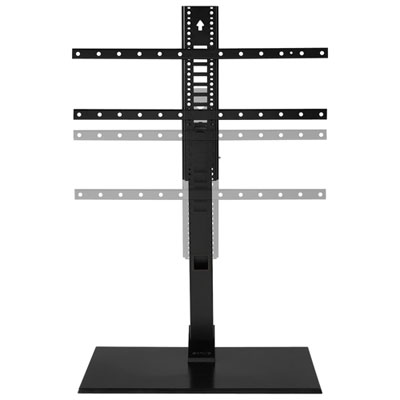 Your price for this item is $249.99
-
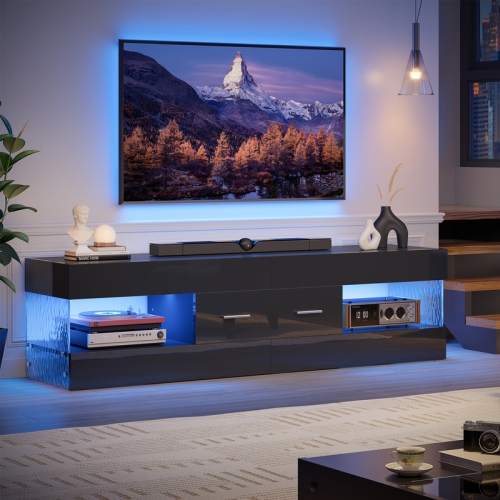 Your price for this item is $179.99
-
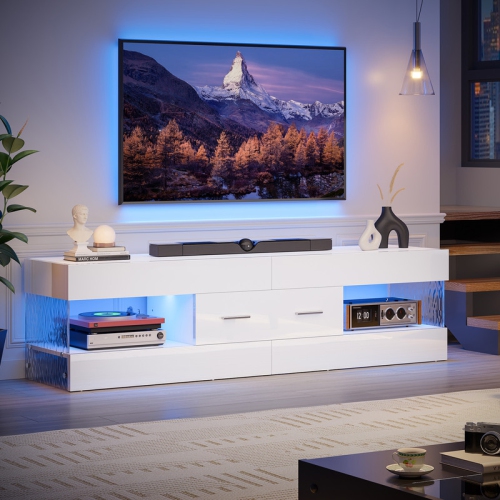 Your price for this item is $169.99
-
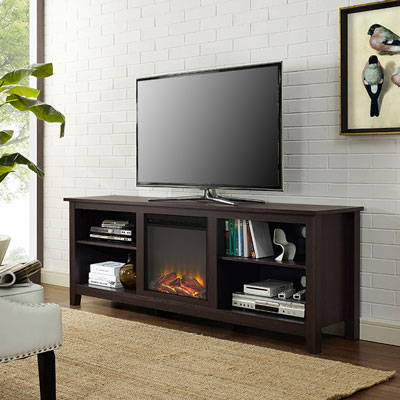 Your price for this item is $689.99
-
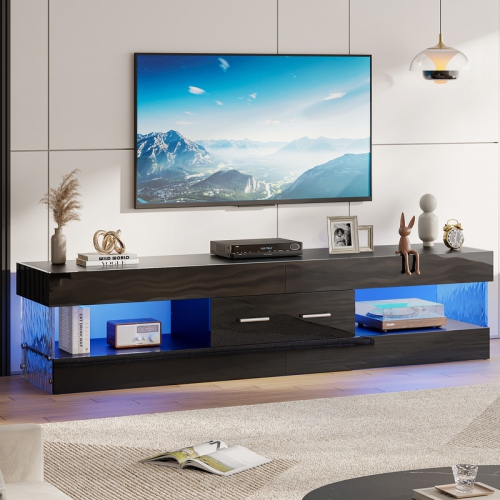 Your price for this item is $199.99
-
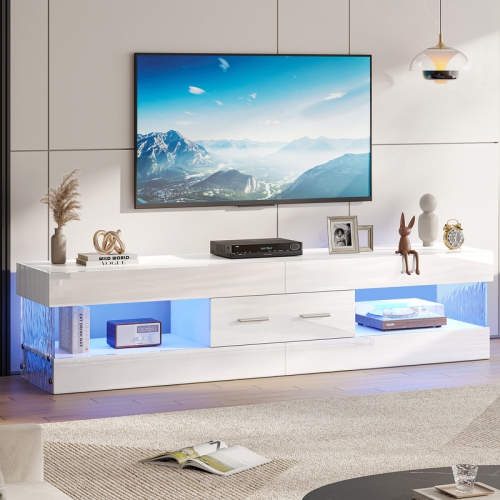 Your price for this item is $199.99
-
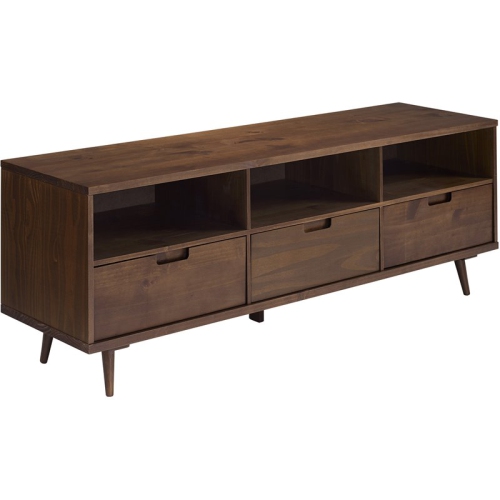 Your price for this item is $941.25
-
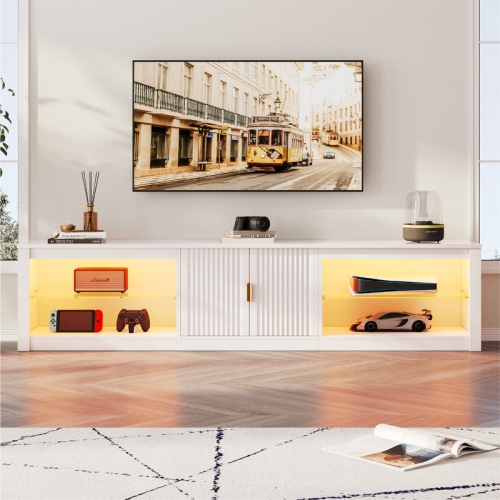 Your price for this item is $269.99
Discover more categories related to Floating Corner Tv Stands
Top Collections:
Pokemon Centers, Best Cameras for Sports Photography, Kindle Devices, Samsung Galaxy Phones, Canon G7X Cameras, Pokémon 30th Celebration Cards, Refurbished Apple Laptops, iPhone 15 Apple, Laptops for Students, Budget Smartphones
Some products may be subject to Environmental Handling Fees
(EHF) depending on your province.
Learn more about EHFs.