Floating TV Stands
Floating TV stands offer a sleek and modern solution for showcasing your entertainment setup while maximizing floor space. Perfect for creating a clean, organized look in any room, floating TV stands blend seamlessly with a variety of décor styles. Discover options that help elevate your viewing experience and bring a stylish touch to your home theatre or living area. Find the ideal floating TV stand to complement your space and keep your media essentials neatly arranged.
Sort
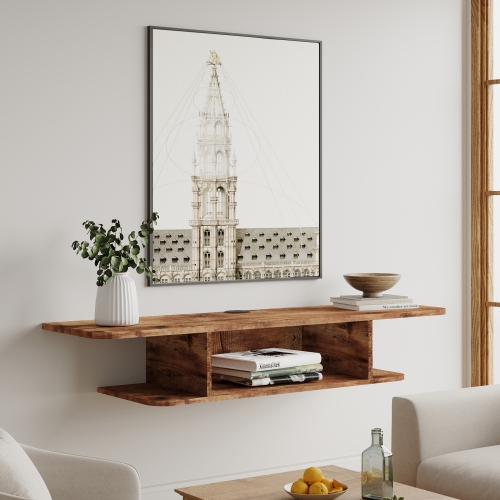
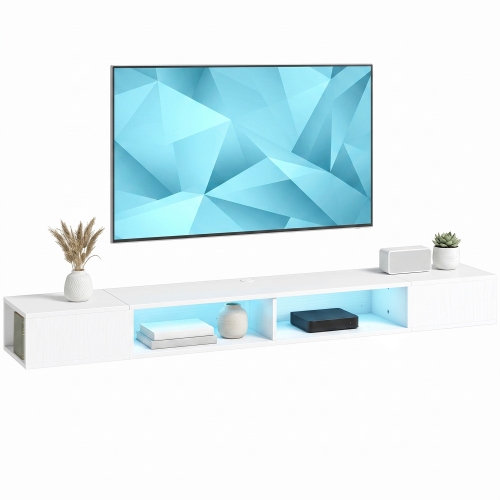
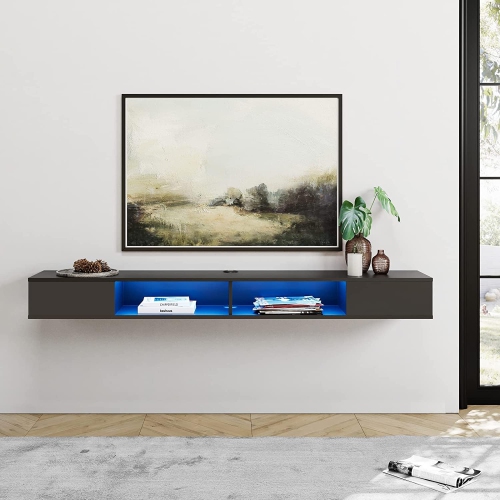
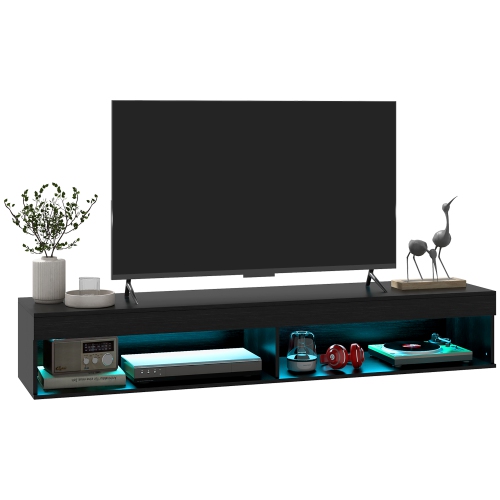
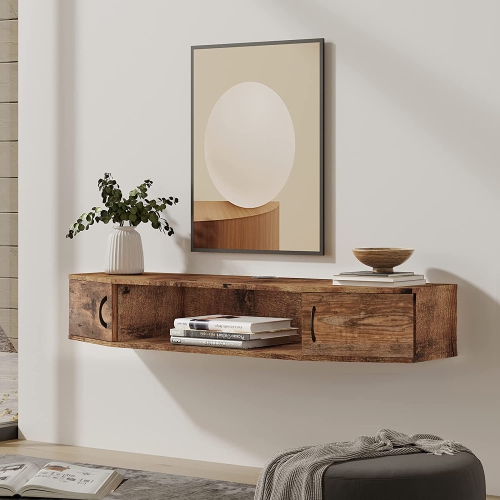
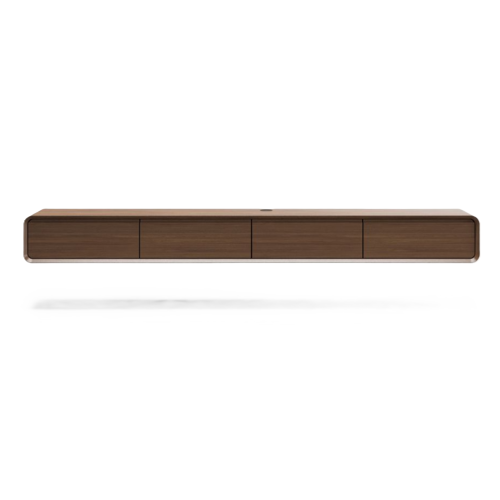
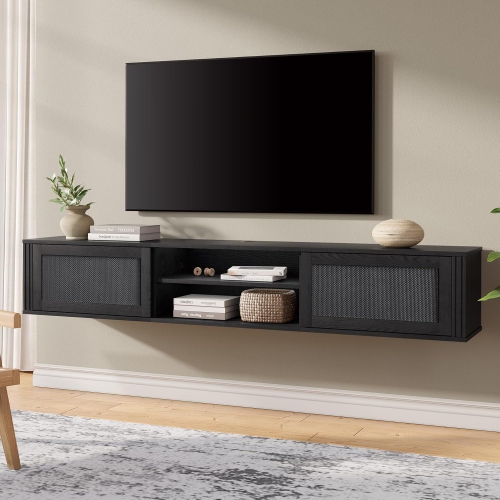
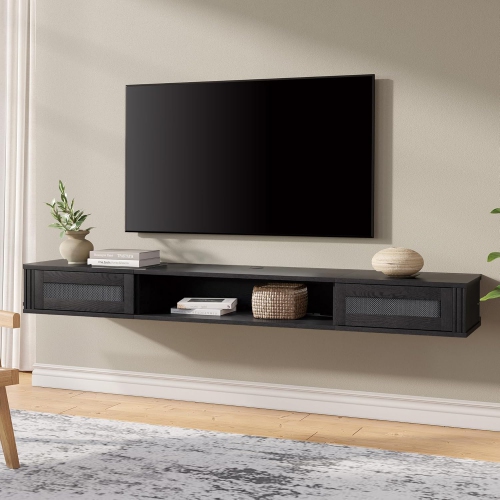
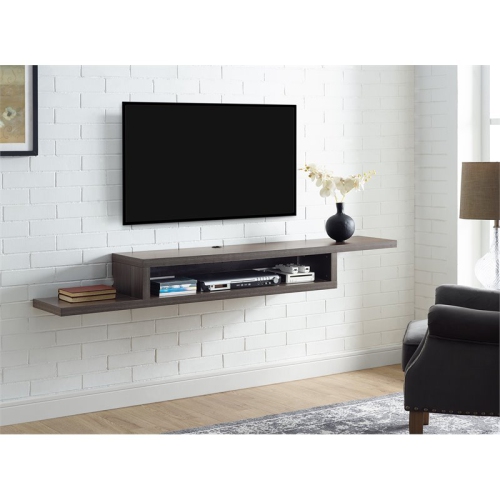
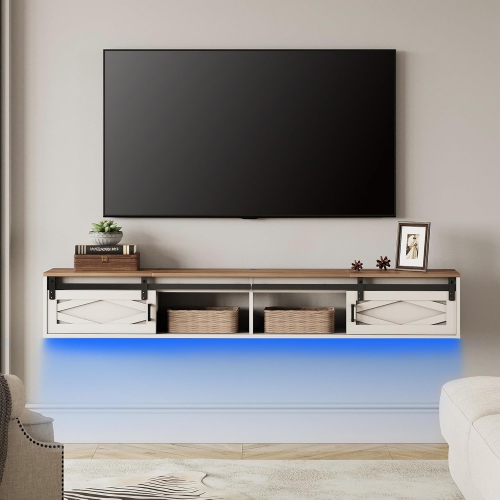
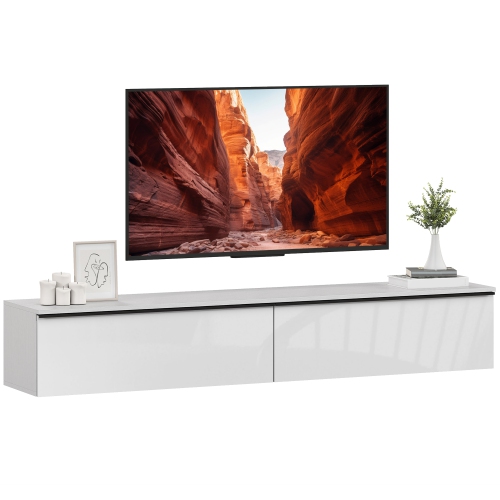
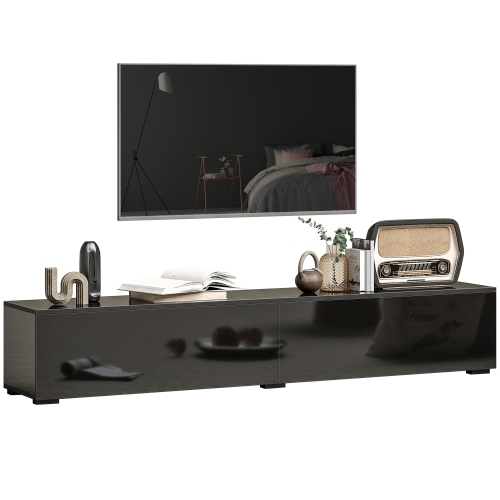
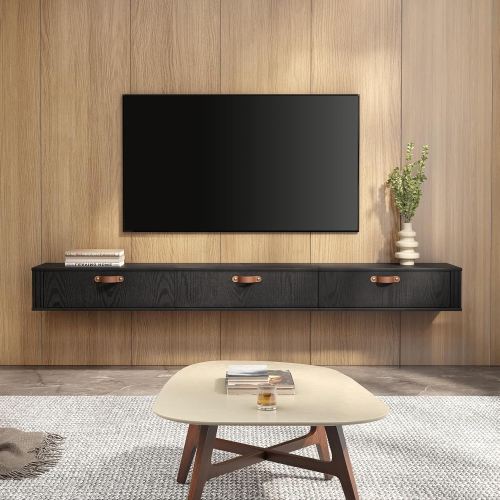
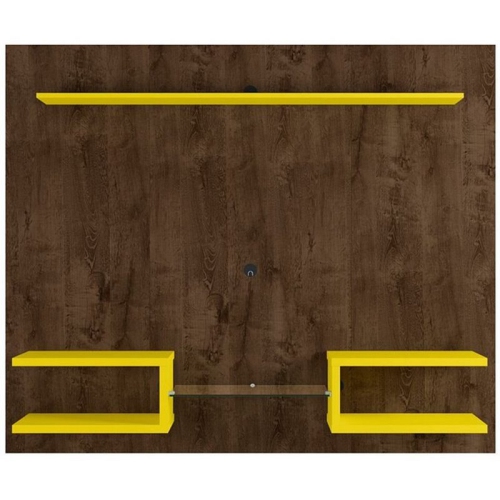
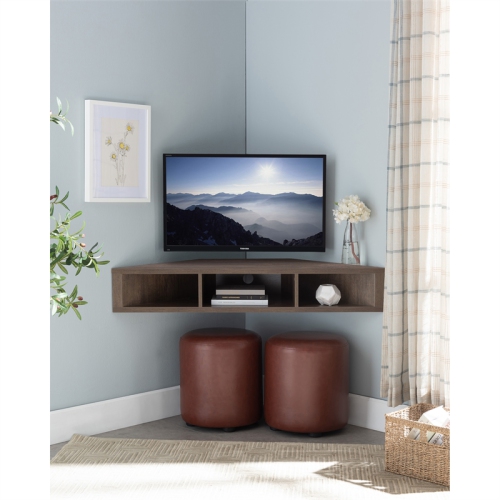
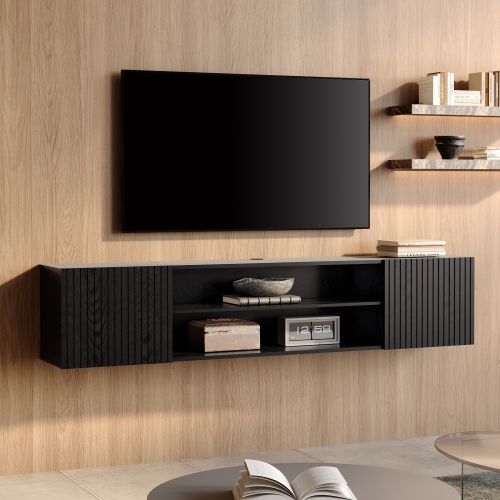
Off-the-floor storage gives your media wall breathing room
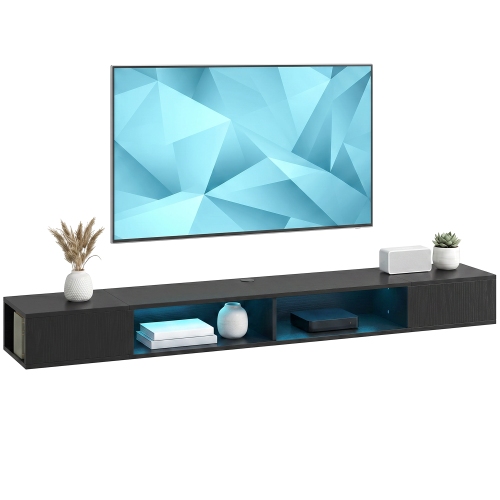
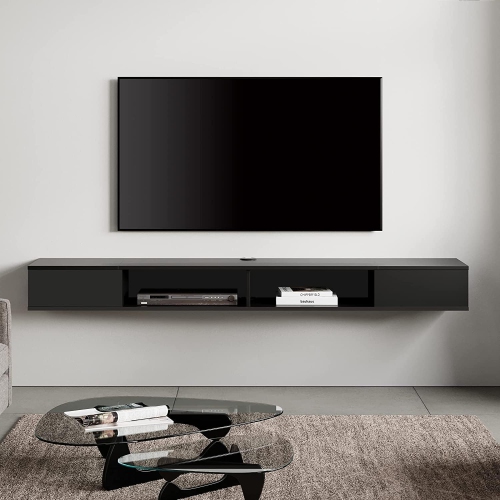
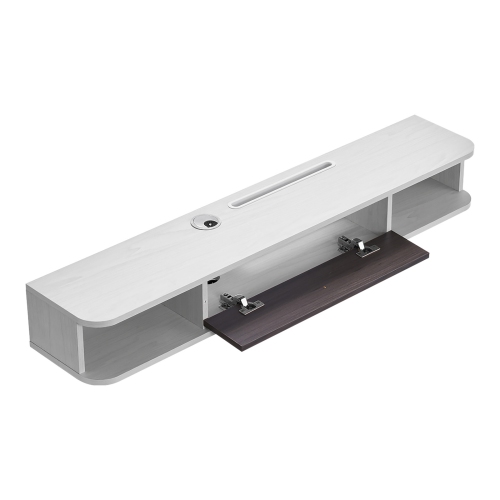
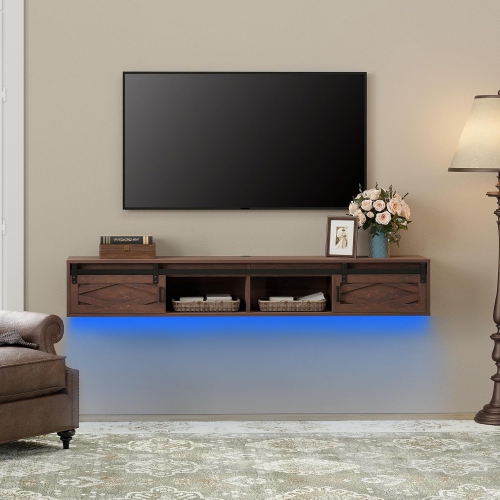
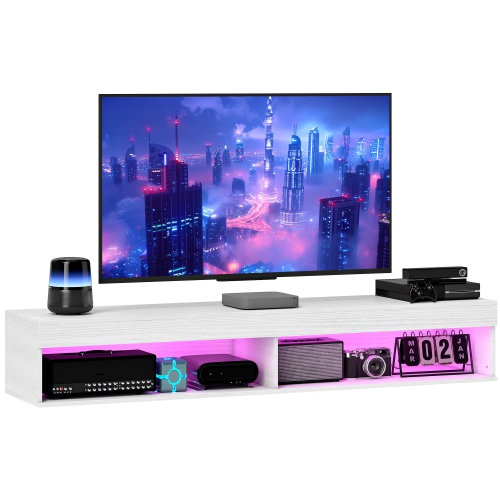
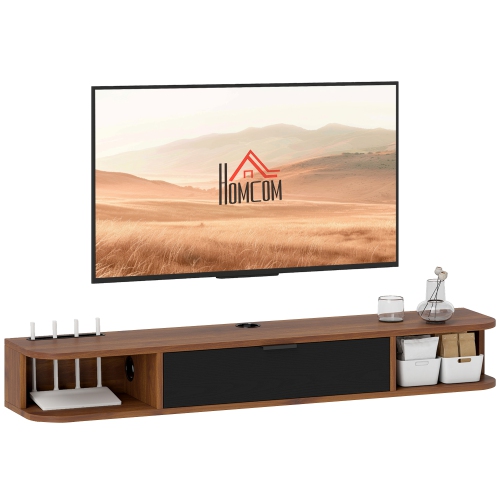
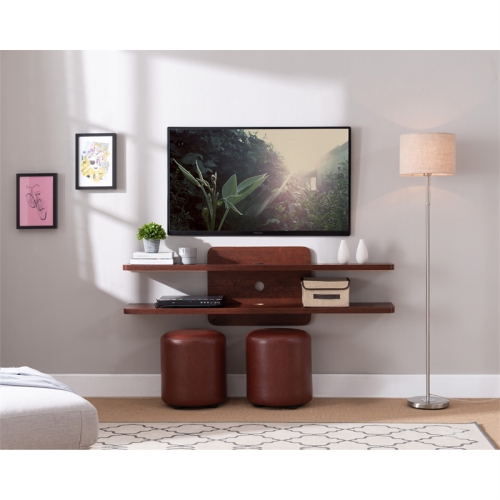
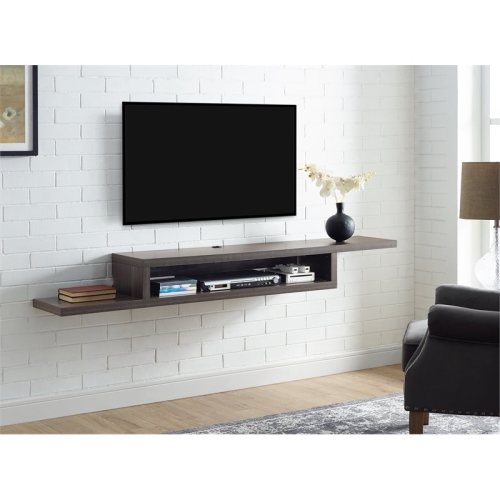
Floating TV stands give a media wall a lighter, more open appearance by lifting storage off the floor. Rather than resting on legs or a solid base, these wall-mounted consoles create a horizontal line beneath the screen, with room below for a clear view of the flooring. That visual breathing space can make a difference in a compact condo, a narrow living room, or a bedroom where a freestanding entertainment unit would feel bulky. In a larger room, a wider floating console can anchor the television area without introducing another heavy piece of furniture. The effect depends on proportion as much as style: a console that extends beyond the edges of the screen often creates a balanced arrangement, while a deeper cabinet provides more storage but projects farther into the room. Floating TV stands range from simple open shelves to enclosed cabinets with drawers, drop-down doors, or a mix of compartments. Open sections keep frequently used equipment accessible, while closed storage gives controllers, spare cables, and remote controls a place out of sight. Wood-look finishes add texture beside upholstered seating, and smooth painted surfaces suit rooms with clean lines and restrained details. For a bright, understated media wall, white floating TV stands can sit comfortably against pale walls or provide a crisp contrast with darker paint. Matte finishes tend to soften reflections, whereas glossy surfaces catch more light and can make fingerprints more noticeable. The best visual fit also takes neighbouring furniture into account. A long, low console may echo the shape of a sofa, while a compact design can leave space beside the screen for a bookcase or doorway. Whether the room is used for family movie nights, console gaming, or quiet evenings with a favourite series, the appeal is practical as well as visual: everyday media essentials stay together without a cabinet occupying floor space from wall to seating.
Fit involves more than matching the console width to the television. A floating TV stand is not necessarily designed to carry the weight of a TV sitting on its top; many serve as storage beneath a separately wall-mounted screen. The stated load limits and intended use matter for both the overall cabinet and its individual shelves, especially when heavier audio equipment is involved. Where a television can rest on the console, its feet or central base need full support within the usable surface, and the combined weight of the screen and stored equipment must remain within the specified capacity. Wall construction is just as important. The mounting system needs suitable structural support, with fasteners appropriate to the wall and installation carried out according to the manufacturer’s directions. Drywall alone should not be assumed to provide adequate support, and masonry, wood studs, and metal studs can call for different mounting methods. A qualified installer can assess an uncertain wall rather than leaving the attachment to guesswork. Placement also affects daily comfort. Screen height is generally considered from a seated position, while the console needs enough separation from the television to accommodate a soundbar or other equipment without blocking the picture. A shallow unit may look right in a tight room yet lack space for a receiver once plugs and cable bends are included. Interior measurements, rear openings, and ventilation clearances help determine whether equipment will fit and operate properly. A game console tucked behind a closed door may need more airflow than that compartment provides, and some remote controls need an unobstructed path to their devices. Cable routing deserves the same attention: accessible openings can keep connections organized without pinching leads against the wall. For a household with several gaming systems or streaming devices, a mix of ventilated open storage and enclosed compartments often suits the different demands of electronics and accessories better than either layout alone.
Materials and construction shape how a floating TV stand looks, feels, and holds up to regular use. Solid wood brings natural grain variation and can develop character over time, though its response to changes in indoor humidity makes consistent care important. Wood veneer offers a real wood surface over a supporting core, while laminate and other applied finishes provide a range of colours and patterns with different levels of resistance to marks and wear. Engineered wood is common in media furniture, but durability depends on more than the material name. Panel thickness, edge finishing, mounting hardware, and the quality of joints all contribute to how well a cabinet performs. Neatly finished edges are particularly useful around doors and drawers that receive frequent handling. Soft-close hardware can make access quieter, and sturdy hinges help doors feel secure when accessories are taken out and put away each day. Households with children may appreciate concealed storage for small accessories, although a floating cabinet should never be treated as a seat, step, or climbing surface. Keeping tempting objects off the top and securing loose cables can help reduce avoidable hazards around the media wall. For routine care, a soft cloth and cleaning methods approved for the finish are usually more suitable than abrasive pads or harsh cleaners. Spills should be wiped promptly, particularly around seams and exposed edges, and moisture should not be left sitting on the surface. The open floor beneath the cabinet can simplify vacuuming or mopping, provided the mounting height leaves enough clearance for the cleaning tools used in the room. Access to outlets, cable connections, and mounting points also matters over the longer term, since media equipment may change while the furniture stays in place. A thoughtfully sized floating TV stand can work for a first apartment, a shared family room, or a bedroom viewing area, bringing useful storage to a space without making the television wall feel crowded. Its lasting usefulness comes from a straightforward balance of secure installation, comfortable proportions, accessible equipment, and a finish that fits naturally with the rest of the home.
Fit involves more than matching the console width to the television. A floating TV stand is not necessarily designed to carry the weight of a TV sitting on its top; many serve as storage beneath a separately wall-mounted screen. The stated load limits and intended use matter for both the overall cabinet and its individual shelves, especially when heavier audio equipment is involved. Where a television can rest on the console, its feet or central base need full support within the usable surface, and the combined weight of the screen and stored equipment must remain within the specified capacity. Wall construction is just as important. The mounting system needs suitable structural support, with fasteners appropriate to the wall and installation carried out according to the manufacturer’s directions. Drywall alone should not be assumed to provide adequate support, and masonry, wood studs, and metal studs can call for different mounting methods. A qualified installer can assess an uncertain wall rather than leaving the attachment to guesswork. Placement also affects daily comfort. Screen height is generally considered from a seated position, while the console needs enough separation from the television to accommodate a soundbar or other equipment without blocking the picture. A shallow unit may look right in a tight room yet lack space for a receiver once plugs and cable bends are included. Interior measurements, rear openings, and ventilation clearances help determine whether equipment will fit and operate properly. A game console tucked behind a closed door may need more airflow than that compartment provides, and some remote controls need an unobstructed path to their devices. Cable routing deserves the same attention: accessible openings can keep connections organized without pinching leads against the wall. For a household with several gaming systems or streaming devices, a mix of ventilated open storage and enclosed compartments often suits the different demands of electronics and accessories better than either layout alone.
Materials and construction shape how a floating TV stand looks, feels, and holds up to regular use. Solid wood brings natural grain variation and can develop character over time, though its response to changes in indoor humidity makes consistent care important. Wood veneer offers a real wood surface over a supporting core, while laminate and other applied finishes provide a range of colours and patterns with different levels of resistance to marks and wear. Engineered wood is common in media furniture, but durability depends on more than the material name. Panel thickness, edge finishing, mounting hardware, and the quality of joints all contribute to how well a cabinet performs. Neatly finished edges are particularly useful around doors and drawers that receive frequent handling. Soft-close hardware can make access quieter, and sturdy hinges help doors feel secure when accessories are taken out and put away each day. Households with children may appreciate concealed storage for small accessories, although a floating cabinet should never be treated as a seat, step, or climbing surface. Keeping tempting objects off the top and securing loose cables can help reduce avoidable hazards around the media wall. For routine care, a soft cloth and cleaning methods approved for the finish are usually more suitable than abrasive pads or harsh cleaners. Spills should be wiped promptly, particularly around seams and exposed edges, and moisture should not be left sitting on the surface. The open floor beneath the cabinet can simplify vacuuming or mopping, provided the mounting height leaves enough clearance for the cleaning tools used in the room. Access to outlets, cable connections, and mounting points also matters over the longer term, since media equipment may change while the furniture stays in place. A thoughtfully sized floating TV stand can work for a first apartment, a shared family room, or a bedroom viewing area, bringing useful storage to a space without making the television wall feel crowded. Its lasting usefulness comes from a straightforward balance of secure installation, comfortable proportions, accessible equipment, and a finish that fits naturally with the rest of the home.
Top selling and popular products
-
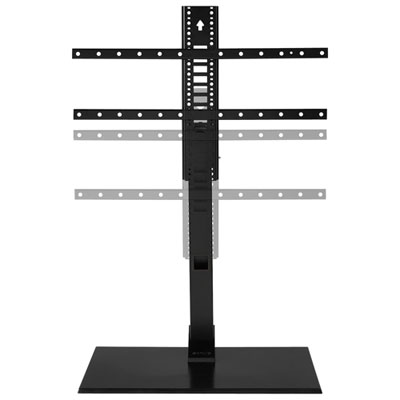 Your price for this item is $249.99
 -
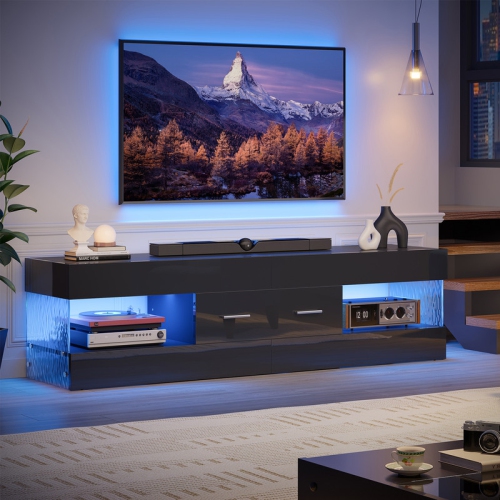 Your price for this item is $179.99
 -
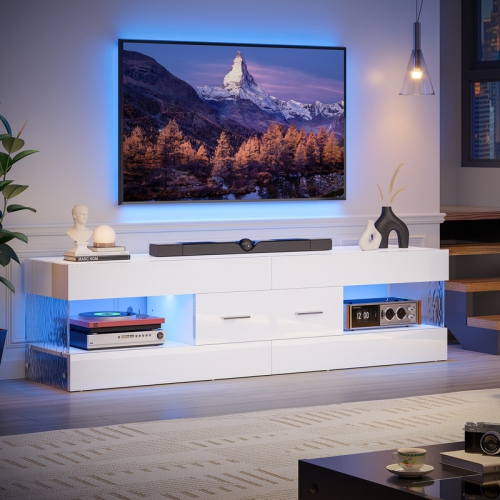 Your price for this item is $149.99
 -
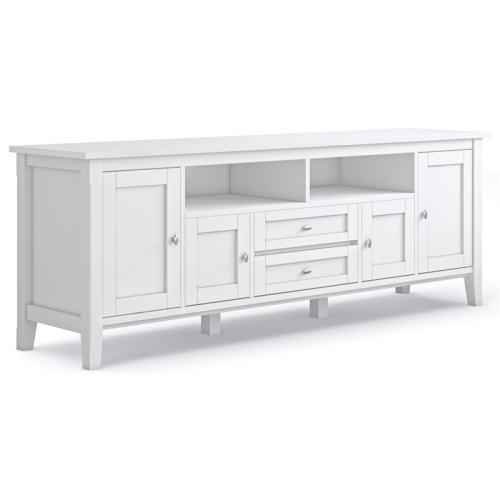 Your price for this item is $1522.15
 -
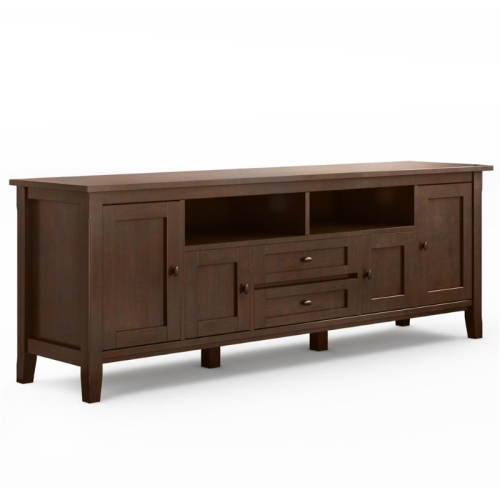 Your price for this item is $1535.26
 -
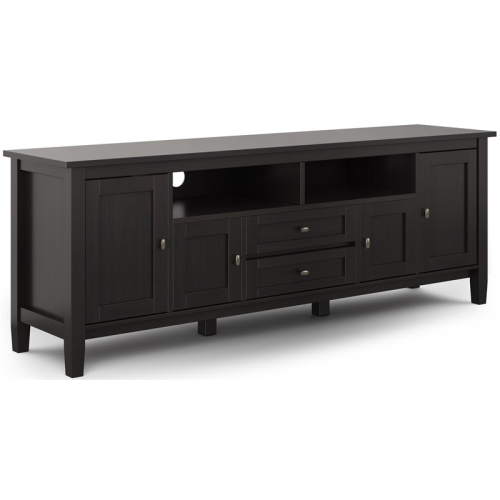 Your price for this item is $1505.85
 -
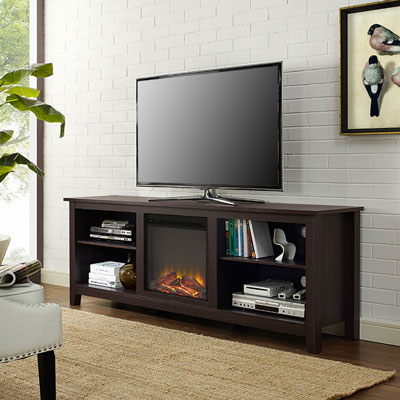 Your price for this item is $689.99
 -
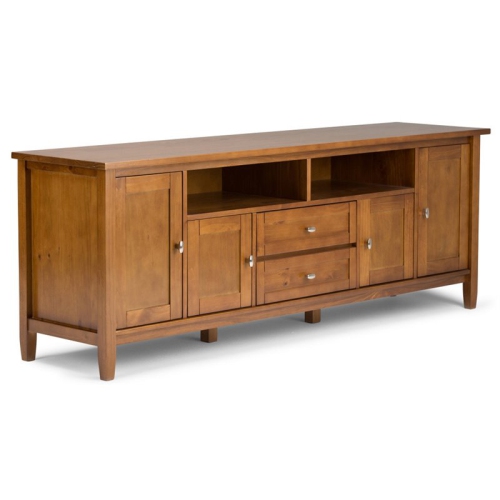 Your price for this item is $1522.01
Discover more categories related to Floating TV Stands
Top Collections:
Pokemon Centers, Kindle Devices, Best Budget Office Chairs, Apple iPhones 16, Best Laptops for Writers, iPhone 15 Apple, Canon G7X Cameras, Refurbished Apple Laptops, Alarm Clock, Motorola Razr Phones
Some products may be subject to Environmental Handling Fees
(EHF) depending on your province.
Learn more about EHFs.