Frame TVs 65
Frame TV 65 offers a sleek and modern way to elevate your home entertainment experience. With its impressive 65-inch display, this style-forward television blends seamlessly into any living space, doubling as a stunning focal point when not in use. Explore a wide selection of Frame TV 65 options designed to complement your décor while delivering high-quality visuals for all your favorite shows, movies, and games. Find the perfect fit for your home and enjoy an immersive viewing experience with a Frame TV 65.
Sort
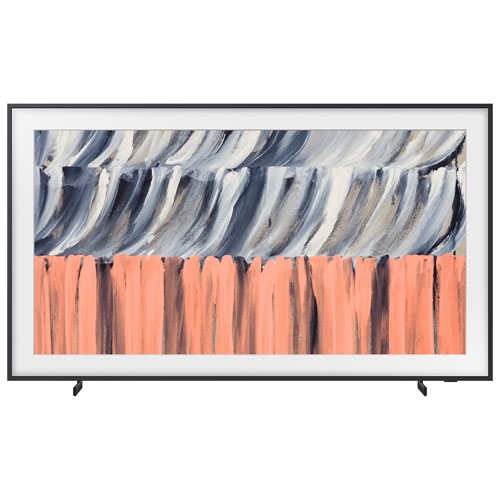
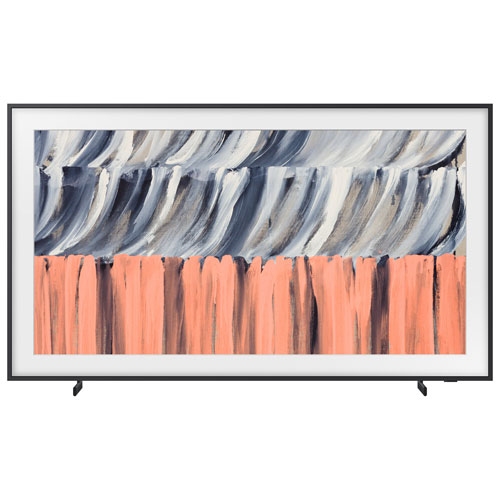
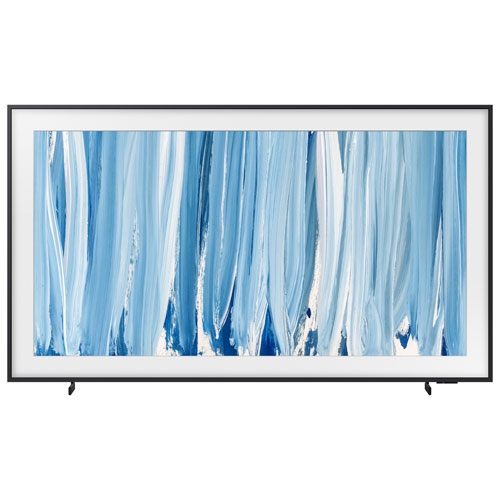
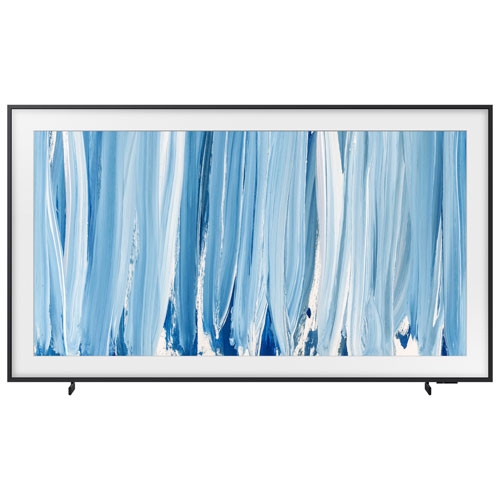
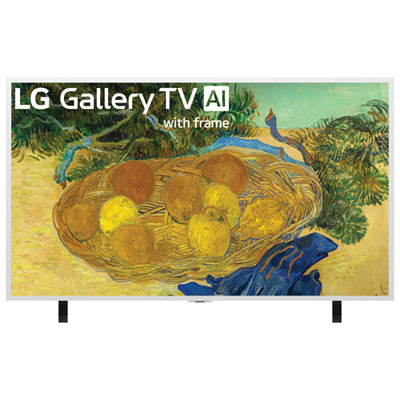
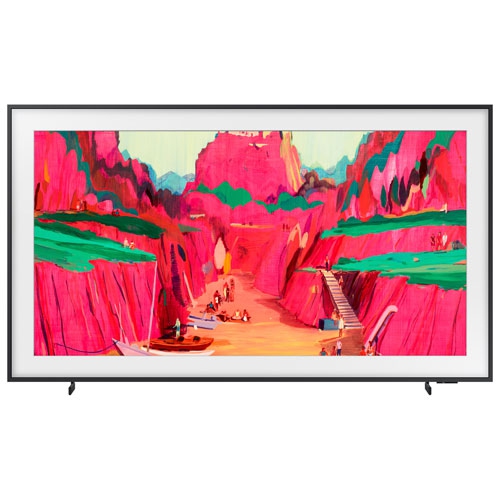
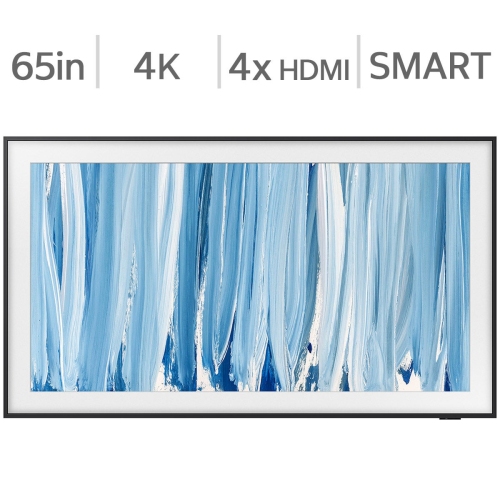
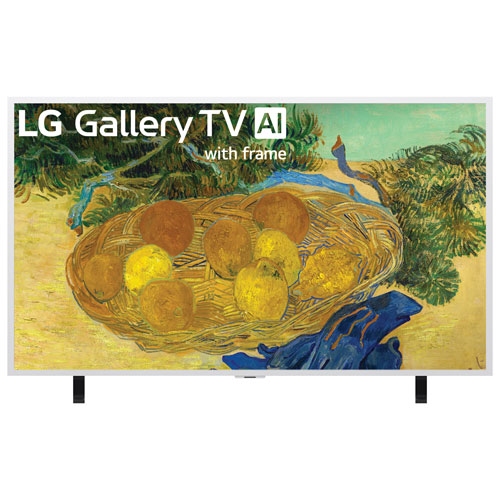


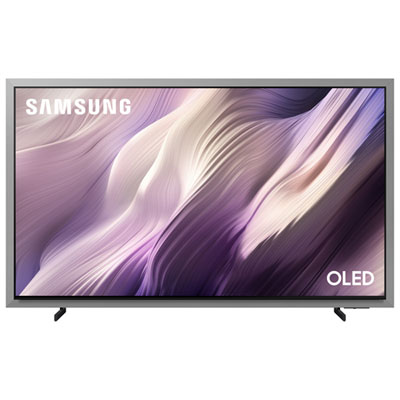
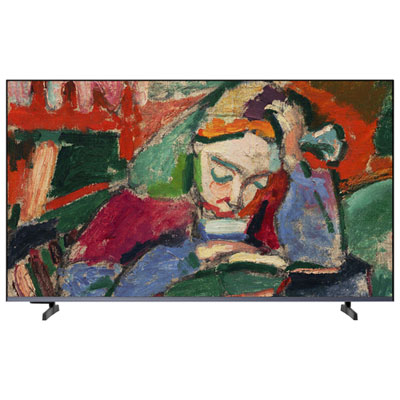

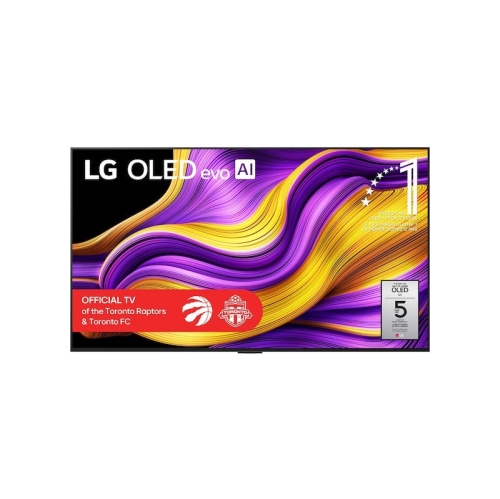


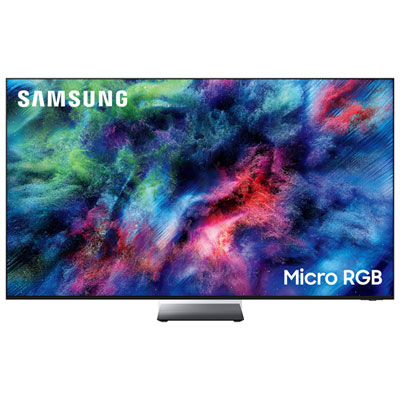
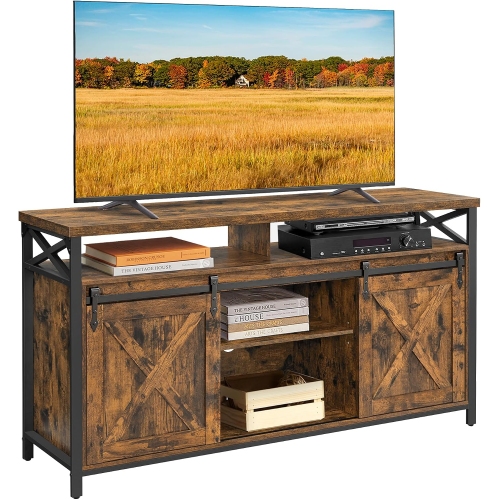
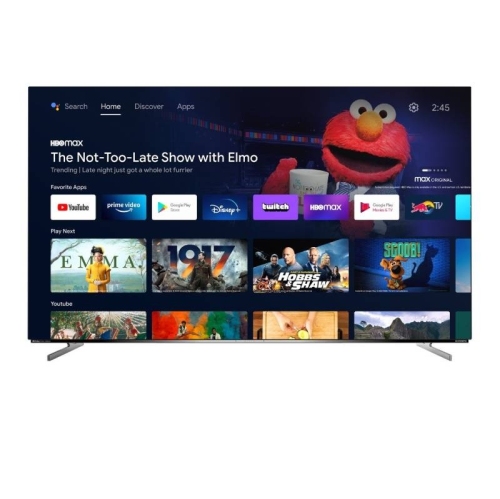
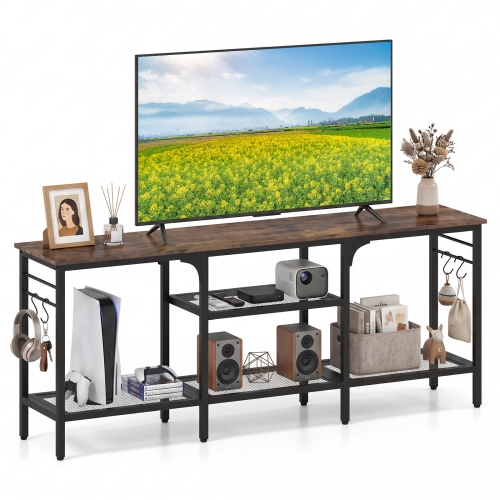
Big-screen viewing meets the look of framed artwork
65-inch frame TVs combine a large viewing screen with styling intended to sit comfortably among artwork, shelving and furniture. The defining idea is that a television can contribute to a room’s appearance even when nobody is watching a film or following a game. In this category, picture-frame-inspired edges, slim profiles and artwork display features help soften the look of a large screen on a wall. Features vary between models, but an artwork mode can display paintings, photography or personal images instead of leaving a dark rectangle above a console. A 65-inch measurement refers to the screen’s diagonal, not its width; a typical 16:9 display at this size measures approximately 57 inches wide and 32 inches high before the surrounding bezel is included. Those proportions give films, sports and family photos a substantial presence without requiring the wall space of a much larger television. The Frames 65 Inch collection brings this screen size together with a style that treats the television as part of the room’s furnishings. In a living room with pale walls and oak furniture, a lighter frame finish can create a quiet, cohesive effect, while a dark border can echo black shelving or neighbouring picture frames. Interchangeable bezels, where supported, offer another way to coordinate the television with a room, although their fit depends on the exact television model and size. Frame finishes may resemble timber or metal without being made from those materials, so the material description matters as much as the colour. Artwork presentation also depends on the screen surface and room lighting. A matte or anti-reflection finish can help reduce distracting reflections, but it does not make a display immune to glare from a bright window or a lamp directly opposite. The most convincing framed appearance comes from the combination of suitable lighting, balanced image brightness and a position that feels natural alongside the room’s other wall features.
Placement gives a 65-inch frame TV much of its character, whether it stands alone on a broad wall or becomes the centre of a gallery arrangement. A close-to-wall installation can strengthen the picture-frame effect, but the finished depth depends on the television, compatible mount, wall construction and space required for connections. A supplied mount is not necessarily suitable for every wall, and plasterboard, masonry and walls with timber studs have different fastening requirements. The television’s weight, mounting pattern and the mount’s load rating all need to work together. Professional installation can be useful where the layout involves concealed cables, difficult wall surfaces or electrical work. Some designs use a separate connection unit that houses inputs away from the screen; others place connections on the television itself. Either arrangement still needs room for cables, access to power and the ventilation specified by the manufacturer. Cables should only run inside a wall when they are rated for that purpose and installed in accordance with applicable requirements. For a freestanding setup, the stand’s footprint is just as important as the screen width: a console needs enough depth, a suitable weight capacity and space for any feet or central support. Viewing height deserves attention, too. A screen mounted to align with neighbouring artwork can end up uncomfortably high for a sofa directly opposite, so the layout needs to accommodate seated viewing as well as appearance. Many rooms can accommodate a 65-inch 4K display at a viewing distance of roughly 2 to 2.7 metres, though personal preference, eyesight and seating arrangements influence what feels comfortable. Side seating matters in open-plan spaces, where people may watch from a dining table or an armchair rather than straight ahead. A layout that keeps the screen visible from everyday seating, leaves space for a soundbar and avoids a bright reflection across the centre of the picture will generally feel more settled than one planned around wall symmetry alone.
Behind the framed appearance, these televisions still need to suit the programmes, films and activities that fill an ordinary household’s day. A 4K screen can show fine detail in compatible content, while picture processing influences how lower-resolution broadcasts and older recordings appear at a larger size. High dynamic range support can add depth to highlights and shadows when both the content and display support it, but the viewing result also depends on brightness, contrast and the room. Sports viewers may value clear motion during fast play, while console players may place more importance on input response, supported refresh rates and compatible HDMI connections. Those capabilities vary, so the frame-style design alone does not establish gaming performance. Smart TV platforms also differ in their apps, menus, voice-control support and options for sharing content from a phone or computer. For households that display personal photography, supported file formats, image cropping and the way portrait photos fit a wide screen can be particularly relevant. Artwork mode should not be confused with the television being switched off: displaying images still uses power, and any brightness or presence-sensing functions depend on the model and its settings. Sound deserves equal consideration, especially in a large room where dialogue needs to remain clear beyond the main sofa. A compatible soundbar can complement a slim television, provided it does not obstruct the screen, remote sensor or stand. Everyday care is straightforward but important for preserving the finish. A clean, dry microfibre cloth is generally suitable for light dusting, while screen cleaners, pressure and moisture require caution and should follow the manufacturer’s care directions. Decorative bezels also need gentle handling when fitted or removed. For shared living spaces, design-conscious households or a substantial housewarming gift, the lasting appeal is the combination of useful screen size, comfortable viewing and a finish that belongs with the furniture rather than competing with it.
Top selling and popular products
-
 Your price for this item is $1495.97
-
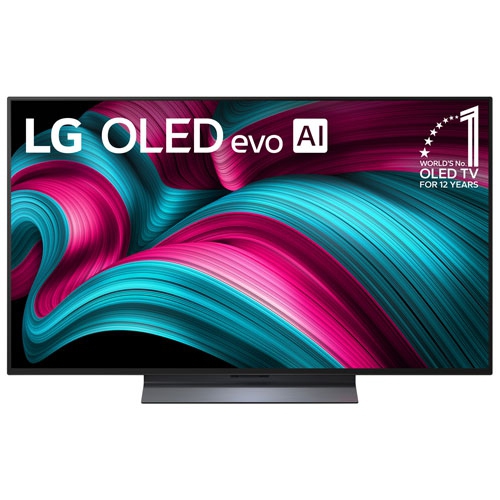 Your price for this item is $1749
-
 Your price for this item is $699.99
-
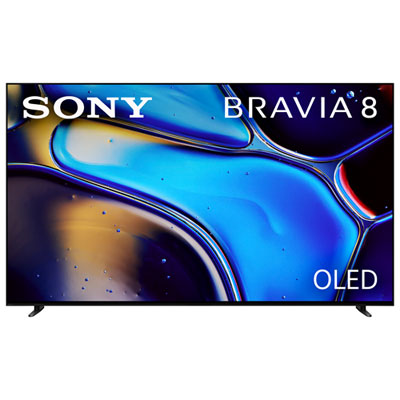 Your price for this item is $2399.99
-
 Your price for this item is $599.99
-
 Your price for this item is $1699
-
 Your price for this item is $2997.99
-
 Your price for this item is $2799.99
Discover more categories related to Frame TVs 65


Top Collections:
Best Black Friday Deals This Year, Best Black Friday Deals On Electronics, Kindle Devices, Best Black Friday Deals On Apple Products, Best Budget Office Chairs, Best Cameras for Sports Photography, Dyson Airwrap, Canon G7X Cameras, Best Laptops for Writers, Samsung Galaxy Phones
Some products may be subject to Environmental Handling Fees
(EHF) depending on your province.
Learn more about EHFs.