HDMI Cables for Apple TV
HDMI Cables for Apple TV provide a reliable connection for streaming your favorite shows, movies, and games in high quality. Whether you’re setting up a new entertainment system or upgrading your current setup, choosing the right HDMI cable ensures smooth performance and clear visuals. Explore a range of options designed to deliver seamless connectivity between your Apple TV and compatible displays. Find the perfect HDMI cable to enhance your home viewing experience and enjoy effortless integration with your devices.
Sort
Why higher bandwidth doesn’t always mean a sharper picture
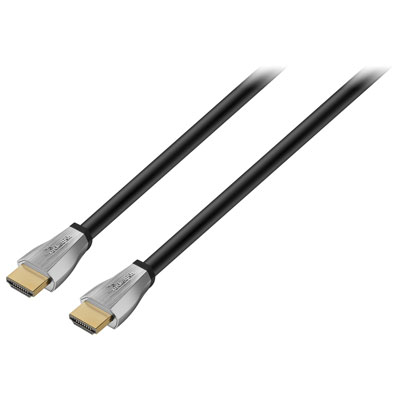
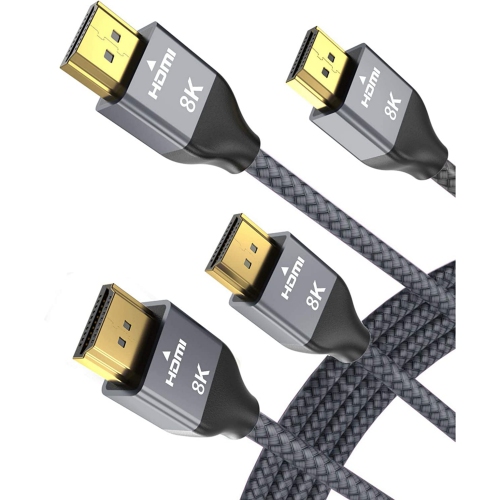
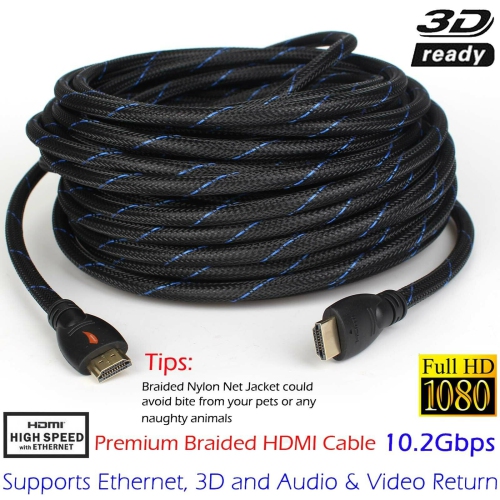
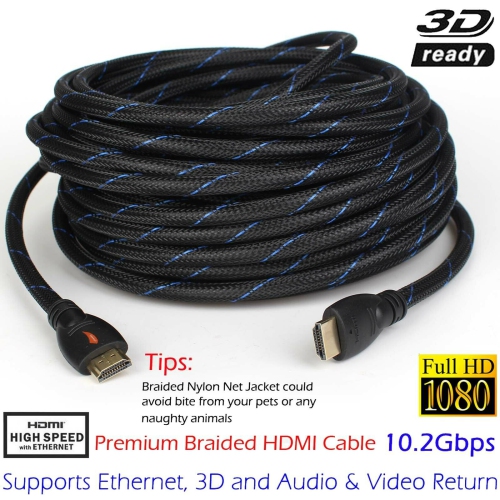
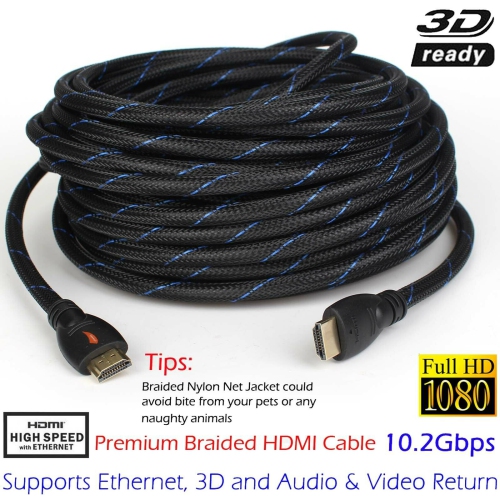
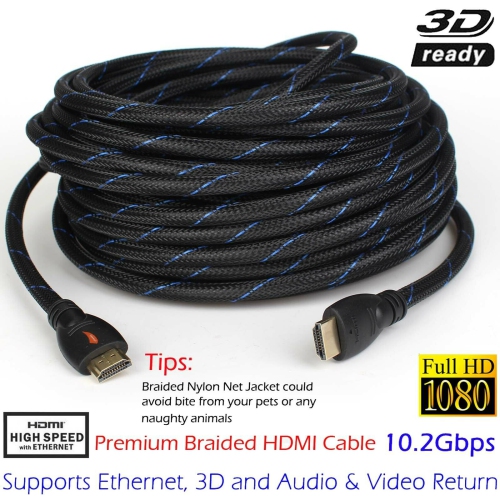
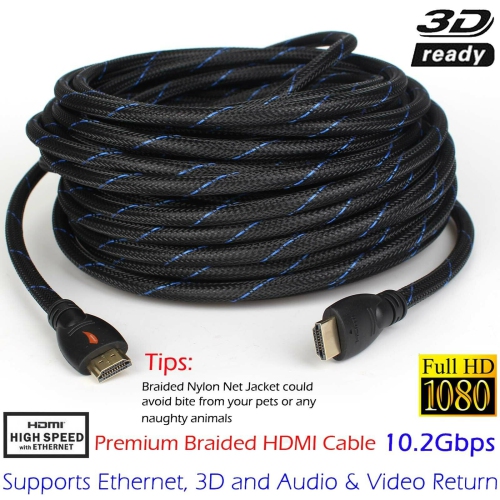
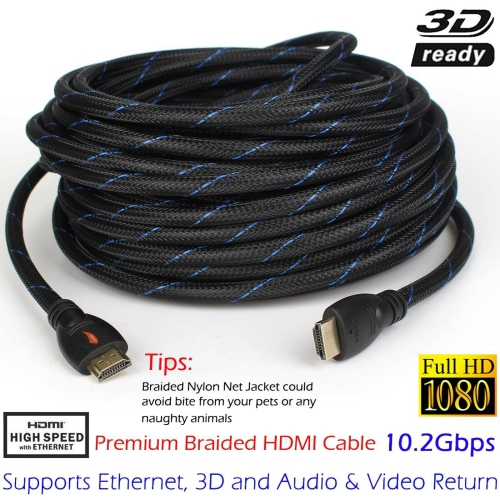
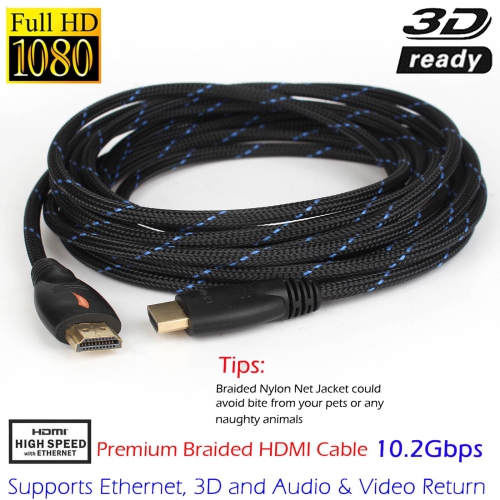
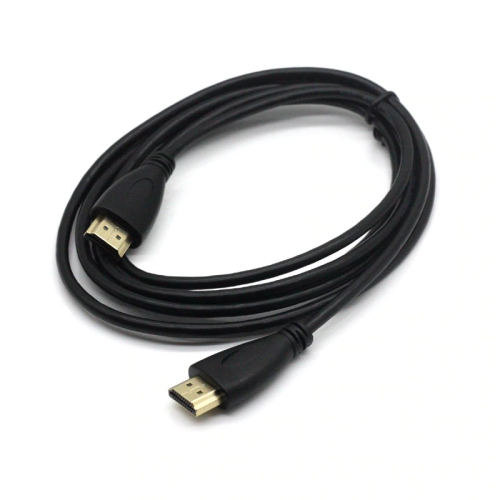
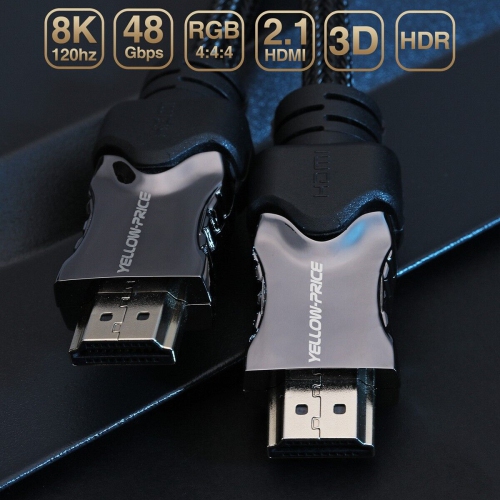
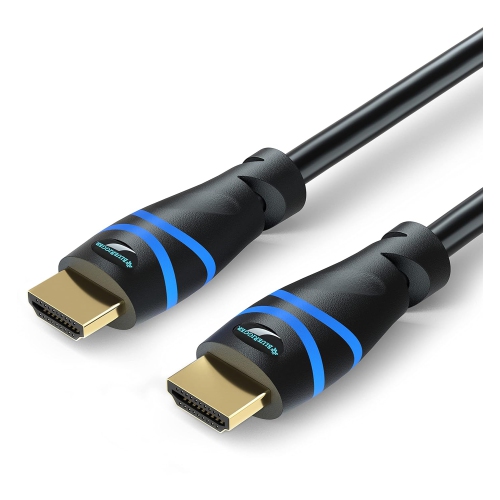
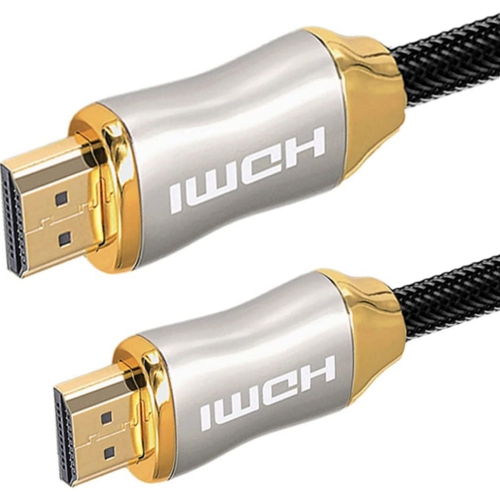
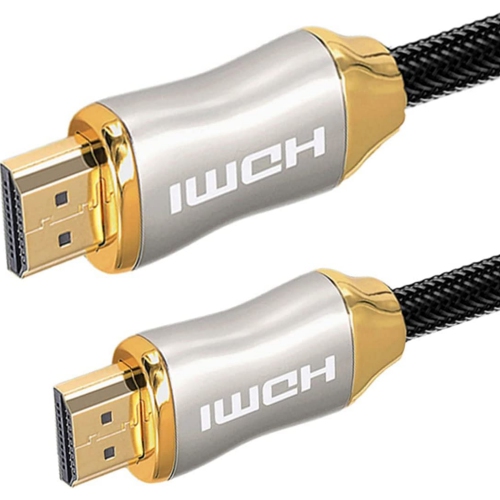
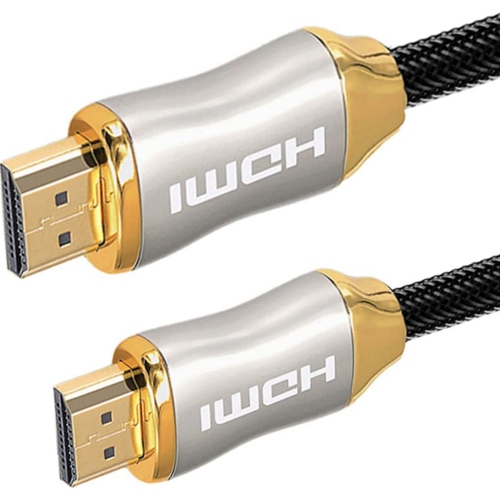
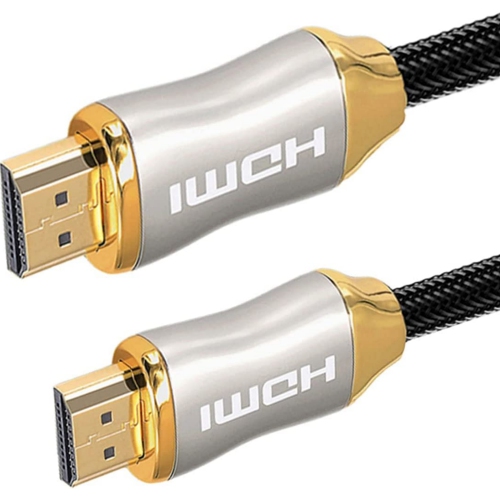
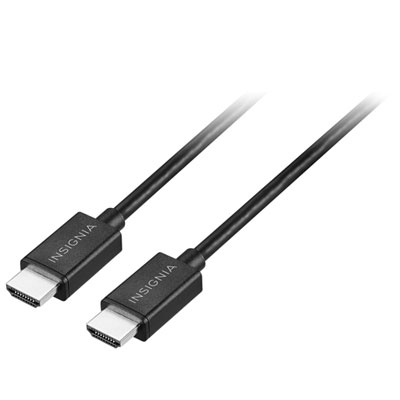
HDMI cables for Apple TV carry digital video and audio from a streaming device to a television, projector, or compatible home theatre receiver. For 4K HDR viewing, a certified Ultra High Speed HDMI cable offers up to 48 Gbps of bandwidth and is a suitable choice for demanding video formats supported by the connected equipment. A certified Premium High Speed HDMI cable, rated for up to 18 Gbps, can also support many 4K connections at 60 Hz, with the exact requirements depending on colour format and bit depth. These are cable performance categories, rather than promises that every connected device will display every format. The picture still depends on the capabilities of the streaming device, the selected content, the HDMI input, and any receiver or soundbar in the signal path. For a television used mainly for films and series, reliable handling of the intended resolution and HDR format matters more than a long list of features the display cannot use. A higher bandwidth rating does not make the same digital picture sharper when an existing cable already carries the signal correctly. Instead, sufficient bandwidth helps the connection deliver its supported format without cable-related interruptions, flashing pixels, or intermittent loss of picture. Those symptoms can have other causes, too, so the cable is one part of the complete setup rather than a guaranteed fix for every display issue. Standard HDMI Type A connectors are the full-size plugs used for these connections; smaller HDMI connector types and USB-C plugs are not interchangeable with them. Cable certification is useful for distinguishing a tested performance category from a broad compatibility claim. Matching that category to the equipment makes sense whether the screen sits above a compact media cabinet or at the front of a dedicated viewing space. A suitable connection supports everything from everyday streaming and shared film nights to music playback through a compatible audio system.
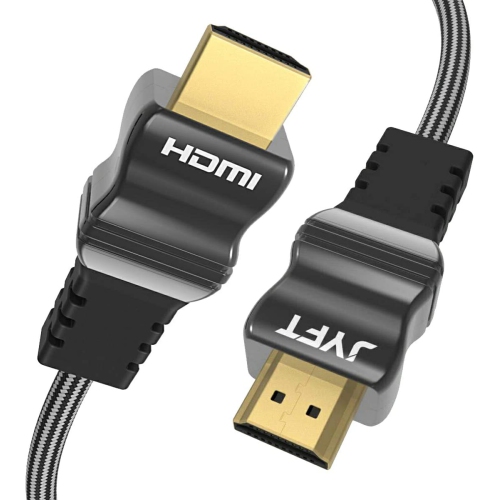
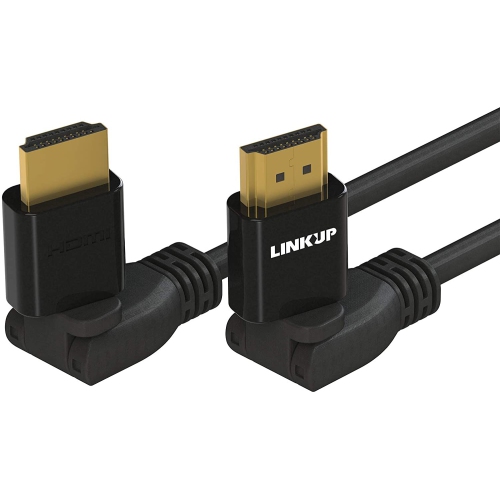
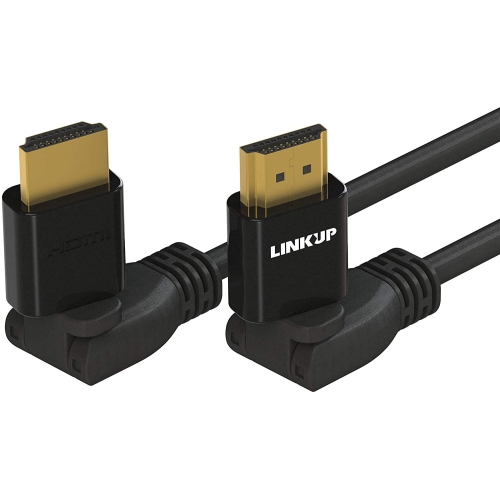
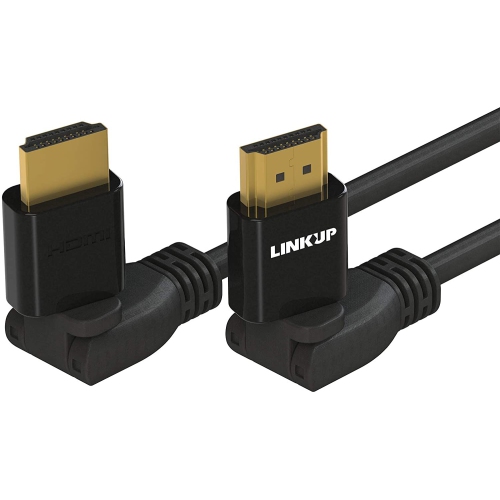
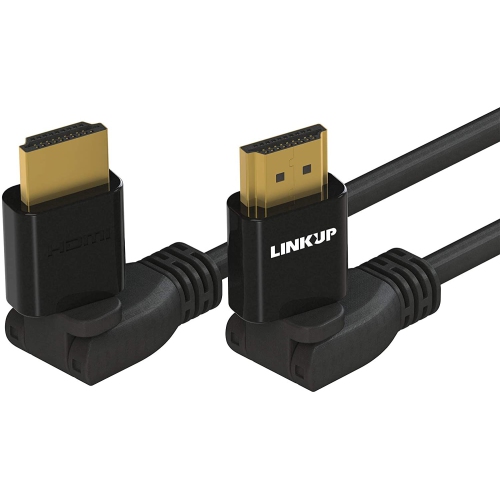
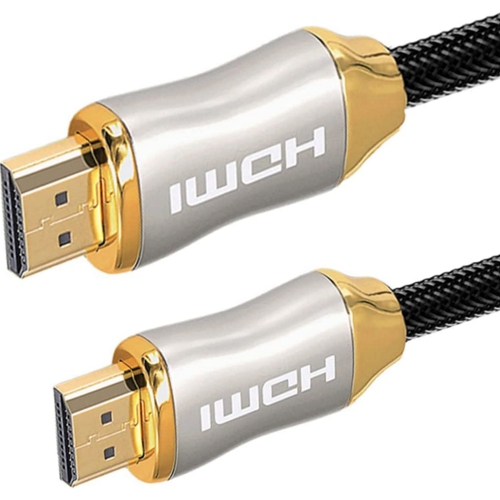
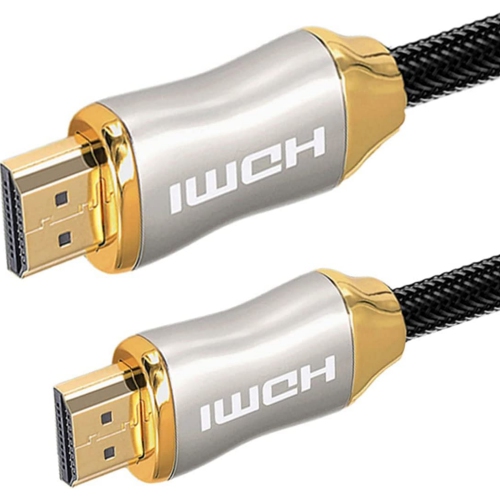
Cable length and construction affect how neatly an Apple TV connection fits into a room. A short cable can keep a streaming device beside the television tidy, while a longer cable may be necessary when equipment sits on a lower shelf or inside a separate cabinet. The useful measurement is the actual route between ports, including bends around furniture and enough slack to move equipment without pulling on a socket. Excess cable can become difficult to arrange behind a slim wall-mounted display, but a cable stretched tight can place unnecessary strain on both connectors. Flexible jackets are helpful in confined spaces, while braided coverings can add resistance to surface abrasion where cables are handled frequently. Neither a thick jacket nor a decorative finish proves that a cable supports a particular video format. Internal conductor quality, shielding, connector construction, and tested performance are more meaningful considerations. Copper conductors are common in passive HDMI cables, while some longer connections use active electronics or fibre-optic designs to carry signals over greater distances. Active and optical cables may be directional, with separate source and display ends, and their power or feature requirements can differ. Their specifications therefore matter as much as their length. Connector housings also deserve attention: a bulky plug may not fit comfortably beside another occupied port, and a rigid connector can be awkward when an HDMI input faces directly towards a wall. Right-angle designs can help in some layouts, provided their orientation matches the port. For concealed routing, an appropriate in-wall rating and compliance with local installation requirements are important; an ordinary cable jacket should not be assumed suitable. In everyday use, broad curves are preferable to sharp folds, and cables should not be pinched under furniture or trapped behind a mounting bracket. Holding the connector housing rather than tugging the cable helps protect the connection when equipment needs to be moved or disconnected.
The audio arrangement also influences which HDMI cable features matter. A direct connection from Apple TV to a television carries sound along with the picture, so a separate audio cable between those two devices is normally unnecessary. In a home theatre setup, the signal may pass through a receiver or compatible soundbar before reaching the screen. Every part of that route needs to support the intended video and audio formats; a capable cable cannot overcome a receiver input that limits resolution or HDR support. When sound travels back from a television to a soundbar or receiver, ARC or eARC applies to that separate television-to-audio-system connection. It is distinct from the streaming device’s connection, even though both use HDMI cables. This distinction is useful in a media centre where several similar-looking cables serve different purposes. Clear cable labels and a little accessible slack can make it easier to identify the streaming connection without disturbing a game console or another source. For households that also connect a laptop to a television or monitor, HDMI Cables for MacBook covers a related connection need, although the computer may require an adapter if it lacks a full-size HDMI output. That is a different consideration from the full-size HDMI connection used by Apple TV. A dependable cable can also be a practical addition to a home theatre gift, particularly when its length suits the recipient’s cabinet and screen placement. For frequent movers or anyone who rearranges a viewing space, manageable flexibility and sturdy connector housings can be especially useful. Occasional checks for crushed sections, loose housings, or damaged plugs help identify wear before the cable is reused. With the right performance category, comfortable reach, and suitable construction, the cable can remain a discreet part of the setup rather than something that needs attention whenever the television is turned on.
Top selling and popular products
-
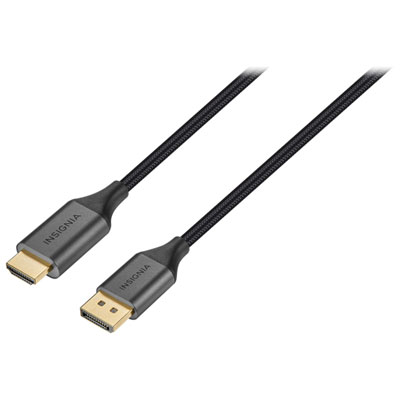 Your price for this item is $39.95
-
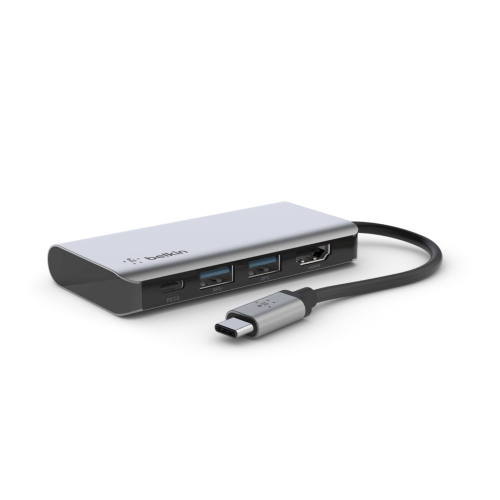 Your price for this item is $63.99
-
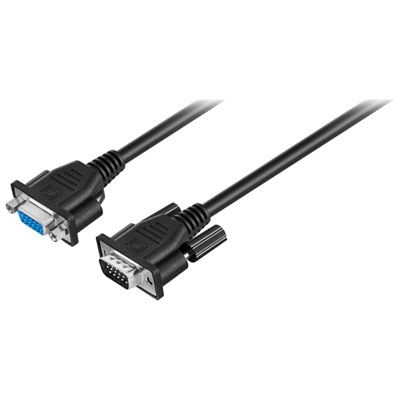 Your price for this item is $29.95
-
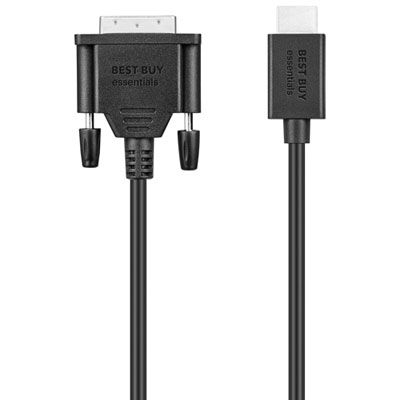 Your price for this item is $14.99
-
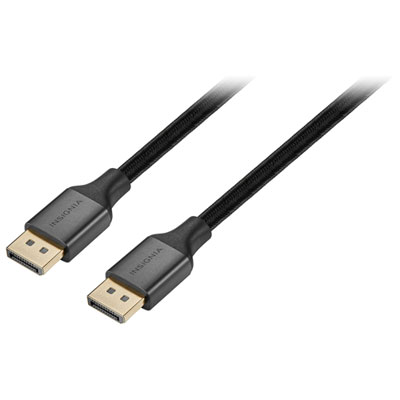 Your price for this item is $29.99
-
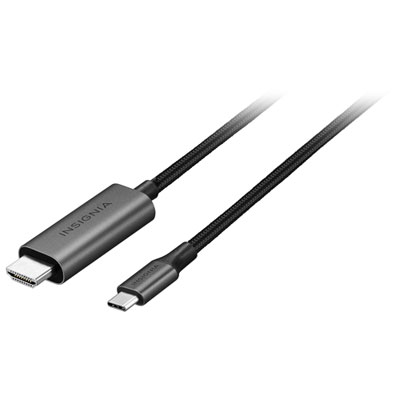 Your price for this item is $39.99
-
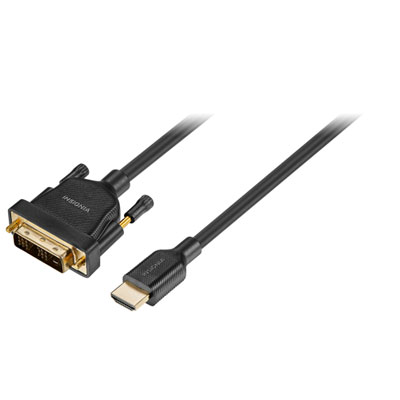 Your price for this item is $29.99
-
 Your price for this item is $29.99
Discover more categories related to HDMI Cables for Apple TV
Top Collections:
Best Black Friday Deals This Year, Best Black Friday Deals On Electronics, Kindle Devices, Pokemon Centers, Best Black Friday Deals On Apple Products, Best Cameras for Sports Photography, Dyson Airwrap, Pokémon 30th Celebration Cards, Apple iPhone 17 Pro, Canon G7X Cameras
Some products may be subject to Environmental Handling Fees
(EHF) depending on your province.
Learn more about EHFs.