HDMI Wall Plate
Elevate your home entertainment setup with an HDMI wall plate, the perfect solution for a clean and organized look while maintaining high-quality connectivity. Designed to seamlessly integrate into your space, these wall plates help manage cables efficiently, keeping them out of sight and reducing clutter. Ideal for both professional installations and DIY projects, an HDMI wall plate provides easy access to HDMI ports for all your audio-visual needs, ensuring a sleek and stylish finish. Whether you're setting up a home theater or simply want to tidy up your living room, discover how an HDMI wall plate can enhance both functionality and aesthetics in any room.
Sort
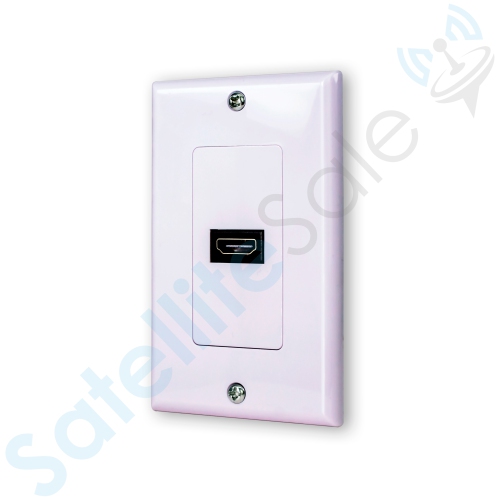
![GENERIC HDMI Wall Plate [Ul Listed] (2 Port) Insert 6-Inch Built-In Flexible Hi-Speed HDMI Cable With Ethernet](https://multimedia.bbycastatic.ca/multimedia/products/500x500/173/17374/17374508.jpeg)
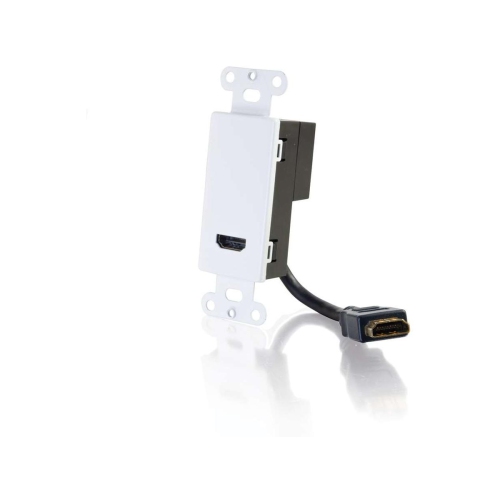

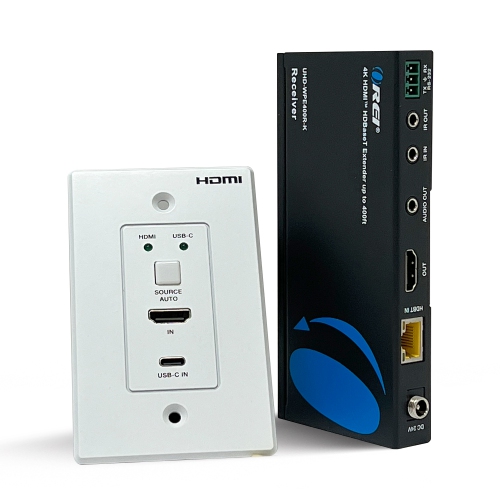
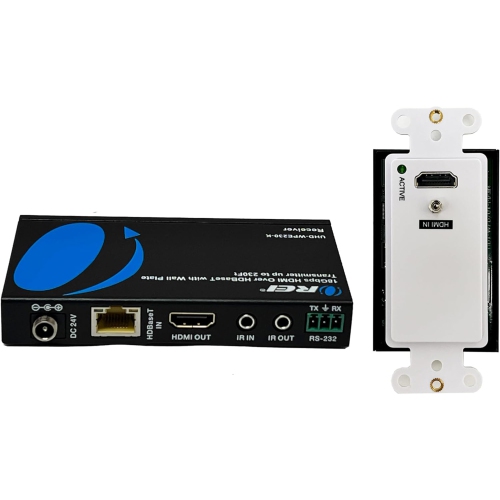
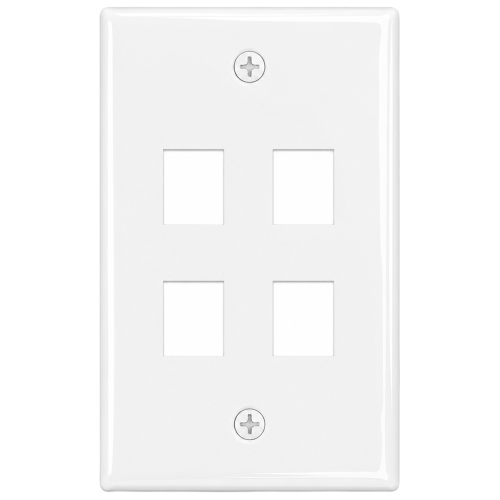
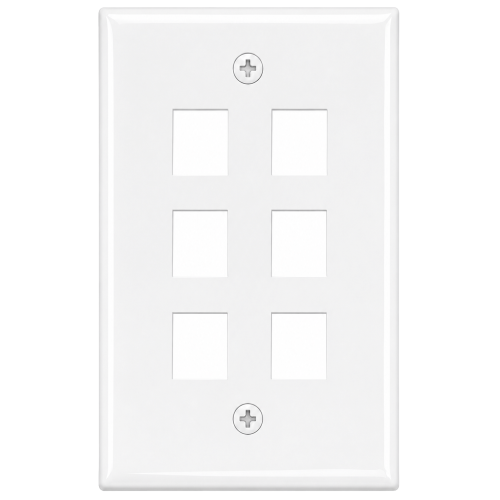
Less visible cable clutter with accessible wall connections
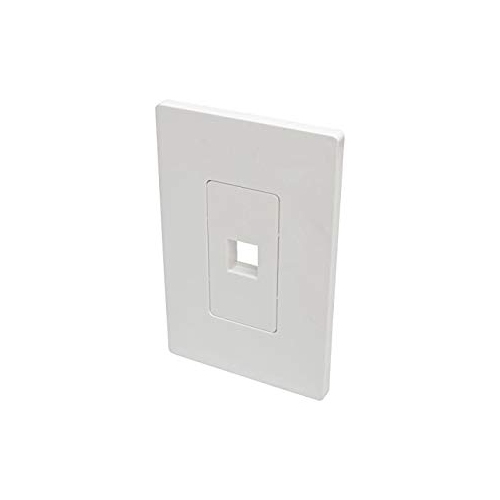
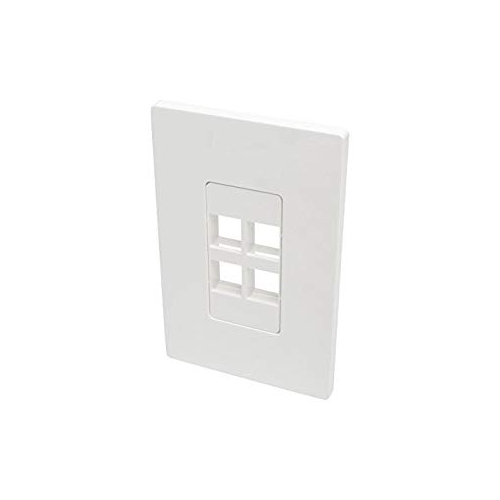
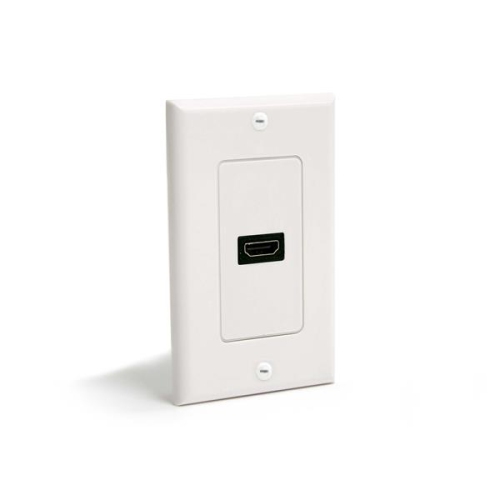
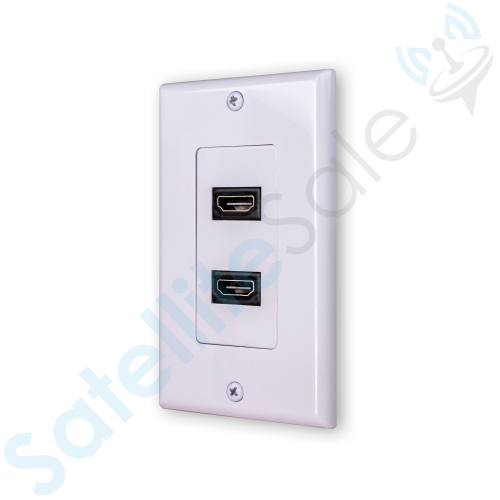
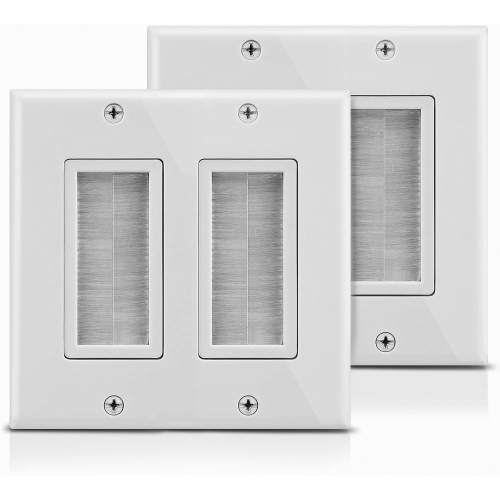
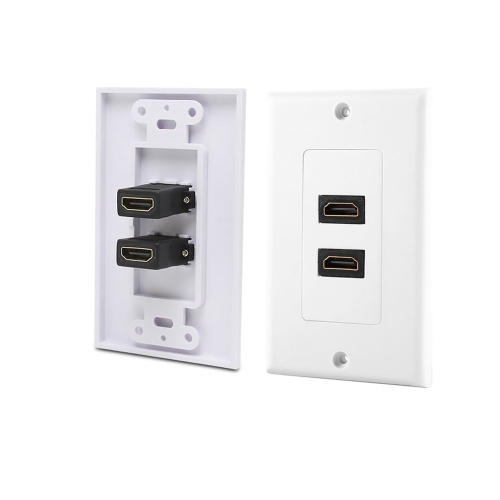
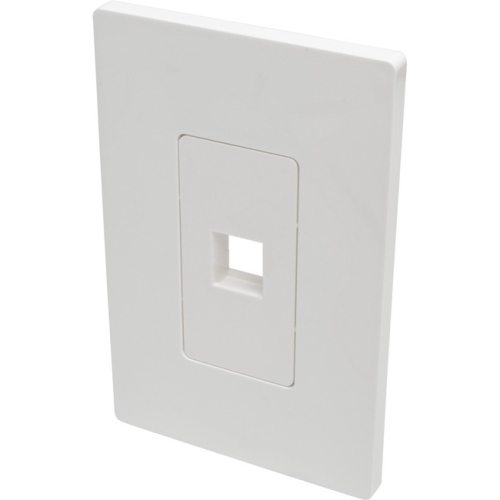
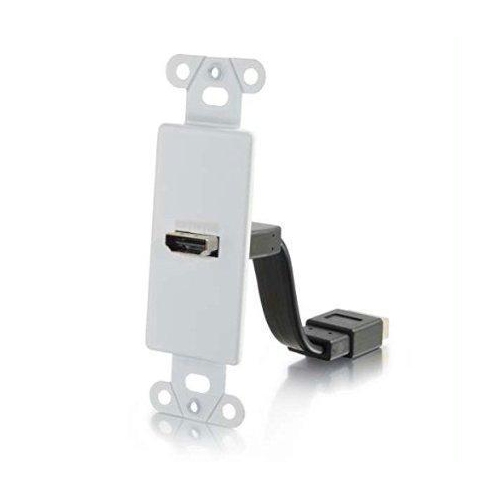
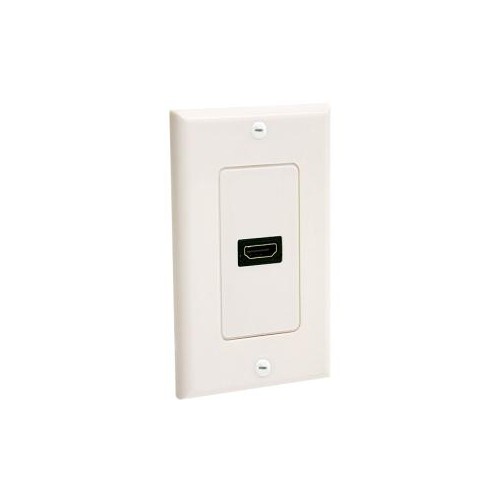
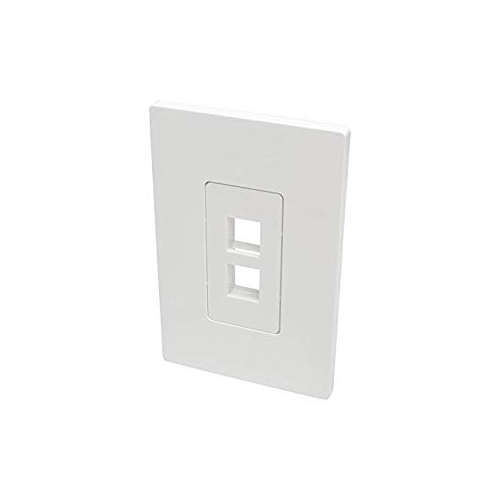
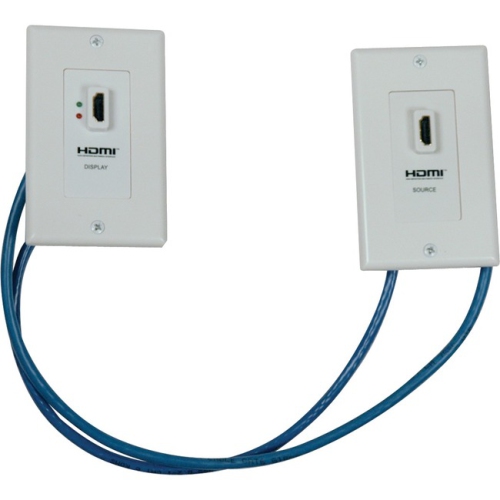
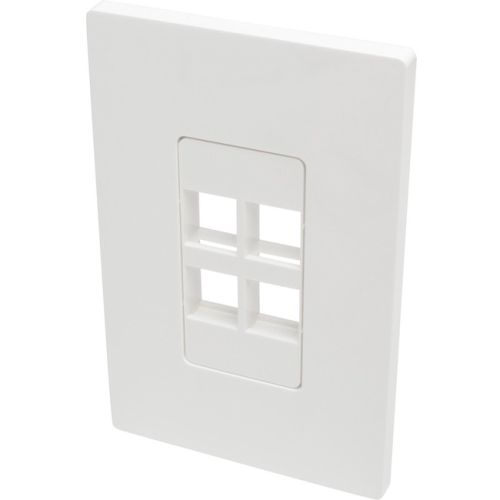
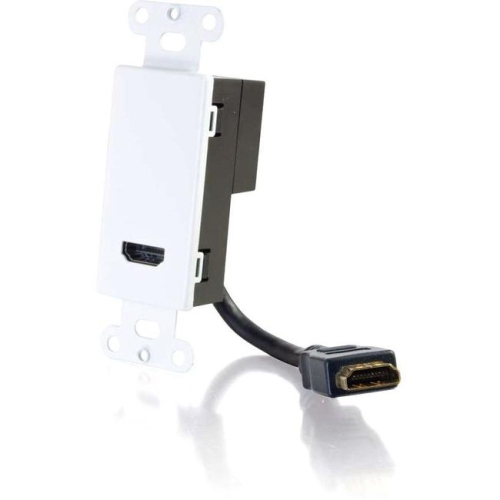
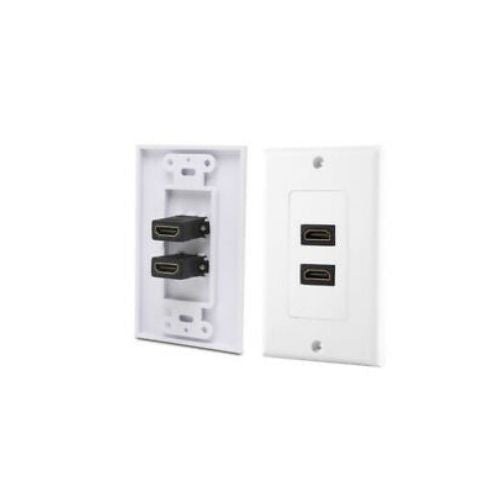
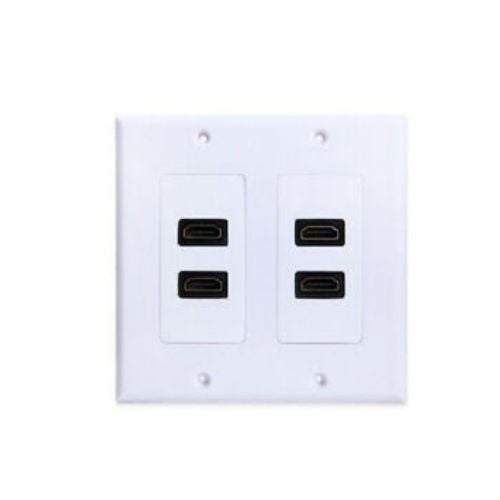
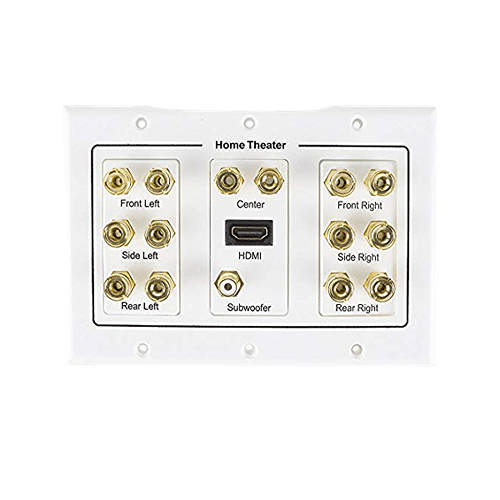
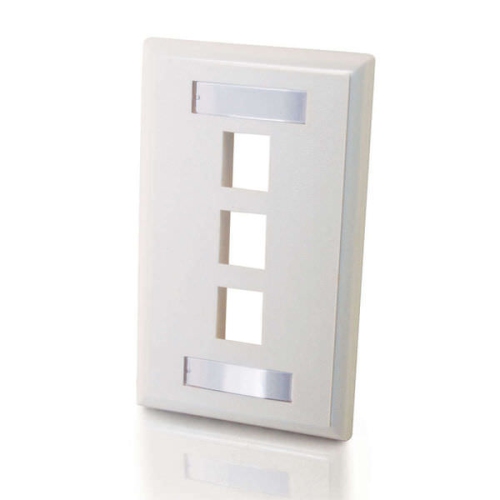
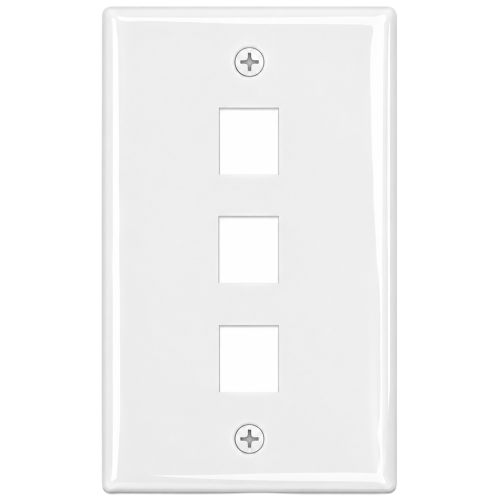
An HDMI wall plate gives an audio and video connection a fixed, accessible place on the wall, helping a television, projector, or monitor setup look more finished. Rather than leaving a cable hanging through an open cutout, it provides a defined connection point between equipment in the room and cabling routed behind the wall. The result can be especially useful beneath a wall-mounted television, beside a media cabinet, or near a desk where a laptop connects to a larger display. HDMI carries digital video and audio through one cable, so a thoughtfully positioned wall connection can reduce visible cable clutter without changing how the connected equipment is used. In a living room, that might mean a short cable running from the television to a plate concealed behind the screen, with another connection near the source equipment. In a meeting room, it could mean an accessible socket beside a presentation table instead of a loose lead stretched across the floor. Single-port designs suit straightforward connections, while multi-port layouts can accommodate several separate cable runs. Each port normally represents its own connection; a wall plate does not act as an HDMI switch or send one source to multiple screens unless separate equipment provides that function. Fixed-port plates offer a simple layout, while modular designs accept compatible inserts that can bring HDMI and other low-voltage connections together in one location. These distinctions matter for households arranging a shared entertainment space, gamers keeping consoles near a display, and office users who regularly connect presentation equipment. They also make wall plates useful during room renovations, when cable routes and outlet positions can be planned before walls are closed. The main appeal is practical: an orderly connection point that suits the room, keeps the cable path intentional, and makes everyday equipment changes easier to manage.
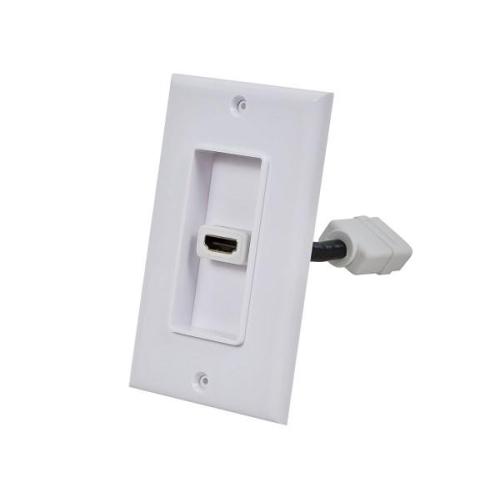
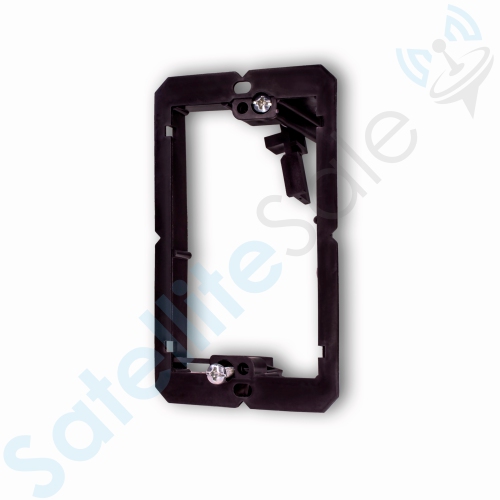
Fit involves more than the visible dimensions of the faceplate. Wall plates need to match the mounting arrangement, whether that is a compatible low-voltage mounting bracket or a suitable box, and the space behind the wall must accommodate both the connector and the cable’s bend. A shallow cavity can become crowded once a rigid HDMI plug is attached to the rear of a plate. Designs with short flexible leads behind the faceplate may offer more positioning freedom, although they still need enough room to avoid tight bends or pressure on the connection. The distinction between single-gang and larger formats also matters, particularly when several ports share a location or the plate sits beside other wall fittings. Port orientation deserves attention behind a slim television mount, where even a short front-facing plug may need more clearance than expected. At desk height, a connection should be easy to reach without placing it where a chair, drawer, or moving monitor arm can strike the cable. Common faceplate materials include moulded plastic and metal, with different textures and finishes to suit painted walls, office fittings, and home theatre furniture. Plastic can provide a lightweight, understated finish, while metal may suit spaces where the faceplate receives more frequent contact. Material alone does not determine durability: secure inserts, well-supported connectors, sound mounting points, and a properly fitted plate all contribute to a connection that feels stable during use. A snug installation should sit neatly against the wall without bending the faceplate through excessive screw pressure. Colour and finish are worth considering alongside nearby switches and outlets, especially when the connection remains visible beside a cabinet or desk. For concealed installations, access and clearance often matter more than appearance. Cables routed inside walls should carry ratings appropriate to that use and meet applicable local requirements. An HDMI wall plate is not a route for a television’s standard power cord; mains power requires an appropriate arrangement, with qualified installation help where needed.
Signal compatibility is just as important as the physical fit. A passive HDMI wall plate does not improve picture quality, increase bandwidth, or add features that the source device and display do not support. Its coupler and the cables on either side become part of the complete signal path, so their stated capabilities should match the intended resolution, refresh rate, and audio features. A connection used for everyday presentations may have different requirements from one carrying high-refresh-rate gaming video or audio return signals between a television and an audio system. Where features such as HDR, variable refresh rate, or eARC matter, look for explicit support rather than relying on the connector’s appearance. Cable length also counts across the whole route, including the short leads between equipment and the wall. Extra joins can reduce the margin for a reliable signal, especially at higher bandwidths, and a wall plate does not extend the supported distance by itself. For a projector mounted across a room, an active or optical cable may be relevant, but direction, power needs, bend limits, and compatibility with intermediary connections require particular attention. Testing the complete setup at its intended settings before closing a wall or moving furniture back into place can help reveal flickering, intermittent sound, or a missing picture while connections remain accessible. When comparing the finishing details of connecting leads, Plated HDMI Cables offer another detail to consider: connector plating can help resist corrosion at the contact surface, but it does not establish the cable’s bandwidth or guarantee a better image. Day-to-day care is straightforward. A soft, dry cloth helps keep the faceplate clean, and liquids should be kept away from the sockets. Disconnect cables by holding the plug rather than pulling the lead, and leave enough slack that moving a screen or cabinet does not tug on the wall connection. In shared rooms, small cable labels can make separate runs easier to identify. Combined with sensible placement and compatible cabling, these details help an HDMI wall plate serve as a tidy, dependable part of a home entertainment area or workspace.
Fit involves more than the visible dimensions of the faceplate. Wall plates need to match the mounting arrangement, whether that is a compatible low-voltage mounting bracket or a suitable box, and the space behind the wall must accommodate both the connector and the cable’s bend. A shallow cavity can become crowded once a rigid HDMI plug is attached to the rear of a plate. Designs with short flexible leads behind the faceplate may offer more positioning freedom, although they still need enough room to avoid tight bends or pressure on the connection. The distinction between single-gang and larger formats also matters, particularly when several ports share a location or the plate sits beside other wall fittings. Port orientation deserves attention behind a slim television mount, where even a short front-facing plug may need more clearance than expected. At desk height, a connection should be easy to reach without placing it where a chair, drawer, or moving monitor arm can strike the cable. Common faceplate materials include moulded plastic and metal, with different textures and finishes to suit painted walls, office fittings, and home theatre furniture. Plastic can provide a lightweight, understated finish, while metal may suit spaces where the faceplate receives more frequent contact. Material alone does not determine durability: secure inserts, well-supported connectors, sound mounting points, and a properly fitted plate all contribute to a connection that feels stable during use. A snug installation should sit neatly against the wall without bending the faceplate through excessive screw pressure. Colour and finish are worth considering alongside nearby switches and outlets, especially when the connection remains visible beside a cabinet or desk. For concealed installations, access and clearance often matter more than appearance. Cables routed inside walls should carry ratings appropriate to that use and meet applicable local requirements. An HDMI wall plate is not a route for a television’s standard power cord; mains power requires an appropriate arrangement, with qualified installation help where needed.
Signal compatibility is just as important as the physical fit. A passive HDMI wall plate does not improve picture quality, increase bandwidth, or add features that the source device and display do not support. Its coupler and the cables on either side become part of the complete signal path, so their stated capabilities should match the intended resolution, refresh rate, and audio features. A connection used for everyday presentations may have different requirements from one carrying high-refresh-rate gaming video or audio return signals between a television and an audio system. Where features such as HDR, variable refresh rate, or eARC matter, look for explicit support rather than relying on the connector’s appearance. Cable length also counts across the whole route, including the short leads between equipment and the wall. Extra joins can reduce the margin for a reliable signal, especially at higher bandwidths, and a wall plate does not extend the supported distance by itself. For a projector mounted across a room, an active or optical cable may be relevant, but direction, power needs, bend limits, and compatibility with intermediary connections require particular attention. Testing the complete setup at its intended settings before closing a wall or moving furniture back into place can help reveal flickering, intermittent sound, or a missing picture while connections remain accessible. When comparing the finishing details of connecting leads, Plated HDMI Cables offer another detail to consider: connector plating can help resist corrosion at the contact surface, but it does not establish the cable’s bandwidth or guarantee a better image. Day-to-day care is straightforward. A soft, dry cloth helps keep the faceplate clean, and liquids should be kept away from the sockets. Disconnect cables by holding the plug rather than pulling the lead, and leave enough slack that moving a screen or cabinet does not tug on the wall connection. In shared rooms, small cable labels can make separate runs easier to identify. Combined with sensible placement and compatible cabling, these details help an HDMI wall plate serve as a tidy, dependable part of a home entertainment area or workspace.
Top selling and popular products
-
 Your price for this item is $299.95
 -
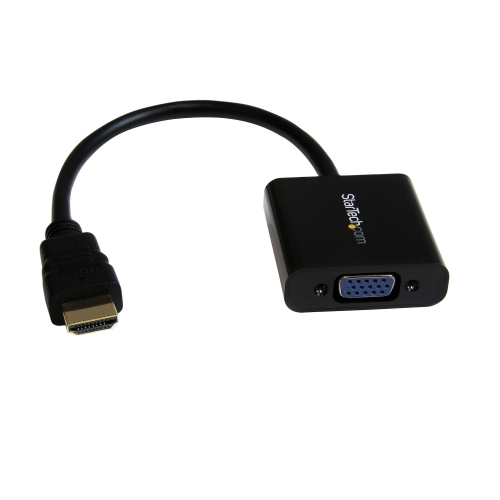 Your price for this item is $51.99
 -
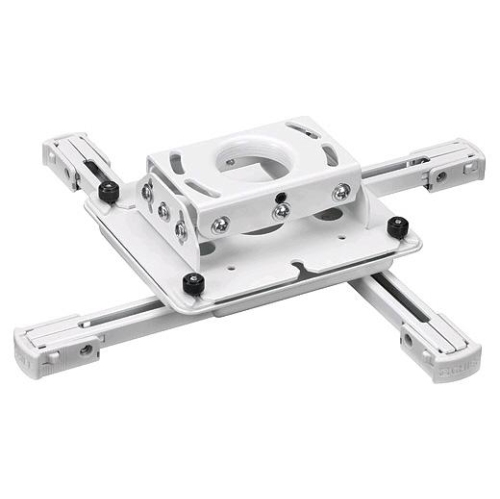 Your price for this item is $304.99
 -
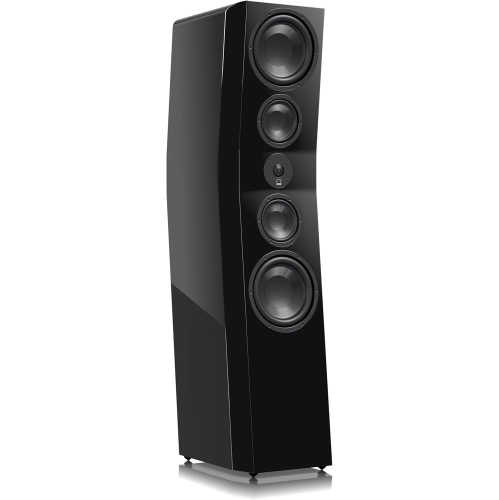 Your price for this item is $4000
 -
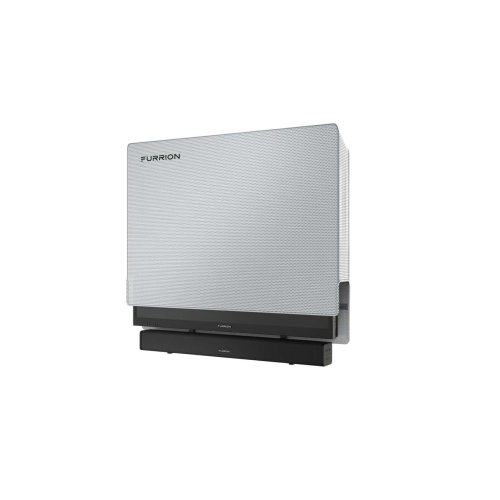 Your price for this item is $138
 -
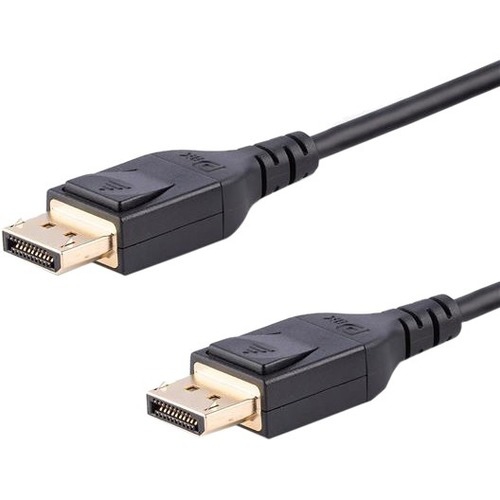 Your price for this item is $48.99
 -
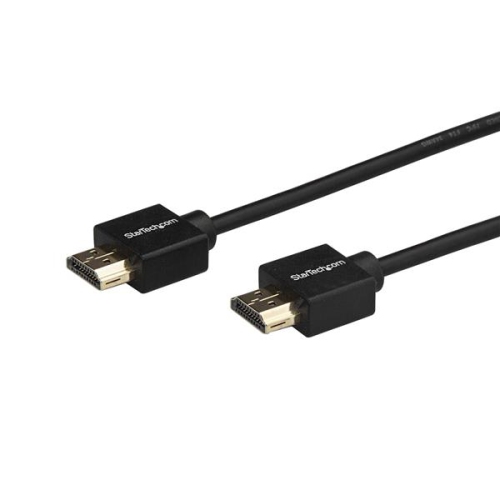 Your price for this item is $36.68
 -
 Your price for this item is $1400
Discover more categories related to HDMI Wall Plate
Top Collections:
Pokemon Centers, Kindle Devices, Best Budget Office Chairs, Apple iPhones 16, Best Laptops for Writers, iPhone 15 Apple, Canon G7X Cameras, Refurbished Apple Laptops, Alarm Clock, Motorola Razr Phones
Some products may be subject to Environmental Handling Fees
(EHF) depending on your province.
Learn more about EHFs.