High-End Blu-ray Players
High-end Blu-ray players deliver an exceptional home theatre experience for those who demand superior performance and quality. Designed to elevate movie nights and entertainment setups, these advanced players are built for enthusiasts seeking the best in picture and sound. Explore a curated selection of high-end Blu-ray players that combine innovative technology with sleek design, perfect for creating a cinematic atmosphere in your living room or dedicated media space.
Sort


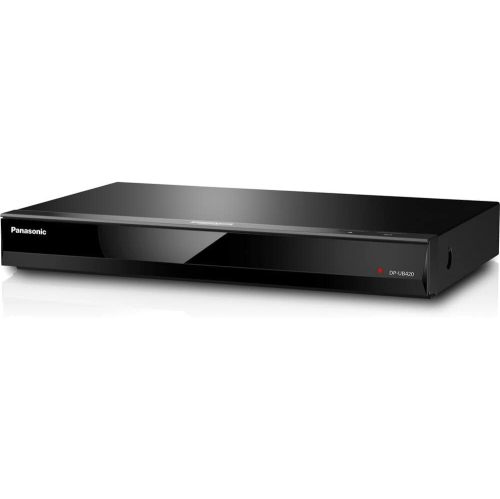
When a disc player earns its shelf space
High-end Blu-ray players bring together 4K Ultra HD disc playback, picture processing and audio connections suited to a dedicated home theatre. Their differences are easiest to see in a setup that makes good use of those features. On a large screen, a well-mastered 4K disc can hold the fine grain in a film and the detail in a dark coat without flattening the texture of either. Ultra HD Blu-ray can also deliver video at a higher bitrate than many streams, which can help preserve detail in scenes filled with moving water, smoke or confetti. The transfer still matters: a carefully restored movie on standard Blu-ray can look excellent, and upscaling it to a 4K display won’t recreate detail that wasn’t recorded on the disc. For 4K movies with high dynamic range (HDR), the player and display work together to fit the disc’s range of brightness into what the screen can show. A player with adjustable HDR tone mapping can be useful with a projector, where a shaft of sunlight through a window may be bright relative to the rest of the image even though the projector can’t reach the peak brightness of a TV. Tone mapping can help retain detail around that window without making the rest of the room in the scene look too dim. A TV with capable picture processing may already handle that job well. HDR10 is the baseline format for HDR on Ultra HD Blu-ray, while support for dynamic HDR formats varies. To benefit from a particular dynamic format, the disc, player and display need to support the same format, as does any receiver that passes the video between them. That makes the most useful picture features different for a projector setup, a TV connected directly to the player and a system that sends everything through a home theatre receiver.
Audio and disc compatibility can matter just as much as picture quality, particularly when one player serves both a movie system and a music collection. A single HDMI connection can carry 4K video and lossless multichannel audio to a compatible receiver, which handles decoding and sends the sound to the speakers. Separate HDMI outputs for picture and sound offer another option: the video can go straight to a 4K TV or projector, while the audio goes to an older receiver that can still handle the soundtrack but can’t pass the full video signal. For a stereo system that takes an analogue input, the player’s digital-to-analogue converter and output circuitry come into play instead. Some high-end models offer dedicated stereo outputs or balanced connections for compatible amplifiers. Those features are less relevant when the player sends digital audio over HDMI and the receiver handles the conversion. Disc support is worth matching to the shelves beside the system. A collection might include concert DVDs, imported Blu-rays, CDs and a handful of Super Audio CDs or DVD-Audio releases. A universal disc player can bring several of those formats together, but neither the ability to play 4K Ultra HD Blu-ray nor a substantial chassis guarantees support for specialty music discs. Conventional Blu-rays and DVDs can also have regional restrictions, an important detail when a collection includes editions from abroad. For someone giving a player to a film collector or music listener, the playback formats and connections the recipient already uses are more telling than the length of the feature list. A collector who watches restored films on a projector will make different use of a player than a listener who wants to retire a separate CD deck and keep a familiar stereo amplifier.
The physical build is especially noticeable when the player sits near the seating area or in a quiet listening room. A rigid steel or aluminum chassis, a well-supported tray and a damped drive assembly can help limit vibration and mechanical noise. A drive that’s easy to overlook during an action sequence can be more noticeable from the sofa during a long pause in dialogue or the closing notes of a piano recording. Fit involves more than matching the player’s width to an open shelf. The shelf needs to support its weight, with space behind it for HDMI plugs and cables to bend without strain, room in front for the tray to open and enough clearance around the chassis for ventilation. That extra depth can make the difference between a neat fit in a media cabinet and a door that won’t close once the system is connected. A stable shelf and unobstructed vents are good starting points for day-to-day care, while storing discs in their cases and handling them by the edges helps keep fingerprints and dust off the playing surface. If a disc needs cleaning, a soft, lint-free cloth used in straight strokes from the centre to the edge is preferable to wiping in circles. Keeping the tray clear and closing it with the controls also avoids putting unnecessary pressure on the mechanism. A substantial build and specialized connections make the most sense when they solve a real need, such as keeping disc noise unobtrusive in a compact room or connecting a modern display to an older receiver. For a setup that mainly calls for straightforward playback with fewer connection requirements, Entry-Level Blu-Ray Players offer a point of comparison. The fit ultimately comes down to the discs that get played, the screen and sound system already in place, and how the player will be used from one viewing or listening session to the next.
Top selling and popular products
-
 Your price for this item is $79.99
-
 Your price for this item is $448
-
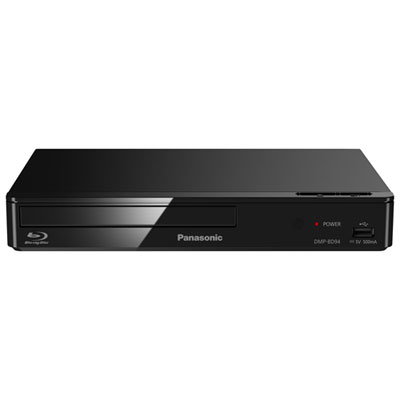 Your price for this item is $149.99
-
 Your price for this item is $159.99
-
 Your price for this item is $70.35
-
 Your price for this item is $439.99
-
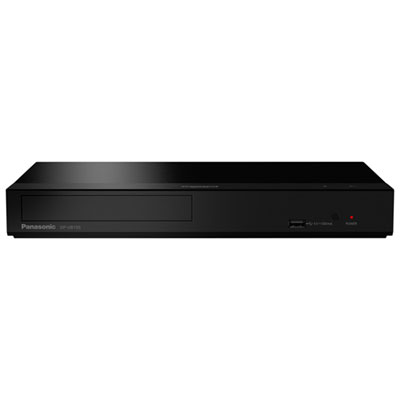 Your price for this item is $299.99
-
 Your price for this item is $220.68
Discover more categories related to High-End Blu-ray Players
Top Collections:
Best Black Friday Deals This Year, Best Black Friday Deals On Electronics, Kindle Devices, Pokemon Centers, Best Black Friday Deals On Apple Products, Best Cameras for Sports Photography, Dyson Airwrap, Pokémon 30th Celebration Cards, Apple iPhone 17 Pro, Canon G7X Cameras
Some products may be subject to Environmental Handling Fees
(EHF) depending on your province.
Learn more about EHFs.