Mid Century Modern TV Stands
Mid-century modern TV stands are the perfect way to add a touch of style and sophistication to your living space. With their sleek, minimalist design and timeless look, they are sure to add a touch of elegance to almost any room. Here are some of the best options available on the market today.
Sort


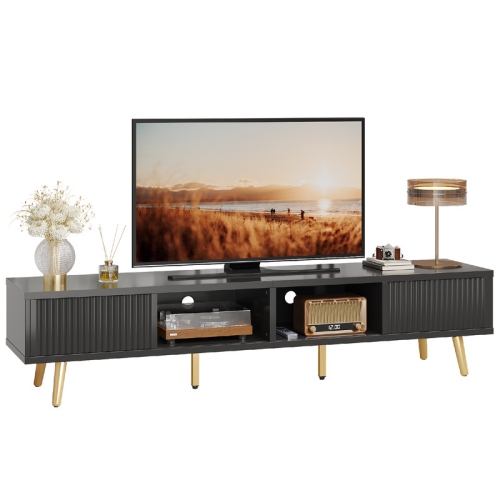
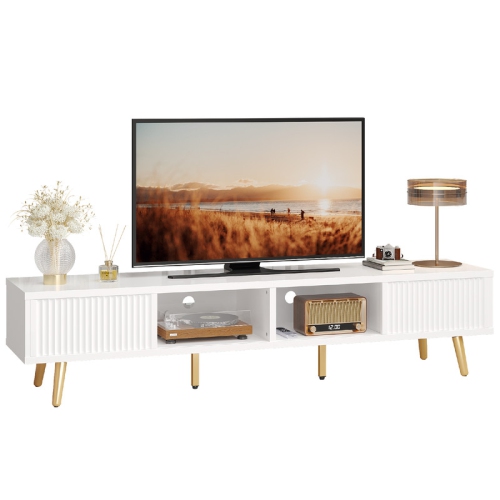
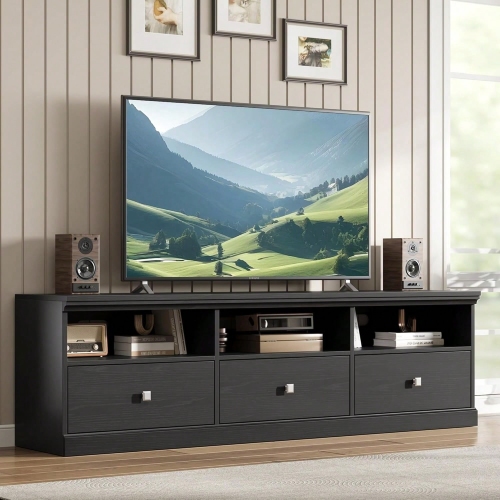

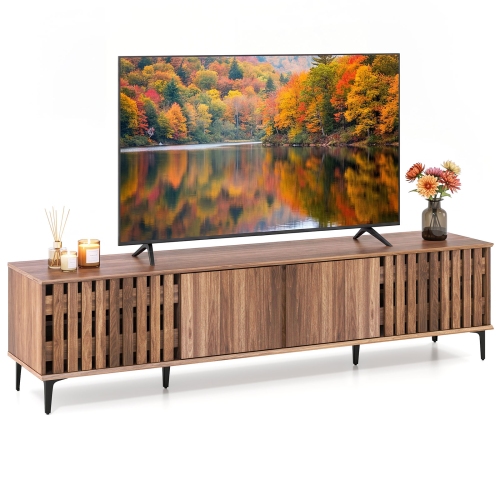
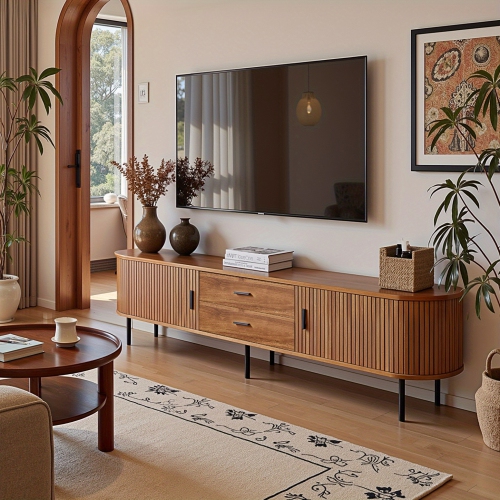

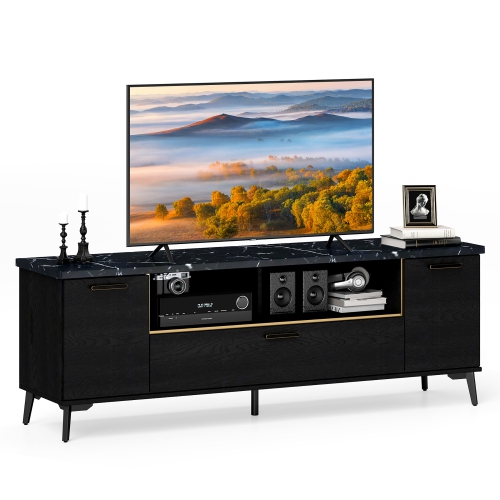
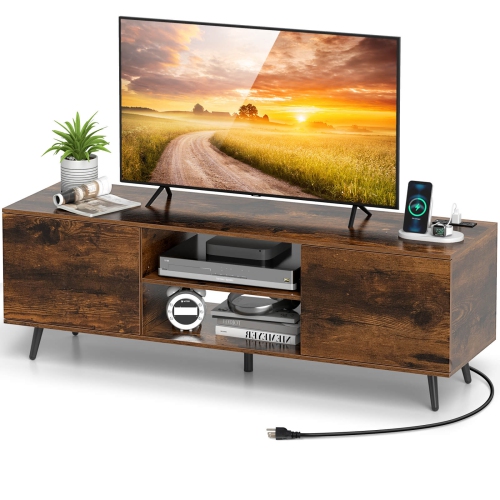


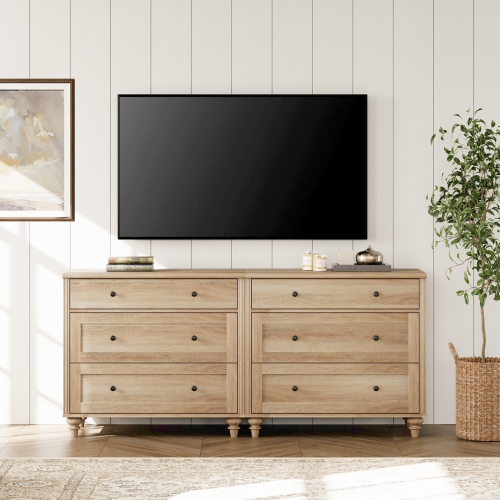
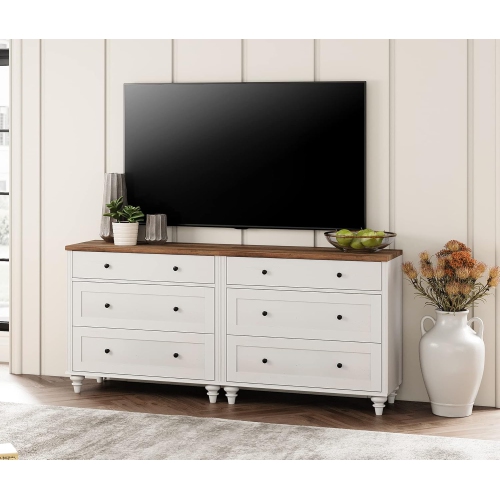

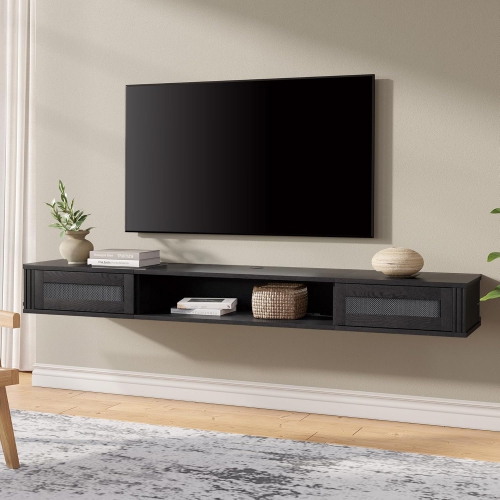
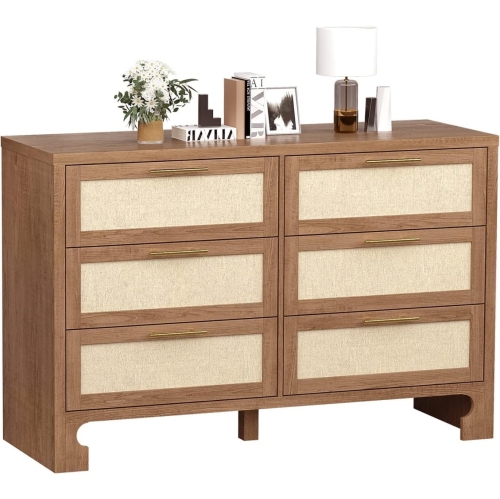


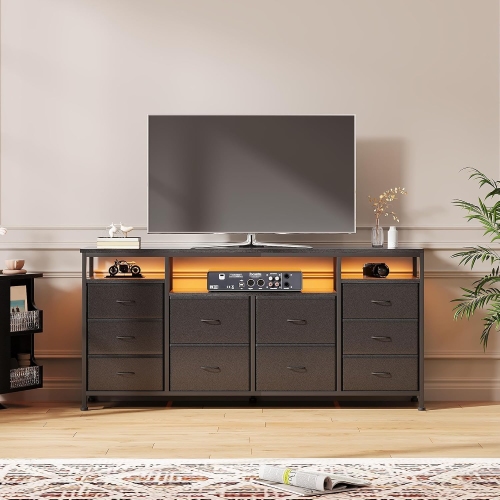
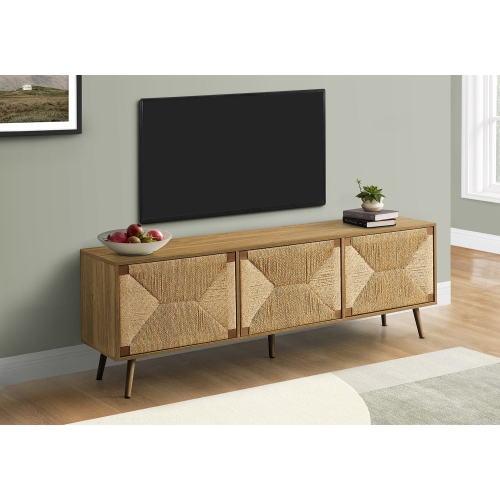


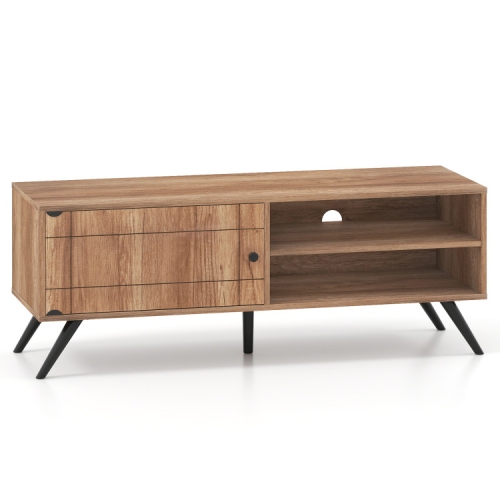
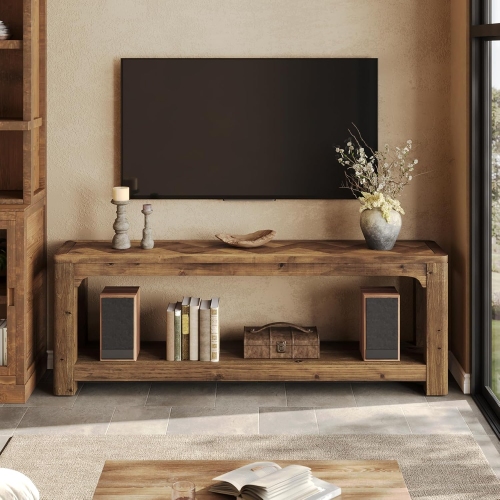
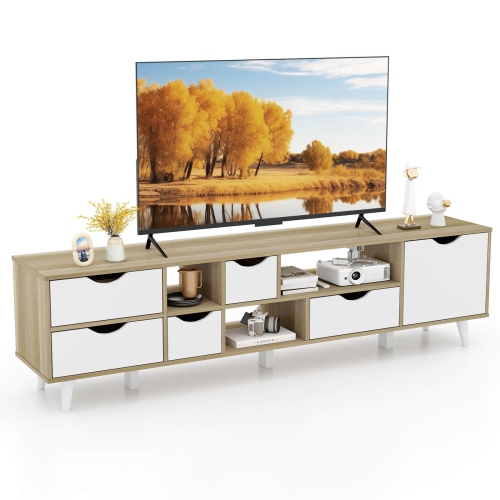
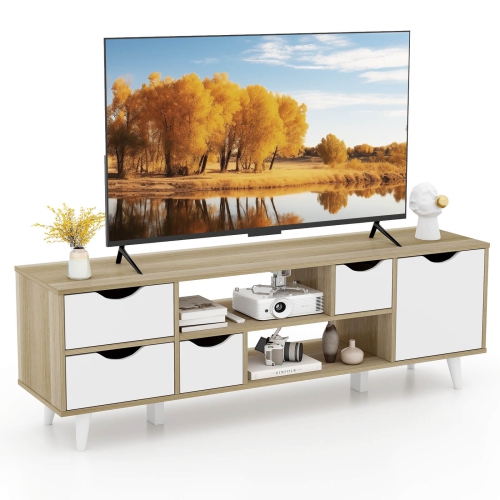
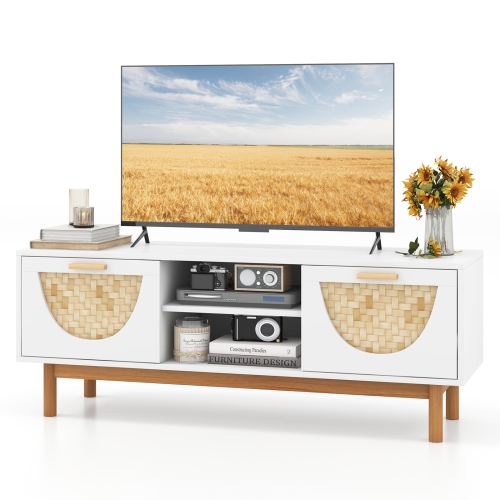
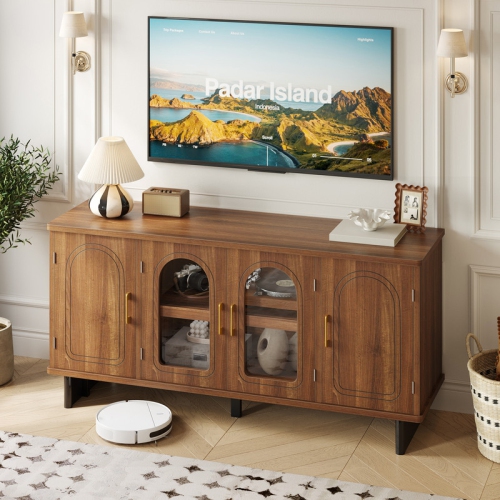

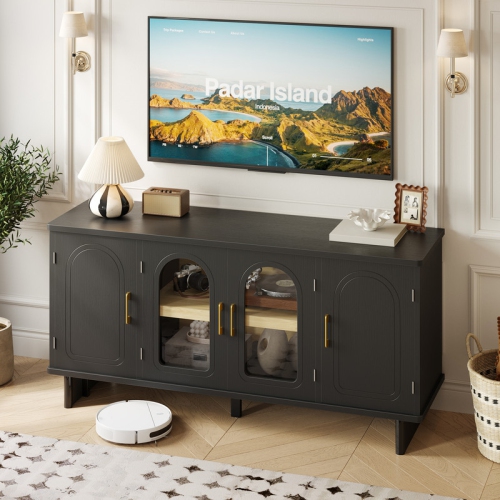


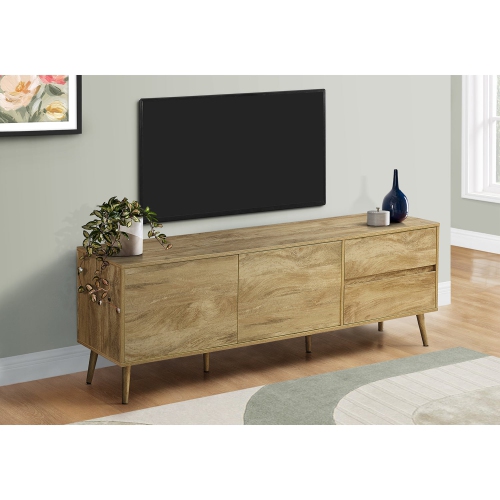
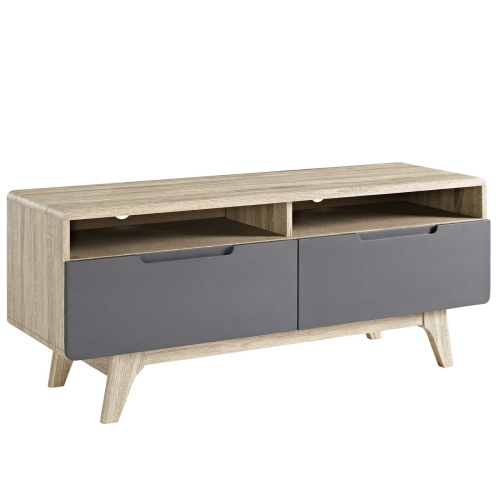

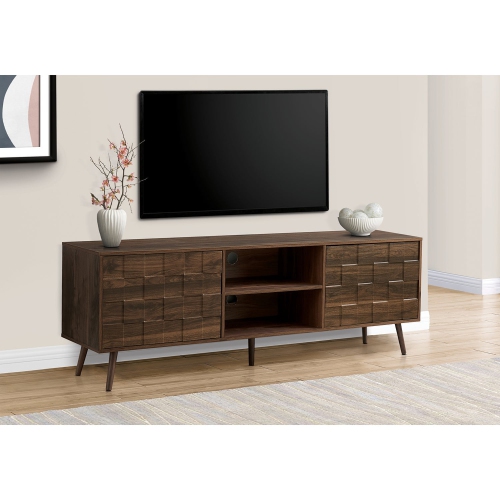


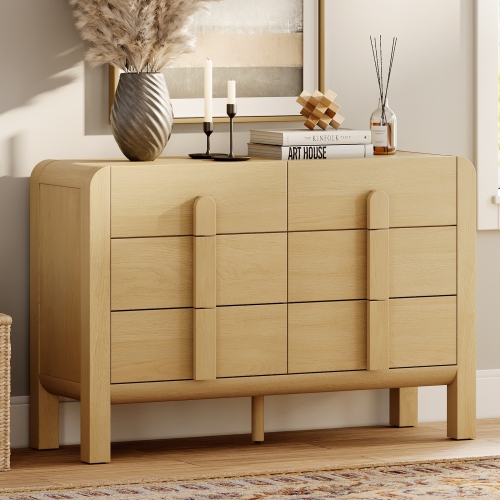


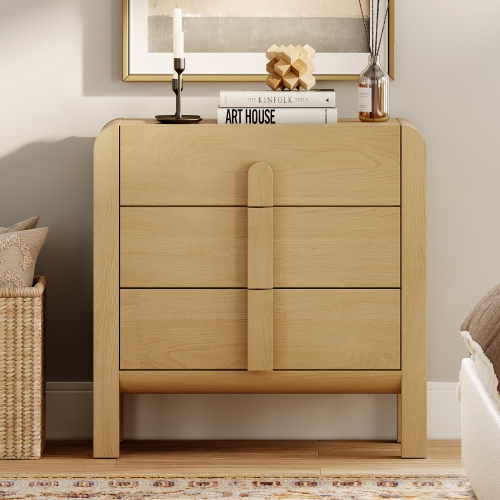
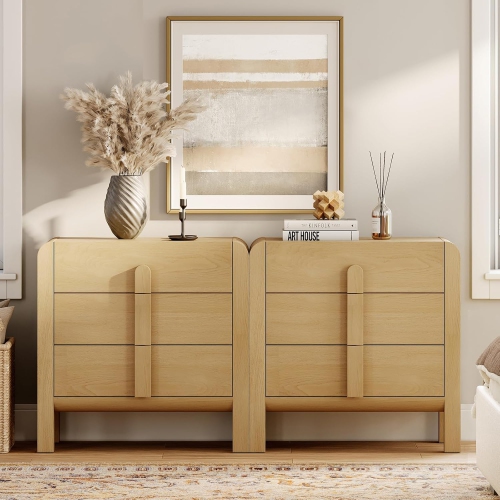

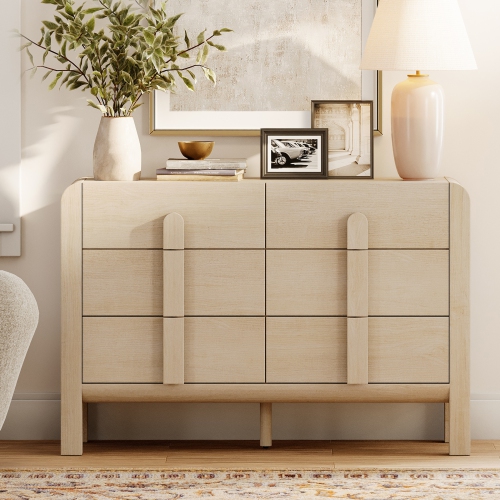


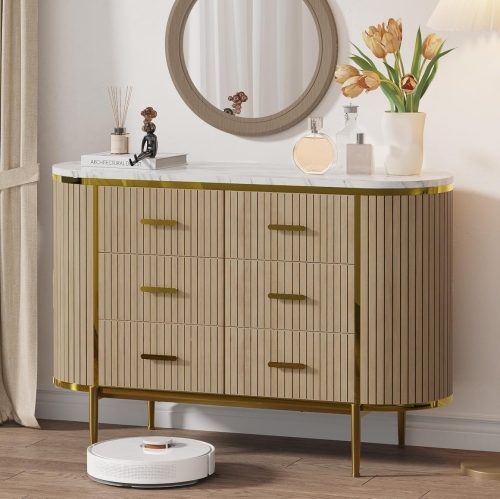

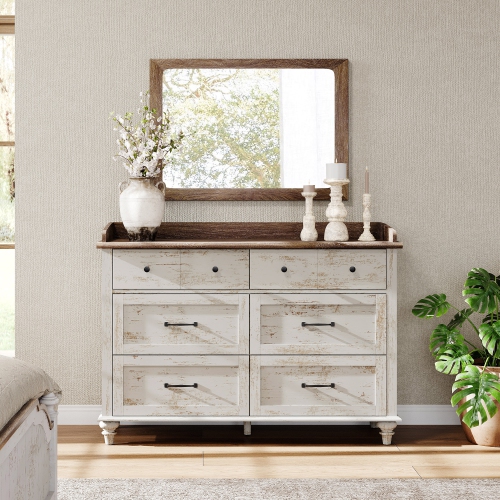
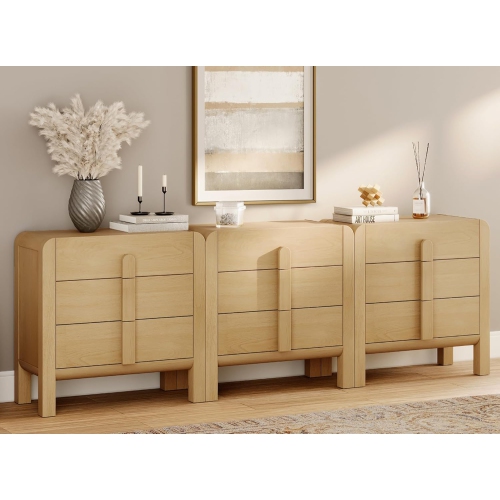
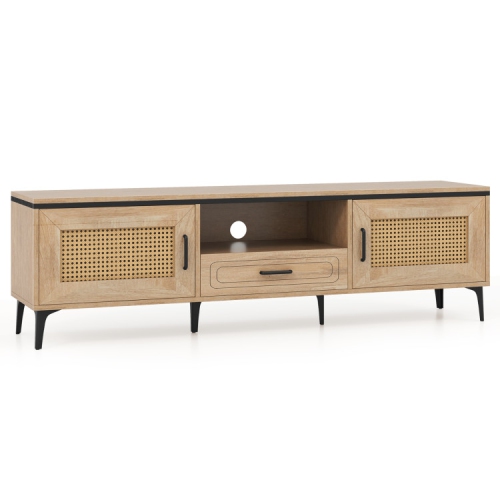


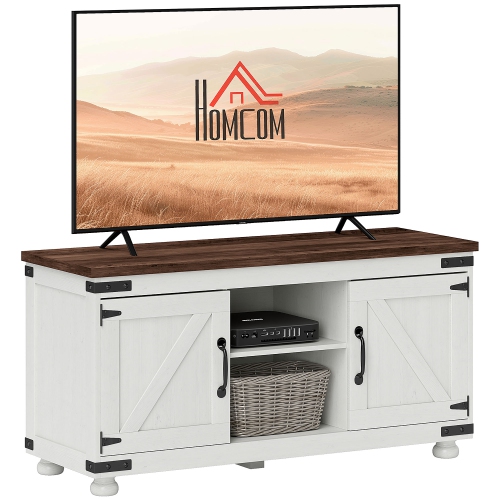

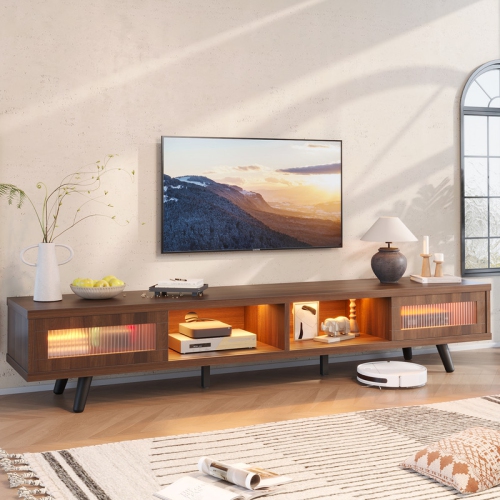


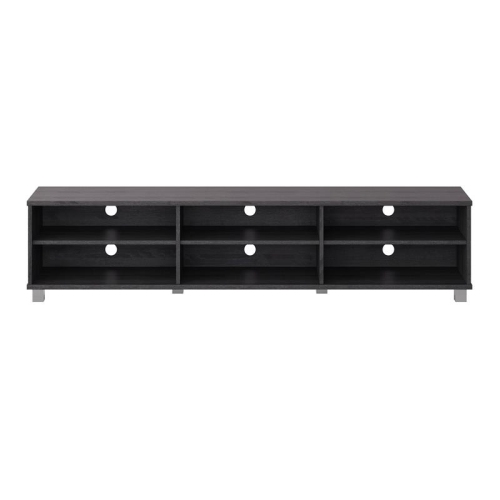


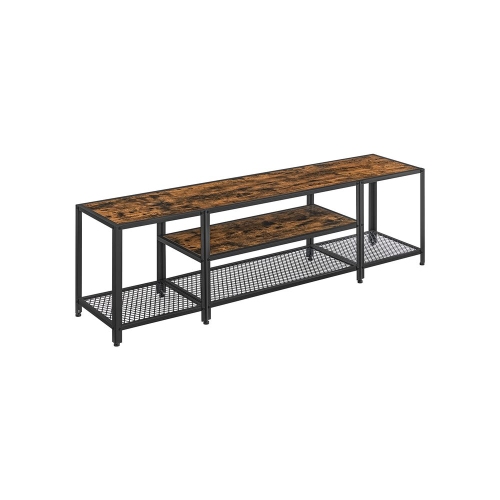

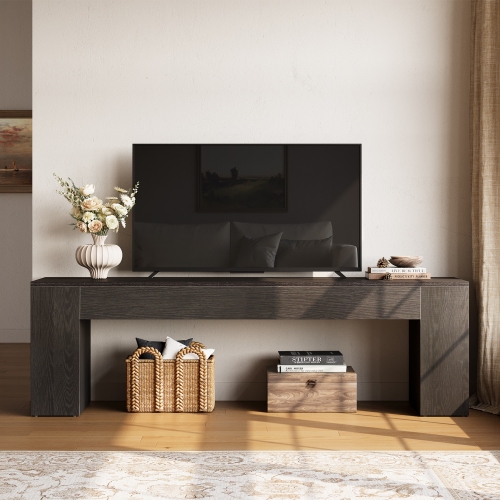
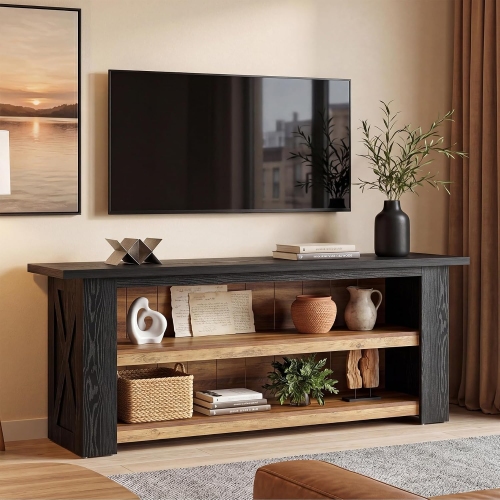


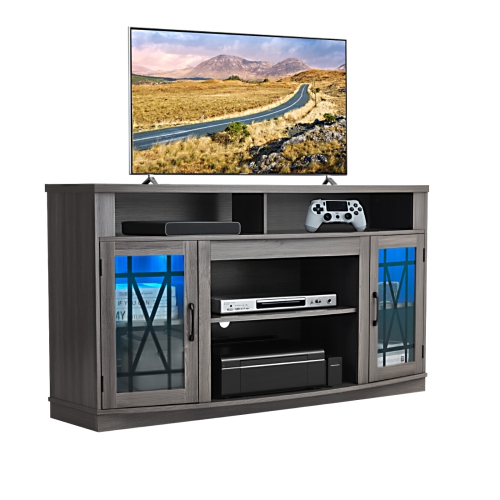
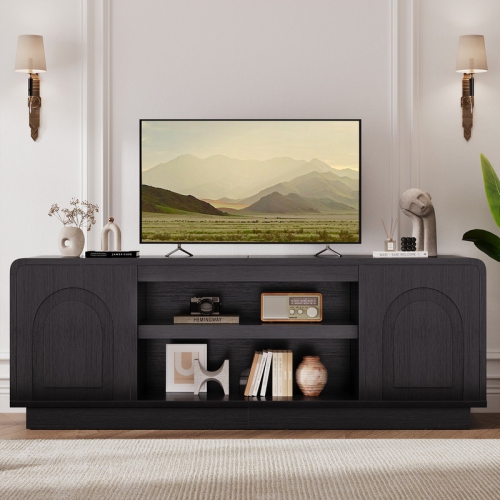


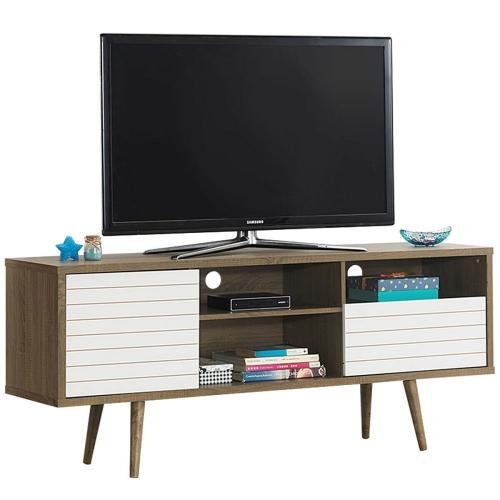

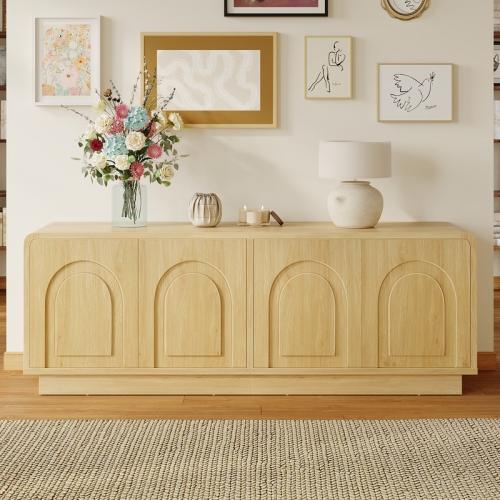
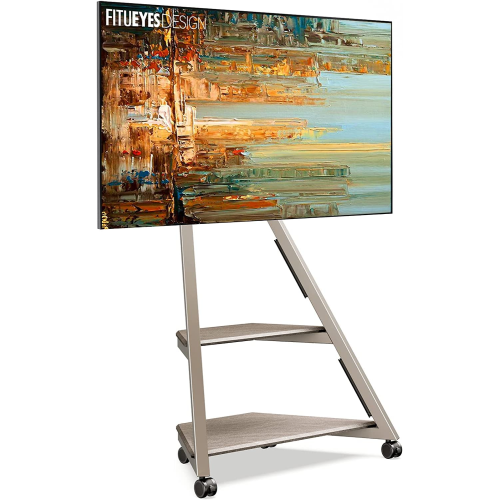
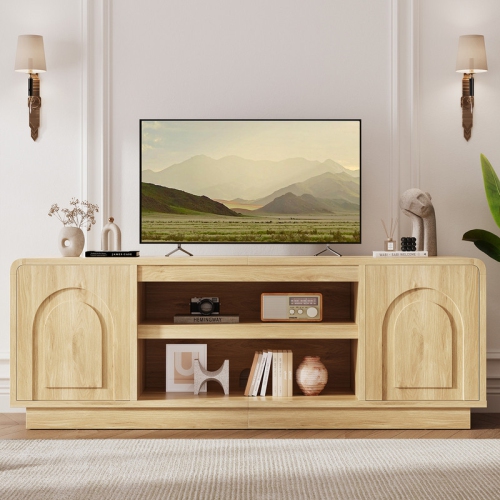

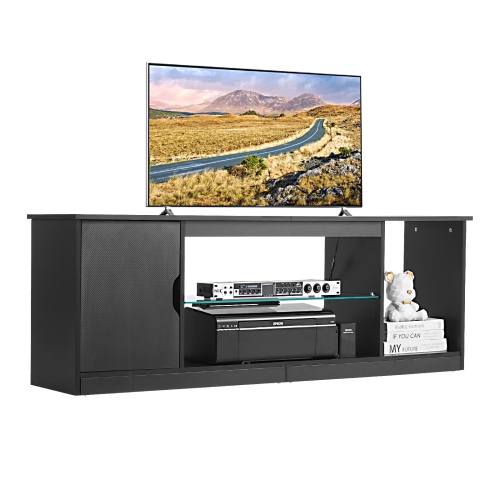
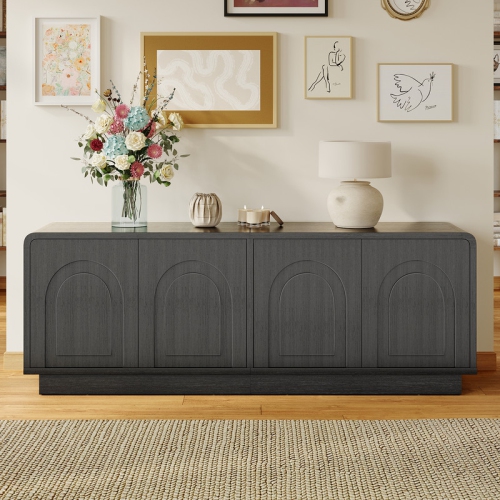
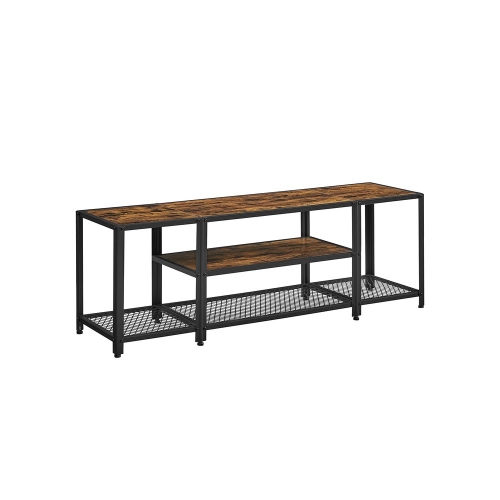
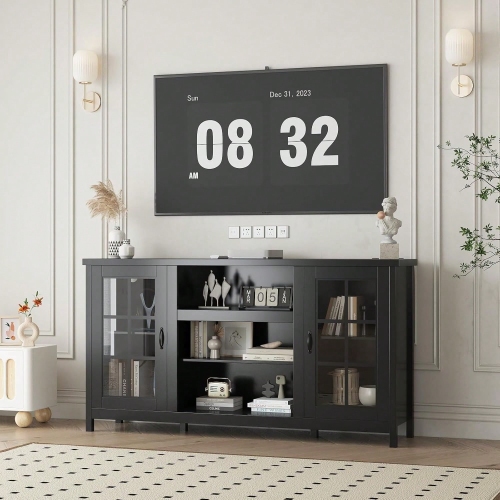


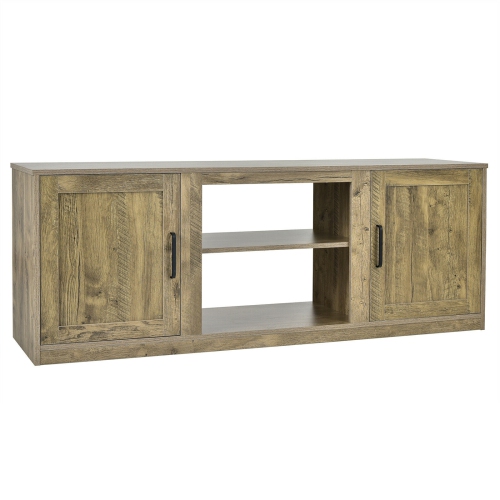
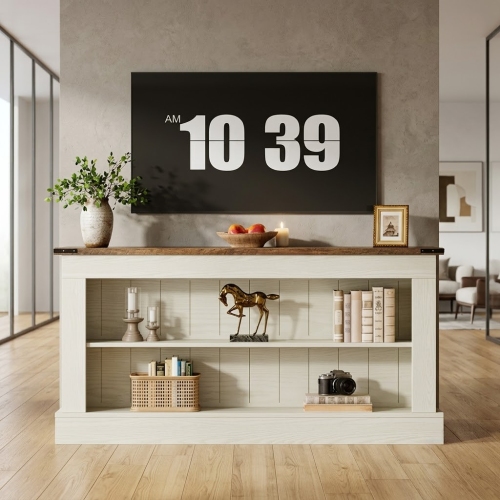

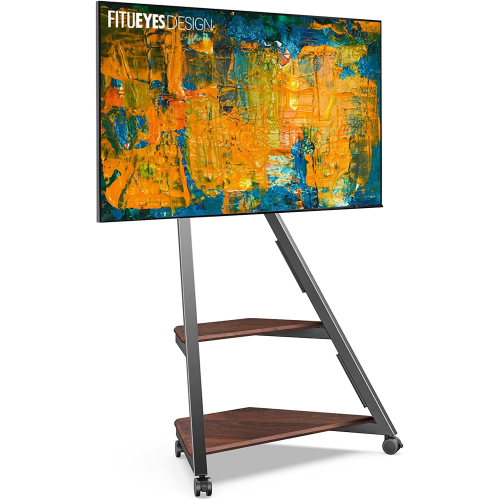


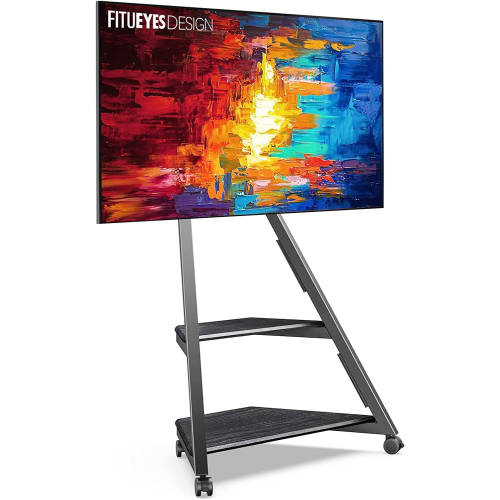

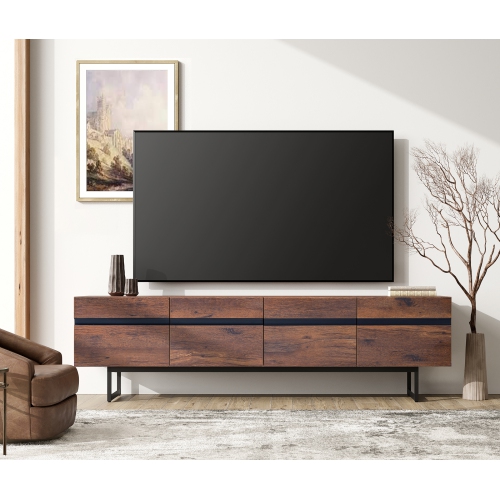

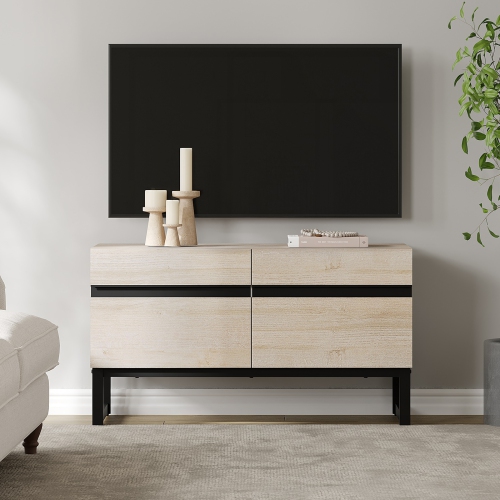

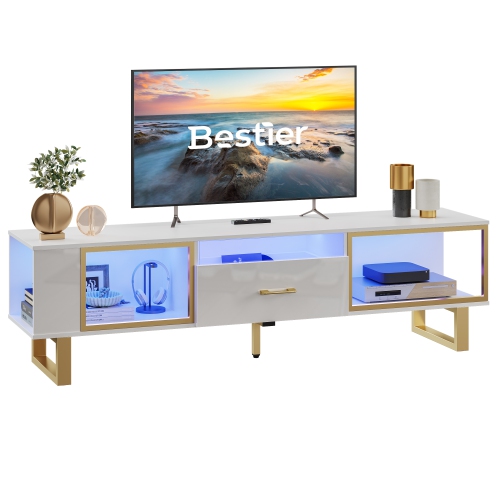
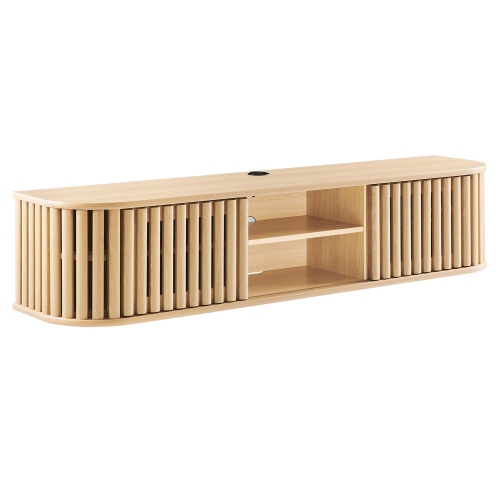

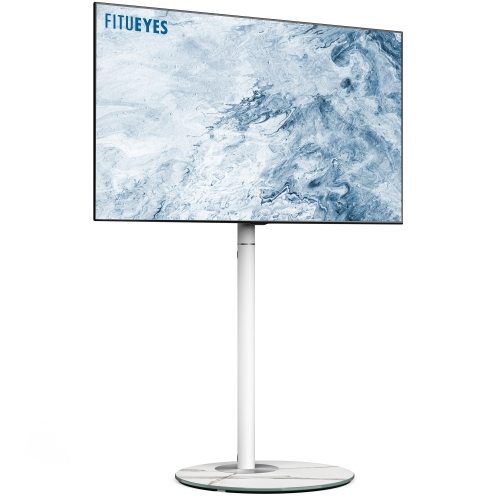

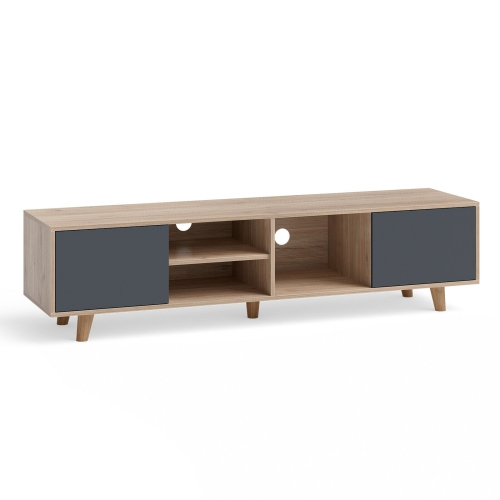


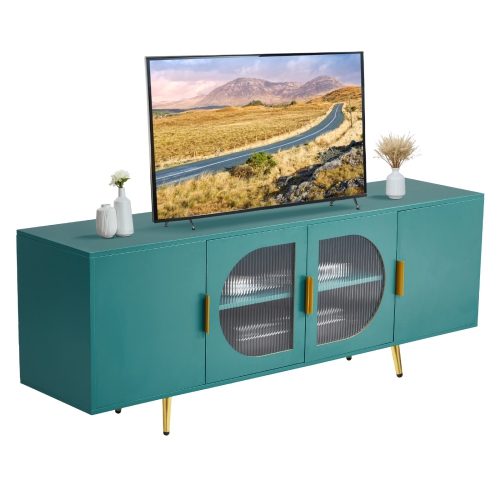

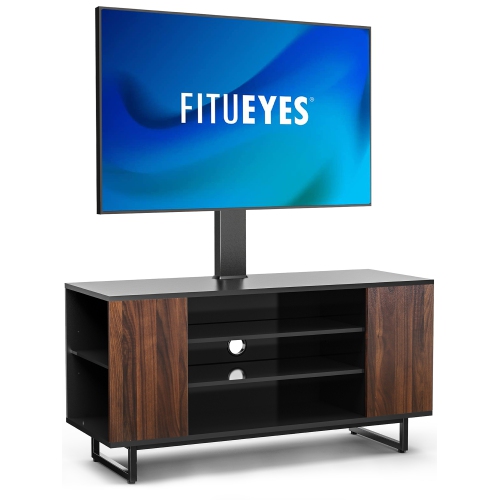


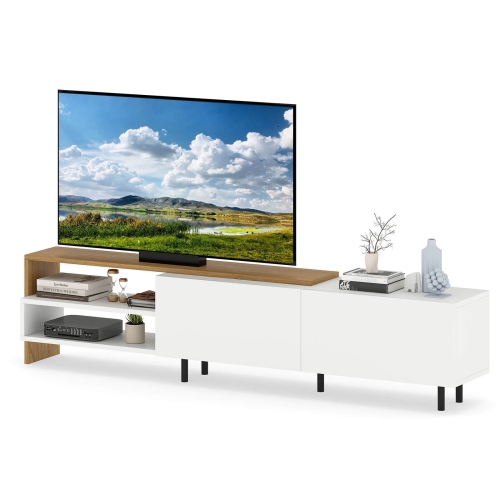

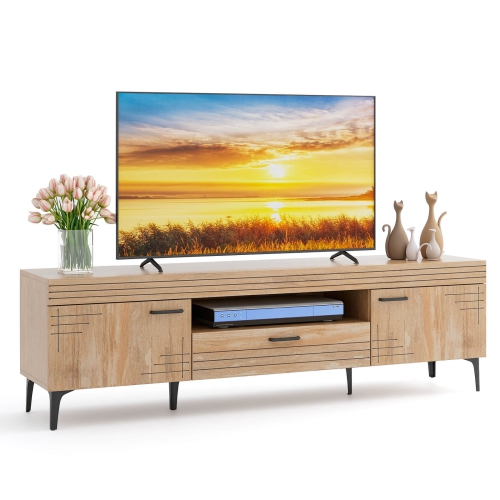
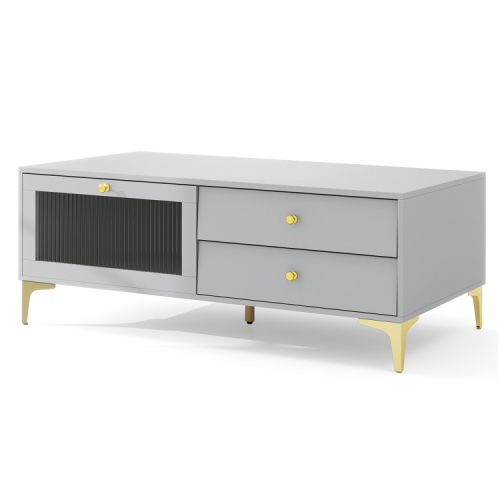


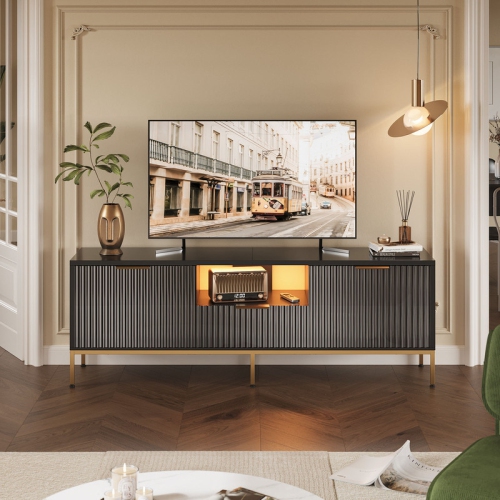
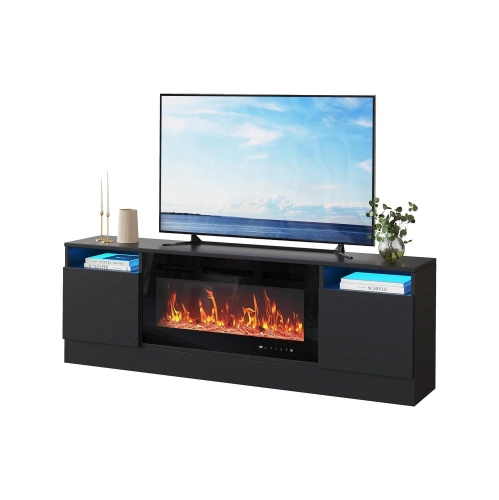


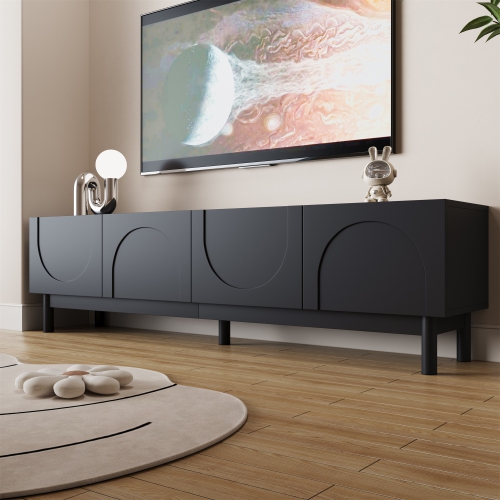
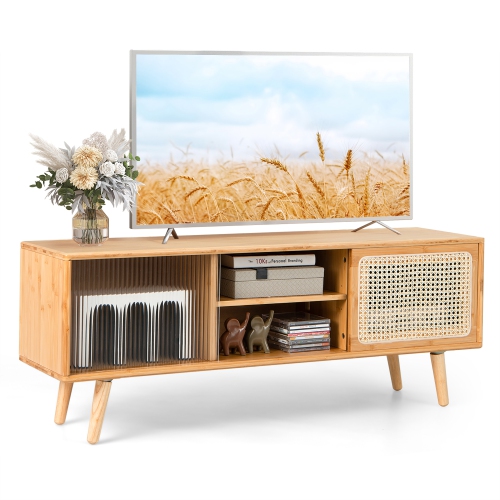


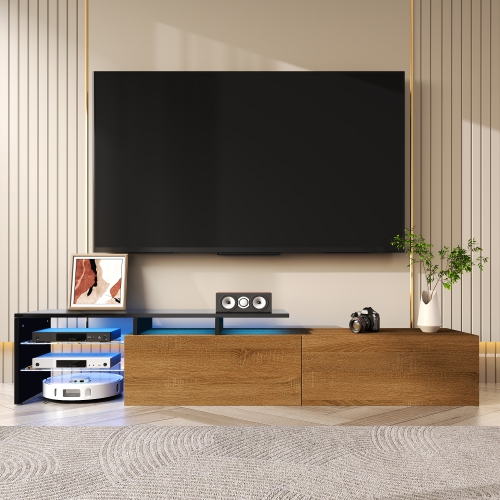
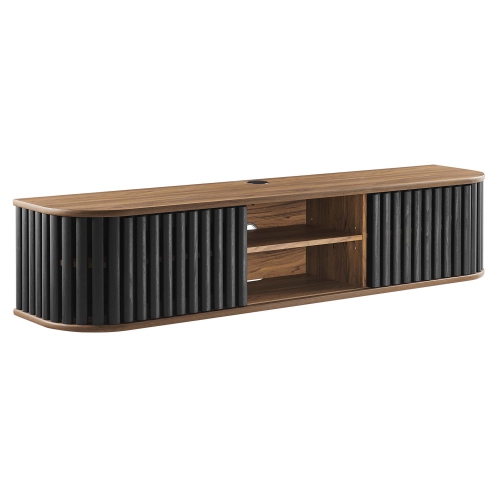
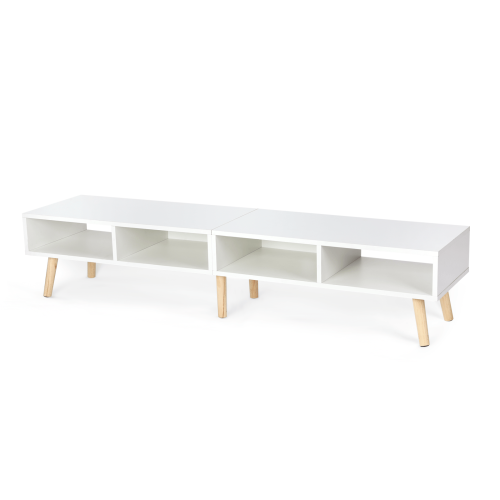

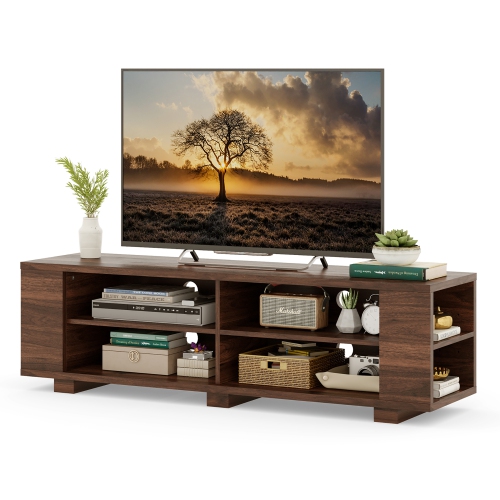

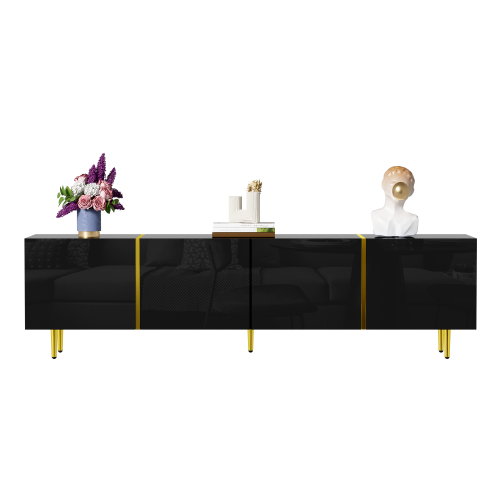
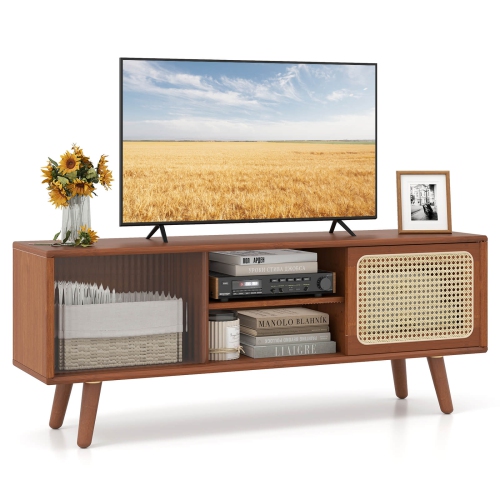

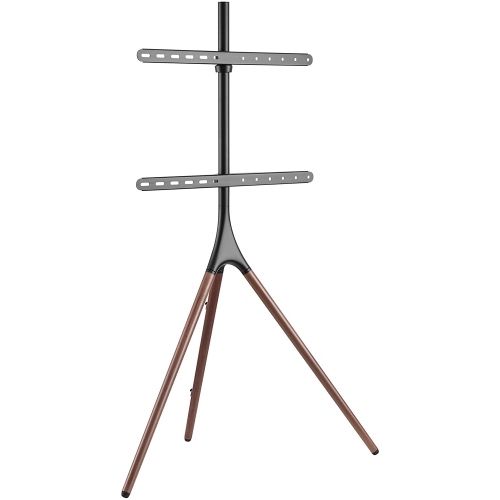


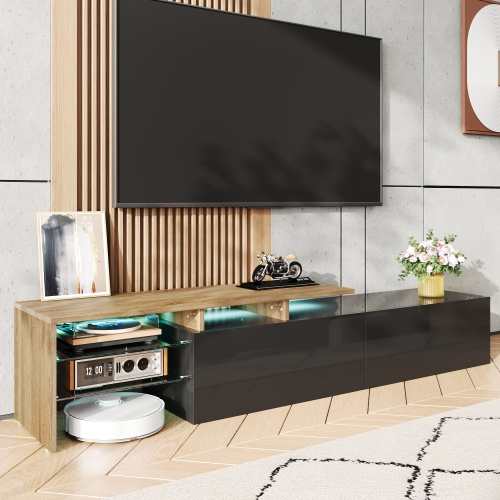
Warm wood meets practical storage beneath the screen
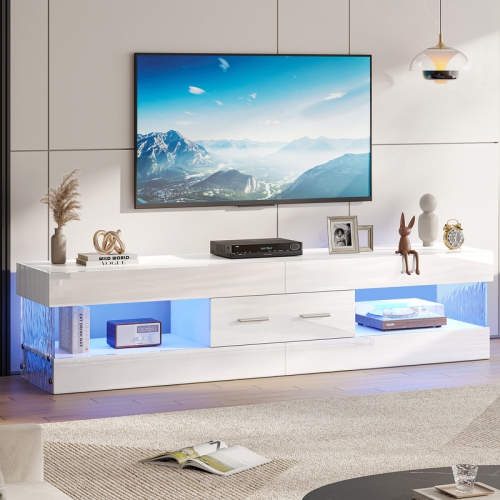
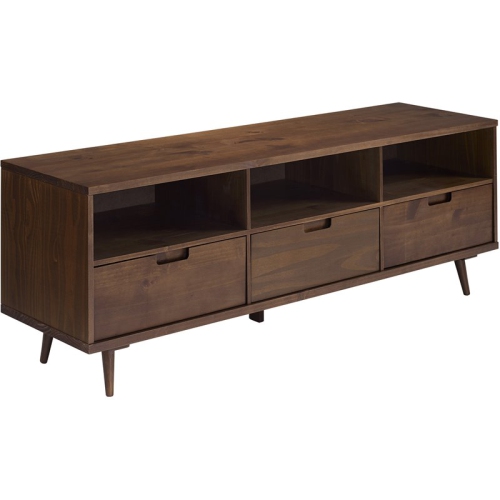
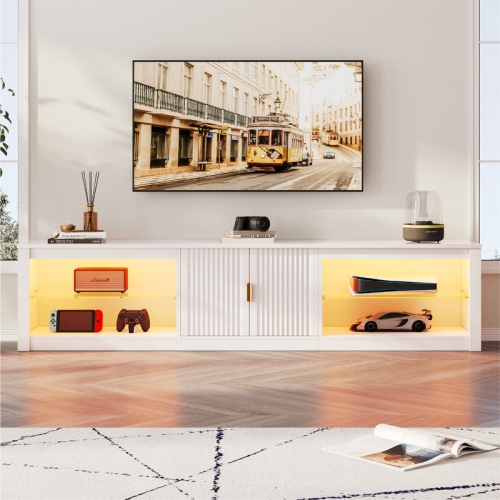
Mid-century modern TV stands bring together clean lines, warm wood tones, and practical storage in a piece of furniture that gives the television a considered place in the room. Inspired by furniture design from the middle of the twentieth century, the style is known for long, low silhouettes, tapered or splayed legs, restrained hardware, and an emphasis on useful details rather than heavy ornament. A rectangular cabinet raised on slender legs can feel less visually bulky than a base that reaches the floor, making this style appealing for both compact condos and larger living rooms. Walnut tones create a rich backdrop for a screen, while lighter oak tones offer a softer contrast with upholstered seating and pale walls. Wood grain often provides the main decorative feature, although fluted fronts, slatted doors, and gently rounded corners introduce texture without overwhelming the simple shape. Not every mid-century design includes all these details; some lean towards a spare, geometric look, while others combine sculpted handles with contrasting cabinet fronts. For a darker interpretation, Black Mid Century TV Stands can anchor a room furnished with light fabrics, warm woods, or brushed metal accents. The appeal extends beyond a retro interior. A low media console can sit comfortably beside a contemporary sectional, a vintage lounge chair, or a mix of furniture collected over time. Its horizontal shape helps organize the viewing area, while cupboards and shelves give remotes, controllers, and media accessories a place to go. In an open-plan home, a cabinet with doors can keep everyday clutter out of sight without making the living area feel like a dedicated equipment room. For households that use the same space for films, music, gaming, and conversation, this balance of display and concealed storage is particularly useful. A few books or a small decorative object can soften the arrangement, provided they leave the screen, ventilation openings, and equipment controls unobstructed.
The right fit depends on the television’s actual dimensions, its support arrangement, and the equipment that will share the cabinet. Screen size is measured diagonally, so it does not indicate the width of the TV or the distance between its feet. A television with widely spaced feet needs enough usable surface for both feet to sit fully supported, while a centre-mounted base still requires adequate depth and a suitable weight capacity. The stand’s stated load limit and the television manufacturer’s placement requirements matter more than a visual match alone. A cabinet wider than the screen often creates a more balanced composition and may leave room for small accessories, but every supporting foot or base must remain safely within the top surface. Viewing height also deserves attention: a low-profile stand often suits relaxed sofa seating, though the best height depends on the seat, the screen, and the viewer’s posture. In a narrow room, cabinet depth and door clearance can affect the route between the sofa and the television. Sliding doors need no outward swing, whereas hinged doors require space to open comfortably. Open shelves make frequently used equipment accessible, while closed compartments help hide cables and accessories. Adjustable shelves can accommodate different component heights, but a receiver or game console also needs the clearance specified by its manufacturer for airflow. Cable openings are useful only when their position works with the equipment layout and nearby outlets. A rear panel with suitable access can make it easier to connect a streaming device or change a cable without dismantling the whole setup. Soundbars need their own clear placement, too, with enough space to avoid blocking the lower edge of the screen or its remote sensor. Even beneath a wall-mounted television, a mid-century modern media console remains useful for storage, provided the distance between the cabinet, screen, and audio equipment feels comfortable and leaves necessary access.
Materials and construction influence how a mid-century modern TV stand looks, feels, and handles daily use. Solid wood offers natural grain variation and can develop character over time, although its response to moisture and the care it requires depend on the species and finish. Wood veneer places a thin layer of real wood over a supporting core, allowing a genuine grain surface with a different construction from solid timber. Engineered wood with a laminate or other applied finish can provide a consistent appearance and a surface suited to routine cleaning, but durability varies with the board, edge treatment, finish, and assembly. Material names alone do not tell the whole story. Secure joints, well-supported shelves, smoothly operating doors, and appropriate support beneath a long cabinet all contribute to a dependable piece. Slender legs are central to many mid-century silhouettes, so their attachment and the stand’s stability deserve attention, especially on uneven floors or thick rugs. Any supplied restraints should be installed as directed, and televisions should be secured according to the relevant manufacturer’s instructions. Shelves and drawers are not steps, an important consideration in homes with children. Everyday care is usually straightforward when it follows the furniture maker’s directions: gentle dusting, prompt attention to spills, and suitable cleaning products help protect the surface. Excess water, abrasive pads, and harsh cleaners can damage finishes or vulnerable edges. Felt pads beneath decorative objects can reduce scratches, while lifting equipment rather than dragging it helps preserve the top. Fluted and slatted fronts may need occasional careful dusting along their grooves, and raised legs can make cleaning underneath easier when there is enough clearance. Assembly quality matters just as much as appearance; correct hardware placement and properly aligned panels help doors close evenly and keep the frame steady. For a first apartment, a shared family room, or a smaller secondary viewing space, the most useful stand combines the distinctive proportions of mid-century design with storage, strength, and dimensions that suit everyday life.
Top selling and popular products
-
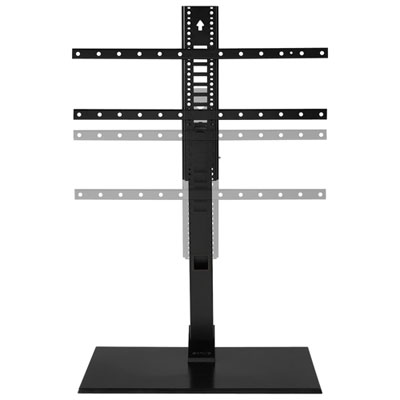 Your price for this item is $249.99
-
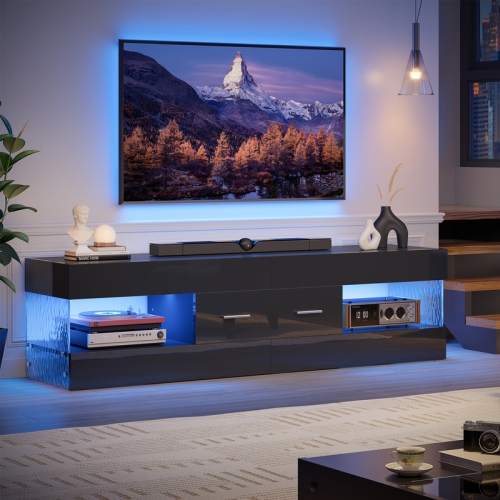 Your price for this item is $179.99
-
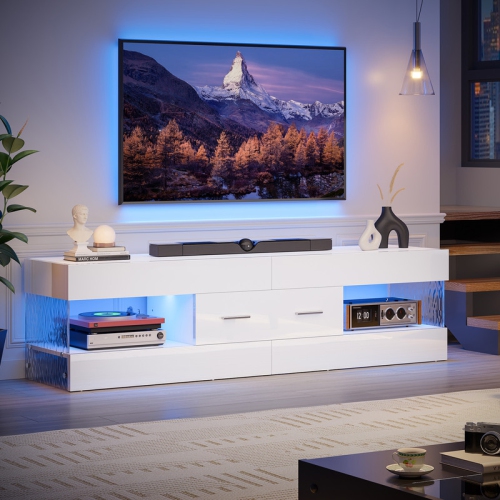 Your price for this item is $169.99
-
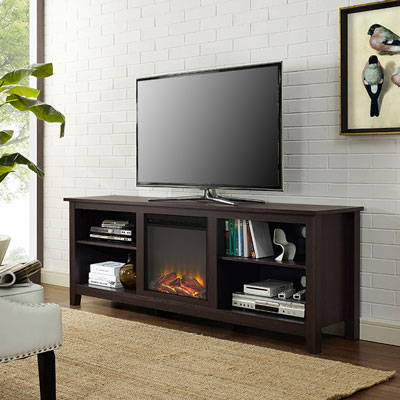 Your price for this item is $689.99
-
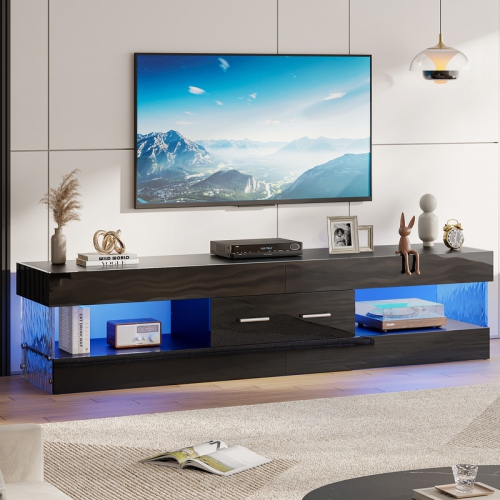 Your price for this item is $199.99
-
 Your price for this item is $199.99
-
 Your price for this item is $941.25
-
 Your price for this item is $269.99
Discover more categories related to Mid Century Modern TV Stands

Top Collections:
Pokemon Centers, Best Cameras for Sports Photography, Kindle Devices, Samsung Galaxy Phones, Canon G7X Cameras, Pokémon 30th Celebration Cards, Refurbished Apple Laptops, iPhone 15 Apple, Laptops for Students, Budget Smartphones
Some products may be subject to Environmental Handling Fees
(EHF) depending on your province.
Learn more about EHFs.