Mid-Century TV Stands
Elevate your living space with the timeless charm of mid-century TV stands, where sleek design meets functional elegance. These stylish pieces effortlessly blend retro aesthetics with modern practicality, making them an ideal choice for any home decor enthusiast. Whether you're looking to complement a minimalist interior or add a touch of vintage flair, mid-century TV stands offer a versatile solution that harmonizes with various styles. Discover a range of options that bring both form and function to your entertainment area, enhancing your home's ambiance while providing a sturdy foundation for your television and accessories.
Sort
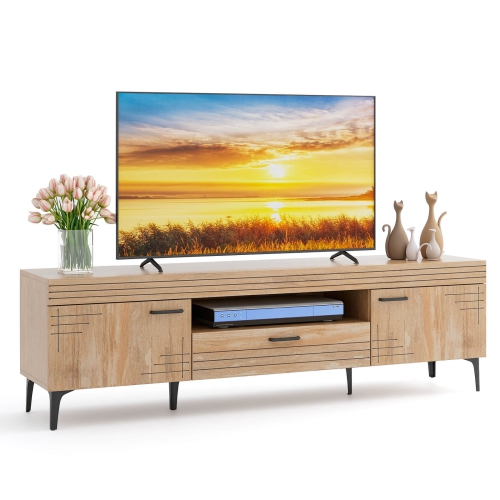


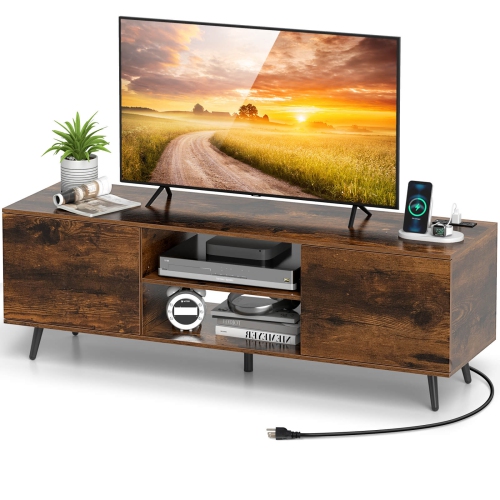


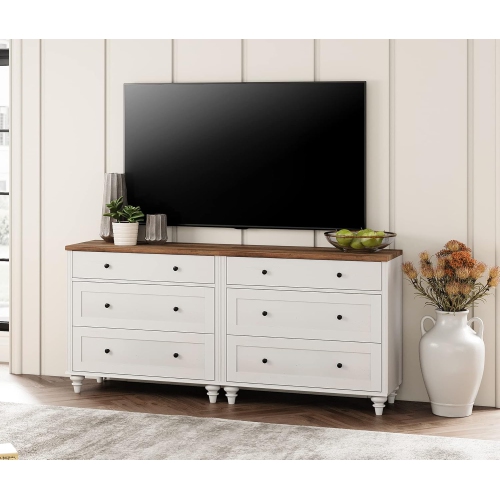
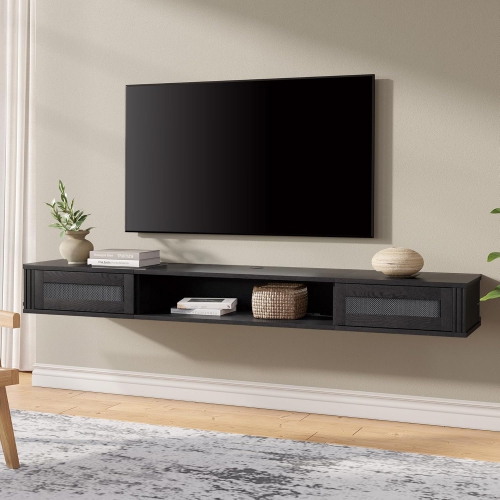
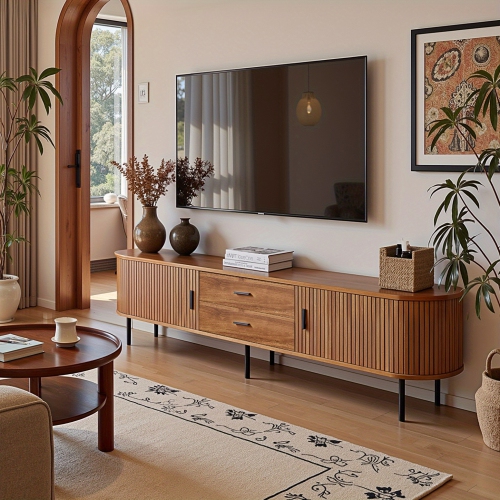
Tapered legs with practical storage beneath your TV
Mid-century TV stands are media consoles with clean lines, balanced proportions, and details inspired by furniture design from the middle of the twentieth century. Tapered or splayed legs, warm wood tones, and understated door fronts give them a distinctive look without drawing attention away from the television. Their typically low, horizontal shape works well along a living room wall, while raised bases create a lighter appearance than cabinets that sit directly on the floor. Some designs emphasize uninterrupted wood grain; others combine open shelves with sliding doors, drawers, or contrasting panels. These differences affect how the stand looks and how it handles everyday storage. A row of closed compartments can keep controllers, charging cables, and movie cases out of sight, while an open section leaves frequently used equipment within reach. Mid-century styling also fits comfortably alongside contemporary sofas, textured rugs, and older wooden furniture, so the room does not need to follow a single design period. Materials play an important role in both appearance and upkeep. Solid wood can offer distinctive grain and substantial construction, though its surface still needs protection from spills, scratches, and direct sunlight. Wood veneer provides a layer of real wood over a supporting core, combining natural grain with a different construction method; the core material and edge finishing influence how well the cabinet stands up to use. Laminated engineered wood can offer a consistent colour and a surface that is straightforward to wipe clean, but damaged edges may be more difficult to repair. A walnut-toned finish does not necessarily mean a stand is made from solid walnut, just as an oak appearance may come from veneer or a printed surface. Material descriptions help distinguish these options. Beyond the finish, secure leg attachments, neatly fitted doors, supported shelves, and smooth drawer movement contribute to furniture that feels dependable when a drawer is opened or equipment is moved.
A mid-century TV stand needs to fit the television, the equipment beneath it, and the space around it. Screen size is measured diagonally, so a 65-inch TV does not require a cabinet that is exactly 65 inches wide. The television’s actual width, the position of its feet or central base, and the stand’s usable surface dimensions are more useful measurements. Both feet should sit fully on the supporting surface, and the stand must meet the television’s weight requirements and any stated size limits. A cabinet wider than the screen often creates a balanced arrangement and leaves room beside the TV, but decorative objects should not interfere with stability or ventilation. Depth matters when a television has widely spaced feet, when a soundbar sits in front of it, or when plugs project from the back of a receiver. In a compact condo, a shallow cabinet may preserve a comfortable walkway; a deeper console may better accommodate larger home theatre components. Viewing height depends on the seating and television placement, with the screen positioned for a comfortable seated sightline rather than judged by cabinet height alone. For a wall-mounted TV, the console can provide storage below without supporting the screen, while its height still affects the space available for a soundbar. Interior dimensions deserve the same attention as the exterior. Shelves need room for the equipment itself, cable connections, and the ventilation clearances specified by the equipment manufacturer. Open backs or ventilation slots can help airflow, but they do not make every enclosed compartment suitable for a heat-producing receiver or gaming console. Rear cable openings reduce visible tangles and should accommodate the connectors being used, not just the cords. Adjustable shelves make different equipment layouts easier to arrange. Devices controlled by infrared remotes generally need an unobstructed signal path or a compatible repeater when placed behind solid doors. In homes with children or pets, stable placement and furniture or television restraints installed according to the relevant manufacturer’s instructions add important protection.
Everyday use helps determine which storage arrangement and finish will feel most practical over time. A shared family room may benefit from closed compartments for games and accessories, with one accessible shelf for the device used most often. In a smaller apartment, a media console can also hold books or neatly contained household essentials, provided shelves and drawers remain within their load limits. Sliding doors can be convenient where a coffee table leaves little room for swinging cabinet doors, while drawers keep small accessories from disappearing behind larger equipment. Raised legs make the floor beneath the stand easier to reach, although the actual clearance determines whether a vacuum can pass underneath. Care is usually simple but should follow the finish manufacturer’s recommendations: dust with a soft cloth, address spills promptly, and avoid abrasive cleaners or soaking the surface. Moisture left around seams can damage some engineered wood constructions, and dragging equipment across a wood or laminate top can leave marks. Protective pads beneath suitable accessories help reduce scratches, while drinks are better kept away from electronics. Moving the cabinet by lifting it rather than pulling on its legs helps protect joints and attachments. Visually, lighter wood tones can soften a room with dark seating, while richer brown finishes sit comfortably beside leather, woven fabrics, and muted colours. For a darker focal point, black mid-century TV stands offer a contrast with pale walls and light flooring, and can tie in with other dark accents in the room. Leaving some of the top surface clear lets the cabinet’s proportions and grain remain visible rather than surrounding the screen with clutter. These stands suit movie watchers, gamers, and households that want their entertainment setup to feel like part of the room’s furniture. They can also make a thoughtful housewarming gift when the recipient’s room measurements, television requirements, and preferred finish are known. The combination of practical storage, comfortable fit, and restrained detailing gives mid-century TV stands a role beyond simply holding a screen.
Top selling and popular products
-
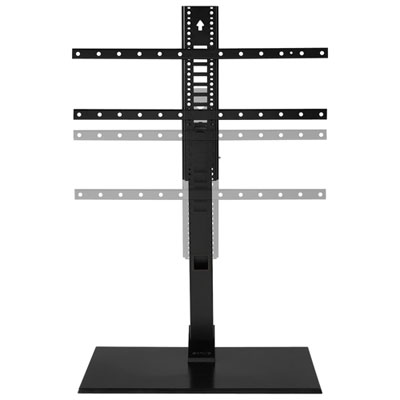 Your price for this item is $249.99
-
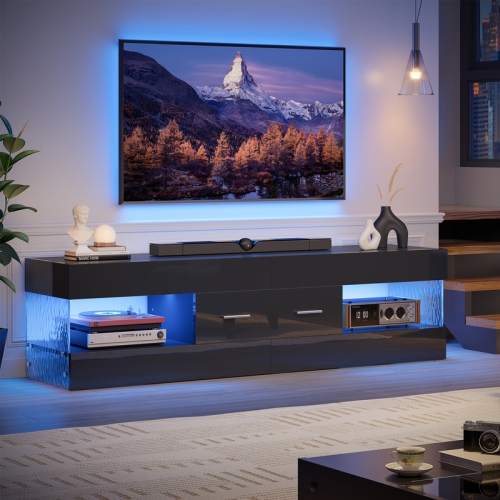 Your price for this item is $179.99
-
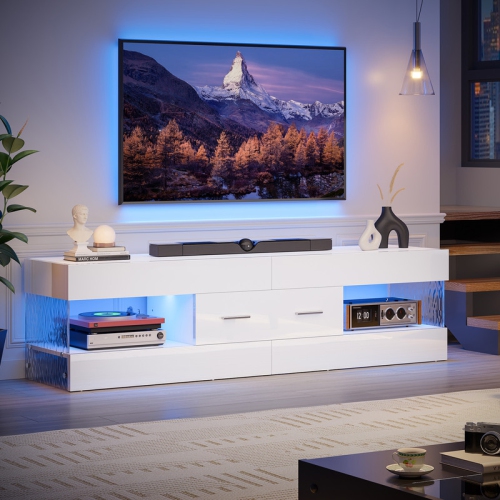 Your price for this item is $169.99
-
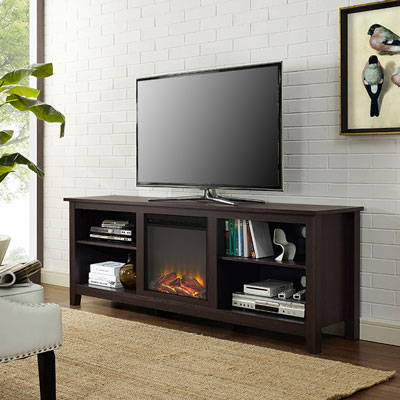 Your price for this item is $689.99
-
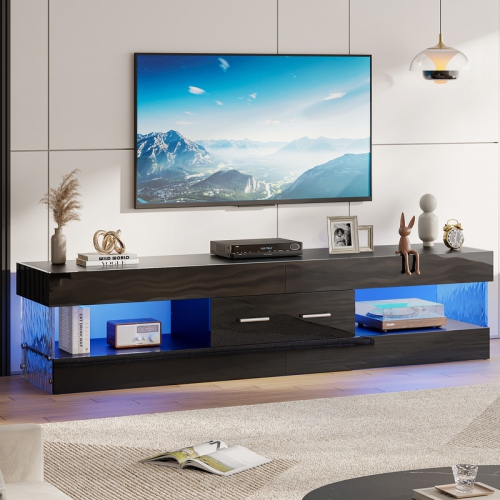 Your price for this item is $199.99
-
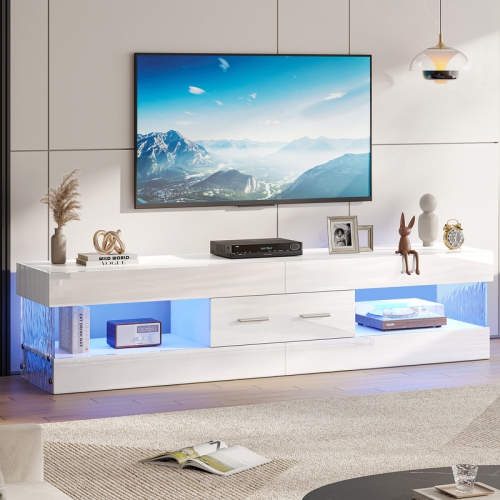 Your price for this item is $199.99
-
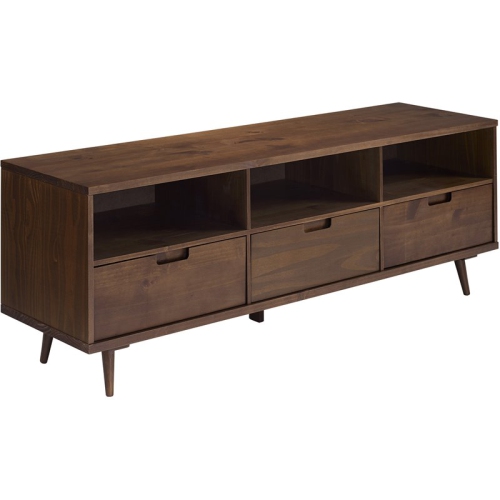 Your price for this item is $941.25
-
 Your price for this item is $269.99
Discover more categories related to Mid-Century TV Stands

Top Collections:
Pokemon Centers, Best Cameras for Sports Photography, Kindle Devices, Samsung Galaxy Phones, Canon G7X Cameras, Pokémon 30th Celebration Cards, Refurbished Apple Laptops, iPhone 15 Apple, Laptops for Students, Budget Smartphones
Some products may be subject to Environmental Handling Fees
(EHF) depending on your province.
Learn more about EHFs.