Mounting Brackets
Elevate your organization and save valuable space with our selection of mounting brackets. Whether you're looking to securely hang a TV on the wall, create a sleek floating shelf display, or mount speakers for an immersive audio experience, our range of versatile brackets offers the perfect solution for your needs. With durable materials and easy installation, these mounting brackets provide a seamless way to optimize your space and enhance your home or office setup. Explore our collection today to find the ideal mounting solution for your next project.
Sort
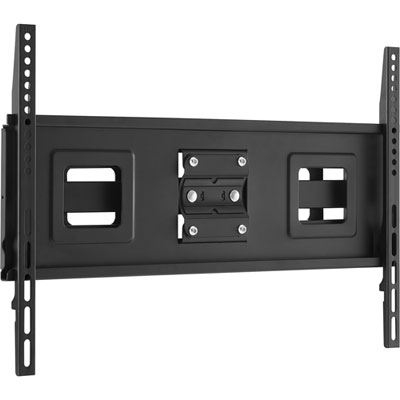
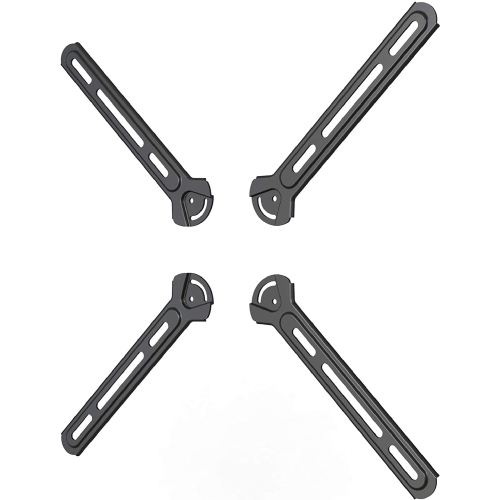
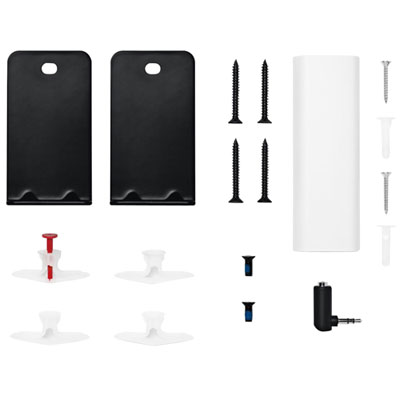

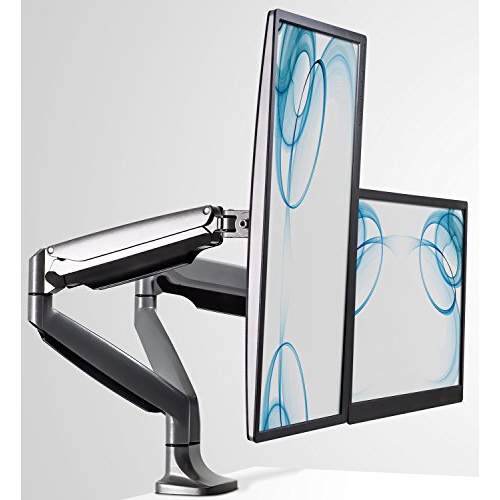
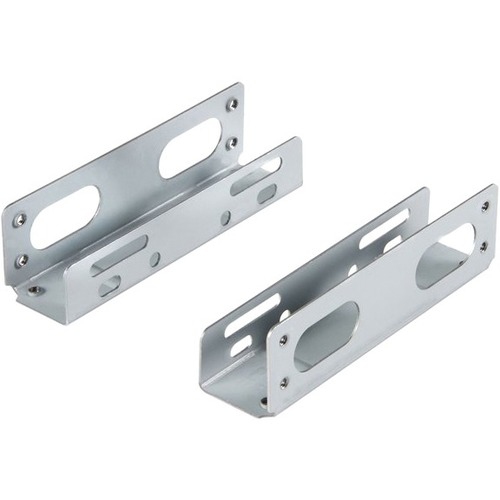
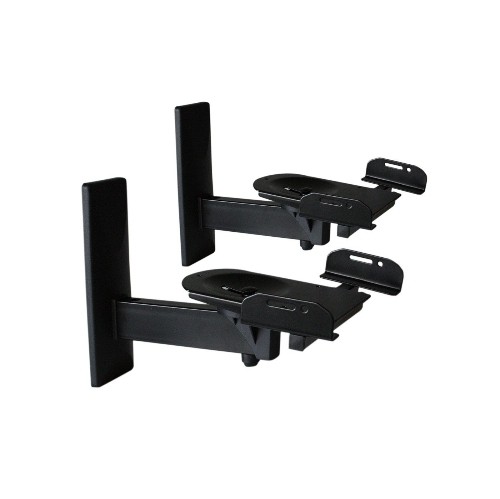

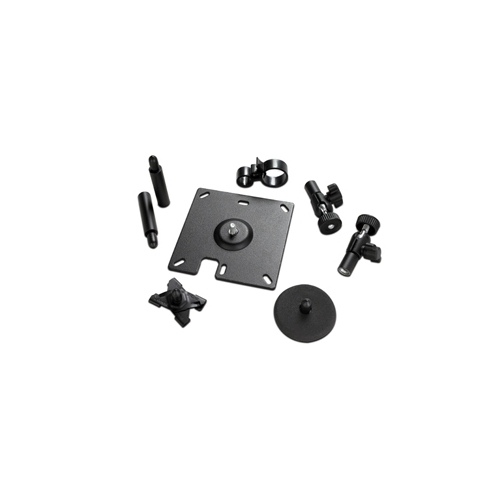
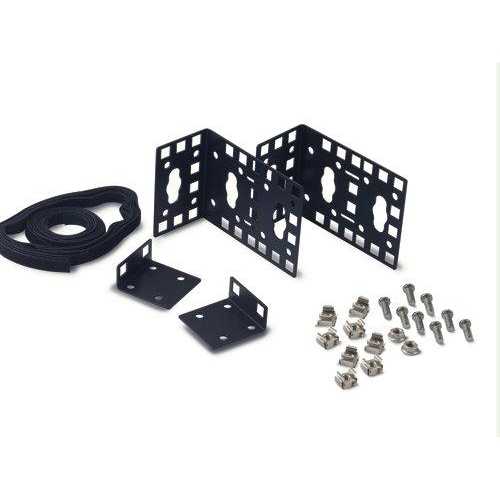
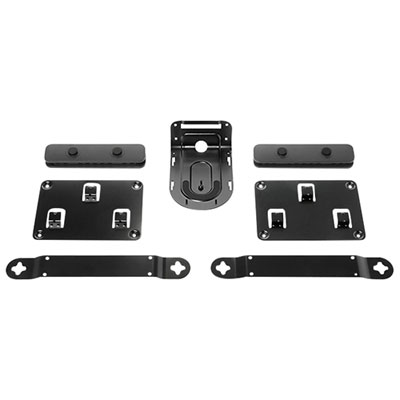
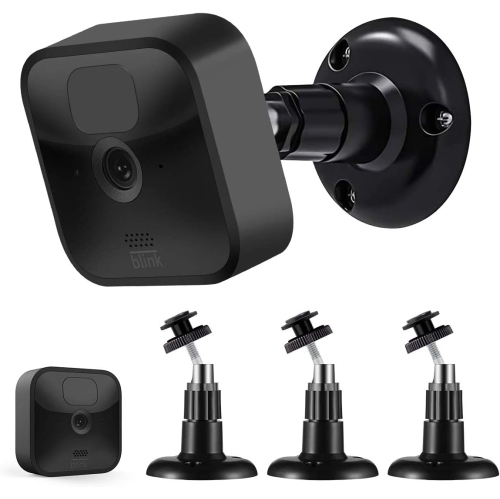
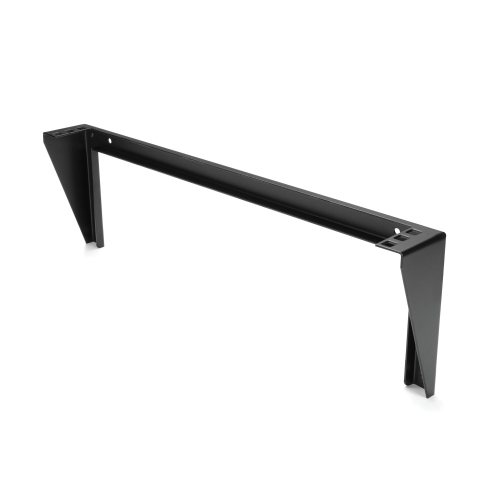

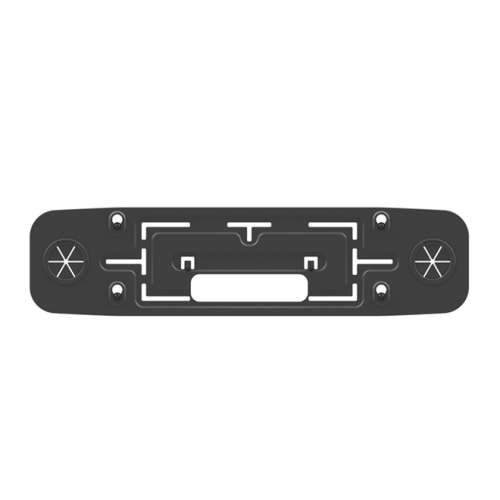
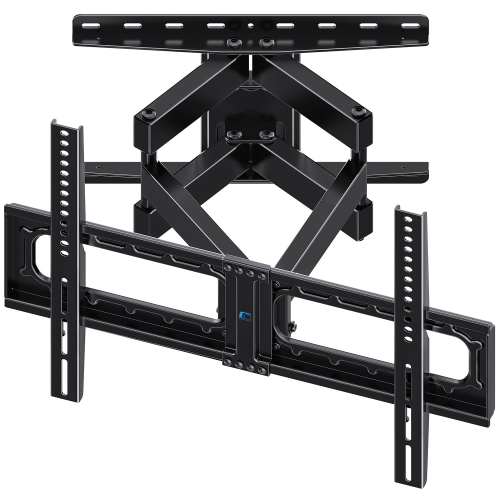
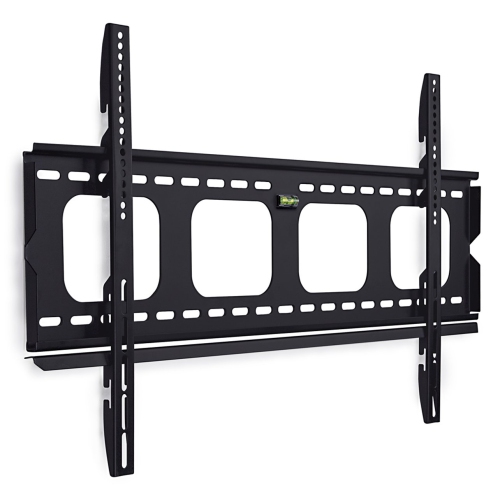

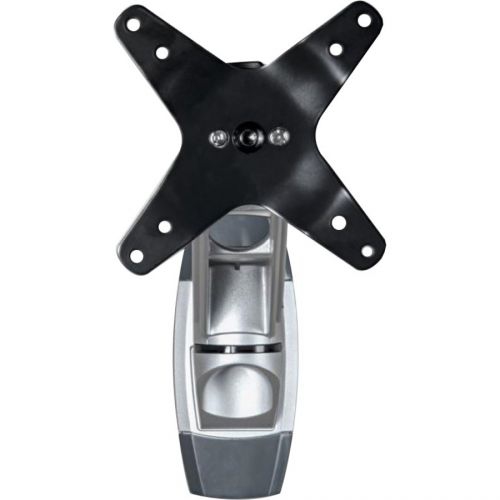
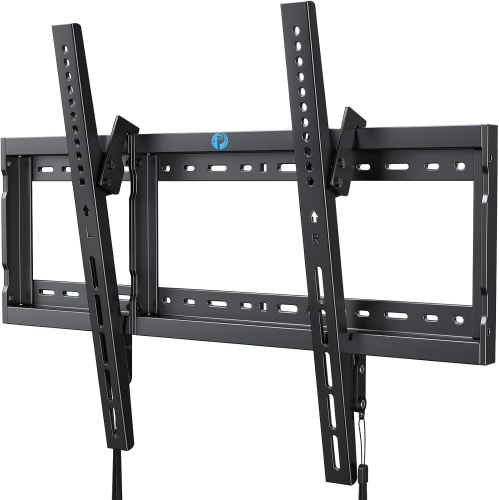
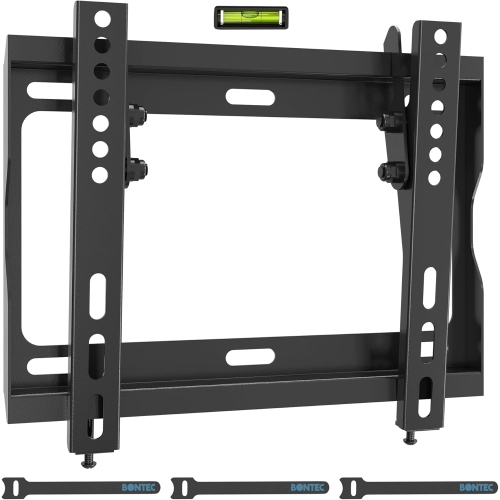

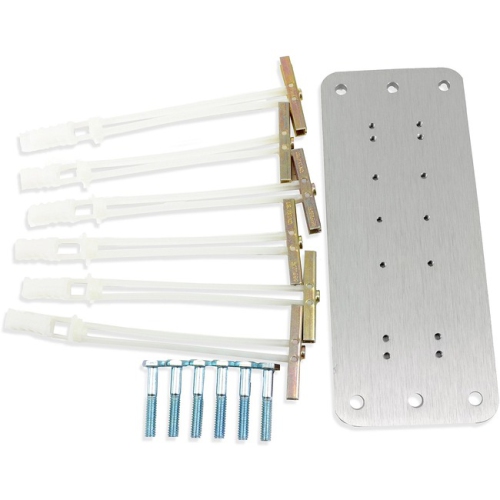
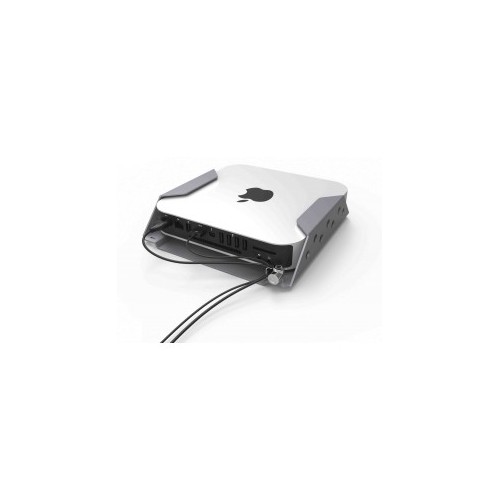
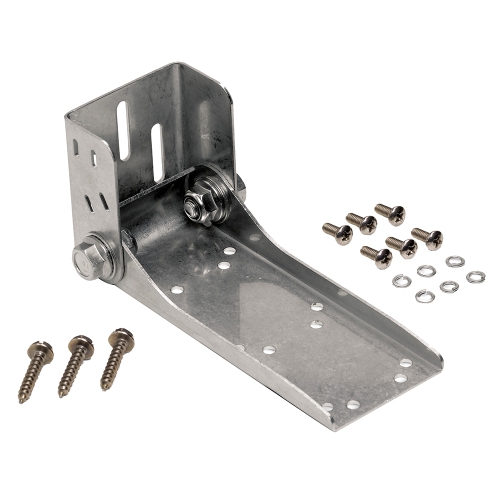
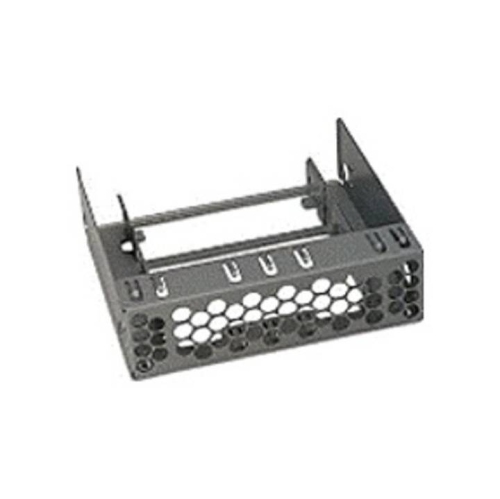
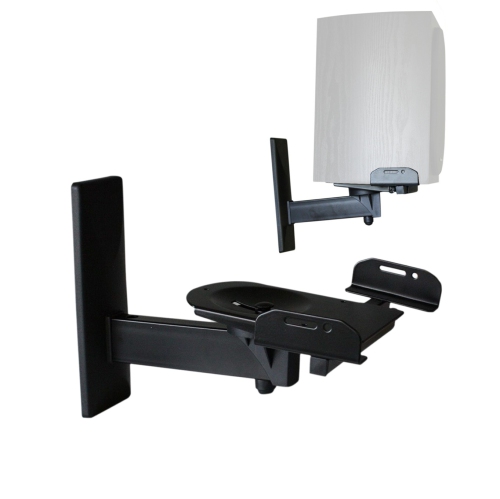
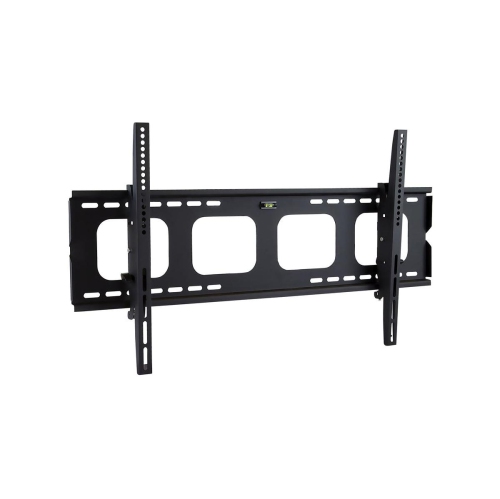
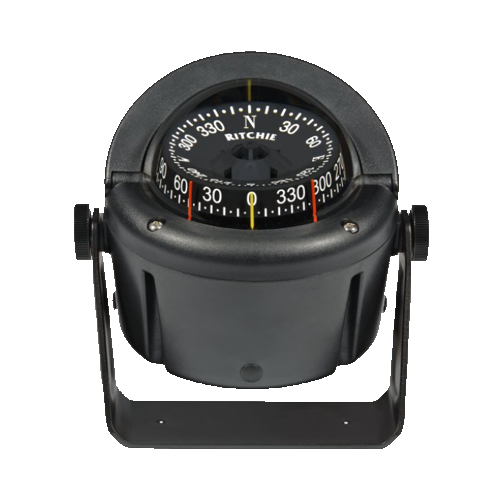

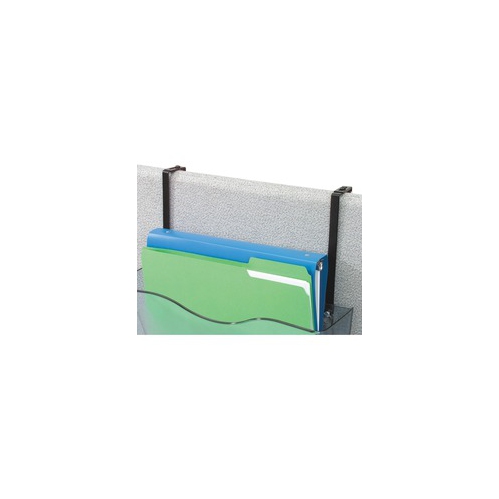
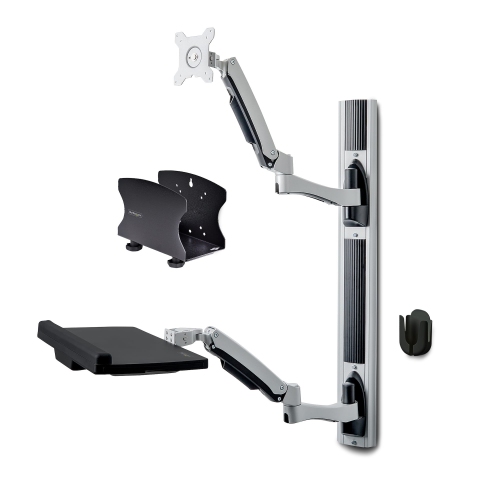
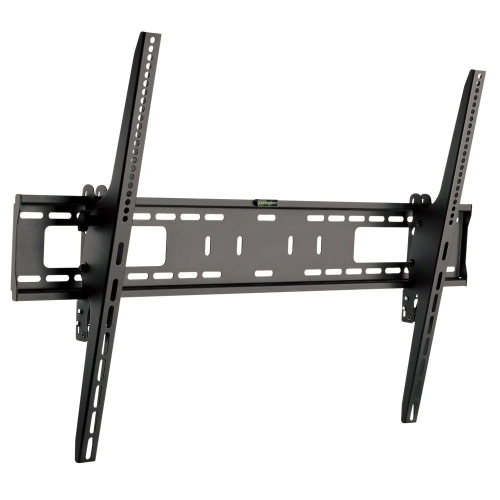

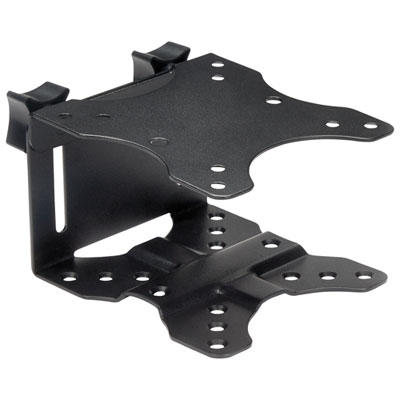
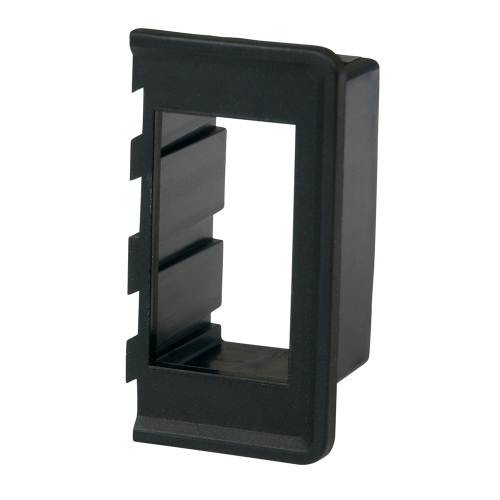
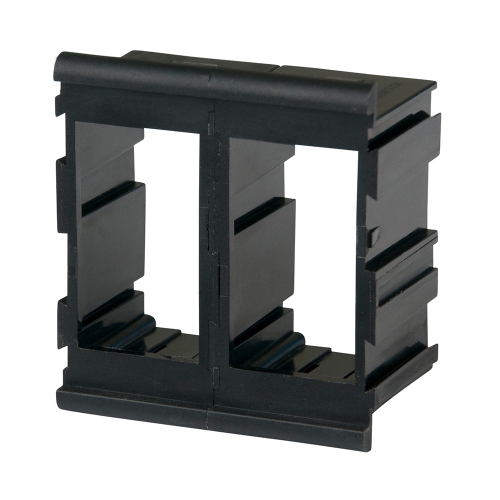
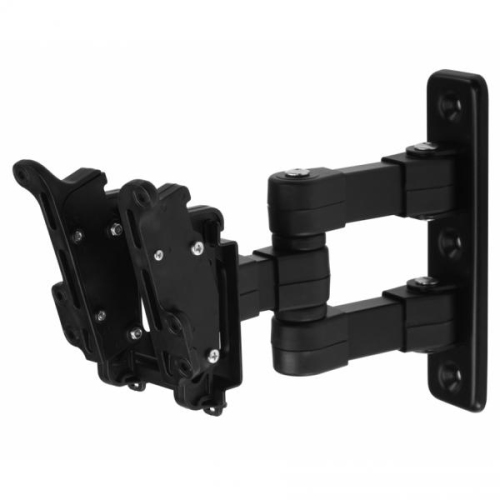

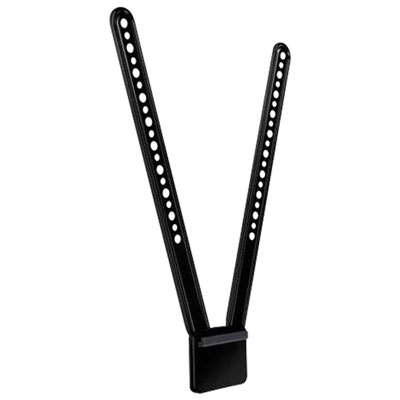
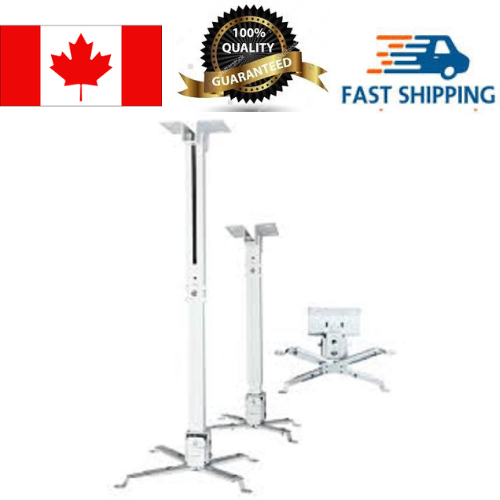
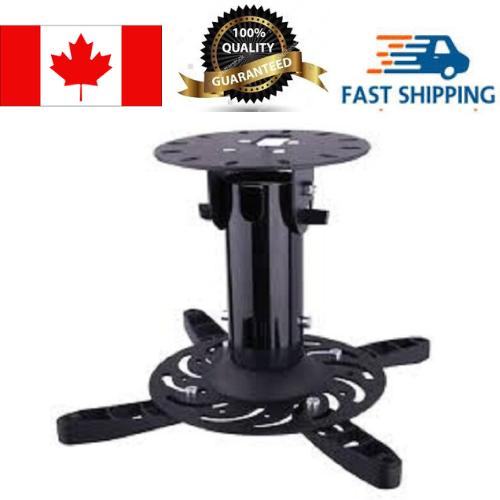
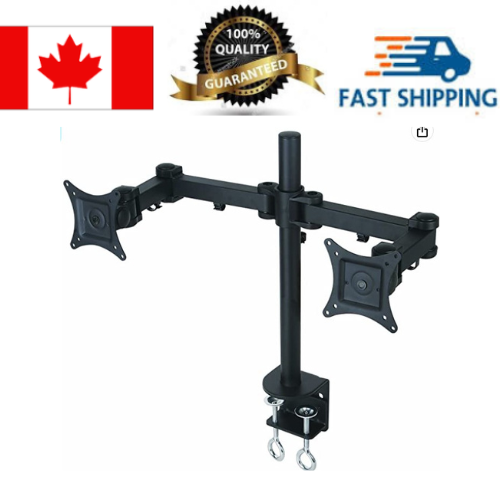

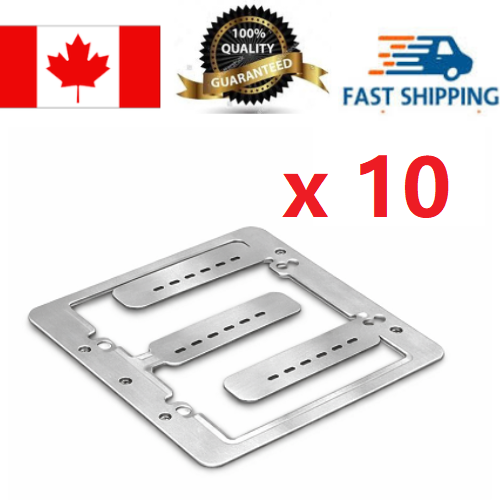
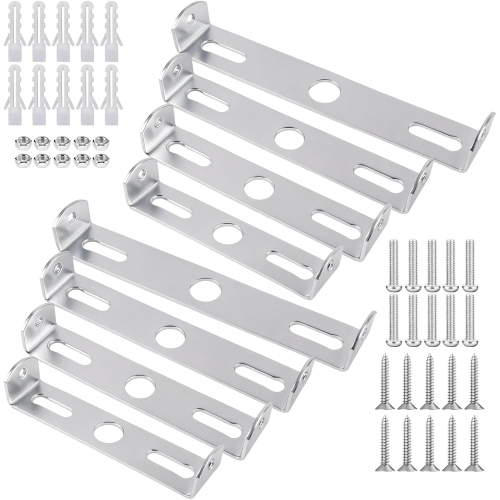
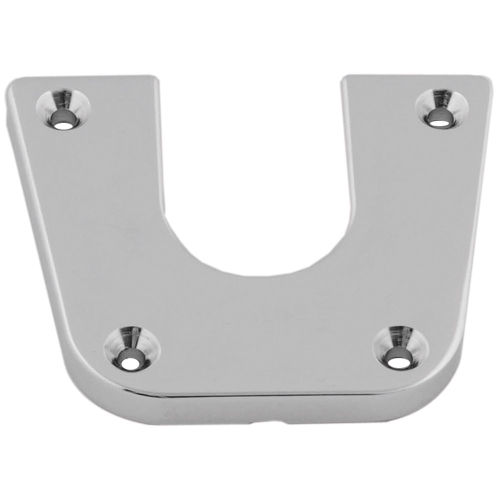
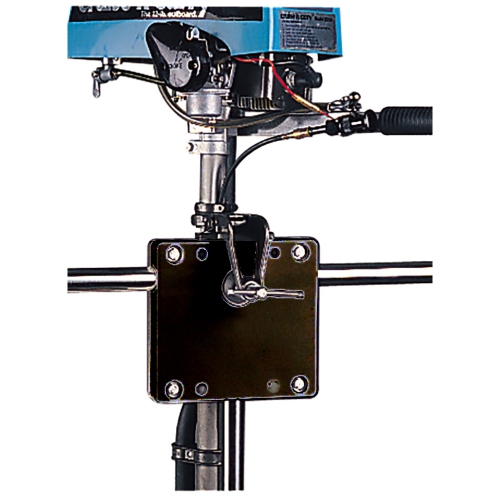
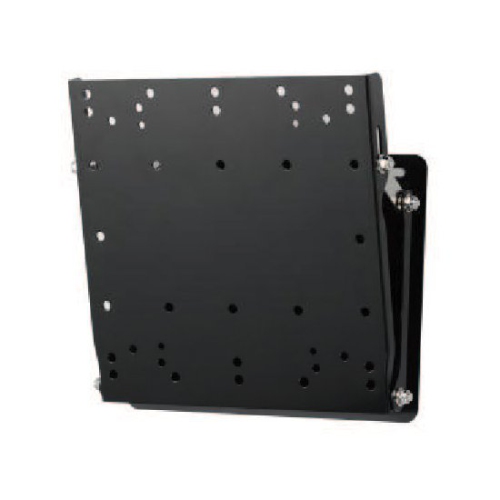
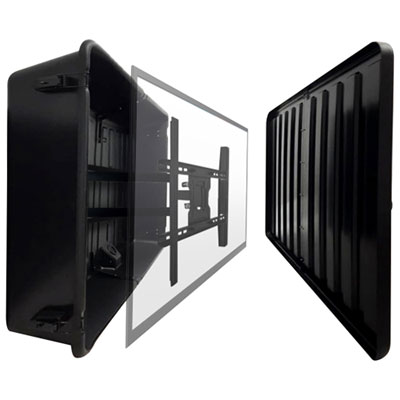
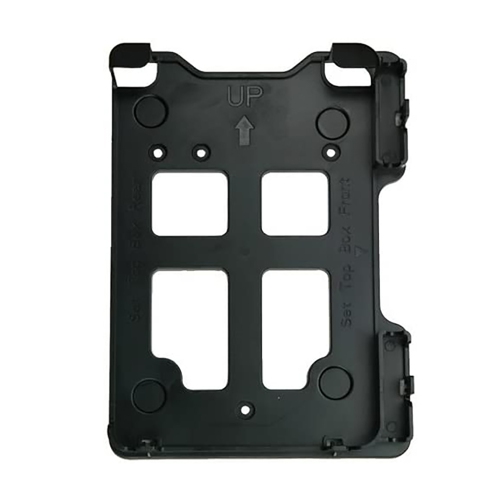
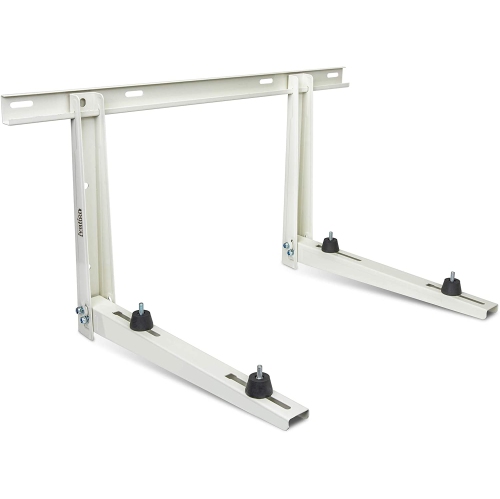


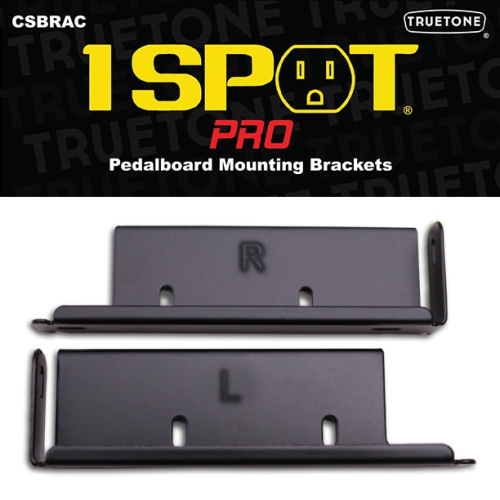
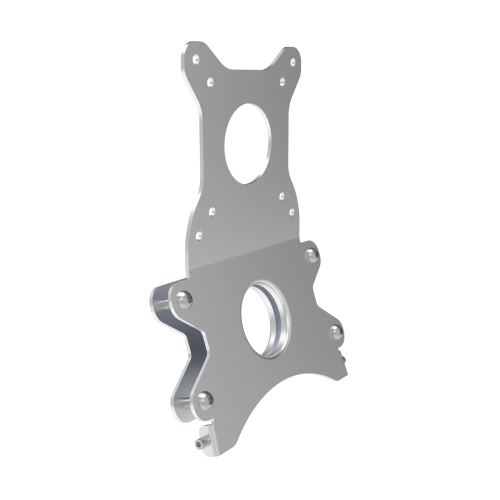
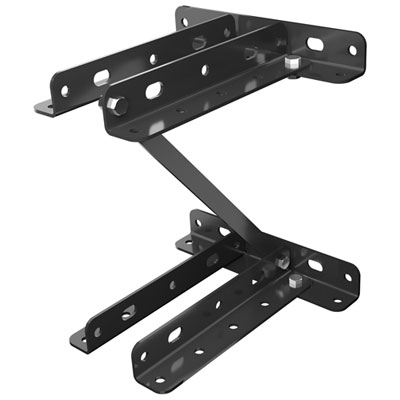
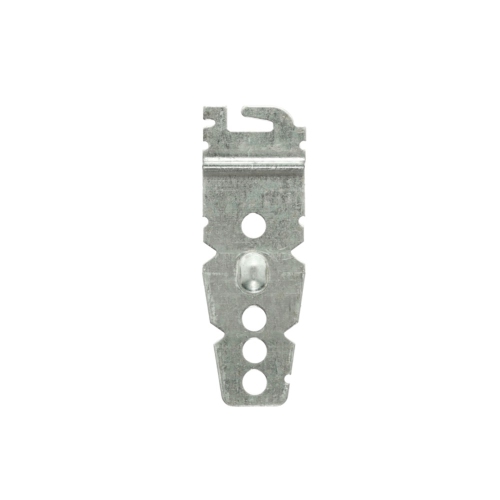

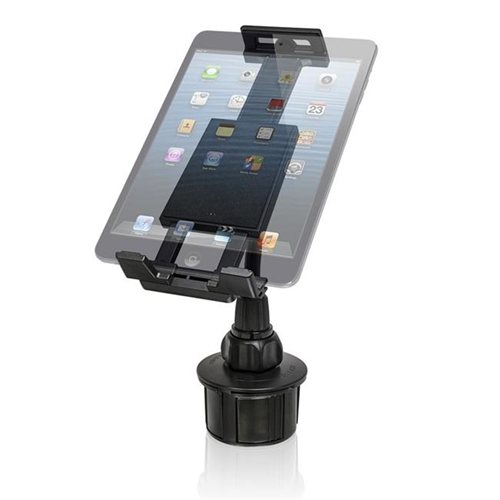
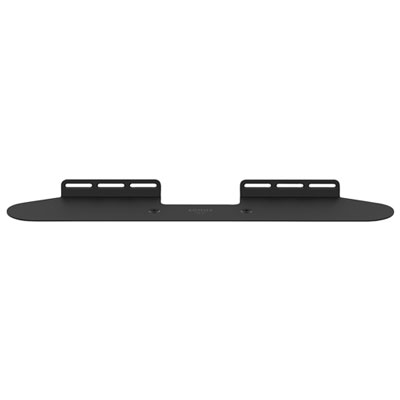
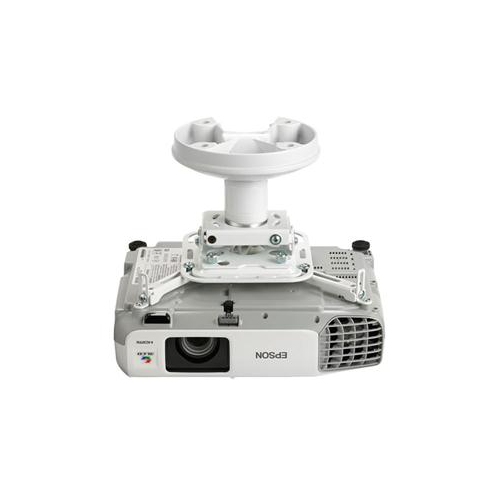
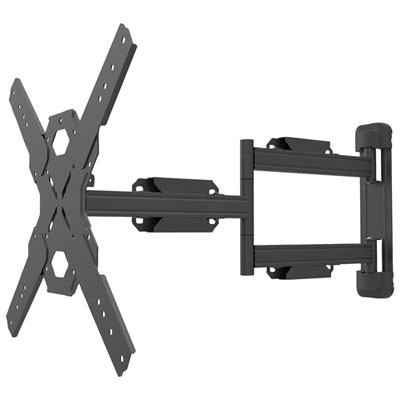

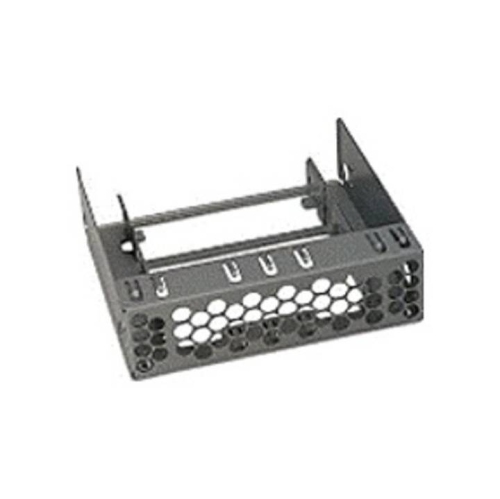
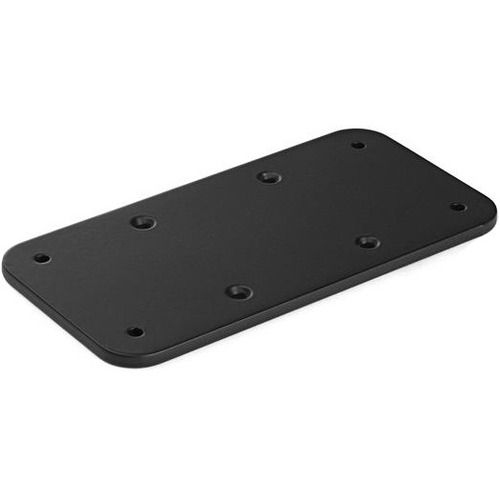

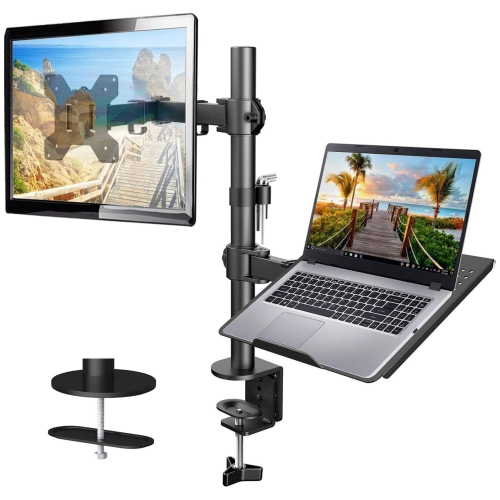

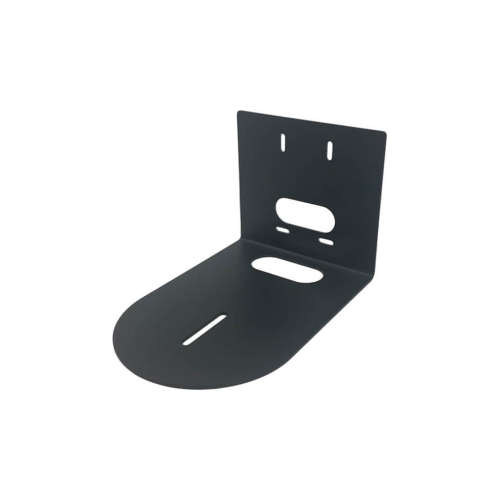
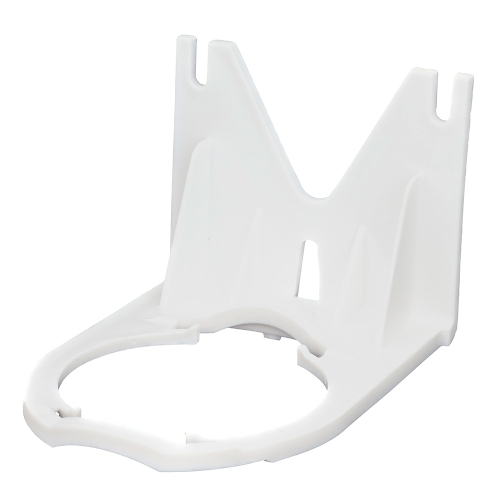
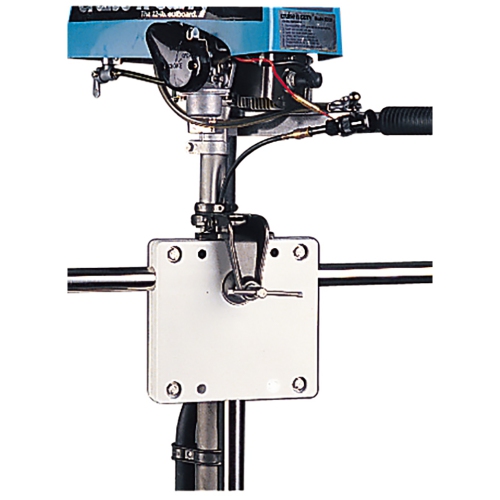
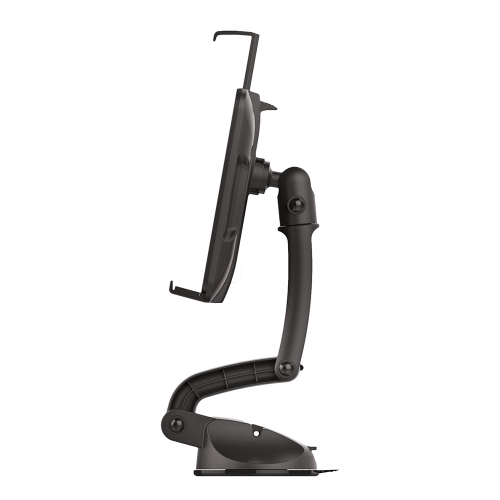
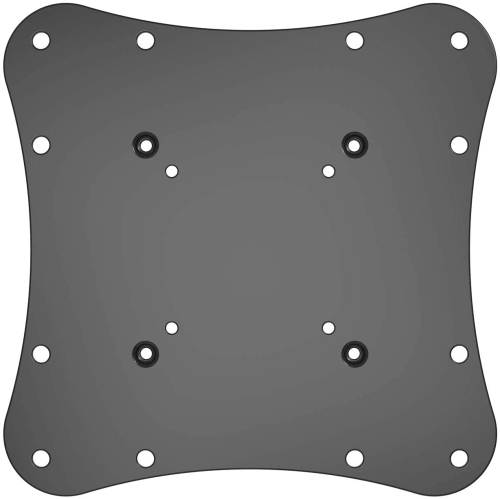
What to know before securing shelves, displays and equipment
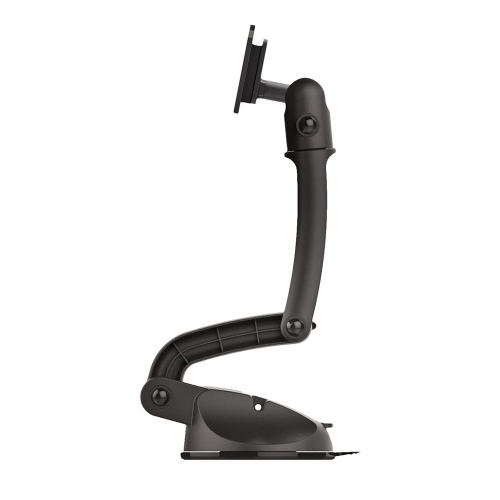
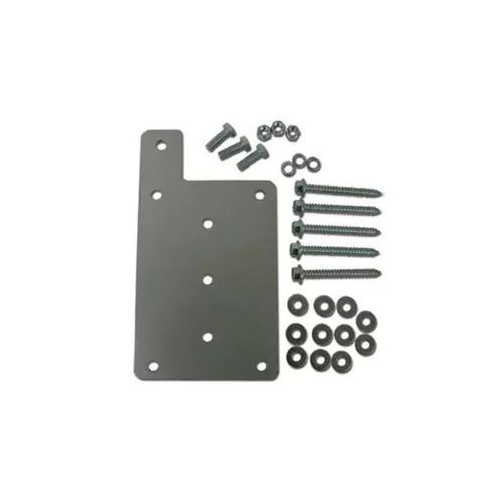
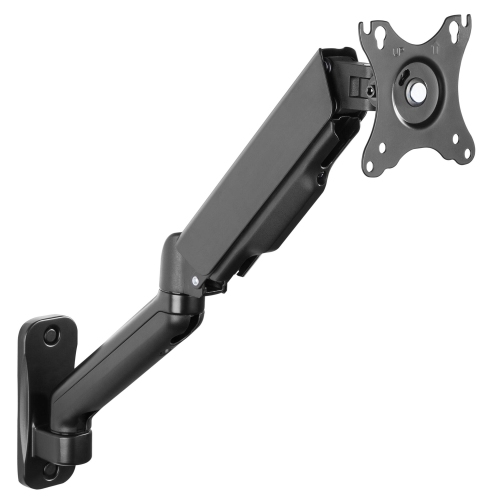
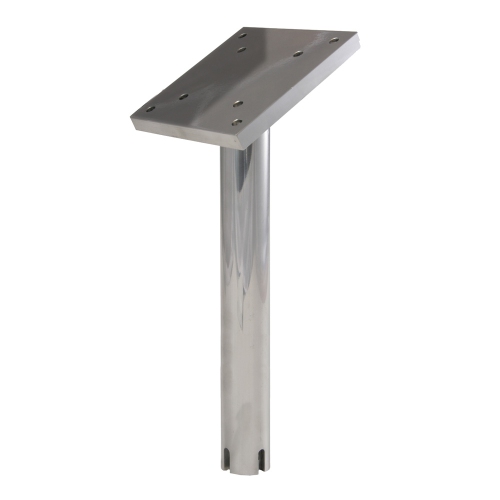
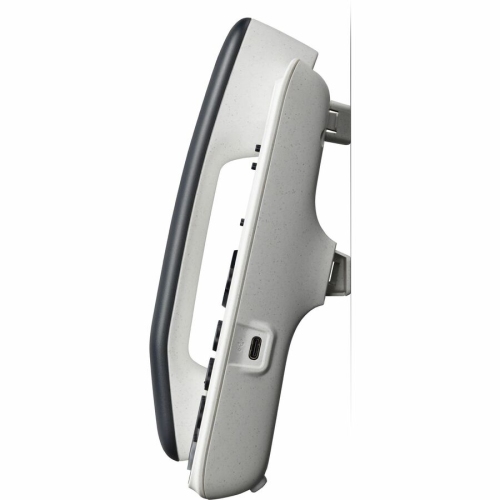
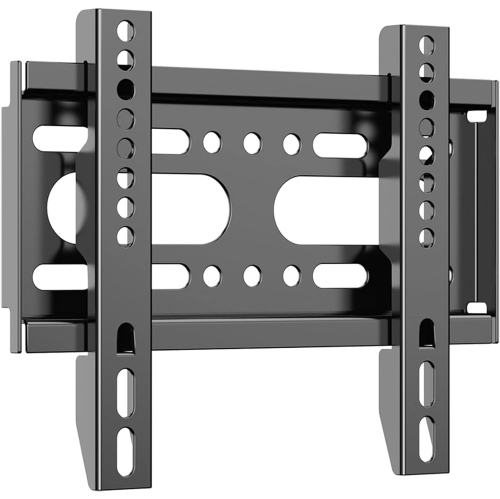
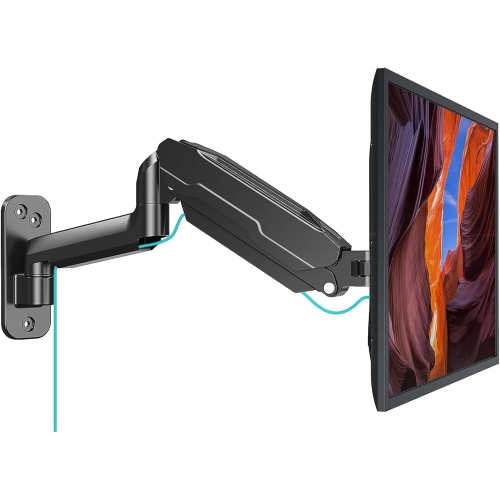
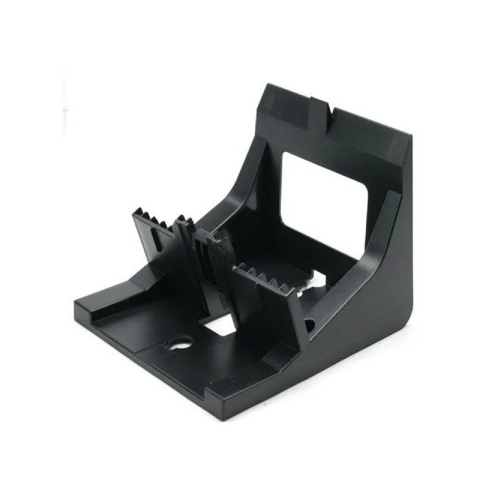
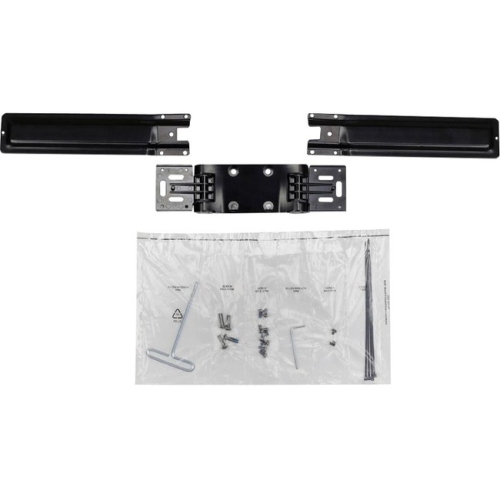
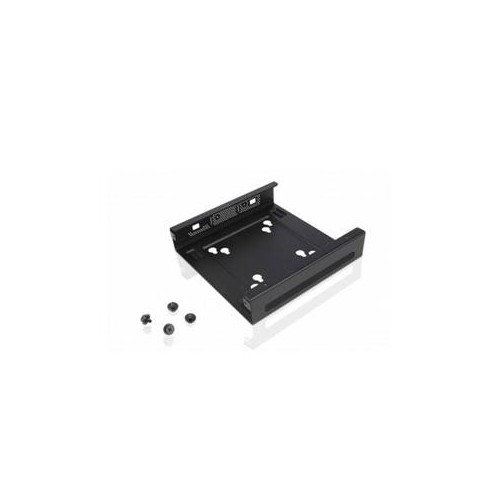
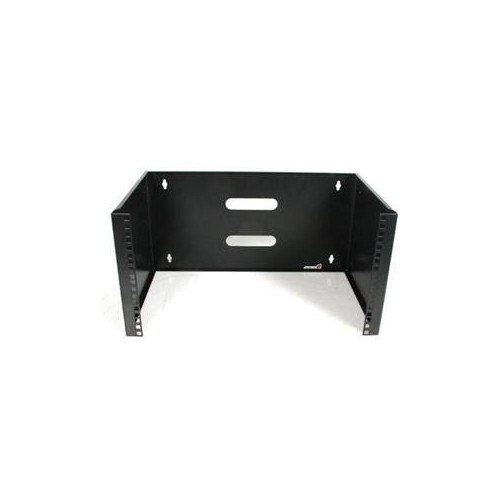
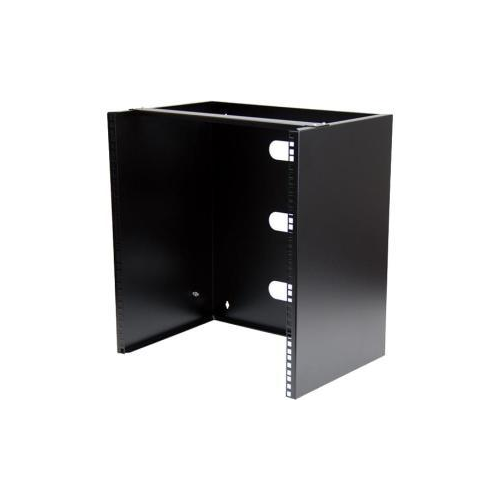
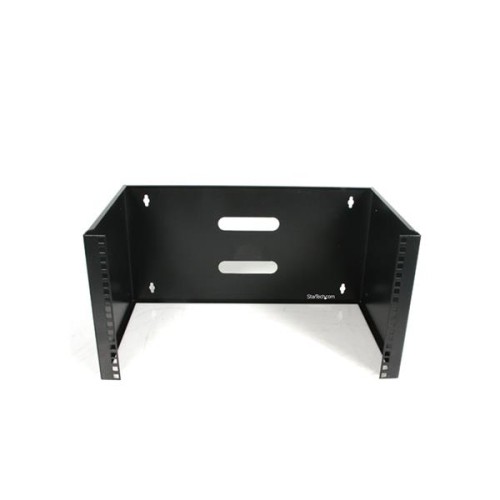
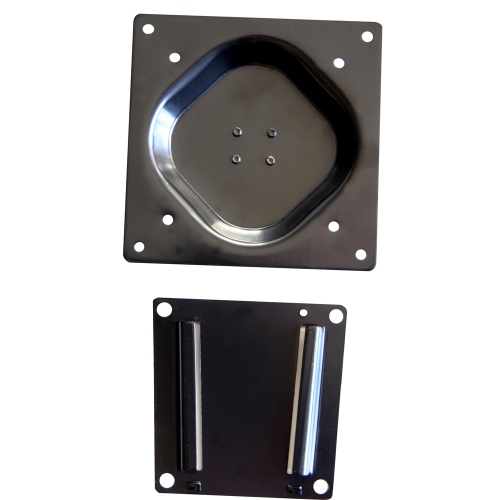
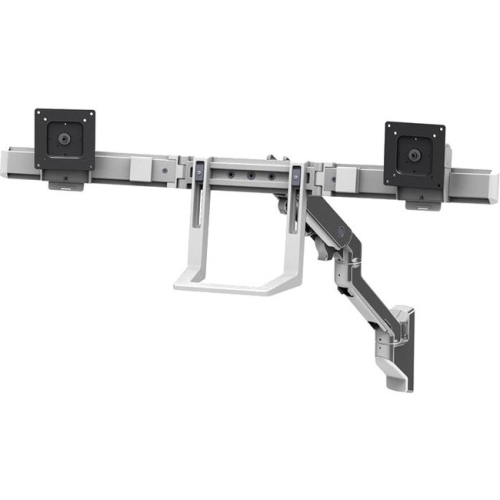
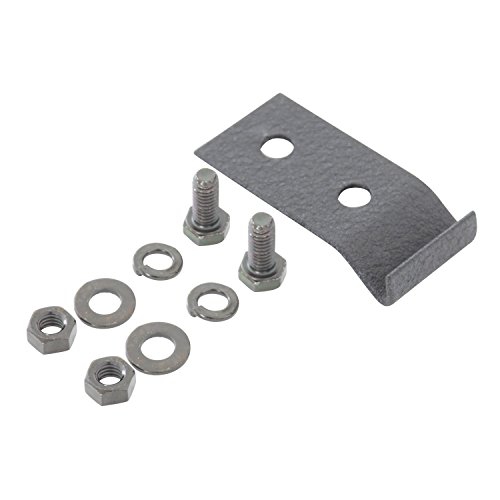
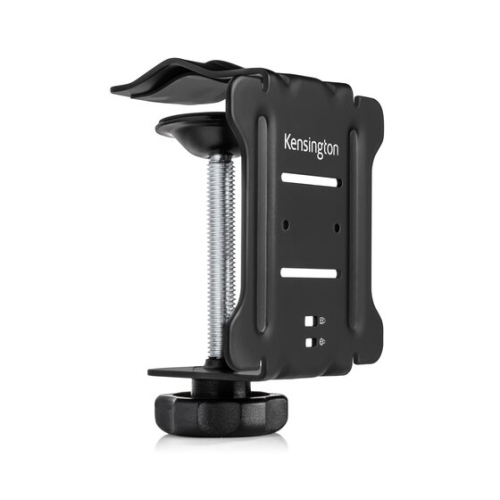
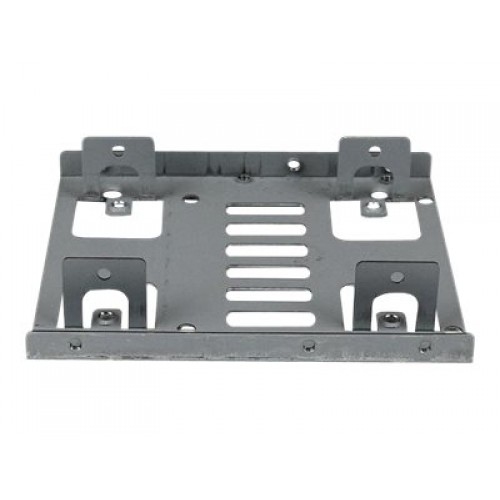
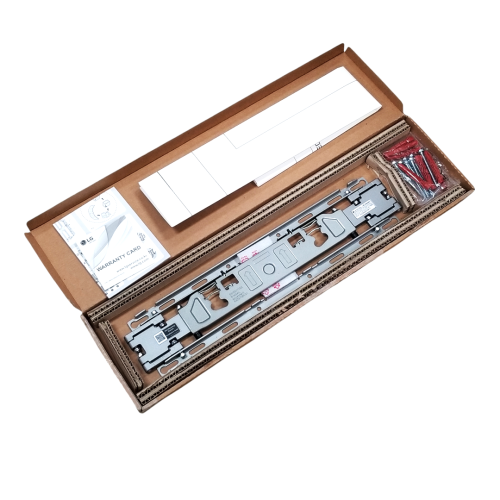
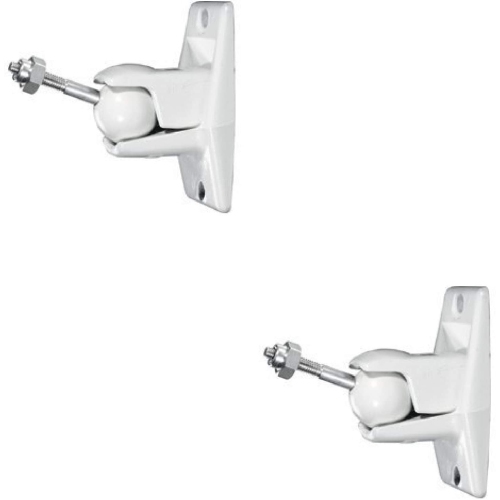
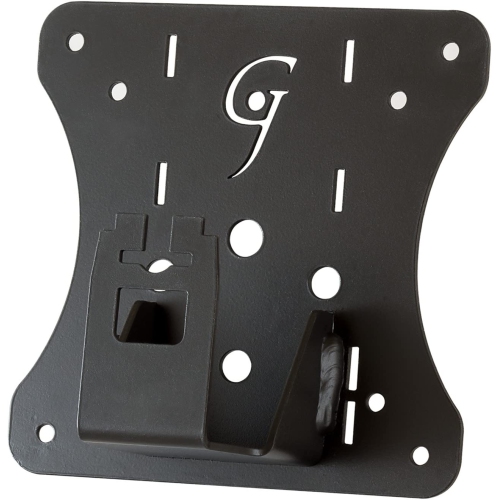
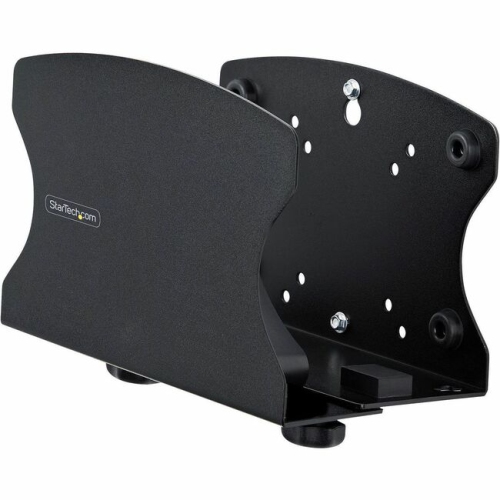
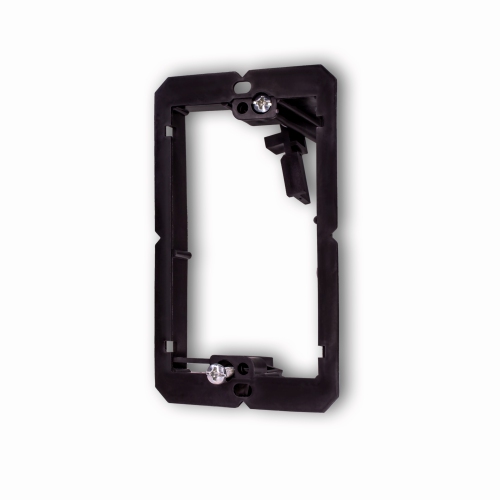
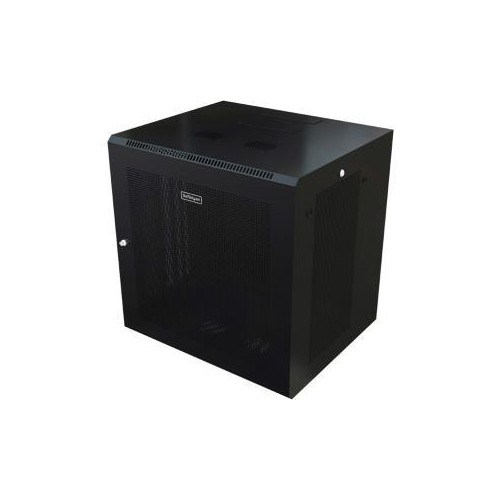
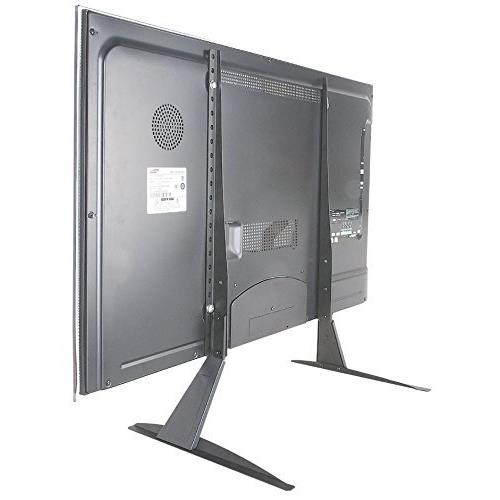
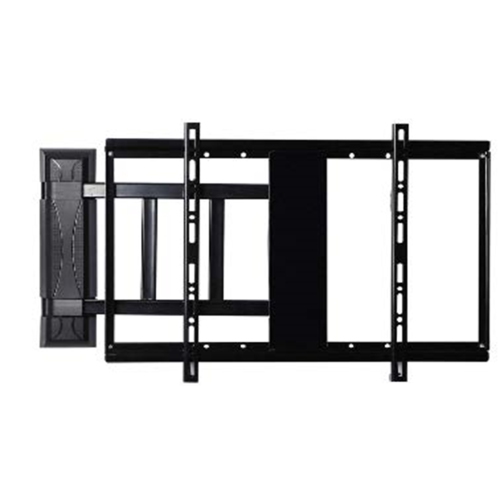
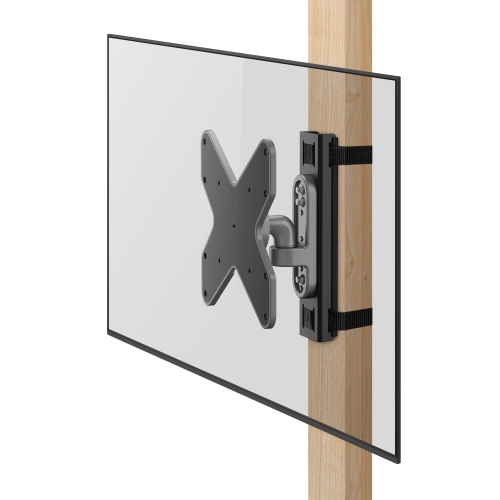
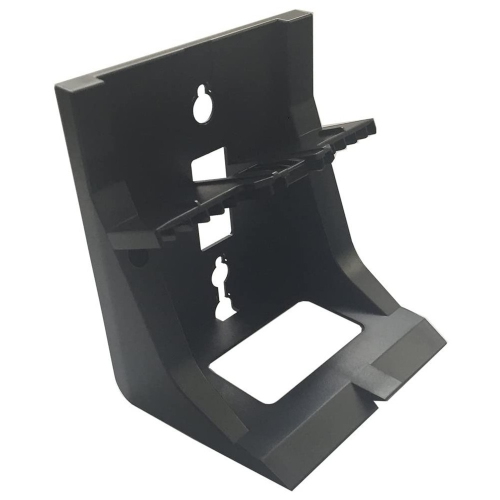
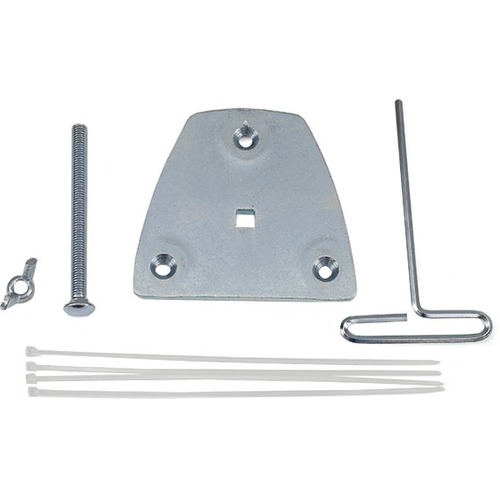
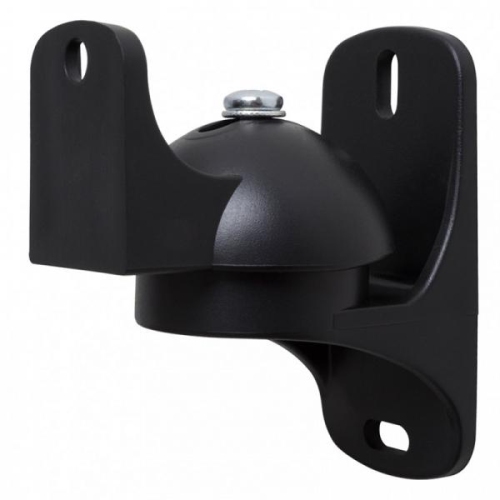
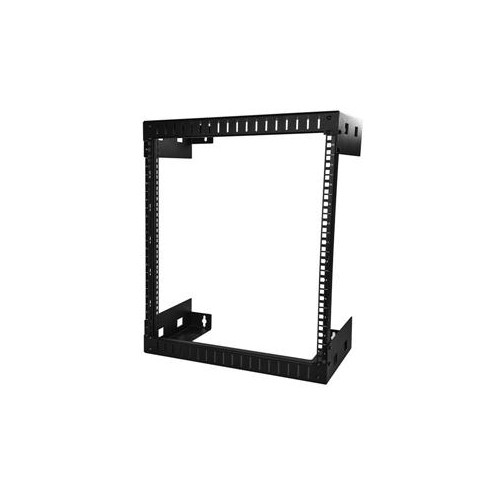
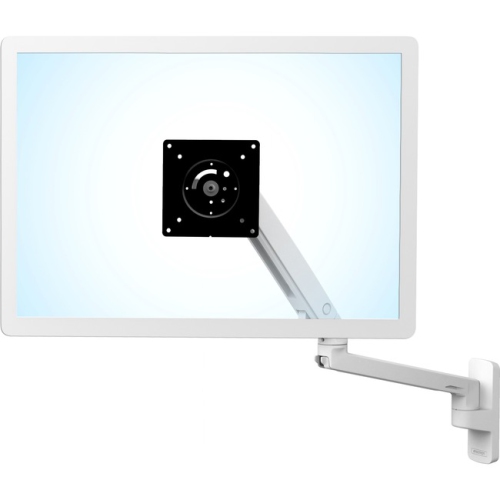
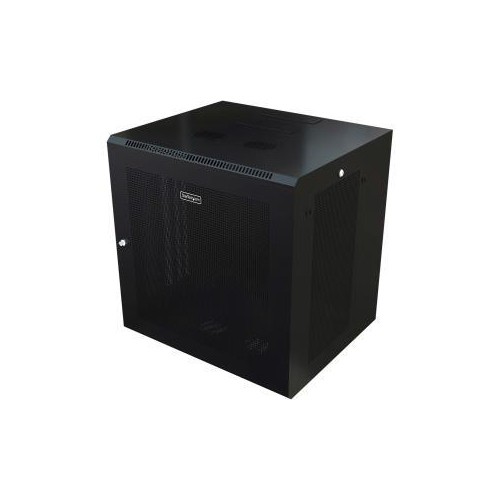
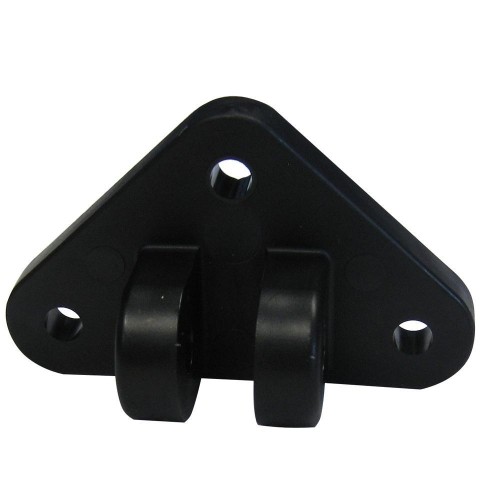
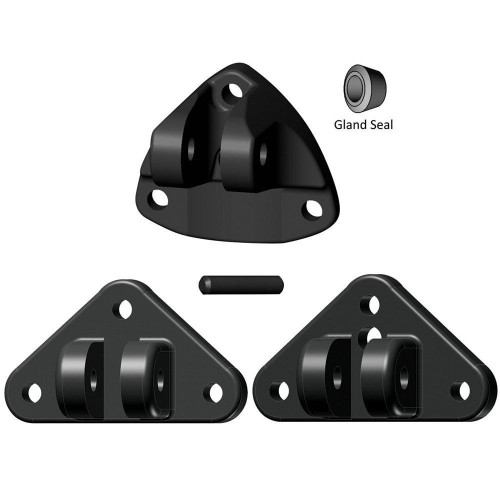
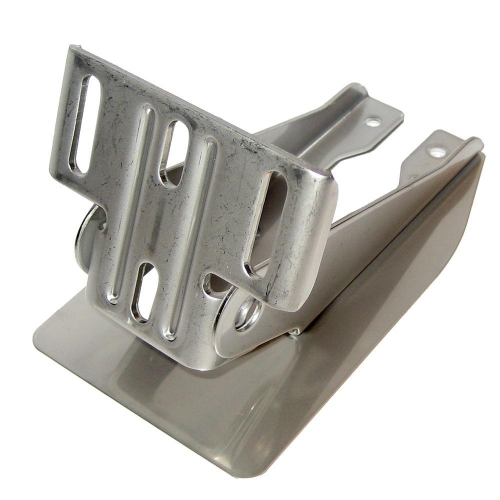
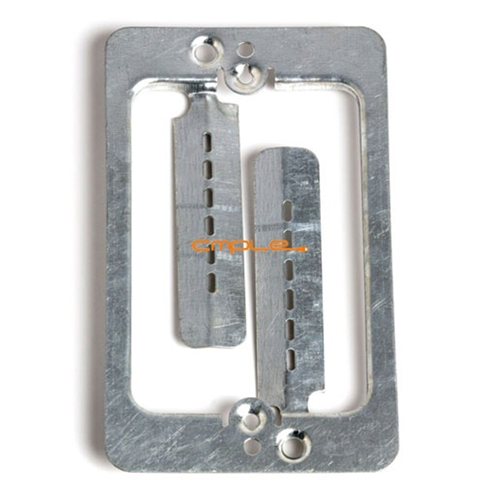
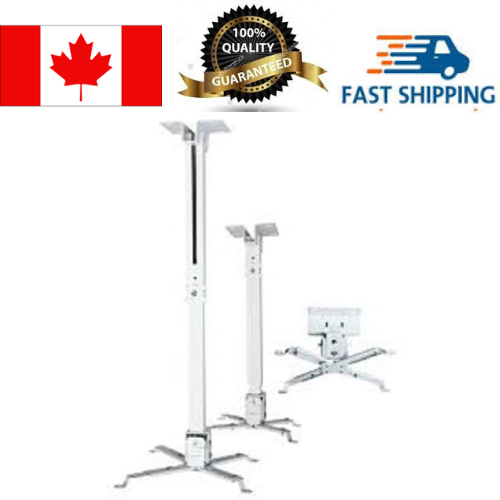
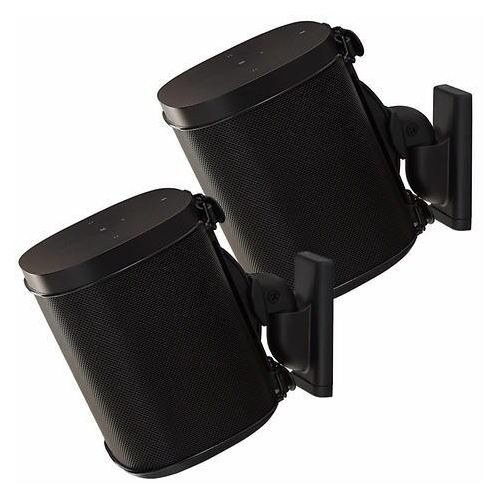
Mounting brackets are hardware supports used to attach or secure items to walls, ceilings, cabinets, furniture, shelving and other surfaces. They can help create storage, reinforce a joint, hold an entertainment component in place or provide a clean way to display a frame, mirror or decorative feature. The right bracket depends on what you are mounting, how much it weighs, where it will be installed and how much of the hardware you want to see. L-brackets, also called corner braces, are right-angle supports commonly used for shelves, work surfaces, cabinets and furniture repairs. They can add strength at a corner or help support a shelf from below, with larger and heavier-duty designs suited to more demanding loads. Z-clips are interlocking brackets that slide together to create a flush installation, making them useful for hanging panels, headboards, mirrors and substantial wall décor with minimal visible hardware. Floating shelf brackets use concealed plates or rods that fit inside the shelf, giving the finished surface a streamlined appearance while keeping the supporting hardware out of sight. Other mounting brackets are designed for specific applications, including securing televisions, soundbars, monitors, speakers, projectors, pipes and equipment. Browse related Mounting Rails when a longer, adjustable mounting surface may be better suited to the installation. A bracket can be a practical choice for a home office, workshop, living room, bedroom, kitchen, garage or retail-style display area, and a thoughtfully selected set can make a useful gift for someone moving into a new home, setting up a workspace or taking on furniture projects.
Before choosing mounting brackets, start with the item’s dimensions, weight and mounting points. Check the manufacturer’s specifications for the maximum supported load, and remember that the rating may depend on the type of wall, the spacing between fasteners and whether the load sits close to the wall or extends outward. A deep shelf carrying books, cookware or storage bins places more leverage on its brackets than a narrow shelf holding lightweight décor. Consider the wall surface as well: drywall, wood, brick, concrete and tile each require different fasteners and installation methods. For heavy loads, locate the wooden studs behind drywall with a stud finder and position the brackets so that the screws can enter solid framing. If the ideal location does not line up with a stud, use anchors rated for the load and wall construction, such as toggle-style or other heavy-duty cavity anchors where appropriate. Masonry surfaces generally call for compatible masonry bits and anchors, while tile requires careful drilling to reduce the chance of cracking. The bracket’s shape also matters. A fixed bracket keeps an item in one position, while an adjustable or articulating design can provide flexibility for viewing angles, alignment or access. Look for details such as hole spacing, screw-hole diameter, clearance, arm length, finish and included hardware. Matching the bracket to the object and surface can prevent an uneven installation and help distribute weight more effectively. When planning a shelf or wall display, mark the desired height with painter’s tape first; standing back across the room often reveals whether the placement feels balanced before any holes are made.
Successful installation is largely about careful preparation. Measure twice, mark each hole clearly and use a level to check the bracket before tightening the fasteners. Pre-drilling a pilot hole can help reduce splitting in wood and make it easier to keep the fastener on the marked path. For drywall, avoid relying on a small basic plug for a load that will be pulled away from the wall, and do not assume that a screw has reached a stud without confirming its position. Use the fasteners recommended for the bracket, wall and load, and keep the drill straight so the hardware seats properly. Once the bracket is attached, test it gently before adding the full load, then place heavier items closer to the supporting wall rather than at the edge of a shelf. Recheck that the hardware remains tight after the installation has been in use, particularly if the mounted item is opened, adjusted, moved or exposed to vibration. In a home, mounting brackets can turn an unused wall into useful storage, keep a television or soundbar neatly positioned, or give a handmade shelf a sturdy foundation. In a workshop, they can reinforce a bench, organize tools or support equipment above a work surface. During the warmer months and cooler months alike, they are useful for ongoing home projects because they support both quick improvements and more involved room updates. Taking a few extra minutes to confirm the load rating, locate the right structural support and check the final alignment can make the difference between hardware that merely fits and an installation that feels solid, straight and dependable.
Before choosing mounting brackets, start with the item’s dimensions, weight and mounting points. Check the manufacturer’s specifications for the maximum supported load, and remember that the rating may depend on the type of wall, the spacing between fasteners and whether the load sits close to the wall or extends outward. A deep shelf carrying books, cookware or storage bins places more leverage on its brackets than a narrow shelf holding lightweight décor. Consider the wall surface as well: drywall, wood, brick, concrete and tile each require different fasteners and installation methods. For heavy loads, locate the wooden studs behind drywall with a stud finder and position the brackets so that the screws can enter solid framing. If the ideal location does not line up with a stud, use anchors rated for the load and wall construction, such as toggle-style or other heavy-duty cavity anchors where appropriate. Masonry surfaces generally call for compatible masonry bits and anchors, while tile requires careful drilling to reduce the chance of cracking. The bracket’s shape also matters. A fixed bracket keeps an item in one position, while an adjustable or articulating design can provide flexibility for viewing angles, alignment or access. Look for details such as hole spacing, screw-hole diameter, clearance, arm length, finish and included hardware. Matching the bracket to the object and surface can prevent an uneven installation and help distribute weight more effectively. When planning a shelf or wall display, mark the desired height with painter’s tape first; standing back across the room often reveals whether the placement feels balanced before any holes are made.
Successful installation is largely about careful preparation. Measure twice, mark each hole clearly and use a level to check the bracket before tightening the fasteners. Pre-drilling a pilot hole can help reduce splitting in wood and make it easier to keep the fastener on the marked path. For drywall, avoid relying on a small basic plug for a load that will be pulled away from the wall, and do not assume that a screw has reached a stud without confirming its position. Use the fasteners recommended for the bracket, wall and load, and keep the drill straight so the hardware seats properly. Once the bracket is attached, test it gently before adding the full load, then place heavier items closer to the supporting wall rather than at the edge of a shelf. Recheck that the hardware remains tight after the installation has been in use, particularly if the mounted item is opened, adjusted, moved or exposed to vibration. In a home, mounting brackets can turn an unused wall into useful storage, keep a television or soundbar neatly positioned, or give a handmade shelf a sturdy foundation. In a workshop, they can reinforce a bench, organize tools or support equipment above a work surface. During the warmer months and cooler months alike, they are useful for ongoing home projects because they support both quick improvements and more involved room updates. Taking a few extra minutes to confirm the load rating, locate the right structural support and check the final alignment can make the difference between hardware that merely fits and an installation that feels solid, straight and dependable.
Top selling and popular products
-
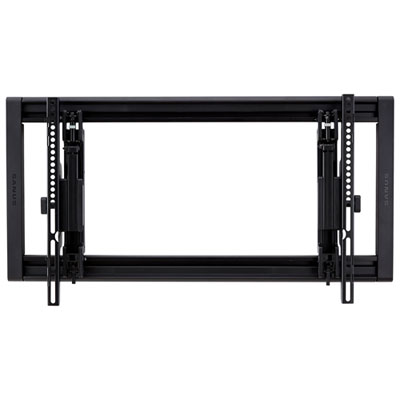 Your price for this item is $189.99
 -
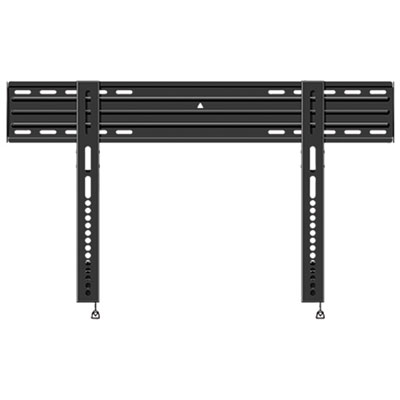 Your price for this item is $79.99
 -
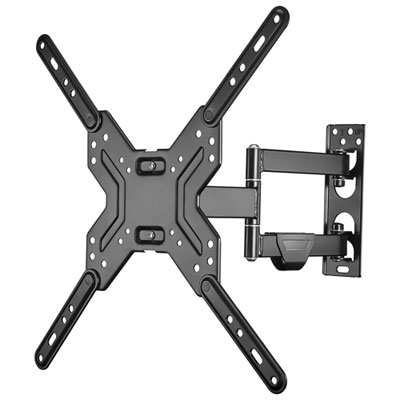 Your price for this item is $59.99
 -
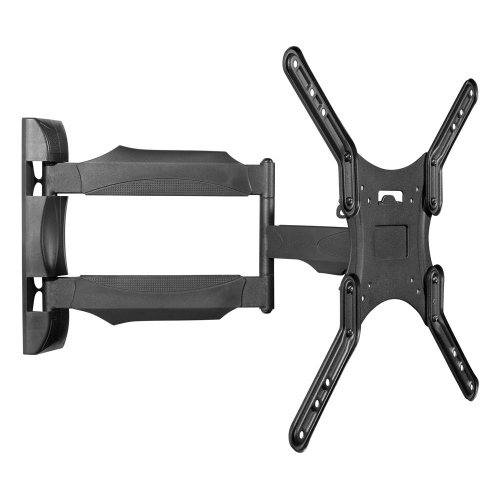 Your price for this item is $79.99
 -
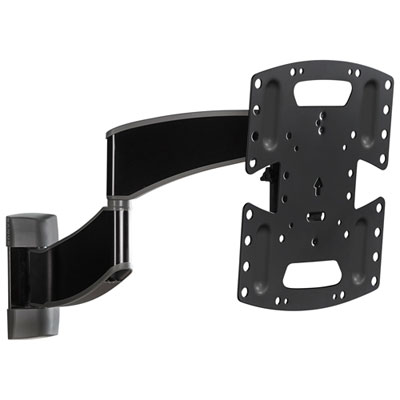 Your price for this item is $139.97
 -
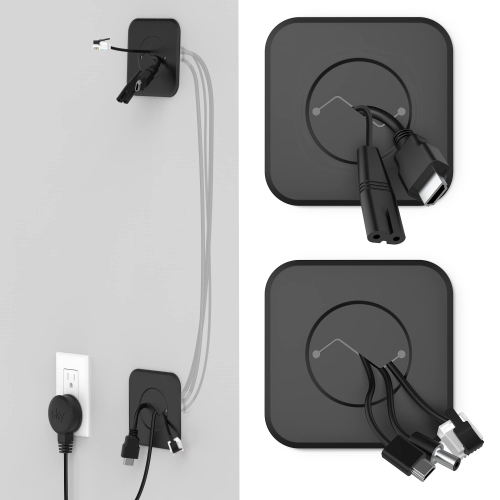 Your price for this item is $77.38
 -
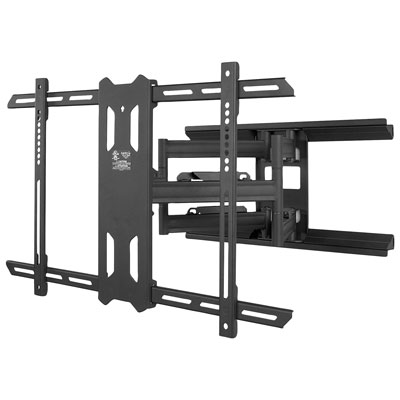 Your price for this item is $179.99
 -
 Your price for this item is $19.97
Discover more categories related to Mounting Brackets
Top Collections:
Pokemon Centers, Kindle Devices, Best Budget Office Chairs, Apple iPhones 16, Best Laptops for Writers, iPhone 15 Apple, Canon G7X Cameras, Refurbished Apple Laptops, Alarm Clock, Motorola Razr Phones
Some products may be subject to Environmental Handling Fees
(EHF) depending on your province.
Learn more about EHFs.