Speaker Mounting Brackets
Enhance your audio setup with our selection of speaker mounting brackets, designed to provide a seamless blend of style and functionality for any space. Whether you're looking to elevate your home theater experience or optimize audio in your living area, these brackets offer a versatile solution to securely position your speakers for optimal sound distribution. Explore options that cater to different styles and preferences, ensuring that your speakers are not only well-placed but also aesthetically integrated into your environment. Discover how the right speaker mounting brackets can transform your listening experience while maintaining the sleek look of your home decor.
Sort
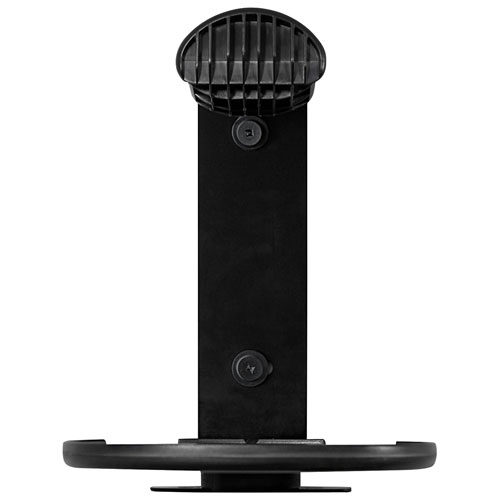
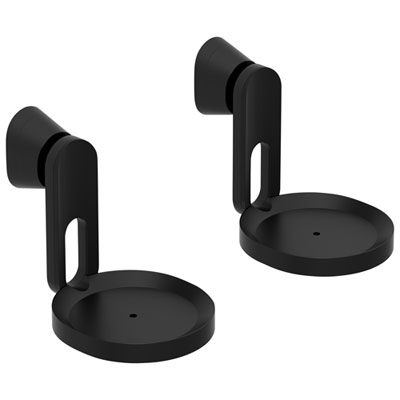
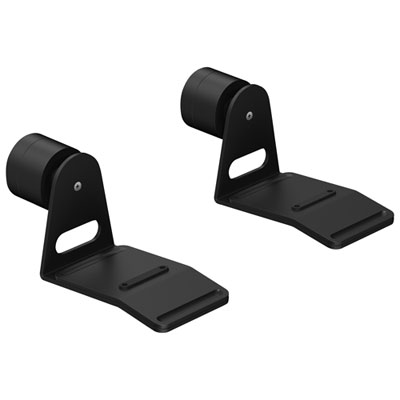
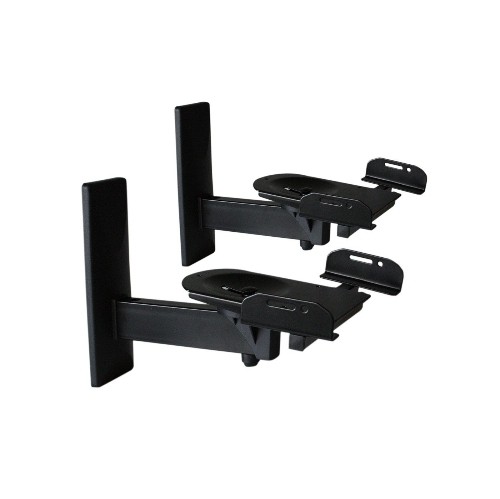
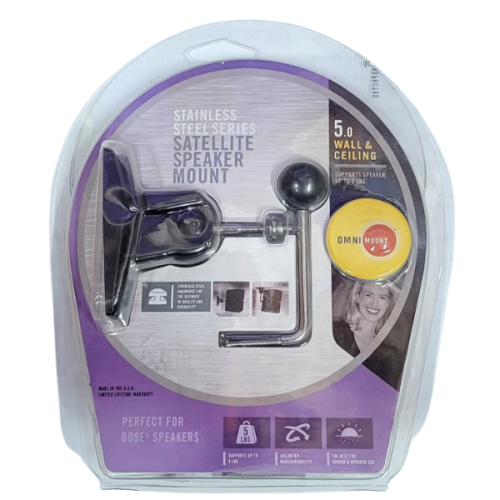
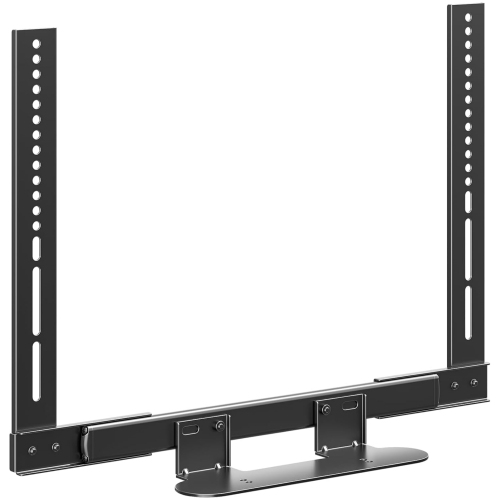
Thoughtful speaker placement supports clearer, more focused listening
Speaker mounting brackets provide a practical way to place speakers securely while making better use of the room around them. Instead of leaving speakers on shelves, cabinets, desks, or the floor, a suitable bracket can position them on a wall or ceiling, helping create a cleaner layout and a more focused listening area. They are commonly used with surround sound systems, compact home theatre speakers, soundbars, bookshelf speakers, satellite speakers, and other lightweight audio equipment. Some brackets are designed for fixed placement, while others allow the speaker to tilt, swivel, or angle toward the seating position. This flexibility can be useful in a family room where the sofa is not directly in front of the television, in a media room with multiple seating rows, or in a bedroom where the available surface space is limited. A wall-mounted speaker can also be placed higher than furniture, helping keep audio equipment away from curious children, pets, accidental knocks, and everyday clutter. When selecting from speaker mounting brackets, start by identifying the speaker type, its dimensions, and its weight. The bracket must support the full weight of the speaker, including any mounting hardware, without forcing the cabinet into an unstable position. Check the bracket’s stated load limit and compare it with the speaker’s specifications rather than relying on appearance alone. Compatibility also depends on the speaker’s mounting points, cabinet shape, and the hardware included or required. A universal bracket may accommodate several mounting patterns, while a more specialized design may be intended for a particular style of speaker. Measuring the width, depth, and mounting-hole spacing before purchasing can prevent an awkward fit and make installation much smoother. Shoppers planning a larger home theatre arrangement may also want to consider whether all speakers can be placed at consistent heights and angled toward the main listening position. Thoughtful placement can help voices sound more centred, music feel more balanced, and surround effects move naturally around the room.
Installation conditions are just as important as bracket compatibility. A wall-mounted speaker should be fastened to a wooden stud whenever possible, particularly when the speaker is heavy or the bracket allows movement. If a stud is not available in the ideal location, use wall anchors rated for the wall material and the total load, and follow the anchor manufacturer’s instructions carefully. Drywall, plaster, brick, concrete, and masonry each require different fasteners, drill bits, and installation methods. Ceiling installations deserve extra attention because the bracket and speaker are supported overhead; use hardware specifically suited to the ceiling structure and verify that every connection is tight before positioning the speaker. Avoid fastening into a surface that is cracked, loose, damp, or unable to support the load. It is also wise to leave enough clearance around the speaker for ventilation, cable routing, and future adjustments. Before drilling, map the cable path and check for electrical wires, plumbing, and other hidden obstructions. A level, measuring tape, stud finder, pencil, and appropriate screwdriver or drill can help achieve a straight, secure result. Once the bracket is attached, test it gently for movement and confirm that the speaker cannot slide, rotate, or pull away from its support. Tilt and swivel adjustments should be tightened firmly without over-compressing the speaker housing. Cable management is another consideration: leave enough slack for small angle adjustments, but avoid loose loops that can catch on furniture or become a tripping hazard. For renters, apartment dwellers, or anyone who cannot drill into walls, a compact bracket may not be the best solution; a freestanding stand, shelf, or furniture-based arrangement could be more appropriate. Those comparing different mounting solutions can browse Mounting Brackets to explore options for a variety of audio and home entertainment setups.
Speaker mounting brackets are also useful in vehicle audio installations, where an adapter can help fit an aftermarket speaker into a factory opening without cutting or permanently altering the vehicle. Vehicle-specific fitment is essential because door panels, dash locations, and rear-deck openings vary widely between makes and models. Check the vehicle year, make, model, speaker location, and original speaker size before choosing an adapter bracket. A correct fit can help the replacement speaker sit securely, align with the factory grille, and reduce rattling caused by movement. It can also make future servicing easier if the speaker needs to be removed. For home audio, these brackets can be a thoughtful gift for someone setting up a first apartment, upgrading a media room, organizing a gaming space, or finishing a basement entertainment area. They may appeal to music listeners who want a clearer layout, film fans building a more immersive surround system, or handy homeowners who enjoy improving the details of a room. During the cooler months, when people often spend more time indoors, a well-planned speaker arrangement can make movie nights, gaming sessions, sports broadcasts, and casual listening more enjoyable without taking over valuable floor space. In a smaller room, mounting speakers above furniture can open up tabletops and shelving; in a larger room, angled brackets can help direct sound toward the seating area instead of across an empty wall. Keep the room’s layout, speaker position, cable route, wall construction, and future furniture changes in mind before installation. The best choice is one that supports the speaker securely, matches the mounting surface, provides the adjustment needed for the listening position, and complements the way the space is used every day.
Installation conditions are just as important as bracket compatibility. A wall-mounted speaker should be fastened to a wooden stud whenever possible, particularly when the speaker is heavy or the bracket allows movement. If a stud is not available in the ideal location, use wall anchors rated for the wall material and the total load, and follow the anchor manufacturer’s instructions carefully. Drywall, plaster, brick, concrete, and masonry each require different fasteners, drill bits, and installation methods. Ceiling installations deserve extra attention because the bracket and speaker are supported overhead; use hardware specifically suited to the ceiling structure and verify that every connection is tight before positioning the speaker. Avoid fastening into a surface that is cracked, loose, damp, or unable to support the load. It is also wise to leave enough clearance around the speaker for ventilation, cable routing, and future adjustments. Before drilling, map the cable path and check for electrical wires, plumbing, and other hidden obstructions. A level, measuring tape, stud finder, pencil, and appropriate screwdriver or drill can help achieve a straight, secure result. Once the bracket is attached, test it gently for movement and confirm that the speaker cannot slide, rotate, or pull away from its support. Tilt and swivel adjustments should be tightened firmly without over-compressing the speaker housing. Cable management is another consideration: leave enough slack for small angle adjustments, but avoid loose loops that can catch on furniture or become a tripping hazard. For renters, apartment dwellers, or anyone who cannot drill into walls, a compact bracket may not be the best solution; a freestanding stand, shelf, or furniture-based arrangement could be more appropriate. Those comparing different mounting solutions can browse Mounting Brackets to explore options for a variety of audio and home entertainment setups.
Speaker mounting brackets are also useful in vehicle audio installations, where an adapter can help fit an aftermarket speaker into a factory opening without cutting or permanently altering the vehicle. Vehicle-specific fitment is essential because door panels, dash locations, and rear-deck openings vary widely between makes and models. Check the vehicle year, make, model, speaker location, and original speaker size before choosing an adapter bracket. A correct fit can help the replacement speaker sit securely, align with the factory grille, and reduce rattling caused by movement. It can also make future servicing easier if the speaker needs to be removed. For home audio, these brackets can be a thoughtful gift for someone setting up a first apartment, upgrading a media room, organizing a gaming space, or finishing a basement entertainment area. They may appeal to music listeners who want a clearer layout, film fans building a more immersive surround system, or handy homeowners who enjoy improving the details of a room. During the cooler months, when people often spend more time indoors, a well-planned speaker arrangement can make movie nights, gaming sessions, sports broadcasts, and casual listening more enjoyable without taking over valuable floor space. In a smaller room, mounting speakers above furniture can open up tabletops and shelving; in a larger room, angled brackets can help direct sound toward the seating area instead of across an empty wall. Keep the room’s layout, speaker position, cable route, wall construction, and future furniture changes in mind before installation. The best choice is one that supports the speaker securely, matches the mounting surface, provides the adjustment needed for the listening position, and complements the way the space is used every day.
Top selling and popular products
-
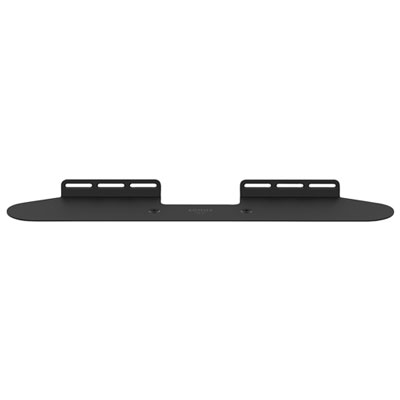 Your price for this item is $79.99
 -
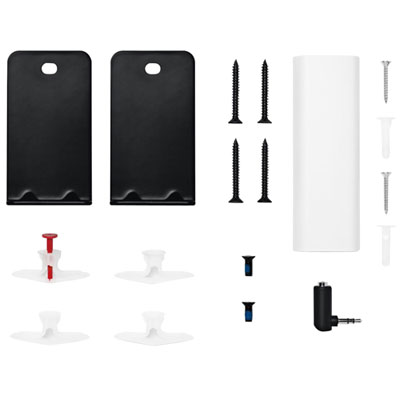 Your price for this item is $49.99
 -
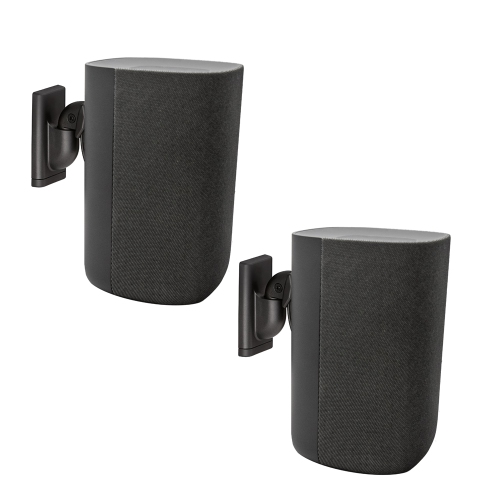 Your price for this item is $69.99
 -
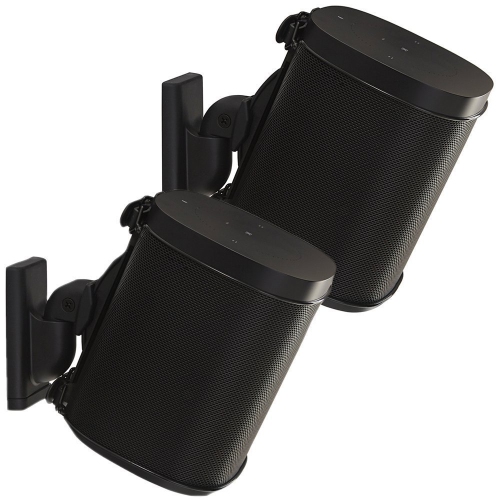 Your price for this item is $88
 -
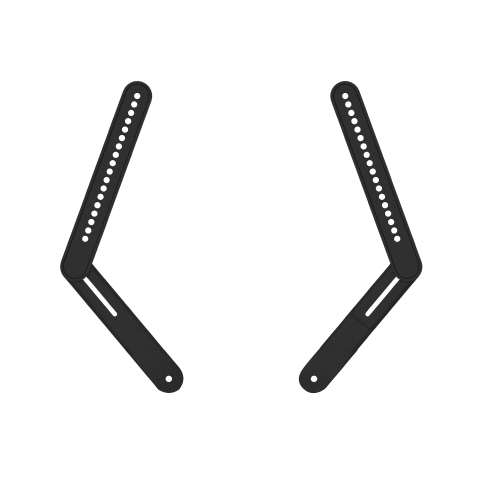 Your price for this item is $69.99
 -
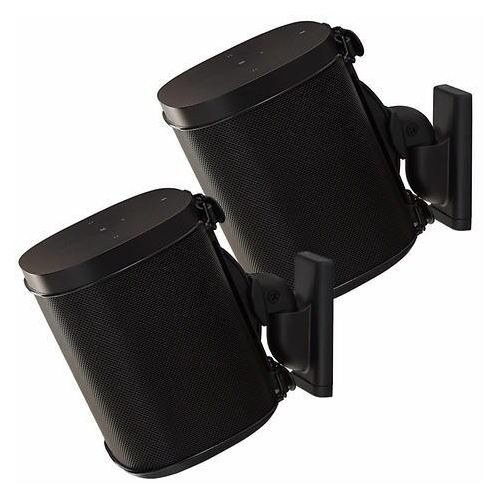 Your price for this item is $88
 -
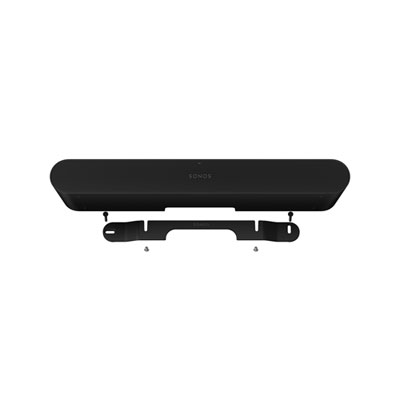 Your price for this item is $49.99
 -
 Your price for this item is $399
Discover more categories related to Speaker Mounting Brackets
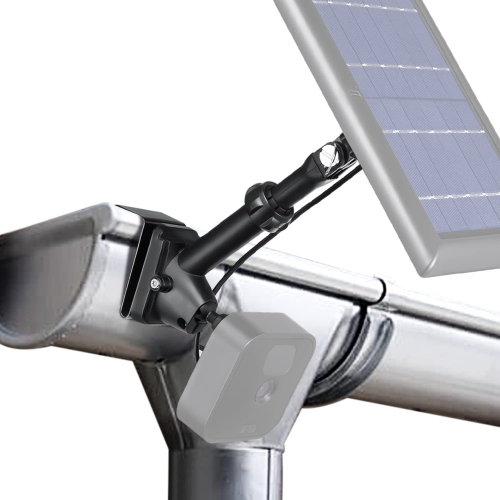
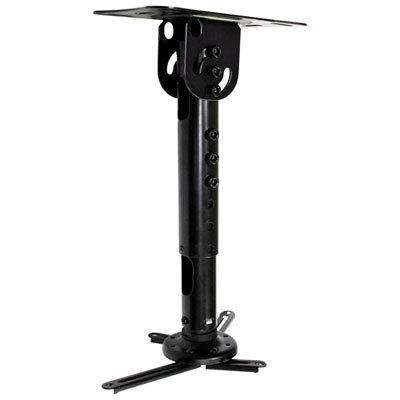
Top Collections:
Pokemon Centers, Kindle Devices, Best Budget Office Chairs, Apple iPhones 16, Best Laptops for Writers, iPhone 15 Apple, Canon G7X Cameras, Refurbished Apple Laptops, Alarm Clock, Motorola Razr Phones
Some products may be subject to Environmental Handling Fees
(EHF) depending on your province.
Learn more about EHFs.