Outdoor Covers
Protect your outdoor furniture and equipment from the elements with our range of durable outdoor covers. From patio furniture covers to grill covers, fire pit covers, and more, these protective solutions are designed to keep your outdoor items safe and looking like new. Whether you need to shield your beloved patio set from rain and sun or keep your grill in top condition for the next barbecue season, our selection of high-quality outdoor covers has you covered. Browse through a variety of sizes and styles to find the perfect fit for your outdoor essentials.
Sort
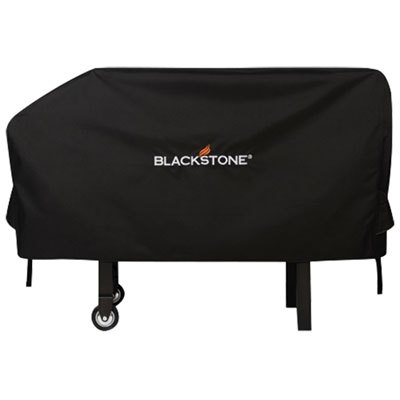
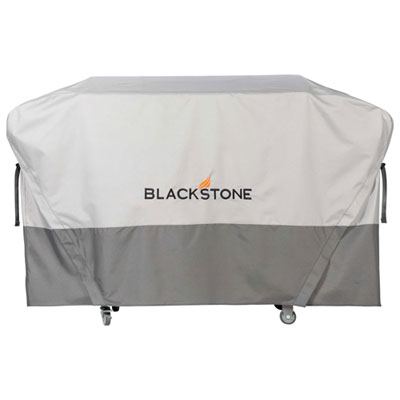
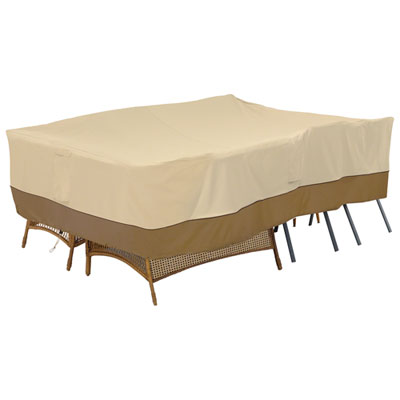
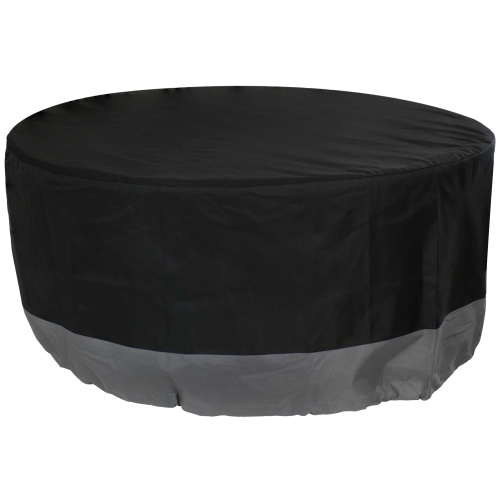
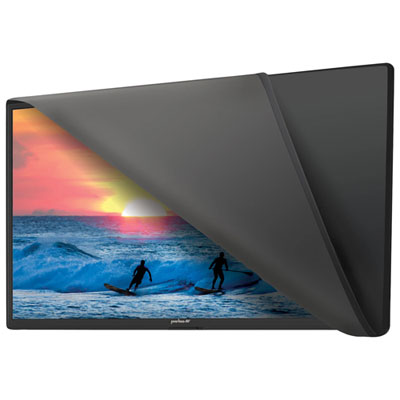
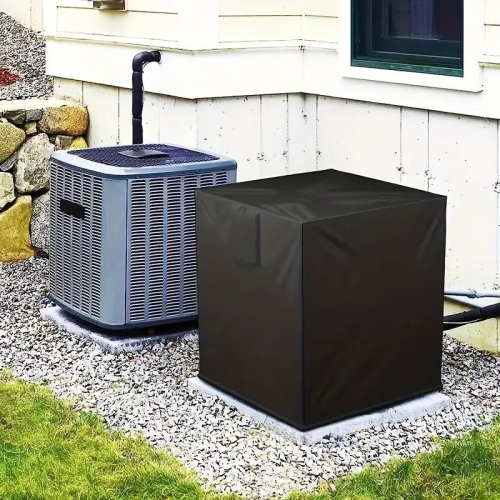
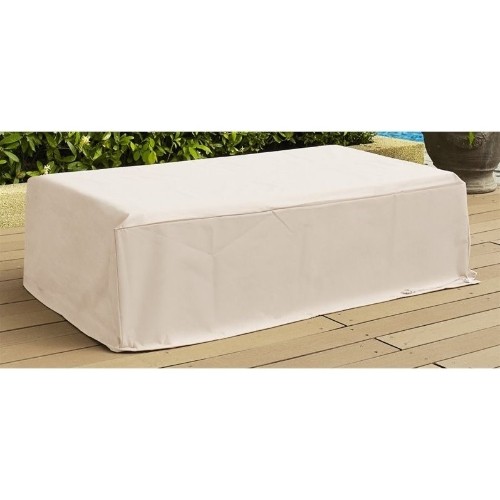
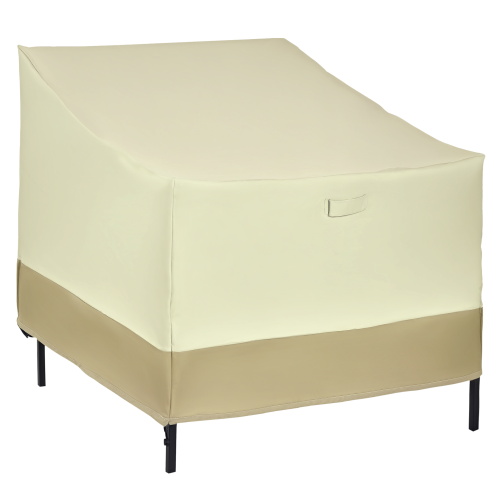
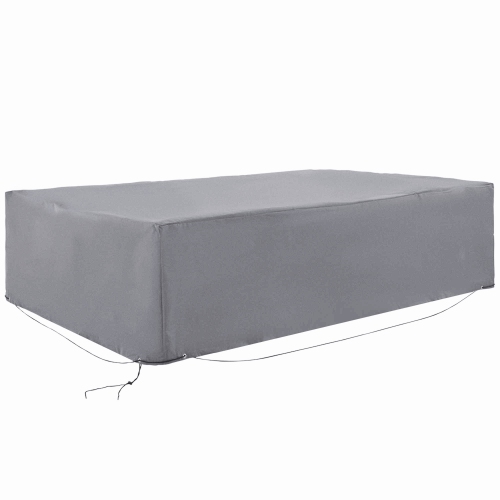
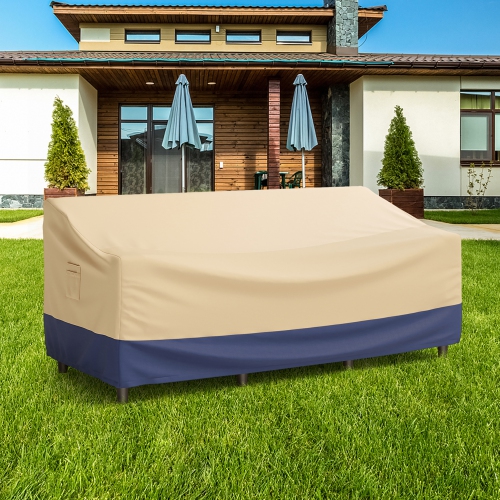
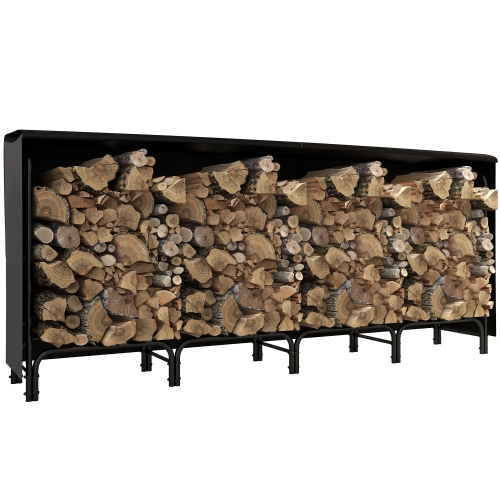
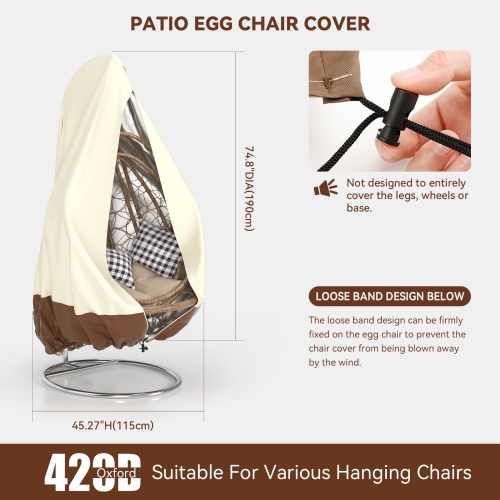
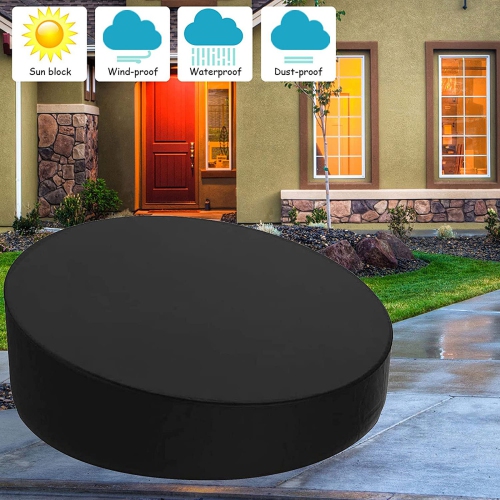
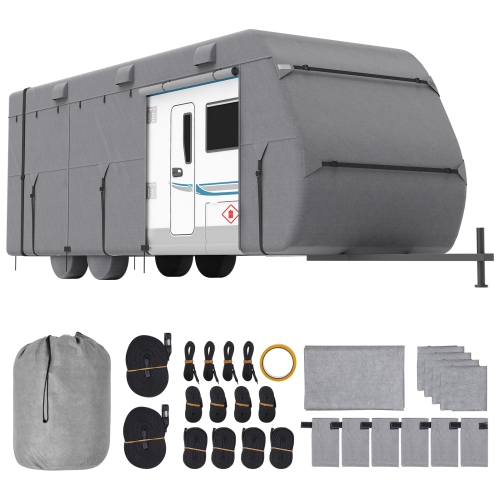
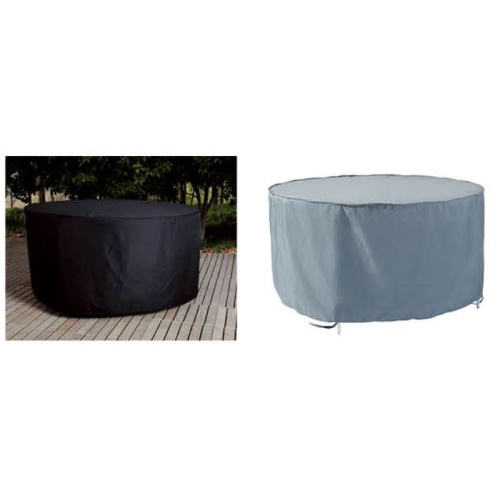
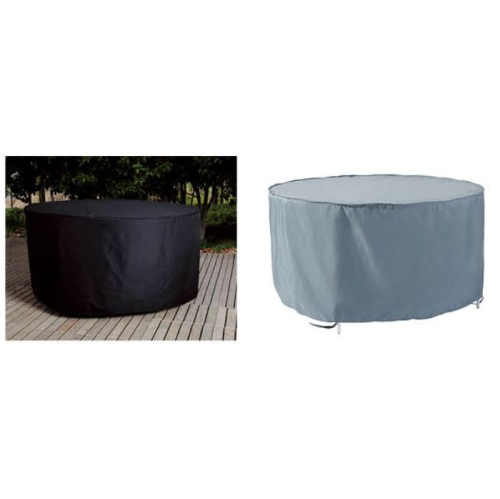
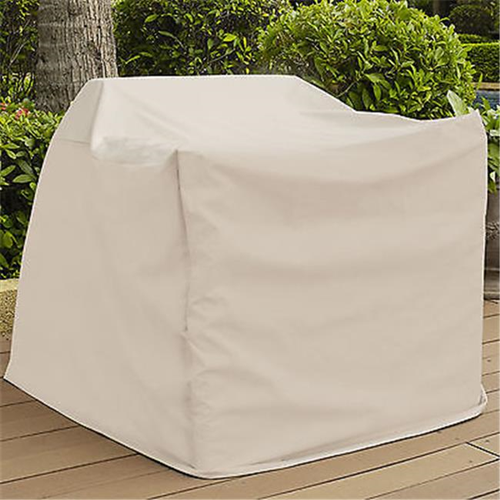
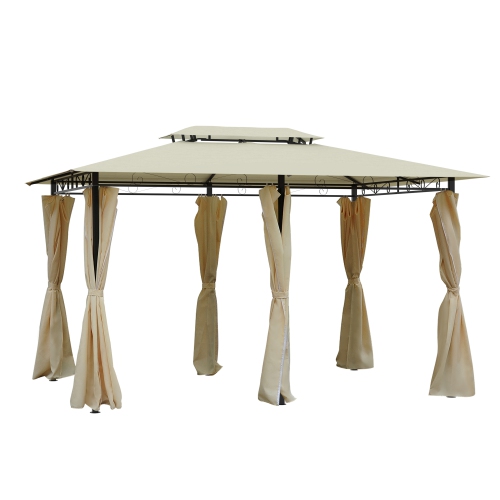
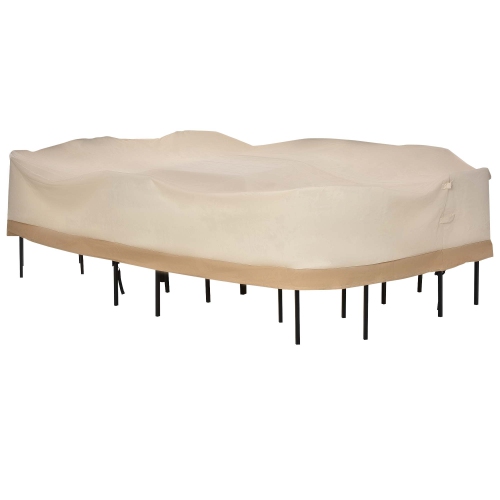
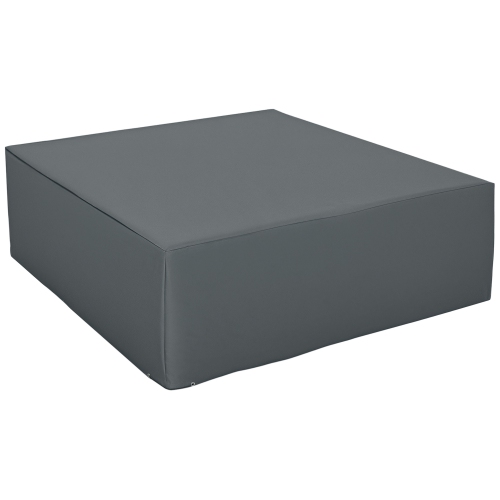
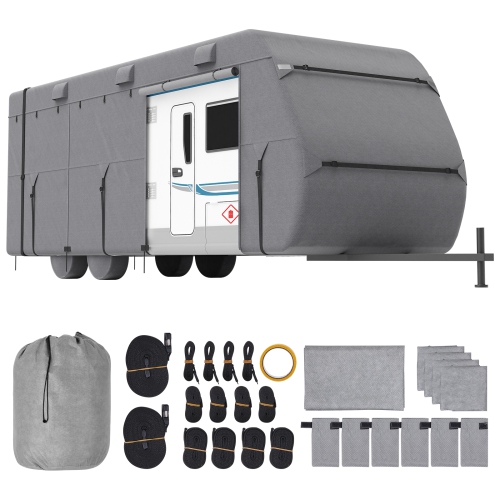
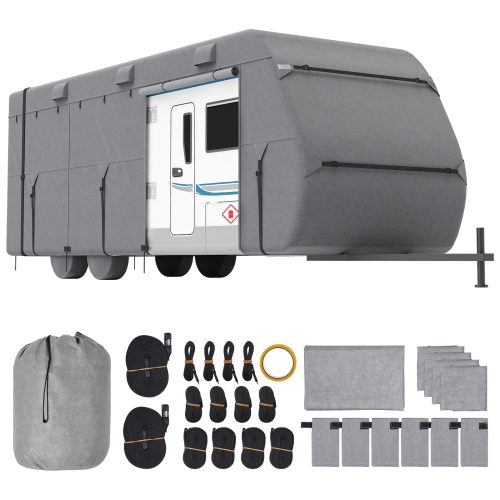
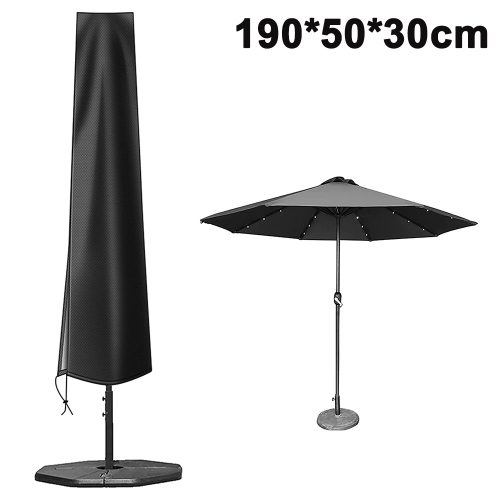
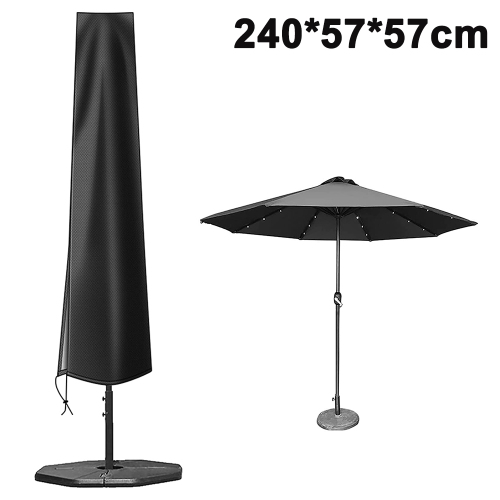
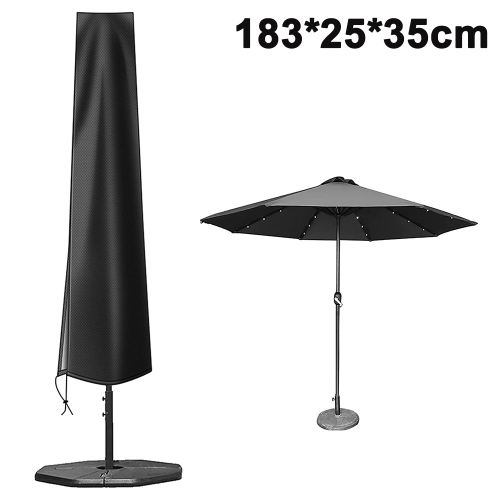
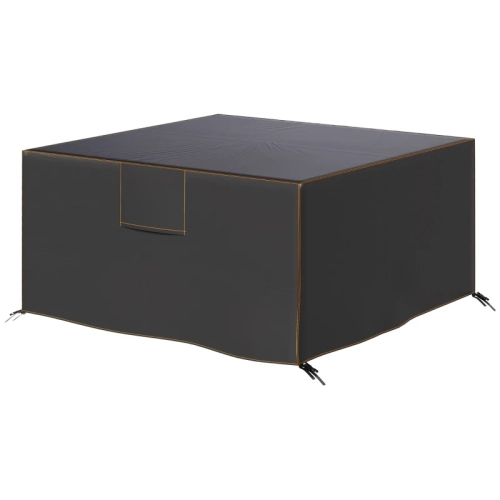
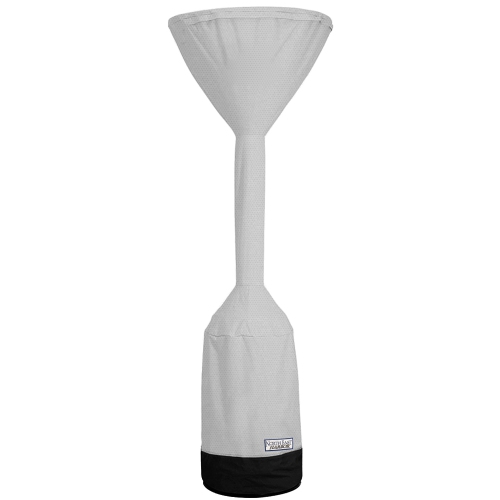
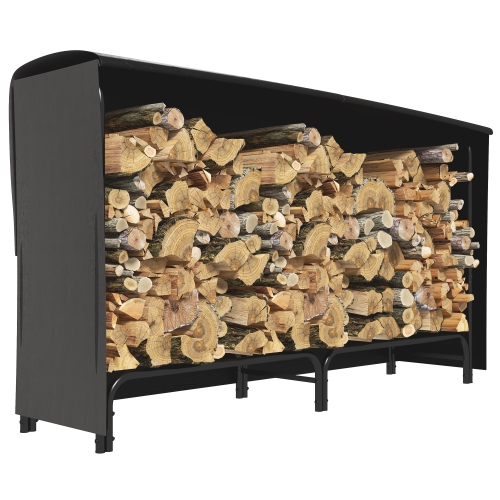
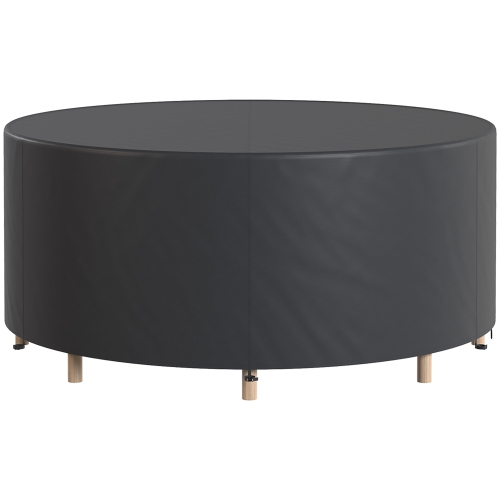
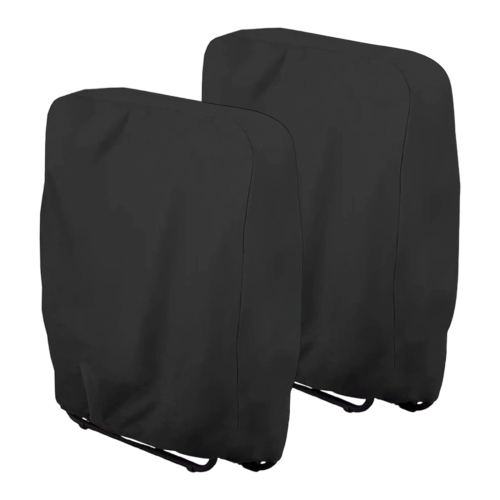
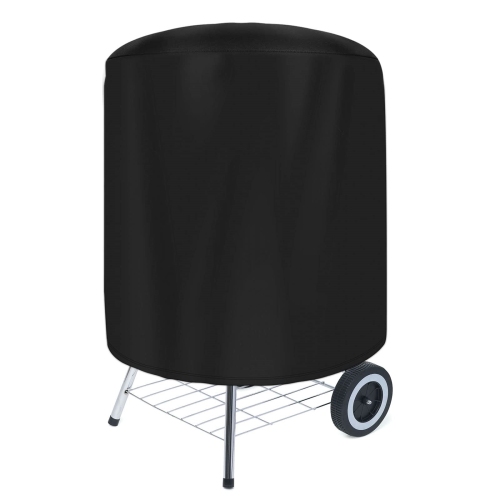
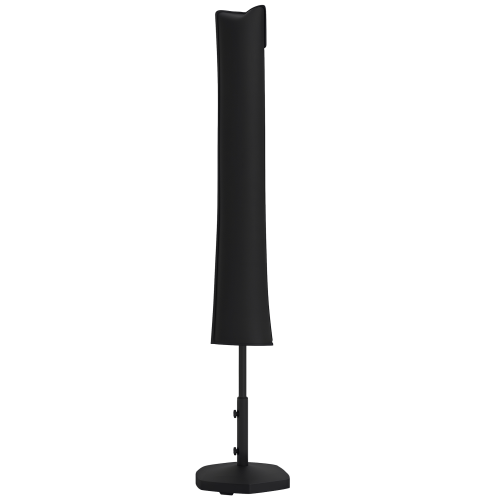
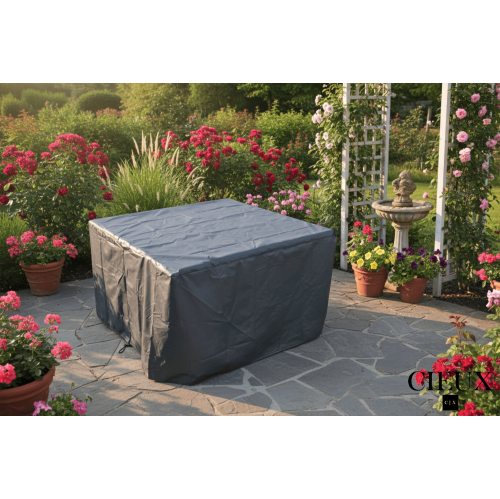
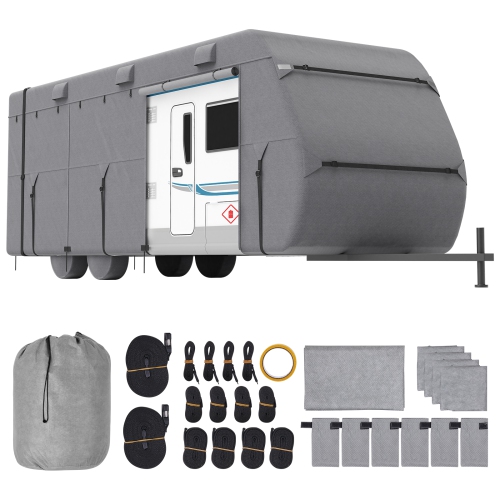
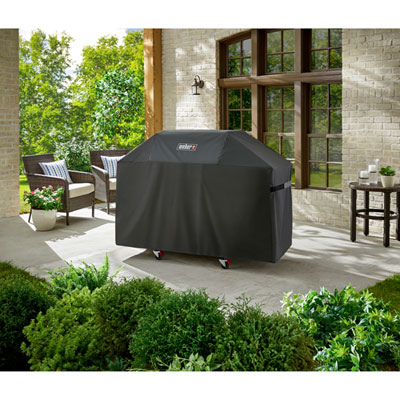

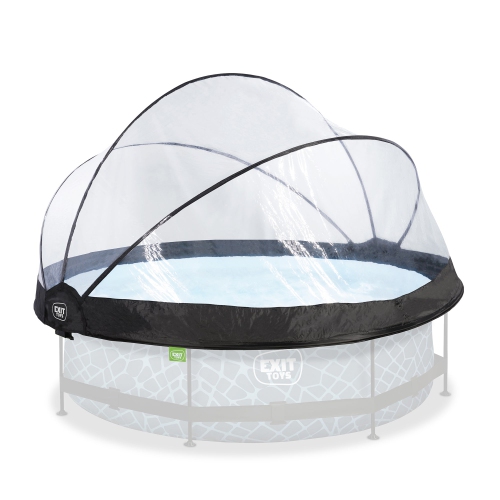
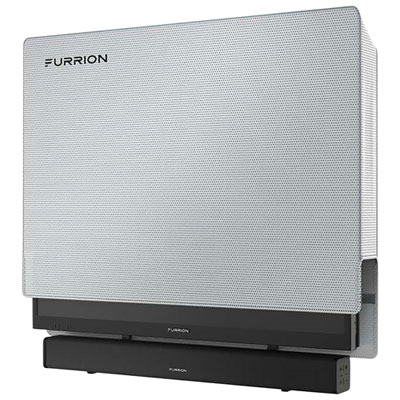
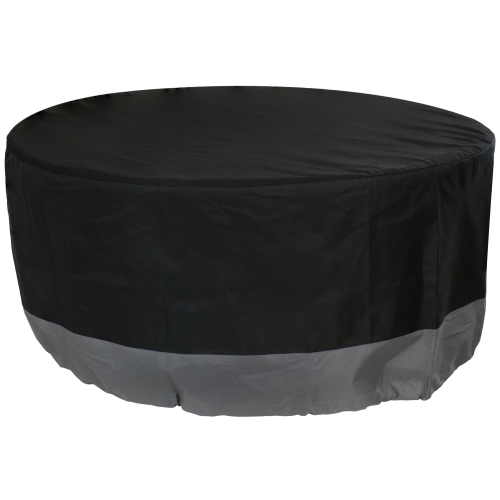
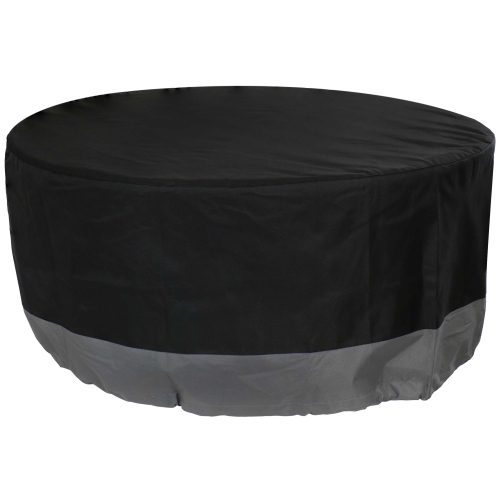
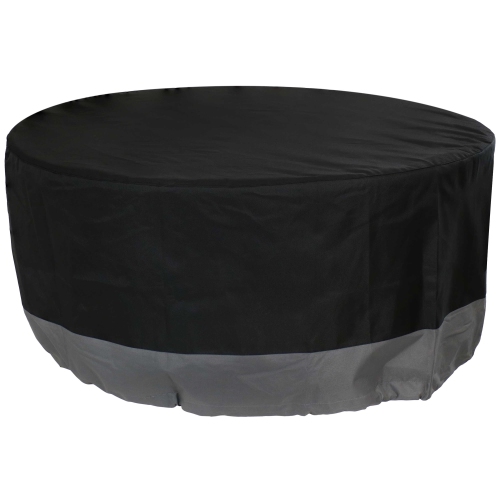
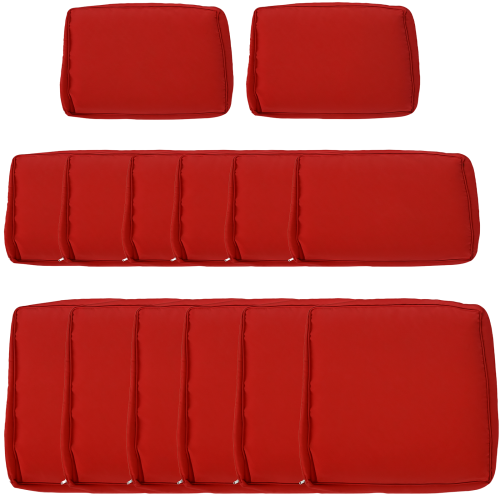
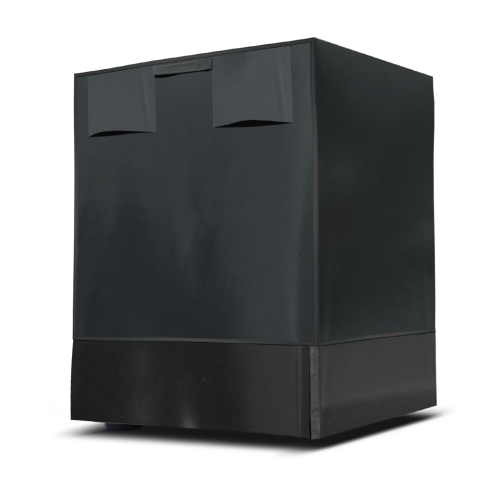
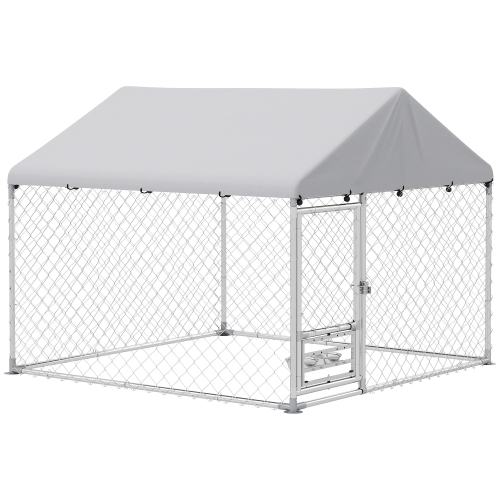
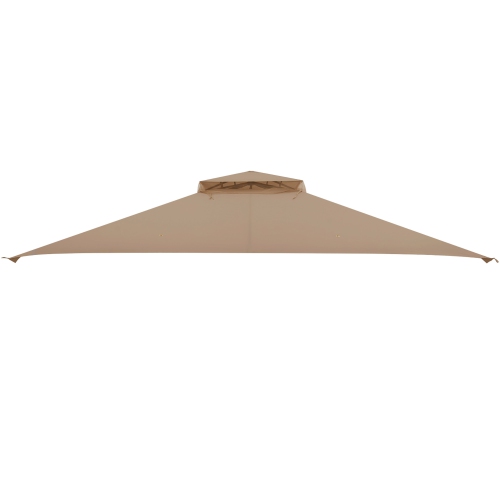
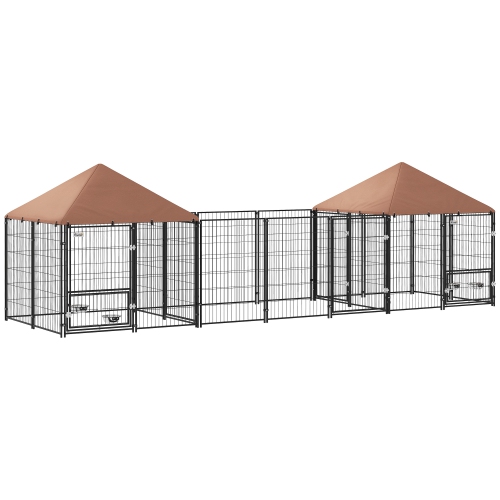
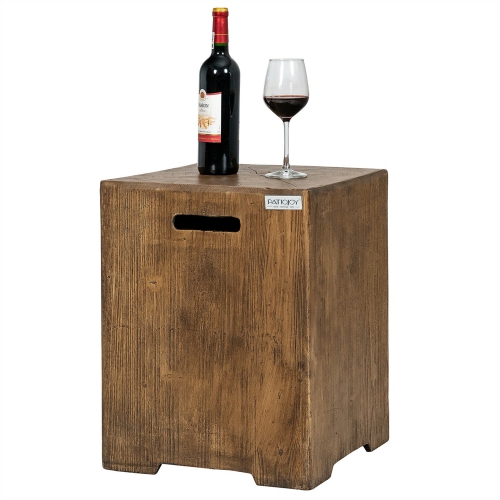
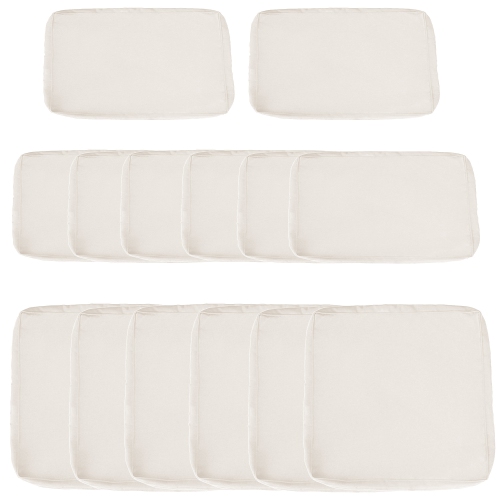
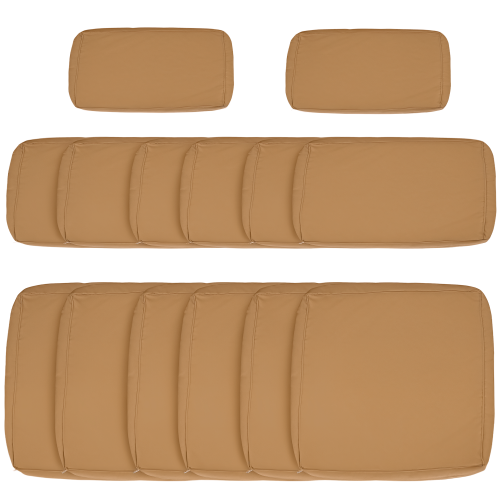
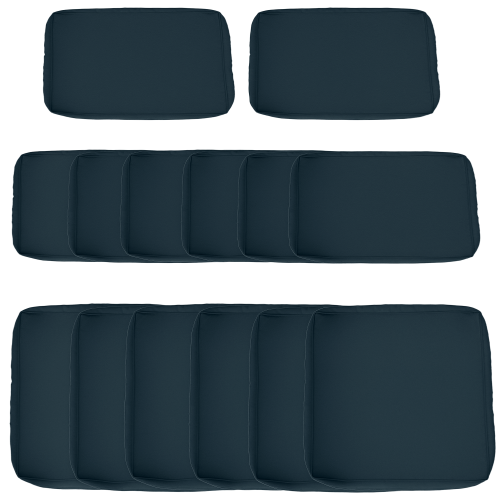
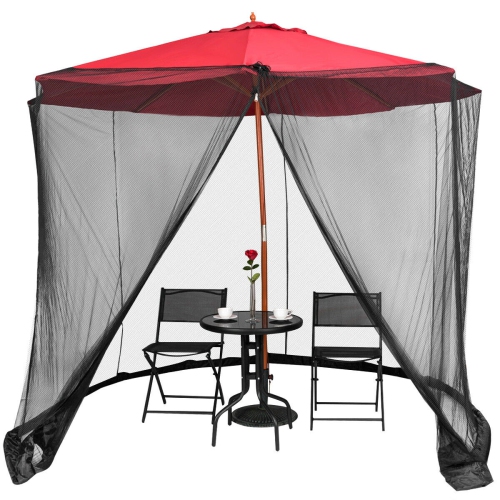
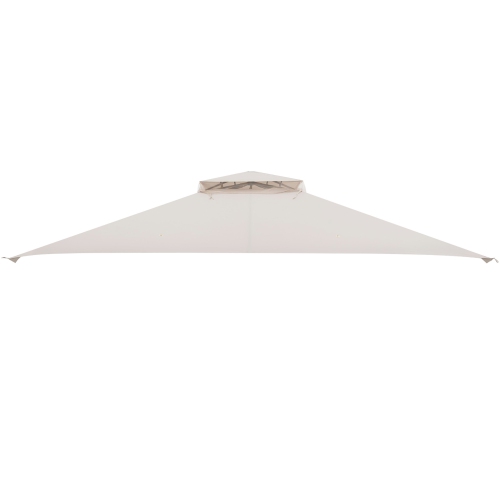
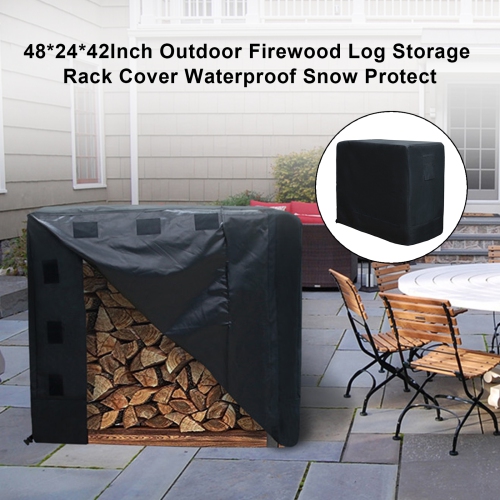
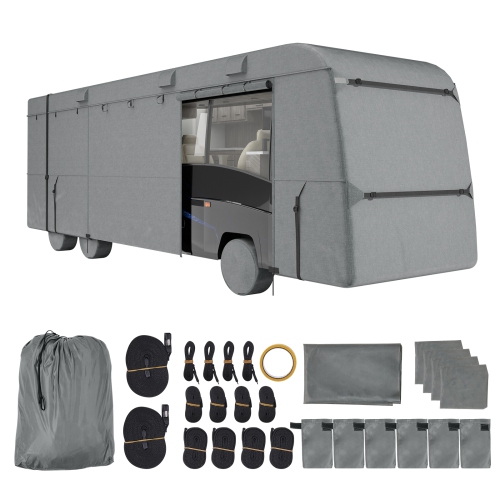
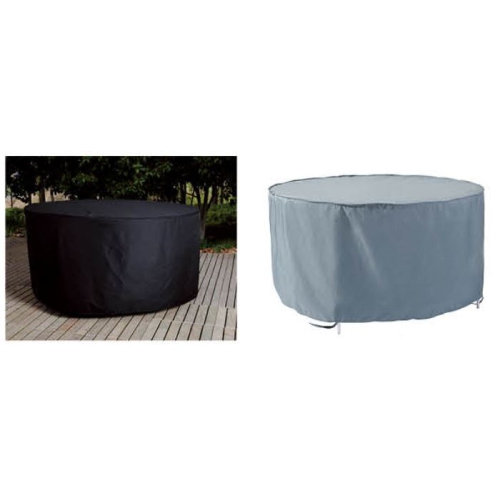
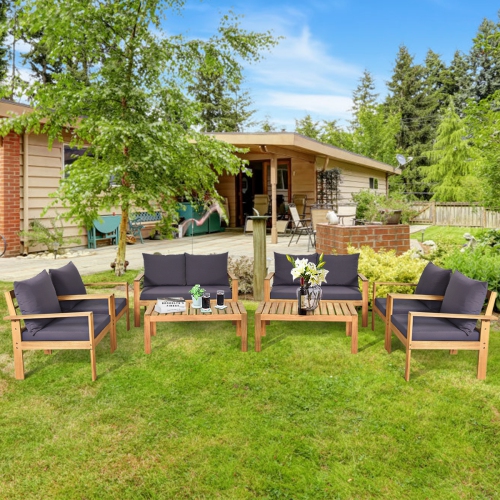
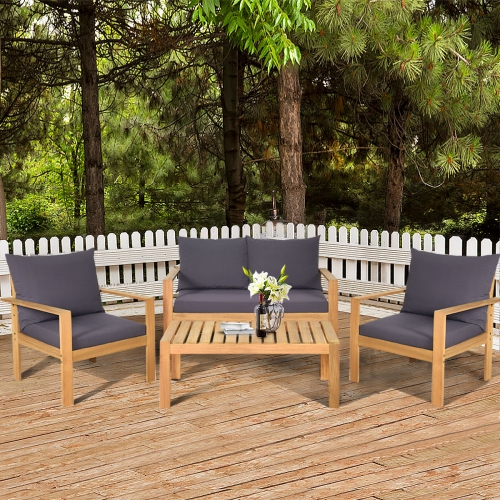
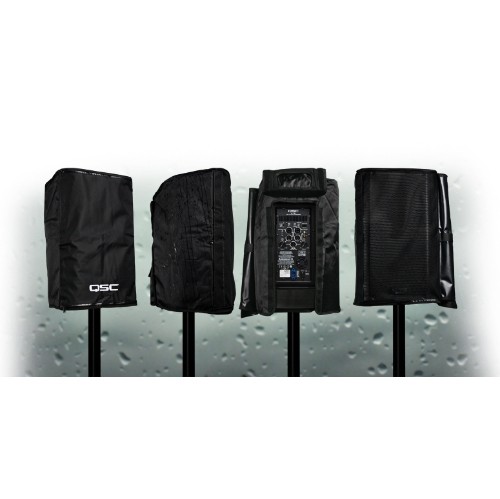
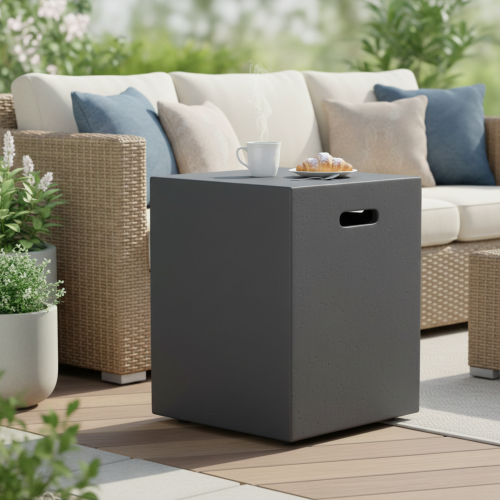
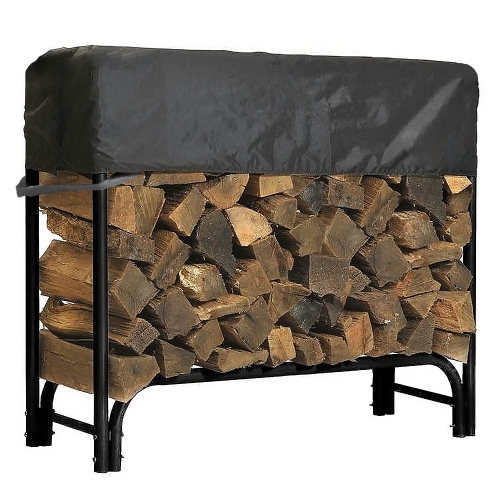
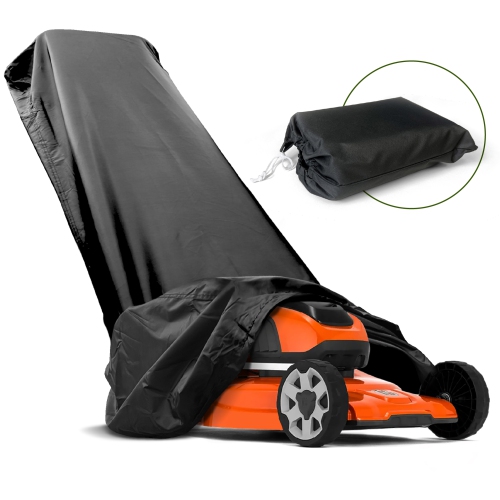
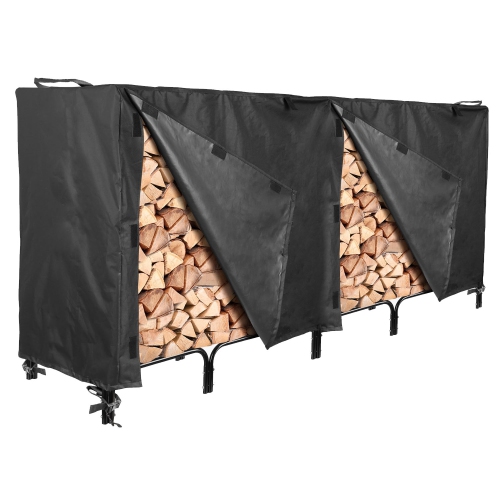
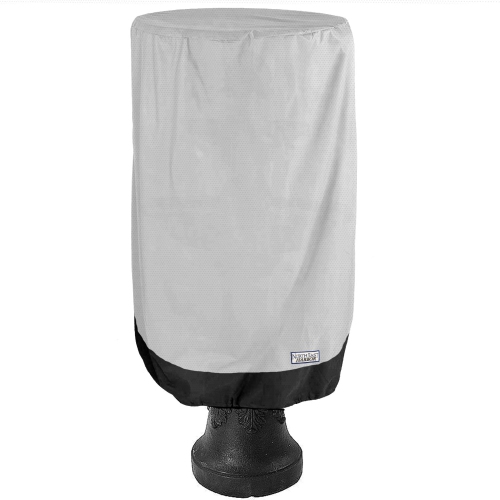
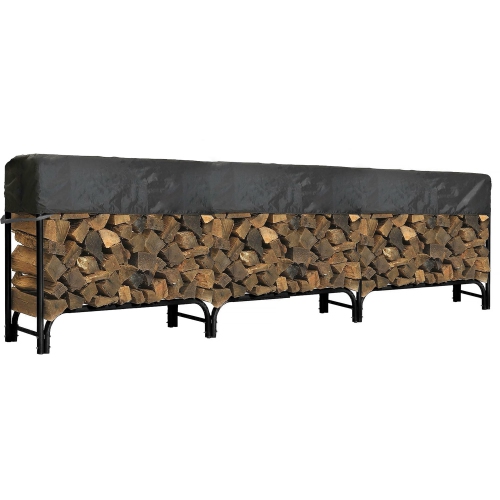
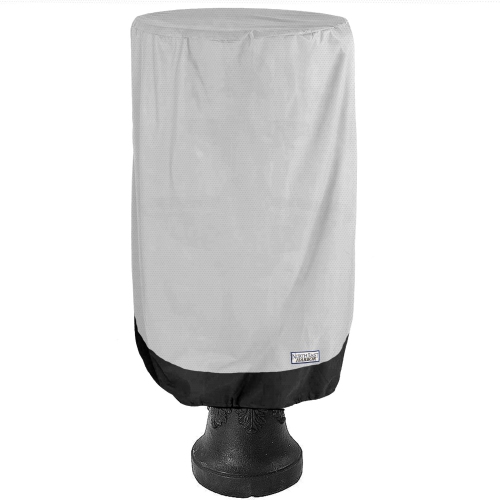

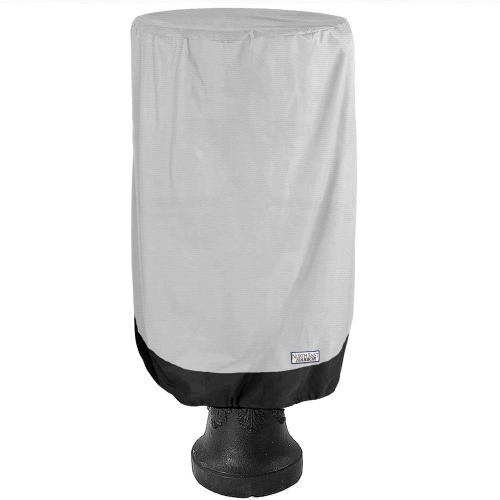
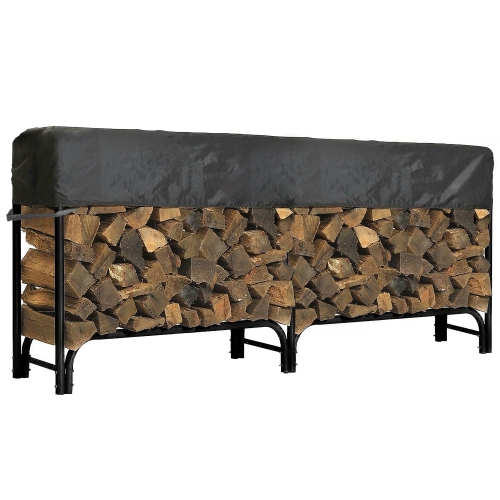
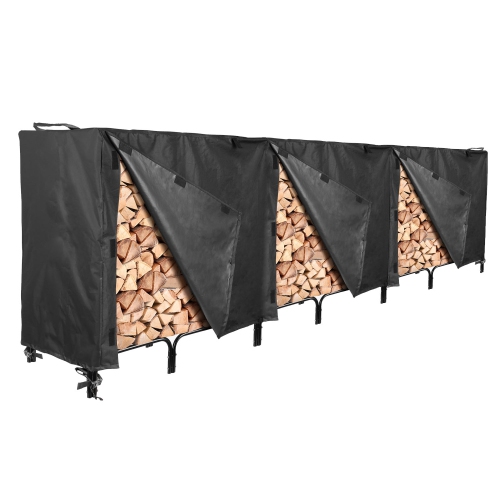
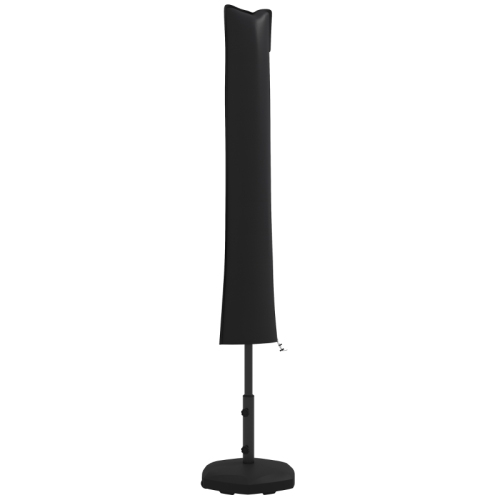
How the right fit helps protect patio furniture
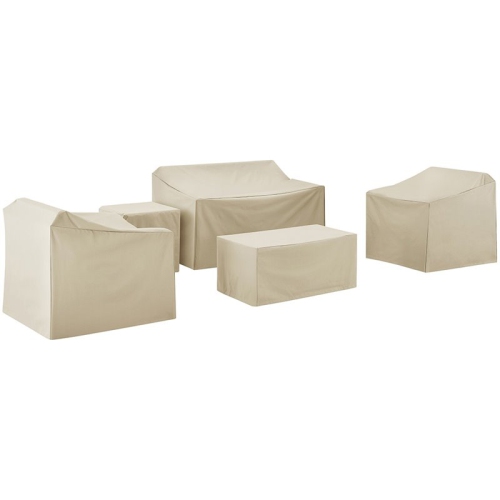
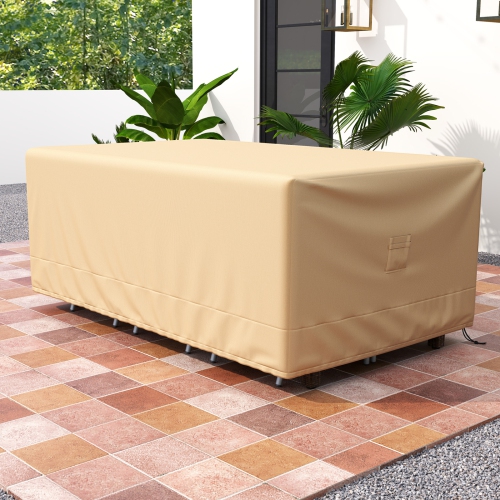
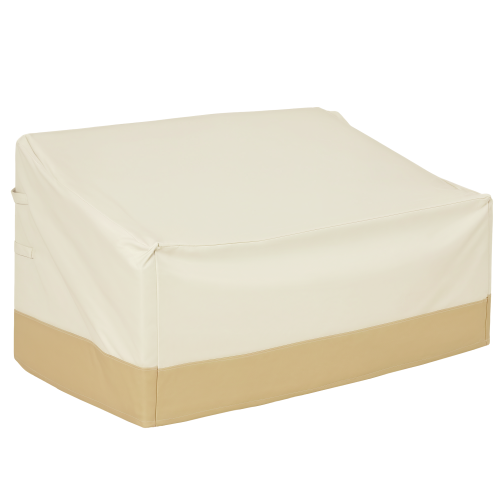
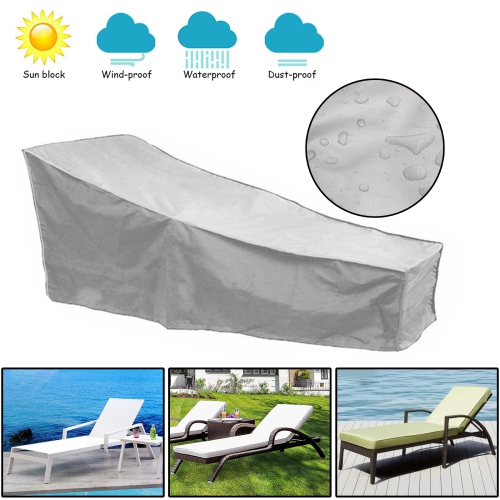
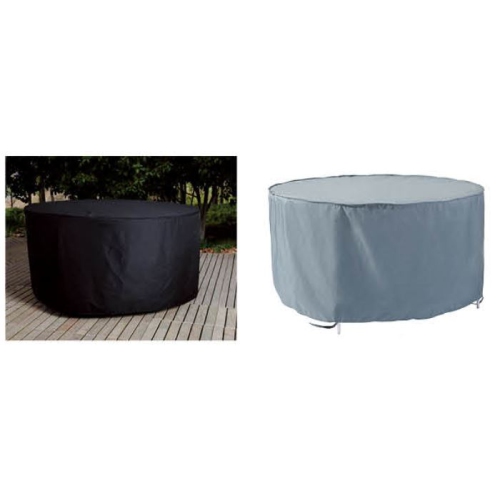
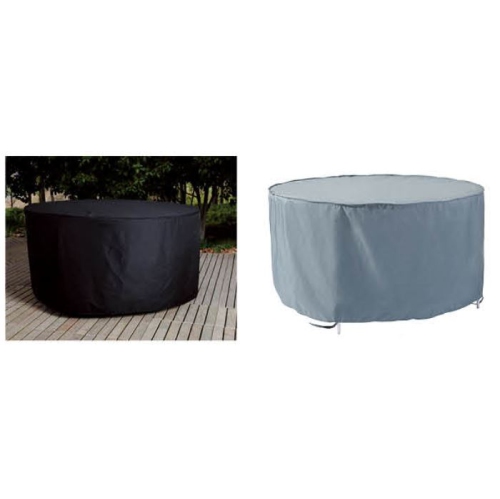
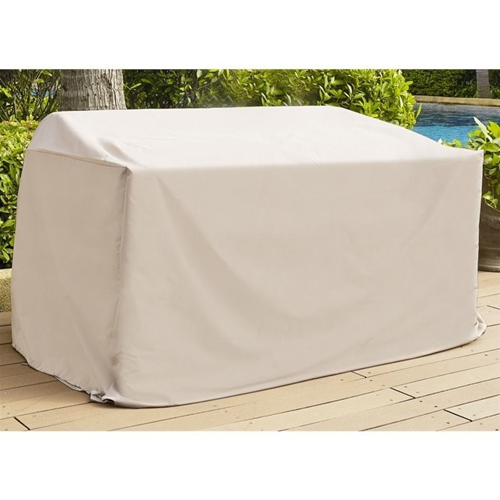
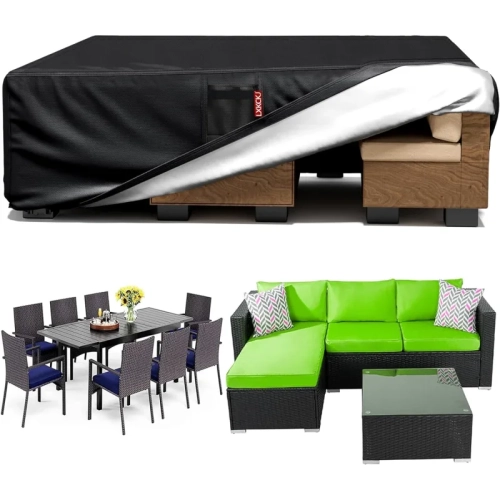
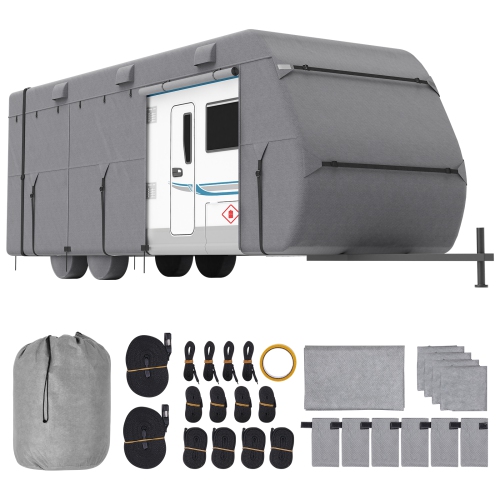
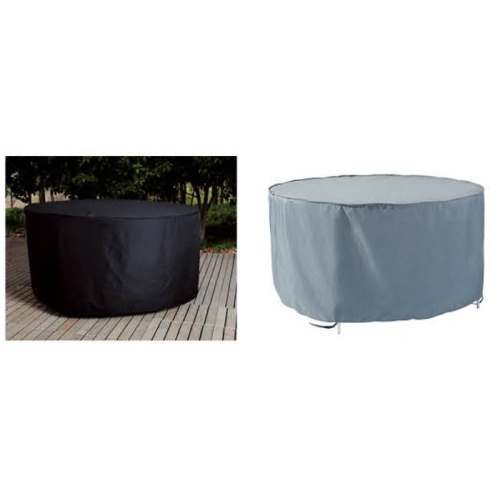
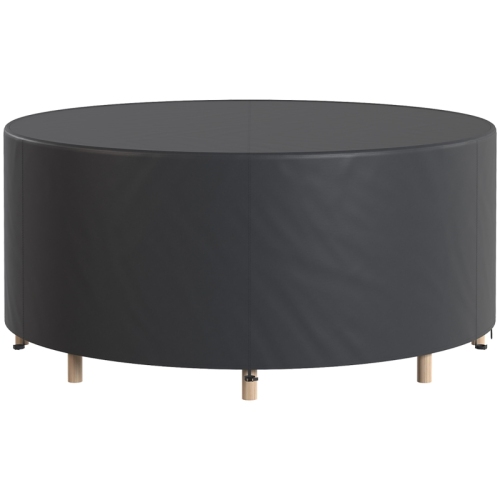
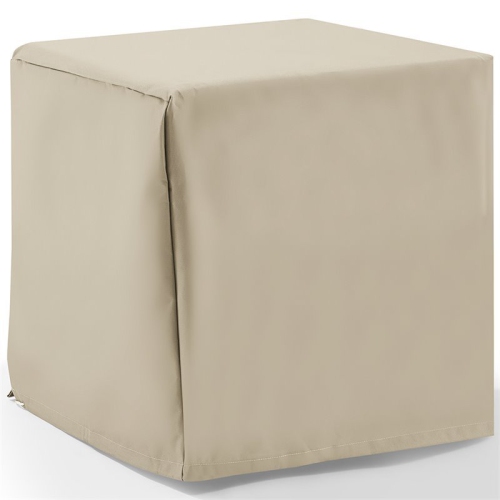
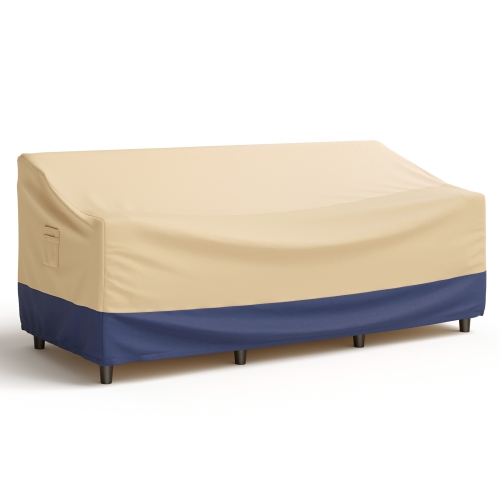
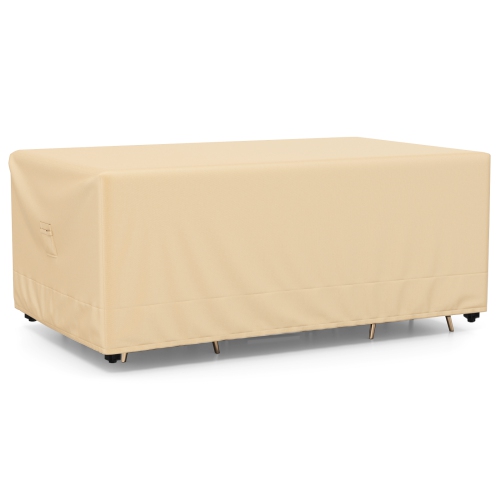
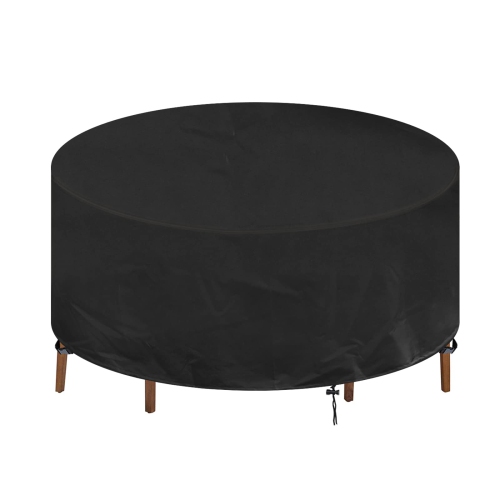
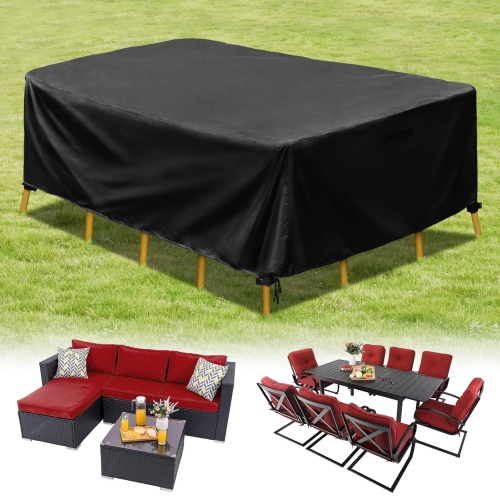
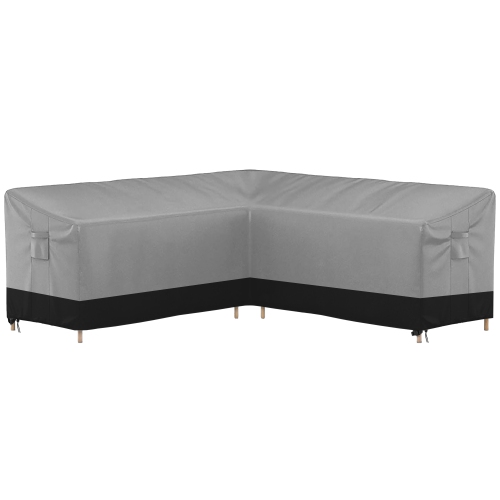
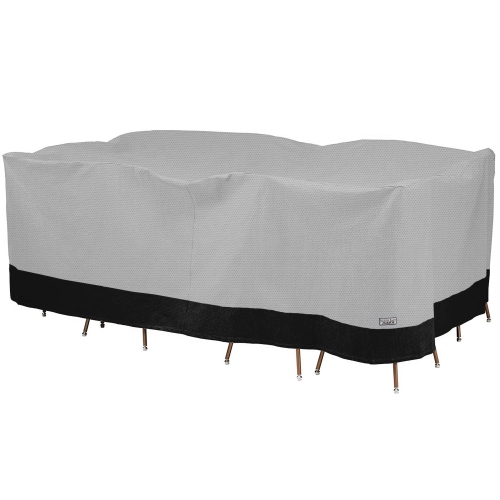
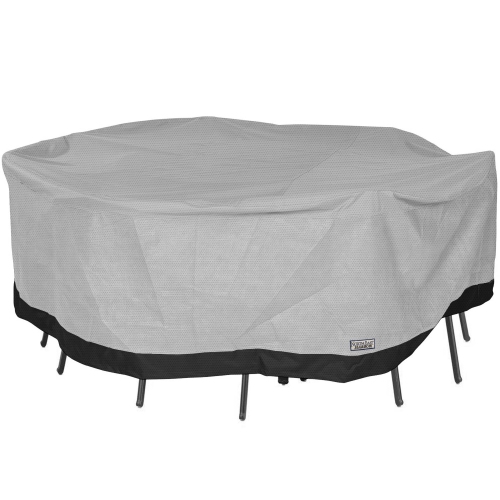
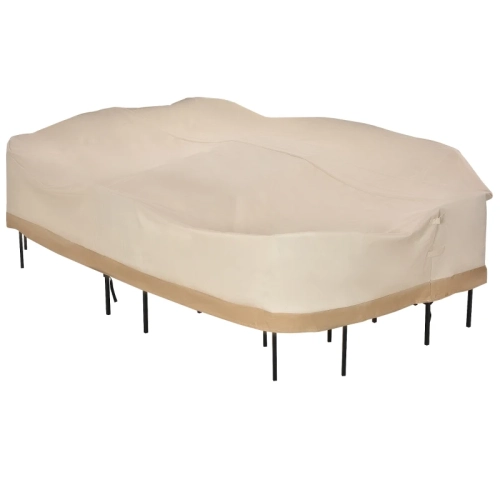
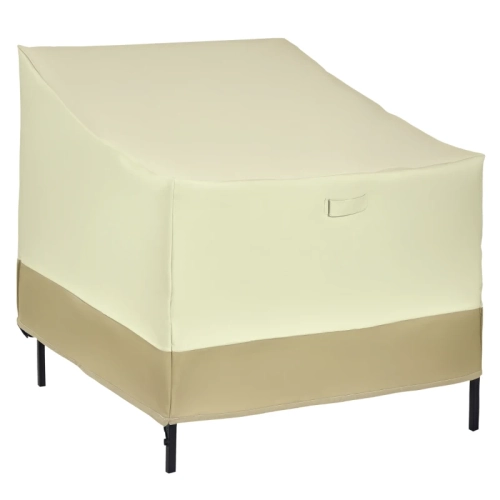
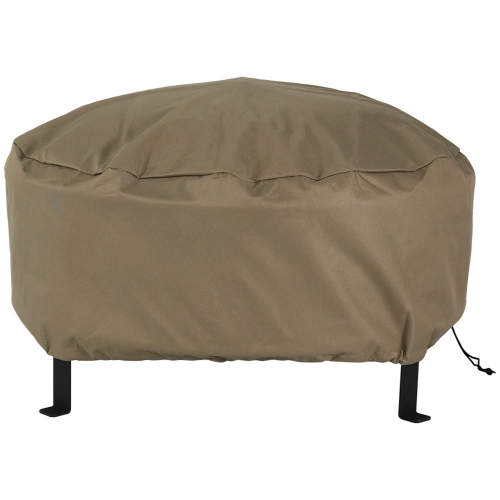
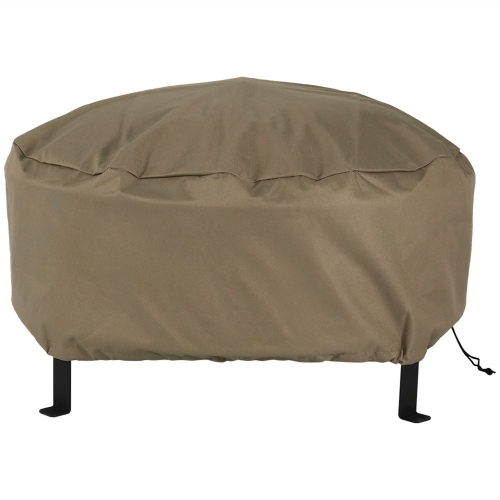
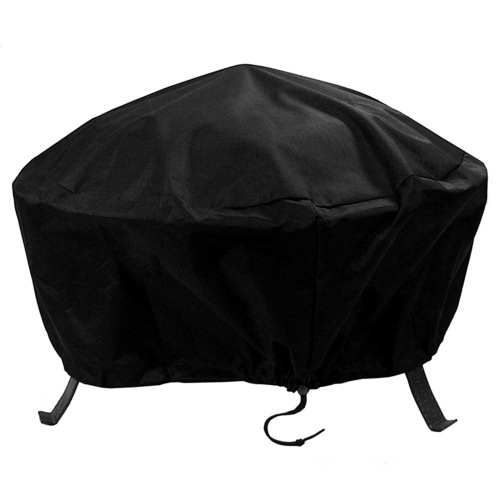
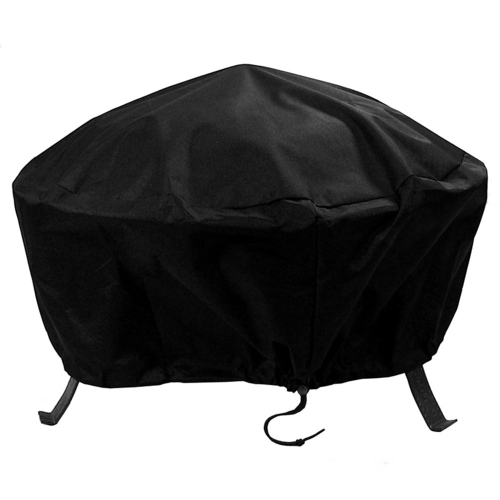
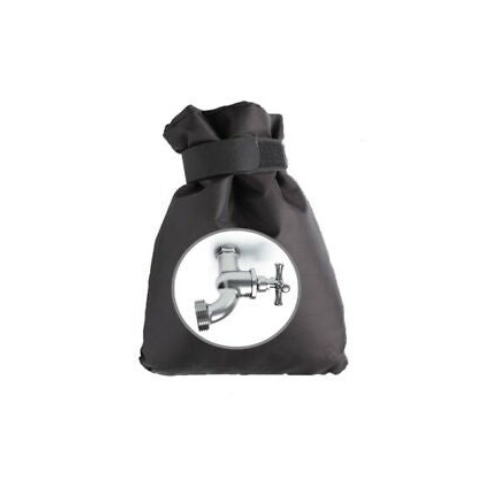
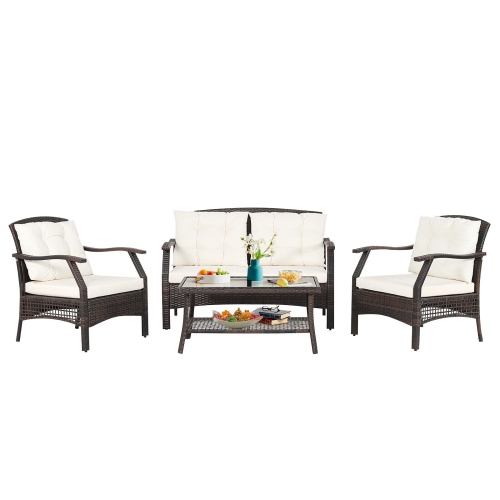
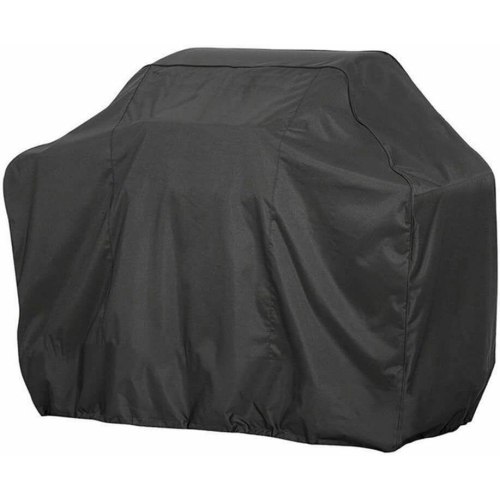
Outdoor covers help keep patio furniture, cooking equipment, and other outdoor belongings protected between uses, whether they sit on an open deck, a sheltered balcony, or a backyard terrace. A well-matched cover can reduce direct exposure to rain, sunlight, dust, fallen leaves, and bird droppings, making the space easier to get ready for a meal or a quiet afternoon outside. Different shapes serve different purposes: a fitted cover follows the outline of a single piece, while a larger cover may shelter a dining table with its chairs tucked underneath. Coverage matters just as much for a compact balcony arrangement as it does for a full backyard seating area. Furniture positioned beneath a tree may need protection from sap and debris, while pieces on an exposed deck benefit from secure fastenings that help hold fabric in place when wind picks up. Outdoor covers are useful for homeowners, renters, and cottage owners who want less surface cleaning before each use and a practical way to protect belongings during periods of storage. They can also make a thoughtful, useful gift for someone setting up a patio, provided the dimensions and intended use are known. Although a cover adds a protective layer, it does not make every piece of furniture suitable for year-round outdoor storage. Cushions, upholstery, wood finishes, and metal components each have their own care requirements, and some belongings are better stored indoors when not in use. Covers work best as part of that broader care routine rather than as a substitute for it. For furniture that stays outside, the balance between coverage and airflow is particularly important. Rain should shed away from the protected surface, while trapped moisture needs a way to escape. A cover that suits both the object and its location can help preserve a cleaner, more usable outdoor setup without making everyday access awkward.
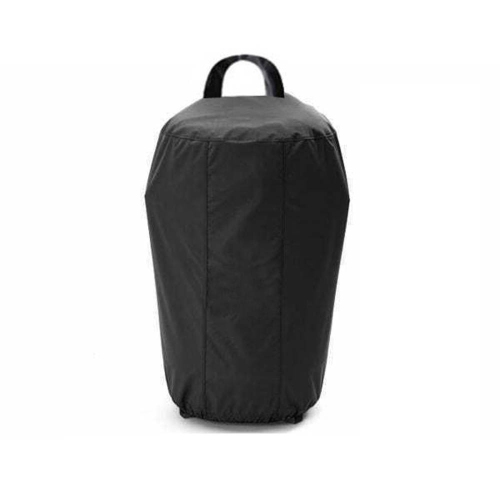
Materials and construction influence how an outdoor cover feels, handles, and performs over time. Polyester is commonly used for its manageable weight and resistance to stretching, while woven fabrics with protective coatings can provide added resistance to water penetration. Vinyl and vinyl-backed materials may offer a stronger moisture barrier, though their flexibility and suitability for low temperatures depend on the construction. Fabric weight alone does not tell the whole story: weave density, coatings, stitching, and seam treatment all affect performance. Water-resistant fabric can shed light rain, but that description does not necessarily mean the entire cover is waterproof. Seams, vents, and openings can behave differently from the main fabric, especially under prolonged rainfall or standing water. Reinforced seams and strengthened corners are useful where a cover repeatedly rubs against table edges, chair backs, or projecting handles. Resistance to ultraviolet exposure also matters in uncovered locations, since sunlight can weaken some fabrics and cause colour to fade over time. Neutral shades such as grey, beige, and black tend to sit quietly alongside outdoor furniture, although colour is only one consideration beside protection and fit. Vent panels can help air circulate beneath the fabric, reducing moisture buildup when used as intended. Their placement matters because an opening should encourage airflow without creating an easy path for wind-driven rain. Handles can make a large cover easier to lift off a dining set, and a manageable fabric weight helps when one person needs to fold and store it. For frequent use, that ease of handling can be as valuable as heavier construction. Barbecues, fire pits, and other heat-producing equipment require covers intended for their shape and use, and must be fully extinguished and cool before covering. A protective cover is not a heat shield, and its presence does not replace the equipment manufacturer’s storage and safety requirements.
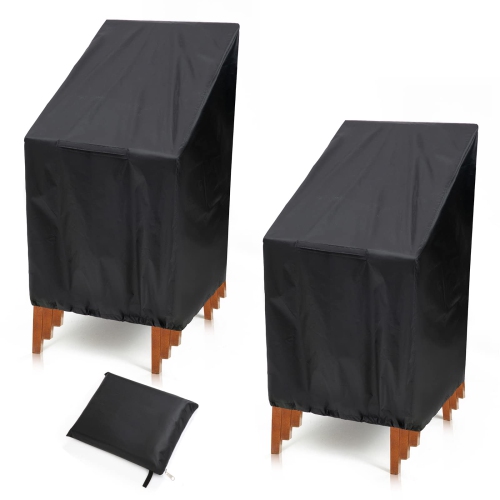
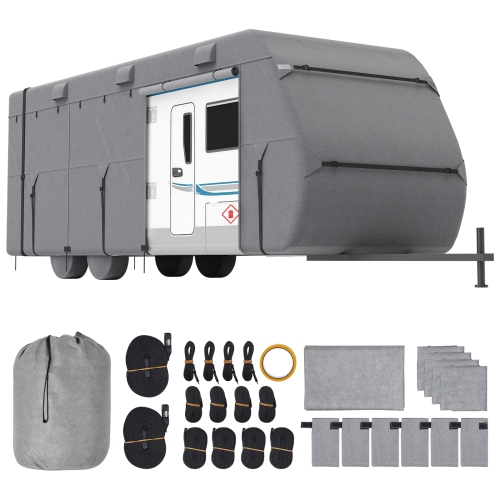
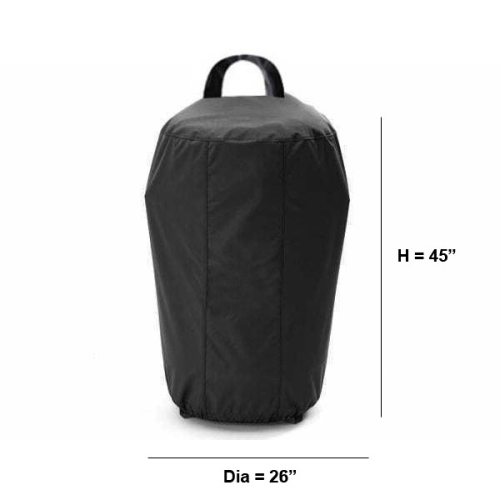
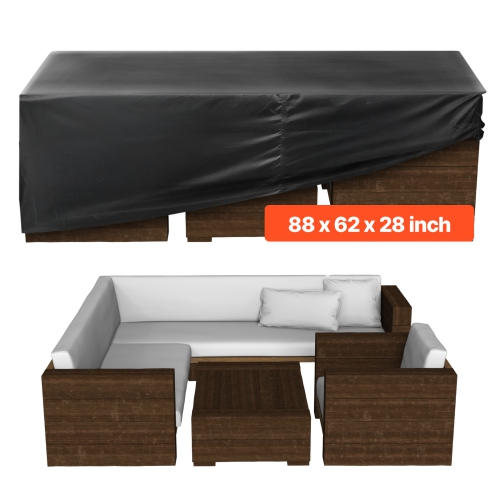
Fit brings these features together. Length, width, height, and diameter provide a starting point, but the widest part of the object often determines whether a cover will sit properly. Chair arms, curved backrests, table corners, and barbecue side shelves can add more bulk than the main body suggests. A cover that is too tight may strain at the seams or catch during removal, while one that is far too loose can billow, drag, or collect water in folds. For individual seating, outdoor chair covers offer shapes suited to protecting chairs separately rather than enclosing an entire arrangement. Taller backs, deep seats, and stacked chairs each call for dimensions that reflect the furniture in its stored position. Group covers need enough room for the complete arrangement, including chairs tucked beneath a table, without excessive slack across the top. Buckles, drawcords, elastic hems, and adjustable straps can help keep the fabric positioned securely; their usefulness depends on having suitable attachment points and an appropriate fit. A little clearance above the ground can support airflow and keep the hem from sitting in puddles. Broad, unsupported areas may need a compatible support beneath the cover to help rain run off rather than pool. Snow and ice require particular care, since a cover does not strengthen the furniture underneath or remove its load limits. Cleaning and storage habits also affect durability. Loose dirt is generally easier to brush away before it works into folds, and many covers can be wiped with mild soap and water when their care instructions permit. Harsh cleaners, abrasive tools, machine washing, and tumble drying may damage coatings or seams, so care labels remain important. Covers should dry fully before being folded into storage to reduce the chance of mildew and odours. Occasional checks around corners, fastenings, and seams can reveal wear before a small split grows. With suitable materials, accurate dimensions, and straightforward care, outdoor covers provide a practical layer of protection while keeping furniture and equipment accessible for their next use.
Materials and construction influence how an outdoor cover feels, handles, and performs over time. Polyester is commonly used for its manageable weight and resistance to stretching, while woven fabrics with protective coatings can provide added resistance to water penetration. Vinyl and vinyl-backed materials may offer a stronger moisture barrier, though their flexibility and suitability for low temperatures depend on the construction. Fabric weight alone does not tell the whole story: weave density, coatings, stitching, and seam treatment all affect performance. Water-resistant fabric can shed light rain, but that description does not necessarily mean the entire cover is waterproof. Seams, vents, and openings can behave differently from the main fabric, especially under prolonged rainfall or standing water. Reinforced seams and strengthened corners are useful where a cover repeatedly rubs against table edges, chair backs, or projecting handles. Resistance to ultraviolet exposure also matters in uncovered locations, since sunlight can weaken some fabrics and cause colour to fade over time. Neutral shades such as grey, beige, and black tend to sit quietly alongside outdoor furniture, although colour is only one consideration beside protection and fit. Vent panels can help air circulate beneath the fabric, reducing moisture buildup when used as intended. Their placement matters because an opening should encourage airflow without creating an easy path for wind-driven rain. Handles can make a large cover easier to lift off a dining set, and a manageable fabric weight helps when one person needs to fold and store it. For frequent use, that ease of handling can be as valuable as heavier construction. Barbecues, fire pits, and other heat-producing equipment require covers intended for their shape and use, and must be fully extinguished and cool before covering. A protective cover is not a heat shield, and its presence does not replace the equipment manufacturer’s storage and safety requirements.
Fit brings these features together. Length, width, height, and diameter provide a starting point, but the widest part of the object often determines whether a cover will sit properly. Chair arms, curved backrests, table corners, and barbecue side shelves can add more bulk than the main body suggests. A cover that is too tight may strain at the seams or catch during removal, while one that is far too loose can billow, drag, or collect water in folds. For individual seating, outdoor chair covers offer shapes suited to protecting chairs separately rather than enclosing an entire arrangement. Taller backs, deep seats, and stacked chairs each call for dimensions that reflect the furniture in its stored position. Group covers need enough room for the complete arrangement, including chairs tucked beneath a table, without excessive slack across the top. Buckles, drawcords, elastic hems, and adjustable straps can help keep the fabric positioned securely; their usefulness depends on having suitable attachment points and an appropriate fit. A little clearance above the ground can support airflow and keep the hem from sitting in puddles. Broad, unsupported areas may need a compatible support beneath the cover to help rain run off rather than pool. Snow and ice require particular care, since a cover does not strengthen the furniture underneath or remove its load limits. Cleaning and storage habits also affect durability. Loose dirt is generally easier to brush away before it works into folds, and many covers can be wiped with mild soap and water when their care instructions permit. Harsh cleaners, abrasive tools, machine washing, and tumble drying may damage coatings or seams, so care labels remain important. Covers should dry fully before being folded into storage to reduce the chance of mildew and odours. Occasional checks around corners, fastenings, and seams can reveal wear before a small split grows. With suitable materials, accurate dimensions, and straightforward care, outdoor covers provide a practical layer of protection while keeping furniture and equipment accessible for their next use.
Top selling and popular products
-
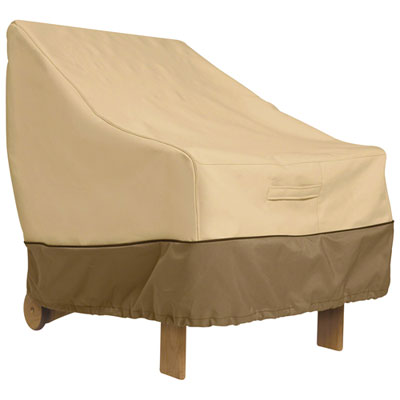 Your price for this item is $43.98
 -
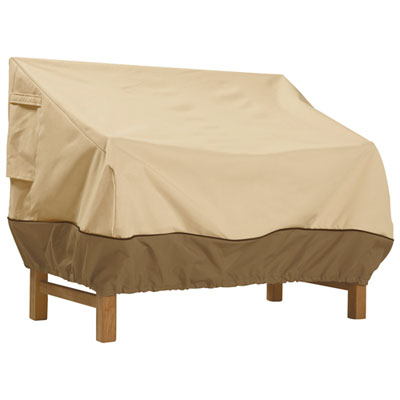 Your price for this item is $99.99
 -
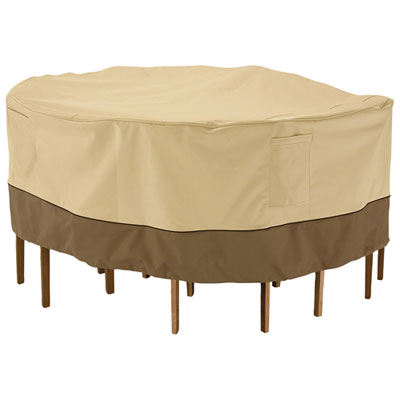 Your price for this item is $142.98
 -
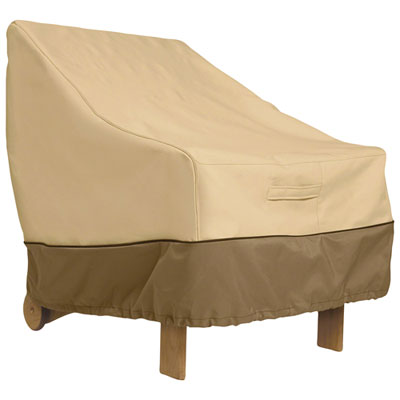 Your price for this item is $74.99
 -
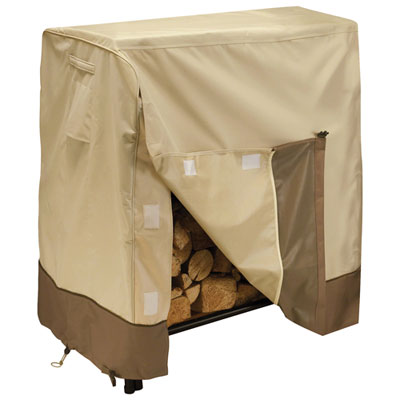 Your price for this item is $114.99
 -
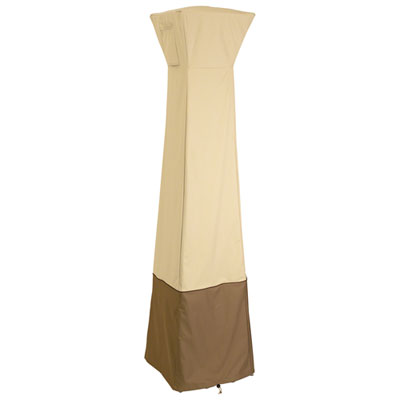 Your price for this item is $69.99
 -
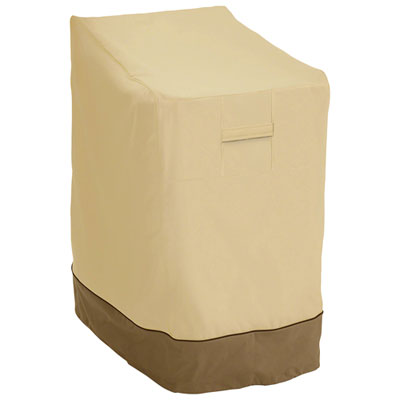 Your price for this item is $69.99
 -
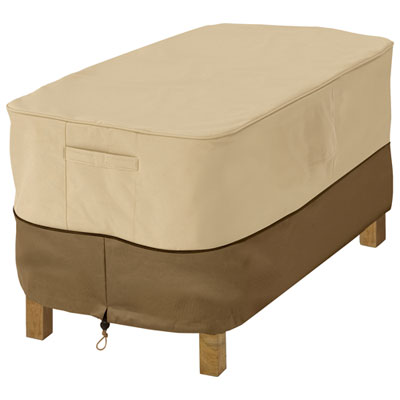 Your price for this item is $64.99
Discover more categories related to Outdoor Covers
Top Collections:
Pokemon Centers, Kindle Devices, Best Budget Office Chairs, Apple iPhones 16, Best Laptops for Writers, iPhone 15 Apple, Canon G7X Cameras, Refurbished Apple Laptops, Alarm Clock, Motorola Razr Phones
Some products may be subject to Environmental Handling Fees
(EHF) depending on your province.
Learn more about EHFs.