Satellite Dish Mounts
When it comes to ensuring a stable and secure installation for your satellite dish, having the right mount is essential. Satellite dish mounts are designed to provide a strong foundation for your dish, allowing you to achieve optimal signal reception for uninterrupted viewing of your favorite TV shows, movies, and sports events. Whether you're looking for a wall mount, roof mount, or pole mount, this selection offers a variety of options to suit your specific needs.
Sort
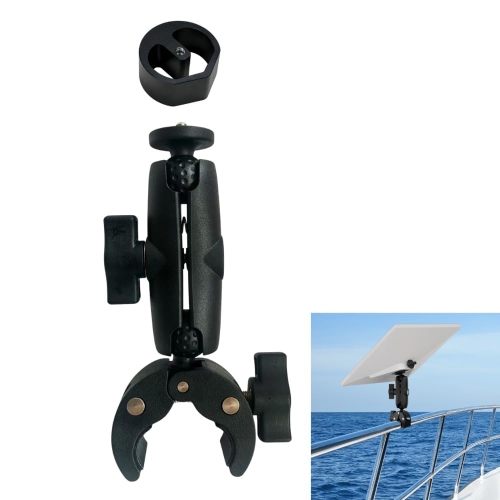
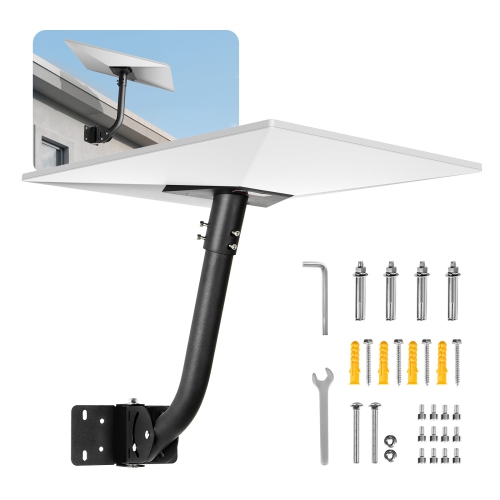
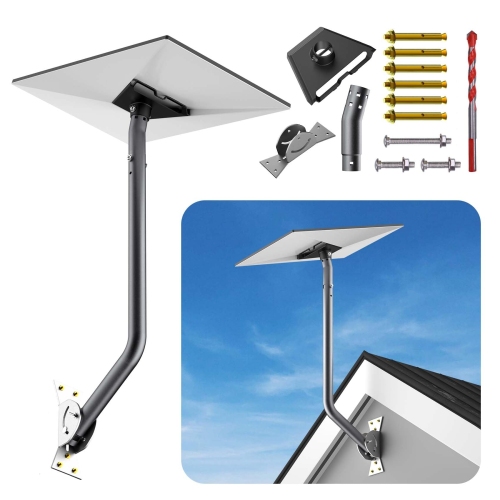
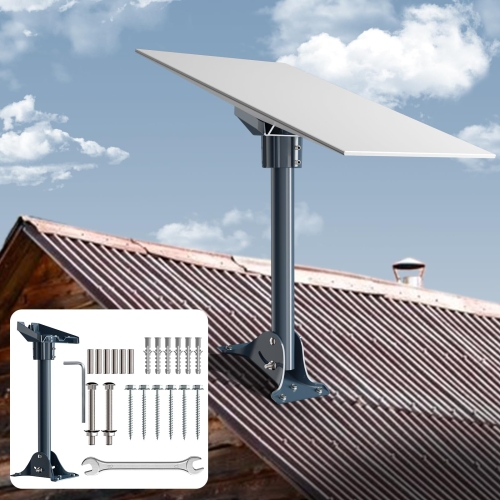

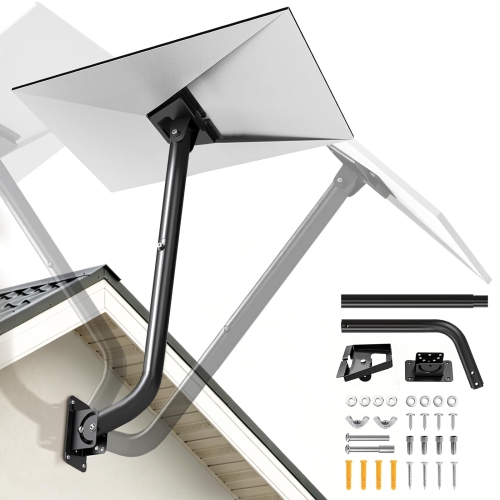
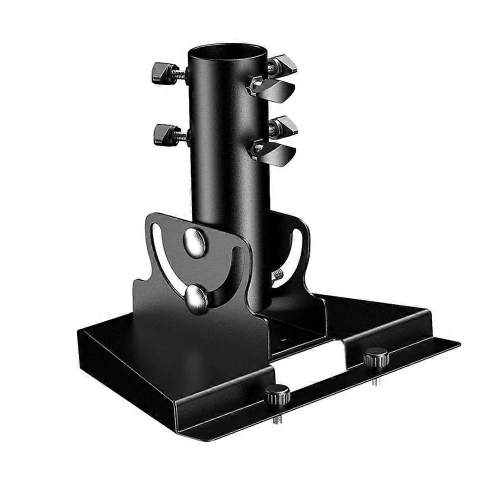
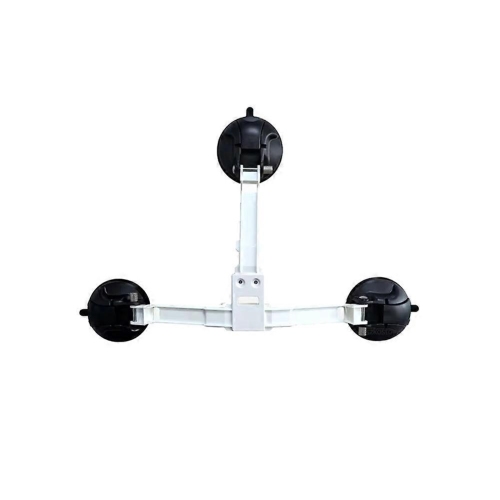
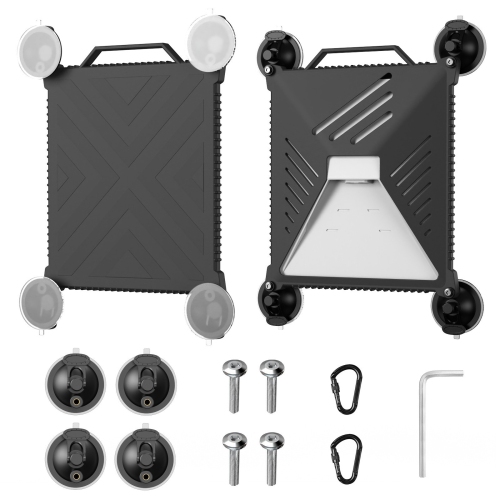
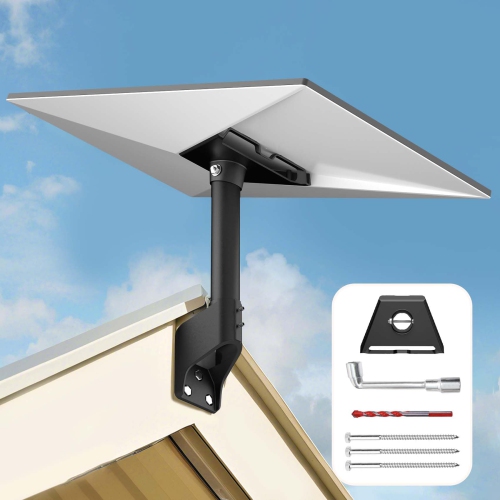
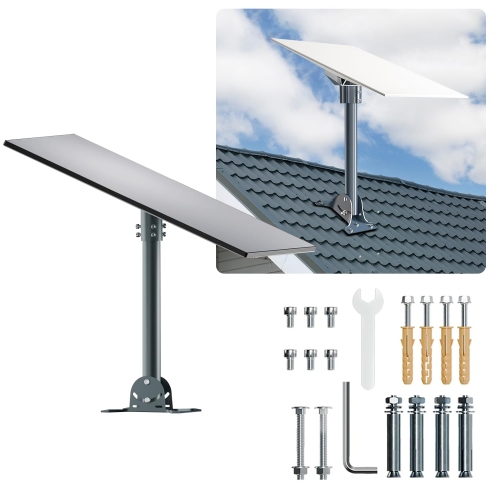
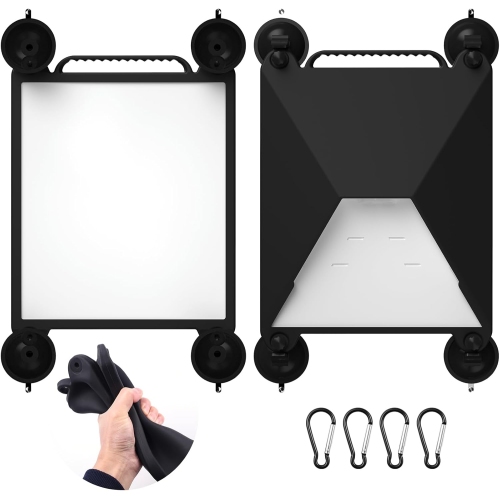
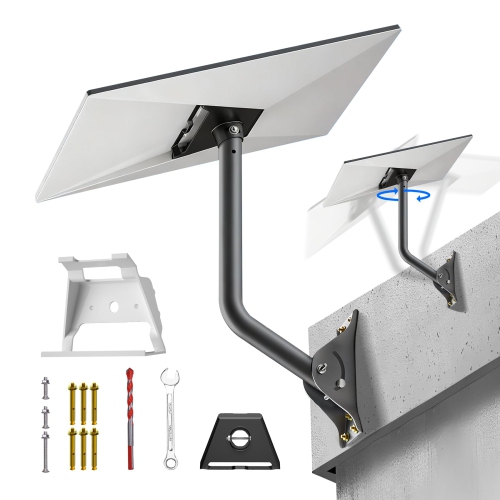
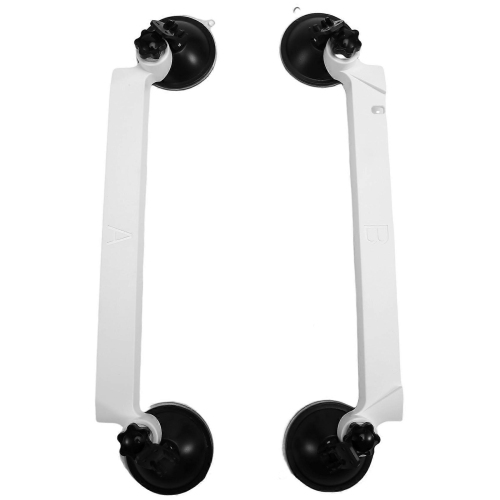
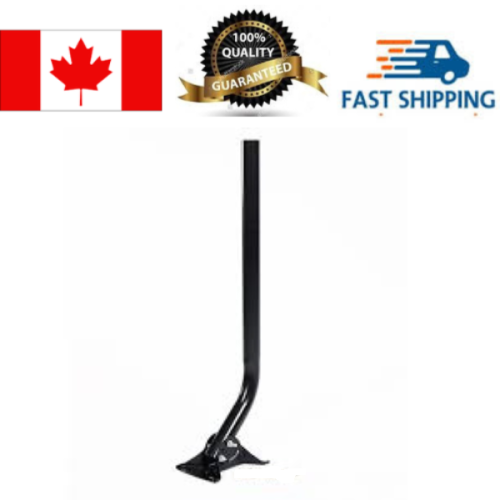
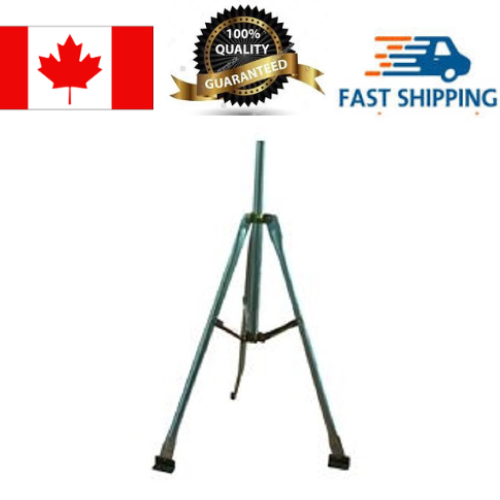
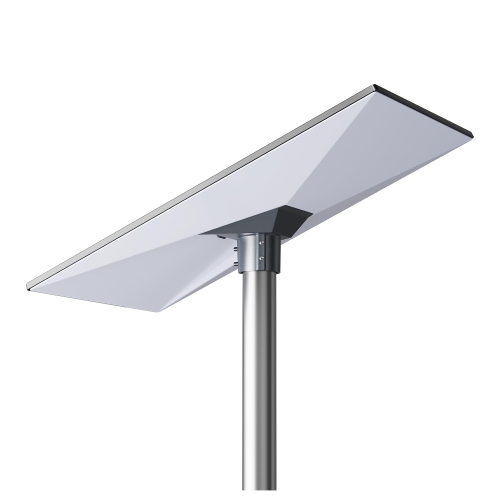
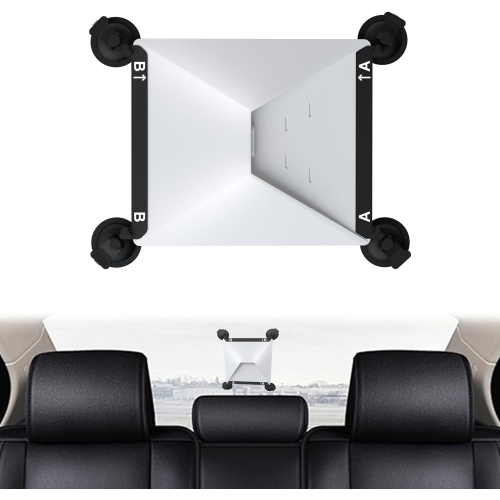
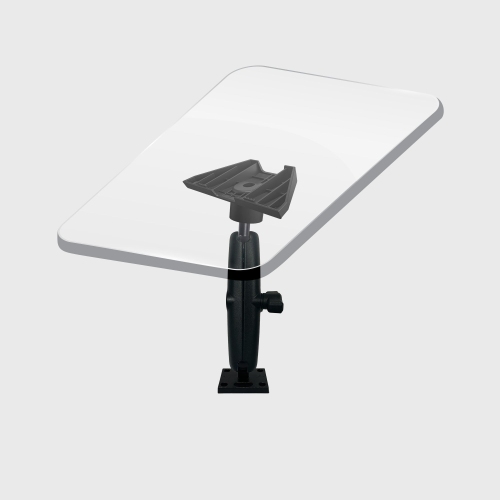
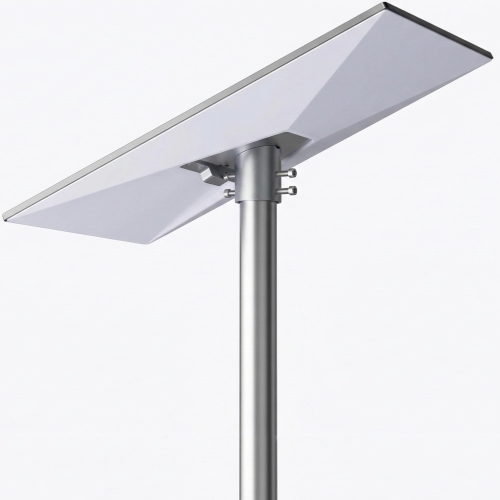
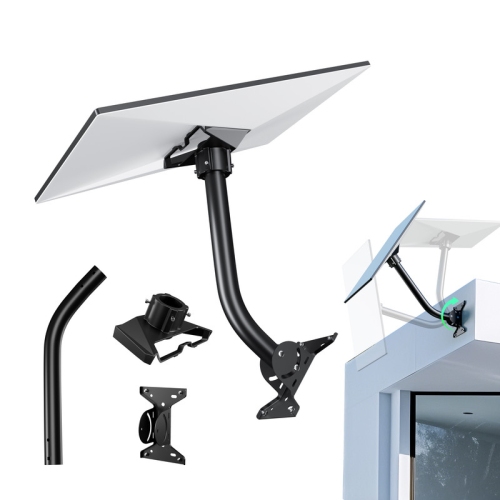
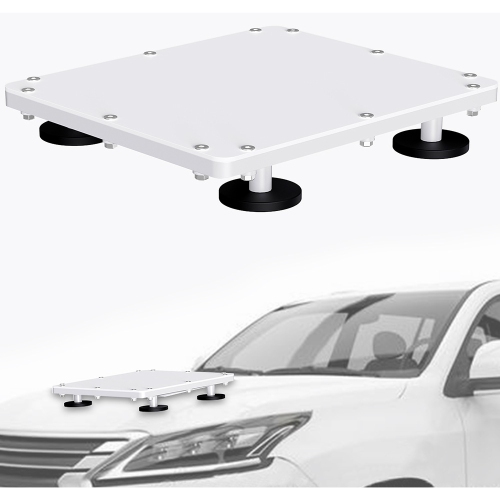
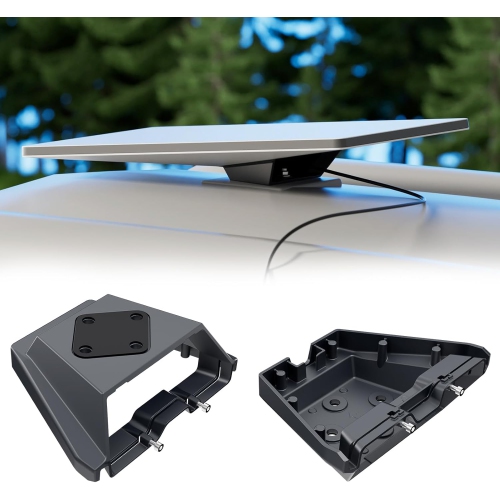
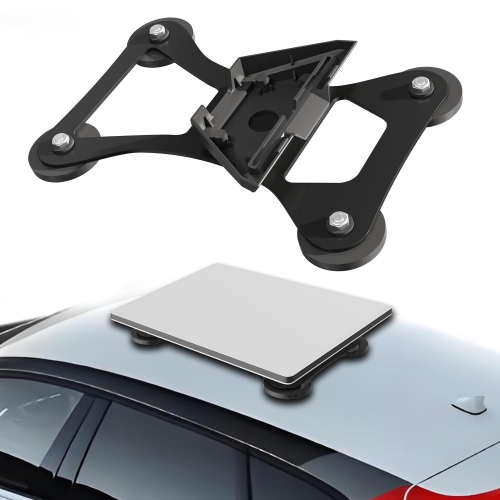
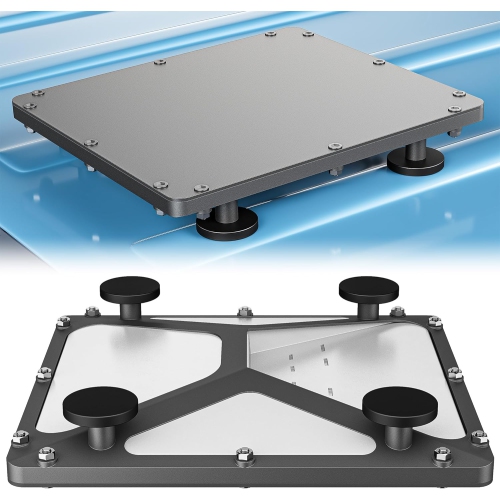
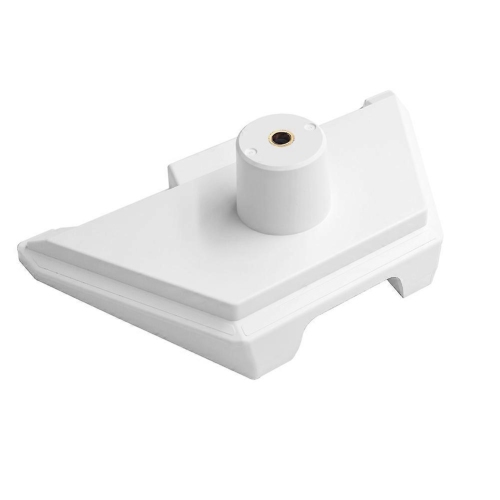
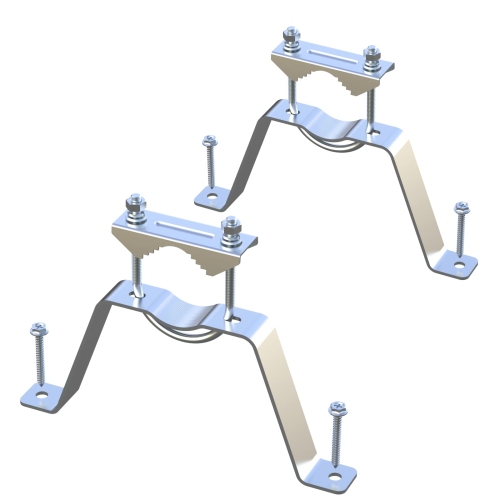
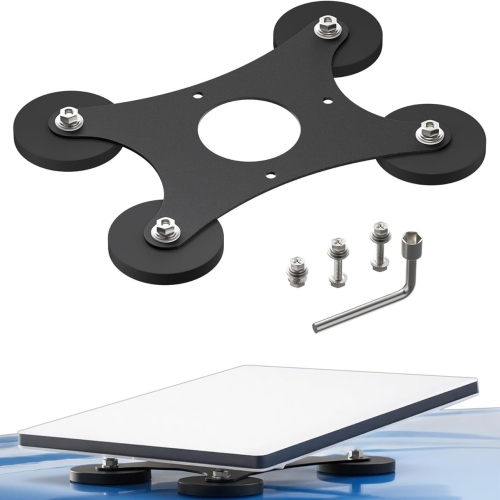
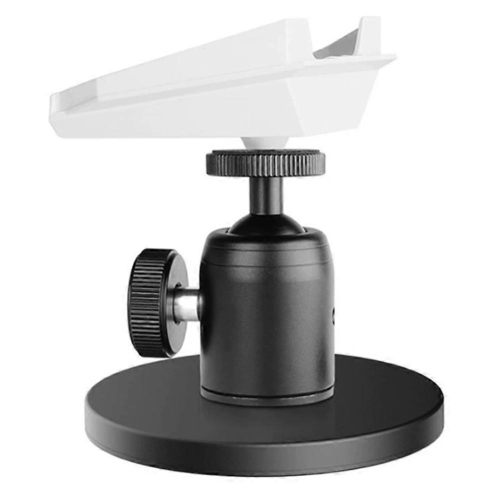
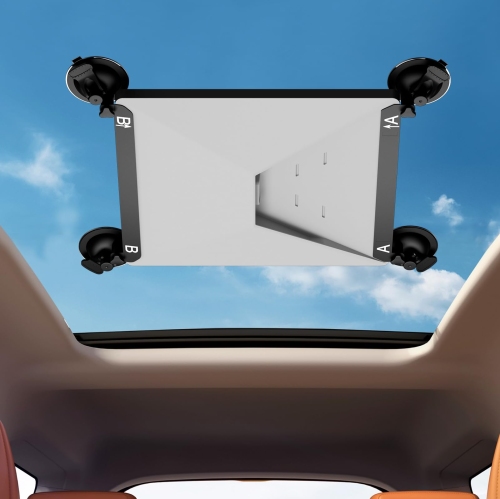
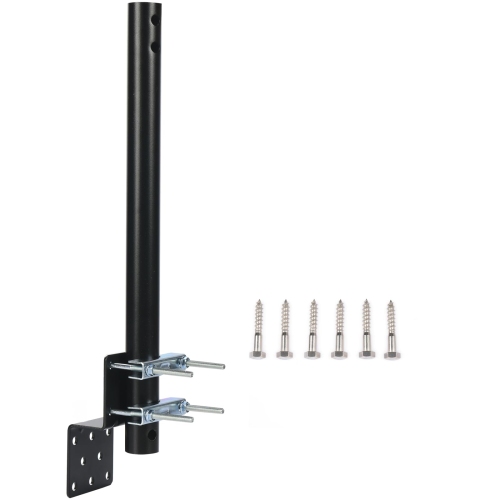
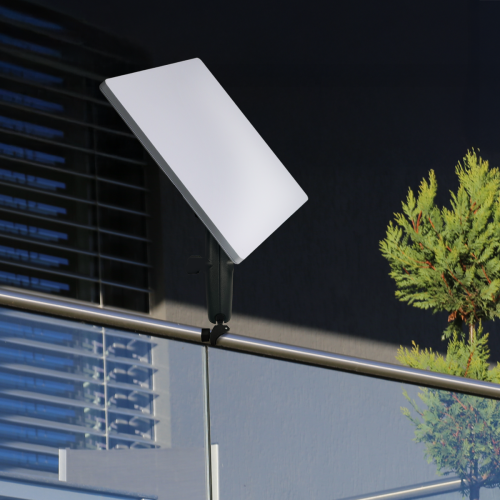
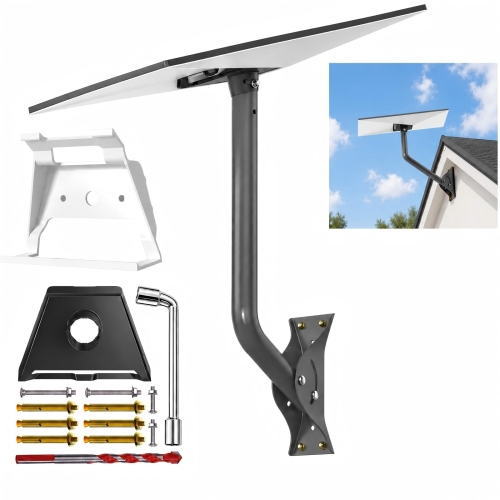
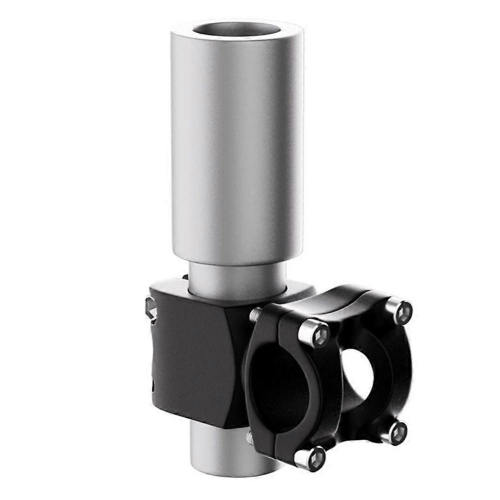
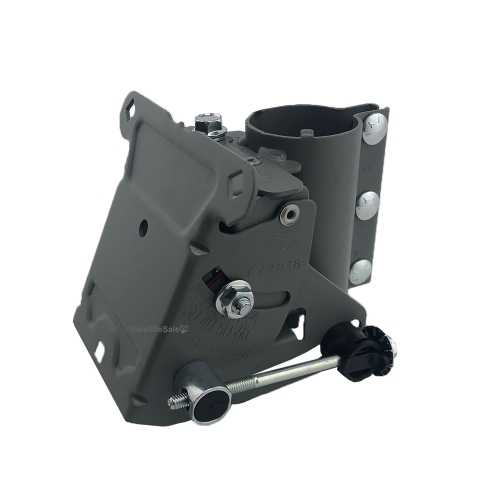
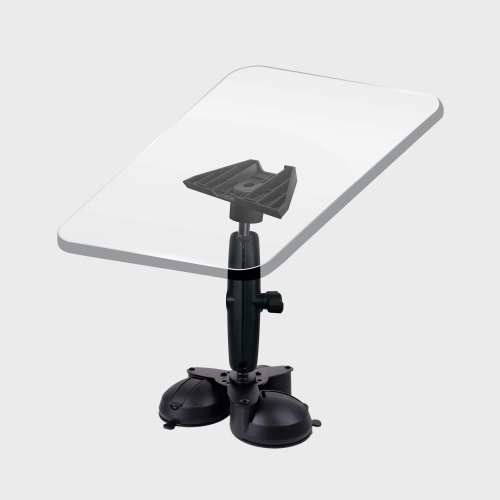
How mounting surfaces shape satellite dish installation choices
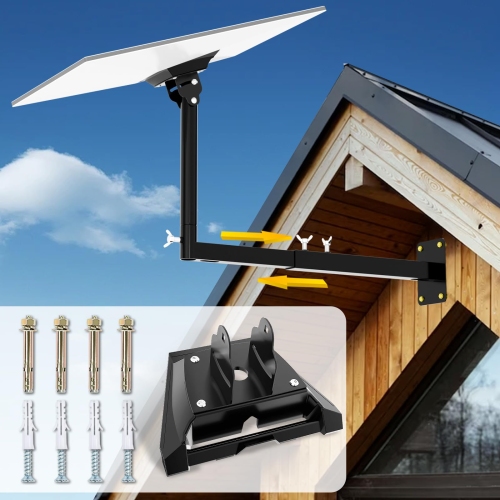
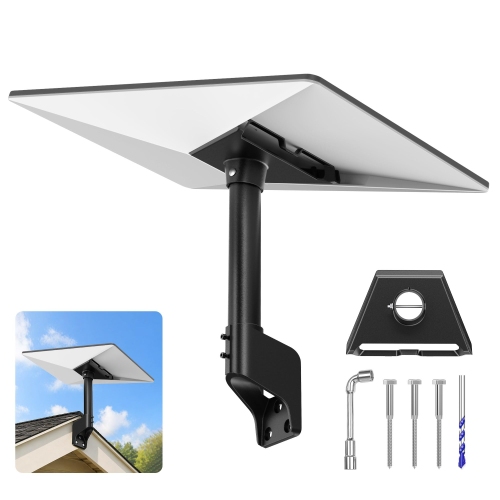
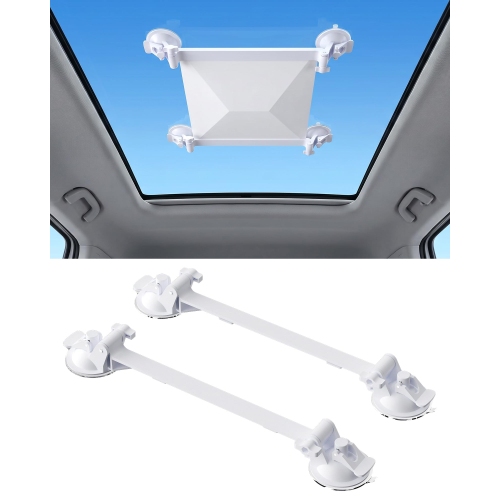
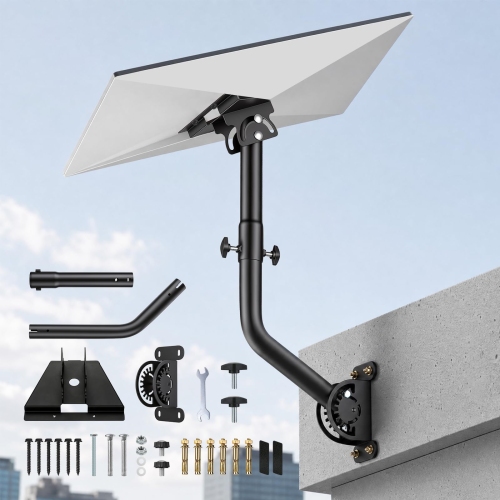
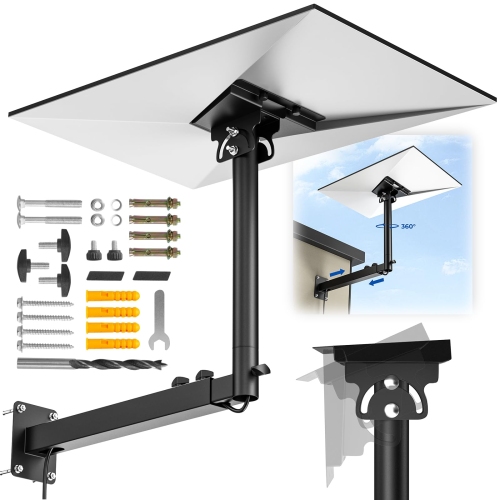
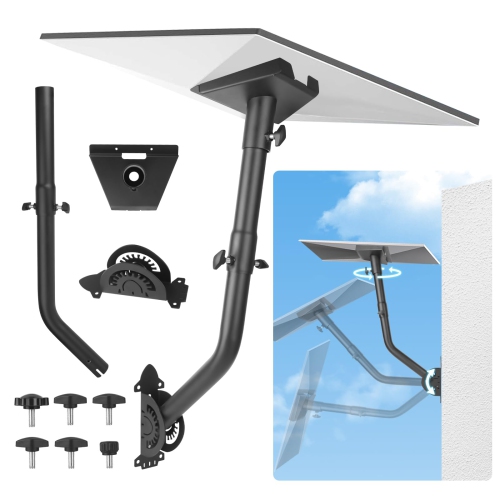
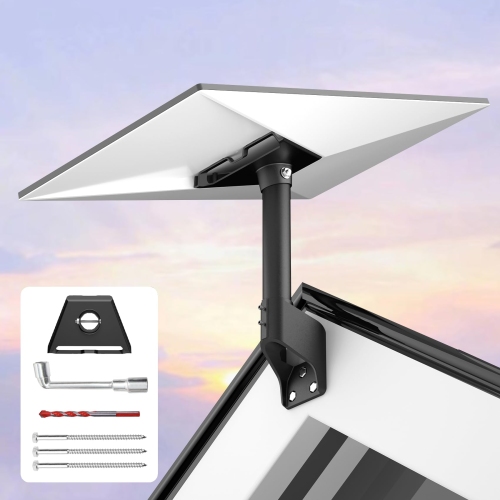
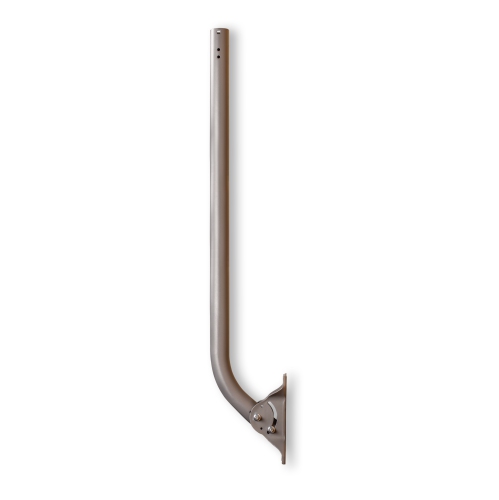
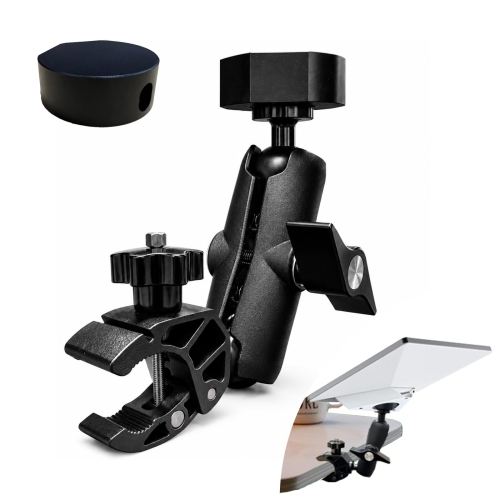
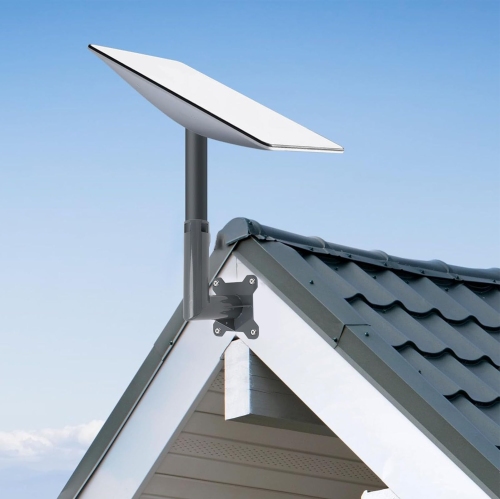
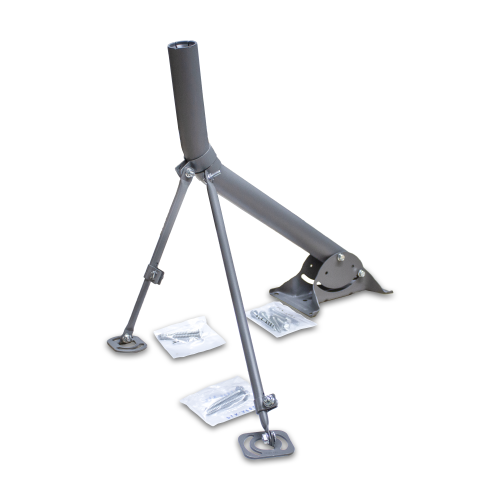
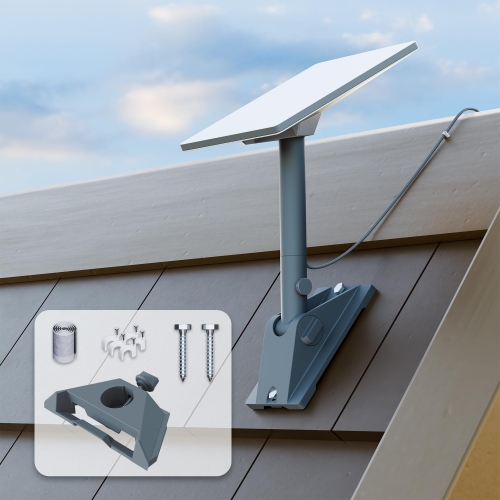
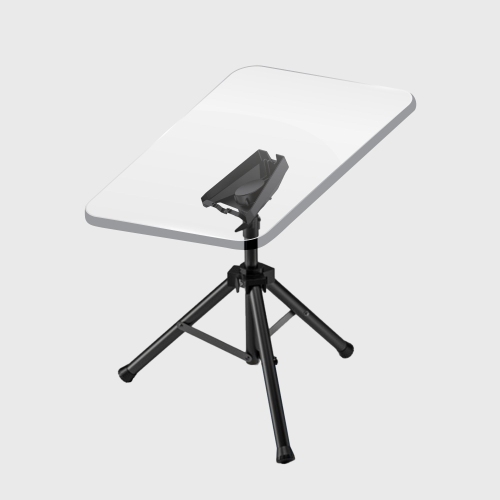
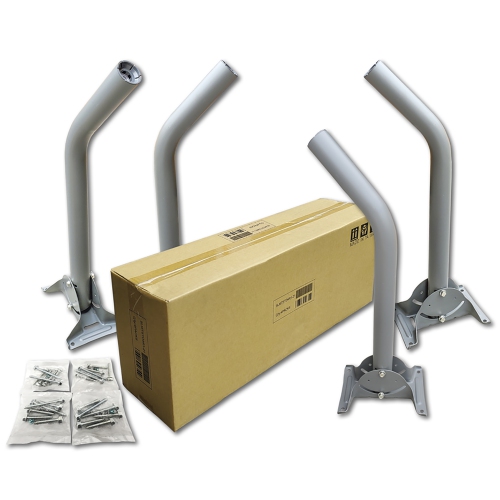
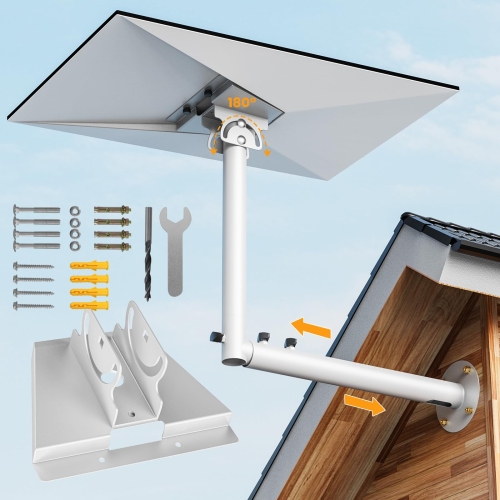
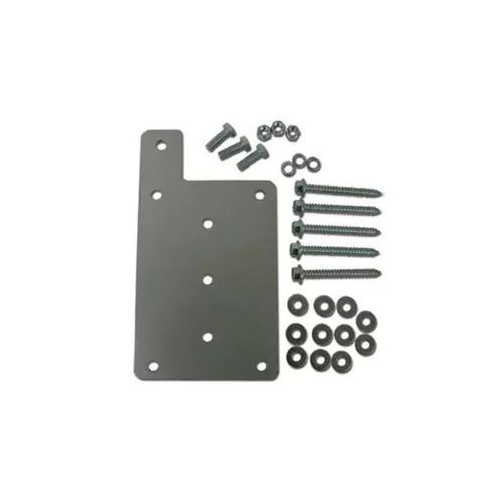
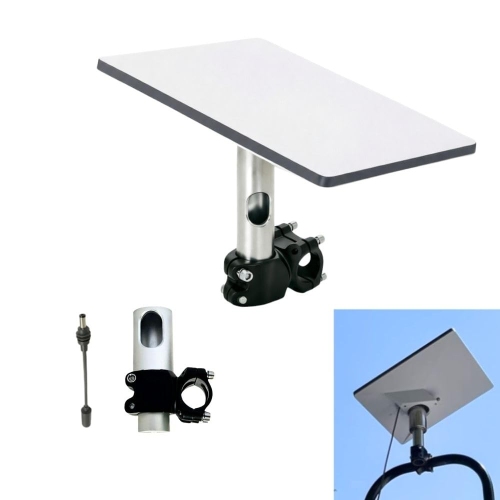
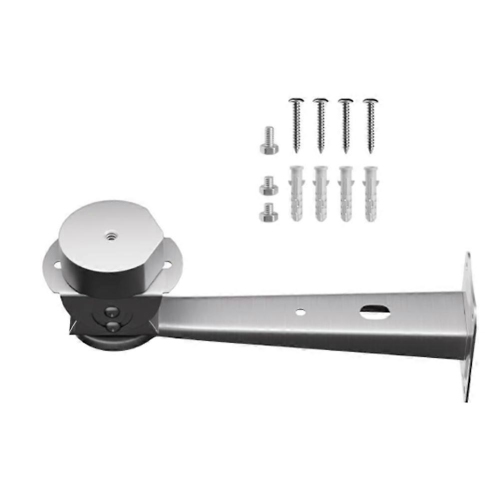
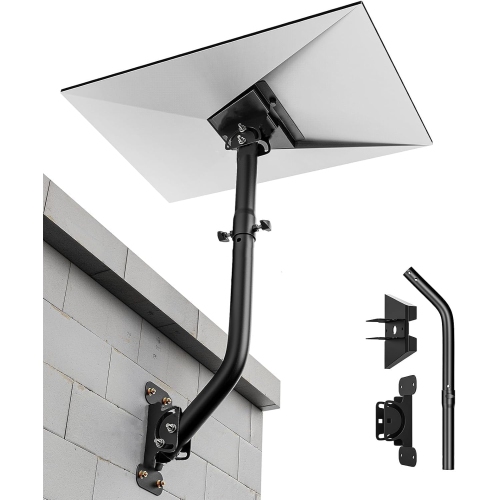
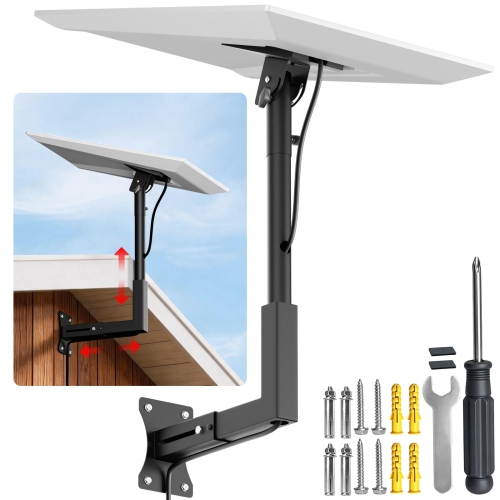
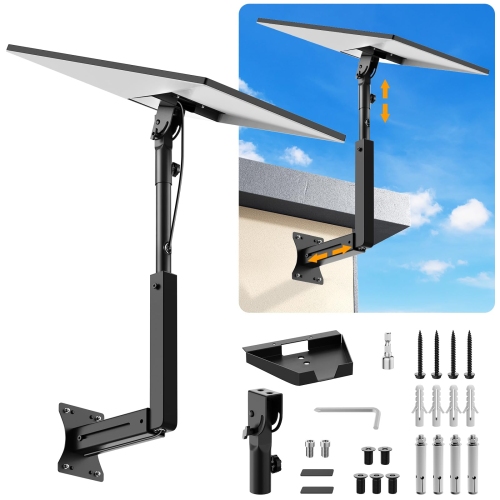
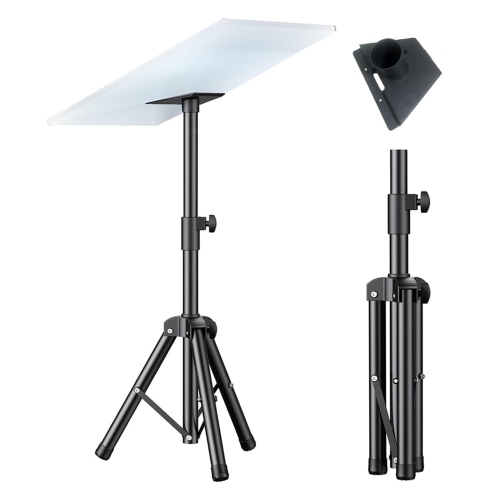
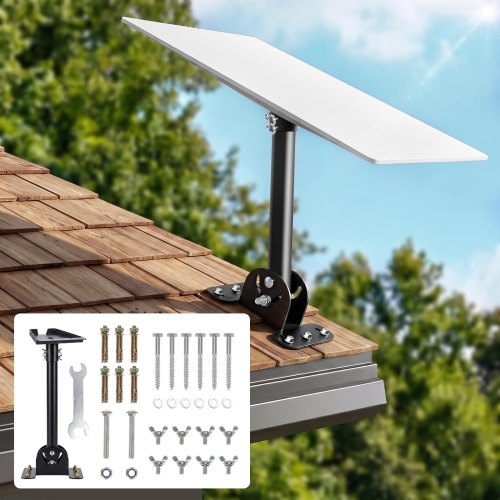
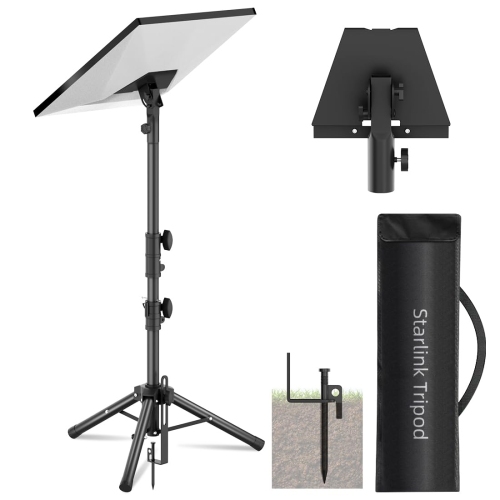
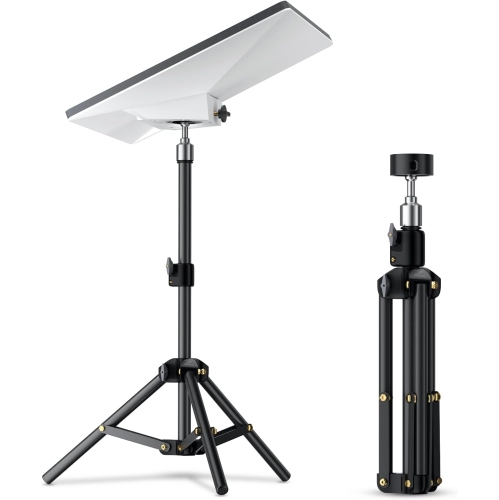
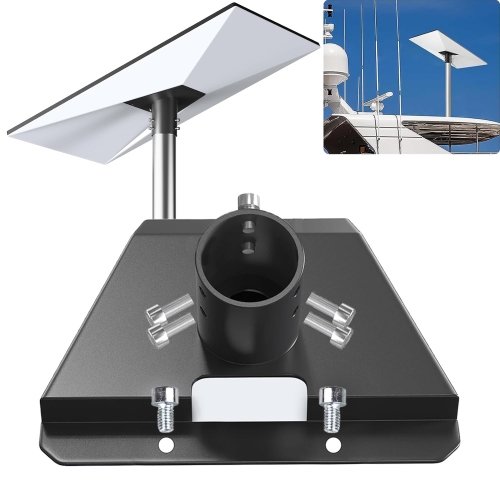
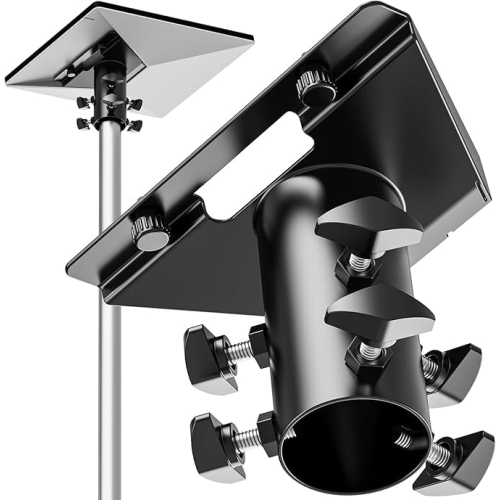
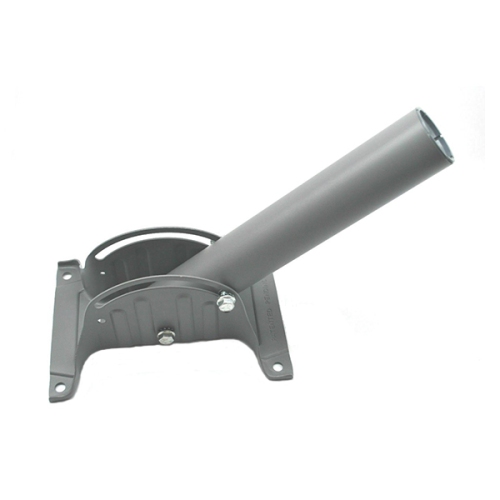
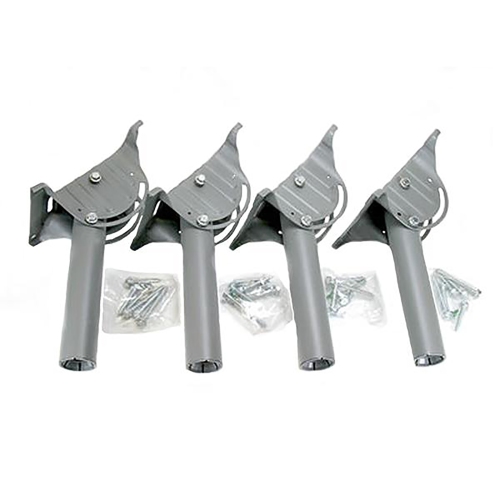
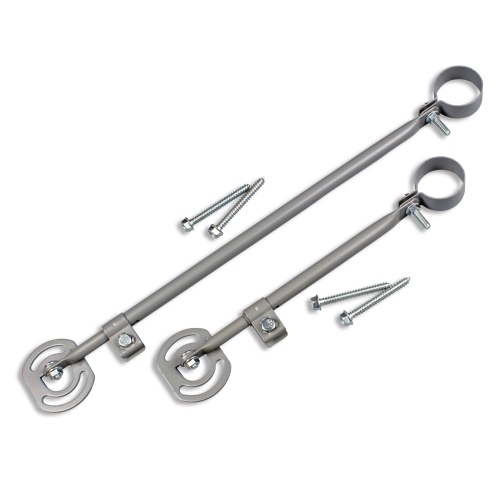
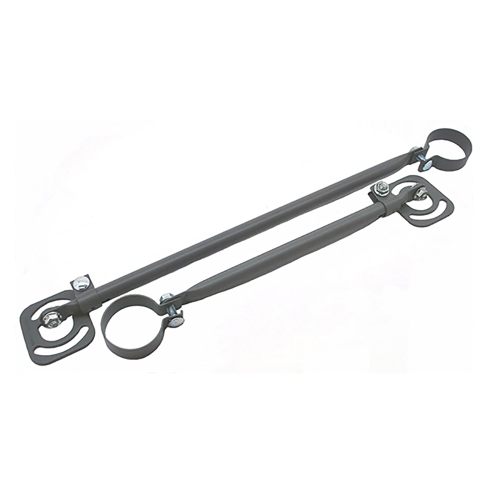
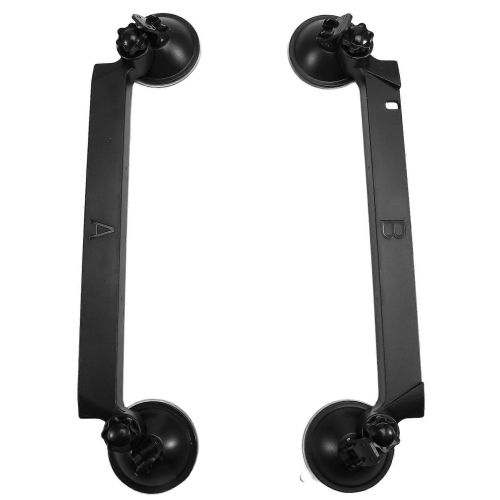
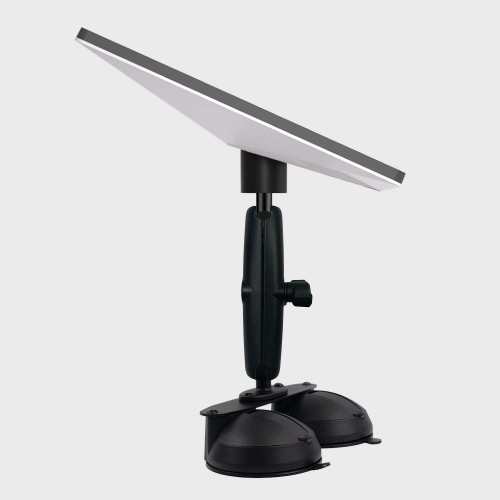
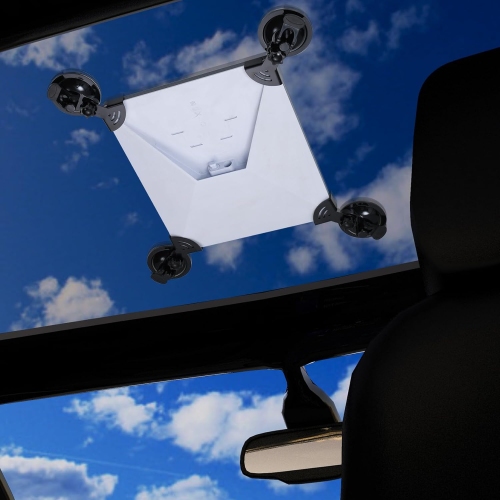
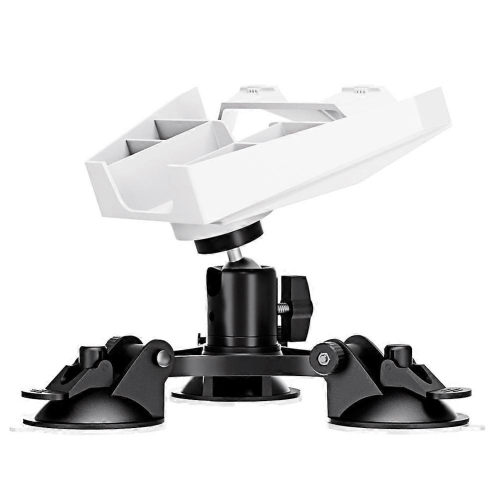
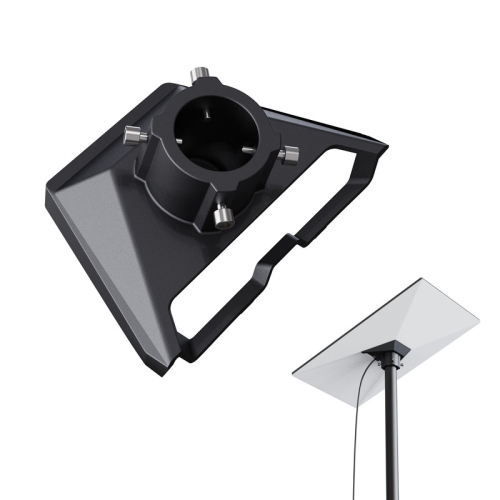
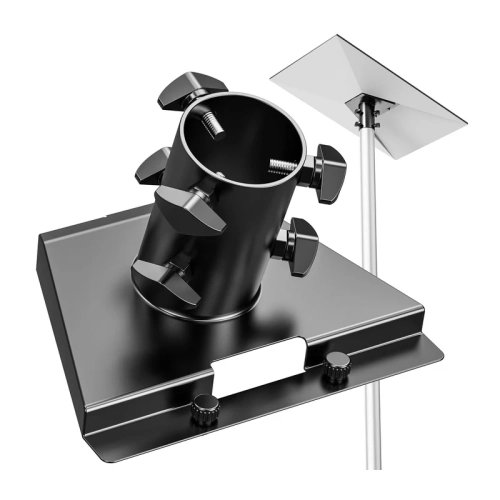
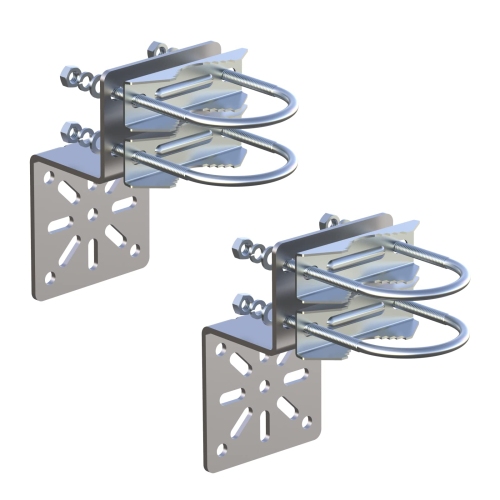
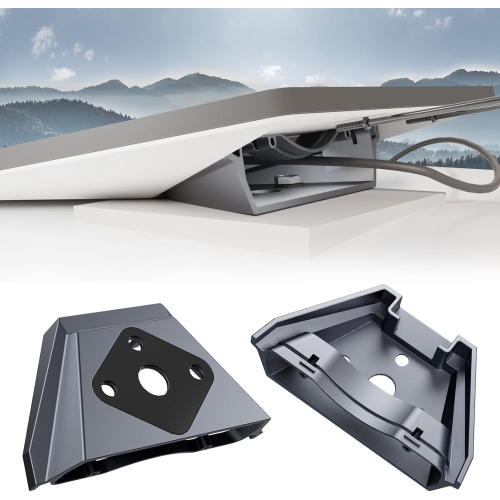
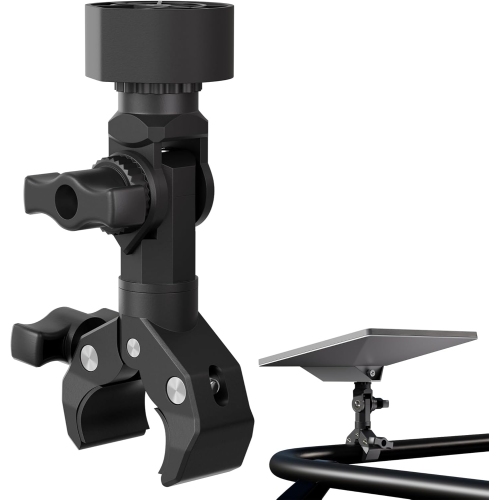
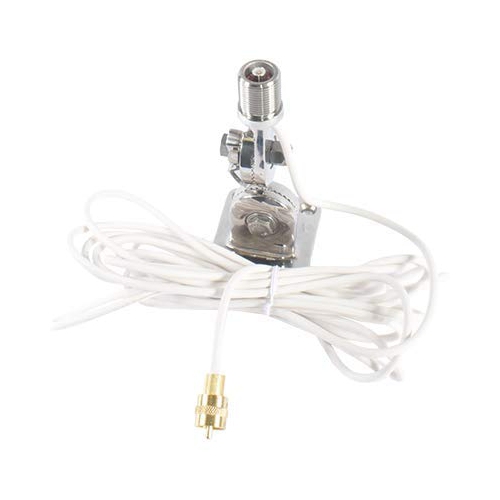
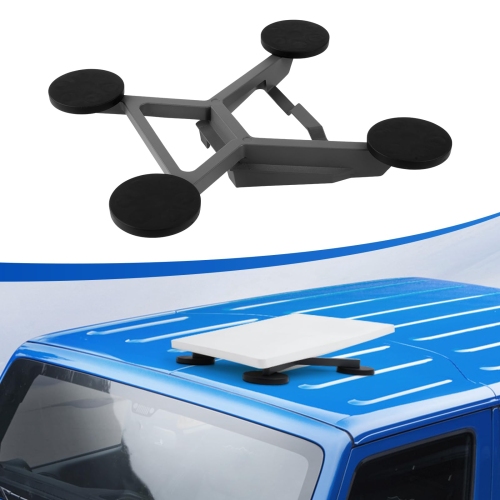
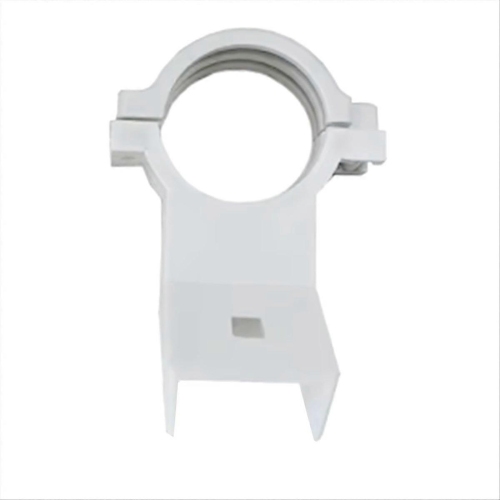
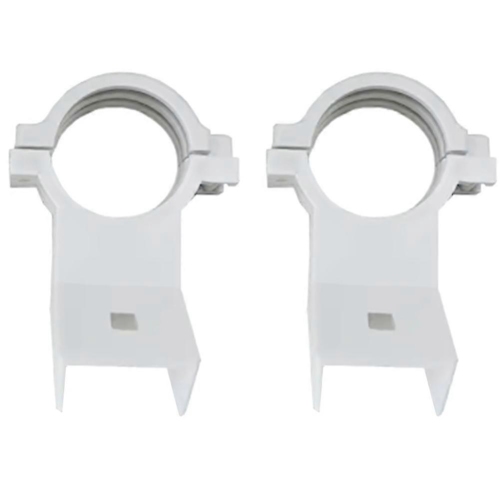
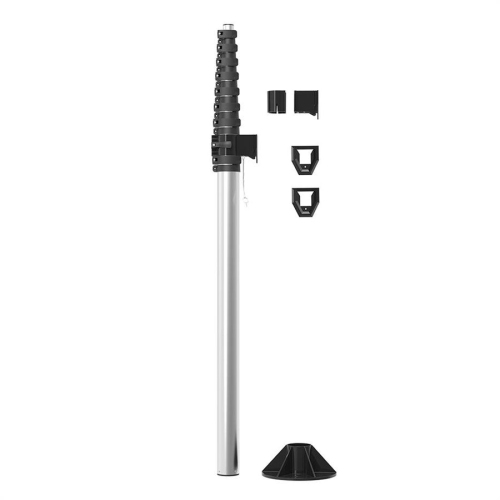
Satellite dish mounts provide the structure needed to position an antenna securely and maintain a clear line of sight for television, internet, or other satellite-based services. The right mount depends on the dish size, the installation surface, the expected wind exposure, and whether the setup is permanent or portable. A J-pole mount is a popular option for standard residential installations because its curved pipe can be attached to a wall, fascia, eave, roof edge, or another suitable vertical surface. These mounts are often practical for smaller dishes and antennas where a compact footprint is important. A wall or eave installation can keep equipment neatly positioned above landscaping and walkways, while also making cable routing more direct. For flat roofs, a non-penetrating roof mount uses a broad metal frame and ballast, such as concrete blocks, to hold the assembly in place without drilling through the roofing membrane. This can be a useful choice when preserving the roof surface is a priority, although the added weight requires careful consideration of roof structure, placement, and local installation requirements. Tripod mounts offer another flexible arrangement, with three legs distributing the load across a stable base. Depending on the model and application, a tripod may be installed on a flat roof, secured to the ground, or used for a mobile setup. Owners of recreational vehicles can also explore Rv Satellite Dishes when planning a travel-friendly satellite system. For standing-seam metal roofs, specialized seam clamps can grip the raised seams without creating holes, making them a purpose-built option for compatible roofing profiles. Each mounting style serves a different installation scenario, so matching the mount to the surface is more important than choosing solely by appearance or price.
Before selecting a satellite dish mount, check the dish manufacturer’s mounting requirements, the diameter of the mounting pole, the total weight of the antenna and accessories, and the recommended hardware. Compatibility between the pole and the mount helps prevent looseness, while the weight rating should account for the complete assembly rather than the dish alone. Wind exposure is another key consideration. A mount that feels sturdy in calm conditions may experience considerable force during strong gusts, particularly when installed on a roof, near an open field, or above a tall structure. Look for a substantial base, strong brackets, corrosion-resistant hardware, and adjustment points that allow the dish to be aligned accurately. The mounting surface must also be assessed carefully. Wood siding, brick, concrete, shingles, and standing-seam metal each require different fasteners and installation methods, and some surfaces may need reinforcement before the mount is attached. For roof installations, avoid blocking drainage paths or placing equipment where it could interfere with maintenance. With non-penetrating systems, ballast should be evenly distributed and positioned according to the mounting instructions, rather than improvised with whatever heavy objects happen to be available. A level pole is essential because even a small tilt can make alignment more difficult. It is also helpful to plan the cable route before fixing the mount in place, keeping cables away from sharp edges, standing water, heat sources, and areas where they could be snagged. Proper grounding and weatherproof connections are important for outdoor electronics, and local building, electrical, and landlord requirements may apply. If the installation involves a steep roof, difficult access, masonry drilling, structural changes, or uncertain wiring, a qualified installer can help reduce the risk of property damage and provide a more secure result.
Satellite dish mounts are useful for homeowners replacing an older mounting arrangement, setting up service in a location with limited cable access, or improving the position of an antenna that has shifted over time. They can also be practical for cottages, workshops, rural properties, multi-season residences, and recreational vehicles where a dependable connection is needed away from the main home. During the warmer part of the year, an outdoor mounting project may be easier to plan and complete, while cooler months make it especially important to inspect existing brackets, fasteners, seals, and cable entry points before harsh weather arrives. A mount can be a thoughtful gift for someone who enjoys camping, road trips, remote work, or maintaining a cottage, provided the recipient’s dish type and installation surface are known in advance. For a gift or planned upgrade, confirm the pole diameter, dish weight, preferred mounting location, and whether the recipient needs a fixed, portable, roof-friendly, or vehicle-compatible solution. The best choice should leave enough room for precise aiming and future servicing without creating an obstruction around doors, windows, vents, chimneys, or rooftop equipment. Take time to compare the mount’s construction, included hardware, adjustment range, surface compatibility, and installation instructions. A well-matched satellite dish mount keeps the antenna steady, supports reliable positioning, and helps create a cleaner, more dependable setup for everyday viewing or connected travel.
Before selecting a satellite dish mount, check the dish manufacturer’s mounting requirements, the diameter of the mounting pole, the total weight of the antenna and accessories, and the recommended hardware. Compatibility between the pole and the mount helps prevent looseness, while the weight rating should account for the complete assembly rather than the dish alone. Wind exposure is another key consideration. A mount that feels sturdy in calm conditions may experience considerable force during strong gusts, particularly when installed on a roof, near an open field, or above a tall structure. Look for a substantial base, strong brackets, corrosion-resistant hardware, and adjustment points that allow the dish to be aligned accurately. The mounting surface must also be assessed carefully. Wood siding, brick, concrete, shingles, and standing-seam metal each require different fasteners and installation methods, and some surfaces may need reinforcement before the mount is attached. For roof installations, avoid blocking drainage paths or placing equipment where it could interfere with maintenance. With non-penetrating systems, ballast should be evenly distributed and positioned according to the mounting instructions, rather than improvised with whatever heavy objects happen to be available. A level pole is essential because even a small tilt can make alignment more difficult. It is also helpful to plan the cable route before fixing the mount in place, keeping cables away from sharp edges, standing water, heat sources, and areas where they could be snagged. Proper grounding and weatherproof connections are important for outdoor electronics, and local building, electrical, and landlord requirements may apply. If the installation involves a steep roof, difficult access, masonry drilling, structural changes, or uncertain wiring, a qualified installer can help reduce the risk of property damage and provide a more secure result.
Satellite dish mounts are useful for homeowners replacing an older mounting arrangement, setting up service in a location with limited cable access, or improving the position of an antenna that has shifted over time. They can also be practical for cottages, workshops, rural properties, multi-season residences, and recreational vehicles where a dependable connection is needed away from the main home. During the warmer part of the year, an outdoor mounting project may be easier to plan and complete, while cooler months make it especially important to inspect existing brackets, fasteners, seals, and cable entry points before harsh weather arrives. A mount can be a thoughtful gift for someone who enjoys camping, road trips, remote work, or maintaining a cottage, provided the recipient’s dish type and installation surface are known in advance. For a gift or planned upgrade, confirm the pole diameter, dish weight, preferred mounting location, and whether the recipient needs a fixed, portable, roof-friendly, or vehicle-compatible solution. The best choice should leave enough room for precise aiming and future servicing without creating an obstruction around doors, windows, vents, chimneys, or rooftop equipment. Take time to compare the mount’s construction, included hardware, adjustment range, surface compatibility, and installation instructions. A well-matched satellite dish mount keeps the antenna steady, supports reliable positioning, and helps create a cleaner, more dependable setup for everyday viewing or connected travel.
Top selling and popular products
-
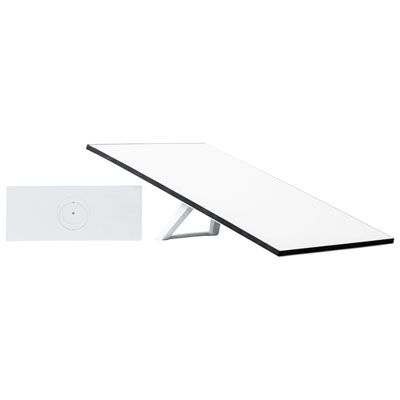 Your price for this item is $499.99
 -
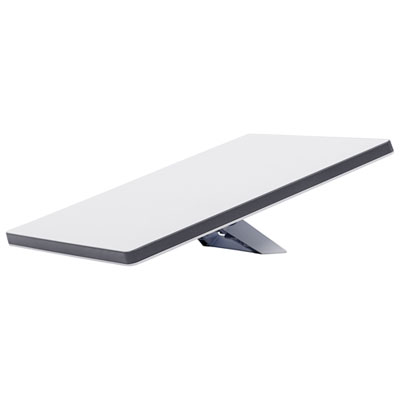 Your price for this item is $349.99
 -
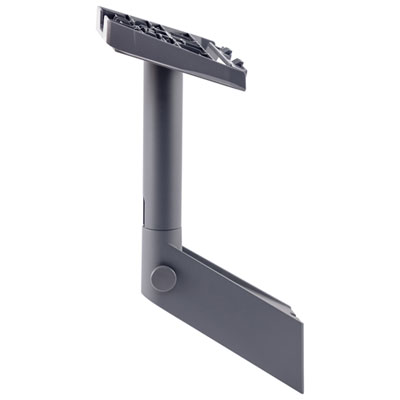 Your price for this item is $105.99
 -
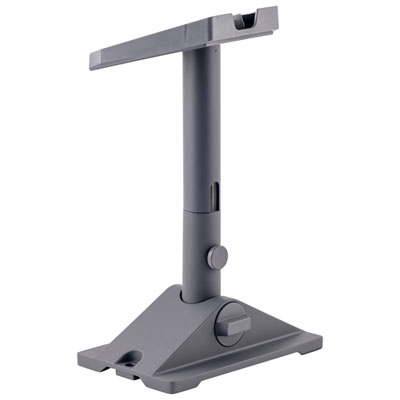 Your price for this item is $115.99
 -
 Your price for this item is $165.99
 -
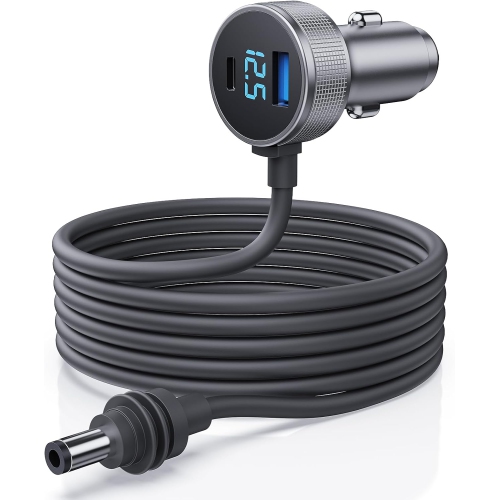 Your price for this item is $35.99
 -
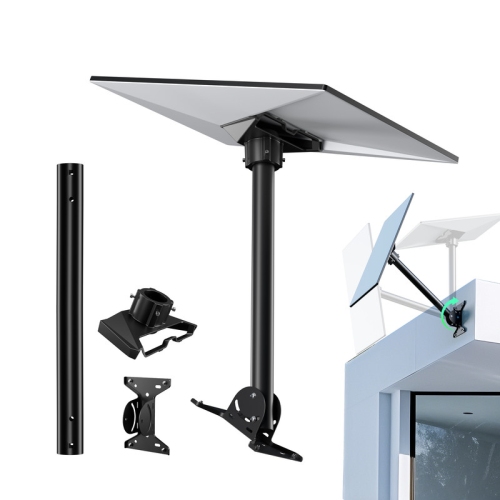 Your price for this item is $79.99
 -
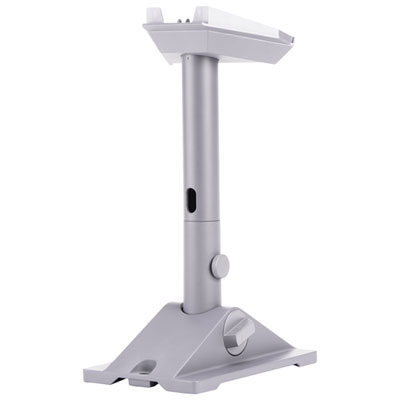 Your price for this item is $110.99
Discover more categories related to Satellite Dish Mounts
Top Collections:
Pokemon Centers, Best Cameras for Sports Photography, Kindle Devices, Samsung Galaxy Phones, Canon G7X Cameras, Pokémon 30th Celebration Cards, Refurbished Apple Laptops, iPhone 15 Apple, Laptops for Students, Budget Smartphones
Some products may be subject to Environmental Handling Fees
(EHF) depending on your province.
Learn more about EHFs.