Tv Cable Extenders
Looking to extend the reach of your TV cable connections? Look no further than our selection of TV cable extenders. These handy devices allow you to easily extend the length of your existing TV cables, providing you with the flexibility and convenience you need to set up your entertainment system exactly how you want it. Whether you're looking to connect your TV to a cable box, gaming console, or any other audiovisual equipment, our TV cable extenders are designed to deliver reliable signal transmission without compromising on quality. Explore our range of options and find the perfect solution to meet your needs.
Sort



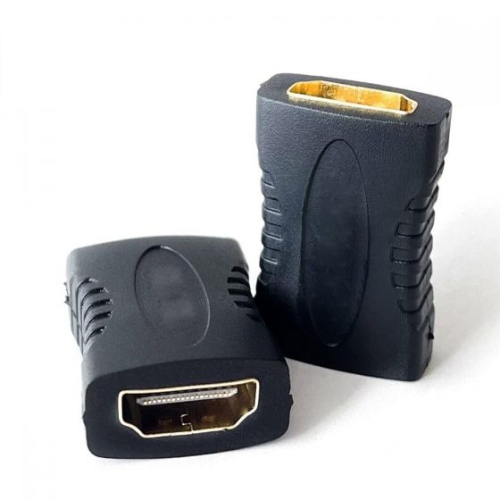
Extra reach for flexible viewing and reliable connections
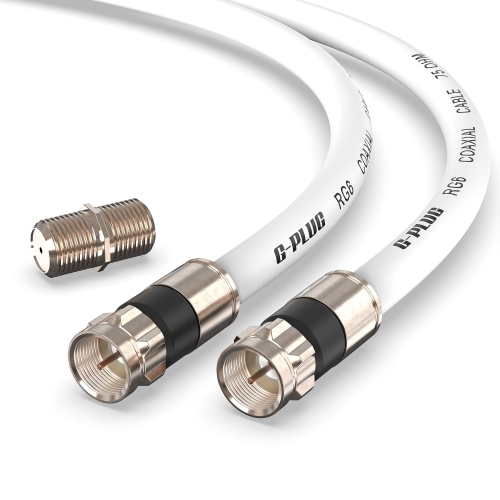
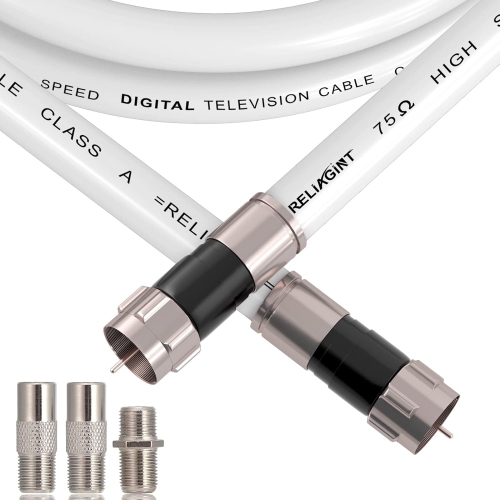
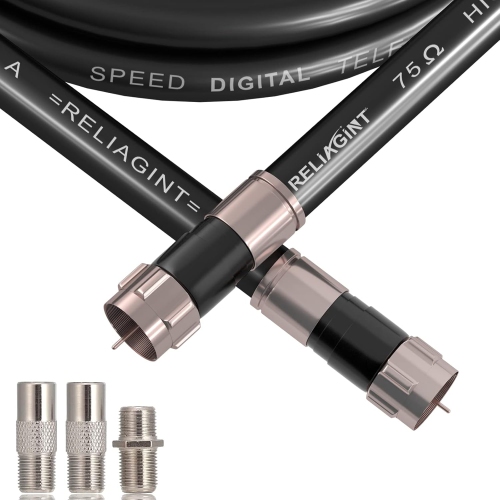
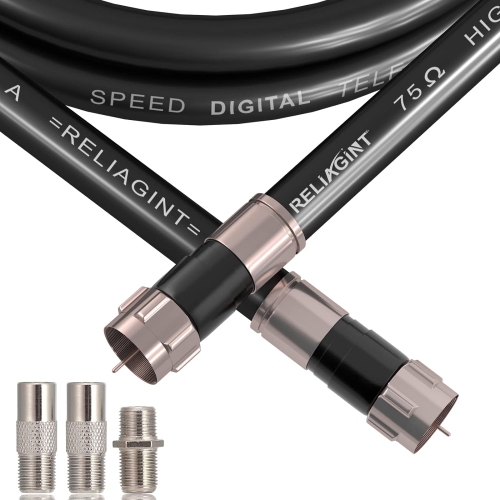
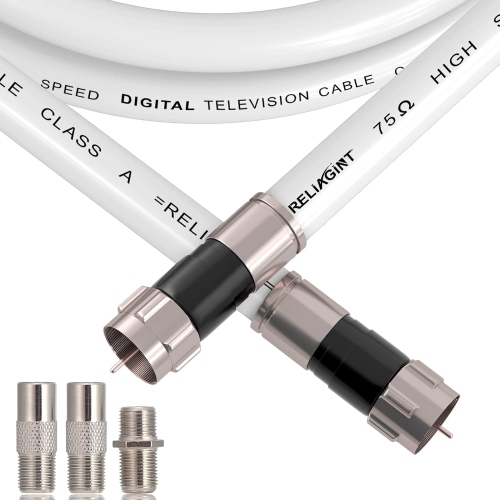
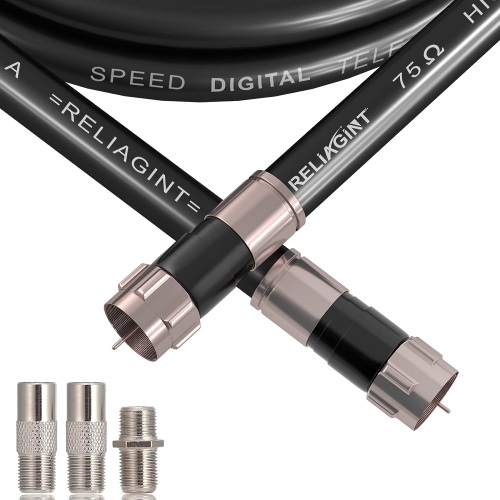
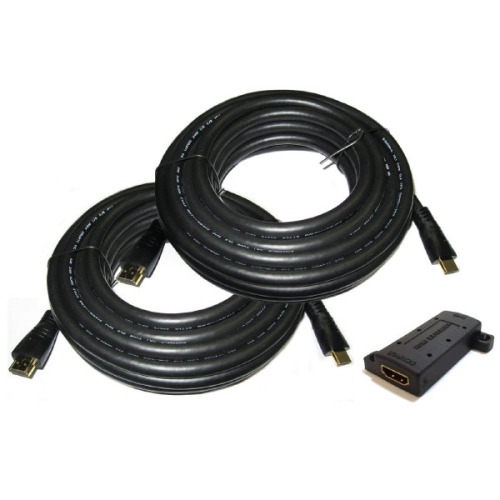
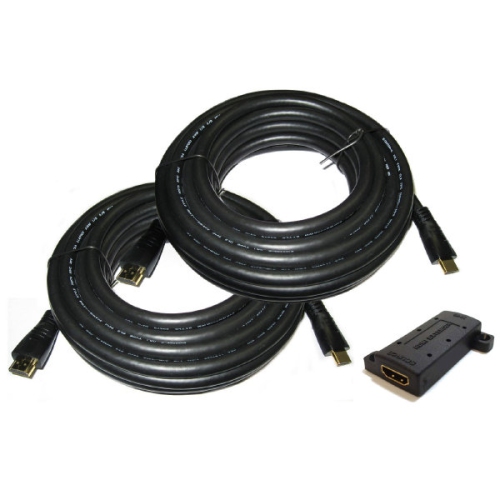
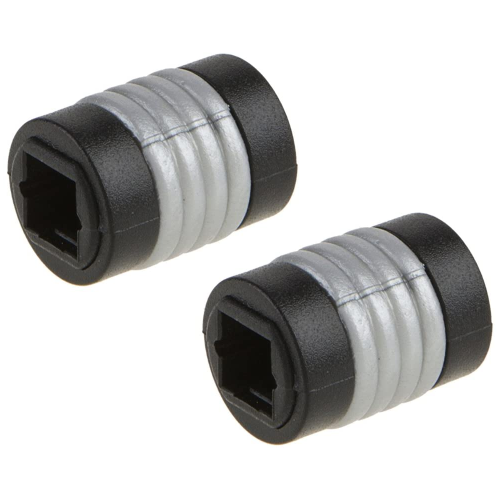
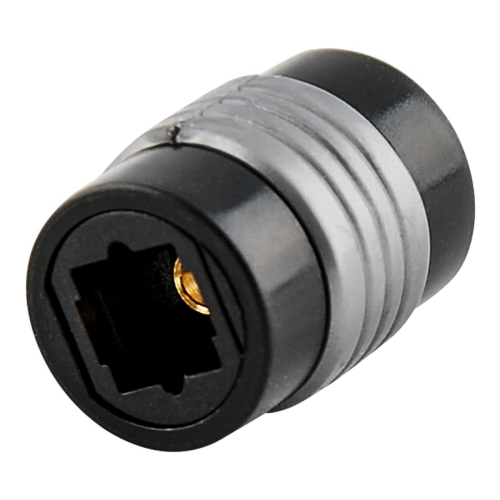
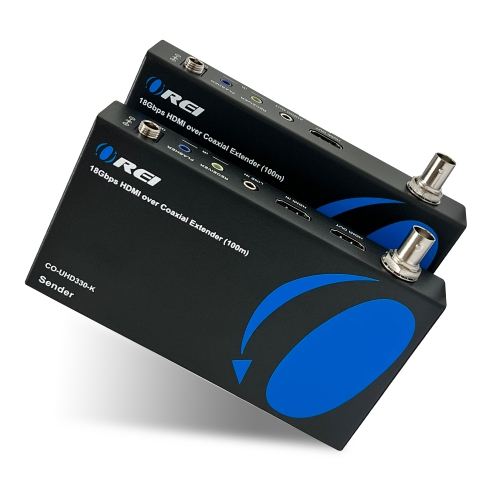
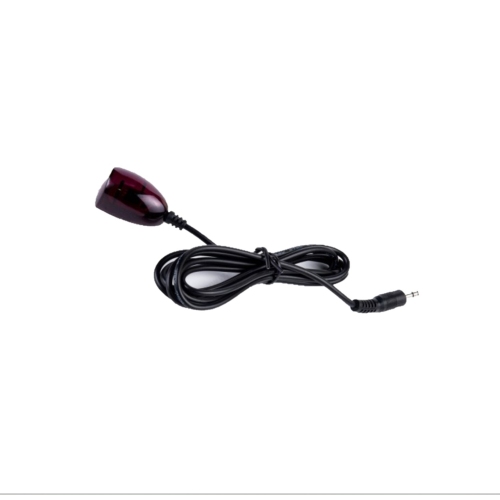
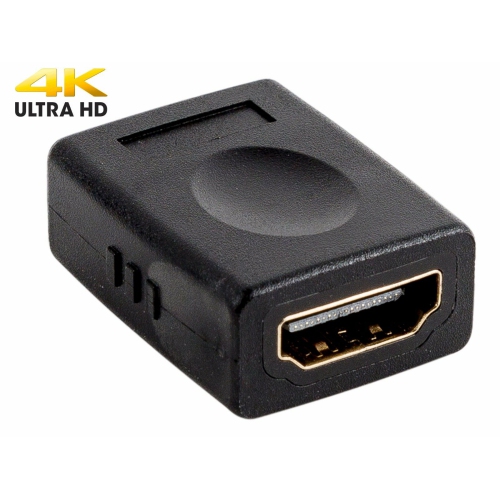
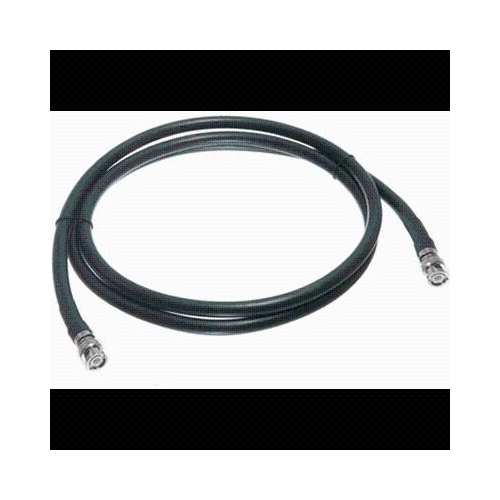
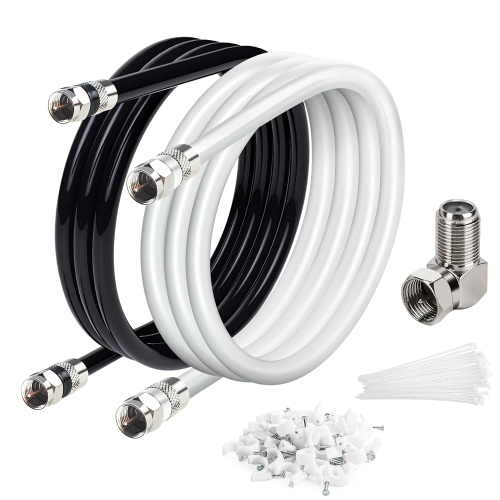
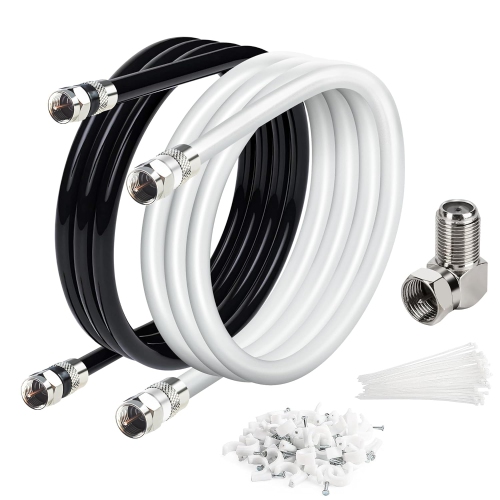
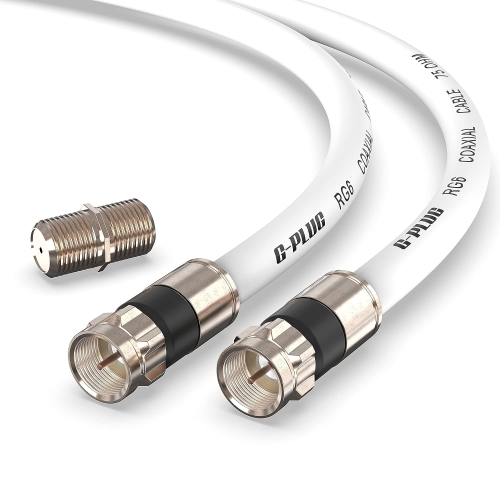
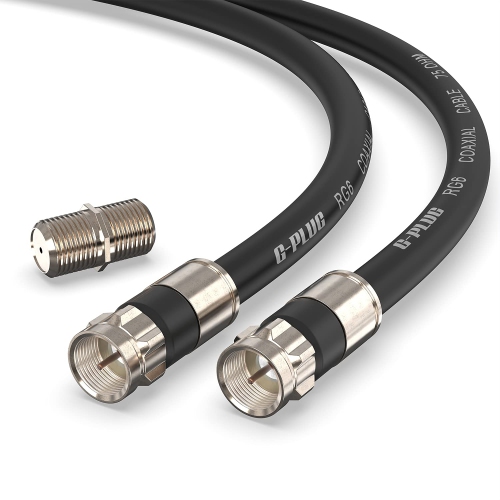
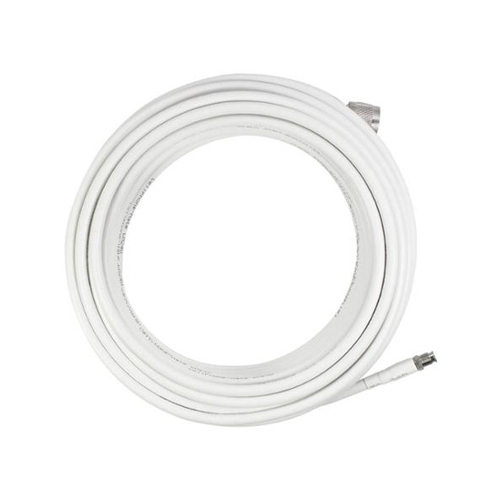
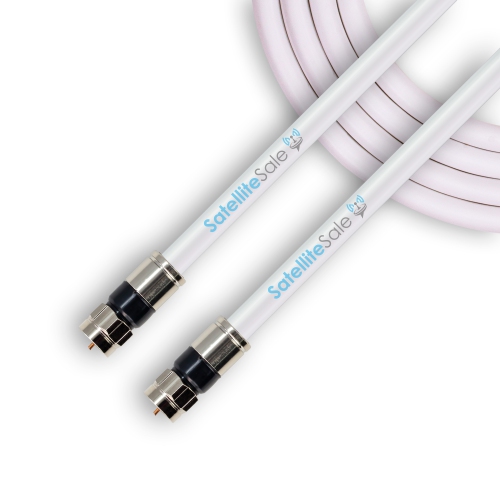
TV cable extenders can help solve one of the most common home entertainment challenges: the television, antenna connection, cable box, satellite receiver, or media source is not located close enough to the existing cable. Whether you are rearranging a living room, mounting a television on a different wall, setting up a screen in a bedroom, or creating a more flexible viewing area in a den, the right extension can provide the extra reach needed for a tidy and reliable connection. The first step is identifying the type of cable you need to extend. Traditional television signals from a wall outlet, antenna, cable box, or satellite connection typically use coaxial cable, often labelled RG6, with threaded F-type connectors. In this case, a secondary coaxial extension cable and a female-to-female F-type coaxial coupler, also called a barrel connector, can join the original cable to the added length. Explore Coaxial Cable Extensions to find options suited to this type of setup. Coaxial cables are commonly available in several lengths, making it easier to route a signal along a baseboard, behind furniture, through an entertainment unit, or around the edge of a room without leaving a cable stretched tightly across a walkway. When choosing one, check the connector type at both ends, the stated cable length, and whether the cable is intended for indoor use or for a more demanding location. RG6 is a familiar choice for many television and antenna installations because it is designed for a broad range of radio-frequency signals and has a sturdy construction. A cable that is too short can put strain on the connectors, while unnecessary extra length can leave a loose coil behind the television, so measuring the route before ordering is worthwhile. Allow a little extra for bends and movement, particularly if the television is mounted on an adjustable bracket or the equipment sits inside a cabinet.
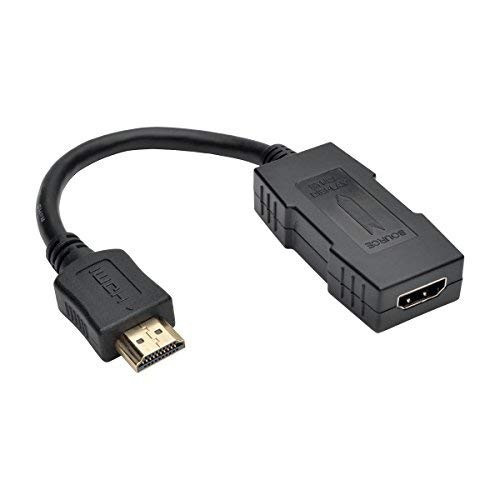
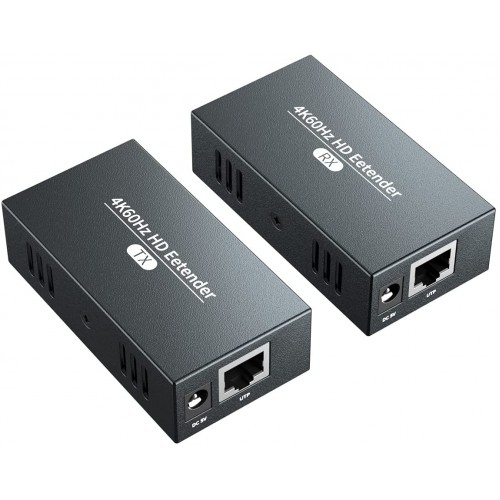
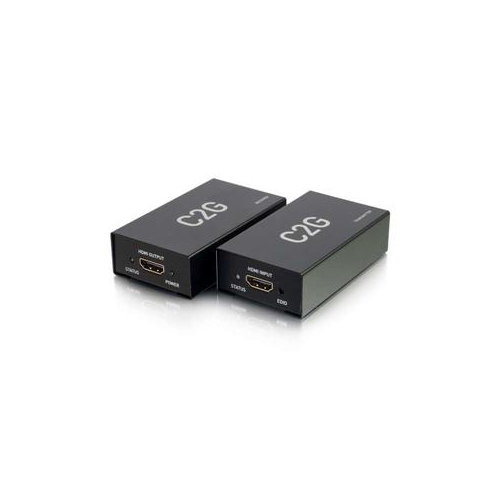
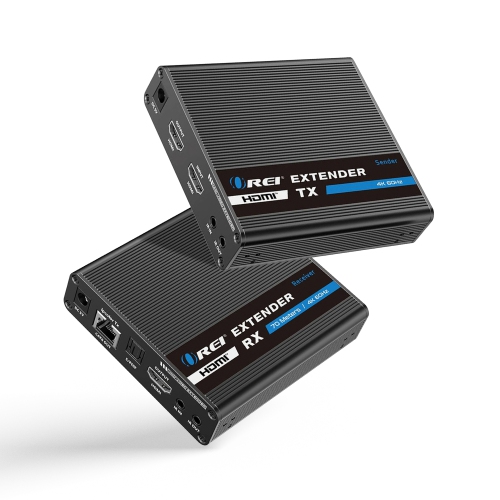
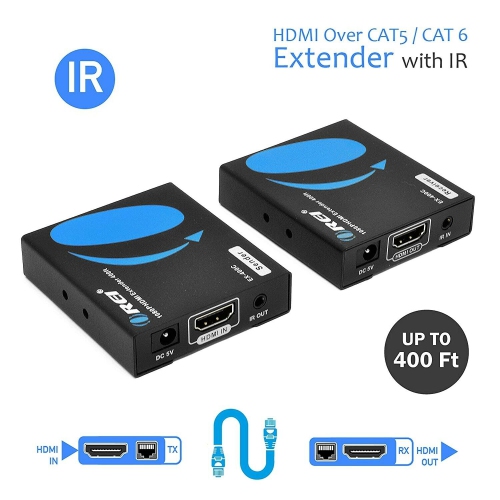
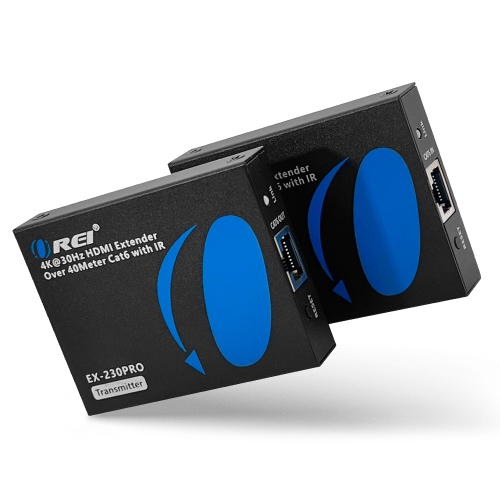
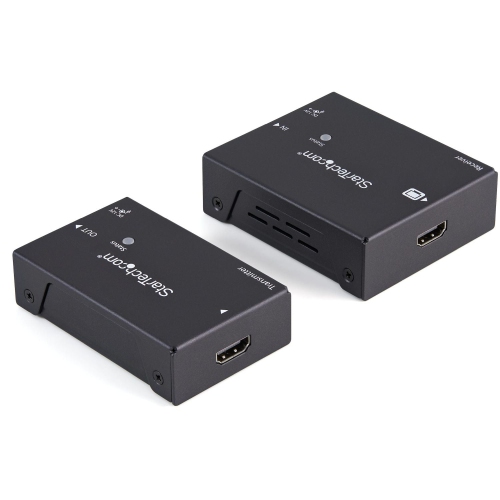
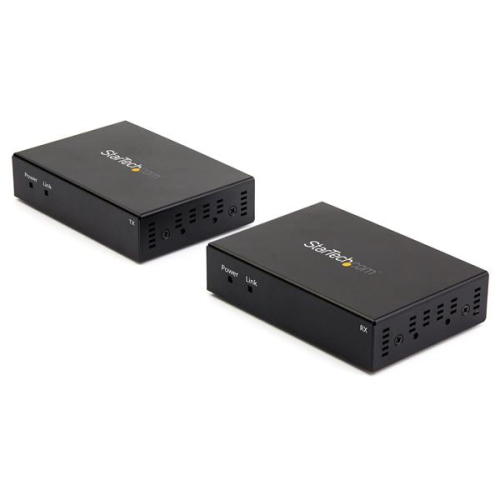
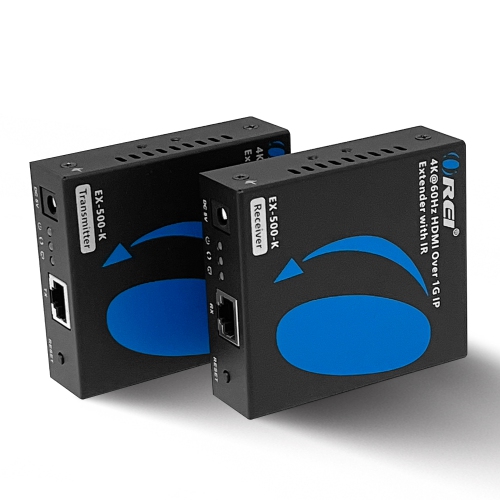
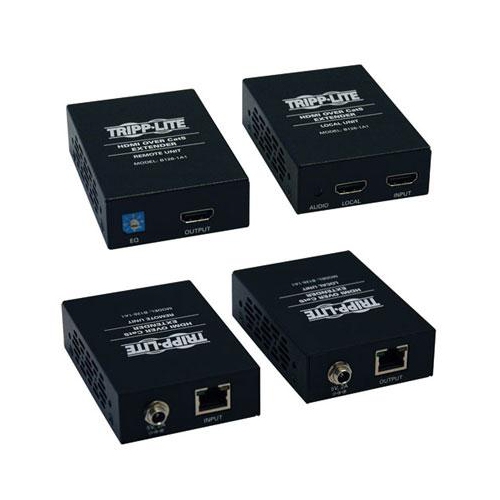
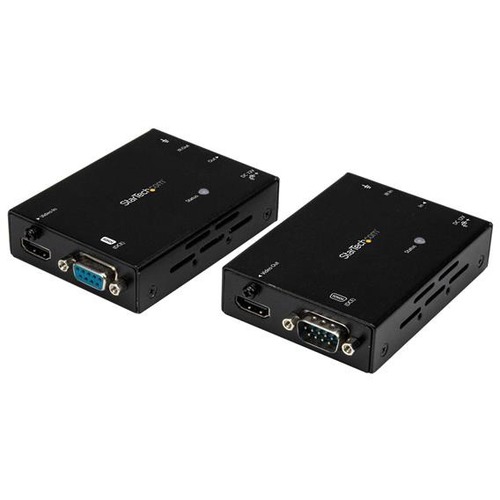
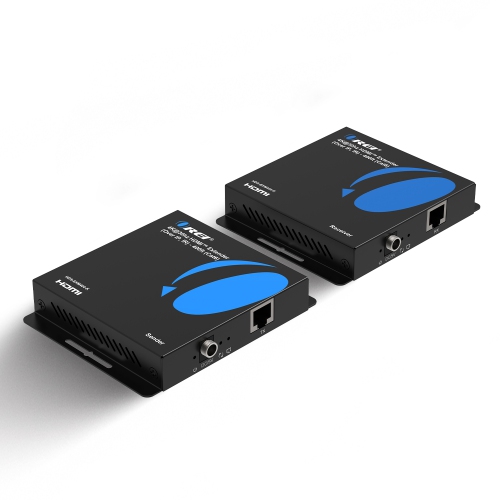
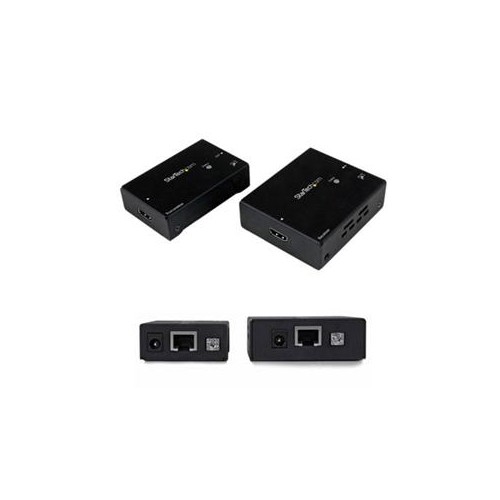
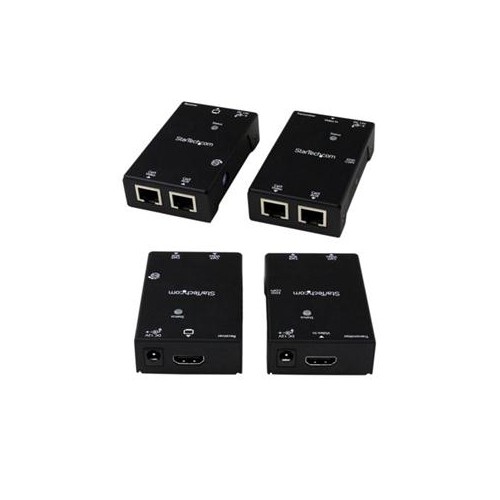
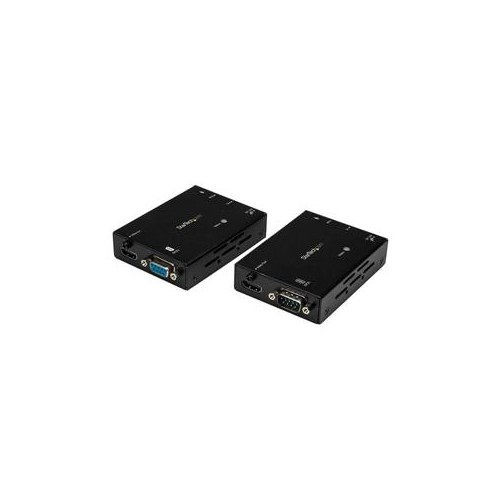
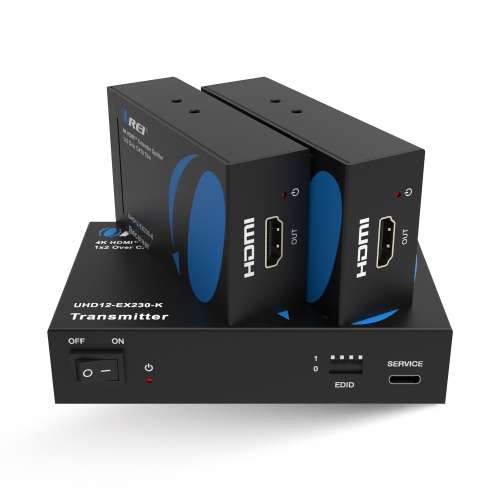
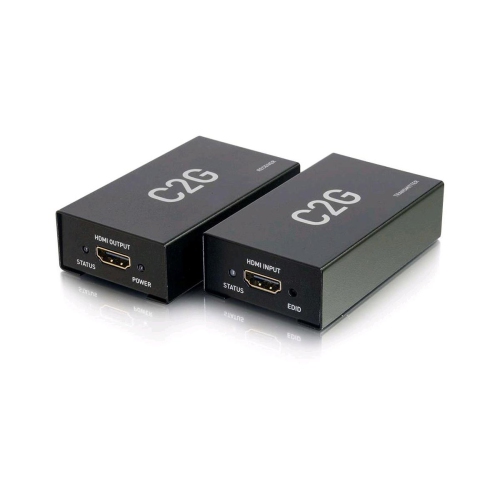
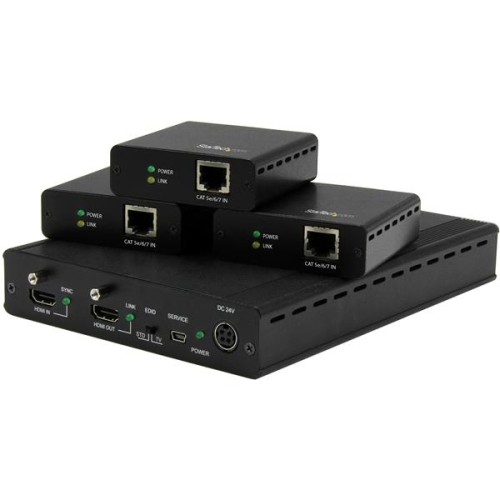
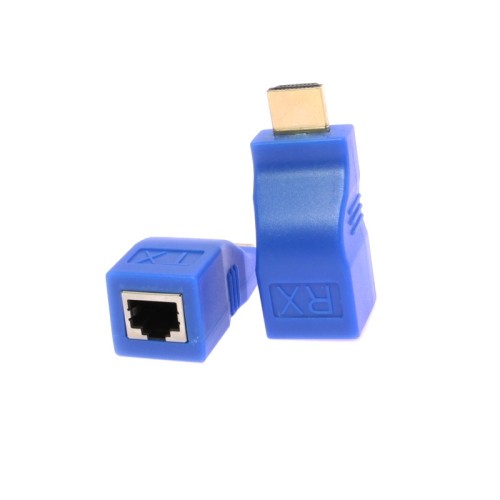
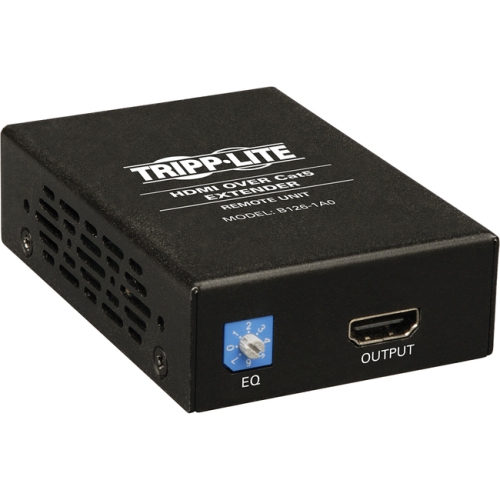
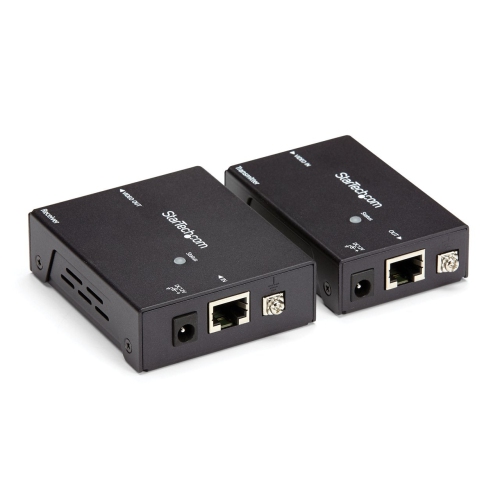
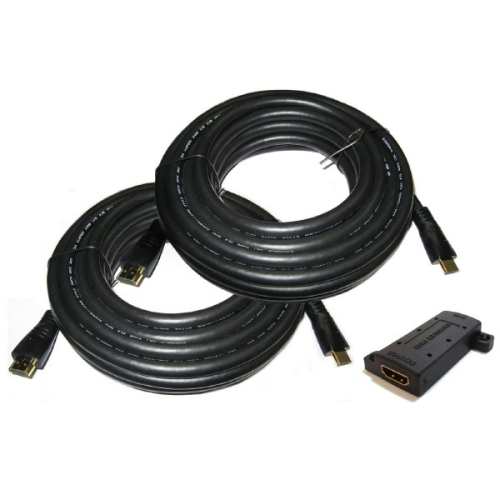
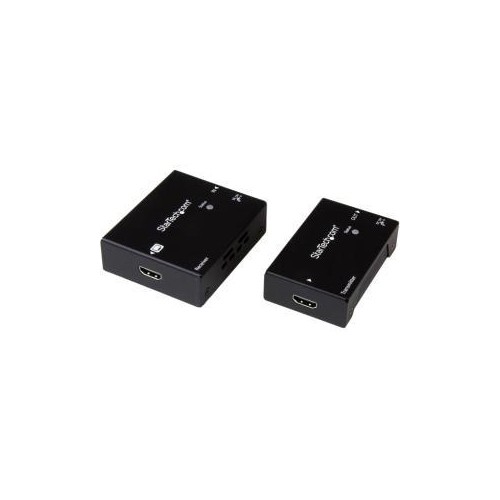
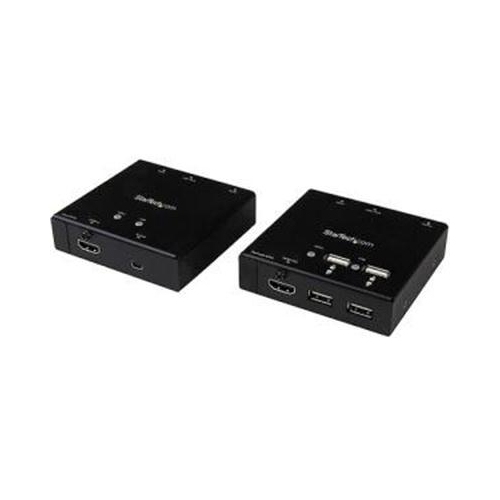
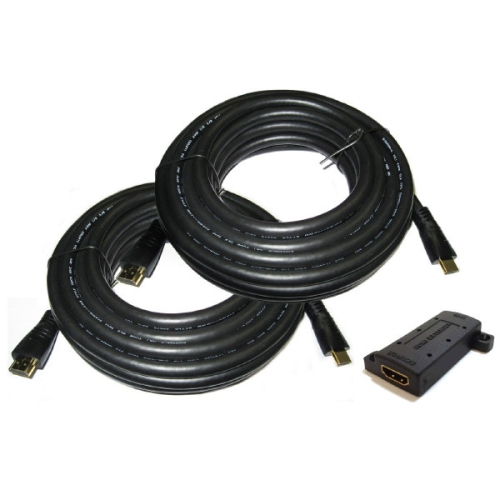
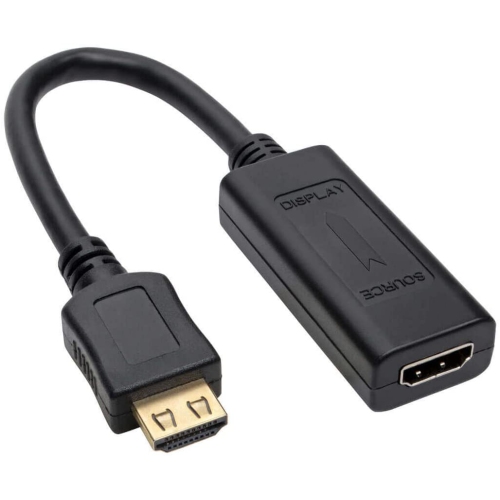
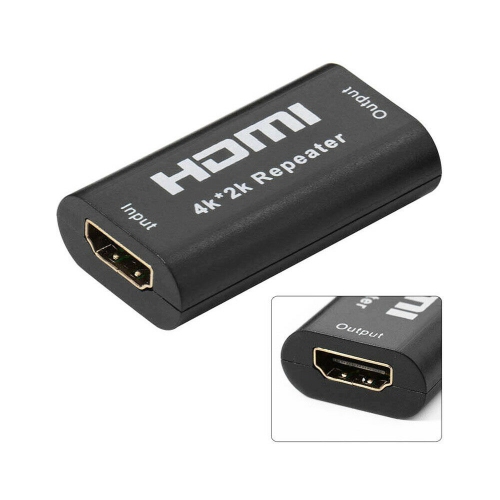
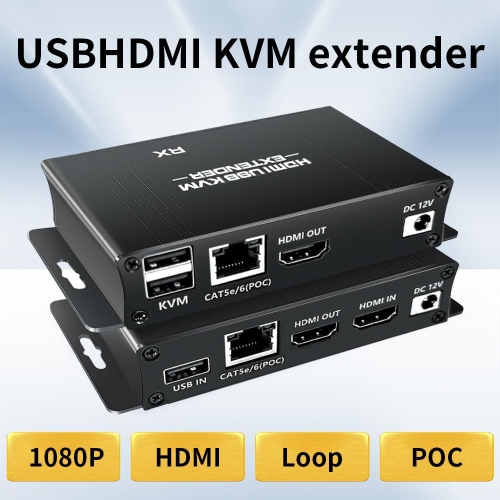
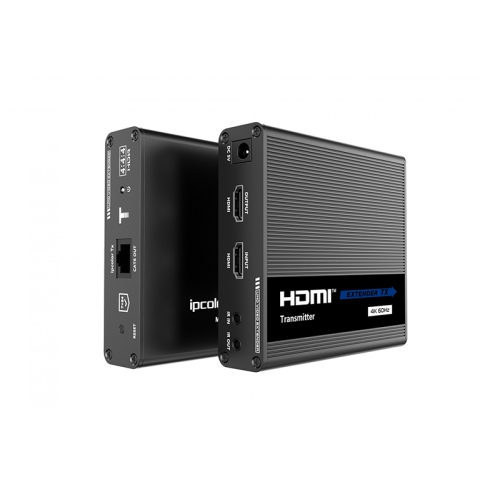
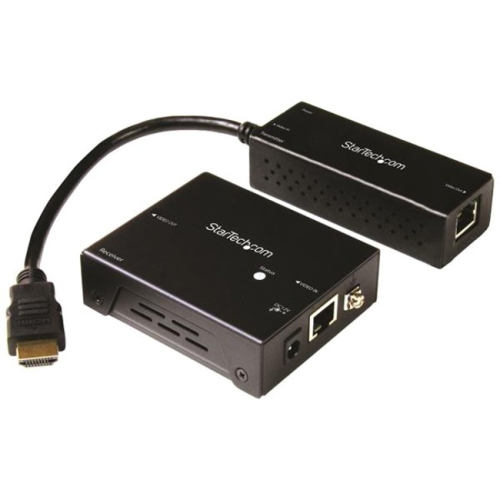
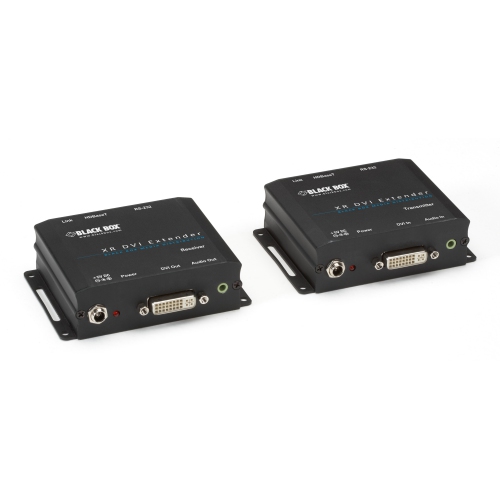
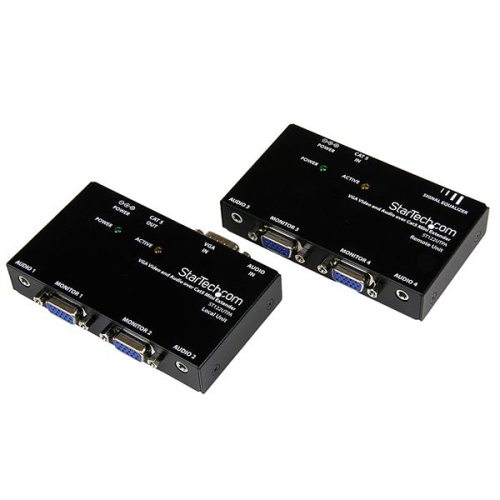
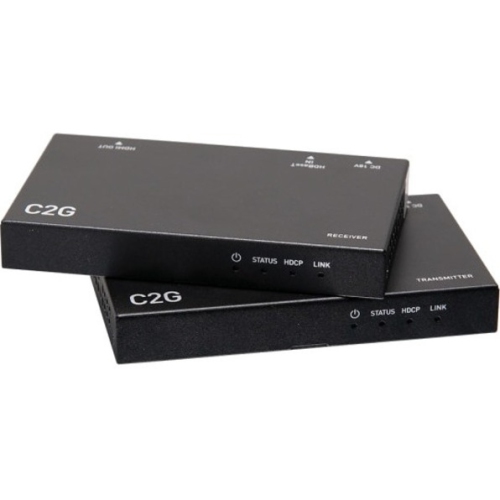
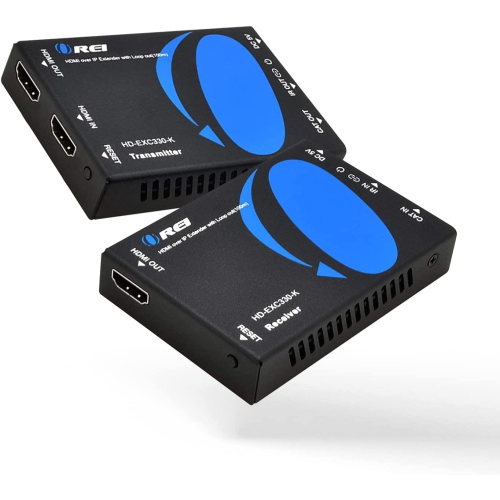
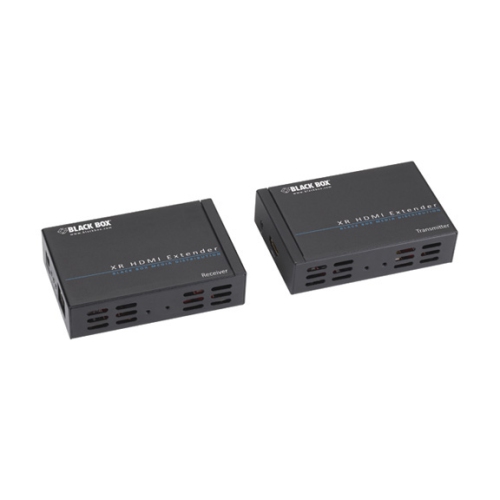
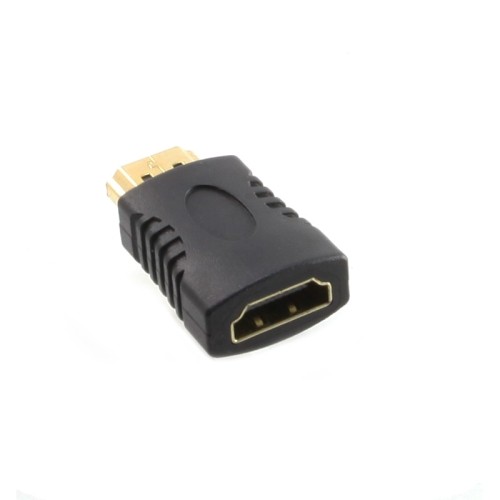
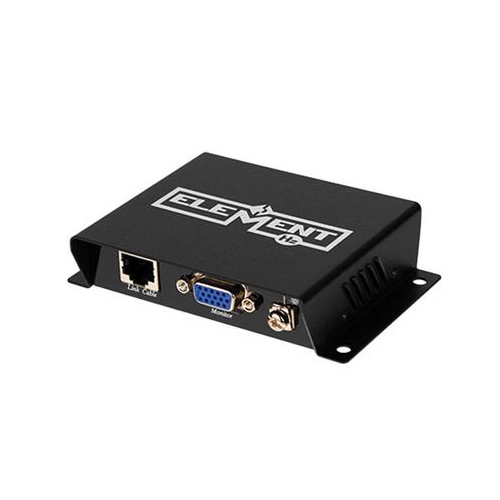
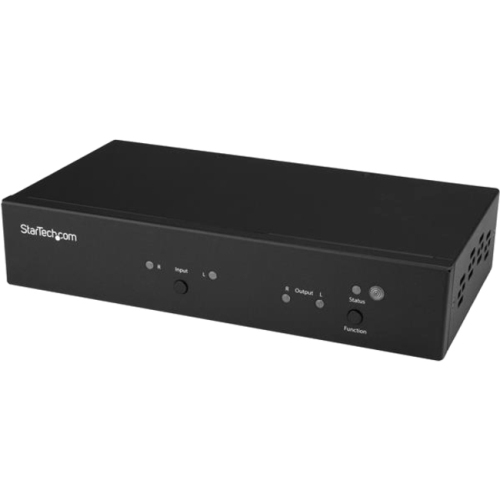
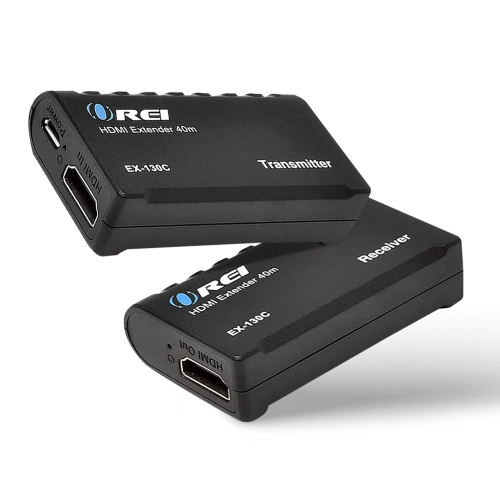
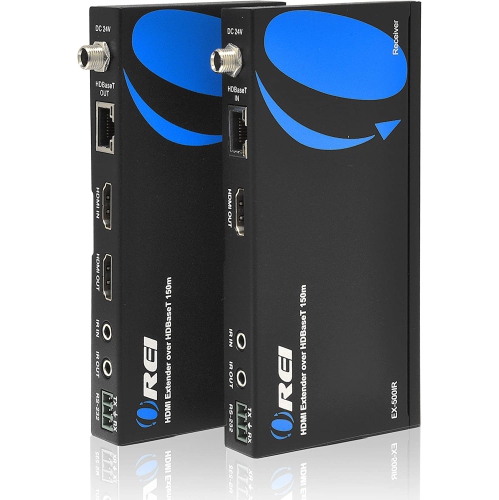
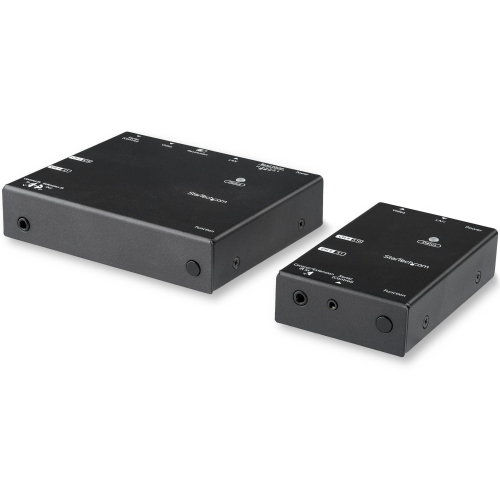
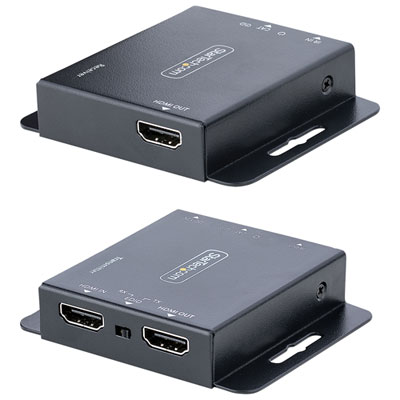
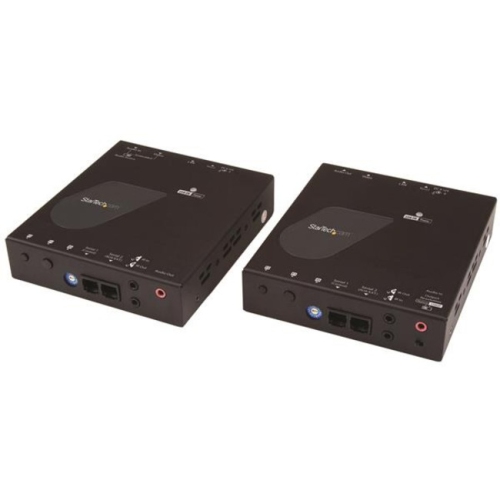
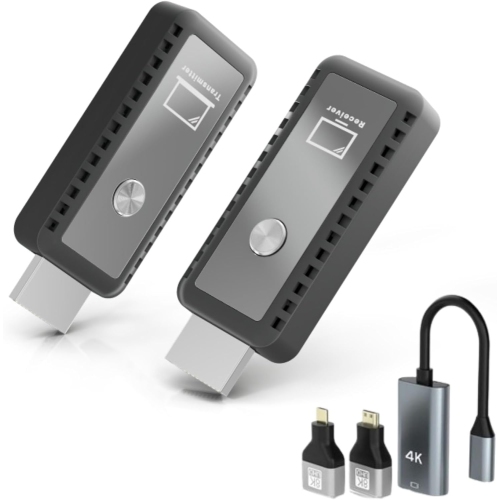
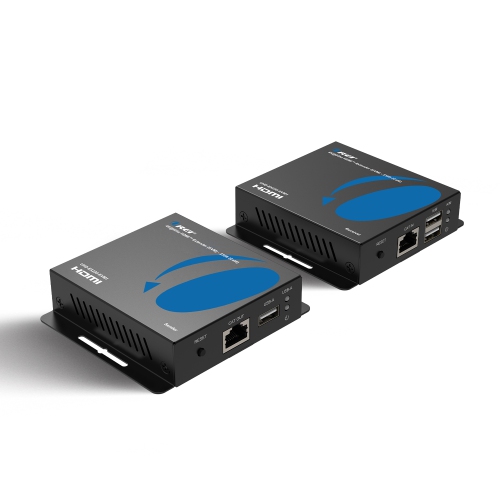
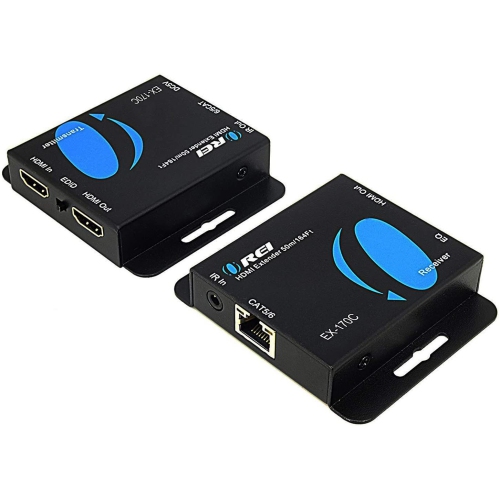
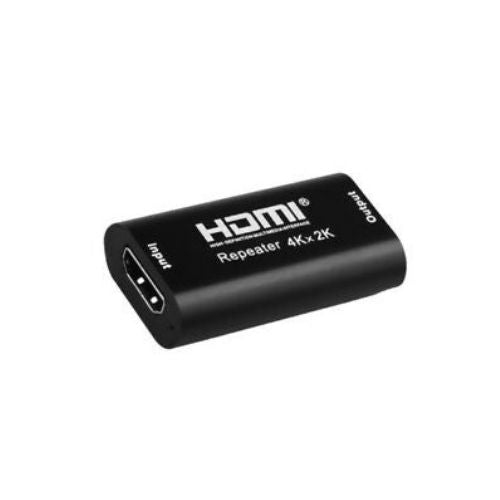
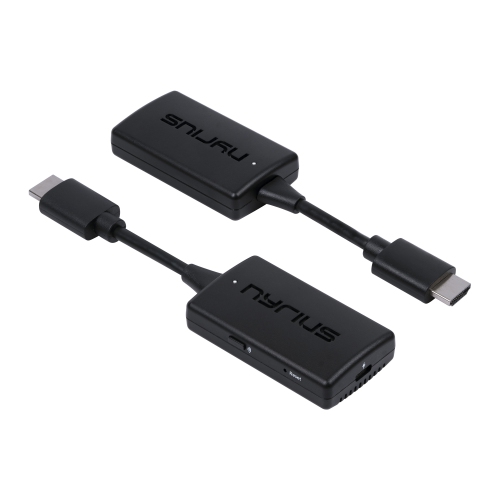
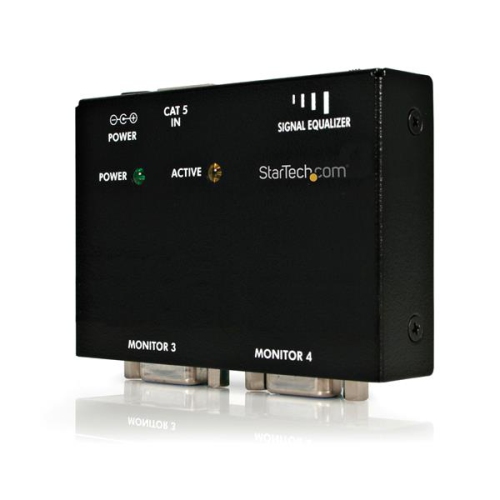
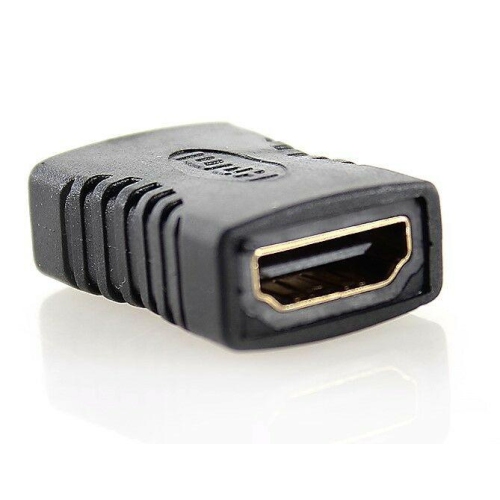
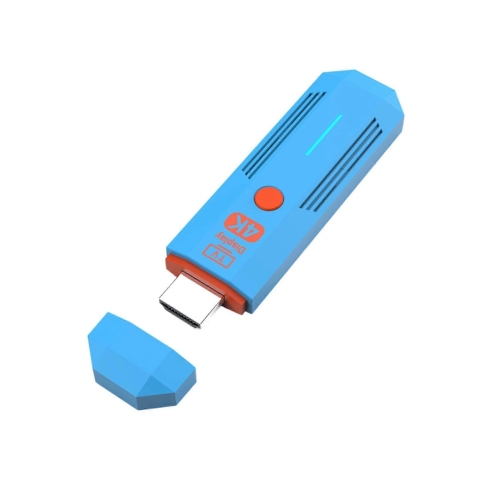
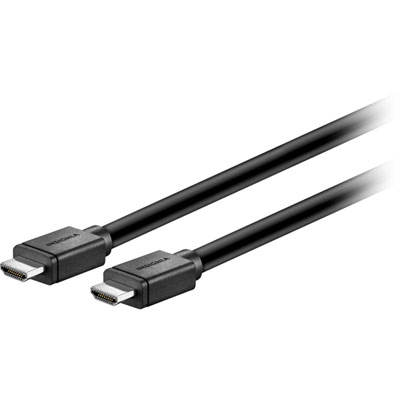
Not every TV cable extender is designed for coaxial signals. If you are extending the connection between a television and a game console, streaming device, Blu-ray player, computer, or cable box, you may instead need an HDMI extender. HDMI carries high-definition video and audio from a source device to the display, and longer-distance solutions may use Ethernet-style Cat6 or Cat7 cable between transmitter and receiver units. These products are different from a simple HDMI cable and are generally chosen when the source and television are separated by a wall, hallway, cabinet, or considerable room distance. Before selecting an HDMI extender, review the resolution and refresh-rate support to ensure it matches your television and source equipment. Compatibility with features such as high dynamic range, multichannel audio, and copy-protection standards can also matter, especially when connecting newer entertainment equipment. Some HDMI extension systems are powered, while others draw power through the connected equipment, so check the installation requirements and confirm that an available outlet is close to the transmitter or receiver. A powered option may be preferable for a longer run or a more demanding signal, while a simpler setup can work well for a modest distance between components. Think about the complete path rather than just the straight-line distance: a cable running from a media console, up behind a wall-mounted display, and around a corner will need more length than the room dimensions suggest. For in-wall installations, select cables and accessories that are specifically rated for that use and follow local building requirements. Neat cable routing is more than a matter of appearance. Keeping cables away from sharp bends, heat sources, power cords, and areas where they may be pinched can make the installation easier to maintain and reduce the likelihood of intermittent picture or sound. If a television suddenly shows a blank screen, pixelation, or a weak signal after an extension is added, check each connector, confirm that threaded ends are firmly attached without being overtightened, and make sure the extension type matches the signal being carried.
TV cable extenders are useful for renters, homeowners, students, families, and anyone who wants to change the layout of a room without replacing an entire television setup. They can be especially handy when furniture moves with the seasons: a screen may sit closer to a wall outlet during the warmer months, then shift to a more comfortable viewing position in a den or family room during cooler months. They are also practical for temporary guest-room arrangements, home offices that double as entertainment spaces, basement viewing areas, and seasonal residences where the existing cable route does not suit the current furniture placement. A coaxial extension can help position an antenna where reception is stronger, such as near a window, while keeping the television in a more convenient location. An HDMI extender can place a noisy game console or media computer out of sight while allowing the screen to remain the centre of the room. These accessories can make thoughtful gifts for someone moving into a new home, setting up a first apartment, renovating a family room, or building a dedicated movie and gaming area. They are also useful additions to a home technology toolkit because cable lengths and room layouts often change unexpectedly. When comparing options, consider the signal source, connector style, required distance, supported video quality, installation environment, and the amount of flexibility needed after everything is connected. A well-chosen extender should fit naturally into the existing setup, preserve the intended picture and sound quality, and leave enough room for future adjustments without creating a tangle behind the television.
Not every TV cable extender is designed for coaxial signals. If you are extending the connection between a television and a game console, streaming device, Blu-ray player, computer, or cable box, you may instead need an HDMI extender. HDMI carries high-definition video and audio from a source device to the display, and longer-distance solutions may use Ethernet-style Cat6 or Cat7 cable between transmitter and receiver units. These products are different from a simple HDMI cable and are generally chosen when the source and television are separated by a wall, hallway, cabinet, or considerable room distance. Before selecting an HDMI extender, review the resolution and refresh-rate support to ensure it matches your television and source equipment. Compatibility with features such as high dynamic range, multichannel audio, and copy-protection standards can also matter, especially when connecting newer entertainment equipment. Some HDMI extension systems are powered, while others draw power through the connected equipment, so check the installation requirements and confirm that an available outlet is close to the transmitter or receiver. A powered option may be preferable for a longer run or a more demanding signal, while a simpler setup can work well for a modest distance between components. Think about the complete path rather than just the straight-line distance: a cable running from a media console, up behind a wall-mounted display, and around a corner will need more length than the room dimensions suggest. For in-wall installations, select cables and accessories that are specifically rated for that use and follow local building requirements. Neat cable routing is more than a matter of appearance. Keeping cables away from sharp bends, heat sources, power cords, and areas where they may be pinched can make the installation easier to maintain and reduce the likelihood of intermittent picture or sound. If a television suddenly shows a blank screen, pixelation, or a weak signal after an extension is added, check each connector, confirm that threaded ends are firmly attached without being overtightened, and make sure the extension type matches the signal being carried.
TV cable extenders are useful for renters, homeowners, students, families, and anyone who wants to change the layout of a room without replacing an entire television setup. They can be especially handy when furniture moves with the seasons: a screen may sit closer to a wall outlet during the warmer months, then shift to a more comfortable viewing position in a den or family room during cooler months. They are also practical for temporary guest-room arrangements, home offices that double as entertainment spaces, basement viewing areas, and seasonal residences where the existing cable route does not suit the current furniture placement. A coaxial extension can help position an antenna where reception is stronger, such as near a window, while keeping the television in a more convenient location. An HDMI extender can place a noisy game console or media computer out of sight while allowing the screen to remain the centre of the room. These accessories can make thoughtful gifts for someone moving into a new home, setting up a first apartment, renovating a family room, or building a dedicated movie and gaming area. They are also useful additions to a home technology toolkit because cable lengths and room layouts often change unexpectedly. When comparing options, consider the signal source, connector style, required distance, supported video quality, installation environment, and the amount of flexibility needed after everything is connected. A well-chosen extender should fit naturally into the existing setup, preserve the intended picture and sound quality, and leave enough room for future adjustments without creating a tangle behind the television.
Top selling and popular products
-
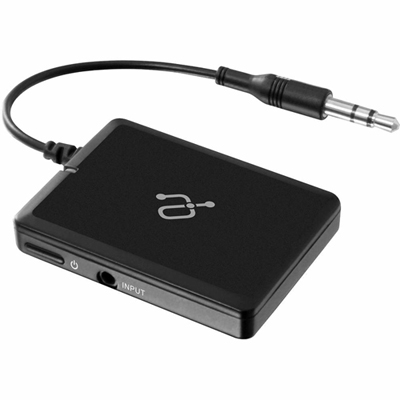 Your price for this item is $34.99
 -
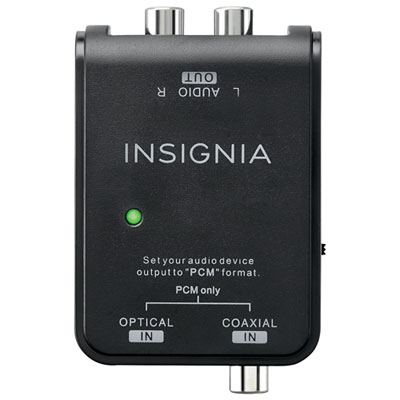 Your price for this item is $39.99
 -
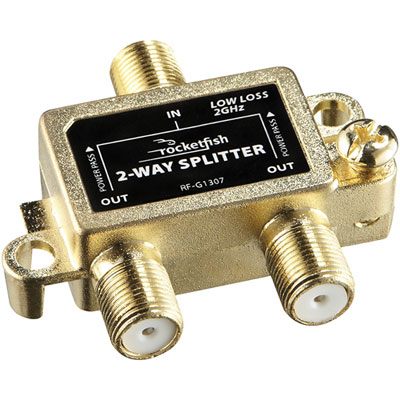 Your price for this item is $10.97
 -
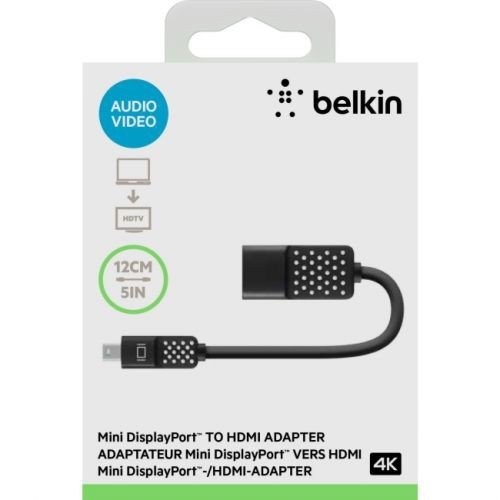 Your price for this item is $46.68
 -
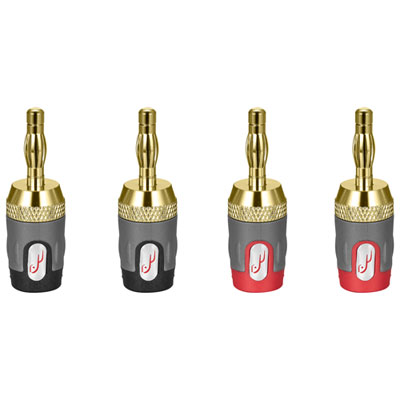 Your price for this item is $24.99
 -
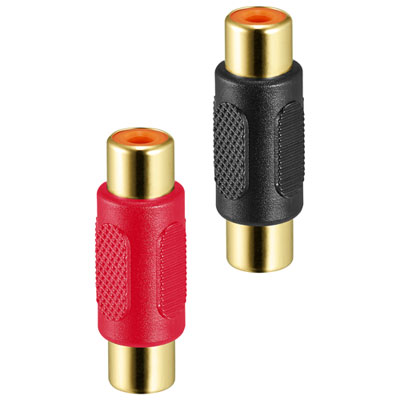 Your price for this item is $9.99
 -
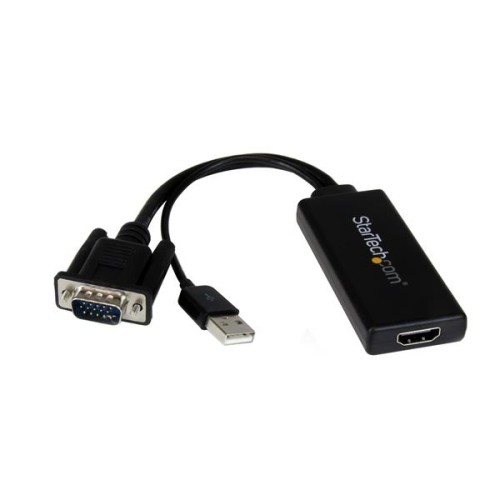 Your price for this item is $75.99
 -
 Your price for this item is $19.99
Discover more categories related to Tv Cable Extenders
Top Collections:
Pokemon Centers, Best Cameras for Sports Photography, Kindle Devices, Samsung Galaxy Phones, Canon G7X Cameras, Pokémon 30th Celebration Cards, Refurbished Apple Laptops, iPhone 15 Apple, Laptops for Students, Budget Smartphones
Some products may be subject to Environmental Handling Fees
(EHF) depending on your province.
Learn more about EHFs.