Tv Stands for 78 Inch Tv
Looking for the perfect TV stand to complement your 78-inch television? Look no further! Our wide selection of TV stands for 78-inch TVs offers stylish and functional options to enhance your viewing experience. Whether you prefer a sleek and modern design or a more traditional look, we have the perfect TV stand to suit your style and accommodate your large screen. With various sizes, materials, and features available, finding the ideal TV stand for your 78-inch TV has never been easier. Explore our collection today and elevate your entertainment space to new heights!
Sort


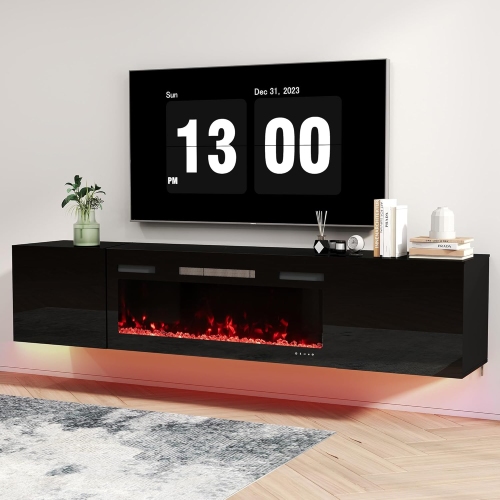


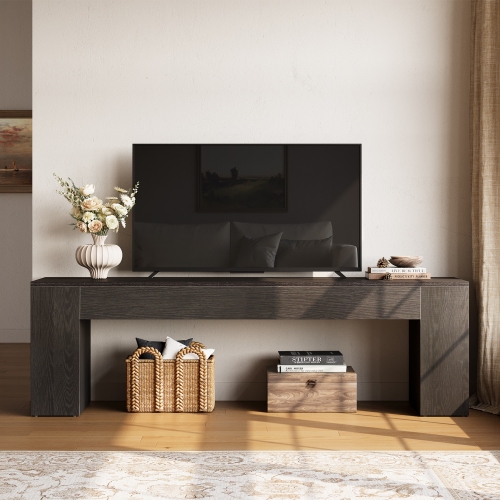


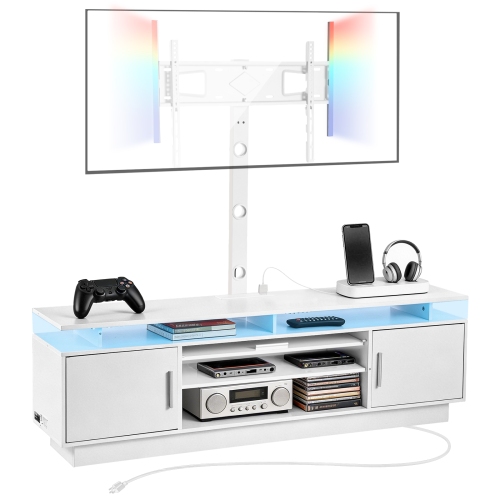
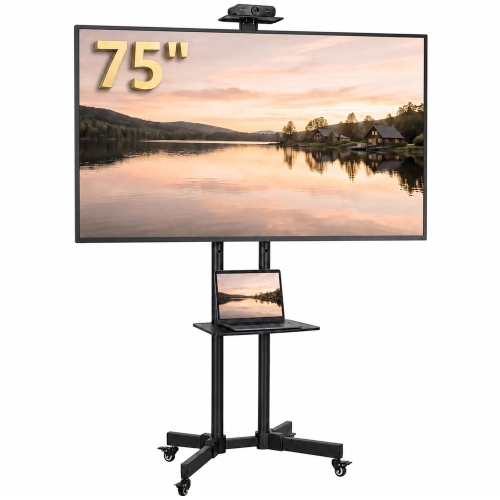
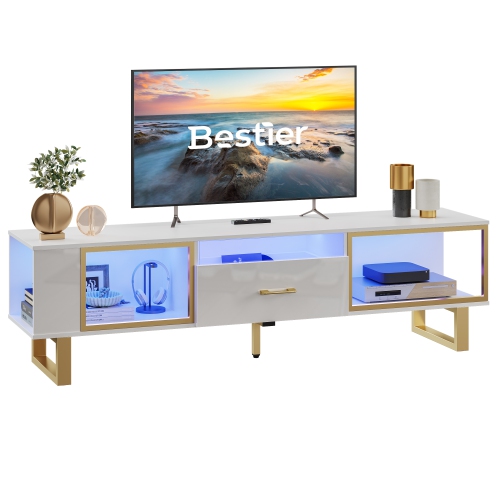
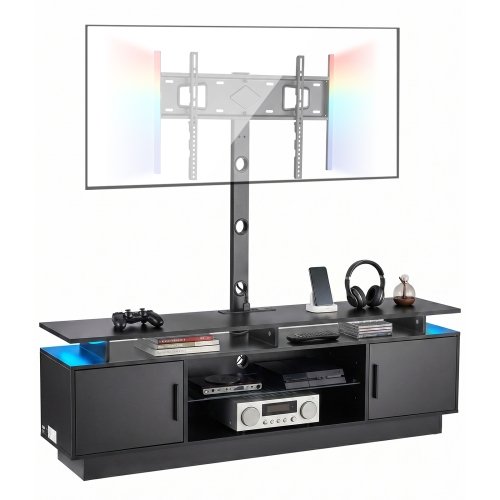
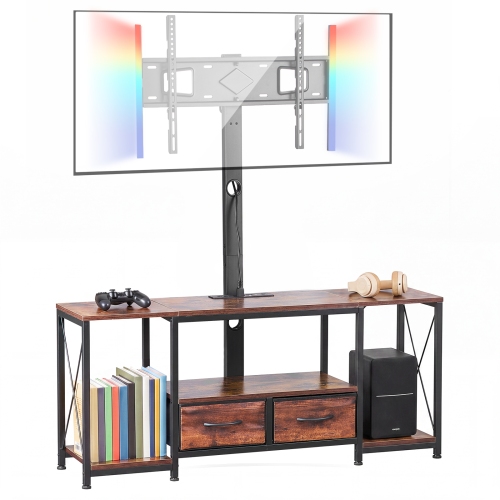
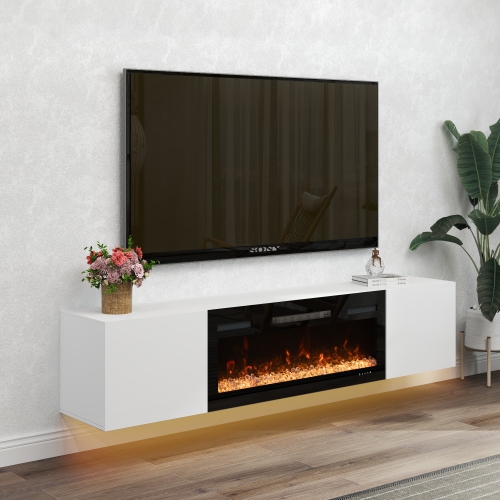
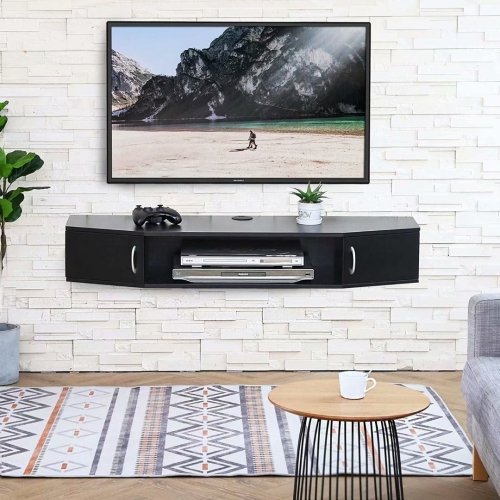
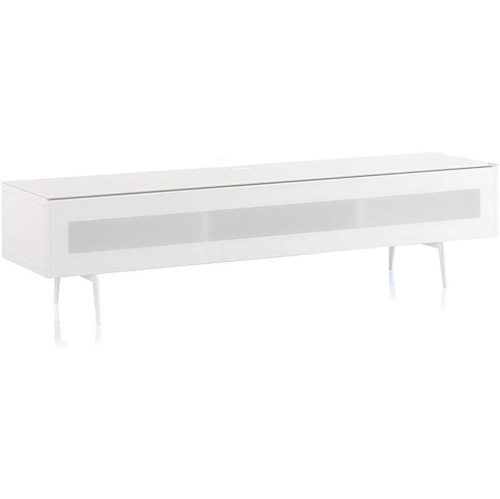


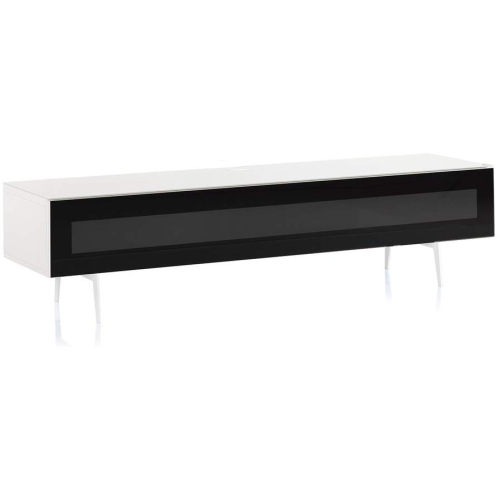

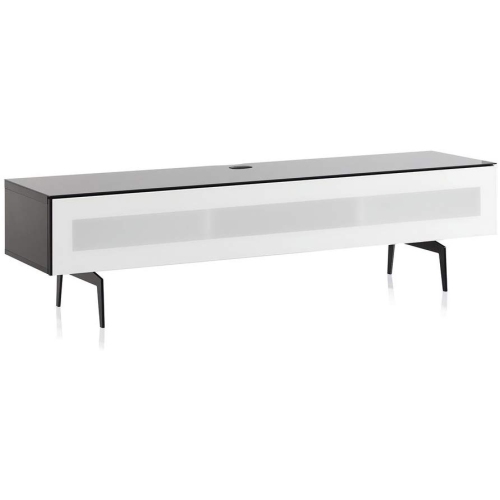


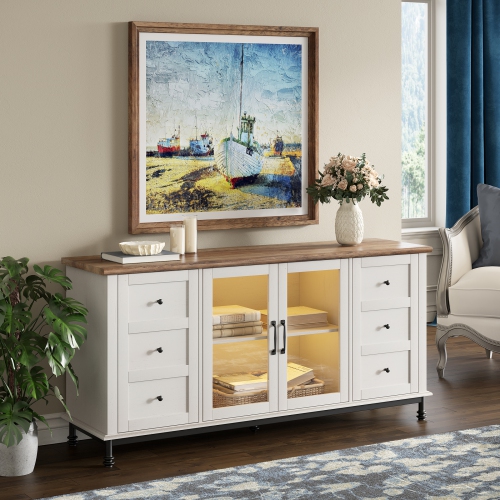


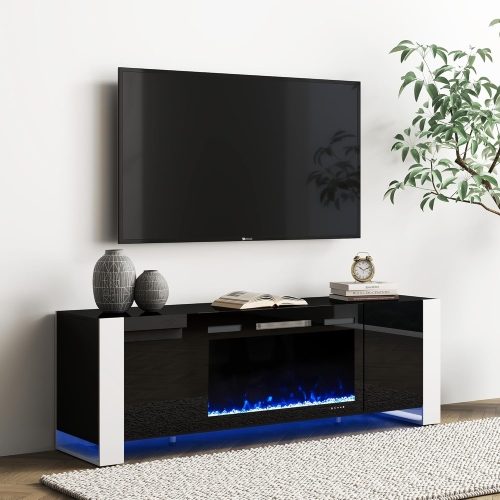
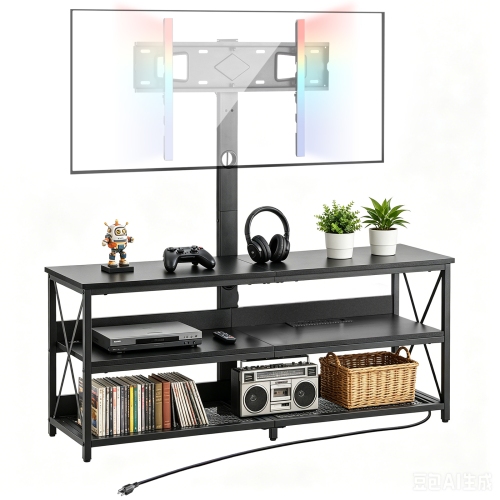

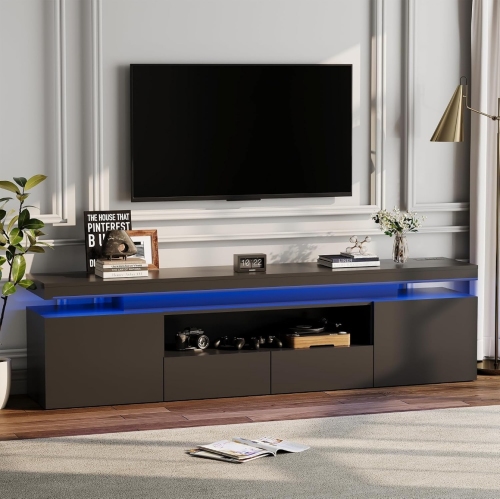

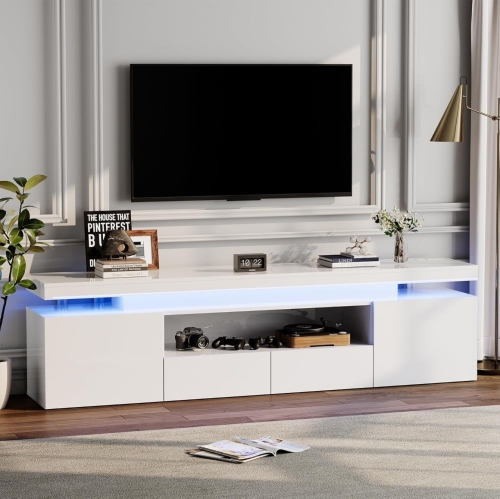

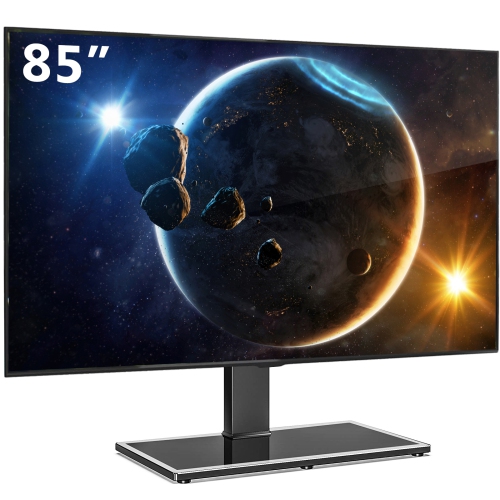
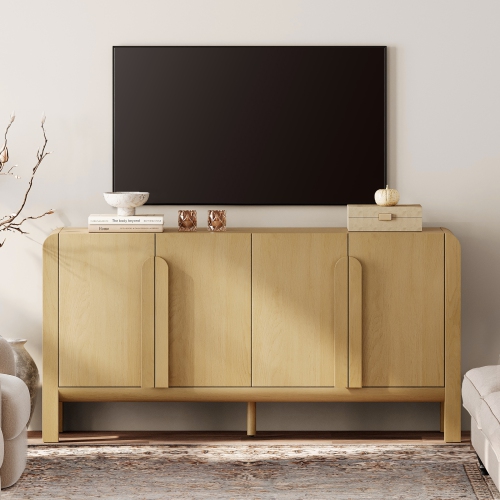


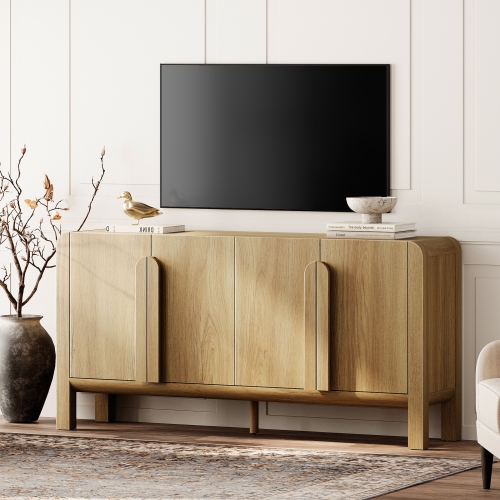
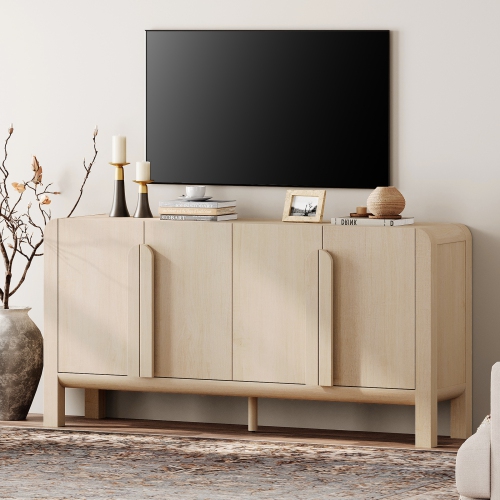


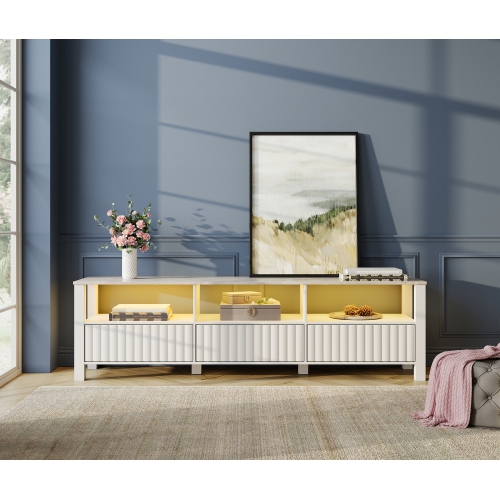
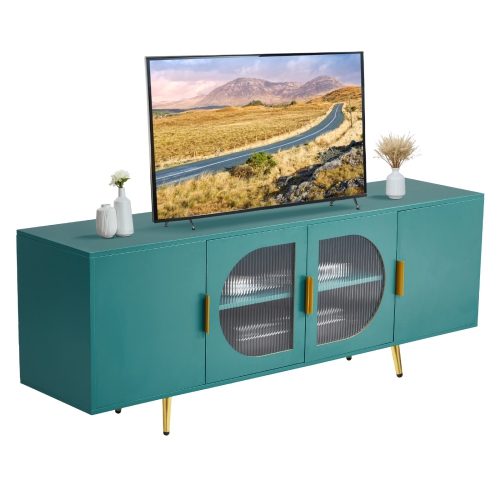
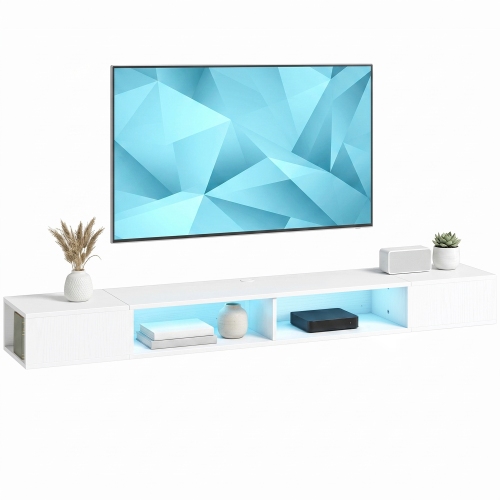


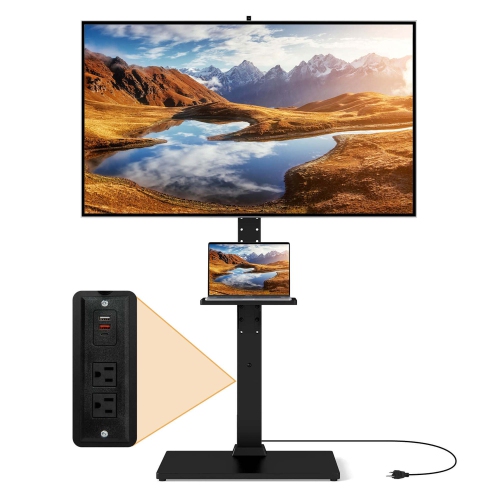

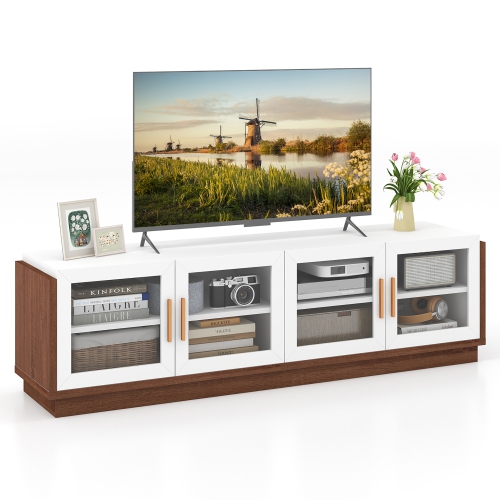


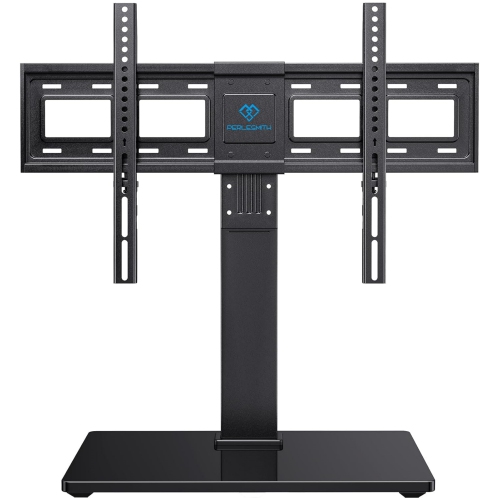
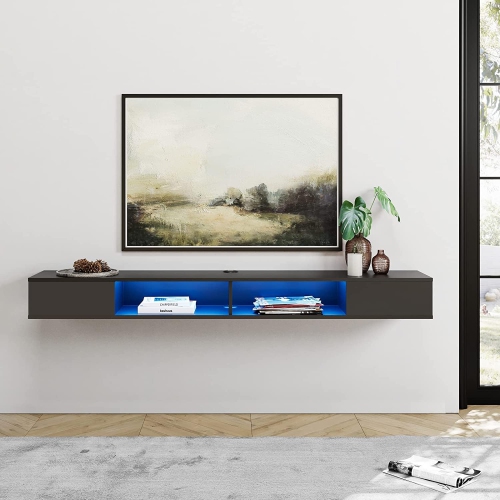





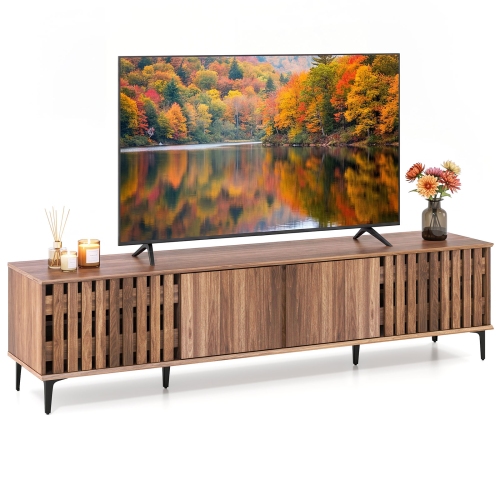
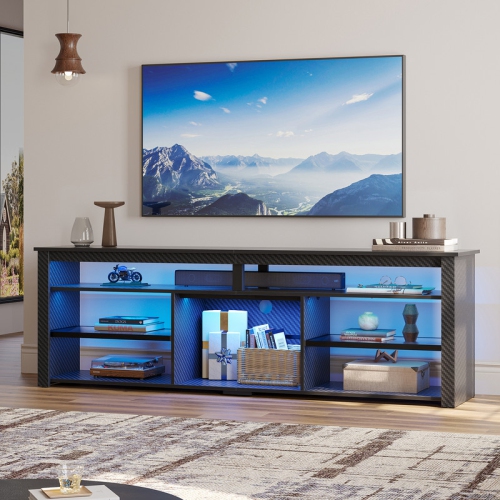
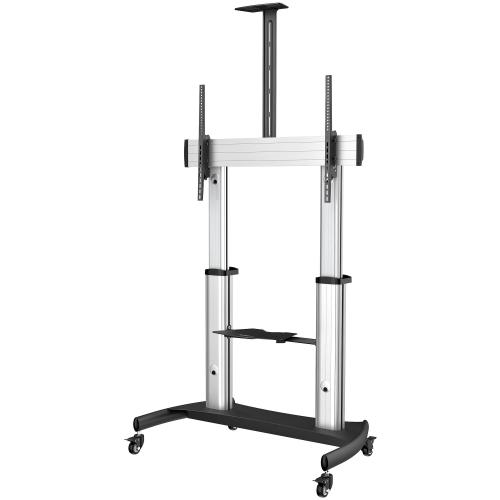
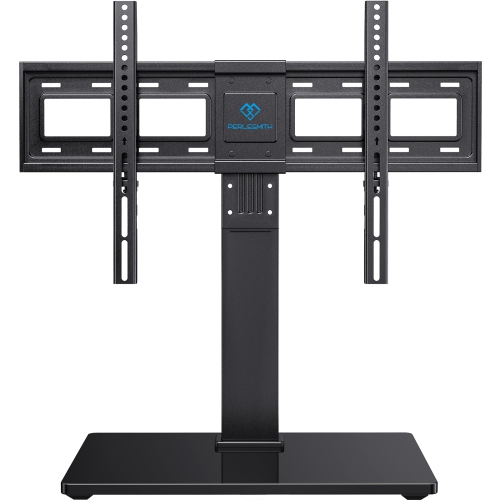

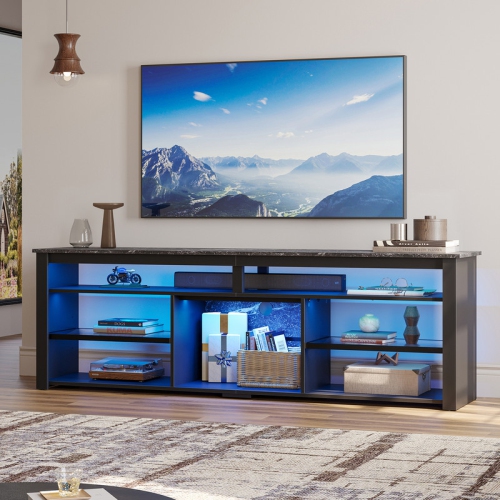
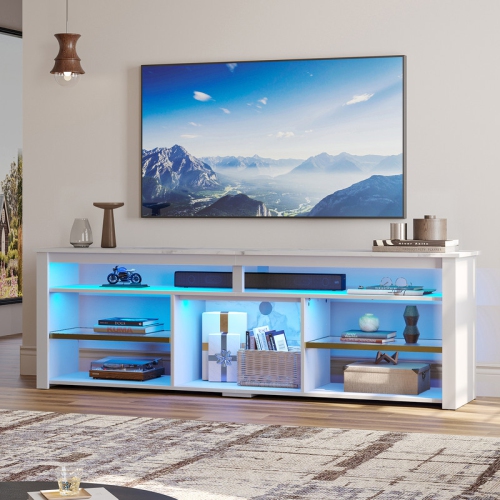


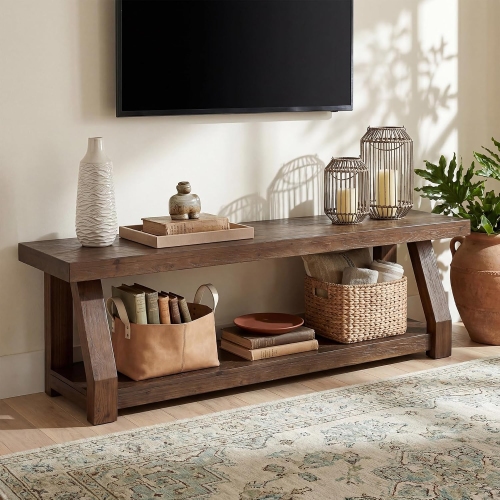


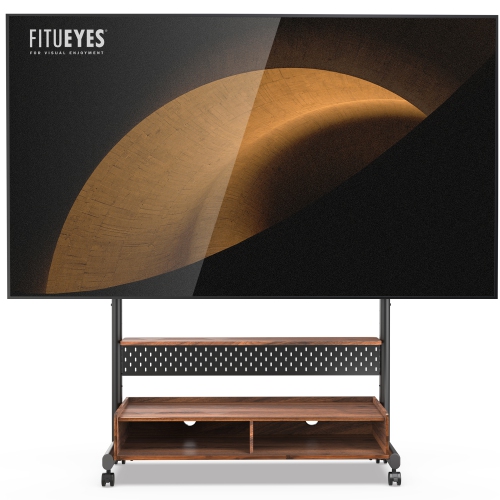

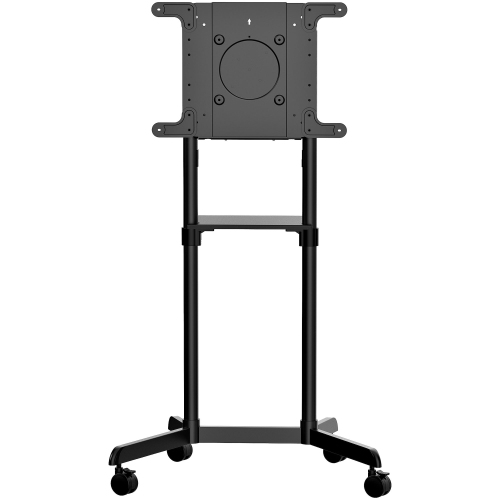


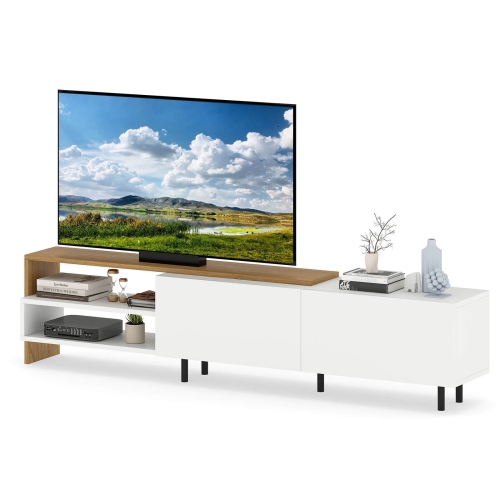
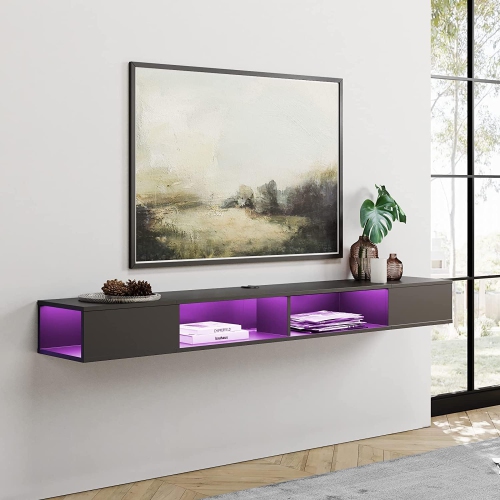


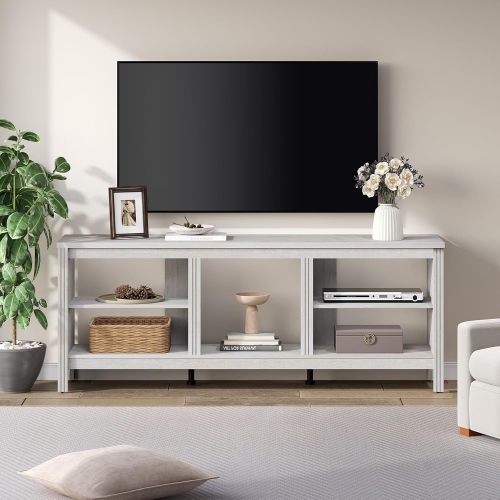


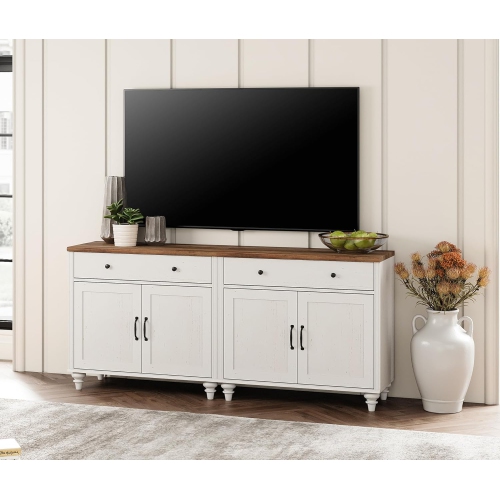
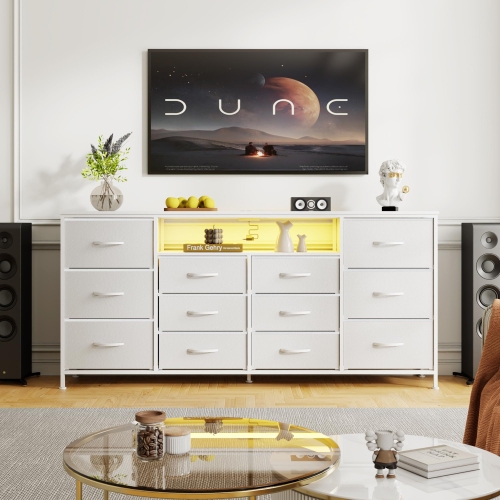
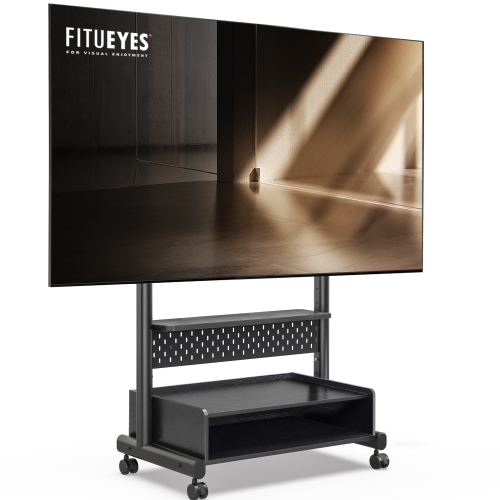
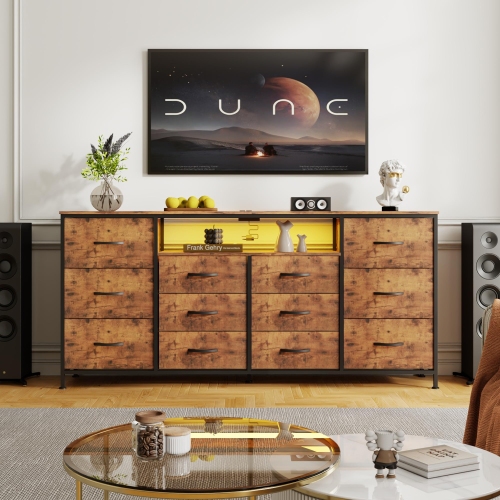
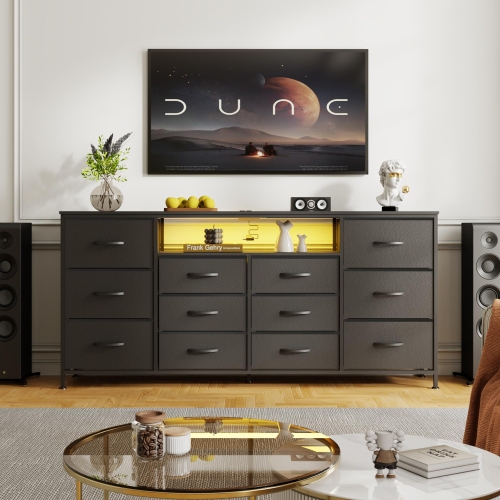
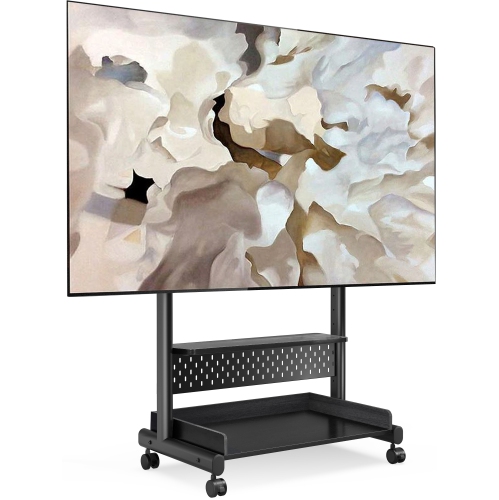

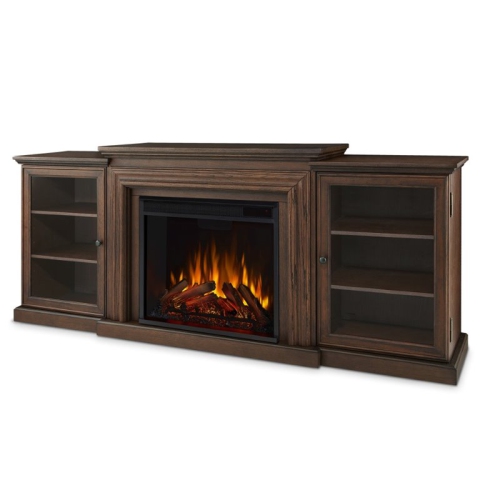
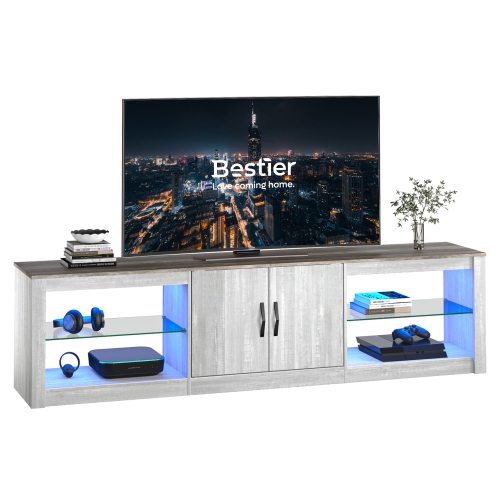

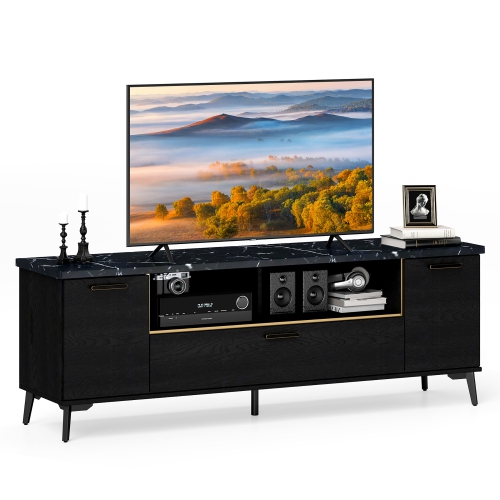
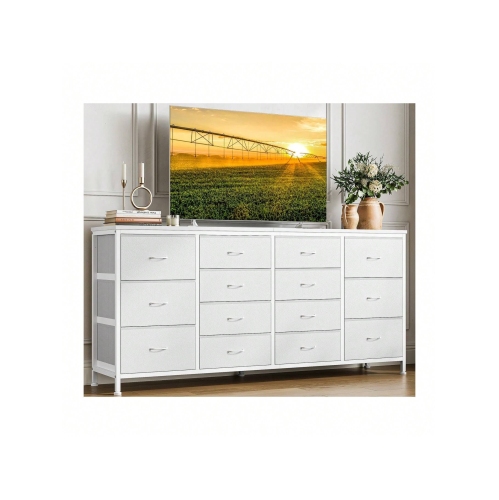


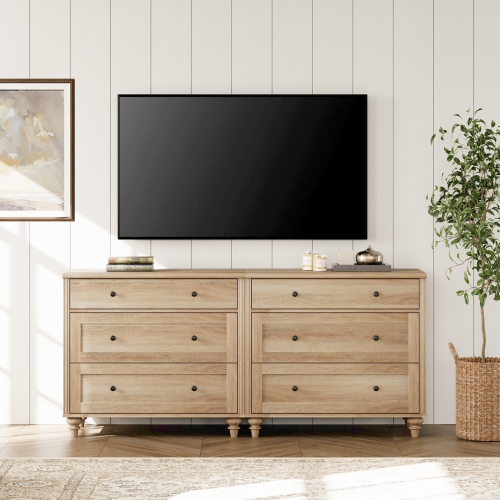
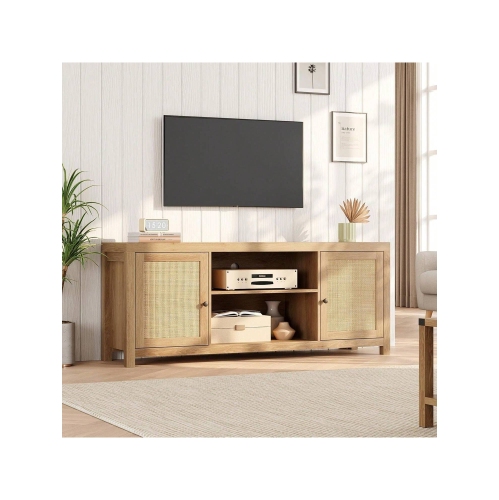

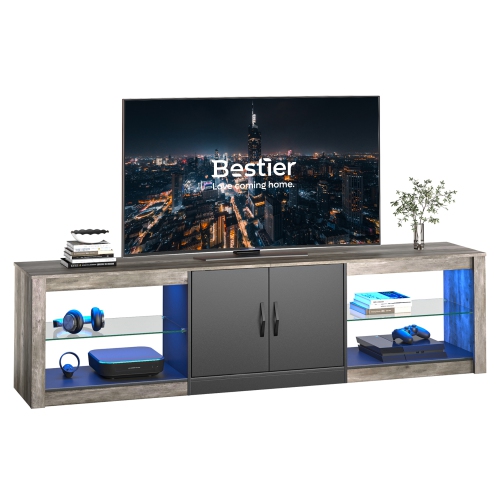
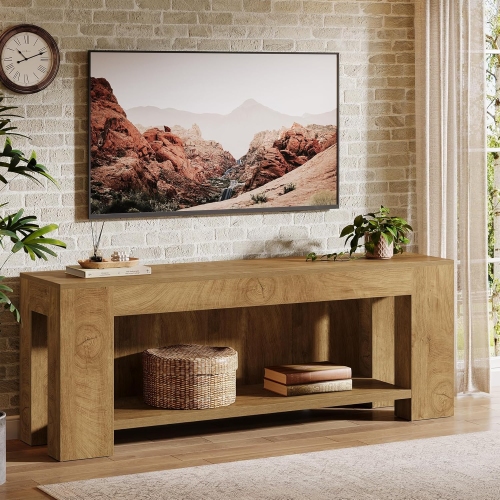
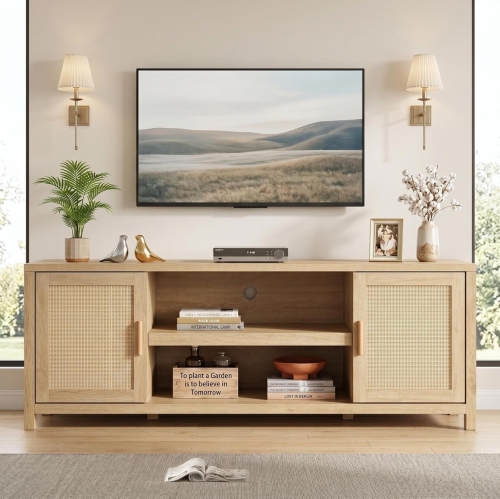
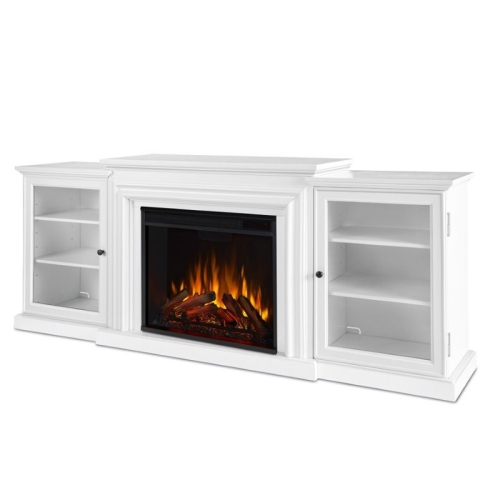
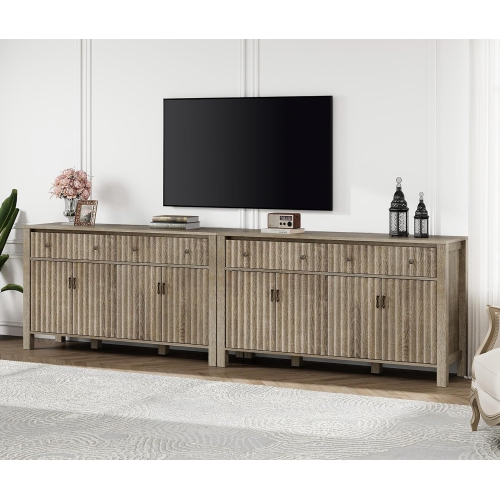


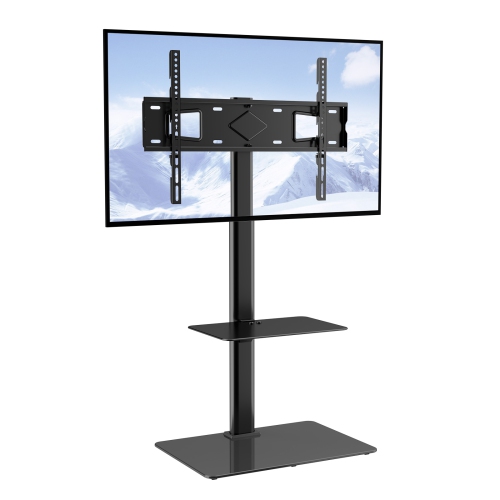

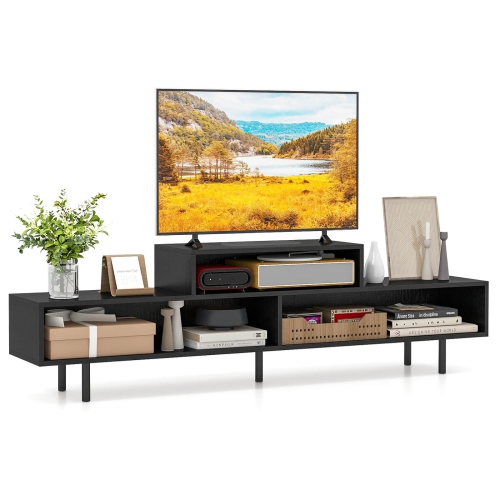
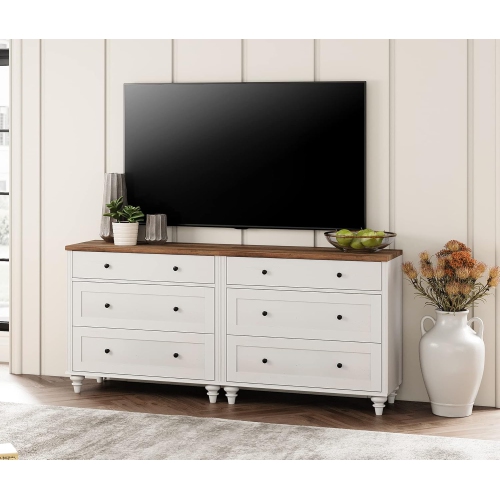

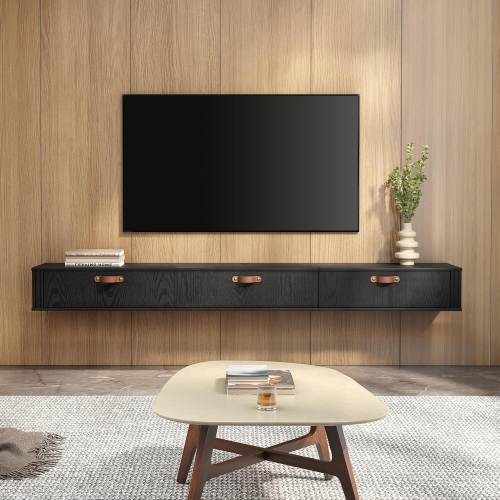
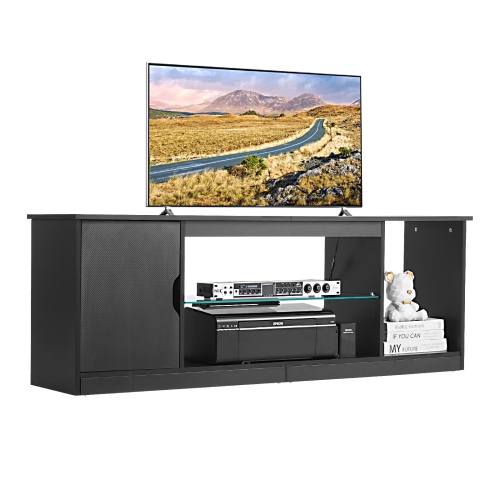

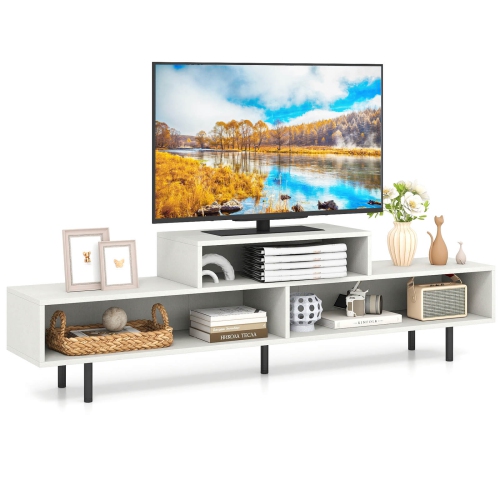
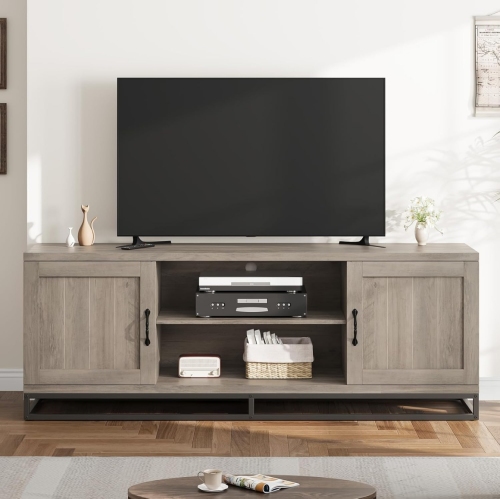

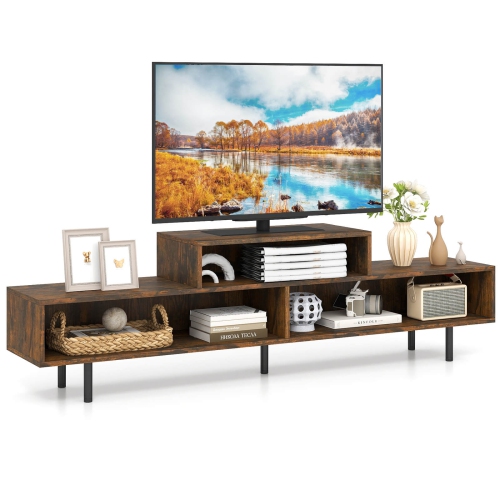
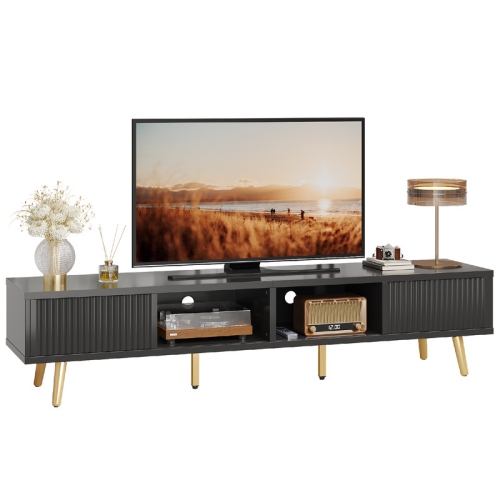

A stable setup starts with more than screen size
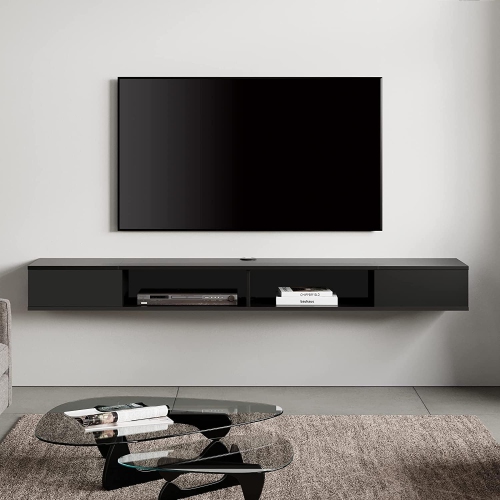
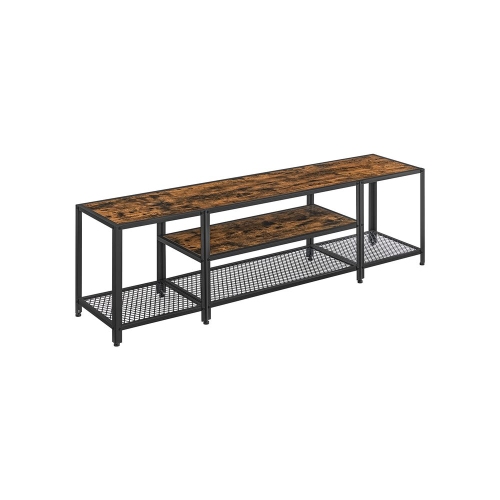
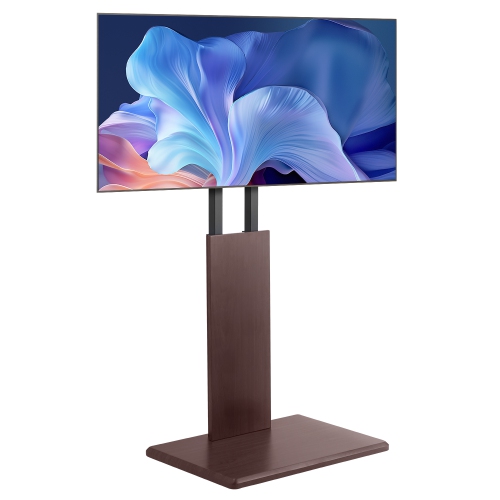
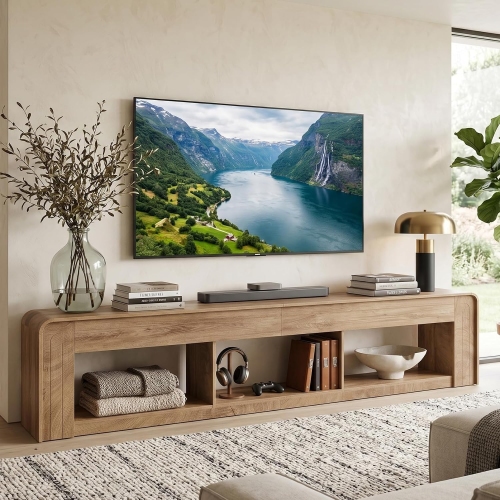
TV stands for 78 inch TVs give a large screen a stable base while bringing media storage, cable routing, and furniture style into one place. The most important fit details are the television’s actual width, its weight with the base attached, and the spacing and depth of its feet. A 78 inch screen is measured diagonally, not across the bottom; a typical widescreen display of that size is approximately 68 inches wide before accounting for the frame. That makes a console around 70 inches wide a possible starting point, rather than a universal minimum or a guarantee of compatibility. The manufacturer’s supported TV sizes, usable top dimensions, and maximum load rating still need to match the television. Every part of the TV’s base or feet should rest fully on the supporting surface, with any clearances specified by the manufacturer maintained. A wider console can also give the screen a more balanced appearance, especially on a long wall, while leaving room for small accessories without crowding the base. For televisions with widely spaced legs, the distance between those legs can matter more than the screen-size label on the furniture. A centre-mounted pedestal may take up less width but still require substantial depth. Shoppers comparing neighbouring size categories can also browse 80 inch TV Stands, checking each stand’s measurements and weight capacity against the same requirements. Height matters just as much in everyday use: the console and television base together determine where the screen sits relative to seated eye level. A low media console often suits a large display viewed from a sofa, whereas taller furniture may place the screen higher than is comfortable for a long film. In a living room used for television, gaming, and conversation, a well-proportioned stand helps the screen feel like part of the room rather than an object squeezed onto furniture that is too small.
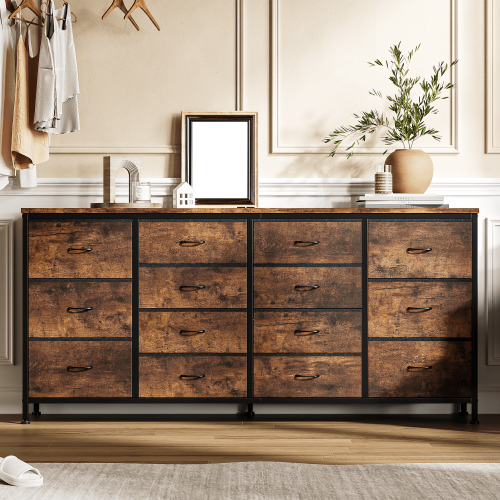
Materials and construction shape both the appearance of a TV stand and how it holds up to regular use. Solid wood brings natural grain and variation, while wood veneer offers a real wood surface over a supporting core. Engineered wood with a laminate finish can provide a smooth, consistent appearance and a surface that is straightforward to wipe clean, though exposed edges and joints need protection from spills. Metal frames offer a crisp outline that pairs well with open shelving, and glass shelves create a lighter visual effect where a broad cabinet might feel bulky. For any material, the stated load rating matters more than how heavy or substantial the furniture looks. The top, individual shelves, and drawers may each have different limits, so a television, receiver, and stored accessories should be assessed separately. Long consoles also benefit from properly installed centre supports and level contact with the floor; missing hardware or an unsupported middle section can undermine an otherwise suitable design. Finish choices affect the room in practical ways as well as visually. A matte surface tends to show fewer reflections from lamps, while high-gloss finishes can make fingerprints and dust more noticeable. Pale finishes can soften the presence of a wide cabinet, dark finishes can visually anchor a large screen, and wood tones can connect the media area with nearby tables or shelving. Care is usually simple: dust with a soft cloth, follow the manufacturer’s cleaning directions, and wipe away spills promptly rather than allowing moisture to collect along seams. Glass and coated metal may require different cleaning methods from wood or laminate. For households where drawers open daily and games, controllers, and remotes move in and out of storage, well-fitted hinges, smooth drawer runners, finished edges, and accessible handles contribute more to lasting satisfaction than appearance alone. A stand that suits those routines can remain useful even when the equipment on it changes.
Storage layout determines how easily a large-screen setup works once everything is connected. Open shelves keep frequently used equipment accessible and can allow remote-control signals to reach devices, while closed cabinets hide spare cables, game cases, and accessories. A combination of the two works well in shared living rooms: a streaming device or receiver can stay within reach, with less frequently used belongings tucked away. Shelf depth should account for the equipment itself plus plugs and cable bends behind it, not just the dimensions listed on the front of the device. Adjustable shelves offer flexibility, but ventilation requirements still apply; a receiver or games console should not be tightly enclosed simply because it physically fits. Cable openings near the relevant shelves help route power and signal cables without pinching them against a wall. Accessible routing also makes replacing a connection easier without moving the entire stand. A soundbar needs its own clear space, whether on the top or a suitable shelf, and should not block the lower edge of the picture or the TV’s remote sensor. In homes with children or pets, furniture stability deserves particular attention. Follow the instructions for securing both the stand and television, use suitable anti-tip hardware where specified, and keep tempting objects off the top so they do not encourage climbing. A wall-mounted television changes the console’s role from screen support to storage, but cabinet dimensions, equipment access, and safe placement remain important. Delivery and assembly deserve space in the plan, too: a wide console must pass through doorways and around corners, and larger components may require two people to handle safely. Whether furnishing a first apartment, refreshing a family media room, or creating a dedicated place for films and games, TV stands for 78 inch TVs are most useful when their proportions, storage, and construction match the actual setup. The result is a room with clear walking space, reachable equipment, and a large screen supported by furniture suited to daily life.
Top selling and popular products
-
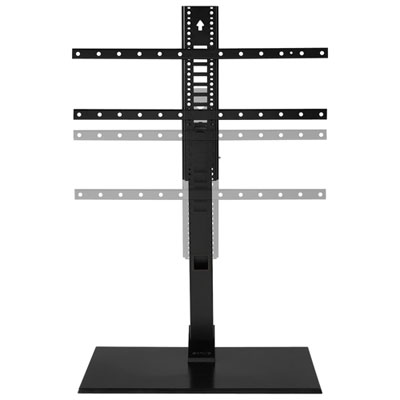 Your price for this item is $249.99
-
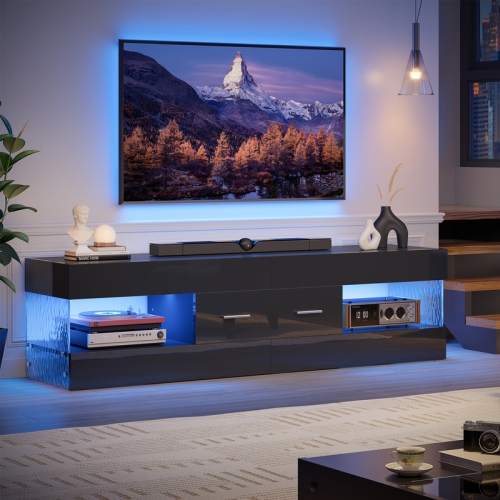 Your price for this item is $179.99
-
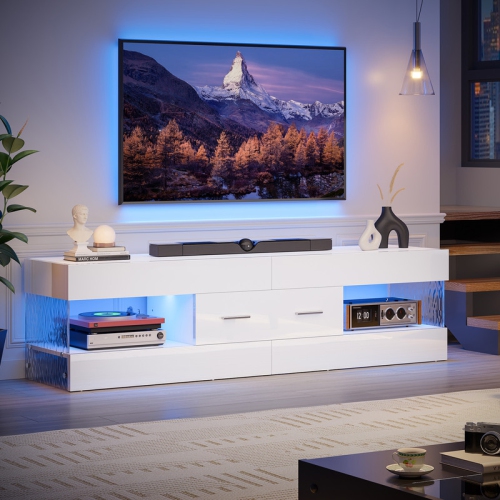 Your price for this item is $169.99
-
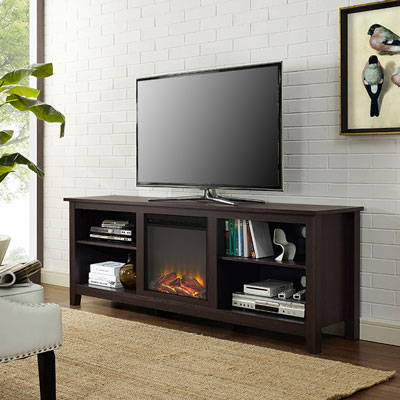 Your price for this item is $689.99
-
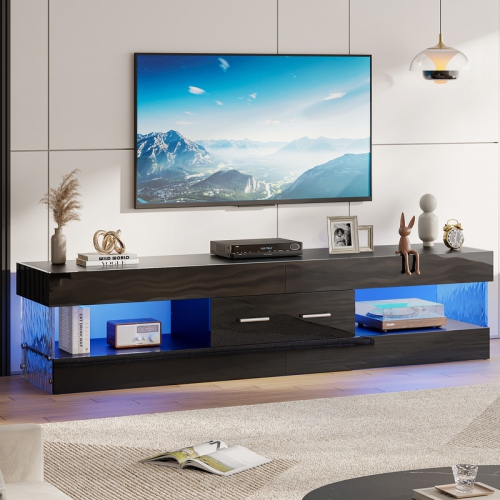 Your price for this item is $199.99
-
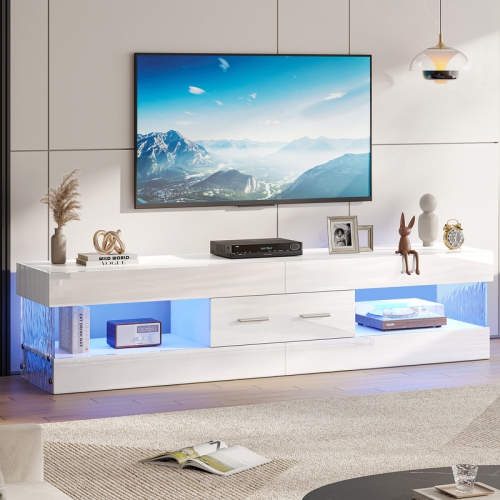 Your price for this item is $199.99
-
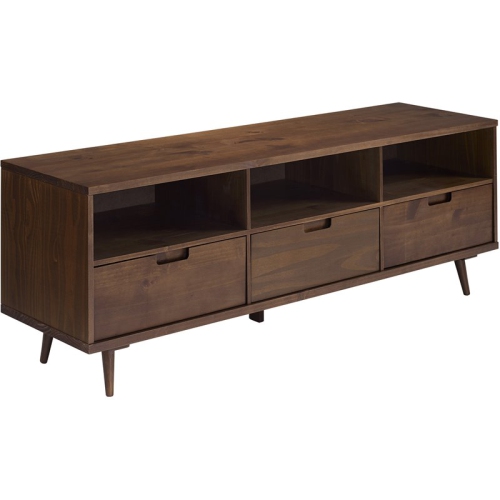 Your price for this item is $941.25
-
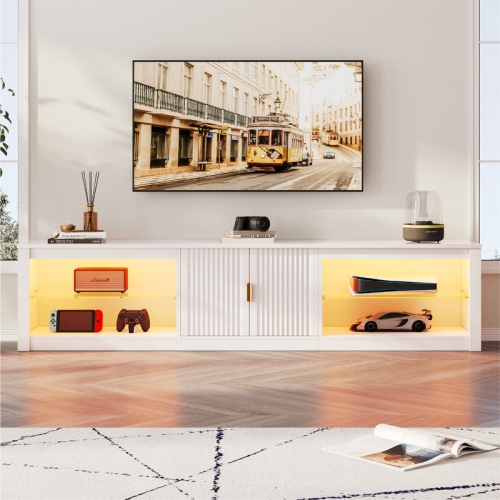 Your price for this item is $269.99
Discover more categories related to Tv Stands for 78 Inch Tv
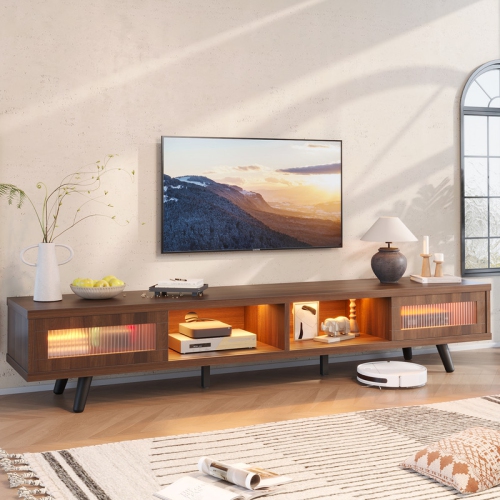
Top Collections:
Pokemon Centers, Best Cameras for Sports Photography, Kindle Devices, Samsung Galaxy Phones, Canon G7X Cameras, Pokémon 30th Celebration Cards, Refurbished Apple Laptops, iPhone 15 Apple, Laptops for Students, Budget Smartphones
Some products may be subject to Environmental Handling Fees
(EHF) depending on your province.
Learn more about EHFs.