80 inch TV Stands
Transform your living space into a stylish and organized entertainment hub with our selection of 80 inch TV stands. Designed to accommodate large screens, these stands offer the perfect blend of functionality and elegance, ensuring your television is securely supported while complementing your home decor. Explore a range of designs that cater to various tastes and needs, from sleek modern styles to timeless classic looks. Whether you're setting up in the living room or creating a dedicated media area, these TV stands provide ample storage solutions for all your electronic devices and accessories, helping you keep everything neat and within reach.
Sort








The right fit goes beyond screen size
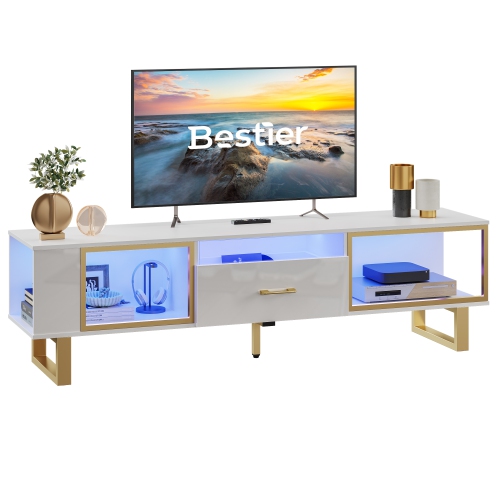
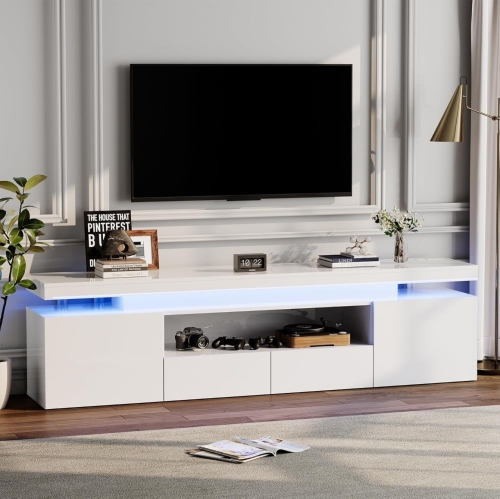
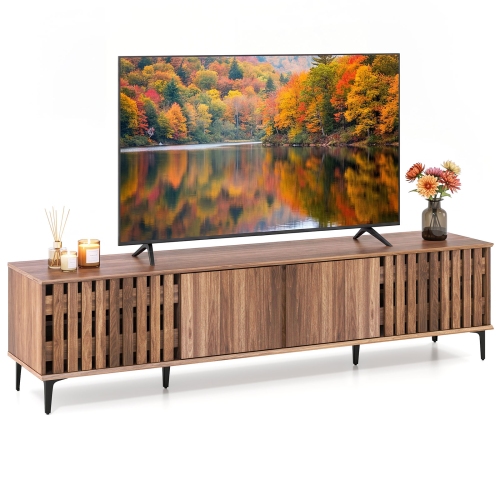
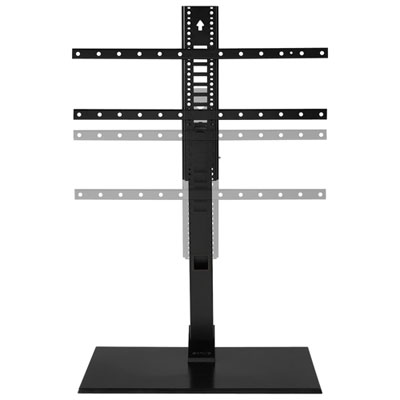
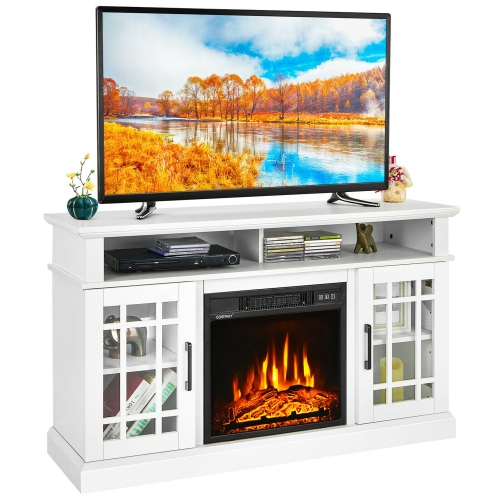
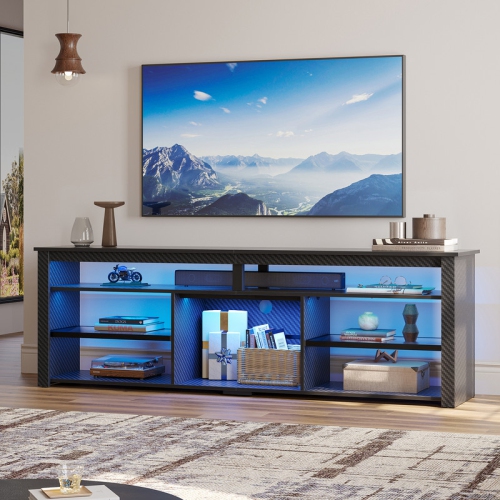
80 inch TV stands provide a stable home for a large television while bringing media equipment, cables, and everyday living-room essentials into one place. The category includes wide media consoles, cabinet-style entertainment units, minimalist floor stands, and consoles with integrated electric fireplaces. Some are designed to carry a television on its original feet, while others support the screen on a mounting column above a smaller base. The size label deserves particular attention: it can refer to the television size a stand accommodates or to the width of the furniture itself. An 80 inch television is measured diagonally across its screen, not from side to side. A typical screen of that size with a 16:9 aspect ratio is about 70 inches wide before allowing for its frame, although the complete television dimensions vary. For a tabletop arrangement, the position and depth of the television’s feet matter just as much as the screen width. Both feet need full support, and the television must fall within the console manufacturer’s stated size and weight limits. A mounting-style stand also needs a compatible mounting-hole pattern, commonly described as VESA compatibility, along with the correct hardware and an appropriate weight rating. These details distinguish a suitable fit from a piece of furniture that simply looks wide enough. In a living room with a long sofa, a broad console can help balance the scale of the screen and leave space for a soundbar beneath it. In a narrower room, a floor stand may reduce the amount of cabinetry around the television, though its base still needs adequate clearance from walking routes. Depth is especially important where the stand sits opposite a coffee table or near a doorway. Viewing height depends on the seating arrangement and the position of the screen on its feet or mount; a tall cabinet can place a large television noticeably higher than a low media console. For homes with children or pets, appropriate anti-tip restraints and installation according to the furniture and television instructions are important parts of the setup.
Materials and construction shape how an 80 inch TV stand looks, feels, and holds up to everyday use. Solid wood can bring visible grain and variation to a substantial console, while wood veneers offer a real-wood surface over a different core material. Engineered wood is common in media furniture and can support a wide range of finishes, from pale wood tones to smooth black or white surfaces. Its durability depends on the quality of the panels, joints, finish, and assembly rather than the material name alone. Metal frames suit clean-lined or industrial rooms, and glass shelves can create a lighter visual effect around a large screen. Tempered glass still requires careful handling, particularly around its edges, and each shelf has its own load limit. A wide cabinet with sturdy internal supports, firmly attached legs, and well-aligned doors is better suited to regular use than one with loose connections or an uneven base. Adjustable shelves are useful when equipment changes: a compact streaming device needs little room, whereas a receiver or gaming console may require substantially more space and ventilation. Open compartments make frequently used devices accessible, but they also leave cables and accessories visible. Closed cupboards can conceal controllers, spare leads, and disc collections, while drawers keep smaller objects from disappearing behind larger components. Sliding doors may suit a room where there is limited clearance in front of the furniture; hinged doors need space to swing open without meeting a coffee table. Back-panel openings and cable passages help route connections neatly, though a tidy appearance should not come at the expense of airflow or access to plugs. Care is generally straightforward when it follows the finish manufacturer’s recommendations. Regular dusting with a soft cloth keeps shelves and door fronts clean, spills are best wiped up promptly, and abrasive cleaners can damage wood finishes, coatings, or glass. Drinks, plant pots, and decorative objects need suitable protection underneath them, especially on surfaces vulnerable to moisture marks.
The most useful 80 inch TV stands reflect what happens around the television, not just the dimensions of the screen. A household that streams films and keeps equipment to a minimum may prefer a low console with a broad top, a few discreet compartments, and an uncluttered front. A shared family room often benefits from a mixture of open shelving and closed storage, with accessible space for remotes and controllers and separate compartments for less frequently used accessories. For gaming, shelf depth, ventilation, and access to connections can be more valuable than extra cupboard doors. A soundbar needs a clear position that does not block the picture or the television’s remote sensor, and equipment operated by an infrared remote may not respond reliably behind opaque doors. A wall-mounted television can still pair with a substantial media console below, creating storage and a visual anchor without placing the screen’s weight on the furniture. Fireplace TV stands combine those storage functions with an electric fireplace insert, making the console a more prominent feature in the room. Their suitability depends on the unit’s dimensions, electrical requirements, and specified clearances, including any restrictions on equipment or objects near the heat outlet. Models with independently controlled flame effects and heat offer flexibility in how that feature is used. Style also influences how comfortably the stand fits into the room: wood-grain finishes can soften a space filled with dark electronics, simple slab doors can complement modern furniture, and panelled fronts or exposed metal details can add texture. Comparing the measurements of nearby categories, such as 78 inch TV stands, can help put a console’s footprint in context, but the stated television compatibility and load limits remain essential. A well-proportioned stand leaves room for the equipment actually used, keeps doorways and seating accessible, and brings a large-screen setup together without overwhelming the rest of the room.
Top selling and popular products
-
 Your price for this item is $249.99
-
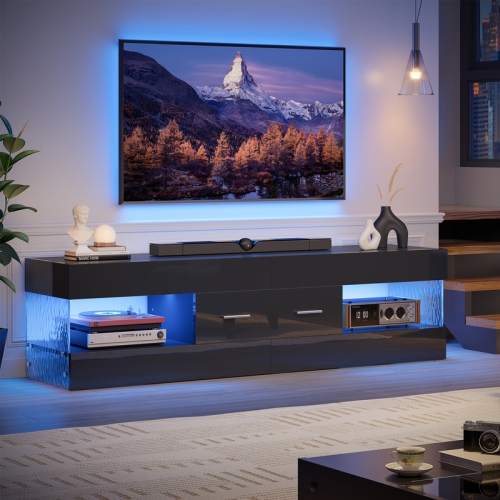 Your price for this item is $179.99
-
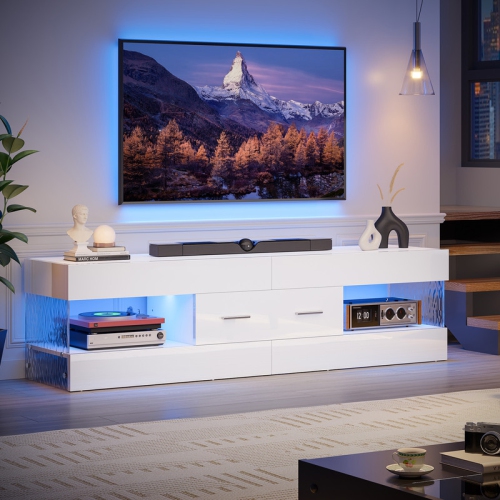 Your price for this item is $169.99
-
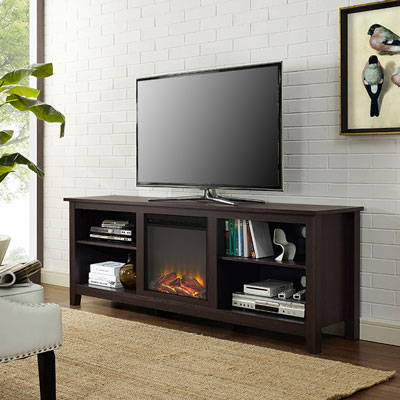 Your price for this item is $689.99
-
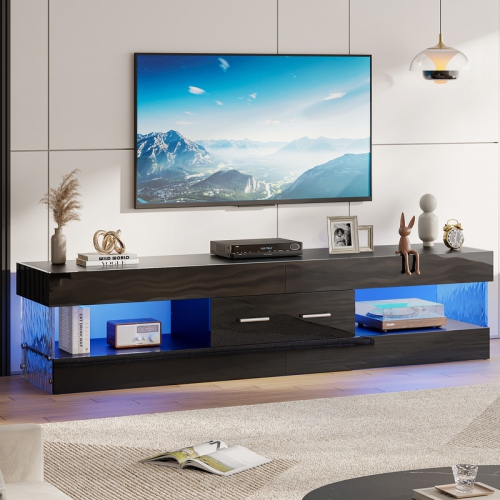 Your price for this item is $199.99
-
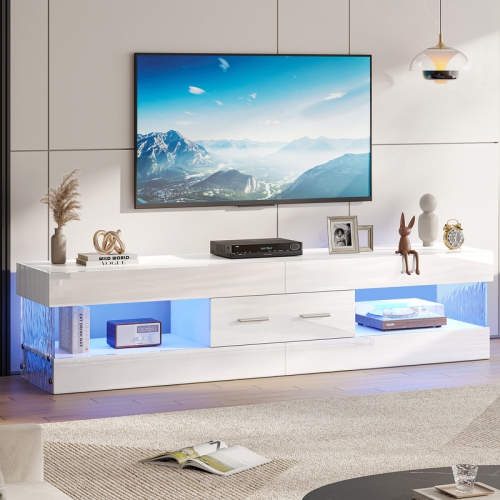 Your price for this item is $199.99
-
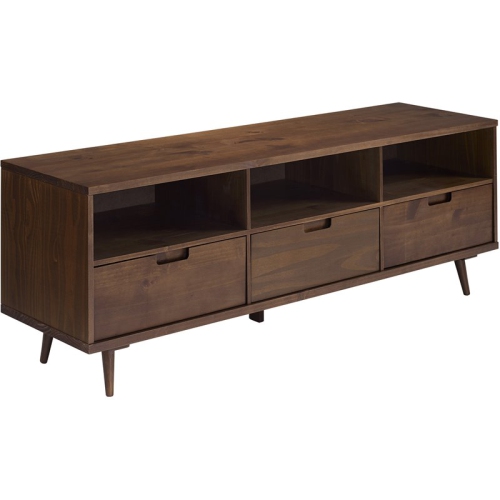 Your price for this item is $941.25
-
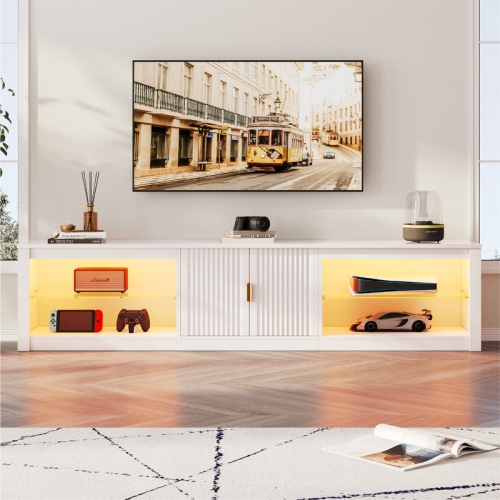 Your price for this item is $269.99
Discover more categories related to 80 inch TV Stands
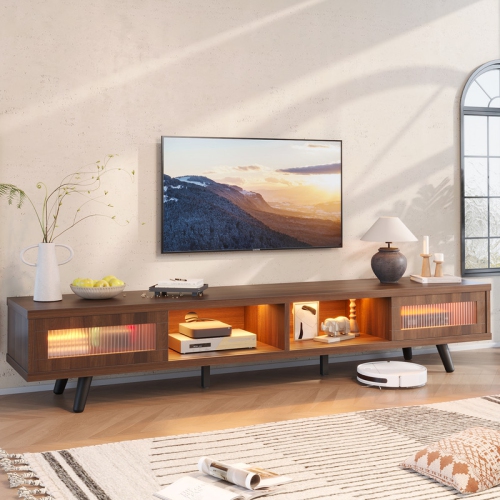
Top Collections:
Pokemon Centers, Best Cameras for Sports Photography, Kindle Devices, Samsung Galaxy Phones, Canon G7X Cameras, Pokémon 30th Celebration Cards, Refurbished Apple Laptops, iPhone 15 Apple, Laptops for Students, Budget Smartphones
Some products may be subject to Environmental Handling Fees
(EHF) depending on your province.
Learn more about EHFs.