Tv Wall Mounts for Dorm Rooms
Maximize your space and create the perfect entertainment setup with tv wall mounts for dorm rooms. Designed to help you make the most of limited living areas, these mounting solutions offer a sleek and organized way to display your television. Whether you're looking to free up valuable desk space or achieve the ideal viewing angle, tv wall mounts for dorm rooms provide a practical and stylish option for any student living situation. Explore a range of choices to find the best fit for your room and enjoy your favorite shows in comfort.
Sort


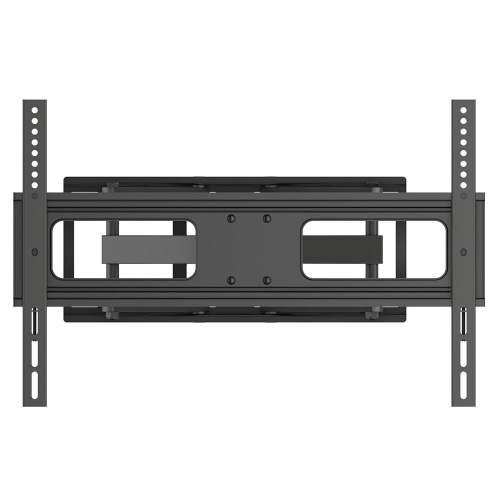


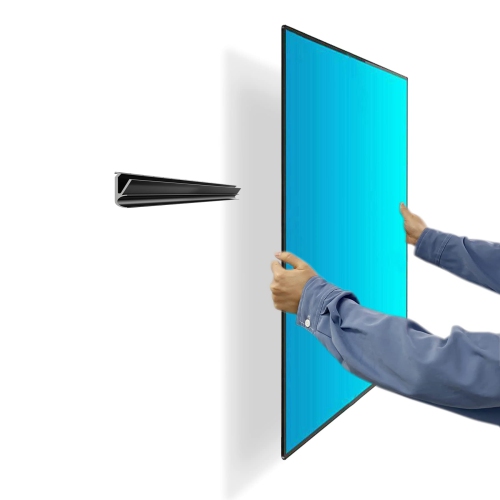

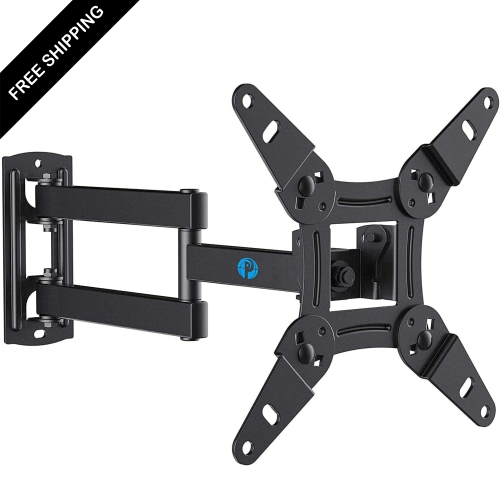


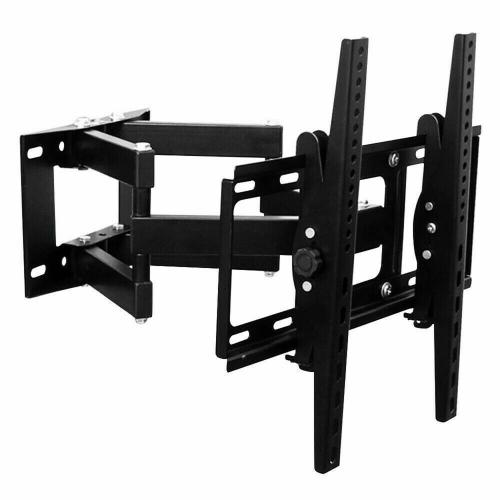


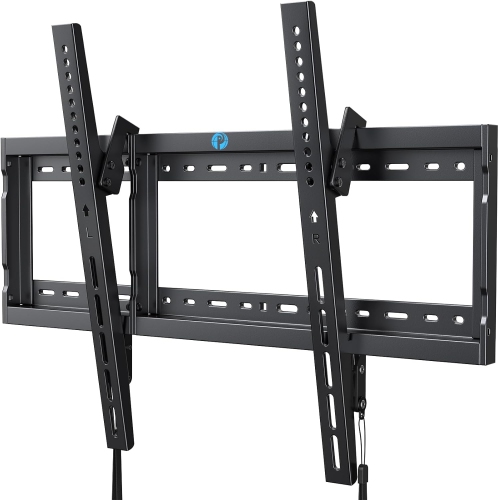
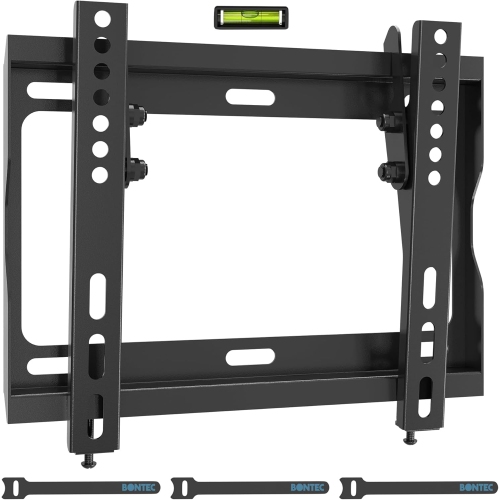
More desk space starts with an approved TV setup
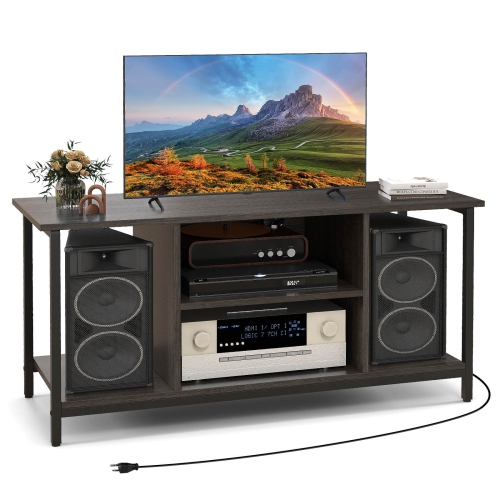
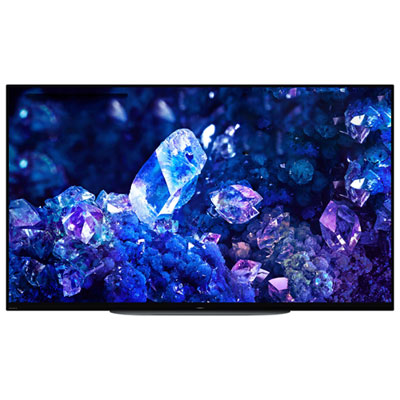
TV wall mounts for dorm rooms help make a compact living space feel less crowded by moving a television off a desk or dresser and keeping more surface area clear for textbooks, a laptop, and everyday essentials. Their suitability depends on three things: residence rules, the wall’s construction, and the television’s mounting requirements. Some student residences prohibit drilling or any wall attachments, so permission matters even when a mount is described as easy to install or designed without conventional studs. No-stud TV hangers are not necessarily damage-free: some use small nails or pins that leave holes, and their suitability depends on the specified wall material, its condition, and the mount’s rated capacity. Adhesive hooks and general-purpose picture hangers are not substitutes for hardware designed and rated to support a television. Where wall mounting is permitted, a well-matched mount can make a screen easier to see from a bed or a shared seating area without taking over the room. A modest screen often suits this setting better than a large television, but there is no single screen size that fits every dorm. Viewing distance, furniture placement, and the amount of shared space all affect the choice. The area around the screen also needs enough clearance for cupboard doors, shelving, and anyone passing between beds and desks. A wall-mounted television should not obstruct an exit, interfere with room fixtures, or project into a narrow walkway. In a room shared by two students, placement can also influence whether one person can watch comfortably without turning the screen towards the other person’s study space. TV wall mounts are useful for students who want a settled entertainment setup for films, gaming, and streaming, provided the installation is approved and compatible with the room. For parents or other family members considering a mount as a practical gift, the television’s model details and residence attachment rules are more useful starting points than screen size alone.
The main styles of TV wall mounts offer different balances of clearance and movement. Fixed mounts hold a television close to the wall, giving the setup a tidy profile and keeping moving parts to a minimum. They suit layouts where the screen faces one main viewing position and does not need frequent adjustment. Tilting mounts allow the screen to angle vertically, which can improve the view when an approved mounting position sits above seated eye level. Tilting may also help manage reflections from room lighting, although it does not make an excessively high mounting position comfortable for long viewing sessions. Full-motion mounts add an extending arm and side-to-side adjustment, allowing a screen to face a bed for a film and then turn towards a chair for a game. That flexibility comes with extra considerations: the arm needs room to move, and extending the television increases the leverage applied to the mounting surface. The specified wall attachment method is especially important for this style. Compatibility involves both the television’s weight without its stand and its VESA mounting pattern, the horizontal and vertical spacing between the threaded mounting holes on the back of the screen, measured in millimetres. A mount’s stated screen-size range is only an initial reference; its weight limit, supported hole patterns, and any television-specific restrictions must also match. Recessed mounting holes, curved backs, and rear-facing connections can affect the need for approved spacers and the clearance behind the television. A slim installation may leave little room for a power plug or HDMI connector, while an articulated arm needs enough cable slack to move without pulling on the connections. Mounting screws must have the diameter and insertion depth specified for the television, since screws that are too long can cause damage and screws that are too short may not hold securely. The Easy TV Wall Mounts page offers another way to explore this category, with ease of installation still depending on the television, mounting surface, and permitted attachment method.
Materials, construction, and everyday handling influence how a dorm-room TV mount performs over time. Steel is common in wall plates and support arms, while some designs incorporate aluminium components to balance strength and weight. A painted or powder-coated finish helps protect exposed metal during ordinary use, but material alone does not establish load capacity; the complete assembly and its rated application matter. Secure locking features, accessible adjustment points, and cable-management clips can make a difference in a small room where connections may change between a streaming device and a games console. Levelling adjustments can help straighten the screen after installation when the mount includes that feature, but they cannot correct an unsuitable wall attachment. Hardware also varies by surface: fasteners intended for wood studs are not automatically appropriate for metal studs, concrete, brick, or hollow walls. Included anchors are not universal, and a solid-looking wall does not establish what is behind its finish. Installation should follow the mount and television manufacturers’ directions, with qualified help where the wall structure or attachment requirements are uncertain. Everyday care is generally simple: exposed surfaces can be dusted with a soft, dry cloth, and joints, locking mechanisms, and fasteners should be checked as directed by the manufacturer. A moving arm should operate without forcing it, and the screen should never serve as a handle for supporting body weight or hanging accessories. Cables need to remain clear of hinges and pinch points, and the television’s ventilation openings need the clearance specified in its instructions. When moving out, retaining the original television stand, labelled hardware, and installation instructions makes the next setup easier. If wall attachments are not allowed, a compatible tabletop or freestanding TV stand may be a better fit, positioned on a stable surface or base with any required anti-tip measures. A specialized bedframe attachment is an option only where both the residence rules and the mounting system permit that exact application. The most useful dorm-room setup is one that fits the television securely, respects shared space, and remains comfortable to use throughout student life.
Top selling and popular products
-
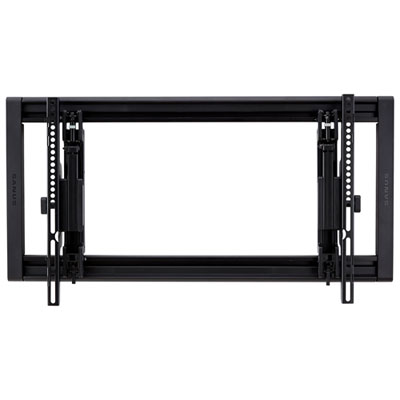 Your price for this item is $199.99
-
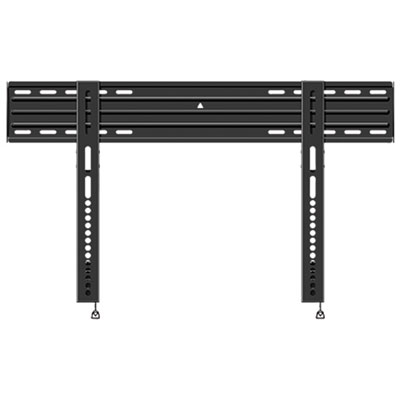 Your price for this item is $99.99
-
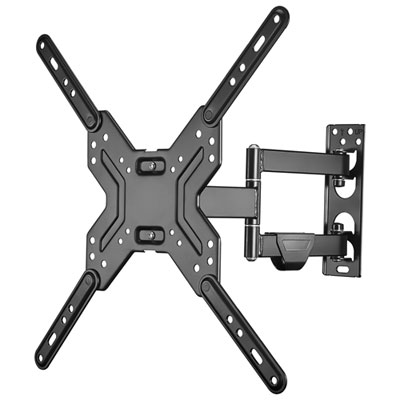 Your price for this item is $59.99
-
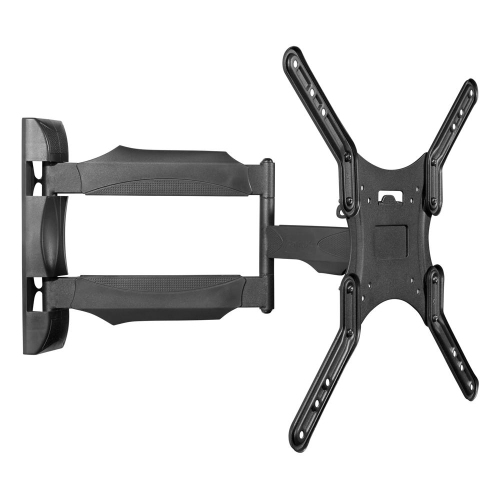 Your price for this item is $79.99
-
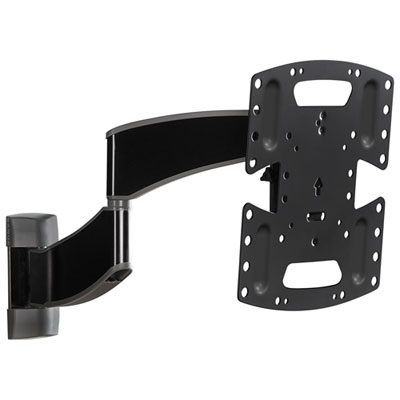 Your price for this item is $139.97
-
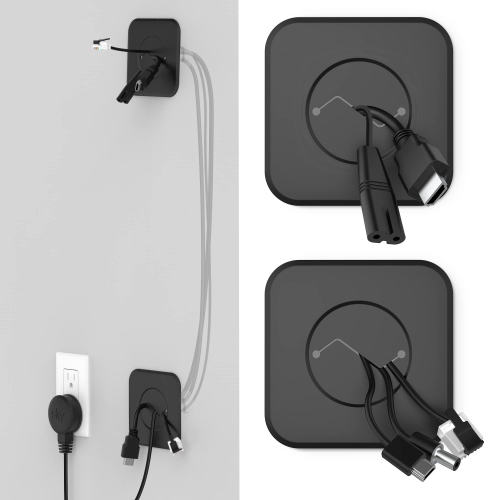 Your price for this item is $127.38
-
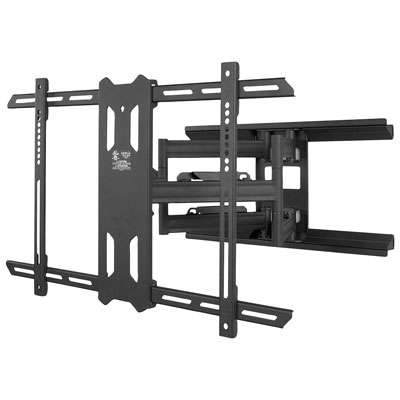 Your price for this item is $179.99
-
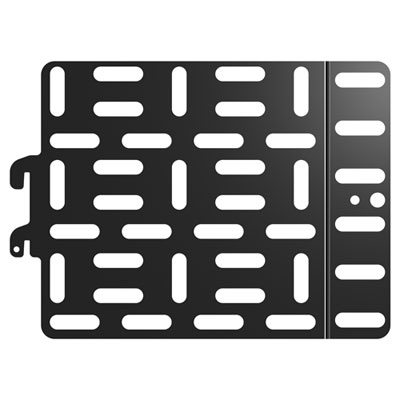 Your price for this item is $19.97
Discover more categories related to Tv Wall Mounts for Dorm Rooms

Top Collections:
Pokemon Centers, Kindle Devices, Best Budget Office Chairs, Canon G7X Cameras, Apple iPhones 16, Samsung Galaxy Phones, Refurbished Apple Laptops, Laptops for Students, iPhone 15 Apple, Budget Smartphones
Some products may be subject to Environmental Handling Fees
(EHF) depending on your province.
Learn more about EHFs.