Uhf Vhf Antennas
Looking to enhance your TV viewing experience? Look no further than our wide selection of UHF VHF antennas. These antennas are designed to capture both UHF and VHF signals, ensuring that you receive the best possible reception for your favorite channels. Whether you're a sports enthusiast, a movie buff, or just enjoy watching your favorite shows, our UHF VHF antennas will help you enjoy crystal-clear picture quality without any interruptions. With a variety of options available, finding the perfect antenna for your needs has never been easier. Say goodbye to fuzzy signals and hello to a whole new level of entertainment with our UHF VHF antennas.
Sort
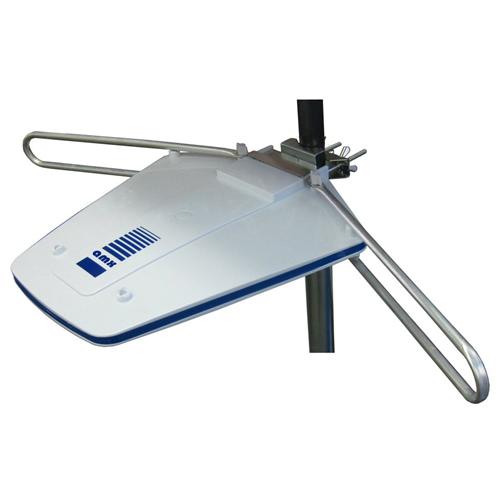
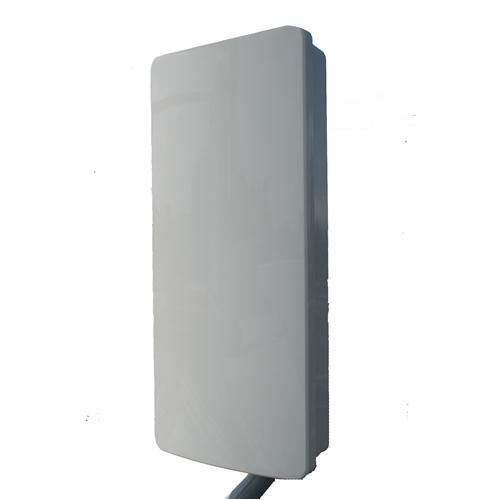
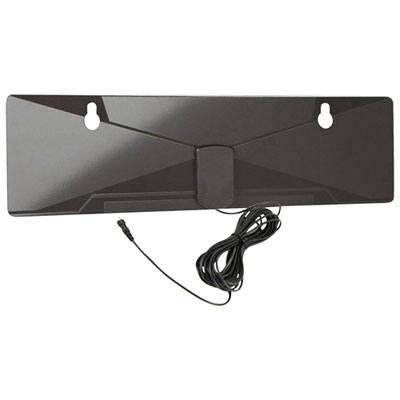
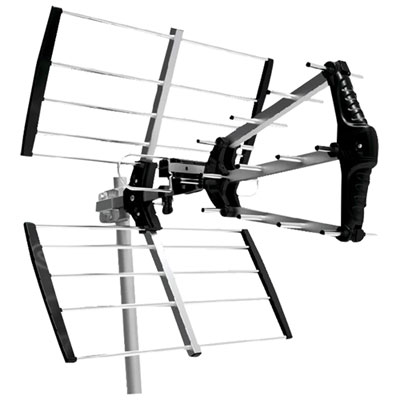
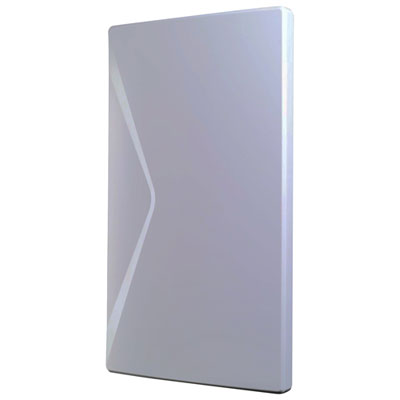
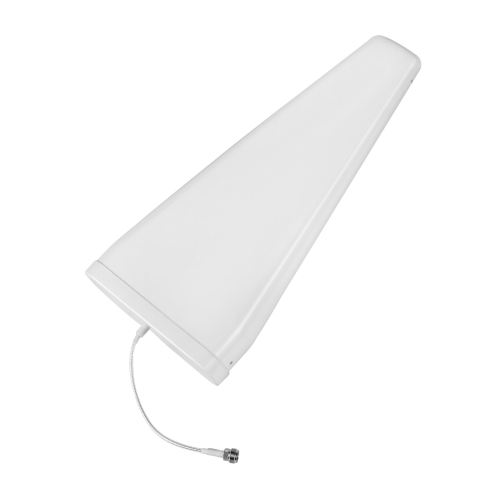

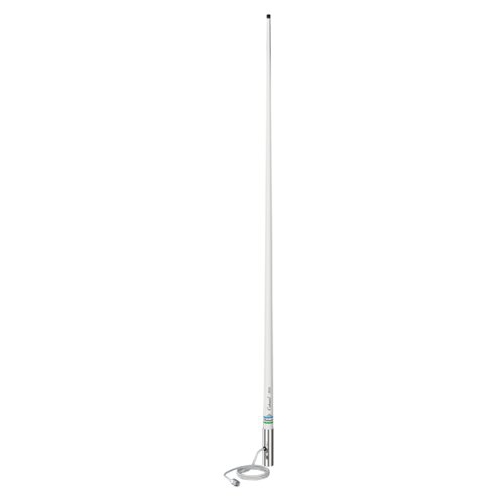
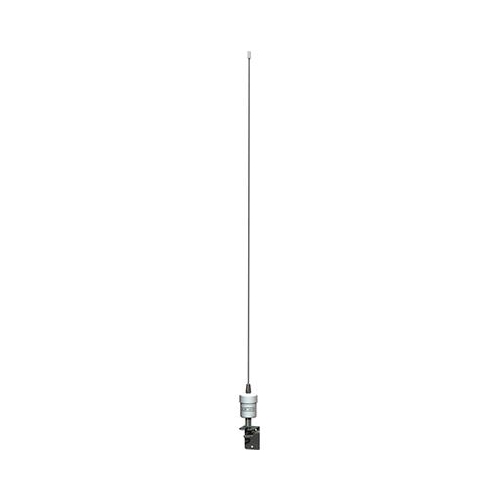
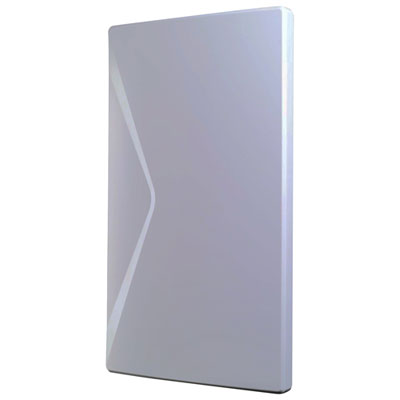
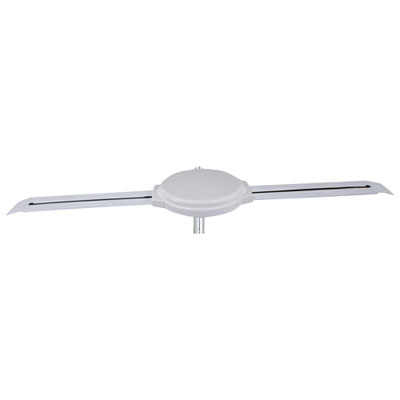
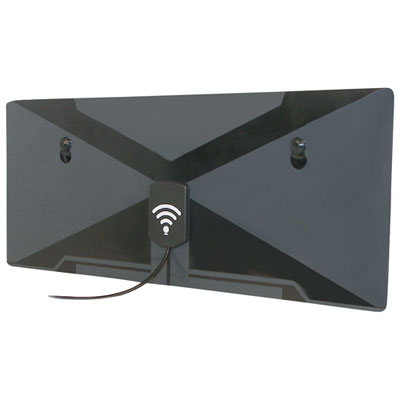
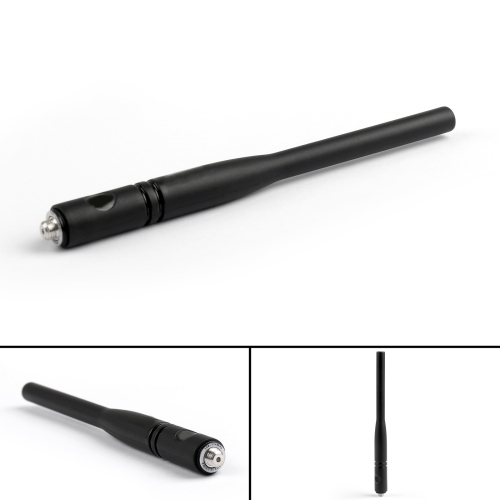
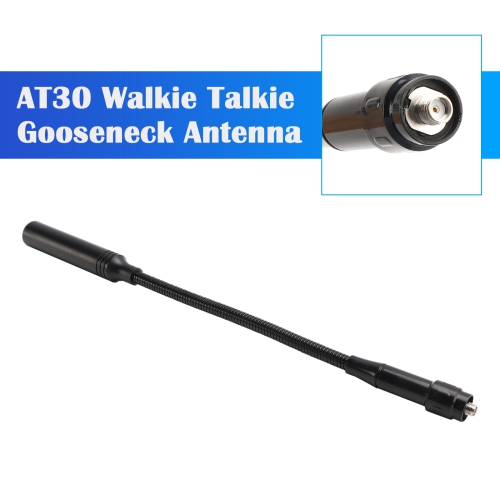
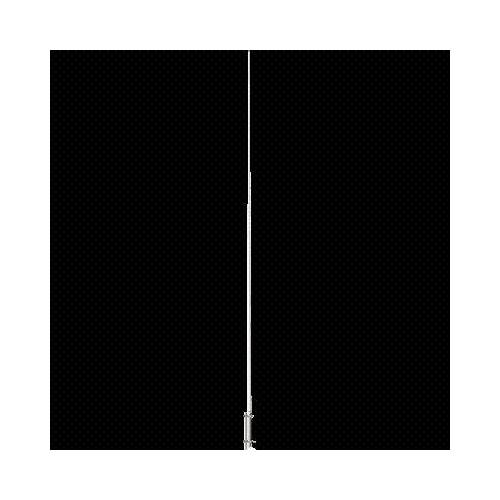
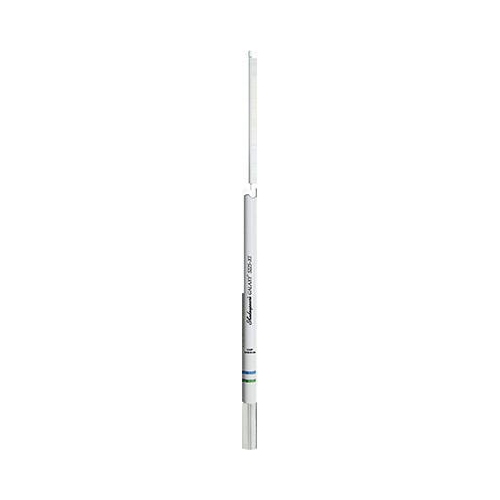
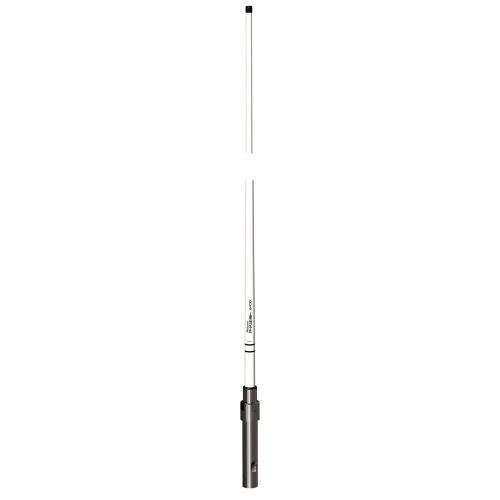


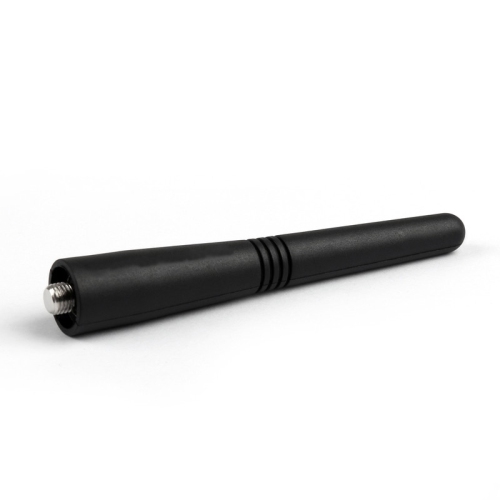
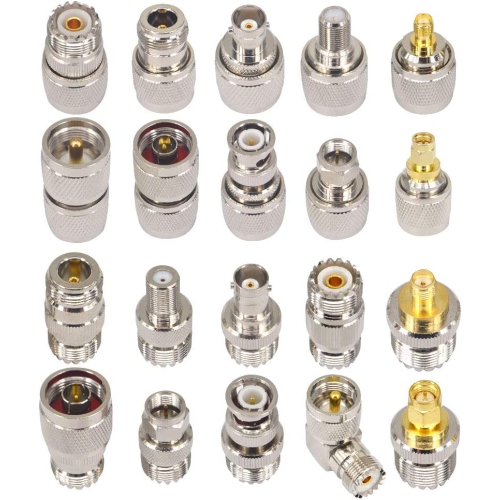
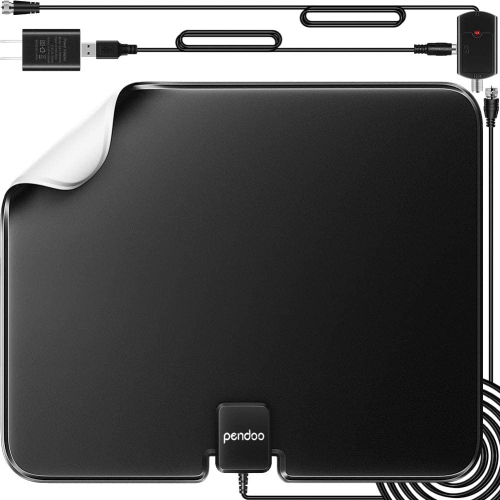
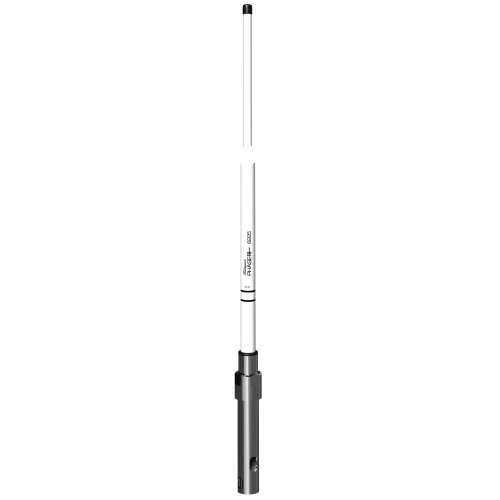
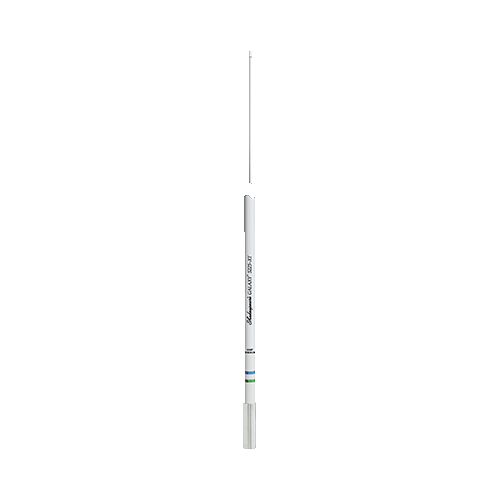
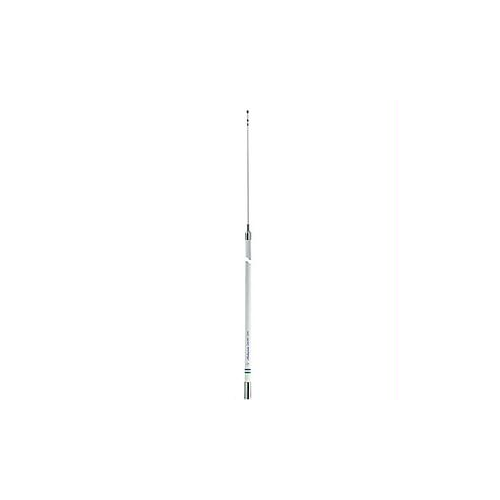
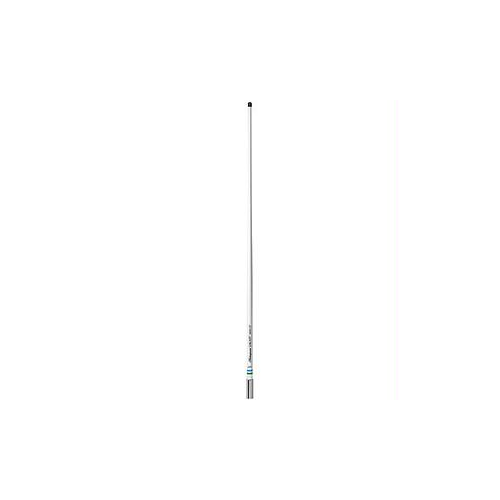
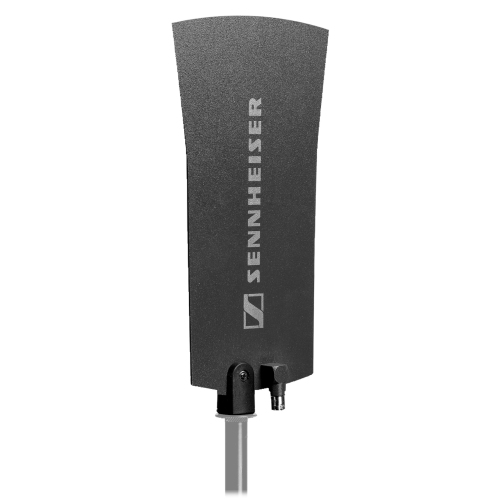
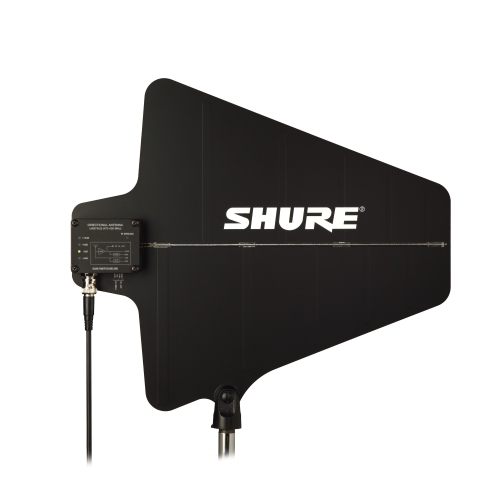
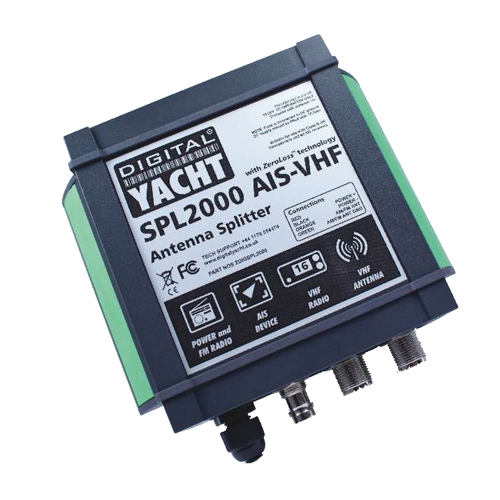
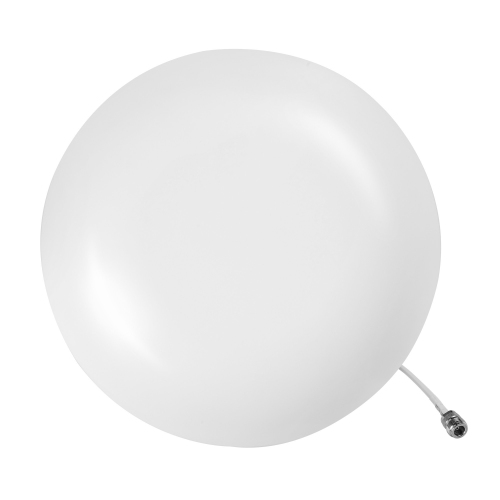
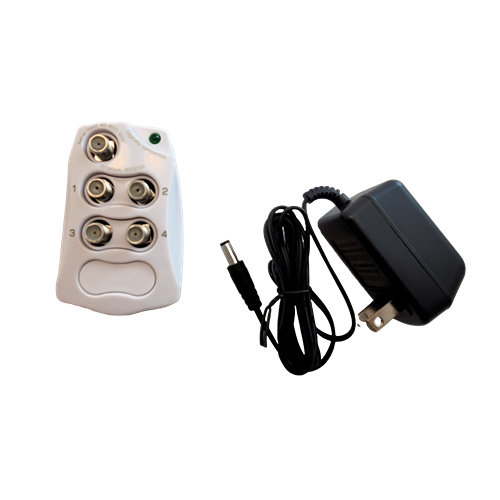
How frequency, mounting, and location shape antenna performance
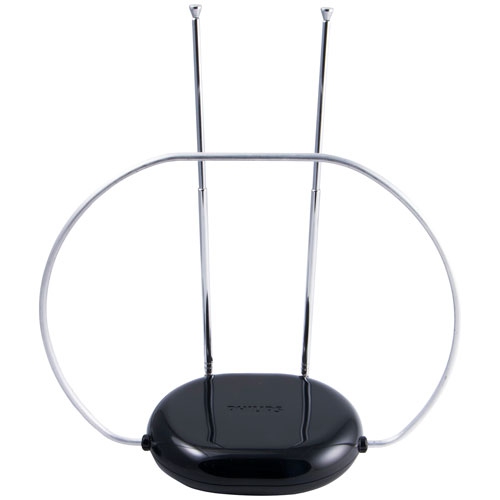
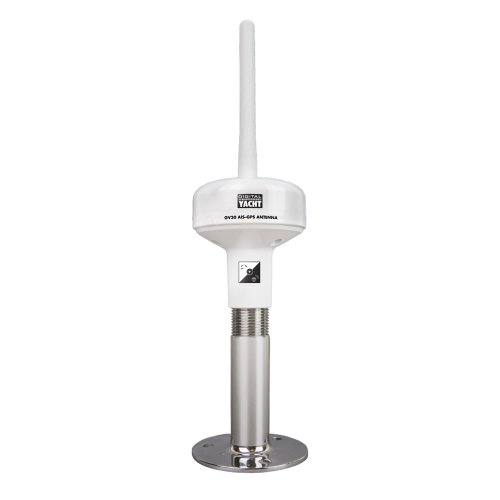
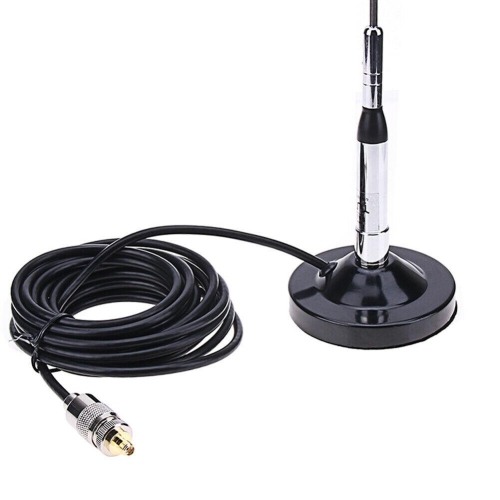
UHF/VHF antennas are designed to receive or transmit radio signals across two broad frequency ranges: Very High Frequency (VHF), generally from 30 to 300 MHz, and Ultra High Frequency (UHF), generally from 300 MHz to 3 GHz. These ranges support a variety of uses, including over-the-air television reception, amateur radio, two-way communication, scanning, and other radio equipment. VHF signals use longer wavelengths and can travel effectively across wide areas, making VHF useful for coverage over open ground and for certain lower-frequency radio services. UHF signals use shorter wavelengths and can be well suited to urban environments, where their higher frequencies may work effectively around buildings and through more compact spaces, depending on the antenna, transmitter power, terrain, and local interference. A dual-band antenna combines access to both ranges in one setup, which can simplify an installation for someone who uses several frequencies or wants more flexibility as their interests develop. For television, the antenna should match the broadcast bands available in the area and be positioned with a clear path toward local transmission towers. For amateur radio, the right choice depends on the bands you plan to use, whether the antenna will be installed at a base station or on a vehicle, and whether you need transmitting as well as receiving capability. A radio hobbyist setting up a first station may appreciate a dual-band antenna because it can support common VHF and UHF communications without requiring separate antennas for every purpose. An experienced operator may instead be comparing gain, radiation pattern, power handling, bandwidth, and tuning characteristics for a more precise installation. Location makes a noticeable difference: a rooftop or mast-mounted antenna can provide a broader view of the surrounding area, while a smaller antenna may be more practical for an apartment, balcony, workshop, or temporary setup. In a vehicle, a magnetic, clamp-on, or other mobile mount can make installation and removal more convenient, while a permanent mount may offer greater stability for regular use. Anyone considering an antenna for radio reception at home may also wish to compare options such as Outdoor Fm Antennas when the listening requirement is limited to FM broadcast signals rather than UHF or VHF communications.
Before choosing an antenna, check the frequency range, intended application, mounting method, connector type, cable requirements, and available installation space. An antenna advertised as dual-band may cover selected VHF and UHF amateur bands, television channels, or other frequencies, so reviewing the specifications is important rather than assuming that every UHF/VHF model supports every service. For amateur radio, confirm that the antenna is suitable for the exact frequencies used by your radio and that its power rating is appropriate for the equipment. Some antennas are designed primarily for receiving, while others are built to handle transmission; using the wrong type can lead to poor performance or equipment damage. Impedance is another key detail. Many amateur radio antennas and radios use 50-ohm connections, while television equipment commonly uses 75-ohm coaxial cable, so compatible cable and adapters help preserve signal quality and avoid unnecessary connection issues. The antenna’s polarization should also match the signals you want to receive or transmit. Vertical polarization is common for many mobile and two-way radio applications, while television antennas may use elements arranged for the broadcast signals in a particular region. Mounting height, nearby metal structures, trees, walls, and electrical equipment can all affect results. A well-secured mast, suitable brackets, weather-resistant connections, and properly routed coaxial cable can make the installation more dependable during wind, rain, and the cooler months. Outdoor installations should include appropriate grounding and lightning protection in accordance with local requirements and the equipment manufacturer’s instructions, with professional installation considered for rooftop or elevated setups. Indoors, moving the antenna even a short distance from electronics, windows, or exterior walls may change reception, so testing a few practical locations can be worthwhile before fixing it permanently. UHF/VHF antennas can make thoughtful gifts for someone beginning amateur radio, improving a home communication station, installing equipment in a vehicle, or exploring local broadcasts and radio scanning. They are also useful for hobbyists who are replacing a damaged antenna, expanding from one band to two, or creating a temporary setup for travel, field activities, and community events. A careful match between the antenna and the radio system helps reduce guesswork and gives the user a clearer path to reliable reception or transmission.
Before choosing an antenna, check the frequency range, intended application, mounting method, connector type, cable requirements, and available installation space. An antenna advertised as dual-band may cover selected VHF and UHF amateur bands, television channels, or other frequencies, so reviewing the specifications is important rather than assuming that every UHF/VHF model supports every service. For amateur radio, confirm that the antenna is suitable for the exact frequencies used by your radio and that its power rating is appropriate for the equipment. Some antennas are designed primarily for receiving, while others are built to handle transmission; using the wrong type can lead to poor performance or equipment damage. Impedance is another key detail. Many amateur radio antennas and radios use 50-ohm connections, while television equipment commonly uses 75-ohm coaxial cable, so compatible cable and adapters help preserve signal quality and avoid unnecessary connection issues. The antenna’s polarization should also match the signals you want to receive or transmit. Vertical polarization is common for many mobile and two-way radio applications, while television antennas may use elements arranged for the broadcast signals in a particular region. Mounting height, nearby metal structures, trees, walls, and electrical equipment can all affect results. A well-secured mast, suitable brackets, weather-resistant connections, and properly routed coaxial cable can make the installation more dependable during wind, rain, and the cooler months. Outdoor installations should include appropriate grounding and lightning protection in accordance with local requirements and the equipment manufacturer’s instructions, with professional installation considered for rooftop or elevated setups. Indoors, moving the antenna even a short distance from electronics, windows, or exterior walls may change reception, so testing a few practical locations can be worthwhile before fixing it permanently. UHF/VHF antennas can make thoughtful gifts for someone beginning amateur radio, improving a home communication station, installing equipment in a vehicle, or exploring local broadcasts and radio scanning. They are also useful for hobbyists who are replacing a damaged antenna, expanding from one band to two, or creating a temporary setup for travel, field activities, and community events. A careful match between the antenna and the radio system helps reduce guesswork and gives the user a clearer path to reliable reception or transmission.
Top selling and popular products
-
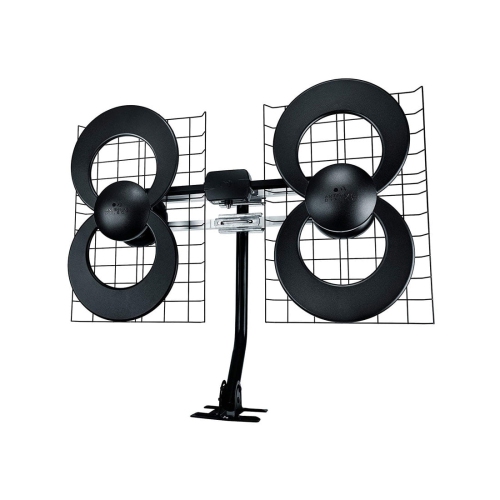 Your price for this item is $316.54
 -
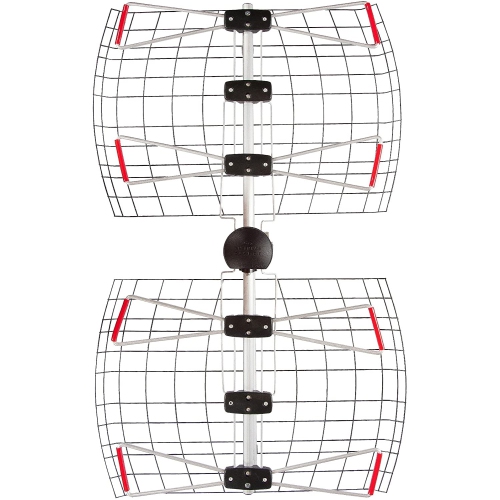 Your price for this item is $99.99
 -
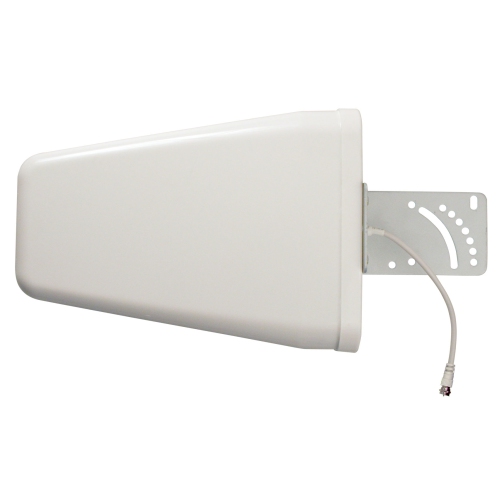 Your price for this item is $139.99
 -
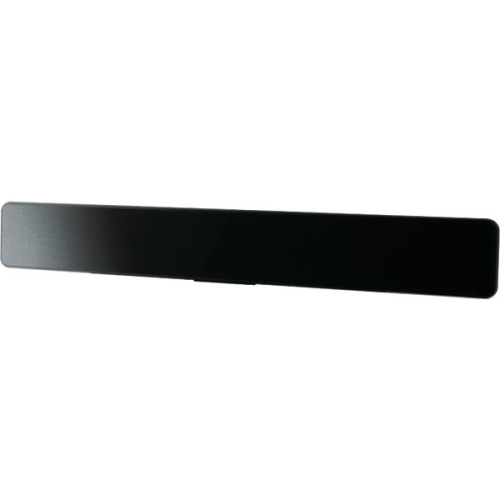 Your price for this item is $29
 -
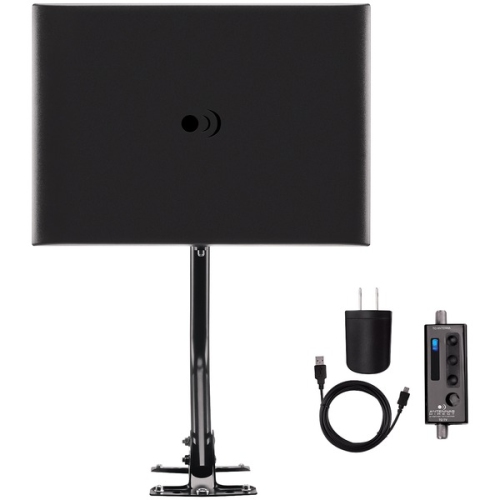 Your price for this item is $59
 -
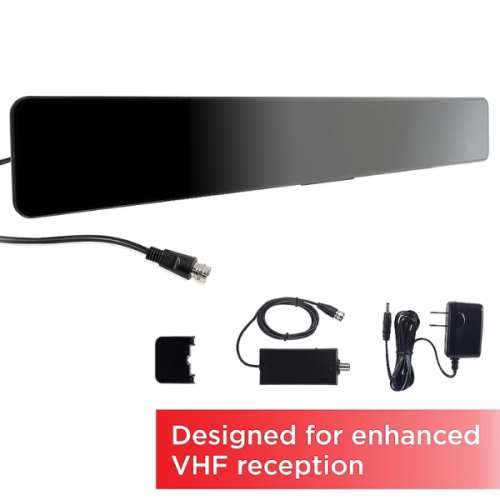 Your price for this item is $34.99
 -
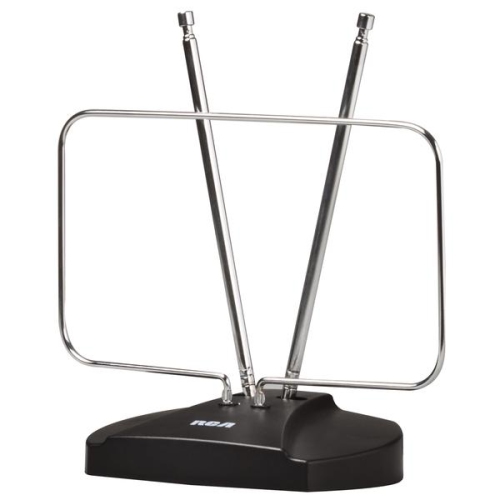 Your price for this item is $38.68
 -
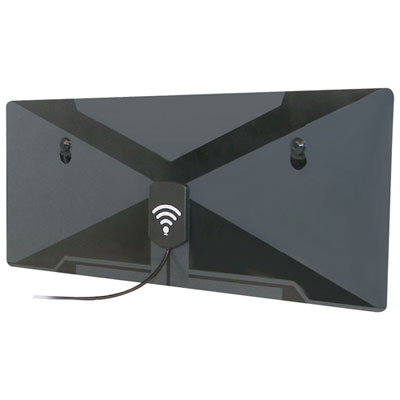 Your price for this item is $49.99
Discover more categories related to Uhf Vhf Antennas
Top Collections:
Pokemon Centers, Kindle Devices, Best Budget Office Chairs, Apple iPhones 16, Best Laptops for Writers, iPhone 15 Apple, Canon G7X Cameras, Refurbished Apple Laptops, Alarm Clock, Motorola Razr Phones
Some products may be subject to Environmental Handling Fees
(EHF) depending on your province.
Learn more about EHFs.