USB Cable Organizers
Tame the chaos of tangled cables and streamline your space with USB cable organizers. Perfect for both home and office environments, these handy tools ensure that your charging and data transfer cables are always neatly arranged and easily accessible. Whether you're dealing with a cluttered desk or a jumbled drawer, cable organizers offer a simple yet effective solution to keep everything in order. Discover a variety of styles and designs that cater to different needs, from compact solutions for travel to larger systems for comprehensive organization at home. Say goodbye to the frustration of searching for the right cable and enjoy a tidier, more efficient setup.
Sort


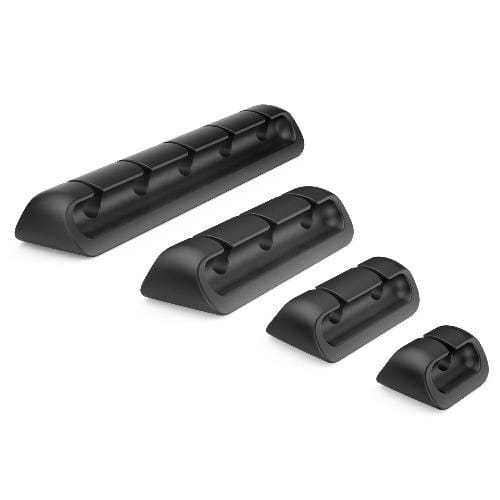
![SAHARA CASE Sahara - USB Cable Holder Organizer (4-Pack) [Employee of bestbuy] Great tool to help organize cords on your desk so you can avoid spaghetti wires](https://multimedia.bbycastatic.ca/multimedia/products/500x500/166/16606/16606090.jpeg)
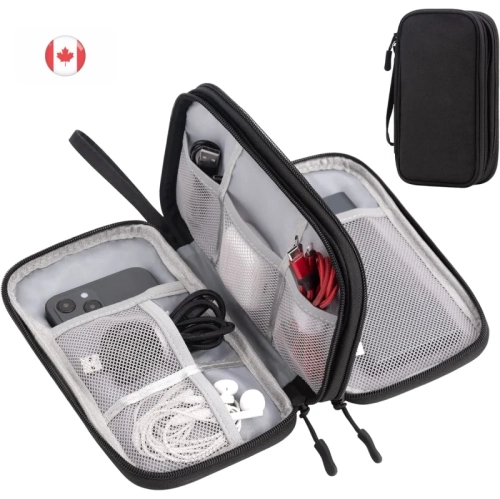

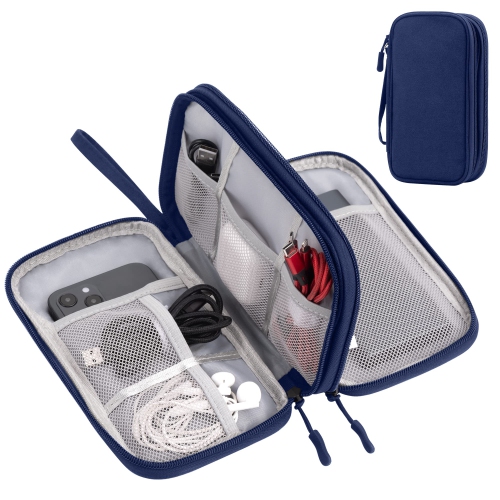
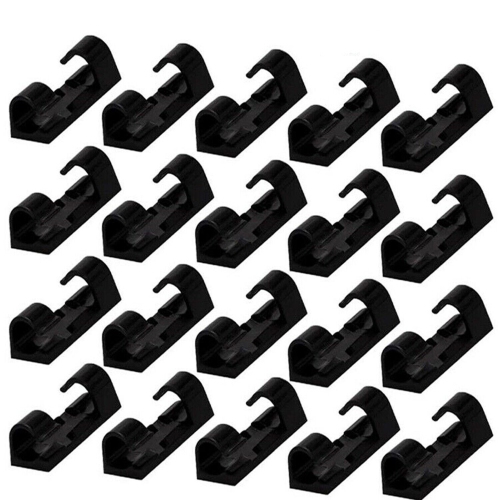
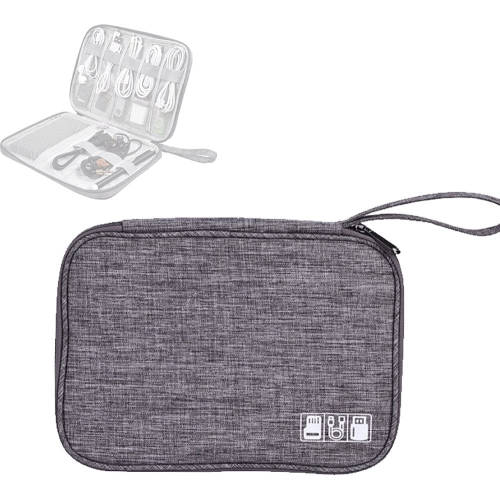
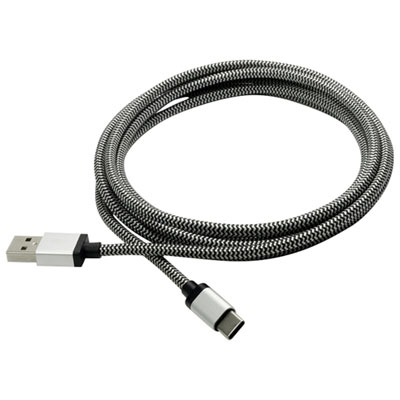
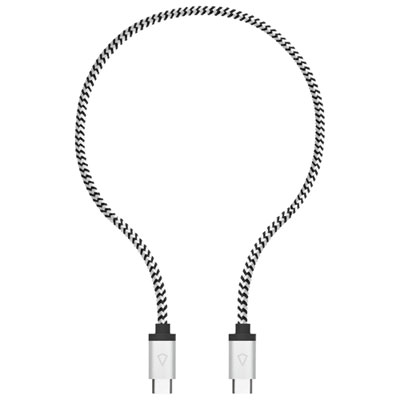
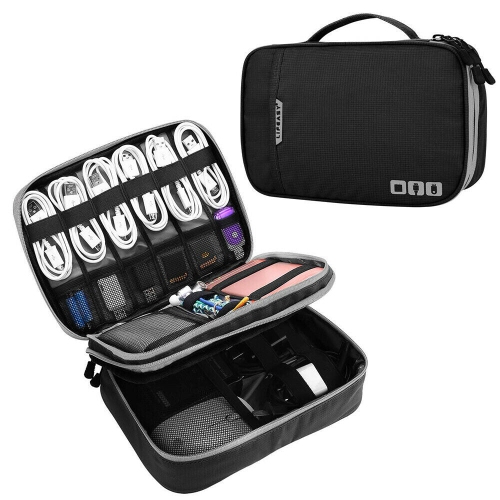
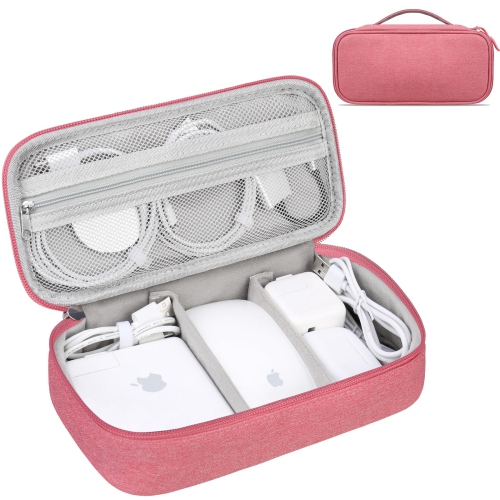
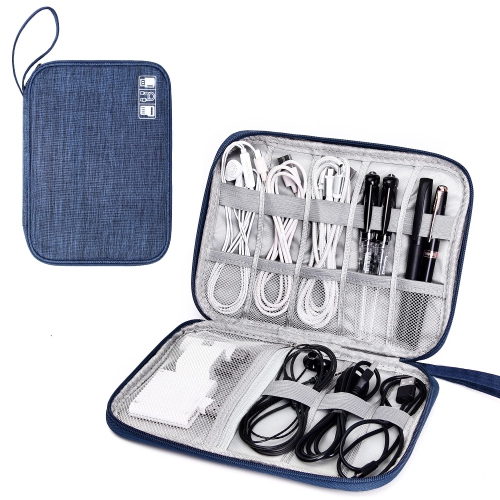
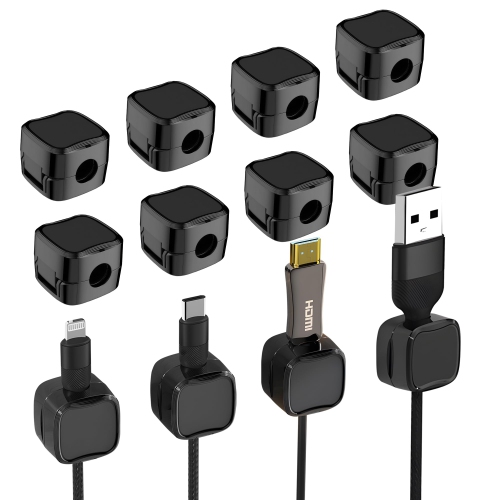

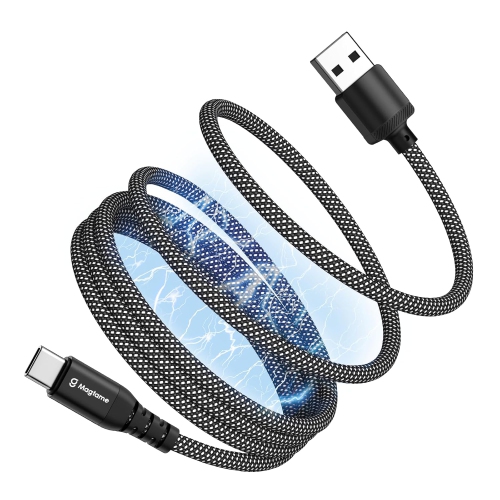
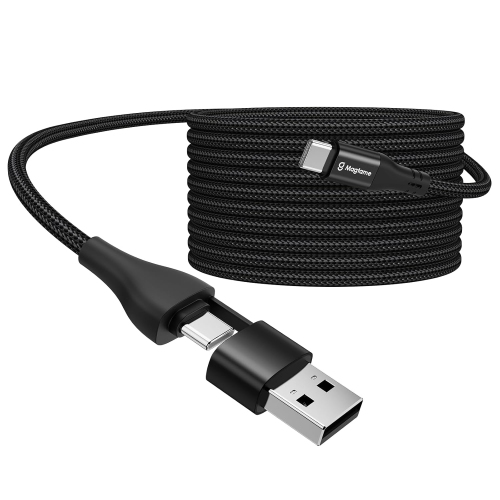

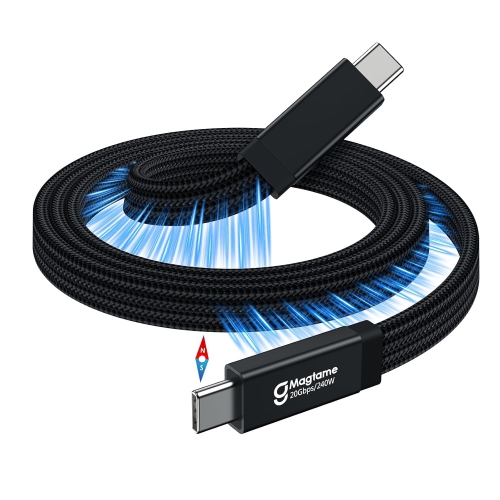
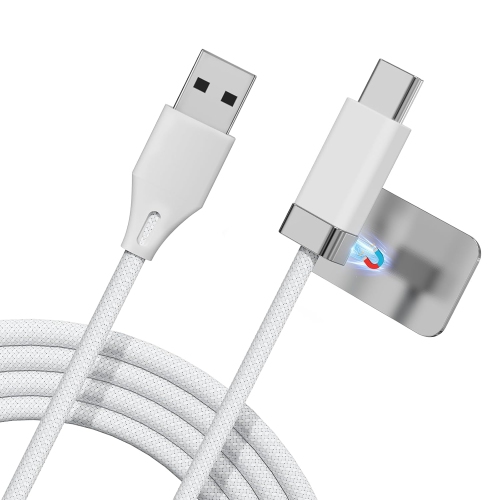

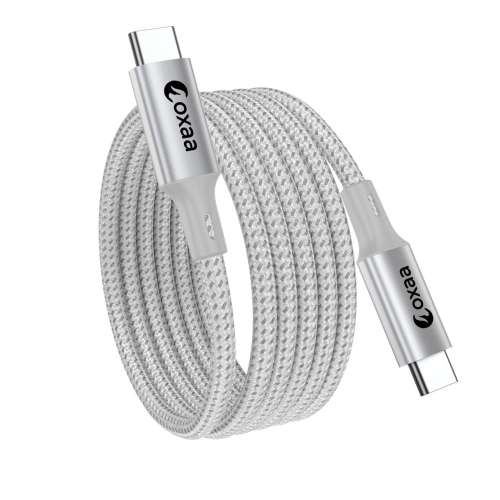
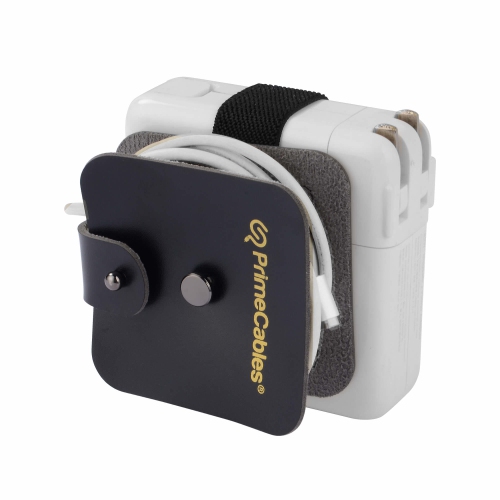
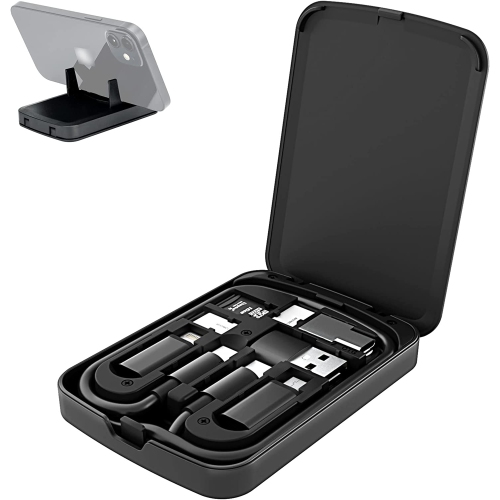
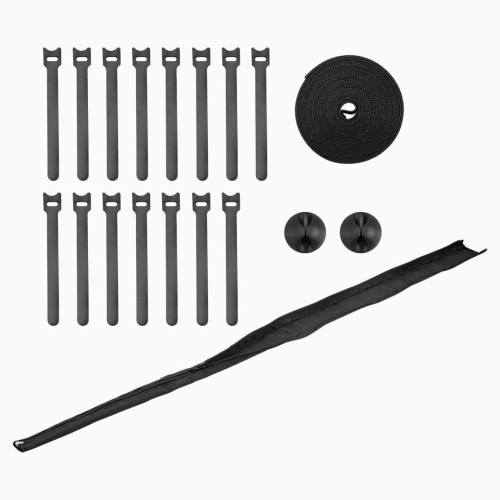
Tangle-free charging leads at your desk and on the go
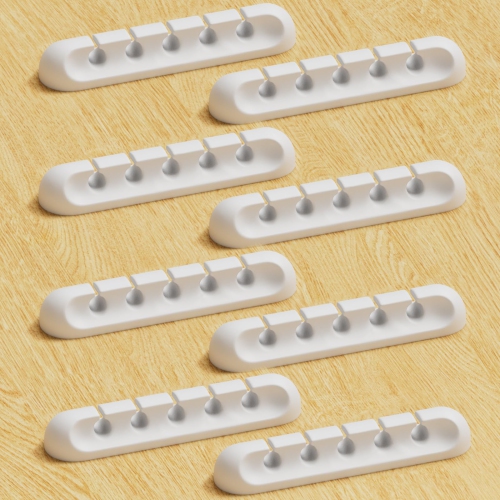
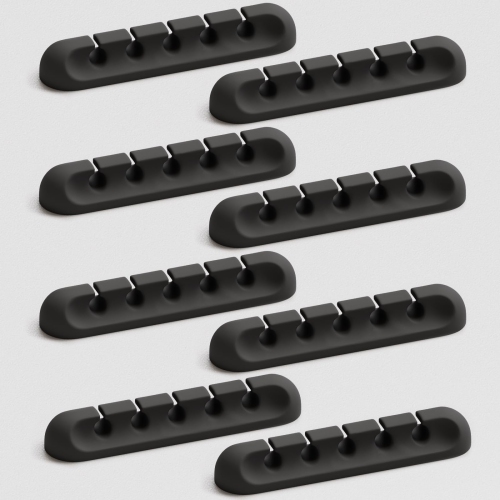
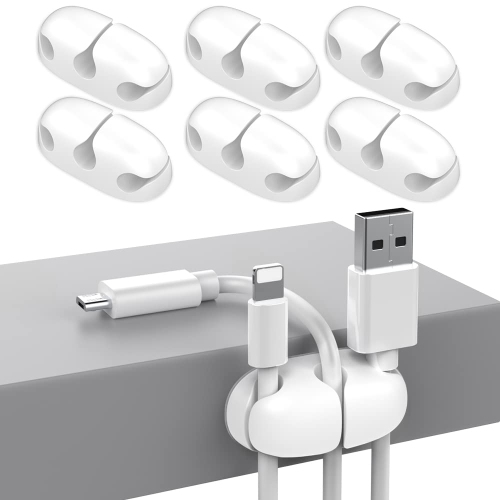
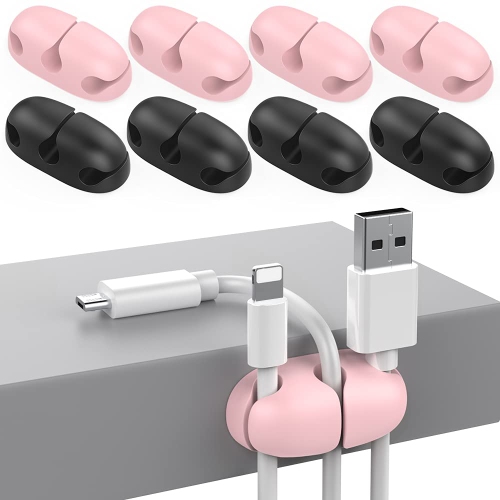
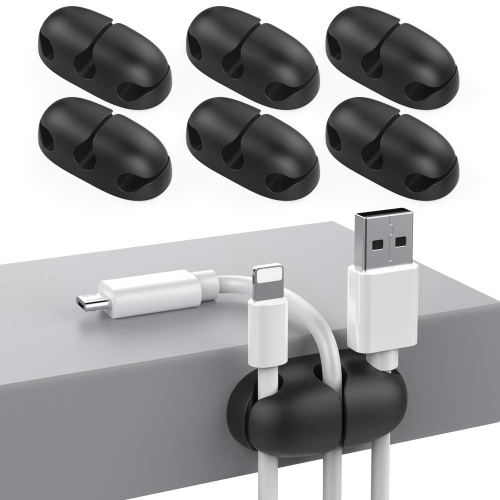
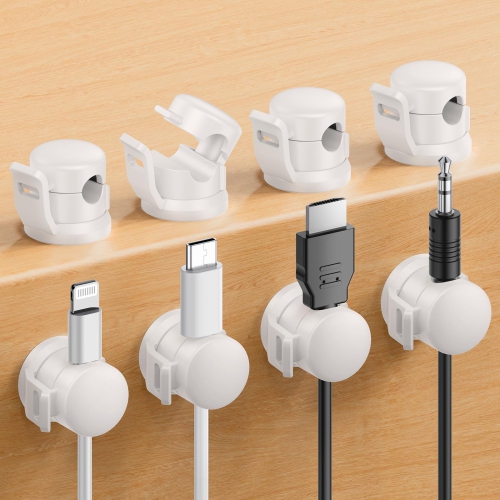
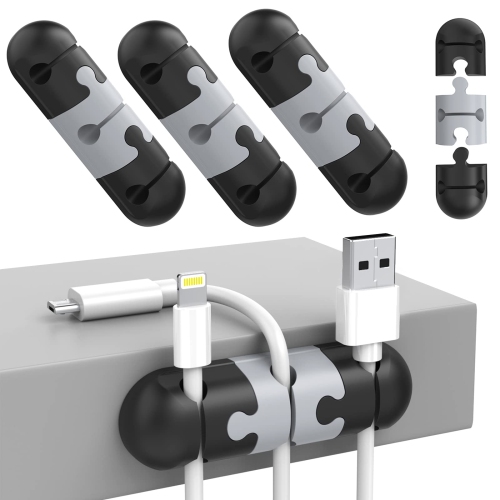
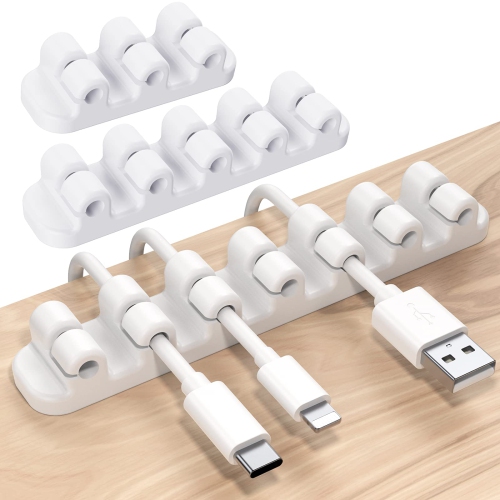
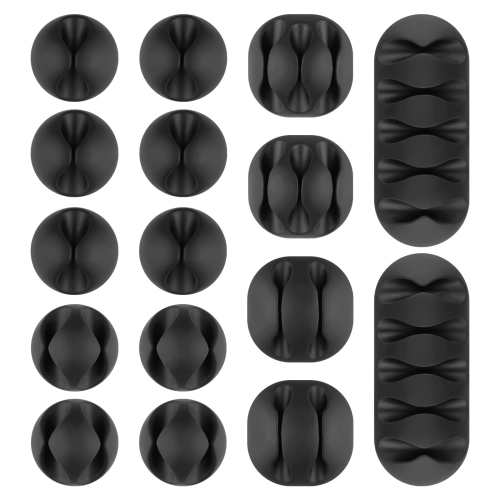
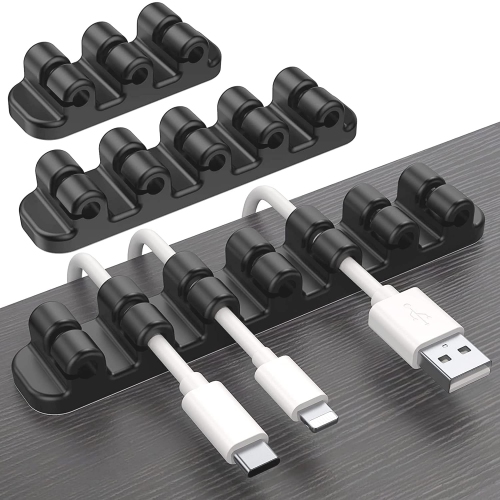
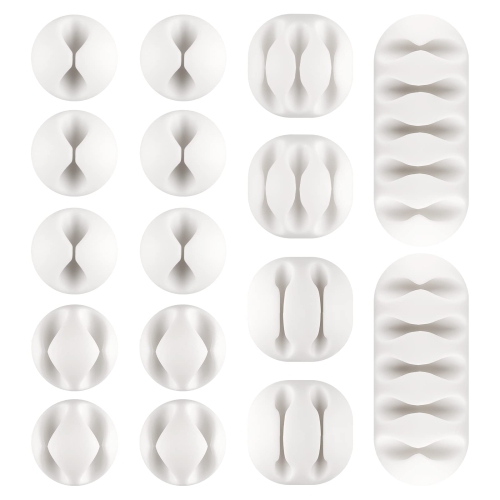
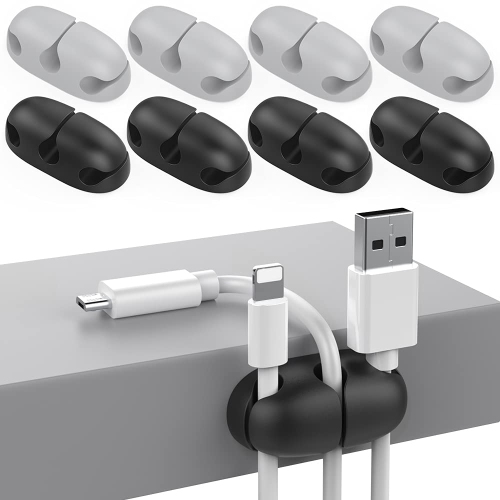
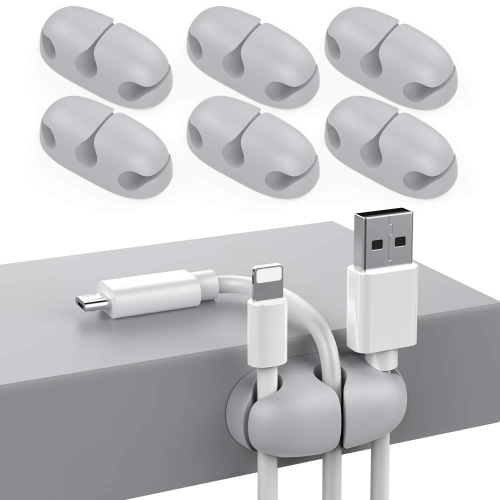
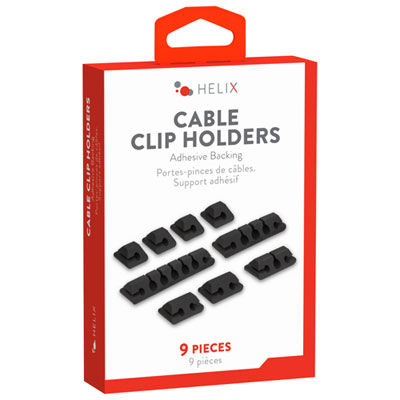
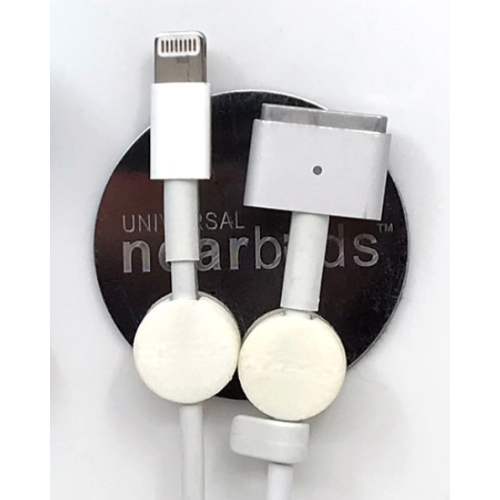
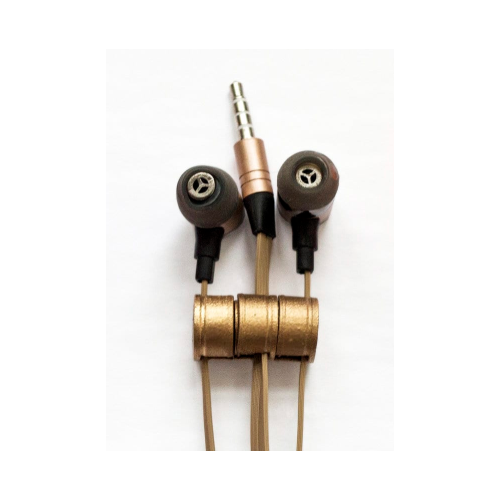
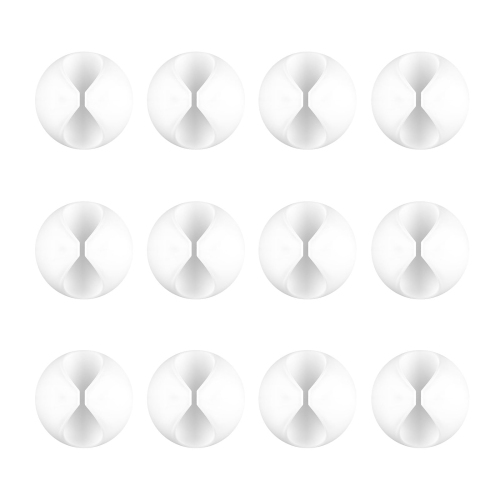
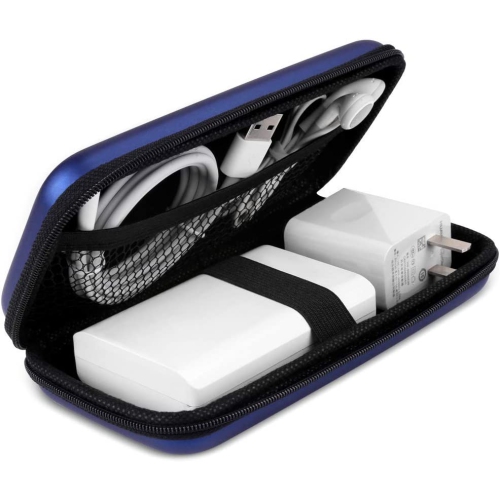
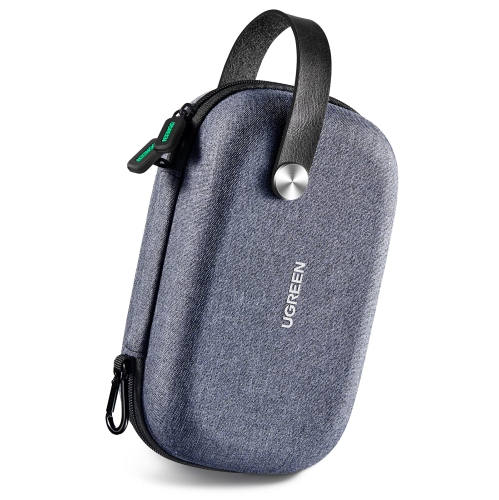
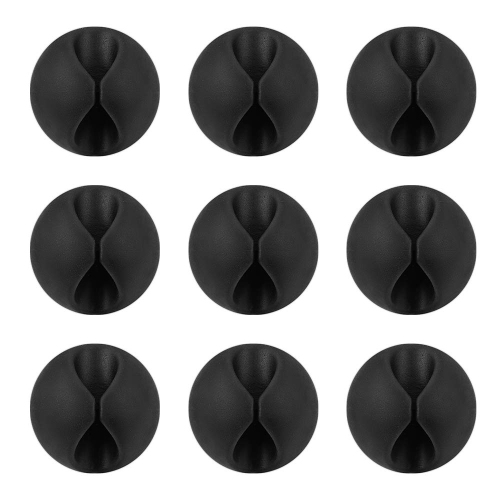
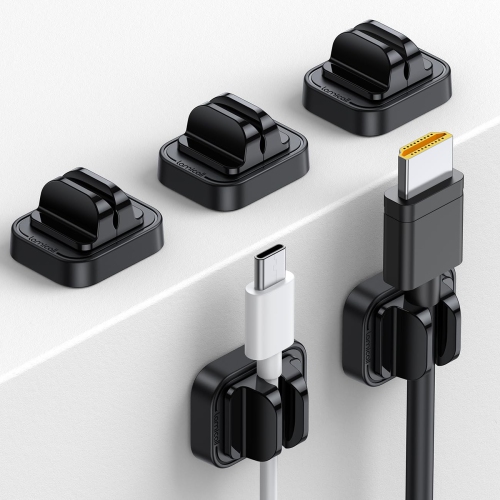
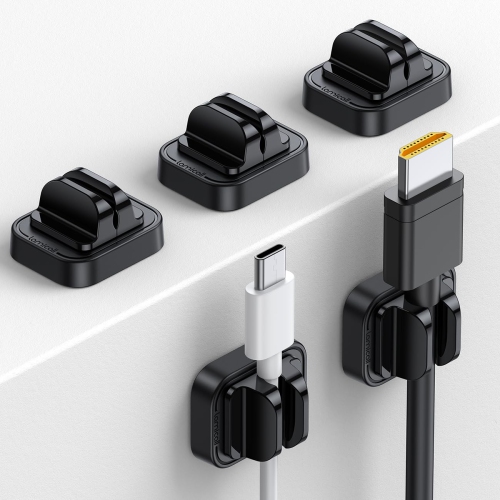
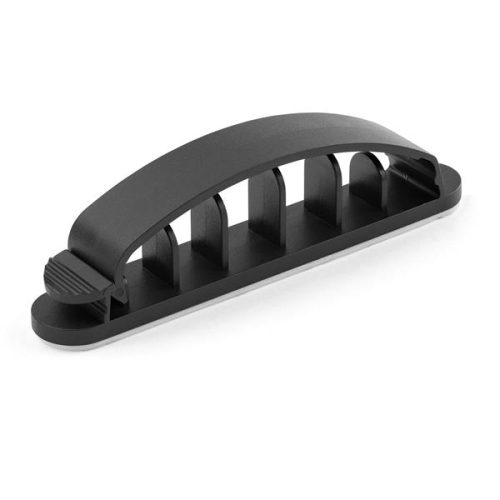
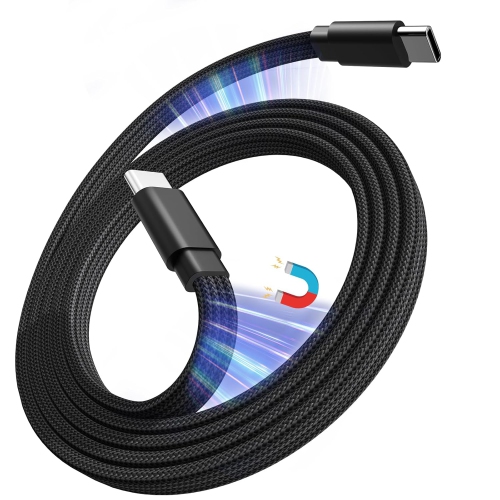
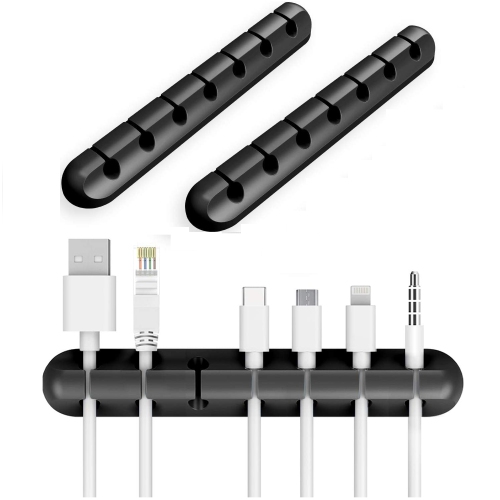
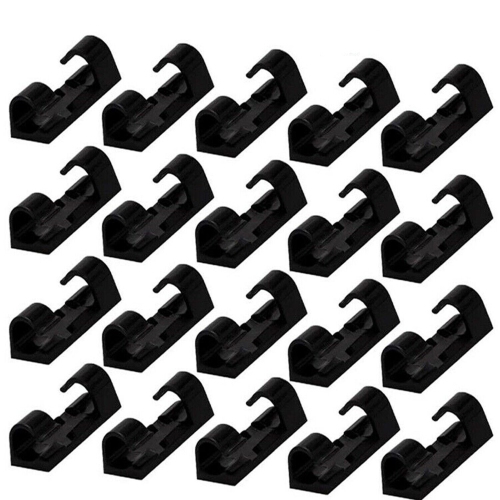
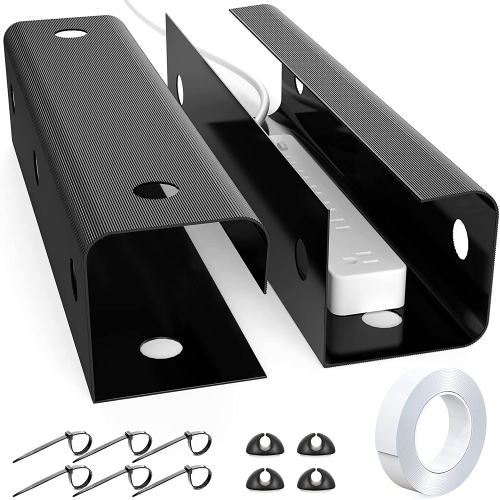
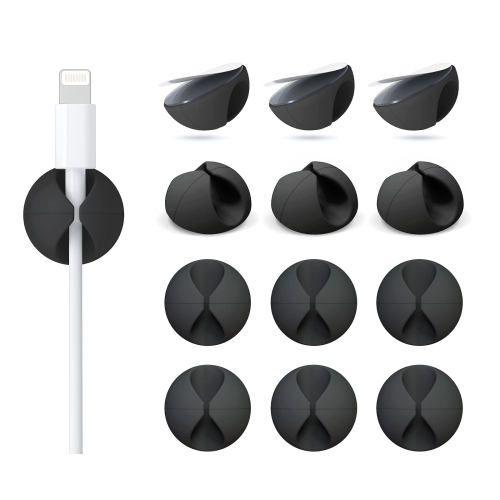
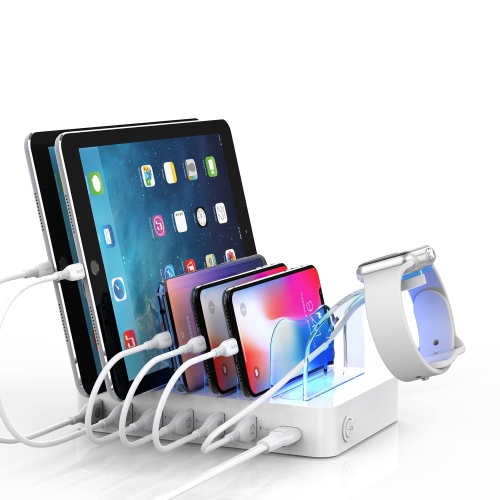
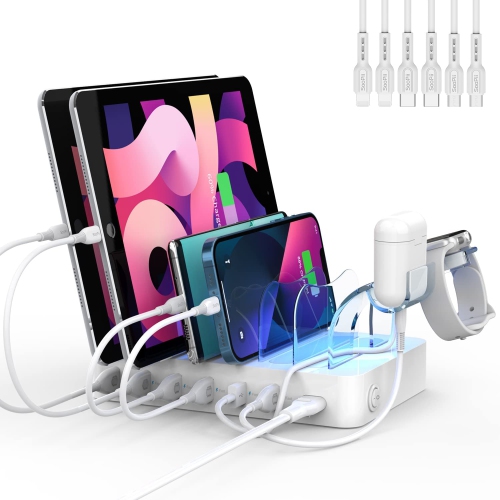
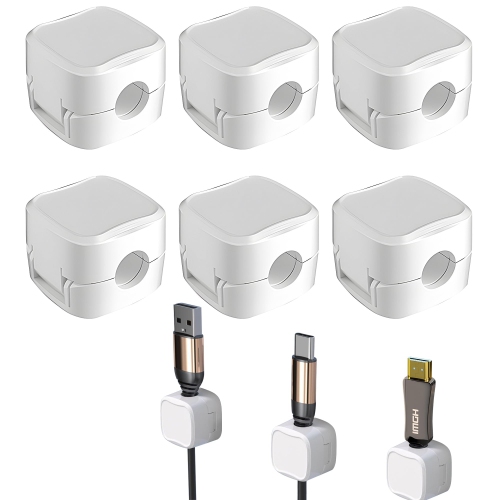
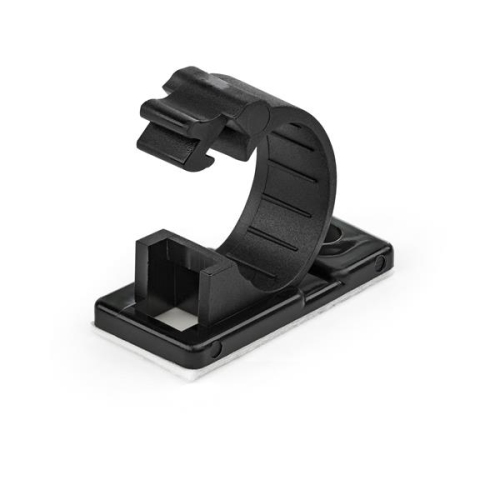
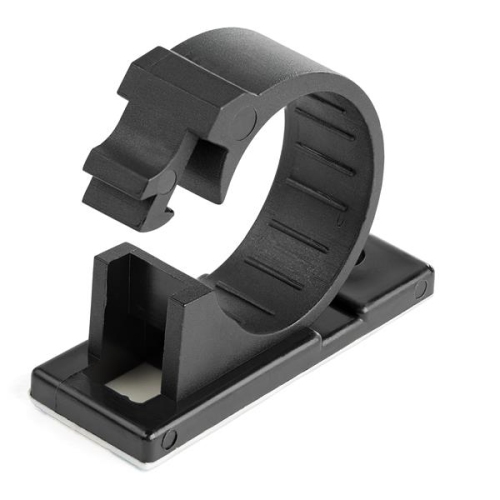
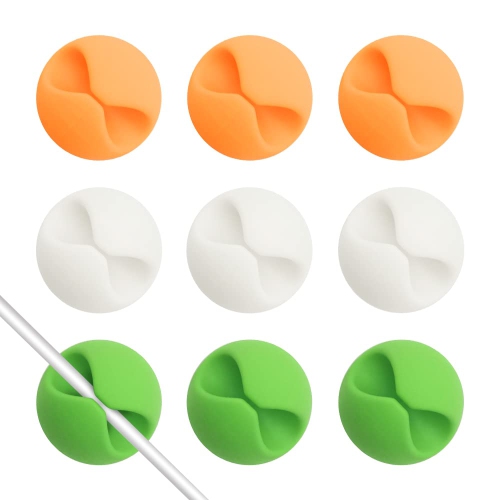
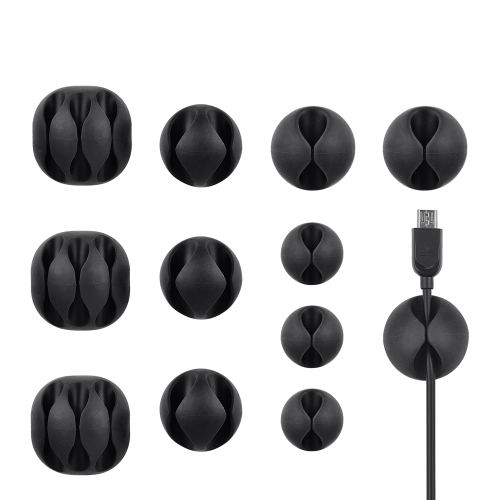
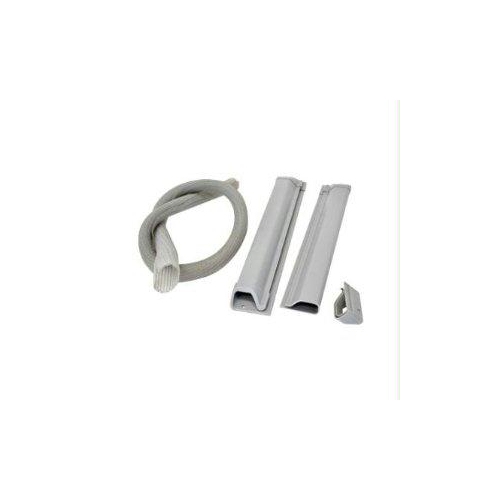
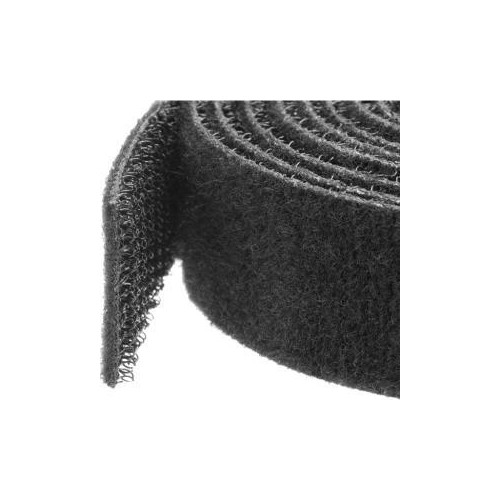
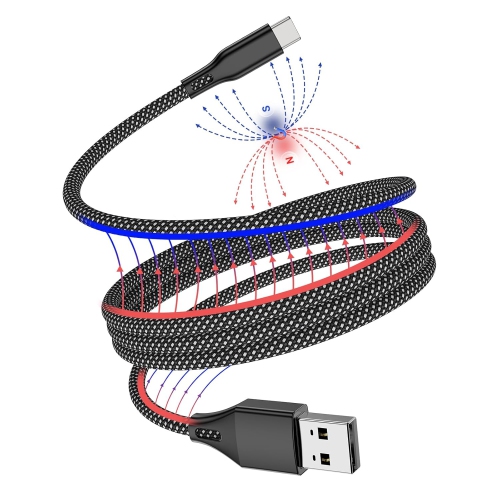
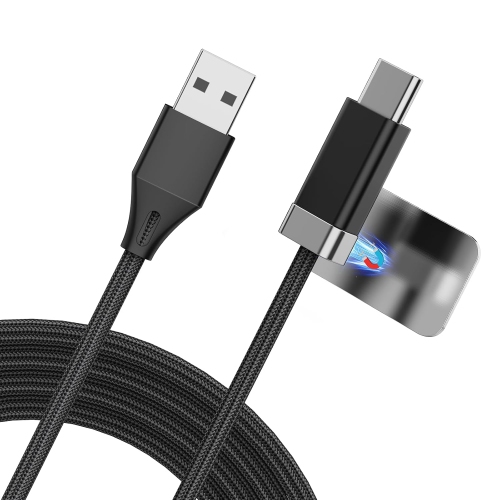
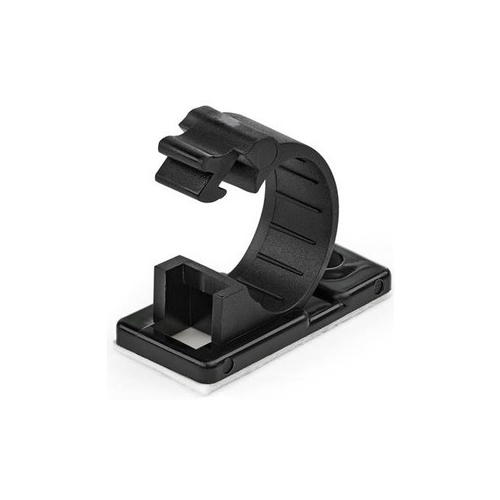
USB cable organizers keep charging leads and data cables separated, easy to identify, and within reach. They range from small clips that hold a single cord at a desk edge to adjustable ties, cable sleeves, winders, and zippered pouches for carrying several accessories together. Each format suits a different part of daily life: a clip can stop a phone charger from slipping behind a bedside table, while a pouch keeps laptop and tablet cables from tangling with keys inside a backpack. At a shared charging spot, individual slots give each lead a place, making it easier to unplug one device without pulling several cords along with it. Flexible silicone clips often have channels that open slightly to accept a cable, while hinged designs close around the wire. Magnetic holders typically pair a base with a movable clasp or another magnetic component, allowing the cord to be lifted away and returned between uses. The fit depends on the thickness of the cable jacket, not simply whether the connector is USB-A, USB-C, or another type. A slim charging lead and a heavily braided laptop cable may use the same connector but need different slot sizes. An organizer should hold the jacket securely without flattening it, and the cable should still have enough slack to reach the device comfortably. Position also matters: a holder beside a monitor stand can keep a charging end accessible without leaving the cord stretched across a keyboard or mouse area. For setups that include monitor leads and other connections alongside USB cables, Desktop Cable Organizers offer a broader approach to keeping the work surface orderly. Students, remote workers, gamers, and households with several rechargeable devices can all benefit from having a clear place for frequently used leads, especially where the same table serves more than one purpose.
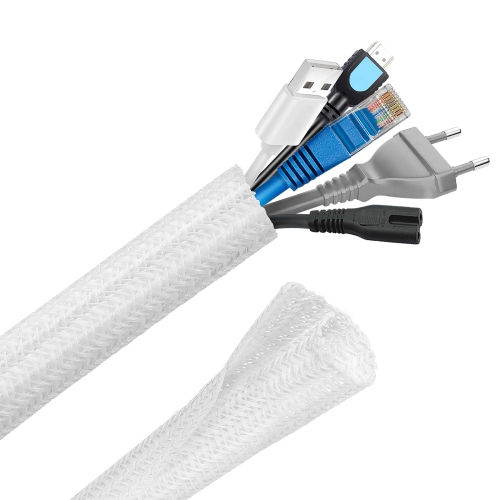
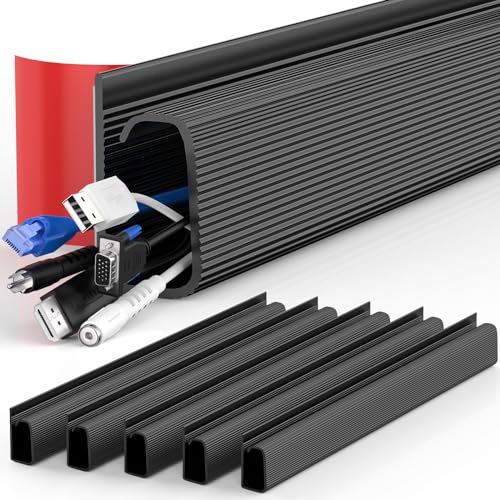
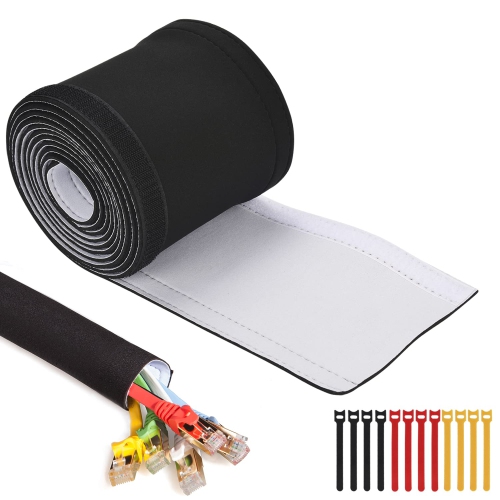
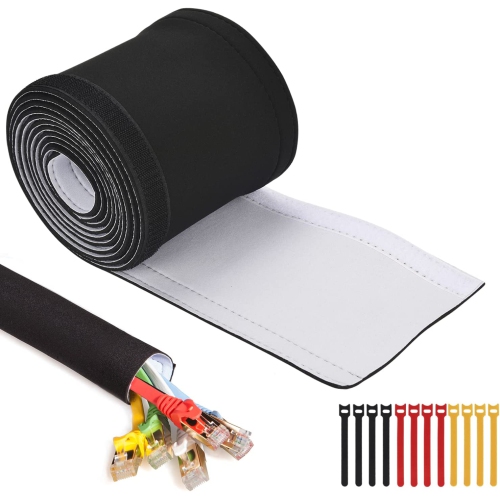
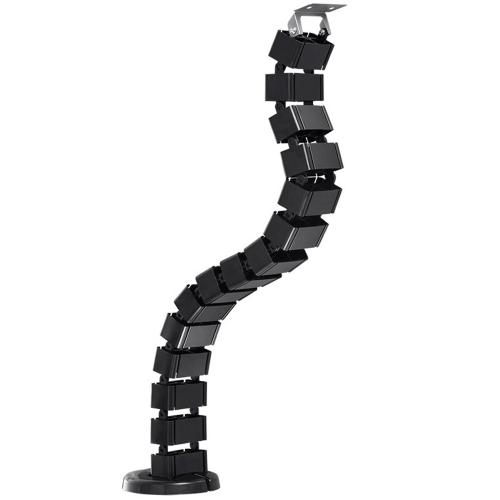
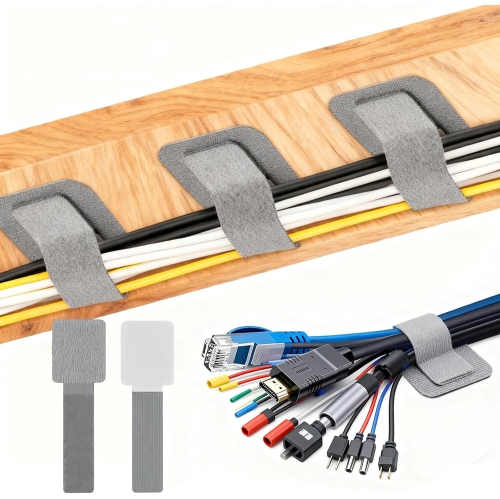
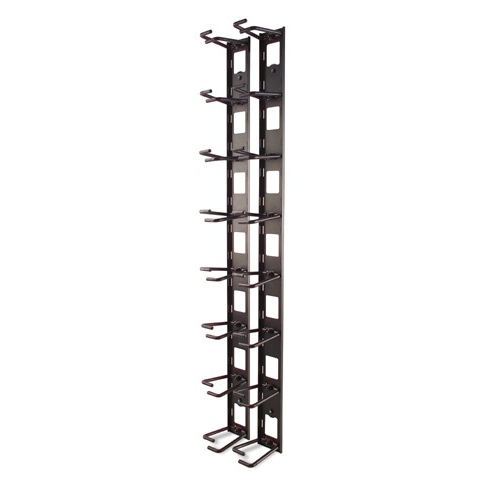
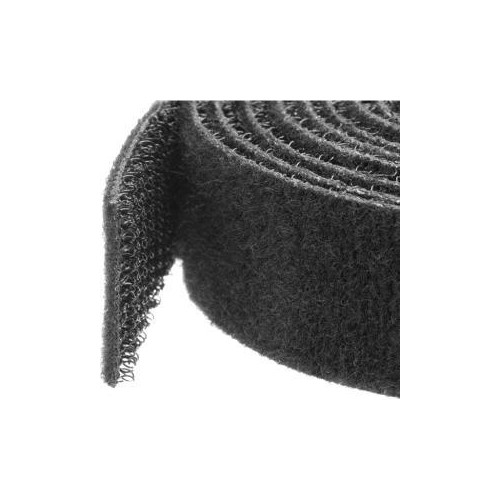
Materials and attachment methods influence how a USB cable organizer feels in use and where it fits best. Soft silicone bends around cables and can offer a forgiving contact surface, while rigid plastic housings provide more structure for divided compartments or clips with moving parts. Metal trays and brackets can support groups of cables beneath a desk, although these larger formats serve a different purpose from clips that keep loose charging ends close at hand. Adhesive-backed holders need a suitable mounting surface and enough flat space for the entire base. Dust, textured finishes, and uneven edges can interfere with the bond, so surface compatibility and the stated installation directions matter, particularly on painted furniture or delicate veneers. Clamp-mounted designs avoid sticking a base directly to the surface, but their opening must accommodate the desk thickness and leave room for drawers or supports underneath. Weighted holders can be repositioned without mounting hardware, which is useful on a table that is cleared regularly. For loose lengths of cable, adjustable hook-and-loop ties make it possible to open a bundle and remove just one lead. Sleeves gather several wires along a shared route, though a close-fitting sleeve may be less convenient when devices move frequently. Winders contain excess length, provided their shape allows the cable to curve gently rather than bend sharply beside the connector. Braided jackets, thicker insulation, and reinforced connector housings all affect how much room a cable needs. Durable construction shows up in details such as smooth channel edges, sound hinges, firmly attached pouch loops, and zippers that move without catching nearby cords. Organizers do not repair worn insulation or damaged connectors, and a neat bundle should never hide signs of cable wear. Leaving space around connected chargers and avoiding tightly packed coils during use helps keep the arrangement practical rather than merely tidy.
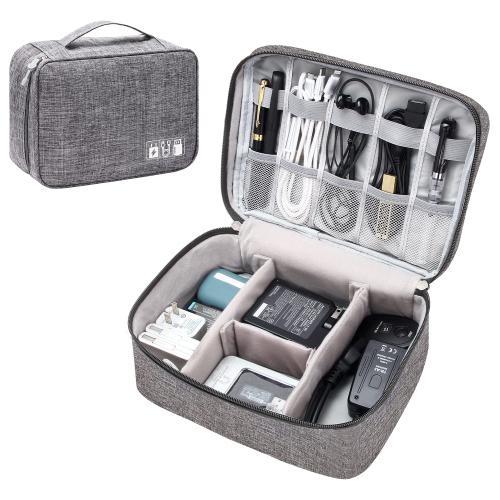
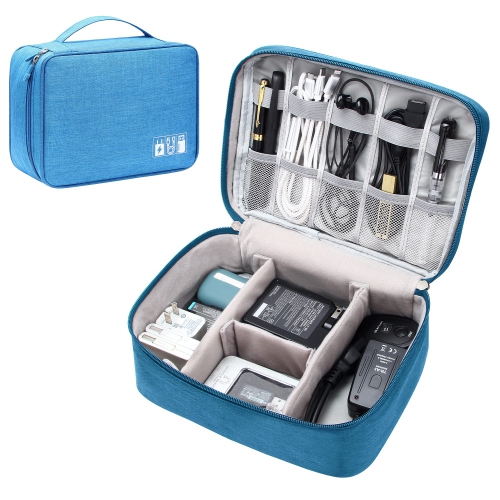
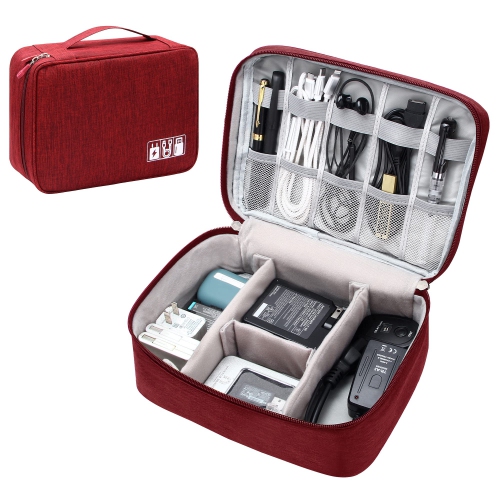
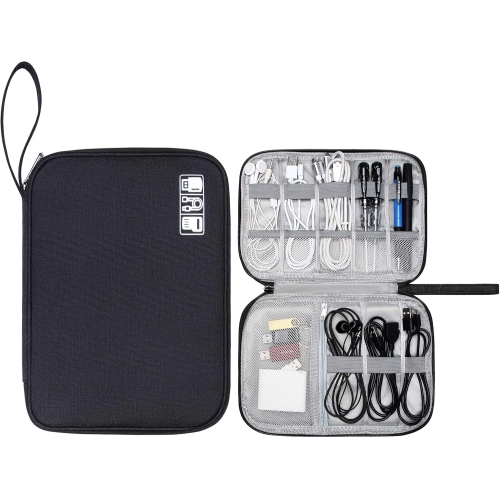
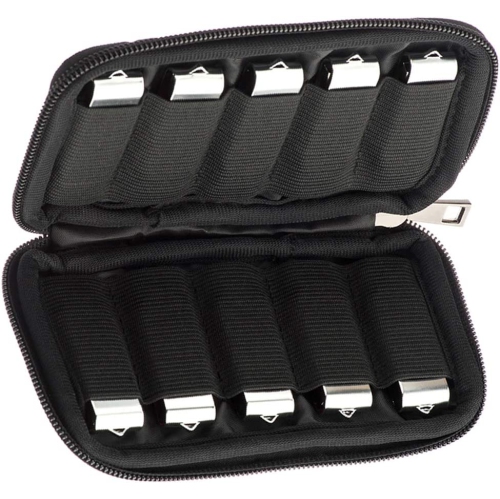
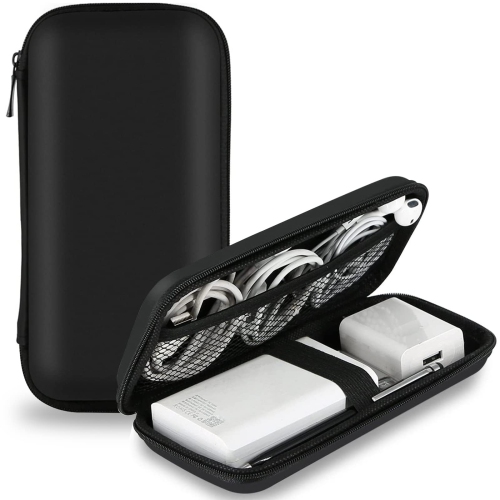
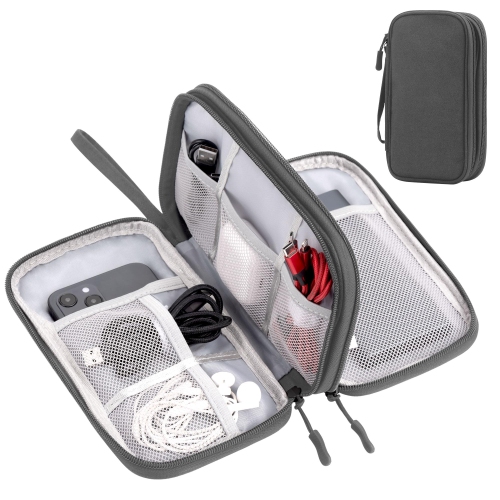
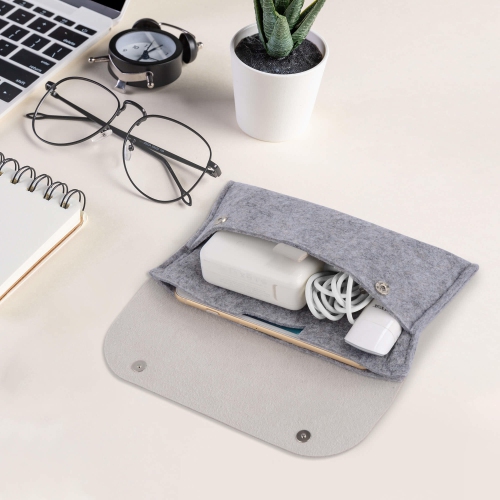
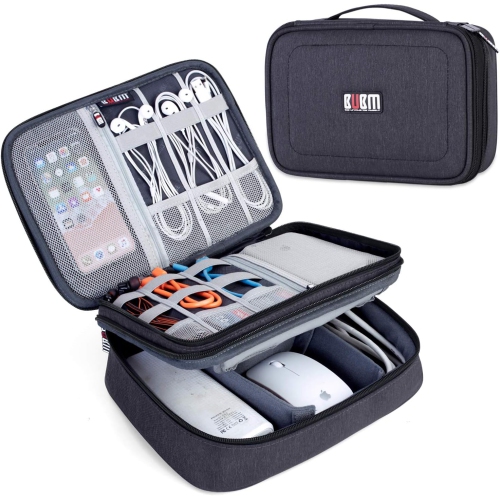
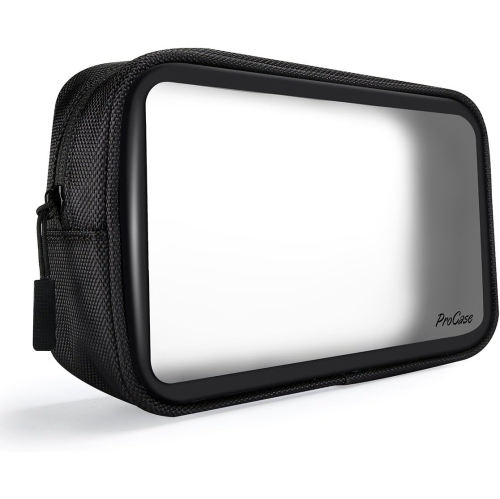
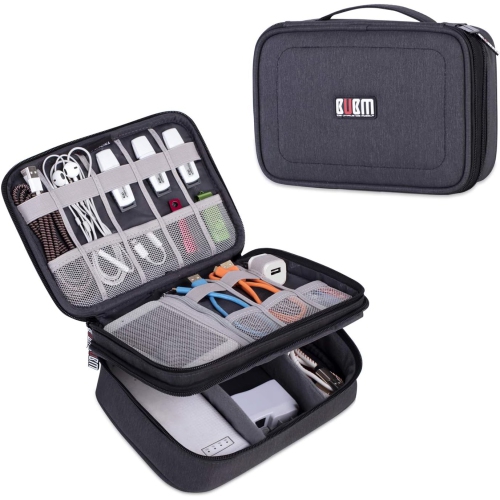
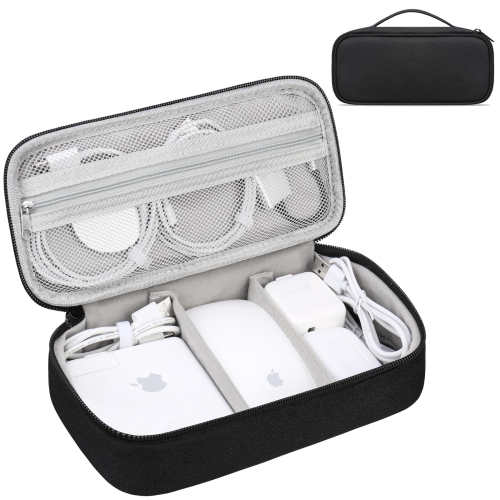
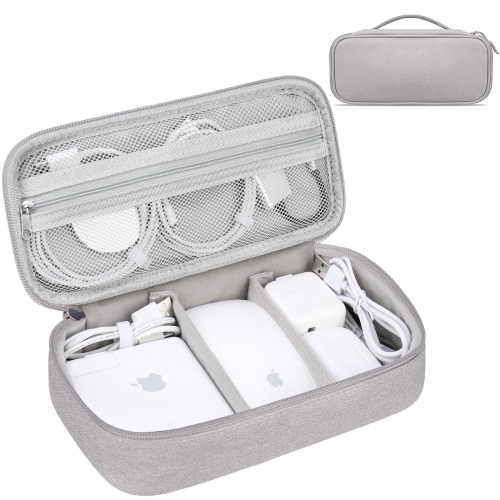
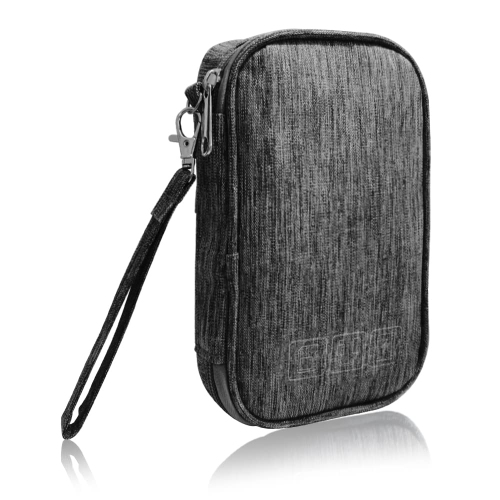
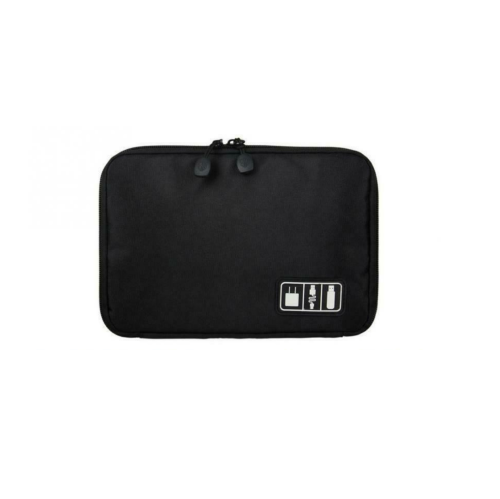
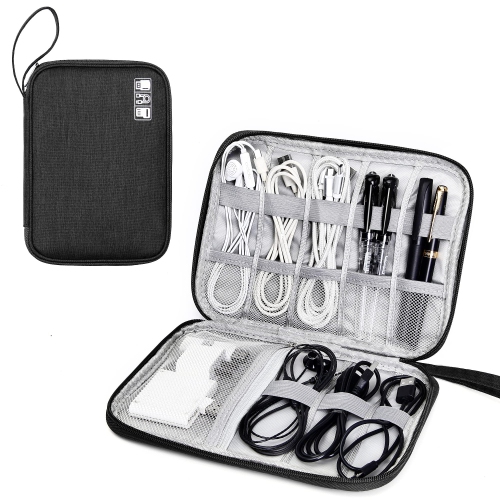
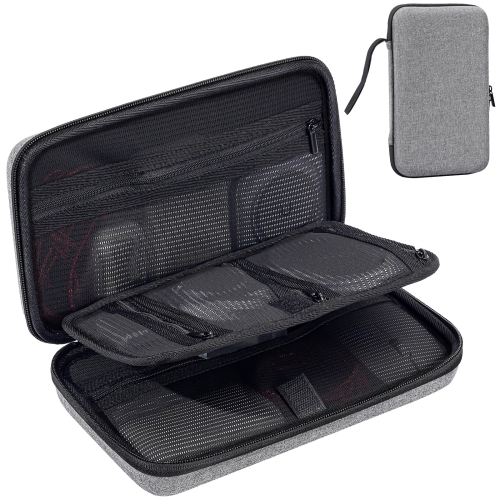
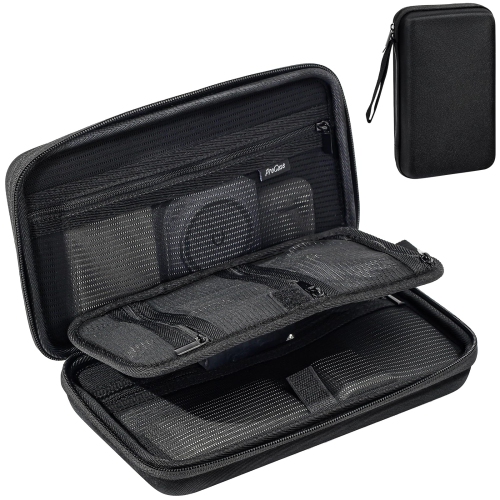
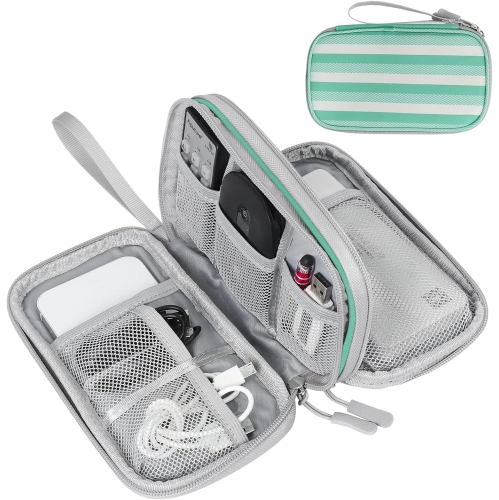
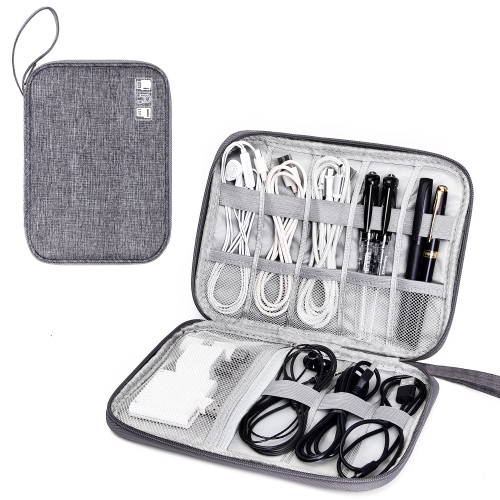
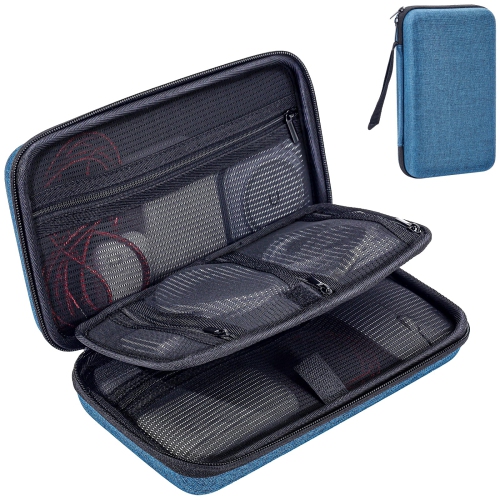
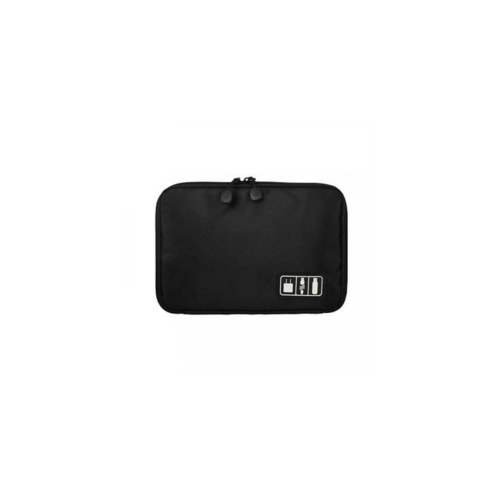
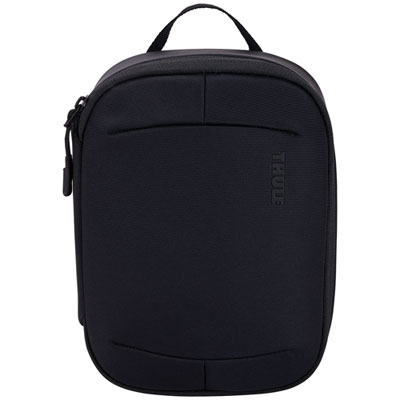
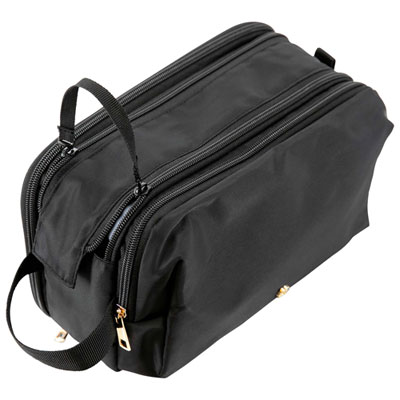
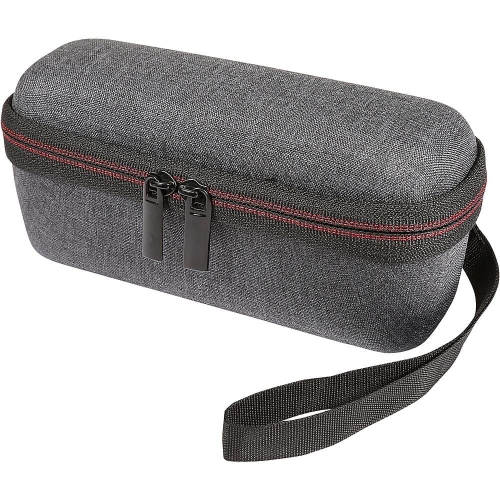
Portable USB cable organizers bring the same sense of order to commuting, study sessions, and travel. A slim pouch can keep a few charging leads together in a laptop bag, while a structured case with separate compartments can accommodate cables alongside a wall charger or small accessories. Elastic loops work well when their tension matches the diameter of the stored coil; overly loose loops let cords shift, while an excessively tight fit makes packing awkward. Mesh pockets make contents visible at a glance, and divided sections help keep hard plug ends from rubbing against other belongings. Fabric cases are often flexible enough to fit into a narrow bag pocket, whereas semi-rigid shells hold their shape and offer more separation from surrounding contents. Padding can cushion everyday bumps, but protection from crushing or moisture depends on the case construction and its stated rating. A water-resistant outer fabric alone does not make seams and zipper openings watertight. Interior dimensions are more useful than the outside size when judging whether a longer cable or bulky connector will fit without being forced into a tight bend. At home, a pouch or compartmented box can also keep spare USB cables organized in a drawer, with separate spaces for different lengths or uses. Colour-coded ties or small labels help distinguish a short power-bank lead from a longer bedside charging cable; they can also identify which cables support a particular device or data connection. Care is usually straightforward: empty pouches before cleaning, remove dust from clips and channels, and follow the material-specific cleaning directions. Hook-and-loop fasteners hold more reliably when lint is removed, and adhesive bases should be checked if they start lifting at the edges. A compact organizer can make a practical gift for someone who carries several devices, works between locations, or is setting up a study space. The most useful choice reflects that person's routine, whether it means one cable kept beside a reading chair or a neatly packed set ready to move between home and work.
Materials and attachment methods influence how a USB cable organizer feels in use and where it fits best. Soft silicone bends around cables and can offer a forgiving contact surface, while rigid plastic housings provide more structure for divided compartments or clips with moving parts. Metal trays and brackets can support groups of cables beneath a desk, although these larger formats serve a different purpose from clips that keep loose charging ends close at hand. Adhesive-backed holders need a suitable mounting surface and enough flat space for the entire base. Dust, textured finishes, and uneven edges can interfere with the bond, so surface compatibility and the stated installation directions matter, particularly on painted furniture or delicate veneers. Clamp-mounted designs avoid sticking a base directly to the surface, but their opening must accommodate the desk thickness and leave room for drawers or supports underneath. Weighted holders can be repositioned without mounting hardware, which is useful on a table that is cleared regularly. For loose lengths of cable, adjustable hook-and-loop ties make it possible to open a bundle and remove just one lead. Sleeves gather several wires along a shared route, though a close-fitting sleeve may be less convenient when devices move frequently. Winders contain excess length, provided their shape allows the cable to curve gently rather than bend sharply beside the connector. Braided jackets, thicker insulation, and reinforced connector housings all affect how much room a cable needs. Durable construction shows up in details such as smooth channel edges, sound hinges, firmly attached pouch loops, and zippers that move without catching nearby cords. Organizers do not repair worn insulation or damaged connectors, and a neat bundle should never hide signs of cable wear. Leaving space around connected chargers and avoiding tightly packed coils during use helps keep the arrangement practical rather than merely tidy.
Portable USB cable organizers bring the same sense of order to commuting, study sessions, and travel. A slim pouch can keep a few charging leads together in a laptop bag, while a structured case with separate compartments can accommodate cables alongside a wall charger or small accessories. Elastic loops work well when their tension matches the diameter of the stored coil; overly loose loops let cords shift, while an excessively tight fit makes packing awkward. Mesh pockets make contents visible at a glance, and divided sections help keep hard plug ends from rubbing against other belongings. Fabric cases are often flexible enough to fit into a narrow bag pocket, whereas semi-rigid shells hold their shape and offer more separation from surrounding contents. Padding can cushion everyday bumps, but protection from crushing or moisture depends on the case construction and its stated rating. A water-resistant outer fabric alone does not make seams and zipper openings watertight. Interior dimensions are more useful than the outside size when judging whether a longer cable or bulky connector will fit without being forced into a tight bend. At home, a pouch or compartmented box can also keep spare USB cables organized in a drawer, with separate spaces for different lengths or uses. Colour-coded ties or small labels help distinguish a short power-bank lead from a longer bedside charging cable; they can also identify which cables support a particular device or data connection. Care is usually straightforward: empty pouches before cleaning, remove dust from clips and channels, and follow the material-specific cleaning directions. Hook-and-loop fasteners hold more reliably when lint is removed, and adhesive bases should be checked if they start lifting at the edges. A compact organizer can make a practical gift for someone who carries several devices, works between locations, or is setting up a study space. The most useful choice reflects that person's routine, whether it means one cable kept beside a reading chair or a neatly packed set ready to move between home and work.
Top selling and popular products
-
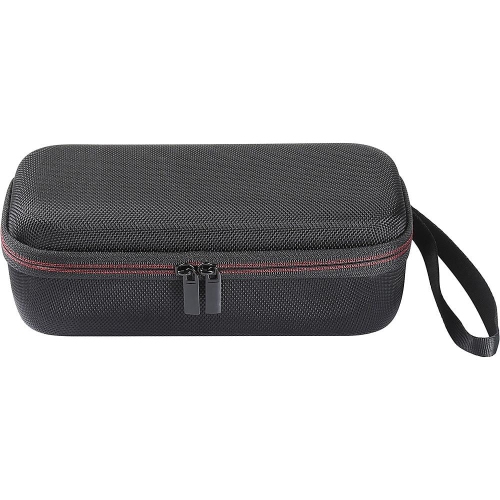 Your price for this item is $59
 -
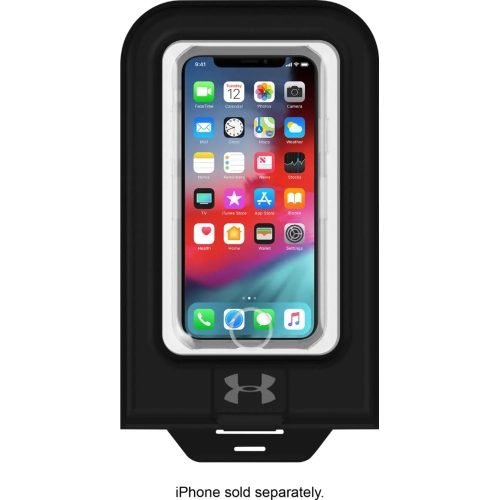 Your price for this item is $35
 -
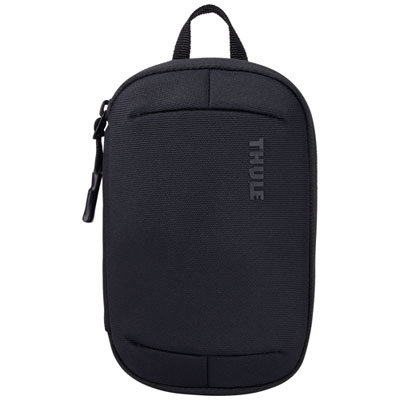 Your price for this item is $29.99
 -
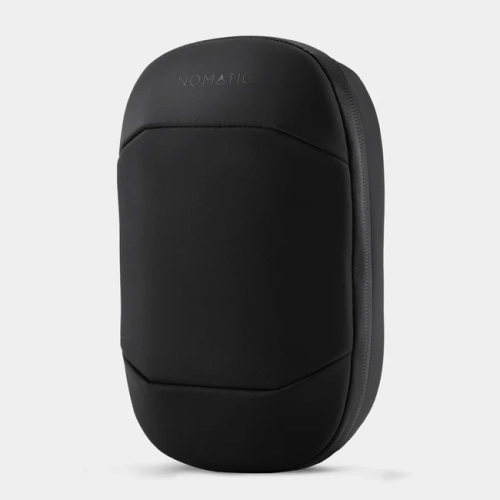 Your price for this item is $89.99
 -
 Your price for this item is $39.99
 -
 Your price for this item is $49.99
 -
 Your price for this item is $59.99
 -
 Your price for this item is $49.99
Discover more categories related to USB Cable Organizers
Top Collections:
Pokemon Centers, Kindle Devices, Best Budget Office Chairs, Apple iPhones 16, Best Laptops for Writers, iPhone 15 Apple, Canon G7X Cameras, Refurbished Apple Laptops, Alarm Clock, Motorola Razr Phones
Some products may be subject to Environmental Handling Fees
(EHF) depending on your province.
Learn more about EHFs.