Sony TV Stands
Elevate your home entertainment setup with a stylish and functional Sony TV stand. Perfectly designed to complement your Sony television, these stands offer a seamless blend of aesthetics and practicality. Whether you're looking to enhance your living room's decor or optimize space in your media room, a Sony TV stand provides the ideal solution. Explore a variety of designs and finishes that cater to diverse tastes and room layouts, ensuring you find the perfect match for your home. Discover how a Sony TV stand can transform your viewing experience into an elegant centerpiece.
Sort


The right fit goes beyond your TV’s screen size
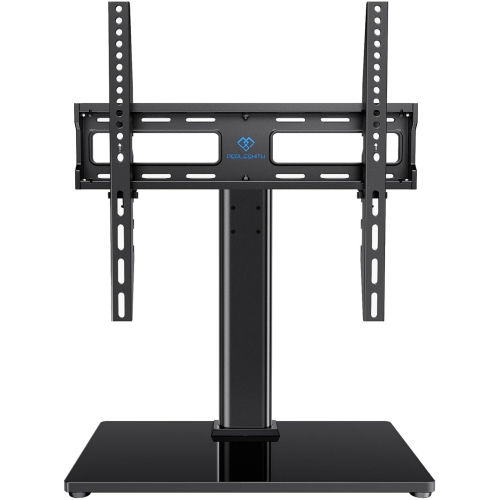
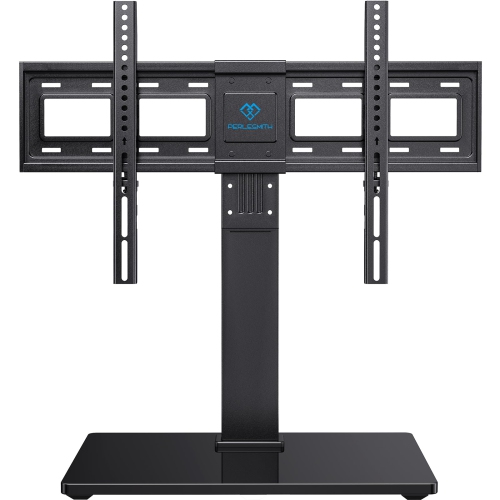
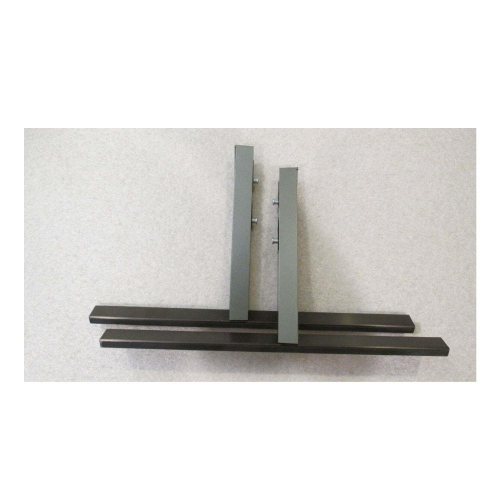
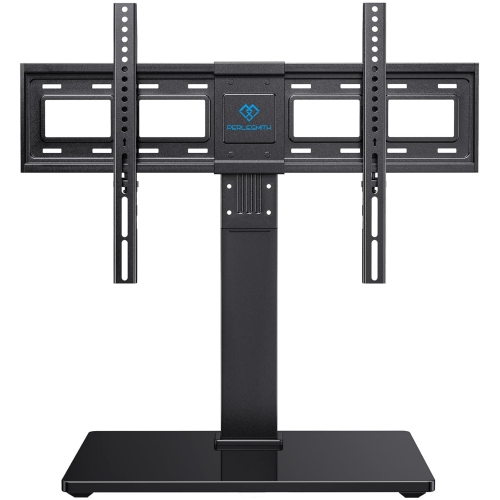
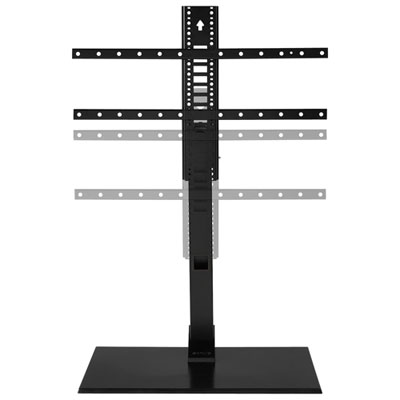
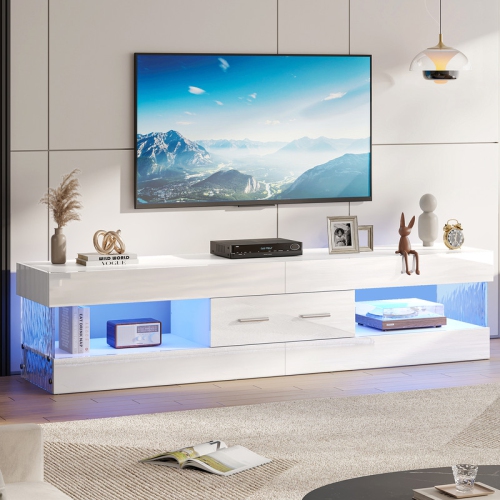
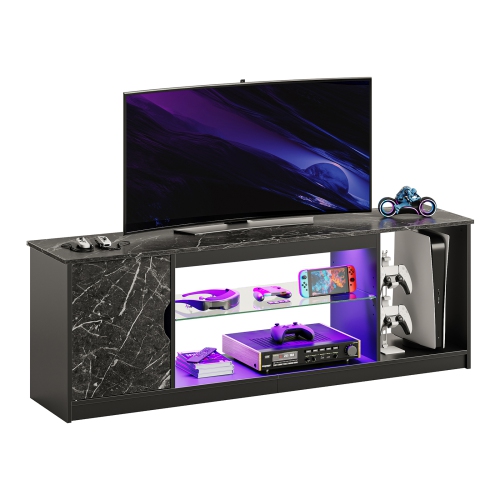
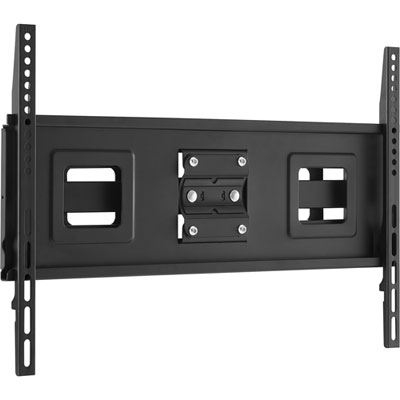
TV stands provide a stable foundation for a television while shaping how the screen fits into a room. The term can describe replacement feet, a pedestal that sits on furniture, a freestanding floor mount, or a media console with space for entertainment equipment. These options serve different purposes: replacement feet restore a television’s original style of support, while a universal tabletop stand can offer a central base when widely spaced legs do not suit an existing cabinet. Model-specific feet and bases need to match the television’s exact model number, not simply its screen size or appearance. That number is usually on a label on the back of the set and may also appear in its settings or documentation. Even televisions with the same screen size can use different attachment points, screws, or leg assemblies, so visual similarity alone does not establish fit. Universal mounting stands generally attach to the threaded mounting holes on the back of the television. Compatibility depends on the supported mounting pattern, the television’s weight without its original stand, the permitted screen-size range, and any model-specific restrictions. The VESA pattern is the horizontal and vertical spacing between those mounting holes, measured in millimetres; a 300 × 300 mm pattern, for example, has holes spaced 300 mm apart in both directions. A stand needs to support that exact pattern as well as the screen’s weight and dimensions. Rear-panel contours, recessed mounting holes, and the position of ports can also affect installation. For a television being moved from a wall mount to a dresser, these details matter just as much as the look of the base. A compatible support should leave connections accessible and hold the screen securely without relying on improvised brackets or mismatched hardware. Replacement feet may also have designated left and right positions, making the correct pair and its specified fasteners essential parts of the fit.
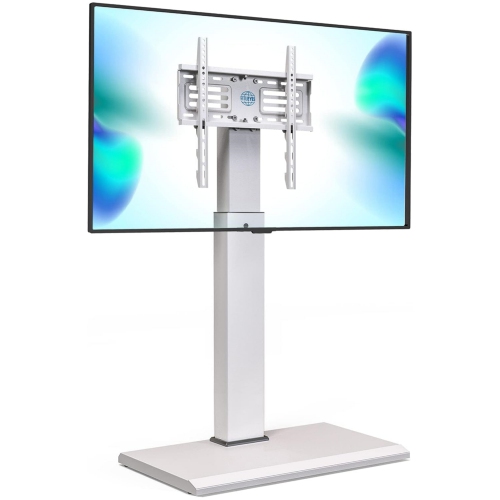
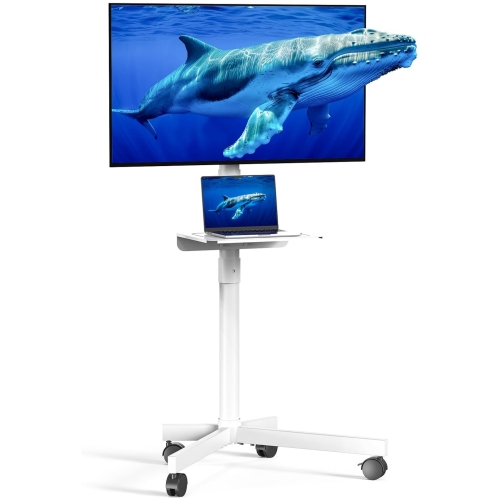
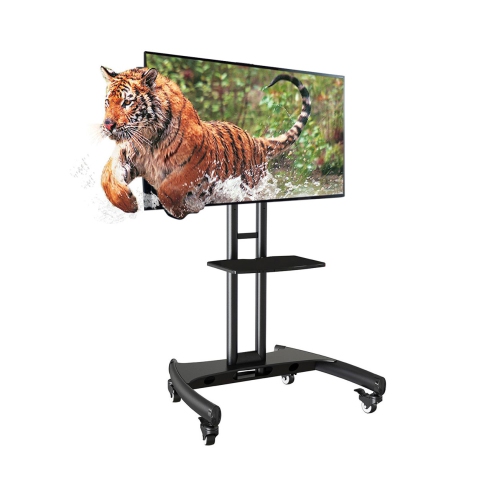
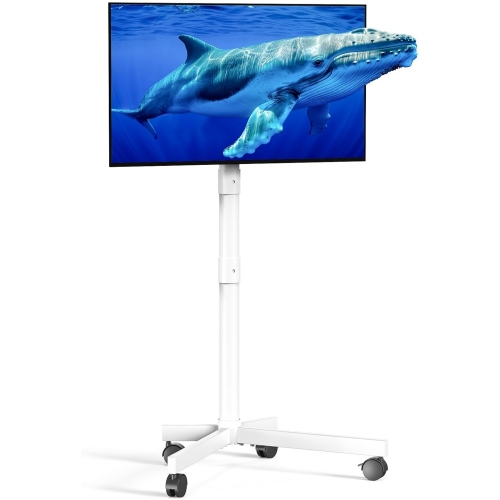
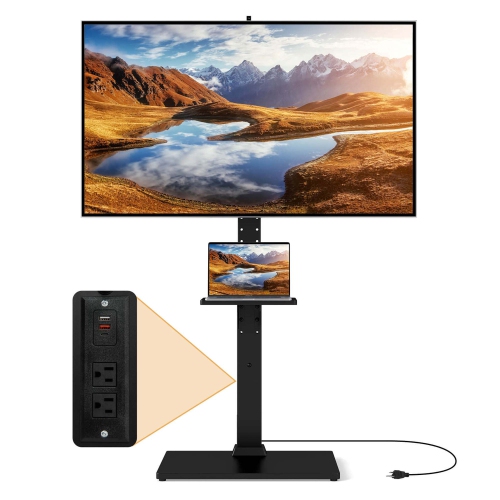
The right stand also needs to work with the furniture beneath it and the way people watch television. A tabletop pedestal can bring the support points closer to the centre of the screen, but its full base must sit on a level surface with adequate depth and load capacity. The cabinet must support the combined weight of the television, stand, and anything else placed on top. Screen width is not the same as stand footprint: a television may extend beyond a base, but the supporting feet or pedestal must remain fully supported within the furniture’s usable surface, following the manufacturers’ placement requirements. Height-adjustable designs can create clearance for a sound bar or help position the screen at a comfortable level for seated viewing. Usable clearance depends on the mounting-hole position on the television, however, so the listed adjustment range does not always equal the space beneath the screen. In a living room with a low sofa, a tall support may place the picture higher than intended; in a bedroom, a different viewing position may call for another height. Swivel functions can help direct the screen towards an adjacent chair or an open-plan seating area, provided there is enough room for the screen to turn without striking a wall or shelving. Cables need sufficient slack throughout that movement without hanging where they can be pulled. Floor stands offer another arrangement, particularly where wall mounting is unsuitable or a traditional cabinet takes up too much space. Their bases still need a clear, stable position outside busy walking routes. Broader TV Display Stands include support styles suited to different room layouts and mounting needs. Shelves, cable channels, and enclosed storage can keep a streaming device, game console, or remote controls organized, while open space around equipment helps preserve the ventilation clearances specified by its manufacturer. A sound bar should have room to operate without covering the picture or blocking the television’s remote-control receiver.
Materials and construction influence both appearance and everyday durability. Steel brackets and columns are common in mounting stands, while bases may use metal or tempered glass; media furniture may combine solid wood, engineered wood, metal, and glass. The material alone does not establish strength, so the stated load limits, assembly quality, and condition of the hardware remain important. A dark metal pedestal can blend into a simple entertainment setup, while a wood-finish console adds texture and provides storage in a shared family room. Glass bases offer a lighter visual presence but tend to show fingerprints and dust, and their edges need protection from impacts. Painted and laminated surfaces are generally easy to wipe down with a soft cloth, using only cleaning methods approved for the finish. Moisture should not pool around joints or exposed edges, and abrasive pads can scratch surfaces that otherwise handle ordinary use well. During assembly, the specified screw diameter, length, and spacers matter: screws that are too short may not engage properly, while screws that are too long can damage the television. The television and stand instructions should determine the hardware and assembly method rather than trial and error. Moving and mounting a large screen is a task for enough people to handle it safely, often two or more, with lifting points and handling precautions taken from the television manual. Pressure on the display panel can cause damage even when the outer frame looks sturdy. Once installed, the stand should sit level, with fasteners secured as directed and any supplied safety restraints fitted correctly. Appropriate anti-tip measures are particularly important in homes with children or pets; a heavy base is not a substitute for the restraint provisions specified for the setup. Occasional checks for loose connections, shifted cables, or damage help keep the arrangement dependable, especially after moving furniture. For someone furnishing a first apartment, adapting a room for shared viewing, or putting a previously wall-mounted television back on furniture, a well-matched stand brings practical value through secure support, comfortable placement, and accessible equipment. As a gift, it is best chosen with the recipient’s exact television model and room measurements in hand.
The right stand also needs to work with the furniture beneath it and the way people watch television. A tabletop pedestal can bring the support points closer to the centre of the screen, but its full base must sit on a level surface with adequate depth and load capacity. The cabinet must support the combined weight of the television, stand, and anything else placed on top. Screen width is not the same as stand footprint: a television may extend beyond a base, but the supporting feet or pedestal must remain fully supported within the furniture’s usable surface, following the manufacturers’ placement requirements. Height-adjustable designs can create clearance for a sound bar or help position the screen at a comfortable level for seated viewing. Usable clearance depends on the mounting-hole position on the television, however, so the listed adjustment range does not always equal the space beneath the screen. In a living room with a low sofa, a tall support may place the picture higher than intended; in a bedroom, a different viewing position may call for another height. Swivel functions can help direct the screen towards an adjacent chair or an open-plan seating area, provided there is enough room for the screen to turn without striking a wall or shelving. Cables need sufficient slack throughout that movement without hanging where they can be pulled. Floor stands offer another arrangement, particularly where wall mounting is unsuitable or a traditional cabinet takes up too much space. Their bases still need a clear, stable position outside busy walking routes. Broader TV Display Stands include support styles suited to different room layouts and mounting needs. Shelves, cable channels, and enclosed storage can keep a streaming device, game console, or remote controls organized, while open space around equipment helps preserve the ventilation clearances specified by its manufacturer. A sound bar should have room to operate without covering the picture or blocking the television’s remote-control receiver.
Materials and construction influence both appearance and everyday durability. Steel brackets and columns are common in mounting stands, while bases may use metal or tempered glass; media furniture may combine solid wood, engineered wood, metal, and glass. The material alone does not establish strength, so the stated load limits, assembly quality, and condition of the hardware remain important. A dark metal pedestal can blend into a simple entertainment setup, while a wood-finish console adds texture and provides storage in a shared family room. Glass bases offer a lighter visual presence but tend to show fingerprints and dust, and their edges need protection from impacts. Painted and laminated surfaces are generally easy to wipe down with a soft cloth, using only cleaning methods approved for the finish. Moisture should not pool around joints or exposed edges, and abrasive pads can scratch surfaces that otherwise handle ordinary use well. During assembly, the specified screw diameter, length, and spacers matter: screws that are too short may not engage properly, while screws that are too long can damage the television. The television and stand instructions should determine the hardware and assembly method rather than trial and error. Moving and mounting a large screen is a task for enough people to handle it safely, often two or more, with lifting points and handling precautions taken from the television manual. Pressure on the display panel can cause damage even when the outer frame looks sturdy. Once installed, the stand should sit level, with fasteners secured as directed and any supplied safety restraints fitted correctly. Appropriate anti-tip measures are particularly important in homes with children or pets; a heavy base is not a substitute for the restraint provisions specified for the setup. Occasional checks for loose connections, shifted cables, or damage help keep the arrangement dependable, especially after moving furniture. For someone furnishing a first apartment, adapting a room for shared viewing, or putting a previously wall-mounted television back on furniture, a well-matched stand brings practical value through secure support, comfortable placement, and accessible equipment. As a gift, it is best chosen with the recipient’s exact television model and room measurements in hand.
Top selling and popular products
-
 Your price for this item is $249.99
 -
 Your price for this item is $179.99
 -
 Your price for this item is $149.99
 -
 Your price for this item is $1522.15
 -
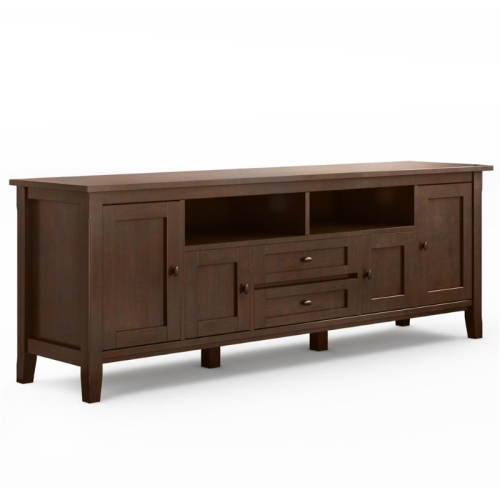 Your price for this item is $1535.26
 -
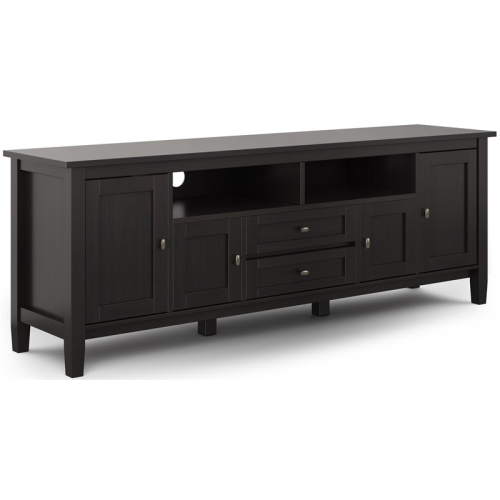 Your price for this item is $1505.85
 -
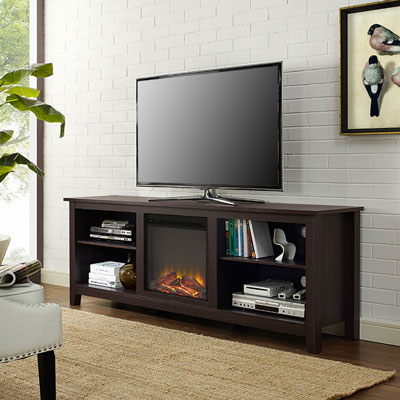 Your price for this item is $689.99
 -
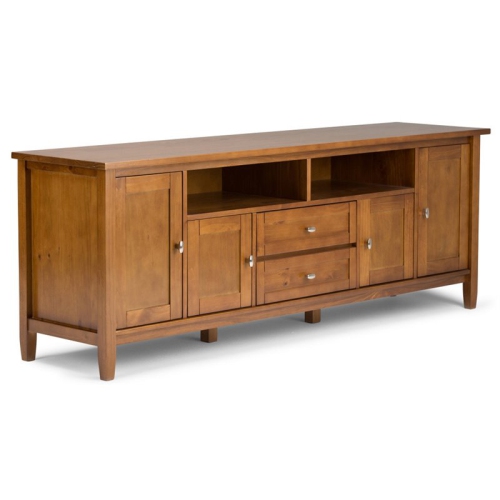 Your price for this item is $1522.01
Discover more categories related to Sony TV Stands
Top Collections:
Pokemon Centers, Kindle Devices, Best Budget Office Chairs, Apple iPhones 16, Best Laptops for Writers, iPhone 15 Apple, Canon G7X Cameras, Refurbished Apple Laptops, Alarm Clock, Motorola Razr Phones
Some products may be subject to Environmental Handling Fees
(EHF) depending on your province.
Learn more about EHFs.