LG TV Stands
Enhance your home entertainment setup with the perfect LG TV stand to complement your space. Whether you're looking to organize your living room or create a sleek focal point for movie nights, an LG TV stand offers both style and functionality. Browse a variety of options designed to support your television while providing ample storage for media devices, gaming consoles, and accessories. Find the ideal solution to showcase your LG TV and elevate your viewing experience.
Sort






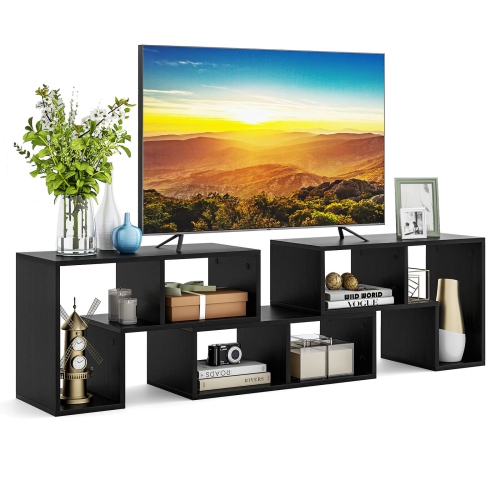
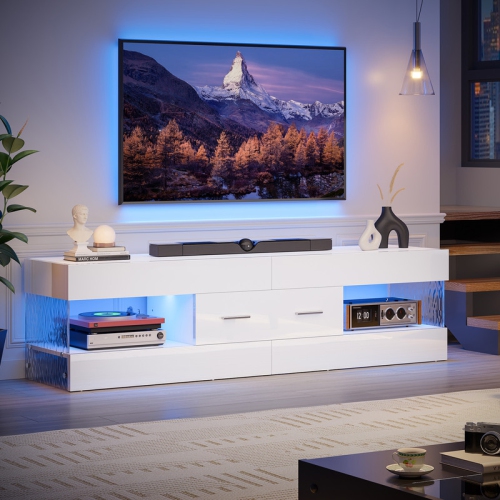

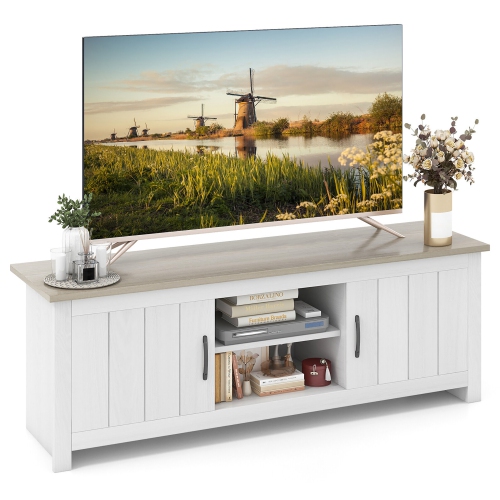
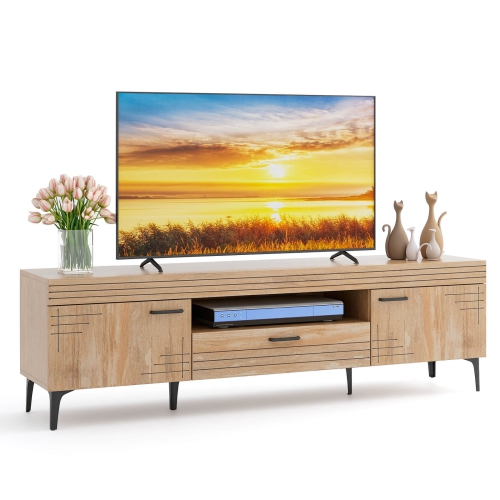
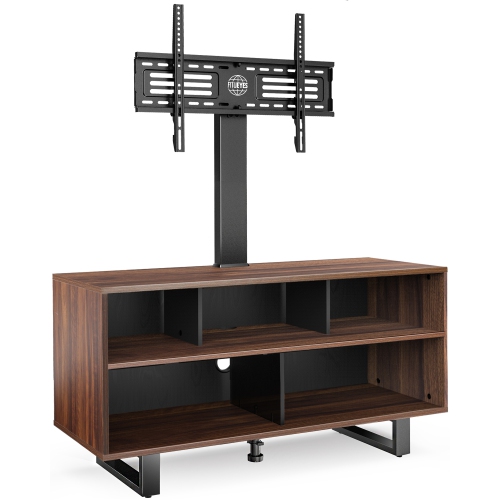
Why TV stand compatibility goes beyond screen size
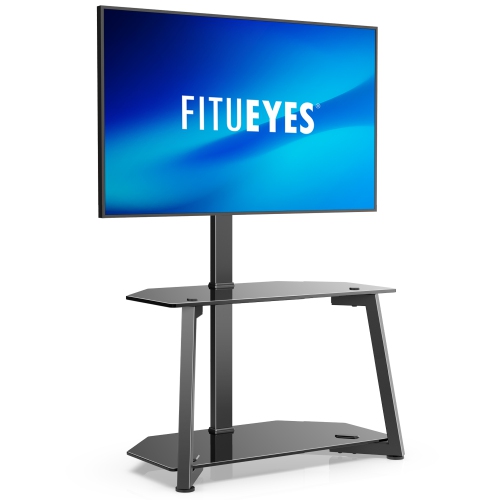
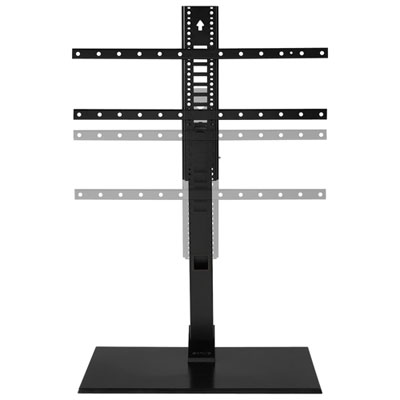
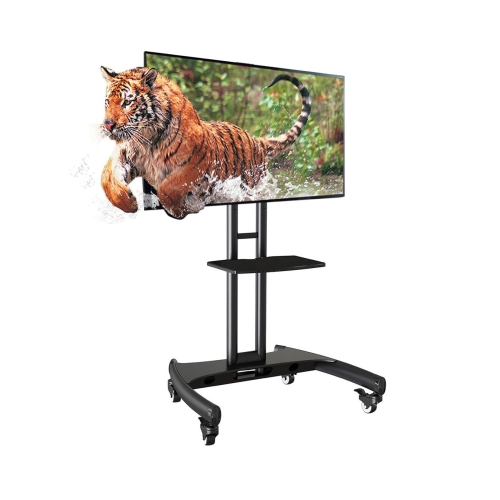
Replacement TV legs, pedestal bases, and freestanding TV stands serve different purposes, and a suitable fit depends on the television’s exact model, mounting points, dimensions, and weight. Original-style replacement feet usually attach to designated points underneath the screen, while many universal tabletop stands connect to mounting holes on the back. A floor stand supports the television independently of a media console, and a furniture-style TV stand provides a surface for the television’s existing base. These distinctions matter when replacing missing legs after a move, giving a screen a more compact footprint, or arranging a viewing area without wall mounting. A manufacturer’s name and the screen size alone do not establish compatibility: televisions with similar names or dimensions can use different attachment points, screw requirements, and base designs. The full model reference, including any relevant suffix, provides a more reliable basis for checking a replacement. For stands that attach to the rear of the television, compatibility commonly involves the VESA mounting pattern, expressed as the horizontal and vertical distances between mounting holes in millimetres. Both that pattern and the stand’s stated weight capacity need to suit the television, along with any other model-specific requirements. Curved backs, recessed mounting holes, and the position of connection panels can also affect whether a mounting plate and its hardware fit properly. Screw diameter, thread, and engagement depth must match the requirements of the television and stand; screws that appear similar are not necessarily interchangeable. Replacement legs may also be designated for a particular side, making a correctly matched pair important. Screen dimensions remain relevant beyond the advertised diagonal measurement. A wide screen can extend well beyond a narrow pedestal, so its overall width, the base depth, and the clearance around nearby furniture all influence how comfortably it fits into a room. A centre pedestal can offer a different footprint from widely spaced feet, but its suitability still rests on the complete fit and load specifications.
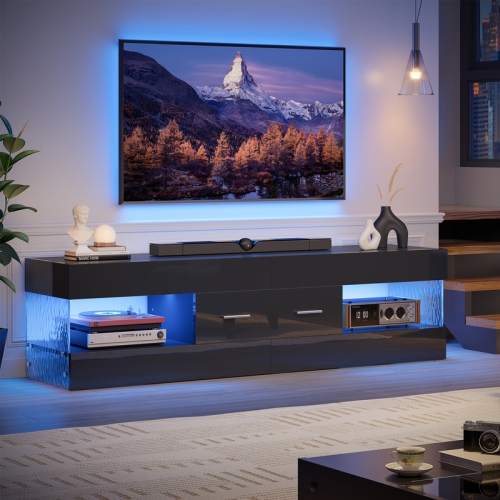
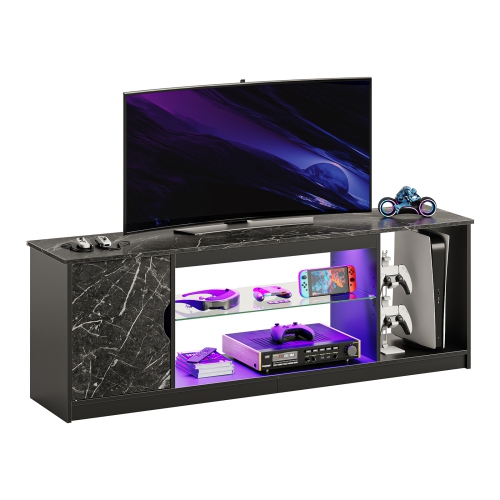
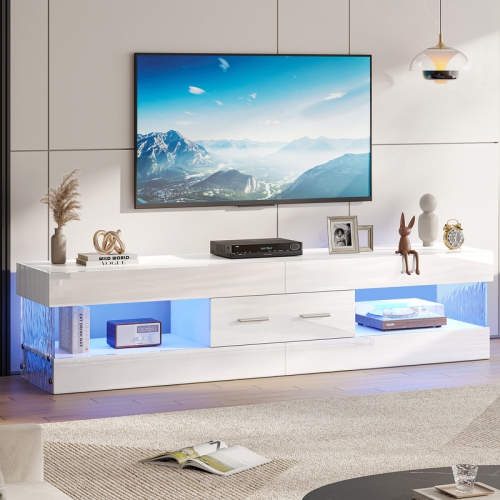
Materials and construction shape how a TV stand looks, feels, and holds up to everyday use. Steel and aluminium components are common in mounting frames and support columns, while furniture-style stands may combine solid wood, wood veneers, engineered wood, laminates, metal, or glass. A metal frame can provide a slim profile, and a wood-finished console can help a television sit comfortably alongside bookcases, side tables, and other living room furniture. The finish also affects routine care: textured surfaces, glossy panels, exposed edges, and glass shelves each show dust or fingerprints differently. Tempered glass should still be treated according to its stated load limits and care instructions rather than assumed to tolerate any television or accessory. For a console, the usable top surface and weight rating matter as much as its overall dimensions. The television’s feet or pedestal should be fully supported, with no part of the base hanging over an edge. A level, stable surface is essential, and compatible anti-tip restraints installed according to the manufacturers’ instructions are an important consideration, particularly in homes with children or pets. Room layout adds another layer to the fit. A lower console may suit a sofa-based viewing area, while an adjustable pedestal can help position a screen for different seating arrangements. The useful height is the one that allows comfortable viewing from the seats that are actually used, rather than simply placing the screen as high as possible. Soundbars need space too: the gap beneath the screen should accommodate the speaker without covering the picture, blocking the television’s remote-control sensor, or interfering with the stand. Nearby walls, shelving, and cabinet doors can limit swivel movement even when the mount itself allows it. Ventilation openings and cable connections also need clearance, especially where a media console holds a receiver, gaming console, or other equipment behind the screen.
Everyday convenience often comes down to details that are easy to overlook until the television is in place. Cable channels, clips, and openings can help keep power cords and signal cables together, reducing the tangle visible beneath a screen. Cable routing should leave enough slack for any permitted swivel or height adjustment without pulling on connections, pinching cords, or creating a trip hazard across a walkway. Access to ports is useful for households that regularly connect a laptop, change gaming equipment, or move a streaming device between rooms. Open shelves can make equipment easier to reach, while enclosed storage keeps controllers, remotes, and other small accessories out of sight; either arrangement needs to respect the ventilation requirements of the equipment inside. A compact tabletop base may suit an apartment living area, a bedroom, or a smaller entertainment corner, while a larger console can provide storage for a shared family room. Freestanding floor designs can be useful where suitable furniture is absent or wall mounting is impractical, although their footprint and intended placement still need to work with everyday movement through the room. For households furnishing separate television areas, Samsung TV Stands provides a related category to browse, but replacement bases and mounting hardware should never be assumed interchangeable between televisions. Long-term care is generally straightforward when it follows the stand’s material-specific instructions. A soft cloth helps remove dust, spills should be addressed promptly, and abrasive cleaners can damage finishes or coatings. Hardware and attachment points deserve periodic attention, particularly after the television has been moved or adjusted. A stand can also be a practical housewarming gift or an addition to a first apartment, provided the recipient’s television model and room measurements are known in advance. Across these uses, dependable support, appropriate proportions, accessible connections, and a finish that suits the surrounding furniture are the details that make a stand useful well beyond the initial setup.
Top selling and popular products
-
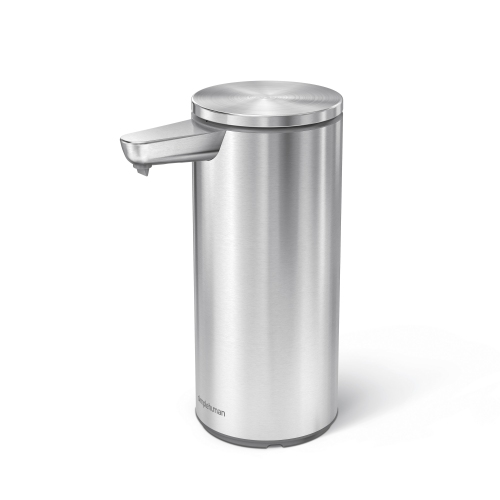 Your price for this item is $70
-
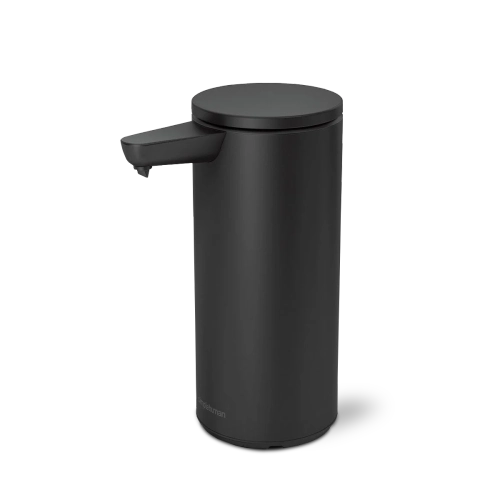 Your price for this item is $80
-
 Your price for this item is $80
-
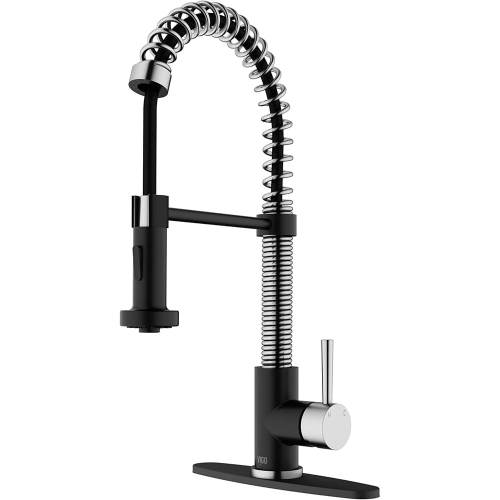 Your price for this item is $426.55
-
 Your price for this item is $300
-
 Your price for this item is $120
-
 Your price for this item is $120
-
 Your price for this item is $135
Discover more categories related to LG TV Stands

Top Collections:
Best Black Friday Deals This Year, Best Black Friday Deals On Electronics, Kindle Devices, Best Black Friday Deals On Apple Products, Best Budget Office Chairs, Best Cameras for Sports Photography, Dyson Airwrap, Canon G7X Cameras, Best Laptops for Writers, Samsung Galaxy Phones
Some products may be subject to Environmental Handling Fees
(EHF) depending on your province.
Learn more about EHFs.