Family Room TVs
The family room is the heart of your home, where you entertain, watch TV, and spend quality time with friends and family. It's also the room where you can most easily create a sense of space and style. With that in mind, it's important to choose the right TV for your family room. Here are a few suggested products to help you find the perfect television for your needs.
Sort
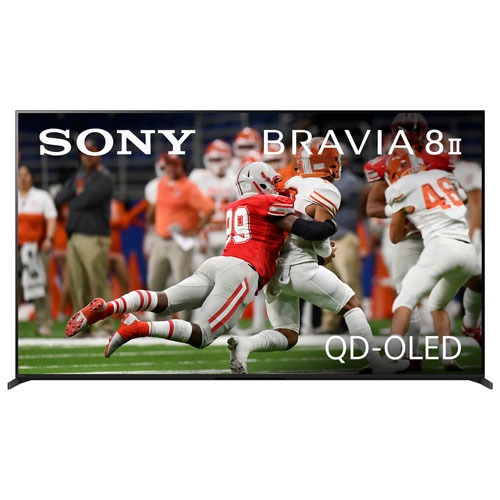



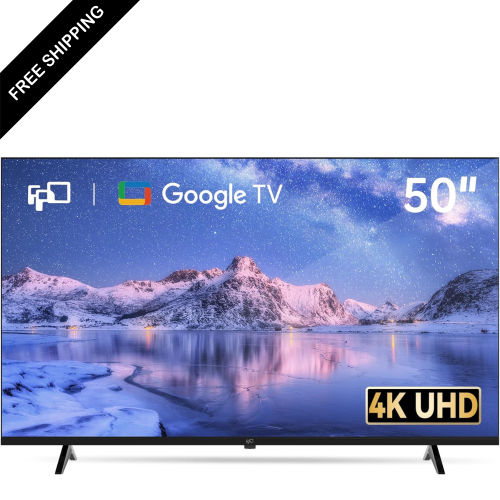











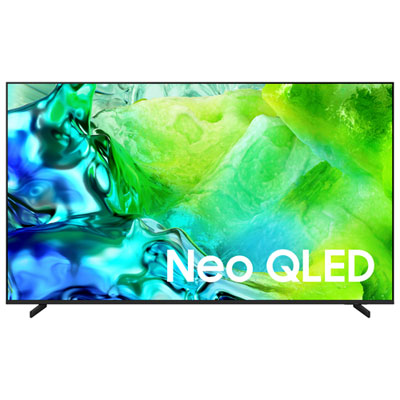
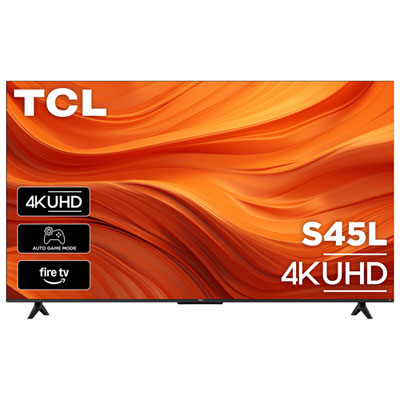




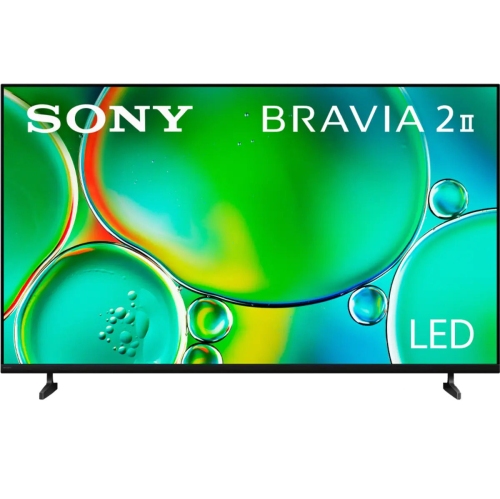

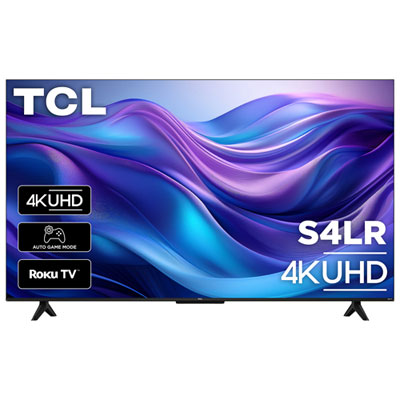





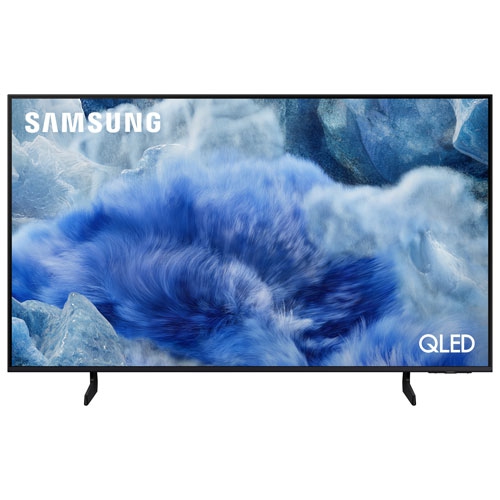
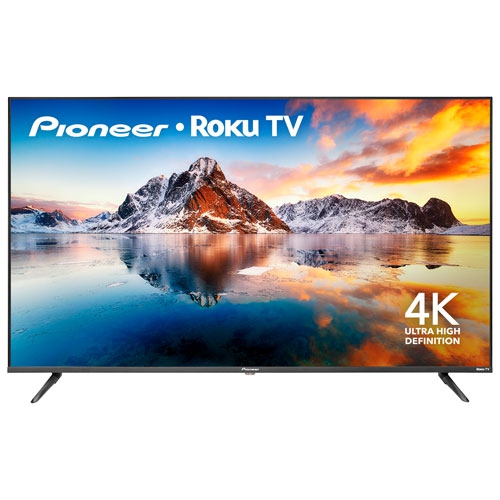


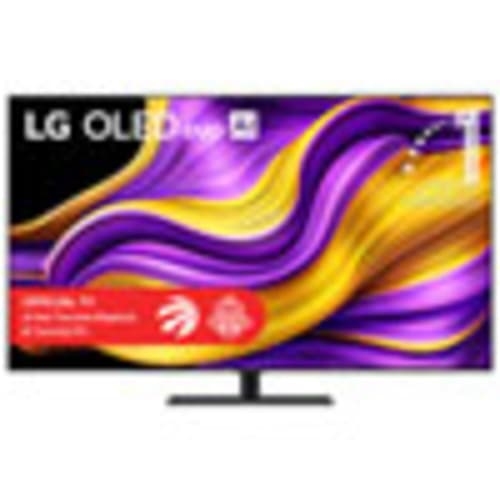

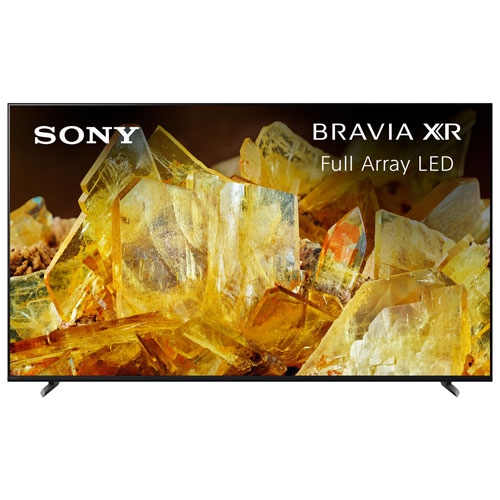

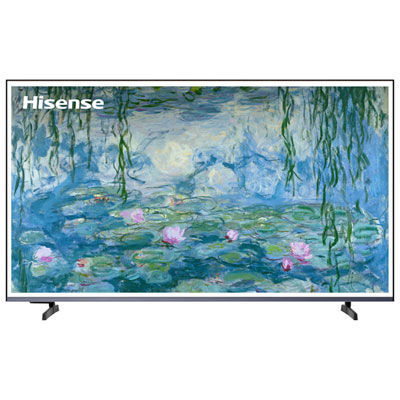
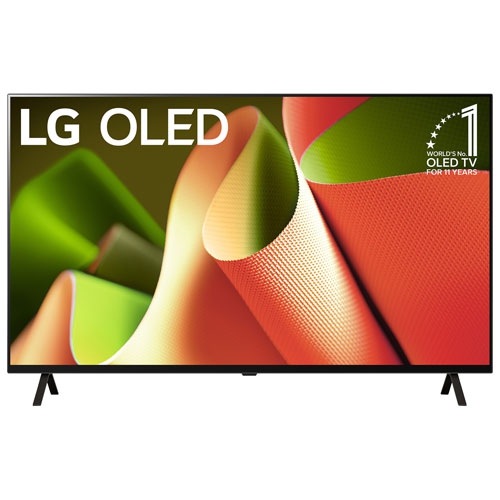



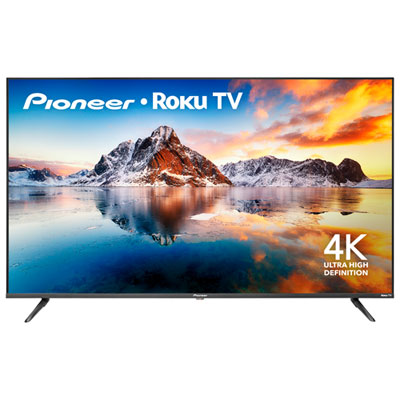


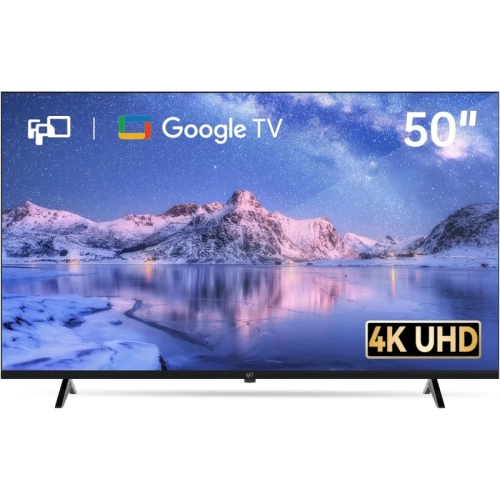








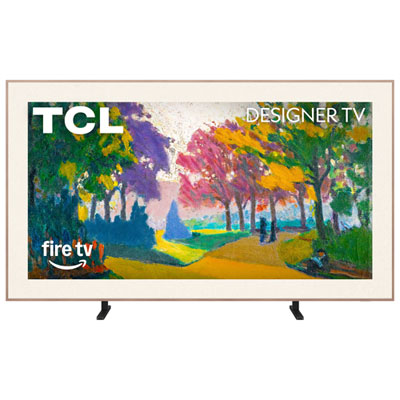


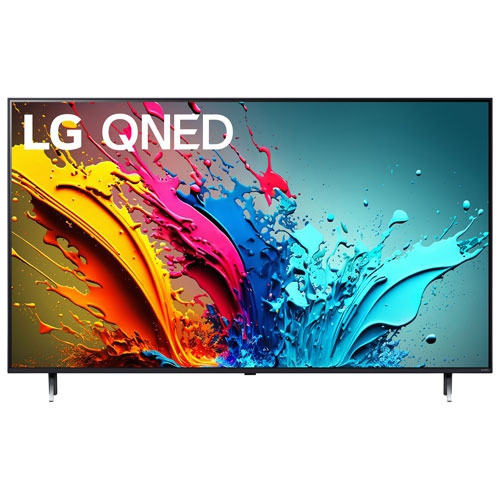

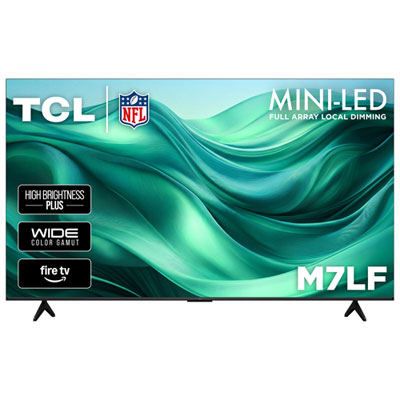
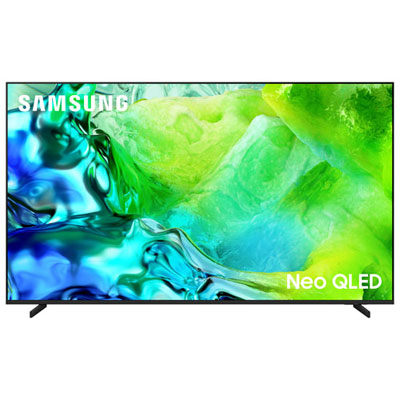
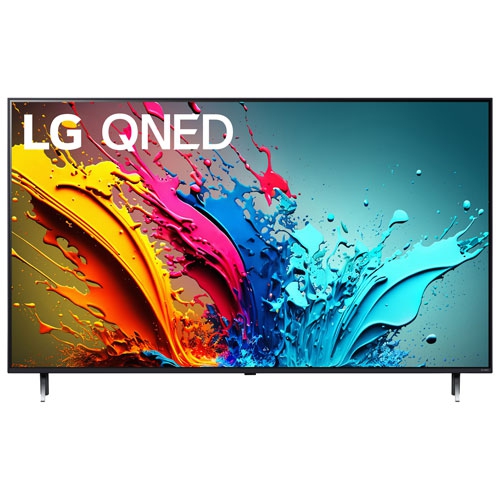


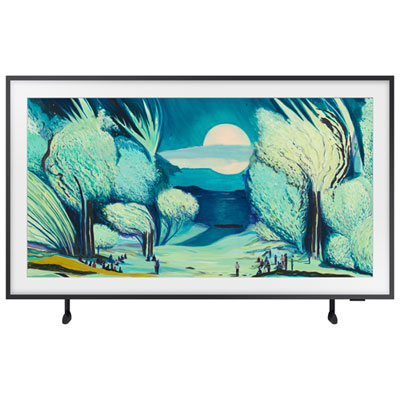
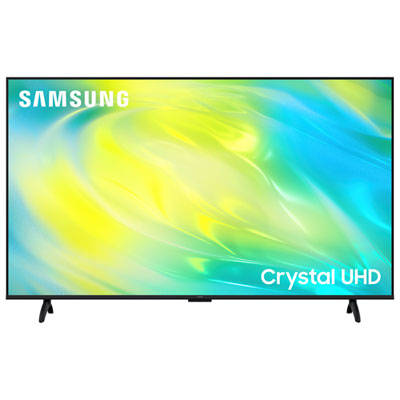


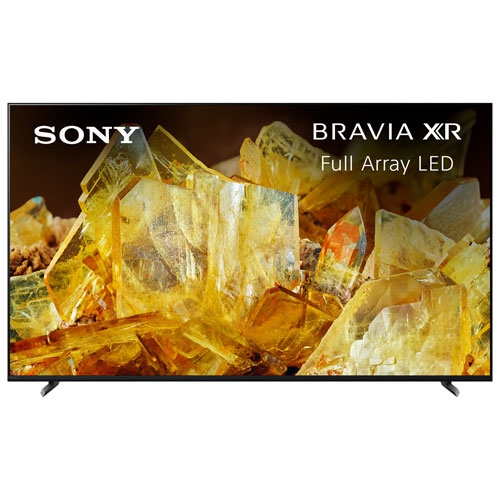
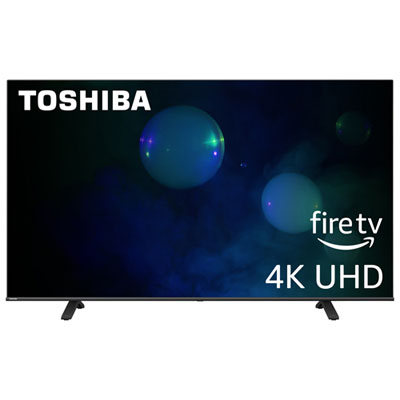
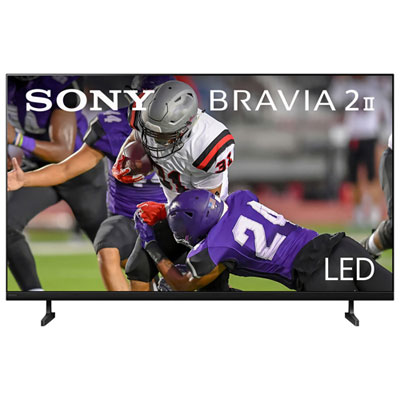




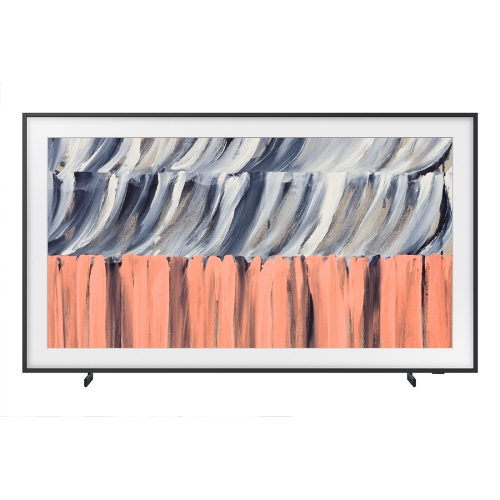
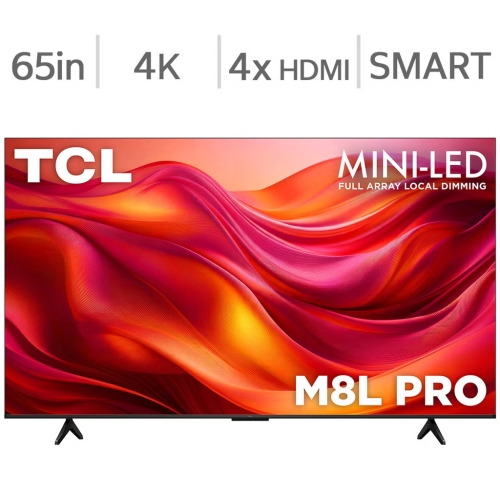
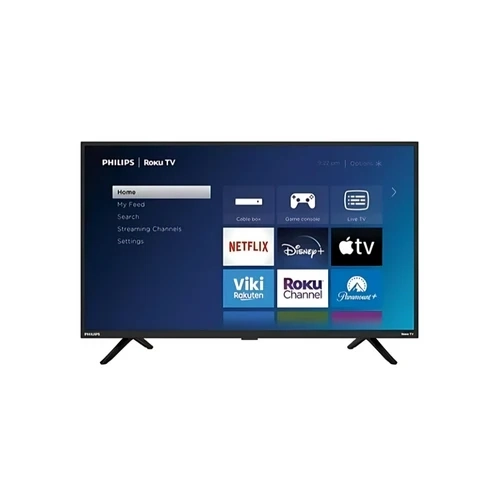
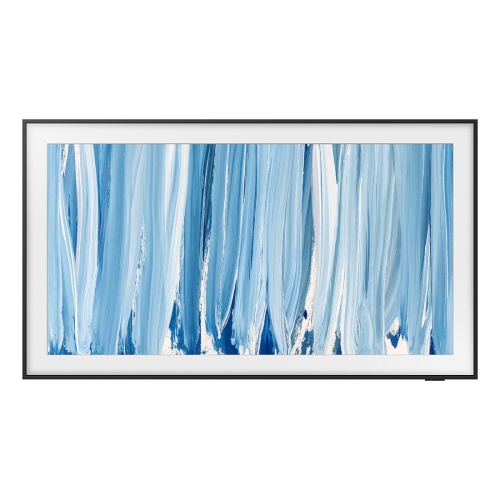

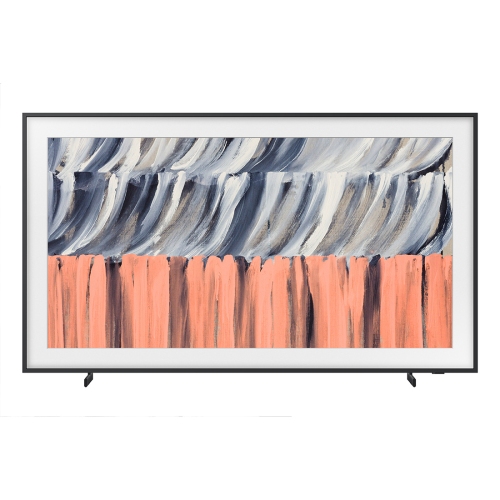
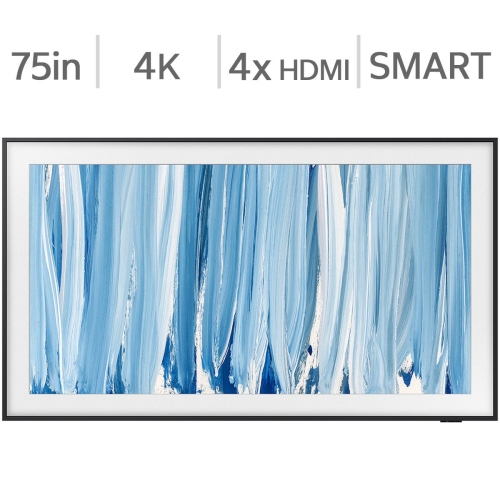
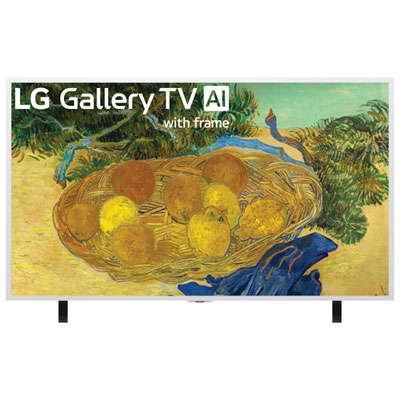
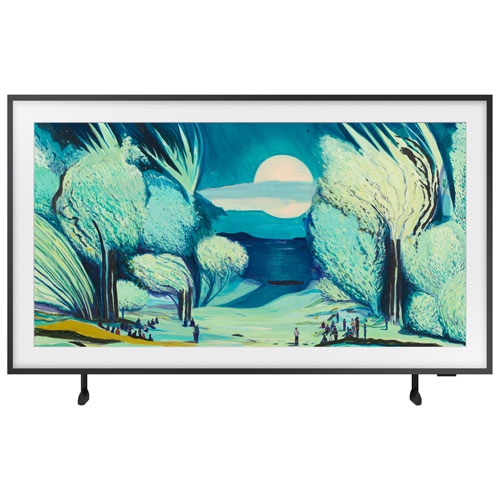
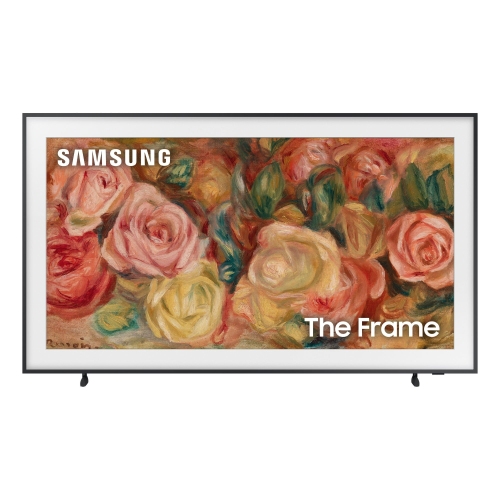

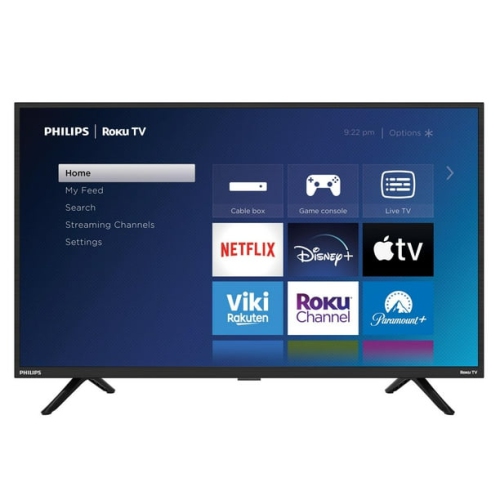

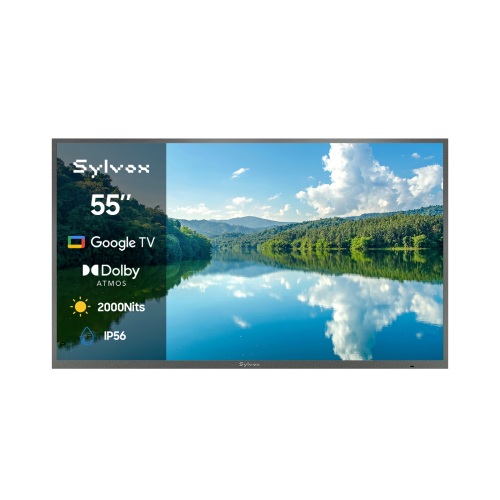

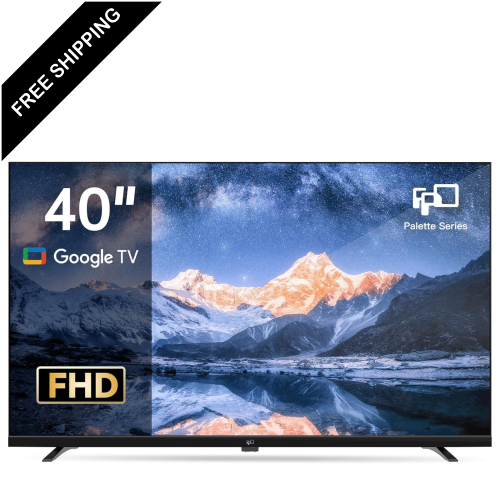
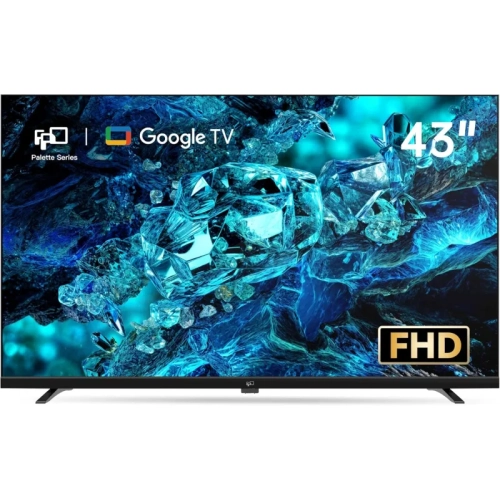






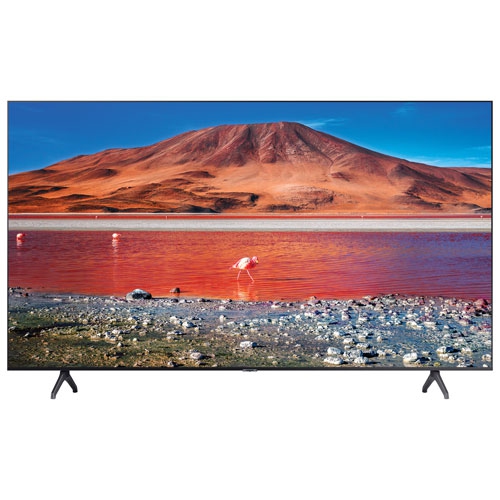



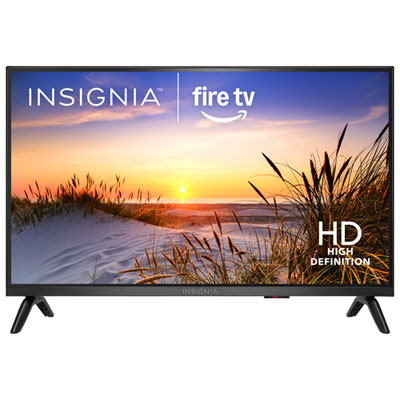
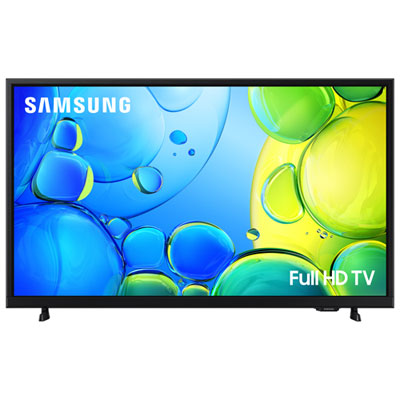


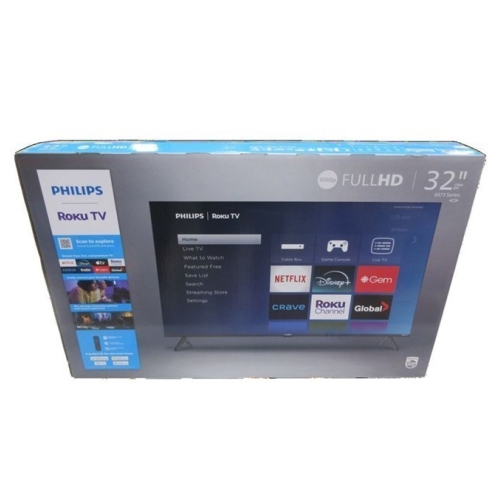
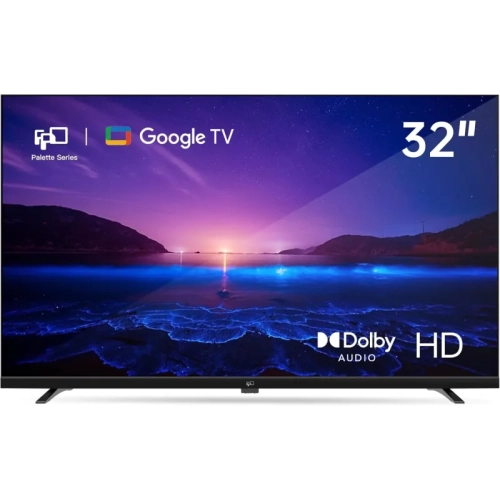
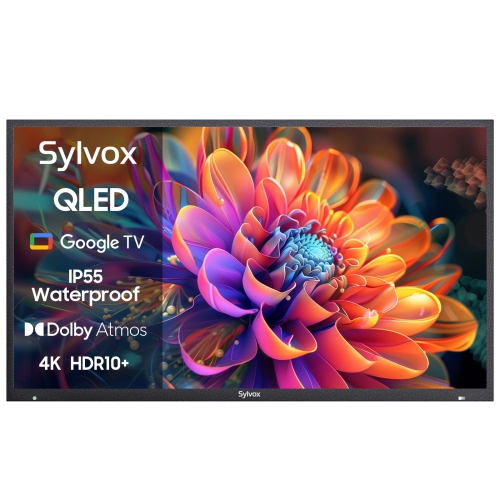
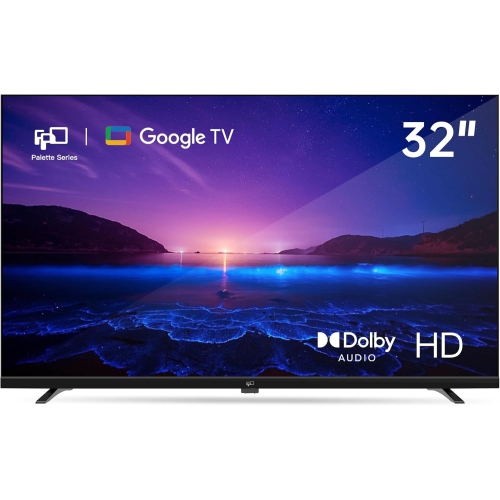







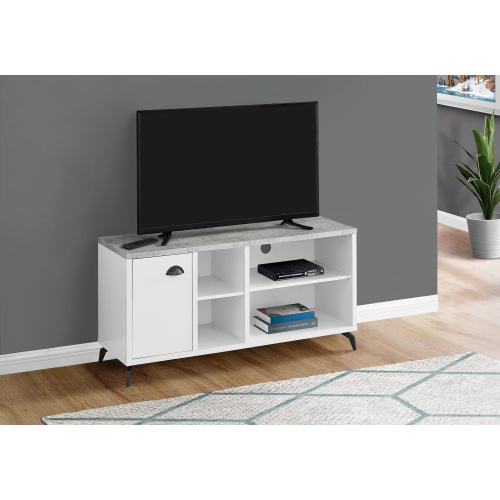
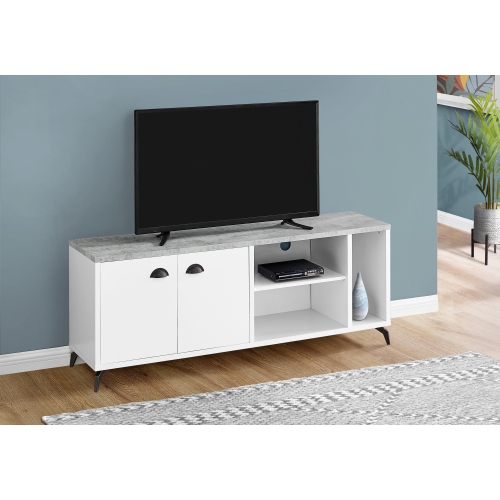
TVs that fit your room and viewing habits
Family room TVs bring together the different ways a household spends time in a shared space, from children’s programmes after school to live sports, console games, and a film everyone agrees on. The most comfortable setup feels just as natural for one person catching up on a series as it does for a sofa full of viewers. Screen size matters, but so do the room’s layout, the distance from the seats, and the positions people actually use. A 55-inch screen can feel generous in a compact seating area, while 65-inch, 75-inch, and larger TVs can make on-screen details easier to see across a more spacious room. Screen measurements run diagonally, so the television’s actual width, height, and stand footprint are separate considerations when fitting it into an existing media unit. A larger screen should leave enough room for nearby shelves, speakers, and clear walkways rather than overwhelming the furniture around it. Viewing distance is also a matter of comfort: closer seating makes a wide screen more immersive, while seats farther back can make small captions and scoreboards harder to read. In rooms with an L-shaped sofa or chairs set off to the side, picture quality from an angle can matter as much as the view from directly in front. Windows and lamps deserve attention too, since a reflection across the middle of the picture can be distracting even on a bright display. A screen positioned away from direct reflections, at a height that keeps the centre near seated eye level, makes everyday viewing more relaxed. Slim frames and restrained finishes help a television sit comfortably alongside bookshelves, family photos, and other furnishings. For spaces that balance everyday living with shared entertainment, TVs For Family Entertainment Rooms can anchor the seating area without making every activity revolve around the screen. Stable furniture, sufficient ventilation, and secure cable routing complete a setup that feels practical for a busy household.
Display technology shapes how family room TVs handle everything from a bright animated adventure to the shadowy details in a mystery series. QLED televisions use quantum dots with an LCD panel and an LED backlight to produce colour, while Mini-LED refers to smaller backlight LEDs that can provide more precise control of bright and dark areas. These features can appear together in the same television. Strong brightness can help keep pictures visible in rooms with plenty of daylight, although reflection handling still matters. OLED televisions light each pixel individually, allowing dark areas to remain deeply black beside bright highlights without a separate backlight. That contrast can be especially striking for films watched with the room lights lowered. Neither display label tells the whole story: viewing angles, screen reflections, processing, and picture settings all affect the result in a real family room. A 4K screen provides 3840 by 2160 pixels, supporting fine detail in compatible films, shows, and games. Upscaling helps lower-resolution video fill that screen, though it cannot fully recreate detail missing from the original source. High dynamic range, usually shortened to HDR, can bring out a broader range of highlights and shadows when both the content and television support it; the screen’s brightness and contrast determine how noticeable that effect becomes. Motion handling matters for a hockey puck crossing the ice, a quick camera pan, or a fast-paced racing game. A native 120 Hz panel can offer advantages for compatible gaming and motion performance, but advertised motion ratings are not always the same as the panel’s actual refresh rate. Low input lag helps games respond promptly to controller movements, while variable refresh rate can reduce tearing with compatible equipment. Support for these features can differ between HDMI inputs. For mixed household viewing, a natural-looking picture, readable text, and consistent colour across the seating area often matter more than an exaggerated showroom setting. Separate picture settings for films, sports, and games can also make a shared television more adaptable without requiring constant adjustments.
The everyday appeal of a family room television extends beyond its picture to the small interactions that happen whenever someone picks up the remote. A clear home screen, responsive menus, and easy access to frequently used apps make it simpler to move between a children’s show, a live broadcast, and a saved film. Smart TV platforms differ in their app support, account requirements, and controls, so compatibility with the household’s streaming services and connected devices is an important part of the fit. Separate profiles and parental controls can help tailor access where supported, although controls within individual apps may need their own settings. Caption options, dialogue enhancement, and accessible menus can make shared viewing more comfortable for people with different hearing or vision needs. Clear speech is particularly valuable in a room where conversation, toys, or activity in an adjoining kitchen compete with the soundtrack. Built-in speakers may suit casual viewing, while a sound bar or separate audio system can add fuller sound and clearer dialogue. An HDMI connection with eARC can carry compatible audio between the television and a suitable sound system, and enough accessible inputs help accommodate a game console, media player, and other equipment without repeated cable swapping. Reliable Wi-Fi supports convenient streaming, while a wired network connection can be useful where wireless reception is inconsistent. Physical construction also affects long-term usability. Thin panels need careful handling, and plastic or metal frames do not make the display surface resistant to pressure or impact. A wall mount must match the television’s mounting pattern and weight, with fixings suited to the wall structure; a tabletop setup needs a stable surface and appropriate anti-tip protection, especially around children or pets. Keeping vents unobstructed helps the television operate as intended. For routine care, a clean, dry microfibre cloth and light pressure are generally suitable, with the manufacturer’s instructions taking priority and liquids never sprayed directly onto the screen. These practical details help a family room TV remain easy to use, comfortable to watch, and well suited to the routines of a shared home.
Top selling and popular products
-
 Your price for this item is $479.99
-
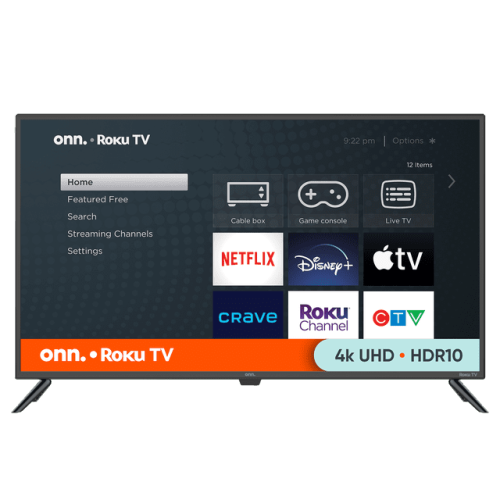 Your price for this item is $347.99
-
 Your price for this item is $1599.99
-
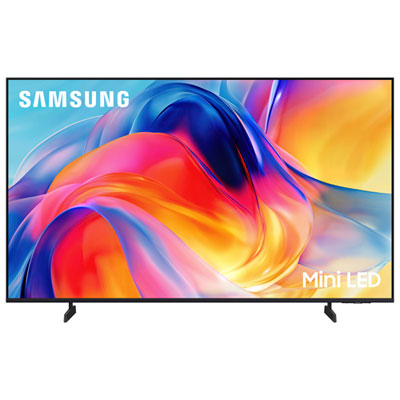 Your price for this item is $799.99
-
 Your price for this item is $499.99
-
 Your price for this item is $1999.99
-
 Your price for this item is $1999.99
-
 Your price for this item is $1999.99
Discover more categories related to Family Room TVs


Top Collections:
Best Black Friday Deals This Year, Best Black Friday Deals On Electronics, Kindle Devices, Pokemon Centers, Best Black Friday Deals On Apple Products, Best Cameras for Sports Photography, Dyson Airwrap, Pokémon 30th Celebration Cards, Apple iPhone 17 Pro, Canon G7X Cameras
Some products may be subject to Environmental Handling Fees
(EHF) depending on your province.
Learn more about EHFs.