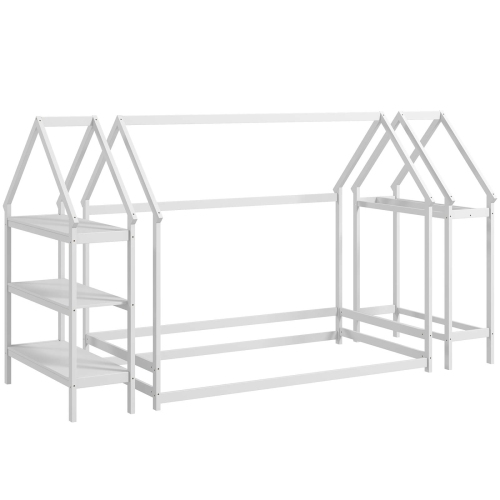
Twin Size Beds

Twin size beds offer a compact sleeping space for one, making them a practical choice for children’s rooms, guest rooms, and smaller bedrooms. Browse twin bed options with your room layout in mind, and check each model’s overall dimensions, mattress compatibility, and support requirements to find the right fit.

Read More

Sort

Full-length comfort without crowding a smaller bedroom

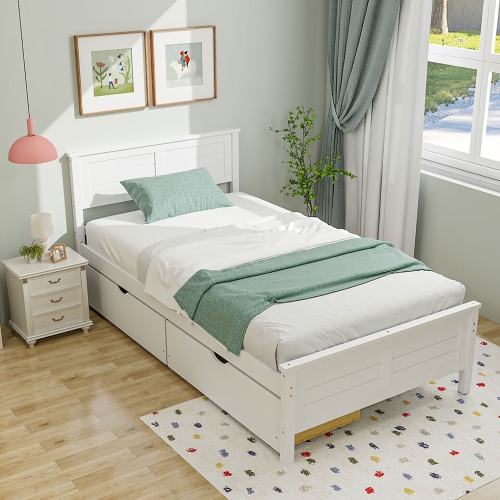
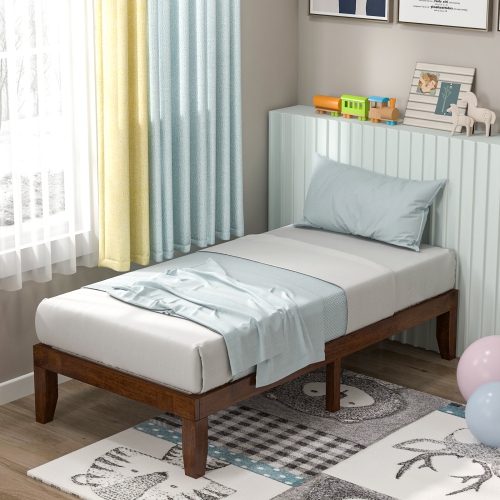
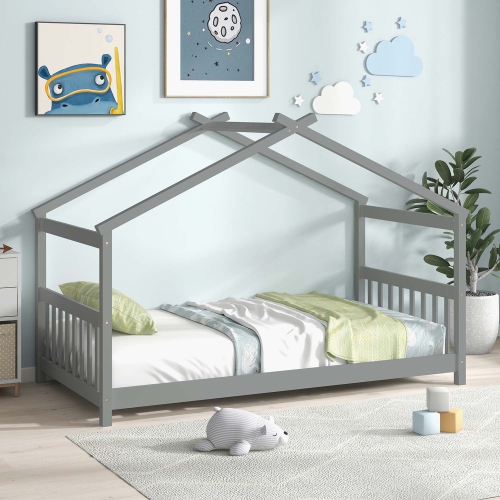
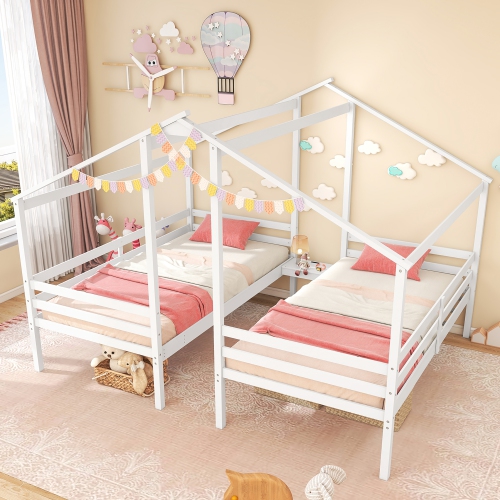
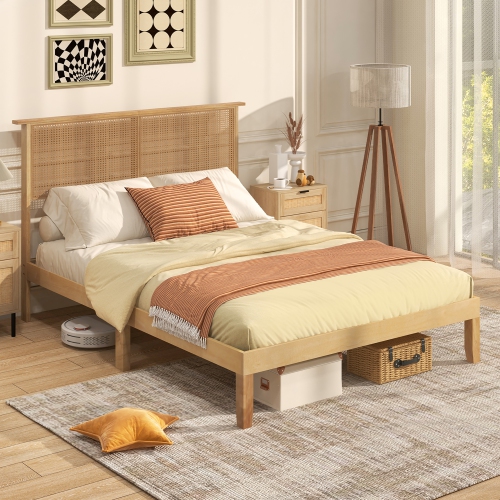
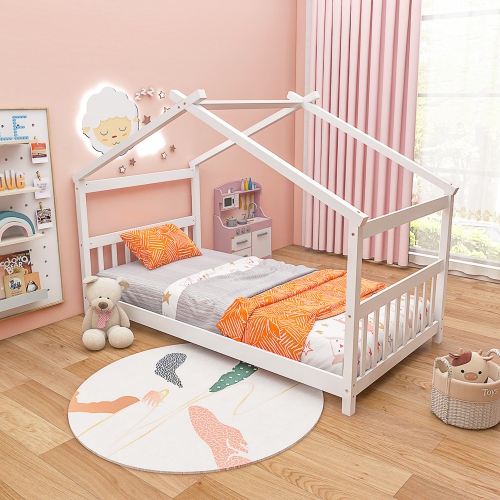
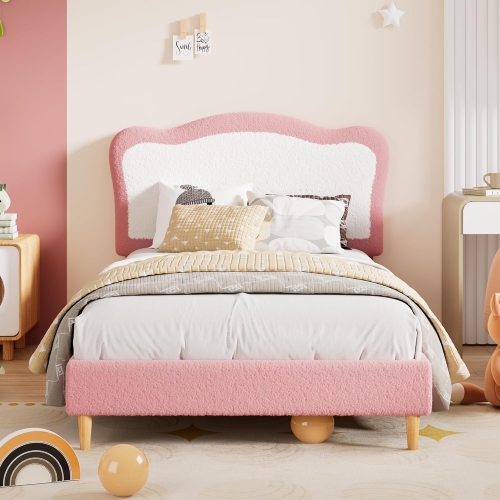
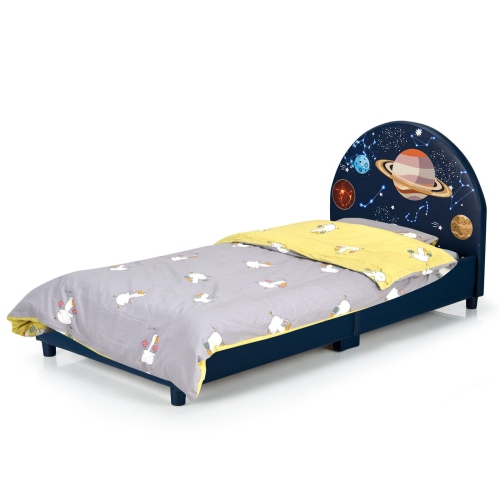
Twin size beds bring a full-length sleeping space to rooms where every bit of floor space matters. Often called single beds, they suit children moving beyond a toddler bed, teenagers furnishing a smaller bedroom, and adults who prefer a compact bed for solo sleeping. A standard twin mattress typically measures approximately 38 inches wide and 75 inches long, although exact dimensions vary by manufacturer. The bed frame’s outside measurements will be larger, particularly with a substantial headboard, upholstered sides, or a footboard. That difference matters when a bed needs to fit between a closet and a window or leave a clear path to a bedroom door. Twin XL beds are a separate size, usually designed for a mattress about 80 inches long, making the distinction important for taller sleepers and anyone coordinating an existing mattress with a new frame. In a child’s room, a twin bed can leave space for a play area, reading chair, or desk without making the sleeping area feel temporary. In a guest room, it can provide a dedicated place to sleep while preserving room for everyday activities. For shared bedrooms, Beds for Twins offers a related starting point when planning separate sleeping spaces for two children; twin size describes the mattress format rather than requiring a matching pair. Two beds positioned along opposite walls can give each sleeper a personal corner, while a shared bedside table may suit a narrower layout. The most comfortable arrangement leaves enough room to get in and out of bed, open drawers fully, and change fitted sheets without shifting heavy furniture. Bed height also affects everyday use: a lower sleeping surface may be easier for a child to climb onto, while some adults prefer a height that lets them sit with their feet resting comfortably on the floor. The combined height of the frame, mattress, and any required foundation determines that final position.

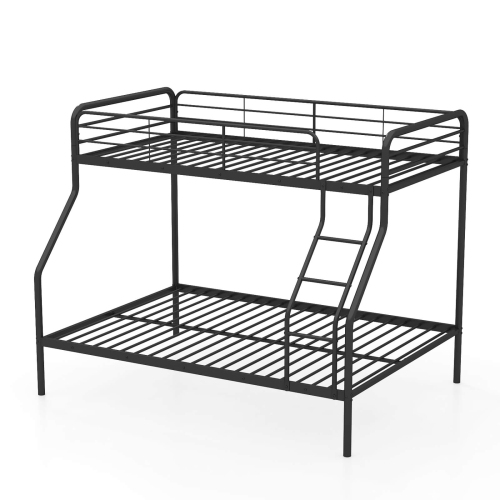
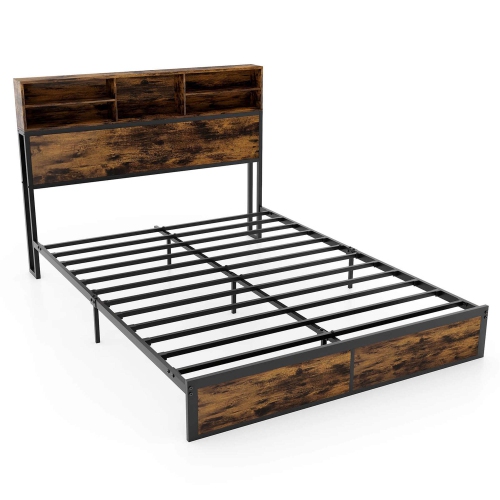
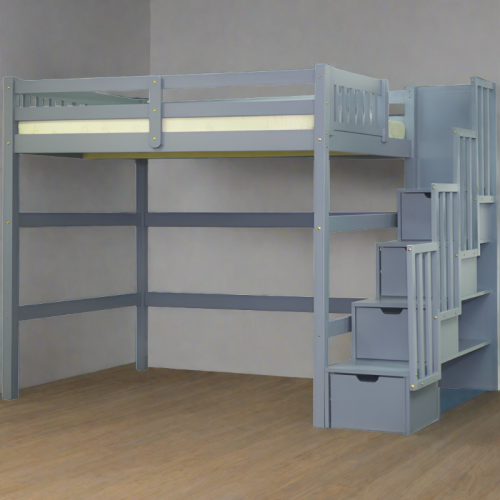
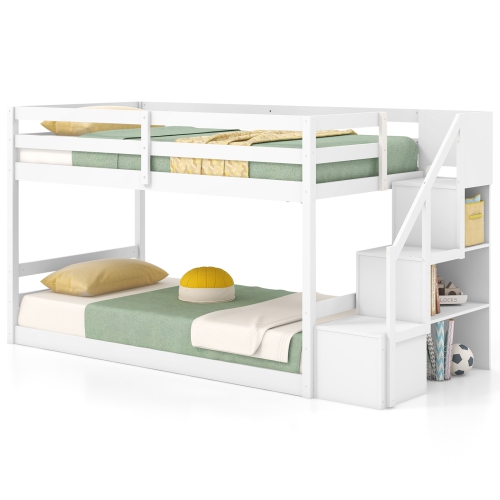
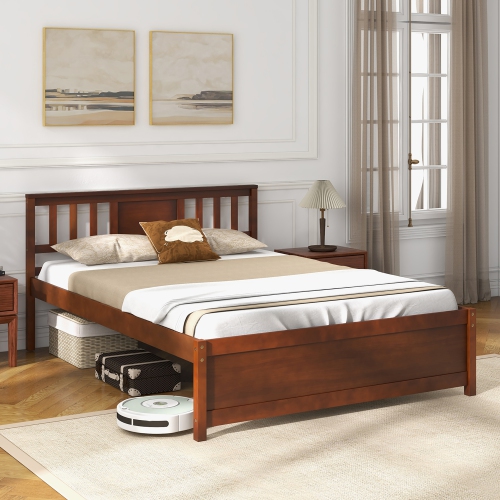
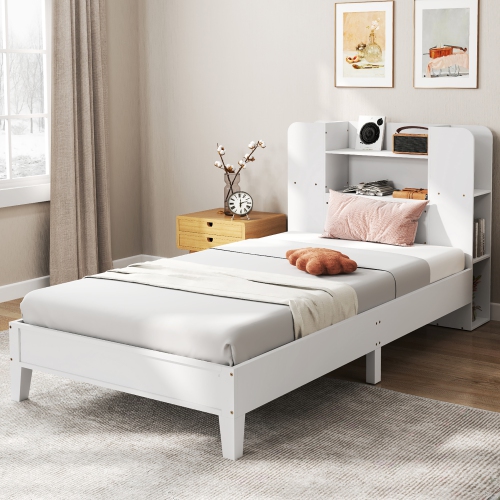
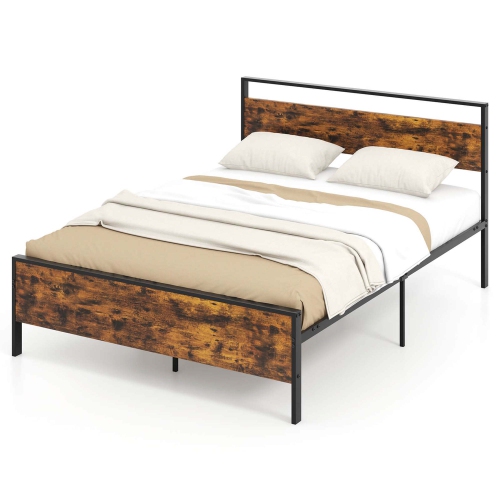
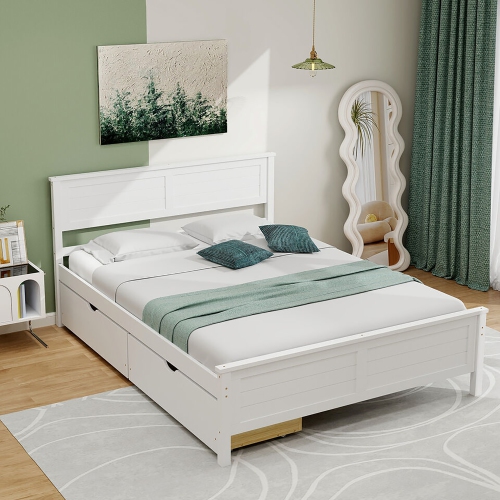
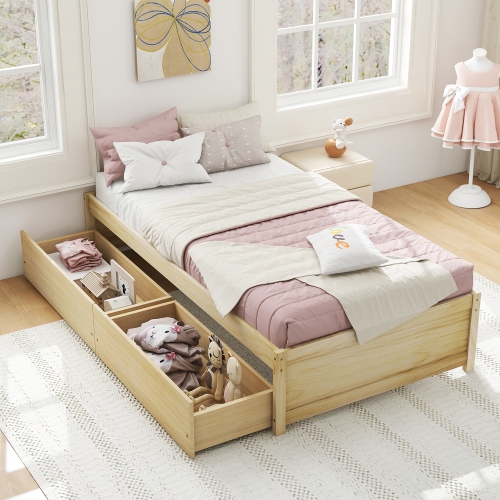
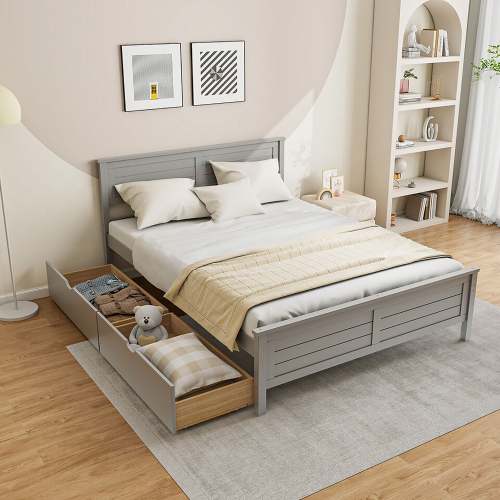
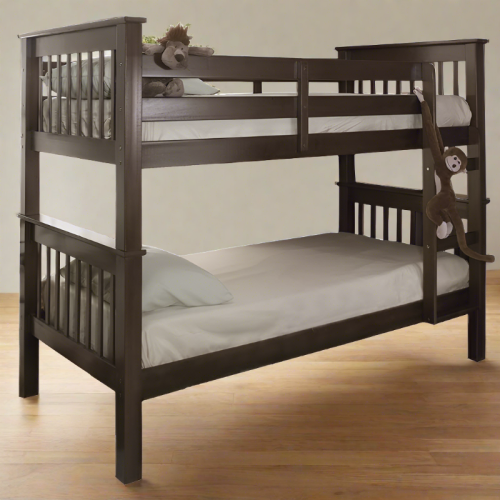
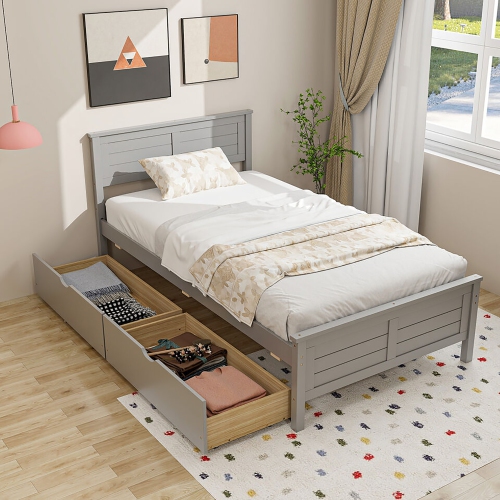
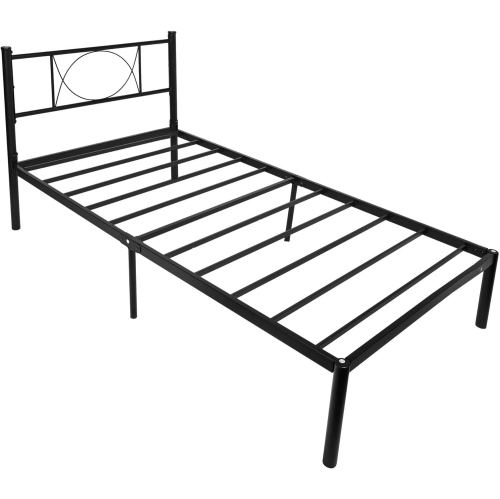
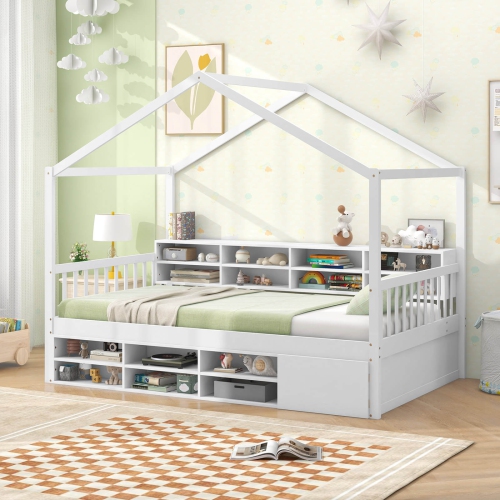
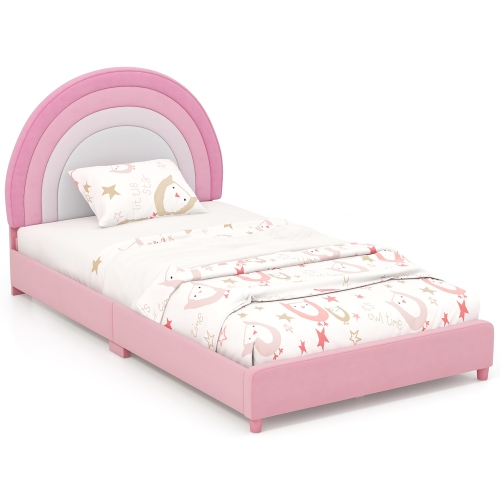
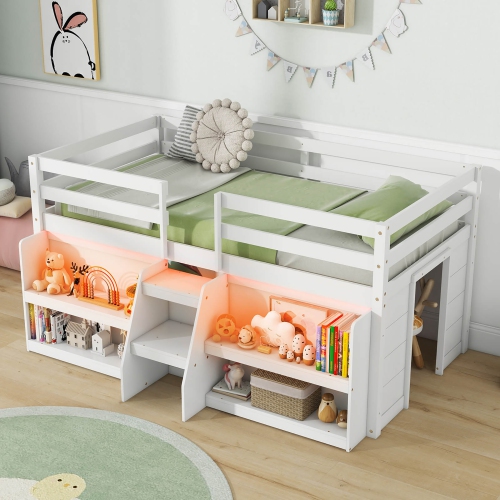
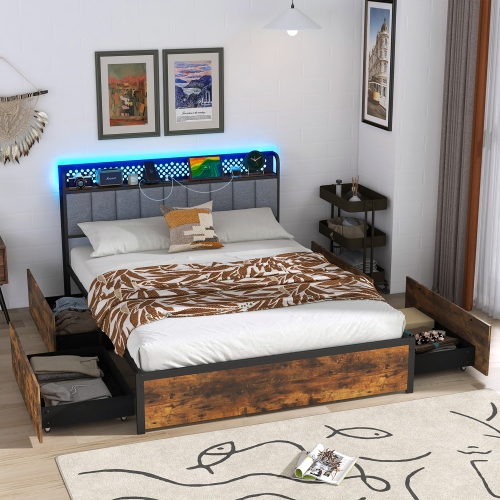
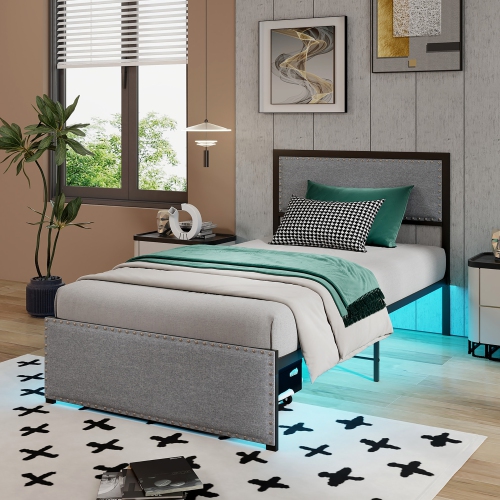
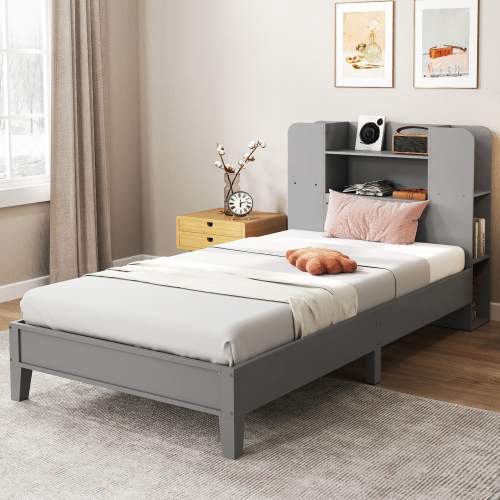
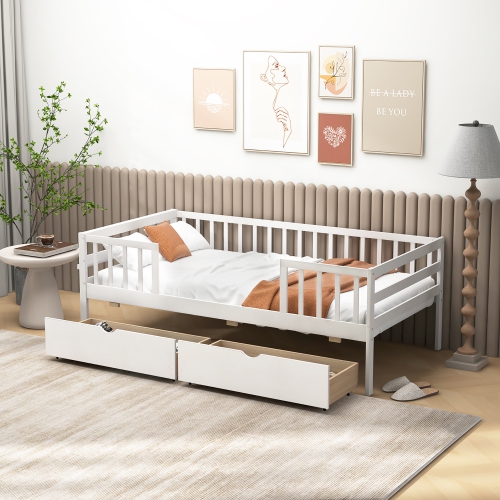
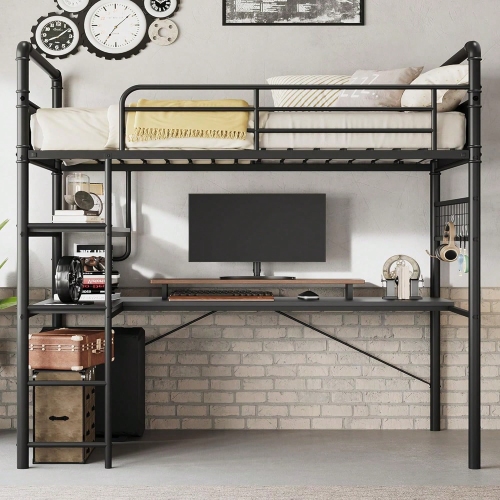
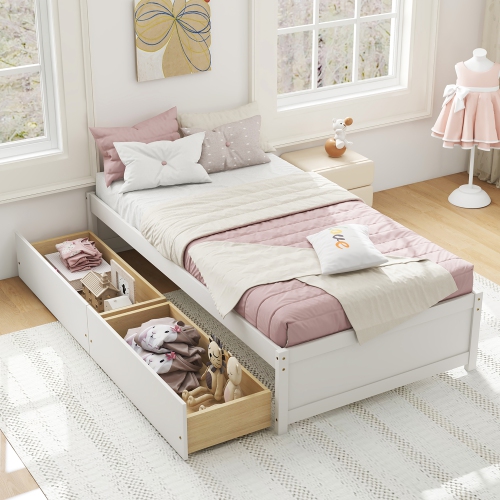
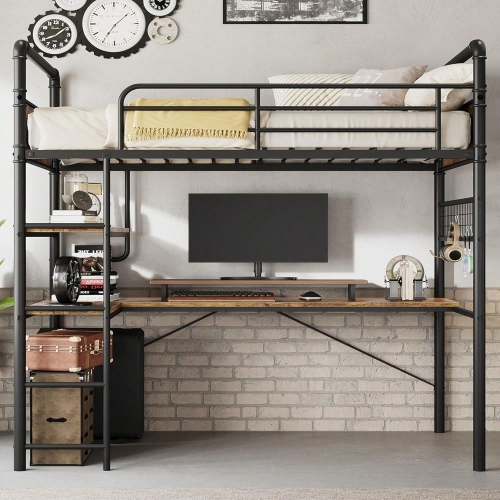
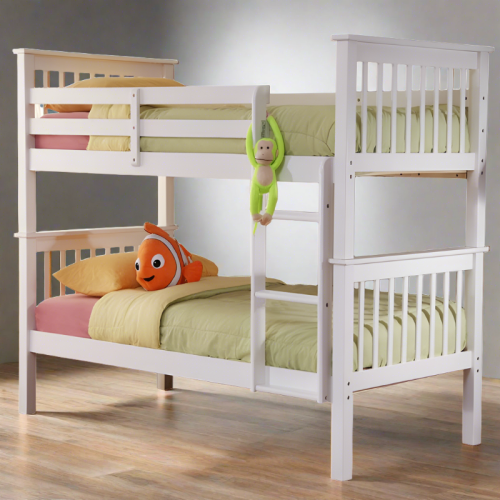
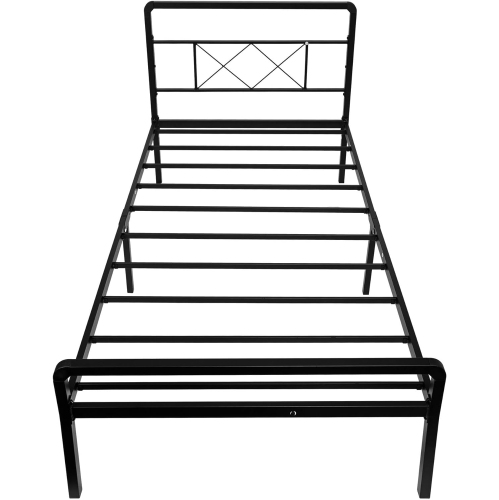
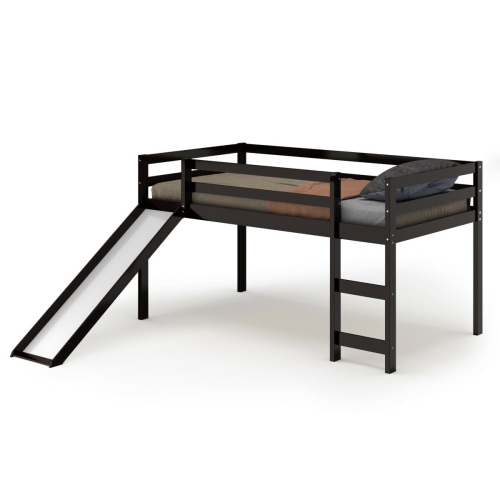
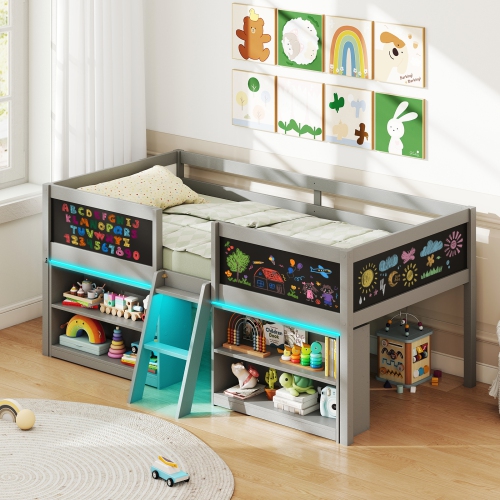
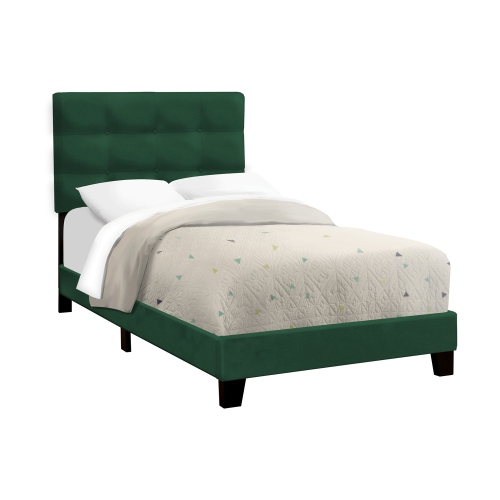
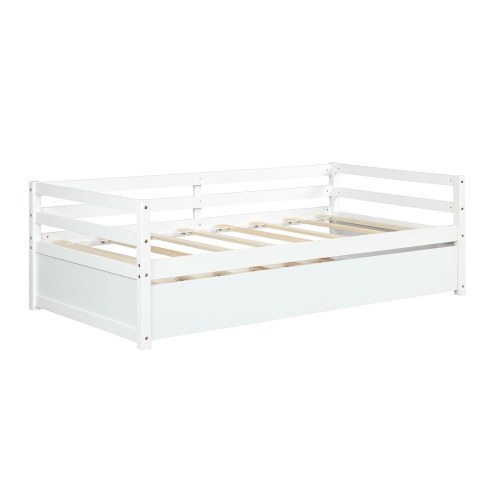
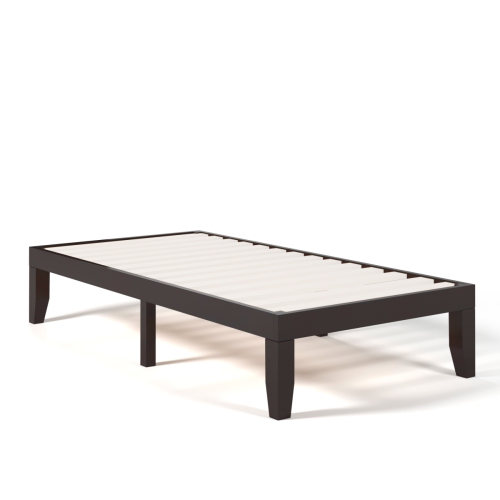
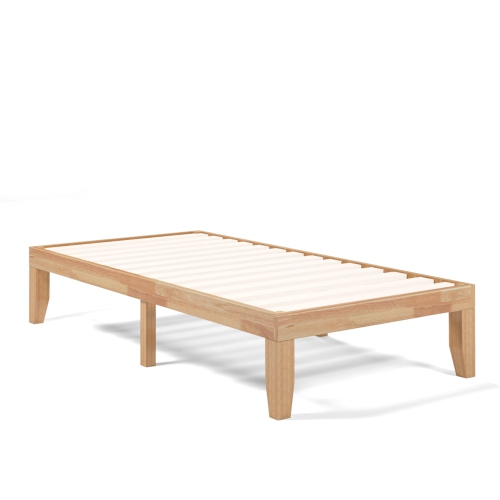
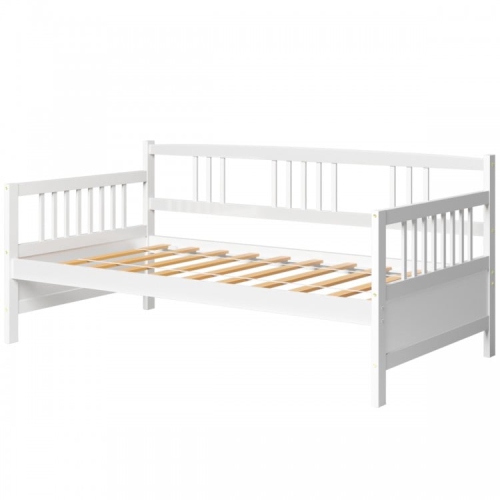
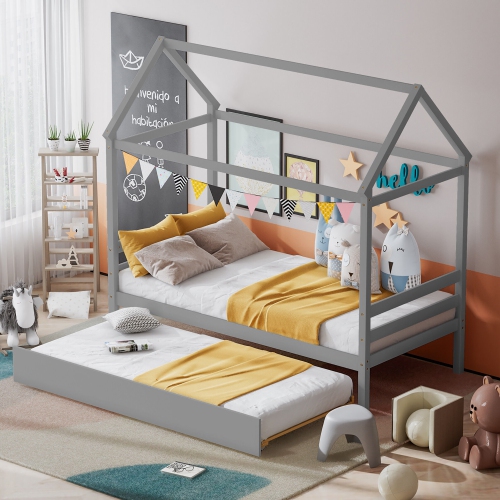
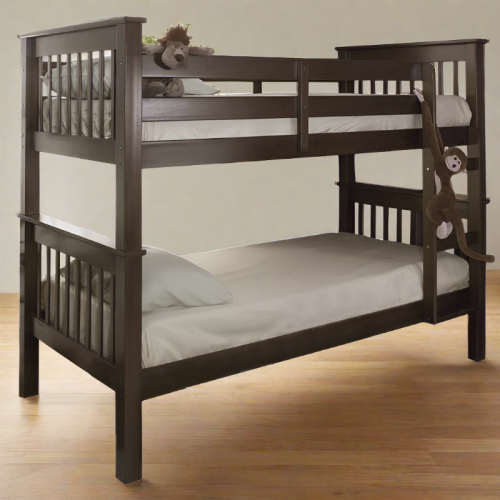
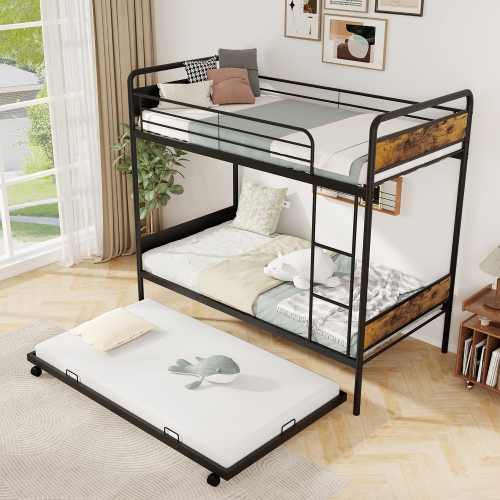
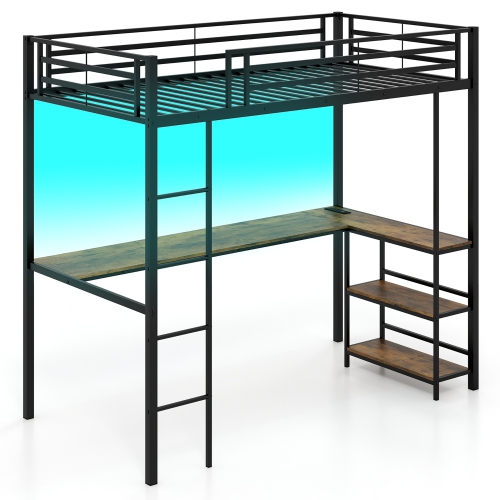
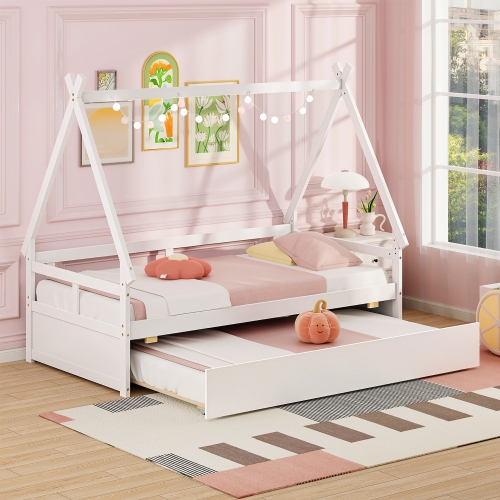
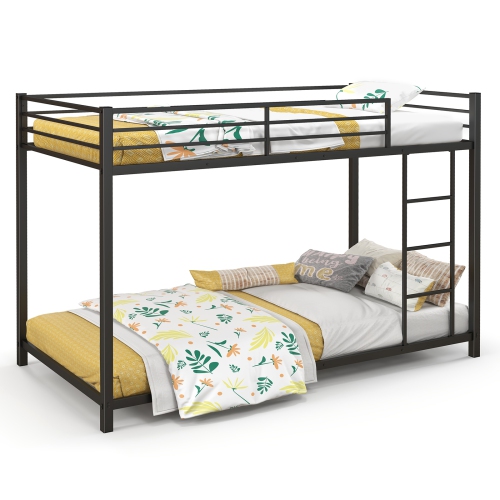
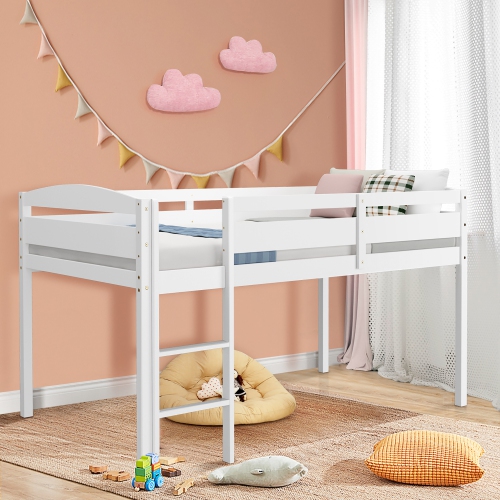
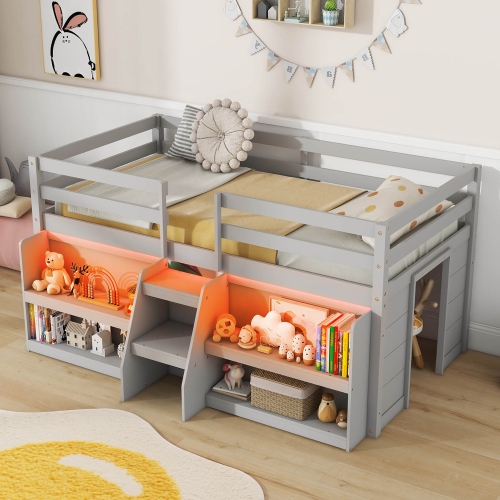
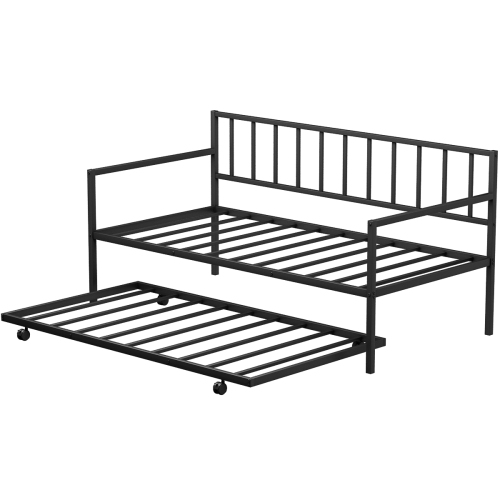
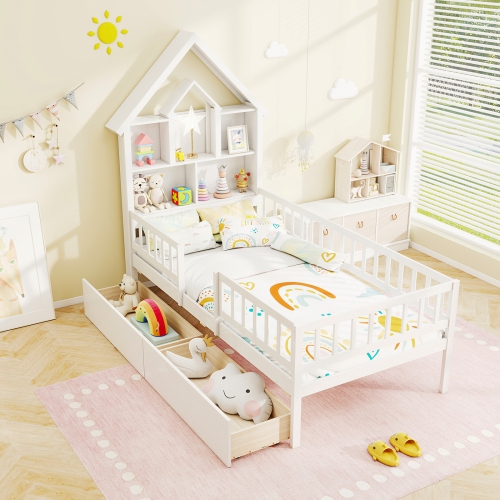
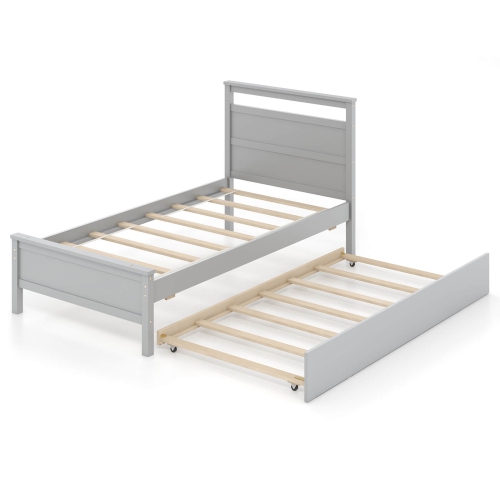
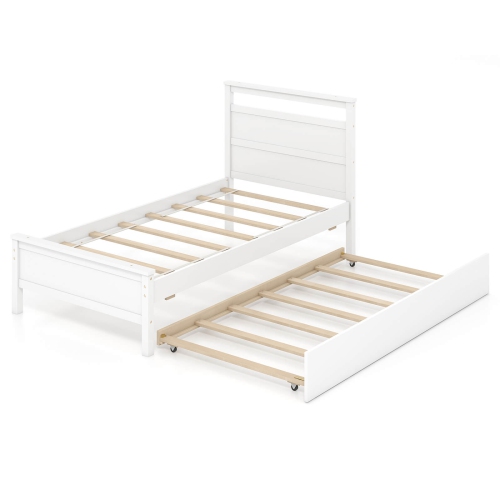
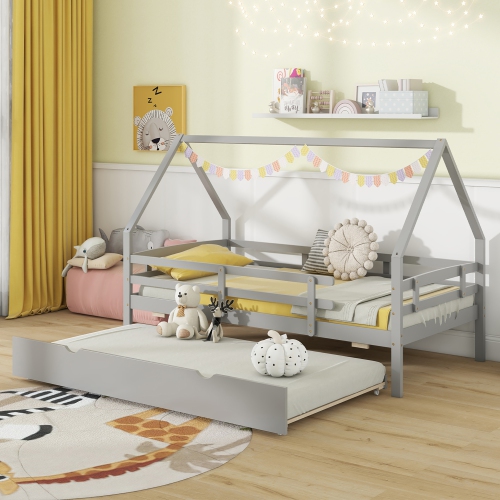
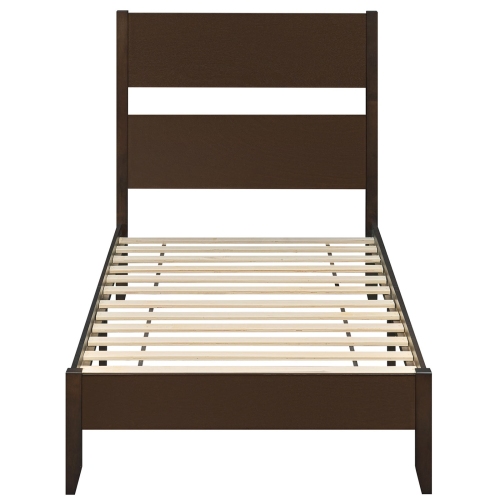
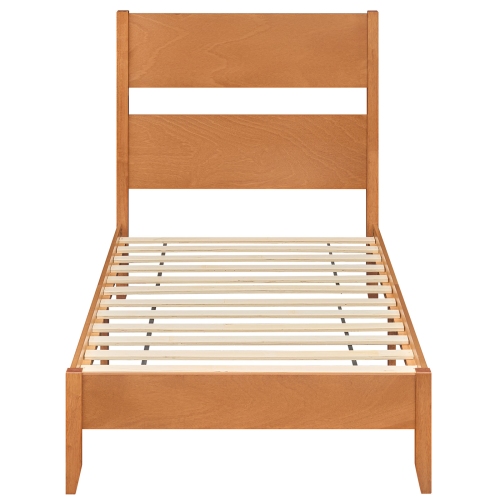
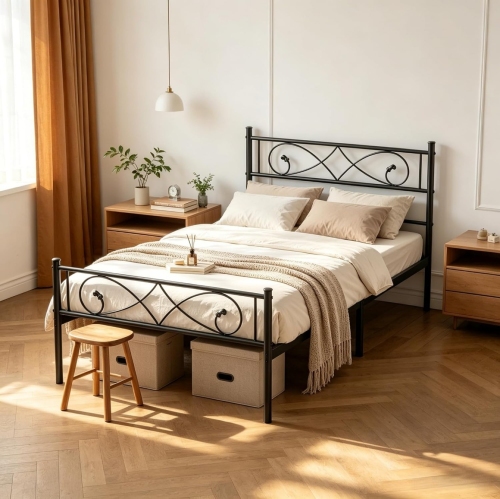
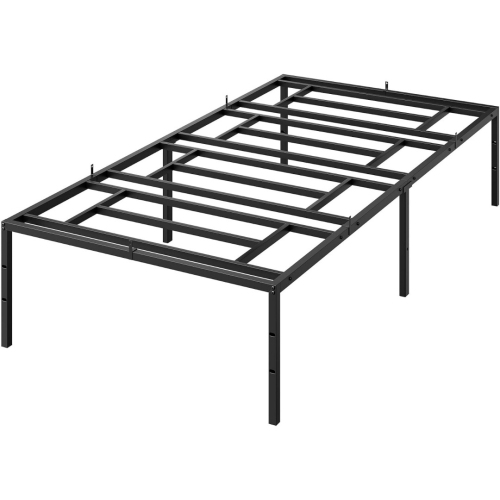
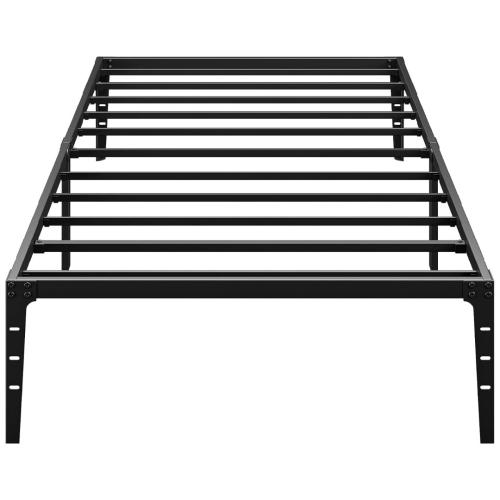
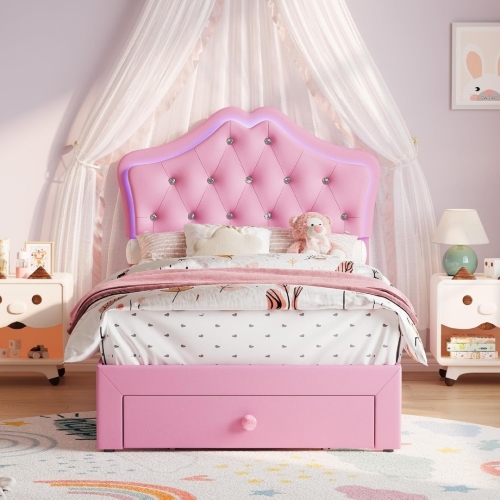
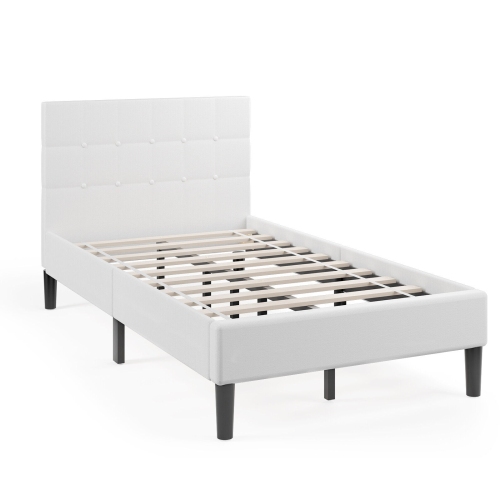
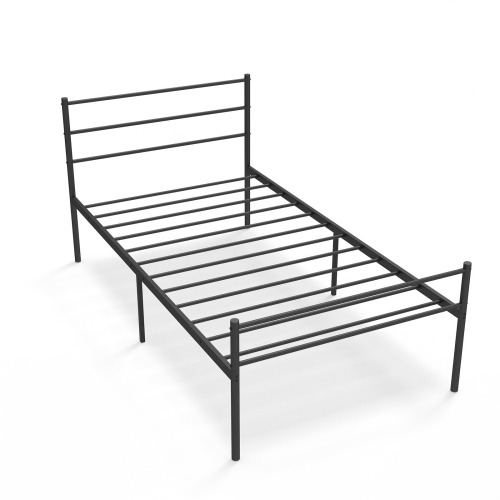
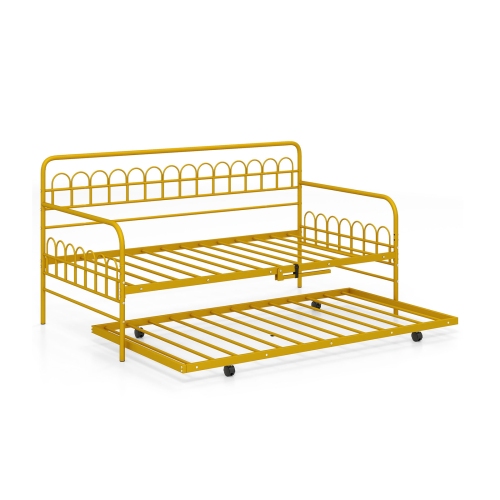
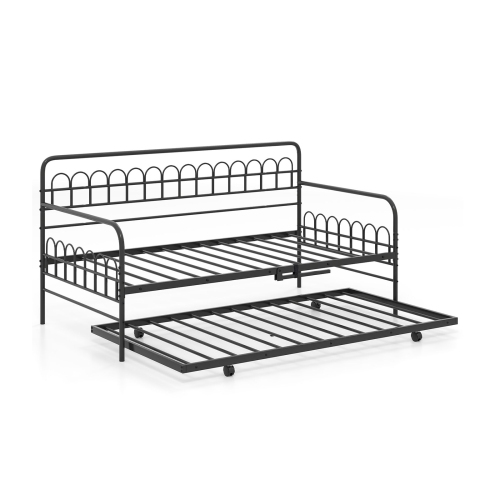
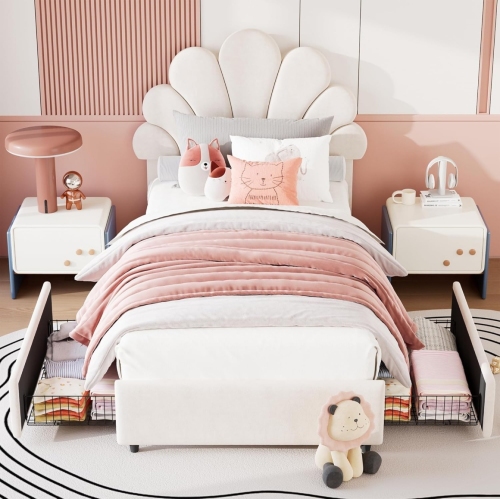
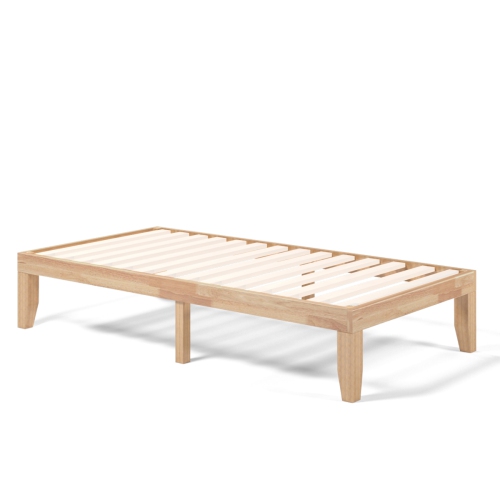
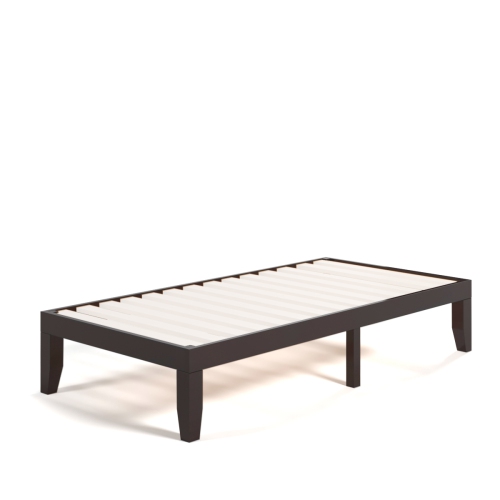
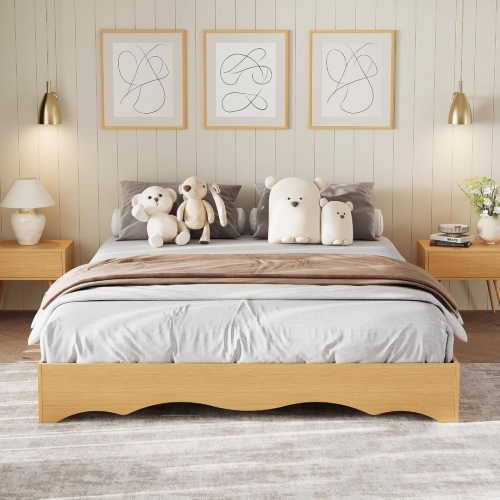
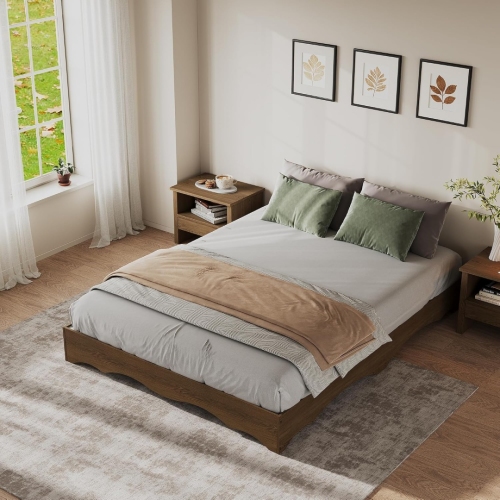
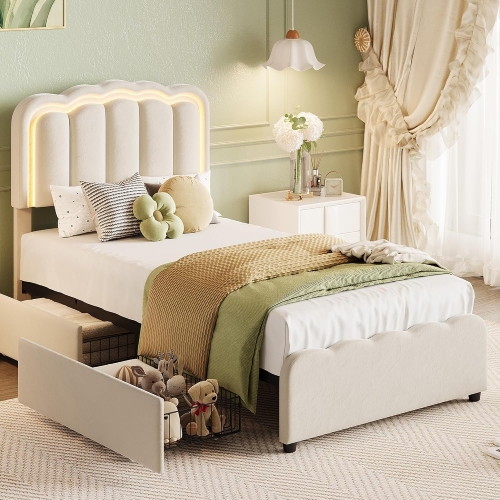
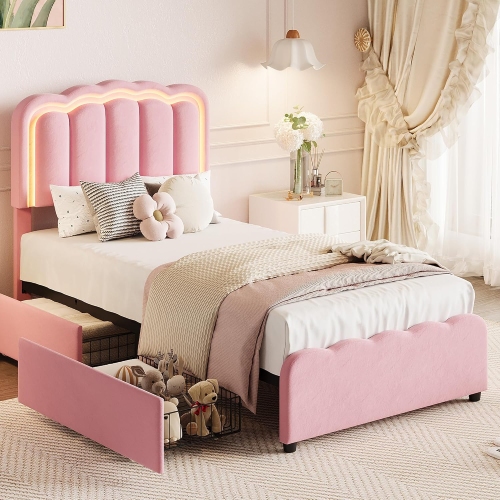
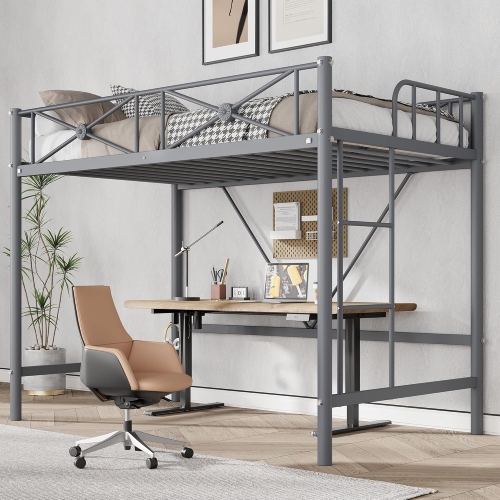
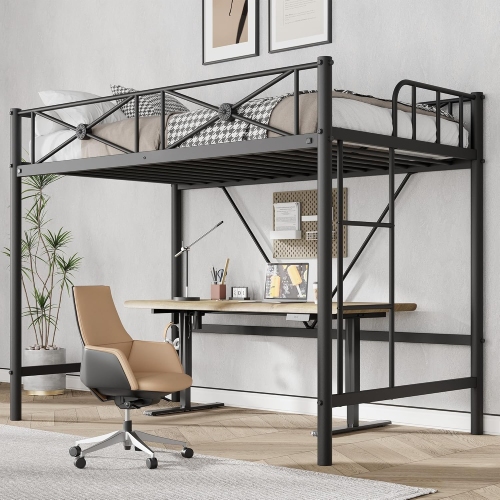
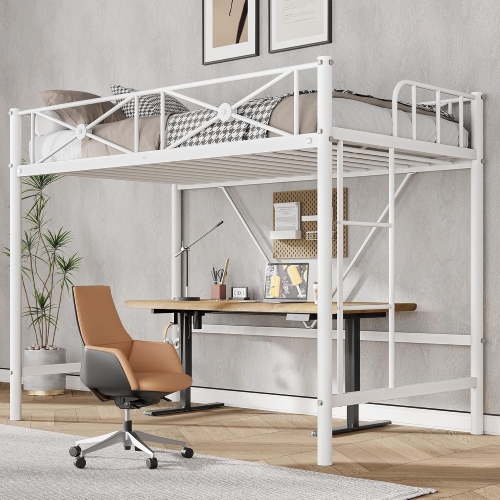
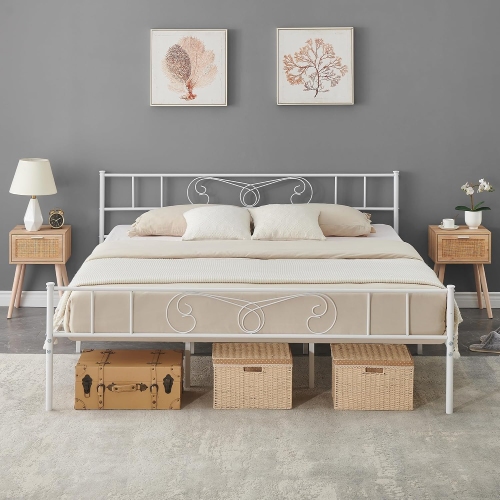
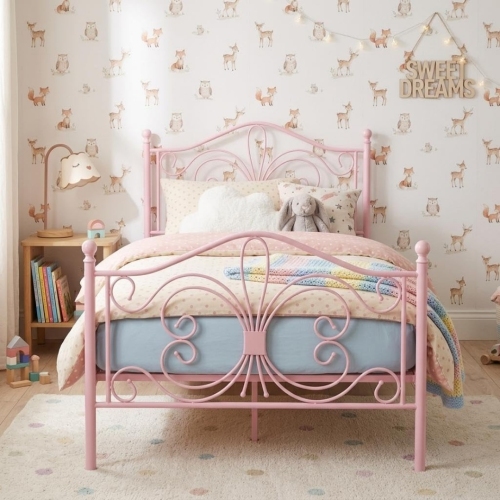
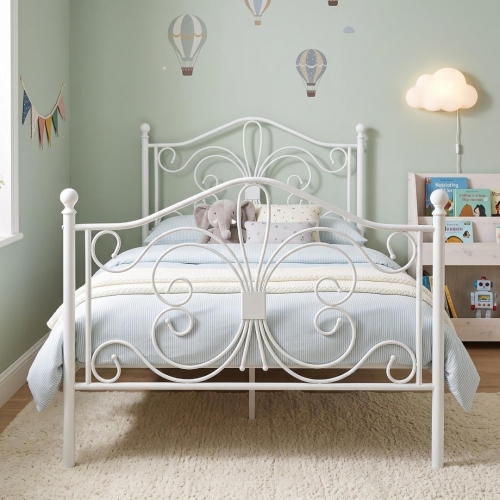
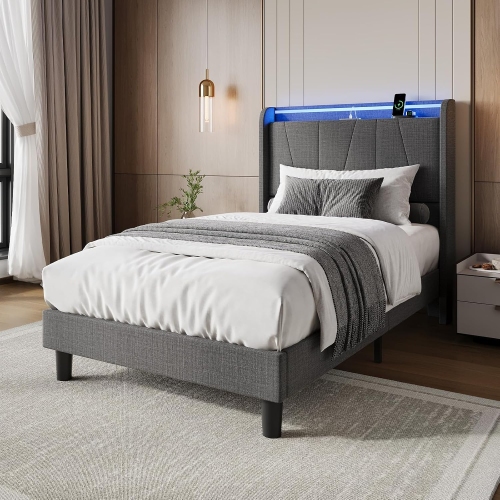
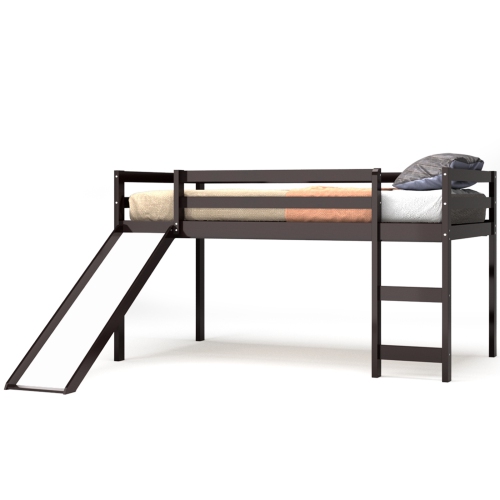
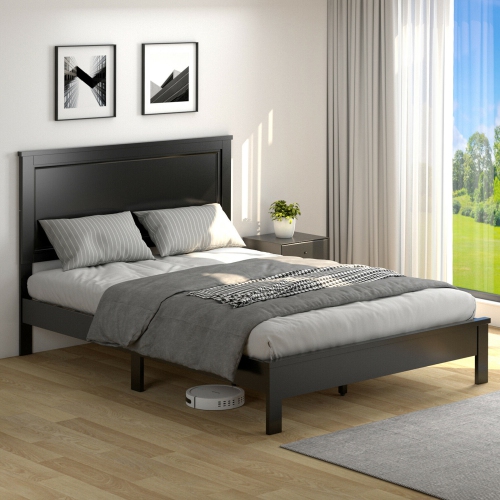
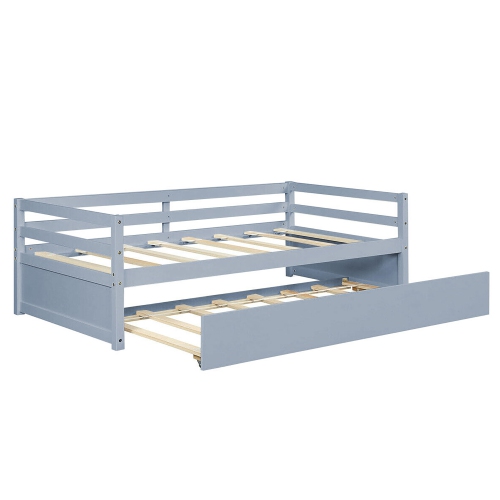
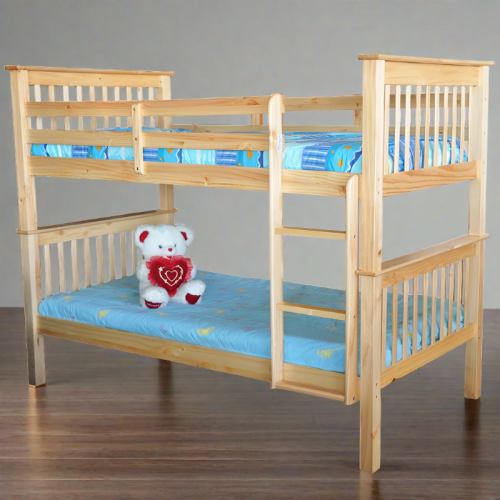
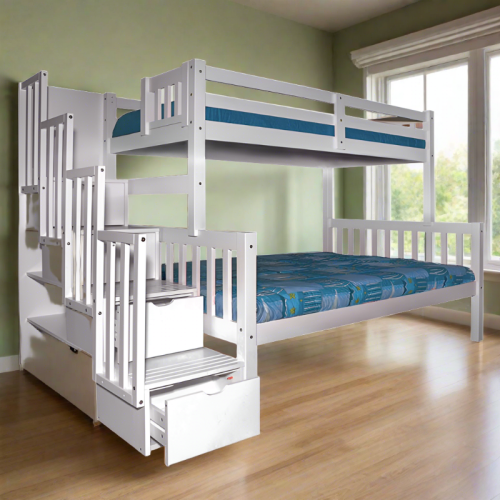
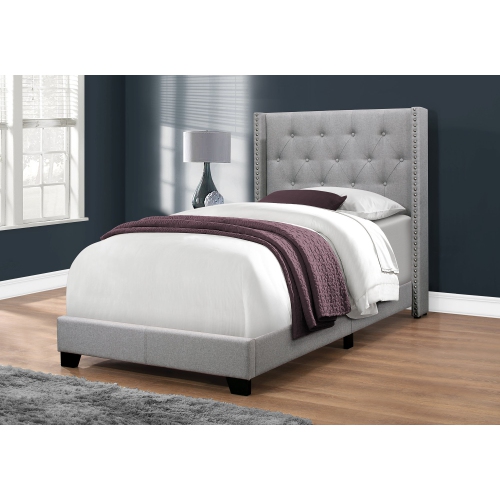
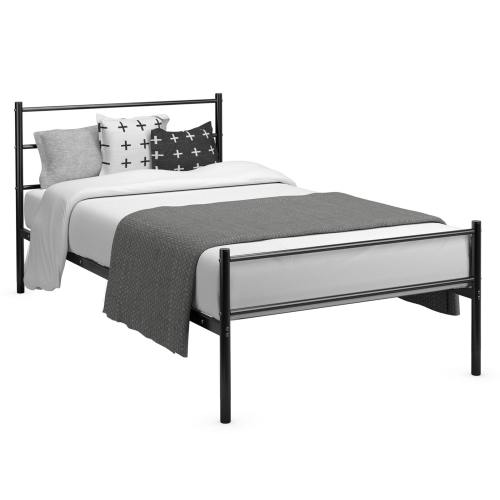
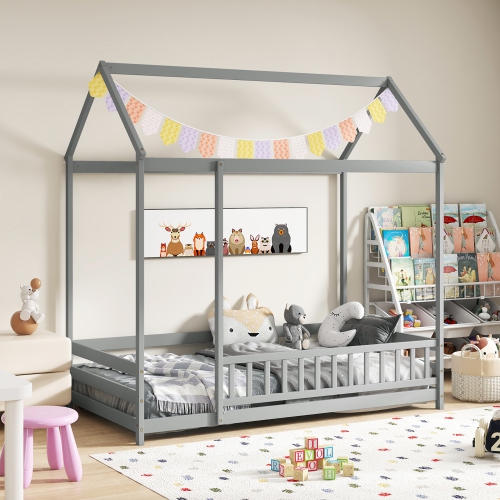
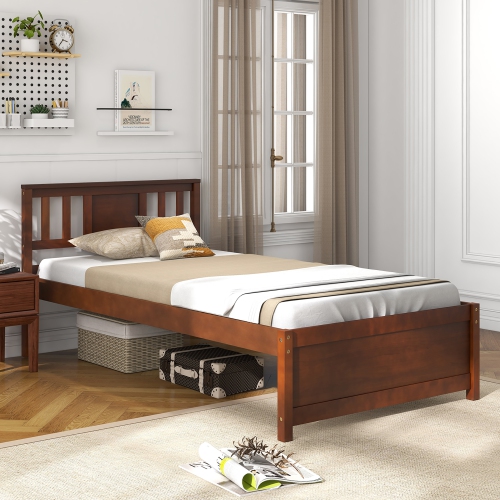
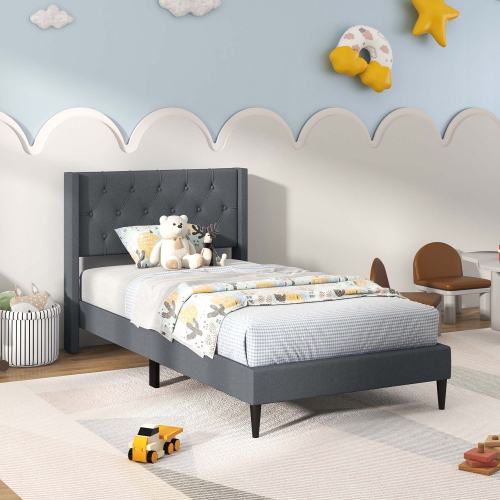
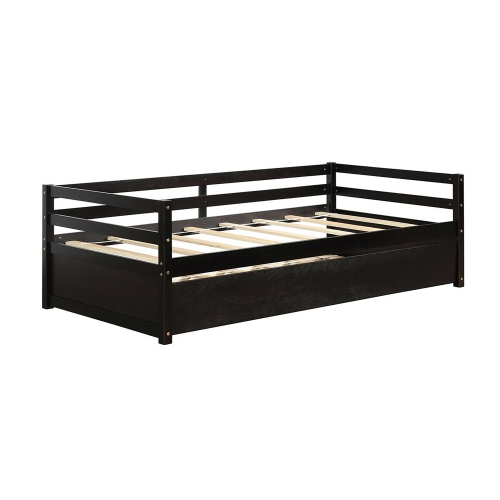
Materials and construction shape how twin size beds look, feel, and hold up to daily use. Wood frames can bring visible grain and a substantial presence to a bedroom, with finishes that range from light tones to darker stains. Engineered wood may provide a smooth, consistent finish, while metal frames often create a more open outline through slim rails and simple headboards. Upholstered beds add a fabric-covered surface and can make a headboard more comfortable to lean against while reading, though texture and colour influence how readily lint, dust, or marks show. None of these materials alone determines durability; secure joints, properly fitted hardware, and a support system suited to the mattress all play a part. A platform frame may support a mattress directly on slats or a solid surface, whereas another frame may require a separate foundation. Mattress requirements for slat spacing and centre support are worth checking, since a frame that fits the mattress dimensions still needs to provide the correct support underneath. Storage designs make use of space that might otherwise collect stray shoes or spare bedding. Built-in drawers can keep folded clothes close at hand, but they need unobstructed clearance beside or at the foot of the bed. An open frame allows room for separate storage bins, with under-bed clearance determining which bins will slide beneath it. A trundle creates an additional sleeping surface that pulls out when needed, making it useful for occasional overnight guests or siblings sharing a room. Its mattress thickness limit and extended footprint are just as important as the main bed’s dimensions. Bunk and loft designs use vertical space differently: bunks provide stacked sleeping spaces, while loft beds can leave room underneath for a desk or storage. These taller structures require careful attention to ceiling height, access, and the manufacturer’s intended age range, rather than simply fitting the same floor area as a conventional twin frame.

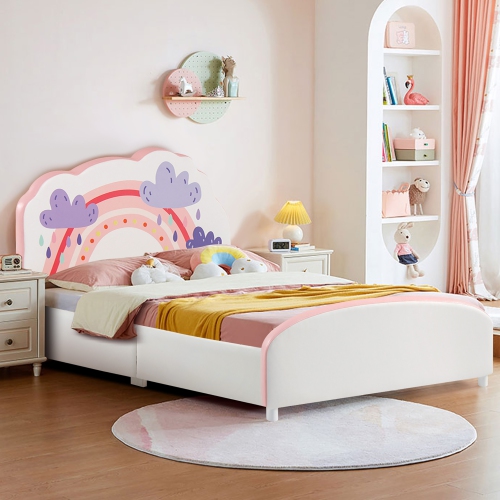
Daily routines are often what separate a bed that merely fits from one that works well over time. A child who reads against the headboard, a teenager who keeps school supplies beneath the frame, and an adult guest using the bed for several nights may each need something different from the same mattress size. Rounded edges and a straightforward layout can be helpful in a busy bedroom, while a footboard may feel restrictive to a taller sleeper who likes to stretch out. Bedding should match the mattress dimensions and depth, particularly with a thicker mattress or a twin XL format; a fitted sheet that is too shallow can pull loose at the corners. A washable mattress protector can help manage everyday spills, while the frame itself needs care appropriate to its finish. Wood and metal surfaces generally benefit from gentle dusting and cleaning according to the manufacturer’s directions, without leaving moisture sitting around joints or hardware. Upholstered surfaces may need regular vacuuming with a suitable attachment, and any spot treatment should follow the fabric’s care instructions. For beds that arrive unassembled, room to lay out the components and access all fastening points helps make assembly more manageable. Rechecking connections as directed can address loosening that develops with ordinary use or after a move. Weight limits apply to the whole intended setup and should be checked for each sleeping surface, especially on bunks, lofts, and trundles. Upper bunks are not suitable for children under six, and the specified guardrails, ladder, and mattress thickness are essential parts of the design. Keeping the space around access points clear supports easier movement without turning nearby furniture into a climbing route. With suitable dimensions, dependable support, and manageable care, a twin bed can remain useful as a room changes from a child’s bedroom to a teen’s retreat or a comfortable space for visiting family.
Read More

FAQ

Some products may be subject to Environmental Handling Fees (EHF) depending on your province. Learn more about EHFs.