2 Player PS5 Games
2 Player PS5 Games bring the excitement of shared adventures and competitive challenges right to your living room. Whether you’re teaming up with a friend or going head-to-head, these games offer endless opportunities for fun and connection. Explore a wide selection of titles designed to deliver engaging gameplay for two players, perfect for game nights or casual sessions. Find the ideal 2 Player PS5 Games to suit your style and enjoy memorable moments together on your PlayStation 5.
Sort


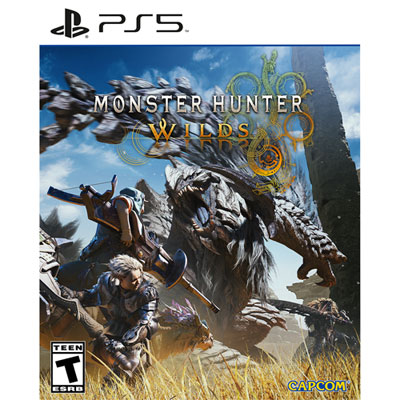

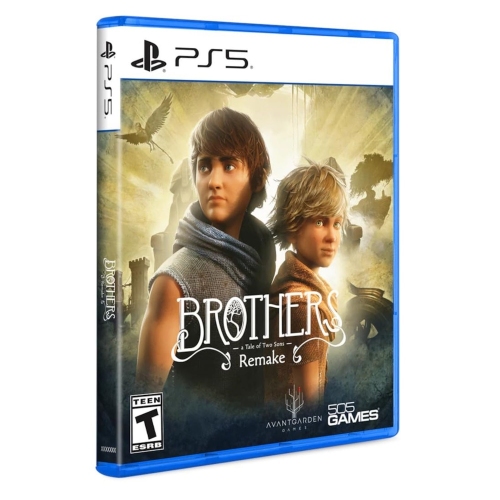


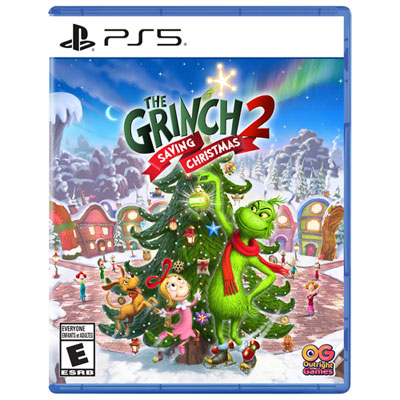


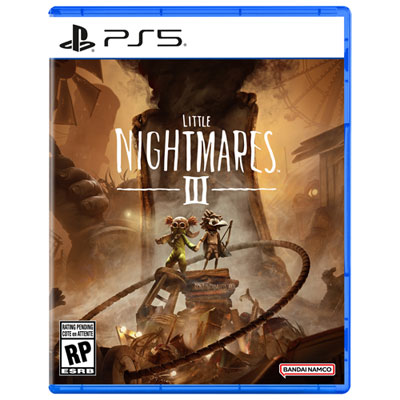




Shared goals or friendly rivalries shape game night
Two-player PS5 games let two people share an adventure, solve problems together, or compete in the same match, either on one console or through an online connection. The main distinction is between cooperative play, where both players work towards a shared goal, and competitive play, where each person tries to outscore, outpace, or outmanoeuvre the other. Local multiplayer brings both players into the same room, with some games displaying everyone on a shared screen and others dividing the display into separate views. Online multiplayer connects players on separate systems, making it possible to maintain a regular game night with a friend or family member who lives elsewhere. For shoppers exploring Best Two Player PS5 Games, these differences matter more than a multiplayer label alone. A cooperative adventure might ask one person to move a platform while the other crosses a gap, turning progress into a conversation about timing and positioning. A puzzle game might give each player different information, making clear descriptions just as useful as quick reactions. Sports, racing, and fighting games offer a different rhythm, with defined rounds or matches that suit friendly rivalries and shorter sessions. Action games can combine shared objectives with distinct character roles, allowing one player to draw attention while the other handles a separate task. Some experiences are designed specifically for a pair, while others support two people within a larger multiplayer mode. That distinction can affect the pace, the amount of individual responsibility, and whether both players remain involved throughout a session. A game built around two complementary roles can feel quite different from one that simply allows another person to join. The most suitable format depends on whether the pair enjoys talking through a challenge, practising a skill, following a story, or settling into a familiar match together. Each offers a different reason to pick up a controller.
Multiplayer details help clarify how a two-player game will fit into a household’s setup. Couch co-op generally means playing together locally, but it does not automatically mean split-screen, and local competitive modes may have different options from the main campaign. A game can support online cooperation without offering any same-console play, or include local matches while keeping its story mode single-player. The supported player count for the intended mode is therefore more informative than a broad multiplayer description. For local play, two compatible controllers are commonly needed, and each person benefits from enough seating space and a clear view of the display. Shared-screen games usually keep both characters within the same scene, sometimes limiting how far apart they can move. Split-screen games give each player an individual viewpoint, although smaller text and reduced viewing areas can make screen size and seating distance more noticeable. Online play introduces different requirements: each player needs a compatible setup, a reliable internet connection, and any accounts or memberships required by that particular game and mode. Separate copies may also be necessary. Cross-play between platforms and play between different console generations are distinct features, so neither should be assumed from online support alone. Edition compatibility, downloadable content, and progress transfer can also matter when two people plan to play together regularly. Physical and digital formats have practical differences beyond gameplay. A physical PS5 game requires a console with a compatible disc drive, while a digital game is accessed through the relevant account and licence. Installation and updates can use substantial storage space in either format. For disc-based games, handling the disc by its edges and returning it to its case helps protect the playing surface from fingerprints and scratches. Digital formats remove that handling step, though account access and storage management remain important. These everyday details influence how easily a game moves from an occasional activity to something two people can return to with little preparation.
The feel of a two-player game often matters as much as its genre. A pair with similar experience may enjoy precise timing, challenging encounters, and closely matched competition, while a newcomer and an experienced player may be more comfortable with adjustable difficulty, clear tutorials, and forgiving checkpoints. Some games let players choose different assistance settings or contribute through different roles, which can help keep both people engaged without requiring identical skills. Accessibility features such as remappable controls, readable subtitles, text-size options, and alternatives to repeated button presses can make shared sessions more comfortable, although the available settings vary by game. In a story-focused experience, the ability to pause, save, or resume from a recent checkpoint can be especially useful when play needs to fit around other commitments. A campaign that expects both players to return together creates a shared routine, while standalone races, matches, and puzzle stages allow more flexibility. Progression also changes the experience: some games keep upgrades or story progress with a host, while others track achievements or character development separately. Replay value can come from branching choices, different character abilities, changing objectives, or the simple satisfaction of improving against a familiar opponent. Two-player PS5 games can make thoughtful gifts for siblings, partners, friends, or families who already enjoy spending time together, provided the recipient’s console setup, preferred play style, and age-appropriate content needs are understood. Age ratings and content descriptions are useful for distinguishing a lighthearted shared activity from something with more intense action or complex themes. For households with children, parental controls and communication settings also deserve attention when online features are involved. A well-matched game gives both players meaningful things to do rather than leaving one person watching for long stretches. Whether the attraction is a carefully timed team manoeuvre, a last-lap overtake, or finally solving a puzzle together, the lasting appeal comes from an experience that suits both people and makes their participation feel worthwhile.
Top selling and popular products
-
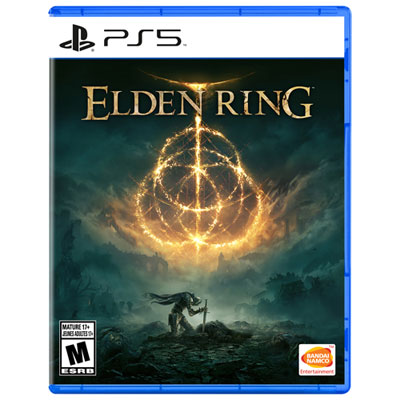 Your price for this item is $64.99
-
 Your price for this item is $111.99
-
 Your price for this item is $79.99
-
 Your price for this item is $42.3
-
 Your price for this item is $50.99
-
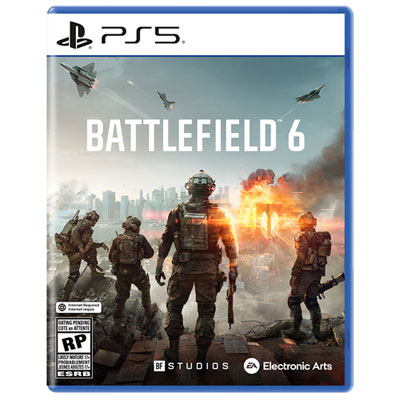 Your price for this item is $64.99
-
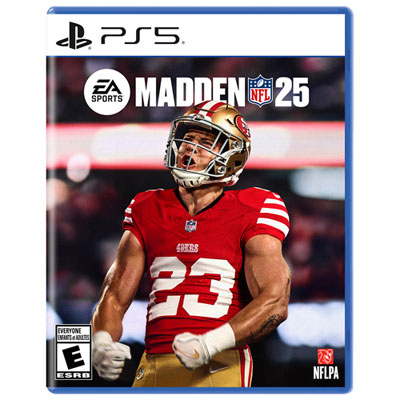 Your price for this item is $38.97
-
 Your price for this item is $39.99
Discover more categories related to 2 Player PS5 Games


Top Collections:
Pokemon Centers, Kindle Devices, Best Black Friday Deals This Year, Pokémon 30th Celebration Cards, Best Black Friday Deals On Electronics, Best Cameras for Sports Photography, Best Black Friday Deals On Apple Products, Canon G7X Cameras, iPhone 15 Apple, Candle Warmer Lights
Some products may be subject to Environmental Handling Fees
(EHF) depending on your province.
Learn more about EHFs.