Gaming Consoles for Family Play
Gaming Consoles for Family Play bring everyone together for hours of interactive fun and excitement. Whether you’re planning a game night or looking to enjoy friendly competition, these consoles offer a wide range of entertainment options suitable for all ages. Discover easy-to-use systems designed to create memorable moments and laughter with family and friends. Find the perfect fit for your home and start making new memories with Gaming Consoles for Family Play.
Sort




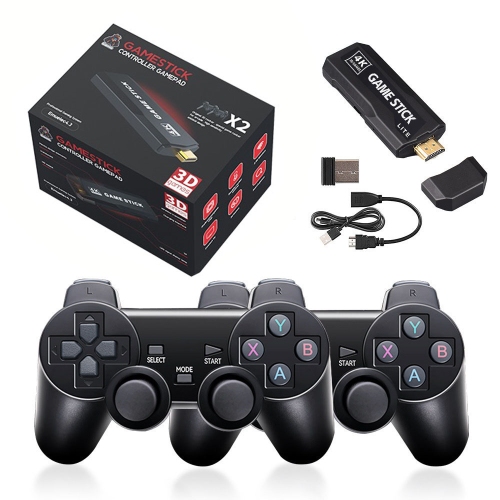


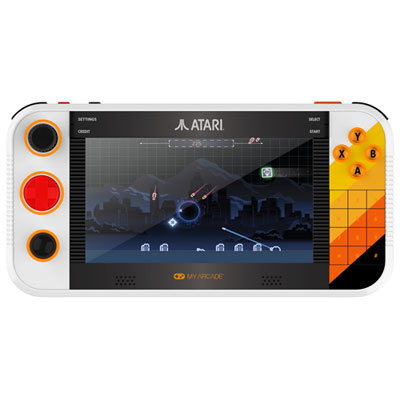


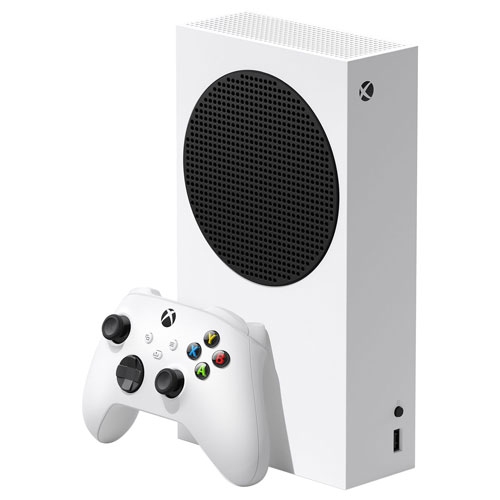
The right console makes room for every player
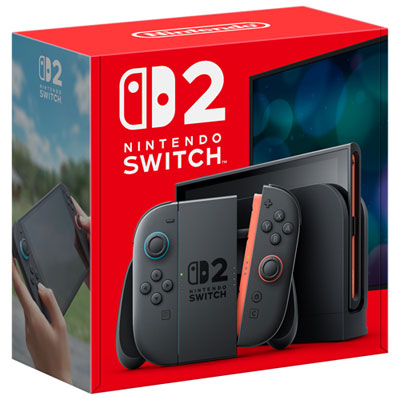
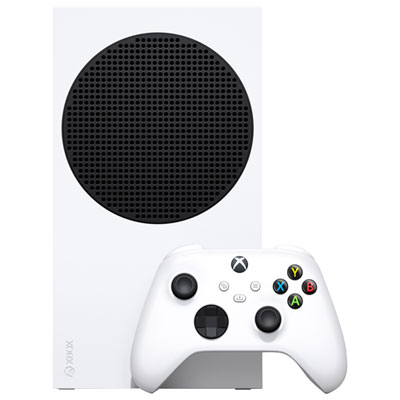
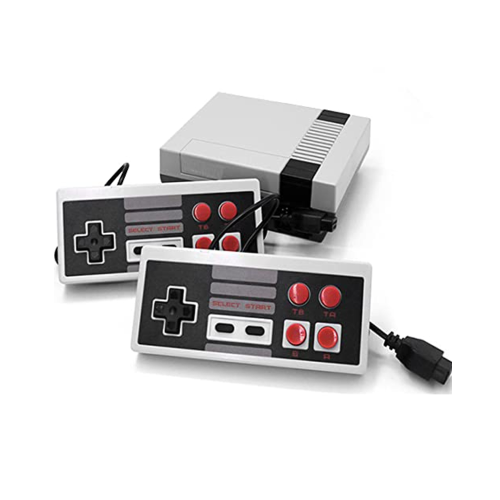
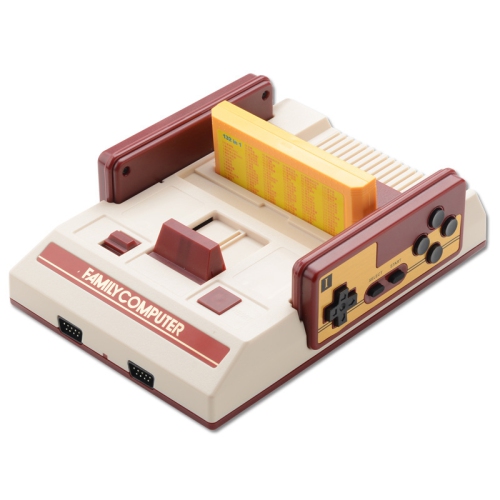
Gaming consoles for family play are best matched to the ages and abilities of the players, the kinds of games they enjoy, and whether they prefer gathering around a TV or playing on a portable screen. A family-friendly setup makes room for different levels of experience, from a child learning to steer through a race to a grandparent joining a familiar puzzle game. Home consoles bring the action to a shared display, while handheld systems offer more flexibility when the TV is occupied or someone wants a quieter place to play. Some systems support both portable and TV play, although display connections and supported modes vary. The game library matters as much as the hardware: cooperative adventures, building games, sports, dancing, racing, and puzzles can each give family members a different way to participate. Cooperative play lets everyone work towards a shared goal, while friendly competition suits players who enjoy short rounds, clear scores, and a chance at a rematch. Age ratings and content descriptions help distinguish games intended for younger children from those with more mature themes, but reading level, pace, and control complexity also affect how comfortably someone can join in. A game with simple movement and adjustable difficulty may be more welcoming than one that expects quick reactions and several button combinations. Local multiplayer is especially relevant for shared family time because it allows supported games to bring people together in the same room. Depending on the game, players may share one view, use split-screen, or take turns with a controller. The number of supported players is specific to each game and play mode, rather than a guarantee that applies to every title on a console. For a household with mixed ages, a varied library and flexible multiplayer options can make the system useful for both lively group sessions and individual downtime. Clear menus, readable text, and supported accessibility settings also help more people feel comfortable taking part without needing someone else to handle every selection.
The physical fit of a console is another important part of everyday family use. A system connected to the main TV needs a stable position with the ventilation space specified by its manufacturer, along with suitable connections to the display and easy access to power. An open shelf can make controls and connections easier to reach, provided the console is secure and cables do not cross a walkway. Handheld play places more emphasis on screen size, weight, grip, and how comfortably the controls sit in smaller hands. A child who enjoys a brief puzzle session may have different needs from an older player who settles in for a longer adventure. Controller shape and button placement matter here, too: comfortable reach can be more useful than extra functions that rarely get used. Wireless controllers allow more freedom of movement, while wired connections need enough cable length for the seating arrangement. Battery life, charging methods, and the number of compatible controllers influence how smoothly a shared session runs. A charging routine can help prevent an interrupted race or an unfinished cooperative challenge. For movement-based games, clear floor space and any required safety straps are part of the setup, with enough room between players and nearby furniture. Console housings and controller shells are commonly made from moulded plastic, while screens, thumbsticks, ports, and buttons need protection from knocks, spills, and rough handling. Durability depends on construction as well as care; no family system benefits from being left on the floor or carried by its cables. Cleaning should follow the manufacturer’s directions, using suitable soft cloths and keeping moisture away from openings. A properly fitted carrying case can help protect a portable system between uses, and accessories need to match the exact hardware version. These details are particularly useful when a console is a shared gift, since the recipient’s TV connections, play space, and preferred way to play all affect how well it fits into daily life.
Family play also involves the features that sit behind the games. Separate player profiles can keep progress and preferences distinct where supported, so one person’s saved adventure does not have to become everyone else’s starting point. Parental controls may include age-based restrictions, play-time settings, communication limits, and controls over purchases, with the available tools varying by system and account setup. These settings complement conversations about taking turns, asking before downloading something new, and treating other players respectfully. Online multiplayer is different from playing together on the sofa: it may involve account requirements, internet access, communication features, or membership requirements, depending on the system and game. A family that mainly wants same-room play may place greater value on local multiplayer than on online features. Households hoping to connect with relatives elsewhere will need compatible games and systems, and should confirm whether cross-platform play is supported rather than assuming every version works together. Storage capacity also matters because installed games, downloaded content, and updates can take up substantial space. Support for physical games, digital downloads, and storage expansion differs between systems, so those details can shape how a household builds and organizes its game library. Downloads and updates may need to finish before a planned session, even when a game is supplied on physical media. For gatherings centred on shared play, gaming consoles for family game nights suit the same focus on approachable controls, compatible multiplayer games, and enough ways for everyone to participate. Short rounds work well when players rotate, while longer cooperative games give a regular group something to return to together. A console can be a thoughtful gift for siblings, parents, grandparents, or a household that enjoys spending time around a shared activity. The strongest fit is not necessarily the system with the longest feature list, but one whose games, controls, and play options suit the people who will use it.
Top selling and popular products
-
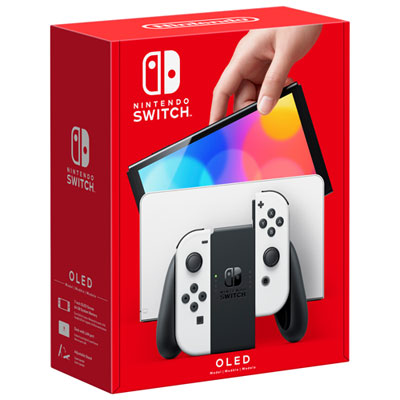 Your price for this item is $489.99
-
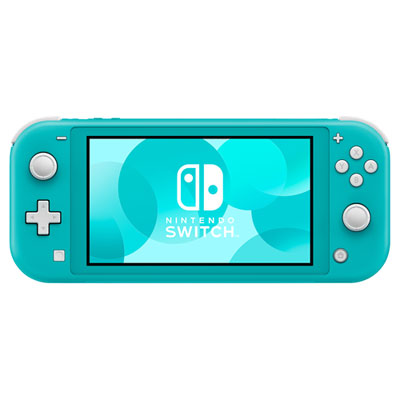 Your price for this item is $279.99
-
 Your price for this item is $419.99
-
 Your price for this item is $70.45
-
 Your price for this item is $399.87
-
 Your price for this item is $499.99
-
 Your price for this item is $359.99
-
 Your price for this item is $359.99
Discover more categories related to Gaming Consoles for Family Play
Top Collections:
Pokemon Centers, Kindle Devices, Best Black Friday Deals This Year, Pokémon 30th Celebration Cards, Best Black Friday Deals On Electronics, Best Cameras for Sports Photography, Best Black Friday Deals On Apple Products, Canon G7X Cameras, iPhone 15 Apple, Candle Warmer Lights
Some products may be subject to Environmental Handling Fees
(EHF) depending on your province.
Learn more about EHFs.