Home Video Game Consoles for Families
Home video game consoles for families bring everyone together for hours of interactive entertainment and fun. Whether you're looking to enjoy multiplayer games, host friendly competitions, or simply spend quality time with loved ones, these consoles offer a wide variety of options to suit every age and skill level. Explore the latest selection of home video game consoles for families to find the perfect addition to your living room that will keep everyone engaged and entertained.
Sort
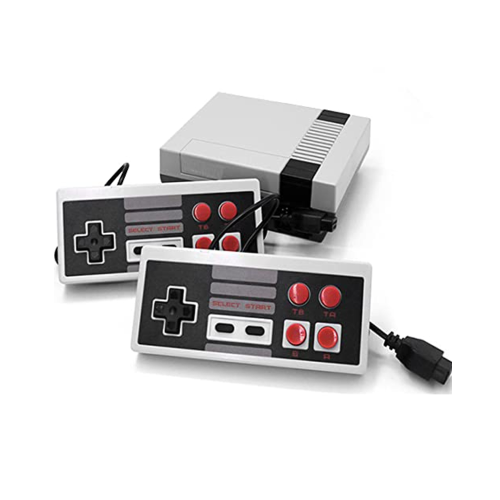


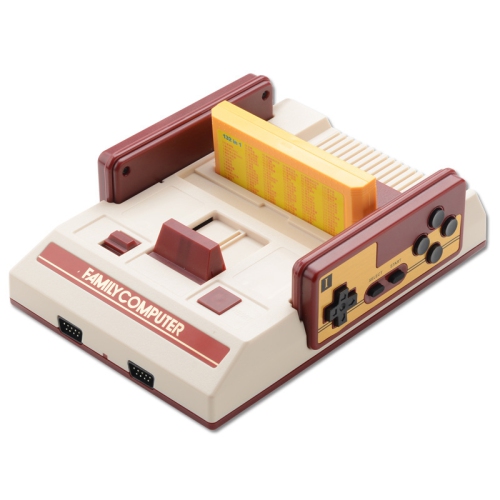




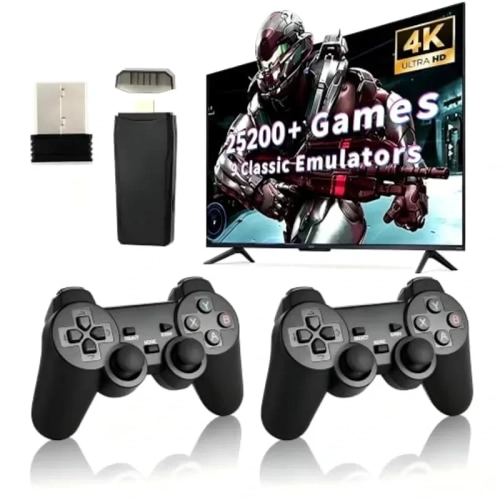

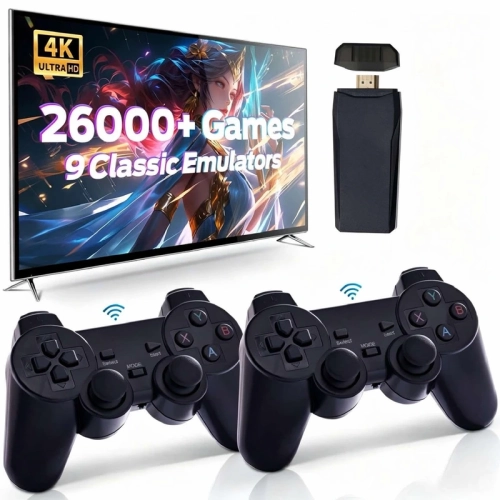


What makes local multiplayer work for the whole family
Home video game consoles for families bring shared entertainment to the living room, with options suited to cooperative adventures, friendly competitions, creative play, and movement-based activities. The most useful features for a family setup are straightforward local multiplayer, comfortable controls, an age-appropriate game library, and parental settings that support household routines. A TV-connected console keeps the action on one screen, making it easy for siblings, parents, and visiting relatives to join in or watch between turns. A hybrid console can offer both television and handheld play, although its supported play modes depend on the game and hardware. For households focused on playing together, television compatibility and local multiplayer support matter more than handheld features alone. Camera-based motion systems offer a different experience, using supported body movements instead of conventional button inputs; these setups need enough clear floor space for players to move safely. The distinction between cooperative and competitive play also shapes the experience. Working together to solve a puzzle gives family members a shared goal, while a racing or sports game can create quick rounds with natural opportunities to swap players. Local multiplayer means people play on the same console, whereas online multiplayer connects players over the internet; a game offering one does not necessarily include the other. Supported player counts also differ between games, so a console suitable for group play still needs compatible software and enough controllers for everyone taking part. Split-screen play divides the television into separate views, which can make smaller details harder to see from across the room. Games that keep everyone within a shared view may feel simpler for younger players to follow. For households that enjoy regular shared play, Powerful Consoles for Family Game Nights provides another collection to explore. A family console earns its place through the experiences people return to together, whether that means a short match after homework or a longer adventure with progress saved between sessions.
A family-friendly game library has room for different ages, interests, and confidence levels rather than relying on a single type of entertainment. Younger players may enjoy clear visual cues, forgiving difficulty settings, and simple objectives, while older children and adults may prefer deeper challenges or longer stories. Age ratings and content descriptions help distinguish colourful presentation from content that is genuinely suitable for a particular child. Reading requirements, online interaction, and the intensity of competition can be just as important as the rating itself. A cooperative game with optional assistance, for example, may let an experienced player handle a demanding section while a beginner stays involved. Adjustable difficulty, remappable buttons, subtitles, and alternatives to rapid button pressing can broaden participation, although accessibility features differ by console and game. Separate user profiles can help family members keep their progress and preferences organized. Depending on the platform, parental controls may include play-time limits, age restrictions, purchase approvals, and settings for communication with other players. These controls support, rather than replace, conversations about who children can play with and what information should remain private. Online multiplayer, downloads, and account-based features require attention to internet access, while some services also require a separate membership. Offline play can be useful when the internet connection is busy, but not every game works without a connection, even when it has a single-player mode. Digital-only consoles use downloaded games, while models with a compatible disc drive may also support physical copies; game format and hardware compatibility need to match. Storage capacity affects how many games, updates, and saved captures can remain installed at once. Large game libraries may need compatible expansion storage, and supported storage types differ between systems. Backward compatibility can also matter to a household with an existing game collection, but support should never be assumed across generations. Together, these details influence how smoothly a console fits into everyday family use, from starting a familiar favourite to keeping several players’ progress separate.
Physical design and placement make a noticeable difference once a console becomes part of a shared room. Console housings are commonly made from rigid plastic, while controllers combine plastic shells with buttons, sticks, and sometimes textured or rubberized grip areas. A comfortable controller lets the player reach the main inputs without stretching or gripping too tightly; a shape that suits an adult may feel bulky in a younger child’s hands. Weight, button resistance, and grip shape can matter as much as appearance during longer sessions. Wireless controllers reduce cables across a seating area, while wired options need a clear route that does not create a tripping hazard. Charging arrangements also affect daily convenience: a designated place for controllers helps keep them ready and reduces the chance of finding one between sofa cushions with an empty battery. Durability depends partly on handling, particularly around thumbsticks, charging ports, removable components, and disc slots. A console belongs on a stable surface with the ventilation clearance specified by its manufacturer, rather than tucked into a tightly enclosed cabinet or balanced near an edge. Drinks, snack bowls, and trailing cables are best kept away from the hardware. Routine care generally involves powering equipment down and following the manufacturer’s cleaning directions, using a soft cloth rather than spraying cleaner directly onto openings or controls. Motion play needs additional room around furniture, lighting fixtures, and other people, along with any supplied safety straps used as directed. Camera-based play may also depend on room lighting, viewing angle, and the number of people within the play area. A family console can make a thoughtful shared gift when its controls, supported games, and setup suit the recipients’ ages and abilities. For siblings, that may mean enough controllers to start together; for a multigenerational household, it may mean readable menus and games that welcome newcomers. The strongest fit is a system that feels comfortable to use, straightforward to maintain, and genuinely enjoyable for the people sharing it.
Top selling and popular products
-
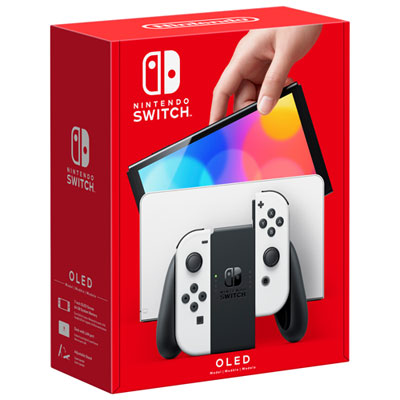 Your price for this item is $489.99
-
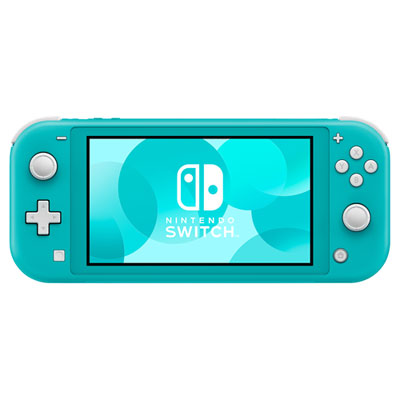 Your price for this item is $279.99
-
 Your price for this item is $419.99
-
 Your price for this item is $70.45
-
 Your price for this item is $399.87
-
 Your price for this item is $499.99
-
 Your price for this item is $359.99
-
 Your price for this item is $359.99
Discover more categories related to Home Video Game Consoles for Families
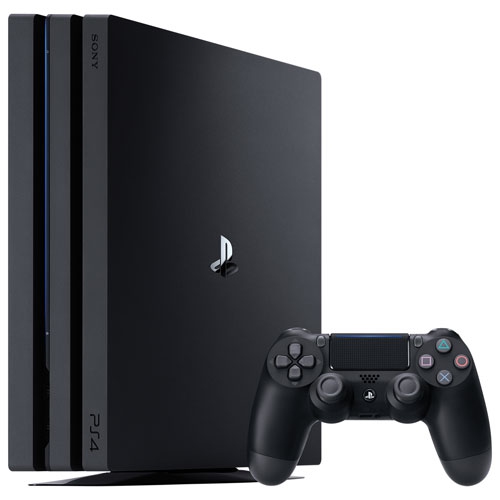
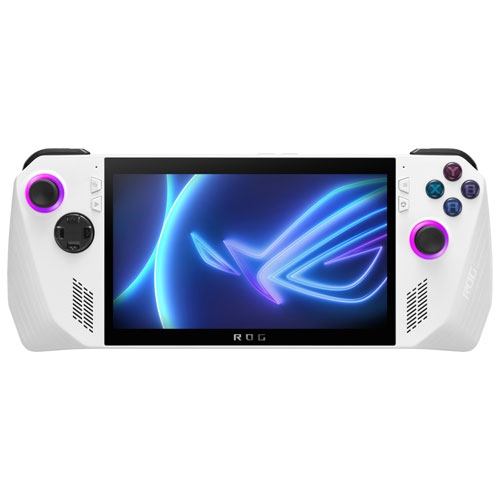
Top Collections:
Pokemon Centers, Kindle Devices, Best Black Friday Deals This Year, Pokémon 30th Celebration Cards, Best Black Friday Deals On Electronics, Best Cameras for Sports Photography, Best Black Friday Deals On Apple Products, Canon G7X Cameras, iPhone 15 Apple, Candle Warmer Lights
Some products may be subject to Environmental Handling Fees
(EHF) depending on your province.
Learn more about EHFs.