Home Video Game Consoles
Home Video Game Consoles bring an exciting world of entertainment right to your living room, offering an immersive gaming experience for players of all ages. Whether you’re looking to enjoy the latest titles, connect with friends online, or explore a vast library of games, these consoles provide endless opportunities for fun and relaxation. Discover the perfect addition to your home setup with our selection of Home Video Game Consoles, designed to deliver hours of enjoyment for solo play and family game nights alike.
Sort






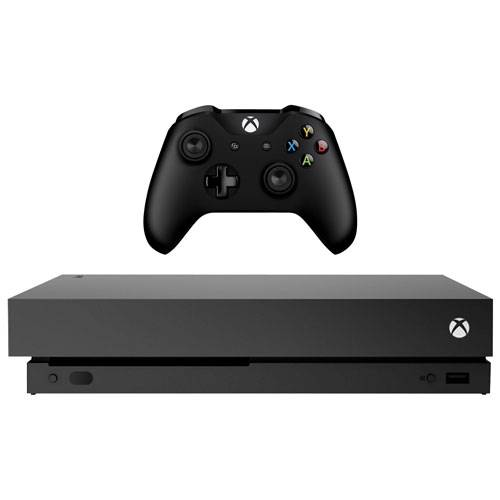


How your games and space shape your console setup
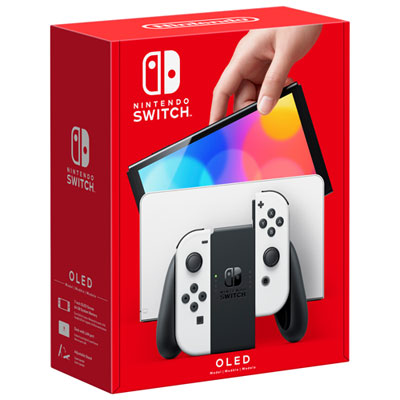
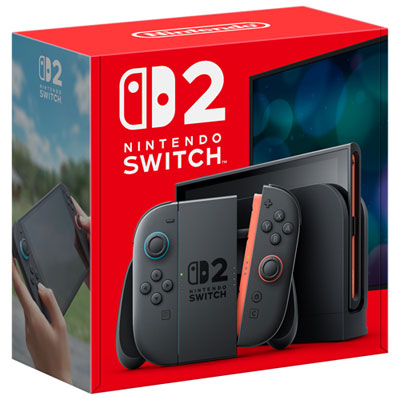
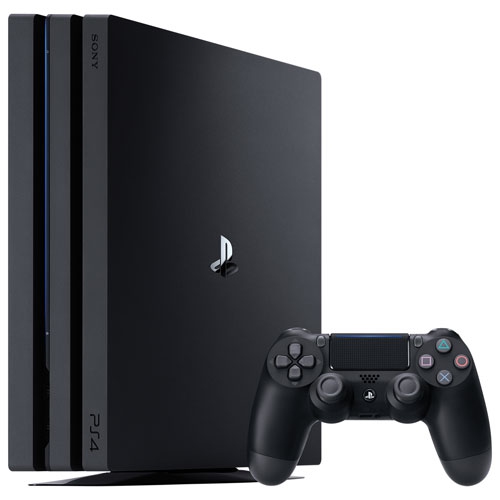
Home video game consoles are dedicated gaming systems designed to connect to a television or monitor, bringing video games to a shared screen through handheld controllers. Unlike a general-purpose computer, a console centres its interface on opening games, managing a game library and joining play sessions. Most home consoles stay beside the television, while hybrid systems can also support handheld play and connect to a larger display through a compatible dock. Both formats can suit a living room, bedroom or dedicated gaming space, with the right fit depending on how and where the system will be used. A console connected to the family television might handle an evening adventure, a friendly sports match or a multiplayer puzzle session, while a system paired with a desktop monitor can create a more personal setup. Processing power, graphics capabilities and storage technology influence the experience, but individual games also determine visual detail, loading times and performance. Some systems support 4K output, high dynamic range and higher frame rates, provided the game, display and connection support those features. A television’s resolution alone does not establish what every game will deliver. Solid-state storage can shorten loading times in games designed to take advantage of it, helping players move between locations or return to play after a break. Physical game support also varies: some consoles accept discs, some hybrid systems use game cards, and digital-only systems rely on a digital game library. A physical copy may still require installation, updates or additional downloads, so a disc drive does not remove the need to consider storage space and internet access. Compatibility with games from earlier console generations depends on the system and the individual title rather than simply the format of the game. For someone with an established game library, that compatibility can matter as much as graphics performance. The most suitable home gaming setup brings together the games someone wants to play, a comfortable place to play them and a display that supports the features they value.
Controllers shape much of the hands-on experience, from the position of the thumbsticks to the feel of the triggers during a long race or a carefully timed jump. Size, weight, grip texture and button placement can affect comfort, particularly for younger players, smaller hands or anyone who finds a heavier controller tiring. Some controllers provide vibration, detailed haptic feedback or changing trigger resistance, although these effects depend on support from both the hardware and the game. Wireless controllers allow more freedom around a sofa, while wired connections can suit a fixed gaming space without the same battery-charging routine. Rechargeable batteries, replaceable batteries and charging accessories vary by controller, making everyday power needs part of the overall setup. Accessible play can involve adjustable controls, button remapping, visual settings or compatible adaptive accessories; the options differ across systems and games. Local multiplayer brings people together in the same room, but the number of supported players and whether everyone shares one view or uses a split screen depend on the title. An extra controller does not automatically make a single-player game playable by two people. Online multiplayer connects players in different homes and may require an account, a paid membership or other game-specific access. Playing with friends on different console platforms is possible in some games, but cross-platform support is not universal. A reliable internet connection helps with downloads, updates and online sessions, with Wi-Fi offering convenient placement and a wired network connection providing an alternative where supported. Headphones can keep dialogue and game audio clear without filling the room, while compatible microphones make team communication easier. For households with children, age ratings, privacy settings, spending controls and play-time tools help shape an appropriate experience. Separate player profiles can also keep progress and preferences distinct, so a family member can return to their own saved adventure without disturbing someone else’s game. These details make a home console useful for everything from solo storytelling to a regular game night with friends.
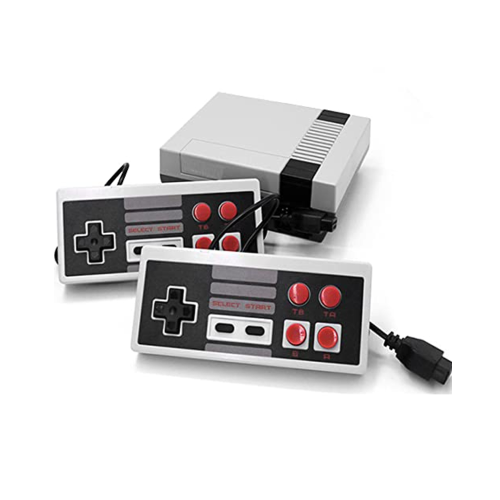
The physical fit of a console matters beyond its appearance on a television stand. Dimensions, supported placement positions and ventilation requirements determine whether a system belongs on an open shelf, beside a display or elsewhere within reach of its cables. A cabinet that looks spacious from the front may leave too little room behind the console for connectors and airflow. Plastic outer housings and internal metal components are common, while controllers often combine rigid shells with textured grips and moving buttons or sticks. Everyday durability depends partly on how these surfaces and mechanisms are treated. Stable placement, clear ventilation openings and cables kept away from walking routes reduce avoidable strain and accidents. Drinks belong away from the hardware, and controllers last better when they are set down rather than dropped between cushions or left where someone might sit on them. Cleaning methods should follow the manufacturer’s directions; gentle exterior dusting with a suitable cloth is different from opening a system or applying liquid near its ports. Storage capacity deserves similar practical attention. A household that rotates between a few games has different needs from one that keeps several large games installed for different players. Usable space is less than the advertised capacity because system software occupies part of the storage, and updates or additional content can increase a game’s requirements. Expansion options vary, and an external storage device may be able to store certain games without supporting direct play from that device. Home video game consoles can make thoughtful birthday or milestone gifts for teenagers, adults, couples and families, especially when the recipient’s preferred games and existing library are known. Age suitability, accessibility needs and whether friends use the same platform help determine a good match. For players drawn to earlier game styles and familiar classics, Retro Gaming Consoles offer another direction to explore. Whether the appeal is a sprawling adventure, a quick competitive match or shared play across generations, the lasting value of a home console comes from how comfortably it fits the player’s interests and everyday routine.
Top selling and popular products
-
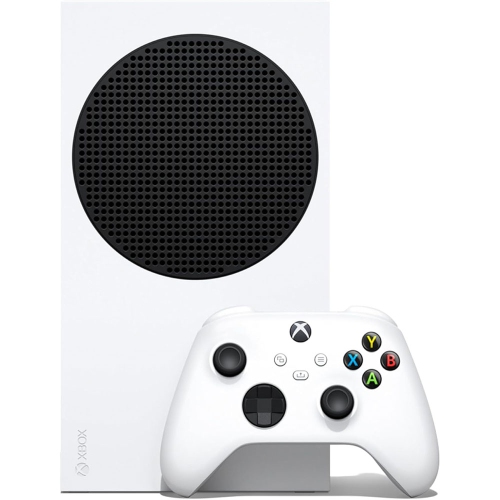 Your price for this item is $799
-
 Your price for this item is $649.99
-
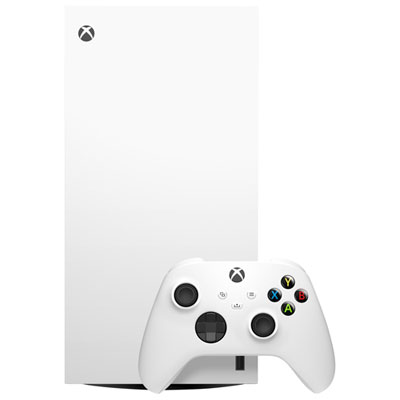 Your price for this item is $949.99
-
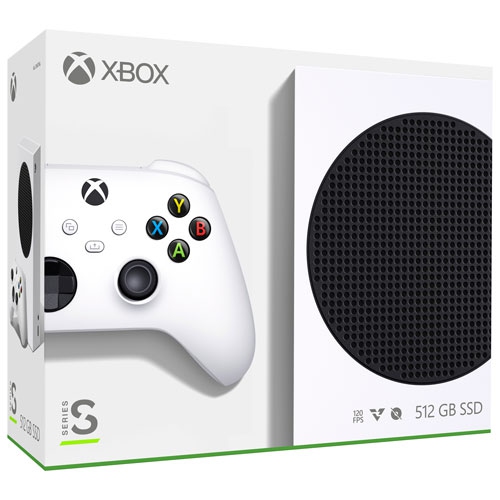 Your price for this item is $629.99
-
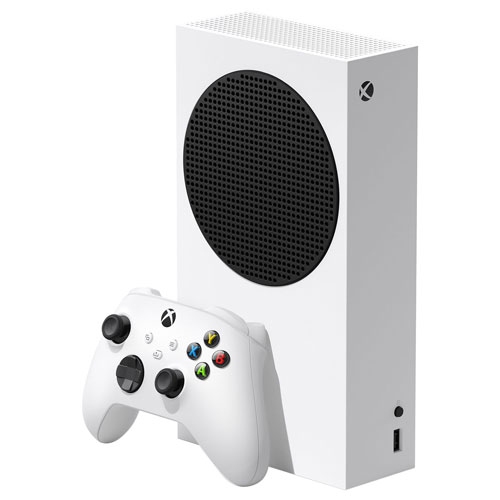 Your price for this item is $629.99
-
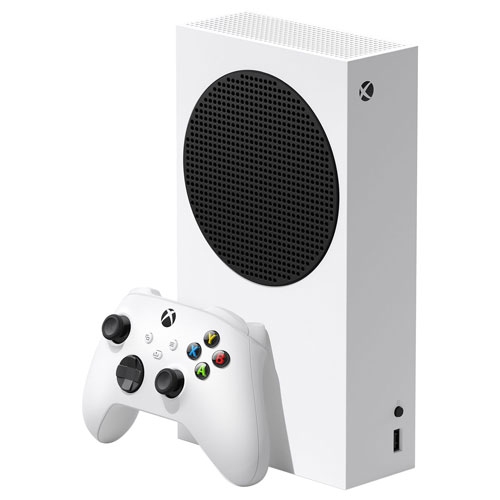 Your price for this item is $629.99
-
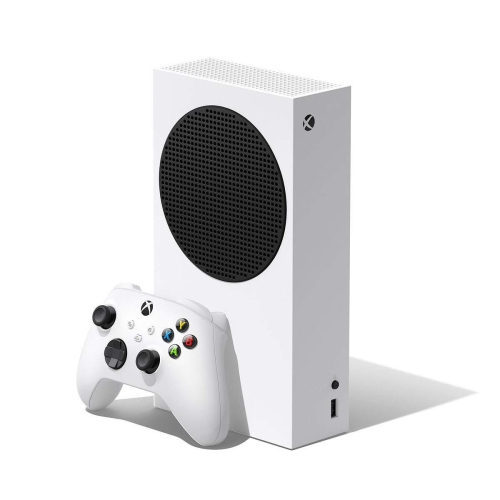 Your price for this item is $629
-
 Your price for this item is $64.49
Discover more categories related to Home Video Game Consoles


Top Collections:
Pokemon Centers, Kindle Devices, Best Black Friday Deals This Year, Pokémon 30th Celebration Cards, Best Black Friday Deals On Electronics, Best Cameras for Sports Photography, Best Black Friday Deals On Apple Products, Canon G7X Cameras, iPhone 15 Apple, Candle Warmer Lights
Some products may be subject to Environmental Handling Fees
(EHF) depending on your province.
Learn more about EHFs.