Movie Games
Dive into the captivating world of movie games, where the thrill of cinema meets the excitement of interactive play. Whether you're a cinephile looking to relive iconic scenes or a gamer seeking an immersive storyline, movie games offer a unique blend of storytelling and gameplay that brings your favorite films to life. From action-packed adventures to heartwarming narratives, these games provide endless entertainment for players of all ages. Explore a diverse selection that promises to transport you straight into the heart of your favorite movies, offering hours of fun and unforgettable experiences.
Sort






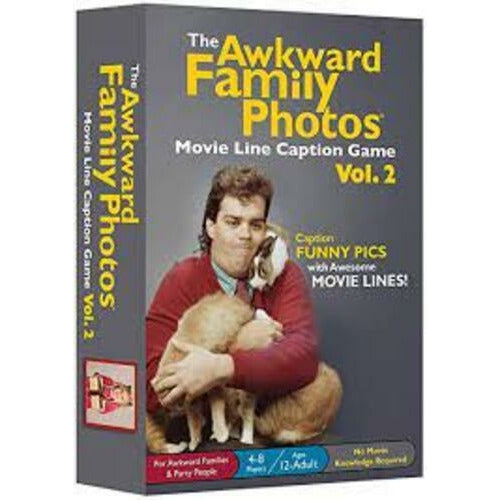
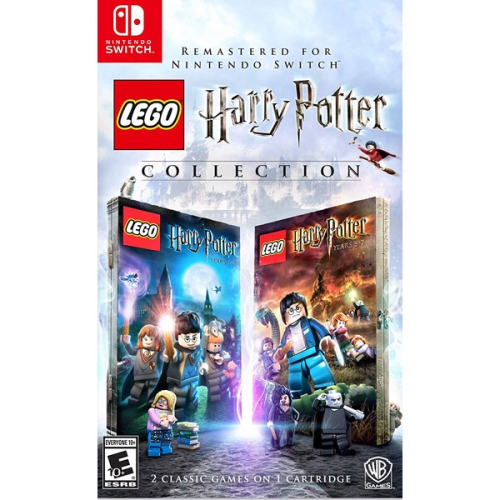


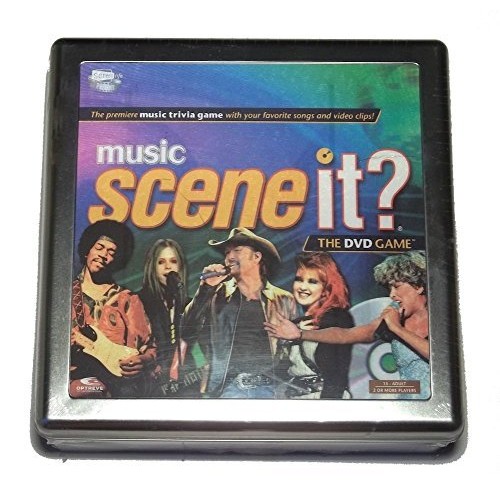


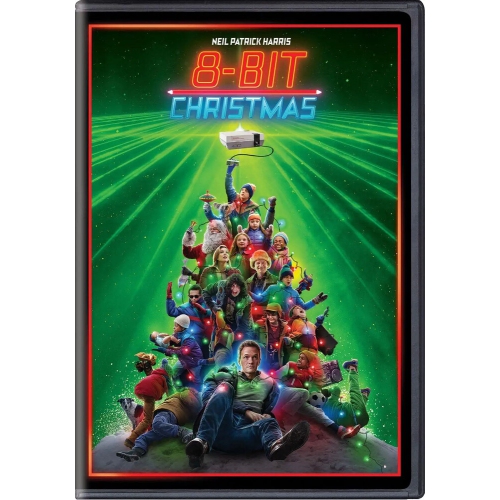






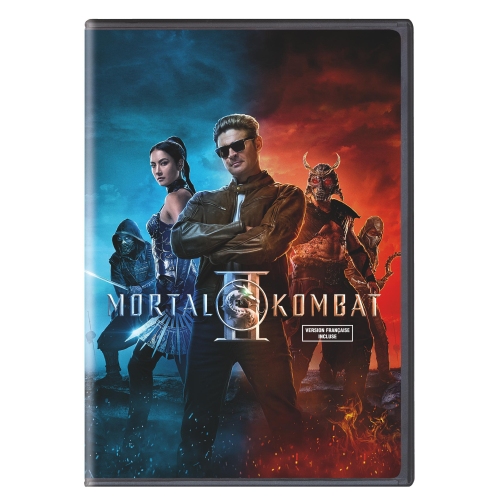


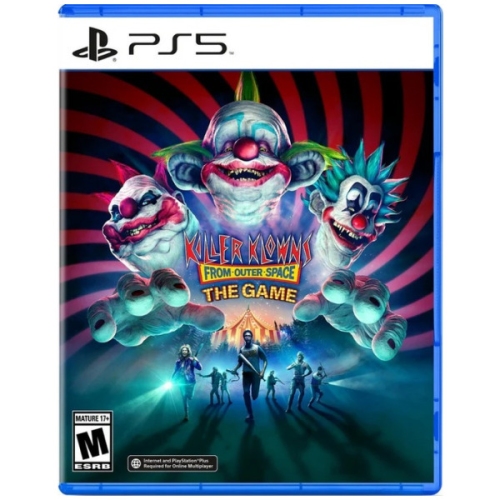
















Different ways to turn film fandom into play
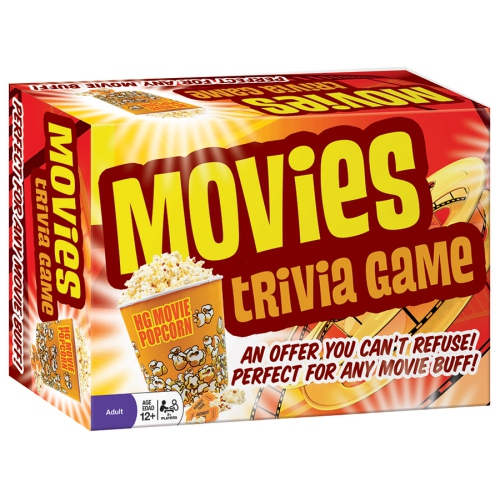
Movie games turn an interest in film into something players can take part in, whether that means stepping into a familiar fictional world, shaping a cinematic story, or testing knowledge around a table. The term covers several distinct types of play: video games adapted from films, interactive narrative games that use film-like storytelling, and movie-themed trivia, card, and board games. A film adaptation usually draws on established characters, settings, or events, while a cinematic game can tell an original story without being connected to a movie at all. Tabletop versions bring the theme into shared activities such as identifying scenes, matching clues, acting out titles, or working towards a story-based objective. These differences matter because enjoying a film does not necessarily mean enjoying every style of game associated with it. Someone who loves elaborate action sequences may appreciate hands-on exploration and combat, while a fan of mysteries may prefer dialogue, evidence gathering, and decisions with lasting consequences. A group that quotes favourite scenes over dinner might get more enjoyment from a lively guessing game than a lengthy campaign. The connection to cinema can also vary in depth. Some games closely follow a film’s plot; others expand its world, introduce side stories, or borrow its visual style and central ideas. Prior knowledge may make references more rewarding, but it is not always required to understand the rules or follow the action. Games built around trivia are more likely to depend on what players already know, so the range of films covered can make a real difference to a mixed group. Broad subject matter gives casual viewers more ways to contribute, whereas narrowly focused themes tend to suit dedicated fans. For a gift, matching the recipient’s preferred way to play is often just as important as matching their favourite genre, especially when choosing between a solo story, a shared screen experience, and a game meant for a full table.
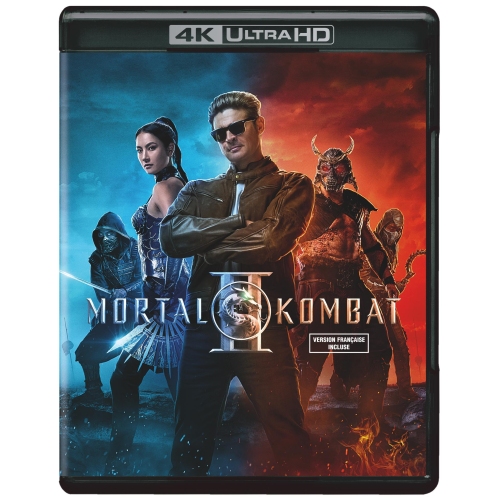
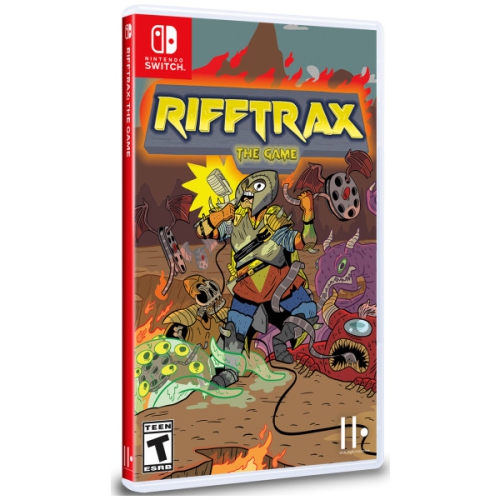
Movie-based video games can offer direct control over adventures that would otherwise unfold on screen without any input from the viewer. Players might explore a detailed location, solve a puzzle that opens a new route, or coordinate with a partner during a hectic sequence. Interactive cinematic games place more emphasis on presentation and decisions, often combining voiced conversations, carefully framed scenes, and branching storylines. Some use live-action footage, while others use animated characters and rendered settings. A dialogue choice may change a relationship or reveal information, although the extent of those changes varies by game; not every choice produces a different ending. For players who prefer following a story to mastering complex controls, adjustable difficulty, clear objectives, and generous timing options can make the experience more comfortable. Subtitles, readable text, remappable controls, and separate audio settings are also worth checking, particularly when a game relies heavily on spoken clues or quick reactions. Platform compatibility comes first: a game needs to match the intended console or computer, and computer editions may have specific hardware requirements. Physical editions also require a compatible disc drive when supplied on disc. Digital editions can involve account access, downloads, and storage requirements, while some features may need an internet connection or a separate subscription. Multiplayer descriptions deserve close attention because local shared-screen play, split-screen play, and online play are different arrangements. A game described as cooperative does not automatically let two people play together on the same television. Age ratings and content descriptors help distinguish family-oriented adventures from stories with intense violence, frightening imagery, or strong language, regardless of how familiar the film theme feels. For physical copies, handling discs by their edges and returning them to their cases helps protect the playing surface from scratches. Keeping cases away from spills and direct heat also helps preserve packaging. Replay value may come from alternative story paths, optional challenges, or simply enjoying the action again, rather than from the film connection alone.
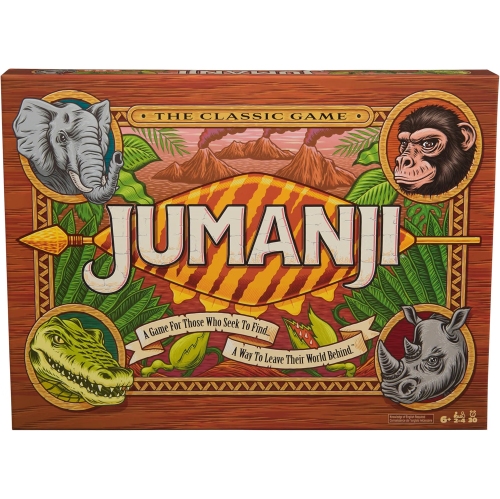
Tabletop movie games bring a different kind of interaction, with conversation, shared clues, and the occasional enthusiastic performance becoming part of the entertainment. For groups that prefer cards, boards, and face-to-face play, movie board games connect a love of cinema with a shared activity away from the television. Trivia formats reward recall, but other styles use deduction, visual clues, storytelling, or acting, giving players different ways to participate. Team play can help balance a table where one person remembers every supporting character and another mostly knows major releases. A cooperative format may suit a group that enjoys working through a challenge together, while competitive scoring adds structure for players who like a clear winner. Player count, expected playing time, and reading demands help indicate whether a game fits a relaxed evening for two, a family gathering, or a larger get-together. Table space matters too: a compact deck is easier to set up on a small surface than a board with separate areas for cards, tokens, and individual player pieces. For younger participants, consider not only the stated age range but also whether clues assume years of film knowledge. Themes and references can reveal plot details, so story-sensitive fans may prefer to watch the relevant films before playing. Materials affect how tabletop games stand up to repeated handling. Cardstock thickness, board construction, and the size and finish of pieces influence how they feel during play and how easily they can be stored. Frequently shuffled cards benefit from gentle handling, and appropriately sized protective sleeves may help limit edge wear, provided they still fit the storage compartments. Dry hands, a clear playing surface, and drinks kept away from paper components reduce the risk of accidental damage. Follow any supplied care instructions rather than applying liquids or cleaning products to printed cards and boards. Sorting pieces after play makes the next setup easier and helps keep small components accounted for, particularly in homes with young children. As gifts, movie games suit film enthusiasts, regular game-night hosts, and people who enjoy sharing an interest through an activity. A manageable session length and a theme the recipient genuinely enjoys can make the difference between a game that stays on the shelf and one that becomes a familiar part of getting together.
Top selling and popular products
-
 Your price for this item is $139.99
-
 Your price for this item is $21.99
-
 Your price for this item is $13.99
-
 Your price for this item is $18.99
-
 Your price for this item is $17.6
-
 Your price for this item is $119.99
-
 Your price for this item is $4.99
-
 Your price for this item is $119.99
Discover more categories related to Movie Games



Top Collections:
Pokemon Centers, Kindle Devices, Best Black Friday Deals This Year, Pokémon 30th Celebration Cards, Best Black Friday Deals On Electronics, Best Cameras for Sports Photography, Best Black Friday Deals On Apple Products, Canon G7X Cameras, iPhone 15 Apple, Candle Warmer Lights
Some products may be subject to Environmental Handling Fees
(EHF) depending on your province.
Learn more about EHFs.