Multiplayer Fighting Games XBOX One
Multiplayer Fighting Games XBOX One deliver thrilling head-to-head action, perfect for gamers who love intense competition and fast-paced matches. Whether you're challenging friends locally or testing your skills online, these games offer endless excitement and replay value. Explore a wide range of titles that let you engage in epic battles, master unique fighting styles, and climb the leaderboards. Find your next favorite multiplayer fighting game for XBOX One and experience the adrenaline rush of victory with every match.
Sort
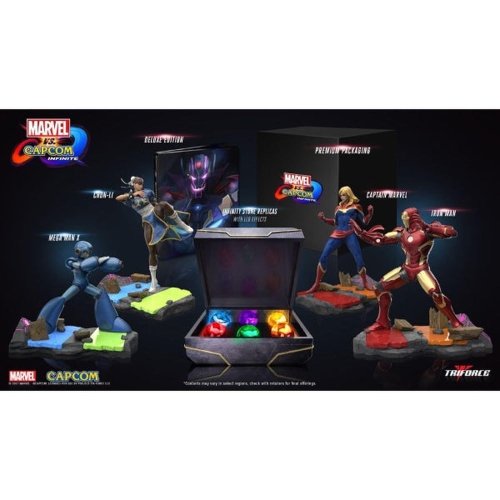
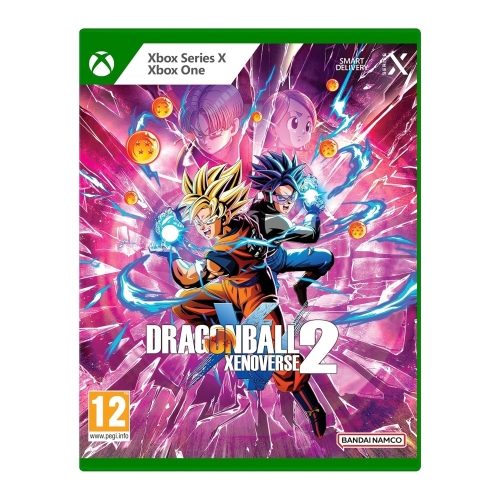
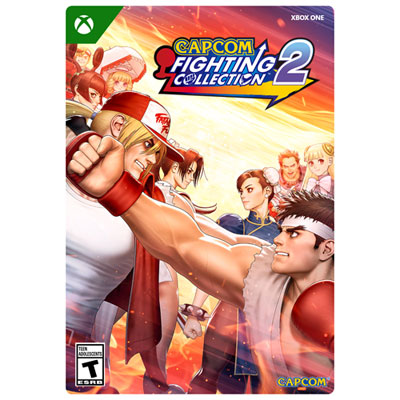
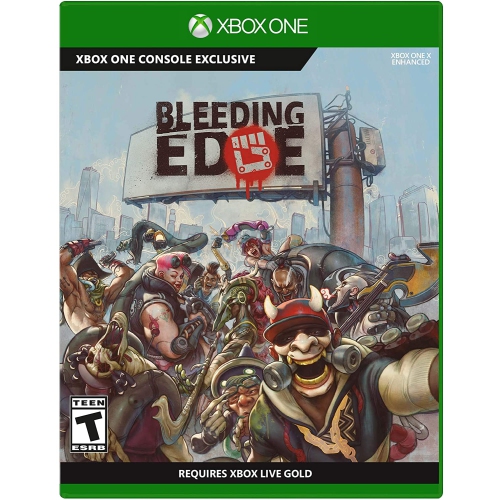

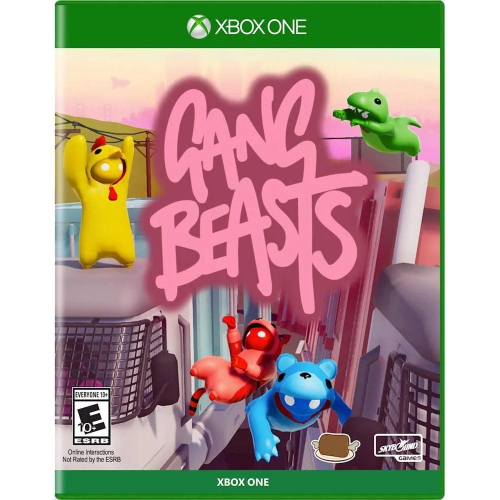
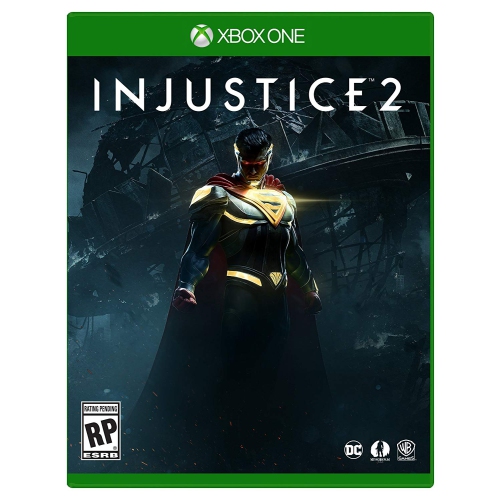
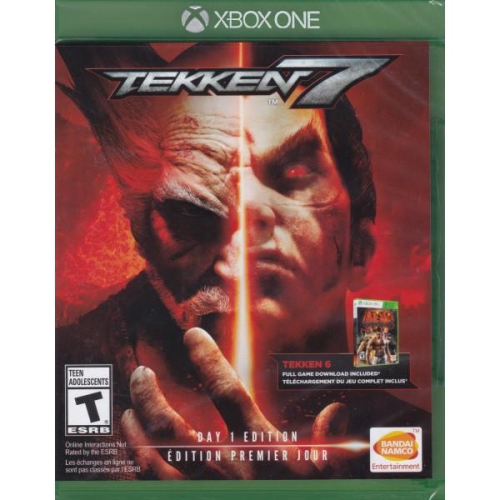
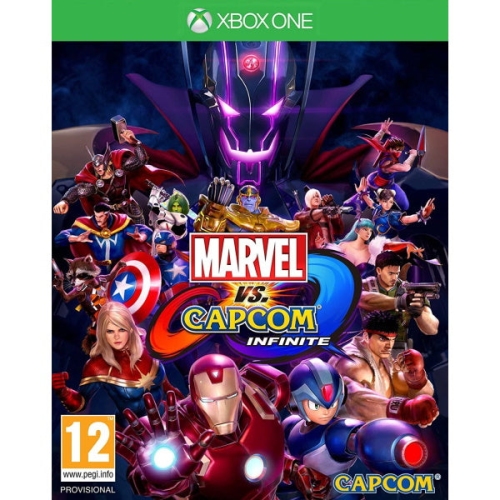
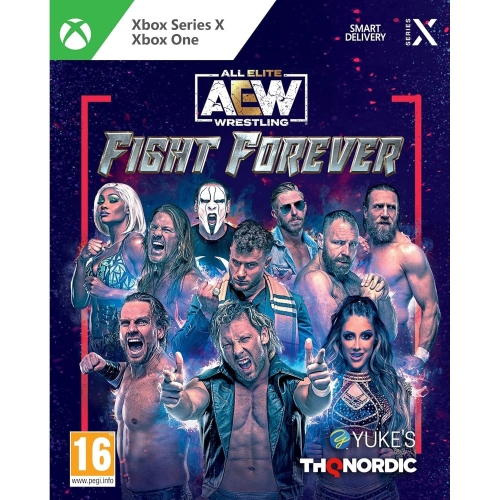
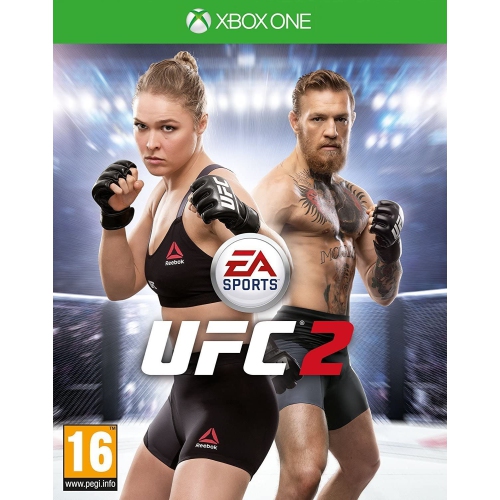
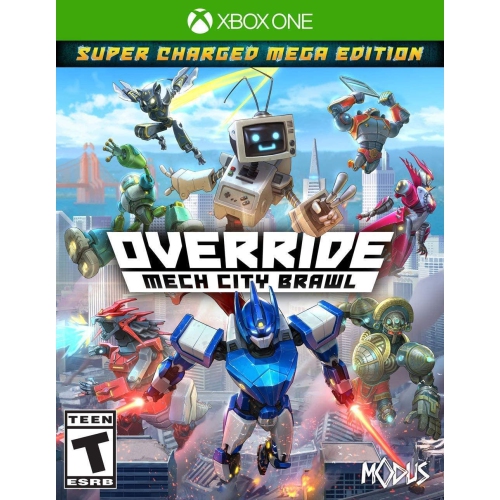
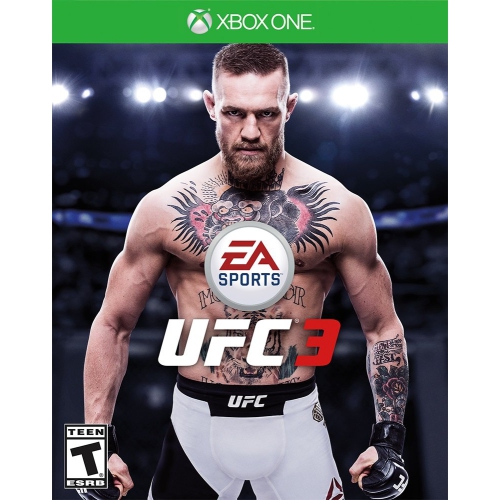
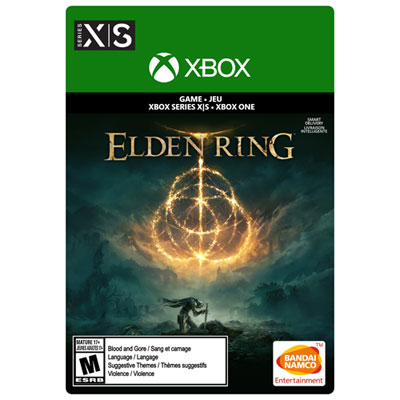
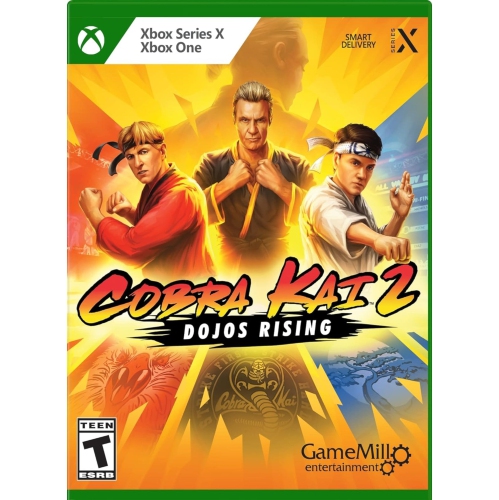
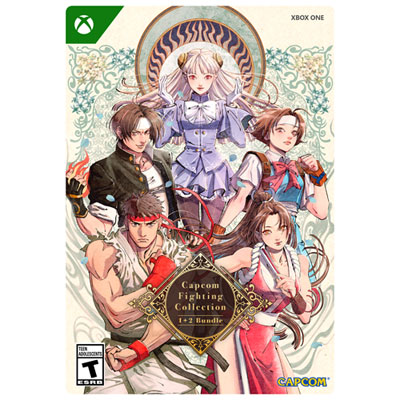
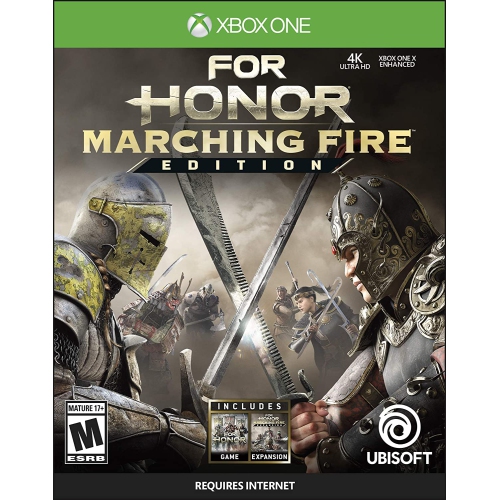
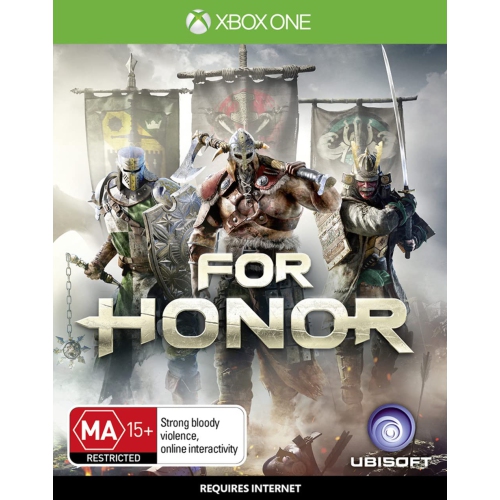
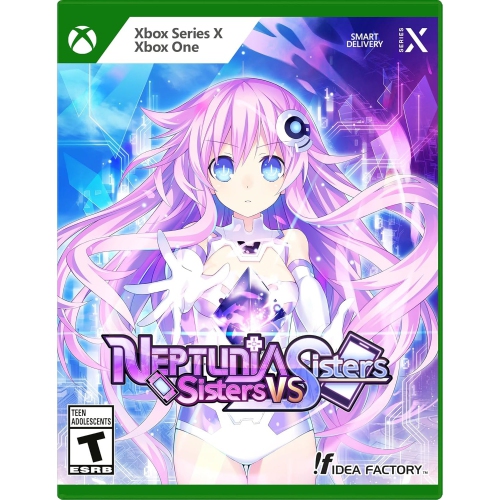

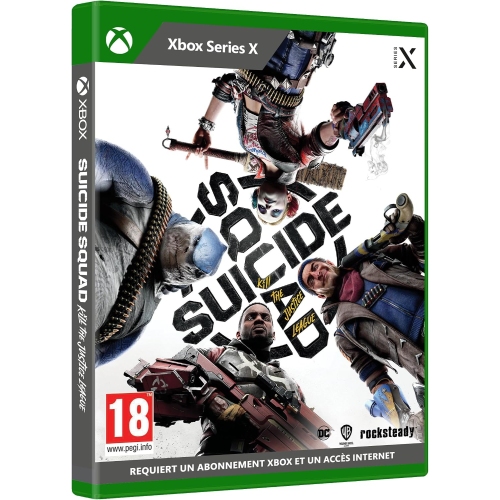
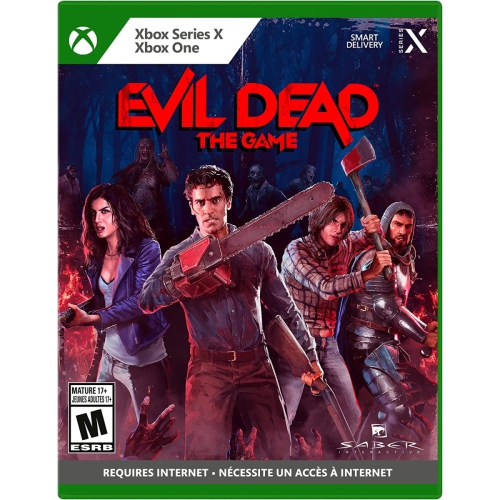
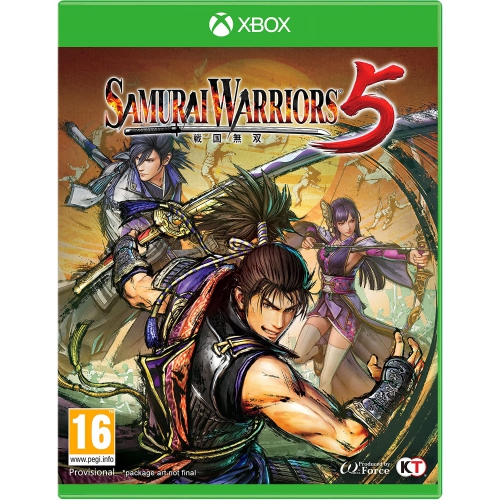
Different fighting styles set the stage for friendly rivalry
Multiplayer fighting games for Xbox One bring players together for head-to-head matches built around timing, movement, defence, and character abilities. The category includes traditional 2D fighters, games with movement through 3D arenas, and tag-team formats that let players switch between characters during a bout. Each style creates a different rhythm. A 2D fighter generally keeps opponents on a shared plane, making spacing, jumping, and the reach of an attack central to each exchange. A 3D fighter can add sidestepping and additional movement options, so positioning involves more than the distance between two opponents. Tag-team games introduce another layer through character combinations, assists, or switches, depending on the rules. A team of characters does not necessarily mean several people can play together, however; some team-based formats still involve just two human opponents. Across these styles, multiplayer usually means competitive versus play rather than cooperative play against computer-controlled enemies. That distinction matters for anyone picturing an evening of shared-screen competition instead of a campaign played together. The appeal can be immediate: two players choose their characters, settle into a round, and start learning each other’s habits. One might favour patient blocking and carefully timed counters, while another presses forward with quick attacks and throws. Short rounds make it easy to swap opponents during a gathering, while deeper move sets give regular players plenty to practise between rematches. Some games emphasize accessible inputs and straightforward attacks; others reward longer combinations, precise execution, and detailed knowledge of individual matchups. Those differences shape how welcoming a game feels to newcomers and how much depth it offers experienced players. Visual style also varies, from colourful, exaggerated action to more realistic presentations. Together, the combat format, learning curve, and tone help distinguish games that suit relaxed rivalry from those built for sustained competitive play. A small character roster can still offer contrasting approaches, while a larger roster may give a group more room to find personal favourites.
Local and online multiplayer support determine how those matches fit into everyday play. Local versus lets opponents play on the same Xbox One console, typically with a controller for each person. Many fighting games show both characters on one shared screen rather than using split-screen, which keeps the action easy for nearby spectators to follow. A two-player match can become the centre of a larger gathering as friends rotate controllers between bouts, but the number of simultaneous players depends on the individual game. Someone looking specifically for same-room play can also explore Xbox One Local Multiplayer Games for a broader range of shared-console experiences. Online multiplayer serves a different purpose, connecting opponents who are playing from separate locations. Depending on the game, it may include private matches with friends, casual matchmaking, ranked competition, or lobbies where players watch and wait for their turn. Ranked modes often pair competition with progression systems, while private rooms can make it easier to practise with a familiar opponent without focusing on standings. These features are not universal, and local play support does not automatically mean a game also supports online matches. Online modes require an internet connection and may require a paid console multiplayer subscription; accounts, updates, and service requirements vary by title. Cross-platform play is also game-specific rather than a standard feature of every Xbox One fighting game. Connection quality matters because a delayed input can change the outcome of a close exchange. A wired network connection can help reduce interference, while Wi-Fi performance depends on factors such as distance from the router and other network traffic. The game’s networking design and both players’ connections also affect responsiveness. For a household that mainly plays together on one television, clear local multiplayer support may matter more than an extensive online ranking system. For friends who meet remotely, private-match options and compatible online features become much more important.
Comfort, usability, and the way a game supports learning can have as much influence on enjoyment as its combat style. A responsive directional pad, comfortable button placement, and a controller that fits the player’s hands can make repeated movements easier during longer sessions. Some players prefer a standard controller, while others enjoy the larger buttons and joystick layout of a compatible arcade-style controller. Accessory compatibility varies, and a different controller layout is a matter of preference rather than a requirement for enjoying the genre. Within a game, adjustable difficulty, practice modes, move lists, button remapping, and tutorials can help players build confidence, where those features are included. A useful practice session might involve repeating a simple attack sequence, learning how to escape pressure, or working out why a particular move leaves a character open to a counterattack. Readable menus, subtitle options, clear visual cues, and other accessibility settings can also affect how comfortably someone follows the action. For physical games, careful handling protects the disc’s readable surface: holding it by the edges, returning it to its case, and keeping it away from scratches and direct heat help preserve its condition. Digital games avoid disc handling but still require enough console storage, and installation or updates may be needed with either format. The edition’s Xbox One compatibility and any separately required content also matter, especially when friends expect to use the same characters or modes. For gifts, the recipient’s preferred play style, controller setup, and interest in local or online competition provide useful context. Age ratings and content descriptions deserve attention because fighting games vary considerably in their depiction of violence, language, and other mature themes. A game suited to a competitive adult player may not suit a younger sibling joining a family game session. The most satisfying fit brings the right balance of approachable controls, engaging characters, and multiplayer features for the people taking part, whether that means a few friendly rounds after dinner or an ongoing rivalry built through regular rematches.
Top selling and popular products
-
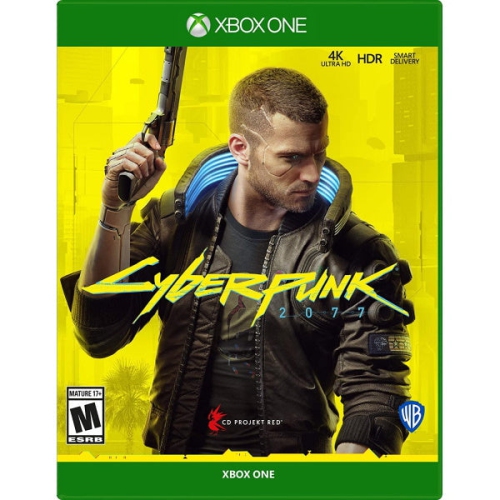 Your price for this item is $49.99
-
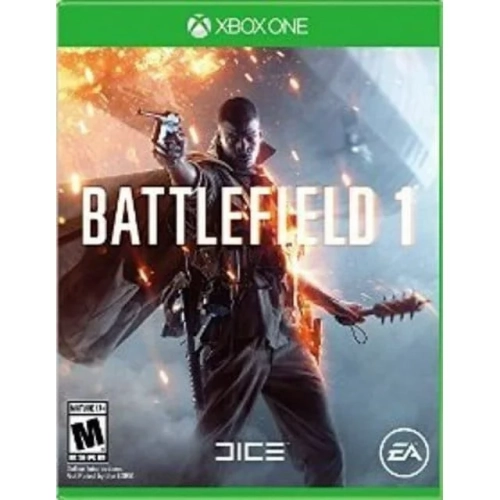 Your price for this item is $39.99
-
 Your price for this item is $49.99
-
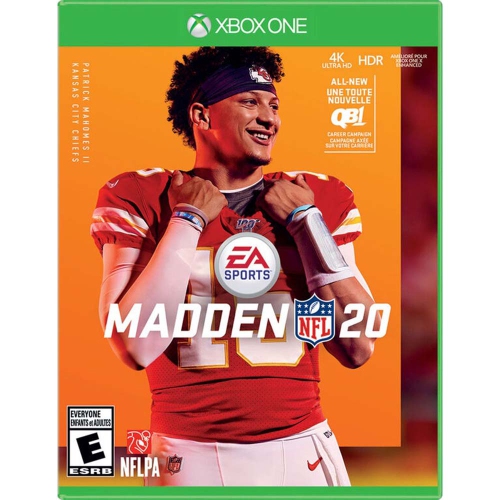 Your price for this item is $29.99
-
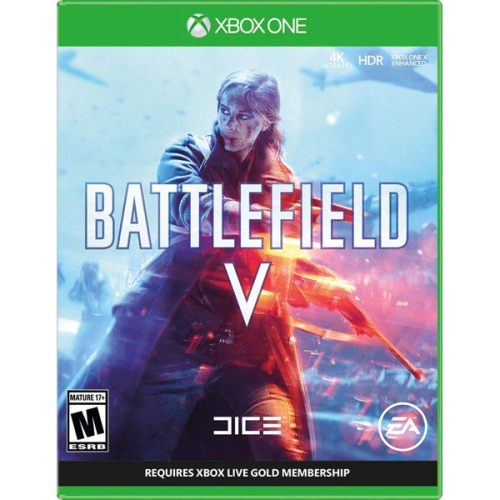 Your price for this item is $31.95
-
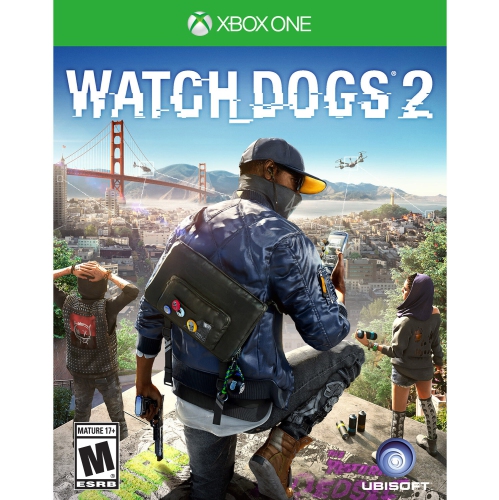 Your price for this item is $21.84
-
 Your price for this item is $39.95
-
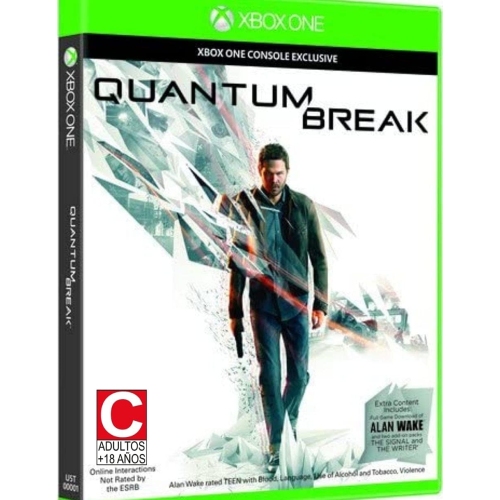 Your price for this item is $31.49
Discover more categories related to Multiplayer Fighting Games XBOX One

Top Collections:
Best Black Friday Deals This Year, Best Black Friday Deals On Electronics, Kindle Devices, Dyson Airwrap, Best Cameras for Sports Photography, Best Budget Office Chairs, Canon G7X Cameras, PS5 Pro Consoles, Best Black Friday Deals On Apple Products, XBOX One S Consoles
Some products may be subject to Environmental Handling Fees
(EHF) depending on your province.
Learn more about EHFs.